
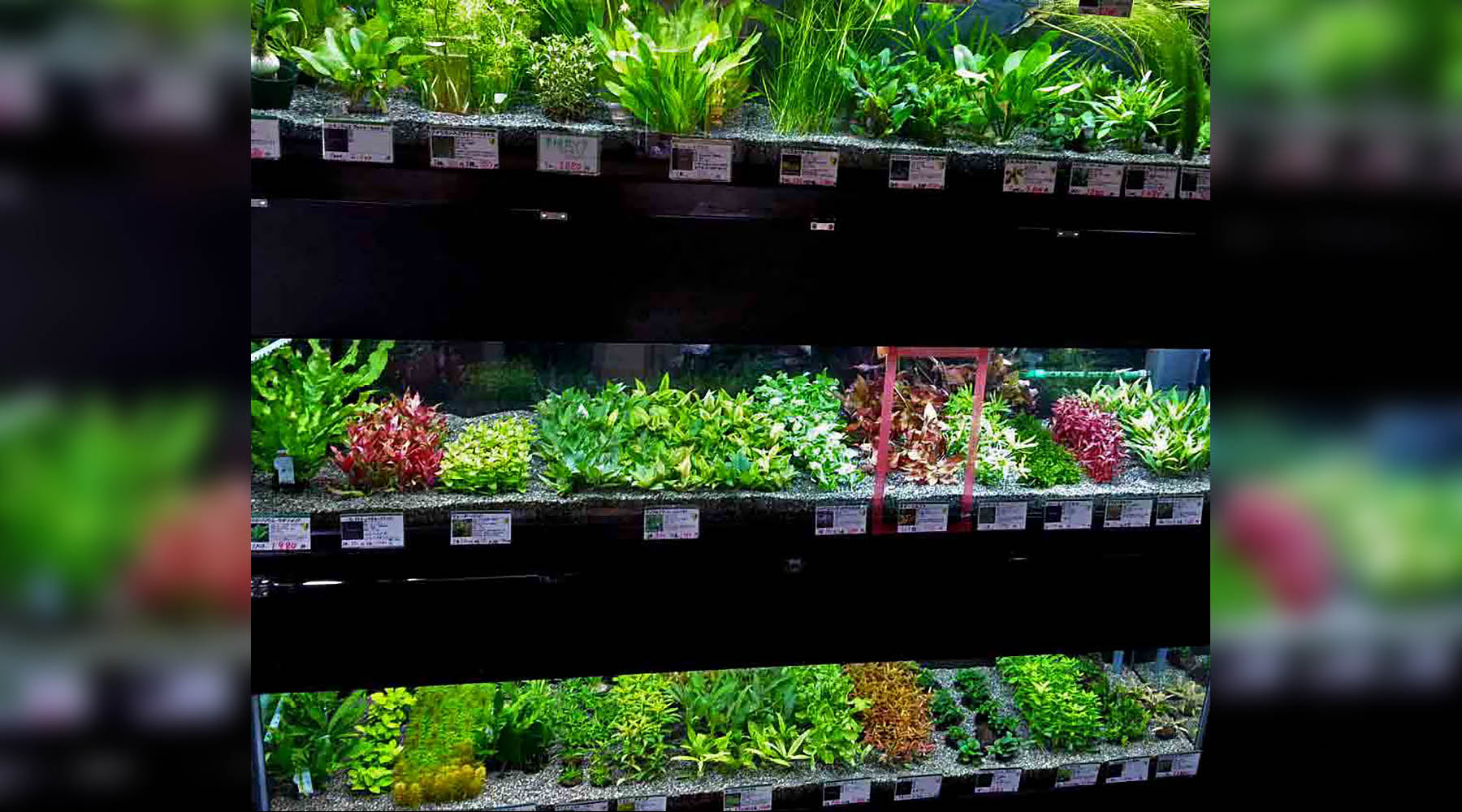
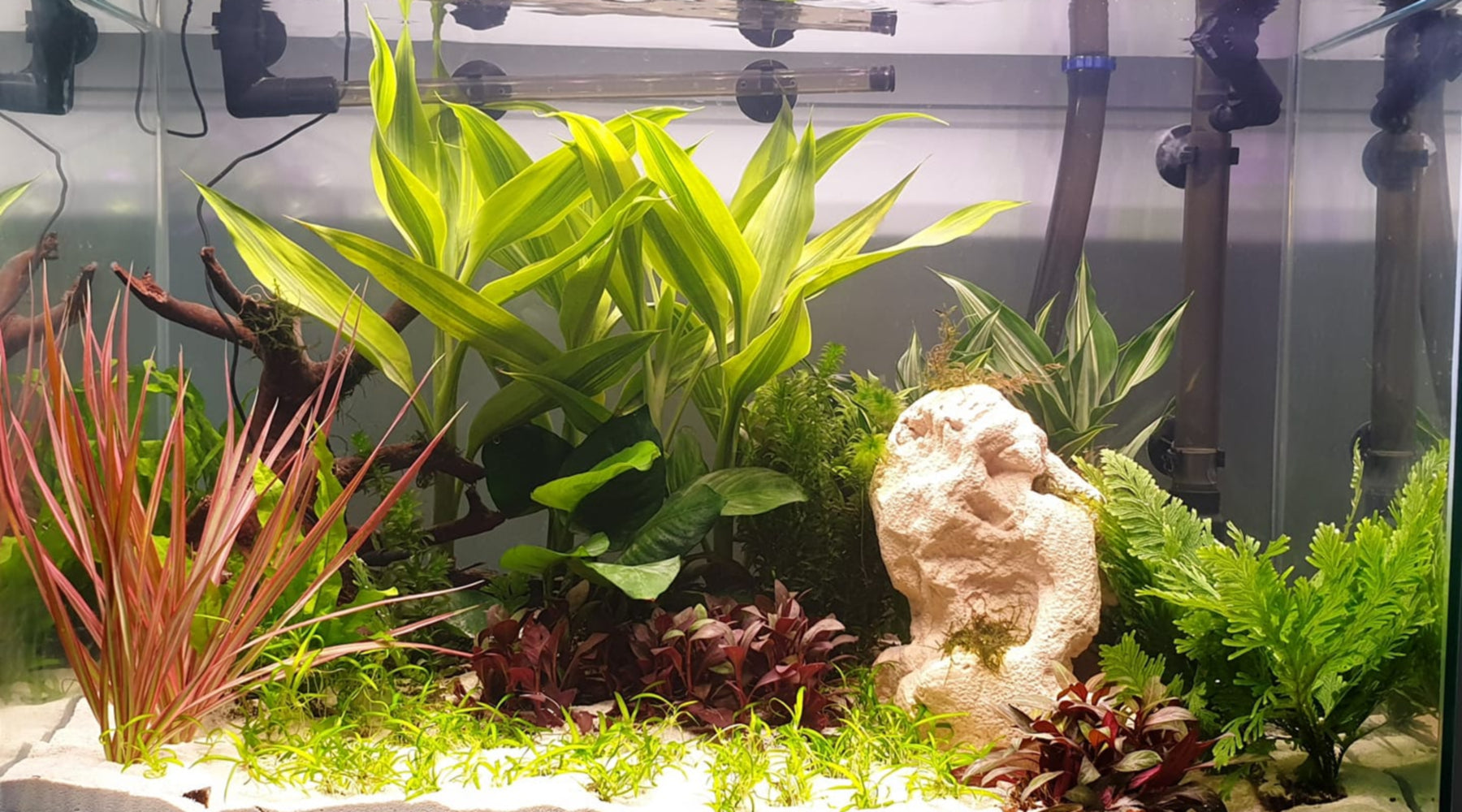
The picture above shows the holding tanks in a shop in Japan. Inert, coarse sand is used in the tanks because the plants are often uprooted for sale.
When it comes to substrate, we are faced with a dazzling array of choices. For details on the different types of substrate, click here. When it comes to making a choice, there are basically 3 key parameters to consider: ease of management, impact on plant growth and cost. Ultimately you have to prioritise which is more important.
| INERT SUBSTRATES | COMMERCIAL AQUASOILS | DIY SOIL SUBSTRATES |
| Easy to manage, Cheap but mediocre impact on plant growth. | Easy to manage, Great for plant growth but expensive. | Cheap, Great for plant growth, but harder to manage. |
Just Starting Out?
For people just starting out and unsure of the type of aquascape they want to build or where they want to place certain plants, using an inert substrate allows plants and hardscape to be moved around easily without much mess. Importantly for new active aquascapers, this approach encourages experimentation and learning. This is the standard choice for many planted shops for their tanks - where plants are often uprooted to be sold. It is also much easier to keep clean.
A planned aquascape with mostly permanent planting
If you are building with an aquascape in mind:
- Aquasoils
- Dirt with cap (lean top soil 1-2 inches with coarse sand cap 0.5 - 1 inch)
Where there is some expectation of durability and achieving optimum plant growth is a priority, Aquasoil/Dirt with cap can be used in planted areas, with cosmetic sand in areas not fully planted to match the hardscape setting. Mixing substrates means more work during installation and also to keep the layers separate during replanting.
Growing easy or difficult plants?
If your aquascape is made up of easy-to-grow plants, choose inert substrates that are easier to manage. Harder plants? If you want every edge possible, choose aquasoil.
Frequent replanting?
Beginners who intend to do a lot of replanting will do better with inert substrates. This also makes it easier to move the hardscape. Dutch-style aquascapes that require very regular topping and replanting can also consider using inert substrates.
Discipline to dose regularly?
Are you prepared to dose every other day? Is regular dosing a chore? If yes, use aquasoils/ garden soil /dirt. When combined with root tabs, this combination allows more leeway in water column dosing.

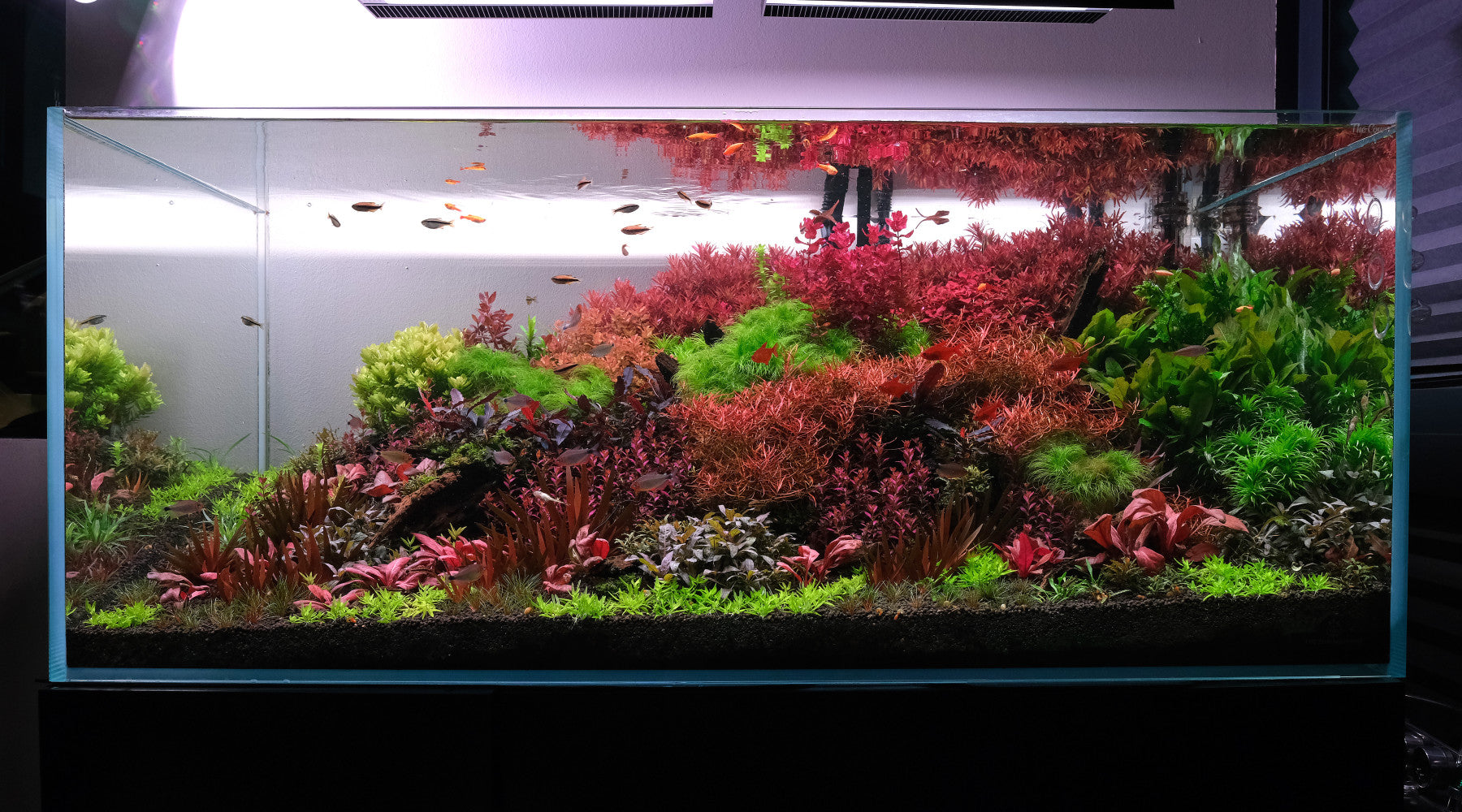
A lush 120 gallon planted tank by Joe Harvey, using plain gravel (black diamond blasting sand). Read his very informative journal here. A great demonstration of management techniques.

Even expert growers such as Tom barr who dose their water column with nutrients very regularly still make use of aquasoil.
What about soil cleanliness in soil based planted tanks?
- Dirt/soil based planted aquarium can be still kept very clean through these steps:
- Where possible, prune without uprooting the entire plant. By allowing bottoms to regrow instead of replanting, it reduces the need for constant replanting.
- Uproot plants slowly by first shaking side to side to loosen the root's grip on soil: avoid pulling vertically in an attempt to yank the plant out in a single move.
- Lightly vacuum the substrate's surface using a slow pump every time replanting is done.
- Use different cap thickness: in areas where plants have very deep roots, use a thicker substrate cap. In areas where plants have short/delicate roots, use a thinner substrate cap.


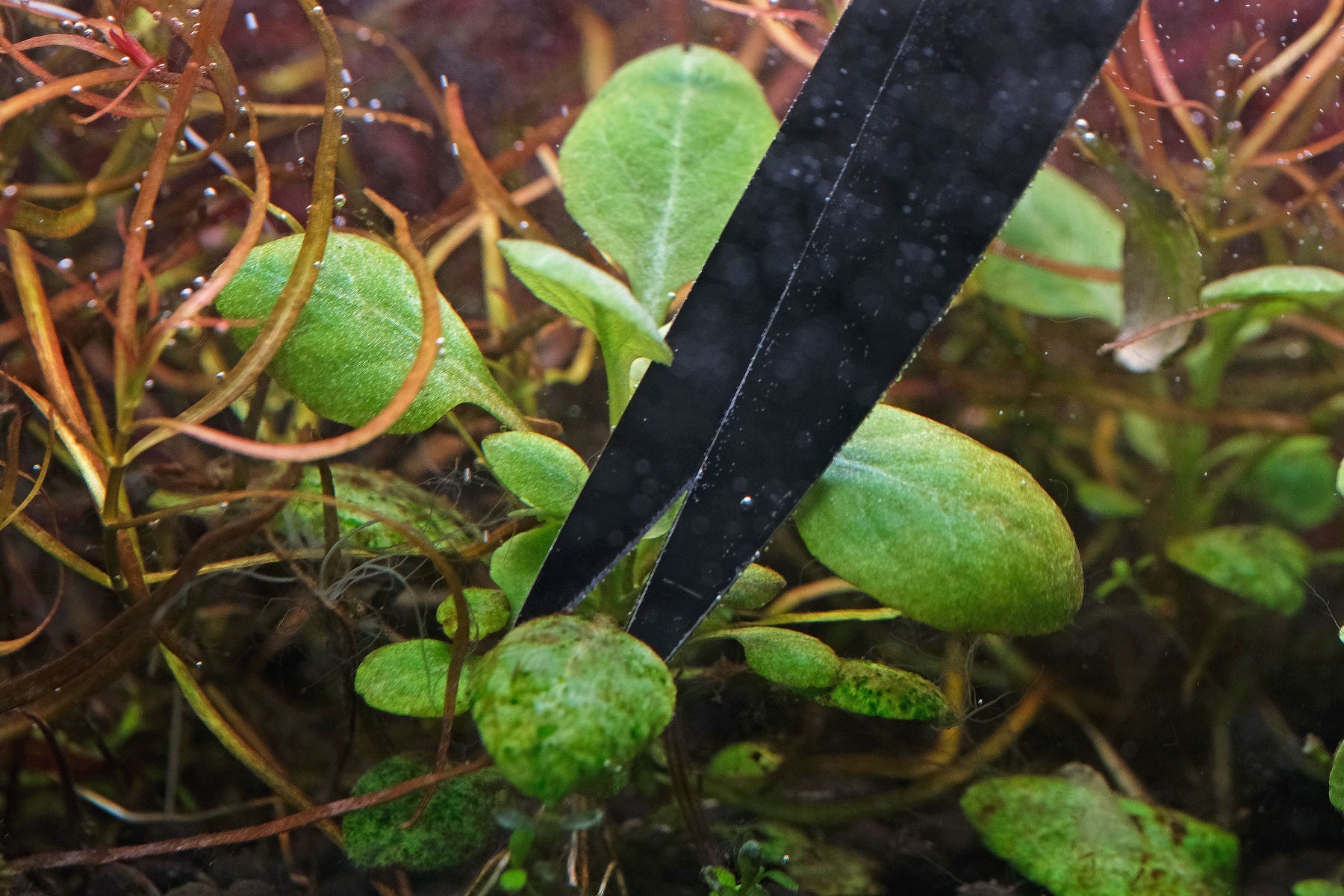
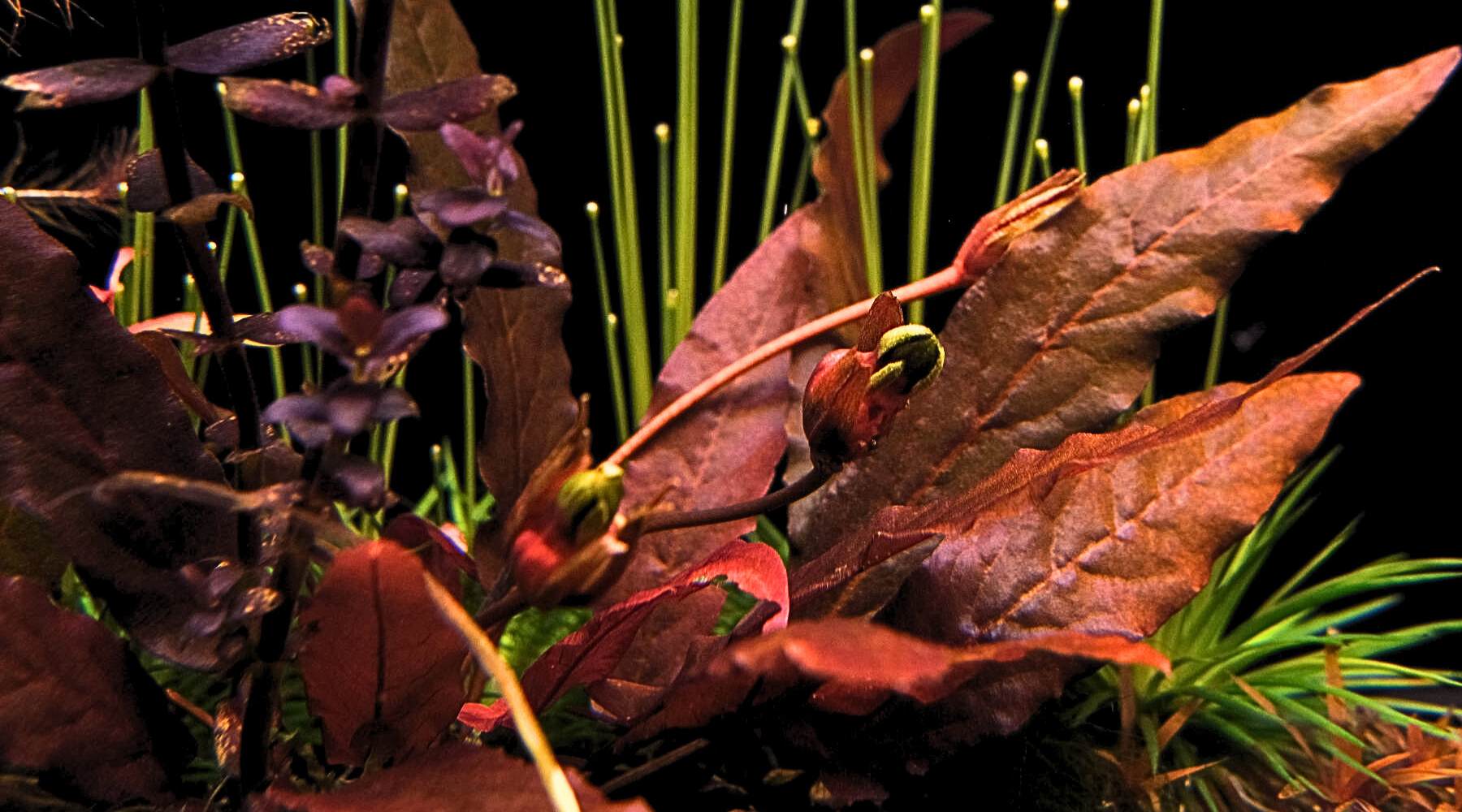
Many delicate carpets grow better in finer grain substrates. Hemianthus callitrichoides "Cuba" the a delicate foreground plant featured here. The red plant is Alternanthera reineckii mini, and it grows far better in soil-based substrates than inert ones.
For detailed care guide to aquarium plants above and more, click here.

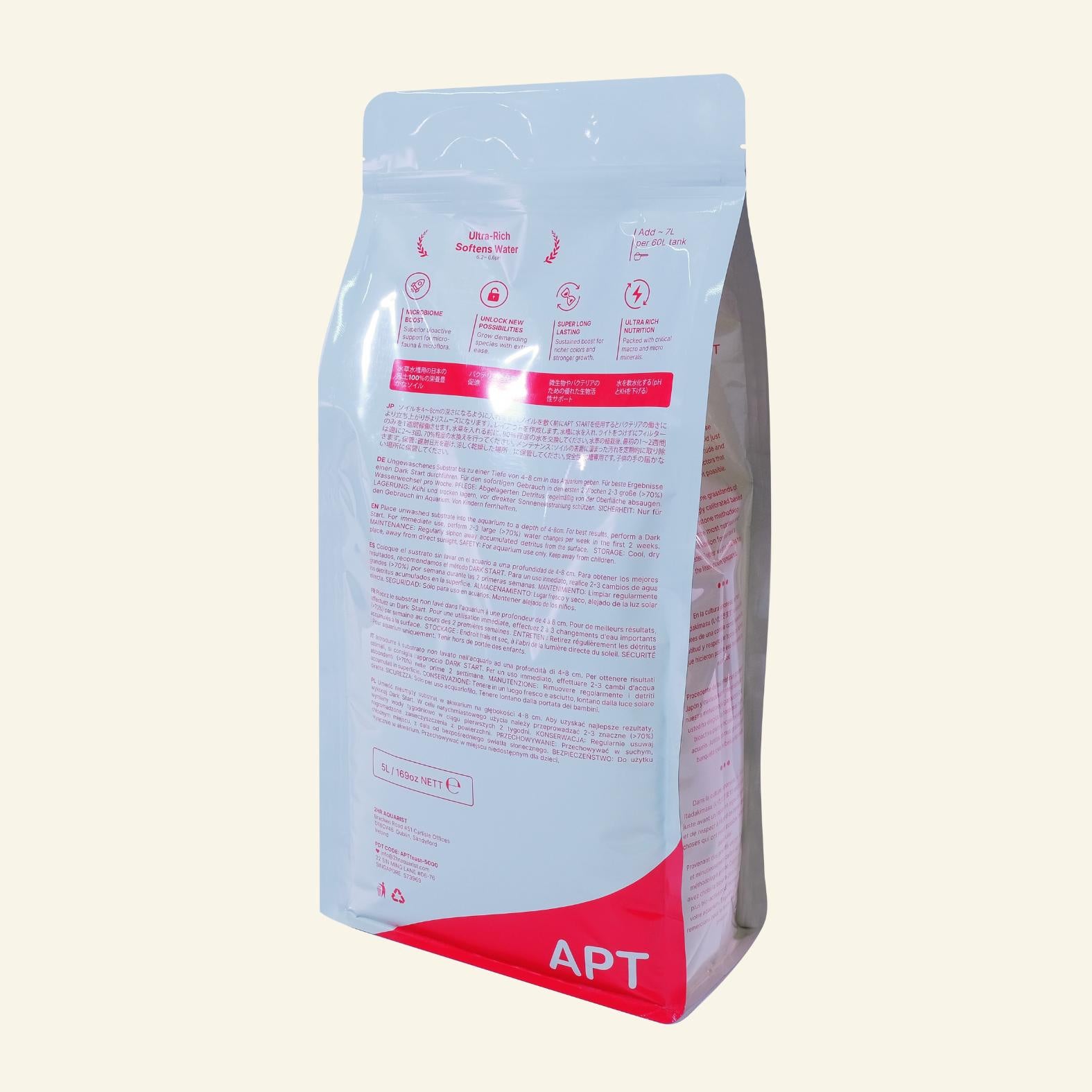
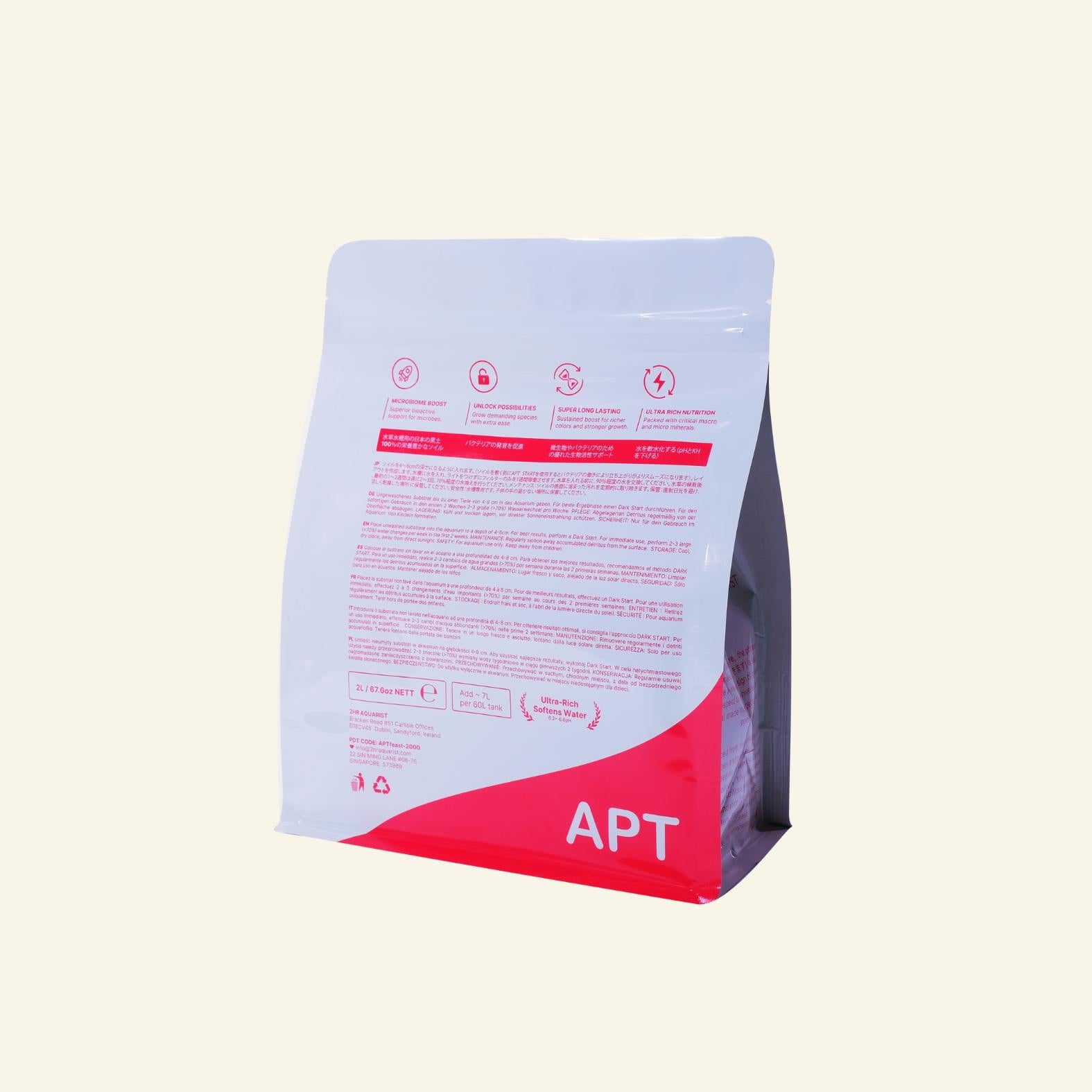
Share:
How to create and manage slopes
How deep can I layer soil? Does thick soil always become anaerobic and cause problems?