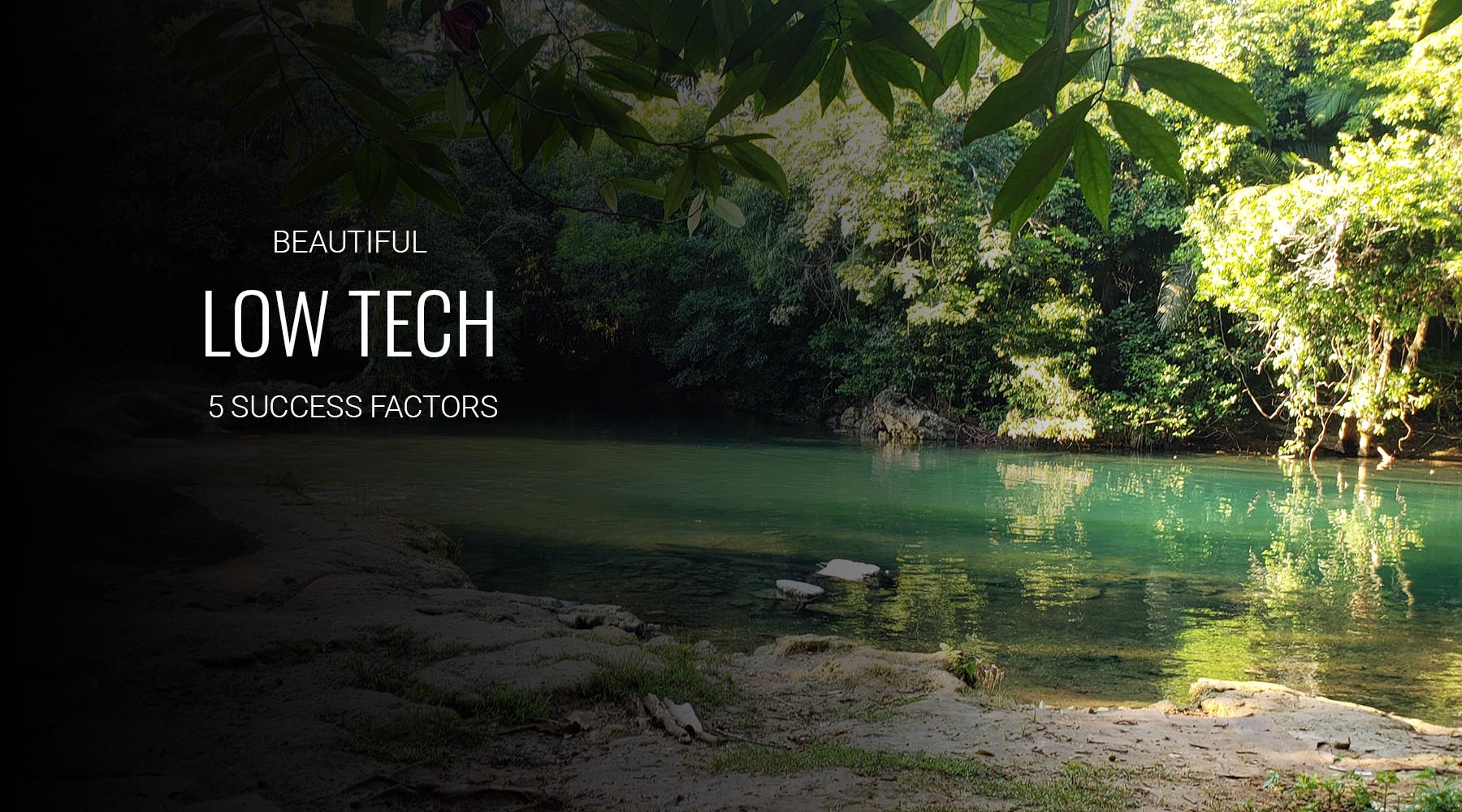
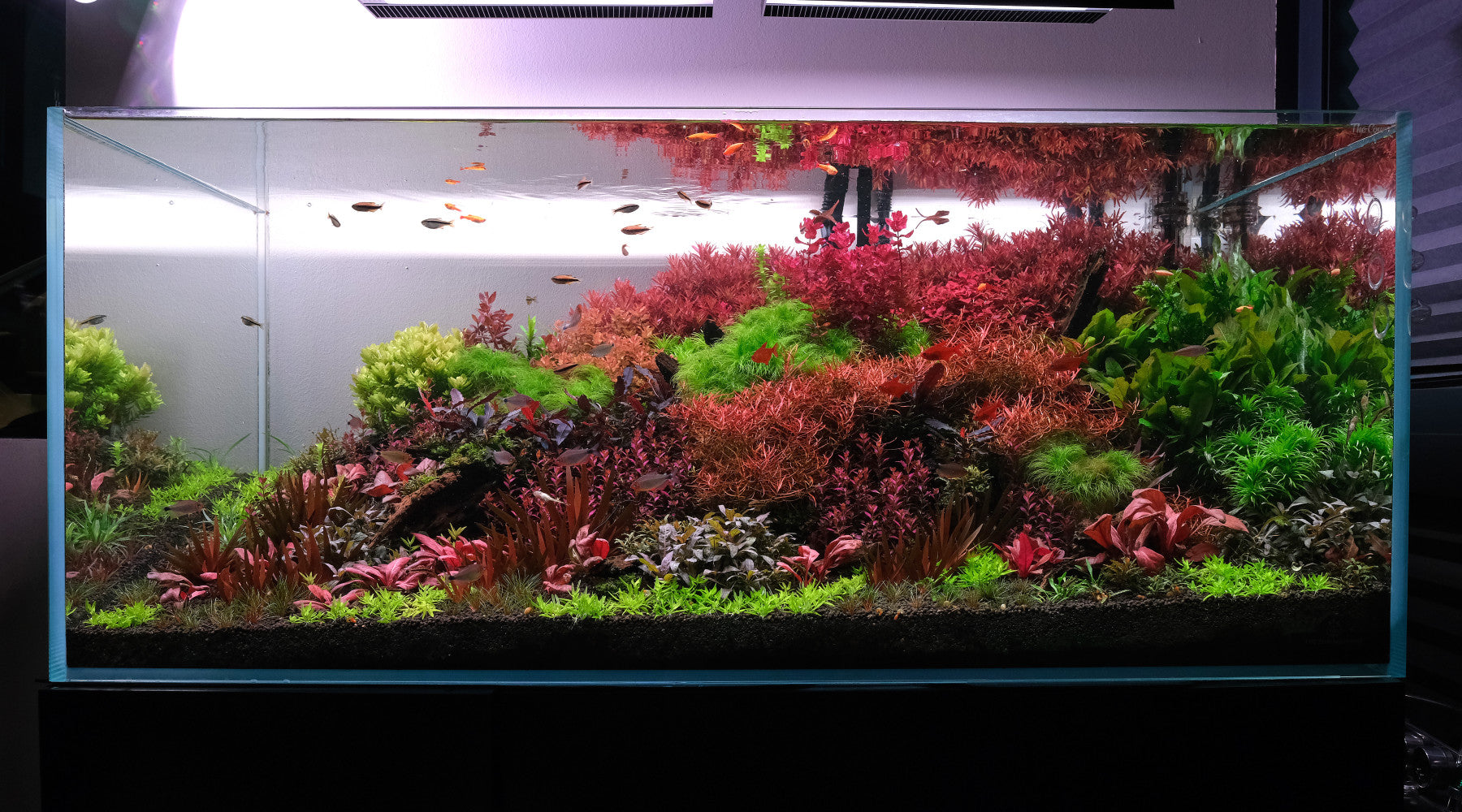
It is possible to have a healthy, low maintenance and visually stunning low-tech planted tank without the use of injected CO2, in the same way that you can make a good cup of coffee without an espresso machine. The coffee will be different, but it can be just as good.
If you are setting up a planted tank without injected CO2, these 5 points will help:

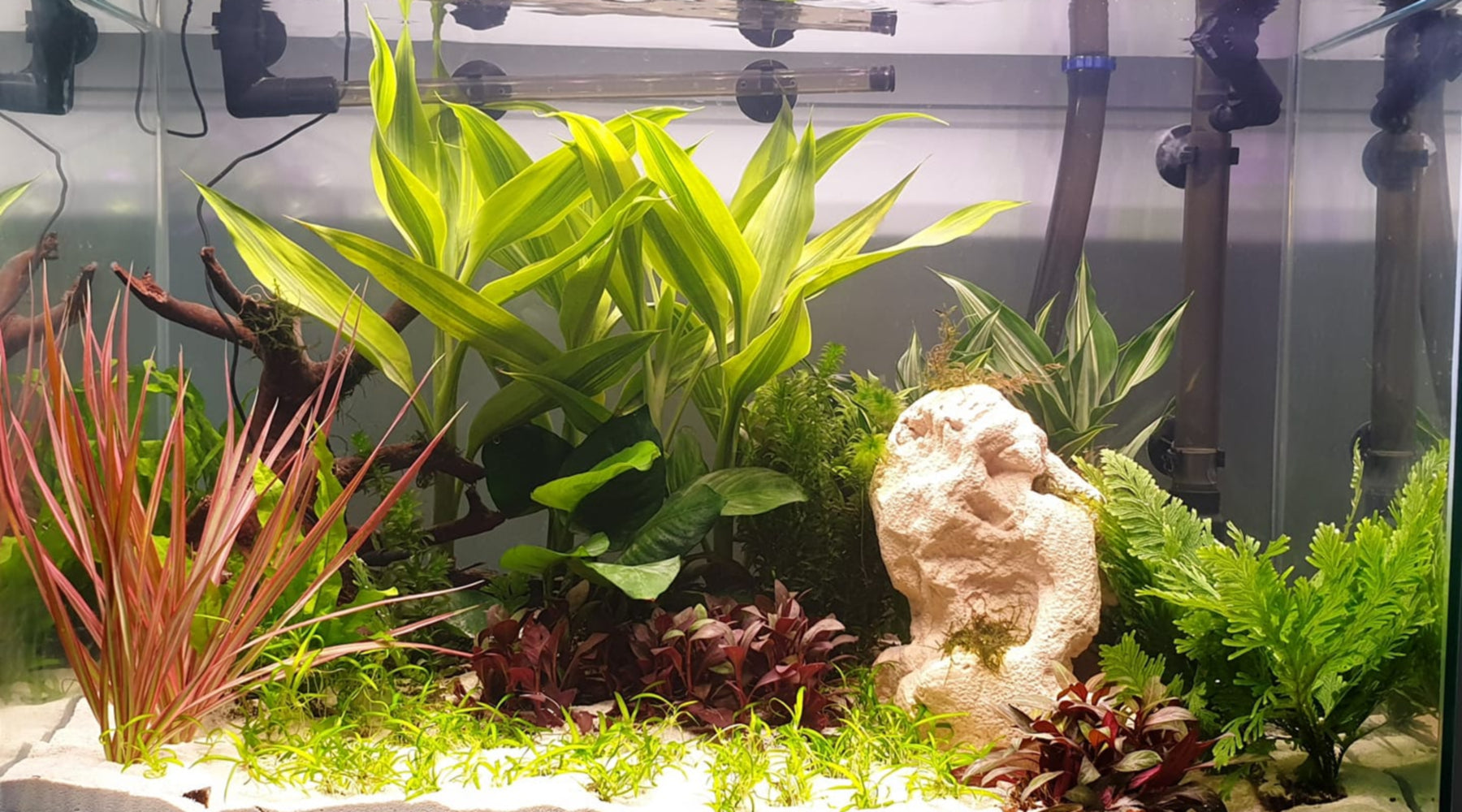
This low tech tank has been running at the 2hr Aquarist gallery for about 8 months. Besides occasional doses of APT Complete for fertilizer, and weekly water changes, this has been a very low maintenance tank. The substrate is aquarium aquasoil, with easy plants such as Java fern, Anubias, mosses. The short foreground plant is Lilaeopsis brasiliensis.
Shallower Tank
A shallower tank such as a 20 gallon long or 40 gallon breeder will work well. Avoid tall tanks as they are difficult to light and difficult to aquascape well. Remember that costs rise quickly with tank size; the cost of a tank is cheap compared to the budgets required for lighting and hardscaping. Allocating a good portion of the budget to hardscape is generally a good idea as it allows for more design choices.
Plan ahead before committing to a large tank.
Small tanks can be great too, head here to see the many benefits of smaller tank sizes.
Medium Light
A medium light level of 30-50 umols of light should work well as a starting point. Higher light levels mean that there is less leeway in tank maintenance to keep the tank free of algae. Higher light levels also allow for more plant choice - many carpet species can be grown without injected CO2 if sufficient light is provided.
Either T5 flourescent fixtures or LED fixtures can work well. Go to the lighting section for more details on planted aquarium lighting guide.
Go for soil
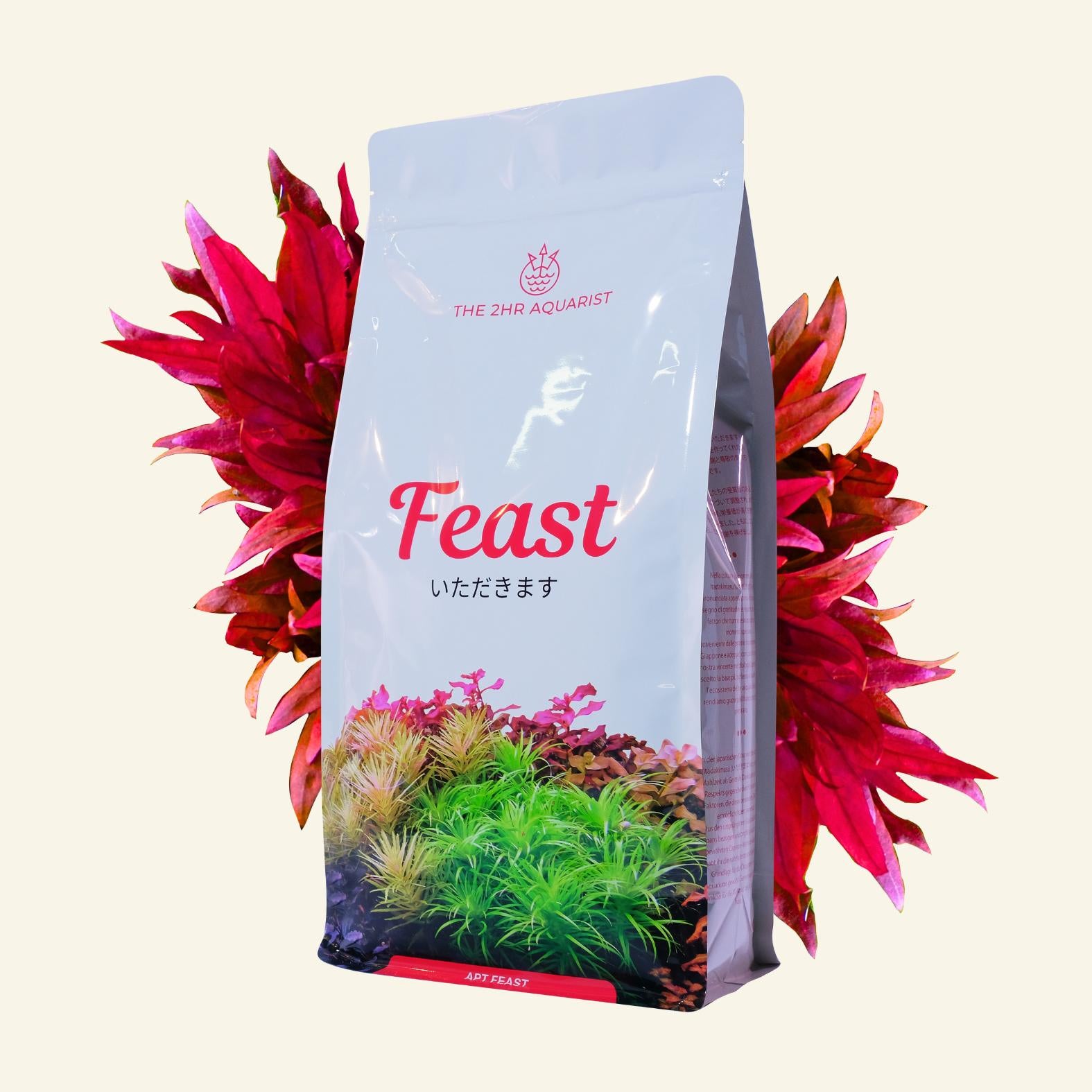
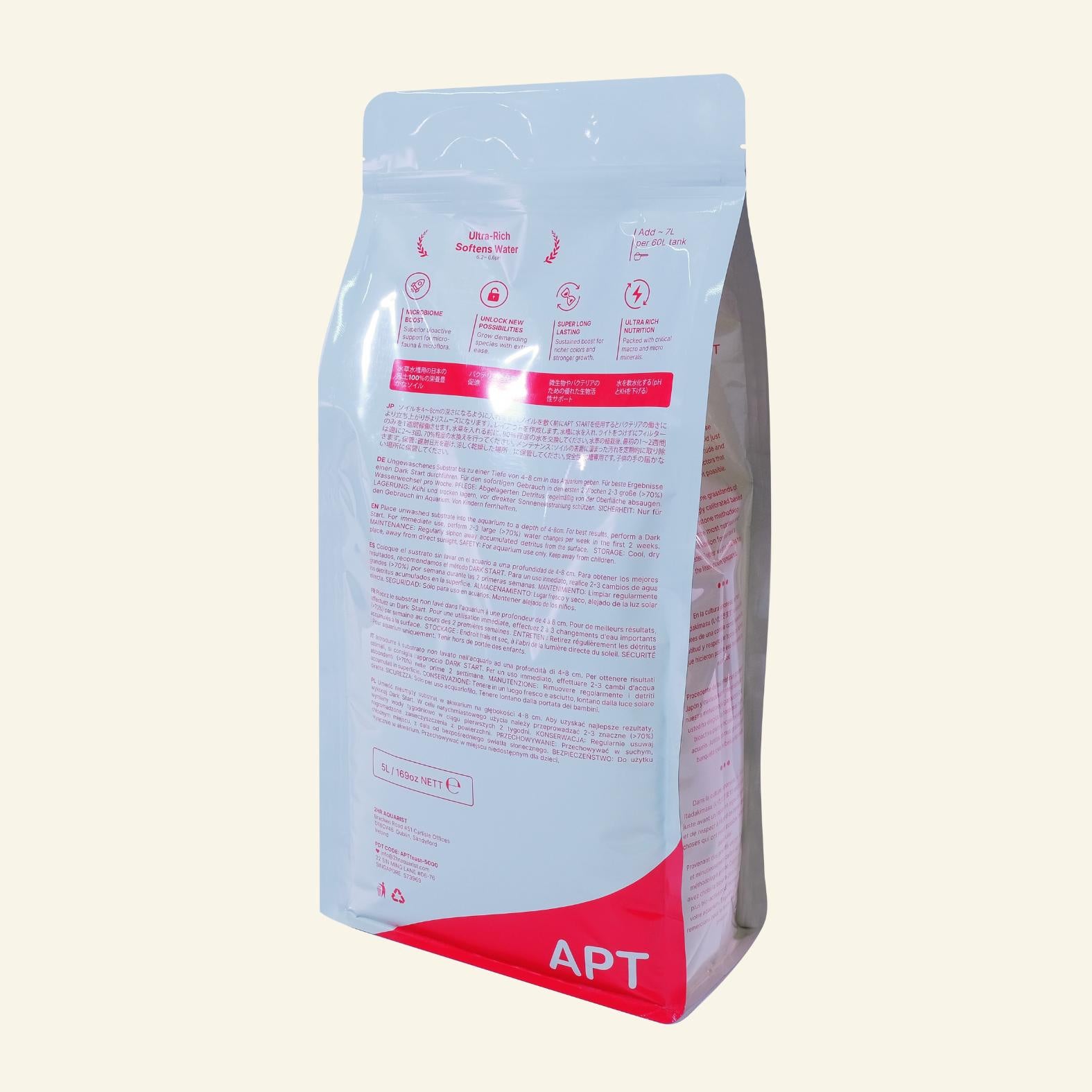
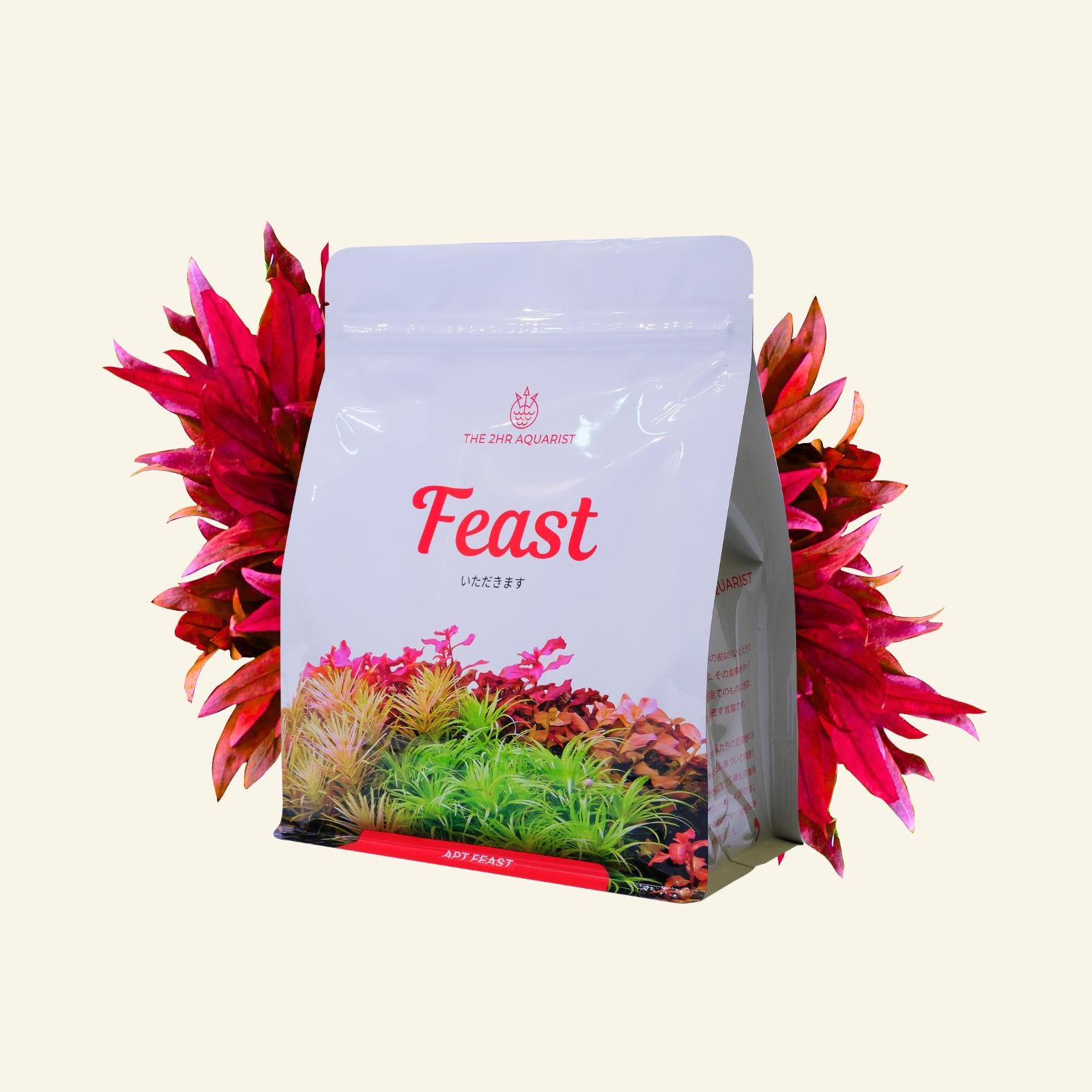
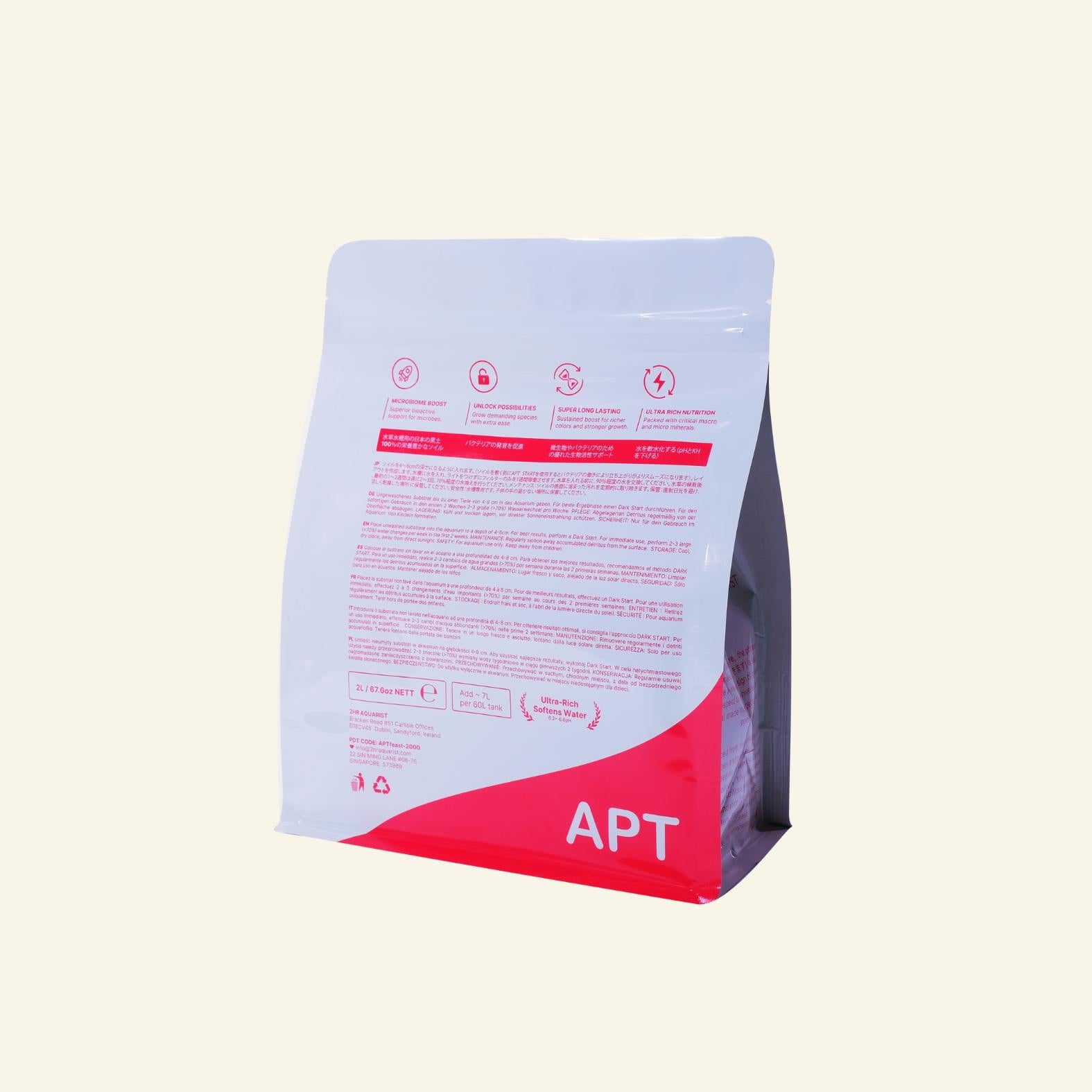
Choosing to use soil/dirt as a planted aquarium substrate gives a much needed boost to low-tech planted aquariums. Aquasoils work well but cost more. Soils contain a long term store of nutrients which reduces the need to manage water column dosing. Most rooted plants grow better in soil. Soil also provides a great habitat for microbes and bacteria. For a more economical approach, mineralised topsoil with a sand cap works well but is messier to manage.
You can read more on the intricacies of choosing a planted aquarium substrate in the substrate segment.

This low tech tank uses top soil capped with coarse sand. A mix of easy plants such as Cryptocoryne parva, Java fern, Anubias and mosses makes this an easy aquascape to maintain.
All-in-one fertiliser
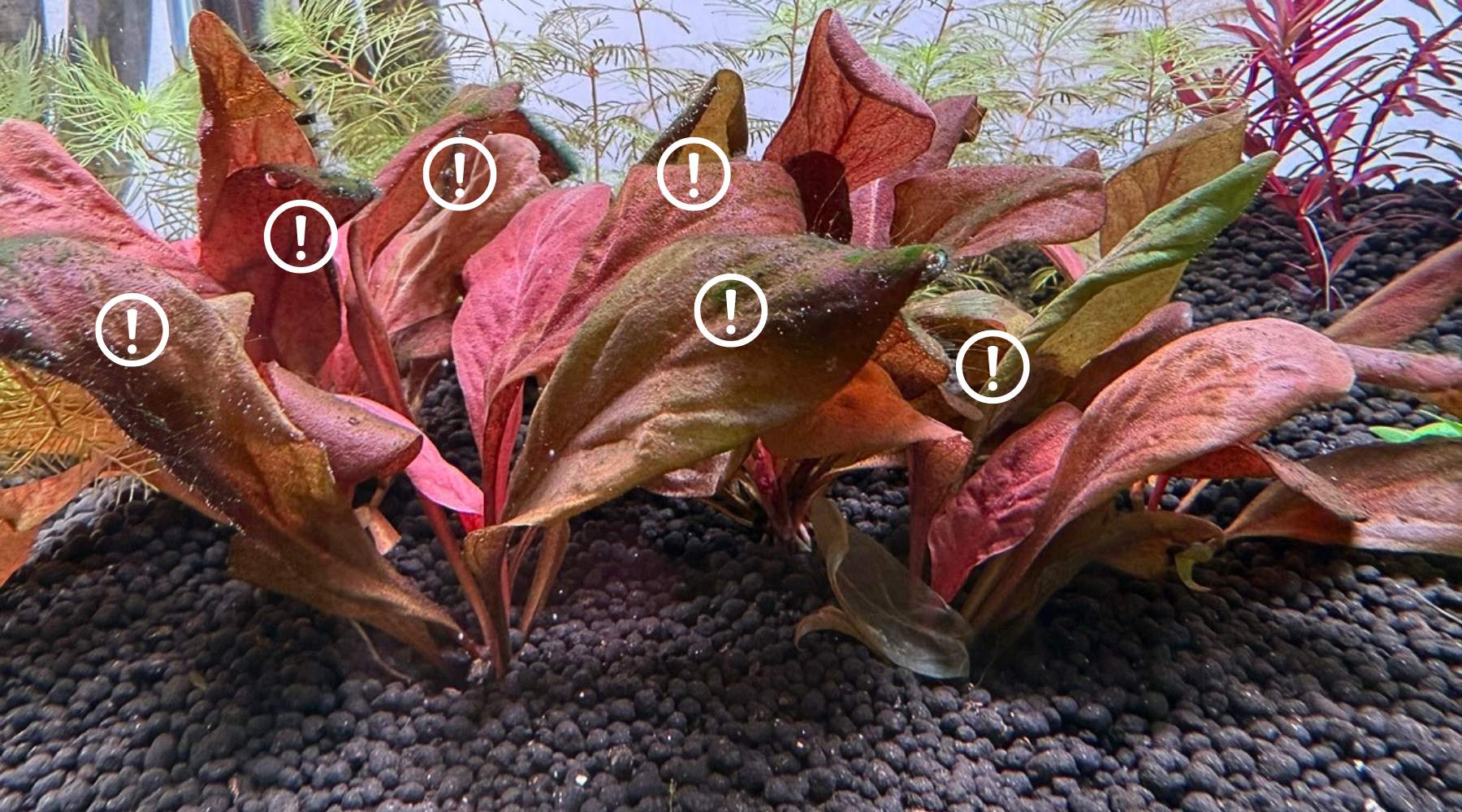
Many planted tanks can survive without additional fertilisation, but this is often a gamble that the soil and tap water supply will provide adequate nutrients other than those derived from animal waste (which is by no means healthy, contrary to what some people think). This method is unreliable at best - which is why successful planted aquariums are the exception rather than the rule for many. Regular fertilisation has a significant effect on plant health, and good plant health is the best defence against algae.
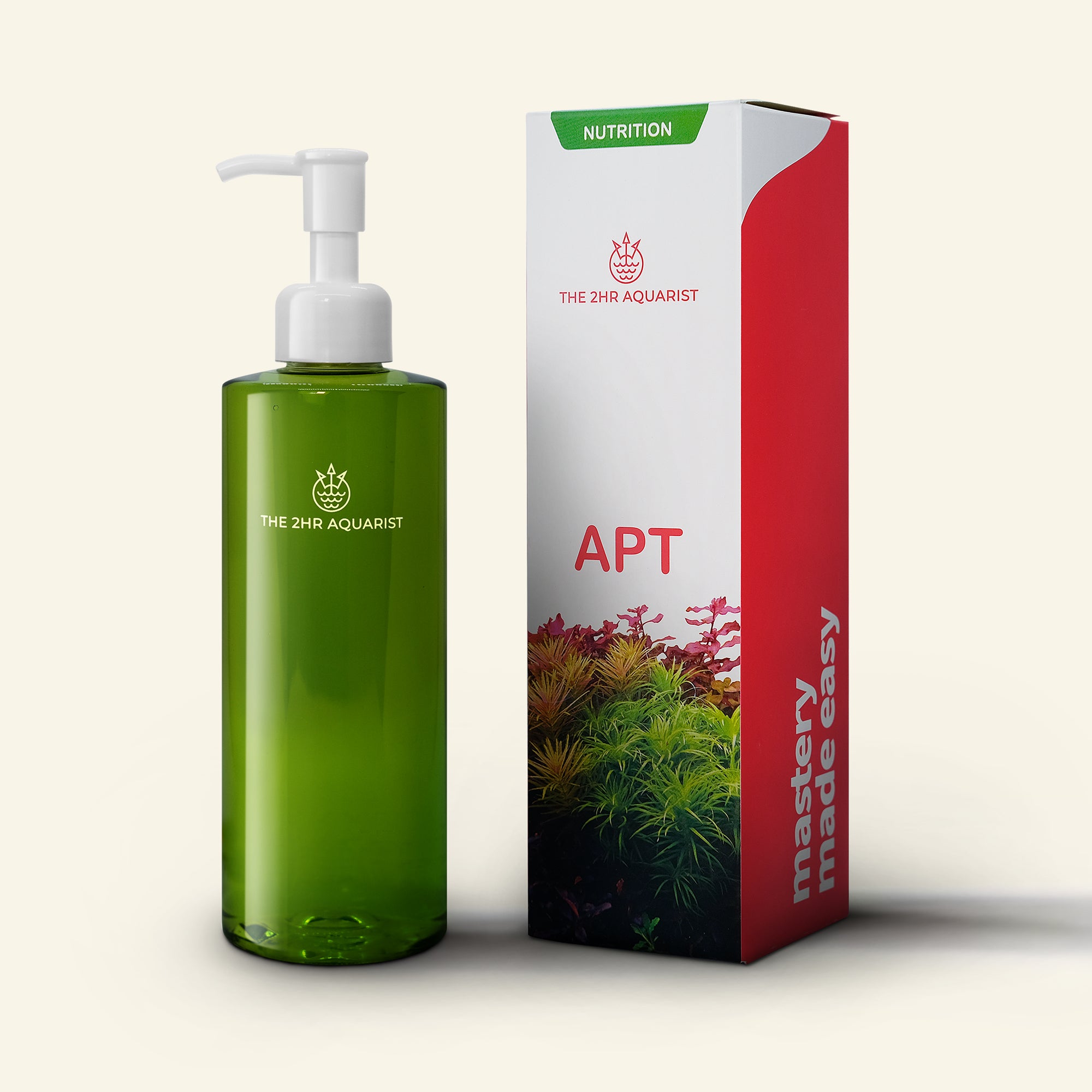
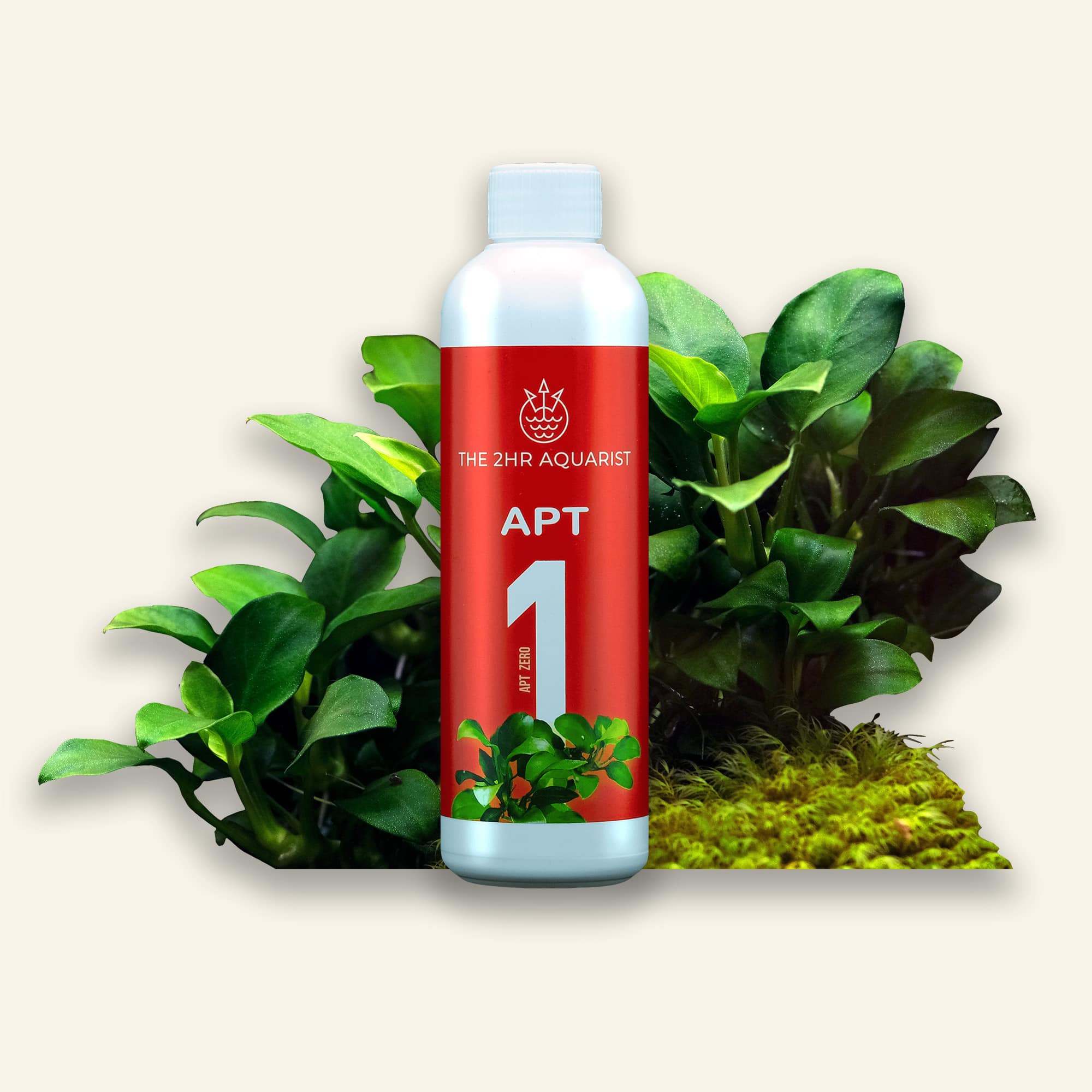
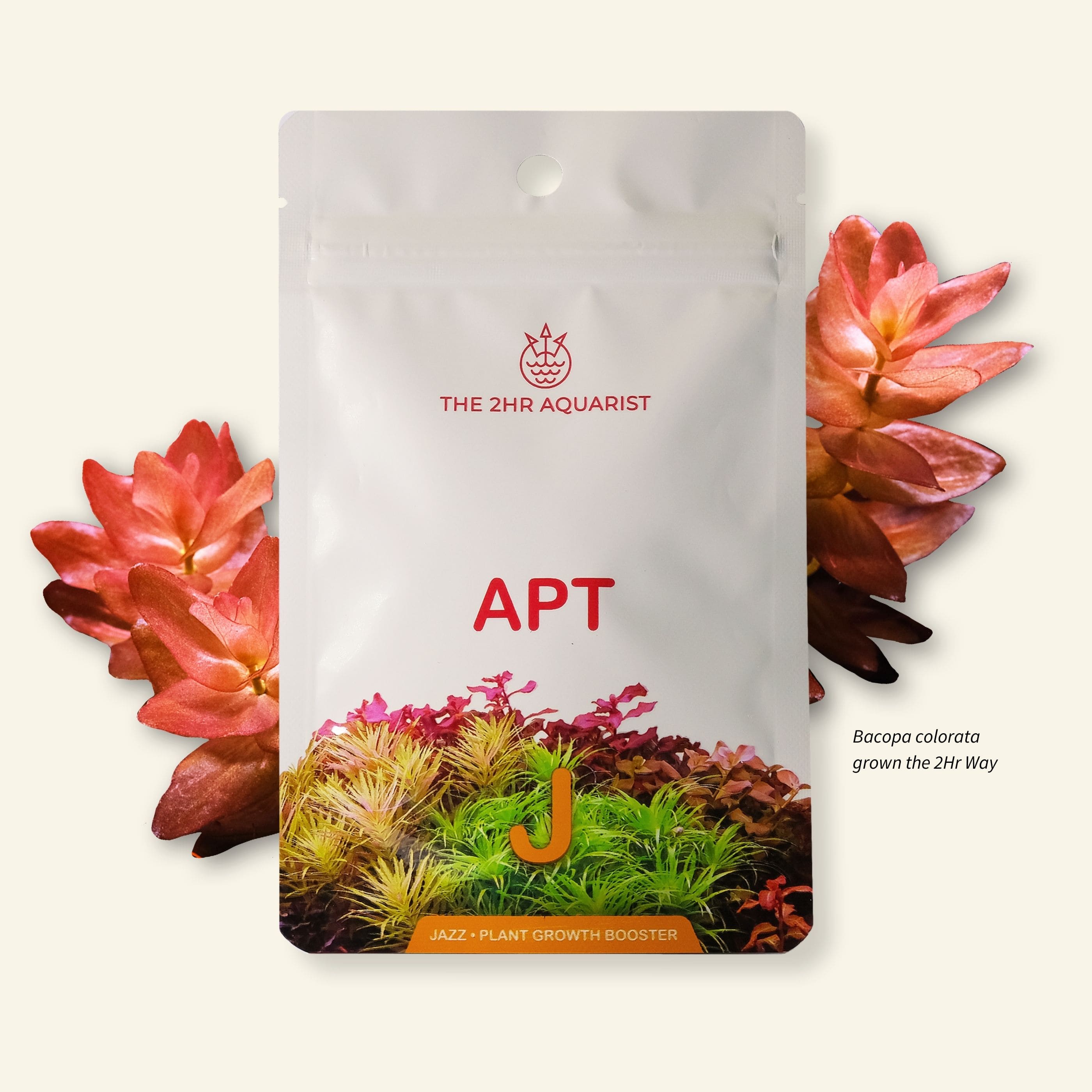
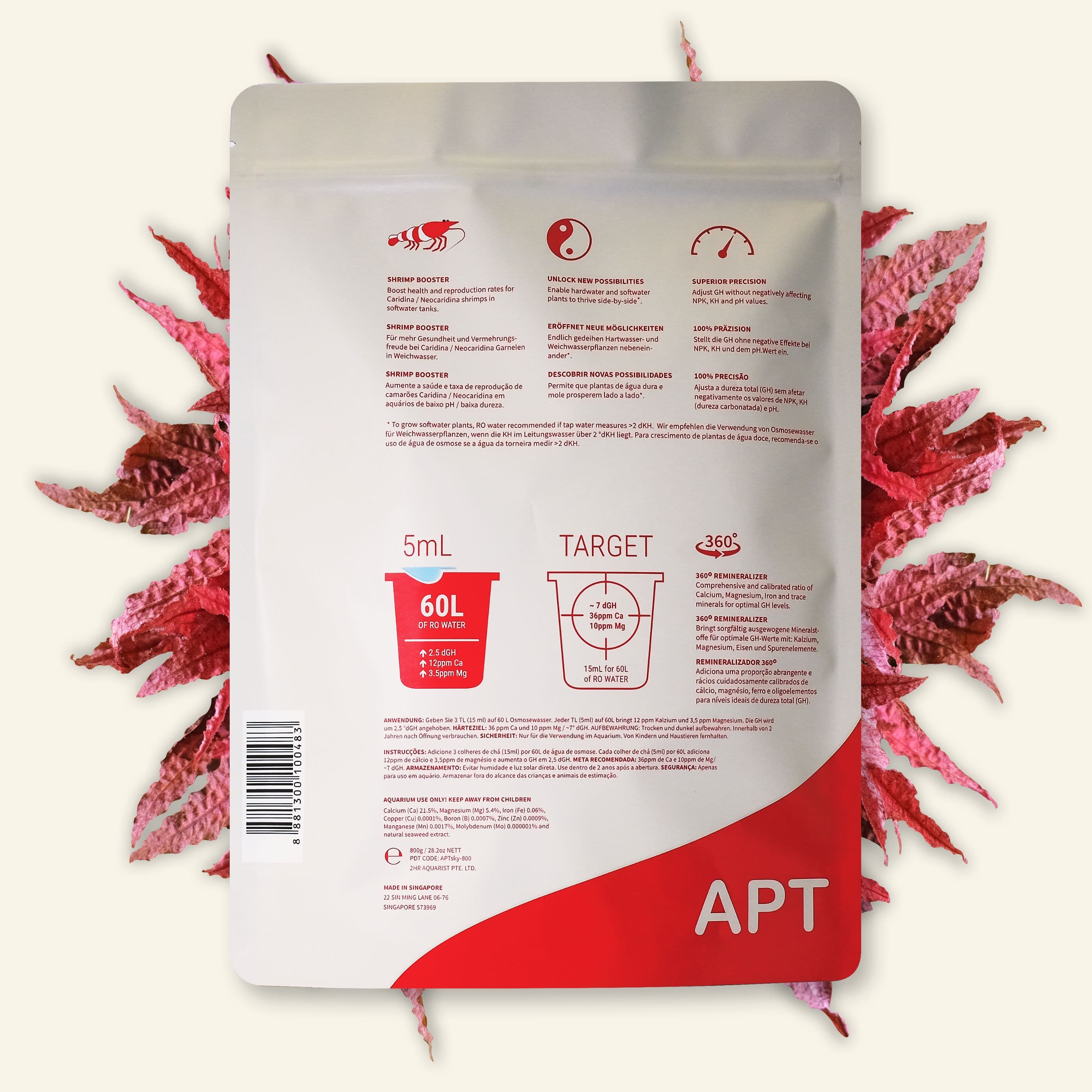
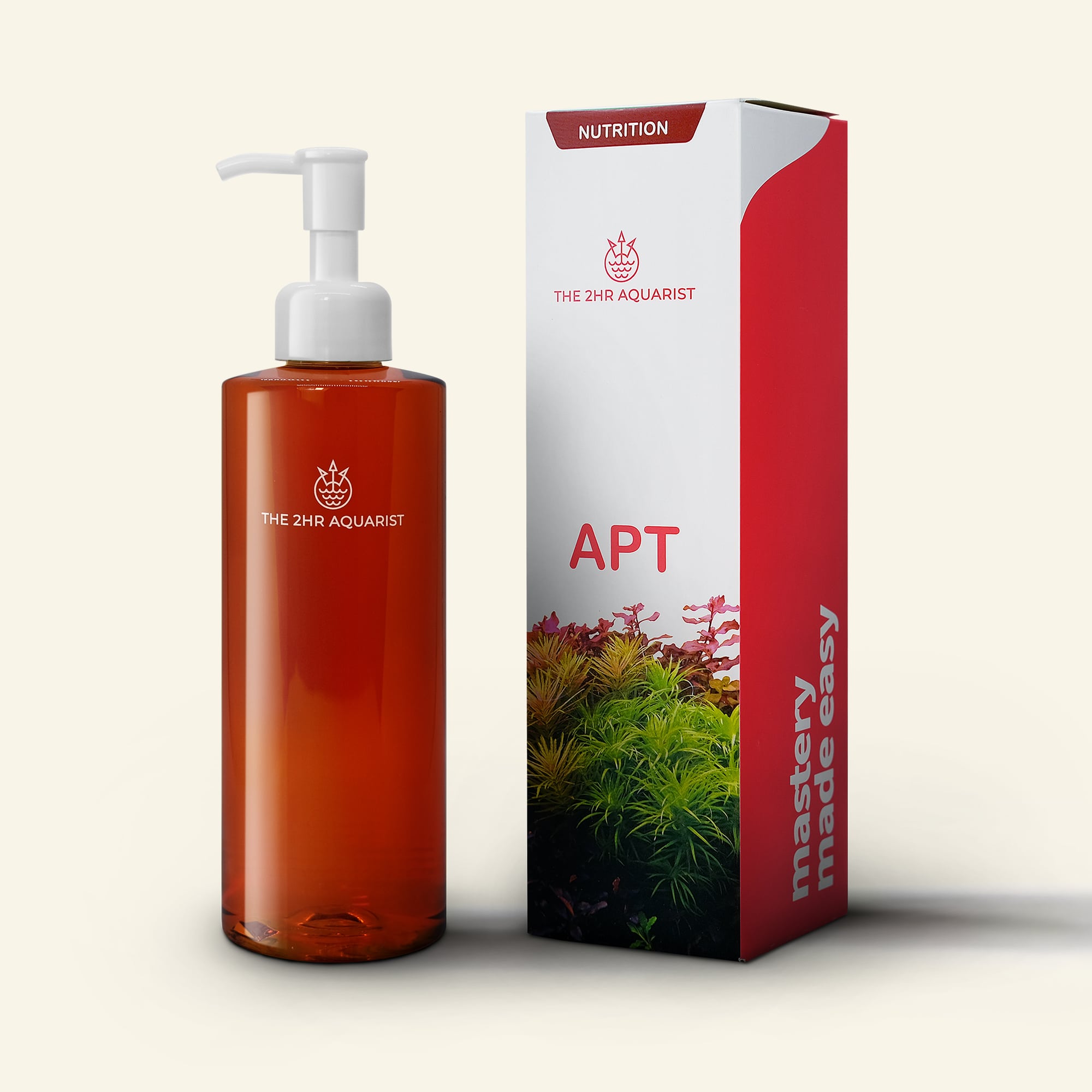
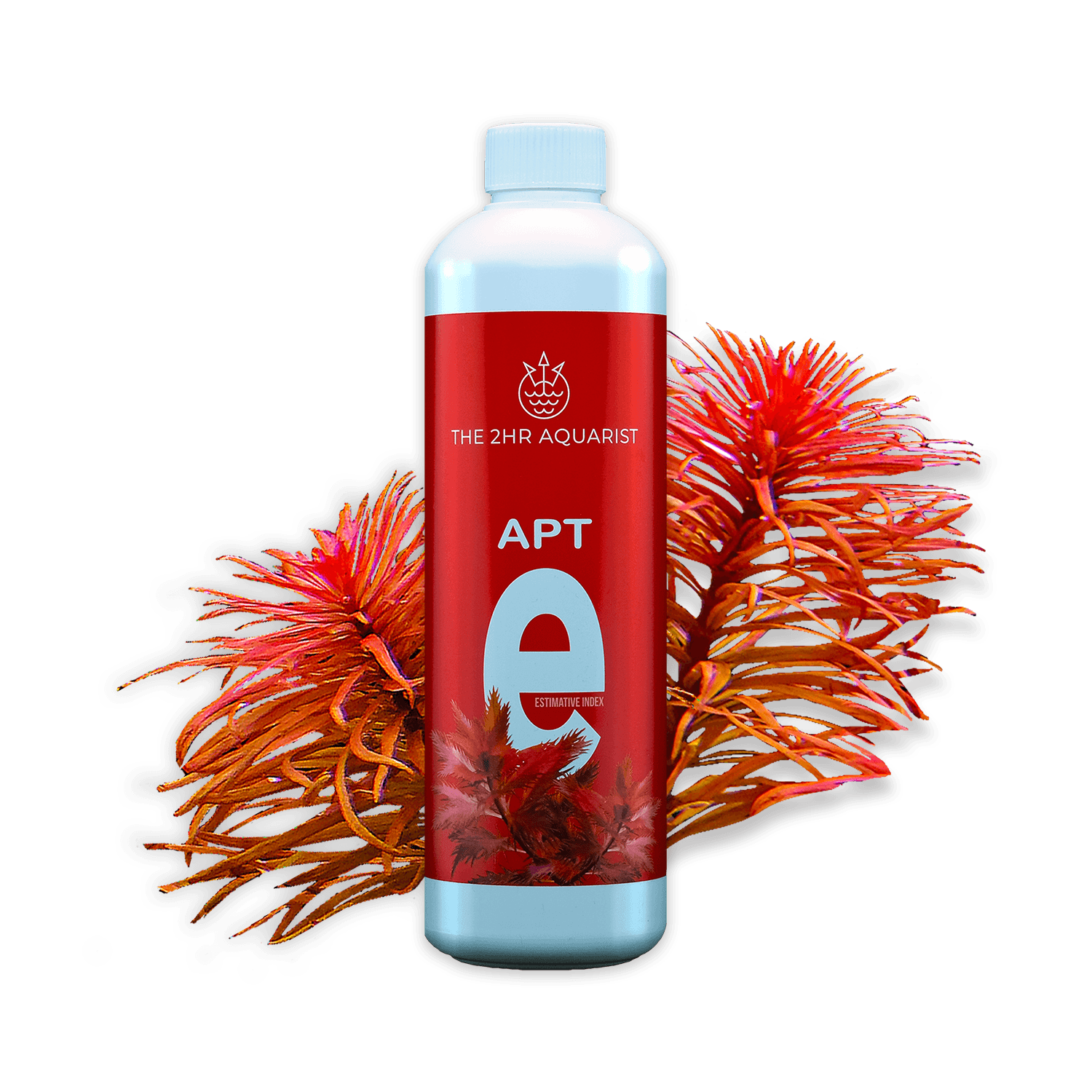
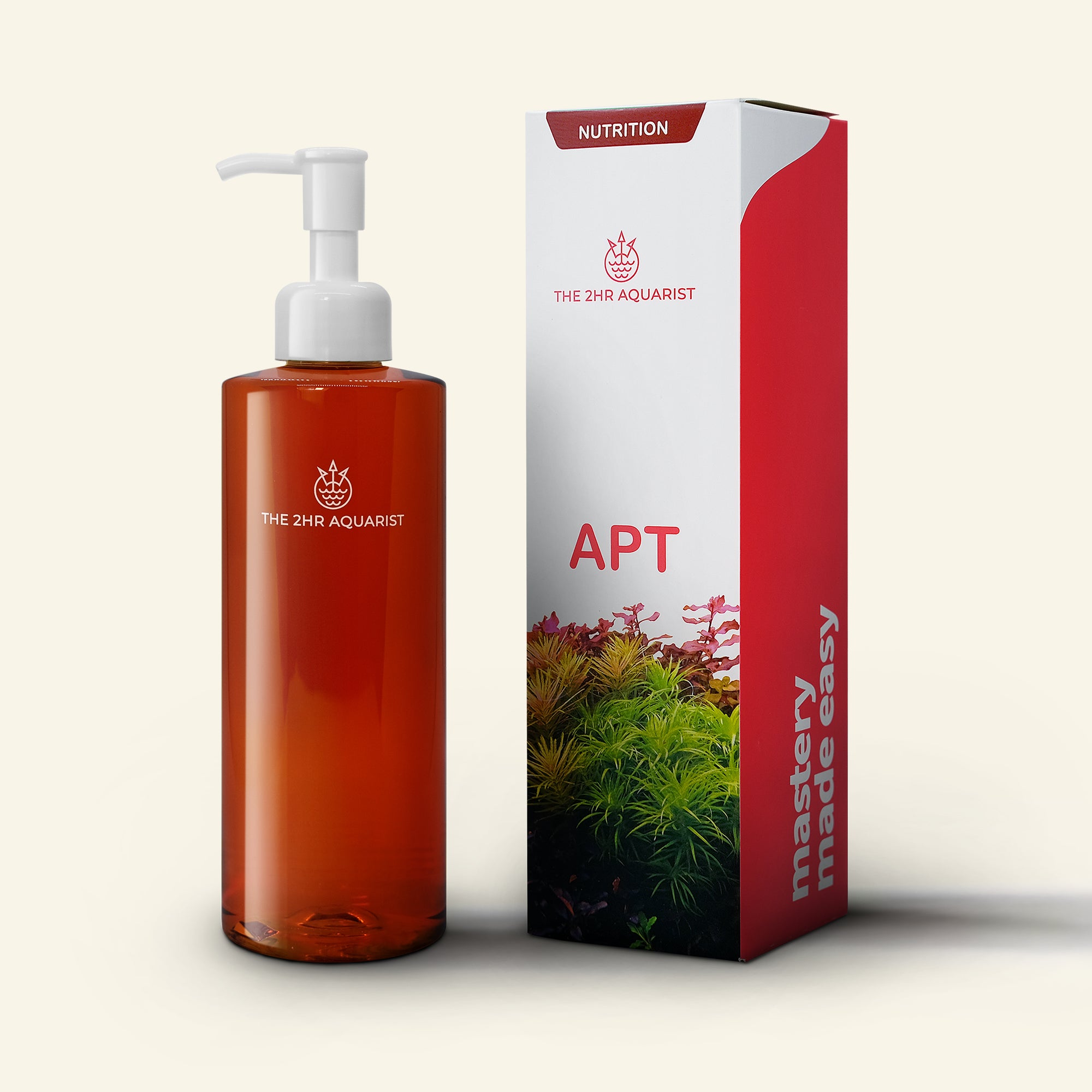
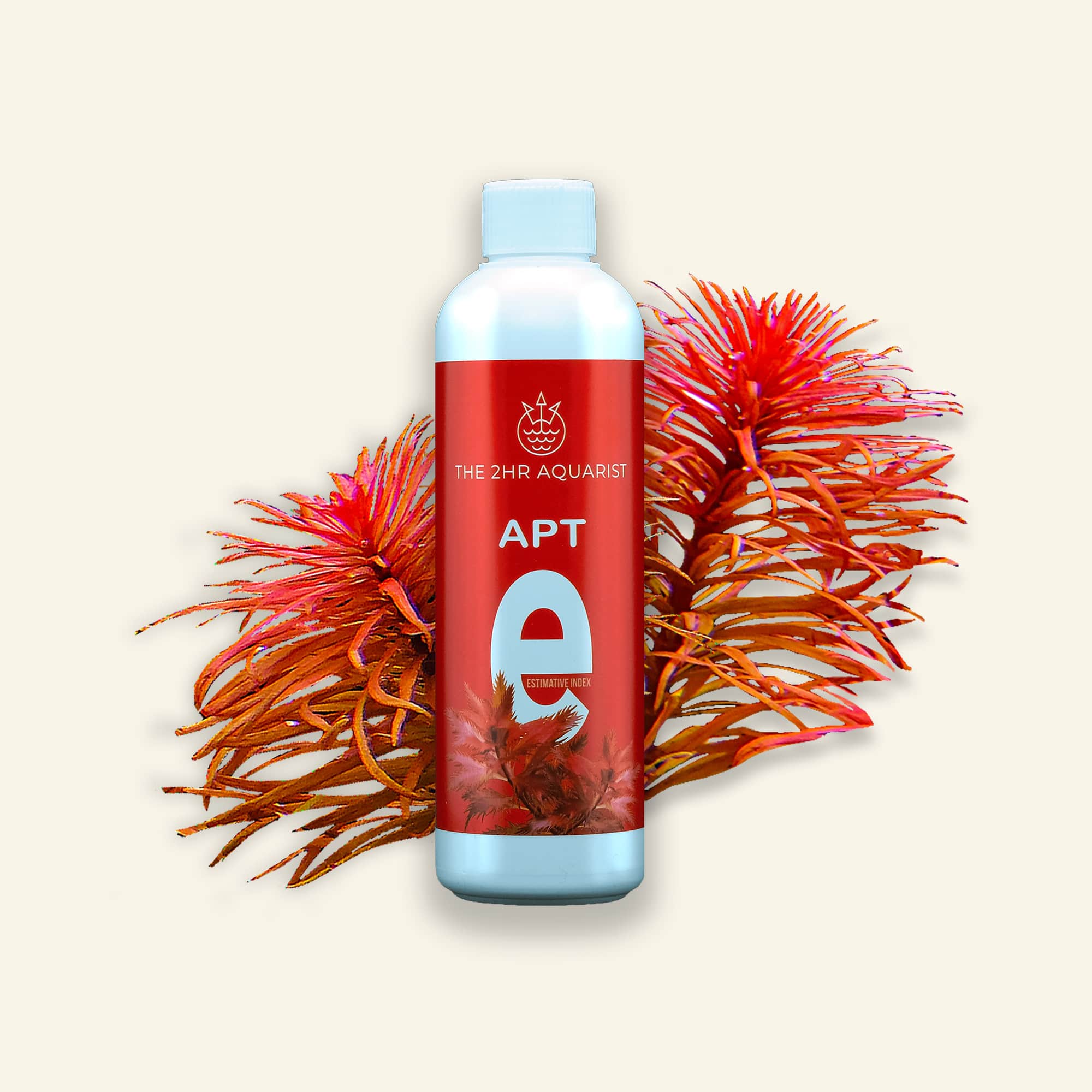
Use an all-in-one fertilizers such as APT Complete (if you have no fish/ livestock) or APT Zero (if you have moderate / high population of fish / livestock).
10X Turnover Filter
Select a filter with a turnover of 6 to 10 times the tank volume. Next, select an outlet(s) that creates a flow pattern that provides sufficient surface agitation and exchanges surface layers of water with deeper layers of water in the tank. This improves gas exchange in the tank and has a direct effect on plant growth.
Further details on filters here.
Finally, if you live in a temperate climate and want to keep tropical fish & plants, a heater may be necessary. 22 to 26 degree celsius is ideal for most planted tanks.

You do not need a huge variety of plants to have a beautiful planted aquarium, it is more important to choose species that can grow well without CO2 injection. Hardscape design and a clever mix of species can create beautiful planted aquascapes with just a few species.
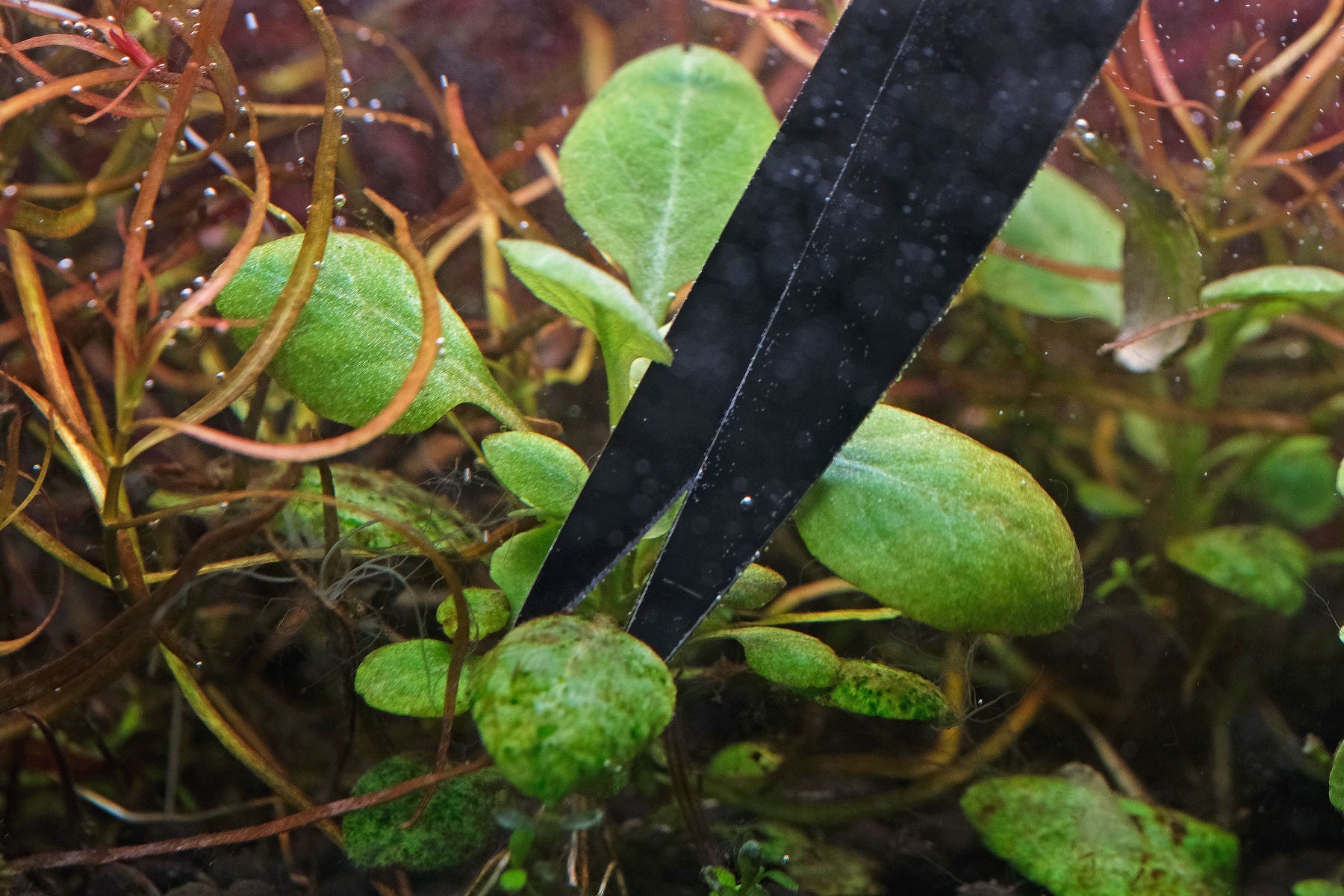
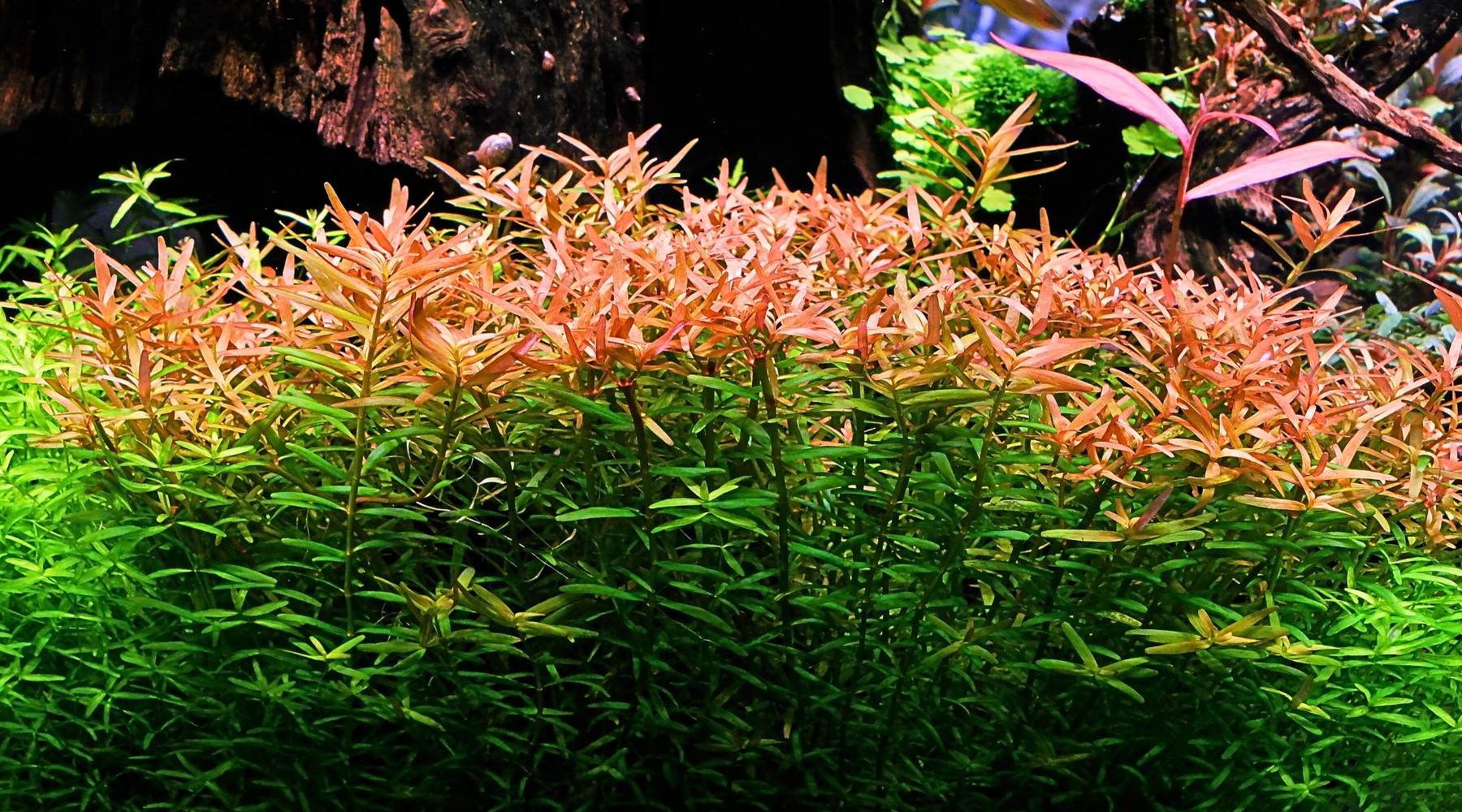
When choosing plants for your aquarium, remember that stem plants grow faster and require regular pruning. Most will grow to touch the water surface. This leads to shading of shorter plants. It is also harder to keep stem plants tidy if you do not prune frequently. Increasing the number of rhizomes and other slower growing plants will reduce maintenance.
Click here to read on how to grow carpet plants without CO2
Click here to read on how we set up an easy mini low tech shrimp tank

Share:
The Fastest Way to Stabilize a New Planted Tank
The real cost of running chillers in the tropics?