

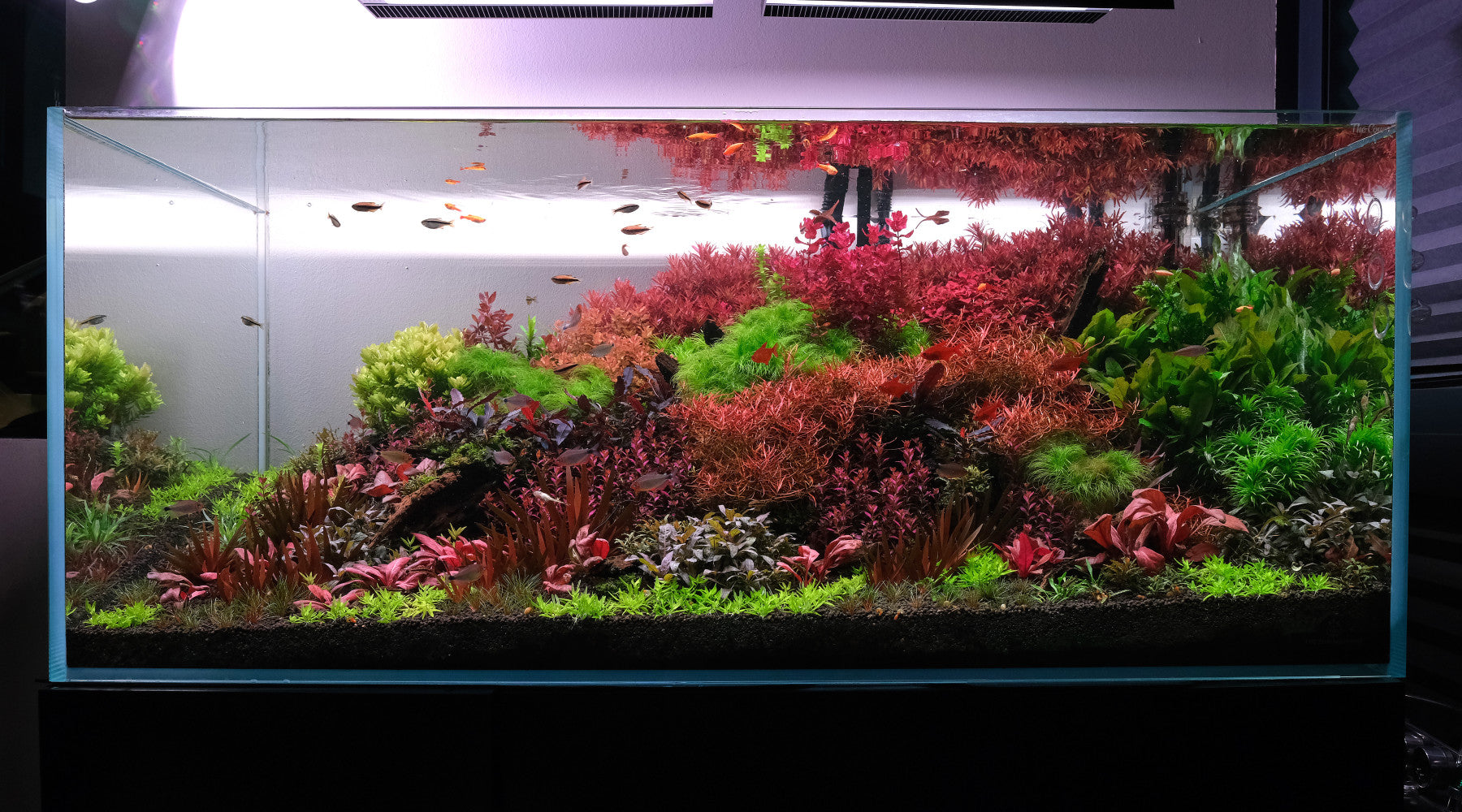
In this aquarium I wanted to showcase some species that are popular among hobbyist collectors but still rarely used in mainstream aquascaping. Some of these plants are more difficult to grow, such as Rotala florida and Centrolepis drummondiana, while others such as Xyris difformis are easy to cultivate but are not yet propagated widely by commercial plant farms.
Aquariums that specialize in growing difficult species tend to be perceived of being unfriendly environments to fish/shrimp due to high CO2 levels, fertilizers, and a high level of interference due to the horticulture work necessary to maintain such aquariums. I wanted to break this stigma by having a good variety of fish species thriving in good form, alongside a breeding shrimp population.
'High demand' planted tanks are often seen as being short term displays that do not last, petering out as the aquasoil diminishes in nutrients. So instead of starting the tank with new aquasoil, I am using aquasoil a year old from a previous layout. I enriched the substrate by adding in 15% of new aquasoil. This process of periodically enriching the substrate with new aquasoil is explained further down below.


Inhabitants spotlight:
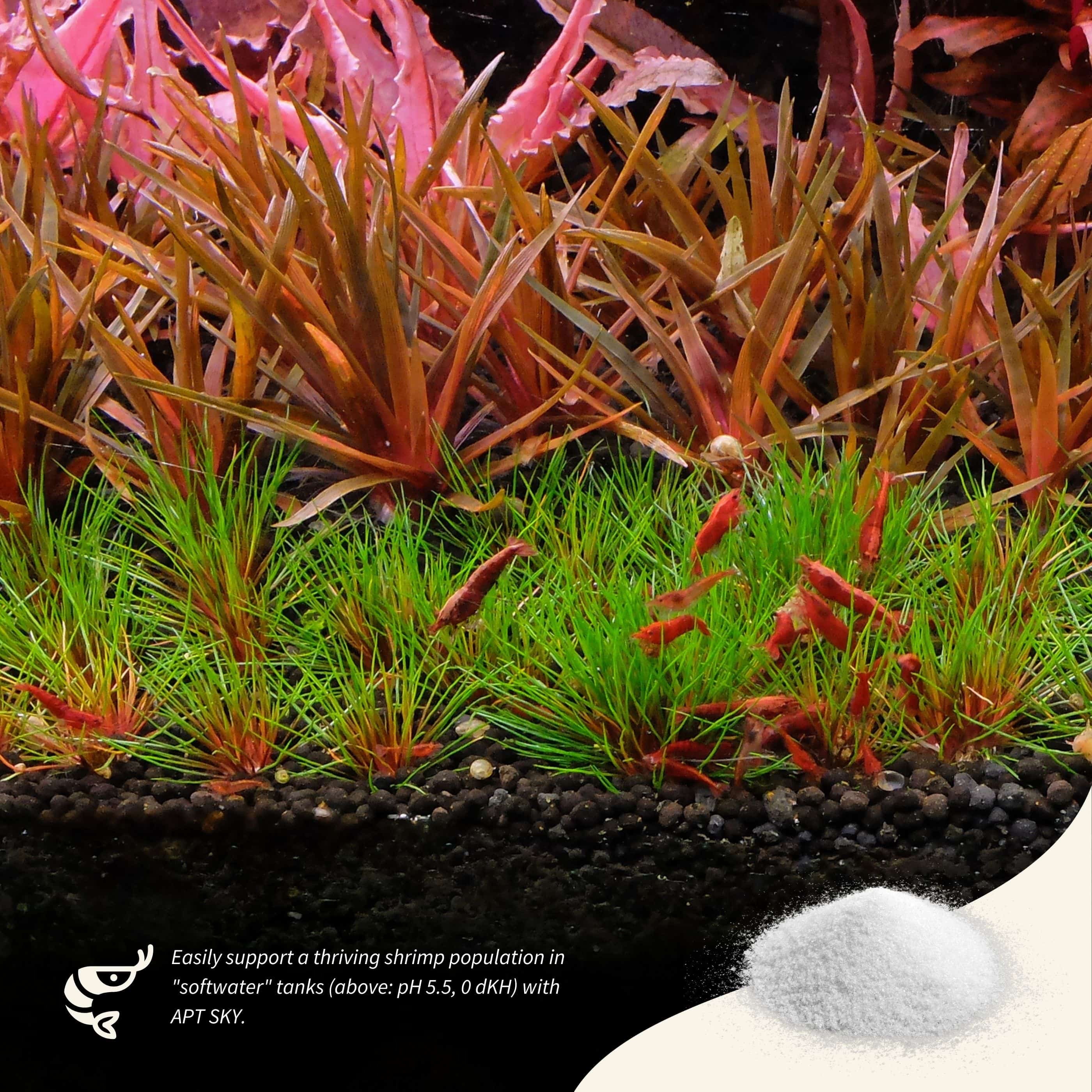
Aquarium inhabitants include Hyphessobrycon peugeoti, Golden white clouds, Muzel 'cherry red' tetras, Celestial pearl danios, Lapis tetras, Yellow Emperor tetras, Dwarf and Rio amaya pencil fish. There are many CRS shrimp, but they tend to be nocturnal, coming out only at night to avoid aggressive fish.

Celestial pearl danio (Celestichthys margaritatus) alongside Hyphessobrycon peugeoti.

Hyphessobrycon peugeoti.

Rio Amaya pencil fish. Curious little fish that hang out together.


Inpaichthys kerri “Orange Yellow”
Plants spotlight:


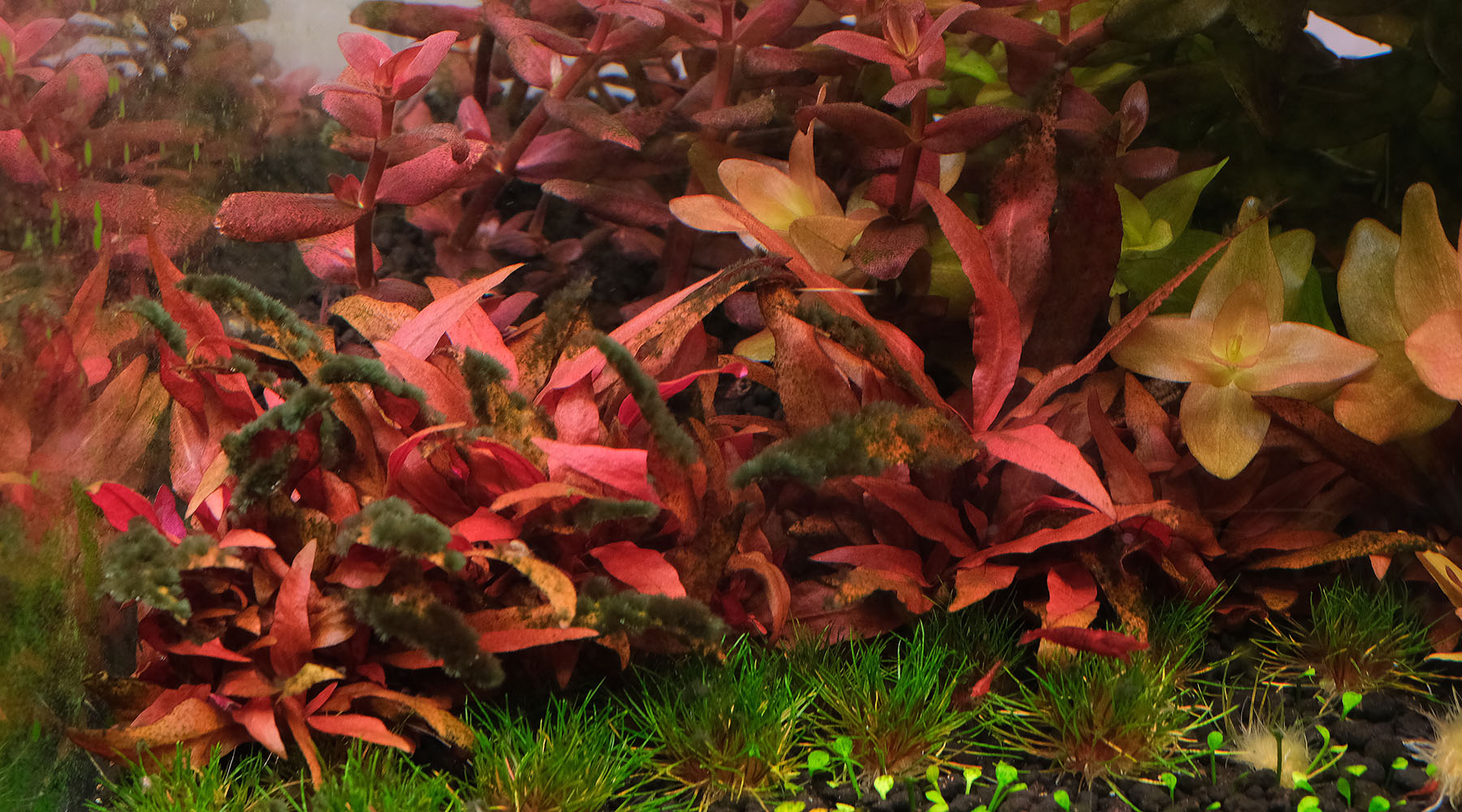
 Tonina 'lotus blossom' rising above a sea of Rotala 'blood red sg'.


Basic water parameters:
This tank uses local tap water: 3dGH, 0.5dKH, 7.5pH
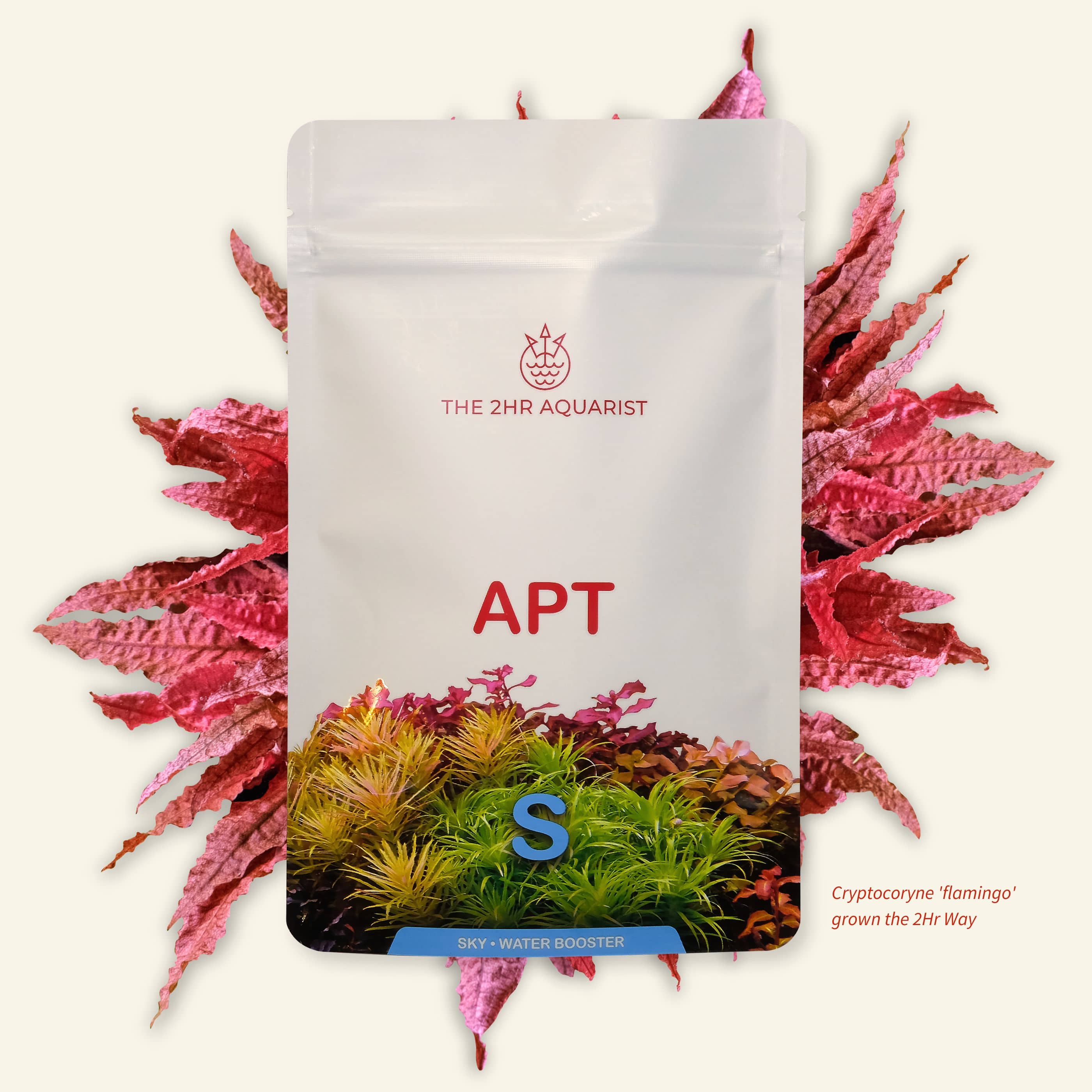
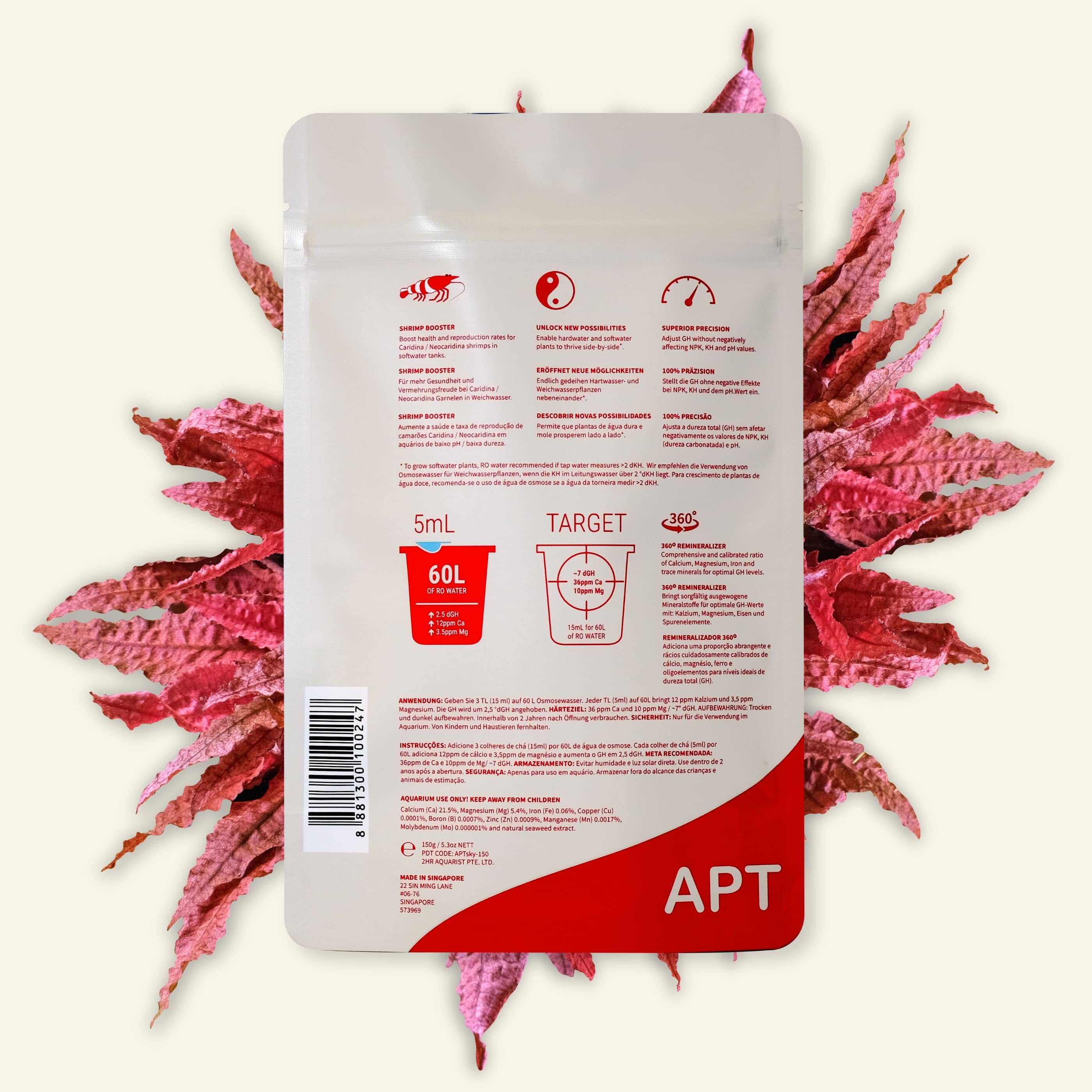
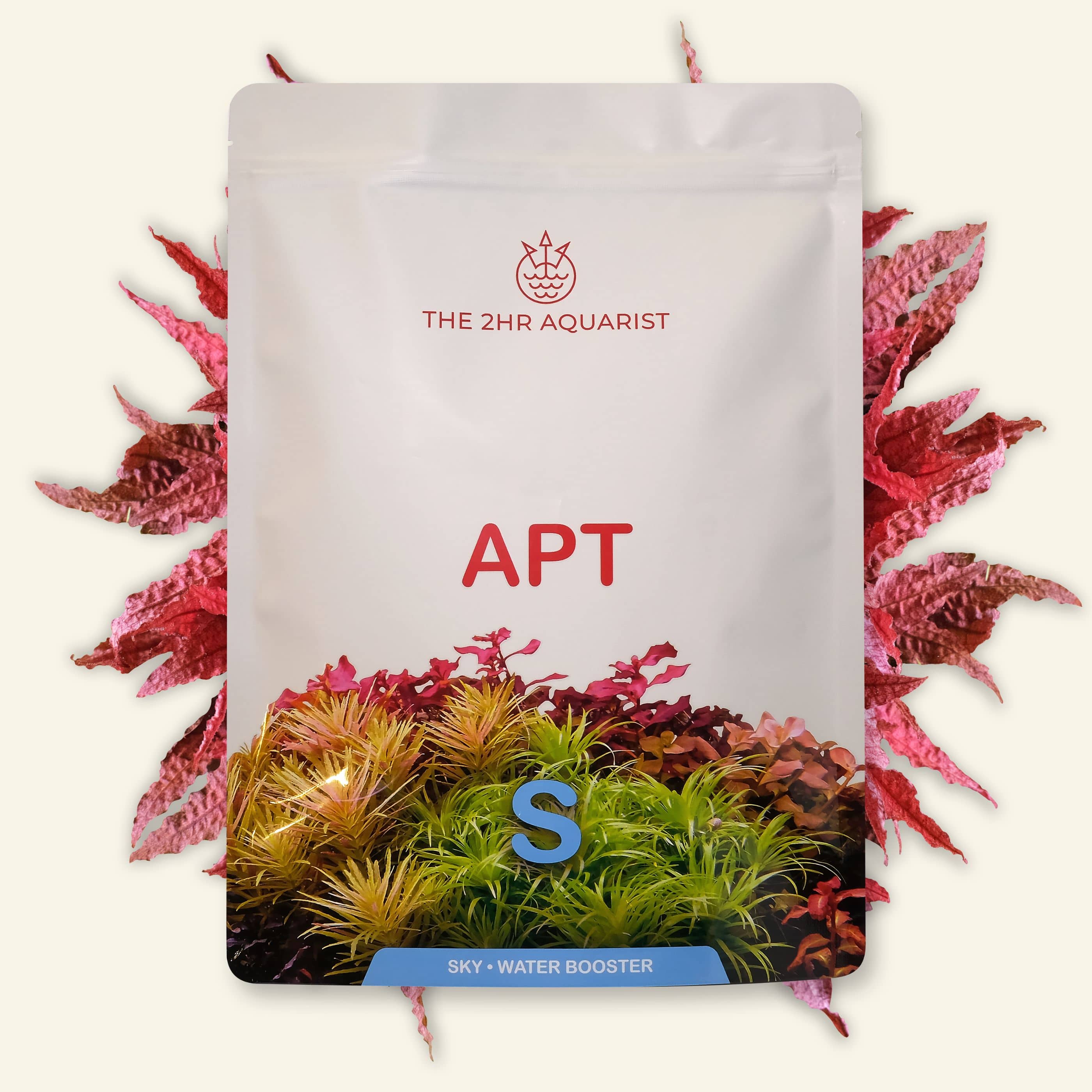
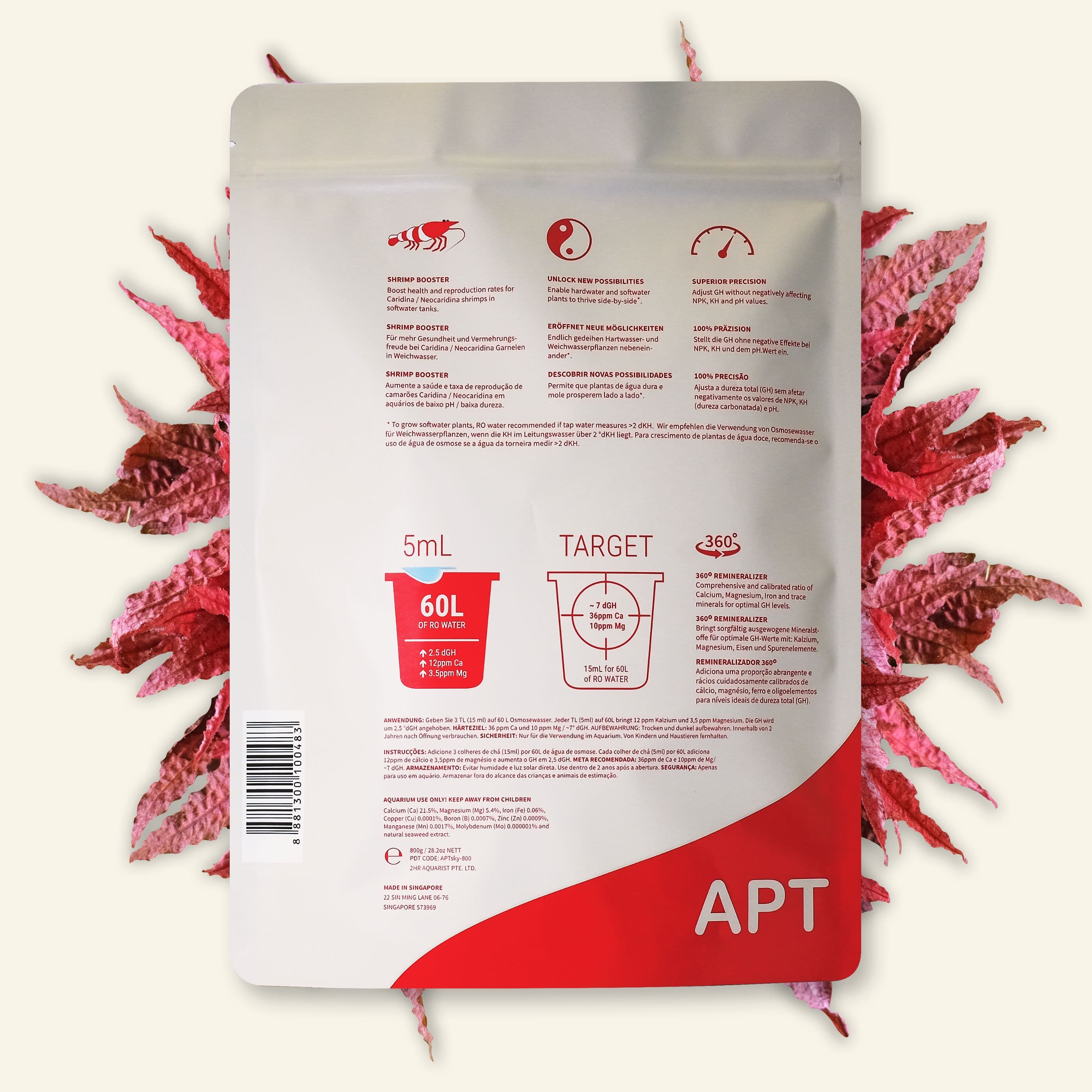
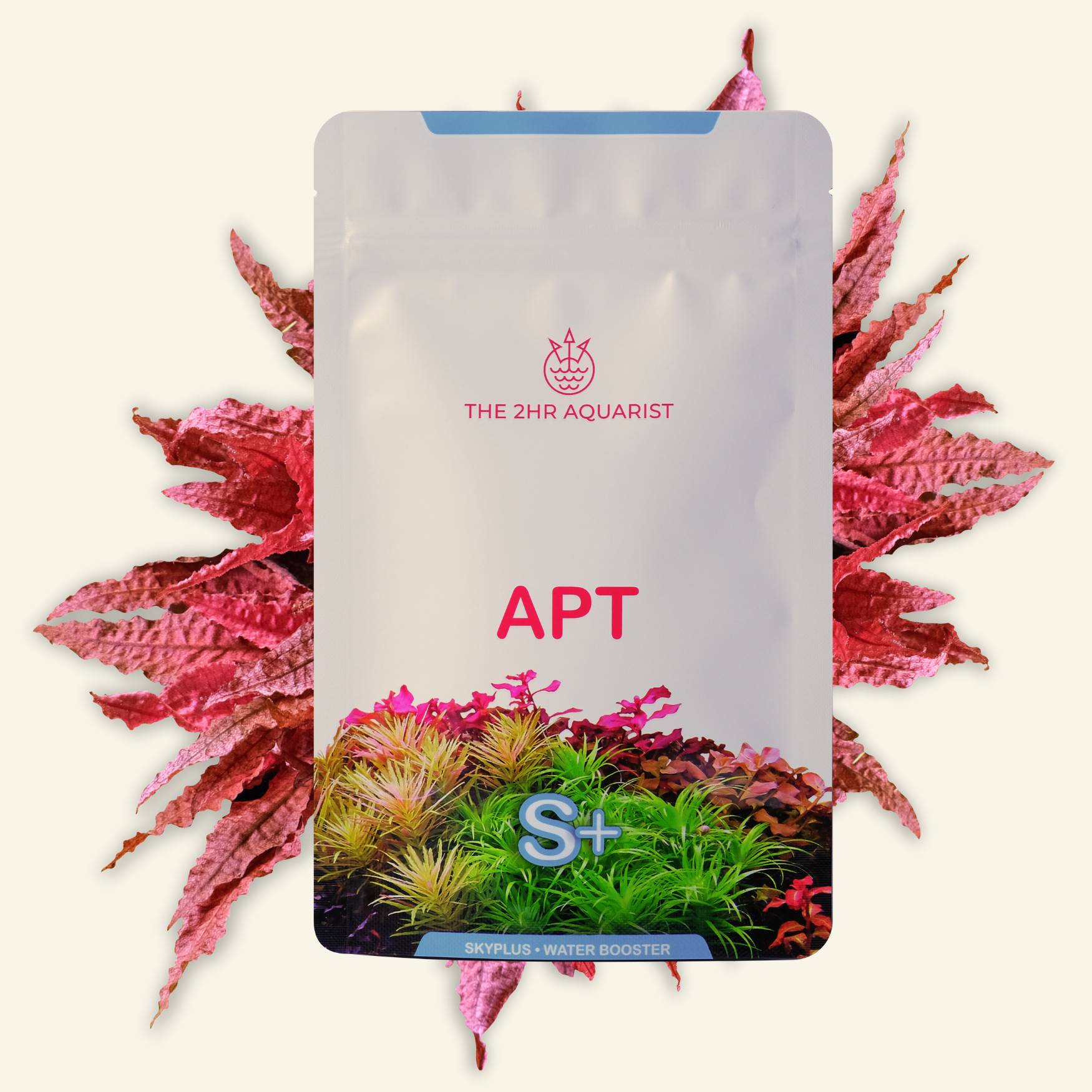
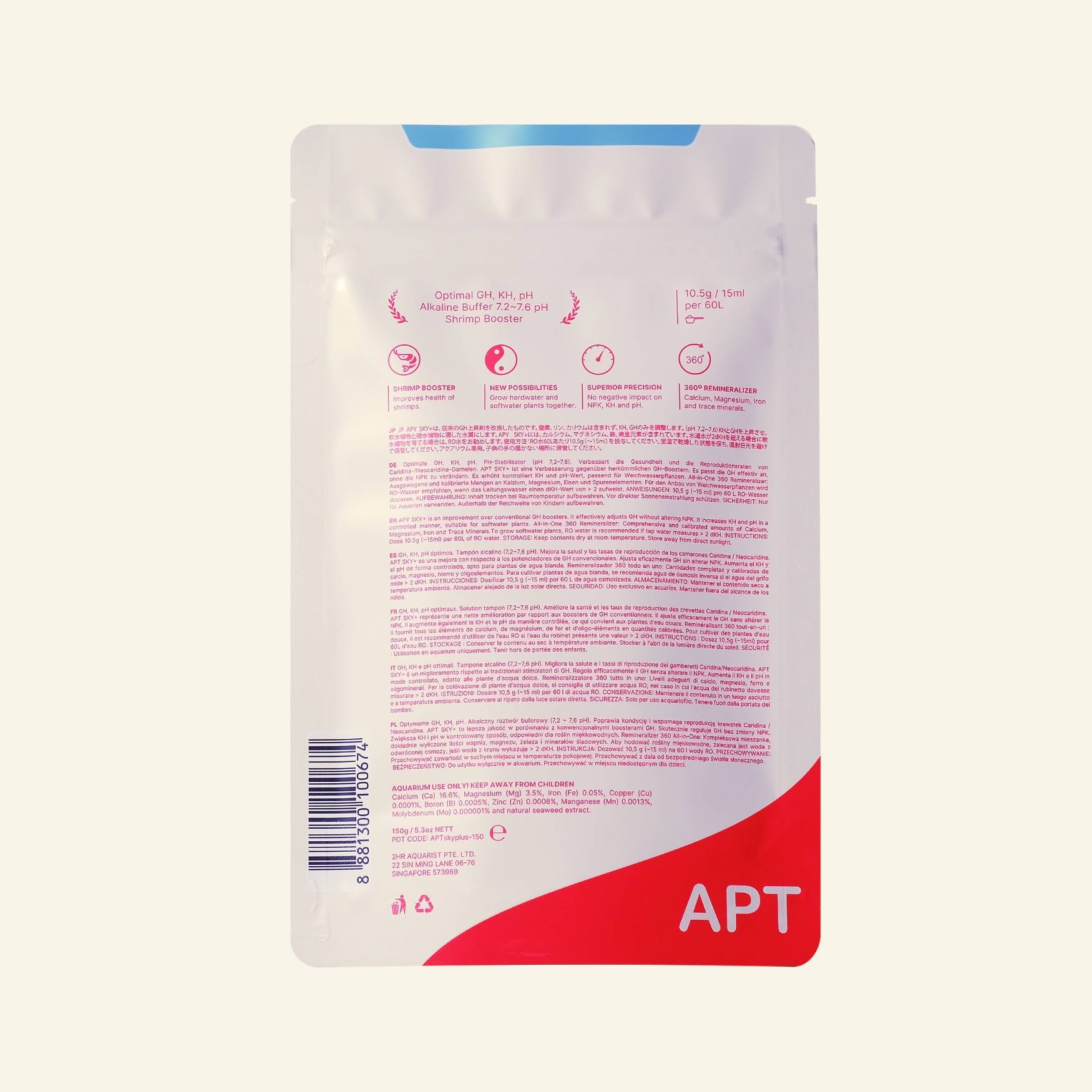
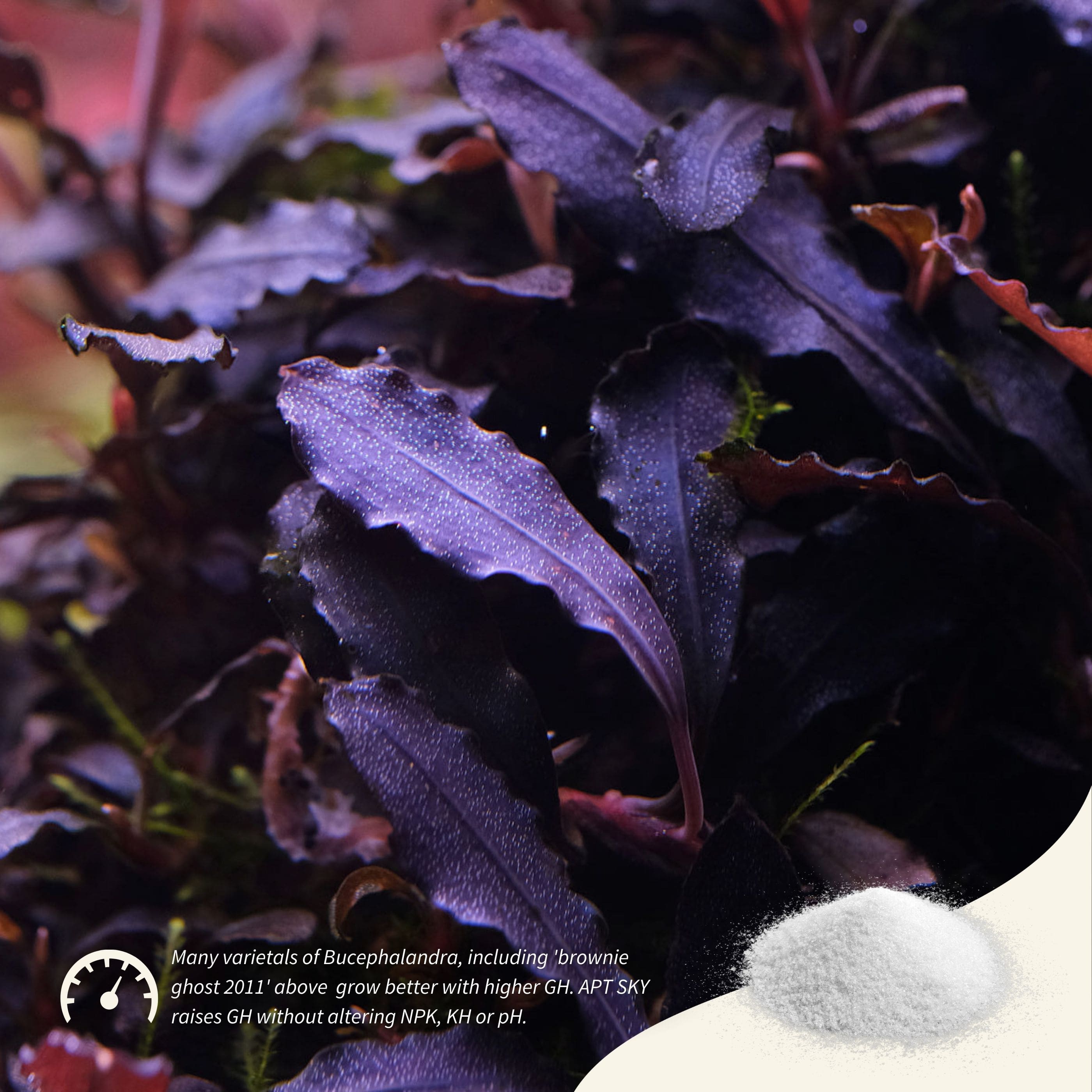
Due to aquasoil, the water's pH and KH drops after being added into the aquarium. APT Sky is added to raise GH from 3 to 5 dGH. Higher GH is preferred by Rotala florida, which is used widely in this tank. The higher magnesium levels that APT Sky gives is also beneficial for picky Rotala species such as Rotala macrandra and Rotala macrandra mini type 4.
No additional KH buffers are added. pH is allowed to sink to a natural low point, hitting 5.0 when CO2 is at peak saturation. In acidic environments, microbes that are suited to operating in the low pH environment propagate in due time. Such microbes take longer to establish compared to ammonia-oxidizing bacteria that operate more efficiently at higher pH ranges. However, even at low pH ranges, the tank remains cycled completely and ammonia measurements stay consistently zero even with a decent fish load.
Read more on bacteria interactions in a low pH environment head here.
Final tank parameters are:
- 5 dGH
- 0-0.5 dKH
- pH 6.4 to 5.0 (5.0 during peak CO2 saturation)
-
Temperature: 22-24° Celsius
 Temperature: 22-24
Equipment:
Aquarium: Crystal glass, 120(L)x60(B)x50(H)cm custom build.
Lights: Week aqua a430 X 2, set to 80R 80G 52B. Substrate PAR is around 200+umols.
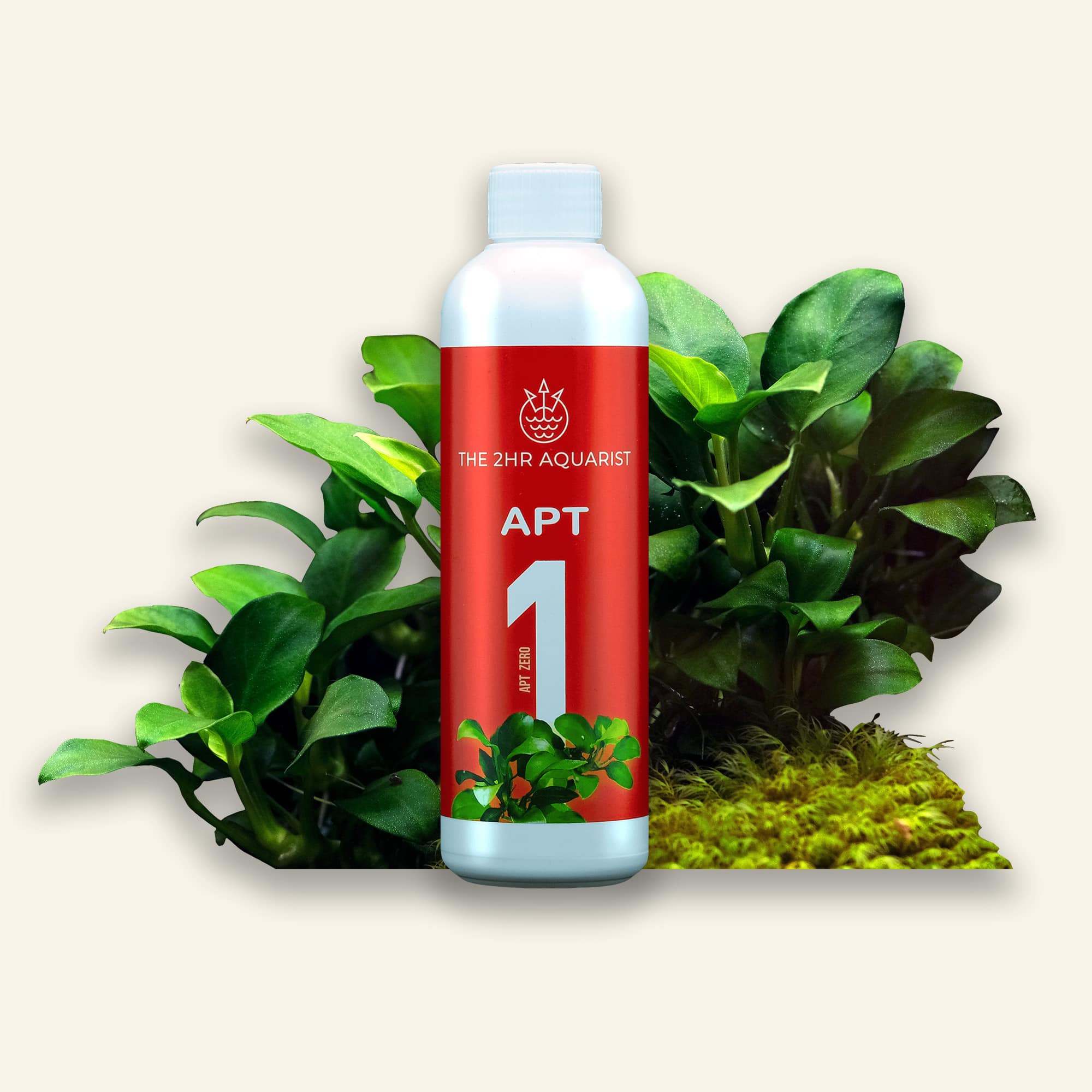
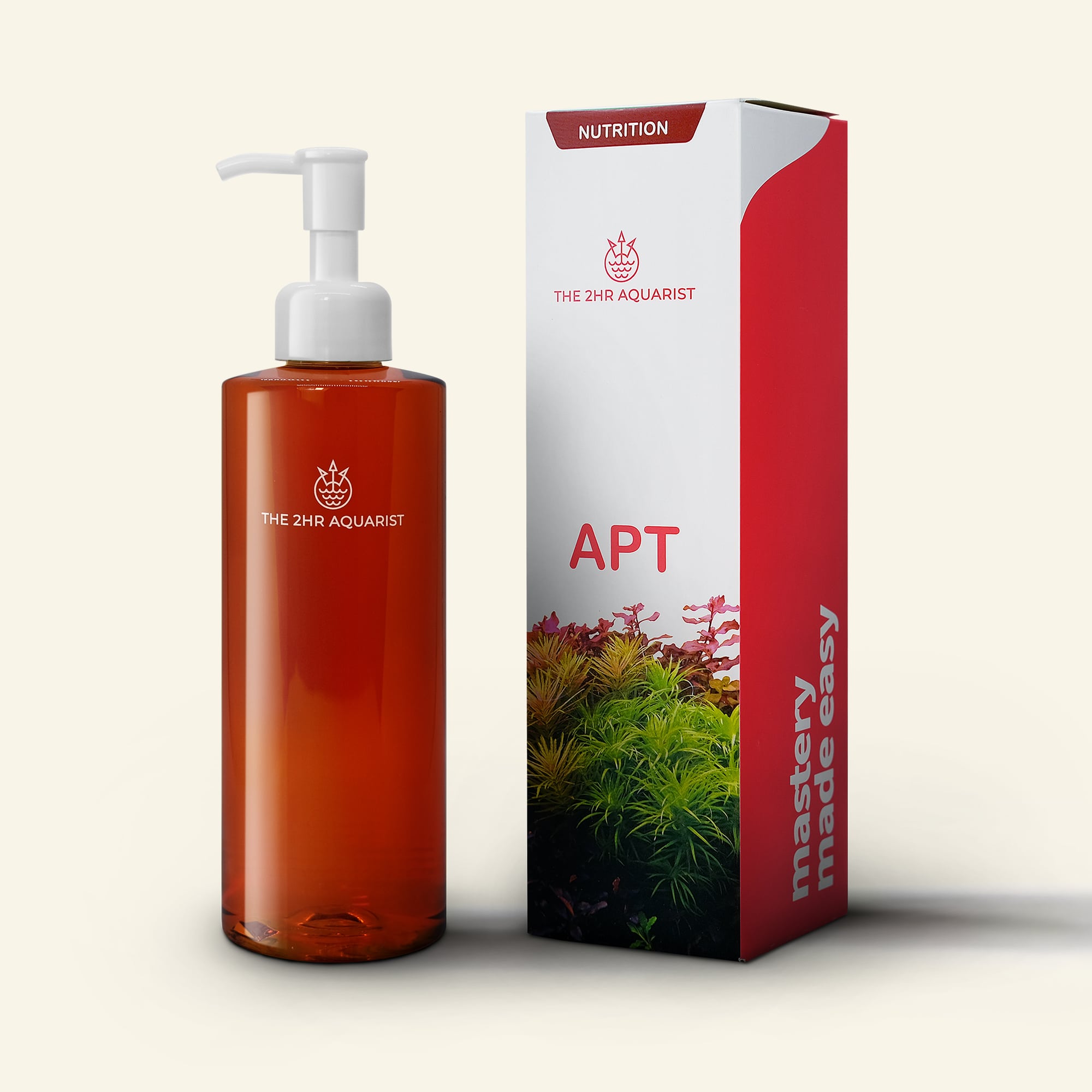
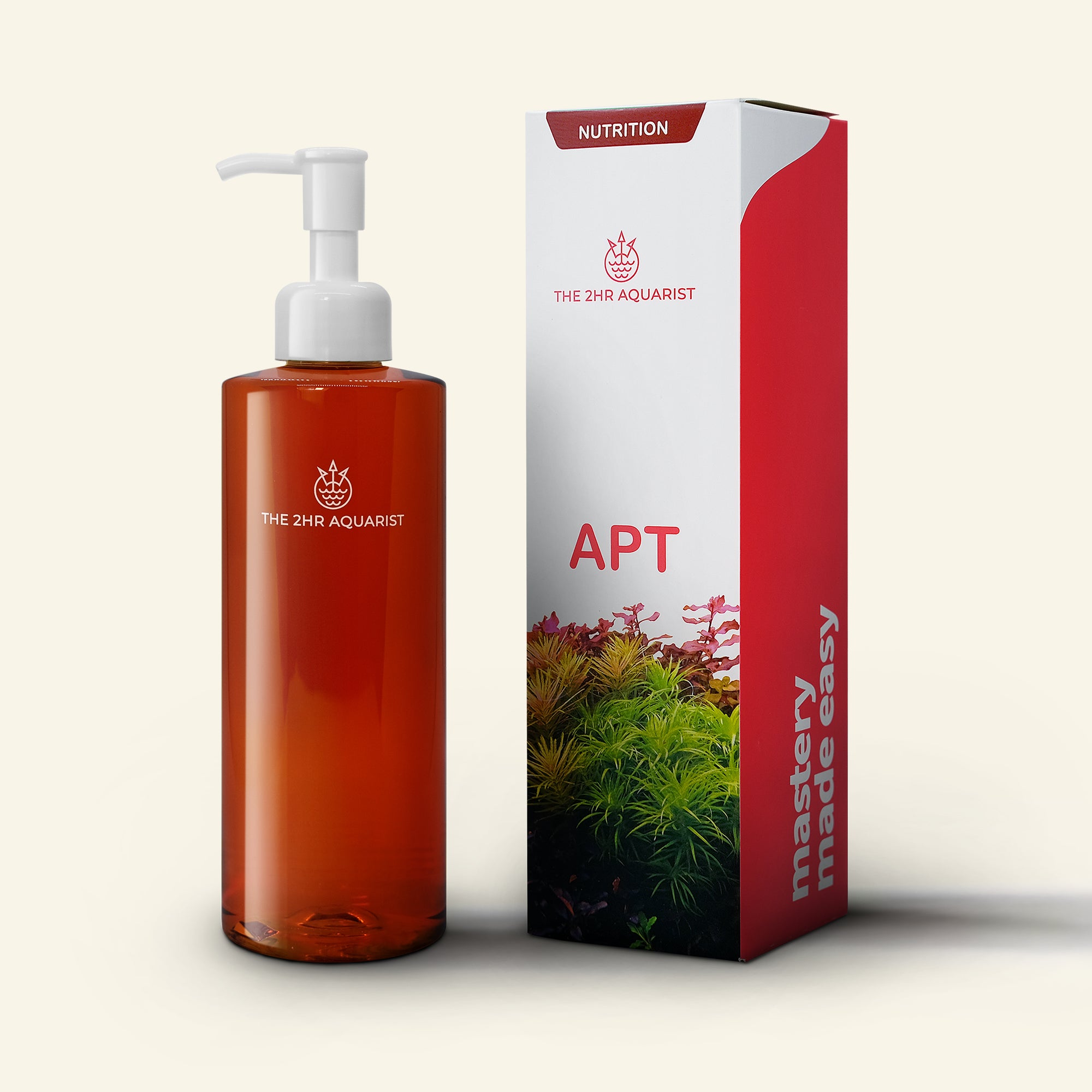
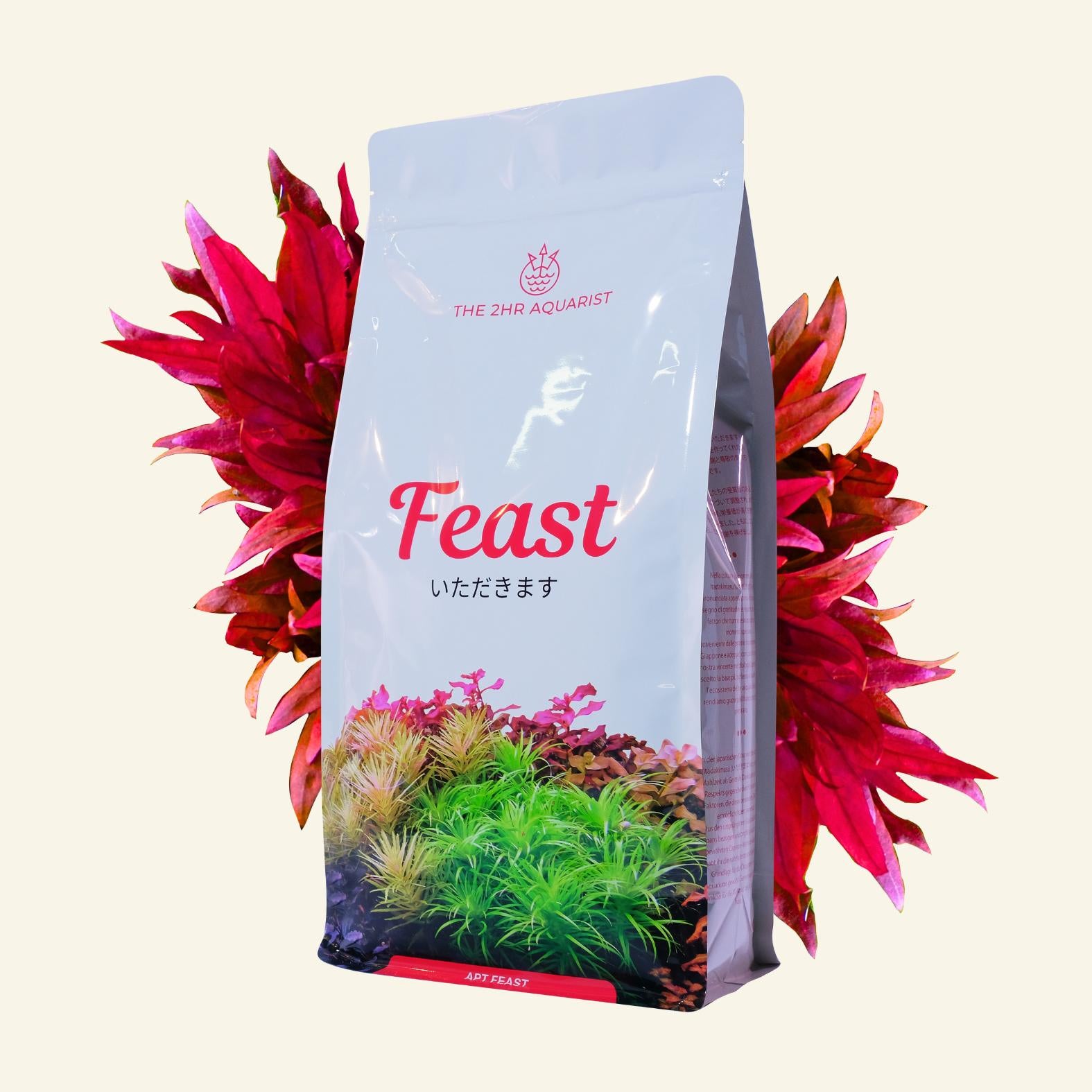
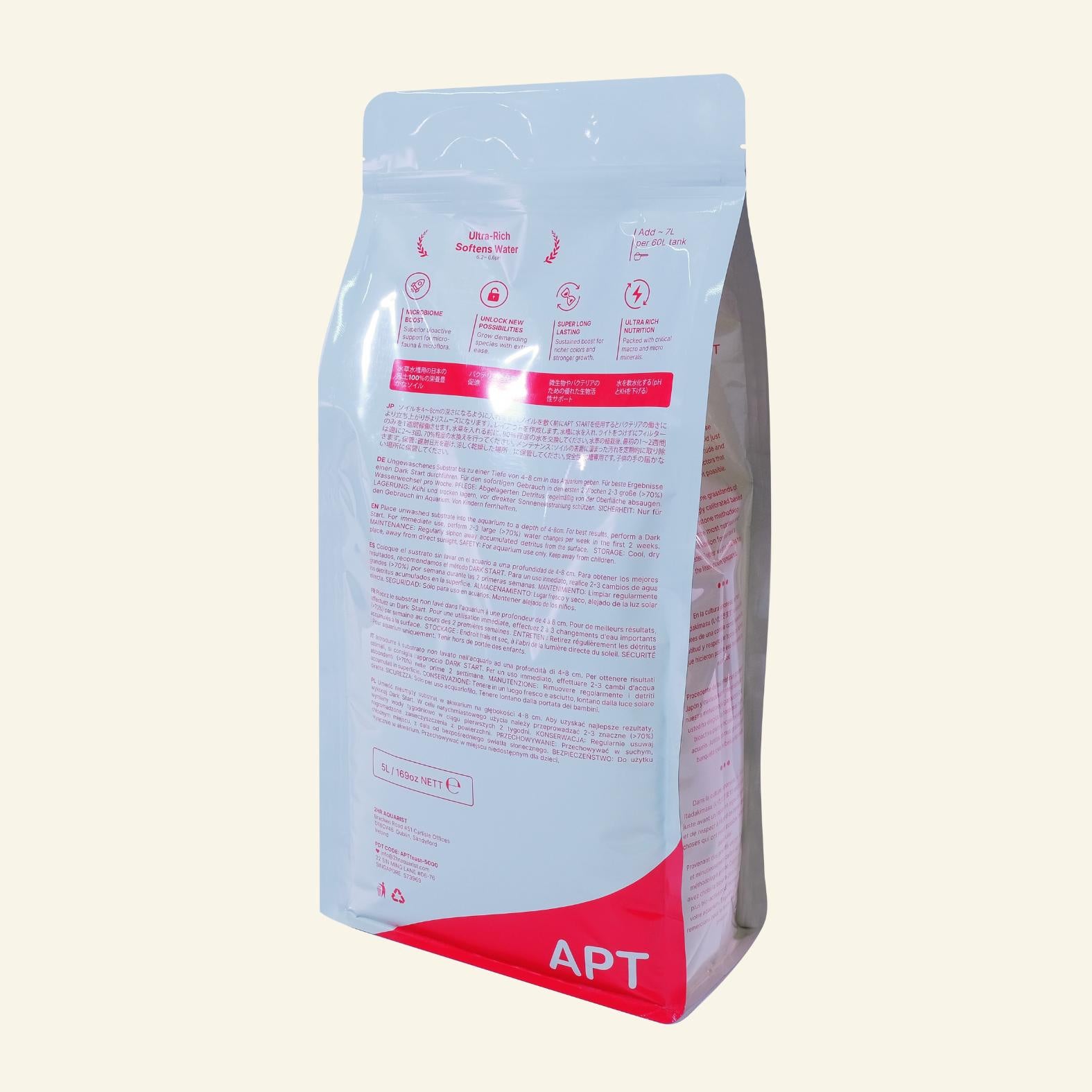
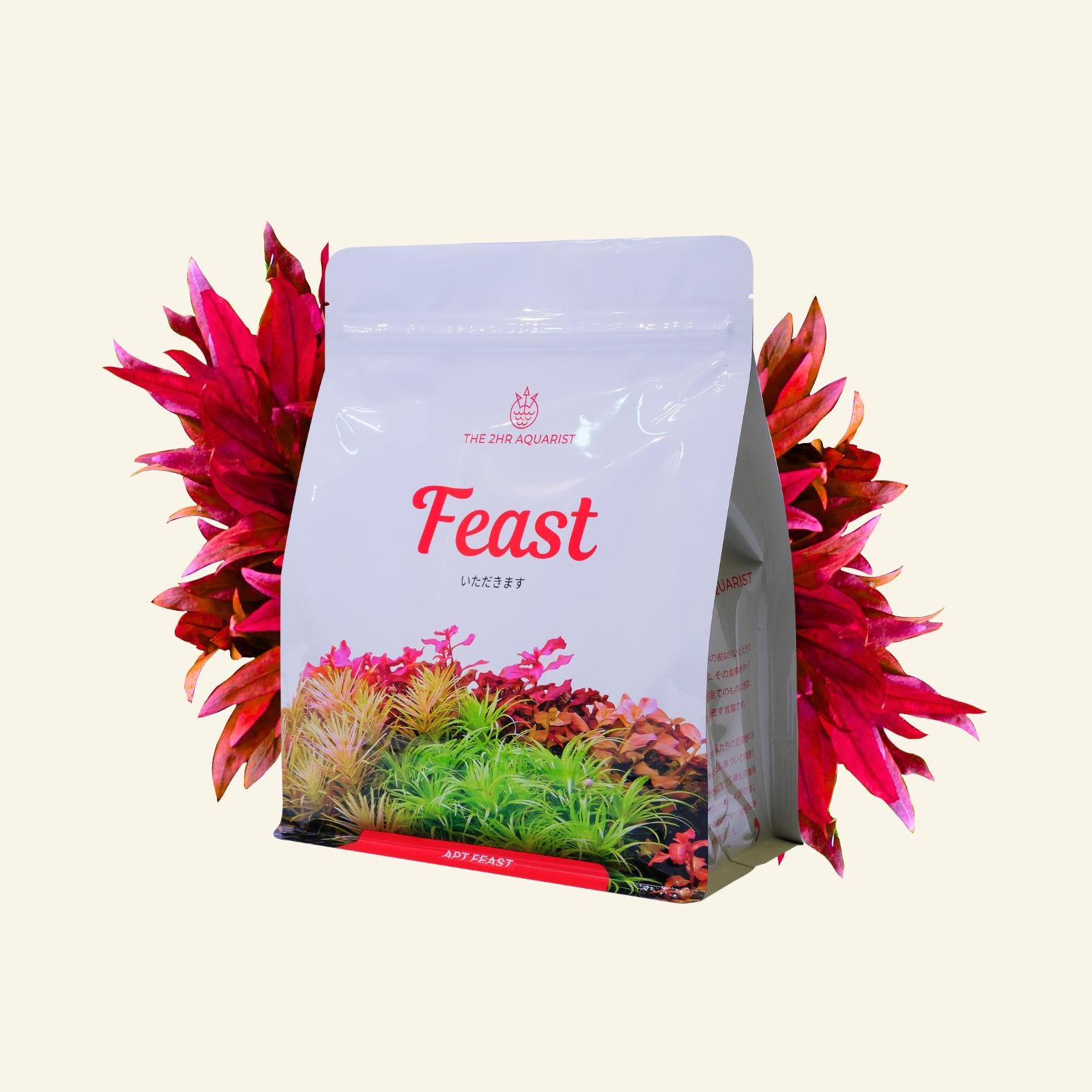
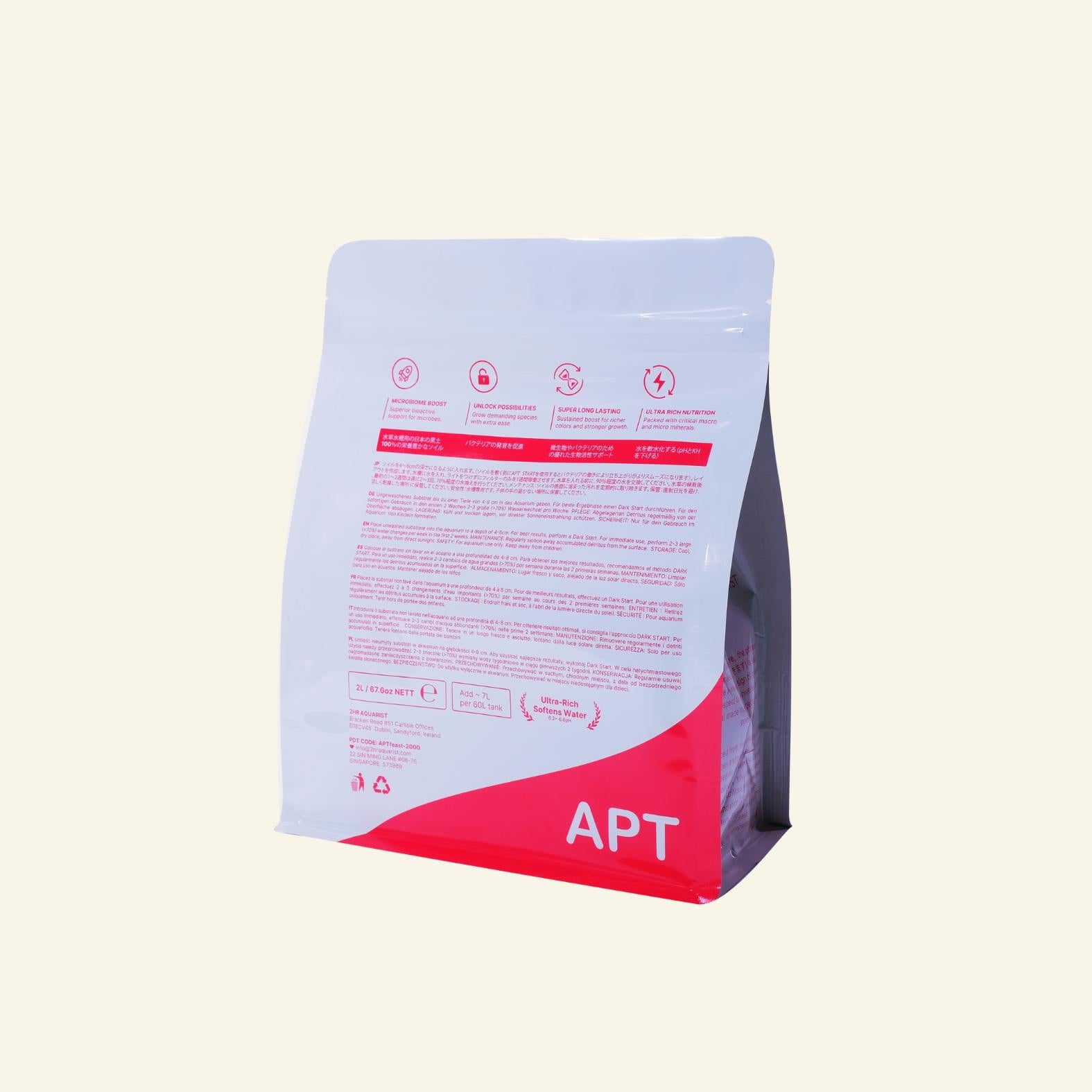
Substrate: APT Feast.
Filters: Oase biomaster 850 and Oase biomaster 350. 100% Sponge media in both filters. Prefilter chambers are washed every month. Main chamber is left untouched for 12-14 months. One of the filters has a surface skimmer intake attached.
CO2 regulator: Aquatic farmer. CO2 injected through inline diffuser. Target CO2 level is 50ppm. Higher level of CO2 targeted to due Eriocaulon quinquangulare and Centrolepis drummondiana being grown. Both species grow better with higher CO2 saturation rates.
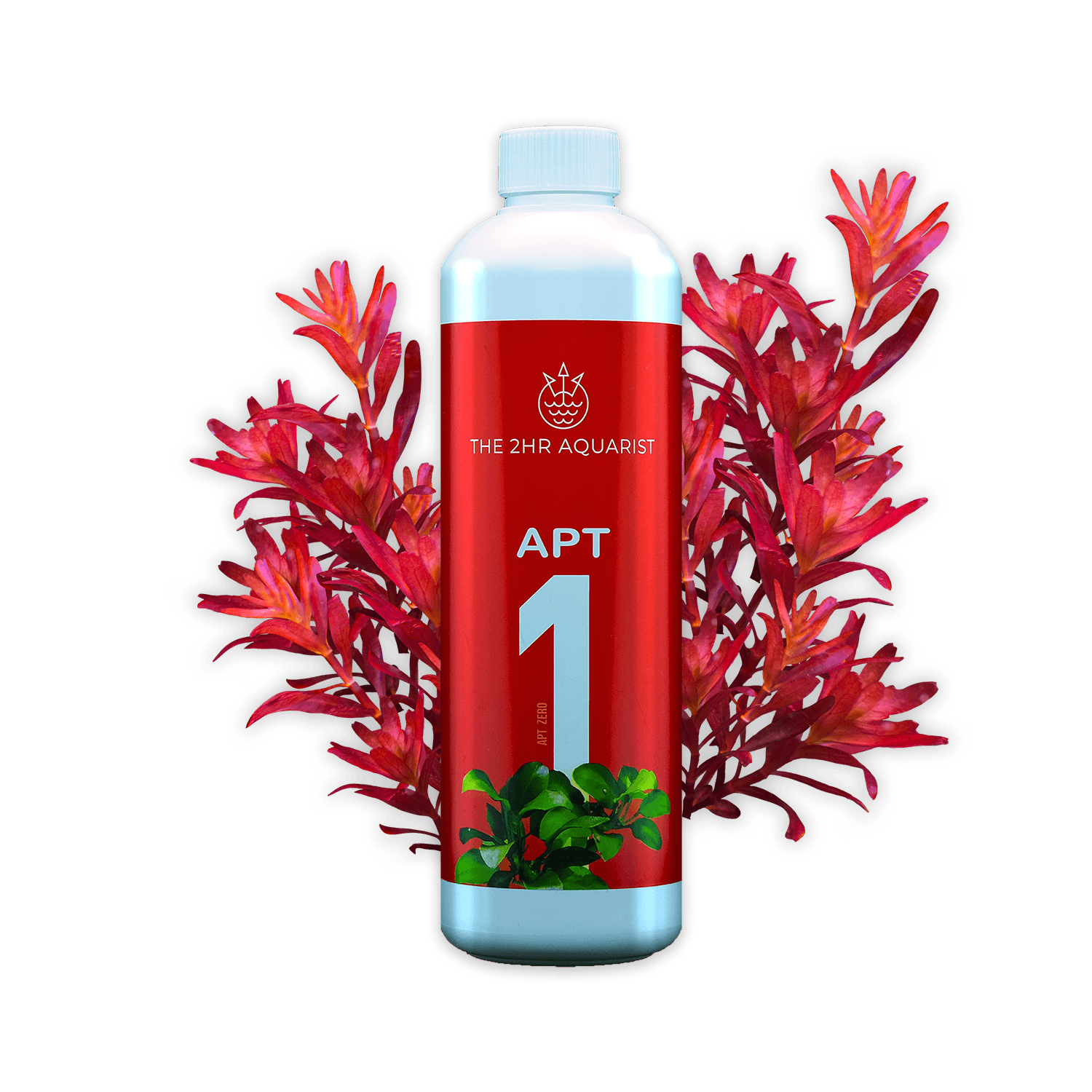
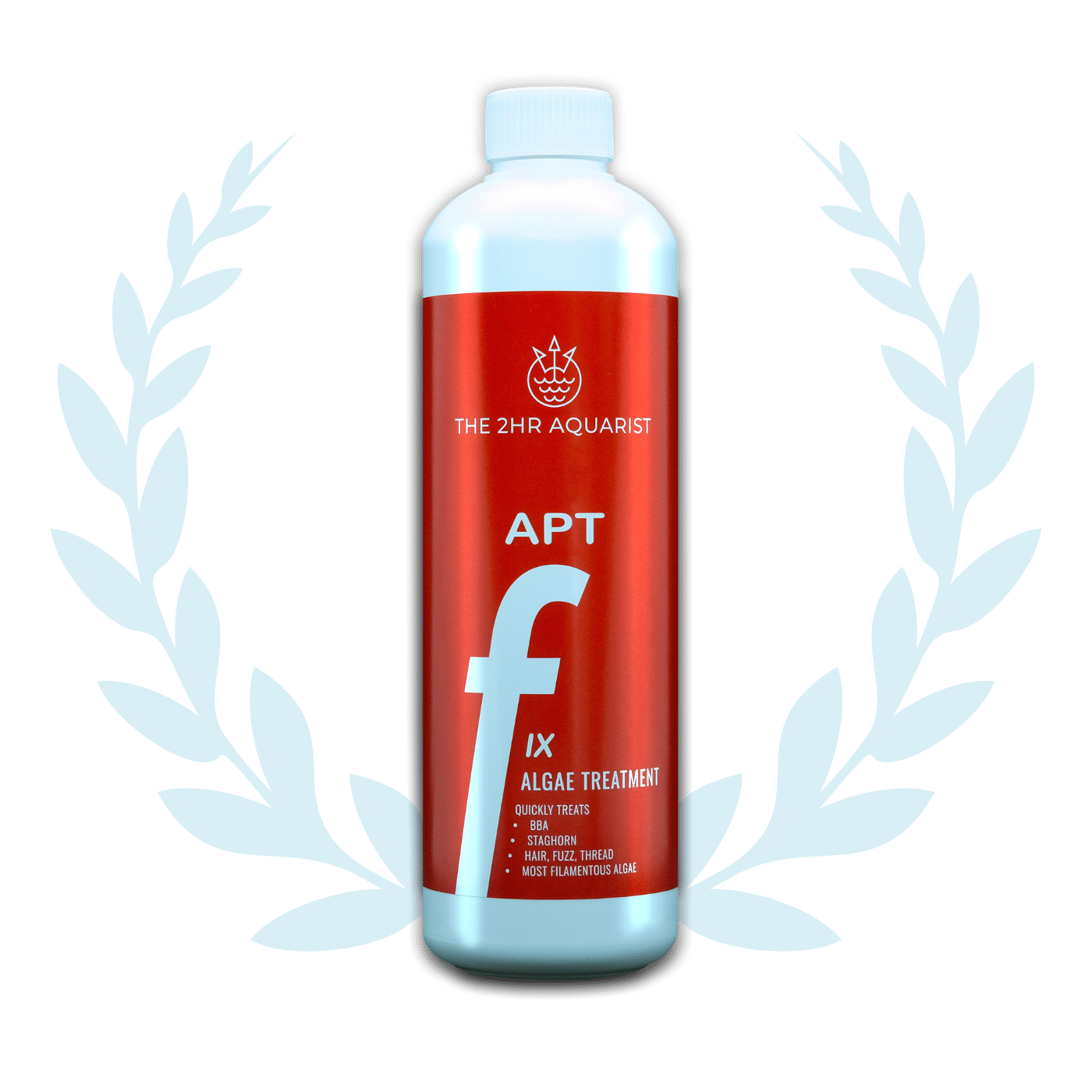
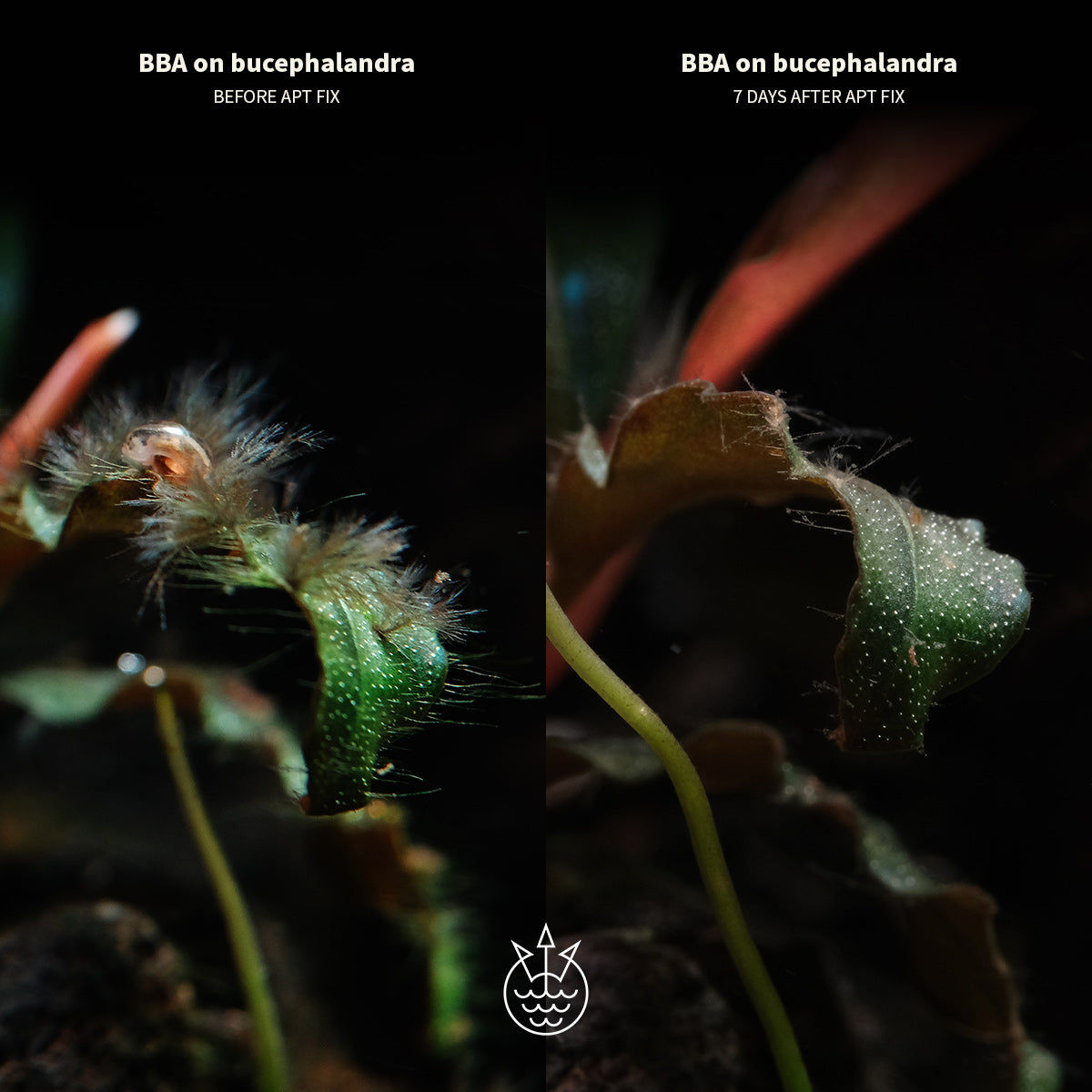
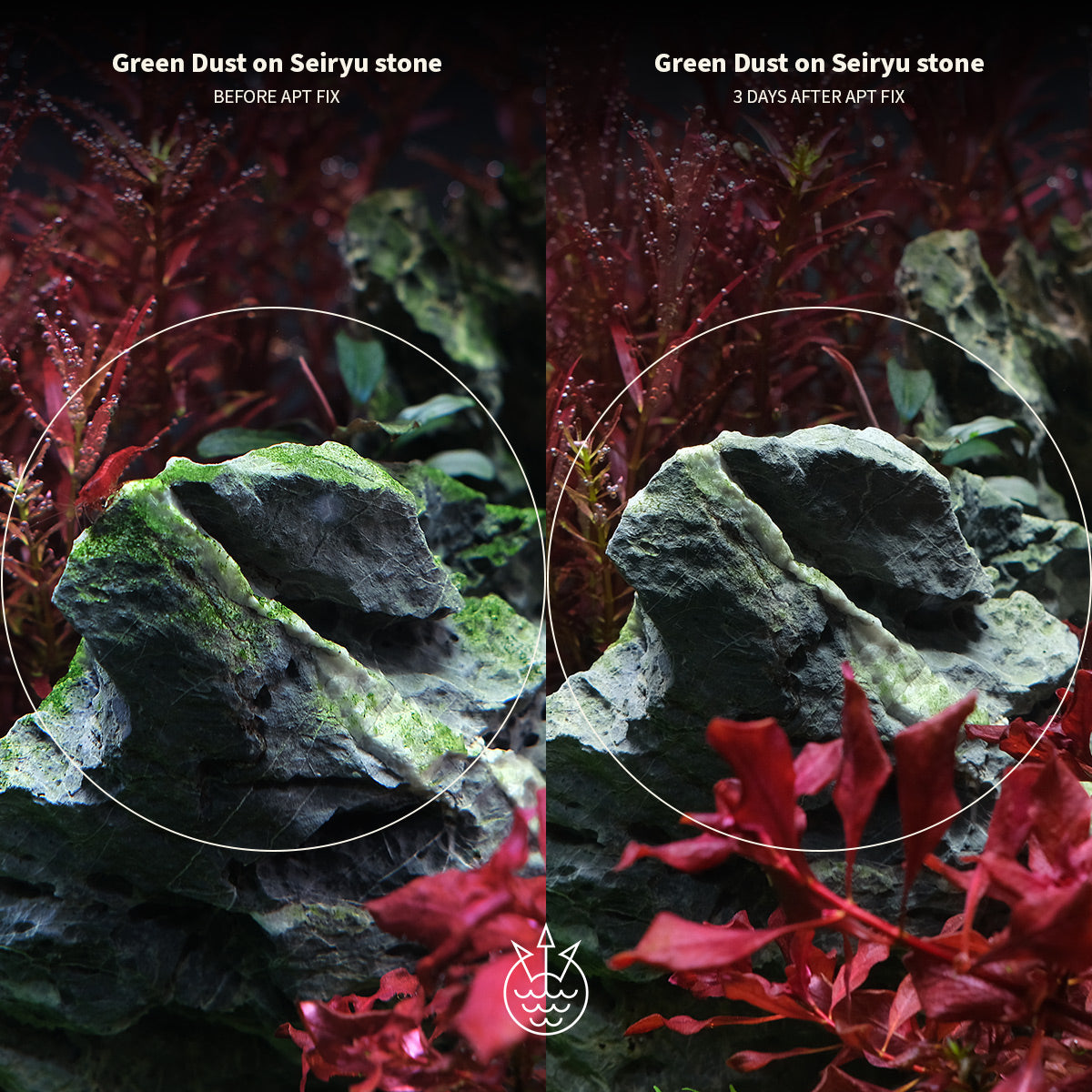
Additional additives: APT Fix for spot dosing algae, APT Pure as a dechlorinator for water changes.


Maintenance & horticulture approaches:
Fertilization:
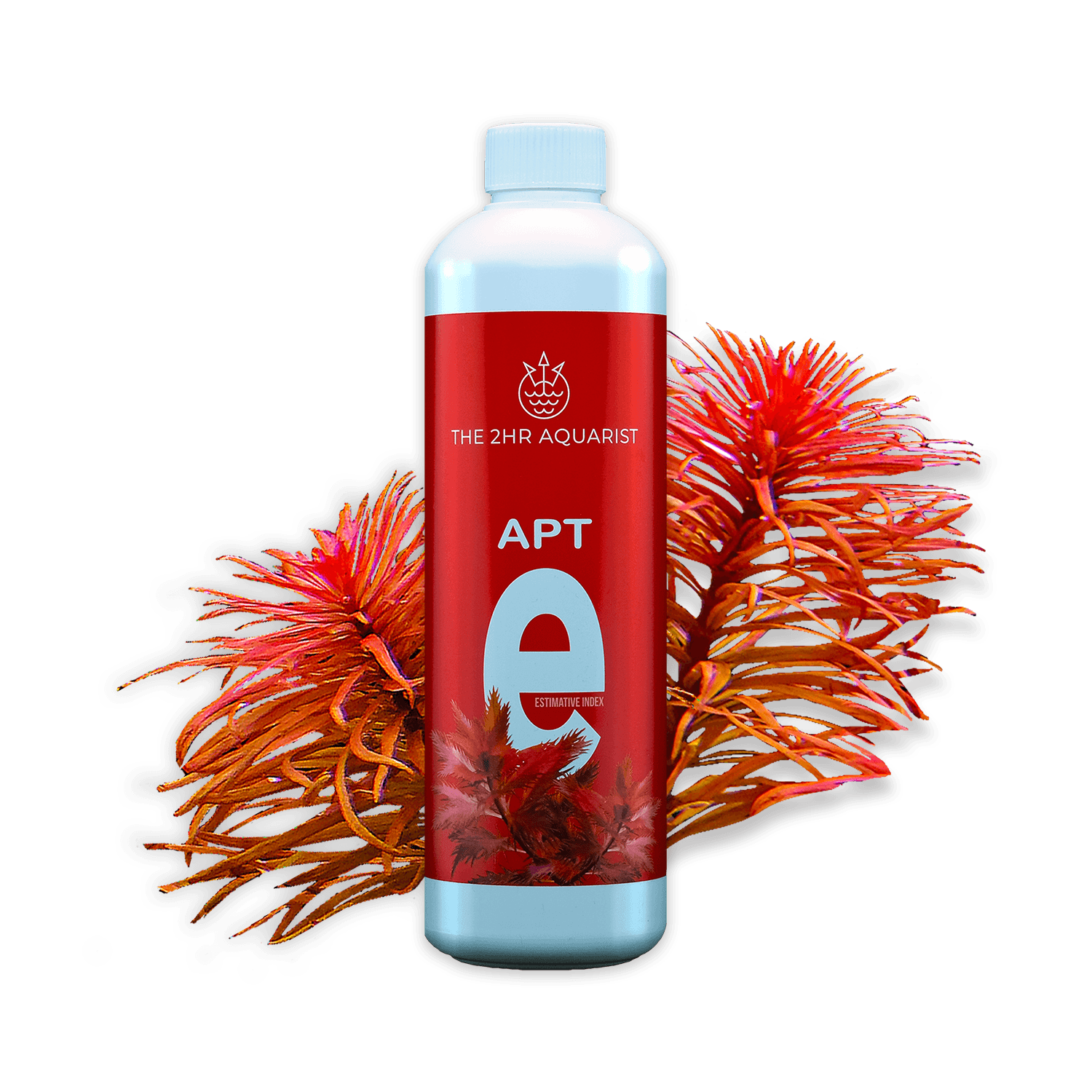
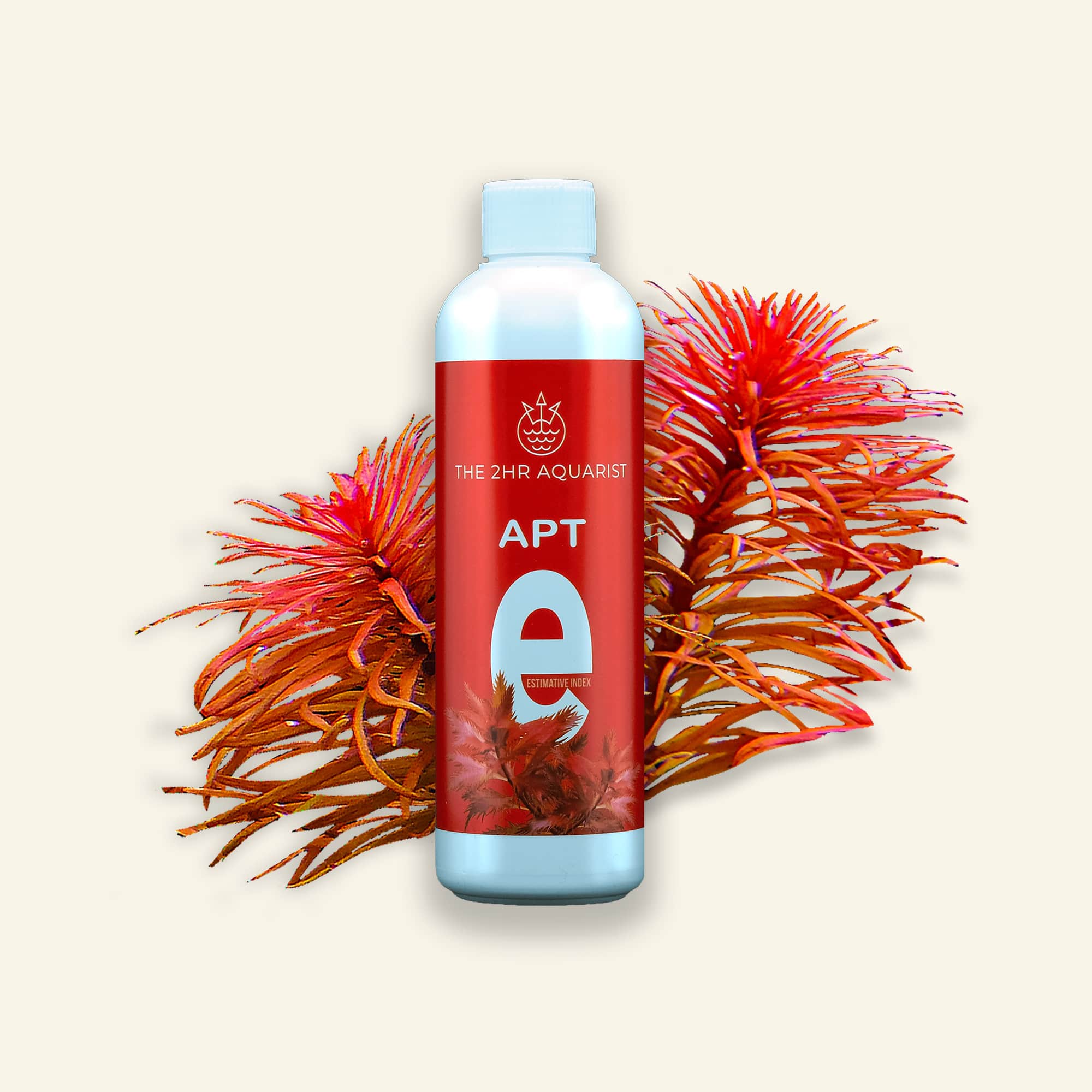
6ml of APTe is added to the tank everyday. Additionally, when a 50% water change is done, a triple dosage of APTe (18ml) is added to the tank. This keeps nitrate levels around 15ppm. This aquarium uses higher nutrient levels to fill in some picky plant species faster.
The exact reason why the above is done is explained in detail in a separate article here.

Trimming of plants
Growing plants are healthy plants and healthy plants keep algae at bay, so the care of plants directly correlates with having an algae free tank. Plants compete with each other for space, and removal of excess growth is not only done to shape bushes into more aesthetic forms, but also to make space for new growth.
The tallest shoots of stem plants are cut off individually where they connect to the main stem. This is less damaging than doing a straight trim, where all the tops are sheared off at the same height. This is done frequently to keep the various bushes at a consistent height.

Some species such as Syngonanthus do not recover well when the only existing apical bud is cut off. The best way to trim such plants is by picking off the tallest buds at the point where they connect to the main stem, and leaving at least a couple of growth heads behind to grow.


Replanting tops of stem plants
Stem plant bushes have to be replanted after many trimming cycles. This entails cutting and replanting the fresh top portion of the stem plant, and uprooting and discarding the lower old rooted portions. This rejuvenates the bushes and keeps algae at bay by removing old deteriorated growth and replacing it with fresh growth. Removing roots prevent substrate compaction over time. A water siphon is used to vacuum up the dust when plants are uprooted.

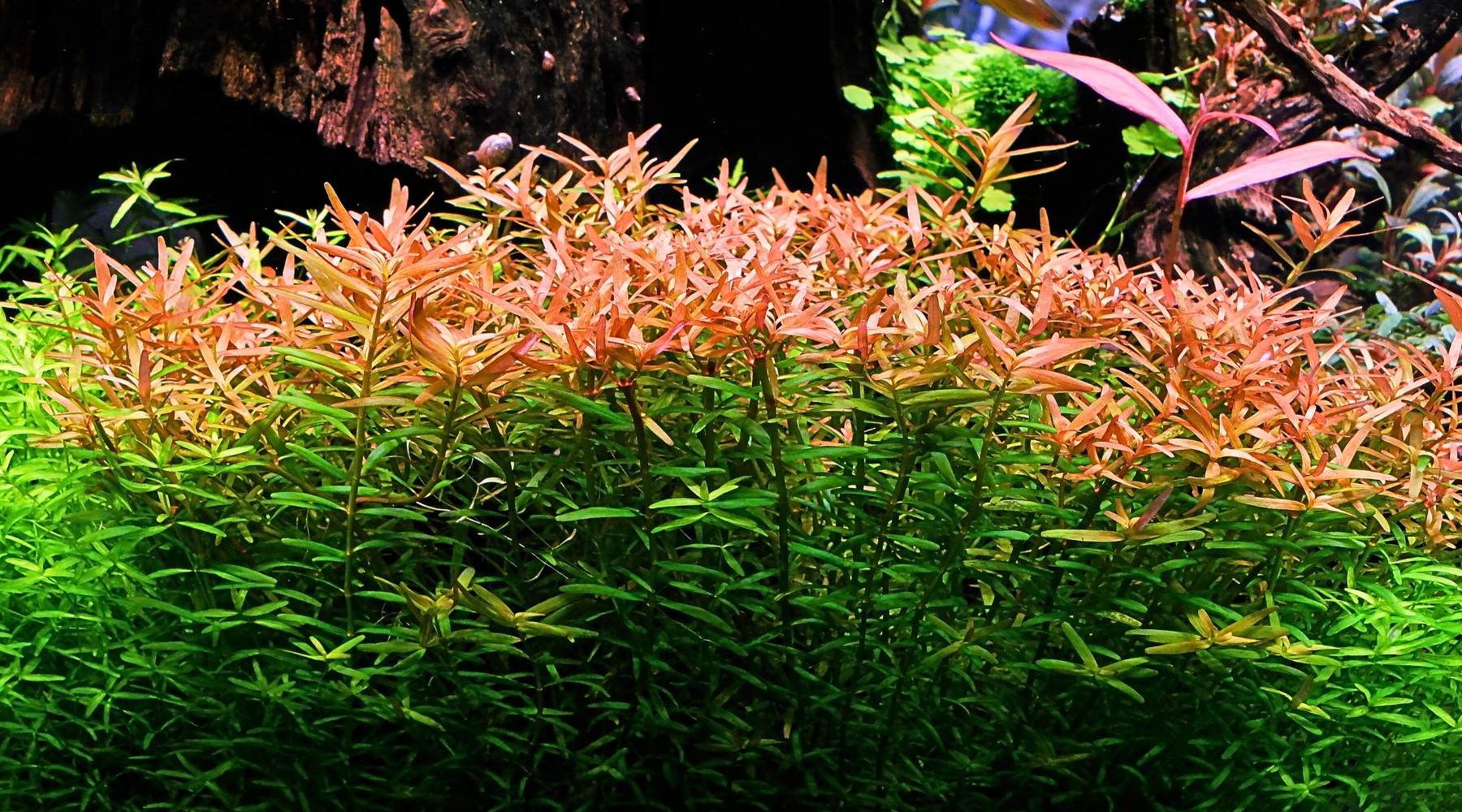
Depending on the species of stem plant, they need to be replanted at different intervals. Rotala rotundifolia species are very hardy and can be trimmed continuously for months without replanting. Rotala macrandra mini type 4 can be trimmed for 3 to 4 cycles, then it needs to be replanted. Slow growing bushes such as Rotala florida and Syngonanthus species are replanted once every 4 months or so.
In the six month window that this aquarium has been running, the Rotala florida bushes have been replanted just once. Around 250 Rotala florida stems were harvested and sorted - only the healthy top 3-4 inches are kept, the older bottoms uprooted and discarded. 150 stems sold to local dealers, and 100 stems replanted. The entire operation took around 2 hours.

Video of siphoning while uprooting plants to reduce mess:
Water changes
Tank cleanliness is key in high light aquariums to avoid algae.
In high light tanks, accumulated substrate detritus (fish poop, and organic debris from plants) trigger algae easily. A turkey baster is used to agitate the substrate surface while siphoning is done. This significantly reduces spawning of some algae types such as black brush algae (BBA). Tanks running less light, or with less rich growth parameters can get away without doing as much cleaning work. On one hand the waste does decompose into some usable nutrients, but the increase in organics as an algae trigger is not worth the miniscule amount of nutrients it adds - we can easily add clean nutrients through dosing fertilizer.
Many hobbyists fail at transitioning to running high powered aquariums as they stubbornly retain their habits that served them well at maintaining easier low light aquariums. Growing higher demand plants is hugely different from growing an easy plant selection.

We aim for at least 50% water changes weekly. This allows us to rebalance water parameters and also to remove both dissolved organic waste and organic debris from the substrate zone. We may change more than 90% in the week where a lot of siphoning is done due to replanting or moving plants around.
APT Sky is added to rebalance GH to 5dGH after water changes. Additionally a triple dose of APTe is added after water changes to maintain nutrient levels. To read more why and how this is done is described in detail here.
Splitting rhizomes and rosettes
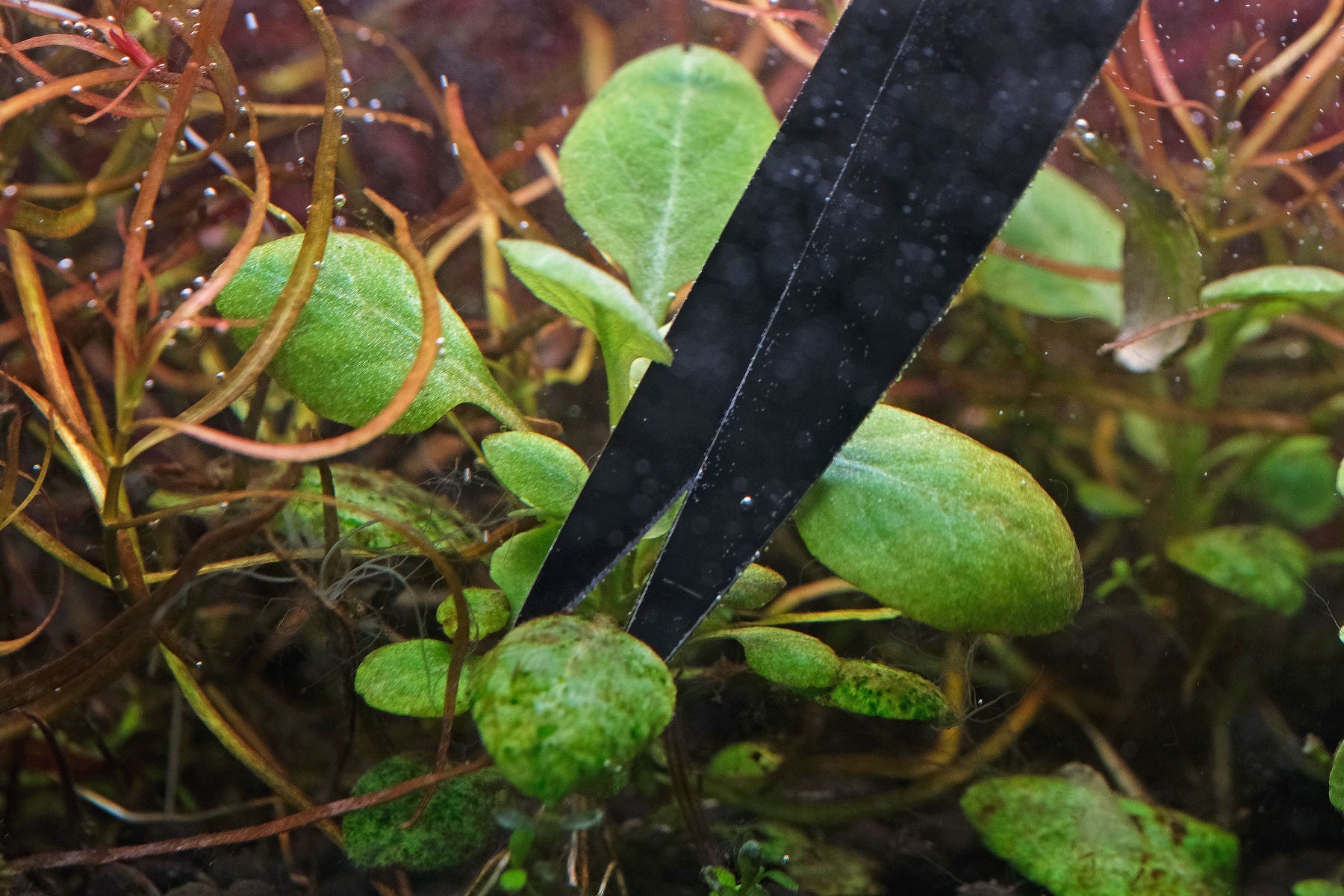
Xyris difformis, Centrolepis drummondiana and Lysimachia parvifolia do not gain vertical height like stem plants. However, all of them produce baby plants at their base. These need to be divided manually as they get algae and unhealthy when overcrowded. Overcrowded plants are also less vibrantly colored.
Sometimes the baby plantlets are obvious can be cut/plucked off without uprooting the mother plant. However, their root systems will often be entangled, so the entire clump has to be uprooted and divided manually.


Enriching substrate with fresh aquasoil
Fresh aquasoil contains ammoniacal nitrogen that greatly enhances growth quality of plants, producing fuller, denser plants with better coloration. All aquasoils deplete their nitrogen stores in time and regular additions of new aquasoil recharges the substrate.
While ammonia rich root tabs can be used on plant clusters that are not uprooted often, adding fresh aquasoil is more effective for plants that are uprooted frequently, such as stem plants and Centrolepis drummondiana. A few spoons of old soil is removed, and new aquasoil is mixed in when the plants are topped and replanted. 1% new aquasoil is added per month.

Final thoughts and conclusions
Maintenance is the main angle preventing more folks from fully enjoying such "dutch style" aquariums. However, plant selection and selective pruning makes a huge impact on how much maintenance is necessary. Using slower growers such as Xyris difformis, Rotala florida and Syngonanthus species makes a huge difference in how much trimming and replanting work is done. Using more precise pruning methods, such as cutting off individual stems at where they connect to the main stem rather than straight trimming all the growth heads off at once also allow greater longevity for bottom stems.
For plant focused aquariums, replanting work cannot be avoided, but it can be made more efficient through having the right tools and technique. Technique takes time, but the reward is being able to utilize a far greater number of plant species in the aquascape. While hardscape focused aquariums have become very popular in the last ten years, I hope that more folks will give plant focused tanks a try. There are many new plant species in the planted aquarium hobby today compared to earlier years, and there is no better time to explore the plant side of the hobby.



Share:
Non-Aquatic Aquarium Plants: A Beginner's Buying Guide to Avoid Them
Why do leaves deteriorate? Understanding the leaf renewal cycle in aquatic plants