
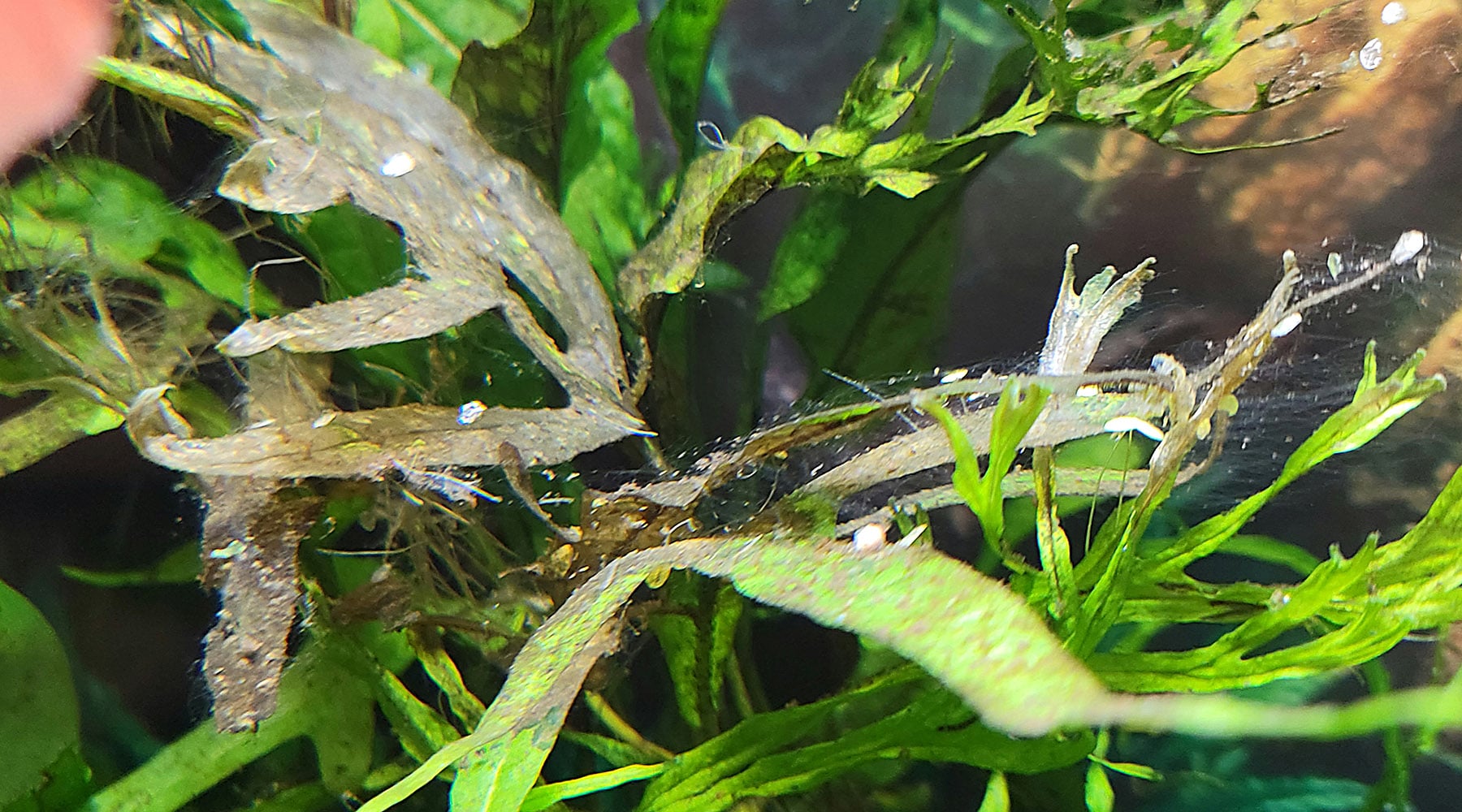
Above: Java Fern 'melt' ( courtesy of Tiffany P.)

Java Fern (microsorum pteropus) and Anubias barteri ‘nana’ are among the hobby’s most hardy plants.
They can thrive in both softwater and hardwater, and can take anything from high to very low amounts of light. They don’t need CO2 or substrate to grow well. Their tougher leaves make them less vulnerable to herbivore damage, and less susceptible to handling damage during transport and planting.

However, their external toughness belies several weaknesses.

When overlooked, it is easy to get leaves that covered with brown algae and/or blackened edges. These two species are also prone to displaying ‘sudden death’…where a plant that seems OK might suddenly turn yellow, transparent or even ‘melt’ away.

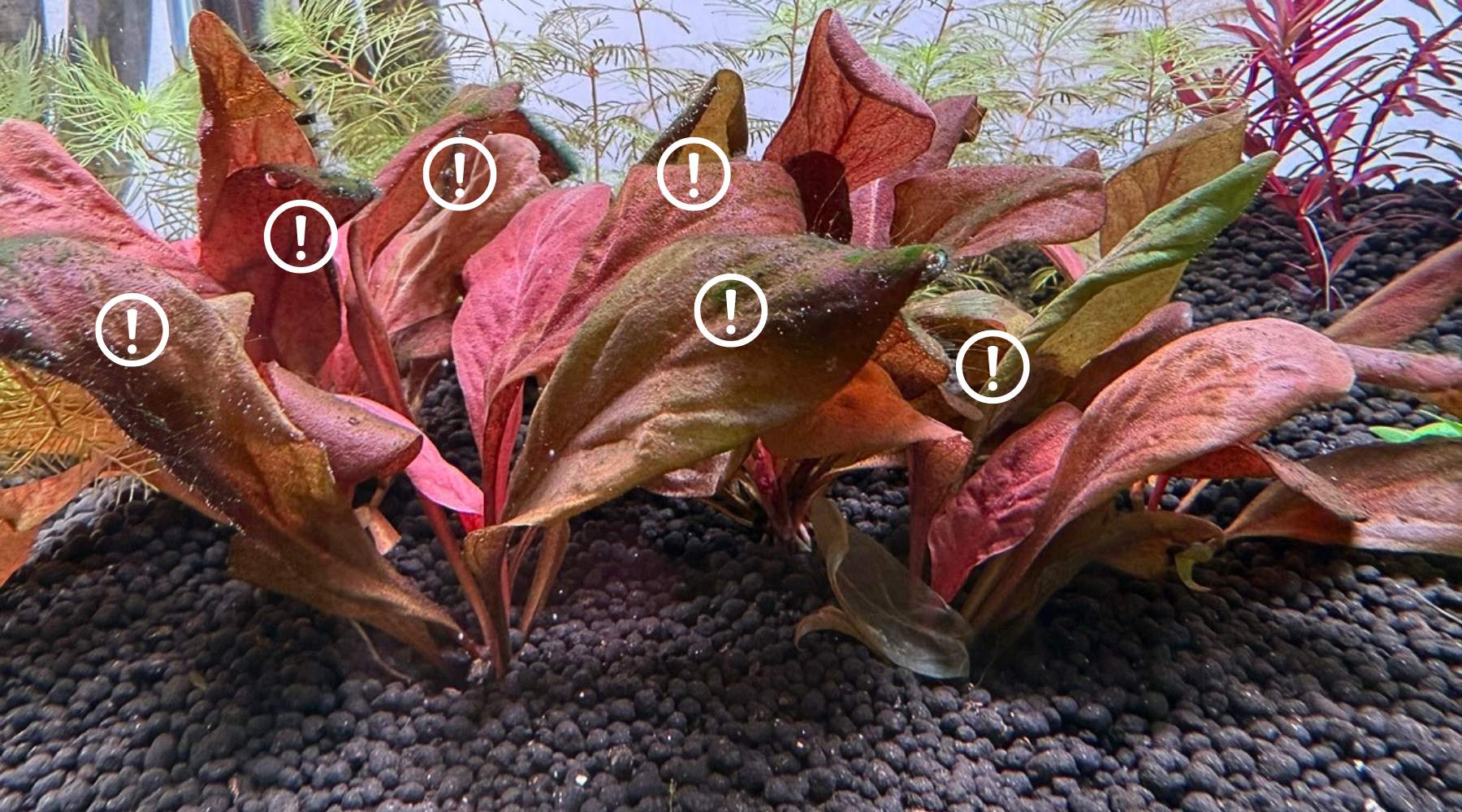
Anubias algae

Above: a common occurrence on the leaves of Anubias (courtesy of Tiffany P.) As slow growers, both Java Fern and Anubias are especially vulnerable to the following:

  1. Fish waste. As slow-growing plants, Java fern and Anubias are more susceptible to algae than faster-growing plants. With an undersized filter and infrequent housekeeping, detritus accumulates on their leaves. This feeds the algae and often results in an unsightly brown/black layer.

  2. Insufficient flow. Many tanks use overhanging or 'hang-on-back' filters. These filters are more prone to clogging by design and many do not provide sufficient flow. Without sufficient water movement, detritus accumulates on the leaves. This provides a food source for algae.

  3. Insufficient light. As shade plants, Java Fern and Anubias can survive in very low light. However, in a tank with floaters (see our previous article here) or taller plants / hardscape, it is easy to go below the minimum threshold without knowing it. If you notice very few or no new leaves, you may be giving too little light.

Sudden death?

As slow growers with tough leaves, Java fern and Anubias often deteriorate 'inside' without showing any signs of decay.
This can be caused by prolonged shading (often due to floatation) or by algae-covered leaves that deprive them of light.
Then, suddenly, with the addition of a new fertiliser or an intended improvement (water change, new equipment, etc.), the plant collapses, leaving the hobbyist bewildered.

The causes of the 'sudden death' have been building up for weeks or months, but due to their tough outer shells, these plants appear normal until they reach a tipping point or a change in the tank environment.

This is probably the most tricky thing about Java fern and Anubias.
They grow and adapt very slowly.
Improvements in water flow, lighting and nutrition will take at least a few weeks to have a visible effect. Similarly, poor conditions will take weeks or months to be reflected in the plants.

This delayed response makes it one of the most difficult aspects for beginners to navigate.
It is incredibly difficult to remember what we had for lunch 2 days ago.
How much harder is it to remember what tank changes were made 3 weeks ago!

2Hr low Tech Tank no CO2

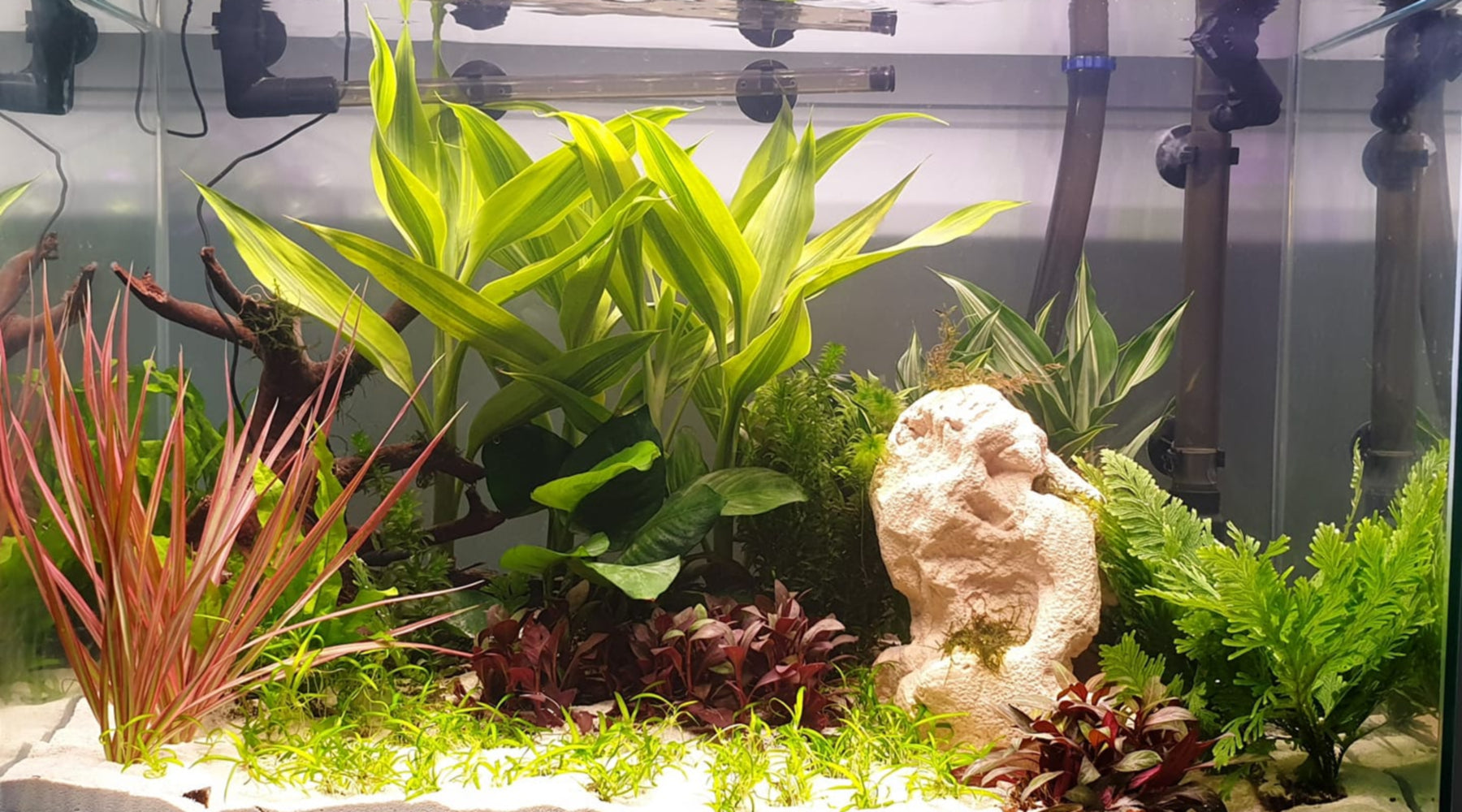
Above: a ‘low tech’ tank with a lively fish population and thriving Java Fern and Anubias plants. This tank requires very infrequent cleaning ( water change once every 2 weeks, glass that remains clear of algae) The secret? A large part comes from good flow, in this case a properly sized canister filter.

Regardless of your present equipment or tank setup, 3 things you can do:

  1. Regularly change water The 2Hr Way. Stir up and siphon away the detritus on the leaves.
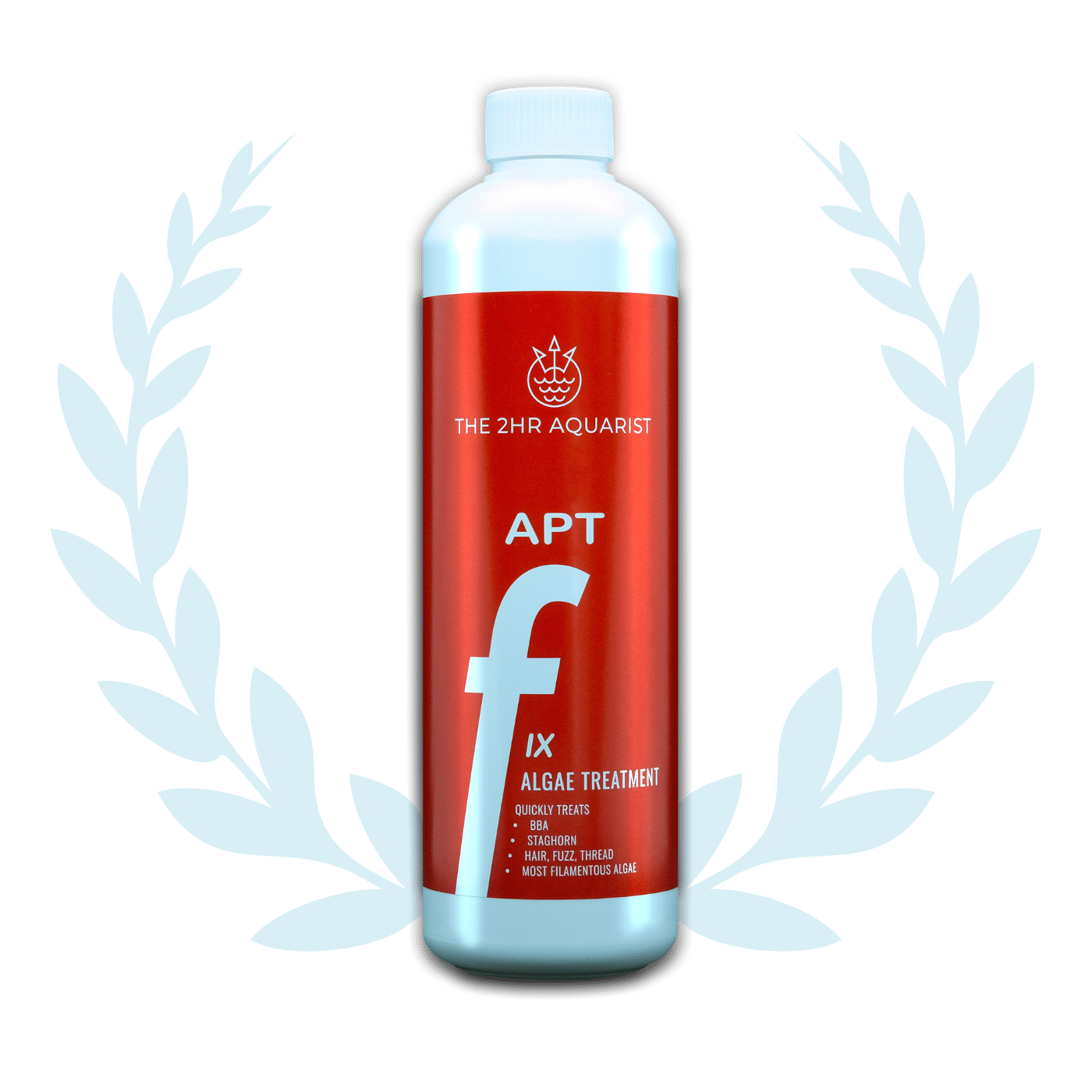
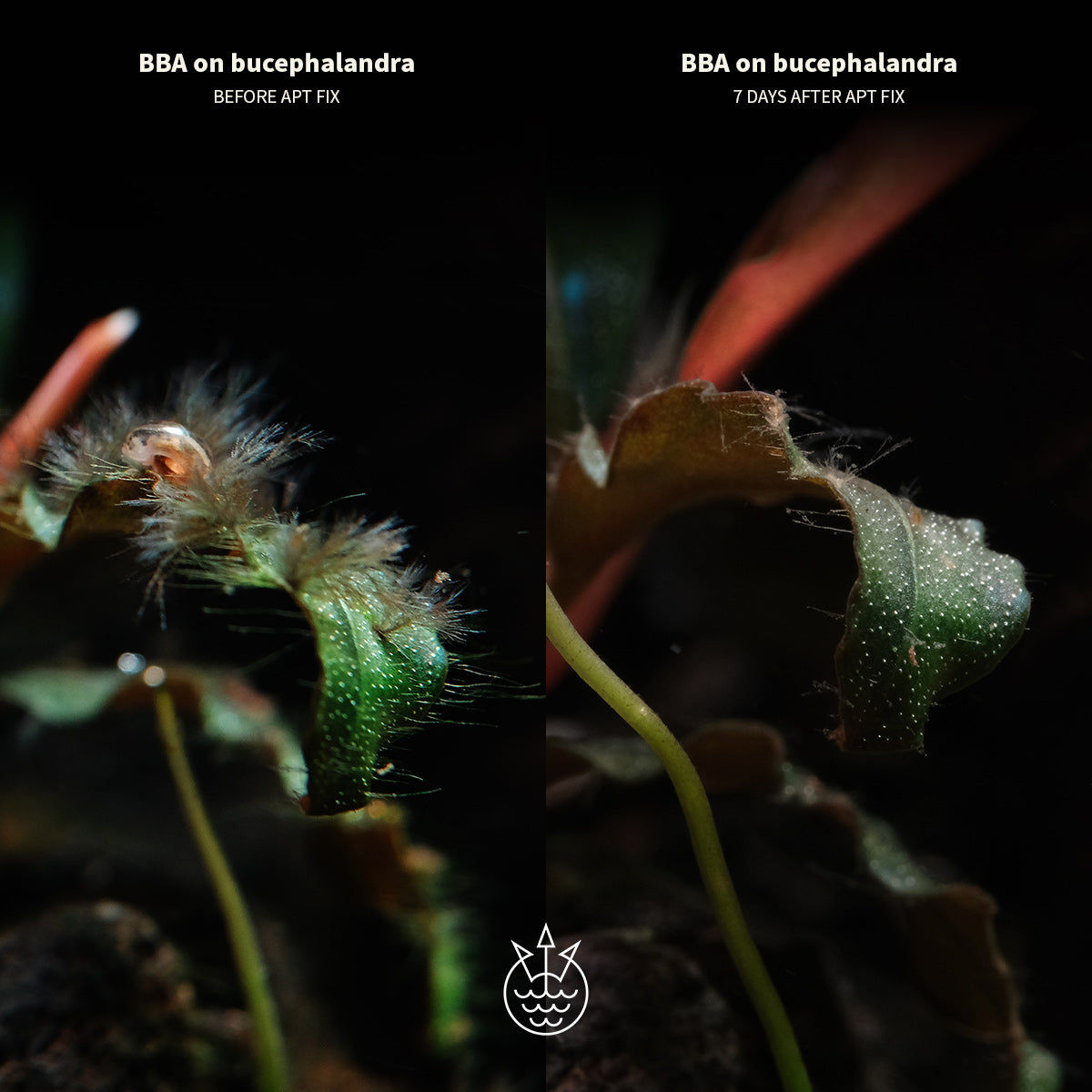
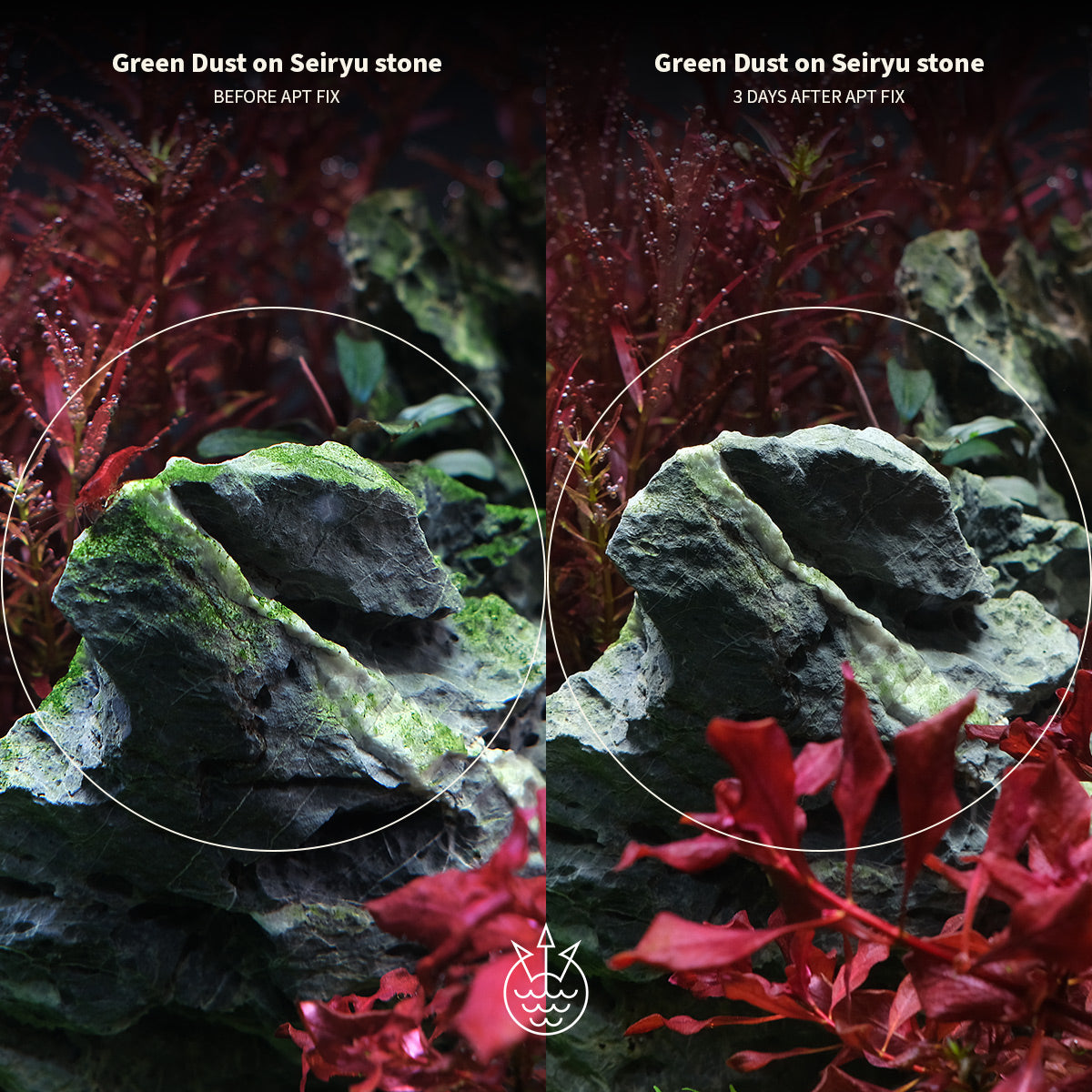
  2. If you already have algae covered leaves, review lighting and remove the ones that are too badly decayed. APT FIX is an effective algae treatment for leaves that are still fundamentally healthy.
  3. If you are using a hang-on back, clean it more often to help with flow.

Finally, remember the delayed 'cause and effect' in these slow growers. Don't expect improvements to show up immediately. It takes several weeks. And 'looking OK' may not mean 'healthy' or 'happy'. Always look for new leaves.


For more details, read our guide to Java Fern here and our article on keeping Anubias here.
Explore

View all

Close up photo of algae on older aquatic plant leaves

Why do leaves deteriorate? Understanding the leaf renewal cycle in aquatic plants

This article delves into the topic of how plants continually renew themselves through the production of new leaves.

Read moreabout Why do leaves deteriorate? Understanding the leaf renewal cycle in aquatic plants

4ft Rotala florida community aquarium: Showcasing the 2hr Way

4ft Rotala florida community aquarium: Showcasing the 2hr Way

Full details of tank parameters, plants and fish species, and the maintenance regime of the 4ft Rotala florida aquascape are described here.
Read moreabout 4ft Rotala florida community aquarium: Showcasing the 2hr Way

Non-Aquatic Aquarium Plants: A Beginner's Buying Guide to Avoid Them

Non-Aquatic Aquarium Plants: A Beginner's Buying Guide to Avoid Them

Some of the most attractive plants on shop shelves are not aquatic at all. They persist for weeks, then rot and feed algae. This guide identifies the common non-aquatic species sold as aquarium plants, shows how genuine aquatics shift form above and below water, and lists what to check before buying..
Read moreabout Non-Aquatic Aquarium Plants: A Beginner's Buying Guide to Avoid Them

New Tank Journey | Ugly Duckling

New Tank Journey | Ugly Duckling

New tanks can be frustrating at the beginning. Here, we describe one important signal that things are actually progressing well, despite plants having algae. 

Read moreabout New Tank Journey | Ugly Duckling

When Less is More

When Less is More

How to get Rotala rotundifolia redder? Interestingly, less can be more in this case.

Read moreabout When Less is More

System Shocks

System Shocks

Sudden widespread algae infestation can take place when changes in environmental parameters induce adaptation stress that weaken plants which become vulnerable to algae.

Read moreabout System Shocks

Flowering Underwater?

Flowering Underwater?

Do aquatic plants flower underwater? Is flowering a sign of good health? Which plants can I grow that will flower easily in my aquarium?

Read moreabout Flowering Underwater?