Hack #1

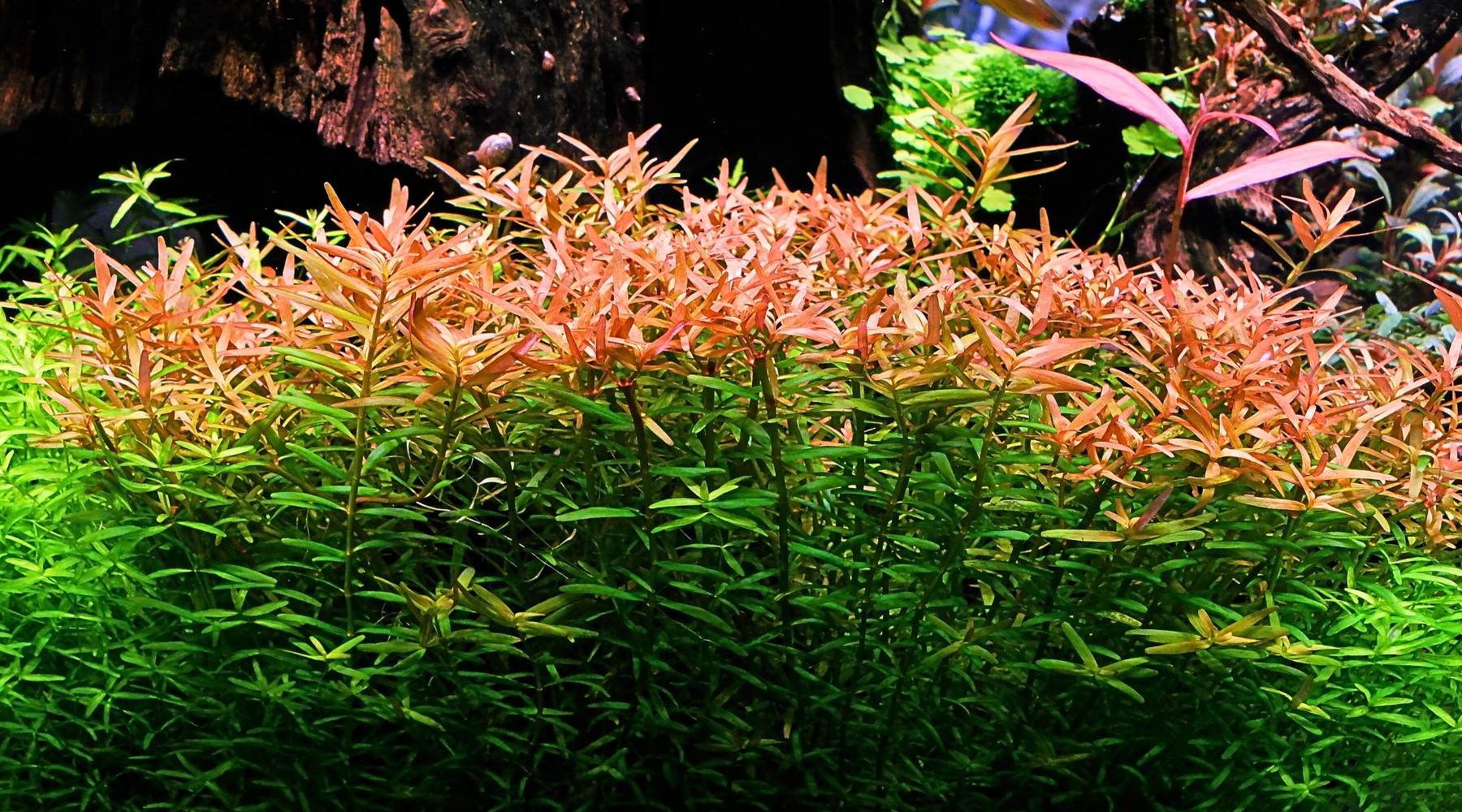
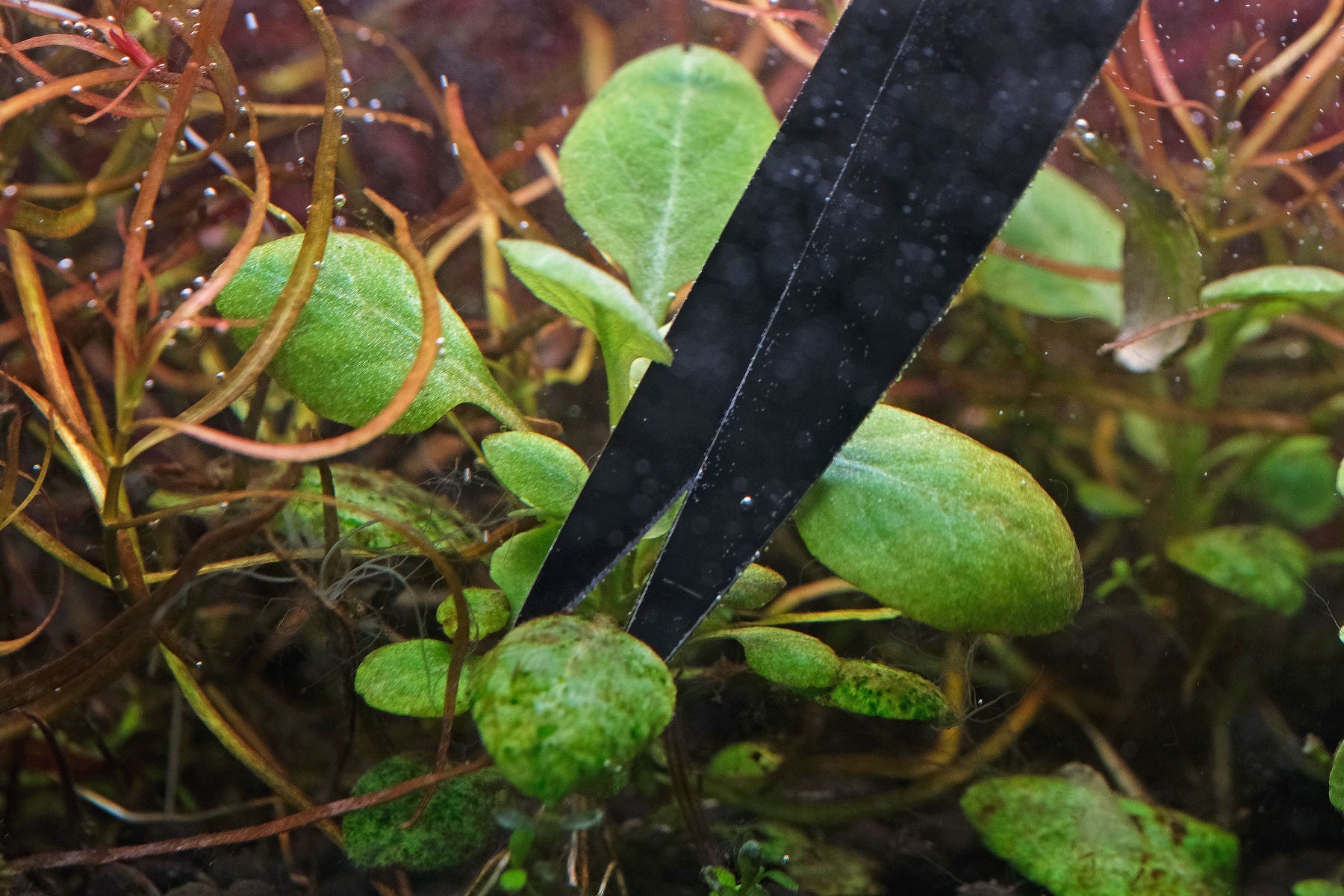
Babysitter plants are hardy plants, such as Hemianthus glomeratus (Pearlweed), which are not intended for the final aquascape, but are introduced temporarily at the start for the first 1 to 3 weeks to help stabilise the new tank. They will be discarded when the tank is ready for the real tenants to move in.

pearlweed Hemianthus glomeratus

This technique that has been used a long time by experienced aquarists.

While largely invisible to the human eye, a new tank's environment is a hostile, volatile one. Imagine the earth in its infancy!


Babysitter plants help accelerate the stabilisation of this invisible micro-biome. They also act as canaries in the coal mine:

  • If they continue to melt or remain engulfed by algae, it signals that the tank is not ready.
  • When new shoots start to look healthy, it signals that the tank is ready for the intended residents to move in.

Some finer points:

  • When uprooting the babysitter plants, take extra care to avoid disturbing the substrate too much.
  • Always siphon away the stirred up detritus before planting the intended plants.

Hack #2: Sequence Matters (alot)

staghorn flamingo

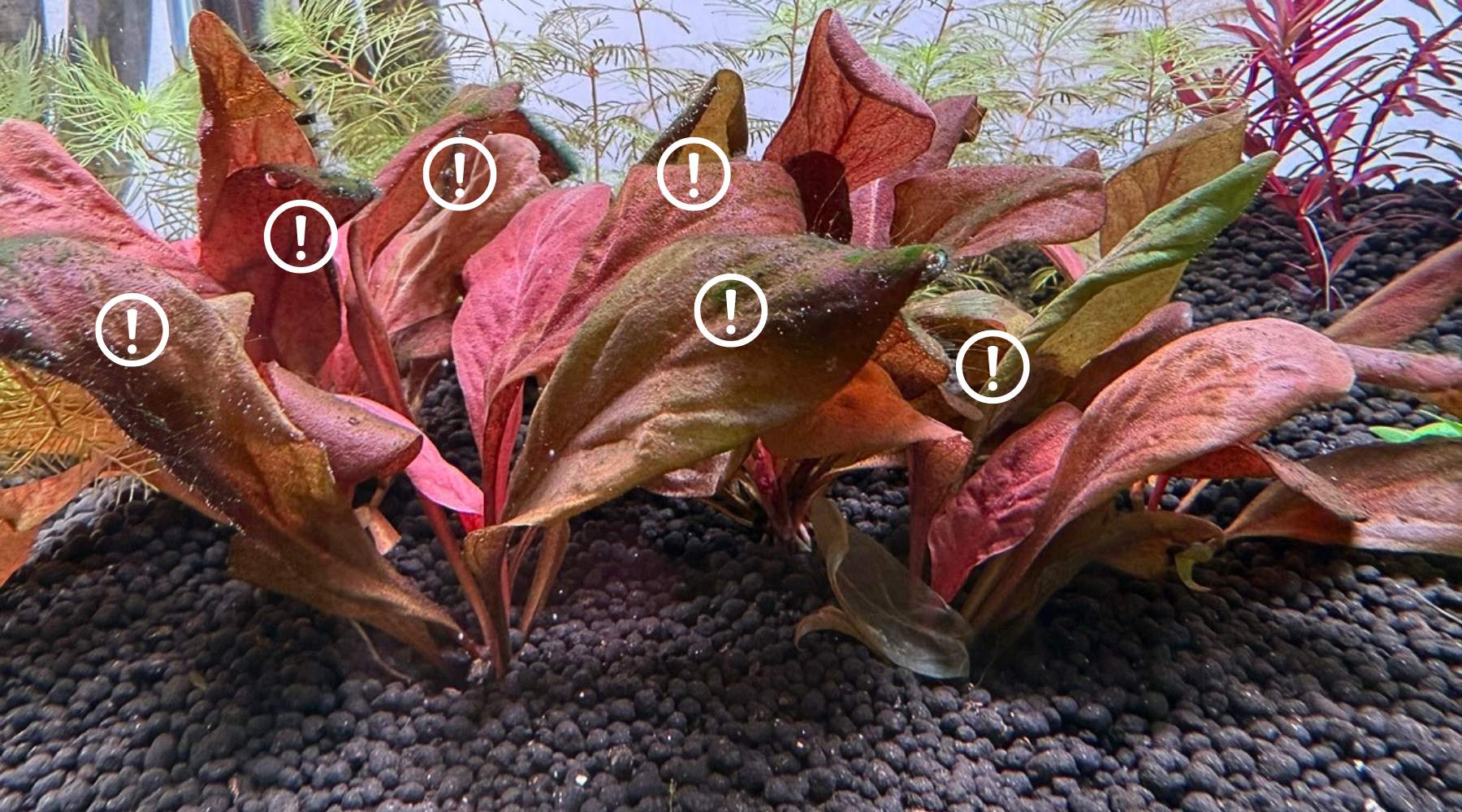
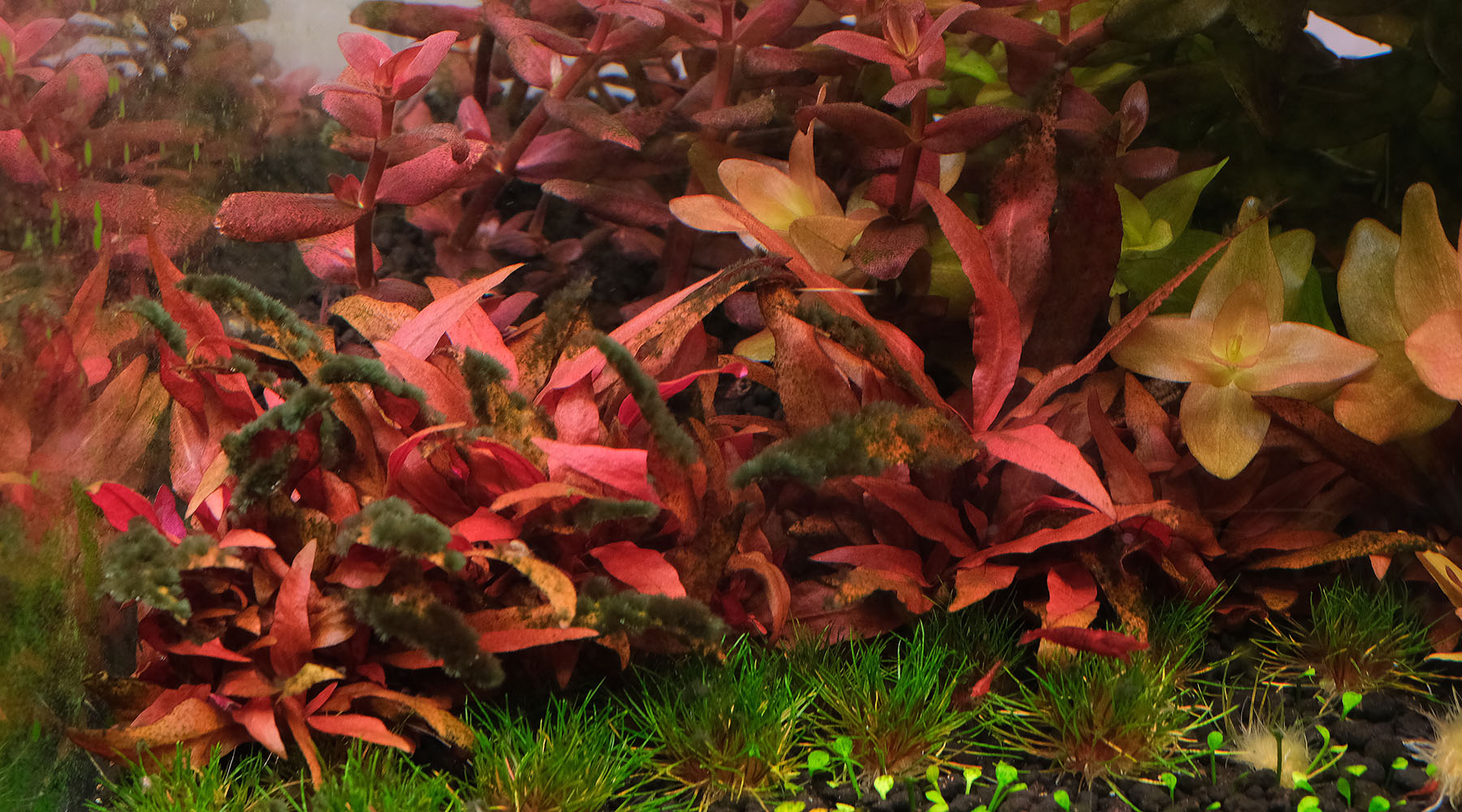
Above: Cryptocoryne 'flamingo' with staghorn algae. As a slow grower, it is similar to Hygrophila sp. chai (below) in being far more vulnerable to algae and 'melt'.

sp Chai melt

To significantly increase the chances of success, the next simple hack is to always plant them 2-3 weeks AFTER we have introduced more hardy plants into a new tank.

This is done on purpose, as the invisible microbial balance of the tank is much more stable at this stage.

In many ways this is a variation of the babysitter plant approach.

For fish keepers, it is akin to adding the most delicate species some time after the hardier ones have been introduced.

Hack #3: Dark Start

We recommend the "Dark Start" approach, which involves:

  1. adding the substrate and hardscape
  2. filling the tank with water
  3. letting the system 'cycle' for 3-4 weeks (filter on, lights and CO2 off) before planting.

Why not a Dry Start, which involves growing plants in moist emersed conditions for a while first?

Aquatic plants undergo profound changes when they move from emersed (grown above water) to submerged conditions.

Consider just the CO2 aspect: The concentration of CO2 in the air we breathe is around 400ppm. In water, even with CO2 injection, most tanks average 20ppm or less, a bit like suddenly reducing a daily diet of 2000 calories to 100 calories per day.

This transition is both traumatic and inevitable, and we find that the dark start provides a smoother transition:
  • the aquatic biome has had time to stabilise in submerged conditions
  • tissue culture plants adapt directly to submerged conditions
  • store-bought submerged plants do not need to expend energy to temporarily transit to their emersed form and then adapting back to submerged growth forms
  • as all store-bought emersed plants have to adapt to their submerged forms anyway- let's get it over with at one go.

What else?

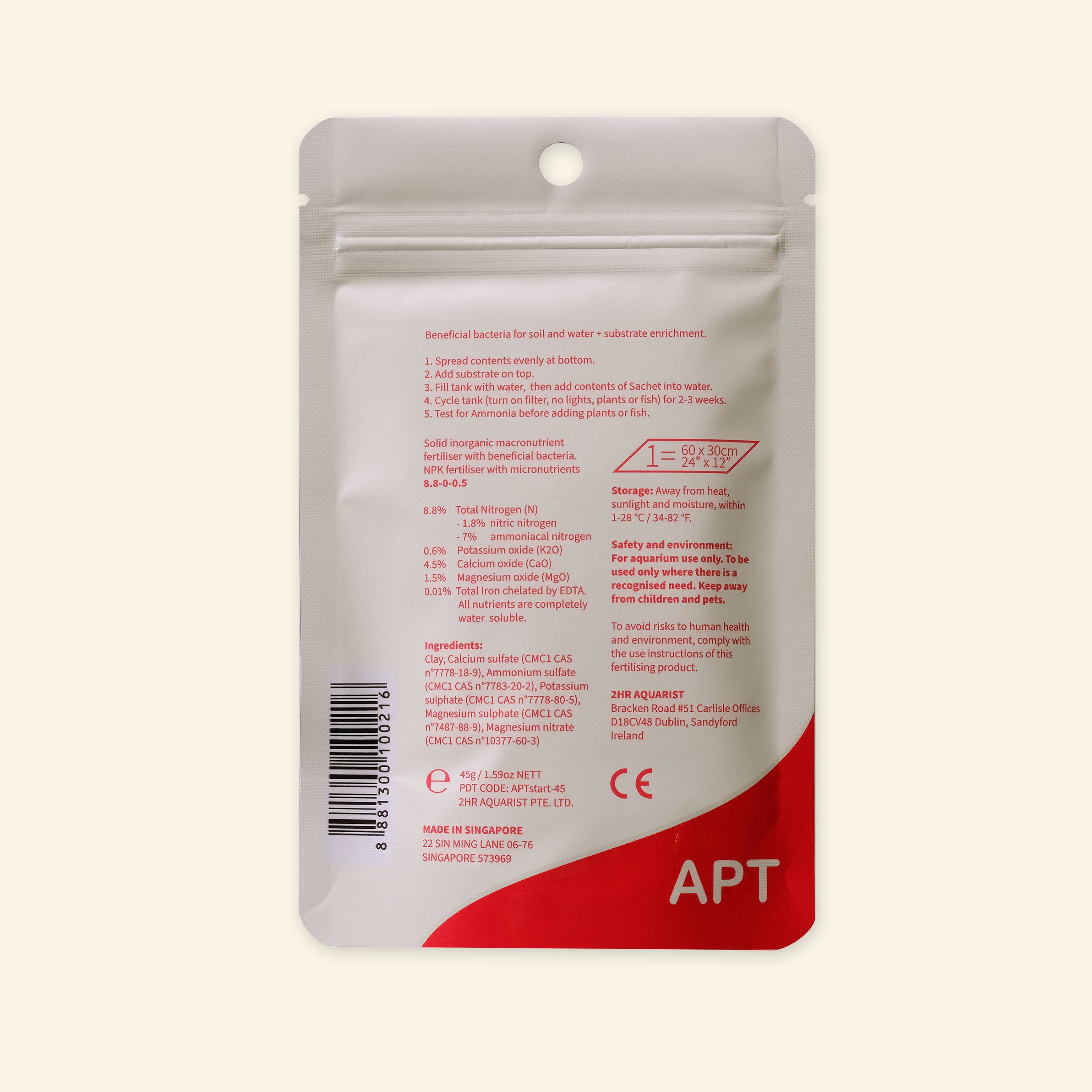
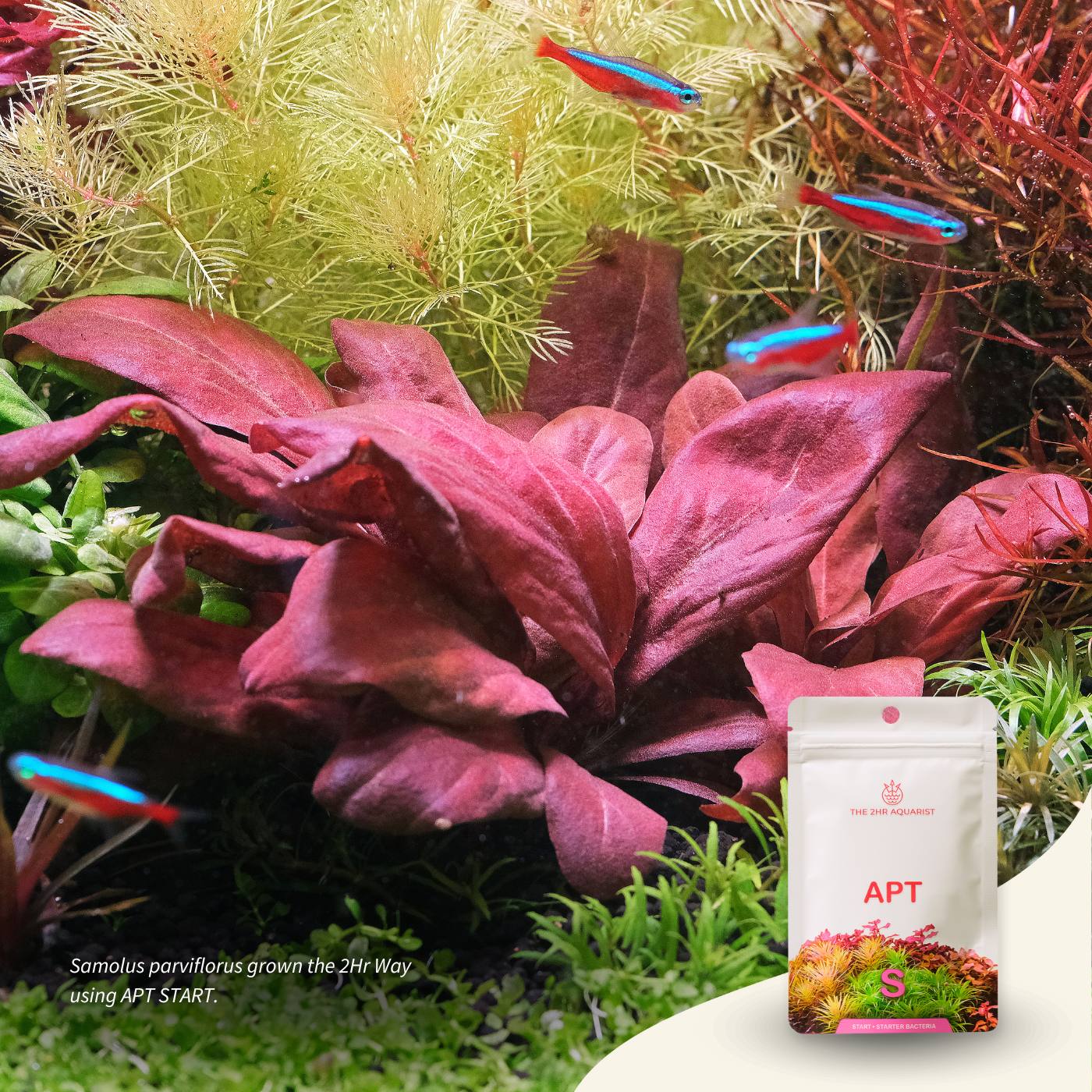
To help establish the tank's microbial ecology, it helps to seed the environment with beneficial bacteria, especially those involved in the breakdown of nitrogenous waste from fish and plants.
Explore

View all

Close up photo of algae on older aquatic plant leaves

Why do leaves deteriorate? Understanding the leaf renewal cycle in aquatic plants

This article delves into the topic of how plants continually renew themselves through the production of new leaves.
Read moreabout Why do leaves deteriorate? Understanding the leaf renewal cycle in aquatic plants

4ft Rotala florida community aquarium: Showcasing the 2hr Way

4ft Rotala florida community aquarium: Showcasing the 2hr Way

Full details of tank parameters, plants and fish species, and the maintenance regime of the 4ft Rotala florida aquascape are described here.
Read moreabout 4ft Rotala florida community aquarium: Showcasing the 2hr Way

New Tank Journey | Ugly Duckling

New Tank Journey | Ugly Duckling

New tanks can be frustrating at the beginning. Here, we describe one important signal that things are actually progressing well, despite plants having algae. 

Read moreabout New Tank Journey | Ugly Duckling

When Less is More

When Less is More

How to get Rotala rotundifolia redder? Interestingly, less can be more in this case.

Read moreabout When Less is More

System Shocks

System Shocks

Sudden widespread algae infestation can take place when changes in environmental parameters induce adaptation stress that weaken plants which become vulnerable to algae.

Read moreabout System Shocks

Flowering Underwater?

Flowering Underwater?

Do aquatic plants flower underwater? Is flowering a sign of good health? Which plants can I grow that will flower easily in my aquarium?

Read moreabout Flowering Underwater?

Small Tanks- 3 Choices

Small Tanks- 3 Choices

3 Choices to maximise success in a small aquarium. We use a 1ft cube example- without CO2 injection.

Read moreabout Small Tanks- 3 Choices