

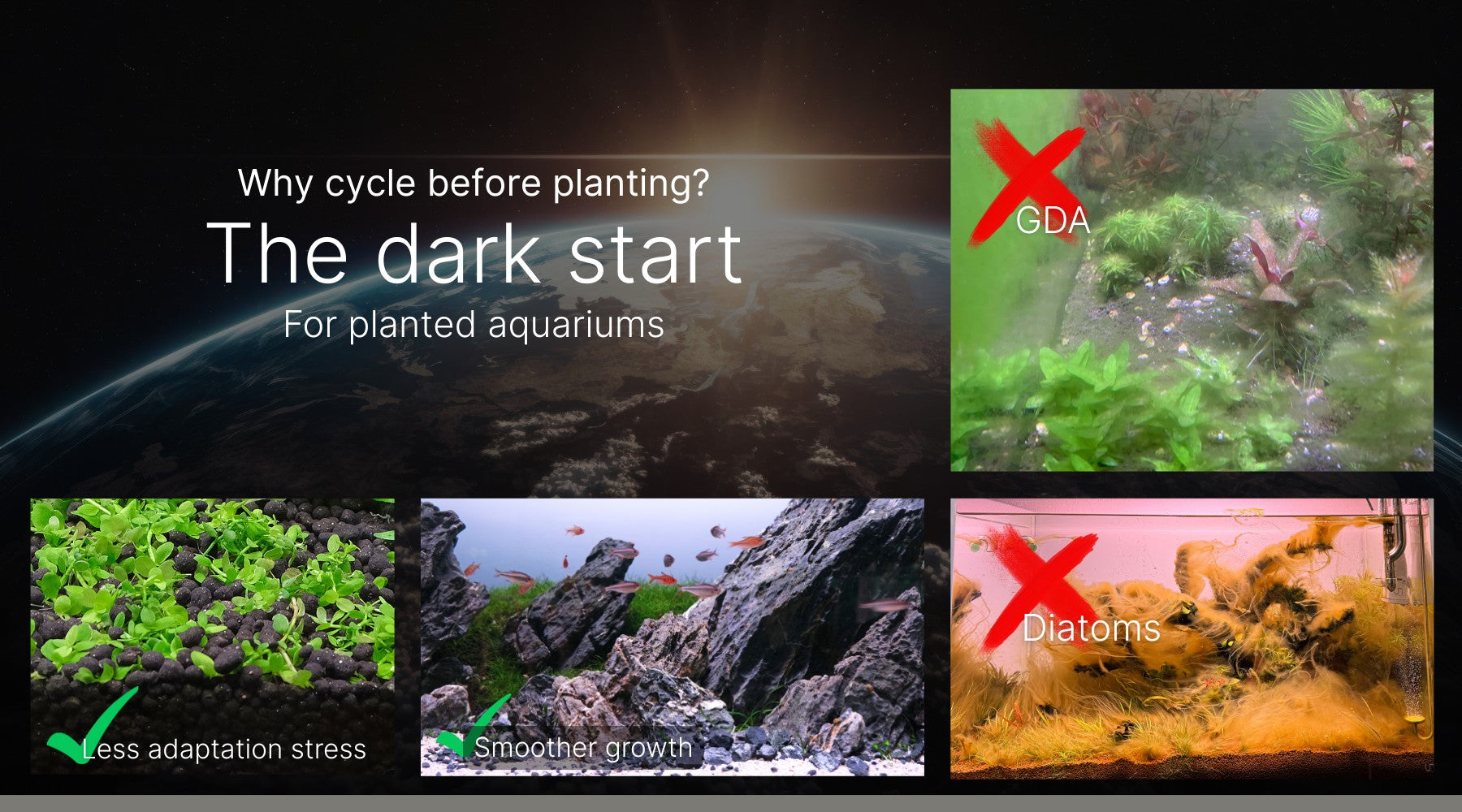
Cycle the tank first. A planted aquarium runs better when you build a working nitrogen cycle before plants or livestock go in, because the same biological maturity that keeps ammonia and nitrite in check also suppresses the diatoms and green dust algae that plague fresh setups. For aquasoil tanks, a dark start does this with the lights off and no plants in, so you sidestep most of the new tank syndrome that catches beginners out.
-
Cycling grows the nitrifying bacteria that convert toxic ammonia to nitrite, then nitrite to comparatively harmless nitrate; skip it and new tank syndrome can be fatal for fish.
-
A fishless cycle, dosing liquid ammonia or fish food, is safer for fish than a fish-in cycle and gives you full control over the ammonia concentration.
-
Hold ammonia around 2 to 3 ppm and keep water temperature between 25 and 30°C to speed up the beneficial bacterial colonies; use dechlorinated water so chlorine from tap water does not stall the cycle.
-
Aquasoil buffers pH below 7, so most ammonia sits as non-toxic ammonium (NH4+), letting hardy aquatic plants go in early while sensitive species wait for a fully cycled, established tank.
-
A dark start matures the tank biologically before planting, cutting algae and plant melt without a single fish in the tank.
Why Cycle a Planted Tank Before Planting?
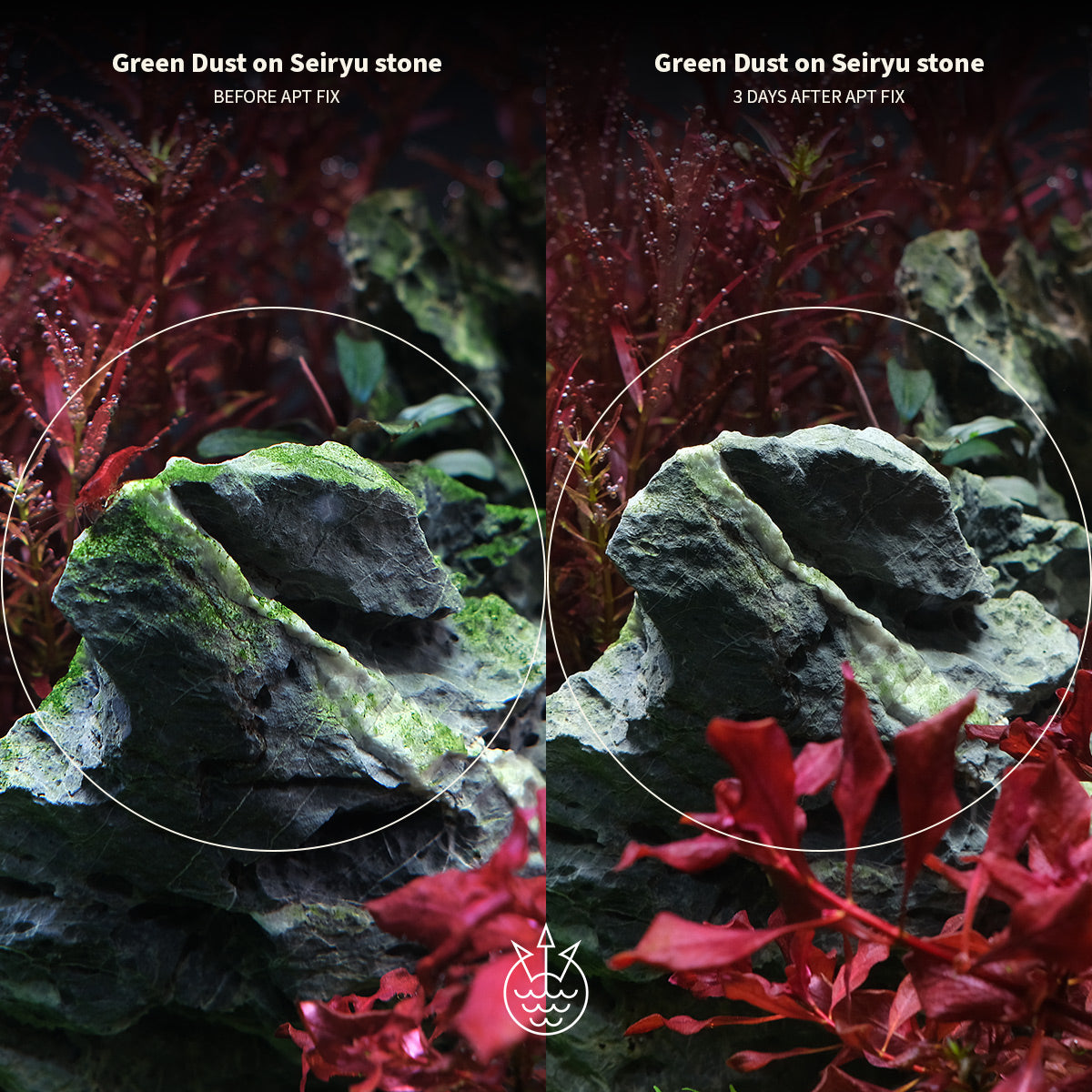
New aquarists rarely connect cycling a freshwater aquarium with planting, because cycling has traditionally been framed as a fish-health step. It is more than that. Letting a tank build its microbial population before plants go in reduces both algae and plant melt, and the effect is largest in tanks running higher light or holding sensitive species. Diatoms and green dust algae are so common in fresh setups that many experienced aquarists treat them as an unavoidable rite of passage. They are not. Most of the trouble that comes with a tank settling in can be skipped if you let it mature before planting.
What makes an established tank steadier than a fresh installation is the microbial population that develops as it matures. Organic waste under high light is the prime trigger for algae blooms. Microbes digest that organic waste and consume algae directly, and beneficial bacteria outcompete the pathogenic microbes that attack newly added plants during transition stress. Most plants adapt better in a tank that has matured biologically, and that goes double for sensitive species.
The microbial community takes time to build, a few weeks for the cycle and sometimes a few months for full biological maturity, so anything that speeds it up helps.
Cycled and biologically mature are not the same thing - here is how to tell which one you have.
 This tank from Nate B. demonstrates a spectacular diatom bloom. This did not occur due to neglect. Diatoms multiple quickly when light and nutrients are plentiful in a biologically immature tank.
Is Ammonia Good Food for Aquarium Plants?
Ammonia is an excellent nitrogen source for plants. They generally spend less energy building tissue from ammonia than from nitrate, because the nitrogen in ammonia is already in a reduced form. It binds to clays and organic matter in the substrate, and plants that draw nitrogen from an ammonia-rich substrate through their roots grow more robustly.
The catch is location. Ammonia in the water column exacerbates algae and stresses delicate plant species. Letting the tank cycle so that beneficial bacteria absorb the ammonia, and clearing the excess before planting, gives plants a more stable environment to settle into.
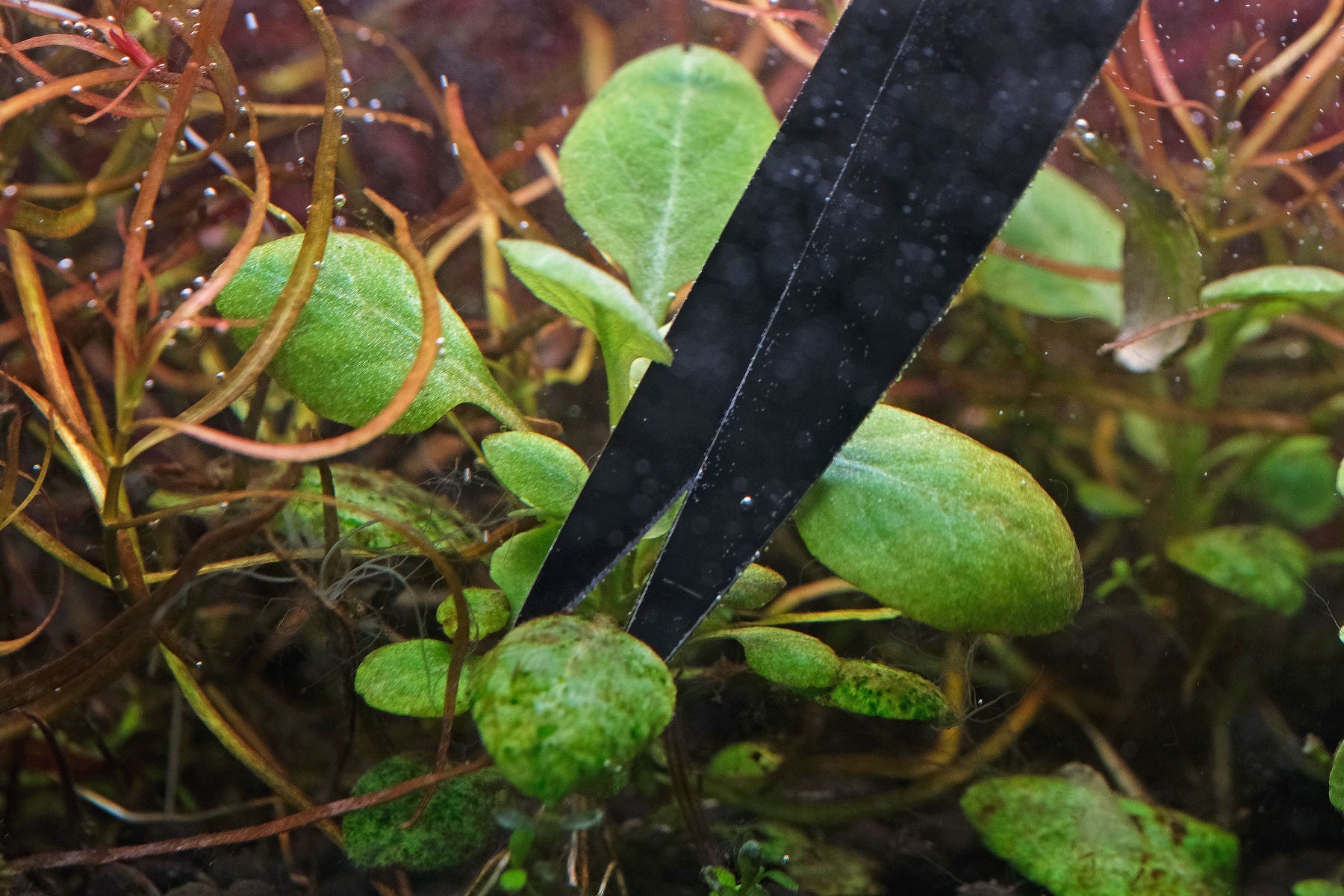
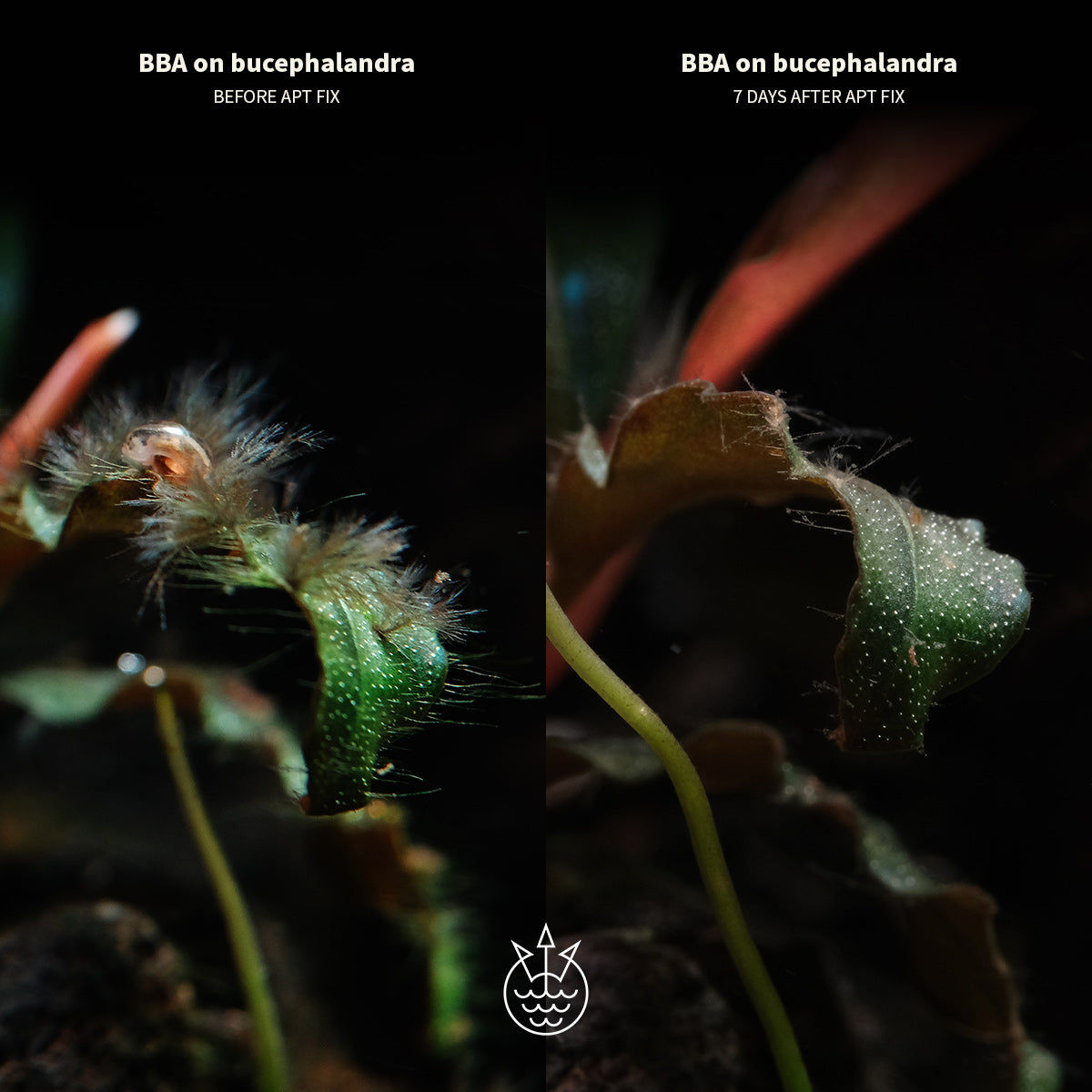
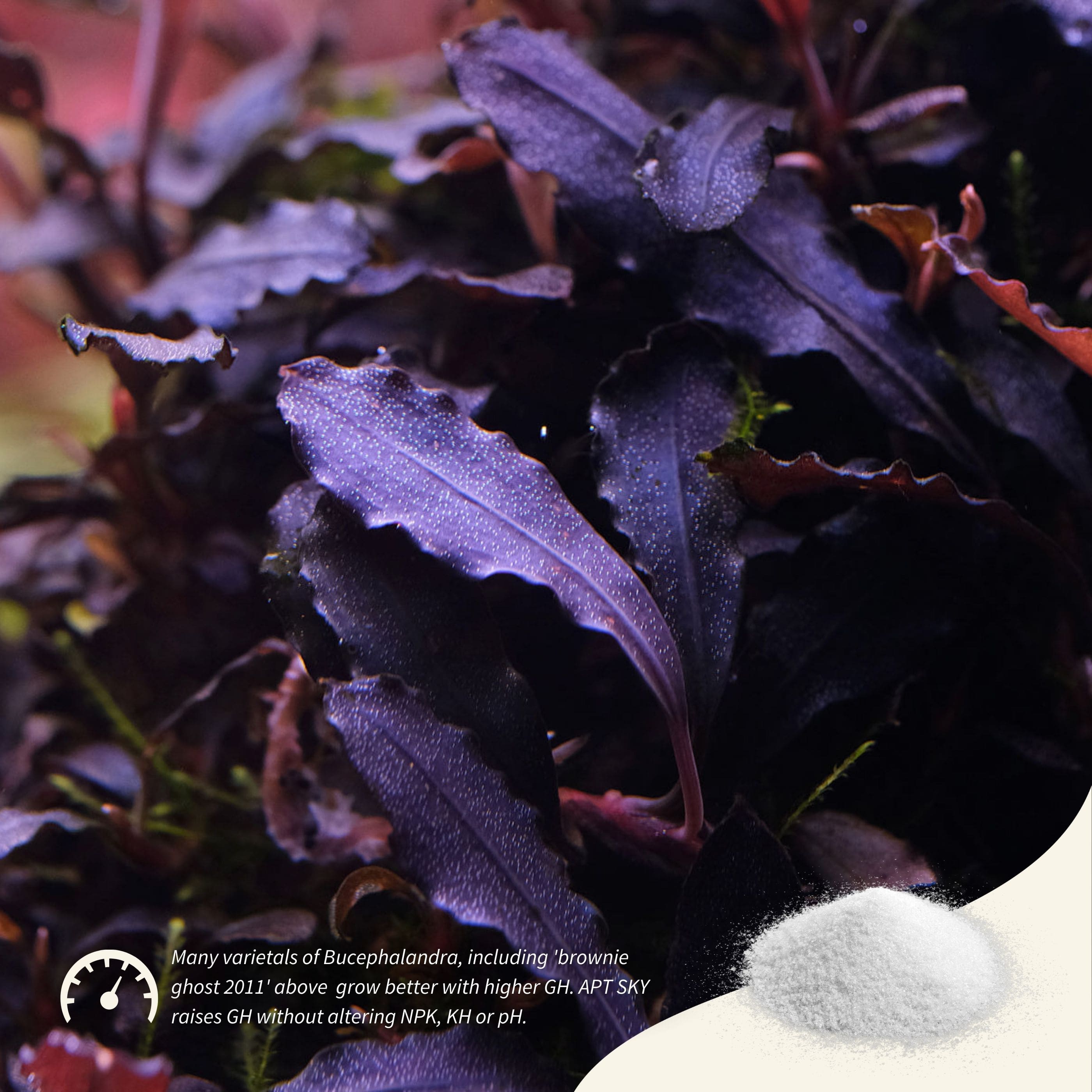
 Bucephalandra require a stable, clean, well filtered environment to do well long term. This easy plant often melts in new setups. They are best added after the aquarium has matured sufficiently.
Can tanks cycle below pH 7?
Ammonia exists in two forms in water: ionized ammonium (NH4+) and unionized ammonia (NH3). The split between them tracks pH. NH4+ is far less toxic than NH3, so as pH falls a greater share of the total sits as ammonium, and the water grows safer even at the same ammonia concentration. Aquasoil tanks release a lot of ammonia early on, but the soil's buffering capacity pulls pH below 7 and holds most of that ammonia as non-toxic ammonium.
One myth is worth clearing up here: cycling does not stall below pH 6. The familiar Nitrosomonas bacteria slow down in acidic water, but other ammonia oxidizers, archaea among them, take over the job. They are slower to establish, so a low-pH tank cycles more gradually, not never.
The biology behind this, including the study documenting nitrification continuing at low pH, is in tank cycling and biological maturity.

What Is Fish-In Cycling?
The old way to cycle a planted tank was a fish-in method: add a light load of hardy fish, let their waste and ammonia feed the bacteria, and build the colony slowly over weeks as more animals go in. It works, provided you make regular water changes to head off ammonia spikes. A fish-in cycle also leaves too many variables moving at once: waste load, ammonia, and pH all shifting while the colony catches up. It has also been criticized as cruel. Fish rarely show outward signs of stress, but a sustained waste load and unmonitored ammonia can damage their organs and shorten their lifespan, which is why fish-in cycling demands constant monitoring with test kits.
Seeding the tank with seasoned filter media, ceramic rings from a running filter, or mulm from a previous setup all kick-start the cycle by importing an established bacterial colony, the core of biological filtration.


How Does Fishless Cycling Work?
Fishless cycling is now the preferred method. You dose ammonia into a tank that is fully set up but empty of livestock and plants, and let it grow the nitrifying bacteria before anything living goes in. The ammonia source can be bottled liquid ammonia or something as simple as fish food left to decompose; both feed the same beneficial bacterial colonies. A fishless cycle is safer for fish than a fish-in cycle, because nothing has to survive the ammonia and nitrite spikes while the colony catches up.
A quick word on what the nitrogen cycle does. One group of bacteria converts ammonia to nitrite, then a second group converts nitrite to nitrate. This is often described as turning ammonia into less toxic compounds, but that is only half right: the intermediate, nitrite, is itself toxic to fish. Only the end product, nitrate, is comparatively harmless at the levels a planted tank produces. The cycle is complete when both ammonia and nitrite read zero and only nitrate accumulates.
Follow these 3 steps:
-
Dose ammonia to about 2 to 3 ppm, then test the water after a few days; a cold start takes roughly 3 days to show any change. When ammonia starts to fall, nitrite appears. The first step of ammonia oxidation has begun, though not necessarily finished.
-
Additional ammonia is then added each day to feed the bacteria (enough to bring the levels back up to around 2ppm). After many more days the nitrite levels would fall and you can then measure the rise in nitrate levels as the bacteria that convert nitrite to nitrate have colonised. This will take longer than step 1 because the bacteria responsible for converting nitrite to nitrate are slower to populate.
-
Eventually, even with the addition of ammonia, nitrites and ammonia would be measured at 0 after 6 hours, while nitrates would accumulate. The ammonia cycling process for the tank is now complete. The whole process can take 4-6 weeks depending on the tank parameters.
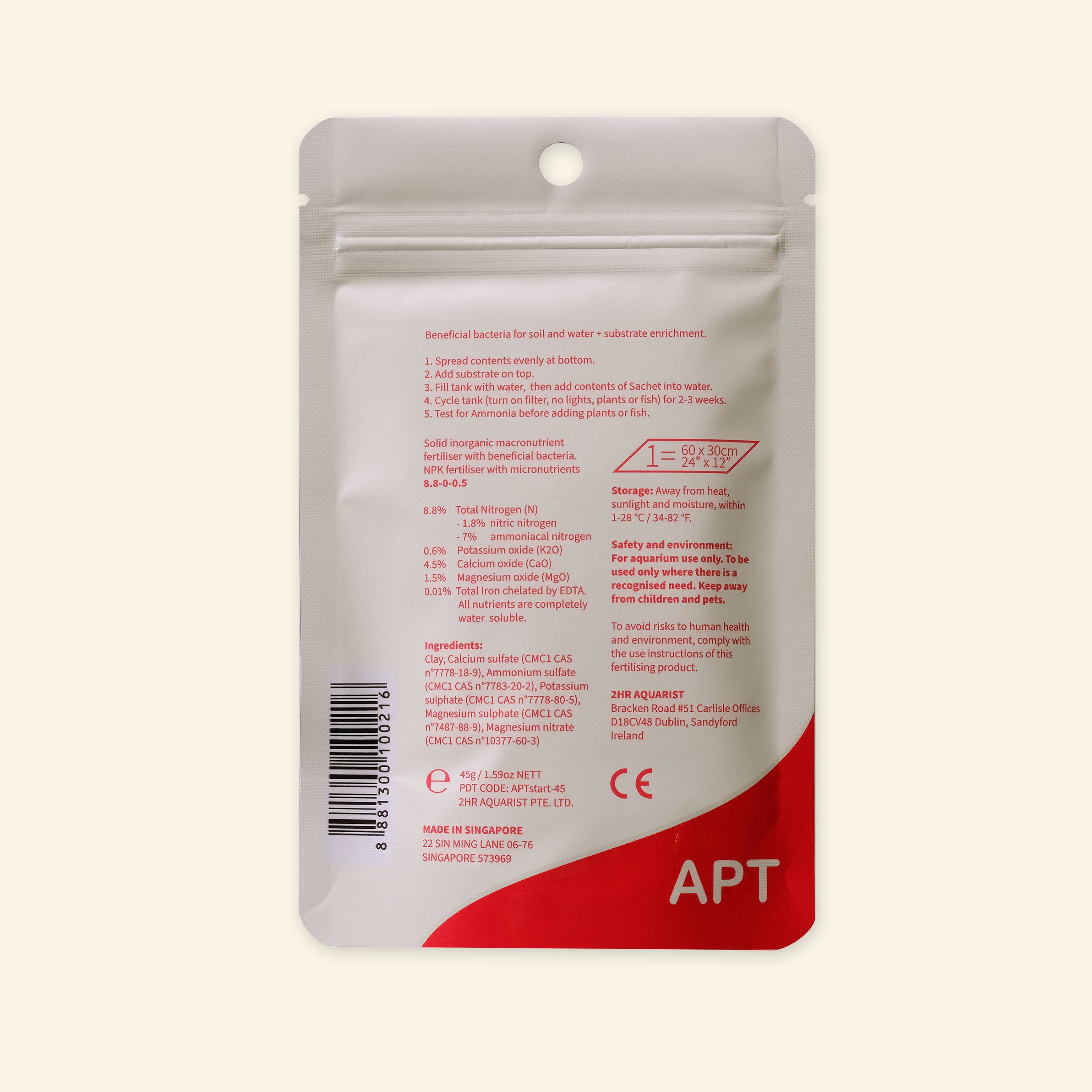
Change about 80% of the water to drop nitrate before adding fish or other livestock. Holding water temperature between 25 and 30°C speeds the whole process, since warmth lets the bacteria propagate faster. Dosing a starter bacterial culture at step 1 shortens it considerably. These products work, but many are temperature-sensitive: depending on how they are shipped and stored, a culture can arrive dead on arrival (DOA), which is the main risk of leaning on them.


How to Cycle a Tank Using Aquasoils (Dark start):
- If you are not using starter bacteria products, it is a good idea to add mulm or used filter media to get the cycle started. Without the use of starter bacteria products, a full tank cycle can take up to a month or more. The lowered pH of the tank water due to the buffering capacity of Aquasoil reduces ammonia toxicity as most of the ammonia is present in the less toxic ammonium (NH4+) format at low pH (below 7). This allows hardy plants to be planted and grown at early stages where ammonia levels are detectable. However, more sensitive plants such as Utricularia gramminifolia, and tissue culture plants in general, should not be planted until the tank has been cycled - they melt easily in fresh soil.
-
With the use of starter bacteria products, cycling time can be shortened to a week plus. After filling the tank, add bacteria culture, start the filter and let it run, without lights, for at least a week.
-
Wait 4 days and take ammonia and nitrate readings. If there are nitrate readings, it means that the cycling has started. However, due to the tremendous amount of ammonia the aquasoil releases, chances are ammonia readings will still be high. Do a 90% water change and dose another dose of starter bacteria culture.
- Wait a day and take ammonia/nitrate readings. If the ammonia reading is 0 and the nitrate reading is positive, the tank has cycled. However, if soil loading is high, the ammonia reading may still be positive as the soil releases a lot of ammonia, in which case wait a few days and repeat step 3. Due to the reduced toxicity of ammonia below pH 7, which is generally the case in aquasoil tanks, standard, non-delicate plants can be planted as long as ammonia levels are low (below 0.5ppm or so). However, for sensitive animals such as shrimp, it is better to wait until the tank is fully cycled.
Biological maturity of planted aquariums is important with regards to both plant health and avoiding algae. Beginners take it for granted while experienced aquarists know that it is a key factor to success.

Can You Plant Immediately in Fresh Aquasoil?
In the setup videos on Youtube, folks seem to plant immediately in fresh aquasoil ?
The type of plants and aquasoil used is very important. Hardier plants can be used in a fresh set up without too much of a downside.
What you also don't see is the daily water changes, replacement of melted plants and algae cleaning that goes on behind the scenes. Hardy species planted directly into fresh soil will generally recover, even if they take the initial hit from the uncycled tank. However, for many beginners who do not have good control of their CO2 and other growth parameters, this could result in the loss of entire batches of plants.
For planting immediately without cycling follow this guide instead.


Share:
Guide to filter media for planted tanks
Filter media layout and sequence for planted tank