
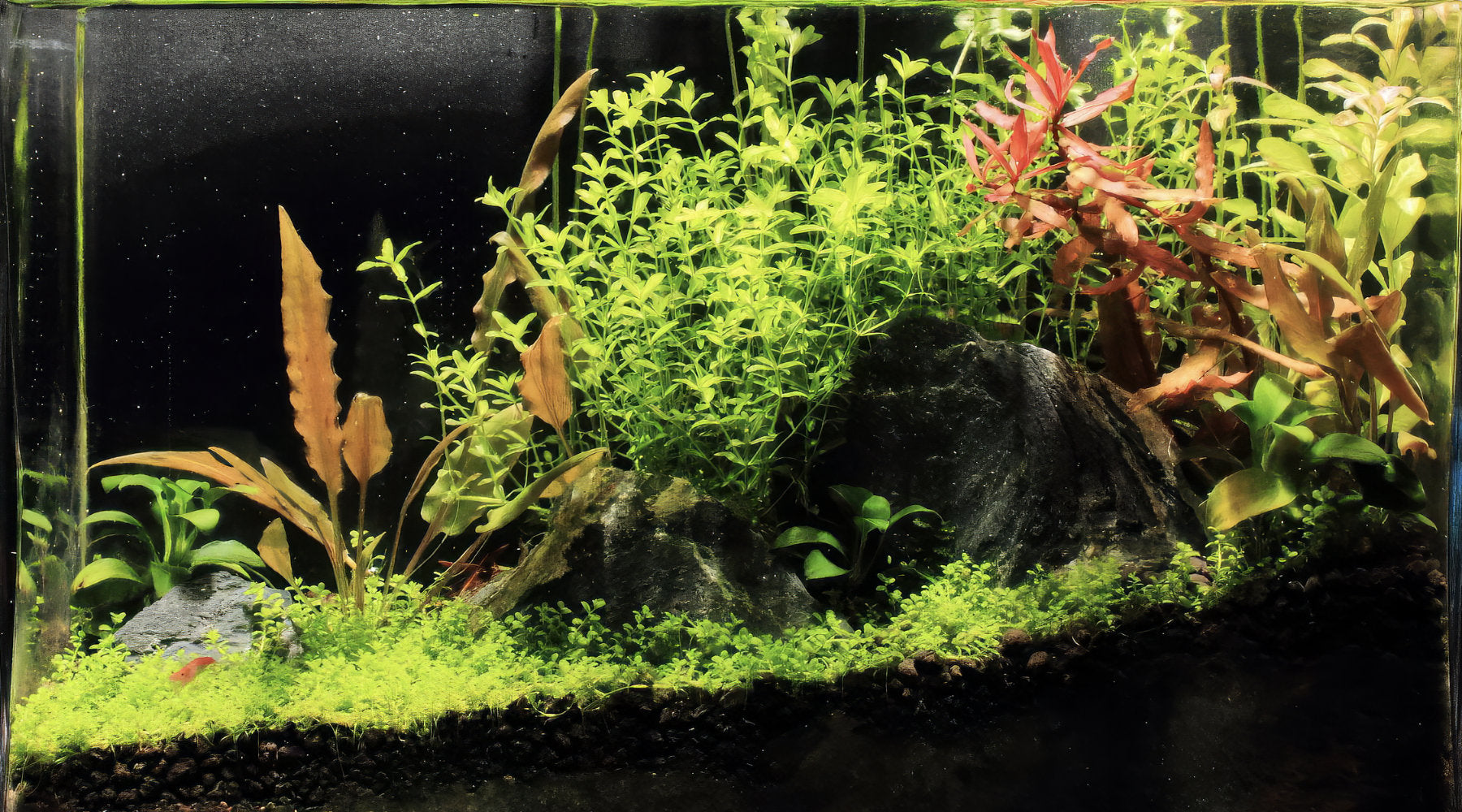
What Makes a Low Tech Planted Tank Setup Actually Work?
A low-tech planted tank without CO2 injection works best when five upfront decisions are made correctly: tank shape, light level, substrate type, fertiliser routine, and filter flow with good gas exchange at the surface. Get those five right and you have a forgiving, beautiful, almost-self-running planted aquarium where aquatic plants, substrate and bacteria quietly handle most of the work in the background.
Low tech tanks are not the lazy option; they are a different set of trade-offs that reward careful setup and punish improvisation, especially when you are running a non CO2, low energy system that has far less carbon to buffer your mistakes.
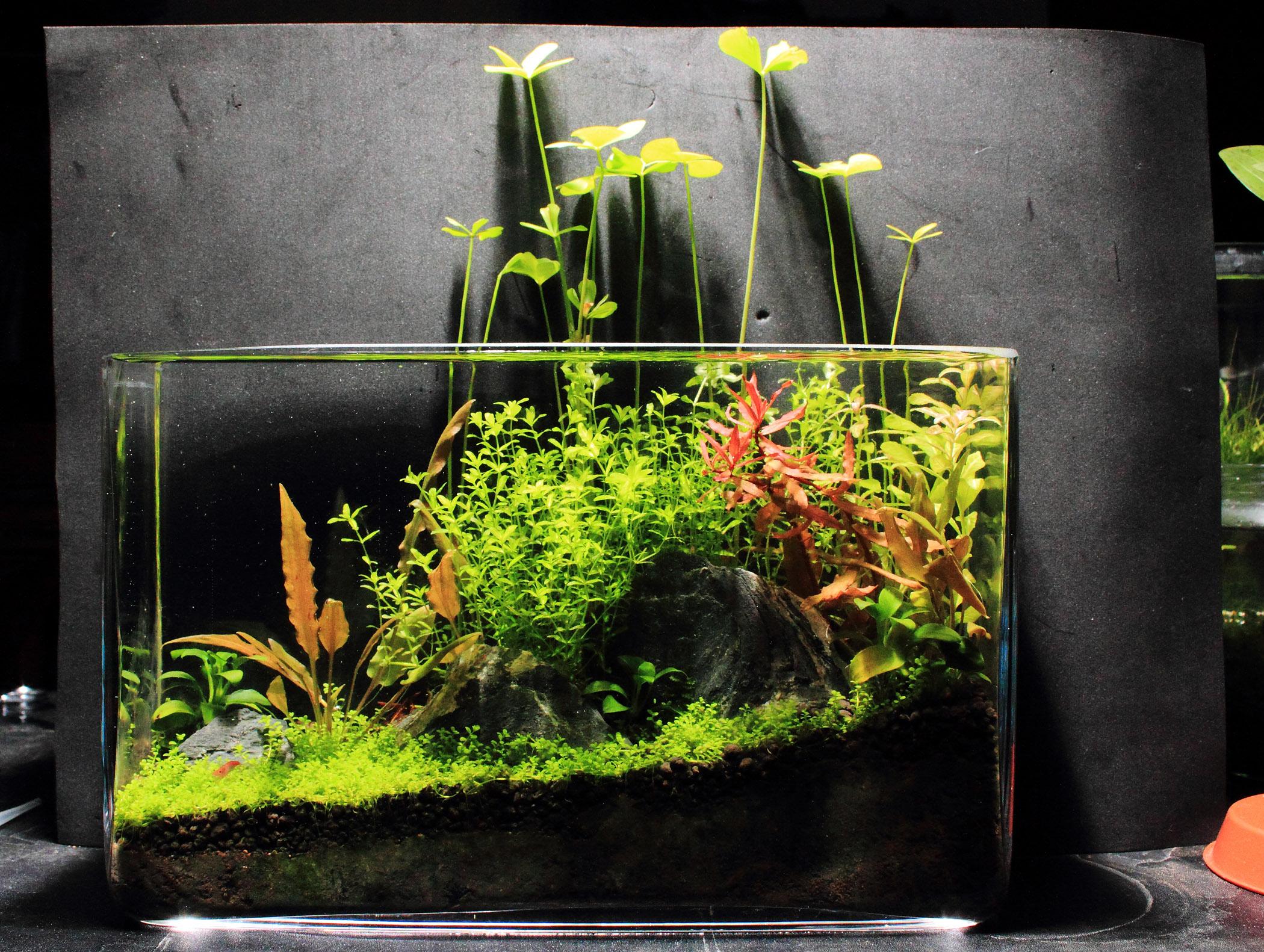
Using aquasoil/soil in low tech aquariums make a tremendous impact due to Carbon dioxide released by decomposition of organics in such substrates.
A low tech planted tank setup works when six upfront decisions are made correctly:
-
A 10-gallon or 20-gallon "long" tank is ideal for beginners because shallower tanks allow better light penetration and are easier to aquascape. More planting area per volume helps with plant dominance.
-
Light: medium intensity, roughly 30–60 umols of PAR at the substrate, with a fixed 6–8 hour photoperiod on a timer instead of “as bright as possible.”
-
Substrate: soil-based or aquasoil planted aquarium substrate across the whole footprint, at least 5 cm, never bare inert gravel - if you care about long term plant growth.
-
Fertiliser: a complete all-in-one liquid fertiliser, dosed from day one, weekly in small amounts, even in a low tech, low demand tank.
-
Filter: a canister or HOB sized for at least 6–10 times tank volume per hour with turn over of surface water with deeper water layers. This gives good circulation so that CO2 and oxygen actually reach the leaves.
-
Plant species: Choose plant species that can grow well with lower light and CO2 availability, such as Cryptocoryne, Anubias, mosses and Java fern species.
Before you buy anything, stop reading starter kit reviews for ten minutes.
Simple does not mean thoughtless. Low-tech does not mean “no tech” or “no nutrients.” It means you are trading the precision of CO2 injection for a slower, more forgiving ecosystem and choose the right plants for a non CO2, carbon-limited system.
We often watch new hobbyists carefully choose the prettiest tall cube, throw in pool sand as the only substrate, buy the brightest light bar in the shop, skip fertiliser entirely because “fish waste is enough in a low tech planted tank, right?” and then wonder why their Java fern, Monte Carlo and Anubias are covered in algae and refusing to grow. None of those instincts are evil. Together they are a pile‑on.
Let us not do that.
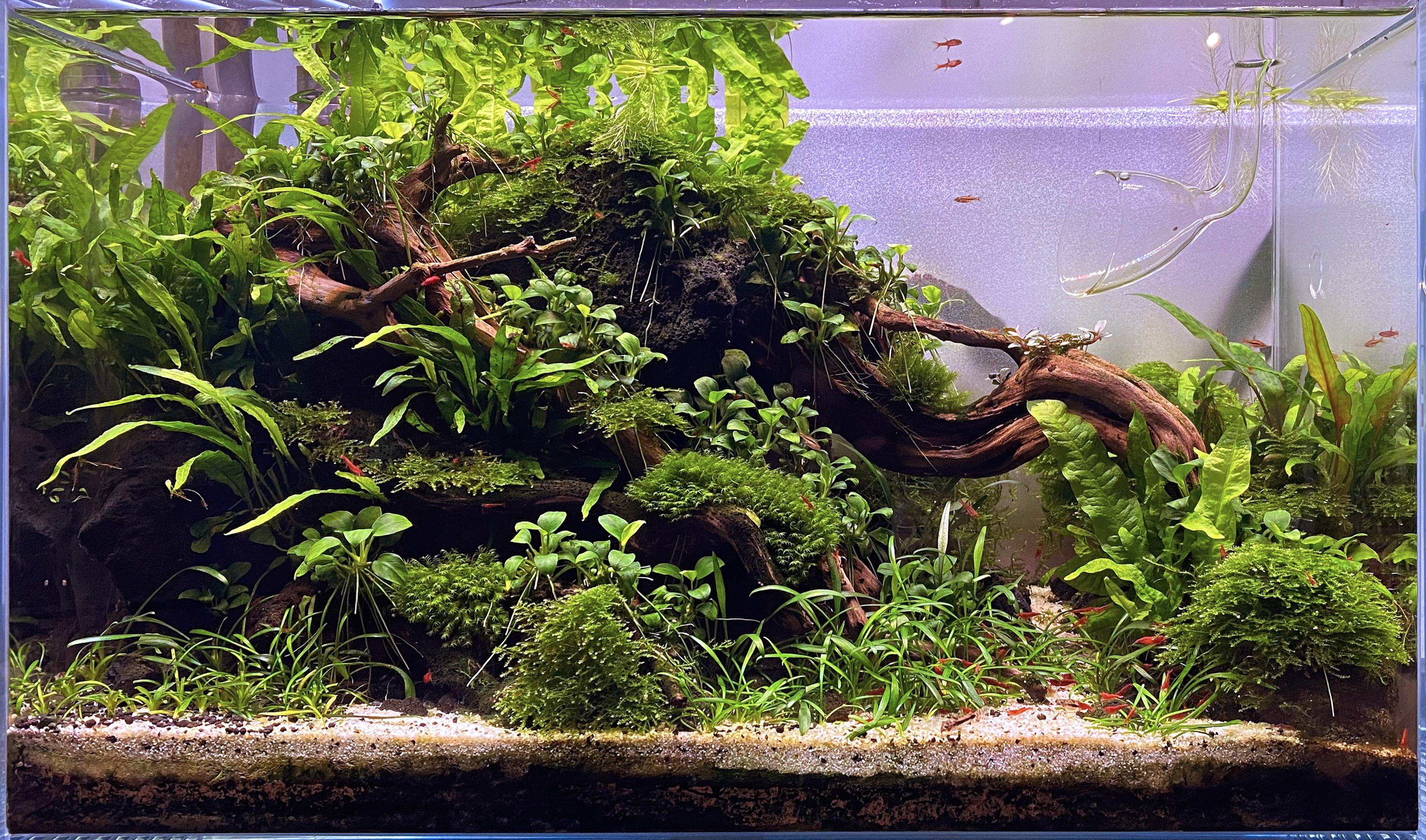
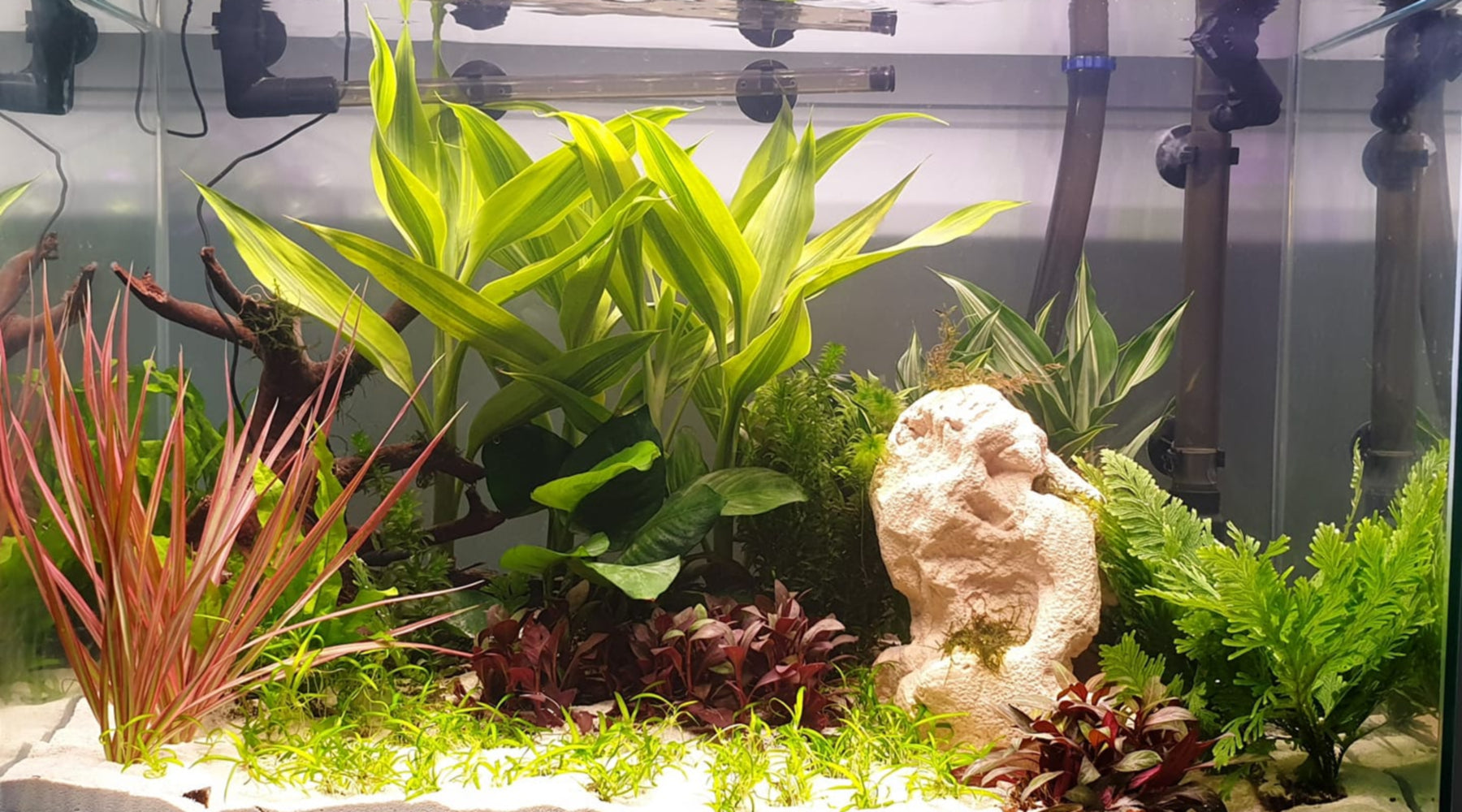
Low tech can be lush too. This aquarium makes use of sand over garden soil. Java fern, Anubias and Cryptocoryne species are slow growing but adapt to a large range of water parameters.
Why does “no CO2 injection” Change Every Decision in a Planted Aquarium?
Here is the one mechanism that rules every low tech planted aquarium: carbon limitation.
In any planted tank, plant growth is set by three inputs arriving together at the leaf: light, carbon (as dissolved CO2) and nutrients. Injected CO2 systems deliberately flood the water column with between 20–50 ppm of dissolved carbon; plants metabolise fast, absorb nutrients fast, build new leaf tissue fast and outgrow algae by sheer speed. You can push more light, more nutrients, more demanding species and still have a stable tank because the plants’ carbon budget supports that metabolism.
In non CO2 injected planted aquariums, dissolved CO2 builds up from livestock respiration, bacteria and microbial action over night. Even aquariums with soil substrates and matured microbial beds seldom measure above 5ppm of CO2 from the over night build up. This quickly exhausts in the first few hours of light. While there is a lot of CO2 in the atmosphere (400+ppm), it does not readily dissolve into aquarium water due to way gas physics work. A standing glass of water in equilibrium with atmospheric levels will have just 0.6ppm of dissolved CO2. Thus, this is why Carbon generation through the use of soil substrates is so important in low tech aquariums - virtually all the CO2 that is utilized in a planted aquarium comes from within the aquarium, not the atmosphere.
Plants use more carbon than all nutrients combined, and breaking that bottle neck is why plant growth in CO2 injected aquariums is between 7-10 times faster compared to a low tech aquarium.
Low tech aquariums have a lower carbon budget, which forces photosynthesis, growth and nutrient uptake to run in slow motion. Every decision about tank size, light, substrate, fertiliser and filter flow exists to protect that slow metabolism from being pushed harder than its carbon supply can support.
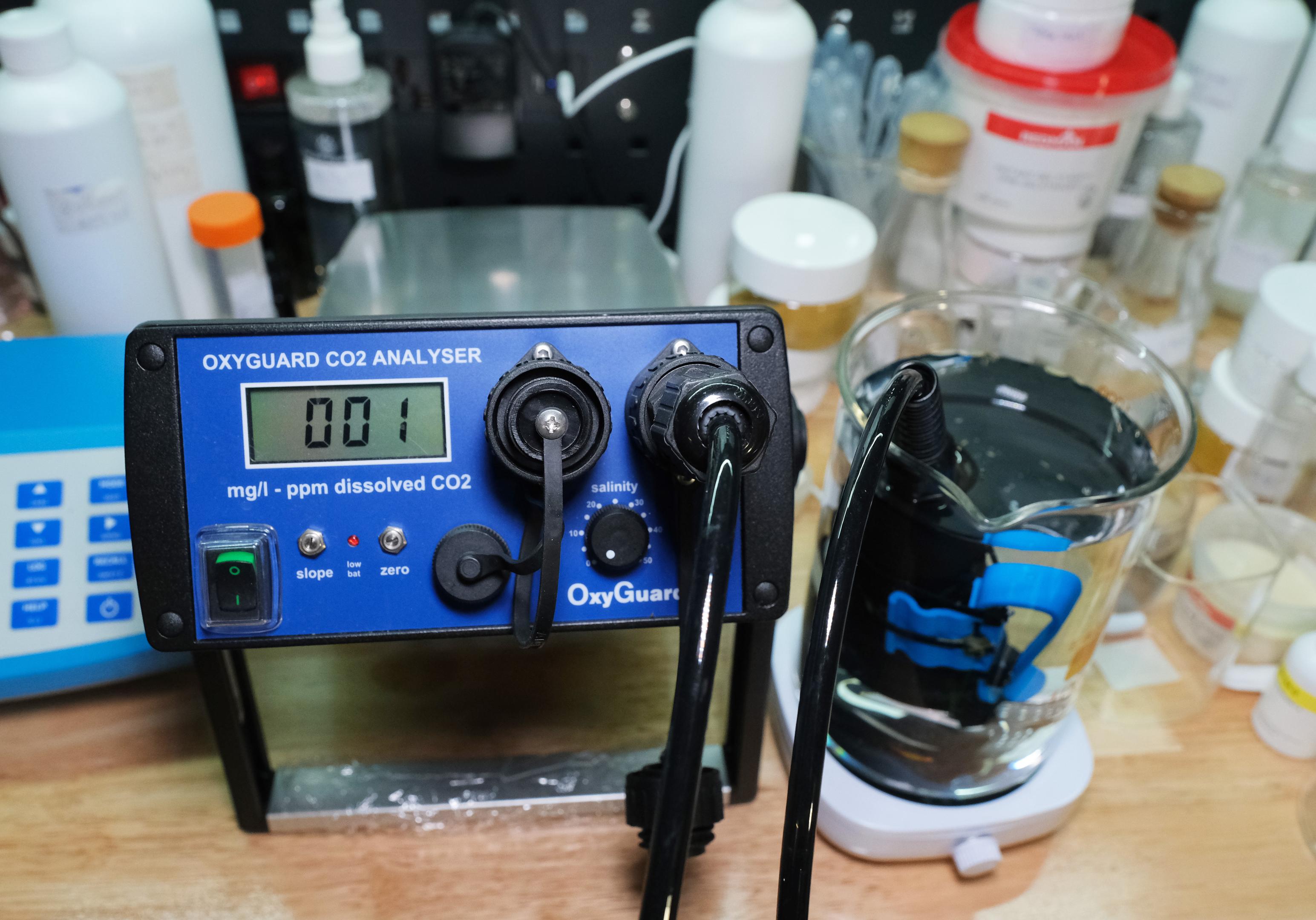
How much CO2 comes from the atmosphere ? Barely any - about 0.6ppm due to Henry's Law for gas exchange. The majority of CO2 in aquariums are generated internally through livestock/microbial respiration and decomposition.
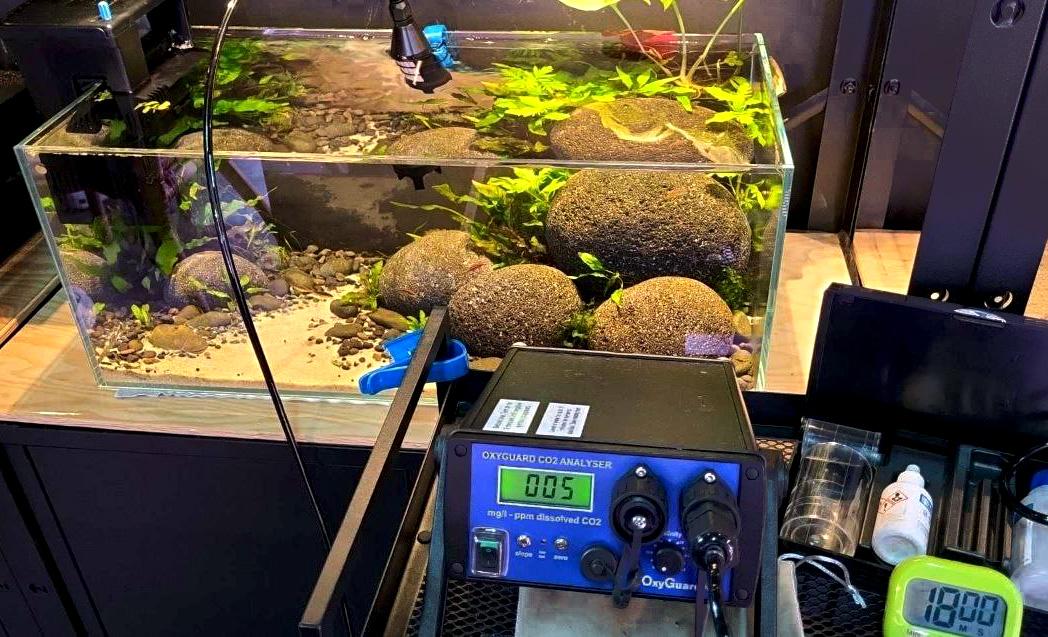
Using an Oxyguard CO2 analyzer, this low tech tank (above) measures around 5ppm of CO2 just as the lights come on.
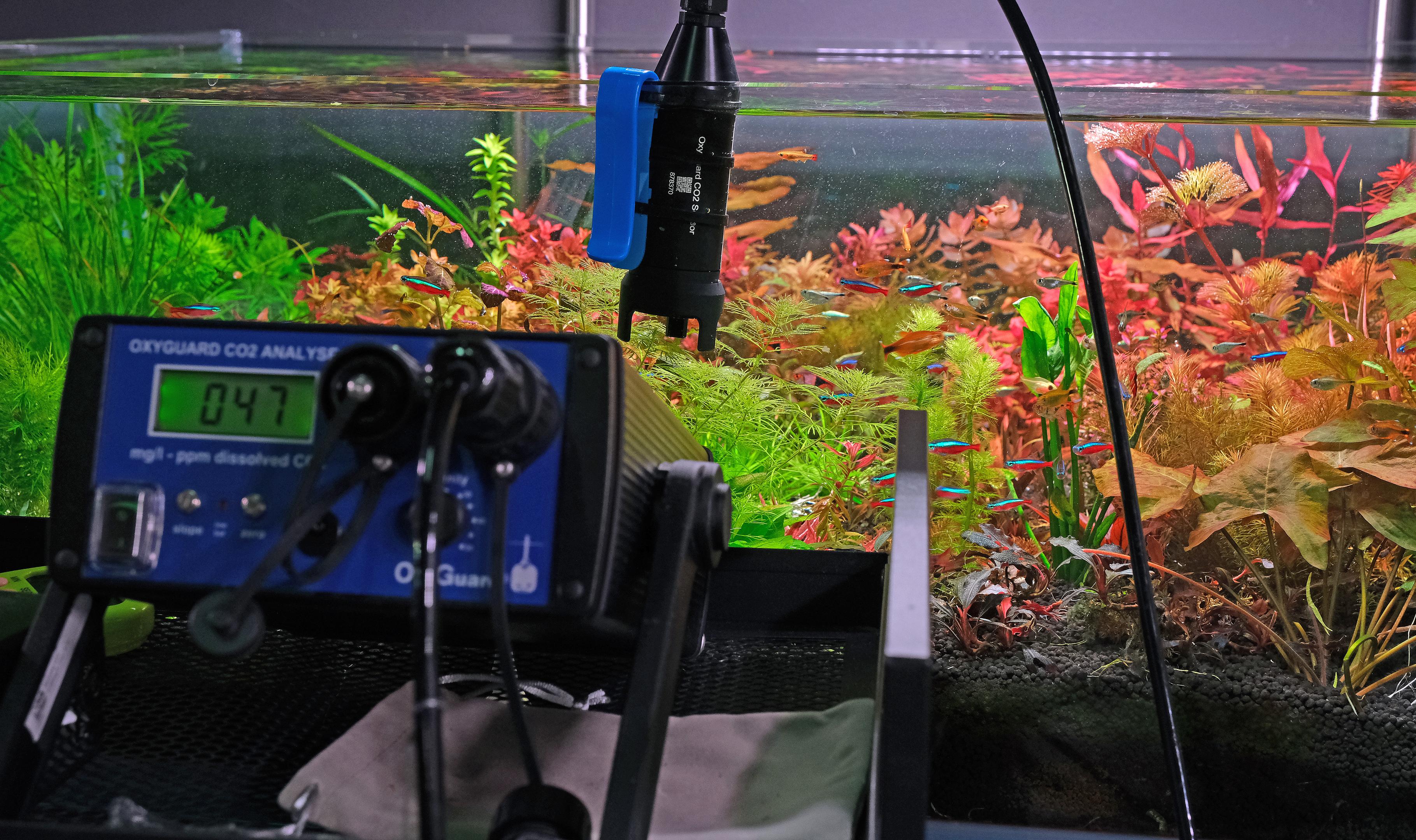
CO2 injection not only raise CO2 levels but can maintain high levels across the entire light window. Typical CO2 levels in a high tech planted tank (above) range from 15-50ppm.

Natural environments that support thriving plant growth typically have carbon dioxide levels of 10 to 40+ ppm from organic decomposition and underground CO2 stores. Photo above shows Rainbow Springs State Park, Florida, USA. CO2 levels at this site are around 18 ppm. Photo credits: Tom Barr
An inert sand-only or gravel-only substrate does not generate CO2 as effectively as aquasoil/soil. The higher surface area in aquasoil/soils and organic content feed microbial decomposition that slowly releases carbon dioxide. In soil substrates that are slightly compacted, the bubbles that form usually contain CO2. All the oxygen has to be transformed into carbon dioxide before a substrate truly becomes anoxic enough to produce other gases such as hydrogen sulphide (H2S). Thus, one should not panic when seeing bubbles in the substrate.
Too much light in a low tech aquarium feeds algae. Higher light levels does increase plant growth even when CO2 is limited as higher light availability allows plants to channel energy from light capturing proteins to other functions such as growth or Carbon capture. So it is a myth that using more light does not result in more plant growth in low tech aquariums. However, stronger light levels trigger significantly more algae issues unless maintenance is well done. For the less experienced, staying within lower light levels is the better trade off, as algae problems are the number one cause for people quitting the planted aquarium hobby.
A weak filter with almost no surface ripple cuts gas exchange. Gas exchange is important as any carbon dioxide generated in the aquarium uses oxygen. Good oxygen levels is thus crucial for microbial action to generate CO2. Water can be saturated with both gases at the same time and good flow distributes both oxygen and carbon dioxide to all parts of the aquarium. Good flow also sweeps organic debris to the filter where it can be digested, and low organic waste levels also mean less triggers for algae spores to bloom.
On the nutrient front, over-saturating the water column with nutrients does not boost growth rates when the carbon limitation bottle neck is present. However, relying on fish waste for nutrients is also a poor approach. Plants naturally absorb fish waste (nitrates), which helps maintain a healthy ecosystem in low-tech tanks. However, plants also require a large number of other nutrients which are not readily available from livestock waste. No fish produces chelated Iron, with a good trace element mix. Dosing a complete fertilizer regularly at low doses ensures the plants have adequate nutrients.
Plants do not read your “low tech” or “high tech” label. They only read what is actually happening at the leaf: light intensity, carbon availability, nutrient supply, and water movement.
In a low energy, non CO2 planted aquarium, the only metric that matters is balance between a very slow carbon supply and everything else. The right tank size, shallow form factor, deep nutrient-rich substrate, moderate light, gentle but effective filter flow and a small regular fertiliser routine are all just tools to keep that balance in a safe zone where easy species like Java fern, Anubias, Java moss and Vallisneria can survive, then grow, then quietly dominate the system over the first few months.
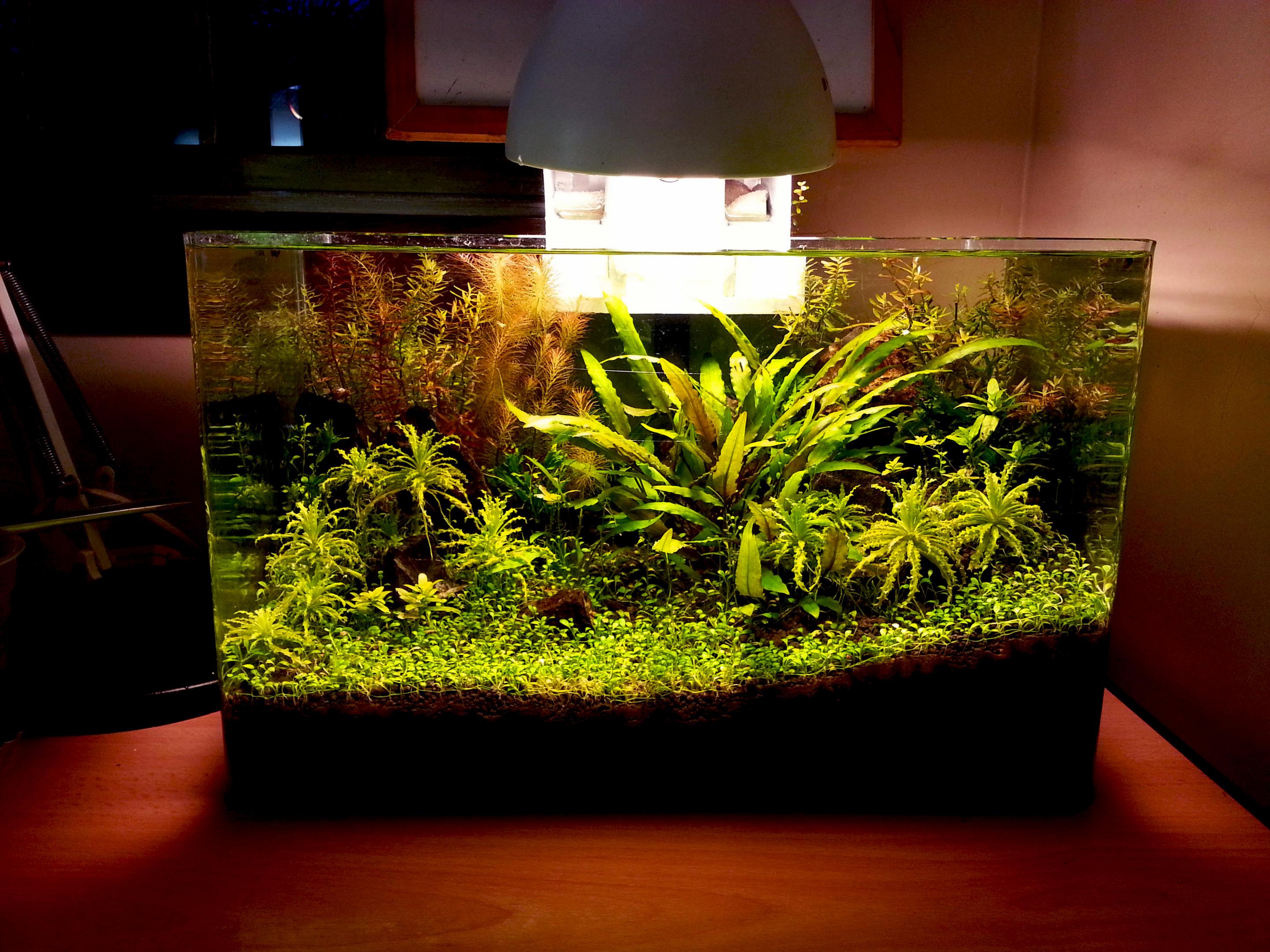
This low tech aquarium uses a higher power desk lamp to grow a more difficult carpet plant (Glossstigma elatinoides). However, using more light in a low tech aquarium greatly increases chances of algae blooms.
How to Set Up a Low Tech Planted Tank: 5 Decisions That Determine Success
1. Choose the right tank size and shape
Pick a shallow, long-footprint tank, not a tall display tower. A 10-gallon or 20-gallon “long” aquarium, a 40-gallon breeder, or any similar shallow rectangle gives you a short water column for light to cross, a wide substrate footprint for rooted plants, and far more freedom to layout rock and wood into an aquascape that looks good from more than one angle. Tall cubes and bow-front tanks may look dramatic in pictures but they force your light to penetrate more water, shade your foreground, and punish your budget because the lighting required to reach a deep substrate without CO2 costs more than the tank itself.
Shallow tanks are the single biggest unsung advantage in the low tech playbook. They let standard stock lighting at low-to-medium intensity do the job, keep plant maintenance more manageable.
2. Run moderate, not maximal, planted tank lighting
Run medium light, not “as bright as the fixture allows.” Aim for roughly 30–60 umols of PAR at the substrate level, with a spectrum that is visually pleasing (no need to mimic sunlight), and keep the light on a timer for a fixed 7–8 hours per day. That is enough to grow the full standard low tech plant list – Anubias, Cryptocoryne, Vallisneria, Bucephalandra, Java fern, mosses and other hardy species.
A too-strong light fixture over a low energy, carbon-limited aquarium is the classic rookie mistake; it greatly spikes algae risk. If your unit is obviously too bright, raise it higher above the tank, dim it in the app, add a layer or two of translucent plastic over the cover, or simply shorten the photoperiod to six hours and resist the urge to “give them more light for faster growth.”
Standard stock lighting on many starter tanks is fine for slow-growing rhizomes, ferns and mosses in a low tech planted tank as long as you keep that 7–8 hour window stable and do not chase “high energy” growth without adding CO2 injection and more careful fertiliser control.
3. Use a deep, soil-based planted aquarium substrate
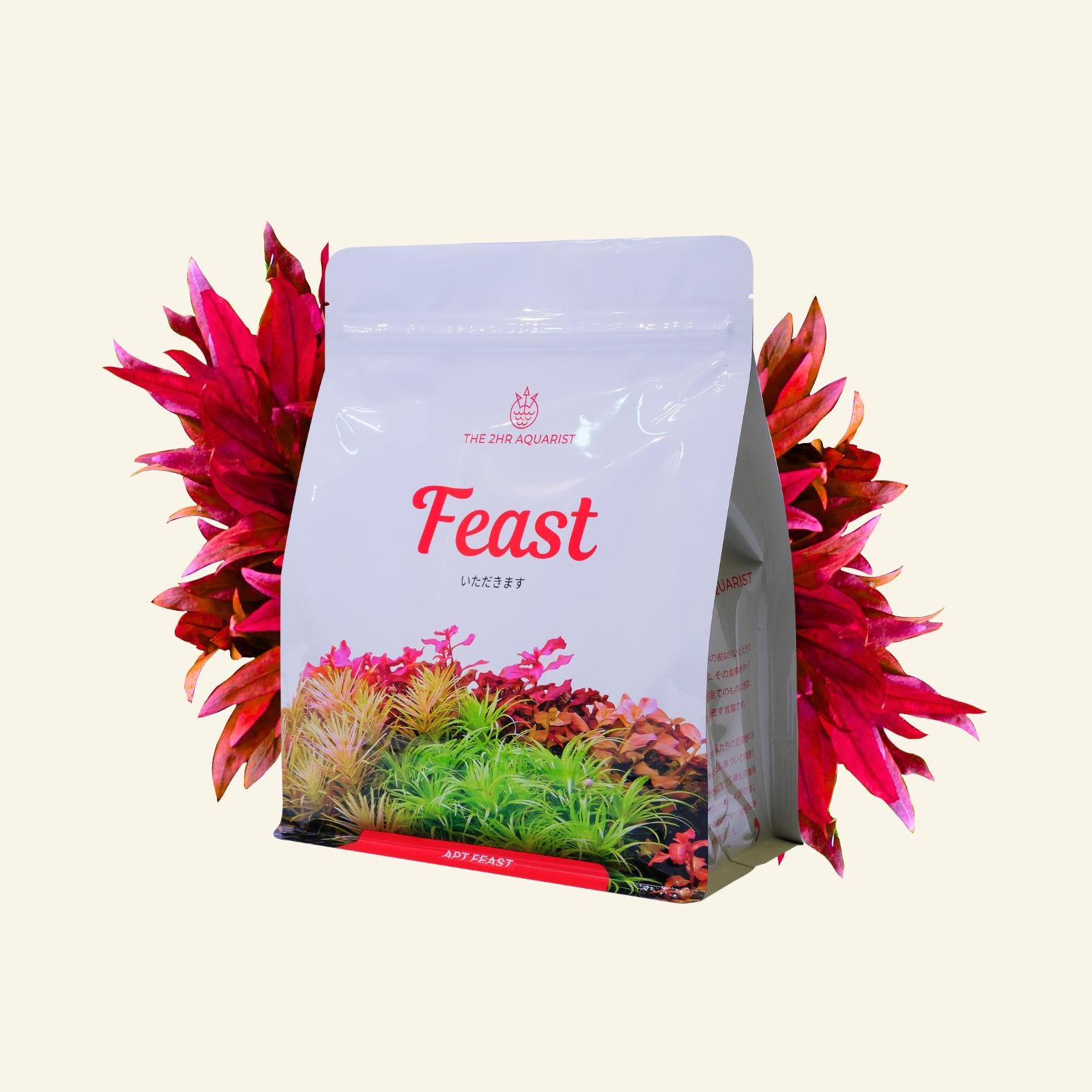
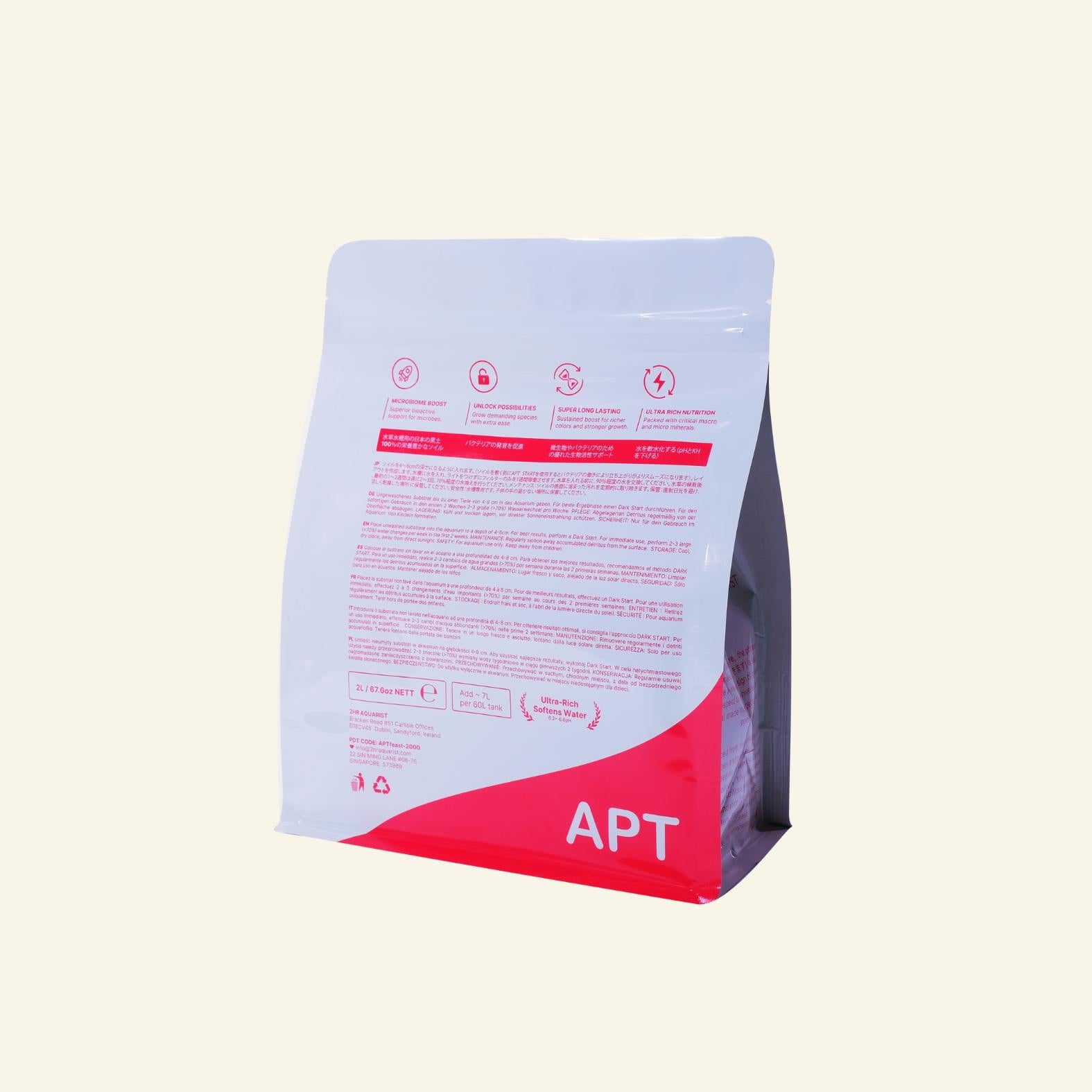
Use a full, active substrate across the whole floor. In a low tech planted tank, substrate is not just a place to anchor plants – it is a long-term nutrient reserve and a home for beneficial bacteria. Aquasoil is the easy premium answer: it ships ready to use, buffers pH slightly downward, and releases ammonium-rich nutrients to roots. For a tighter budget, mineralised topsoil capped with 1–2 cm of coarse inert sand works beautifully and lasts for years, as long as you accept that it is messier to handle upfront.
For a CO2-free planted tank, the substrate should be as nutritious as possible, with a minimum depth of about 2 inches (5 cm) across the entire planted area. A deeper substrate layer also supports more bacterial colonisation and naturally enhances CO2 production in the root zone as organics are slowly broken down. That slow, local CO2 production is tiny compared to injected CO2 but still helpful in a carbon-limited environment.
Inert gravel or decorative sand on its own might look clean but it starves rooted plants and forces your slow-growing species to rely solely on water column fertiliser, which is much easier to get wrong in a low maintenance hobby tank. If you want a sand foreground, treat it as a cap over a nutrient-rich base rather than the only substrate.
4. Dose a complete liquid fertiliser in small, regular amounts
Dose a complete all-in-one liquid fertiliser every week from day one, even in a low energy, non CO2 planted tank. Yes, even with excellent soil. Water column dosing supplies your plants with the macronutrients – nitrogen, phosphorus, potassium – and the full trace package – iron, manganese, boron, zinc, copper, molybdenum and friends – they need to build healthy leaves and roots.
Relying solely on livestock waste for nutrients in a low tech planted tank is a gamble and, often, an excuse. Fish waste provides some nitrate and phosphate, but rarely in ideal ratios, and it does not supply everything plants need; it also increases organic load if you overstock in an attempt to “feed” plants. Regular fertilisation in low tech tanks, using small weekly doses of a comprehensive liquid fertiliser, is simpler and more predictable.
You can use root tabs specifically for heavier root feeders if you are using a cheaper soil mix, but they are a supplement, not a replacement for a complete fertiliser. Low energy planted tanks do not need high doses, but they still benefit greatly from a quality fertiliser routine to keep growth healthy, leaves lush and algae pressure low.
Hope is not a dosing strategy. “Water changes and fish poop” is not a dosing strategy.
5. Run a filter that actually moves water and supports gas exchange
Run a filter sized for roughly 6–10 times tank volume turnover per hour, with some surface moment. For example, a 200L tank wants a filter delivering around 1200–2000 L per hour. Canister filters are the easiest way to hit this number with good biological media, but a well-chosen hang-on-back or even a large sponge filter can work on small tanks as long as you get the flow and surface movement right.
Point the outlet so the surface ripples gently along most of the length of the tank. This ripple is your main gas exchange engine – it pulls atmospheric oxygen into the water which powers microbial action that produces CO2. Gentle internal circulation, whether from the filter outlet or a small powerhead, also ensures that nutrients and dissolved gases reach all parts of the aquarium.
Using gentle rather than blasting flow is important; you want leaves moving slightly, not plants uprooted. Stagnant water is where algae breed, where mulm accumulates on the substrate, and where your slow-growing plants slowly suffocate.
6. Choose plant species that do well in carbon limited environments
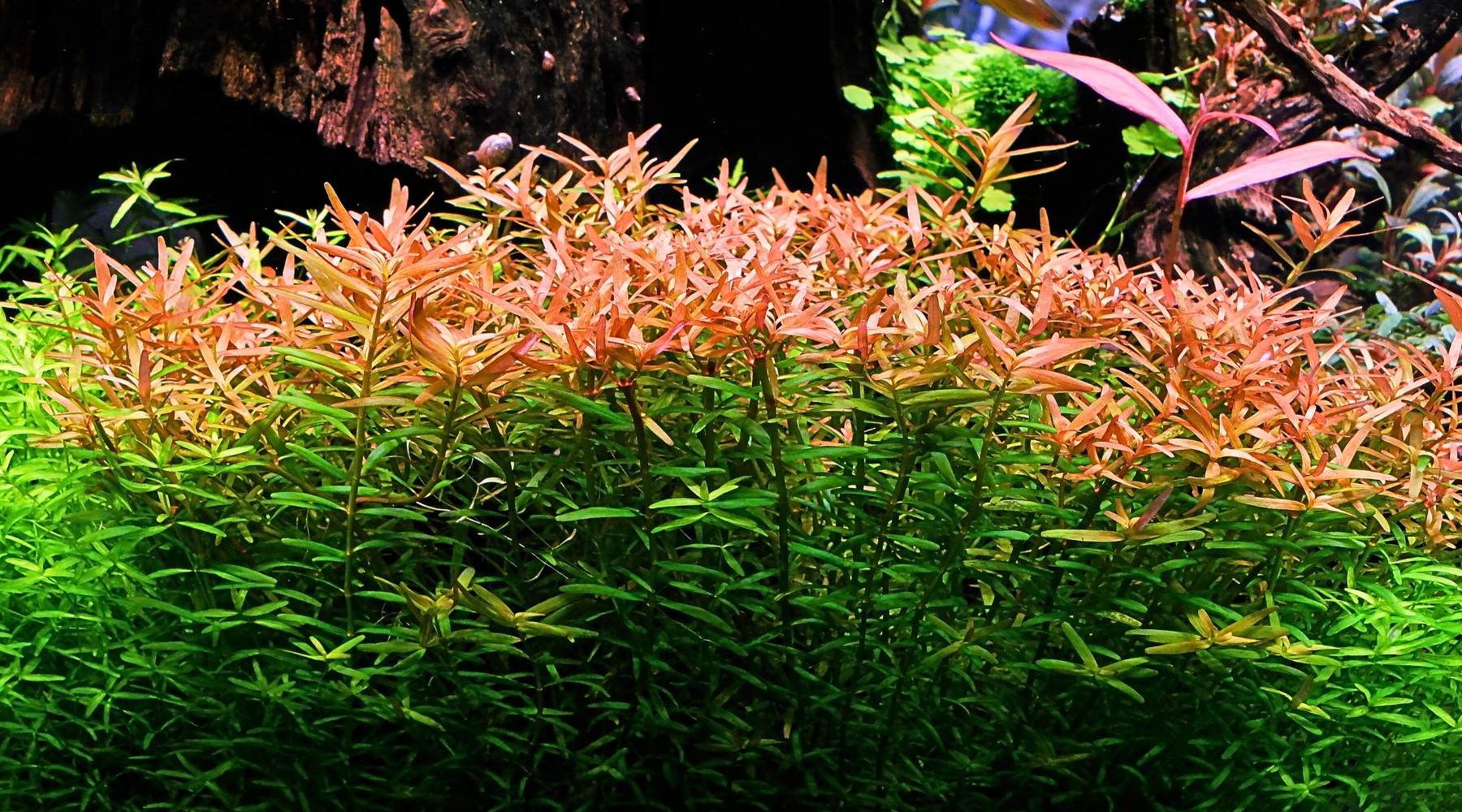
Choose hardy, proven low tech plant species upfront rather than trying to force high-demand plants to survive. Java fern, Anubias species, Bucephalandra species, Mosses, Cryptocoryne species, Water wisteria, Dwarf sagittaria, Vallisneria species, Ludwigia repens, Rotala rotundifolia, Marsilea and Pearlweed are all good examples of plants that can thrive in low-to-medium light without CO2 injection when the rest of the system is set up correctly. For more ambitious folks, Alternanthera reineckii mini, Ludwigia super red can provide some color. The easiest carpet plants for low tech aquariums include dwarf hair grass, Monte carlo and Marsilea crenata.
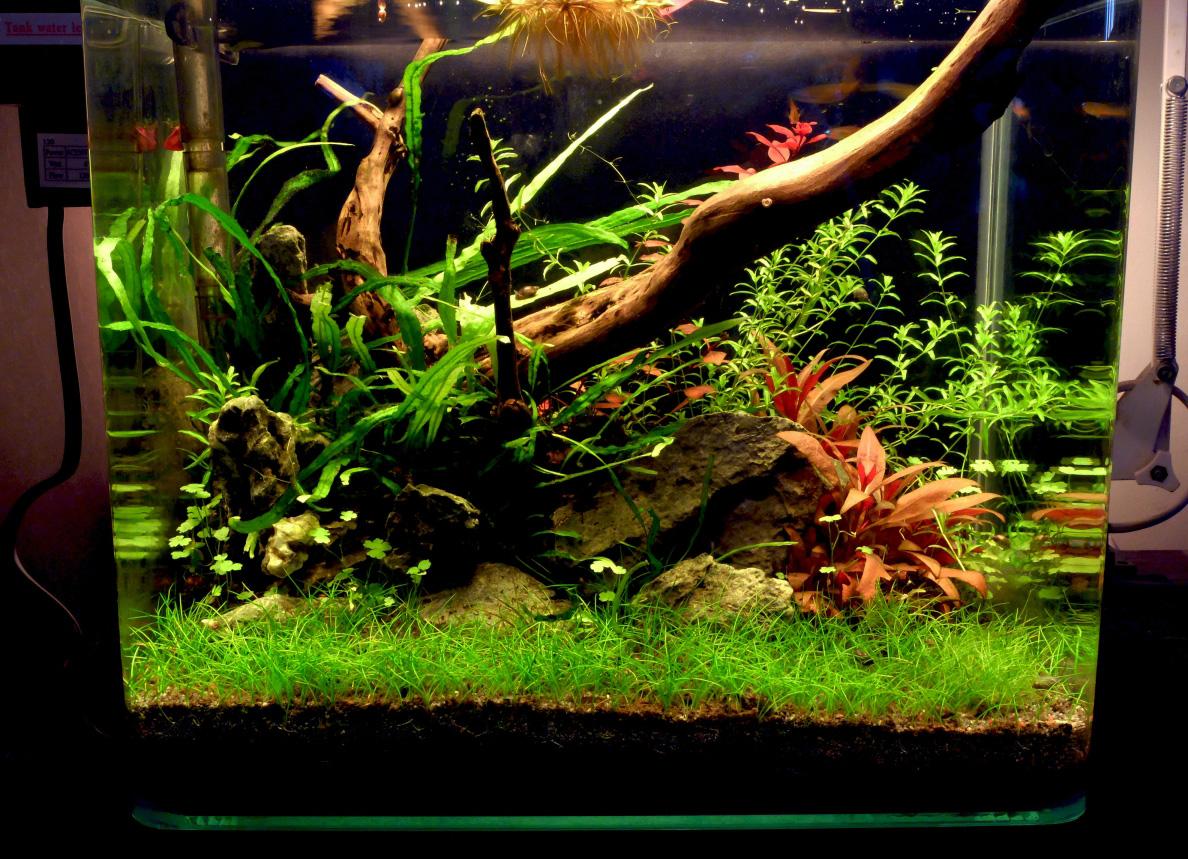
In low tech tanks that generate enough carbon naturally, carpets such as dwarf hair grass are not that hard to grow.
A couple more angles of optimization:
Temperature: Low tech aquariums do better at lower temperatures (70-74f/21-23C) where plant metabolism is slowed down and algae spikes are more tempered.
Alkalinity: Low tech aquariums do better at lower alkalinity ranges 0-3 dKH, pH 6-6.5. This applies especially for folks attempting more difficult plant species without co2 injection.
How Should You Maintain a Low Tech Planted Aquarium Week to Week?
Leave the obsession with daily tinkering to high-tech CO2 junkies. A well-set-up low tech planted tank lives on slow rhythms: weekly water changes, light trimming, consistent fertiliser dosing and occasional filter maintenance.
While large water changes can help plants settle in when the tank is first setup (1st month), it can be done in more moderate amounts after the aquarium has settled in. Perform regular 15–25 percent weekly water changes in a low-tech planted tank to maintain stability, reset dissolved organics and keep algae triggers low without shocking the system. Use that water change to gently siphon detritus off the top of your soil or aquasoil without churning deeply; think of it as vacuuming crumbs off a carpet, not digging up the floor. This supports clearer water, healthier bacteria, and better gas exchange at the substrate surface.
Planting heavily from the start – ideally using 60–70 percent of the available substrate area with robust species. A plant dominant tank is one that is naturally algae resistant. Healthy plants produce defensive chemicals that keep algae away. In a low energy, non CO2 system where growth is slow, this heavy initial planting is one of your strongest tools. Low tech tanks that start sparsely planted often spend the first months growing algae, not plants.
In a low-tech setup, plants grow slowly, so trimming is less frequent and less dramatic. This is part of the low maintenance appeal: you are not re-scaping stem jungles every week. You simply remove dying or algae-covered older leaves, thin out overgrown mosses and keep the layout tidy. Lower growth rates also mean lower risk of explosive algae blooms as long as you keep light moderate, nutrients balanced and organics under control.
Sit and stay when everything is broadly on track. If your Java fern, Anubias and mosses are putting out new growth, your water is clear, and algae is limited to old surfaces, stop changing multiple variables at once just because you read a new opinion post. Stability is your strongest tool in a low tech planted tank.
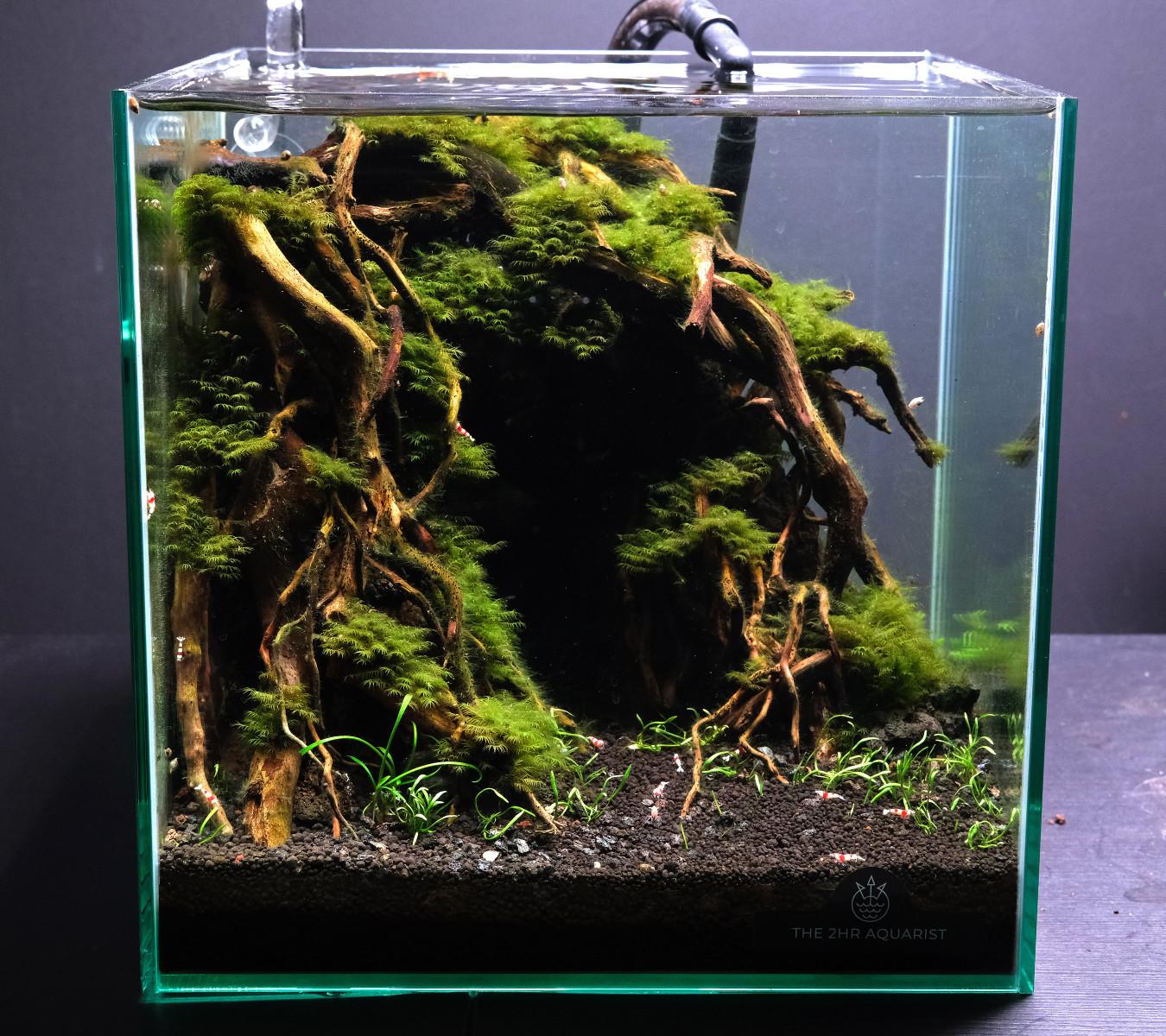
Effective hardscape usage can impact an aquascape dramatically.
What signals show a low tech planted aquarium is actually healthy?
Stop measuring success by how bright the aquascape looks in pictures on day three. Stop judging your low tech tank by how fast your Monte Carlo spreads compared to someone running pressurised CO2. Start watching three slow but honest signals over the first twelve weeks.
First, watch your easy workhorse plants, not your most fragile stem plant. Java fern (Microsorum pteropus), Anubias barteri var. nana and other Anubias species, Cryptocoryne wendtii, Vallisneria, Java moss, pearlweed and a hardy stem like Hygrophila polysperma or Limnophila sessiliflora are the right plants to judge. In a correctly set up low tech planted tank, these species should all be putting out fresh leaves or side shoots within three to four weeks: not explosive “high tech” growth, just clear, steady additions.
-
Java fern should push one or two new fronds from the rhizome per month, slowly filling in.
-
Anubias should show a pale new leaf at the rhizome tip every four to six weeks in low light.
-
Cryptocoryne wendtii may “melt” its old leaves as it adapts but should send up new submerged-form leaves from the centre within three weeks.
-
Java moss and other mosses should show a fine fuzz of green new tips instead of remaining brown and brittle.
Second, pay attention to the water itself. By week four, the water column in a low tech planted aquarium with an appropriate filter and substrate should be clear and almost scentless. A faint earthy smell from aquasoil or soil-based substrate in the first month is normal as bacteria establish. Persistent cloudiness, a yellow tint, or a swampy odour past six weeks means something in the system is off: your filter may be undersized, your maintenance may be ignoring mulm on the soil surface, your fish load may be too high for plant uptake, or you are skipping basic 15–25 percent weekly water changes that help reset organic waste before algae pounce.
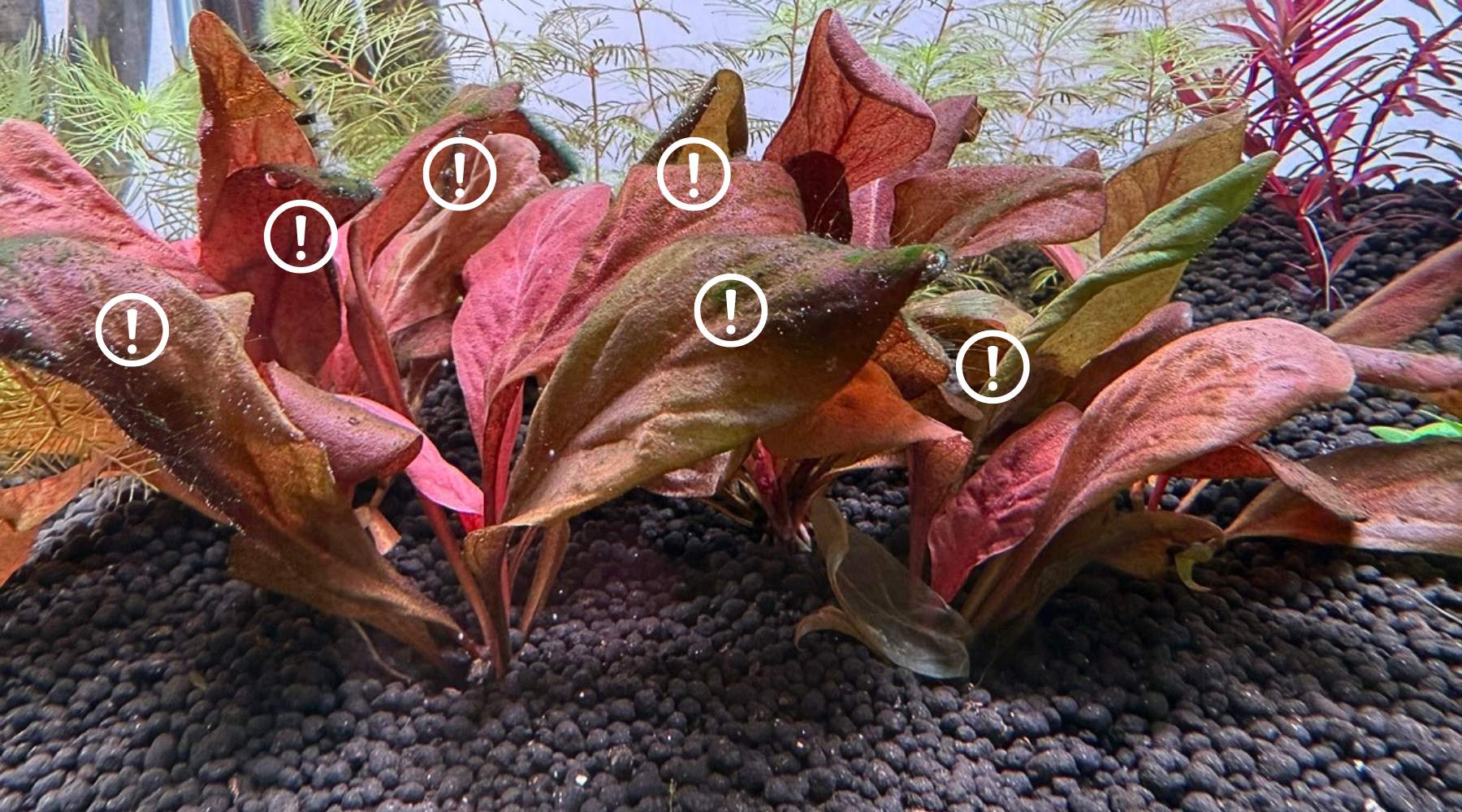
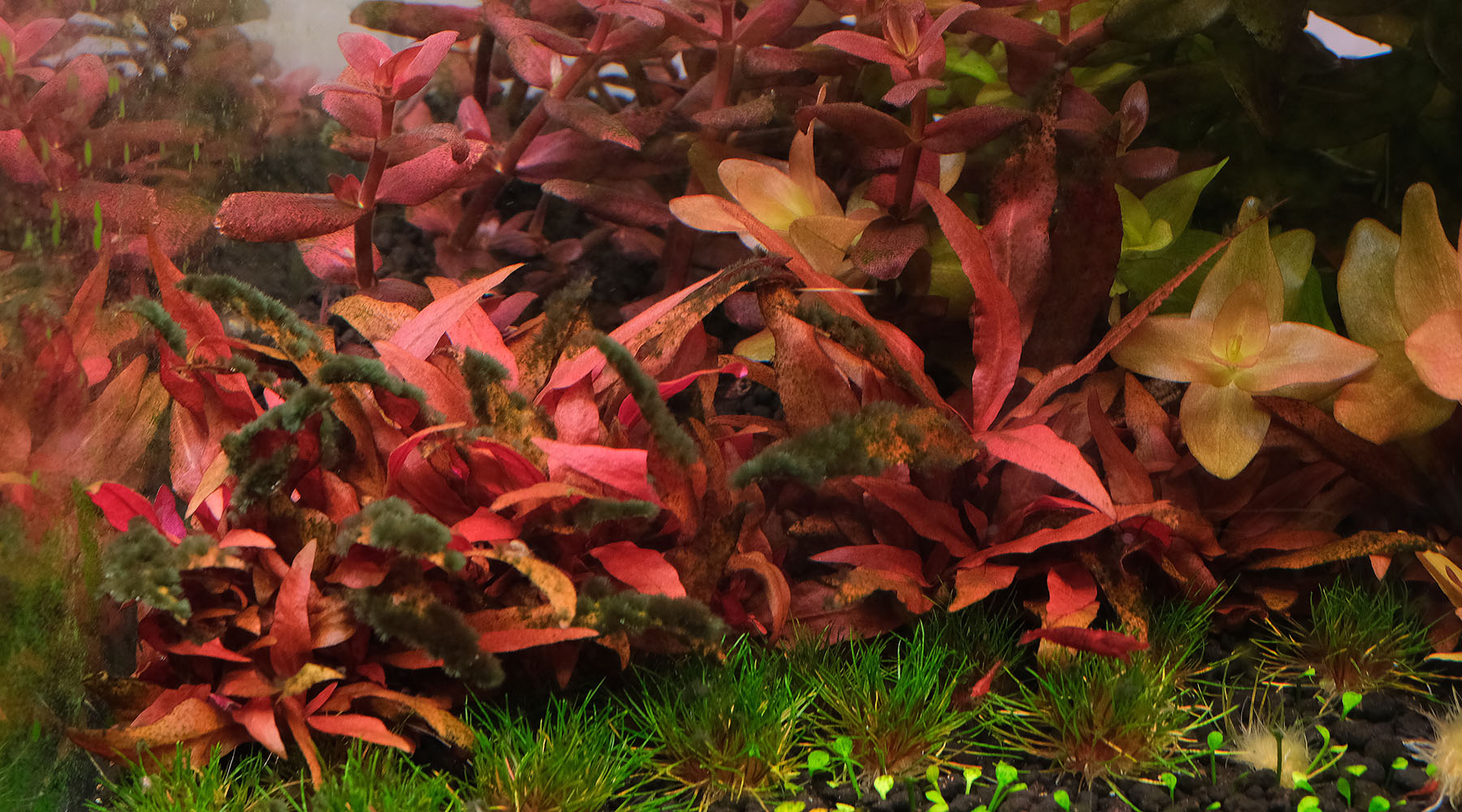
Third, look at where algae appears. In a functioning low tech tank, algae will show up first on hardscape and the oldest leaves, not on new growth. A trace of green spot algae on the glass and a light dusting on the oldest Anubias or Java fern leaf is normal and manageable. Green hair algae, black beard algae on slow rhizomes, or diatoms smothering new leaf tips within the first two months are all signals that one of your five core decisions is off. Most often the light is too intense for a non CO2 tank, or fertiliser is missing, so plants stall and algae take the excess light and nutrients.
If these three signals are on track: steady new growth from easy species, clean clear water with a neutral smell, and algae limited to the oldest surfaces while new leaves remain clean, your low tech planted tank setup is working. You do not need to add more light “for photosynthesis,” you do not need to throw three different liquid carbon products at the glass, and you definitely do not need to restart the aquarium because some old leaves look rough.
How Do Low Tech Planted Tanks Differ from High Tech, and Which Plants Suit Each?
Yes, this checklist changes completely if you decide to run CO2 injection later. On a high-tech tank, tank depth matters less because you can push more light through more water without punishing your plants, as long as carbon and nutrients keep pace. Light intensity moves from the 30–50 umol range up into 60–100 umols at the substrate, unlocking faster growth, richer colours and more demanding species like dense Monte Carlo carpets that rarely behave in low tech.
Substrate still wants to be active soil or aquasoil – fast growth simply eats more nutrients. Fertiliser dosing goes up substantially because plants under high light and high CO2 use more carbon and nutrients than all your “low-tech” instincts expect. Filter flow, gas exchange and distribution become even more critical; a CO2-injected tank with poor flow is a tank with algae in the corners and fish gasping at the surface.
Low tech, non CO2 planted tanks trade speed, colour extremes and species range for simplicity, lower maintenance, lower energy cost and a wider margin for error. They work best with plants that grow slowly or are hardy enough to tolerate varying conditions: the Java fern, Anubias, moss and crypt crowd, not fragile stems that sulk at the first sign of carbon limitation. If you later decide you want hyper-fast growth and complex layouts, you can always re-plan for high tech.
For now, if you are building a low tech planted tank setup, keep the system shallow, the substrate deep and nutritious, the light moderate and consistent, the filter moving water and exchanging gas, and the plants hardy, algae-free and densely planted from the start. Do that, and your aquarium will quietly thrive while you enjoy the hobby instead of fighting it.


Share:
Neocaridina Cherry Shrimp: The Complete Beginner's Guide