
A good KH for a planted aquarium is usually 2 to 7 dKH, with 1 to 2 dKH being ideal for sensitive soft water species and demanding aquascapes. If your tank is built around most common aquatic plants and commercially bred fish, that range works well; if you keep African cichlids, you will want it much higher, and if you keep Eriocaulon, Tonina, South American fish or Caridina crystal shrimp, you usually want it lower.
-
For most planted tanks: aim for 2 to 7 dKH.
-
For sensitive soft water plants: aim for 1 to 2 dKH.
-
For Eriocaulon species: keep KH below 3 dKH.
-
For African cichlids: keep KH above 10 dKH.
-
If KH is low, test regularly and correct slowly; stability matters more than chasing a fashionable number.
Does a Dropping pH Mean Your KH Is in Trouble?
Take your hand off the buffer tub and step away from the pH chart.
You checked the fish tank this morning, saw the pH had dropped, and now you are one forum thread away from throwing baking soda, crushed coral, limestone and six mystery chemicals into the filter like you are seasoning soup. That reflex causes more trouble than the pH drop it is reacting to. The tank is not asking for drama. It is asking you to understand what KH does.
What Does KH Actually Do in a Planted Aquarium?
Call this buffer depletion.
KH, or carbonate hardness, is the amount of carbonates and bicarbonates in aquarium water. Those carbonate ions are the buffer. They neutralize acid and soak up hydrogen ions, which is why KH underpins the entire stability of the aquarium environment and helps keep pH from changing too rapidly. High KH means more buffering capacity and a more stable pH. Low KH means less buffering capacity, so the same acid load causes bigger pH swings.
Here is the part people miss: KH can drop over time. Nitrifying microbes consume carbonates while processing ammonia through nitrite toward nitrate, and aquasoil can also absorb alkalinity. So yes, aquarium hobbyists often do need to replenish KH over time. That is true. But the old bad advice is this: “Any low KH is dangerous, so always raise it.” No. In planted freshwater aquariums, low KH is often perfectly normal if it is stable and matched to the livestock. Stop staring at pH. Look at KH stability.
There is another layer to this that most aquarium science discussions flatten into nonsense. Fish respiration releases carbon dioxide. Decomposition releases acids. Nitrification uses up carbonate reserves. All of that pushes against the tank's buffering capacity every single day. A high KH will soak up those hydrogen ions and resist downward pH change. A low KH means the same biological activity has a stronger effect on pH levels. That is why maintaining a stable KH level is helpful for preventing a sudden drop in pH in an aquarium. Not because pH is some sacred number, but because KH is the chemical shock absorber doing the real work.
What's the Difference Between KH and GH?
Folks confuse KH with GH constantly, and that mix-up is where a lot of water-chemistry trouble starts. GH, or general hardness, measures calcium and magnesium ions. KH measures carbonates and bicarbonates. pH, KH, and GH all measure different parts of water chemistry. They are related, but they are not the same thing, and treating them as one blob called “water hardness” is how people make a mess.
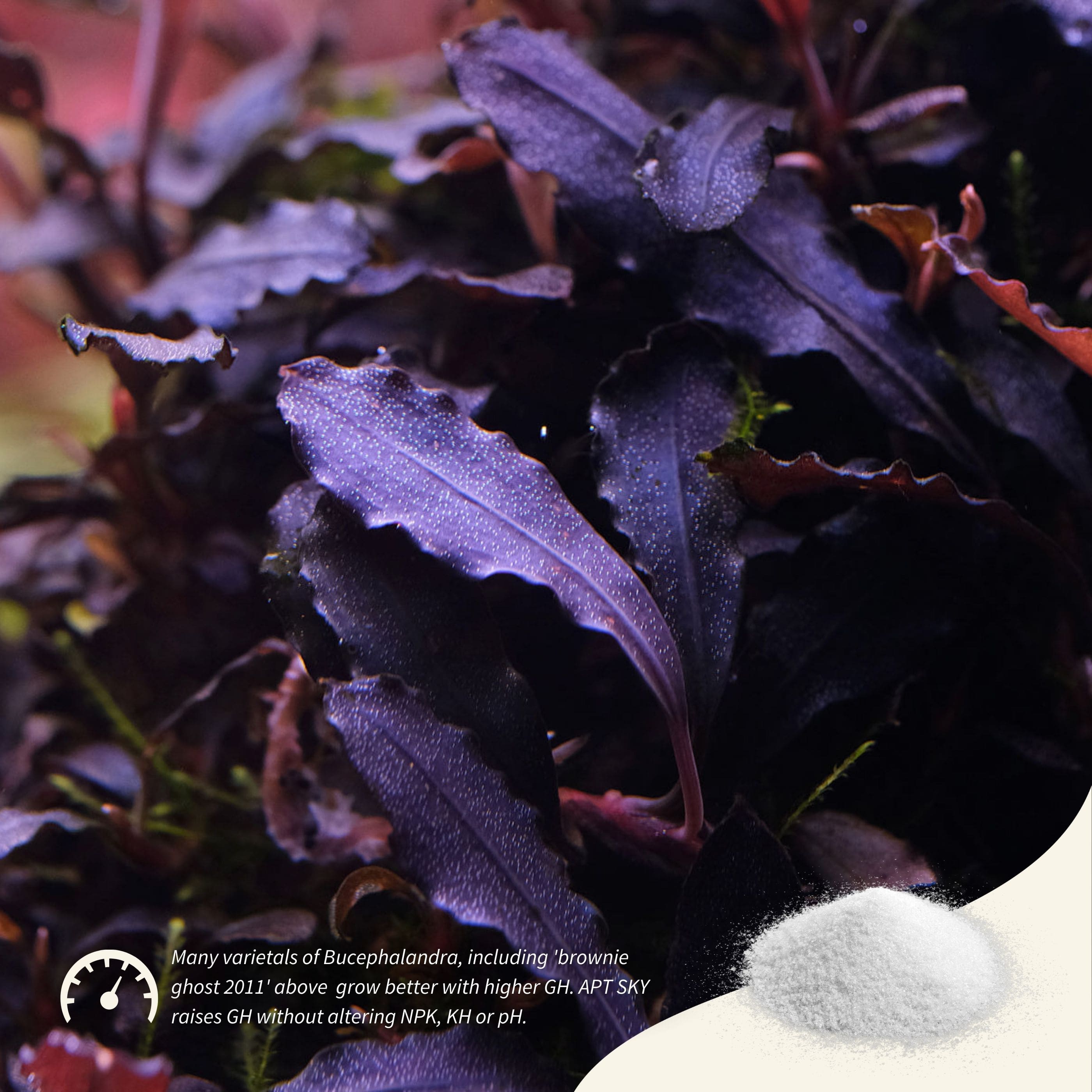
GH matters too, just in a different lane. Calcium and magnesium ions are essential for fish and plant health, and shrimp care even more than most fishkeepers realize. But aquatic plants are generally much more sensitive to KH levels than GH levels. A planted tank can run beautifully with moderate or even high GH as long as KH is low enough for the species you are growing. That is why a tank with 7 dGH and 1 dKH can still grow sensitive soft water plants, while a tank with low GH and stubbornly high KH often cannot.
Does Injecting CO2 Lower Your KH?
One more myth to put down gently but firmly: adding carbon dioxide lowers pH, but it does not lower KH. That matters. A CO2-driven pH change is not the same thing as a KH crash. If you inject carbon dioxide into a planted tank and your pH drops during the photoperiod, that is completely normal. The buffer has not vanished. The chemistry has simply shifted temporarily because dissolved carbon dioxide forms a weak acid. Stop staring at the pH graph like it is a cardiac monitor. Look at the underlying KH trend.
What KH Do Planted Aquariums and Sensitive Species Need?
The ideal KH depends on what you are keeping, not on a magic internet number.
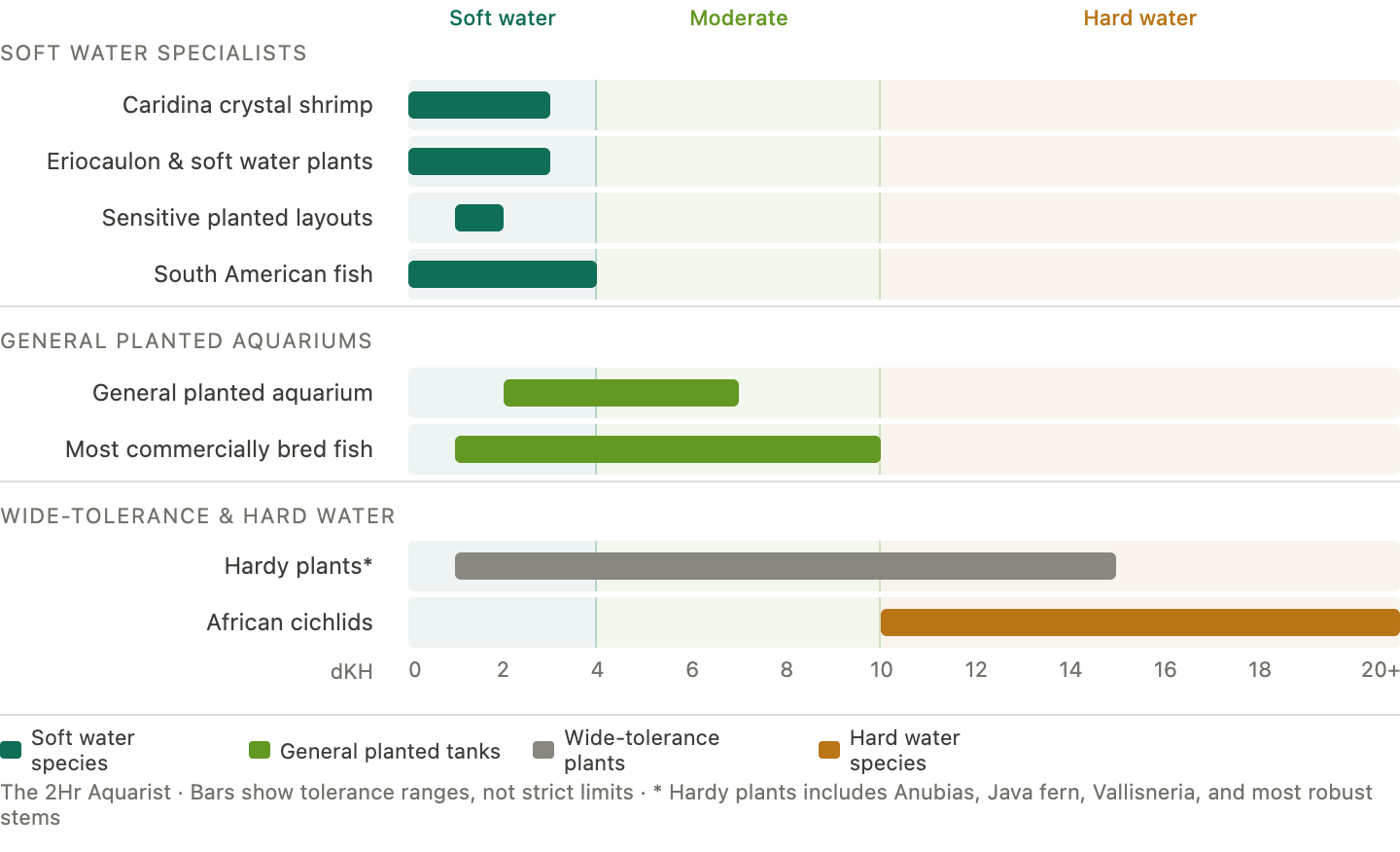
For a general planted tank, 2 to 7 dKH is a workable range and will grow the vast majority of aquarium plants well. Sensitive soft water plants usually perform better at the low end, around 1 to 2 dKH. Eriocaulon species often want less than 3 dKH. Many commercially bred ornamental fish can live comfortably anywhere from about 1 to 10 dKH. South American species and Caridina crystal shrimp often prefer 0 to 3 dKH. African cichlids sit at the other end of the scale, thriving in hard water with high KH, usually above 10 dKH.
This is where hobby advice goes off the rails. The old “ideal KH for freshwater tanks is 4 to 8 dKH” line is not wrong for mixed community fishkeeping, but it is too blunt for a plant-first tank. Planted tanks generally perform better at the lower end of KH values because many aquatic plants are more sensitive to carbonate hardness than to GH. Some hardy species like Anubias, Java fern, and Vallisneria will tolerate high KH just fine. Many stem plants will too. But the more delicate soft water species often get progressively less happy as KH climbs.
To put firmer edges on it:
-
1 to 2 dKH: excellent for sensitive soft water species and demanding planted tank layouts.
-
2 to 7 dKH: the broad sweet spot for most planted freshwater aquariums.
-
6 to 12 dKH: still workable for many species, but some plants become sub-optimal.
-
Above 18 dKH: plant growth usually becomes more limited, with only tougher species doing well long term.
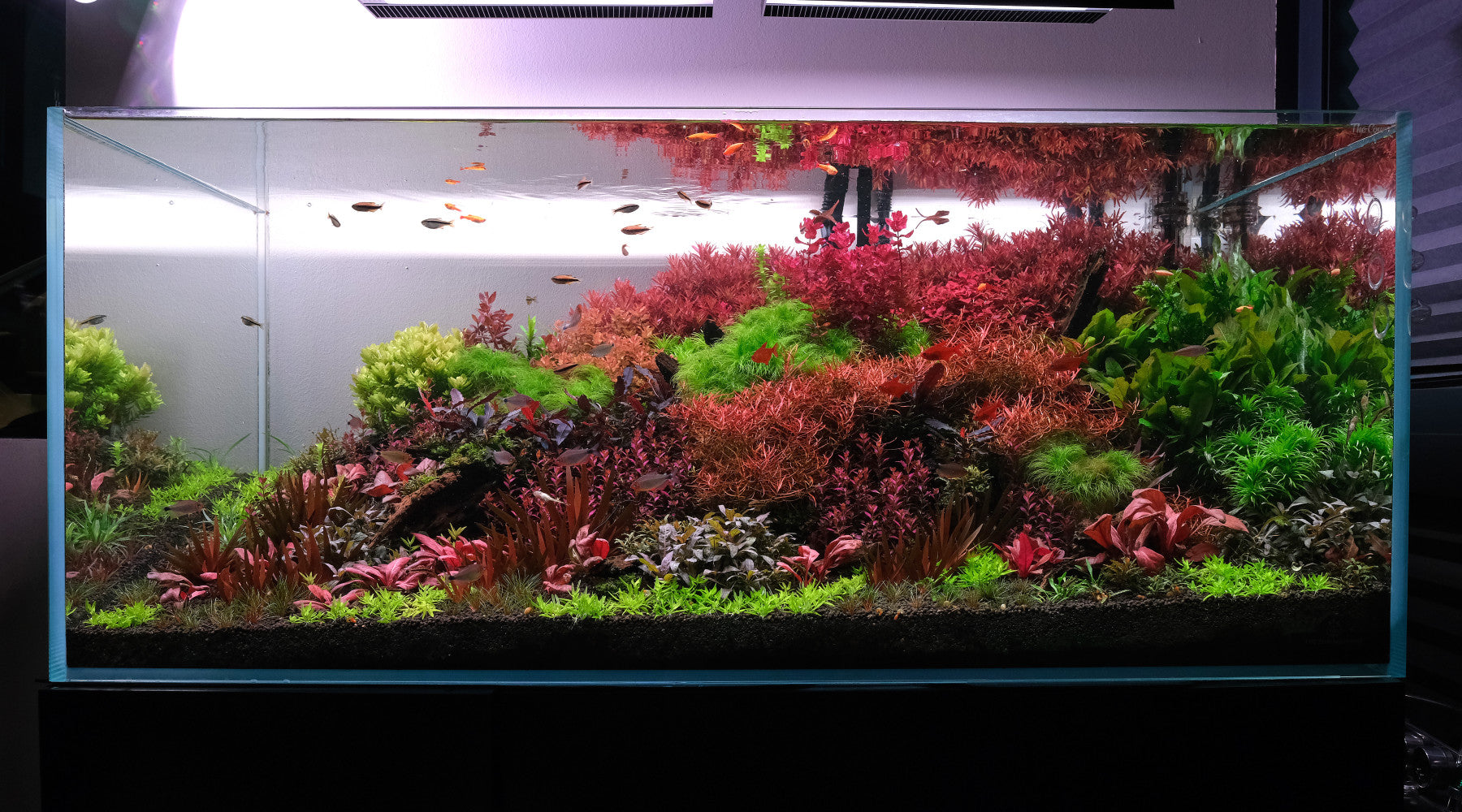
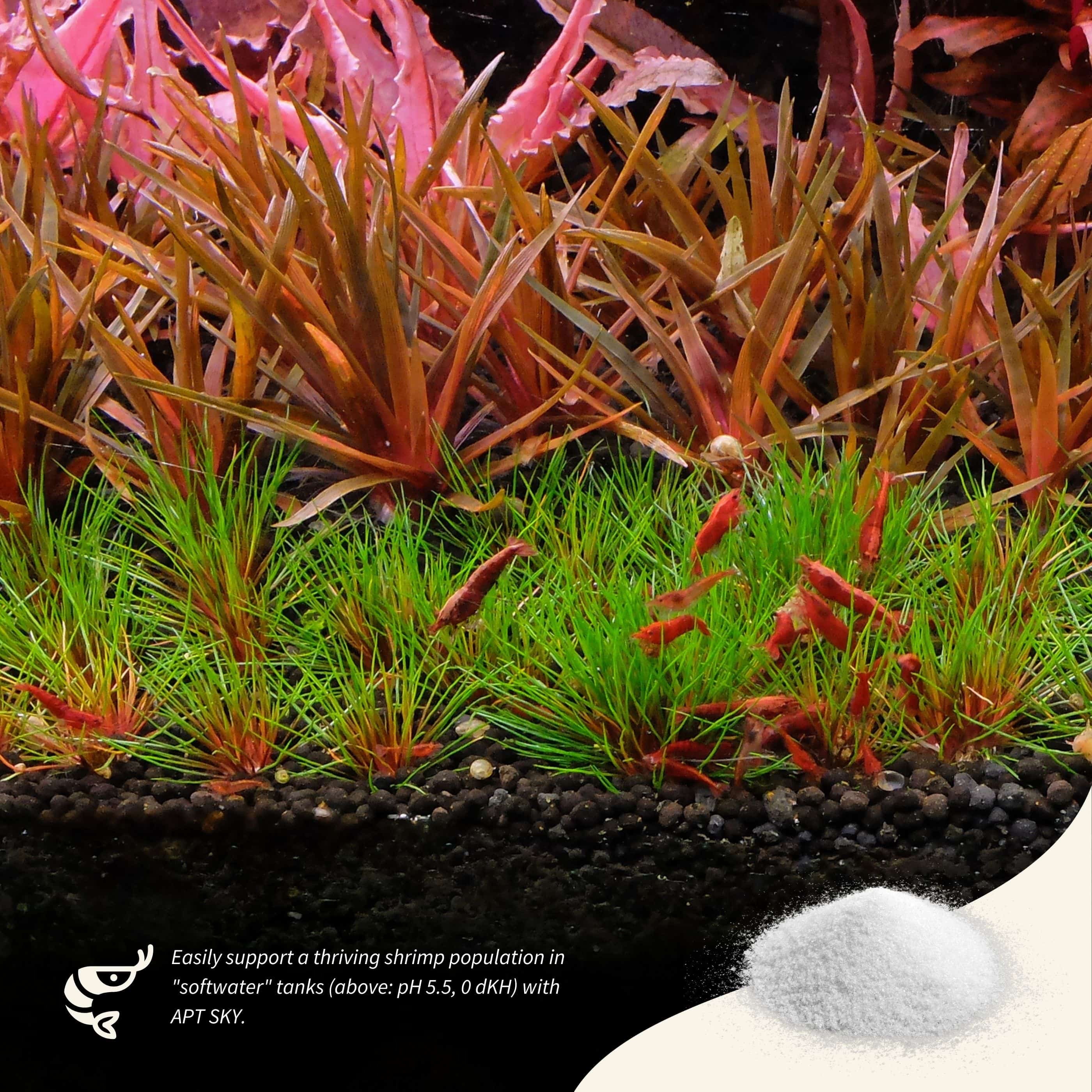
And no, zero KH is not automatically a death sentence. Very soft water tanks can run with near-zero KH and still remain stable when the system is well maintained. Aquasoil-based planted tanks often do exactly that. This is not chaos; it is your system renegotiating its energy budget around low alkalinity.
The important qualifier is this: low KH is only safe when it is stable and appropriate for the species in the tank. If you are keeping hard water fish, or if your tank is neglected and organic waste is piling up, then low KH gives you less room for error. Sudden pH crashes can cause health issues in fish because the tank has run out of usable buffer and the underlying biological conditions have deteriorated. Again, the crash is the symptom. The neglected chemistry is the crime scene.
Should You Be Testing KH or pH in a Planted Tank?
Stop staring at old pH levels. Look at the true signal.
Is Your KH Trend Stable, Falling, or Rising?
The first signal is the KH trend, not a one-off pH drama. Measure KH with a proper drop-count test kit. Multi-test strips are acceptable for rough routine checks during regular water changes, but a liquid KH test, where you count the drops, is far better if you want reliable KH values. If your KH keeps dropping week after week, your buffer reserve is being used up faster than it is being replaced.
That weekly trend tells you far more than a single reading ever will. A tank sitting steadily at 1 dKH for months is often safer than a tank bouncing between 2 and 6 dKH because the keeper keeps “correcting” it with random chemicals. KH has a significant effect on osmoregulation in animals, so rapid changes are stressful to fish and especially to sensitive shrimp. Low KH is not automatically a danger. Instability is.
What Does New Plant Growth Tell You About KH?
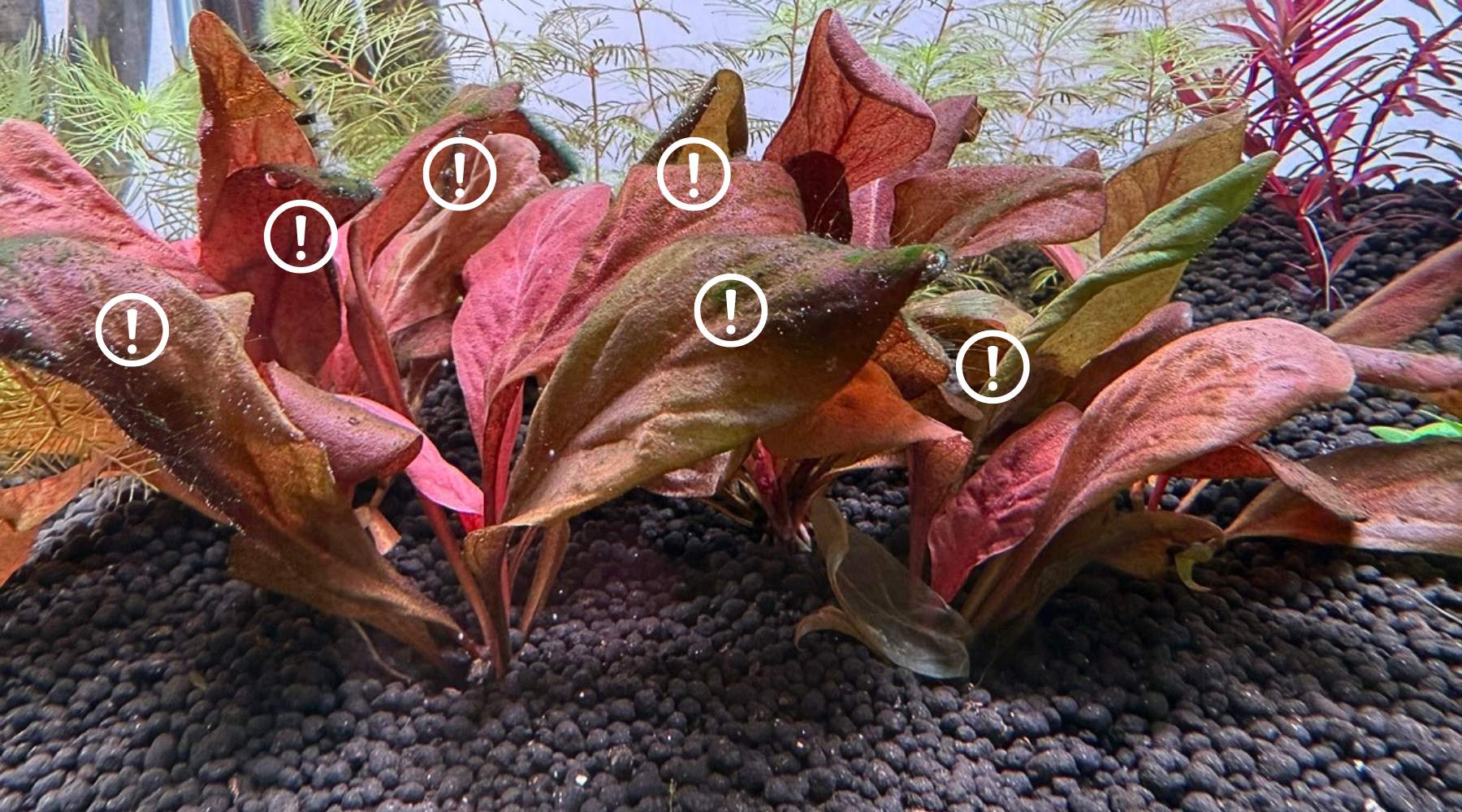
The second signal is new growth. Healthy new leaves, upright stems, firm tips and steady pearling in a high-tech planted tank tell you more than a scary-looking pH change. Eriocaulon in the wrong KH often stalls, twists, or slowly declines even when GH level, light and fertilizer look respectable. By contrast, hardy plants in hard water may keep growing well, which tells you the issue is not “plants hate high KH” so much as “some plants hate high KH.”
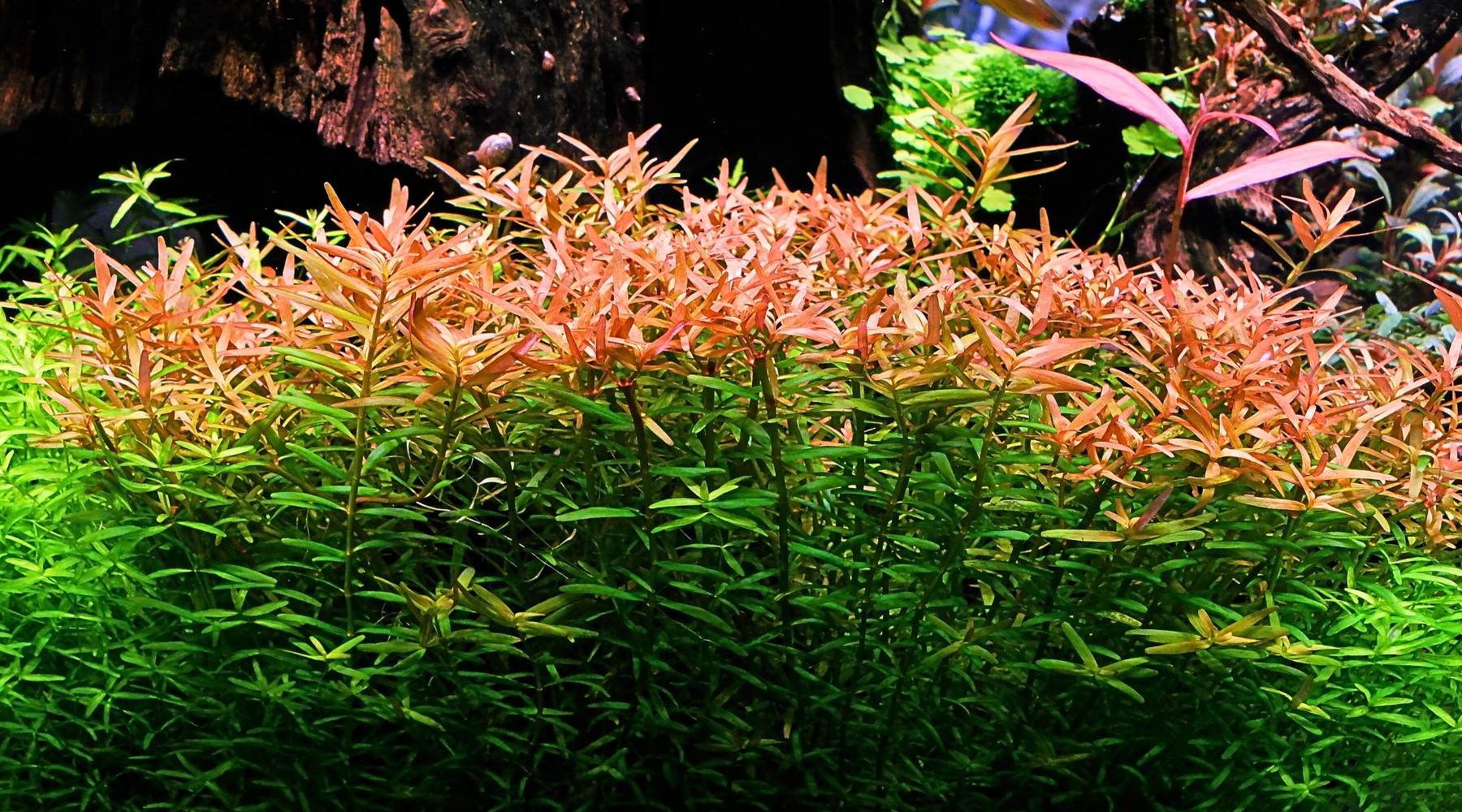
Watch the species that are honest about water chemistry. Eriocaulon, Tonina and other true soft water plants are terrible liars. They do not soldier on politely while you get your act together. They simply stop thriving. On the other hand, Anubias, Java fern and many Cryptocoryne species are much more forgiving. If the hardy plants look fine but the soft water specialists are slowly losing form, your KH values may be the hidden lever.
How Does Livestock Behavior Signal a KH Problem?
The third signal is livestock posture and consistency. Fish that eat normally, hold good color, and behave as usual are often fine even in low pH water, provided KH has not swung sharply. Sudden KH change is the real stressor because alkalinity affects osmoregulation in animals. That is why sudden pH crashes can cause health issues in your fish, and in neglected tanks, can even contribute to death. The problem is not an ugly graph. The problem is unstable water parameters.
How to Raise or Lower KH in a Planted Aquarium Safely
-
Test KH weekly. Use a real KH test kit, measure the drop count, and learn whether your tank is stable, falling, or creeping upward from tap water, limestone or substrate.
-
Match the tank to the livestock. Keep soft water plants and species in low KH, keep African cichlids in high KH, and stop trying to force one aquarium to satisfy animals from opposite ends of the hardness map.
-
Raise KH slowly. Use potassium bicarbonate, potassium carbonate, baking soda in a pinch, or passive materials like crushed coral, coral chips or calcium carbonate rock; large, fast changes stress fish and shrimp more than a modestly “wrong” but stable value.
-
Lower KH with dilution, not heroics. Small water changes with reverse osmosis water are the cleanest way to lower KH from hard tap water; random acids and improvised chemicals are how people create unstable messes.
-
Replenish through maintenance. Regular water changes restore carbonates, remove waste acids, and keep the buffer from silently eroding in planted tanks with active biology and aquasoil.
How Tap Water, Aquasoil, and Hardscape All Affect Your KH Target
Low-tech and high-tech planted tanks do not read KH the same way. In a low-tech setup without injected carbon dioxide, KH should be stable. In a high-tech tank, daily pH swings from carbon dioxide are normal and do not mean KH has changed at all.
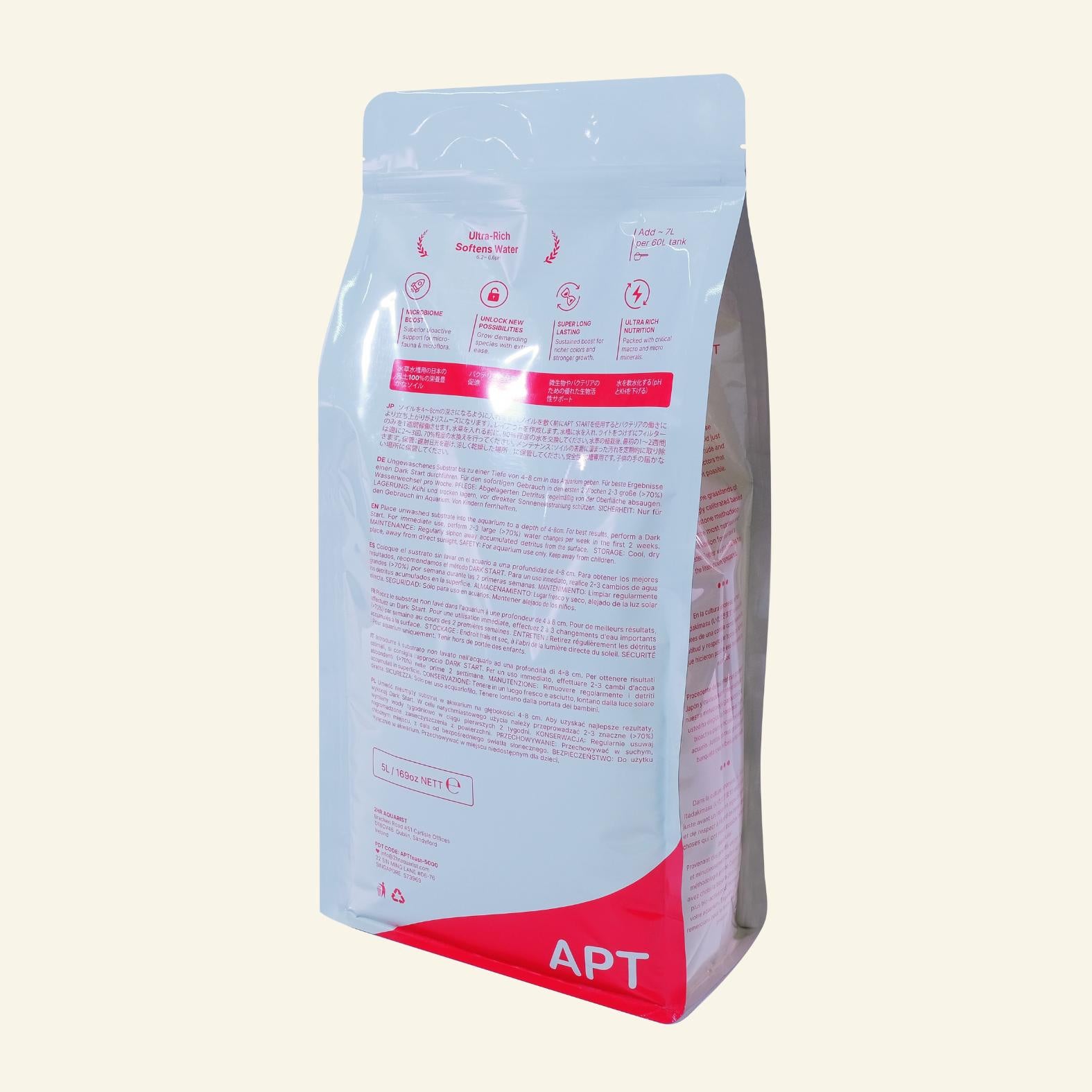
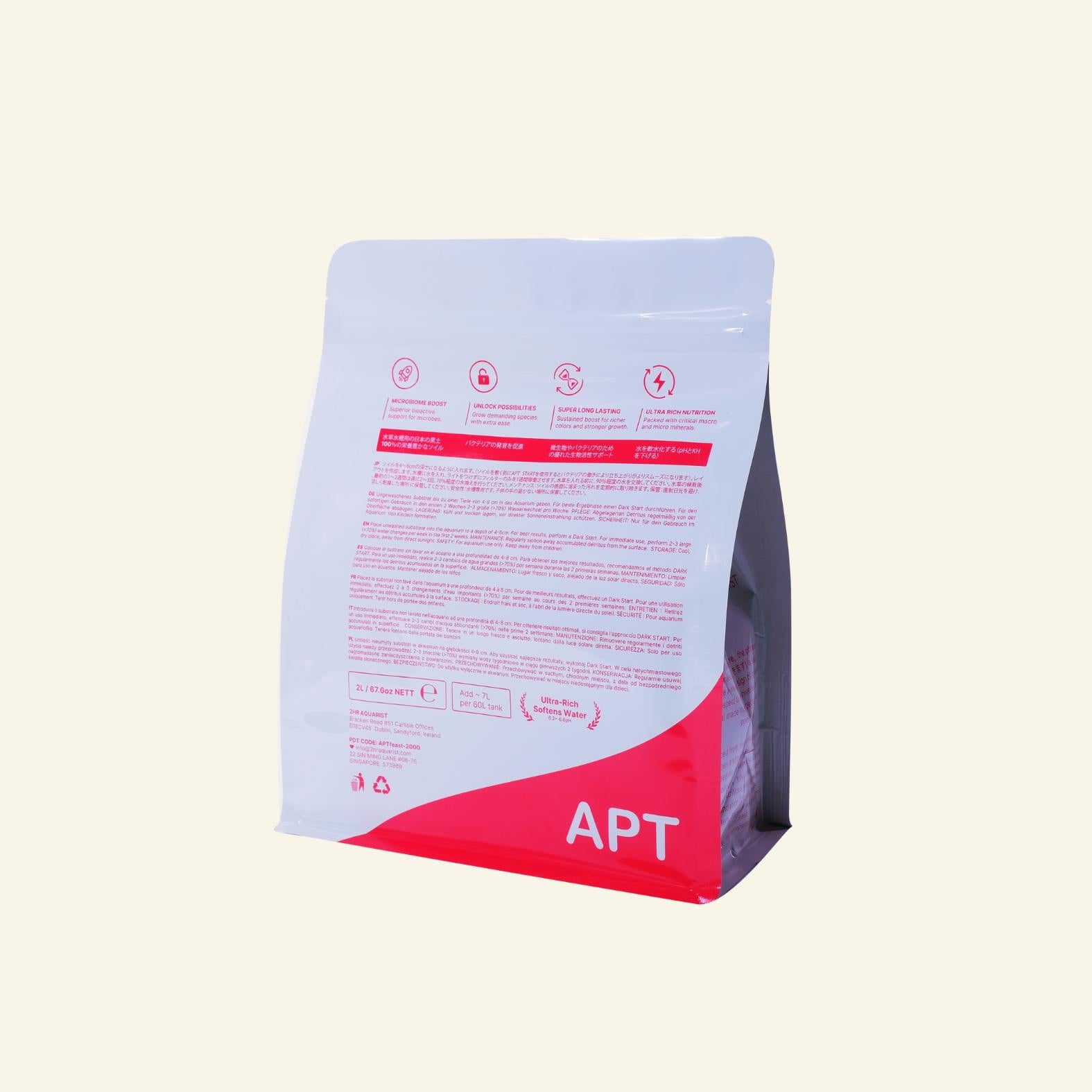
Source water matters too. Tap water that has passed through limestone often comes in with high KH, high GH, and high total alkalinity. Rainwater or reverse osmosis water comes in very soft and may need remineralizing, depending on what you keep. Adding limestone, Seiryu rock or crushed coral can raise both KH and GH over time. Water softeners usually lower GH more than KH, which is why “softened” household water often still fails soft water plants.
This is also why chasing a universal target is foolish. If your tap water already comes out at 8 dKH and your chosen plants are hardy stems, swords, Java fern, and Anubias, you do not need to lower KH at all. If your tap water is very soft and you are keeping most fish and common plants, you do not need to raise it either. For most people, it makes more sense to keep plants and livestock adapted to their source water than to fight the entire water supply with chemicals every week.
Where you do need to intervene, do it deliberately. Potassium bicarbonate or potassium carbonate is a cleaner planted-tank way to raise KH because the potassium is useful to plants. Crushed coral and limestone are slower passive tools that work well in filters or hardscape-heavy tanks, but they raise both KH and GH together. Reverse osmosis is the standard route for lowering KH when tap water is too hard, and small water changes are safer than dramatic swings. Stable chemistry beats dramatic chemistry every time.
For the full picture, read our KH, GH and pH guides together. KH tells you far more about a planted tank's stability than a lonely pH number ever will.









Share:
Are bacteria affected due to low pH/KH in aquasoil tanks?