
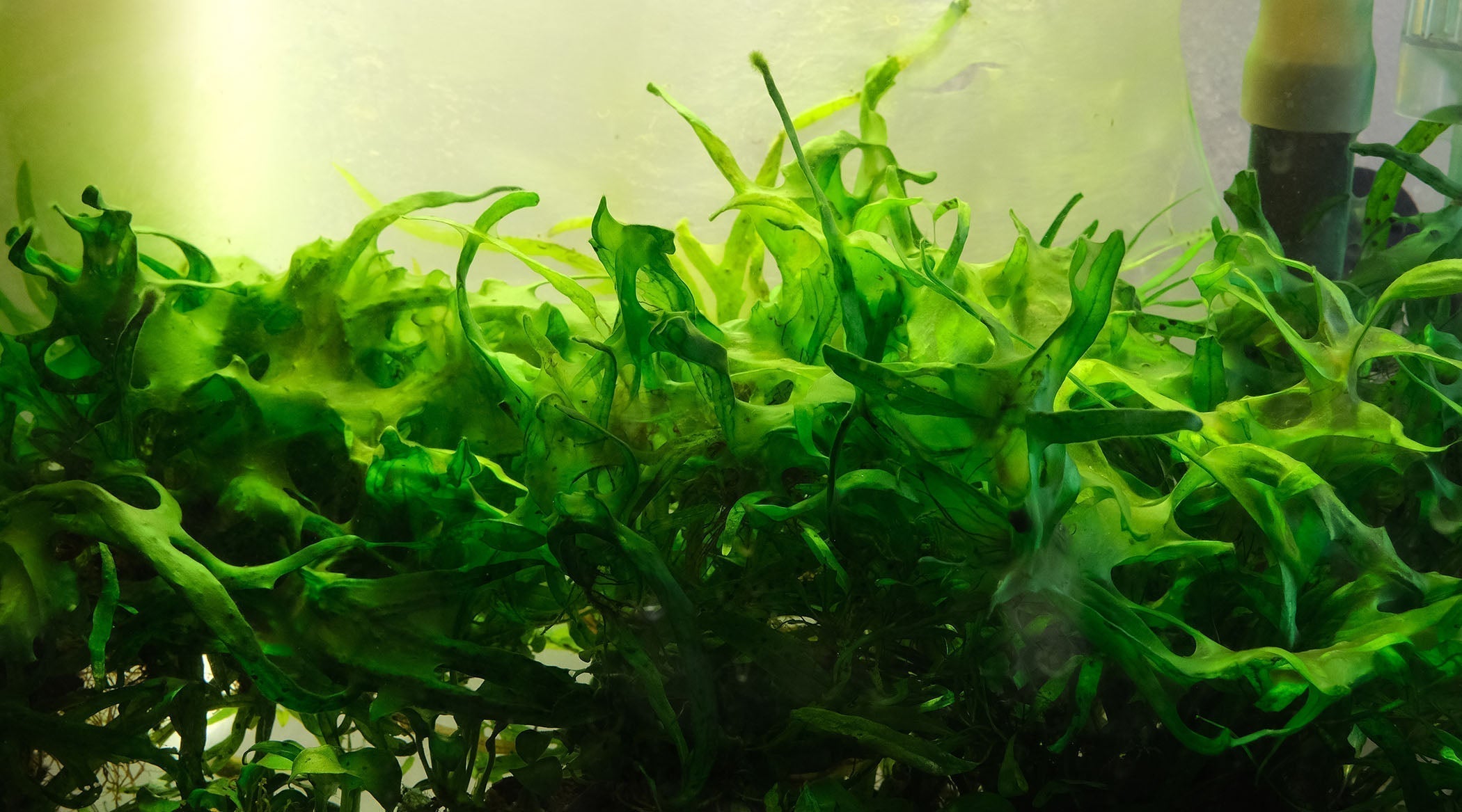
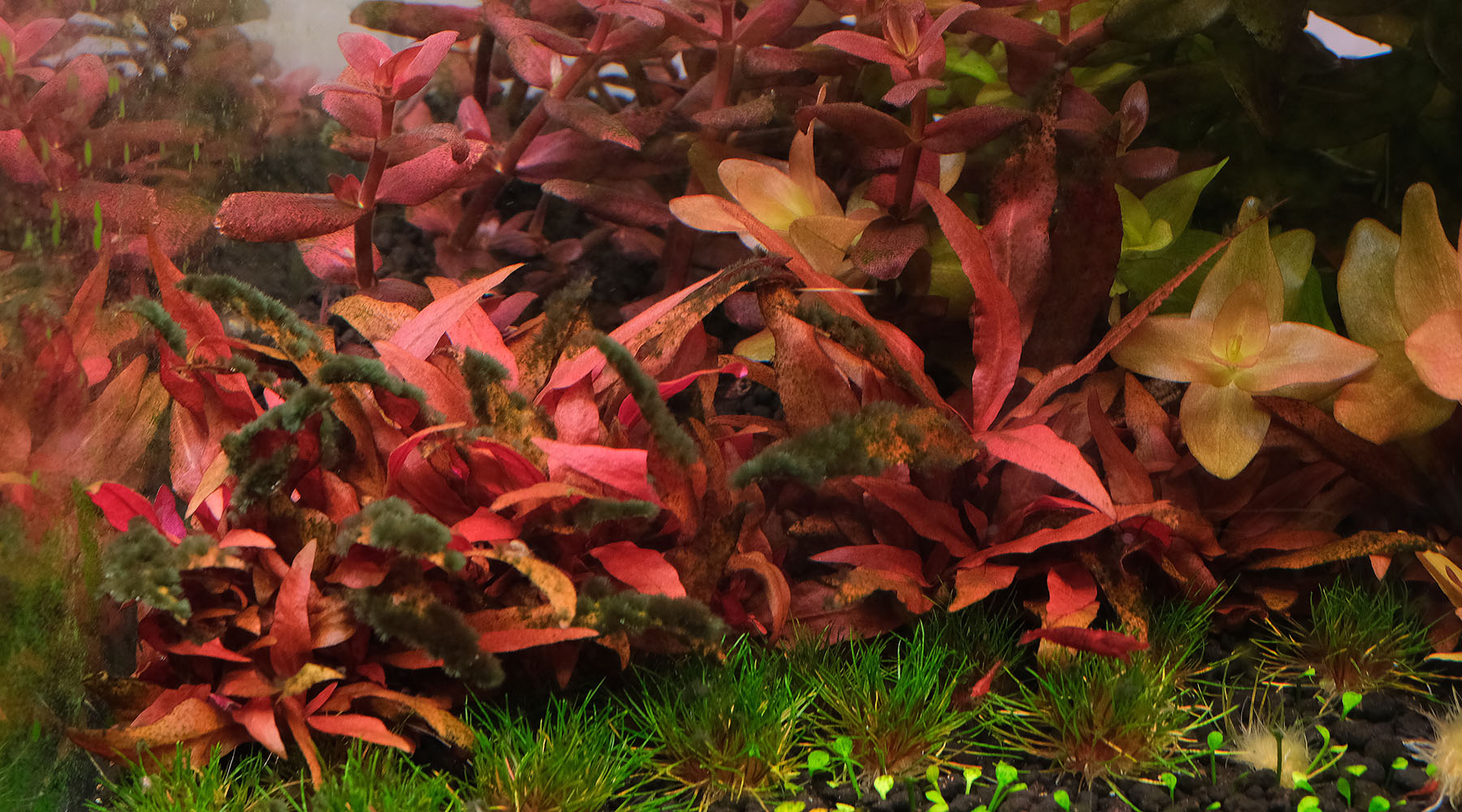
Cyanobacteria or blue-green algae (BGA) appear as dark green slime. This algae begins as translucent sheets, often along the substrate and hugging poorly growing plants. It can form filaments that drift in the current. It is often caused by a combination of deteriorating plants, excess organic waste at substrate level, low oxygen levels and low nitrates. BGA is actually a photosynthetic bacterium that can fix gaseous nitrogen. In large quantities it smothers plants and plant growth can stall - leading to further problems.
Algae eaters often avoid this algae as it can be toxic.
Common Causes
- Unstable or immature tank bio-filter causing bacteria imbalance
- Low oxygen levels
- Low nitrogen availability causing plant stress
- Build up of organic waste & detritus
- Dead spots/low flow areas
Solutions
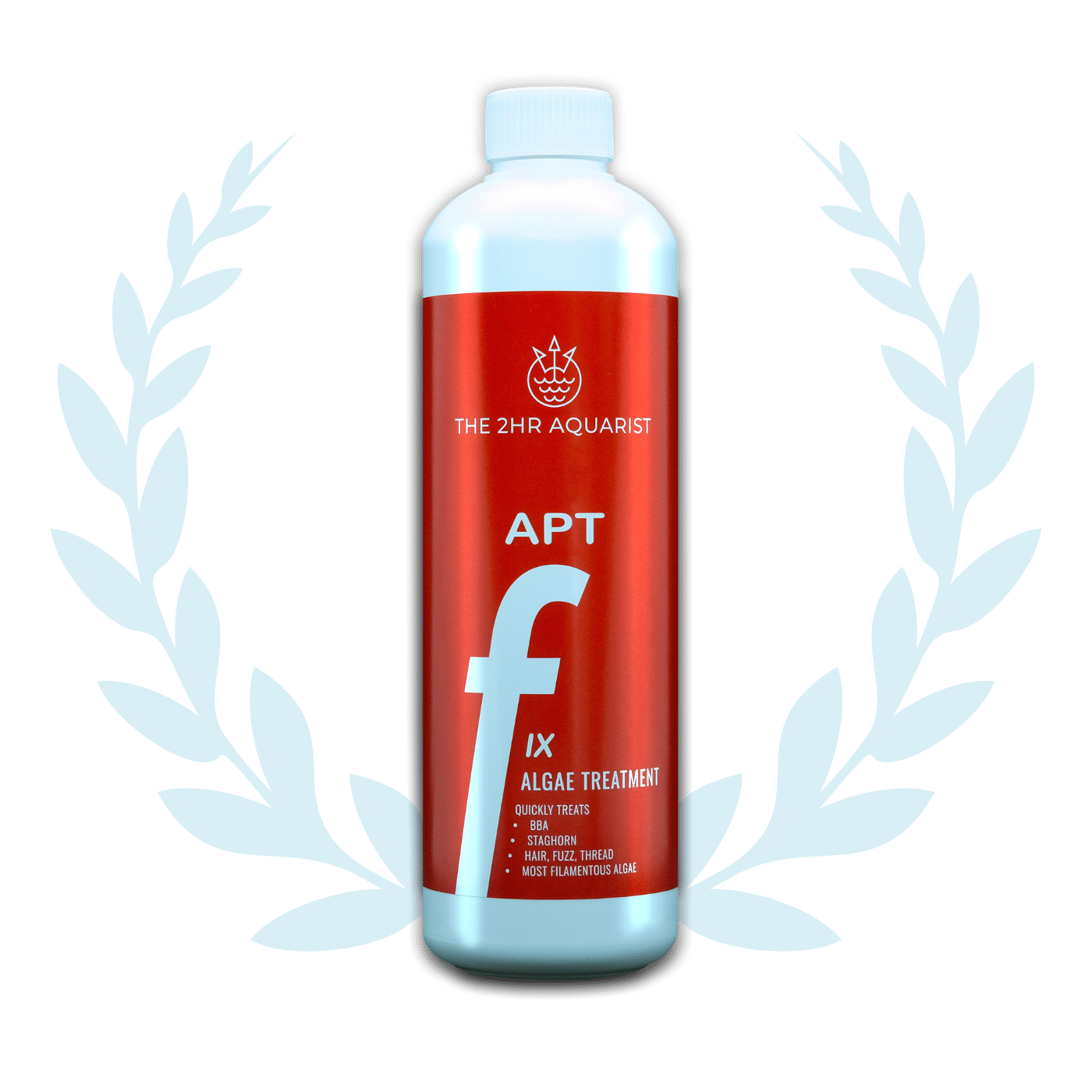
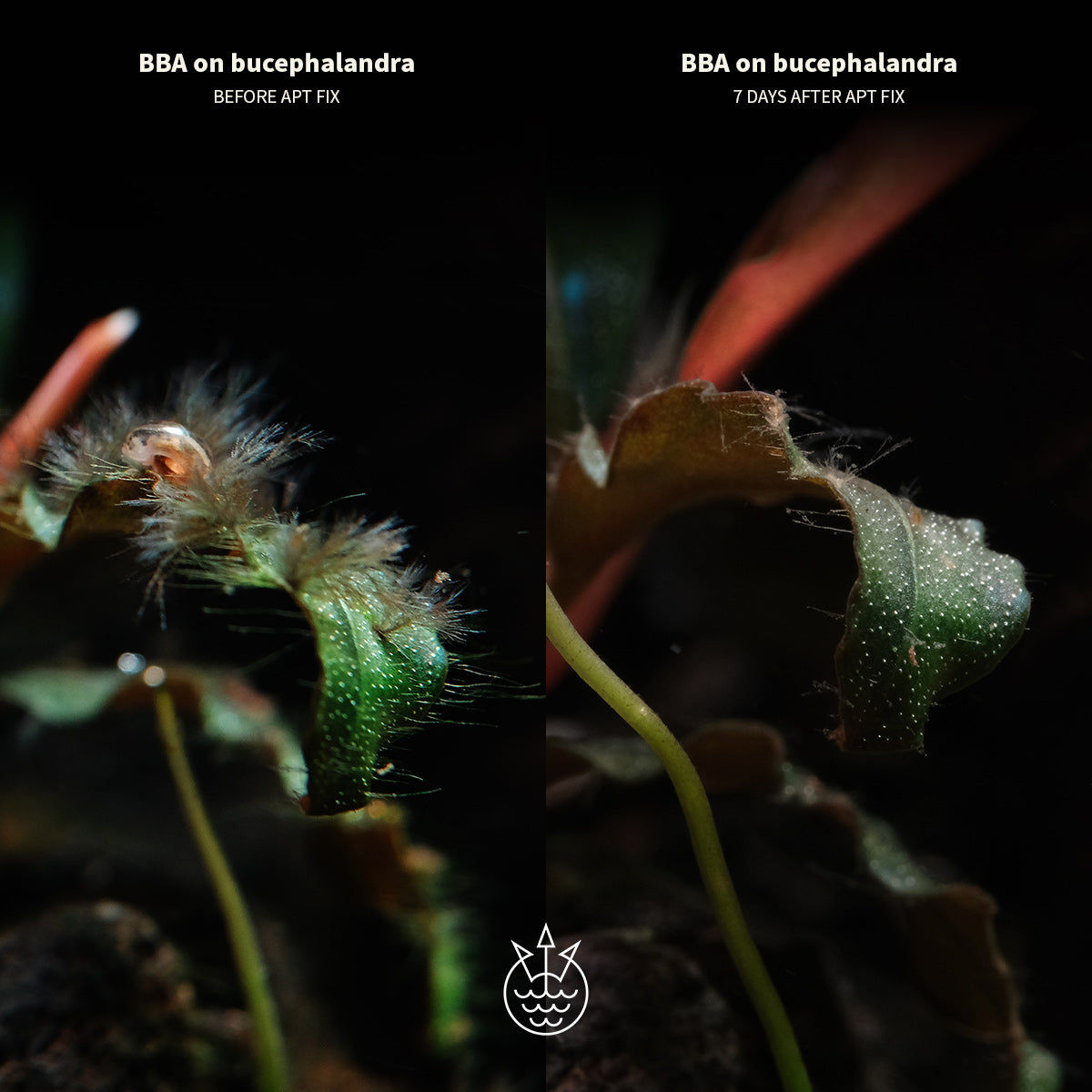
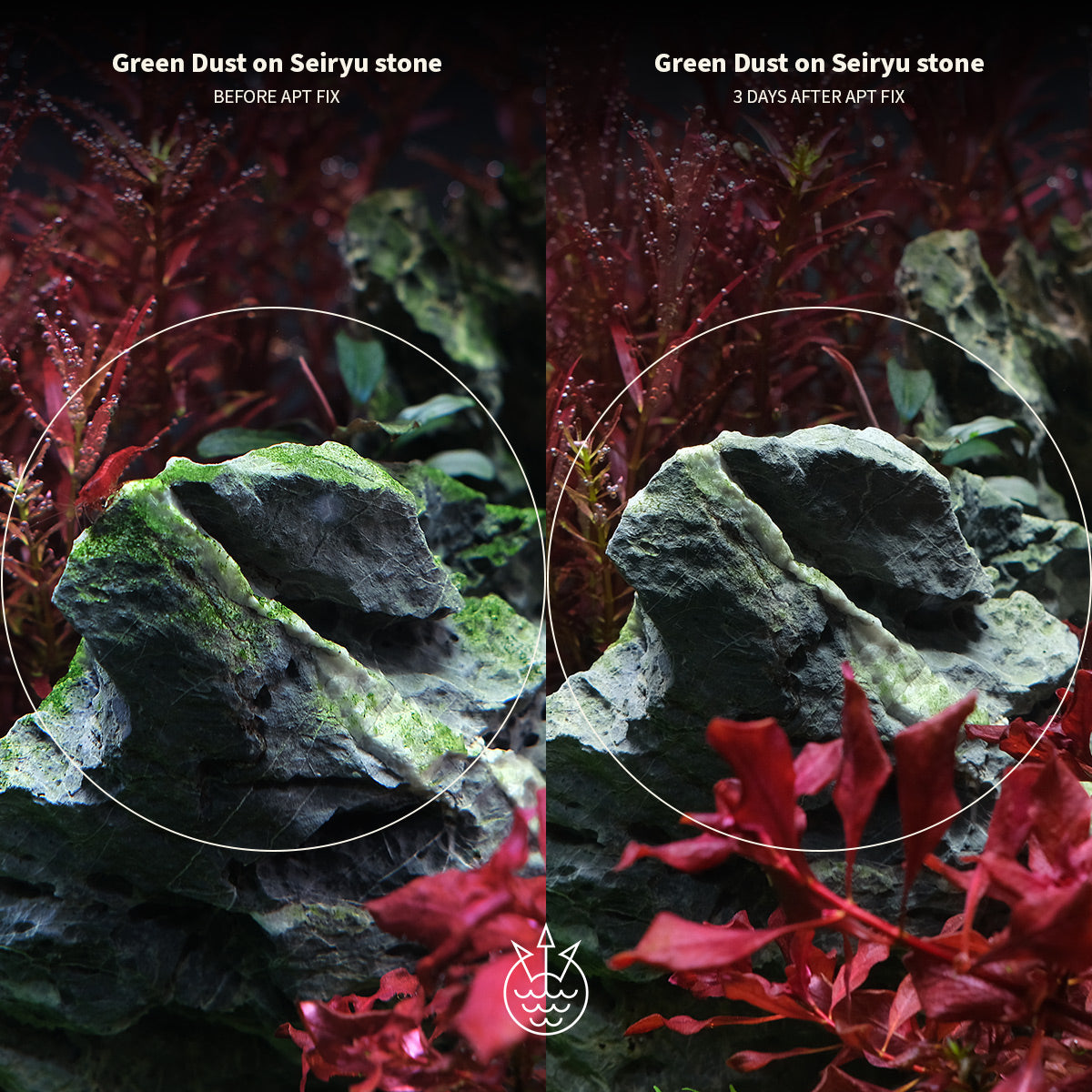
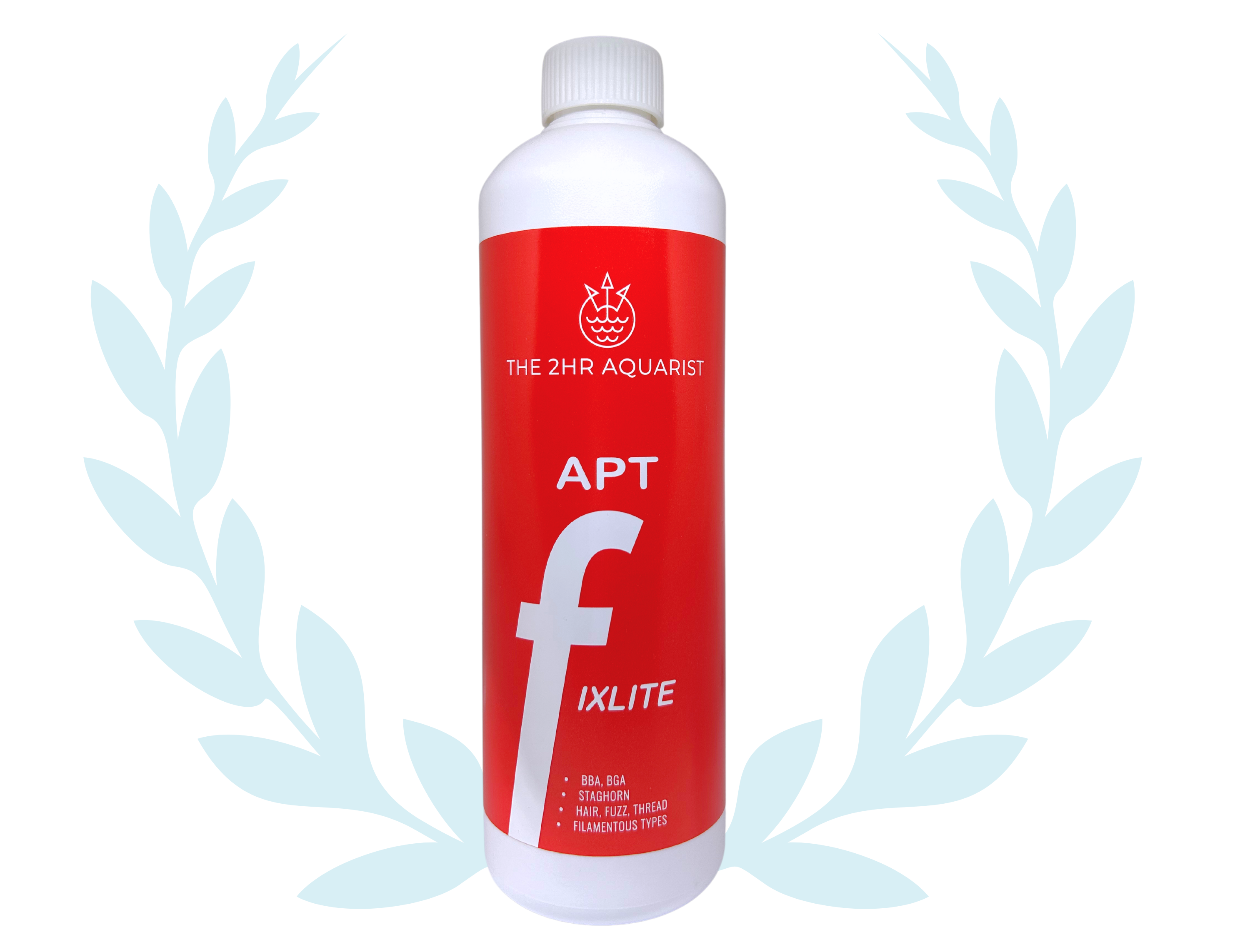
- Small spots can be manually removed or spot dosed with APT Fix - up to 1ml per 10L of tank water, repeatable every 24 hours. Mild to moderate cases only.
- Improving circulation & oxygenation in affected areas can clear mild cases
- Serious outbreaks may require anti-biotics; Erythromycin. This may impact your nitrifying bacteria though. Commercial products such as UltraLife Blue green slime remover and Chemiclean works as well.
- Serious outbreaks may be solved by 3-5 day blackout.
- Water changes and light substrate vacuum to clear organic debris.
- Increase dosage of nitrates if plants are nitrogen starved.

A patch of cynobacteria / blue-green algae (BGA) on substrate, above.

Blue-Green algae appears as a slime across carpet plants above.
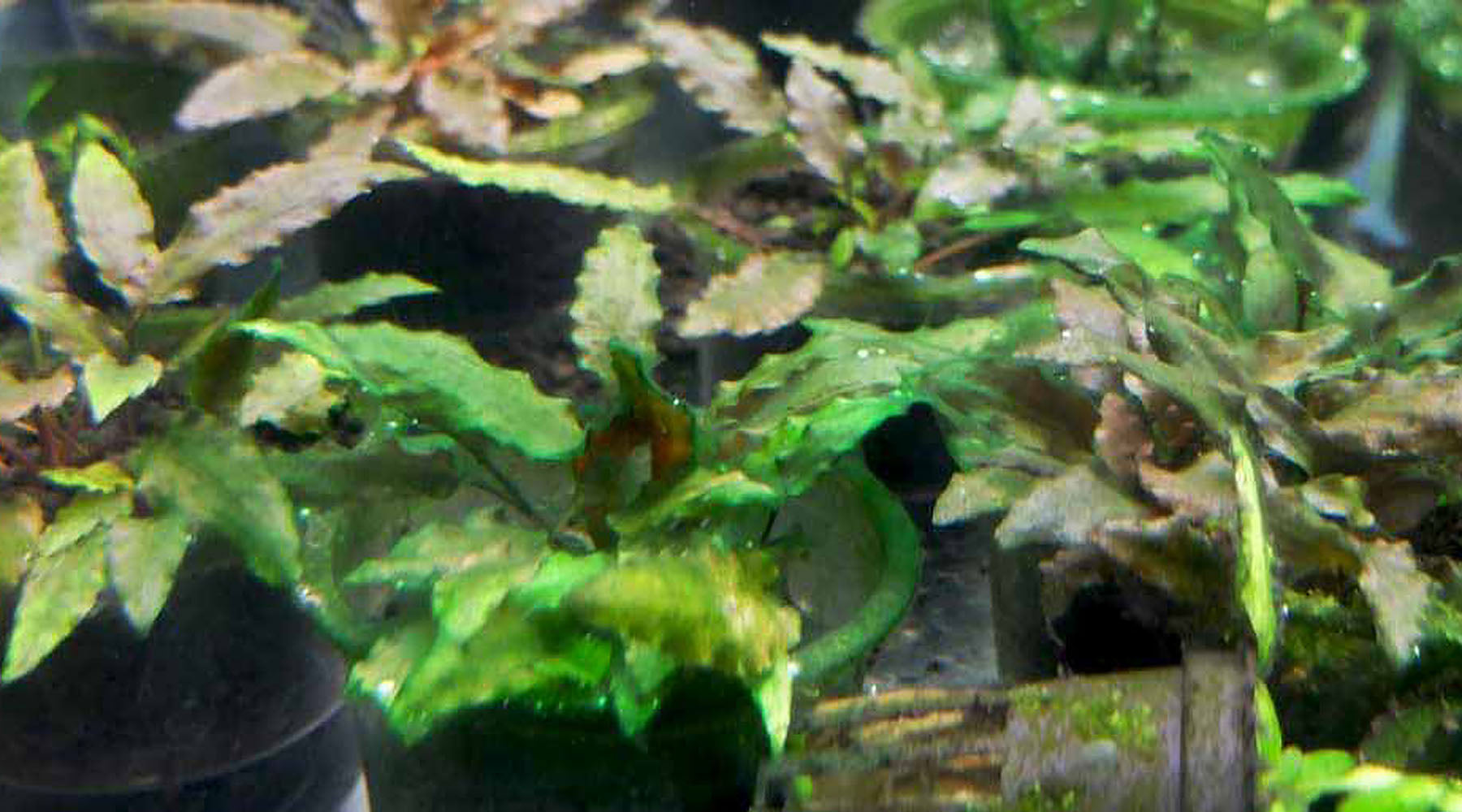
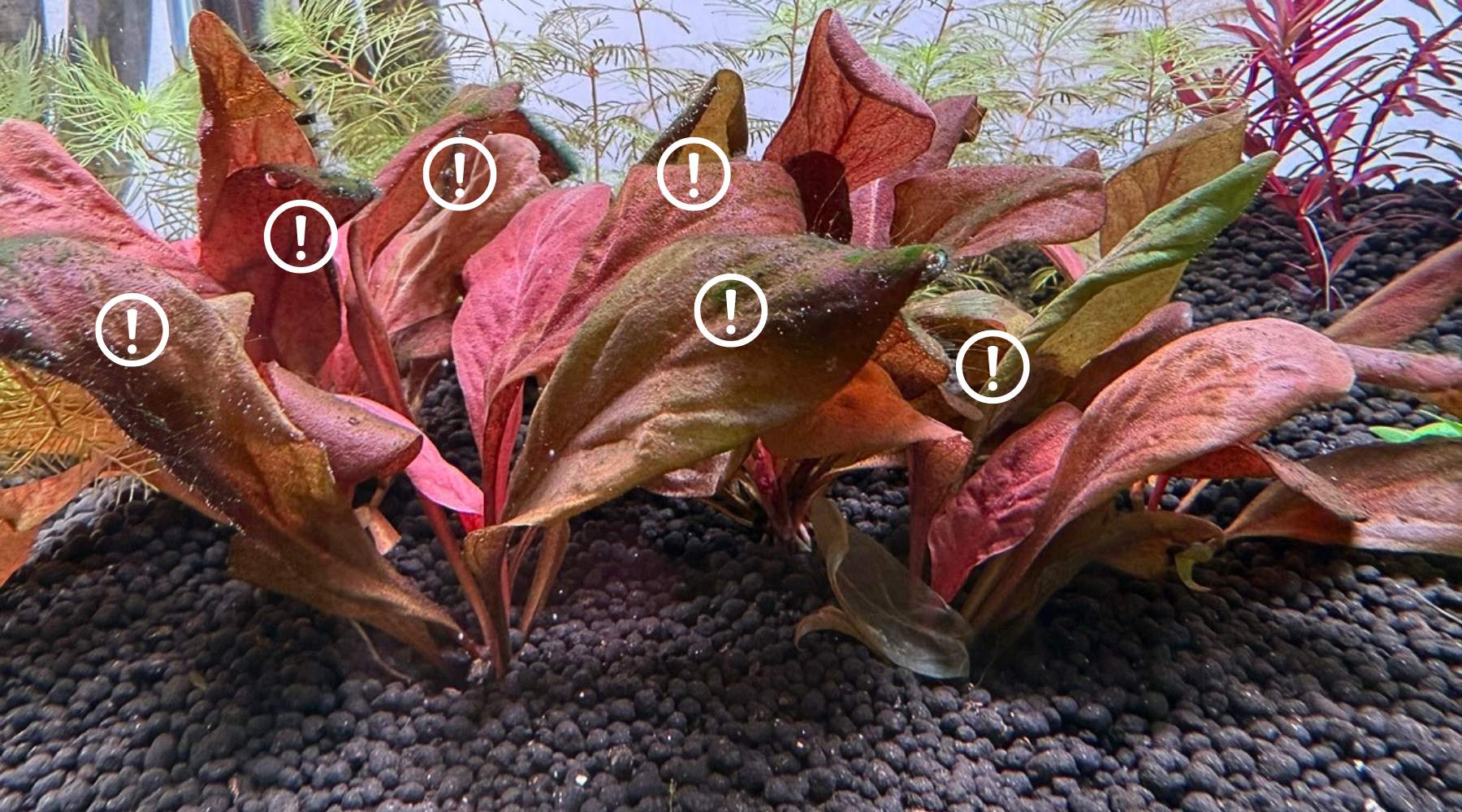
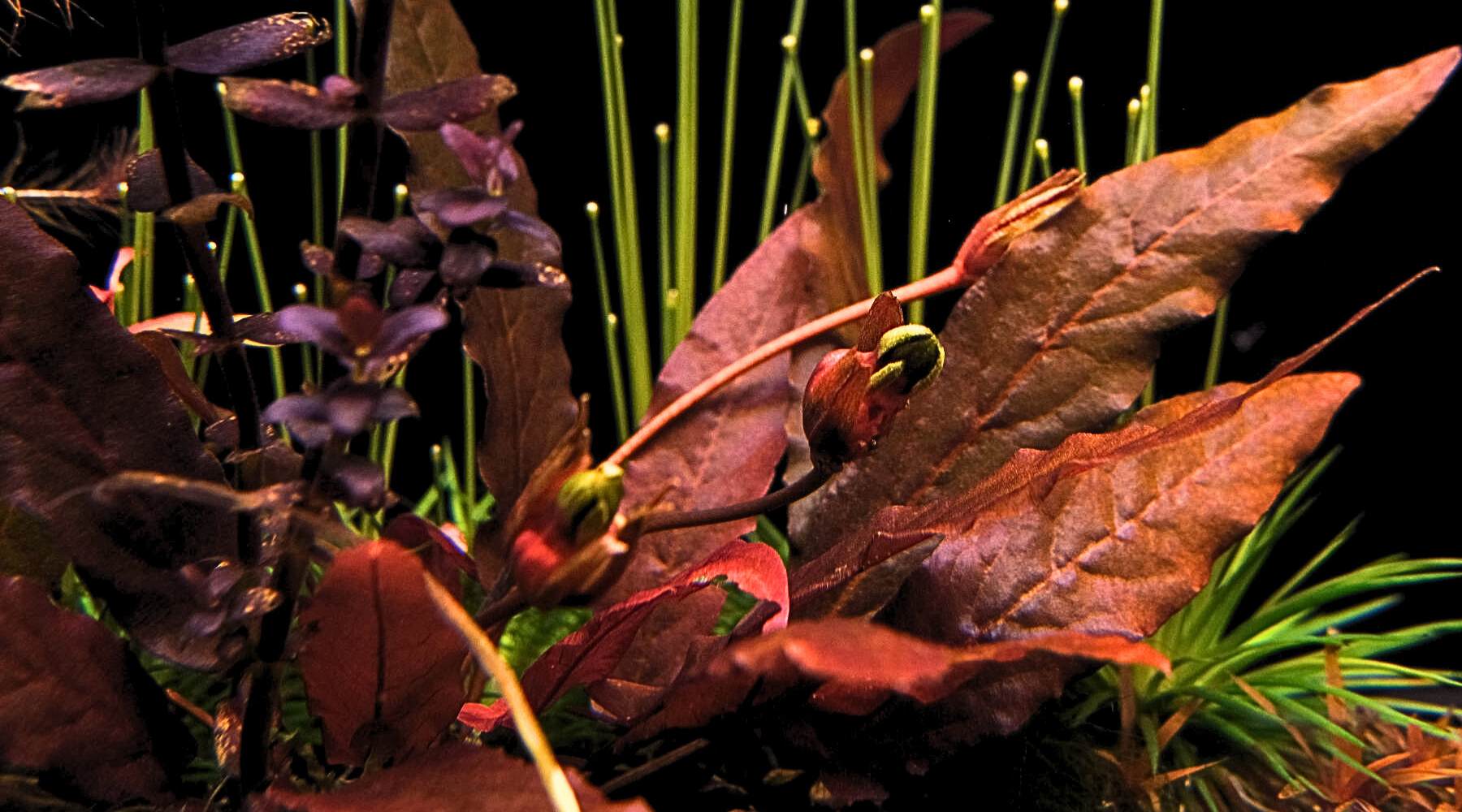
BGA on Crypts above.
Here are links to further reading on:
Click here for information on how to solve algae problems without algicides.
Click here for information on how to do proper water changes for a planted tank.
Click here for information on how to stabilize a new planted tank quickly.

Share:
How to get rid of Green dust algae
How to get rid of Green dust algae