
Low pH? No Sweat

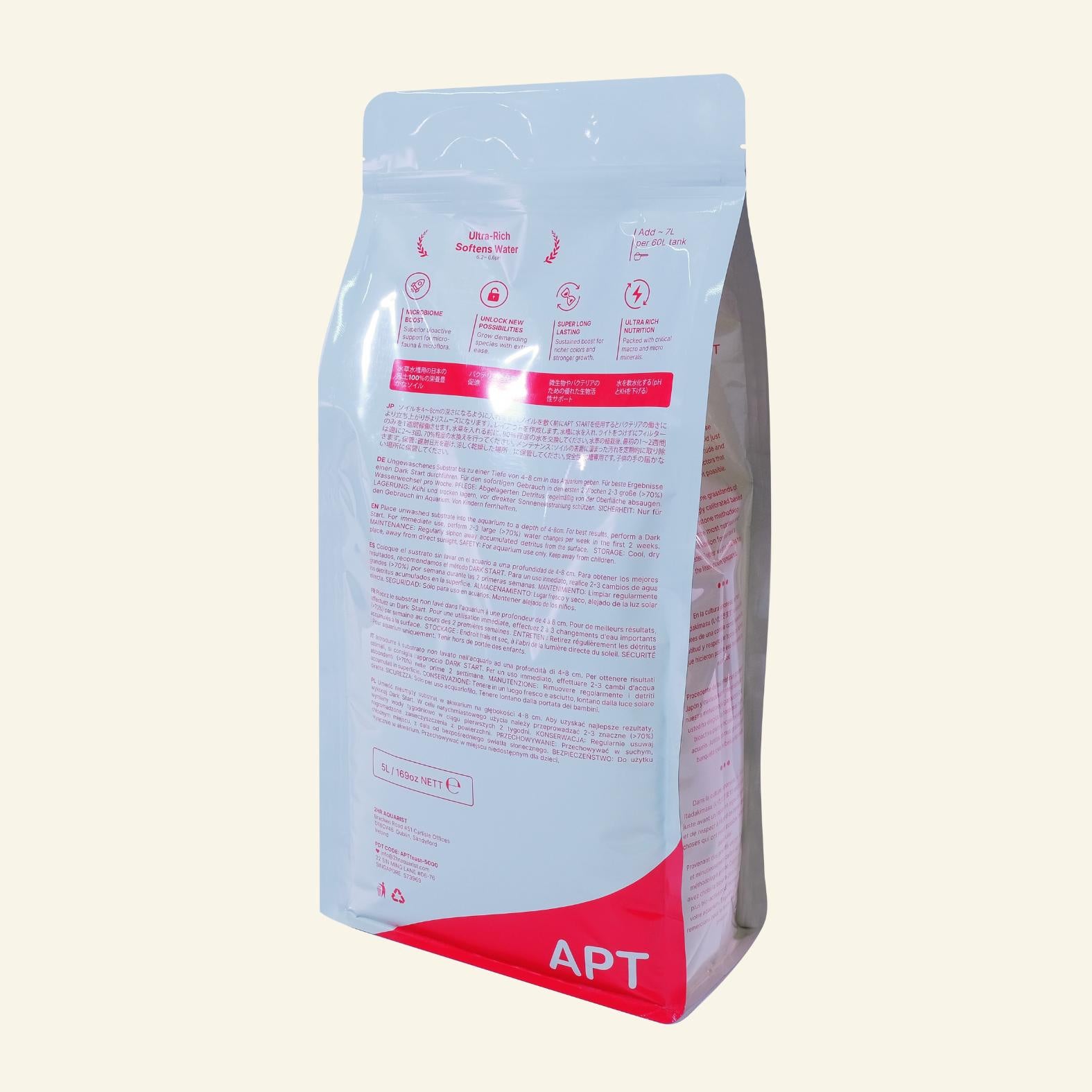
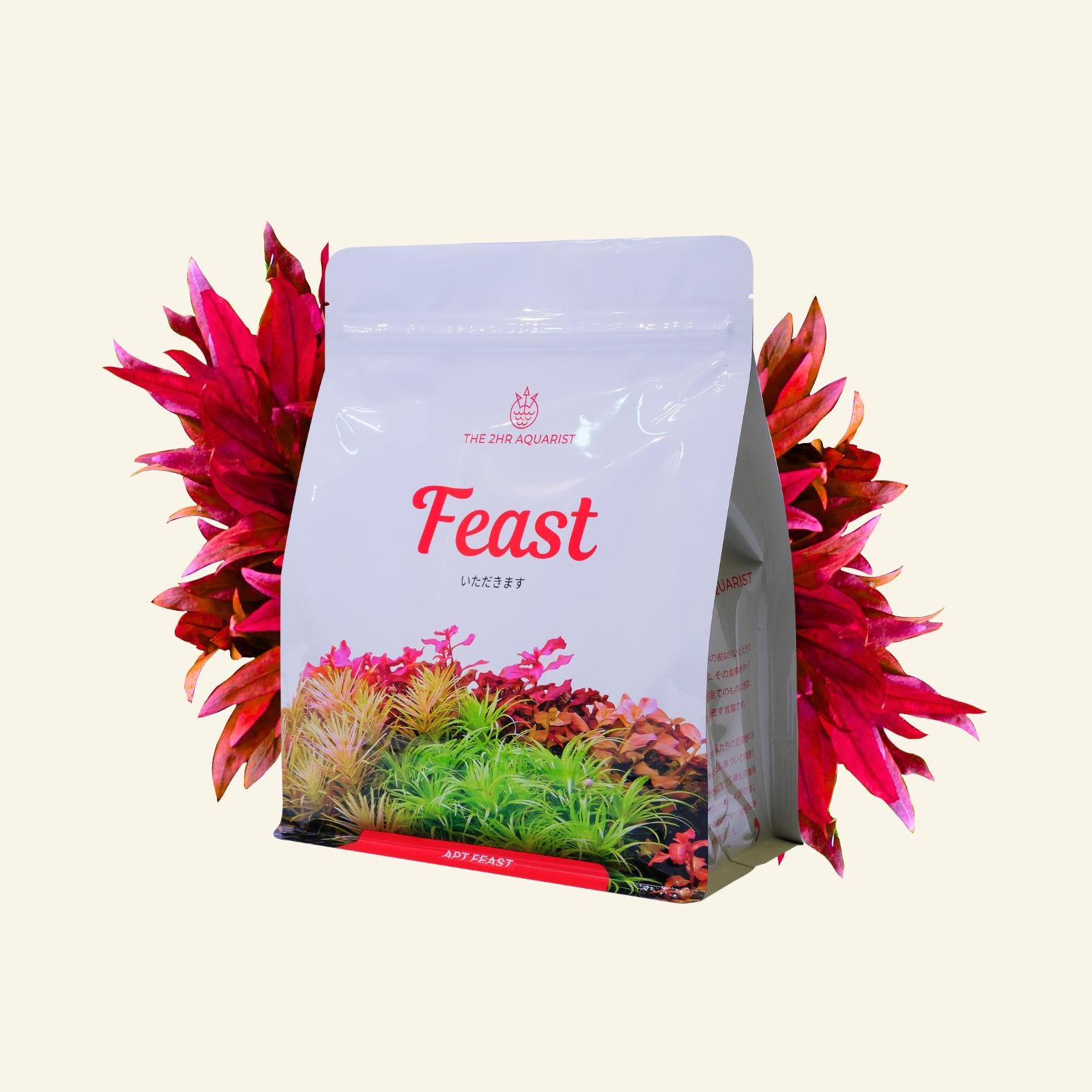
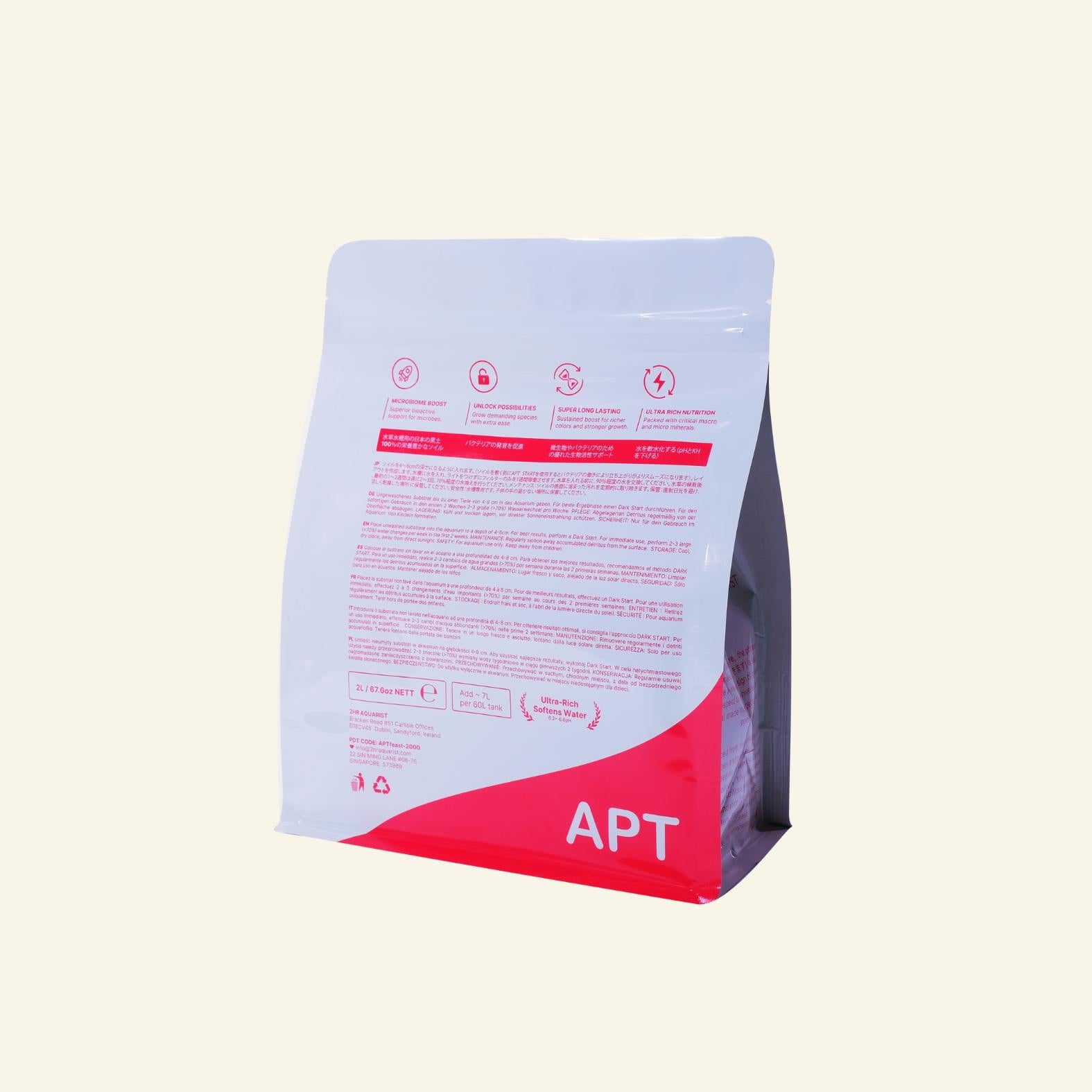
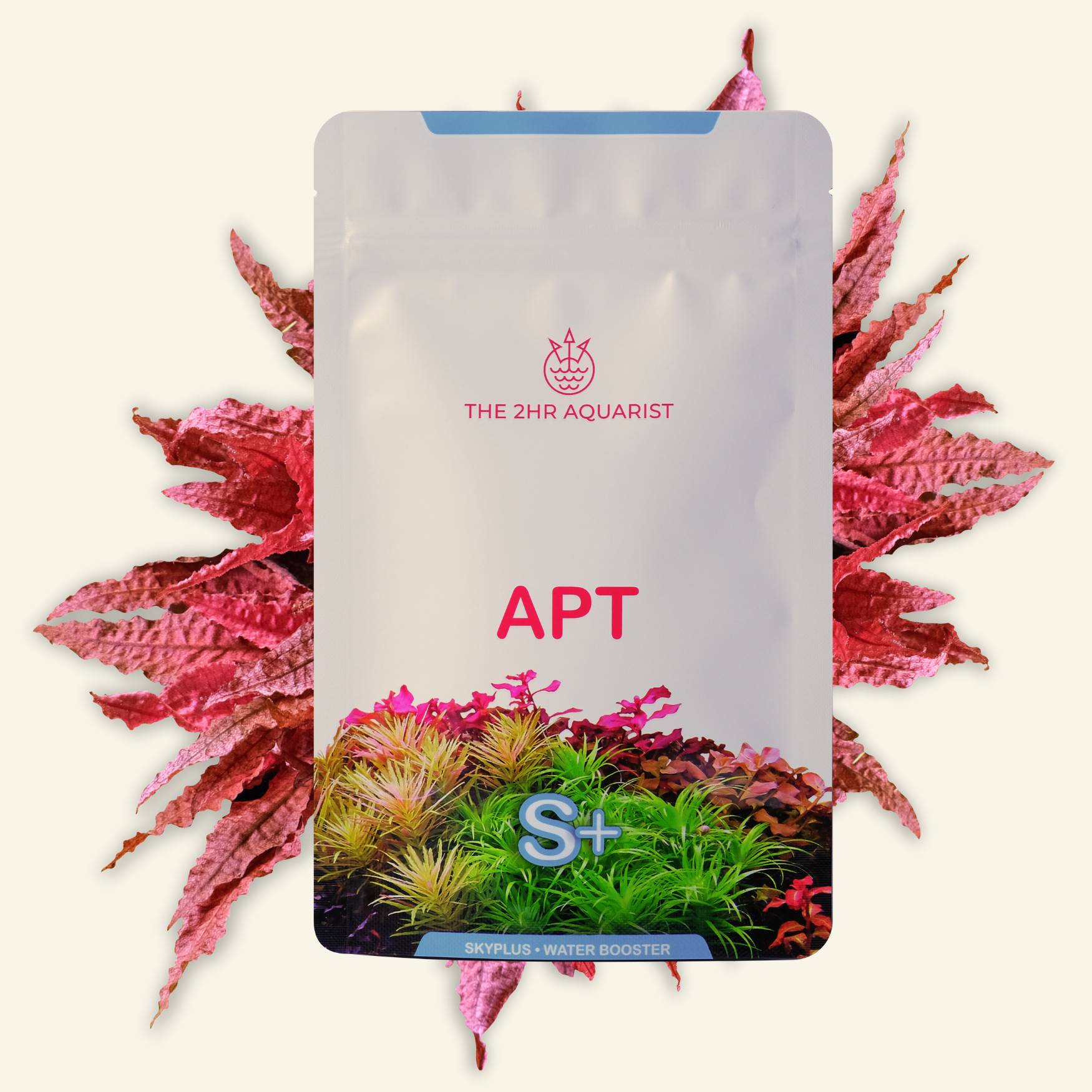
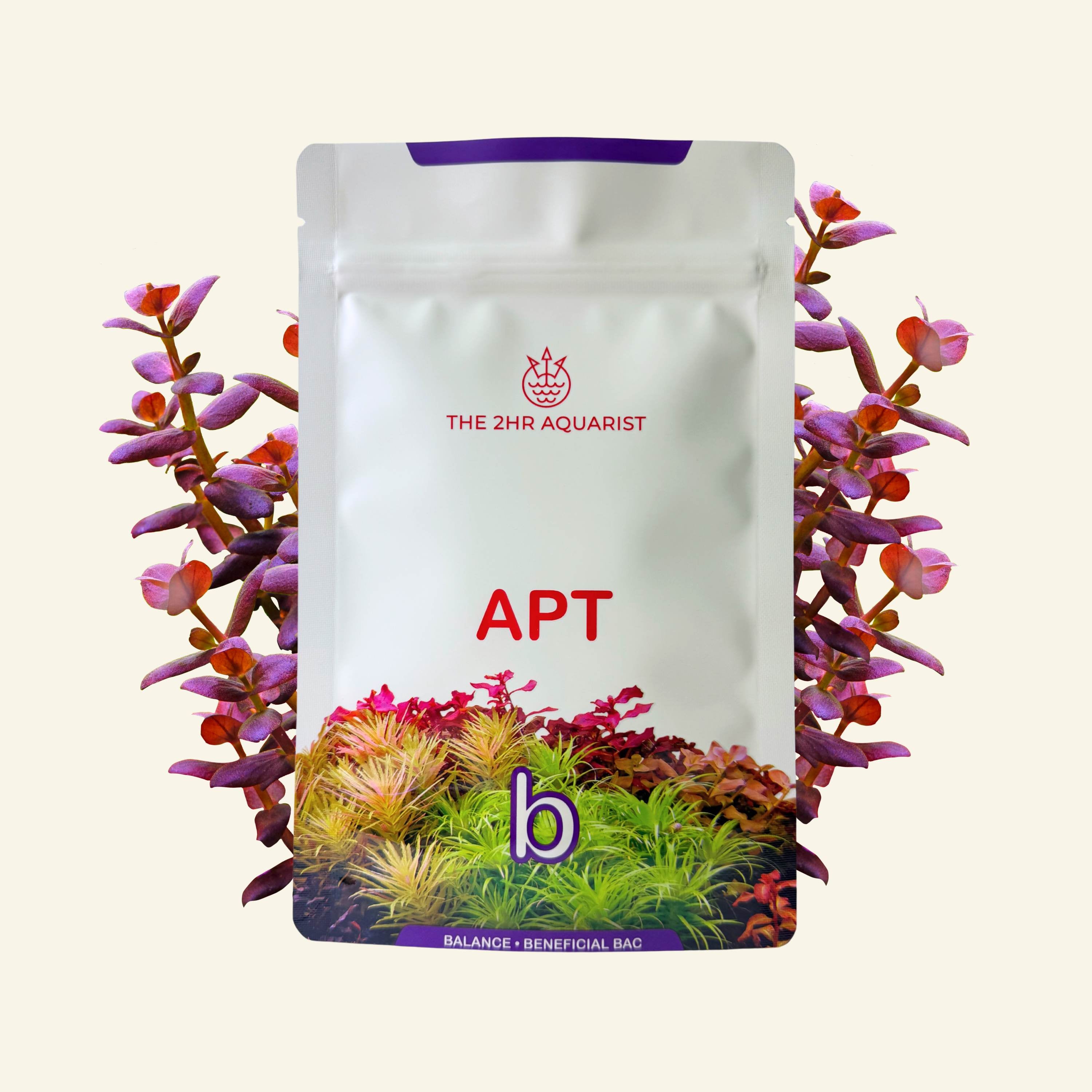
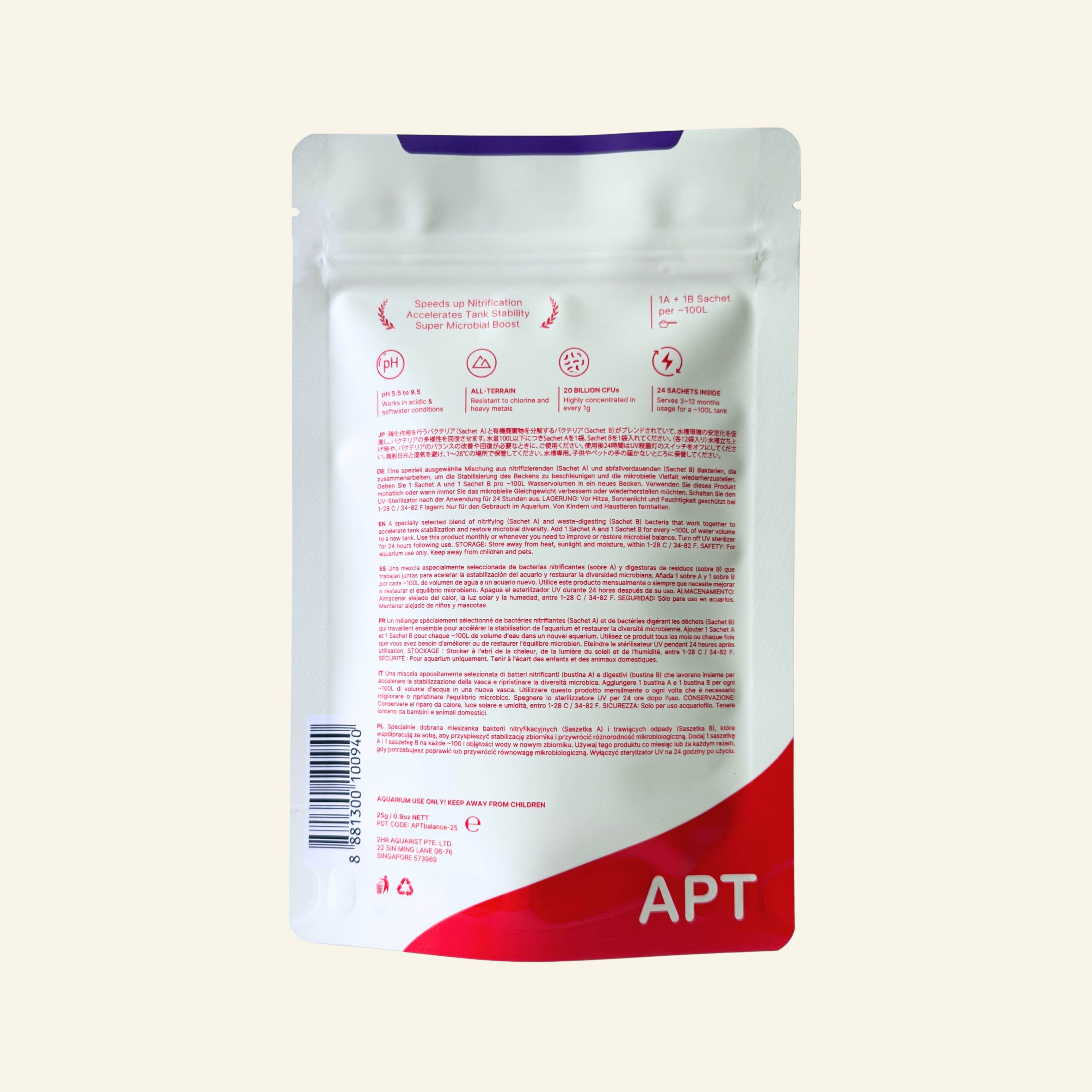
Unlike conventional bacterial products, APT Balance is designed for low-pH water. Aquasoils contain peat and other substances that naturally soften water and lower pH, making them perfect for plants but problematic for most liquid bacteria products. Their bacterial strains are optimized for higher pH, higher KH environments, and struggle in acidic conditions.

High Potency

Conventional liquid bacteria are fragile and ideally require refrigeration. Most are damaged during transportation and storage, but it's impossible to tell. APT Balance uses bacteria in dry powder form, which is far more resilient to environmental conditions. This ensures the bacteria remain potent and active when added to your tank.

Beyond Nitrifying Bacteria

Research shows that healthy biological systems thrive on microbial diversity. A wide variety of microbes interact to create a stable equilibrium. APT Balance contains not only nitrifying bacteria, but also waste-digesting bacteria that specialize in breaking down organic detritus from plants and animals.

Dosage

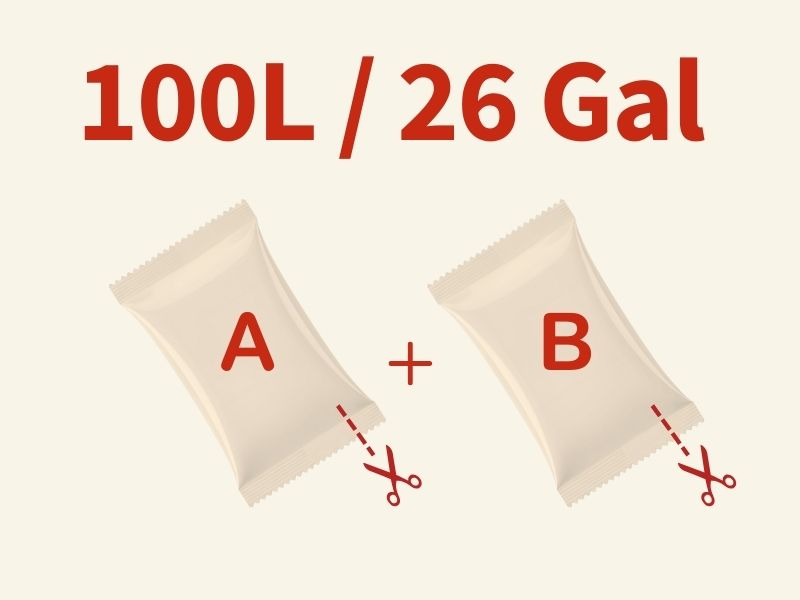
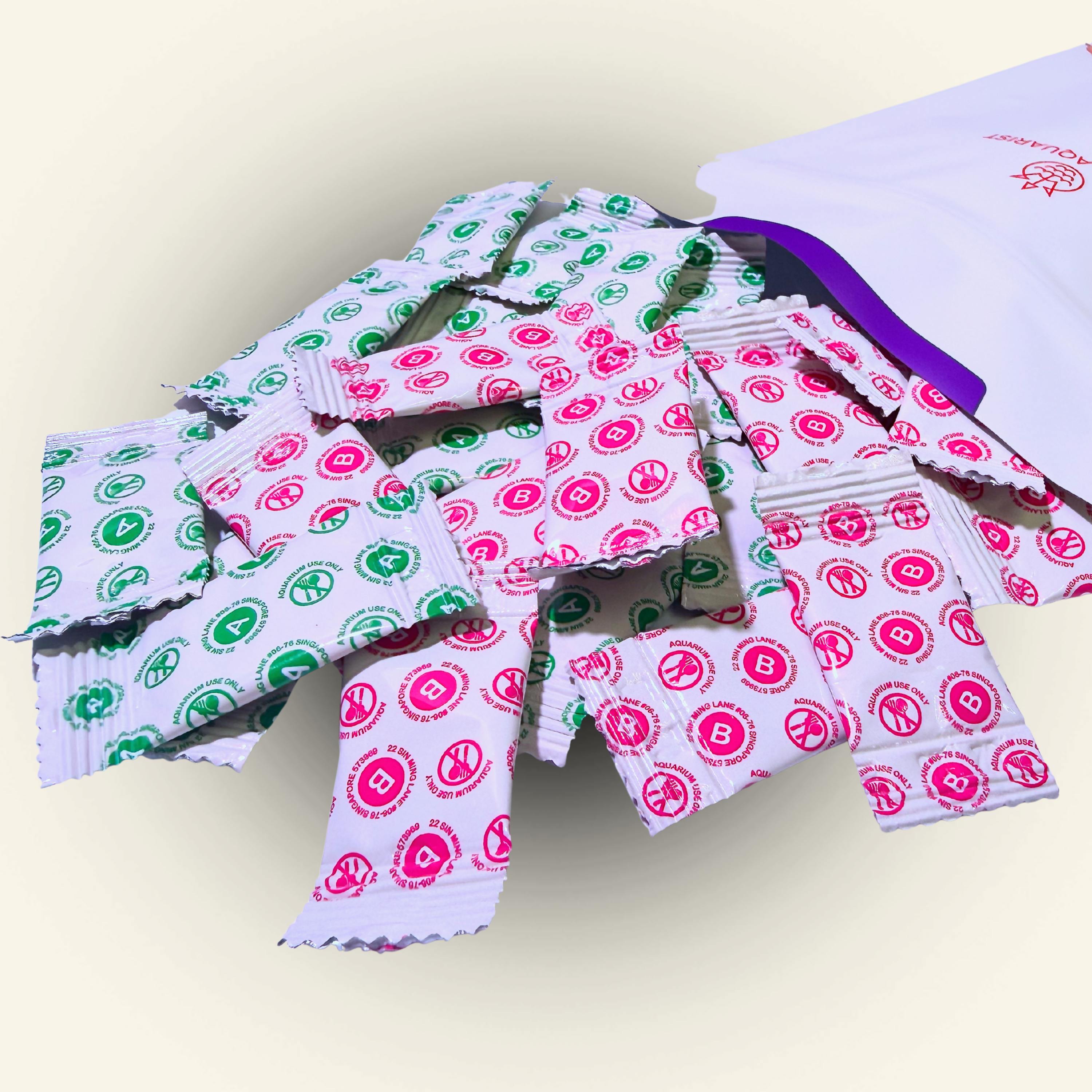
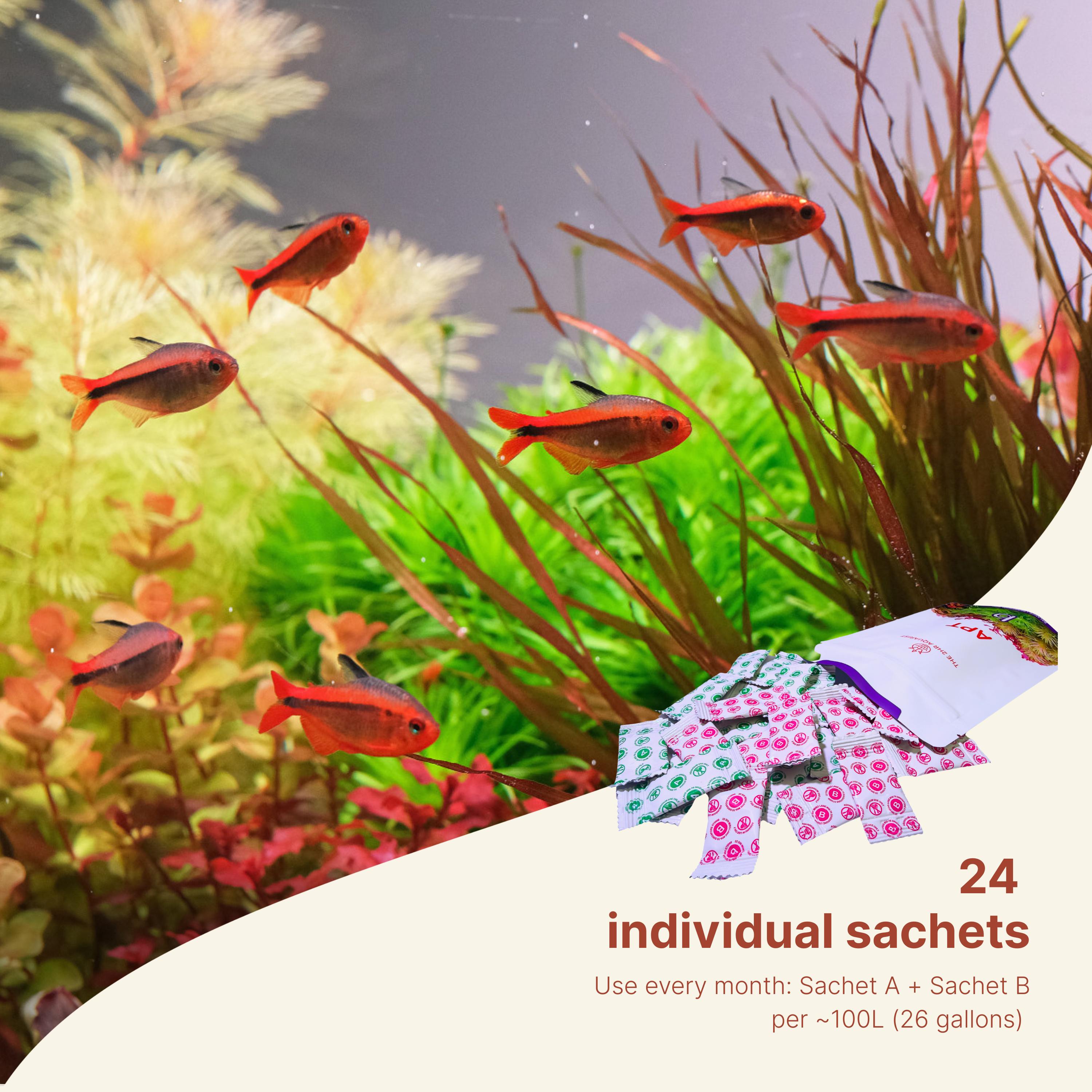
Add 1 Sachet A and 1 Sachet B for approximately 100L / 26 US Gal of tank volume. For smaller tanks (e.g., 50L / 13 US Gal), use a proportionate amount. Adding more than recommended is safe. However, excess bacteria may cause temporary surface slime or cloudy water.

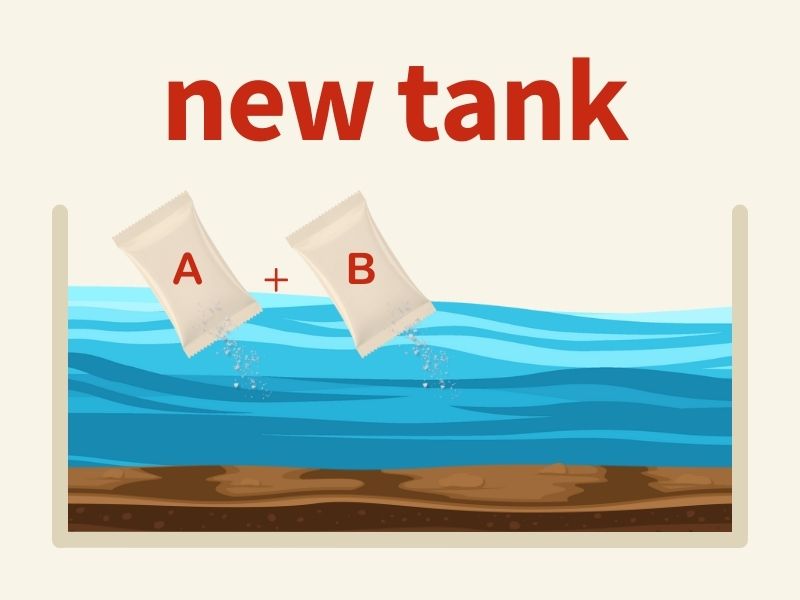
New Tanks

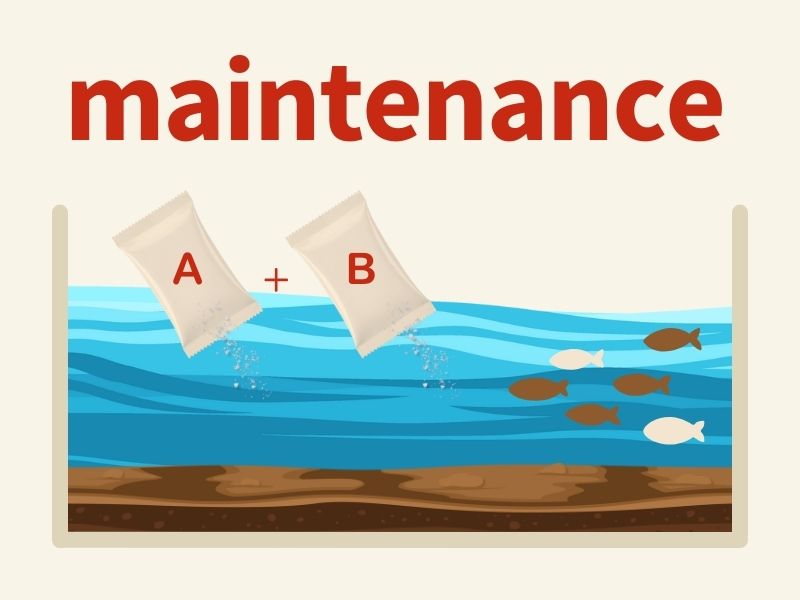
Add APT Balance every month, after a tank reset, filter cleaning, adding new animals, or whenever you need to improve or restore microbial balance. Turn off the UV sterilizer for 24 hours following use. Safe to add directly into a tank with livestock present.

Maintenance

Add APT Balance every month, after a tank reset, filter cleaning, adding new animals, or whenever you need to improve or restore microbial balance. Turn off the UV sterilizer for 24 hours following use. Safe to add directly into a tank with livestock present.

Nitrifying Bacteria

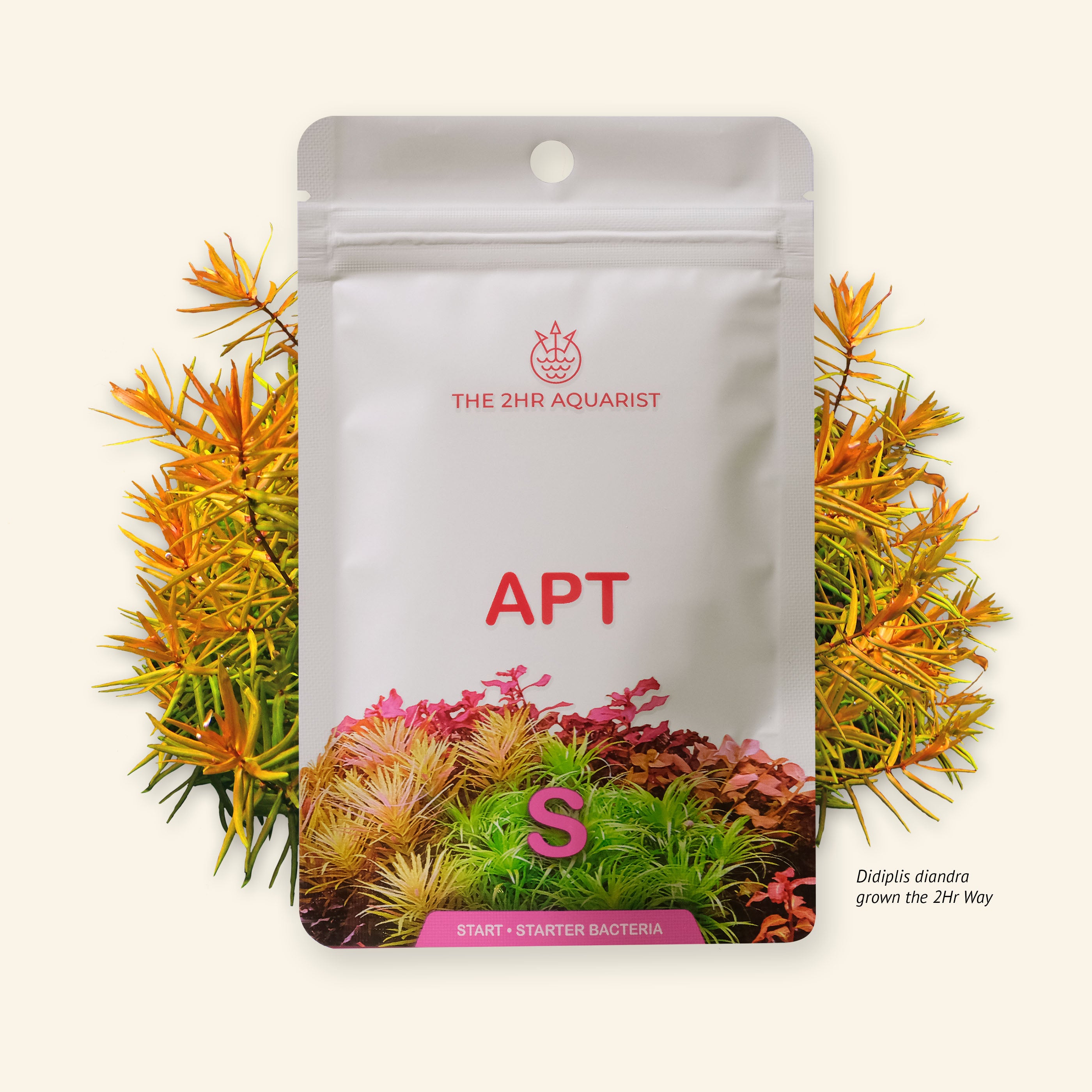
Inside Sachet A is a specially formulated blend of nitrifying microbes, including AOB and NOB nitrifying bacteria such as Nitrosomonas sp., Nitrobacter sp., Nitrosococcus sp., Nitrospira sp., It is designed to accelerate tank cycling and the breakdown of Ammonia into Nitrites and into Nitrates. >20 Billion CFUs per gram.

Waste Digesting Bacteria

Sachet B contains a carefully selected blend of mulm-digesting microbes: Pseudomonas, Arthrobacter, Bacillus subtilis, Alcaligenes, Actinomycota, and Polyphosphate-accumulating bacteria (PABs). Designed to accelerate the decomposition of plant detritus and animal waste into non-toxic and harmless CO2 and water. >20 Billion CFUs per gram.

Stability

Even though APT Balance speeds up tank cycling, we recommend waiting a week or two before introducing fish and animals. This allows time for the tank's complex microbial community to establish itself more fully, beyond simple water parameters. We write about this topic in more detail here.

FAQs

Please read our FAQs page to find out more.

Can I do water changes when using APT Balance?

Yes! While a portion of microbes exist in free floating form, most adhere to surfaces in the aquarium environment. This includes substrate and filter media, and also to hard scape and plants. Microbes form protective bio-film on surfaces which help them navigate through various forms of environmental stress.

After APT Balance is added to the aquarium, it takes a couple of days for the microbes to settle onto surfaces, there after you can do water changes without worrying about removing the beneficial microbes.

When can I do begin to do water changes?

If you are cycling a high ammonia aquasoil tank that is already planted, large frequent water changes are very beneficial to helping the system settle in smoothly. Wait 2 days after dosing APT Balance before you do large water changes.

Do I have to add Ammonia to APT Balance?
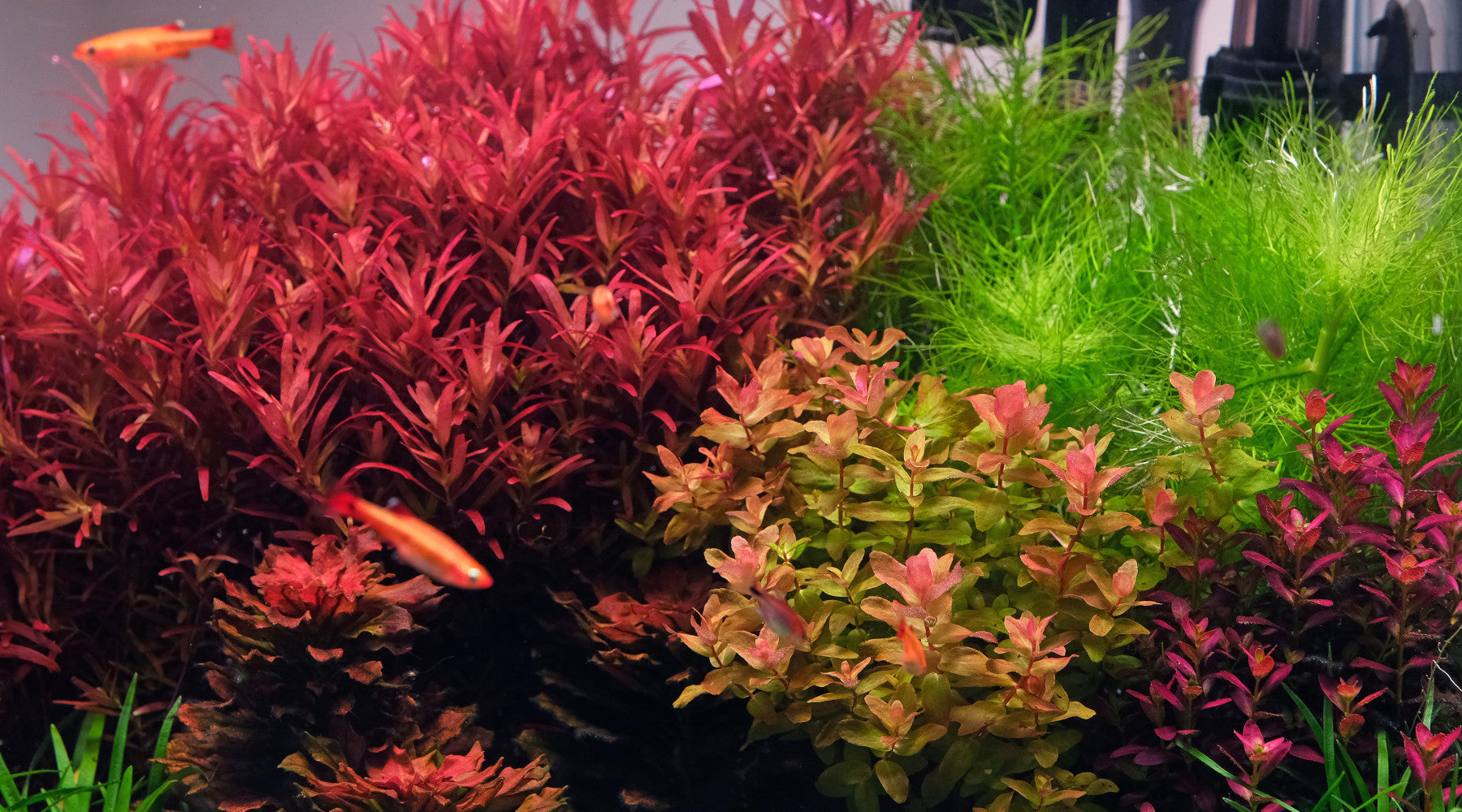
Yes, you have to add ammonia if you are using an inert substrate or have no other natural source of ammonia. Ammonia can also come from livestock or decaying fish food. A couple of pinches of fish food a few times a week can provide ammonia for bacteria cycling.

The 2Hr Way

View all

Vibrant Rotala Blood Red SG and Rotala Macrandra green

Is APT Feast Aquasoil Only for Advanced Aquarists?

APT Feast has a reputation as a soil for advanced aquascapers, but a beginner can get the same fast, strong growth. The rich soil releases ammonia in the first weeks, which regular water changes clear out. The dark start everyone mentions is optional, not required.

Read moreabout Is APT Feast Aquasoil Only for Advanced Aquarists?
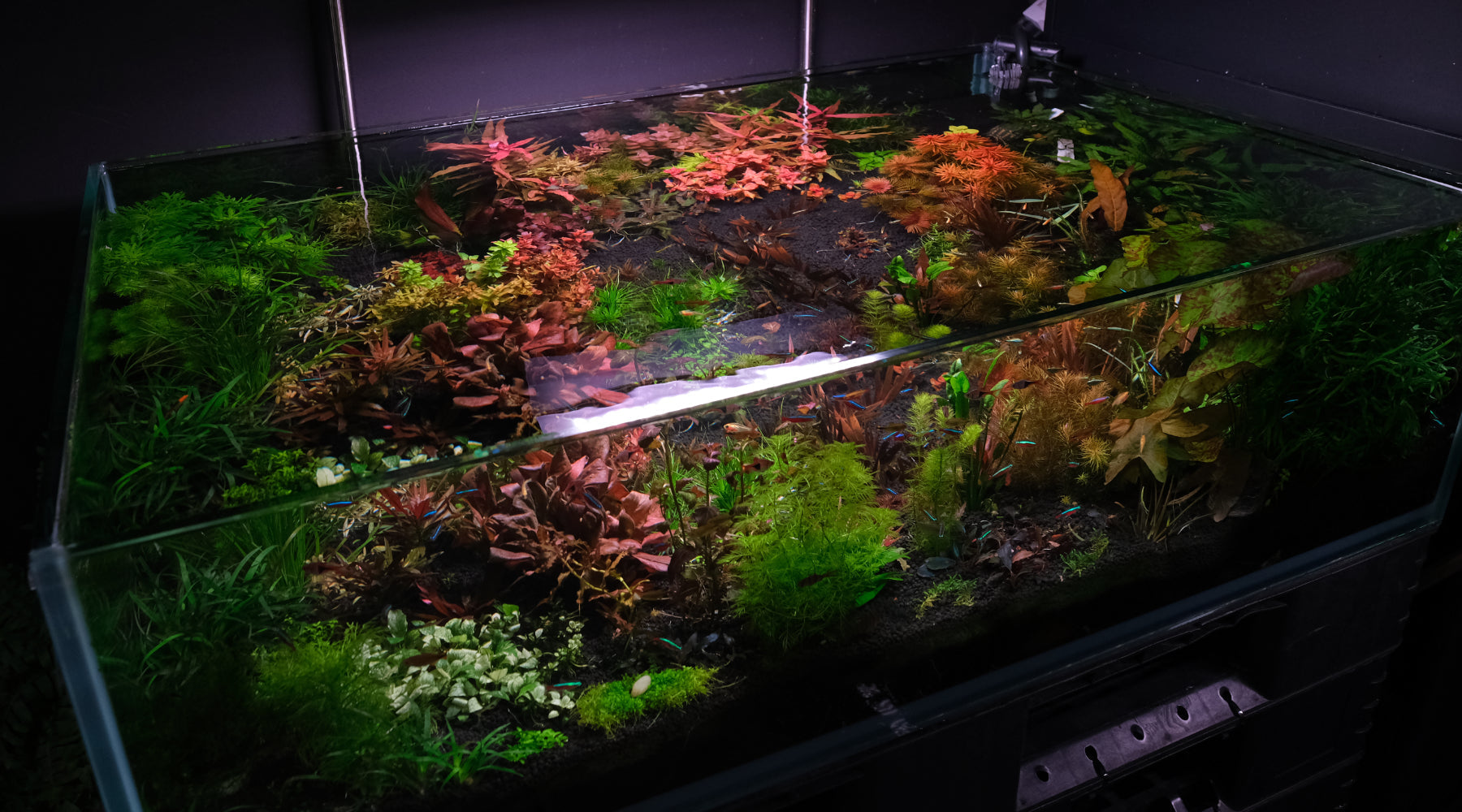
How to Start a New Aquarium with APT Feast Aquasoil: Two Paths to a Stable Tank

How to Start a New Aquarium with APT Feast Aquasoil: Two Paths to a Stable Tank

Many aquarists start a new tank and immediately face a diatom bloom. This guide lays out two reliable ways to start an APT Feast tank, dark start or plant on day one, and grow in fast without the algae stage.

Read moreabout How to Start a New Aquarium with APT Feast Aquasoil: Two Paths to a Stable Tank
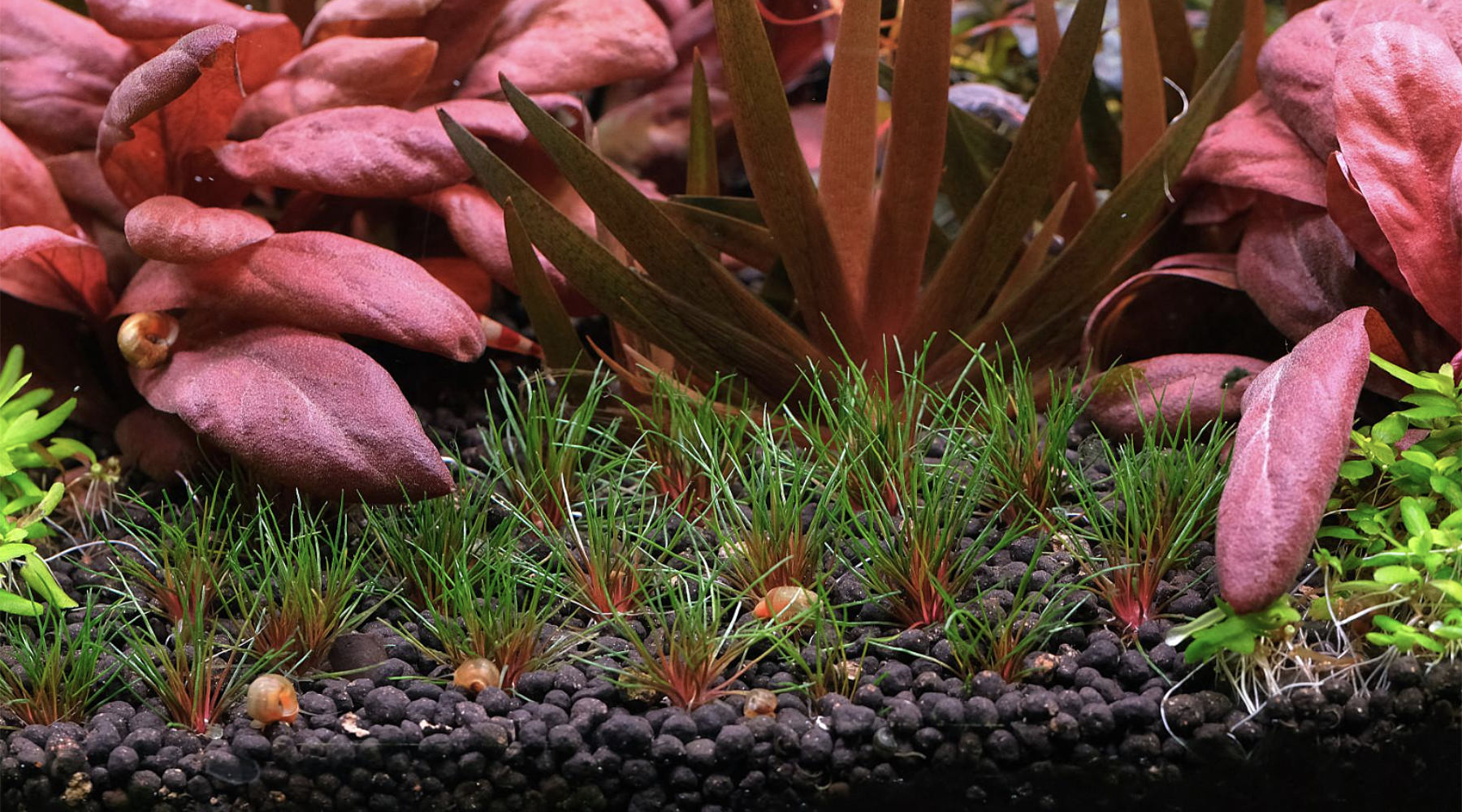
Planted Aquarium Substrate: Active vs Inert Substrates Explained

Planted Aquarium Substrate: Active vs Inert Substrates Explained

Active or inert? Aquasoil holds nutrients and can lower pH, while sand and gravel stay neutral but cost less and need less upkeep. This guide breaks down cation exchange, ammonia, CO2 generation, and long-term maintenance, so you can match your substrate to the tank you will actually keep.

Read moreabout Planted Aquarium Substrate: Active vs Inert Substrates Explained
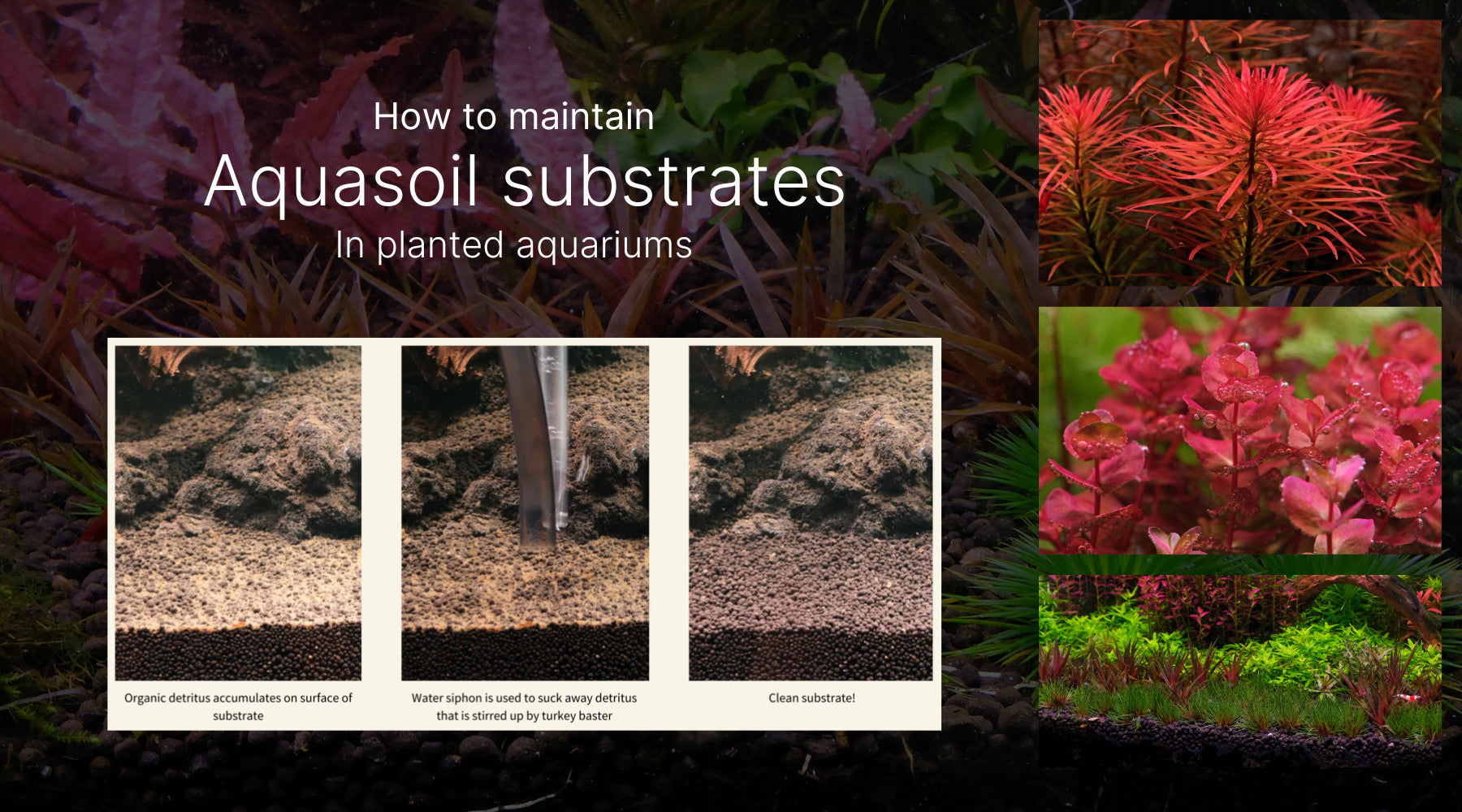
Should you siphon your aquasoil substrate? Do aquasoils need maintenance?

Should you siphon your aquasoil substrate? Do aquasoils need maintenance?

Aquasoils are now standard in many planted tank setups, but there are very few sources if any, that cover how to maintain aquasoil substrates over the long run. Excess organic detritus should be removed and aquasoil substrates also need enriching over time to perform optimally.

Read moreabout Should you siphon your aquasoil substrate? Do aquasoils need maintenance?
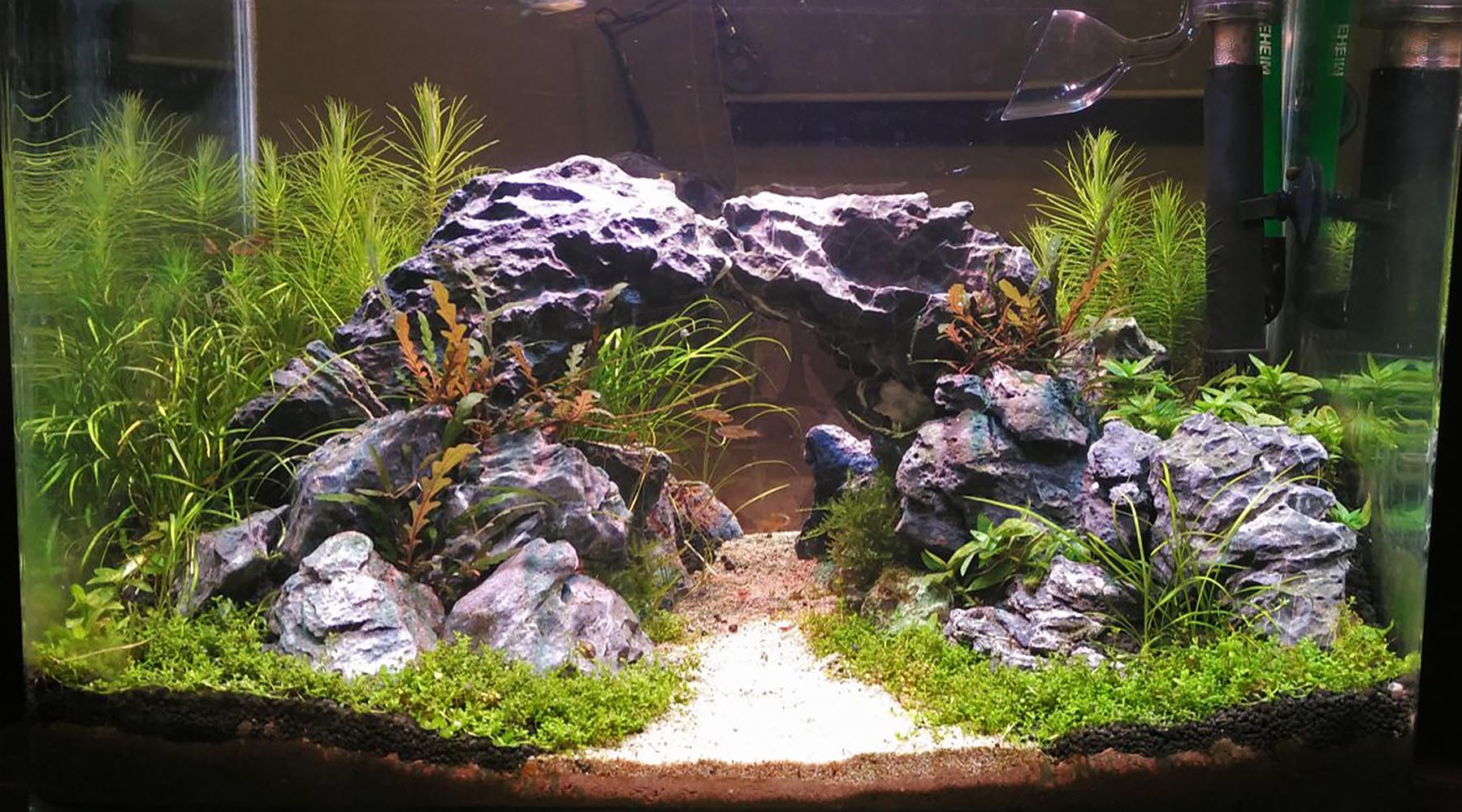
Separating sand from aquasoil areas
Separating sand from aquasoil areas

How to create a pathway as part of an aquascape? These are a couple of different approaches.

Read moreabout Separating sand from aquasoil areas

How to create and manage slopes
How to create and manage slopes

How to create high slopes and manage high soil depth? Here I go into some techniques and approaches.

Read moreabout How to create and manage slopes

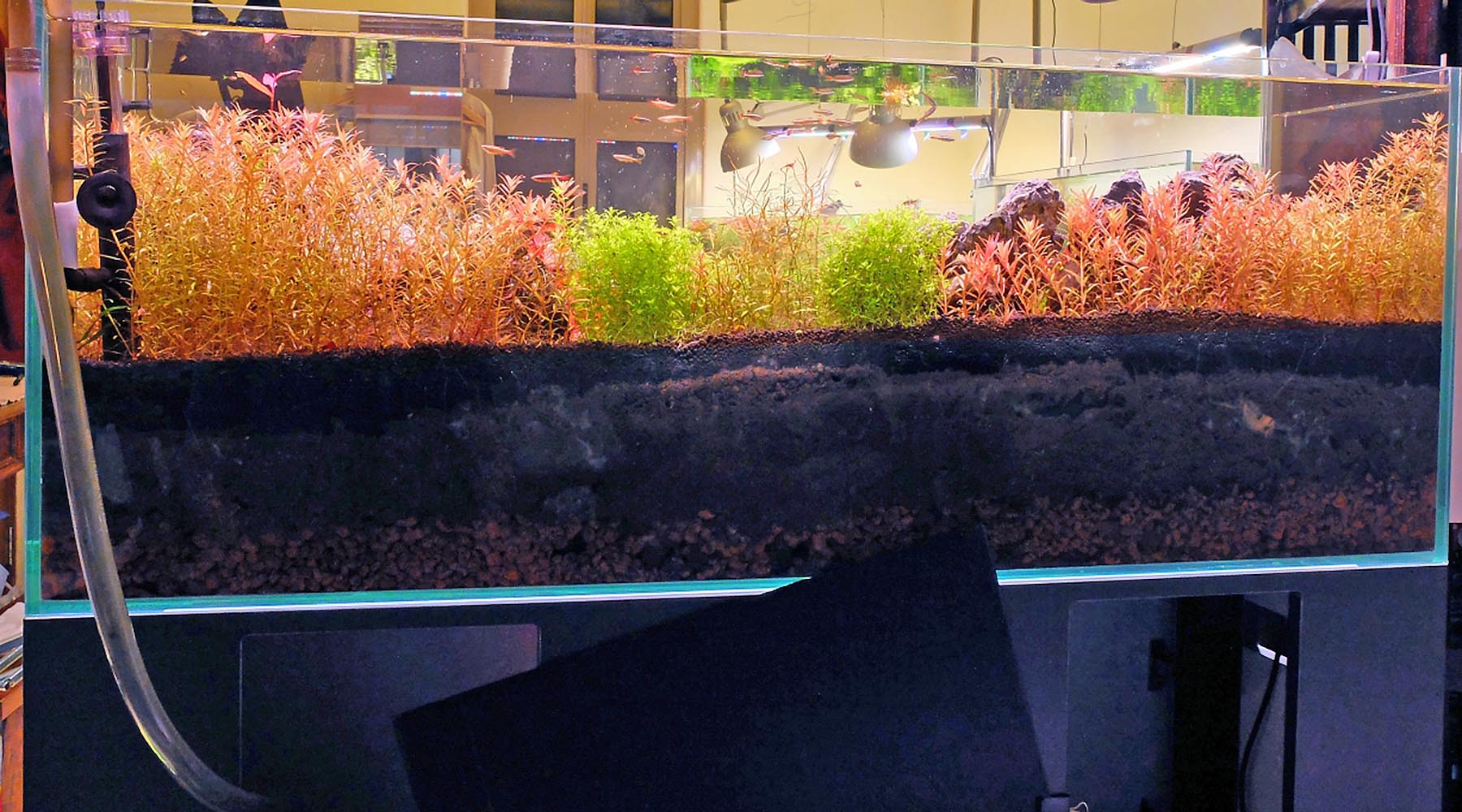
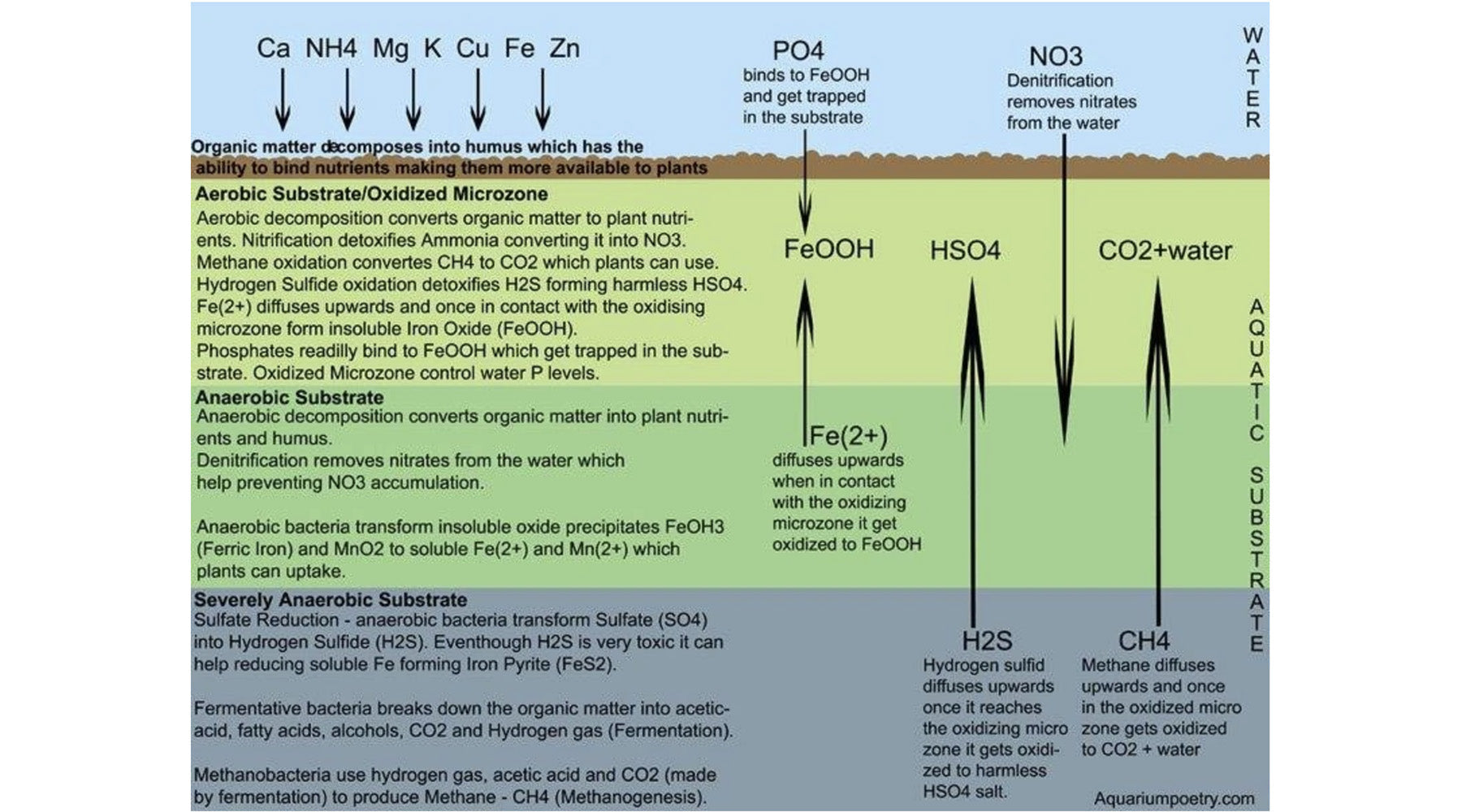
How deep can I layer soil? Does thick soil always become anaerobic and cause problems?
How deep can I layer soil? Does thick soil always become anaerobic and cause problems?
There is widespread belief that if one uses deep soil more than a few inches deep, it will result in an anaerobic substrate & create harmful gases...

Read moreabout How deep can I layer soil? Does thick soil always become anaerobic and cause problems?