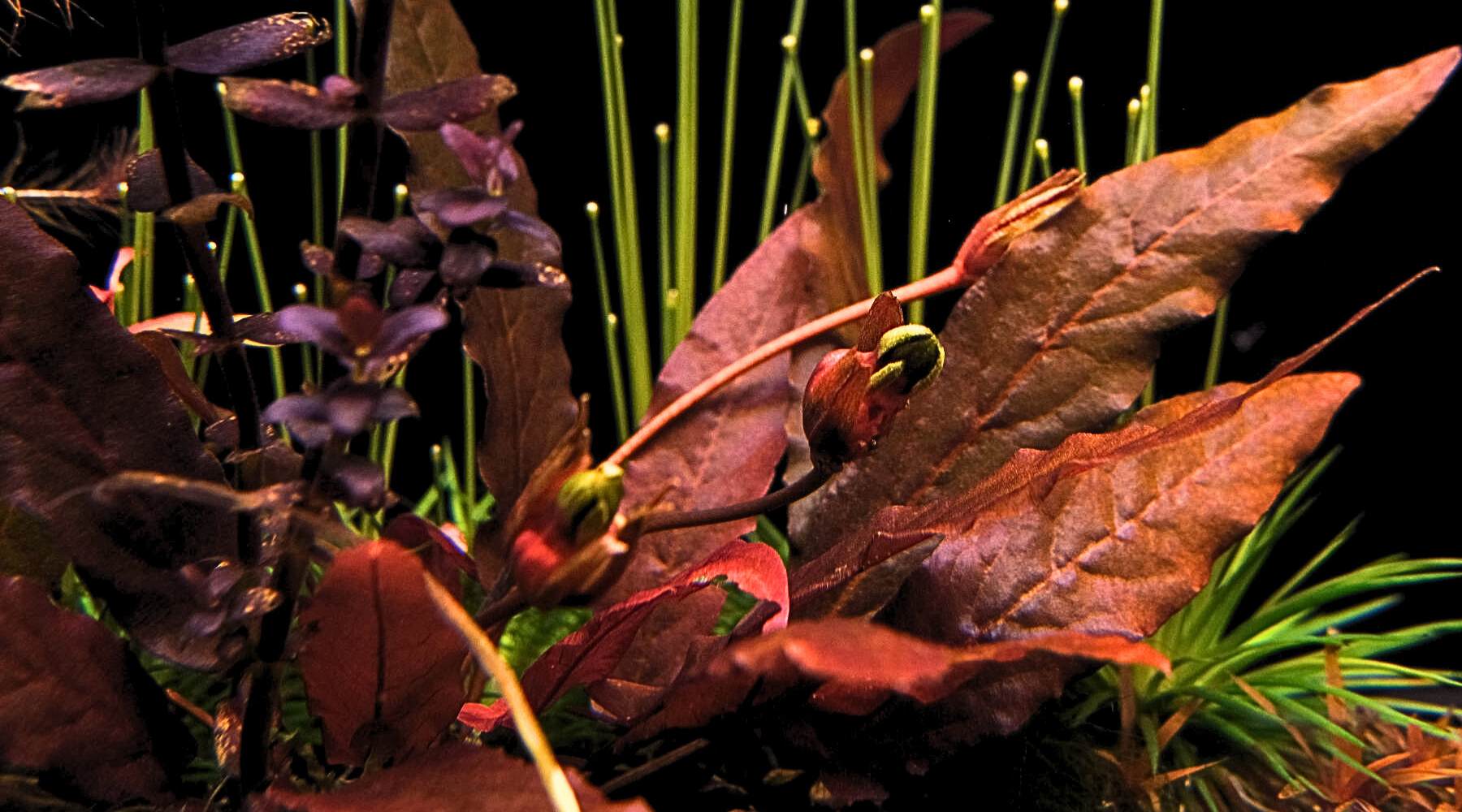
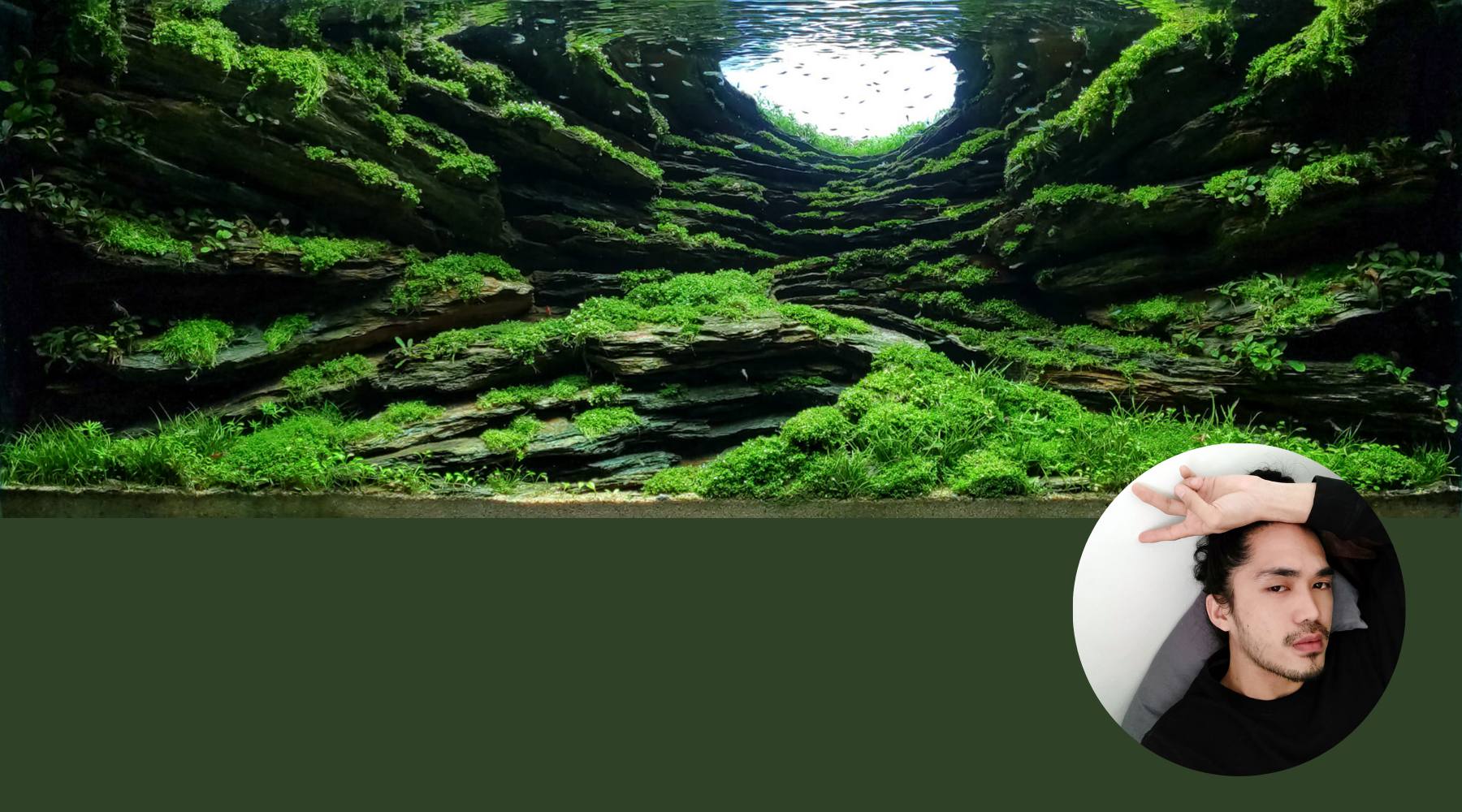
"I use small species to emphasize a sense of scale."- MM

A convincing depth of field / visual perspective is one of the most identifiable traits of aquascaping experience. 

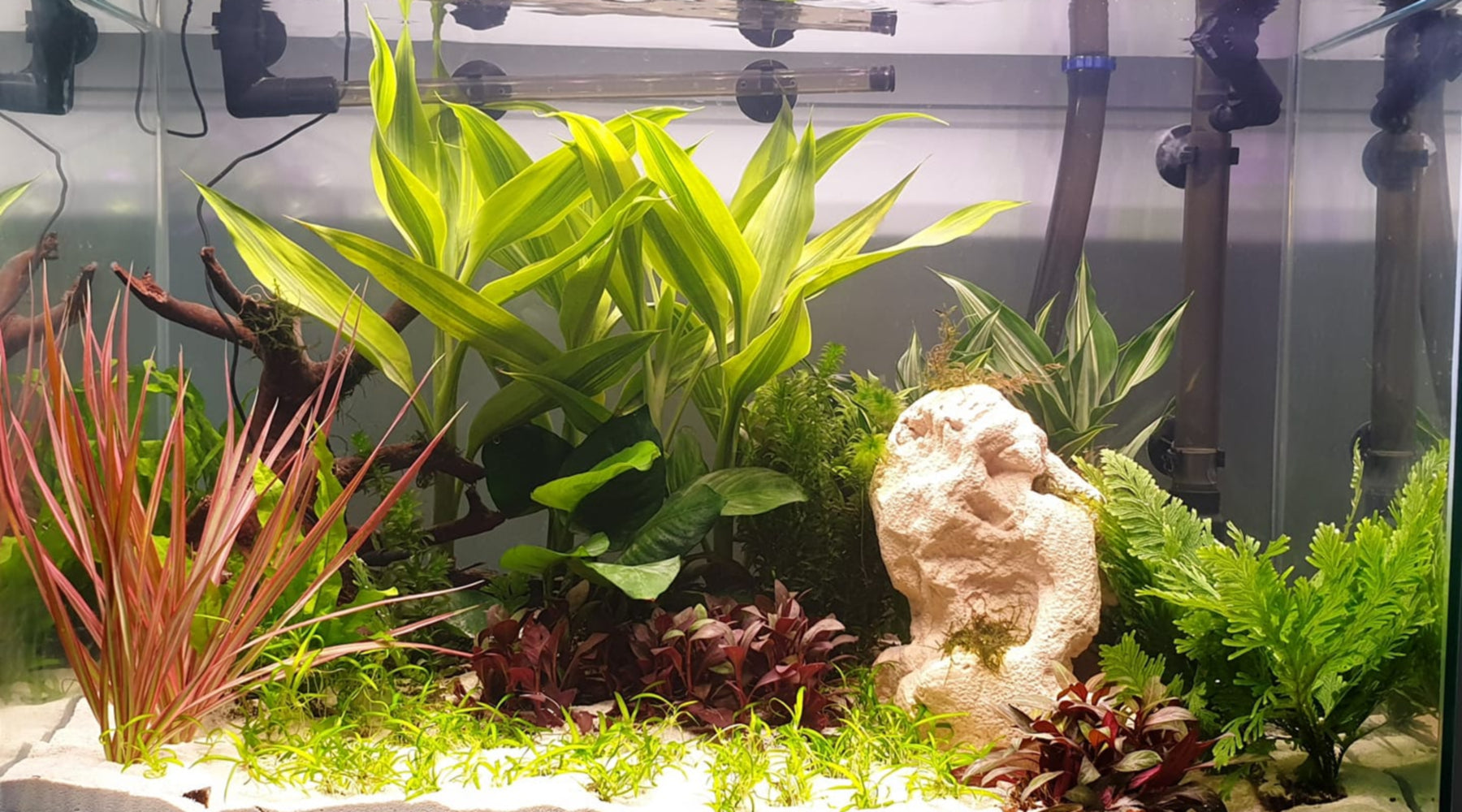
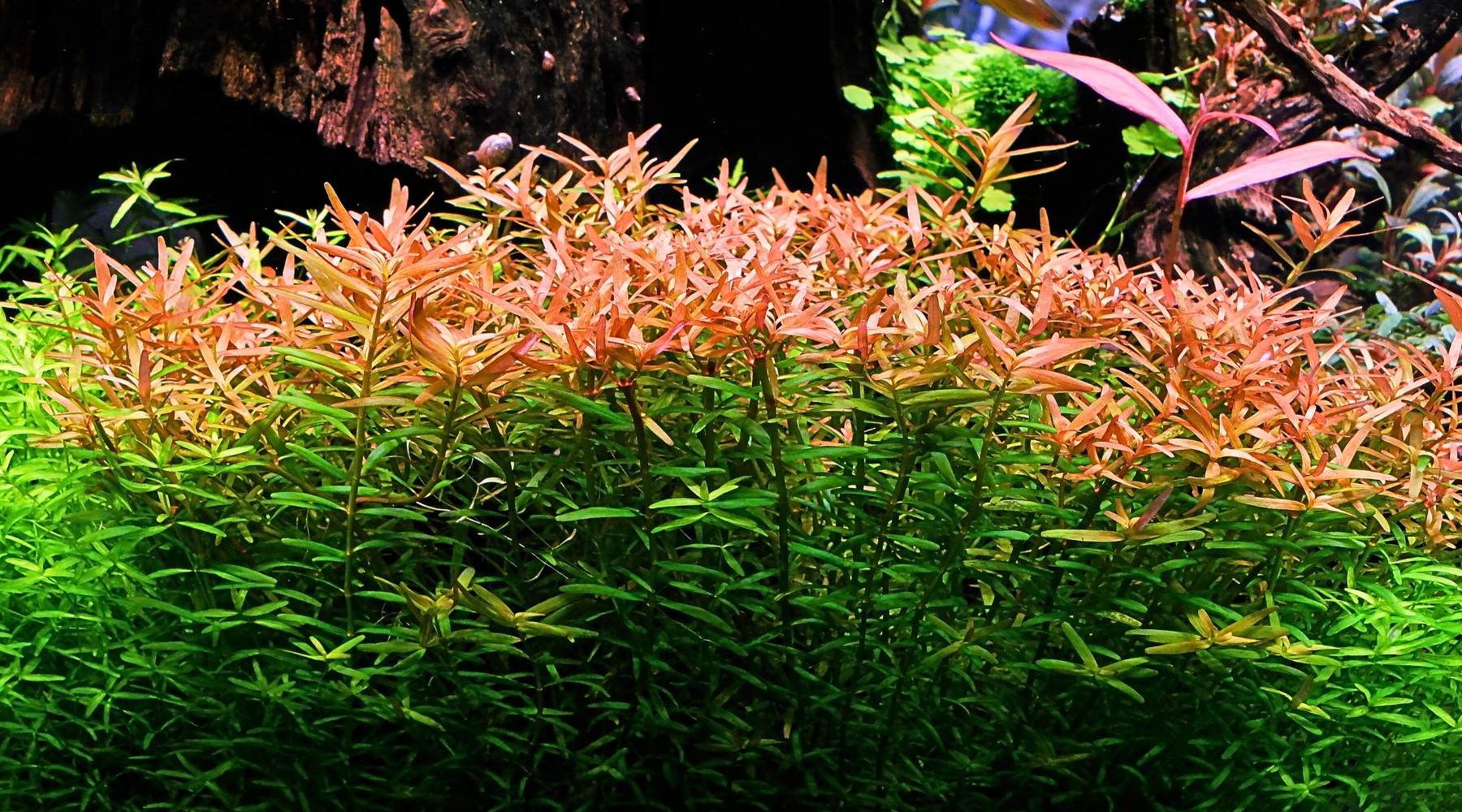
Matthew's point on the conscious use of small species is often missed by beginners. 2Hr Tanks generally utilize smaller plant variants for the same reason. For example, using Alternanthera reineckii 'mini' instead of the regular varietal, Ludwigia macrandra 'mini' instead of regular L. macrandra etc. 

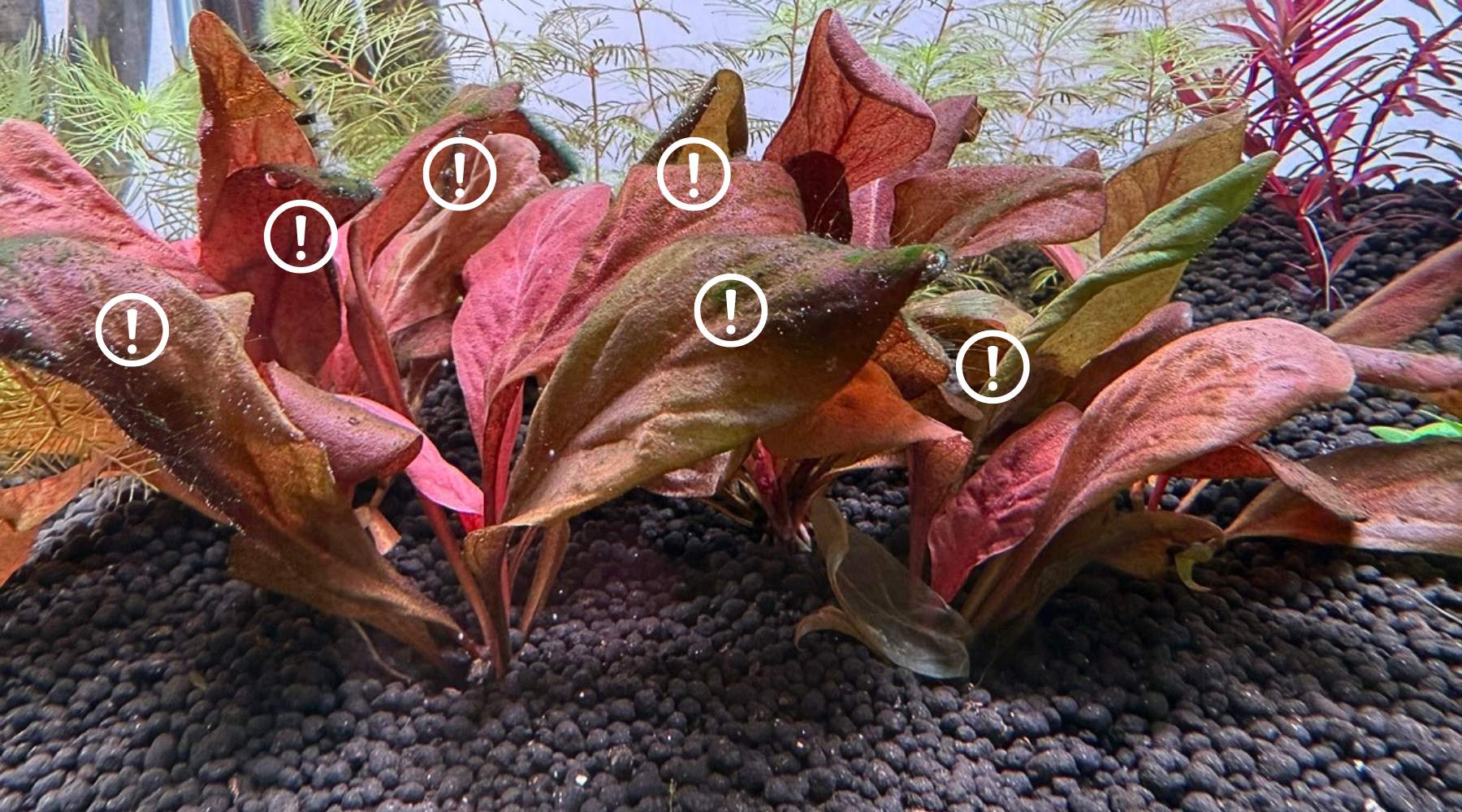
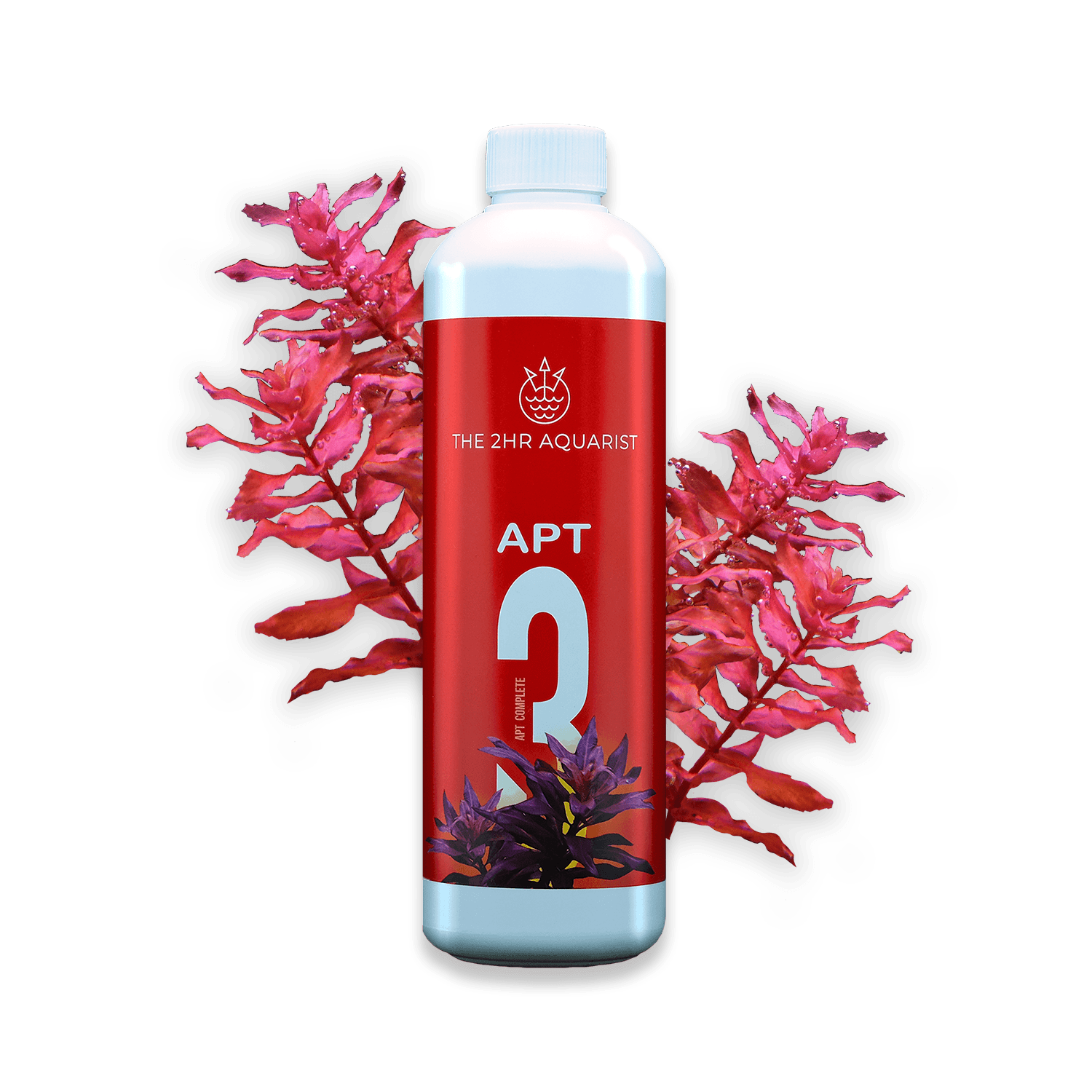
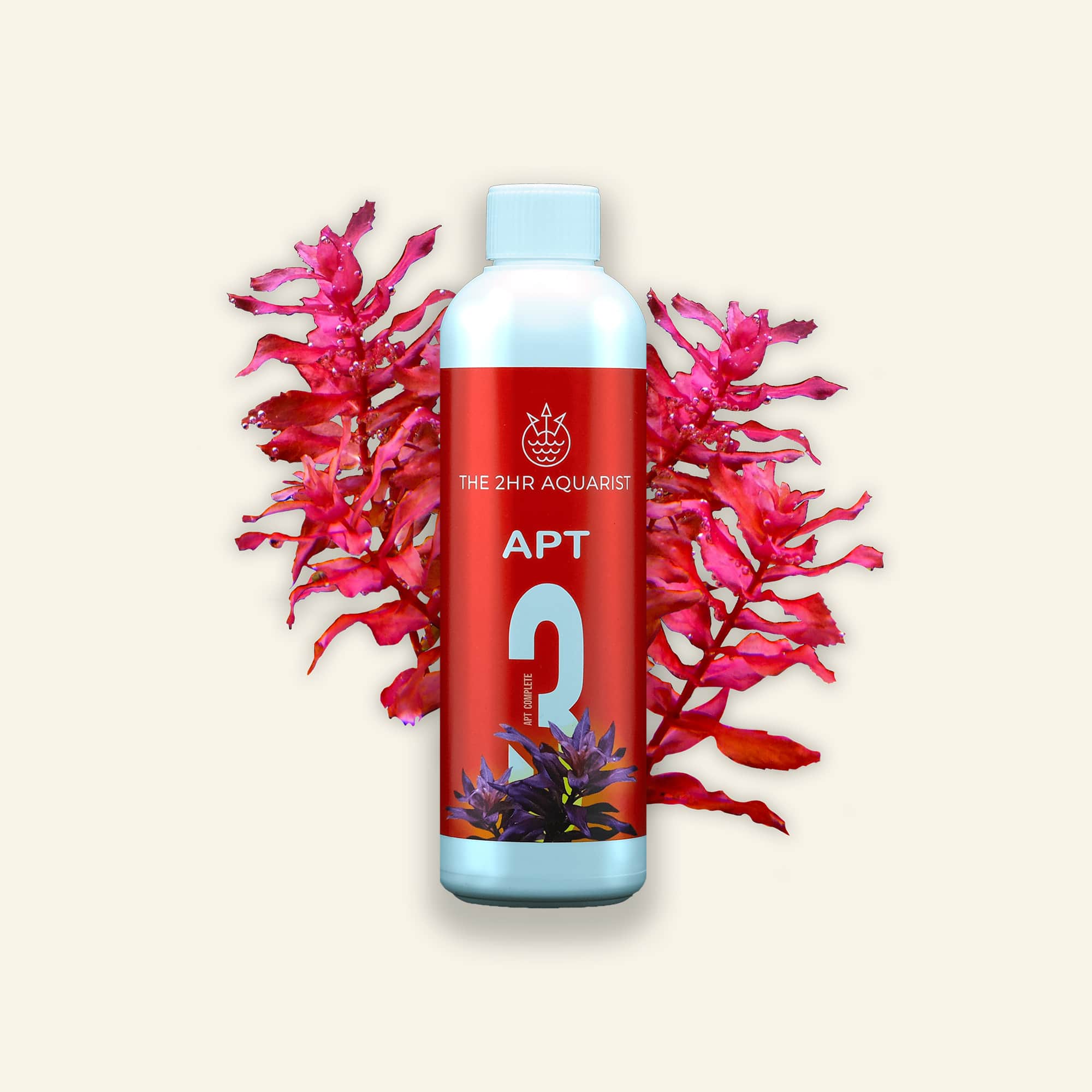
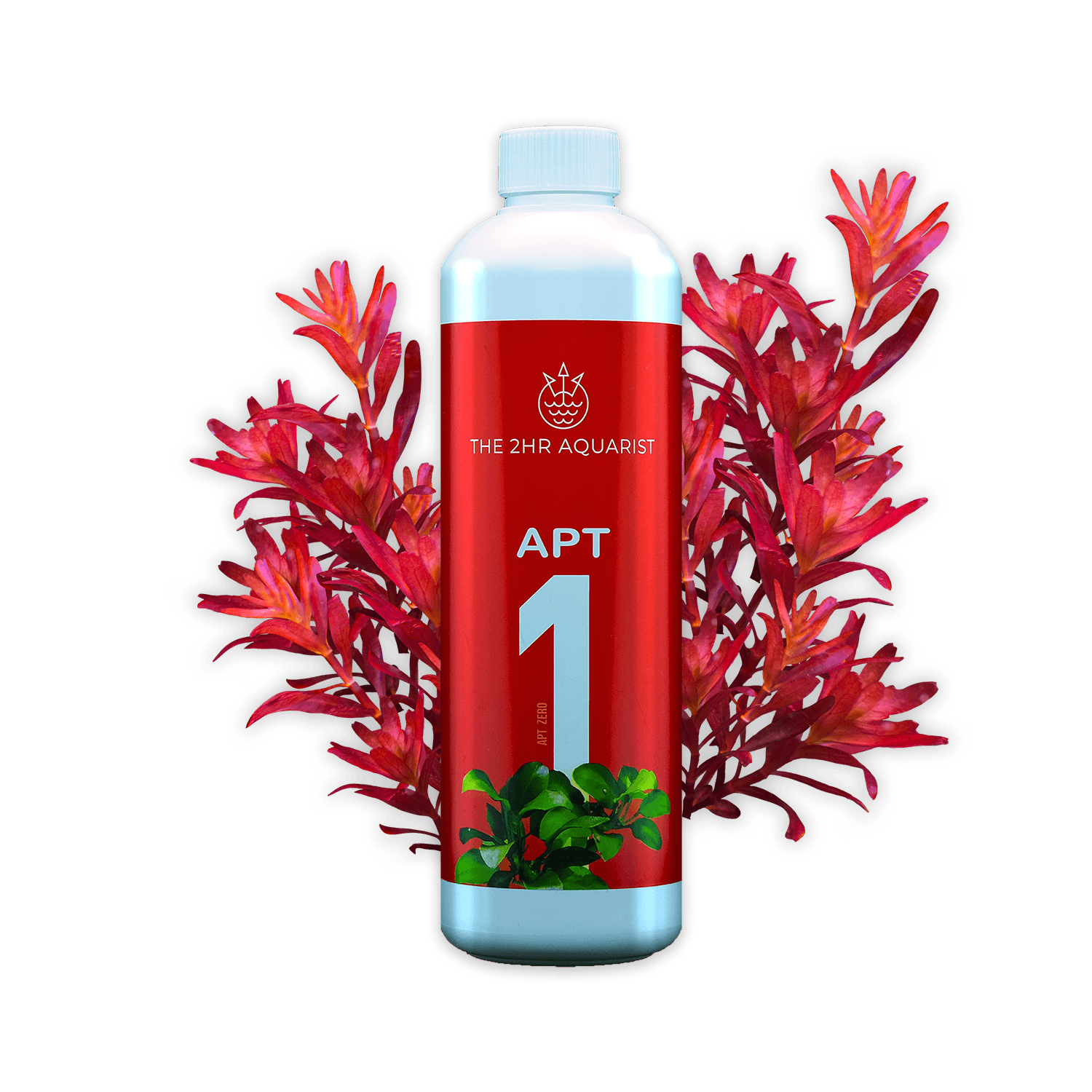
In smaller tanks, we also use Nitrate Limitation to induce more compact growth to create a sense of scale. The picture below shows Ludwigia sp. Red grown with APT 1 / Zero (smaller, left) and the same plant grown with APT 3 / Complete


"To maintain my tank, I change my water daily (80%) for the first month"- MM

Keeping competition-grade aquariums in tip-top shape for photography requires rigorous maintenance, and Matthew's routine is common among competitive aquascapers.

The 2Hr Way advocates highly disciplined 40%-50% weekly water change. Of course, this is easier in regions where tap water parameters are favourable. Regular removal of accumulated detritus (beyond simply replacing water) removes algae triggers. 

Matthew Manes Inspiration


Above: Matthew drew inspiration from the above landscapes for his award-winning IAPLC entry. 

"I add fertilizer after every water change...(and) start dosing from early on if I need the plants to grow faster."- MM

The 2Hr Way recommends dosing after each water change to replenish minerals lost during the water change and to provide plants with a more consistent level of nutrients.

We start water fertilization on the first day after the plants are added, as the root absorption capacity of the plants would not be properly developed at this stage.

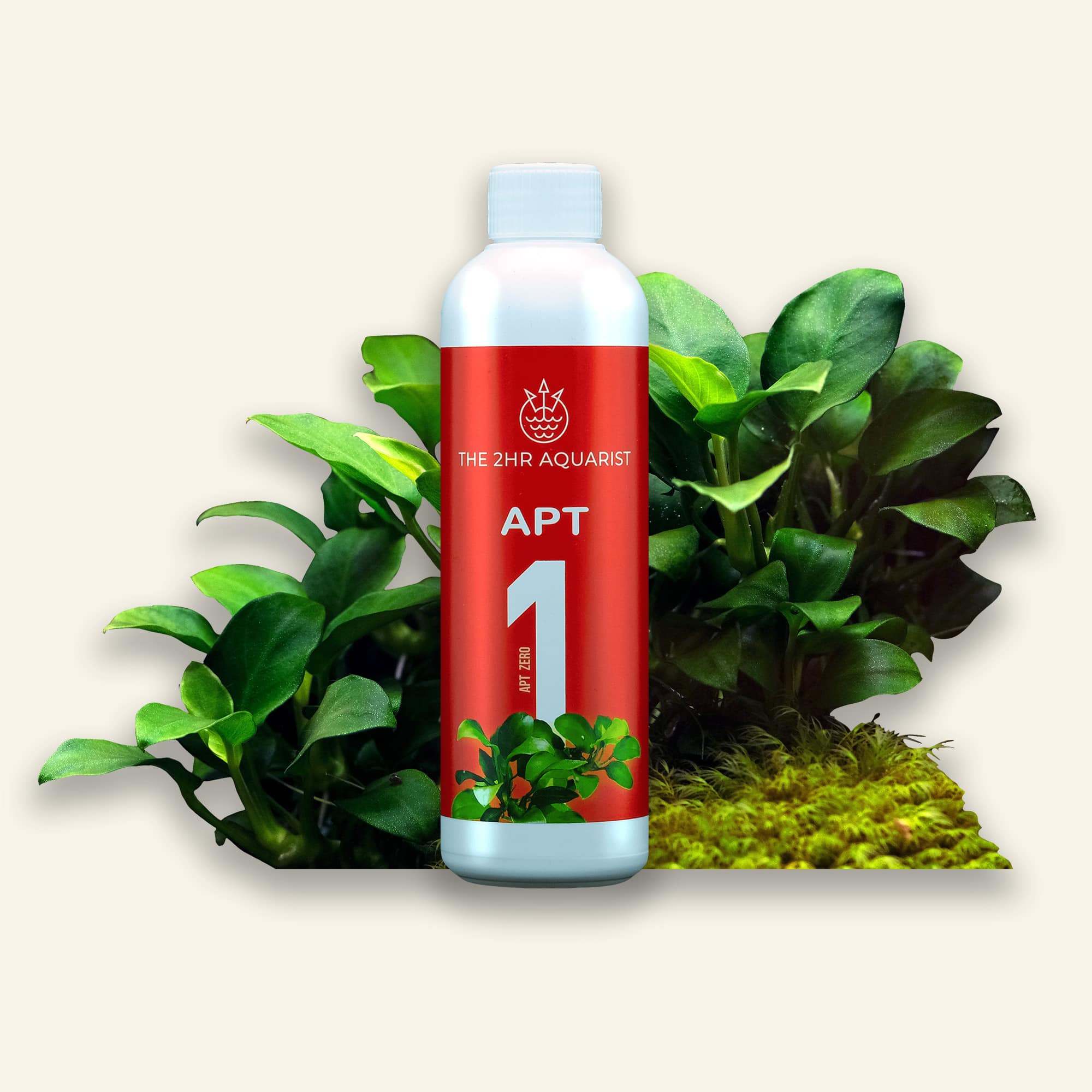
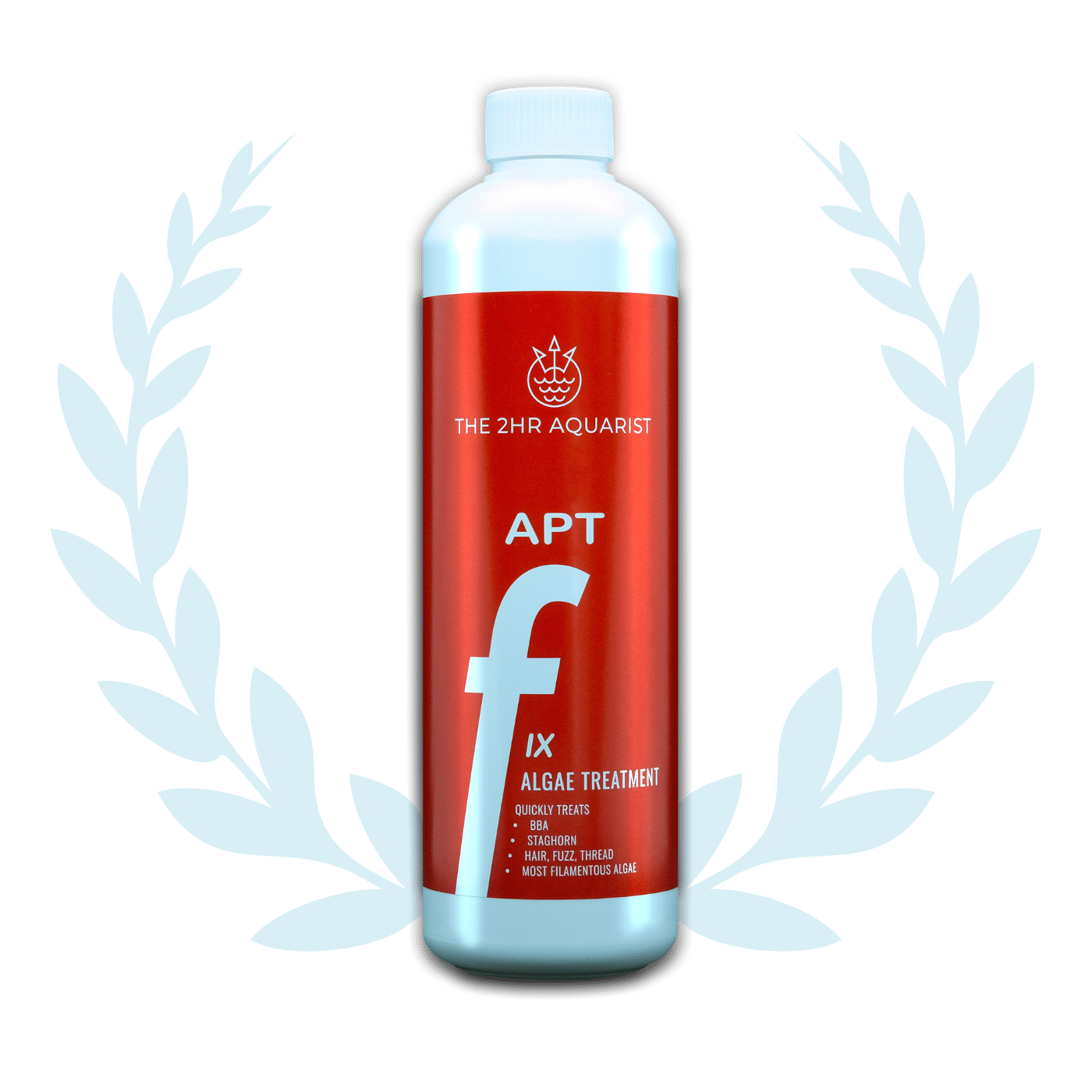
Depending on his tank setup and plant species, Matthew uses APT 1, APT3 or APT e. He uses APT e when he wants plants to grow in quickly, but generally his fertilization regime is moderate and he does not overdose. APT1 is his favorite choice when most of the plants are mosses and slow growers/shade plants.


"Trends change over time. Sometimes the trend it our friend but sometimes it is not. We need to change [with it]..."
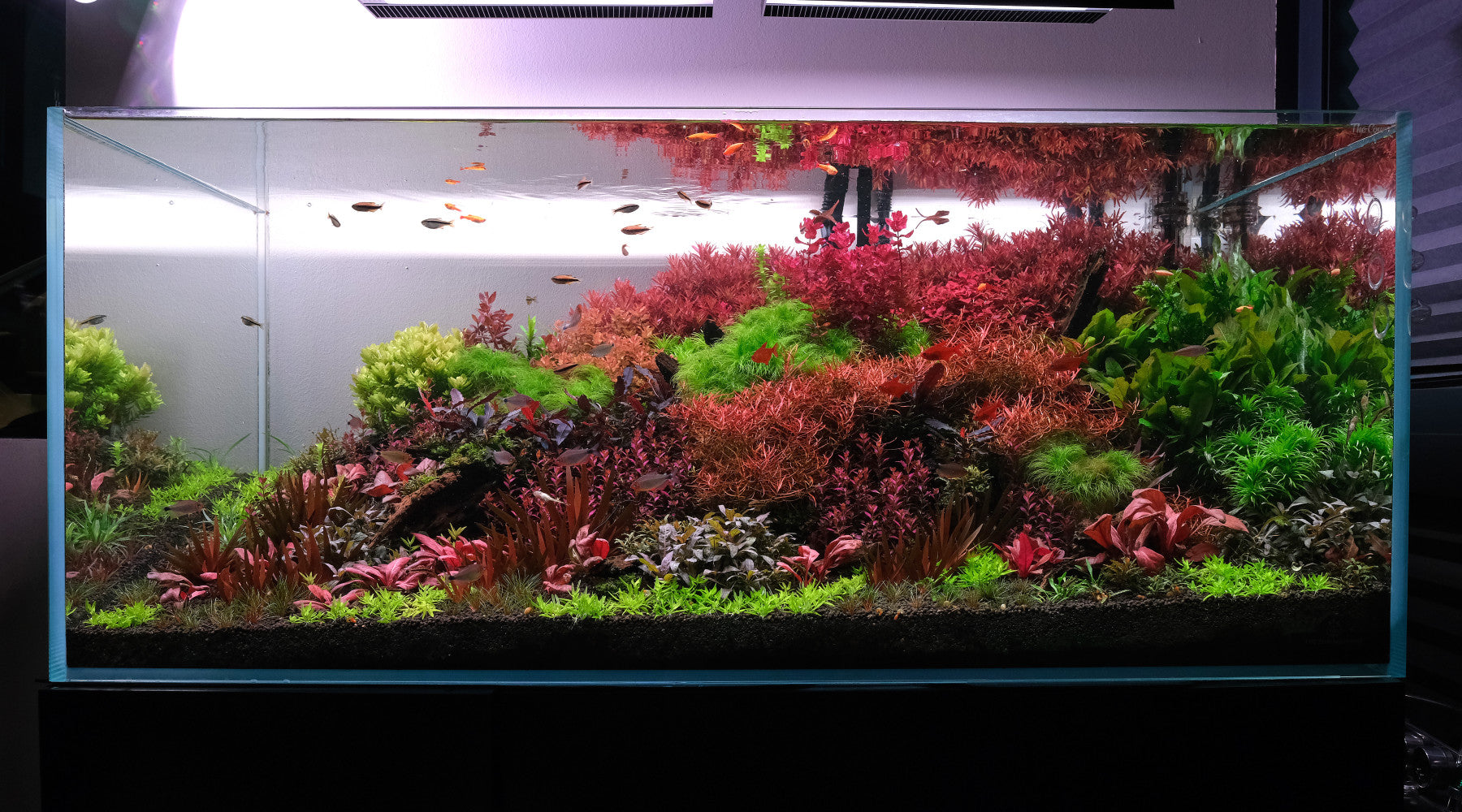
Much like the world of art, competitive aquascaping is shaped by trends. When current trends align with an artist's personal preferences and aptitude, they have a far greater opportunity to shine. 

Recent years have rewarded ever-increasing feats of hardscape engineering. 

Like all artists, competitive aquascapers face the daunting choice between the "safe" choices of following precedent and pushing the boundaries of originality.
 

Explore

Ver todo

Close up photo of algae on older aquatic plant leaves

¿Qué deterioran las hojas? Comprender el ciclo de renovación de las hojas en las plantas acuáticas

Este artículo profundiza en el tema de cómo las plantas se renuevan continuamente mediante la producción de hojas nuevas.

Leer mássobre ¿Qué deterioran las hojas? Comprender el ciclo de renovación de las hojas en las plantas acuáticas

4ft Rotala florida community aquarium: Showcasing the 2hr Way

Acuario comunitario de 1,20 m con Rotala florida: Presentación del método 2hr Way

Aquí se describen todos los detalles sobre los parámetros del acuario, las plantas y las especies de peces, así como el régimen de mantenimiento del paisaje acuático de Rotala florida de 1,20 m.

Leer mássobre Acuario comunitario de 1,20 m con Rotala florida: Presentación del método 2hr Way

New Tank Journey | Ugly Duckling

New Tank Journey | Ugly Duckling

New tanks can be frustrating at the beginning. Here, we describe one important signal that things are actually progressing well, despite plants having algae. 

Leer mássobre New Tank Journey | Ugly Duckling

When Less is More

Cuando menos es más

¿Cómo enrojecer la Rotala rotundifolia? Curiosamente, menos puede ser más en este caso.

Leer mássobre Cuando menos es más

System Shocks

Choques del sistema

Puede producirse una infestación repentina y generalizada de algas cuando los cambios en los parámetros medioambientales inducen un estrés de adaptación que debilita las plantas, que se vuelven vulnerables a las algas.

Leer mássobre Choques del sistema

Flowering Underwater?

¿Florecer bajo el agua?

¿Florecen las plantas acuáticas bajo el agua? ¿Es la floración un signo de buena salud? ¿Qué plantas puedo cultivar que florezcan fácilmente en mi acuario?

Leer mássobre ¿Florecer bajo el agua?

Small Tanks- 3 Choices

Depósitos pequeños - 3 opciones

3 Opciones para maximizar el éxito en un acuario pequeño. Usamos un ejemplo de 1 pie cúbico - sin inyección de CO2.

Leer mássobre Depósitos pequeños - 3 opciones