


Rotala ramosior 'Florida' is a slow-growing stem plant with small, deep purple leaves on a green stem. As the name suggests, the plant has been collected from Florida, USA. It is a demanding plant in terms of light and CO2 and is not suitable for low tech/non CO2 injected planted tanks. Its advanced difficulty limits its usage among hobbyists. While it can be found in some well stocked aquarium shops, it is a plant that is sold more often by specialized aquatic plant dealers. This article will explain how to grow this picky aquatic plant, and what are the key success factors for aspiring aquarists.
Summary:
-
Healthy growing plants display deep purple leaves. This plant does not require nitrate limitation to show its colors. Stronger lighting gives more evenly colored leaves.
-
Low CO2, or low Calcium values are common points of failure with this plant. It prefers moderate GH (5 to 7 dGH) and is flexible with KH levels (0-10+ dKH).
-
A stable rootzone seems to be important for the growth of this plant. It should not be moved frequently after planting - the rootzone needs to establish before growth accelerates.
-
The plant can be fertilized through both water column and substrate. Ammoniacal nitrogen in substrate zone boosts growth rates and give more robust growth forms.
-
As a slow growing stem plant, it grows around 9cm per month in good conditions.

What Is Rotala ramosior 'Florida'?
Rotala ramosior 'Florida' is a native North American stem plant in Lythraceae family. It ranges from North America into Central and South America. In the wild it can be found in wetlands, lake margins and ditches, growing emersed or submerged as water levels change. The 'Florida' varietal, usually sold as Rotala florida, was collected in Florida, USA. The first samples arrived in Asia in 2017 and the plant has since been picked up by more commercial farms. It is available in tissue culture format and emersed form from more specialized plant dealers.
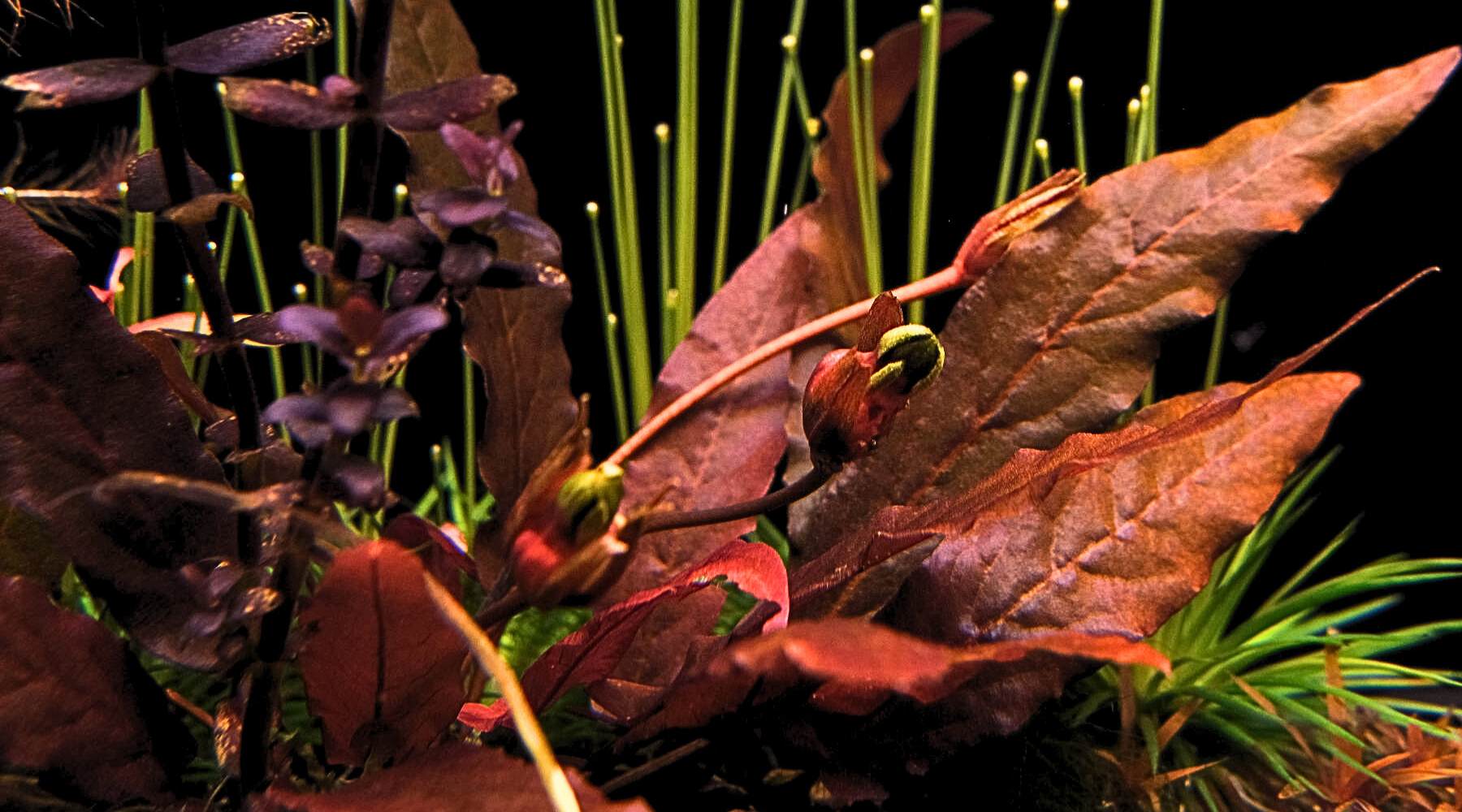
Submerged, the stems grows upright, with stiff purple leaves about 1 to 1.3 cm long in opposite pairs. Stems can reach a height of 20 to 35 cm (8 to 14 in), but its slow growth rate and small size makes it best suited for the midground in an aquascape. Healthy Rotala florida branches well with trimming and can be trimmed to form short, attractive purple bushes. In poor growth conditions, the bottom stems often deteriorate before the plant can branch well to form a dense bush.

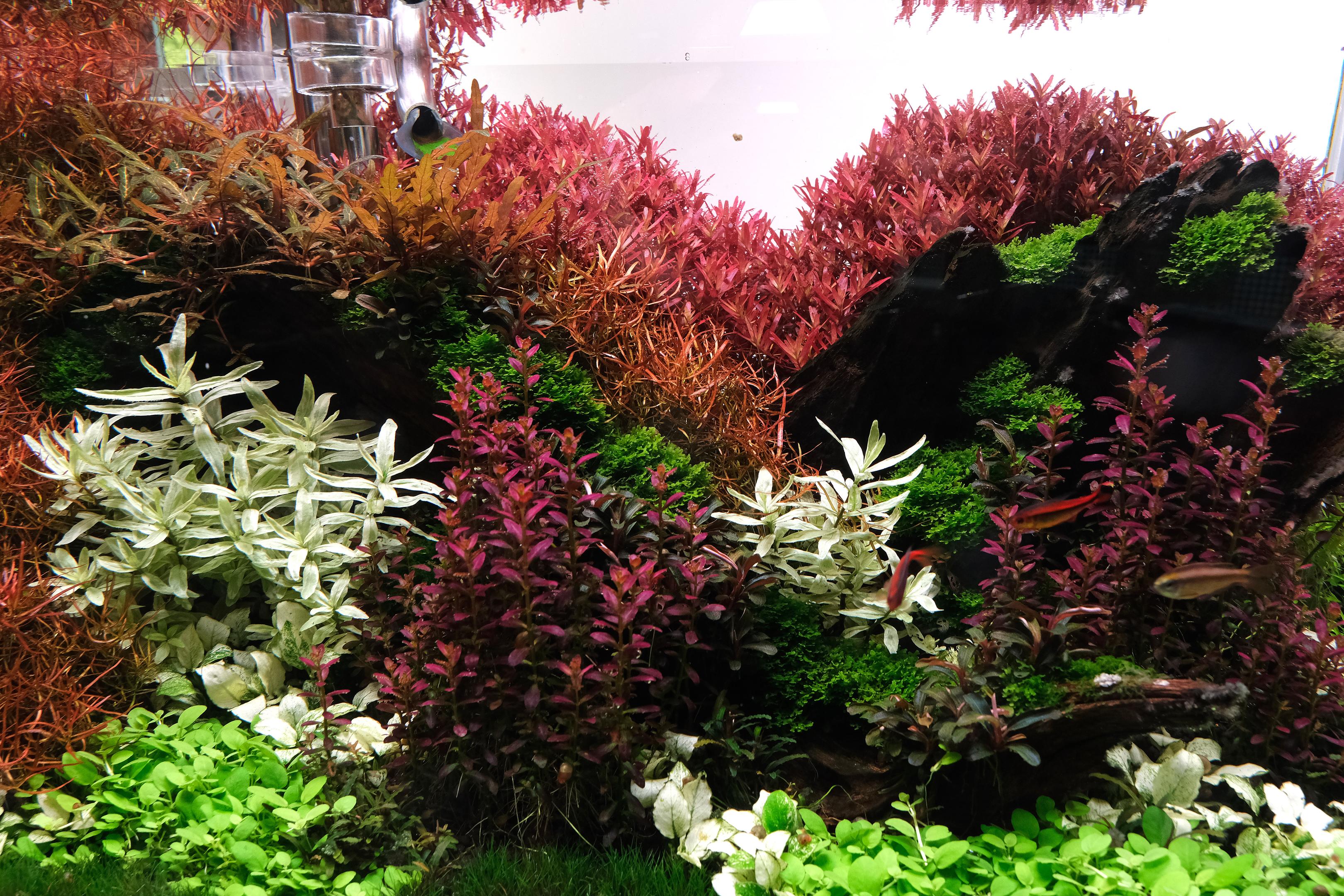
Rotala florida is best used in the midground. They are contrasted here against the more reddish orange Rotala "sunset". This tank is grown using APT Ei in the water column, and APT Feast as the substrate.
Rotala Florida vs Rotala Sunset: What Is the Difference?
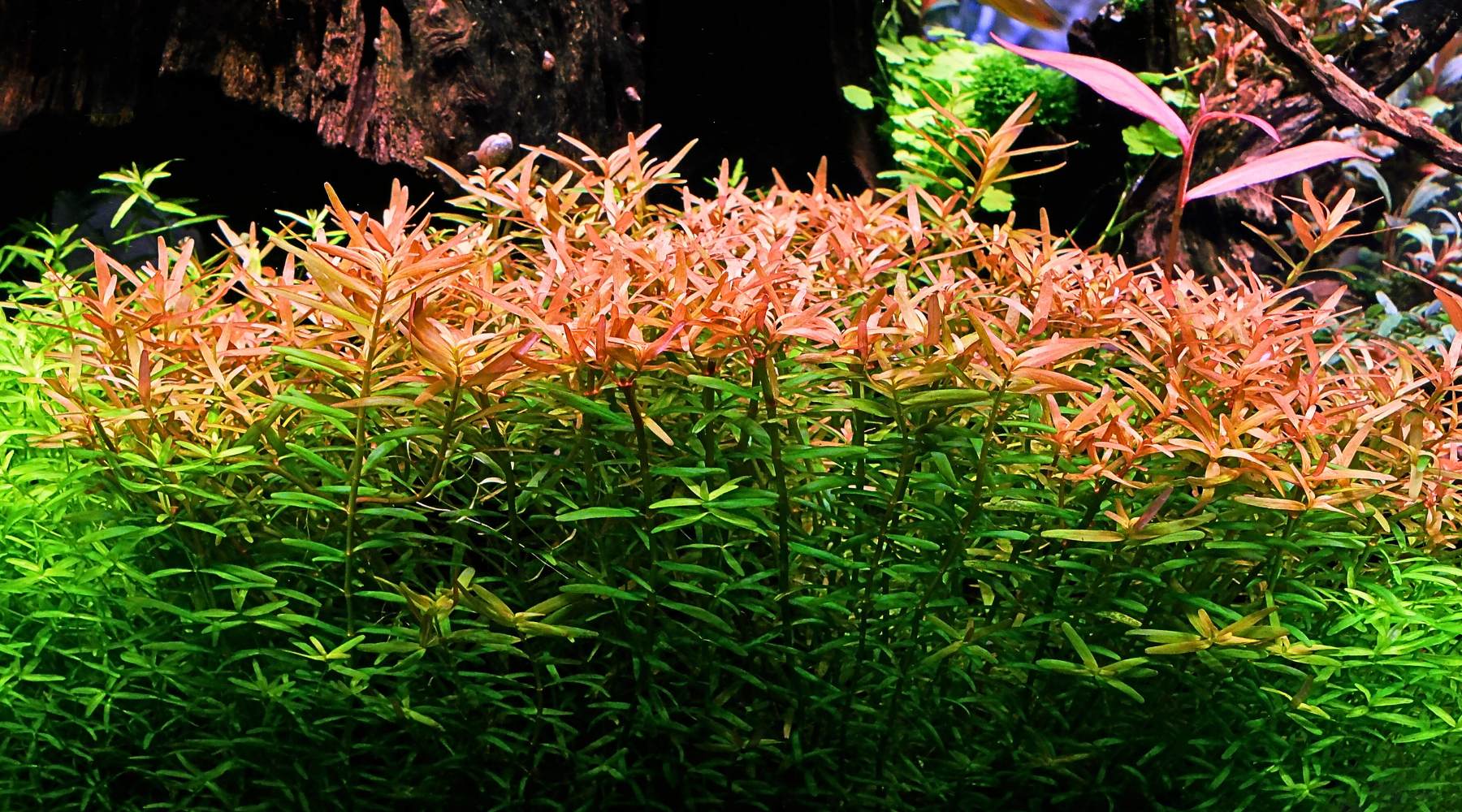
The two are often confused; some sellers even list a "Rotala Florida Sunset." Side by side, the difference is clear: 'Florida' is deep purple on a green stem and grows more slowly, while 'Sunset' runs reddish orange with significantly larger leaves.
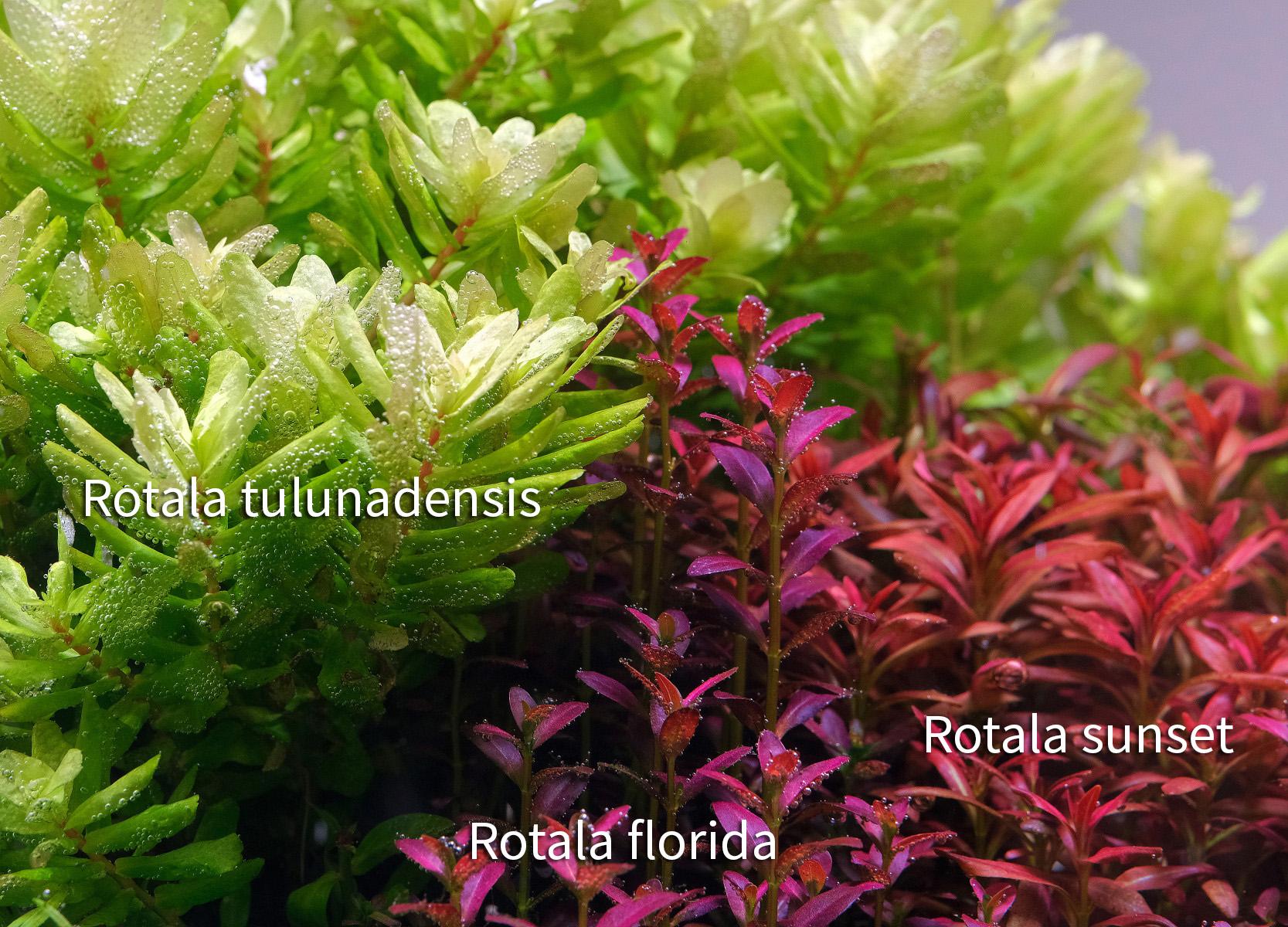
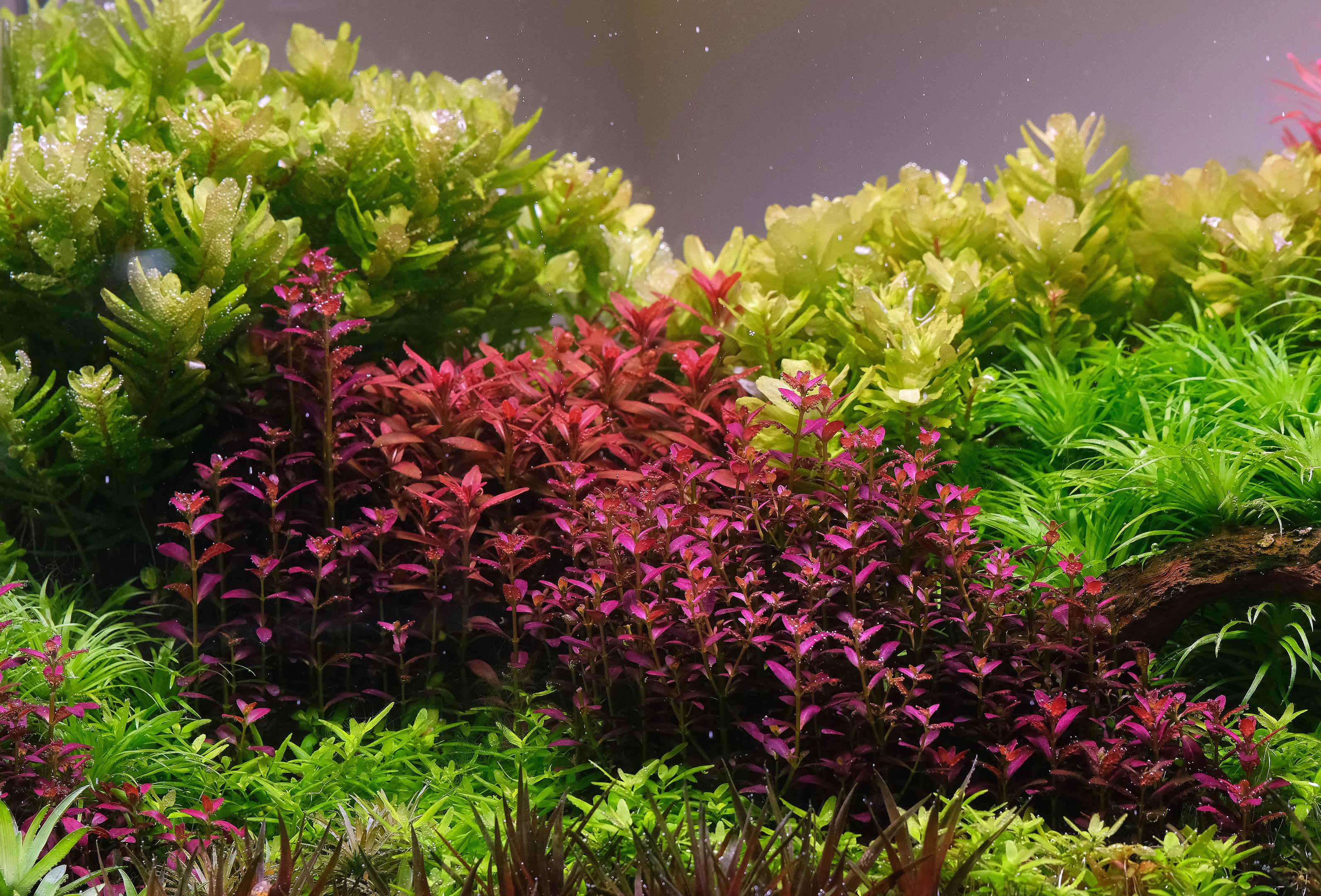
Rotala sunset is more orange-red while Rotala florida is purple.
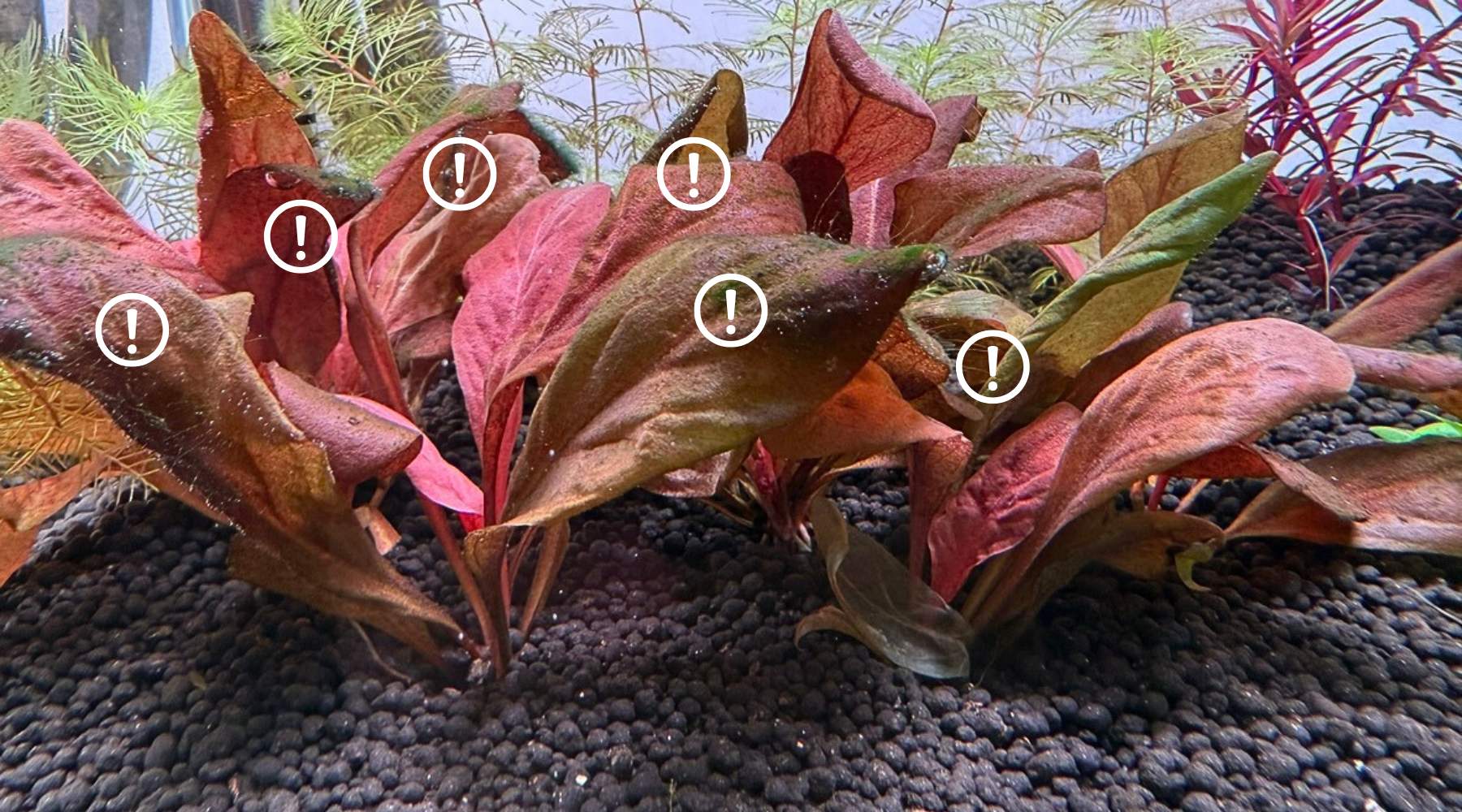
Why Does Rotala ramosior Florida Lose Its Lower Leaves?
Low CO2 is a common cause for poor growth in this species as the plant does have high CO2 demand. It is not a suitable plant for low tech aquariums. A green drop checker does not indicate sufficient CO2 for this species as a standard 4 dKH solution turns green with as low as 10+ppm of CO2. Aquarists should aim for 30-40ppm of CO2 using either the 1pH drop method or by using CO2 test kits.

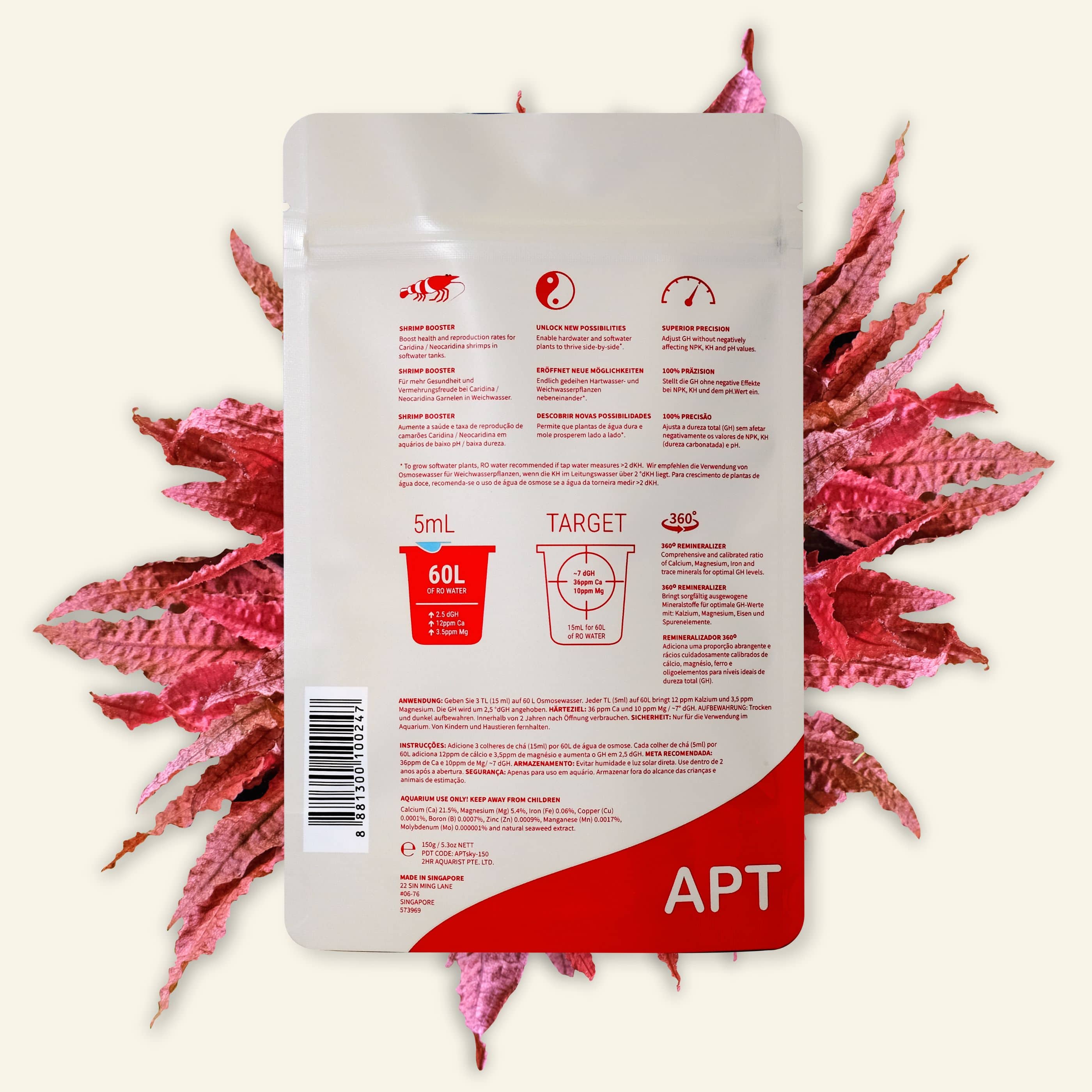
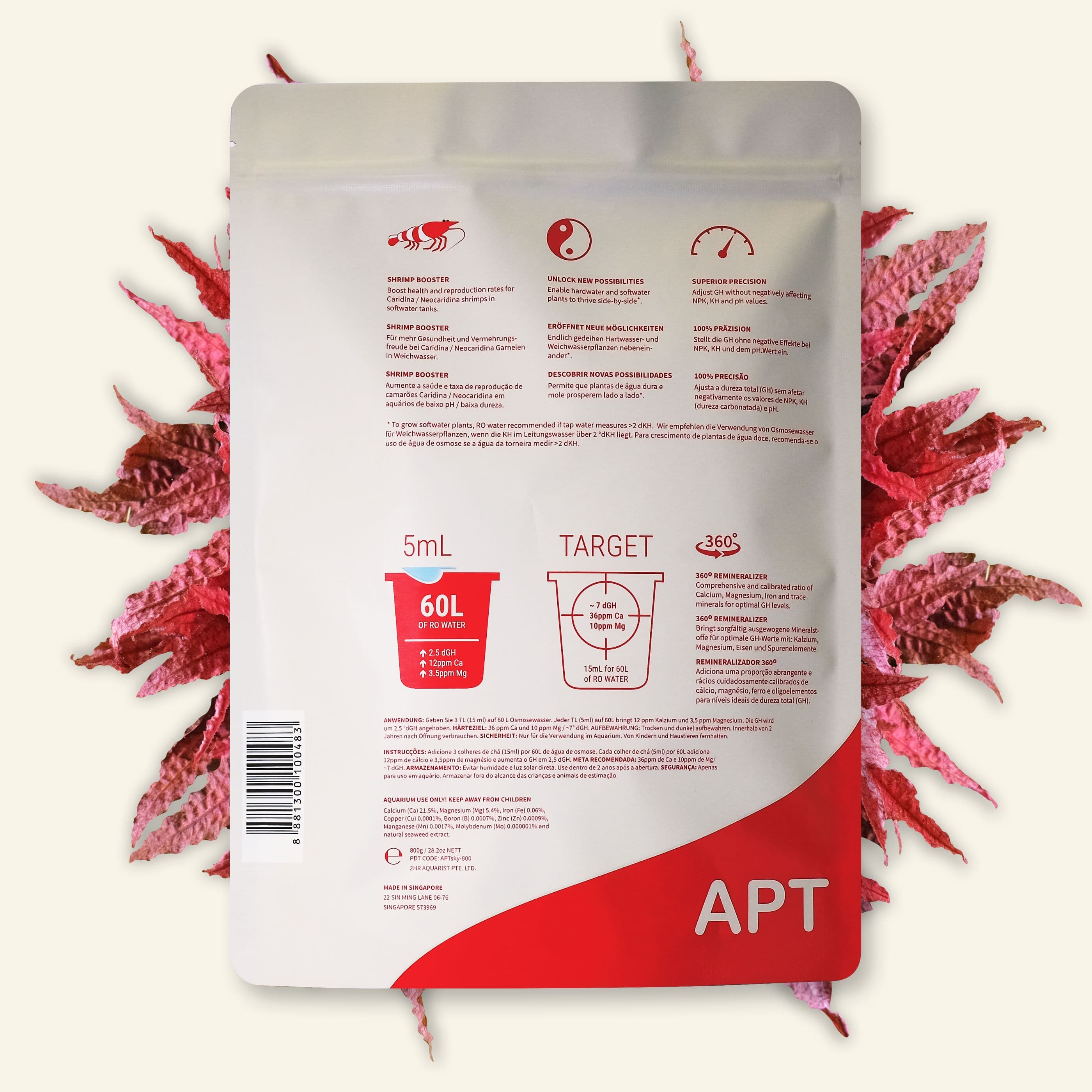
Rotala ramosior florida prefers at least moderate GH levels (5-7dGH). In low GH ranges, the plant is more delicate, and more prone to tip stunting. Unlike other picky plant species, this plant grows well in hard water. Our tap water comes of the tap between 2-3 dGH. We add APT Sky to increase the GH to 5dGH.
Measure light as PAR (photosynthetically active radiation) at the substrate, not in watts or lumens. Below about 80 µmols of PAR, Rotala florida grows greener and leggier. This plant preserves its lower leaves better at higher PAR levels. Around 150 µmols is a sensible starting point. Above 200 µmol/m²/s gives the densest, deepest purple. However, the overall tank environment needs to be well planted and plant dominant to avoid algae issues. Most of the Rotala ramosior florida pictures you see on this page are grown at 200 µmols of PAR as measured at the substrate level.
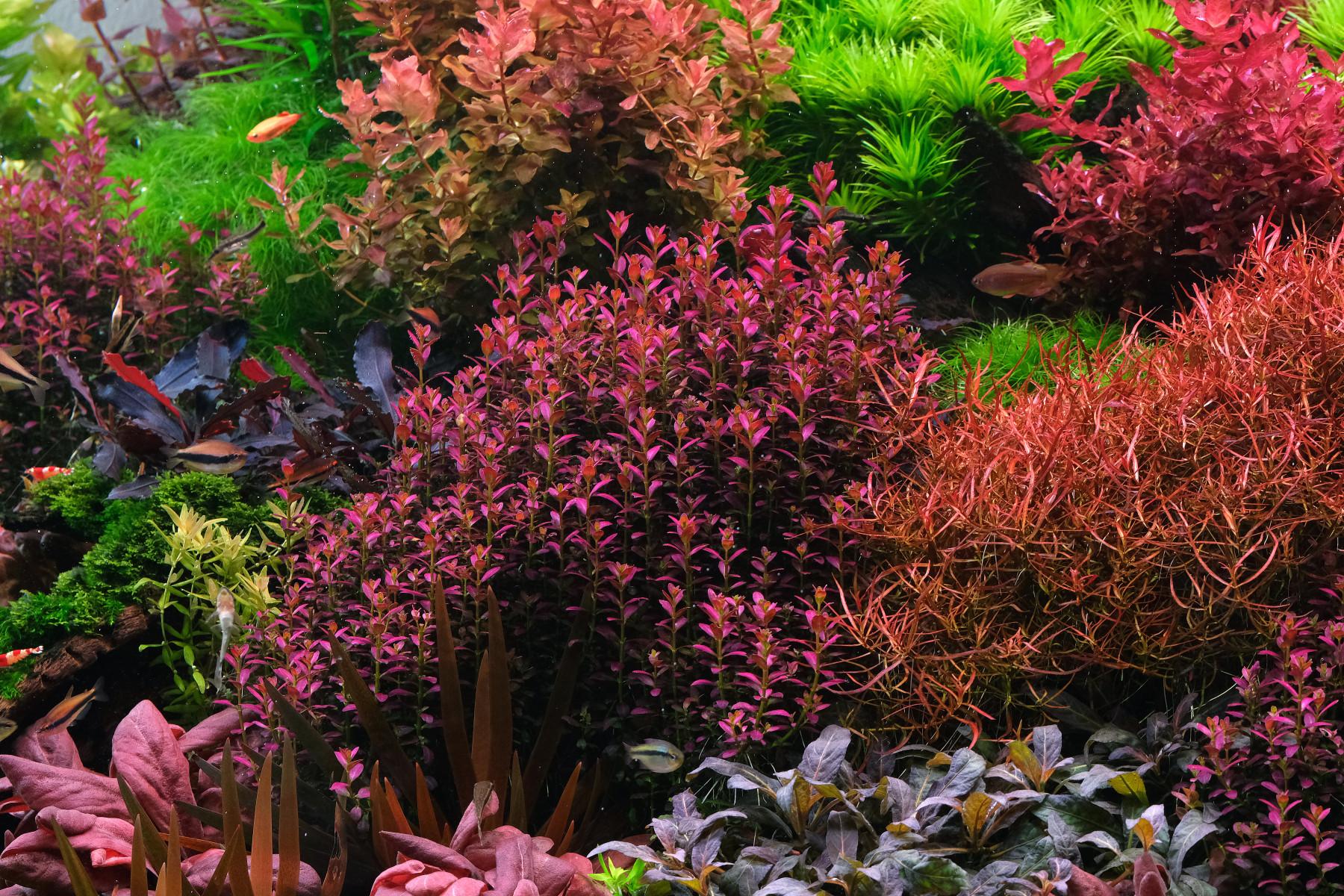
In the aquarium above, Rotala ramosior florida is grown under 200umols of PAR at the substrate, with 40+ppm of CO2 in the water column. 5dGH, <1dKH.
Rotala florida needs regular, complete fertilization, macro and micronutrients alike, through the water column, the substrate or both. It is not a plant that tolerates lean nutrient levels well long term. However, it feeds well from both water column or substrate. A rich substrate is the easiest way to grow it without juggling water column nutrient levels. With aquasoil feeding the roots, you can dose the water column lean or rich as long as you keep nutrient levels stable.
If you rely on purely water column feeding, macro levels need to be calibrated higher. In EI style dosing tanks, aim for 15-20ppm NO3 at least in the water column, and dose in a manner that keeps levels stable.
Aquasoil depletes. In our showcase aquariums, fresh aquasoil is mixed in when stems are replanted, at a rate of about 1% new substrate per month.
Does Rotala Florida Need Hard or Soft Water?
Most other sensitive Rotala species prefer soft water near zero hardness, but Rotala 'Florida' does better with a higher GH: 5 to 7 dGH, with calcium above about 40 ppm. It grows well in harder, alkaline water and is a good candidate for seiryu and other lime-rich layouts.
GH and KH are different measurements. GH measures calcium and magnesium (Ca/Mg) and other divalent ions. KH measures the level of carbonates/bicarbonates (CO3/HCO3). Rotala florida is sensitive to GH levels, but more flexible with regards to KH levels. In our own planted aquariums APT SKY is used to raise soft tap water from 3 to 5 dGH while the KH remains at <1 dKH.
pH is not particularly important. It can be grown in acidic water (pH5+, all the way into the alkaline range 7+). It is also flexible with regards to temperature, and does well in the range of 70 to 82°F (21 to 28°C).
Does Rotala Florida Need Nitrate Limitation to Turn Purple?
No. Nitrate limitation, by having water column nitrates at 5 ppm or less, reddens some species, including Rotala rotundifolia and Ludwigia arcuata, by delaying chlorophyll development. Rotala ramosior 'Florida' is not affected by low nitrates: it stays purple even when nitrate is high. Low nitrate merely slows its growth rates, while extremely lean growth conditions may cause premature deterioration of older growth.
Iron is the other shortcut folks reach for. Iron enables pigment production; it does not stimulate it. Once a plant has sufficient iron, adding more will not deepen the purple tones. Light, CO2, flow and stable growth are what stimulates optimal pigment production.

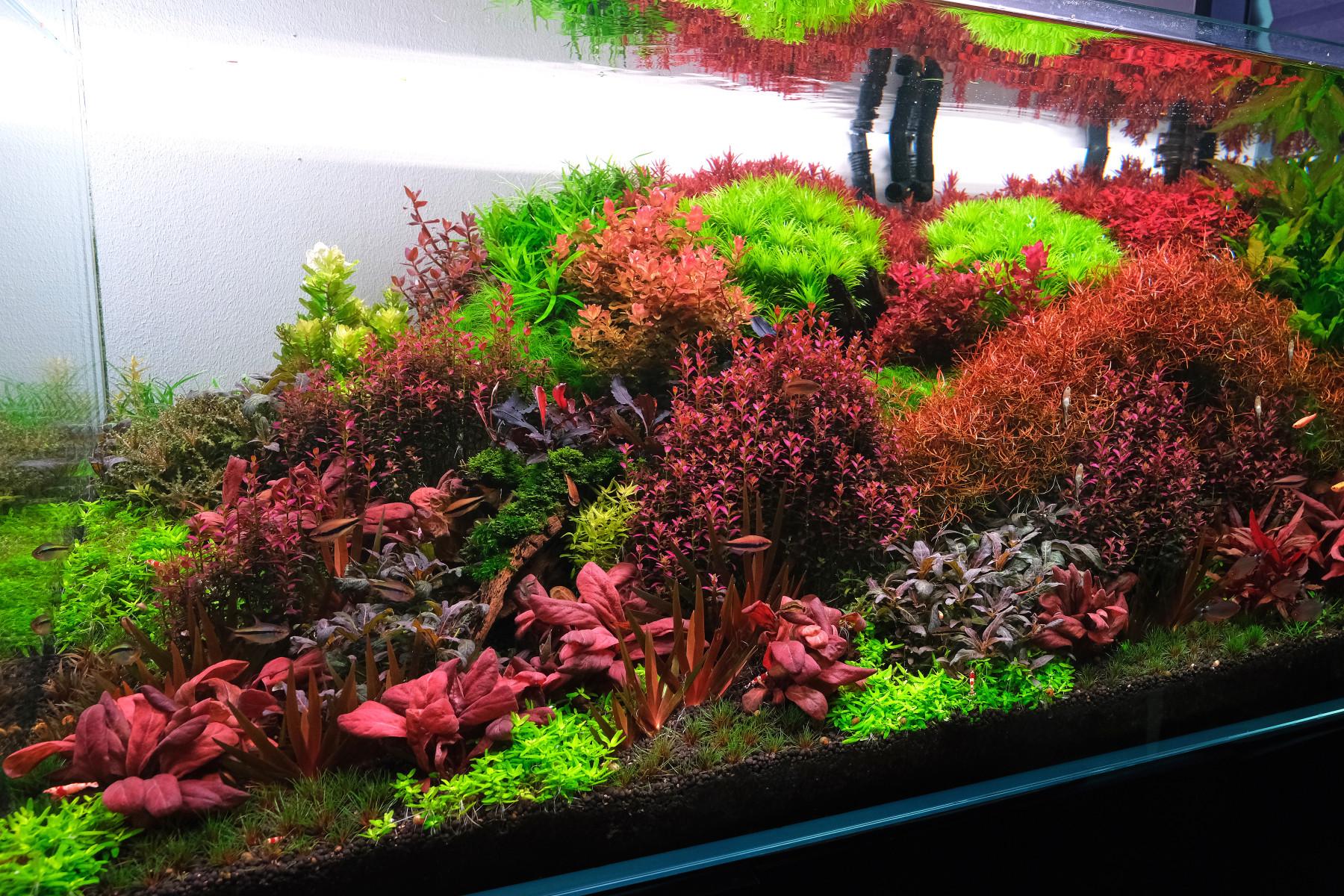
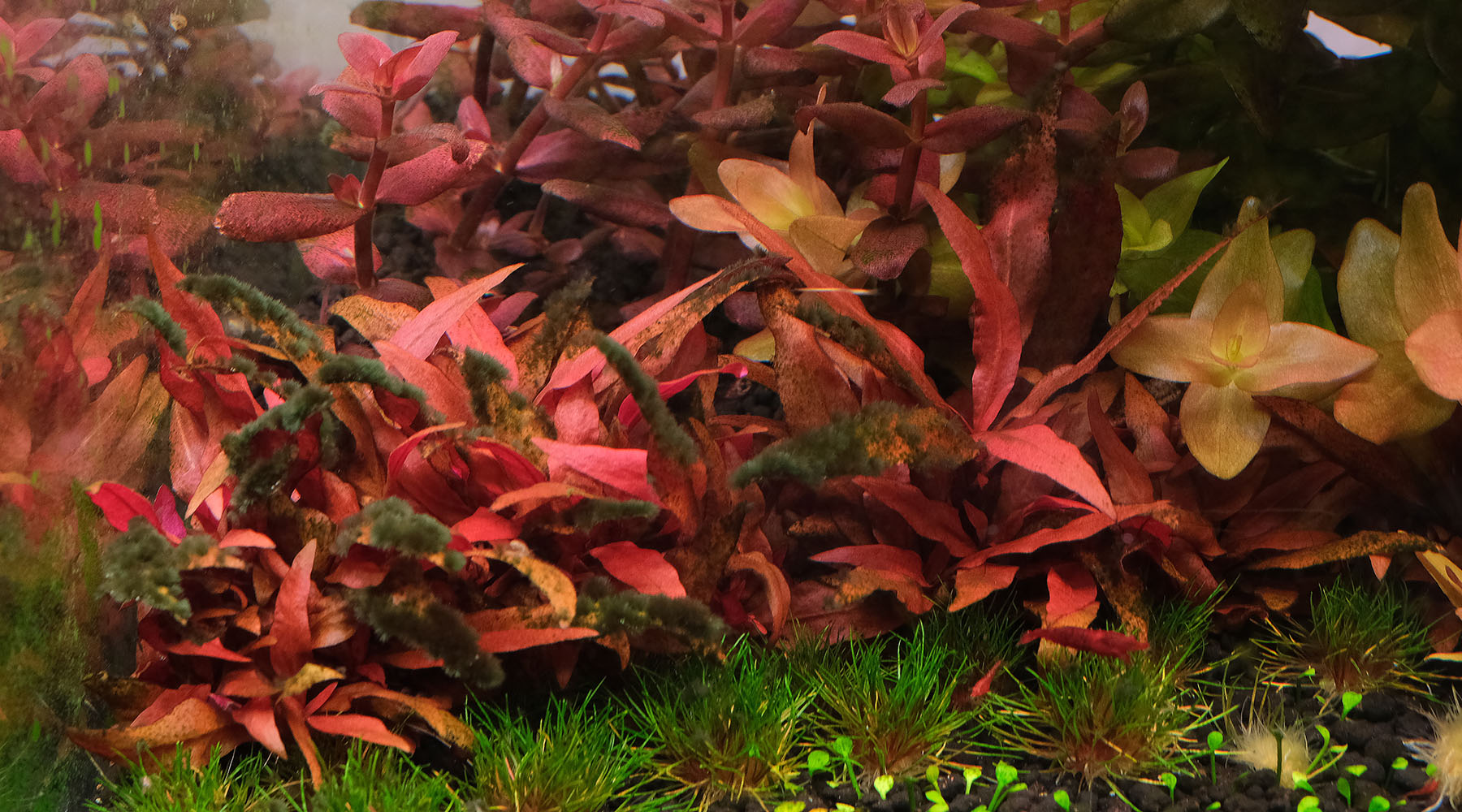
Higher light levels give stronger pigmentation. Substrate PAR in this particular aquarium is around 300umols.
How Do You Plant, Trim and Propagate Rotala ramosior Florida?
Rotala florida is available commonly in emersed growth form or tissue culture. Young plants from tissue culture are small and more delicate, and benefit from being planted in an aquarium that is more biologically mature. Emersed grown versions are very robust and the plant converts easily to submerged form. They are small plants so you can plant individual stems close to each other. Leave 1cm spacing between stems. Once planted, the plants should be left undisturbed to develop their rootzone, growth usually accelerates after the rootzone is established. High CO2 levels helps the plants settle in. Low CO2 levels can cause stem rot in Rotala ramosior Florida.
Rotala ramosior florida branches naturally, but does not spread as quickly as other prolific aquarium plants such as Rotala rotundifolia. Trimming should be done tactically - tallest shoots should be individually cut where they connect to the main stem. With good growth parameters, the plant will naturally branch over time.
It is propagated like any stem plant: cut a healthy top shoot from a vigorous stem and replant it in the substrate; the remaining base will produce side shoots. Similar to other stem plants, older growth deteriorates and attracts algae. When lower stem go bare after several trimming cycles, it is time to replant the entire group. Healthier grown plants can go longer before older leaves deteriorate.
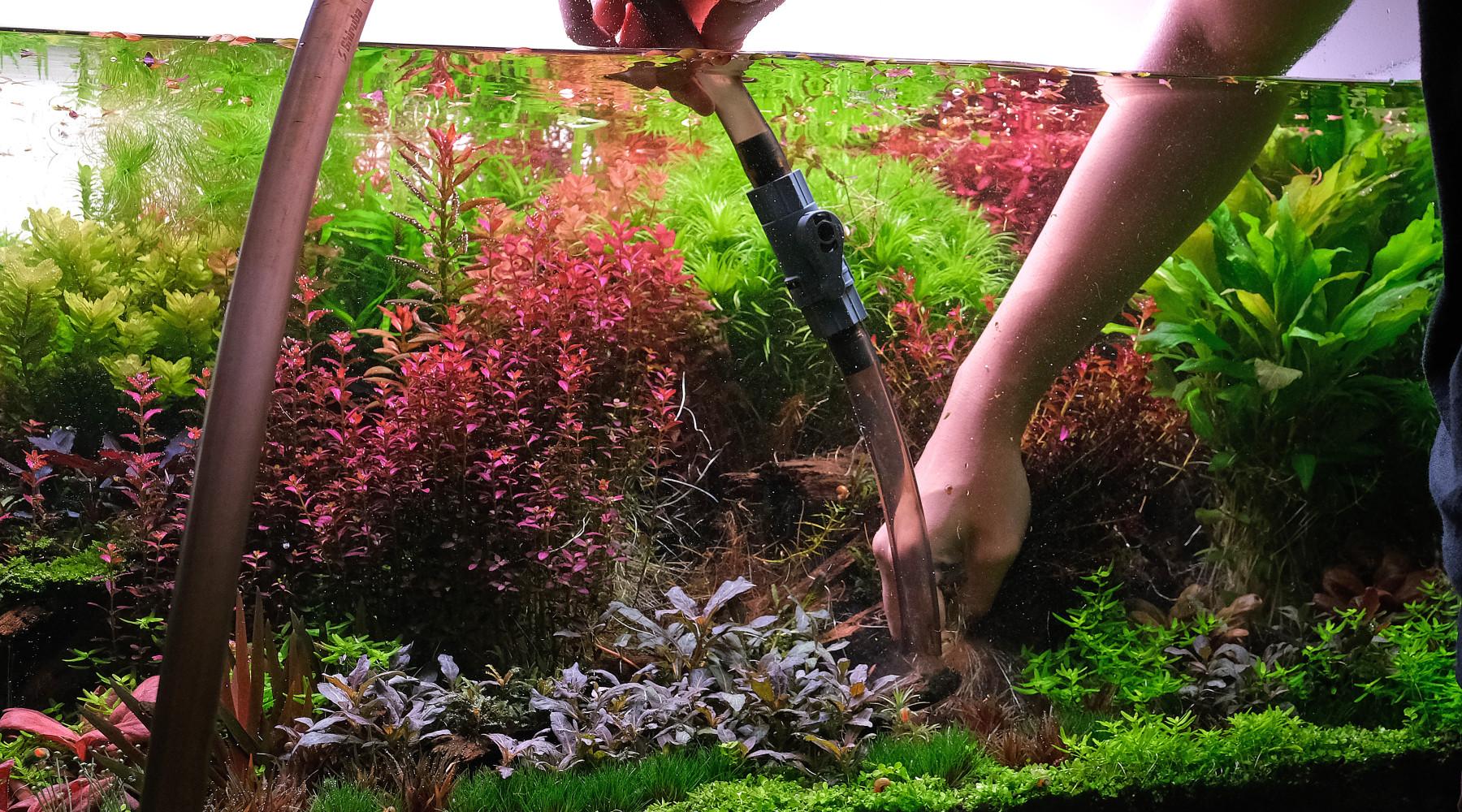
In our planted aquariums, we replant Rotala ramosior florida every 4-6 months.

Can Rotala ramosior Florida Grow Without CO2?
No, this plant is not suitable for low tech aquariums. For a tank without injection it is not a suitable choice; start with our best low-tech plants instead.

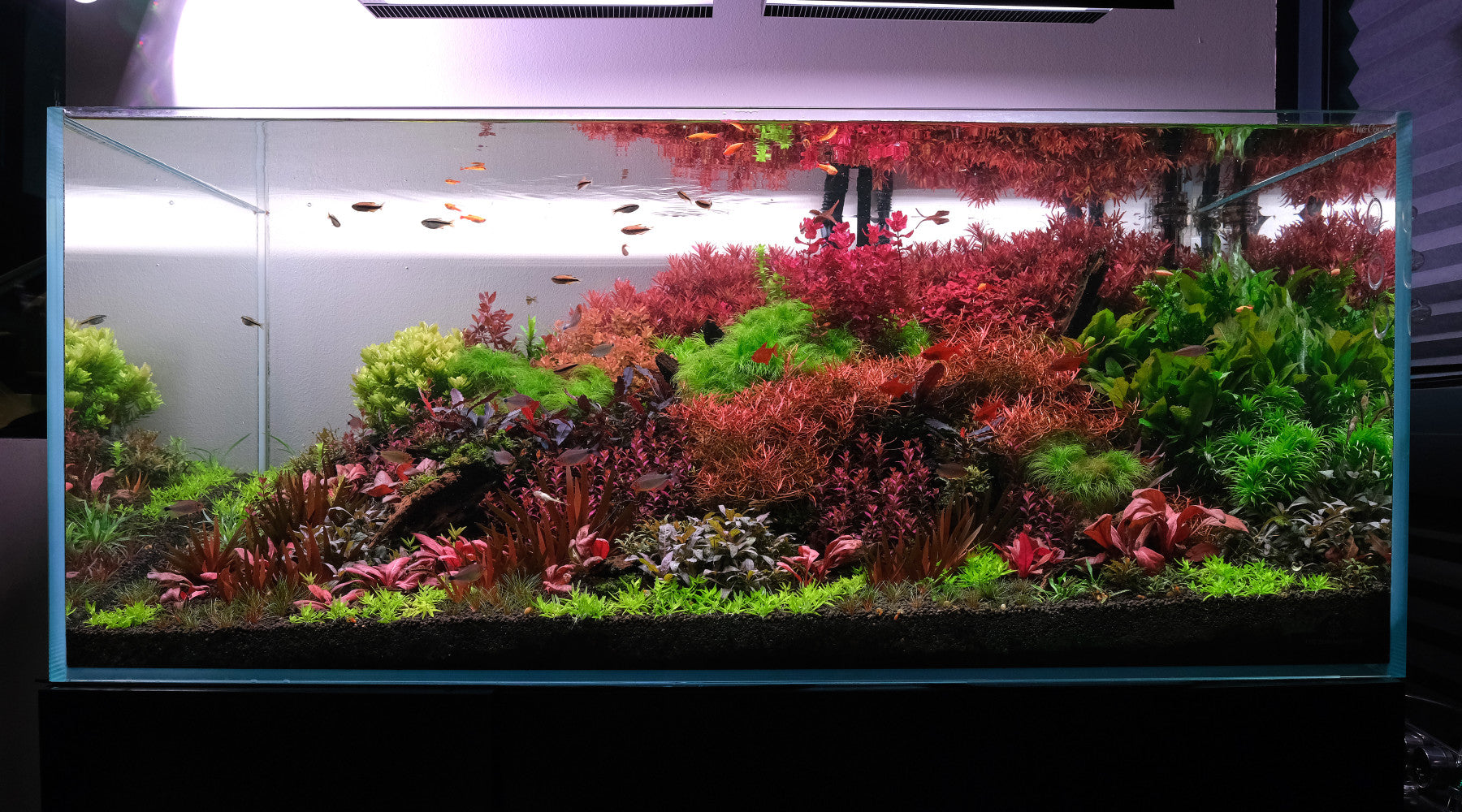
Our 4ft Rotala florida community aquarium documents a full regime built around this plant. Go deeper with nutrient stability, GH, red aquarium plants, CO2 levels and stabilizing a new tank, or browse more plant care guides.

Share:
How to grow Rotala tulunadensis