
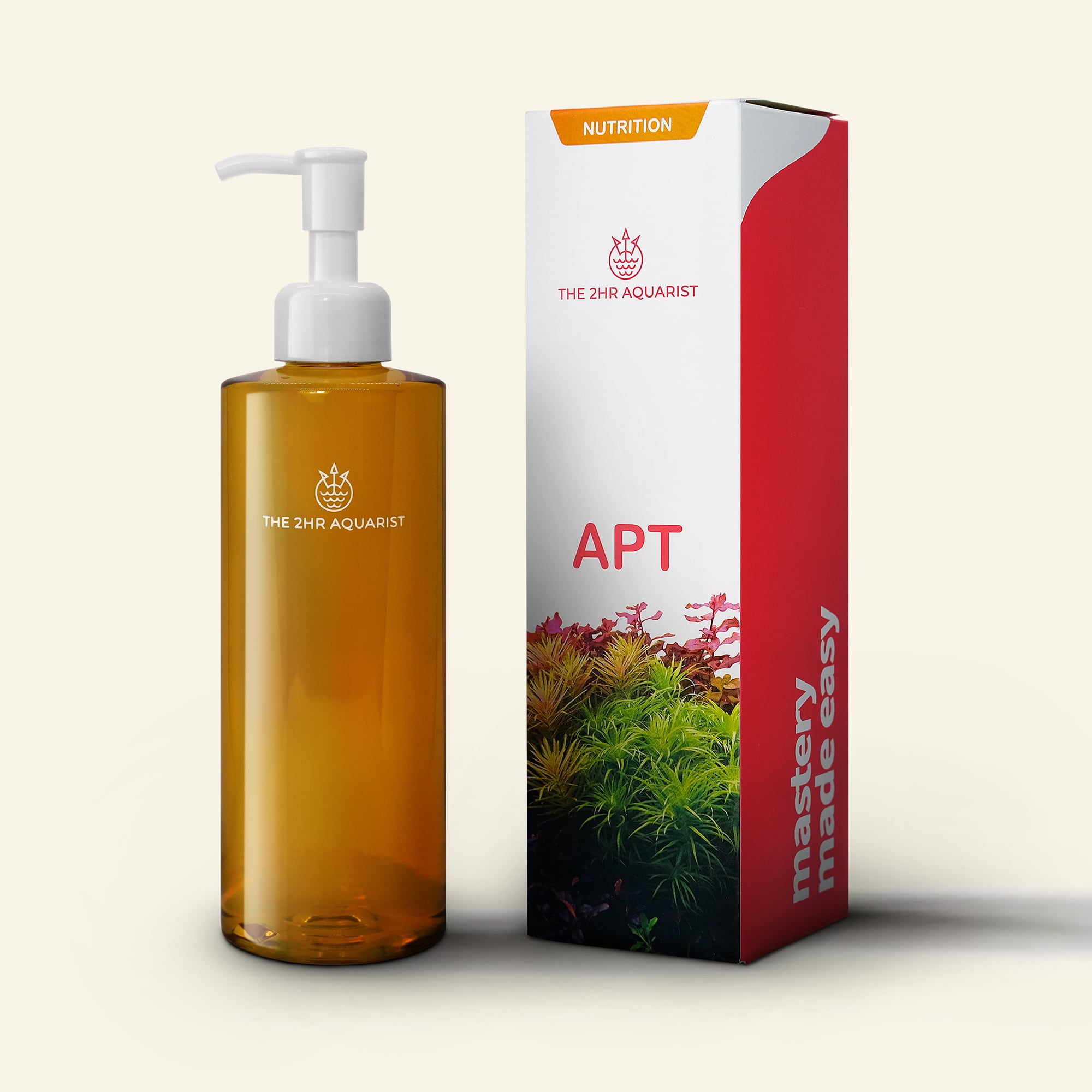
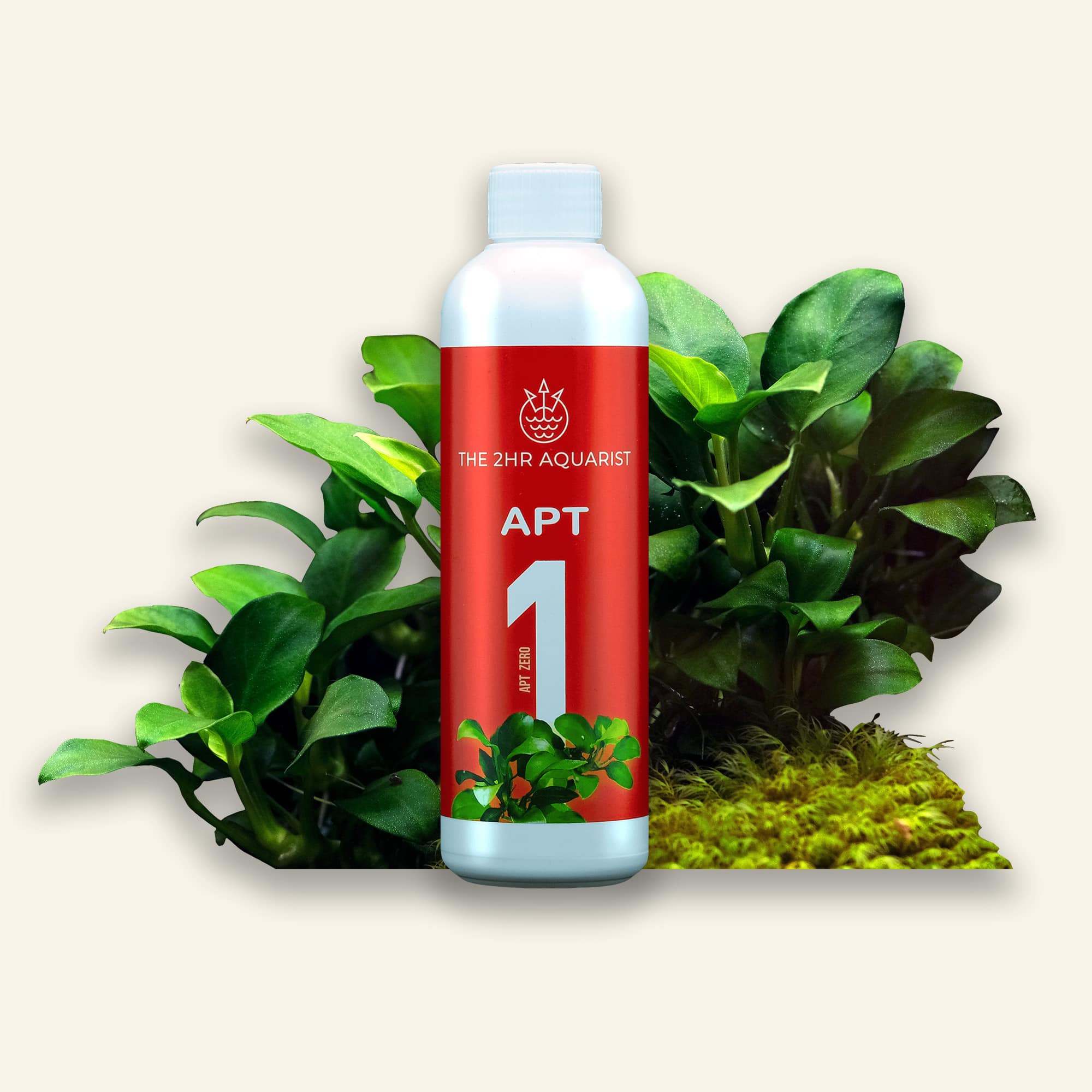
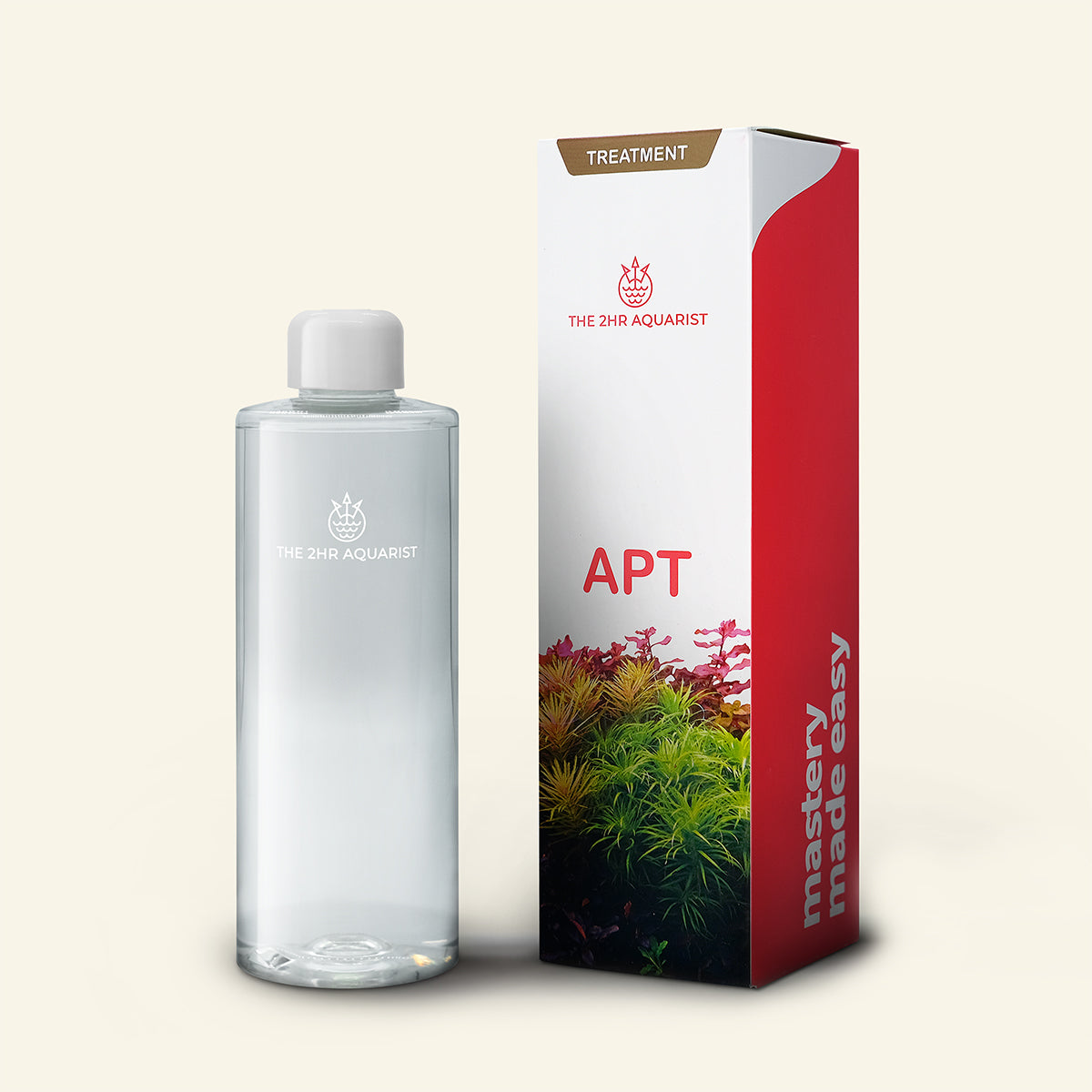
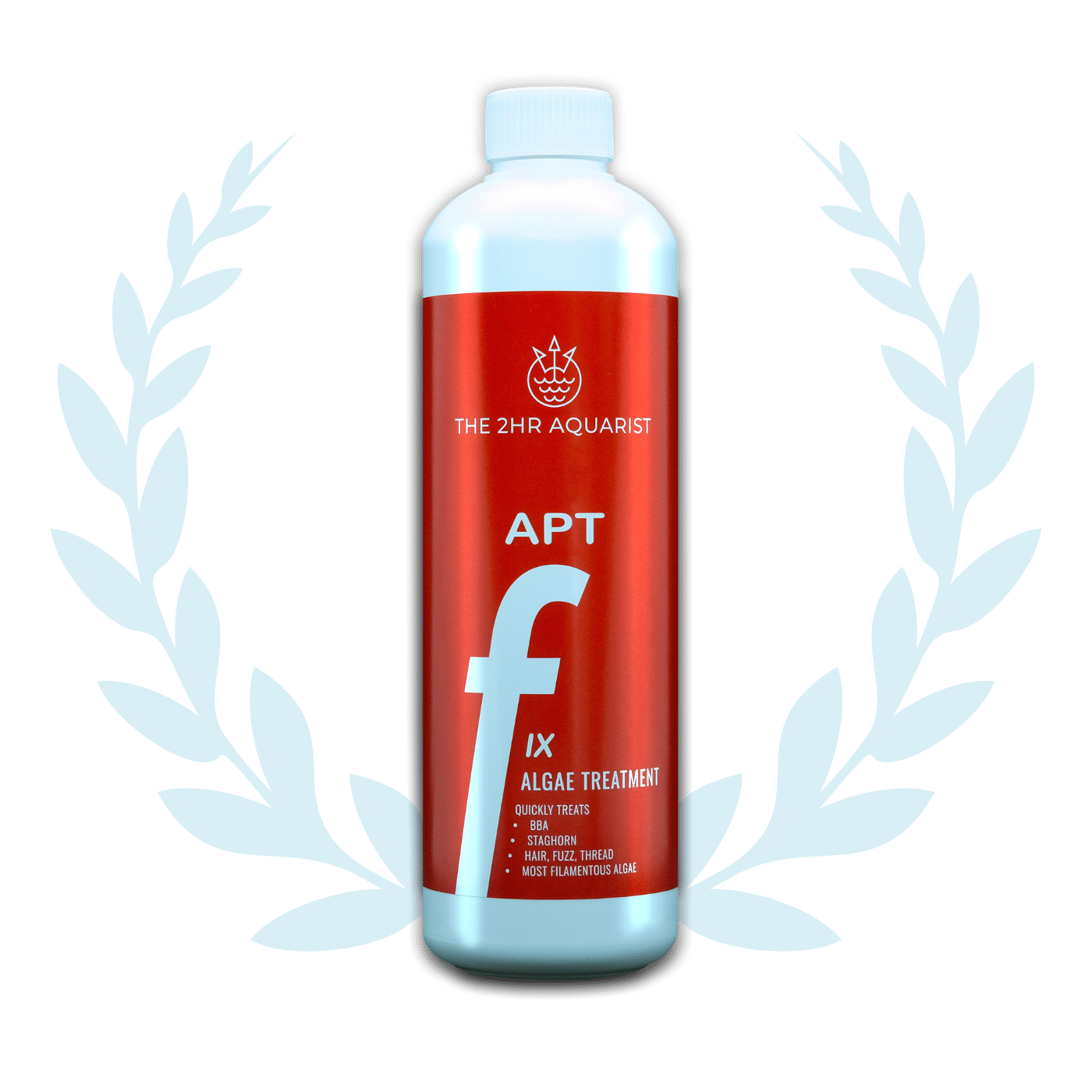
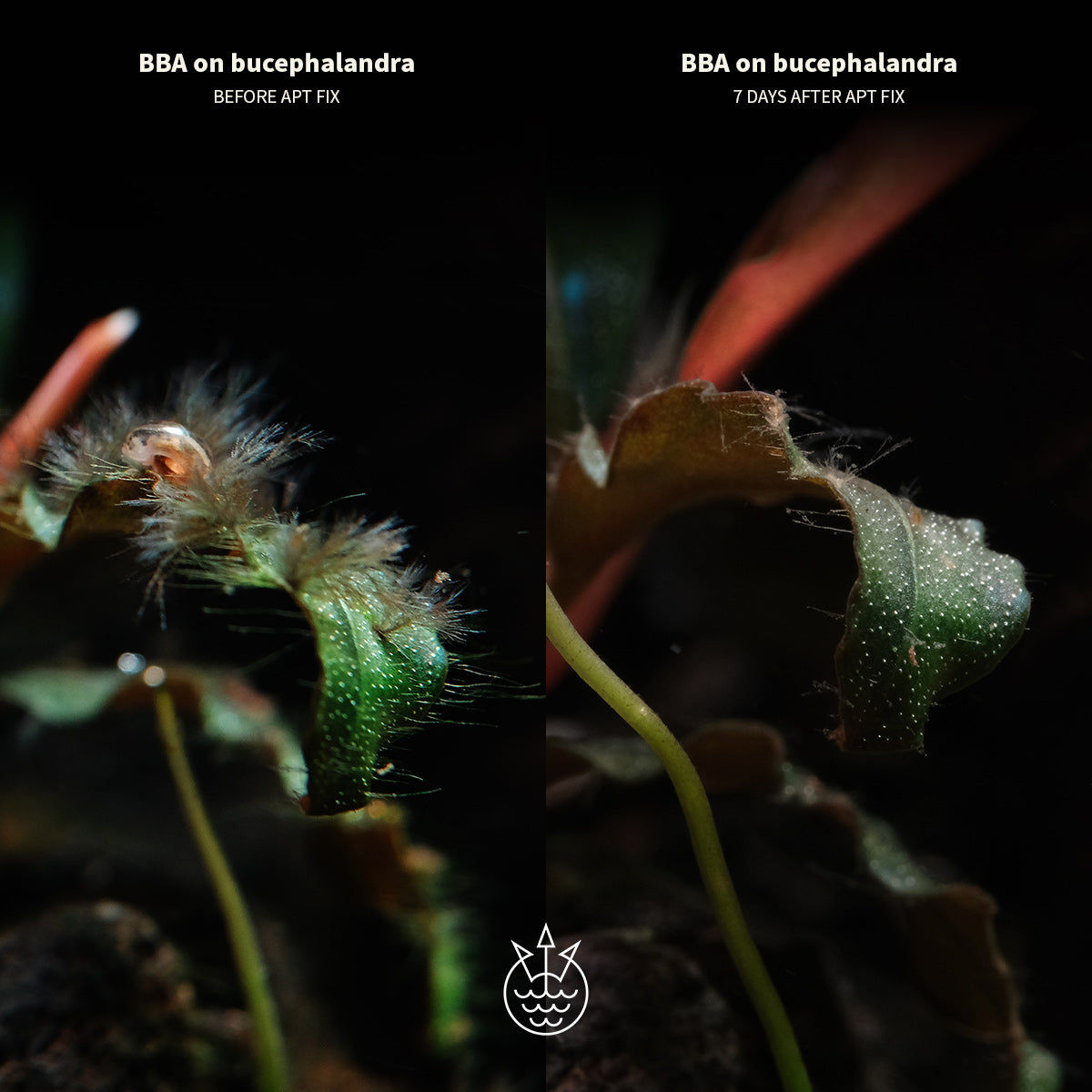
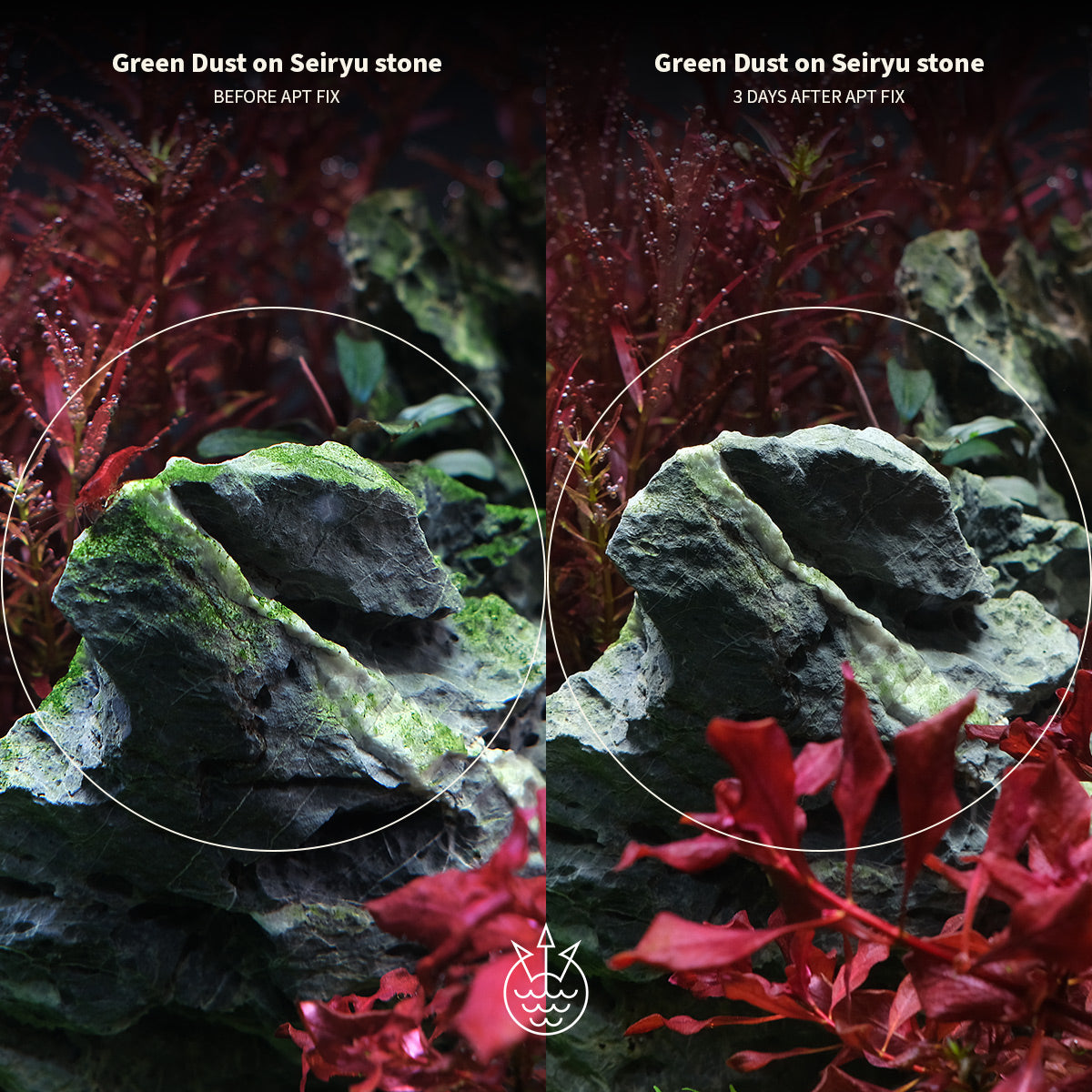
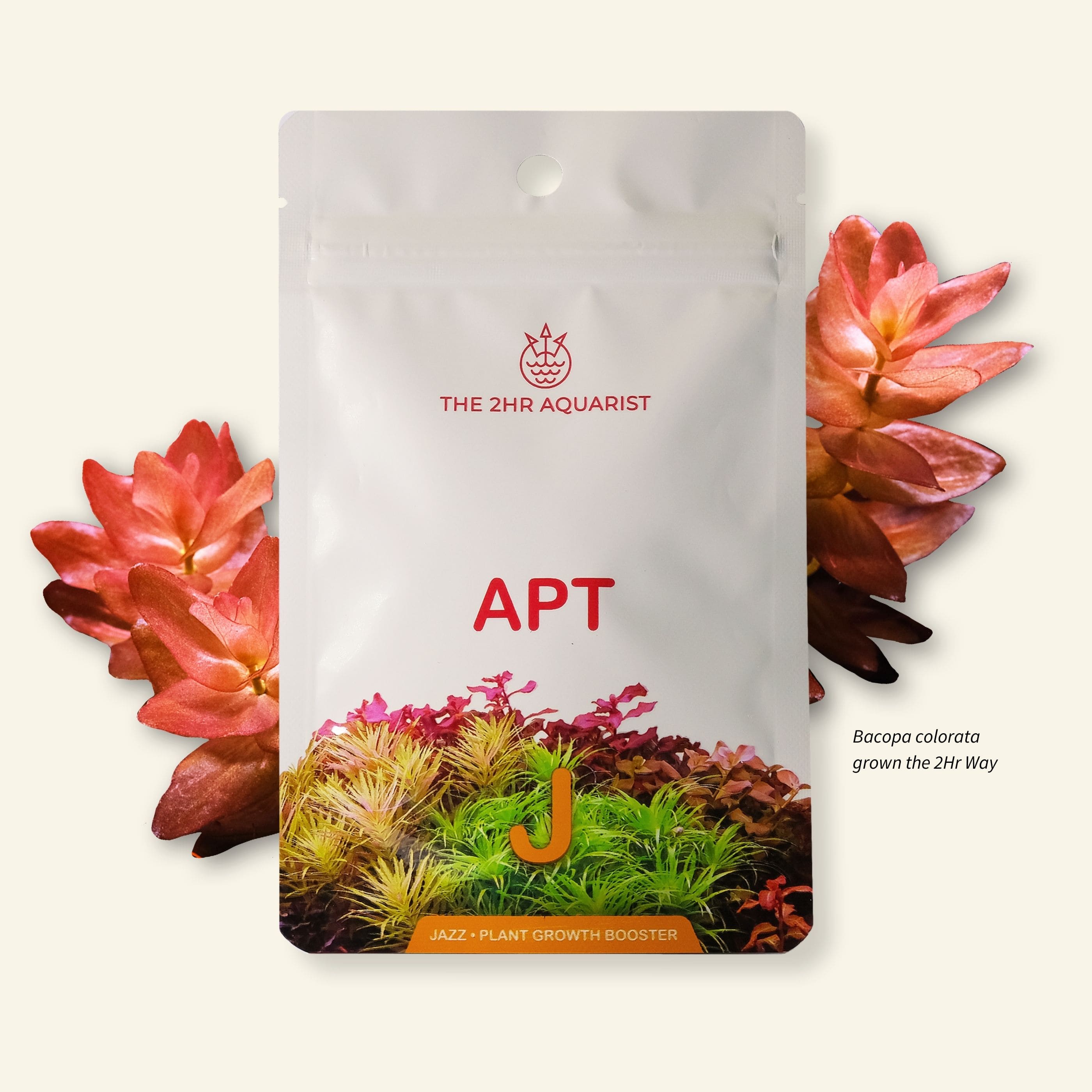
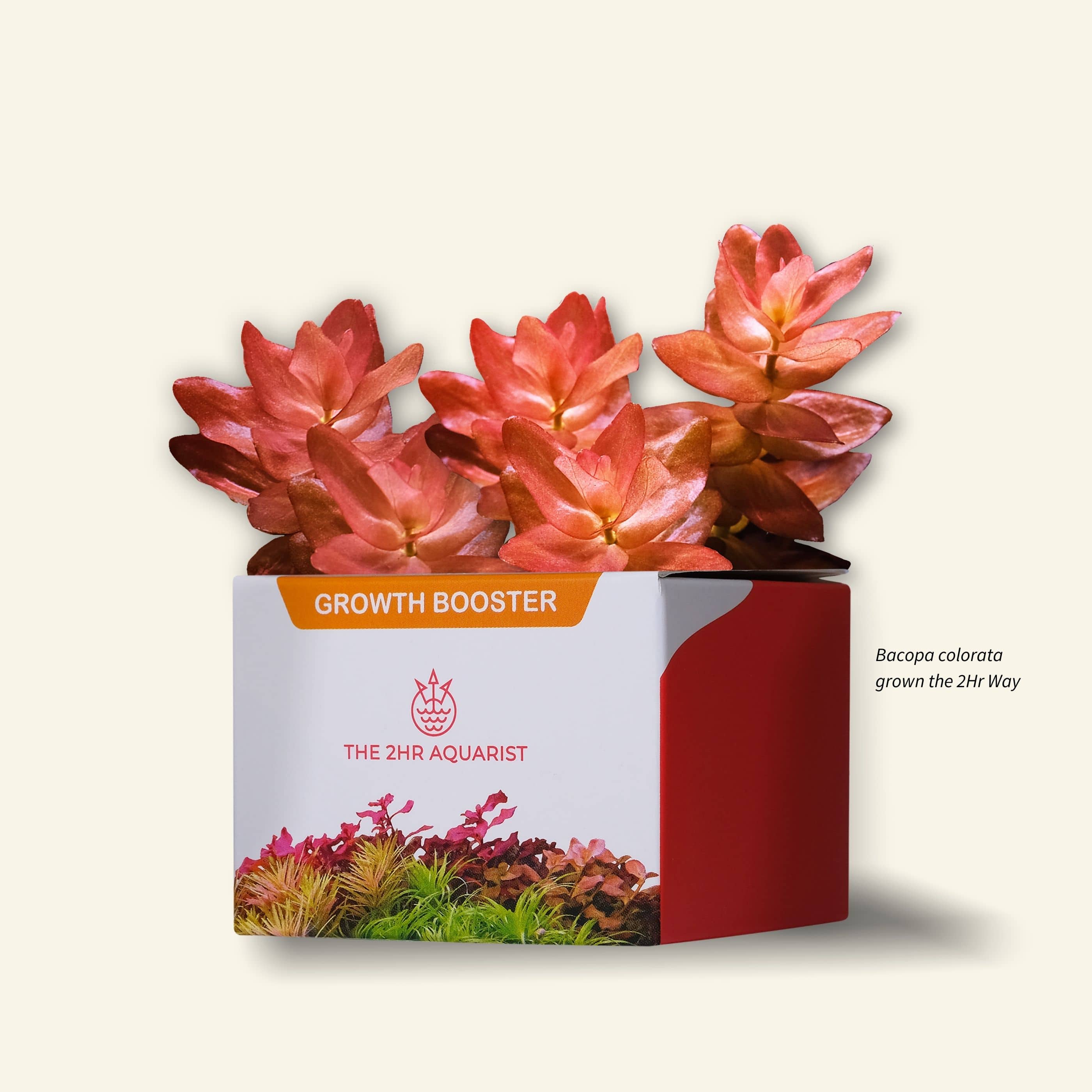
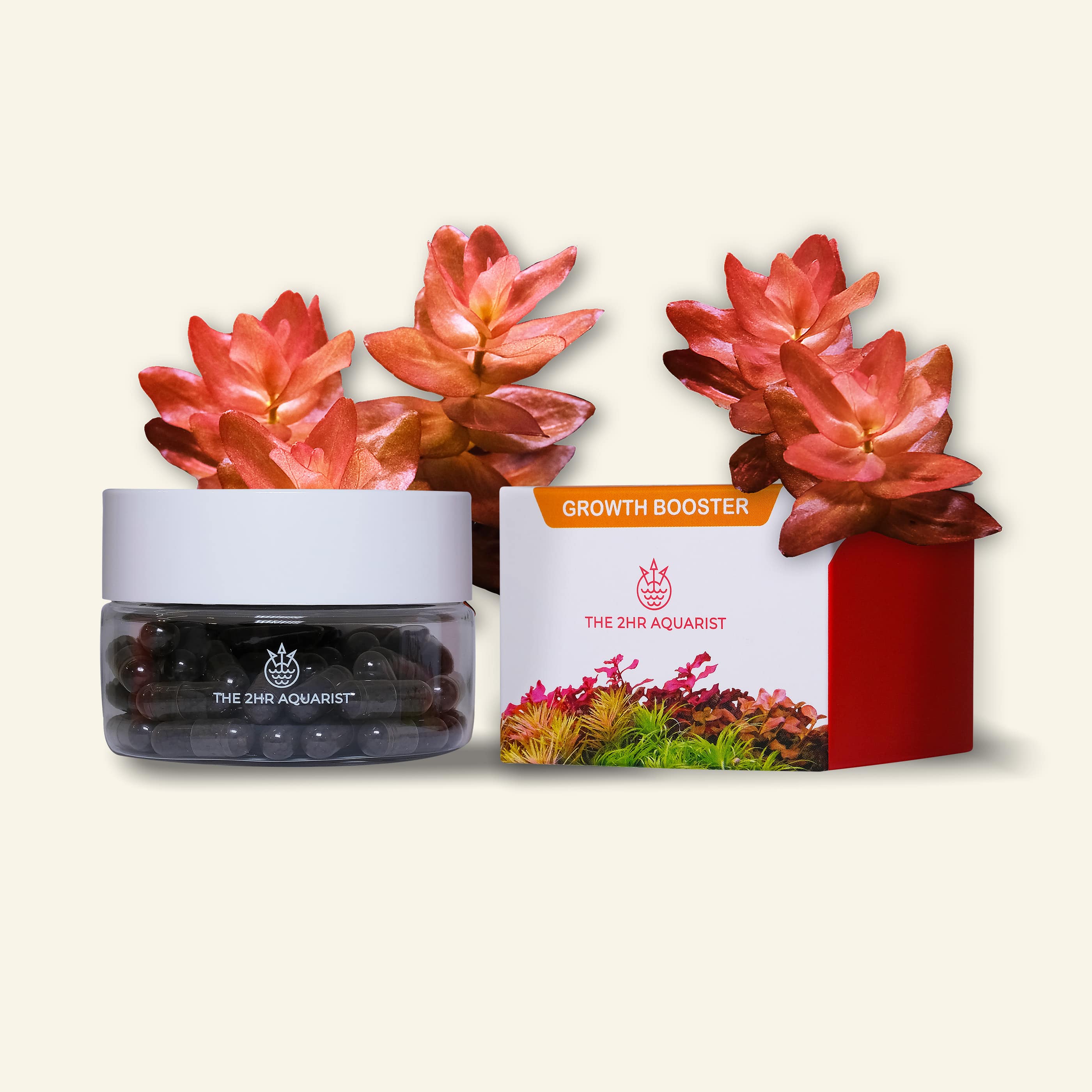
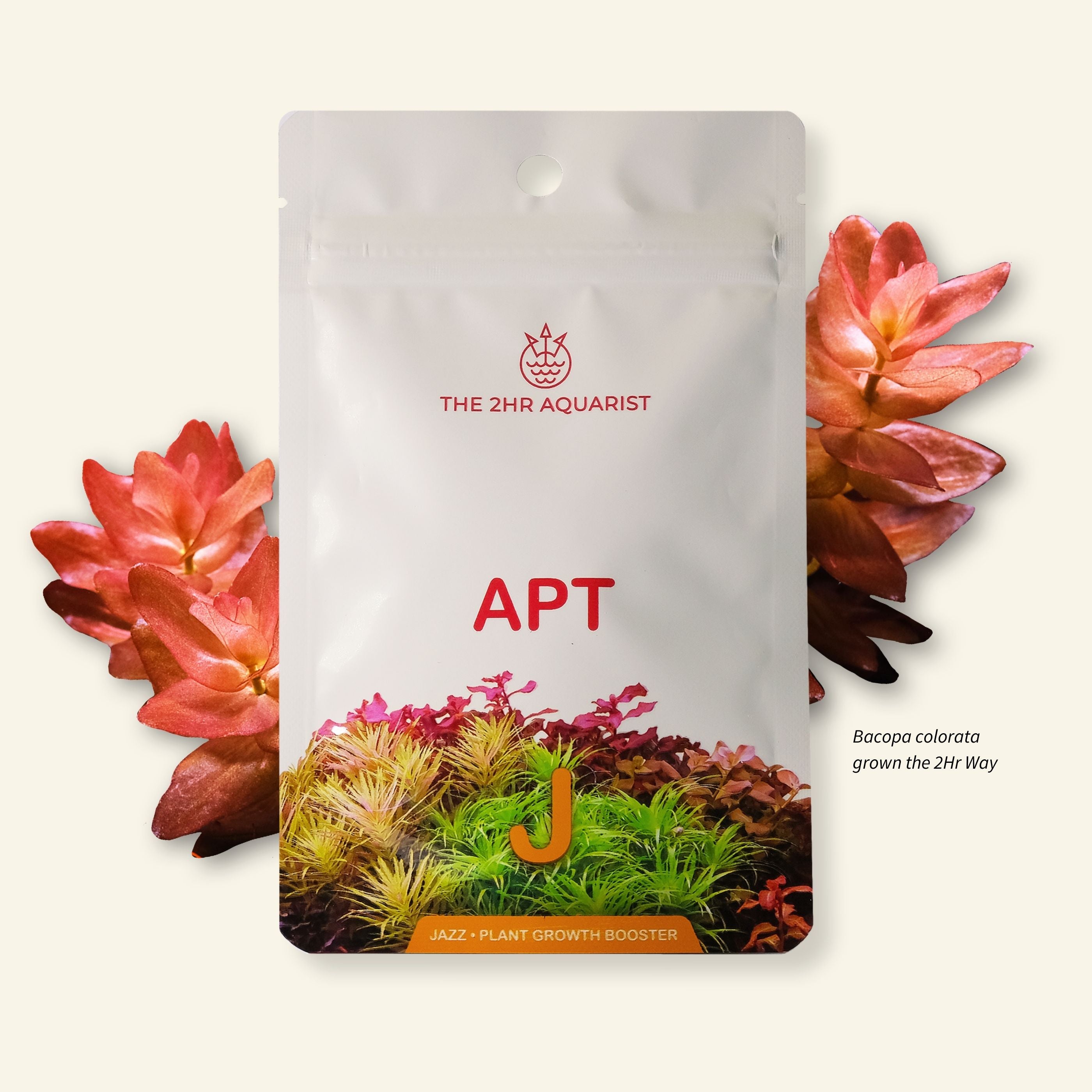
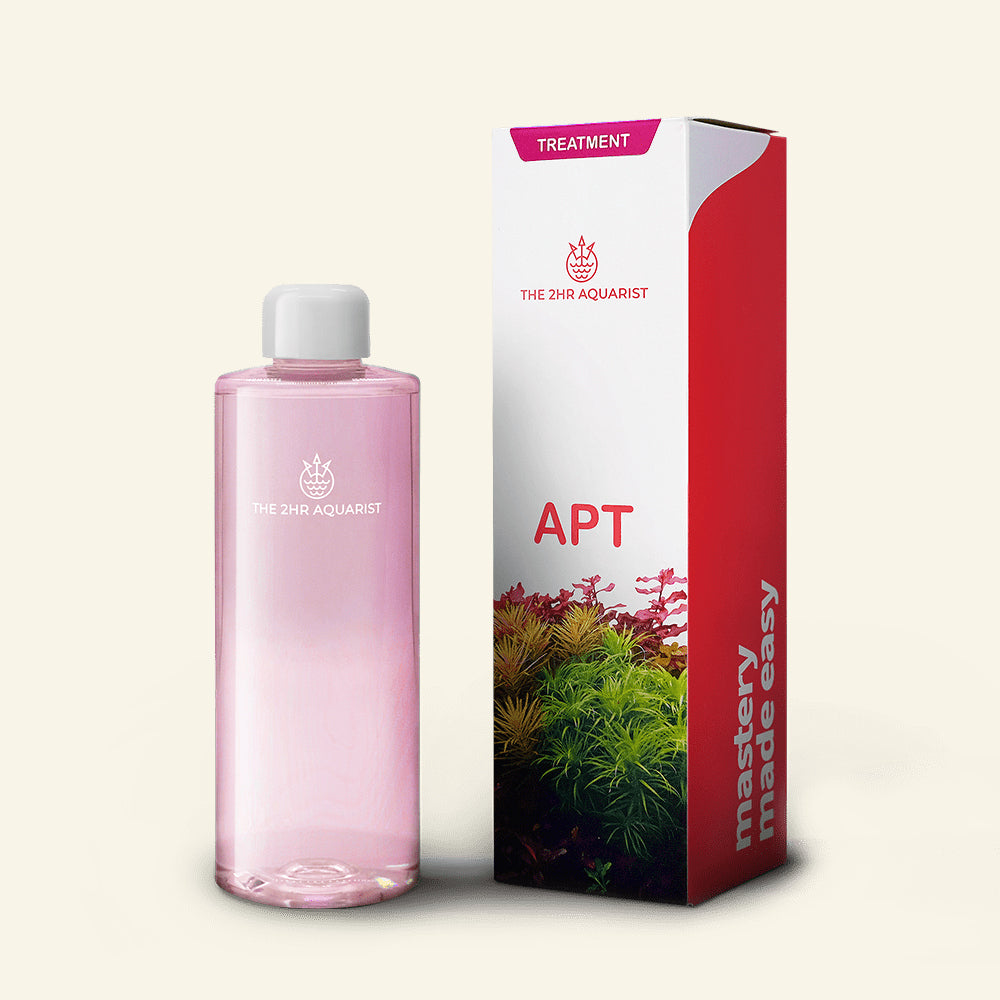
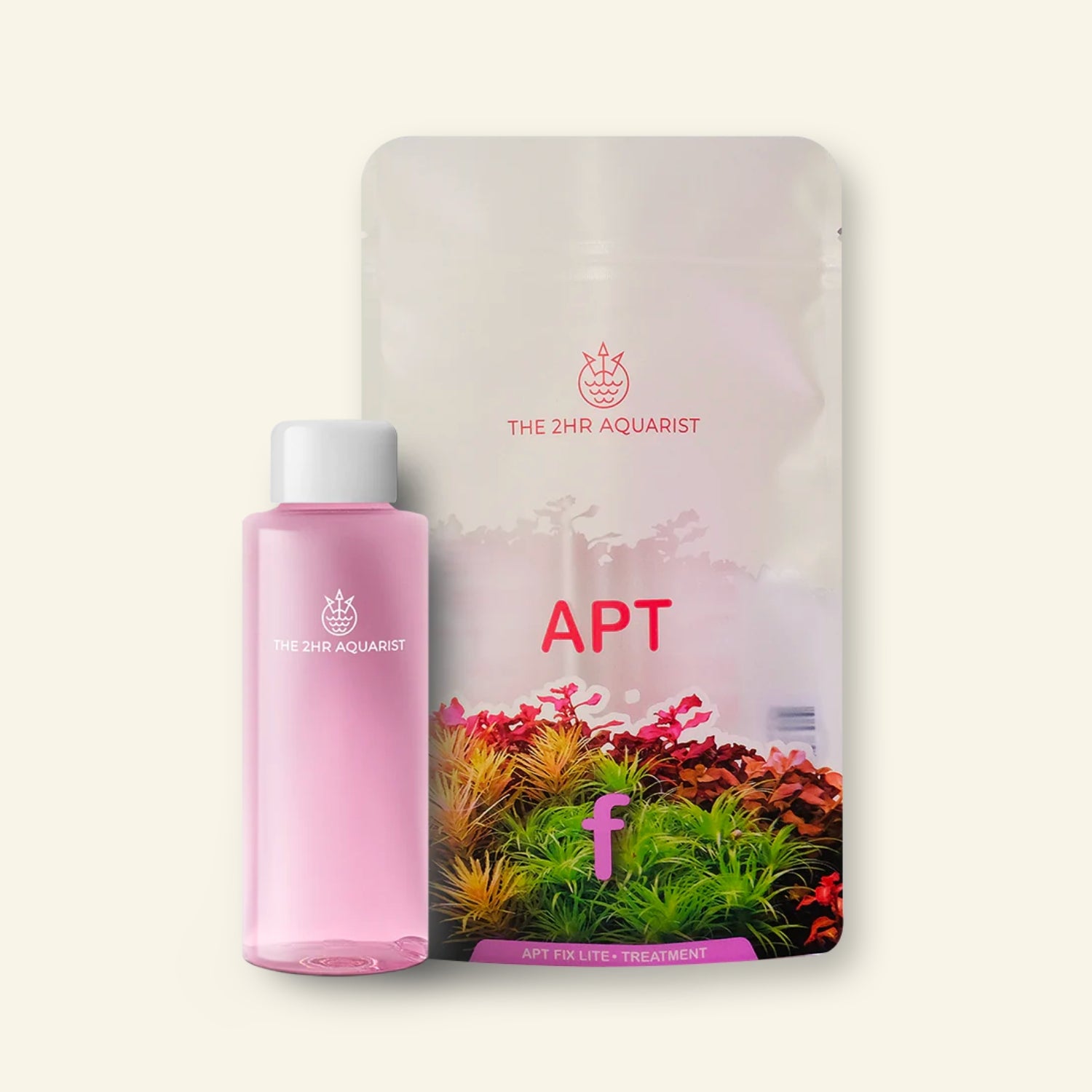
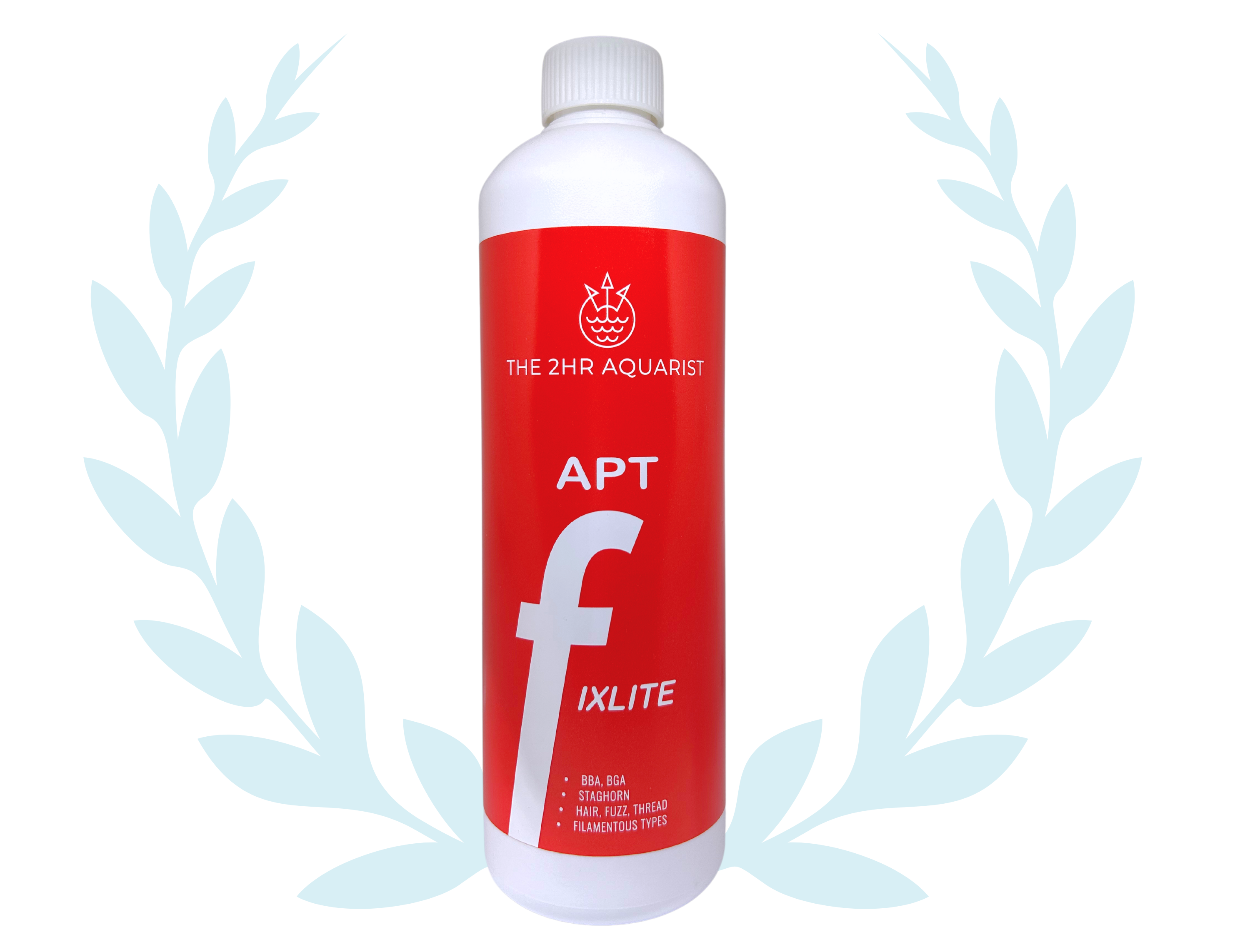
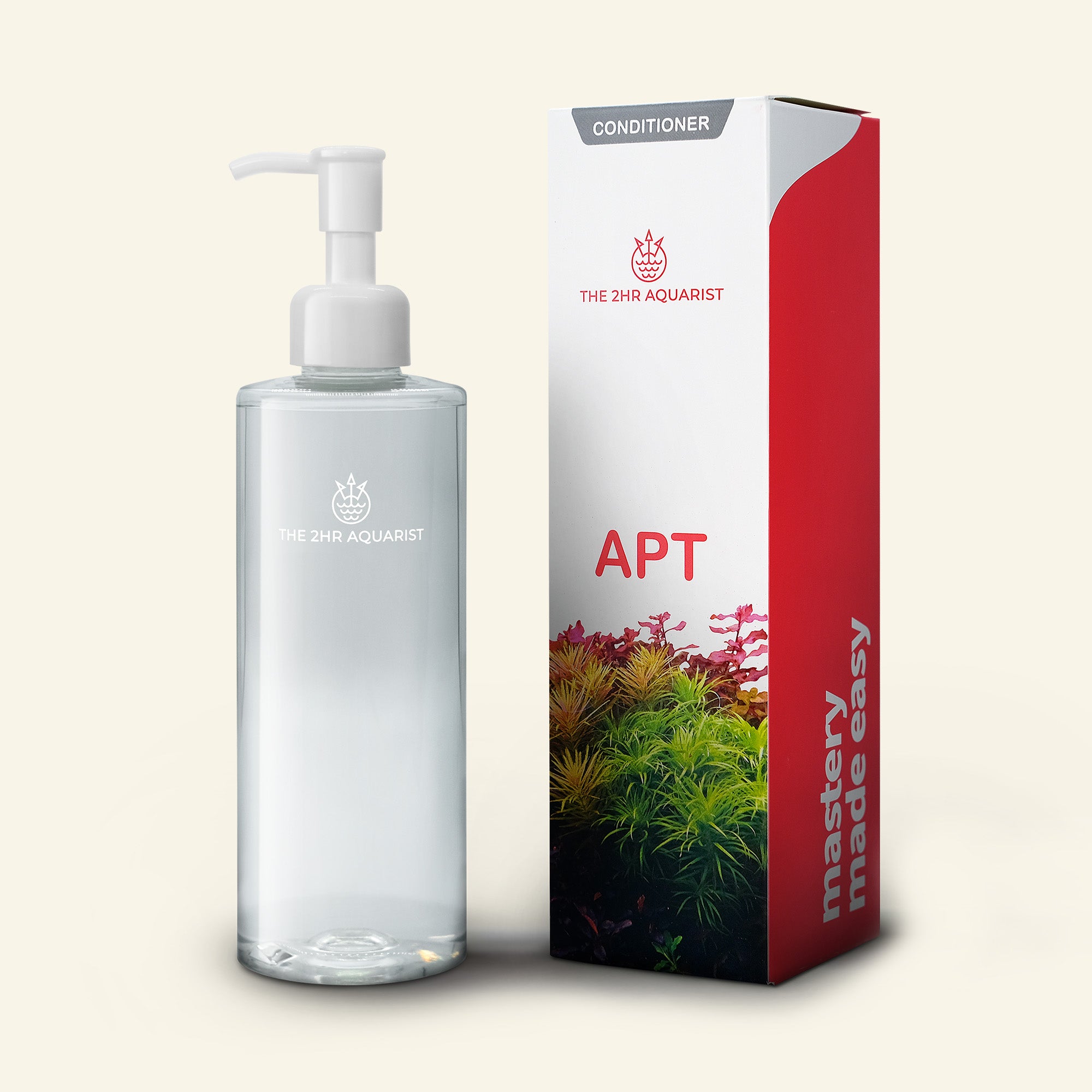
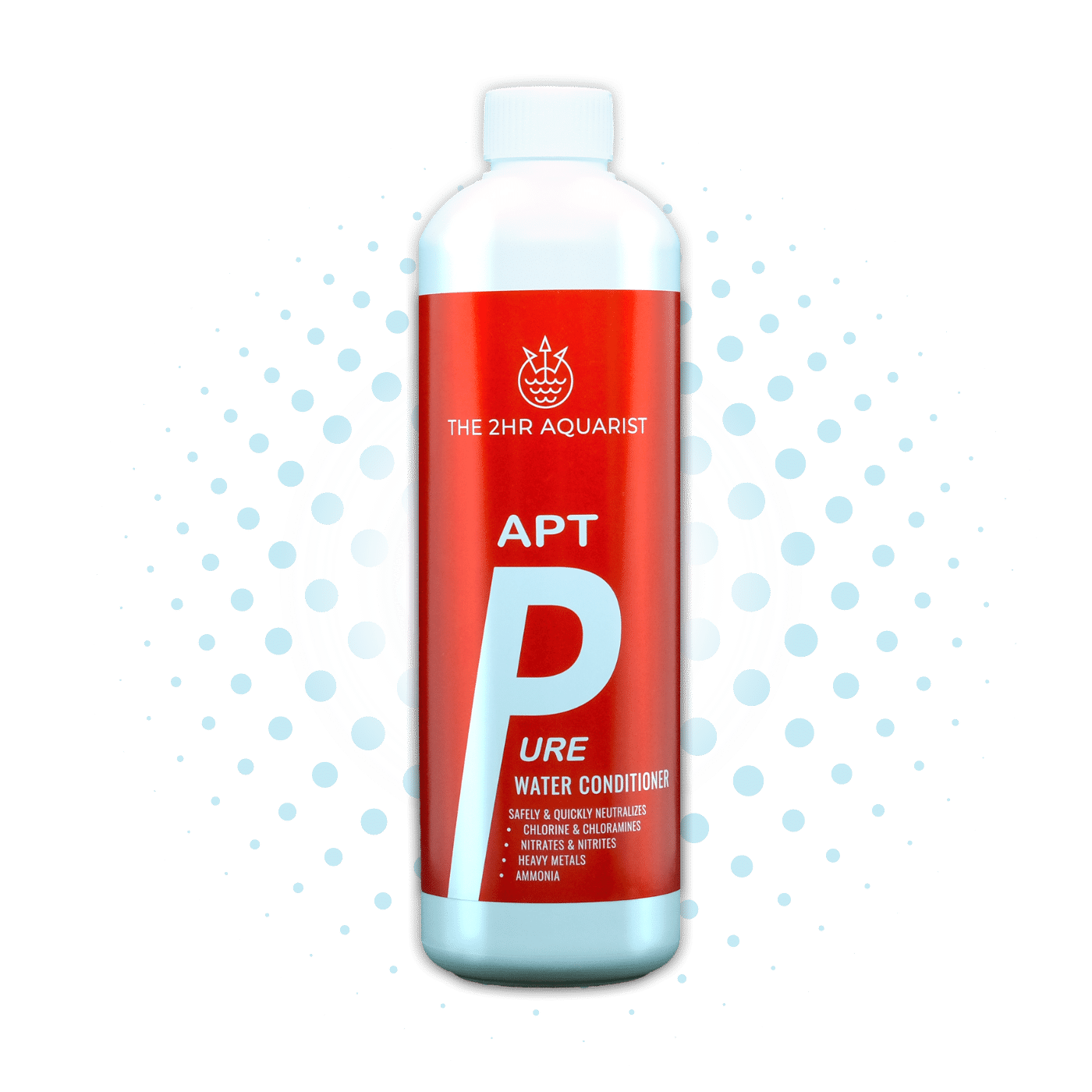

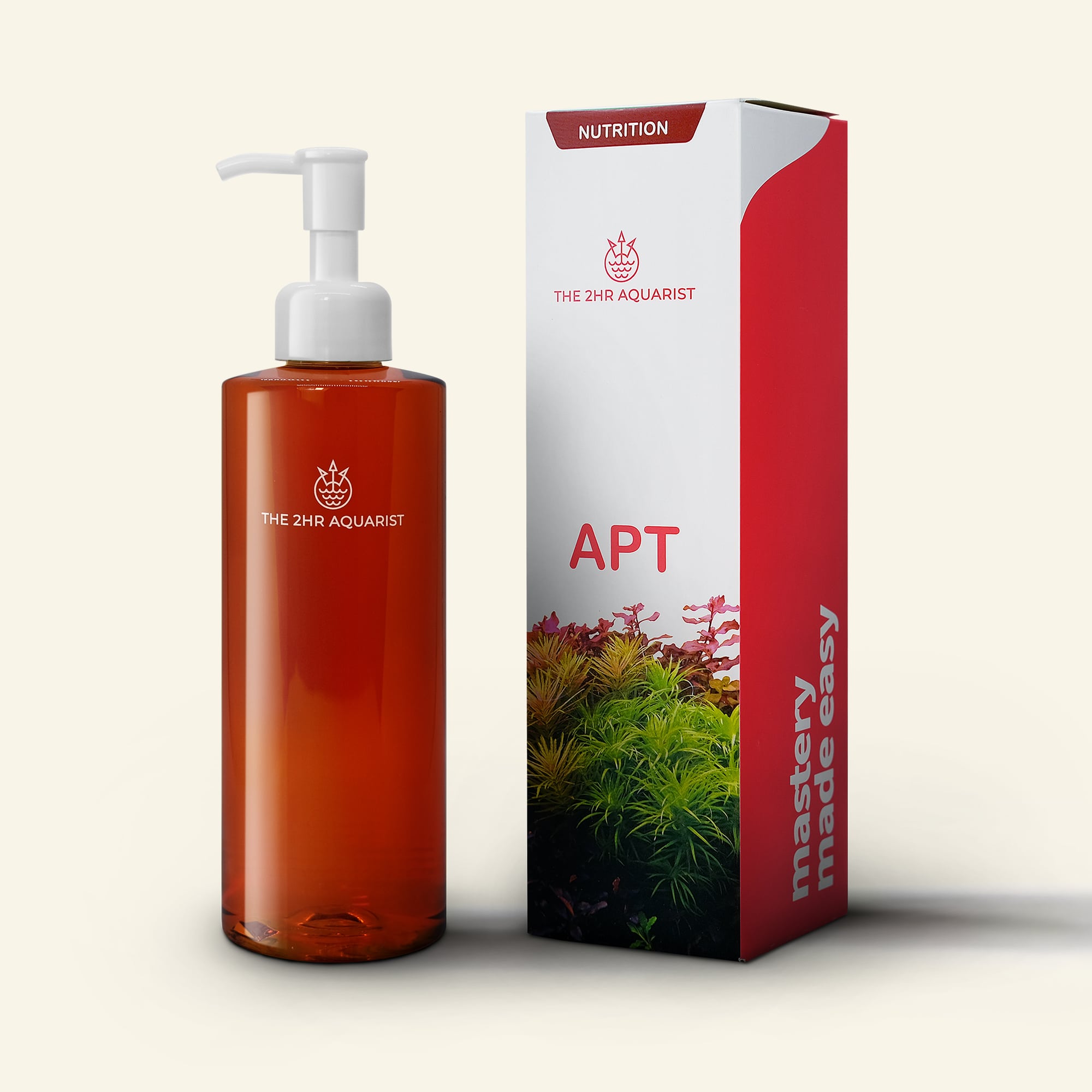
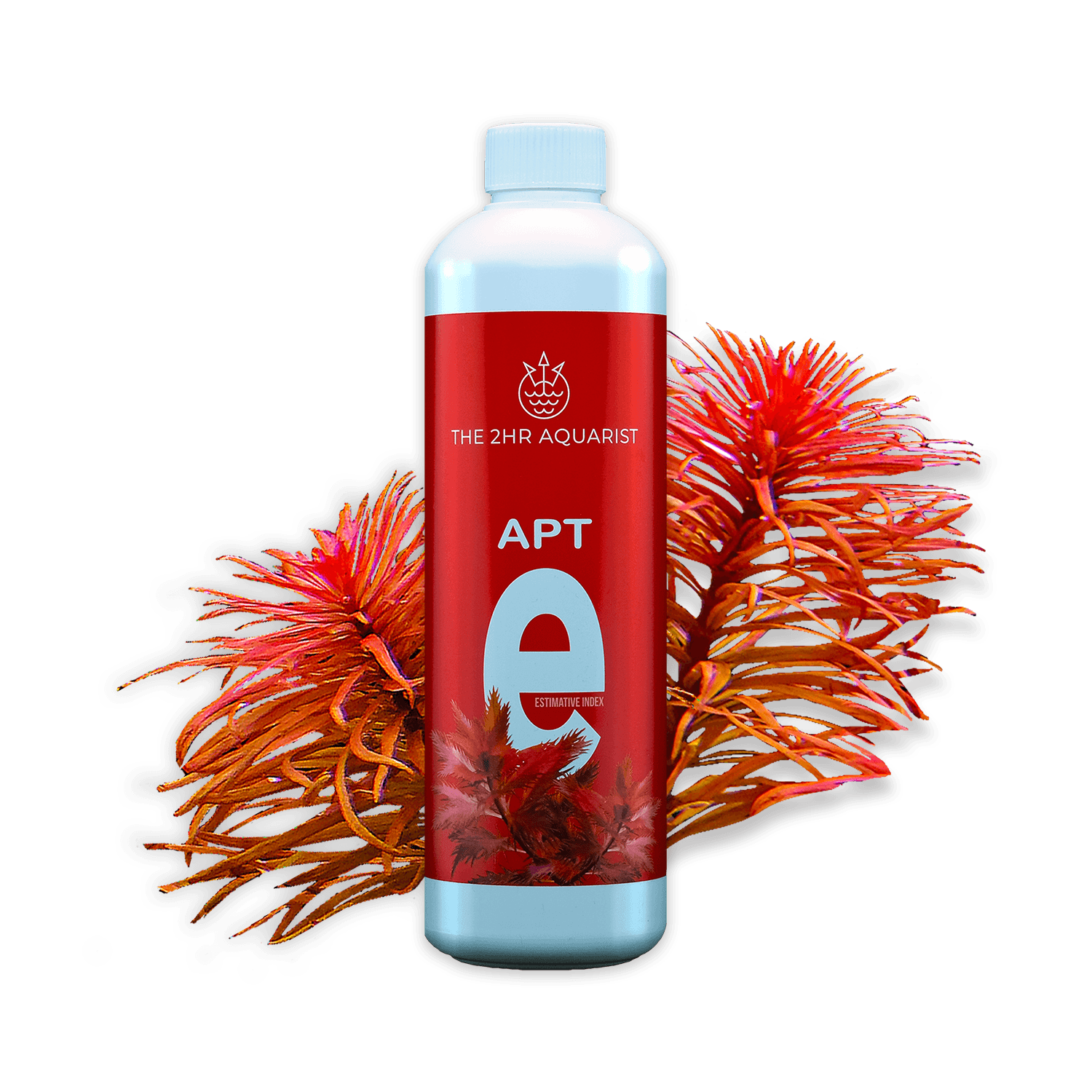
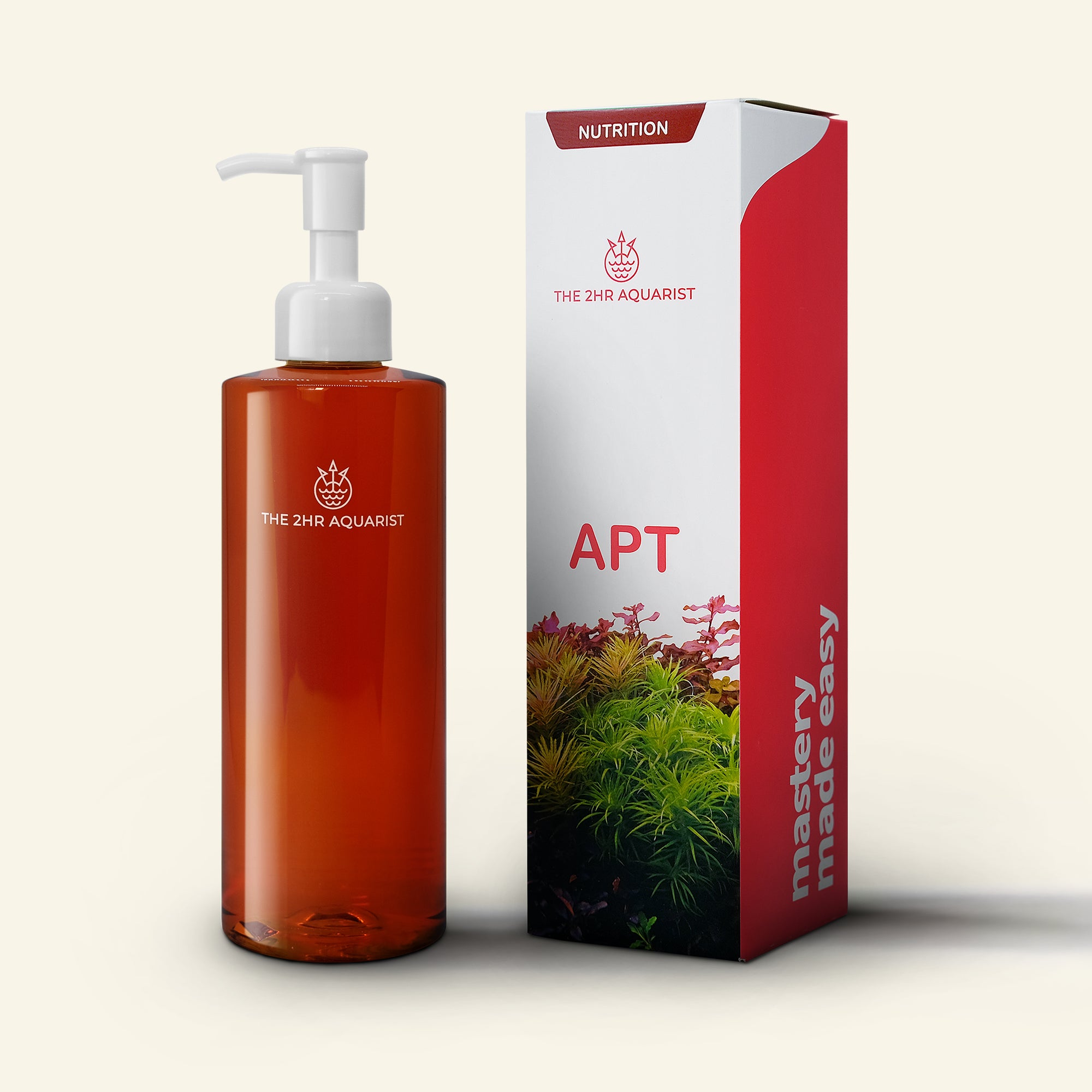
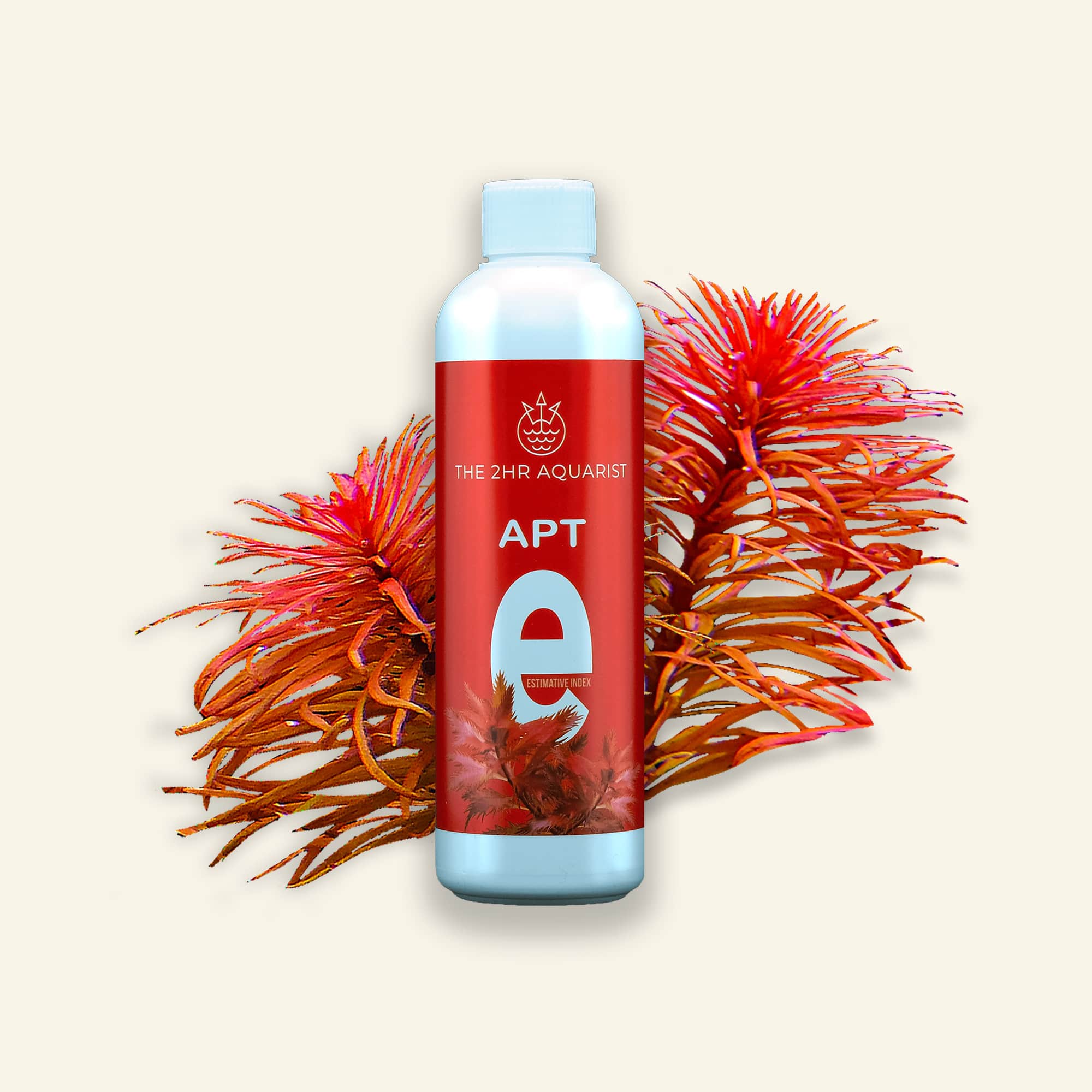
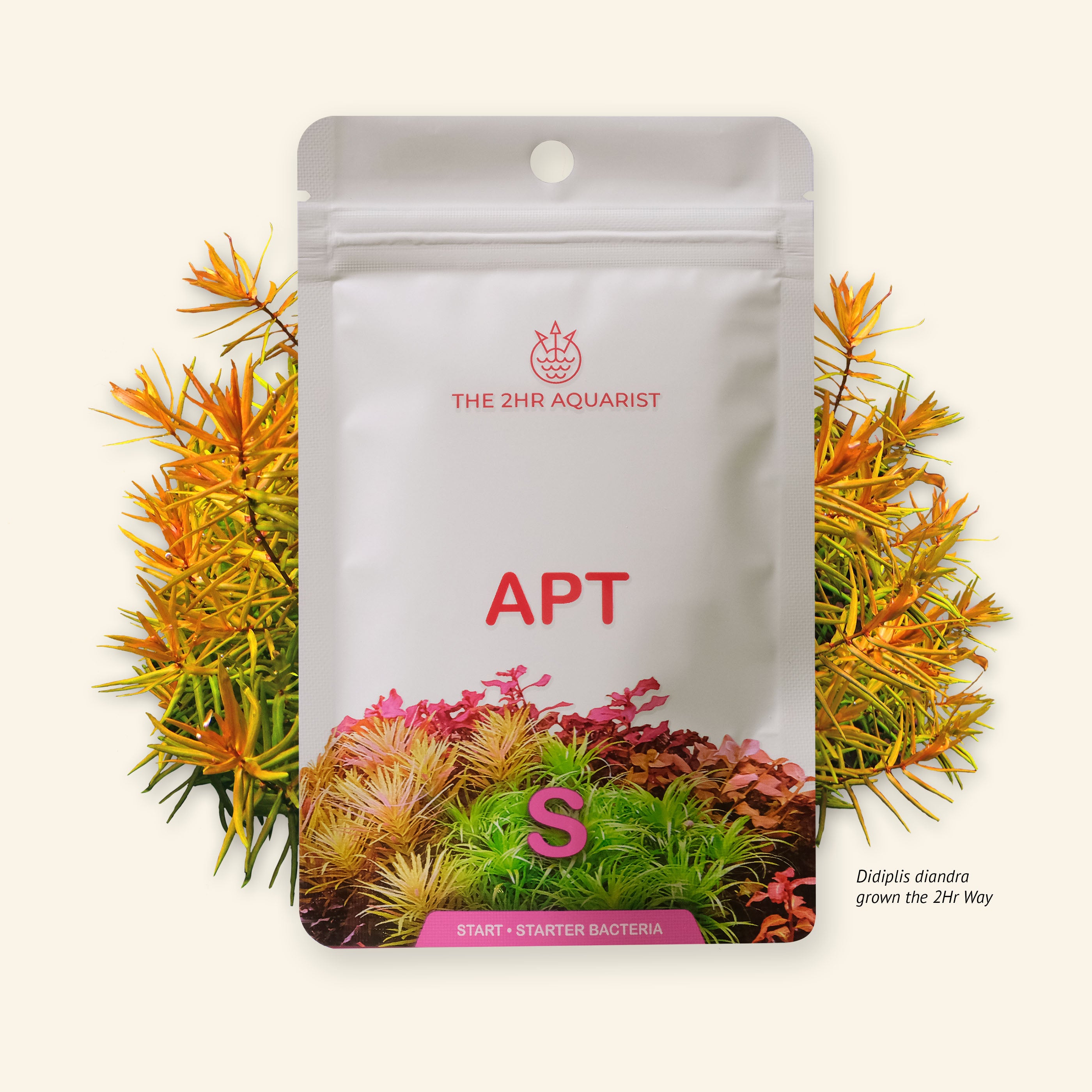
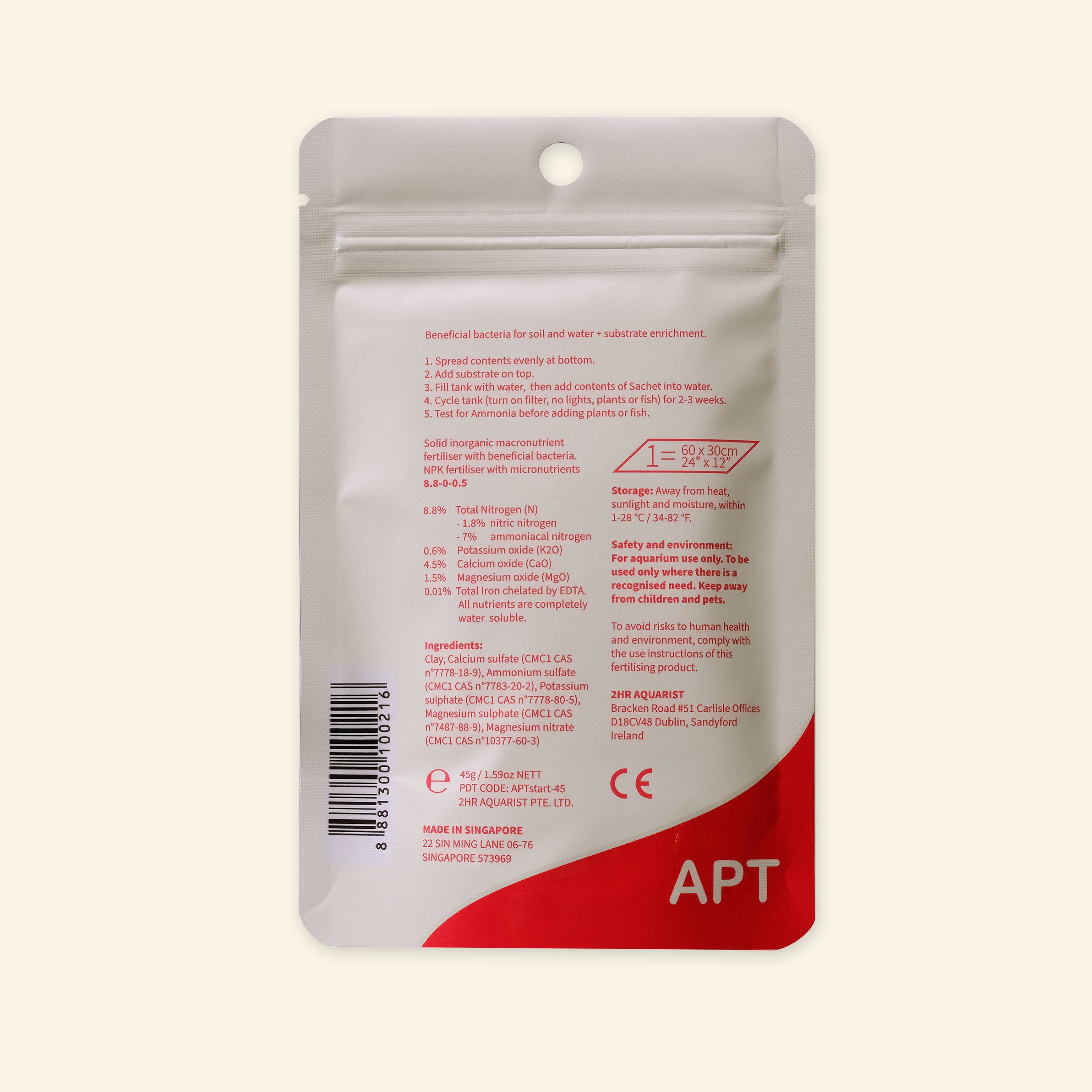
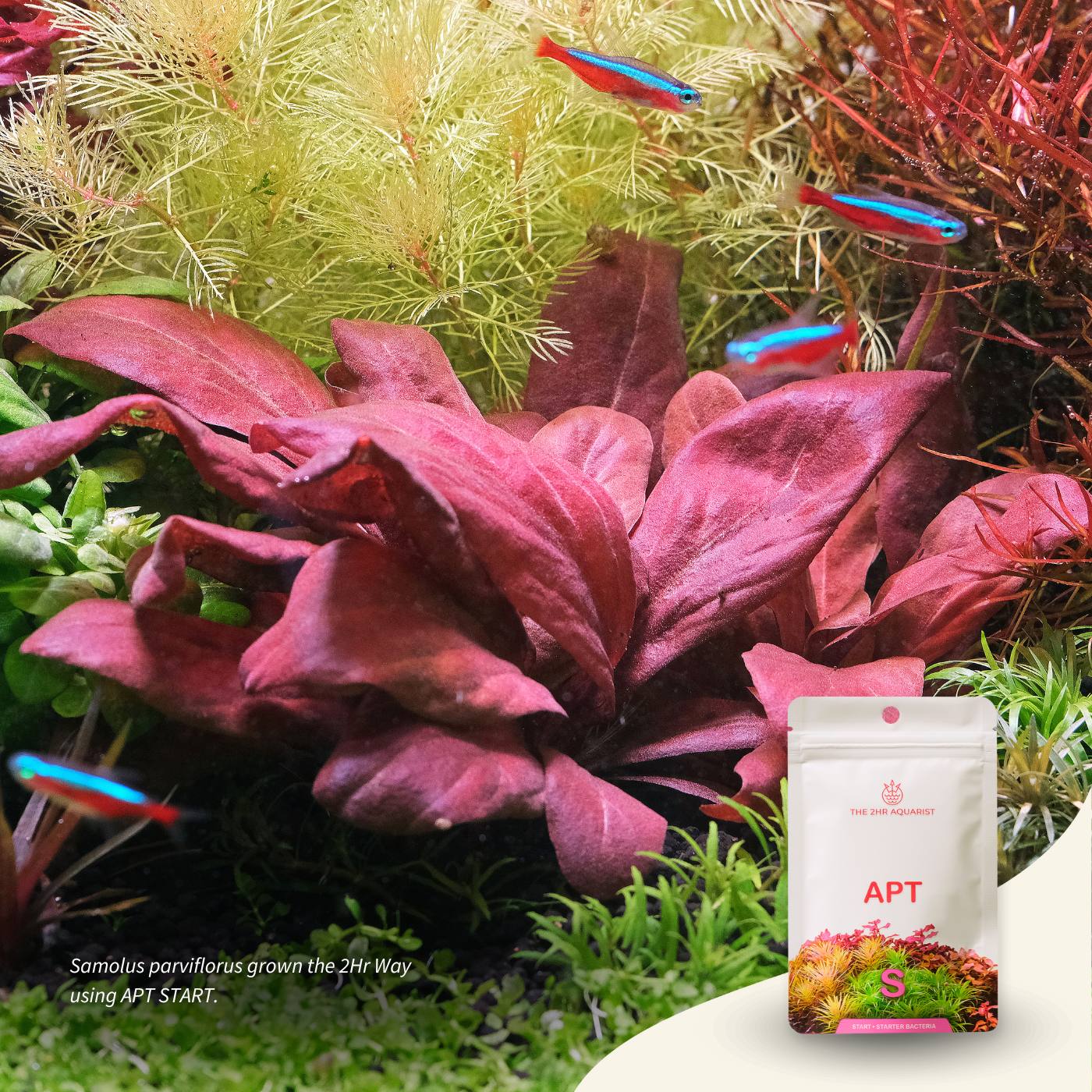
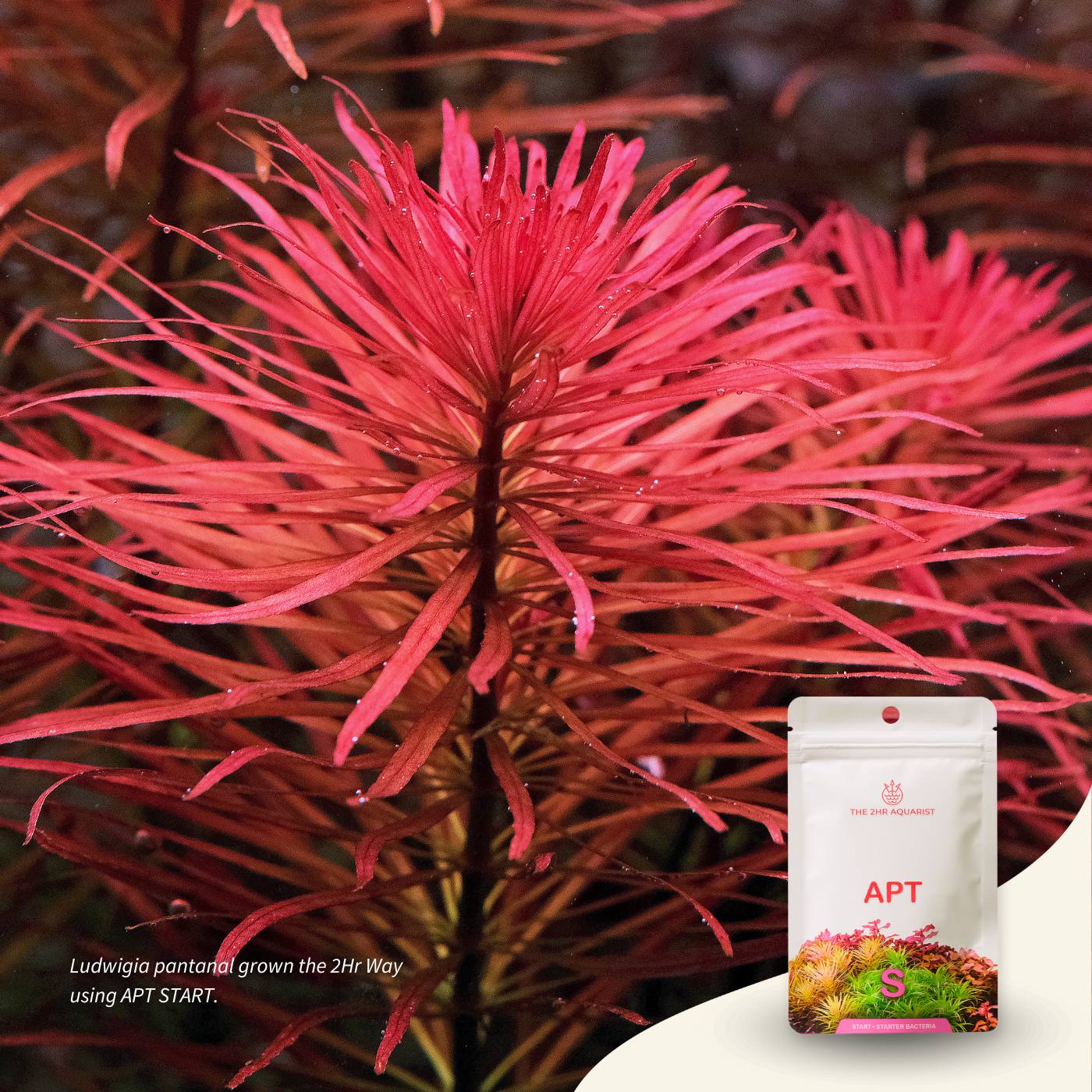
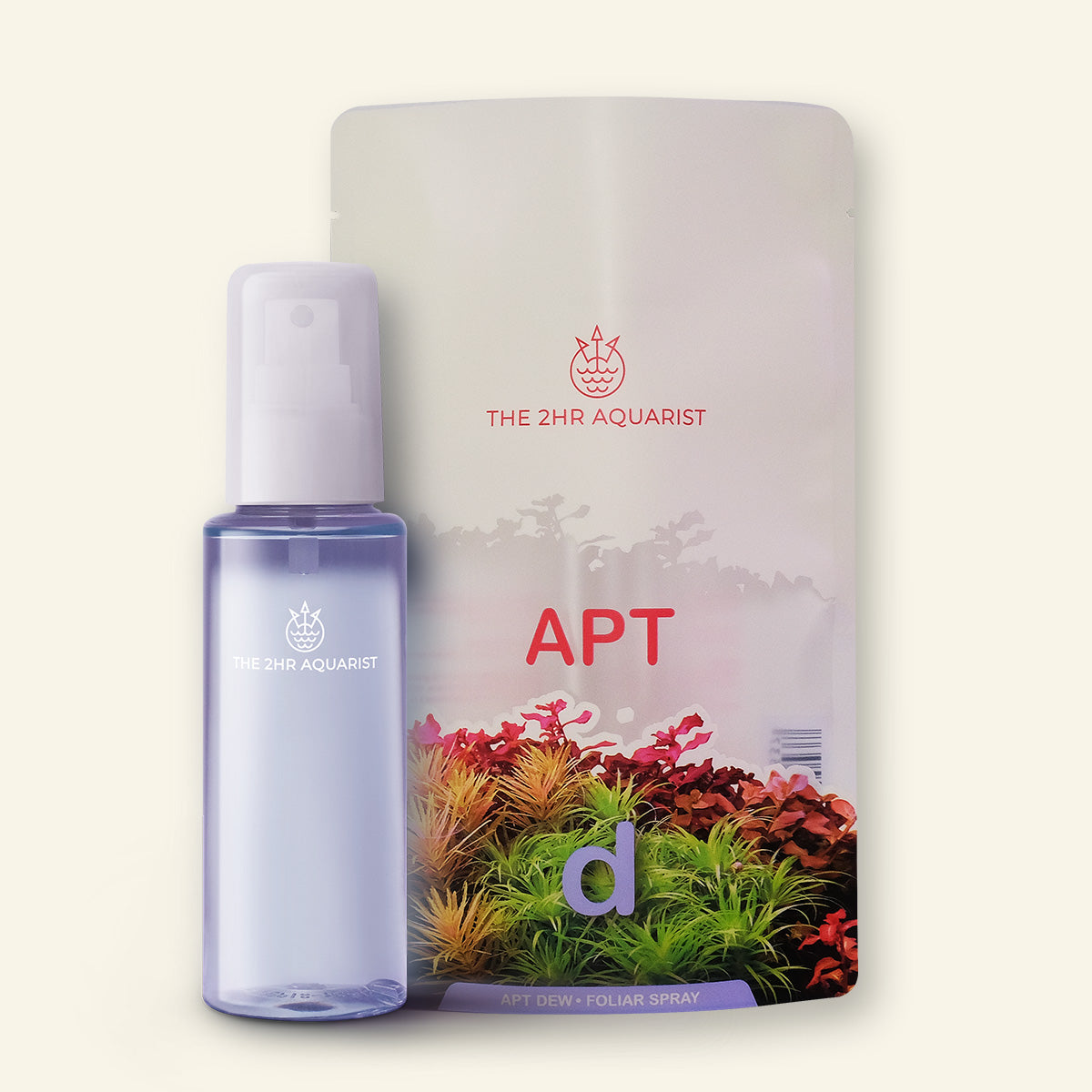
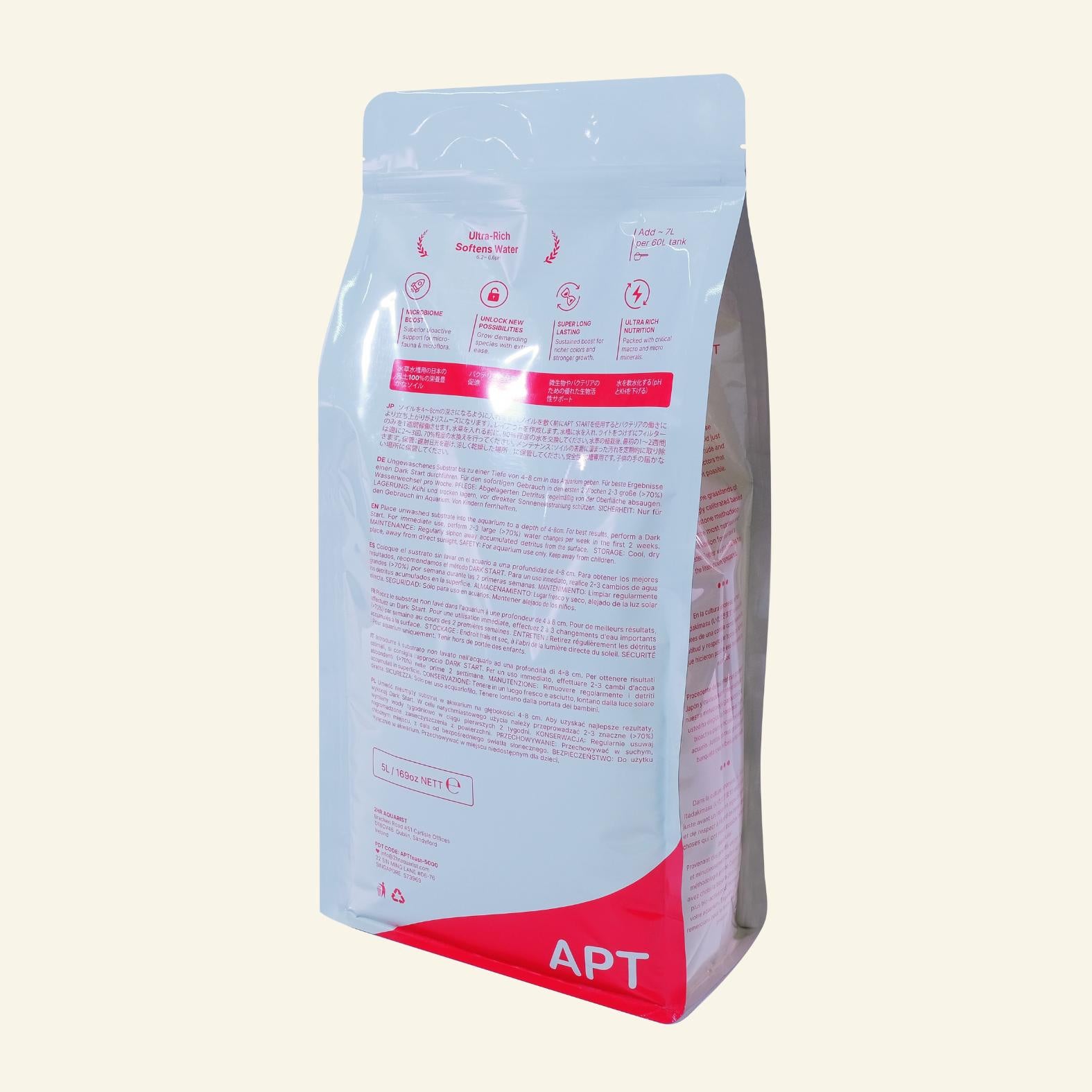
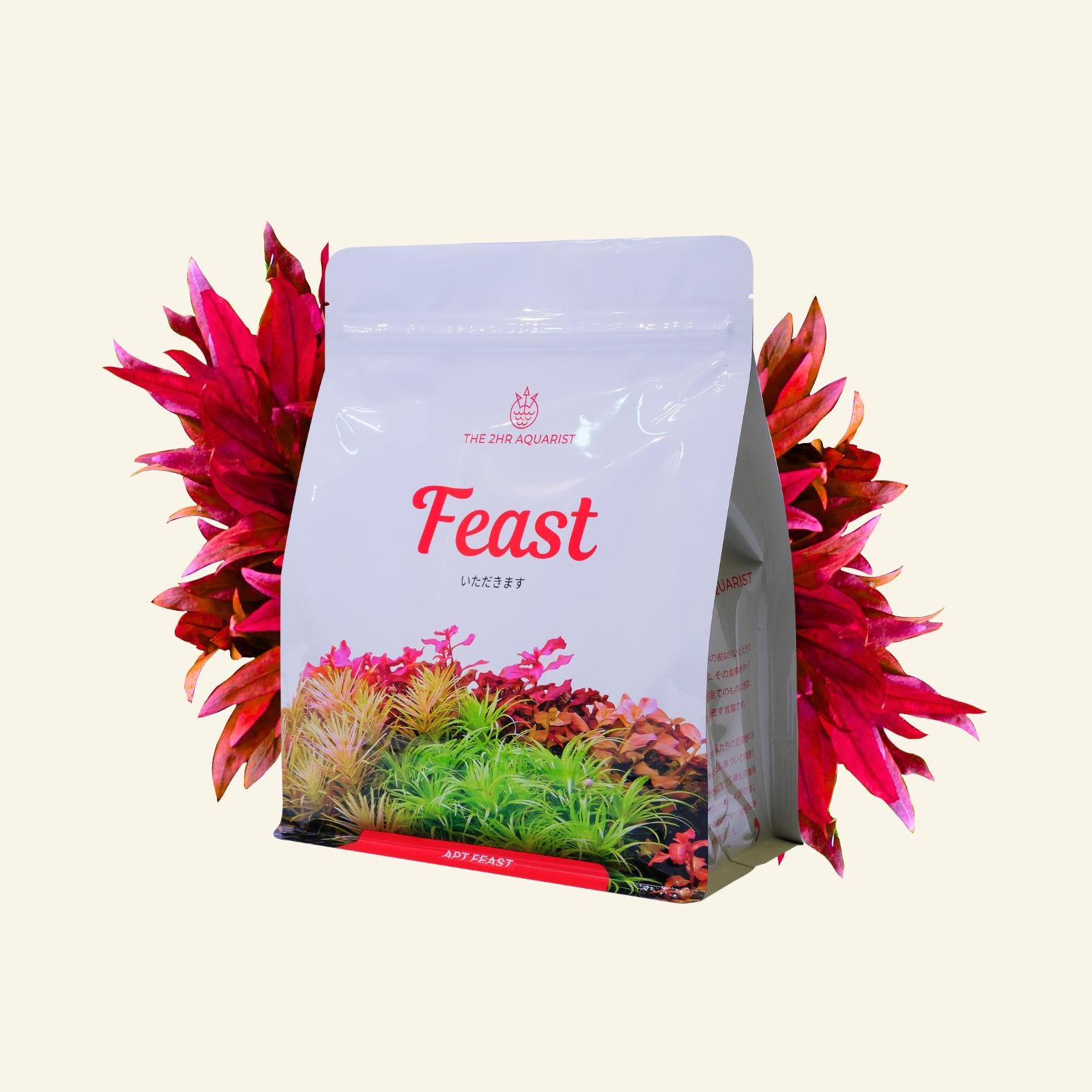
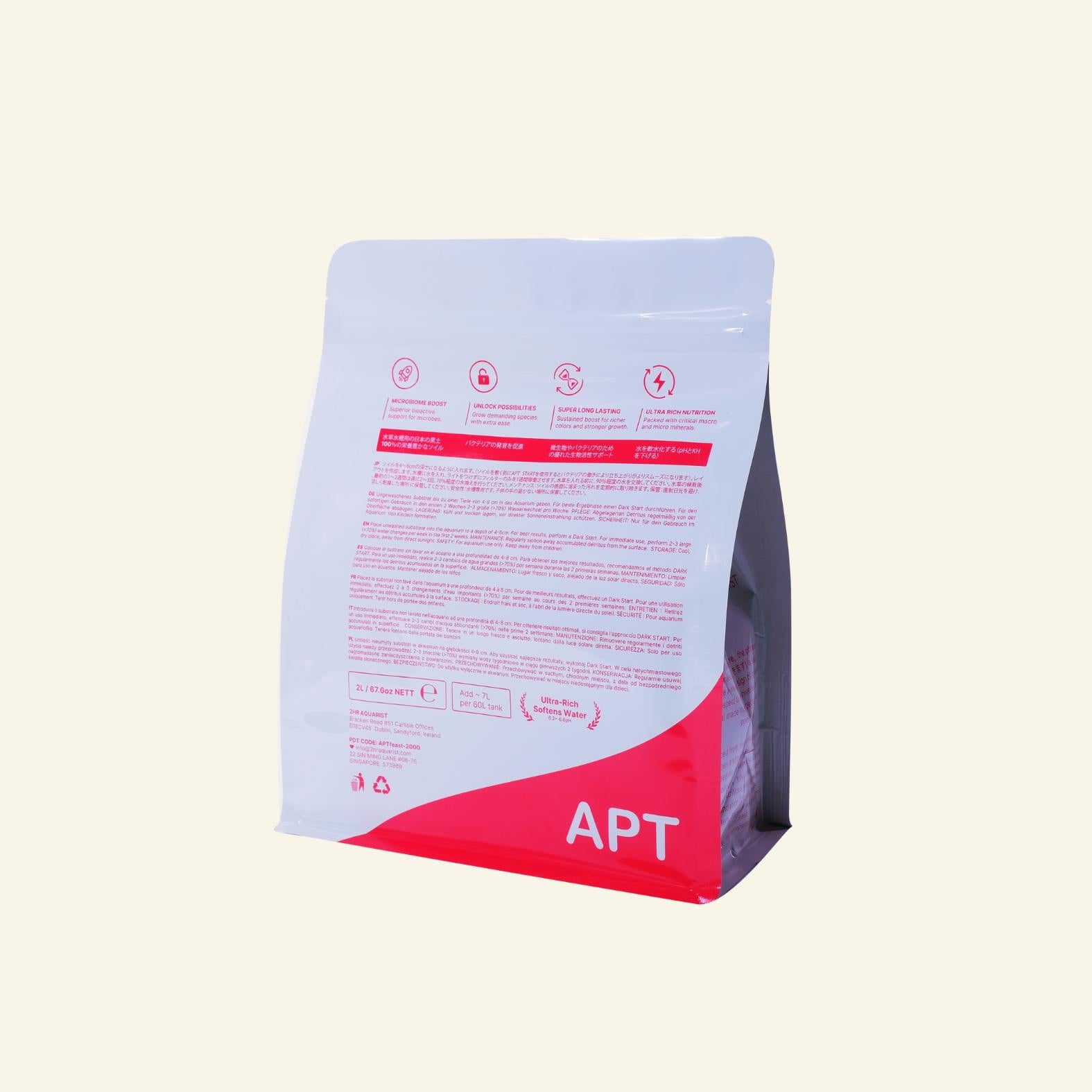
Every APT product we make - the liquid fertilisers, algae treatments, substrates and water care that together form a complete approach to the planted aquarium, all built on the same empirical method. If you already know what you're after, it's here. If you're not sure where to start, each product page explains exactly where it fits.

13 products

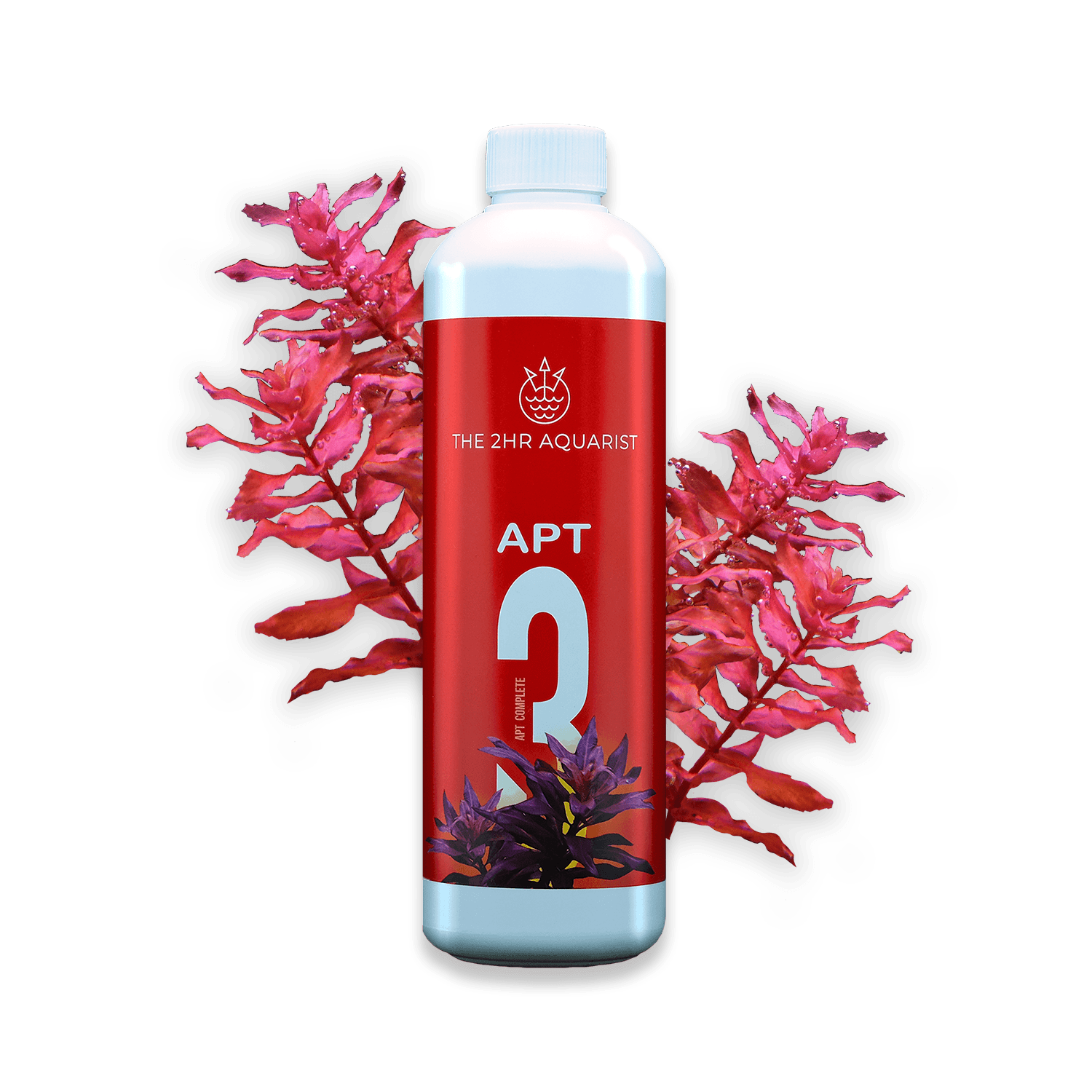
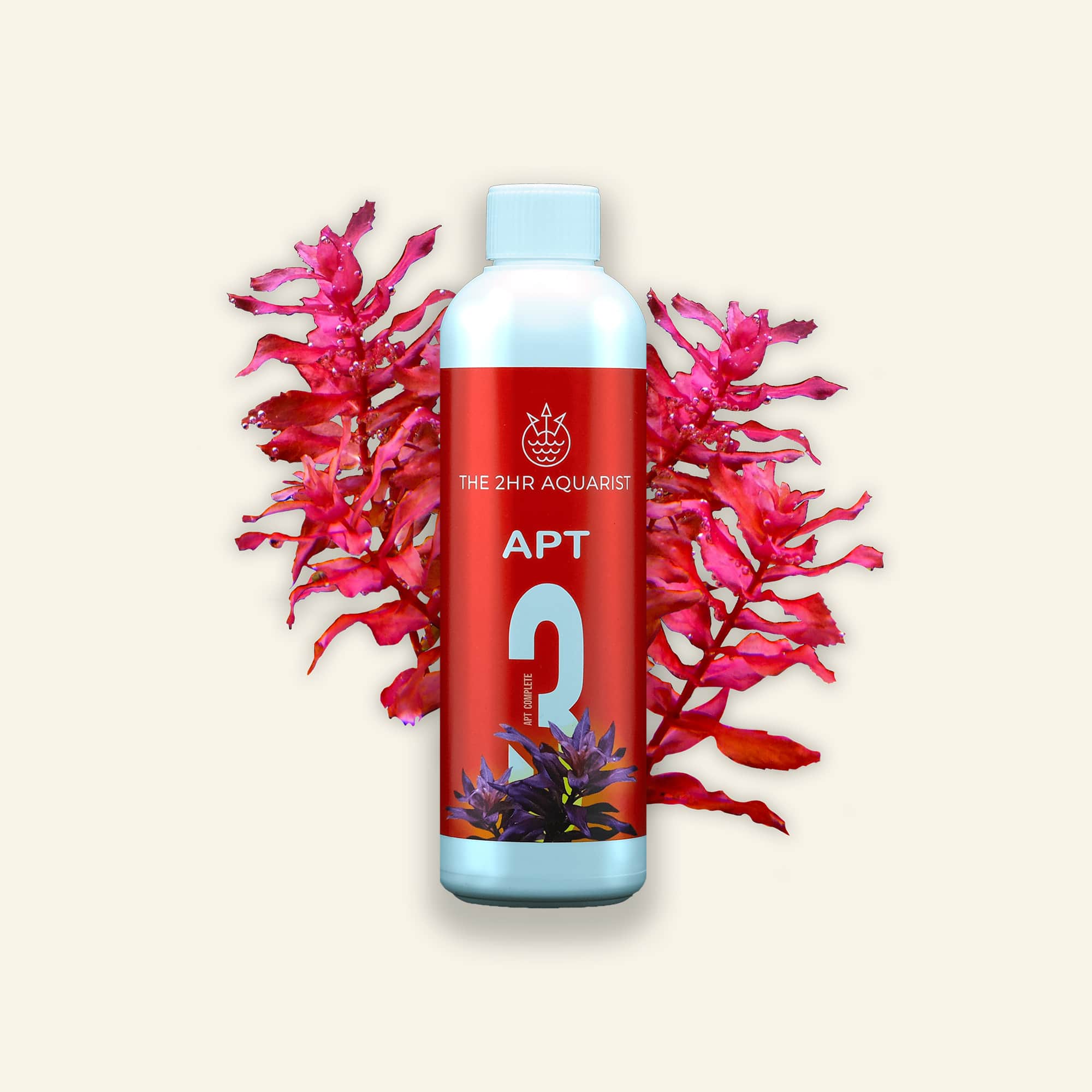
2Hr Aquarist APT3

From $11.80

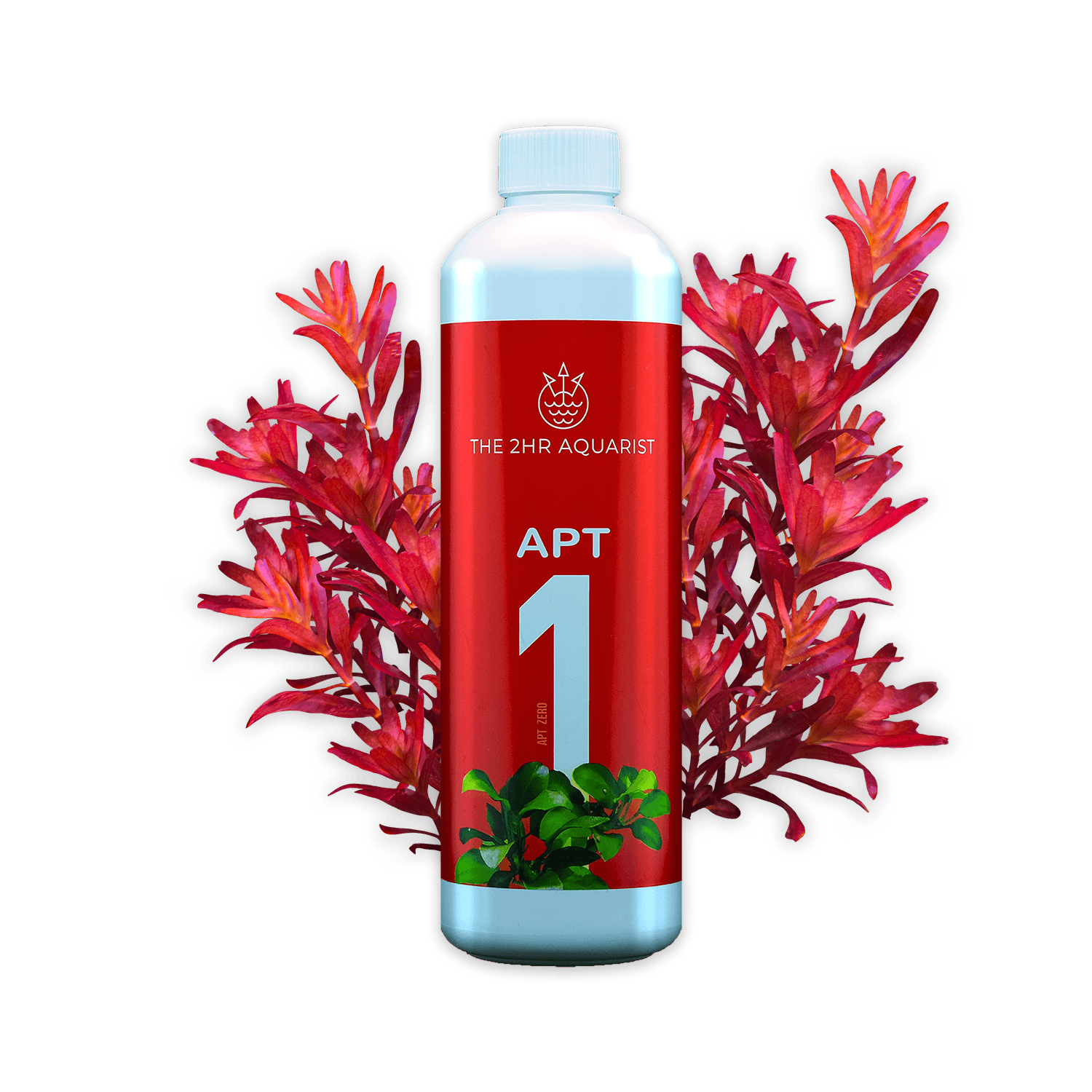
2Hr Aquarist APT1

From $11.80

2Hr Aquarist APT Fix

From $11.80

2Hr Aquarist APT Jazz

From $10.90

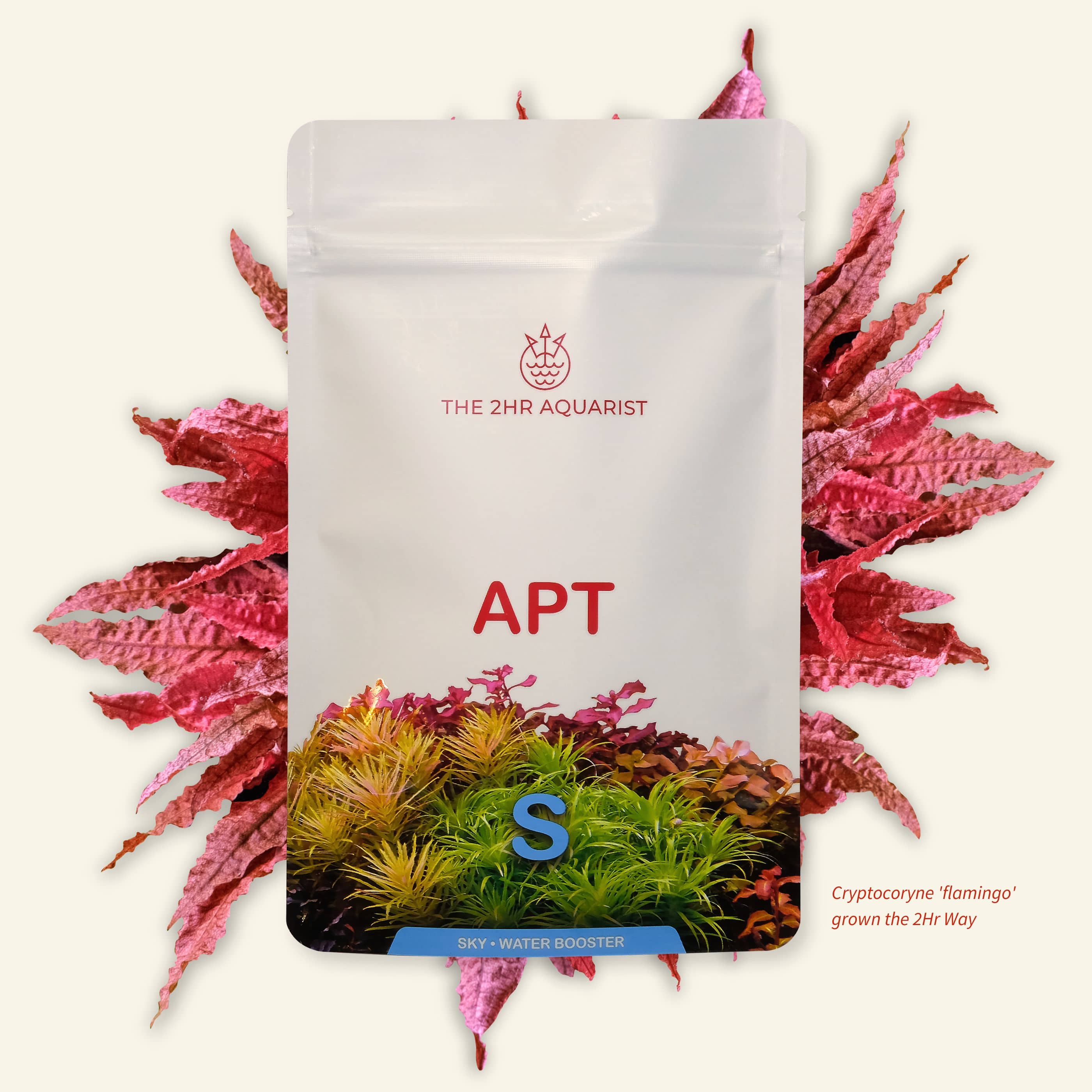
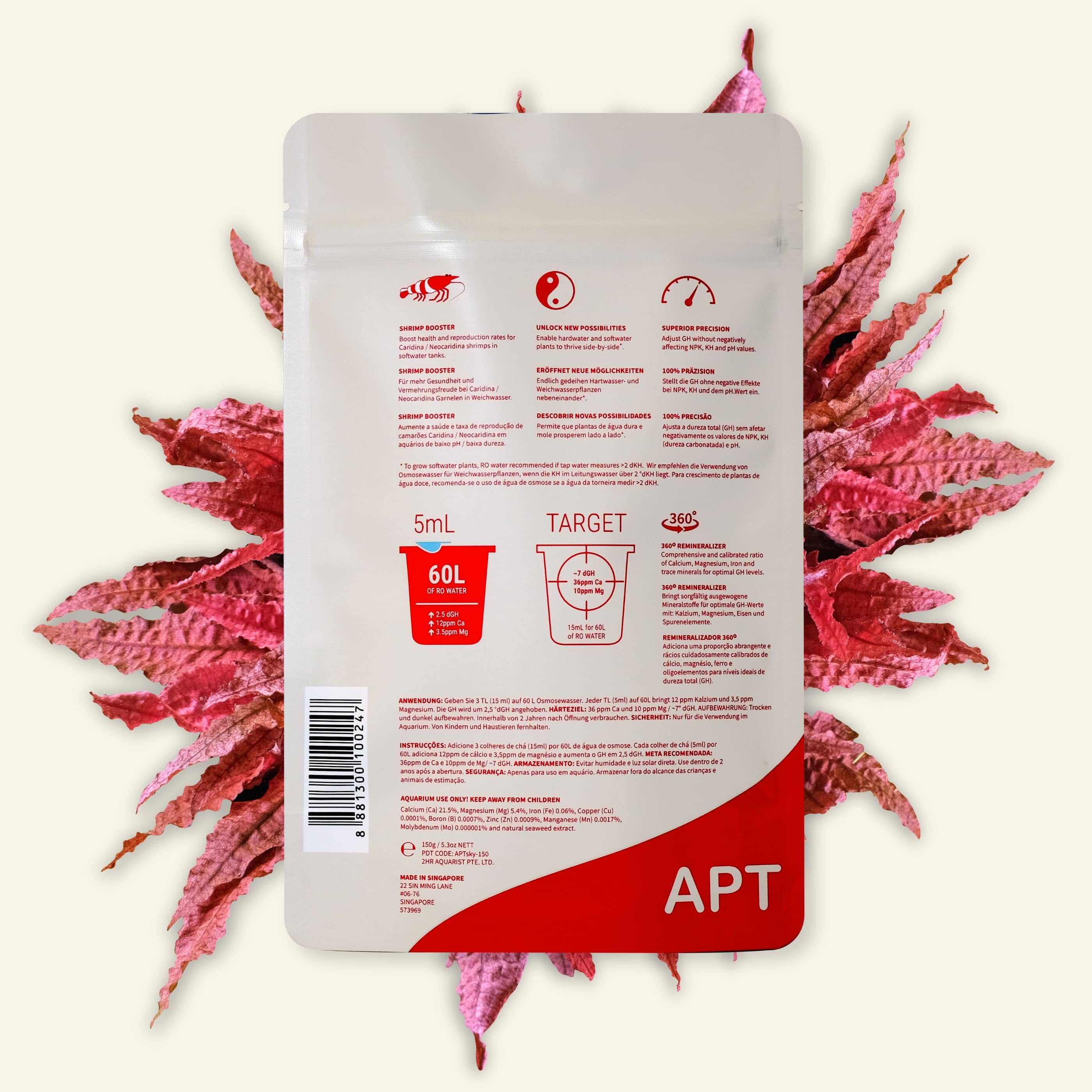
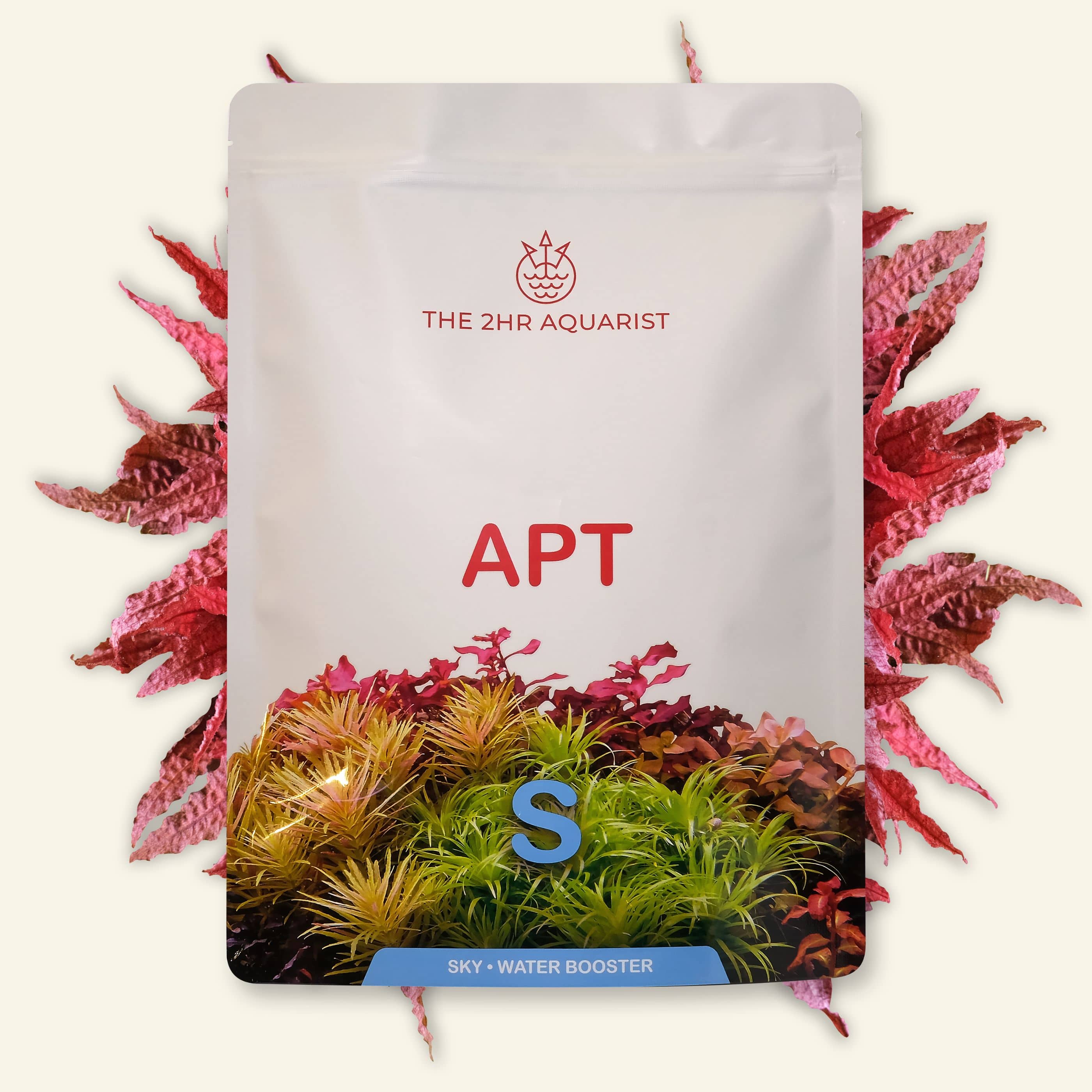
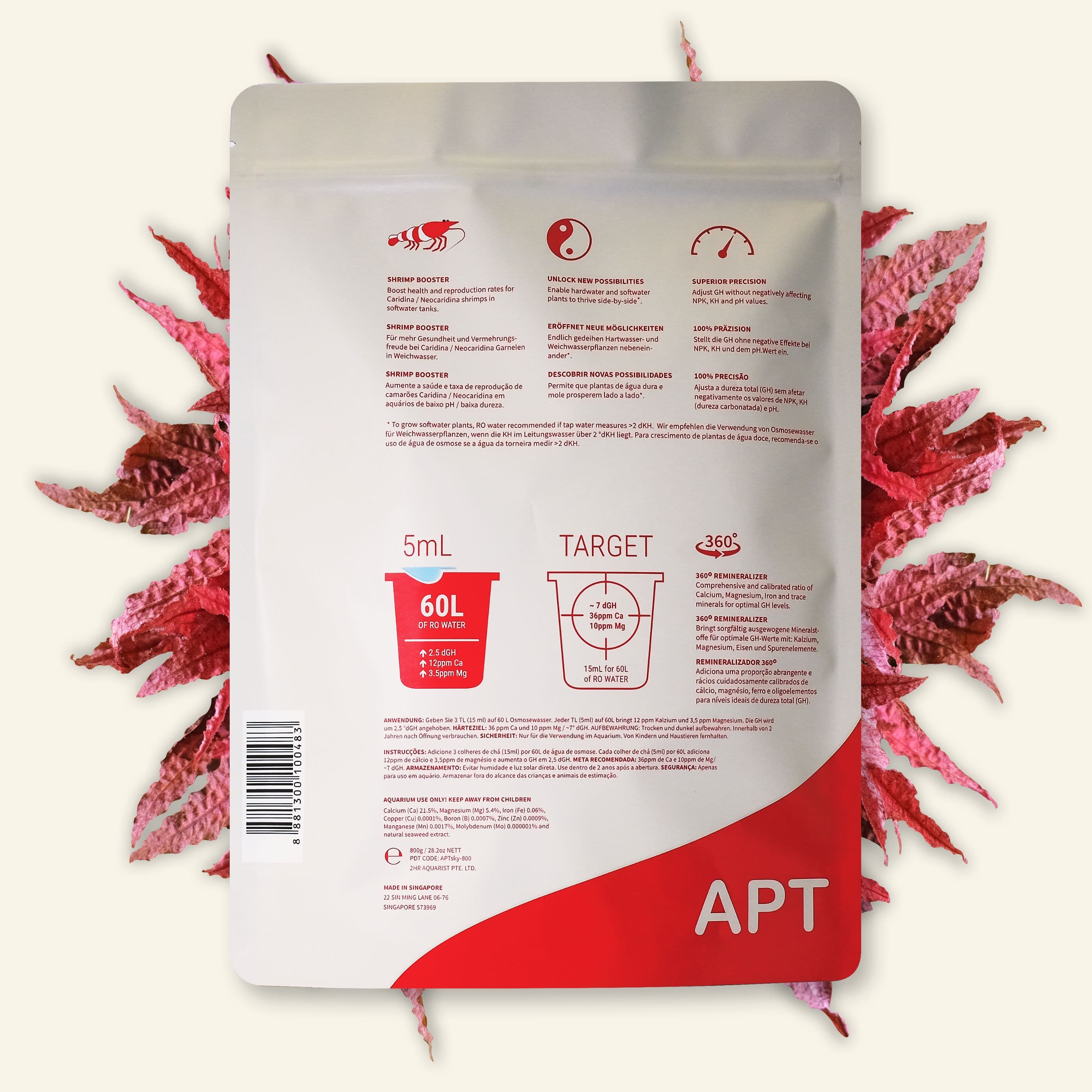
2Hr Aquarist APT SKY

From $11.80

2Hr Aquarist APT Pure

From $11.80

2Hr Aquarist APTe

From $16.90

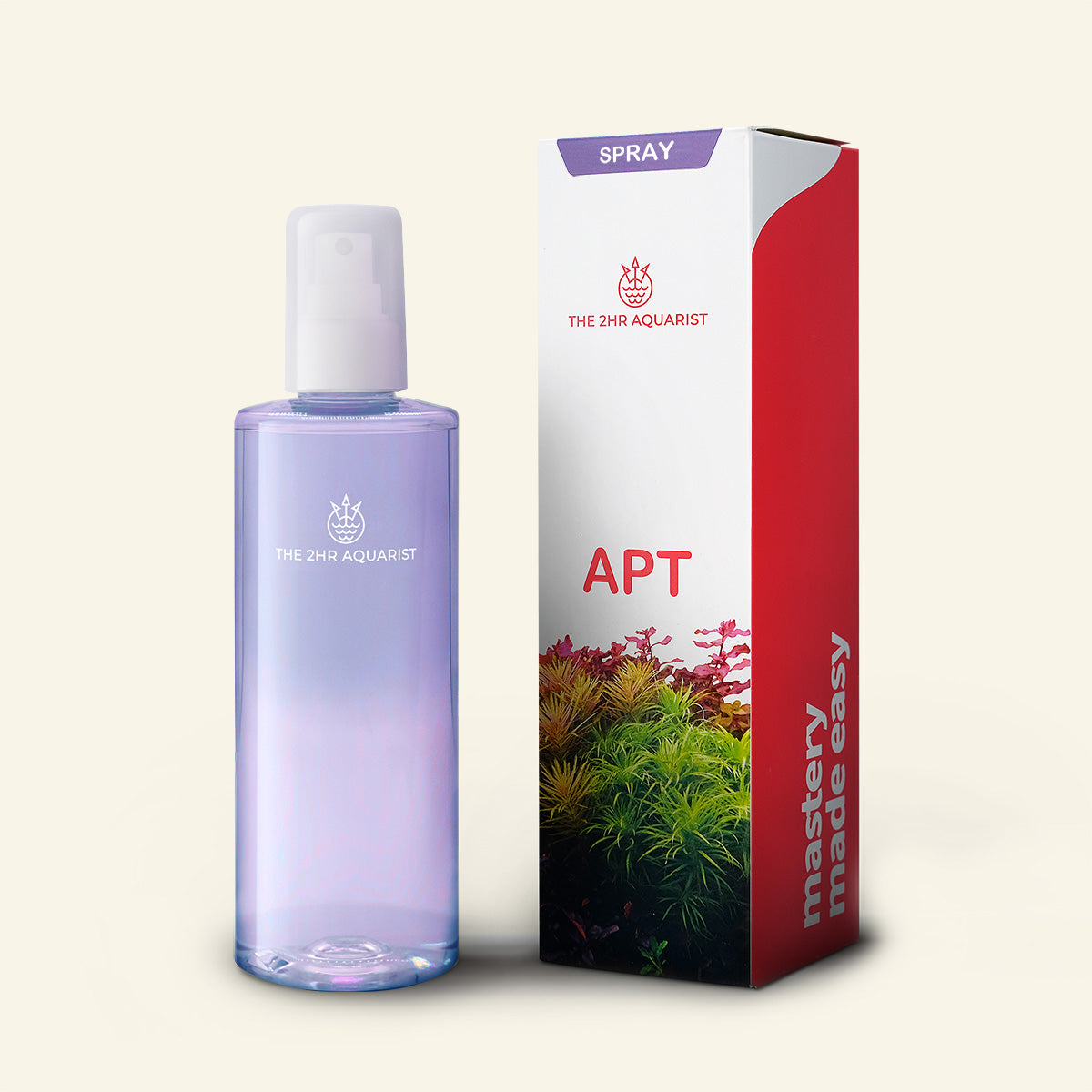
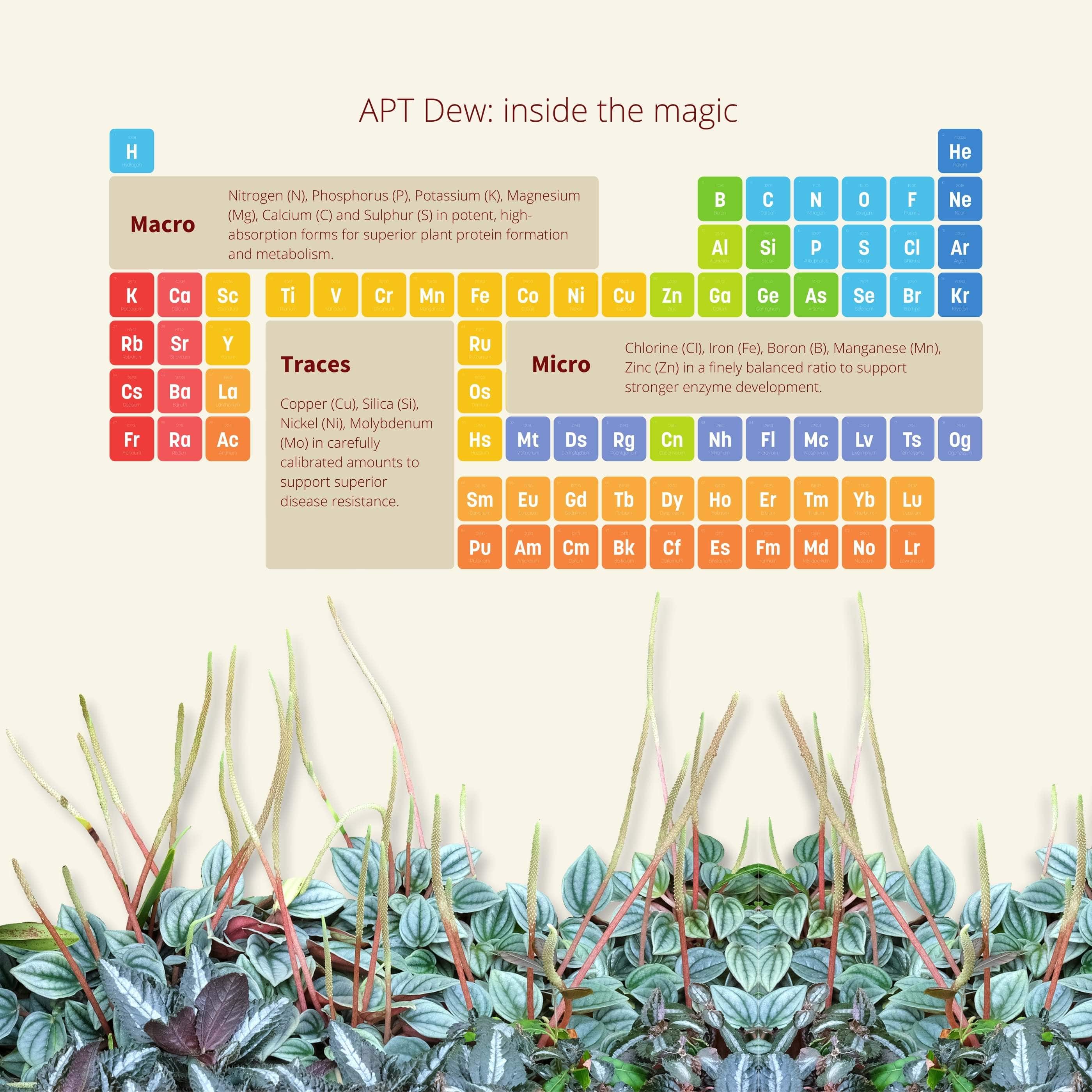
2Hr Aquarist APT Dew

From $12.80

FAQs

Which APT products do I actually need?

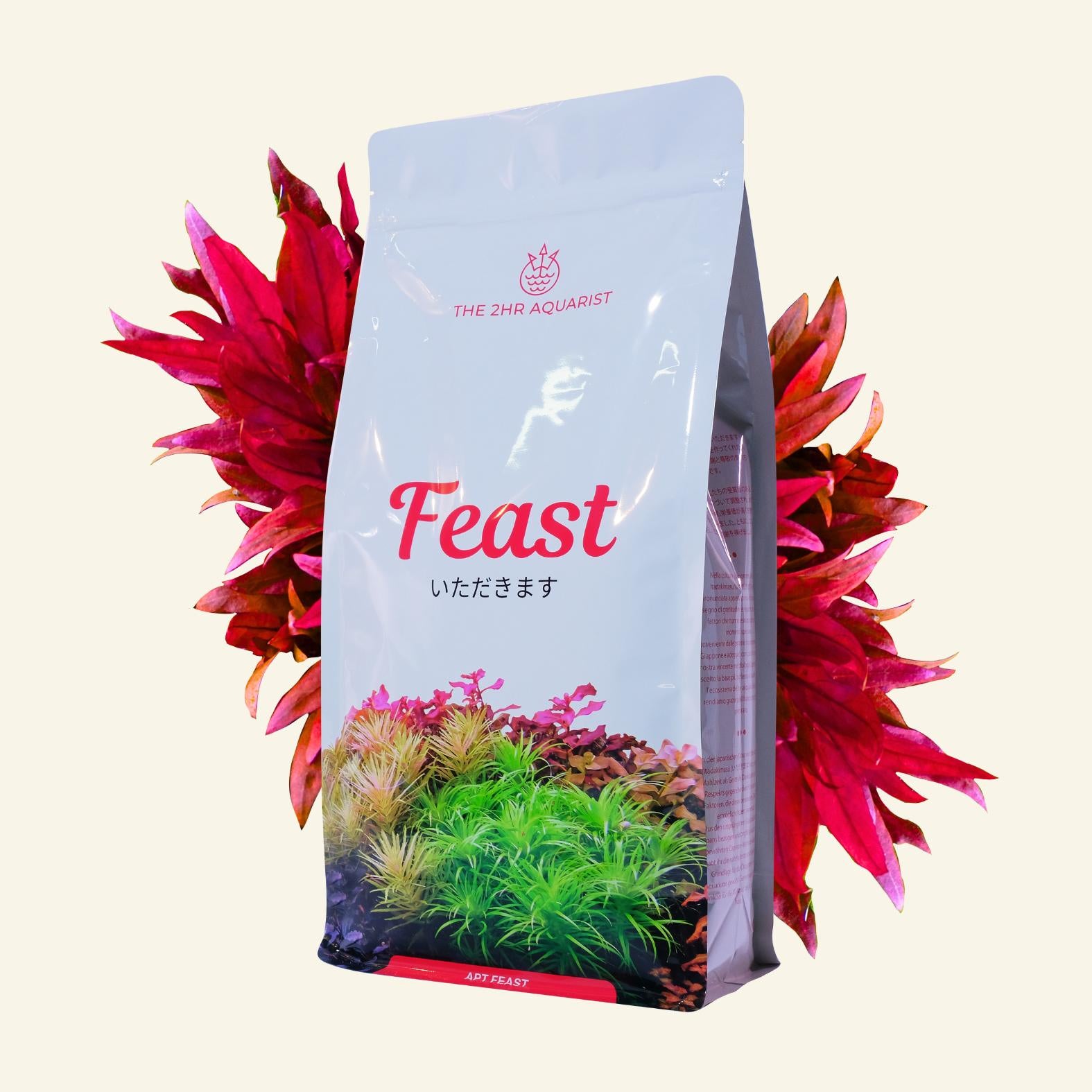
Far fewer than the range might suggest. A thriving planted tank needs only two things from us: a source of nutrients and a good foundation. Start with a liquid fertiliser - APT 3 suits most tanks - and an active substrate such as APT Feast, or APT START and APT Jazz if you're building on a different soil. Everything else is situational: reach for an algae treatment only when algae appears, APT PURE if you fill from the tap, APT SKY if you use RO or soft water, and APT Balance when cycling a new tank. There's no need to run the whole range, and APT works with or without CO2.

How is APT different from other fertilisers?

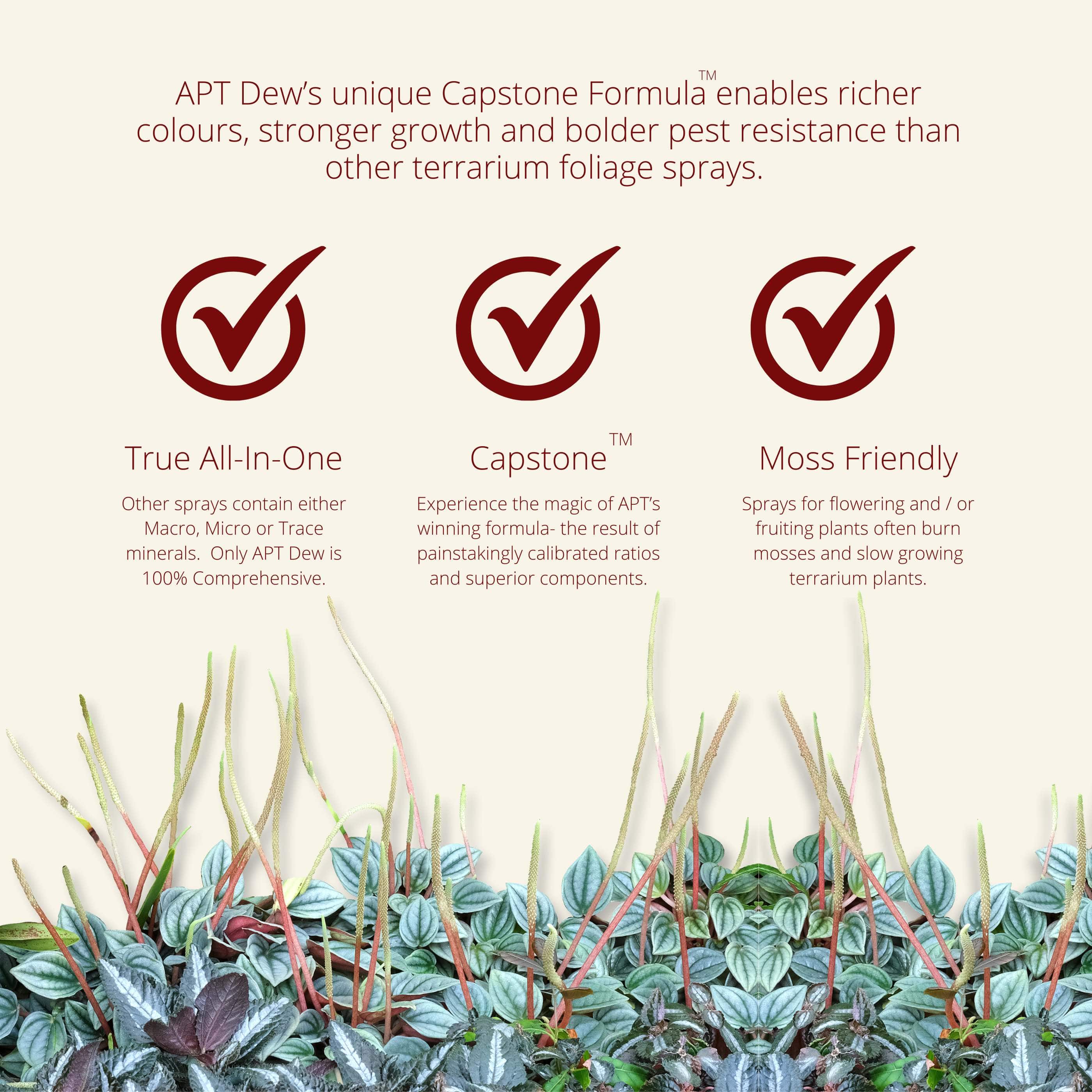
Most fertilisers still in use today were designed decades ago to supplement hardy plants in fish tanks. APT was formulated for the modern planted aquarium - for today's plant hybrids, lighting and CO2. Its Capstone formulation is an all-in-one, supplying macro, micro and trace nutrients in a single calibrated ratio rather than splitting them across bottles or following generic dosing. Compared with conventional fertilisers, APT 3 is around three times more concentrated for demanding species and twice as nitrate-limiting - a deliberately lower nitrogen ratio that draws out richer colour. The difference is calibration, not strength for its own sake.

Are APT products safe for shrimp and sensitive livestock?

Yes. Every APT fertiliser has been tested safe even for delicate shrimp such as Crystal Red and other Caridina, in tanks holding breeding populations over the long term. They do contain a tiny, chelated amount of copper - but copper is an essential micronutrient for shrimp as much as plants: shrimp blood is copper-based, using haemocyanin much as ours uses iron. The dose in APT sits far below toxic levels even if heavily overdosed. The water care range is actively shrimp-friendly; APT SKY remineralises RO water to the parameters shrimp need. The one group to apply with care is the algae treatments: safe used to instructions, but never dosed directly onto animals.

Can I use APT with my existing setup and other brands?

In most cases, yes. APT liquid fertilisers work over any substrate - inert gravel and sand as readily as APT Feast or another aquasoil - and the water care and algae treatments suit essentially any tank, whatever else you run. Within the range, the products are designed to complement one another. The one thing we'd avoid is dosing two different liquid fertilisers at once: the value of APT lies in a precisely calibrated nutrient ratio, and adding a second fertiliser on top means you no longer control that ratio. Choose one liquid-fertiliser system and let it do its job. If you're moving to APT from another brand, introduce it gradually over a couple of weeks rather than switching overnight.

Insights

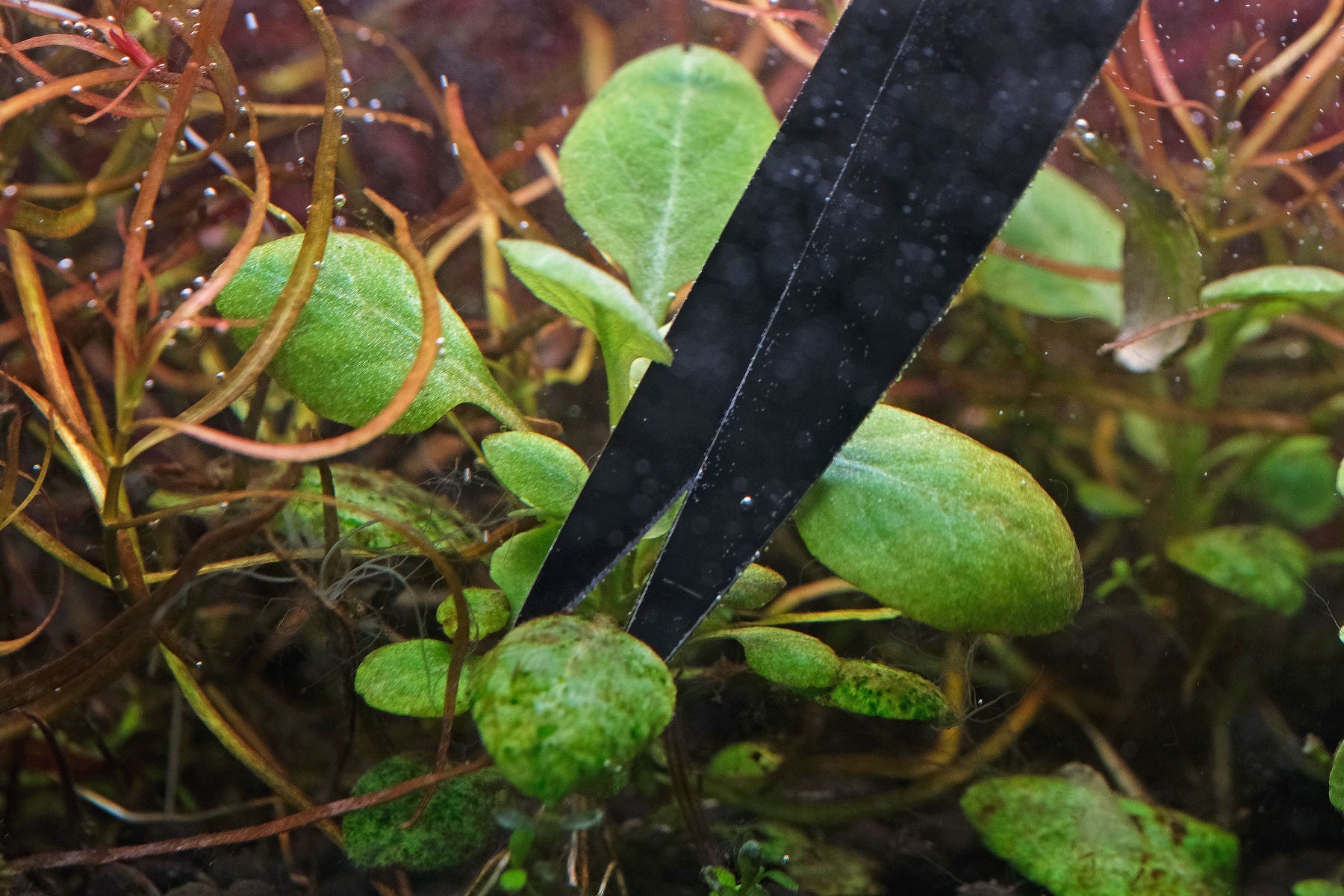
Close up photo of algae on older aquatic plant leaves

Why do leaves deteriorate? Understanding the leaf renewal cycle in aquatic plants

This article delves into the topic of how plants continually renew themselves through the production of new leaves.

Read moreabout Why do leaves deteriorate? Understanding the leaf renewal cycle in aquatic plants
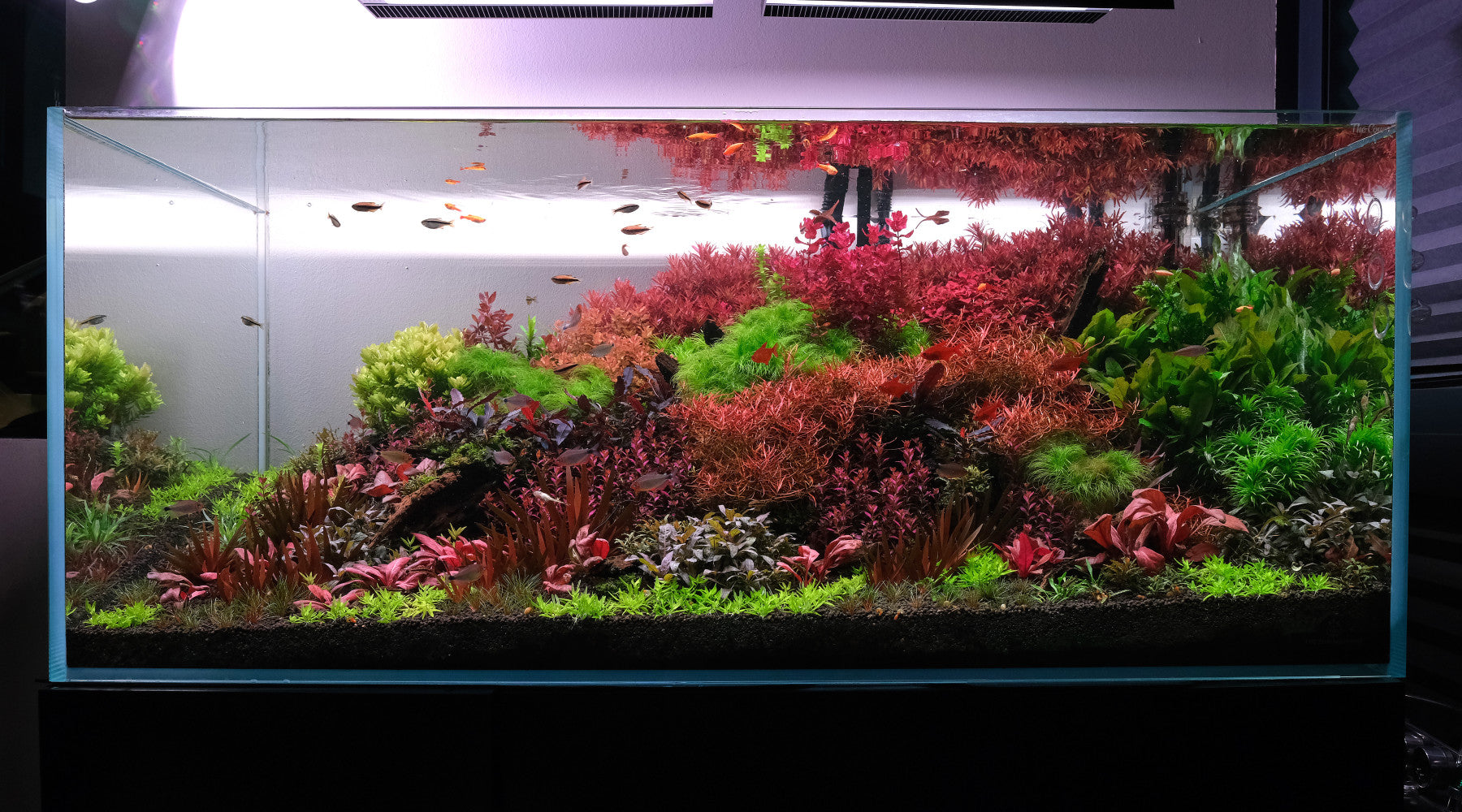
4ft Rotala florida community aquarium: Showcasing the 2hr Way

4ft Rotala florida community aquarium: Showcasing the 2hr Way

Full details of tank parameters, plants and fish species, and the maintenance regime of the 4ft Rotala florida aquascape are described here.

Read moreabout 4ft Rotala florida community aquarium: Showcasing the 2hr Way
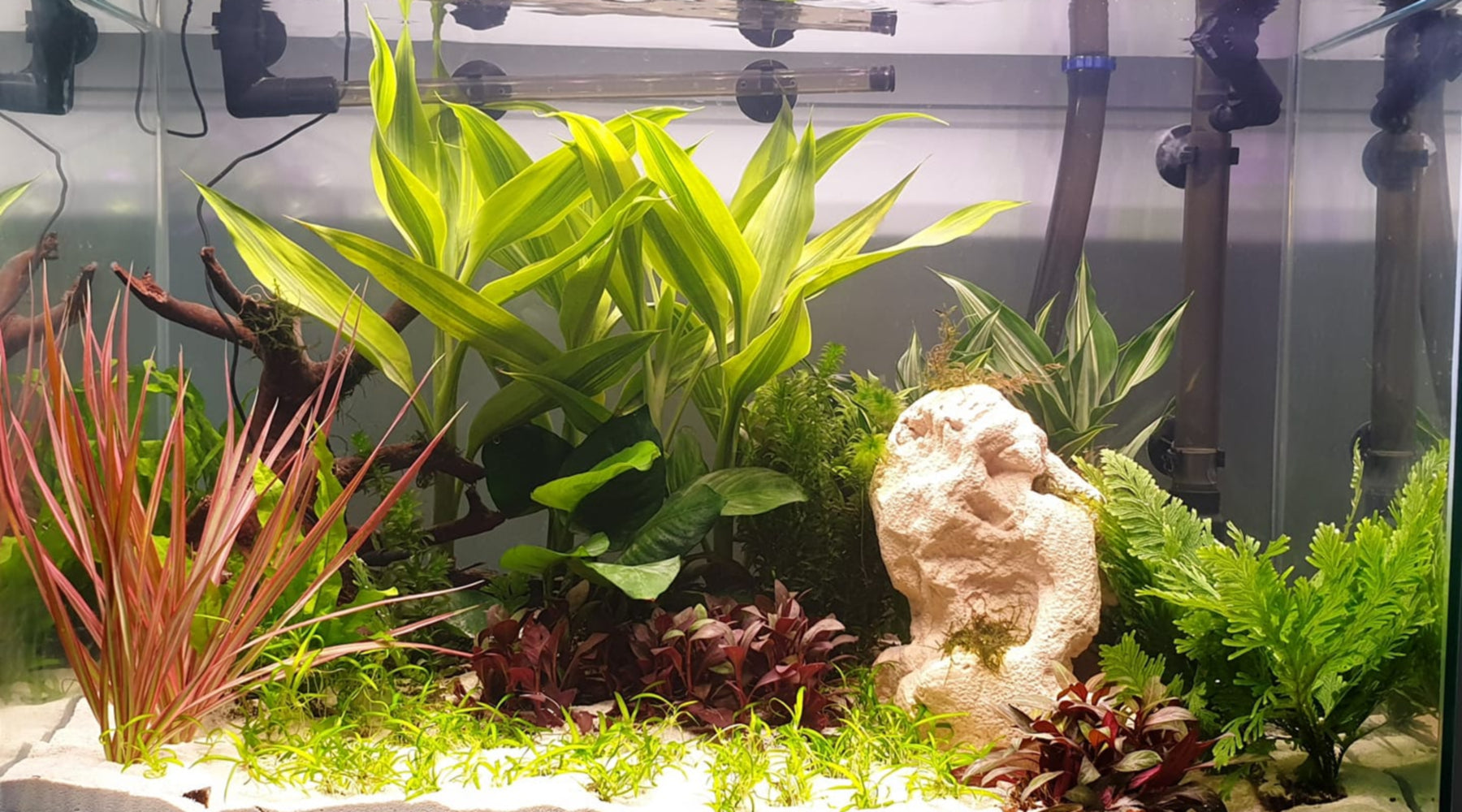
Non-Aquatic Aquarium Plants: A Beginner's Buying Guide to Avoid Them

Non-Aquatic Aquarium Plants: A Beginner's Buying Guide to Avoid Them

Some of the most attractive plants on shop shelves are not aquatic at all. They persist for weeks, then rot and feed algae. This guide identifies the common non-aquatic species sold as aquarium plants, shows how genuine aquatics shift form above and below water, and lists what to check before buying..

Read moreabout Non-Aquatic Aquarium Plants: A Beginner's Buying Guide to Avoid Them