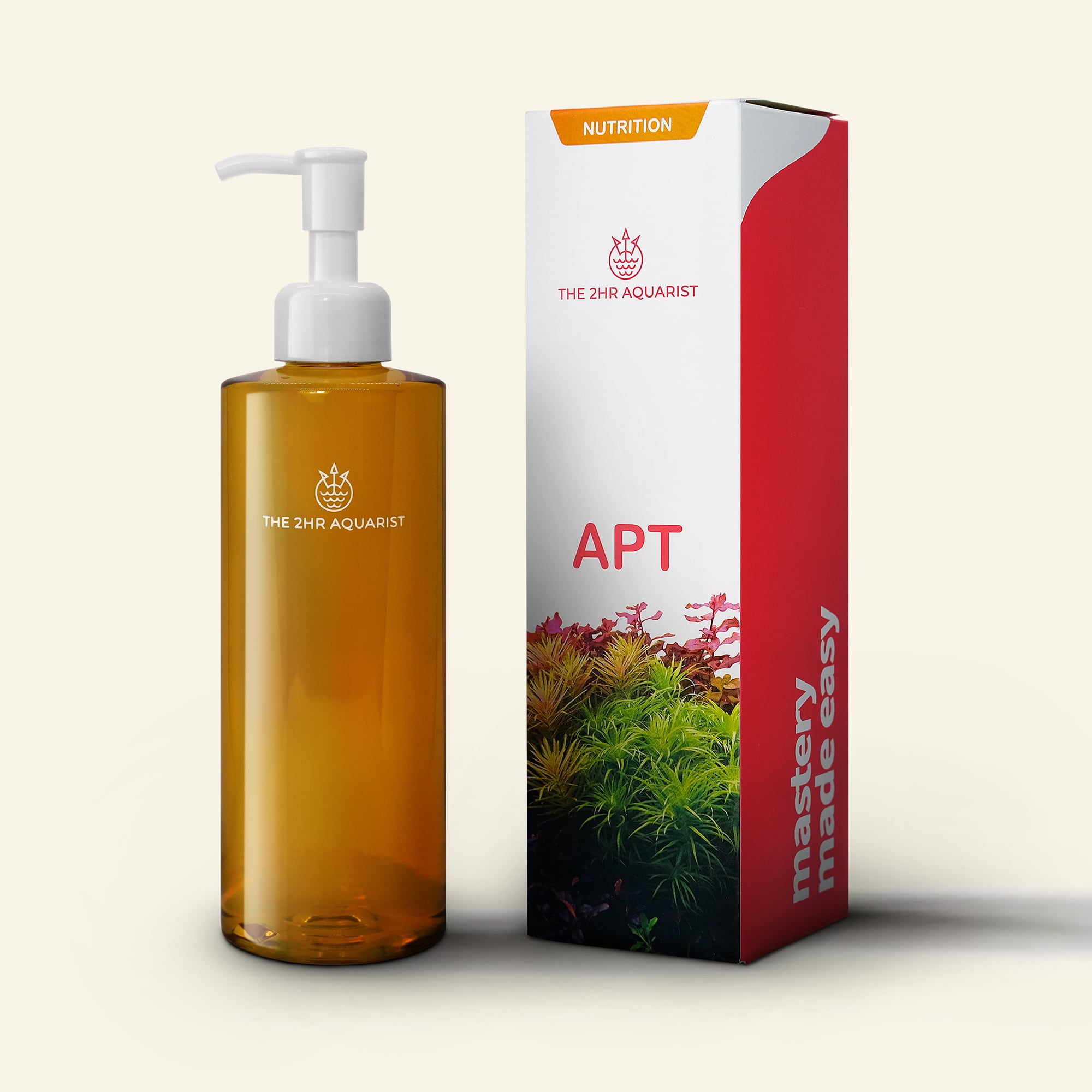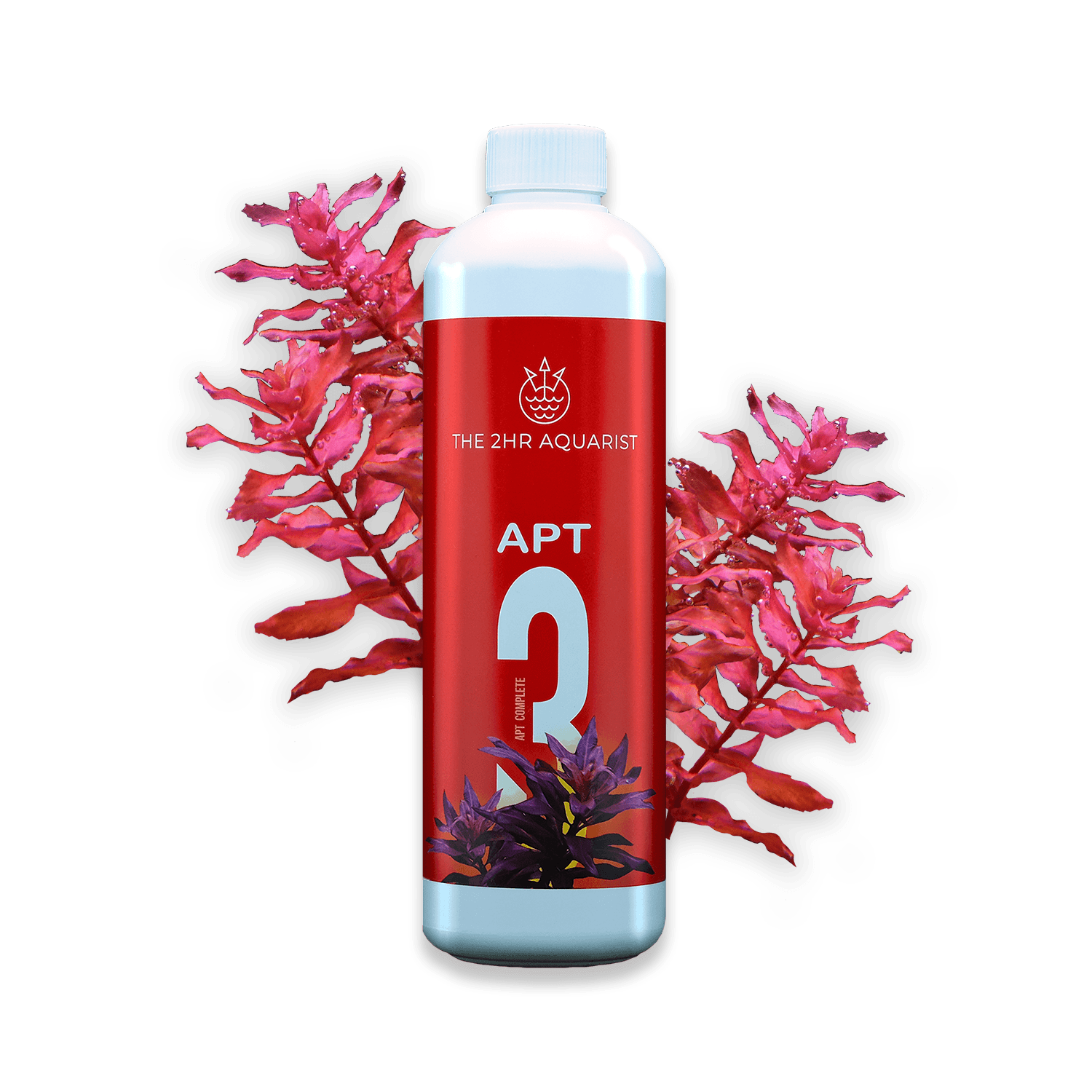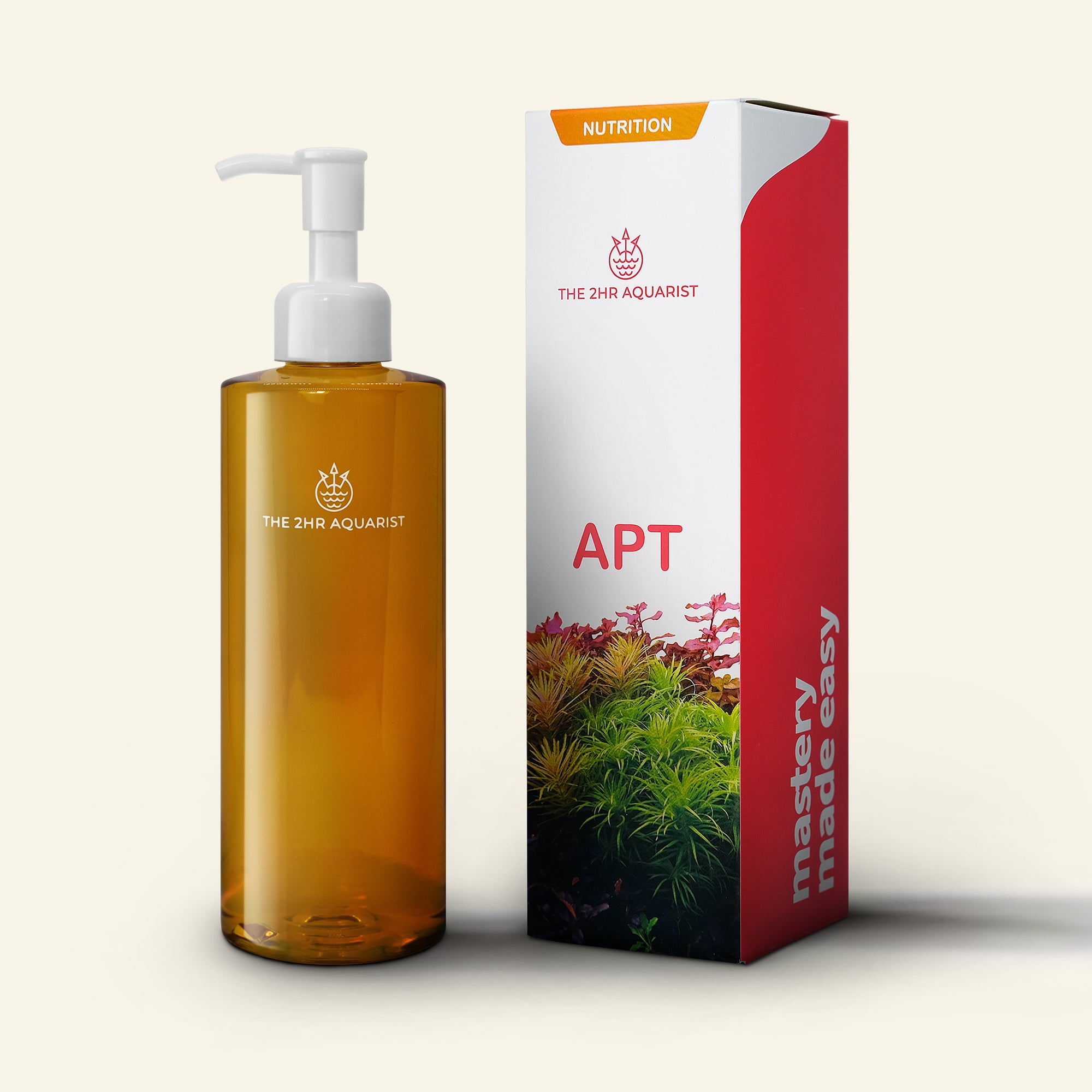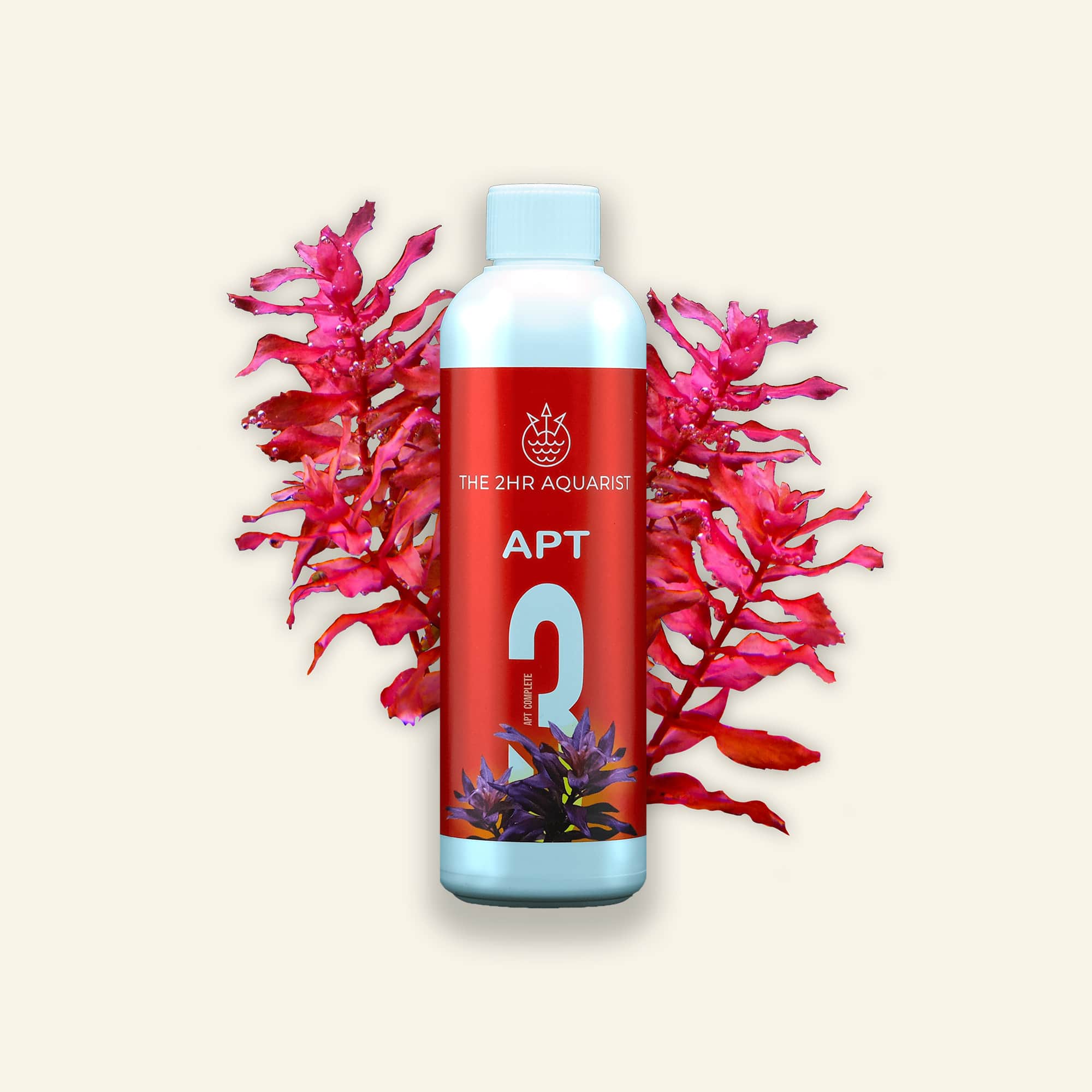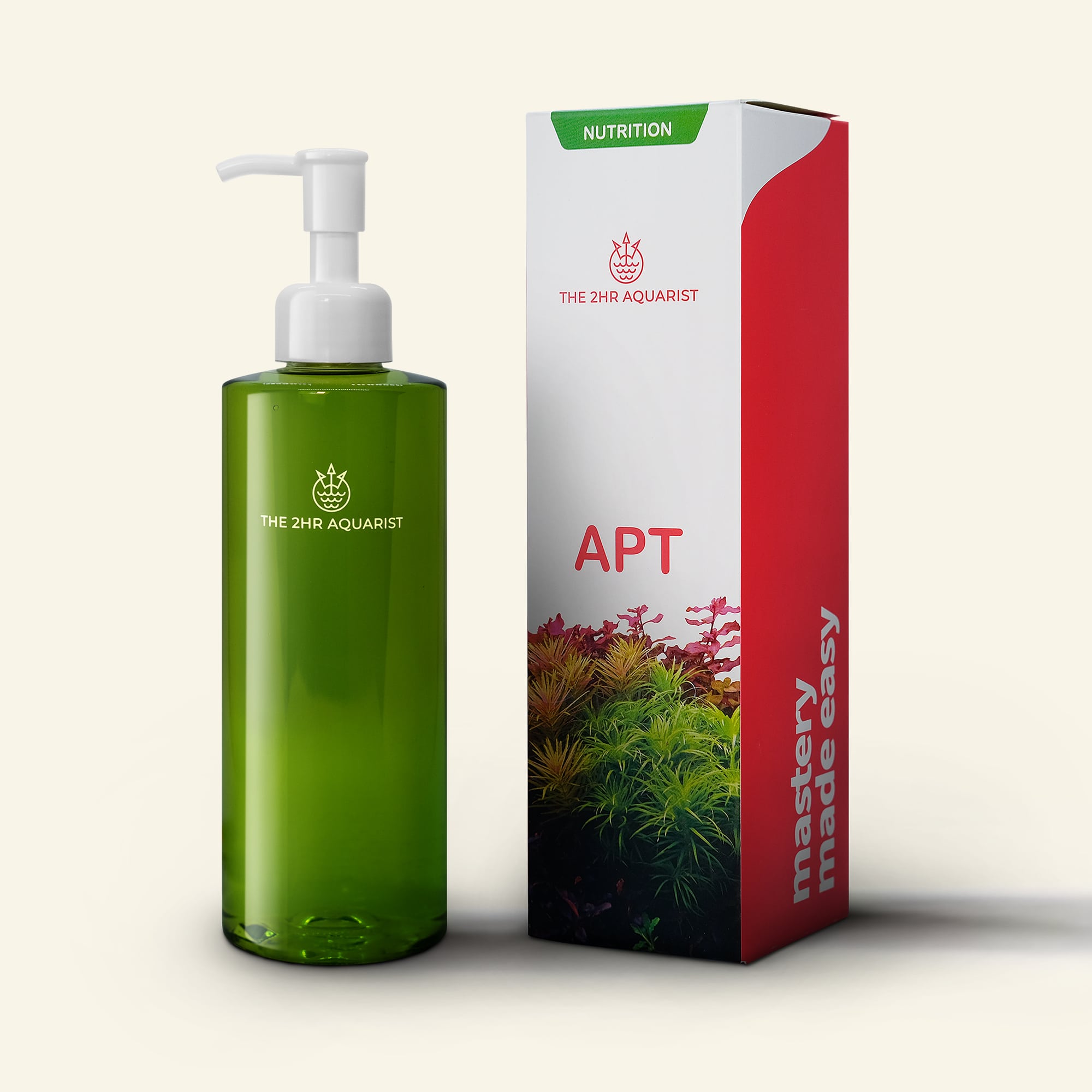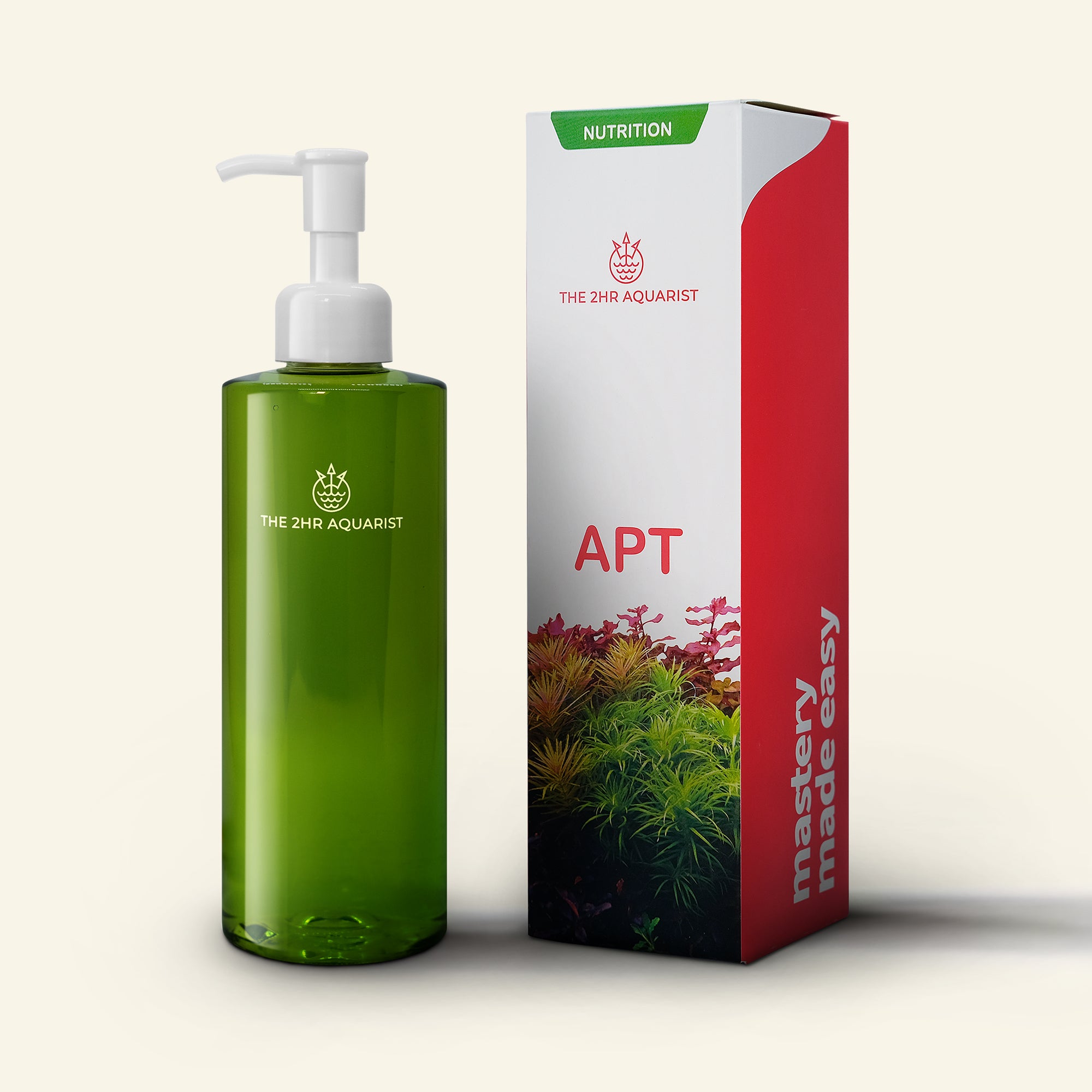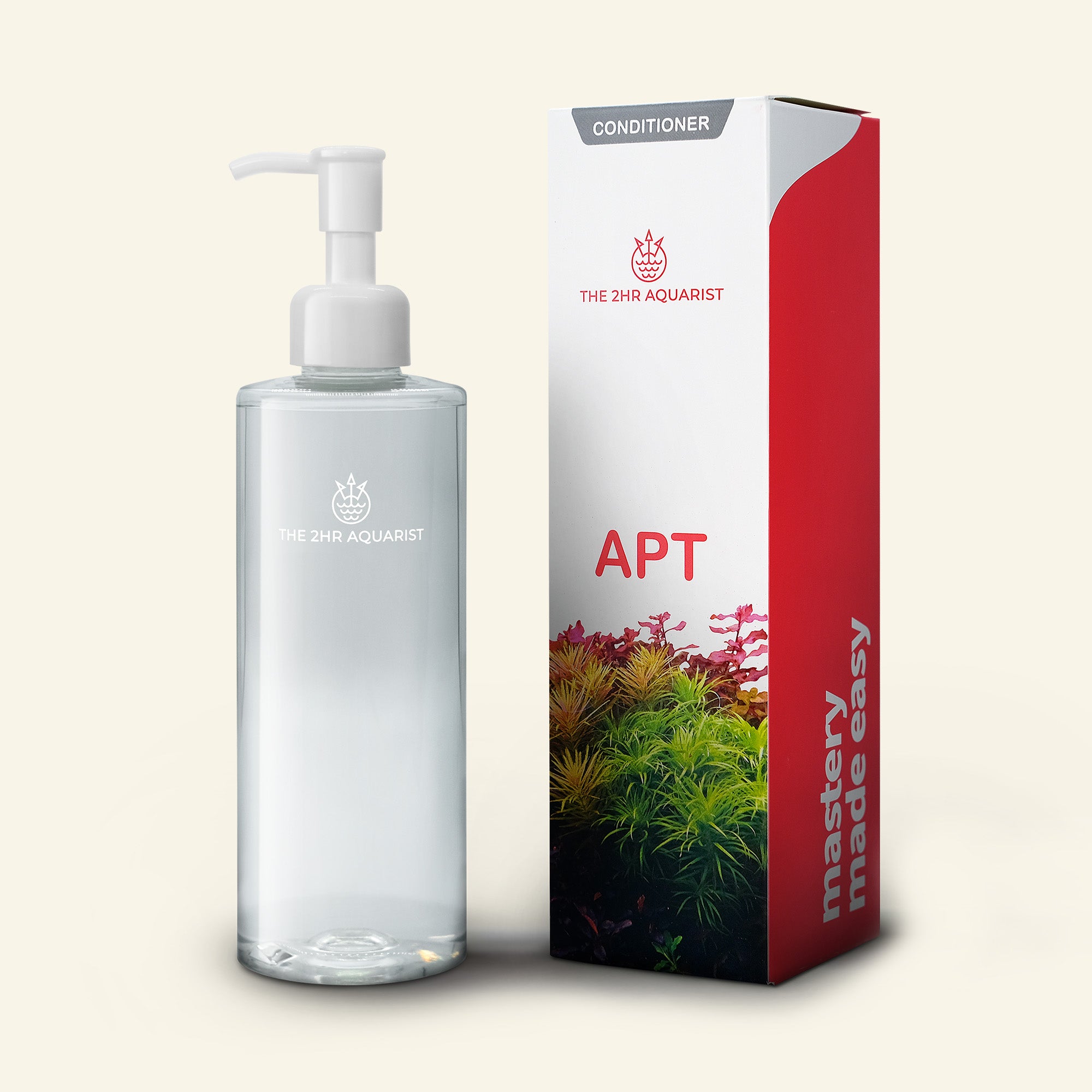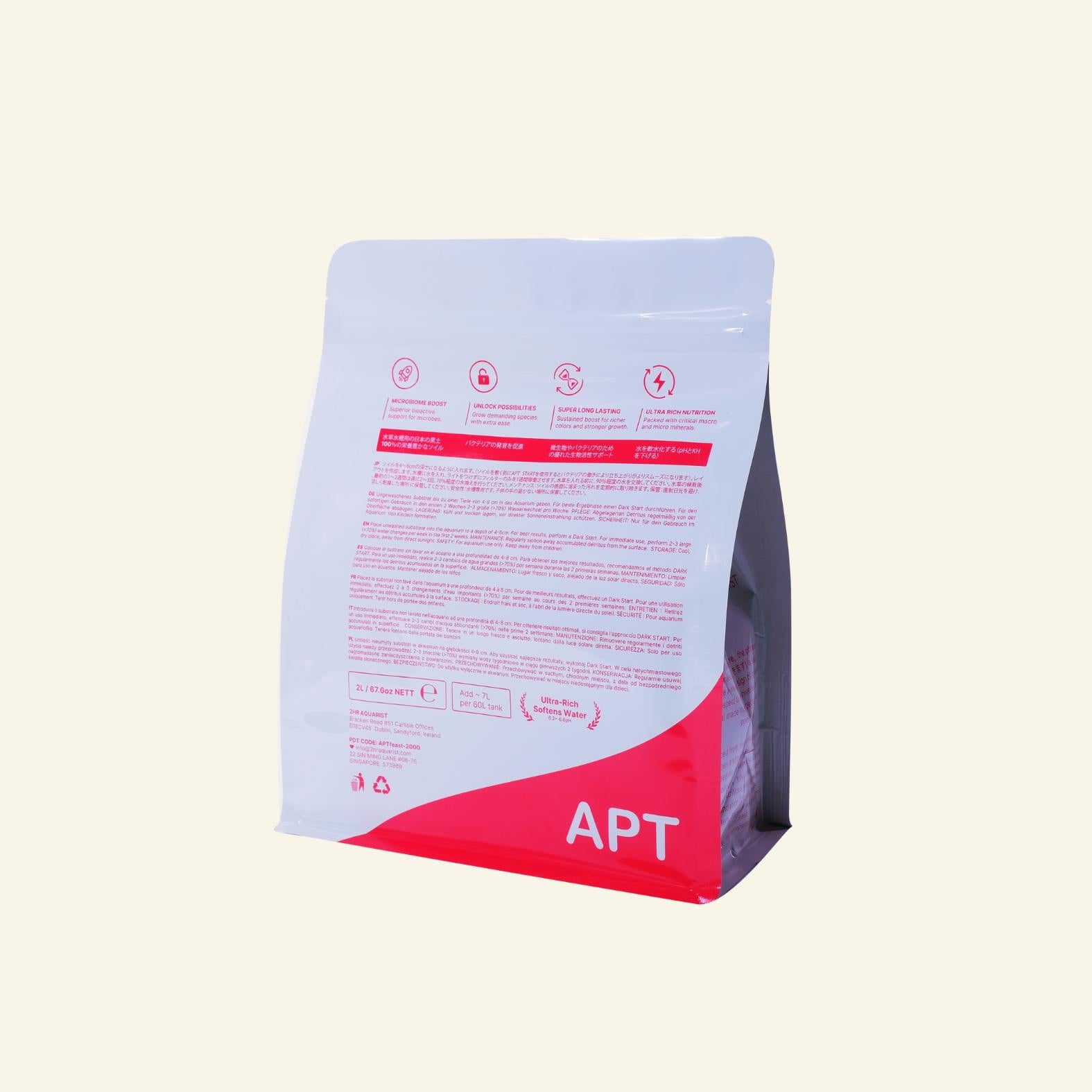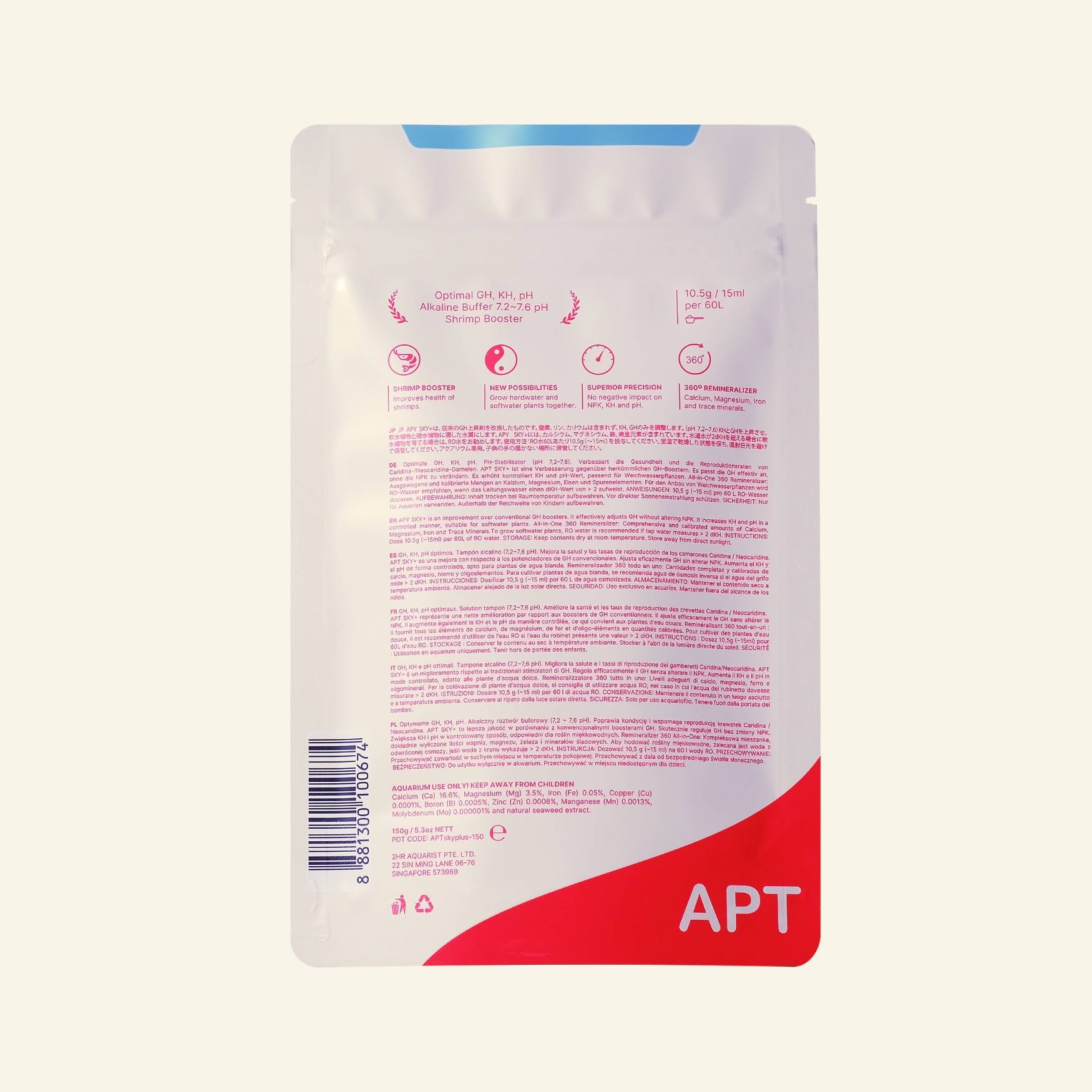



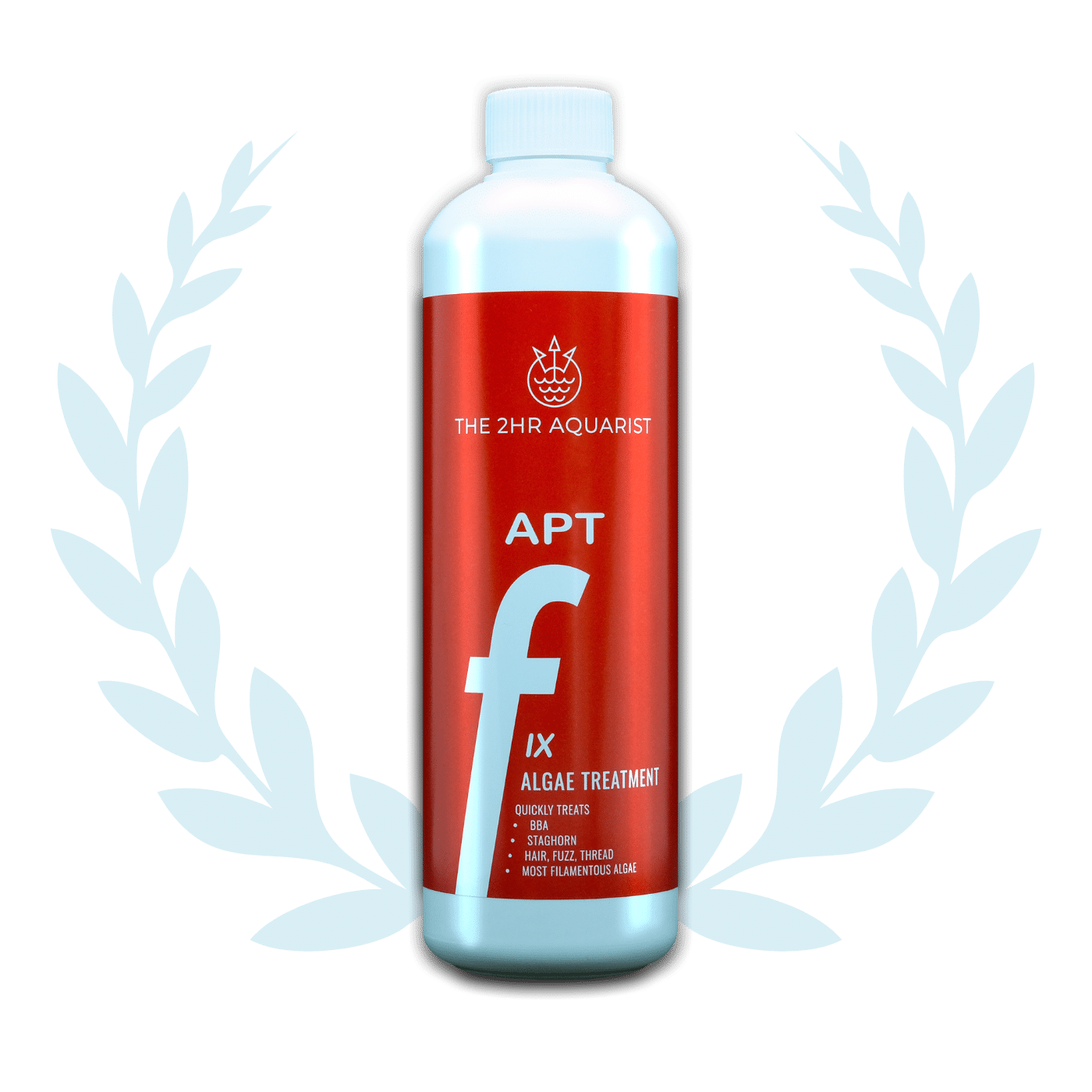
2Hr Aquarist APT Fix
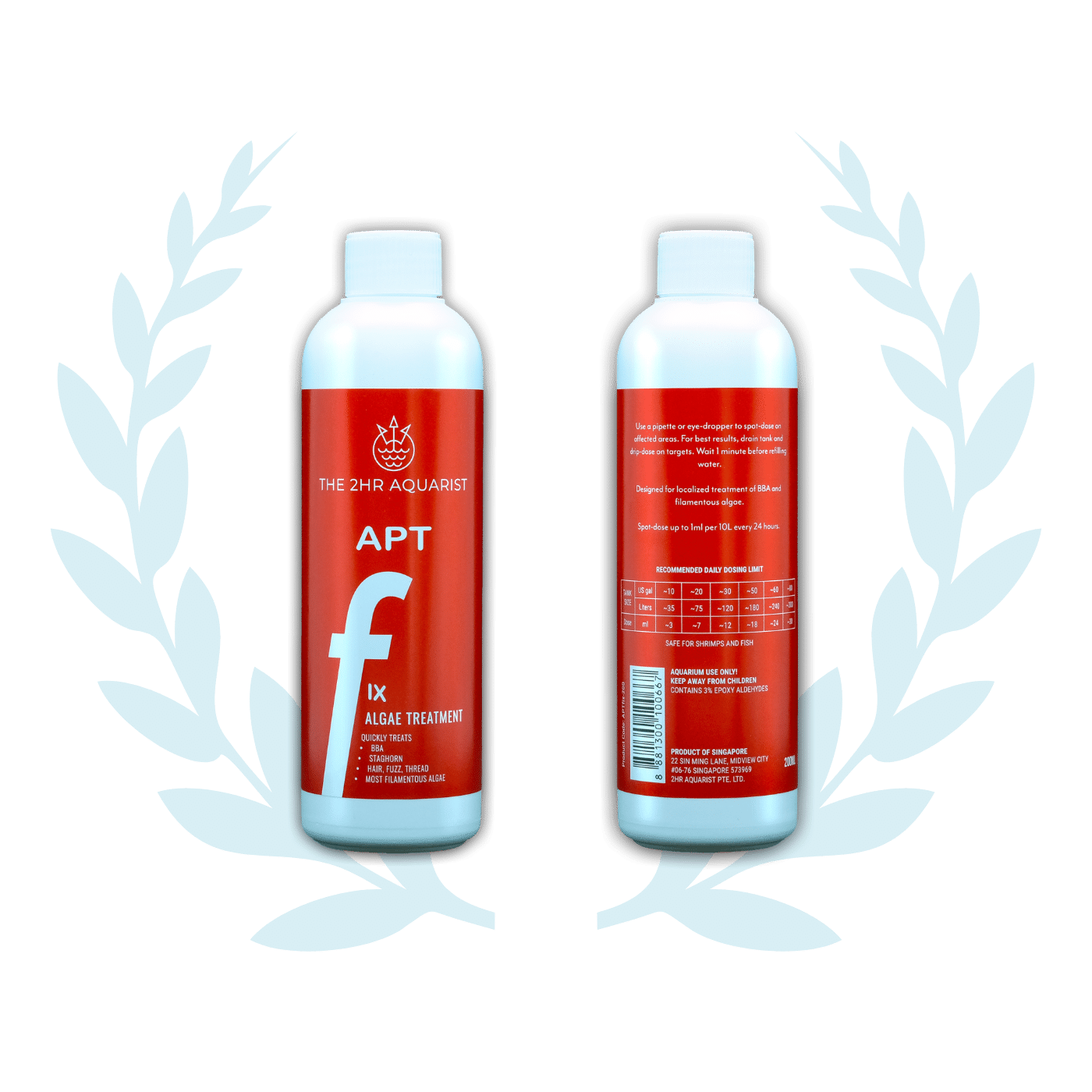
La forma más inteligente de tratar las algas.
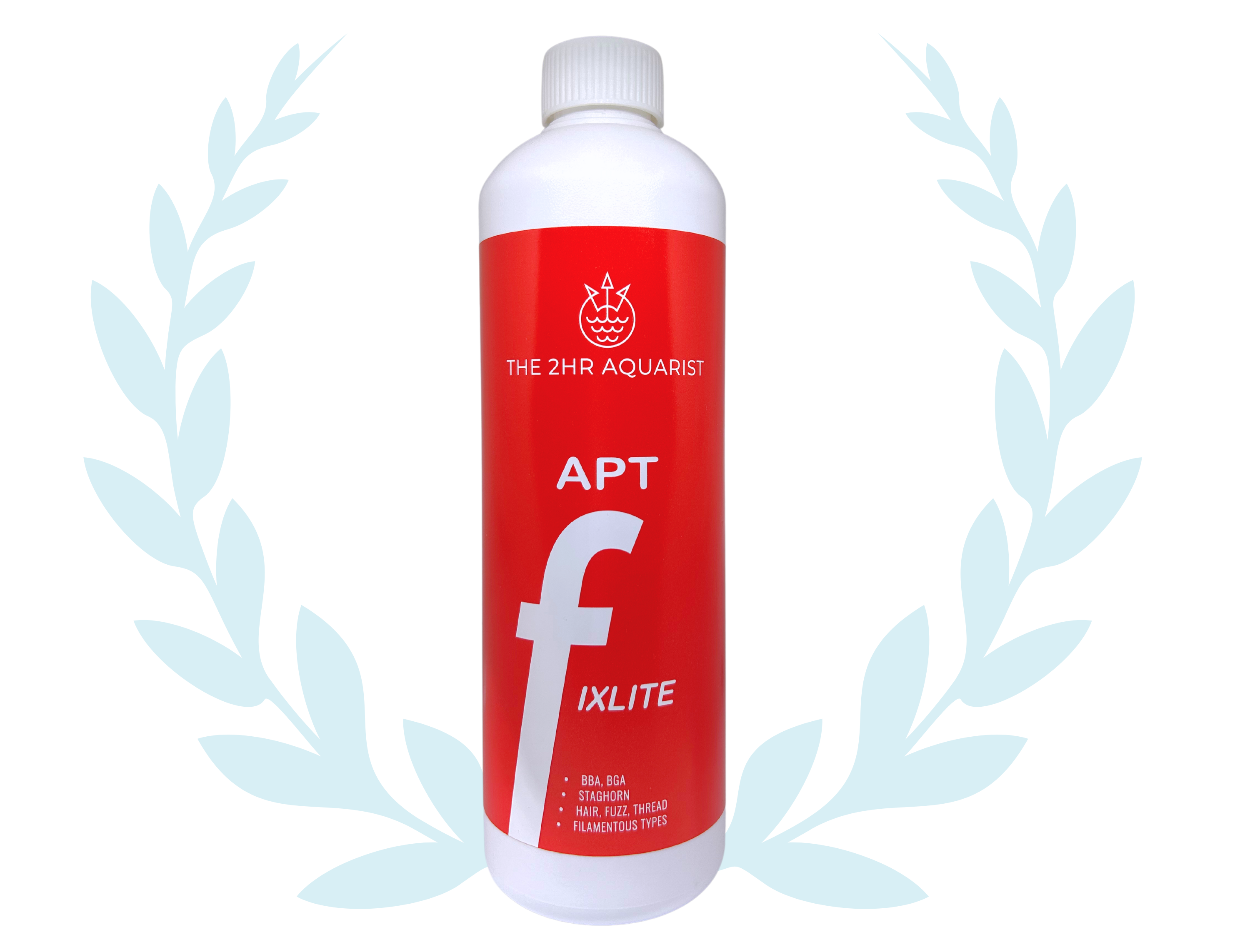
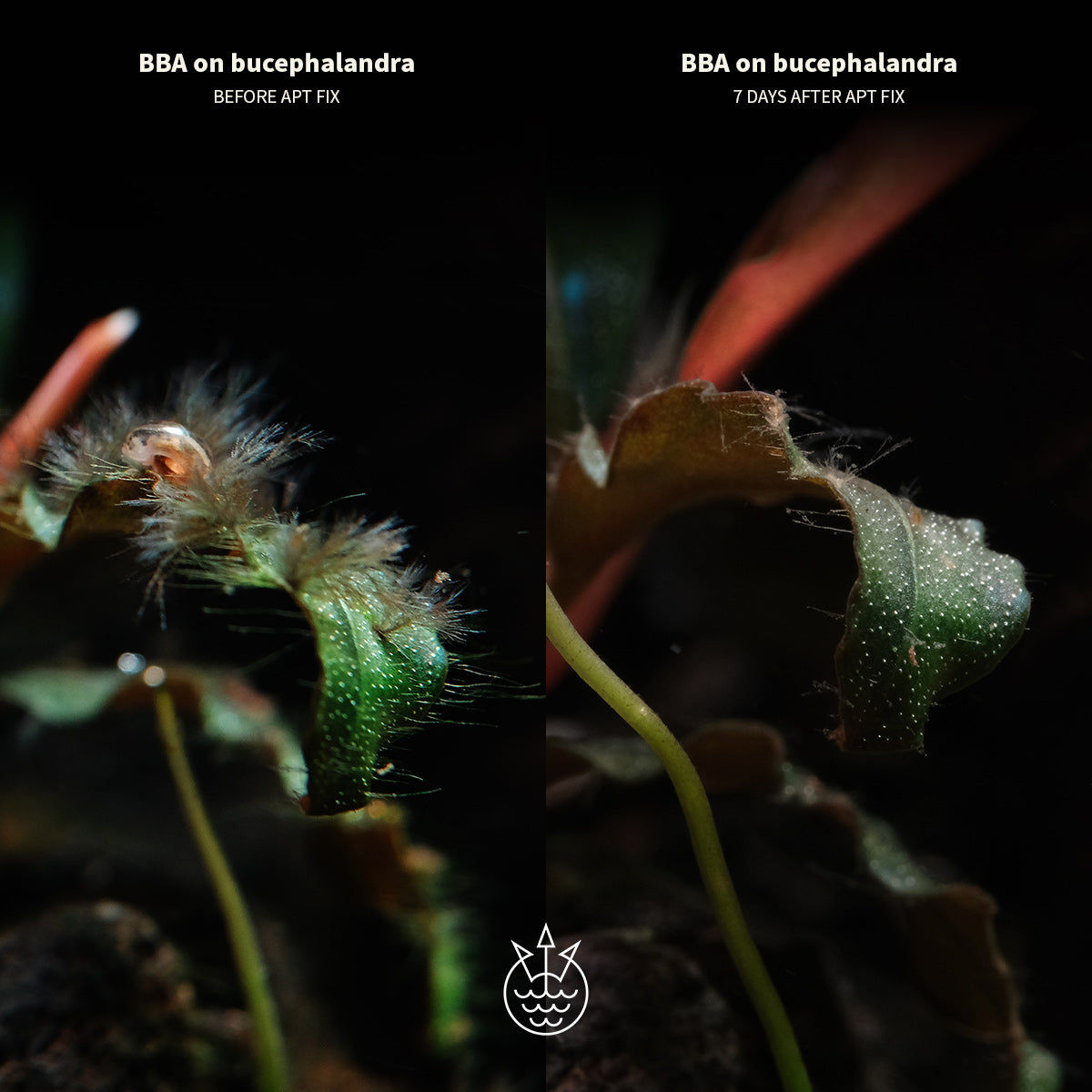
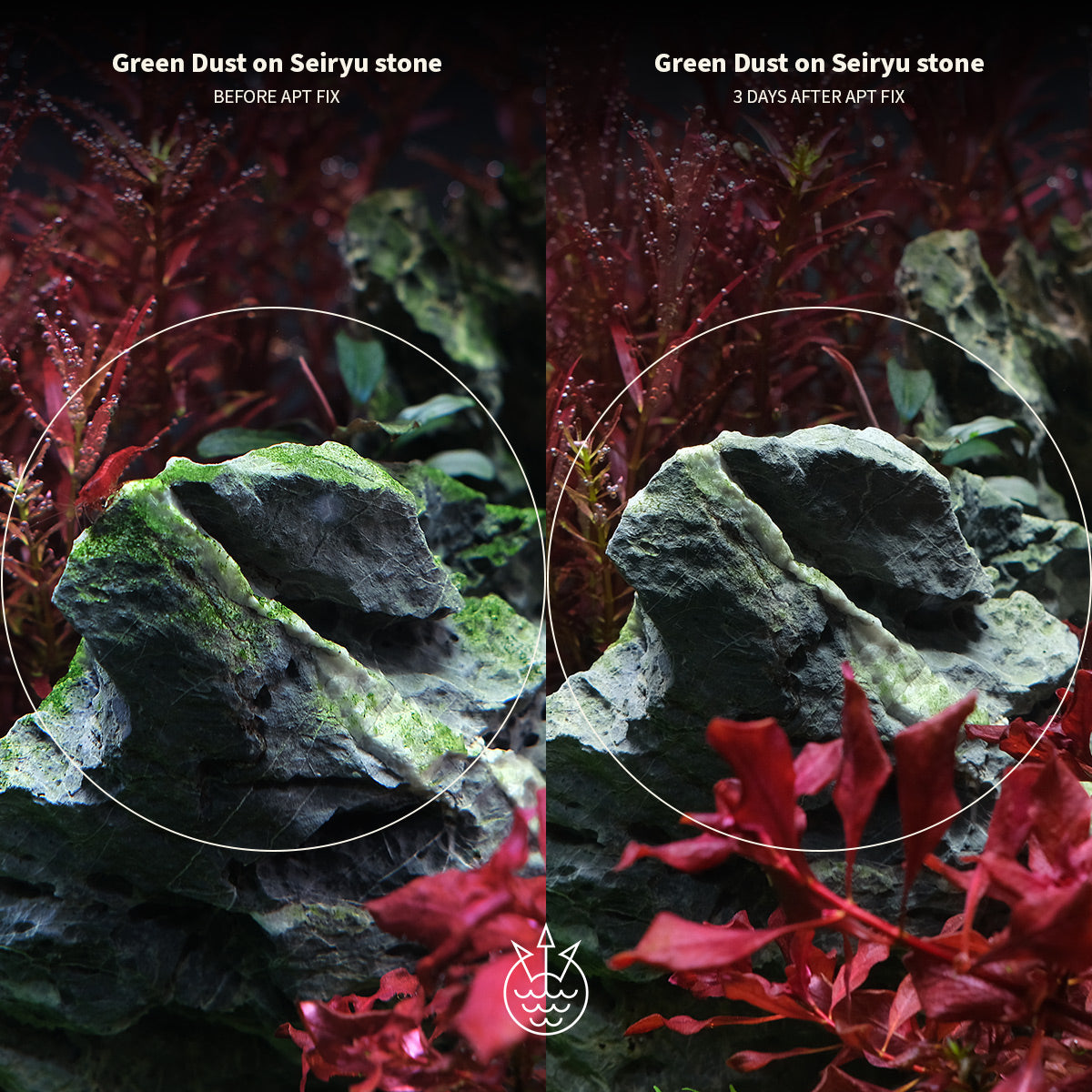
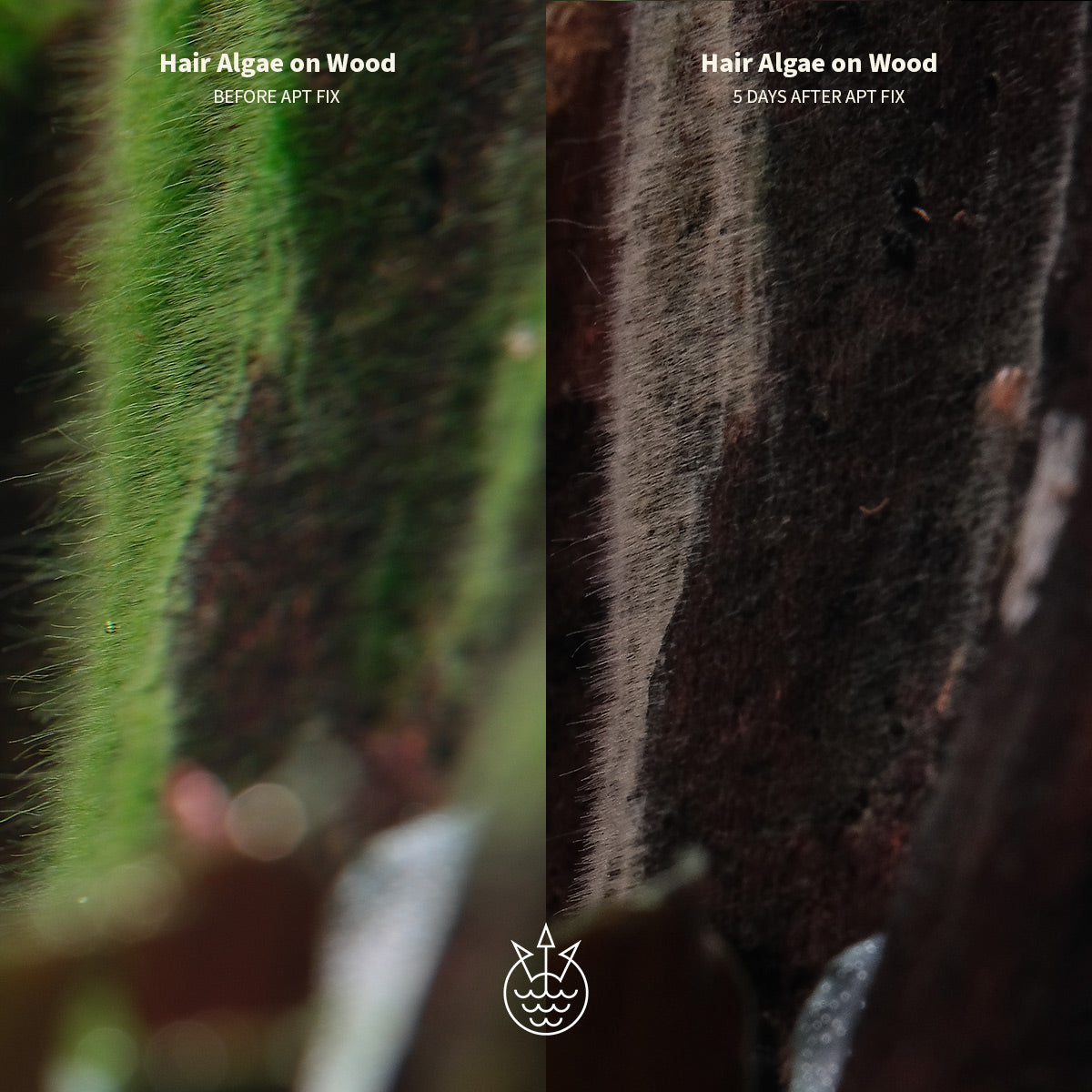
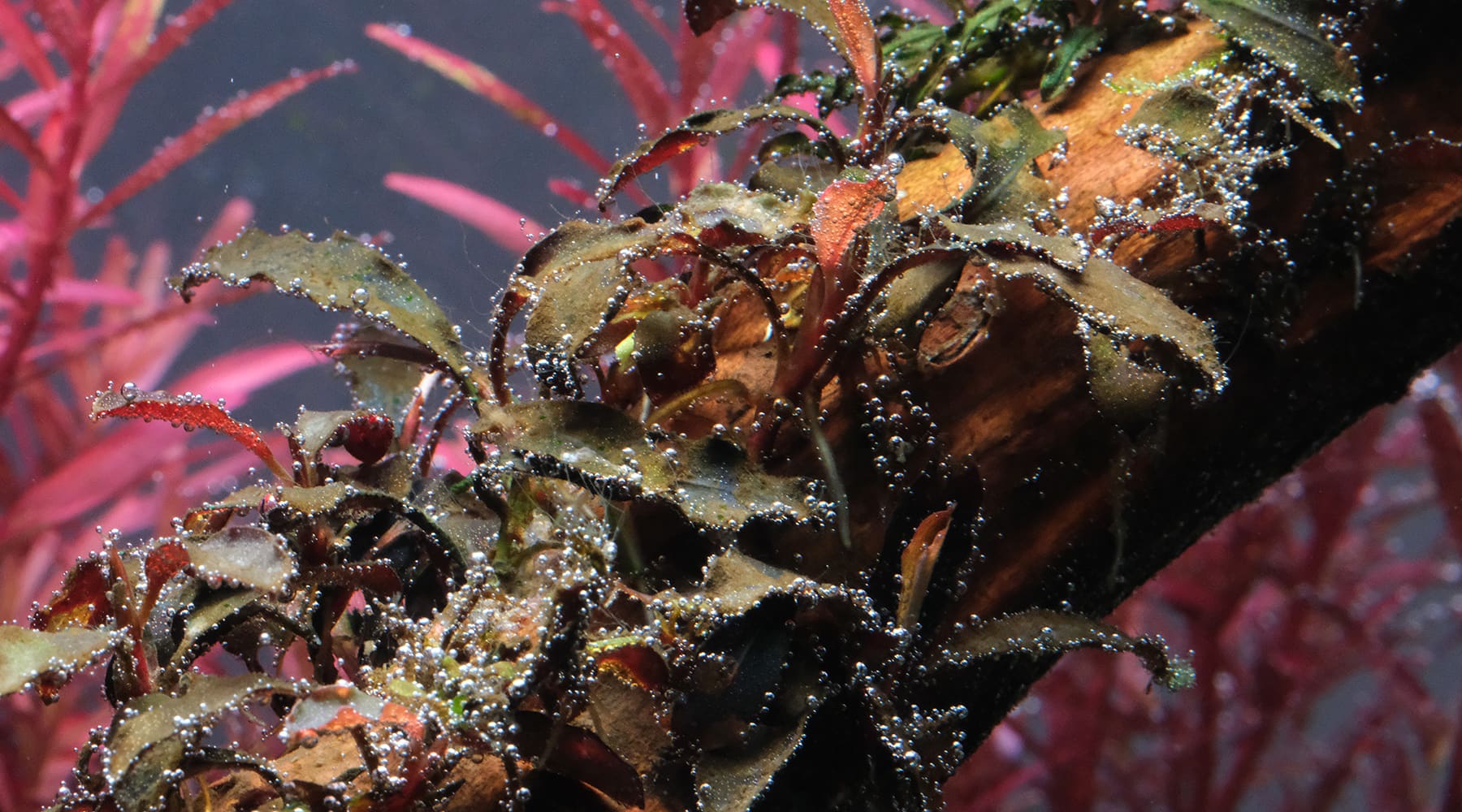
Control especialmente eficaz de las algas BBA y la mayoría de las formas de algas filamentosas.
Se biodegrada suavemente.
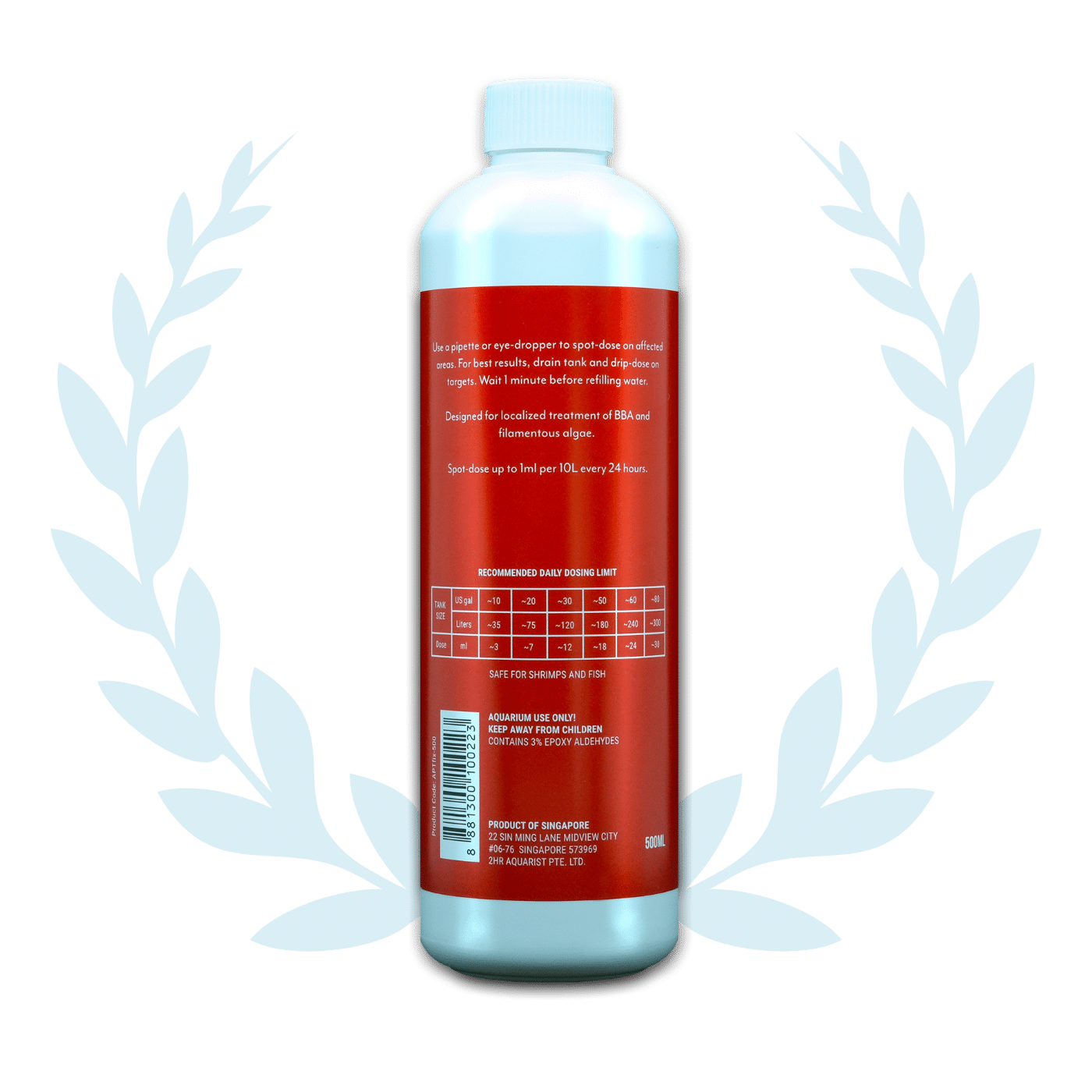
Utilizar pipeta. Dosificar hasta 1ml por 10L.
#standard
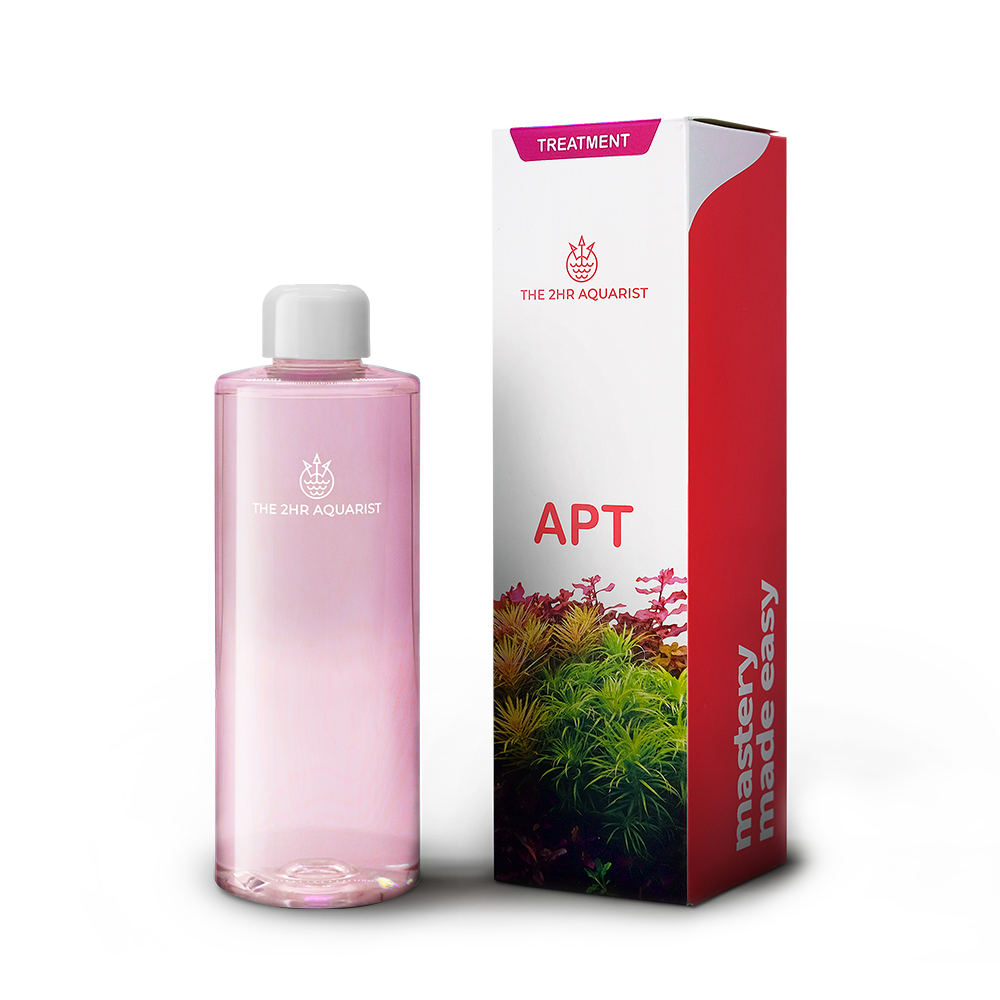
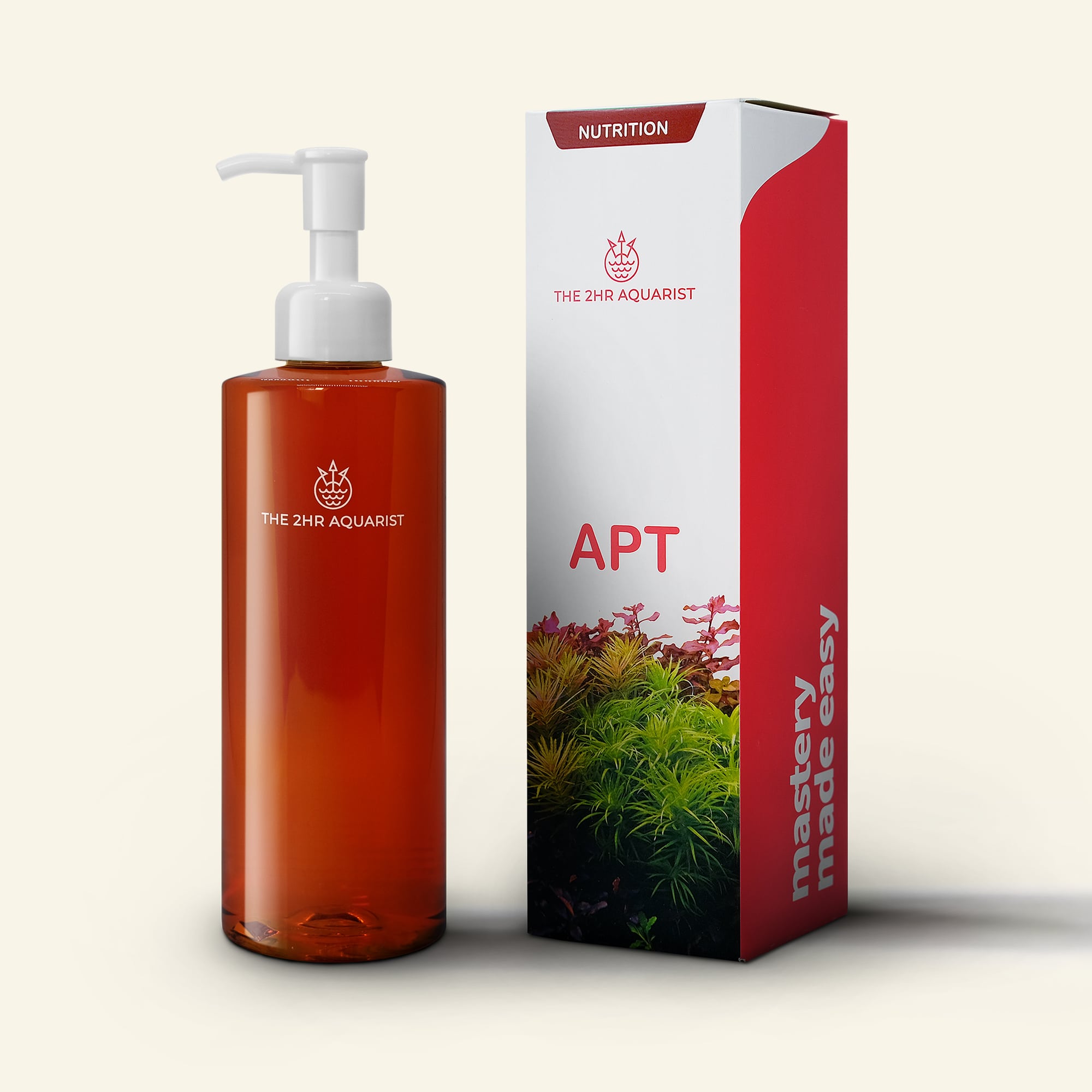
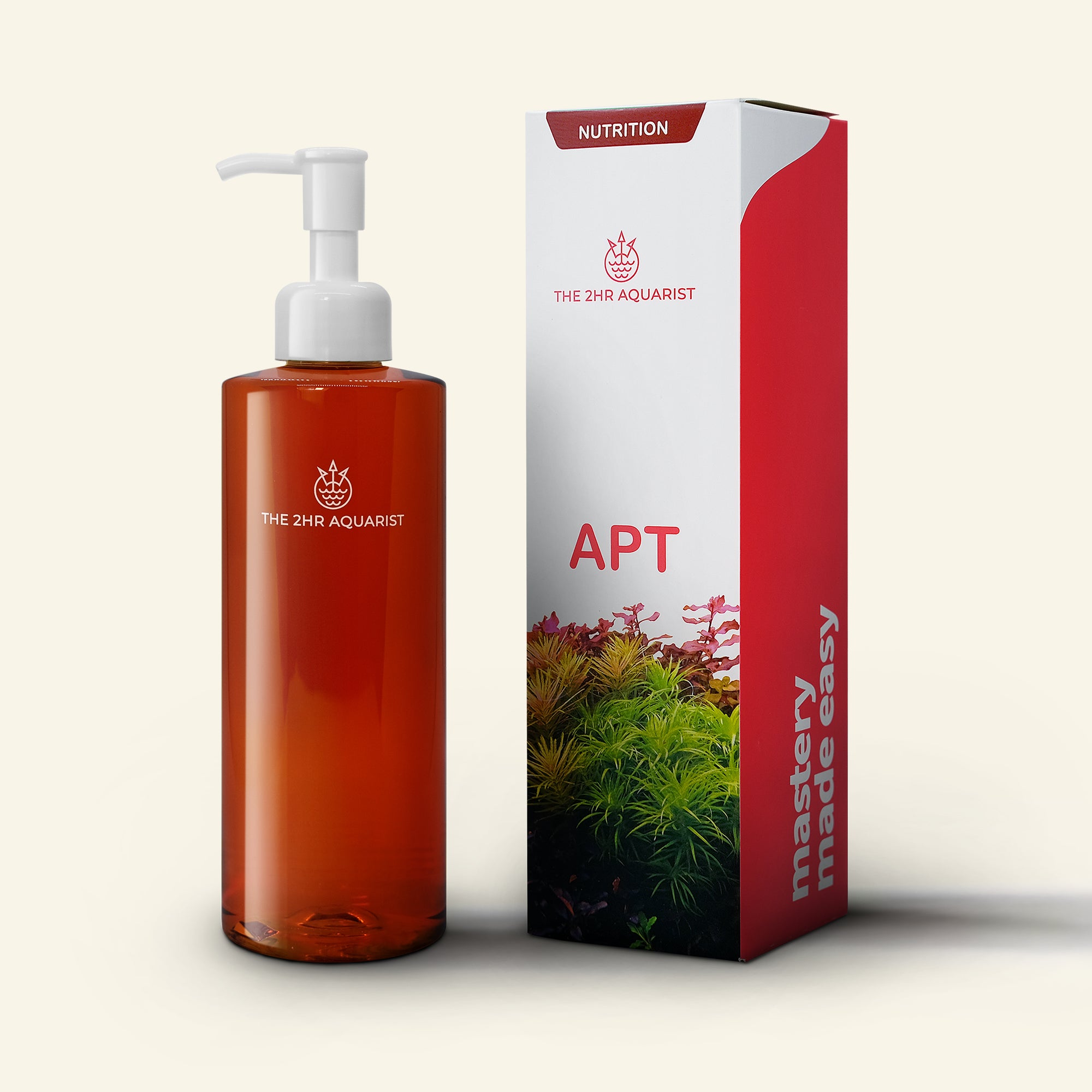
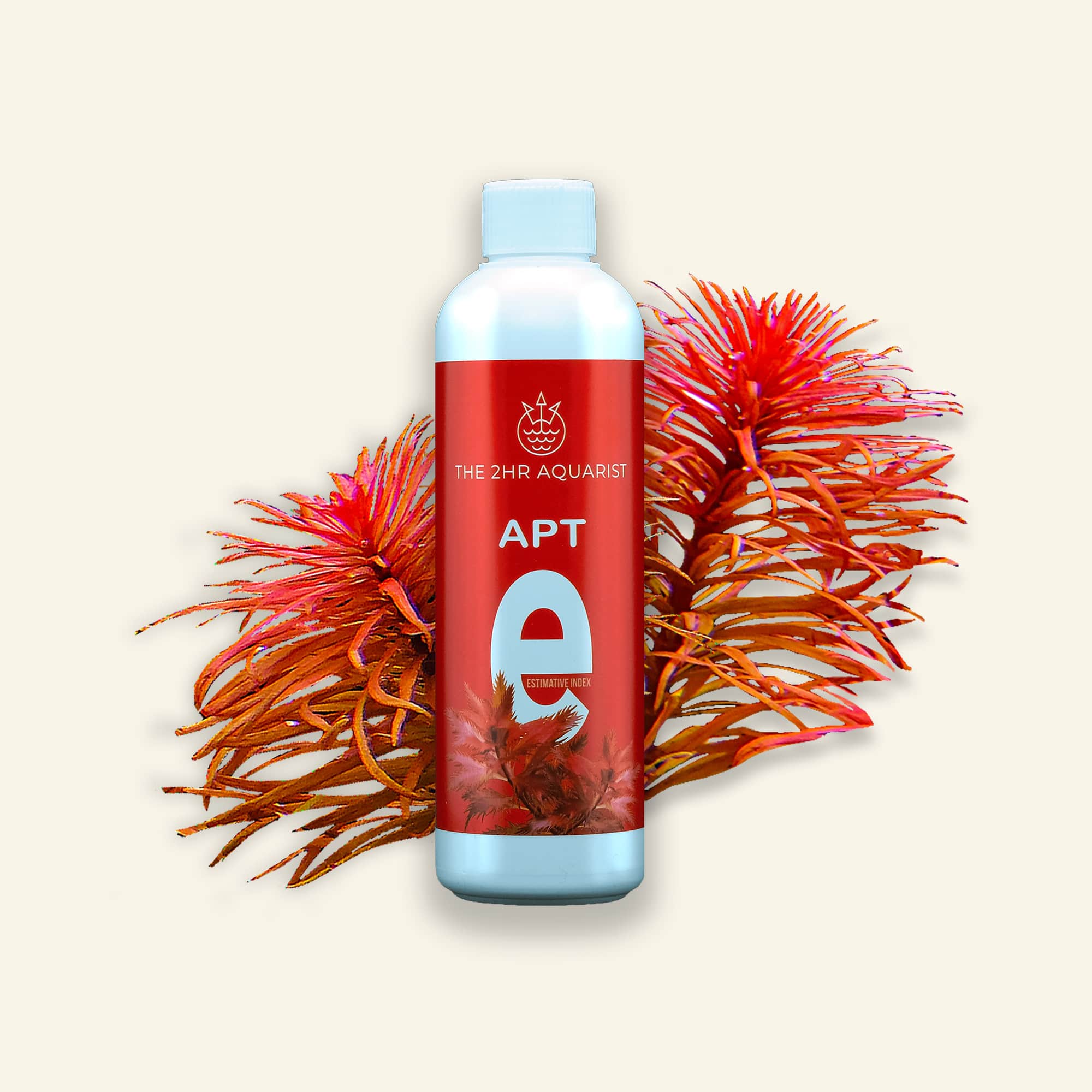
Nuestro envase estándar de 300 ml incluye una pipeta dosificadora calibrada.
#starter
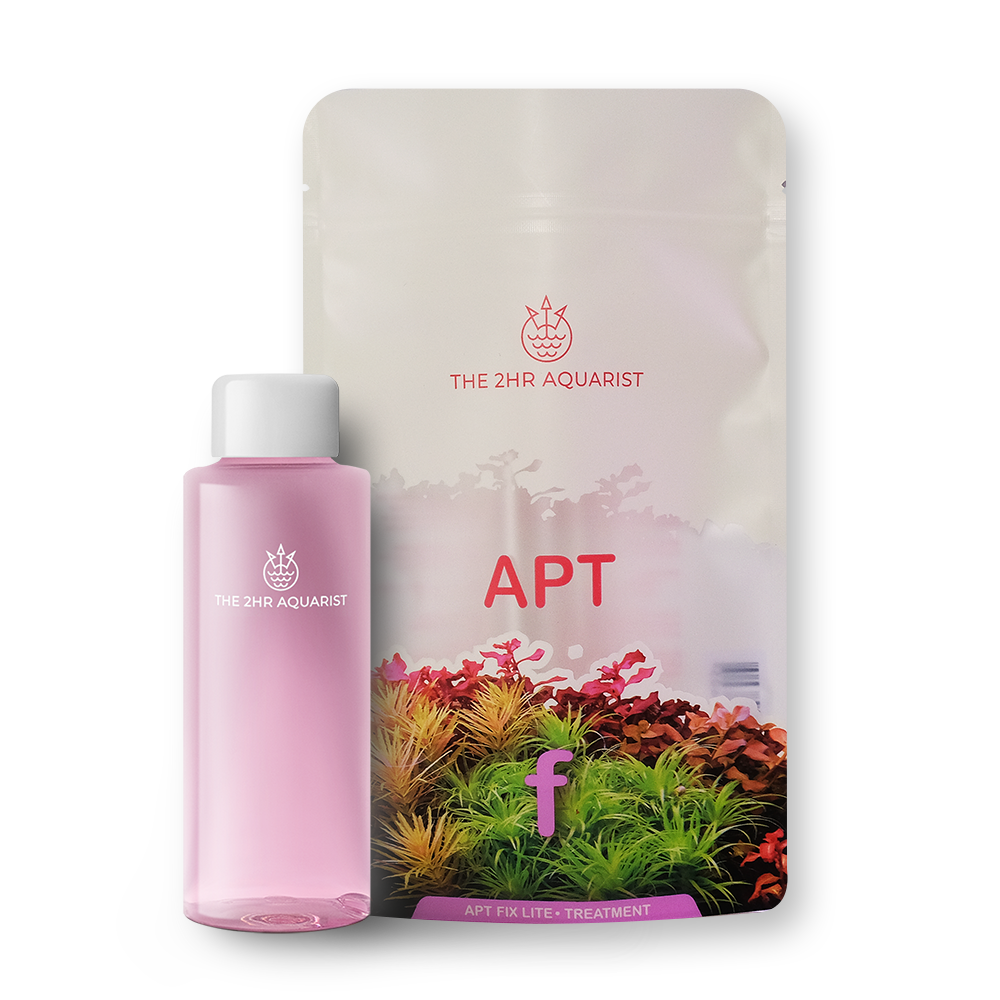
Nuestro envase inicial de 100 ml incluye una pipeta dosificadora calibrada.
Ingredientes
3% Epoxy Adelhydes
INSTRUCTIONS
WHY
INGREDIENTS
2Hr Aquarist APT Fix
If you have any questions, you are always welcome to contact us. We'll get back to you as soon as possible, within 24 hours on weekdays.
-
Shipping Information
Use this text to answer questions in as much detail as possible for your customers.
-
Customer Support
Use this text to answer questions in as much detail as possible for your customers.
-
FAQ’s
Use this text to answer questions in as much detail as possible for your customers.
-
Contact Us
Use this text to answer questions in as much detail as possible for your customers.

Naturally biodegrades

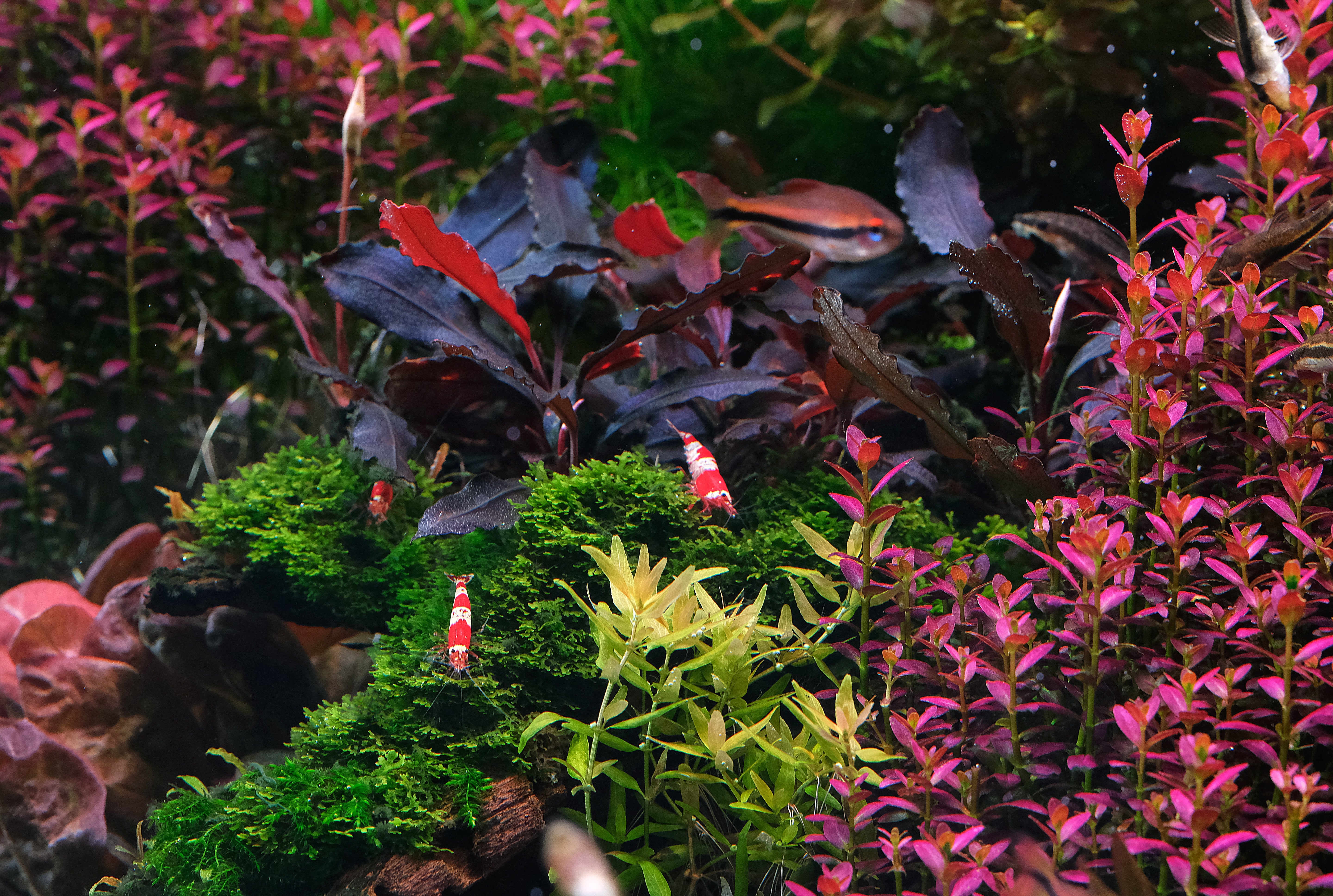
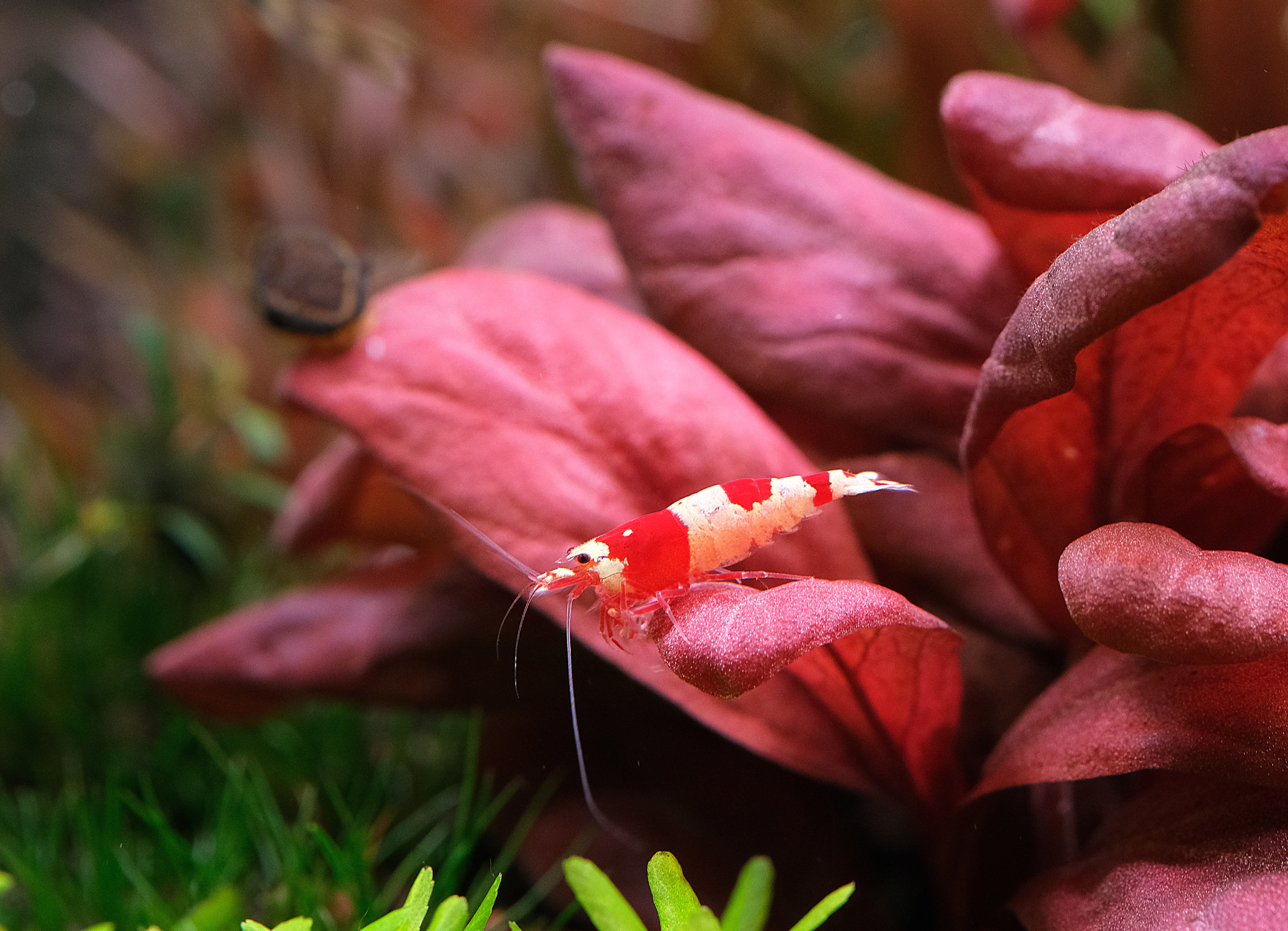
Fish and shrimp safe

Fast Acting
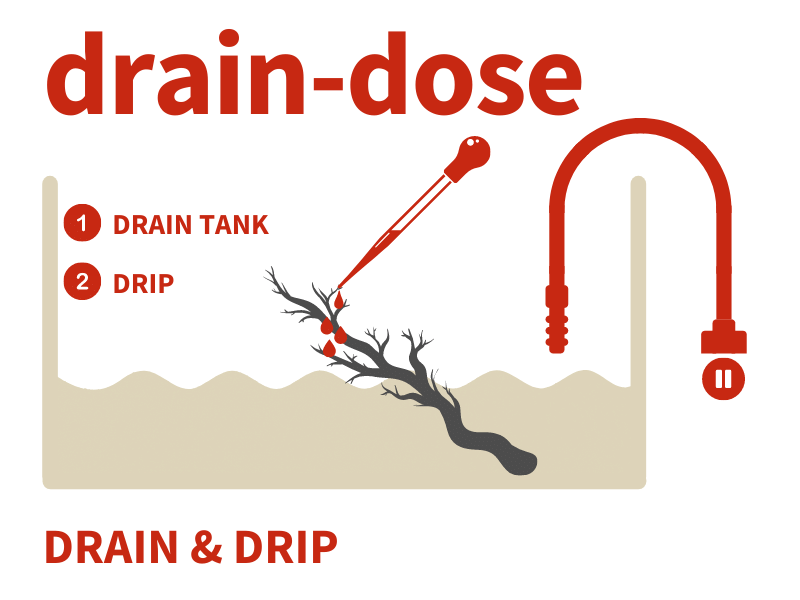
Drain and Drip
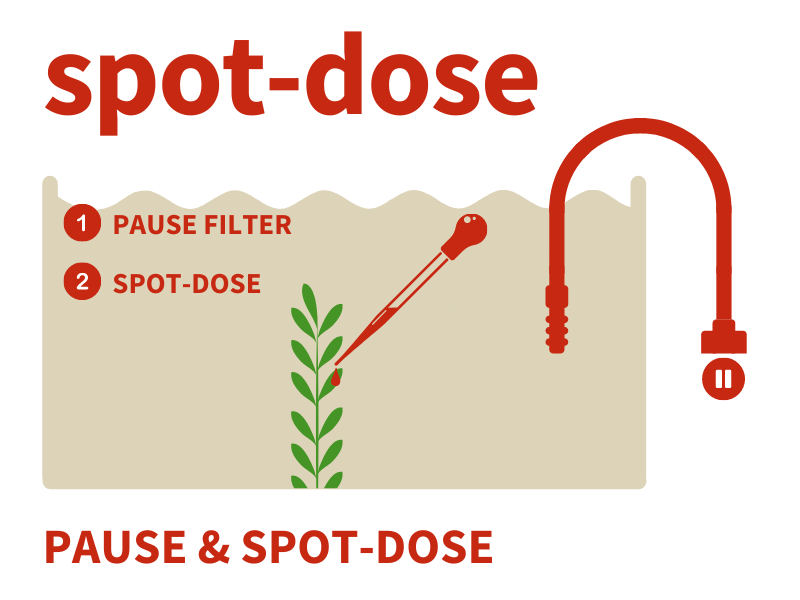
Pause and Spot-dose
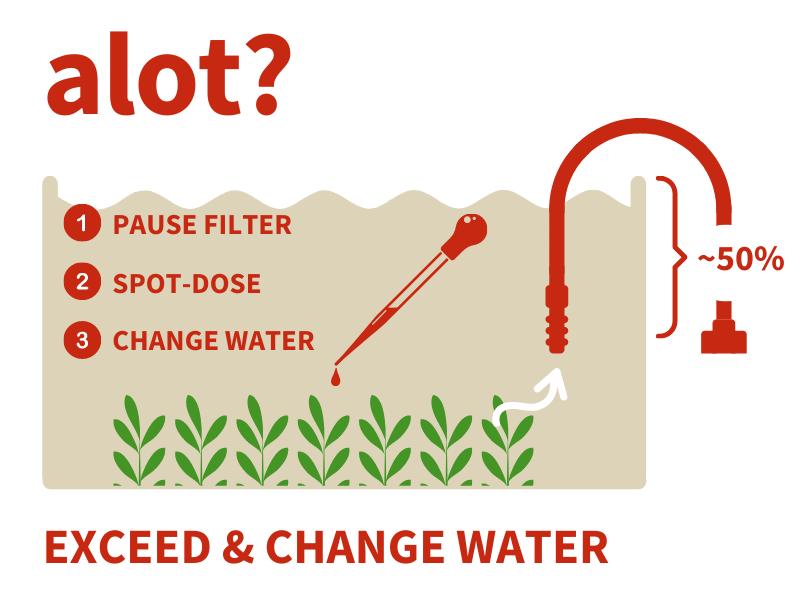
Change Water
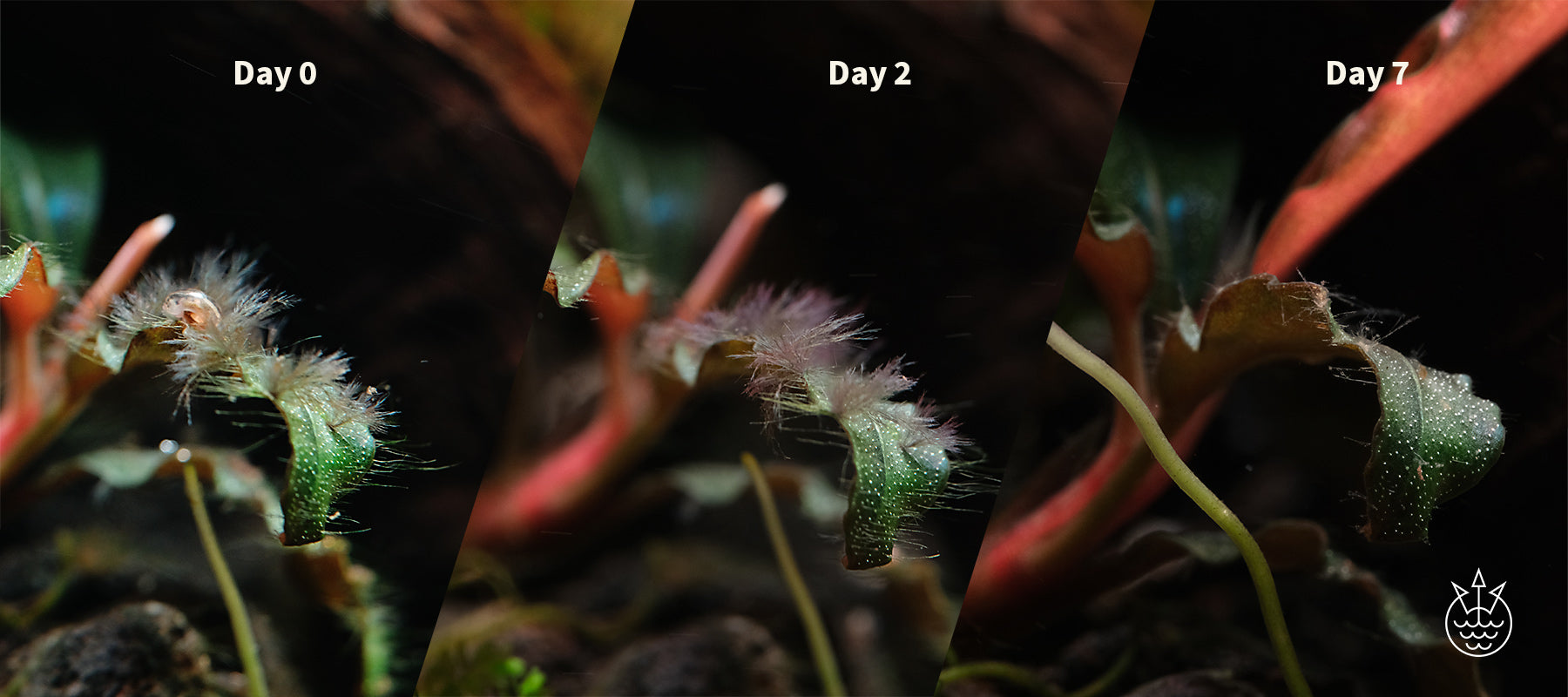
BBA
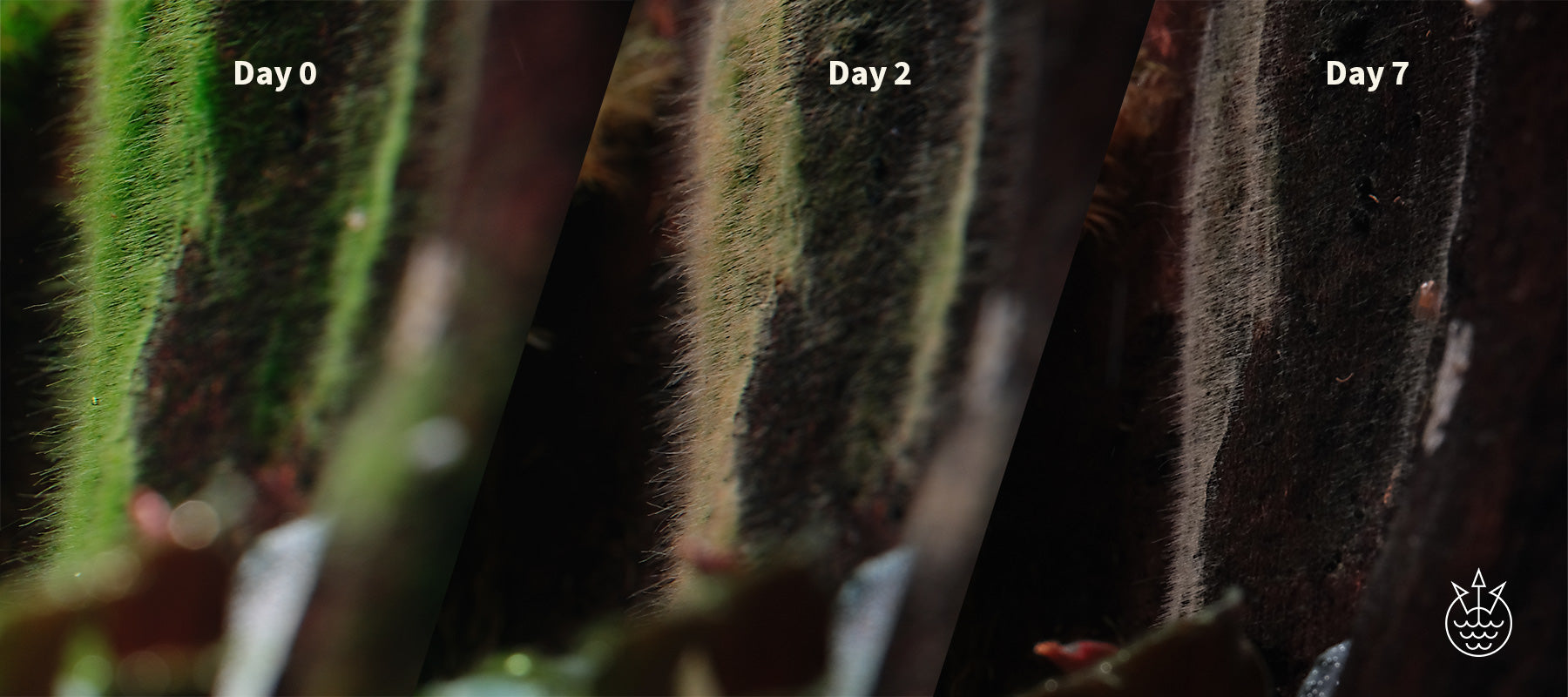
Hair Algae
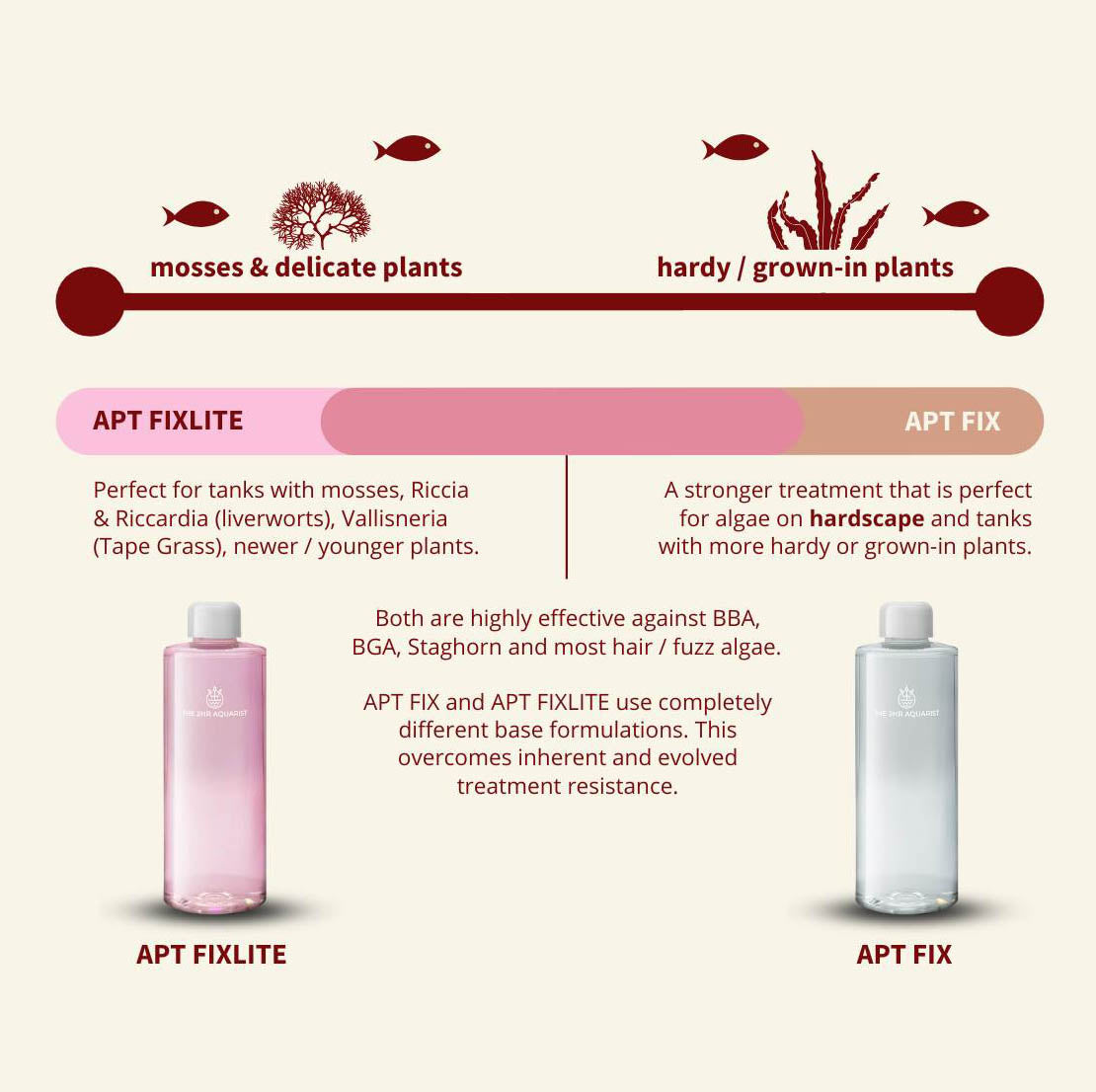
APT FIXLITE or APT FIX?
FAQs
Please read our FAQs page to find out more.
How do I use APT Fix -spot dose, or add it to the whole tank?
APT Fix or APT Fixlite - what's the difference, and can I use both?
What algae does APT Fix treat, and how long does it take?
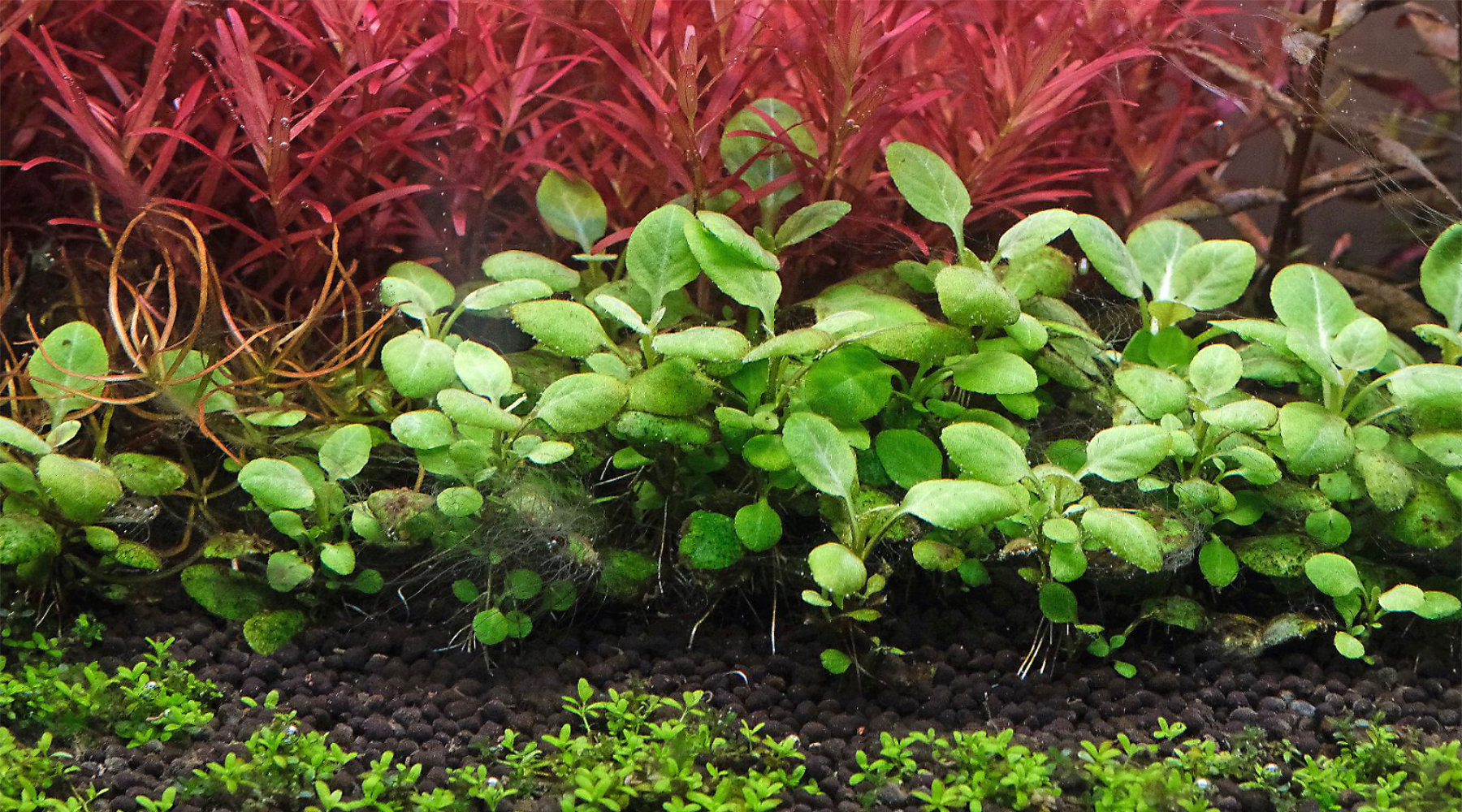
New Aquarium Algae: Why It Happens and How to Clear It
Brown fuzz on the glass. Green hair on your Monte Carlo. A haze in the water that makes you wonder what went wrong. Nothing went wrong - your tank is just young. Here's what's actually happening in a new aquarium and how to read the signs that it's fixing itself.
Leer mássobre New Aquarium Algae: Why It Happens and How to Clear It
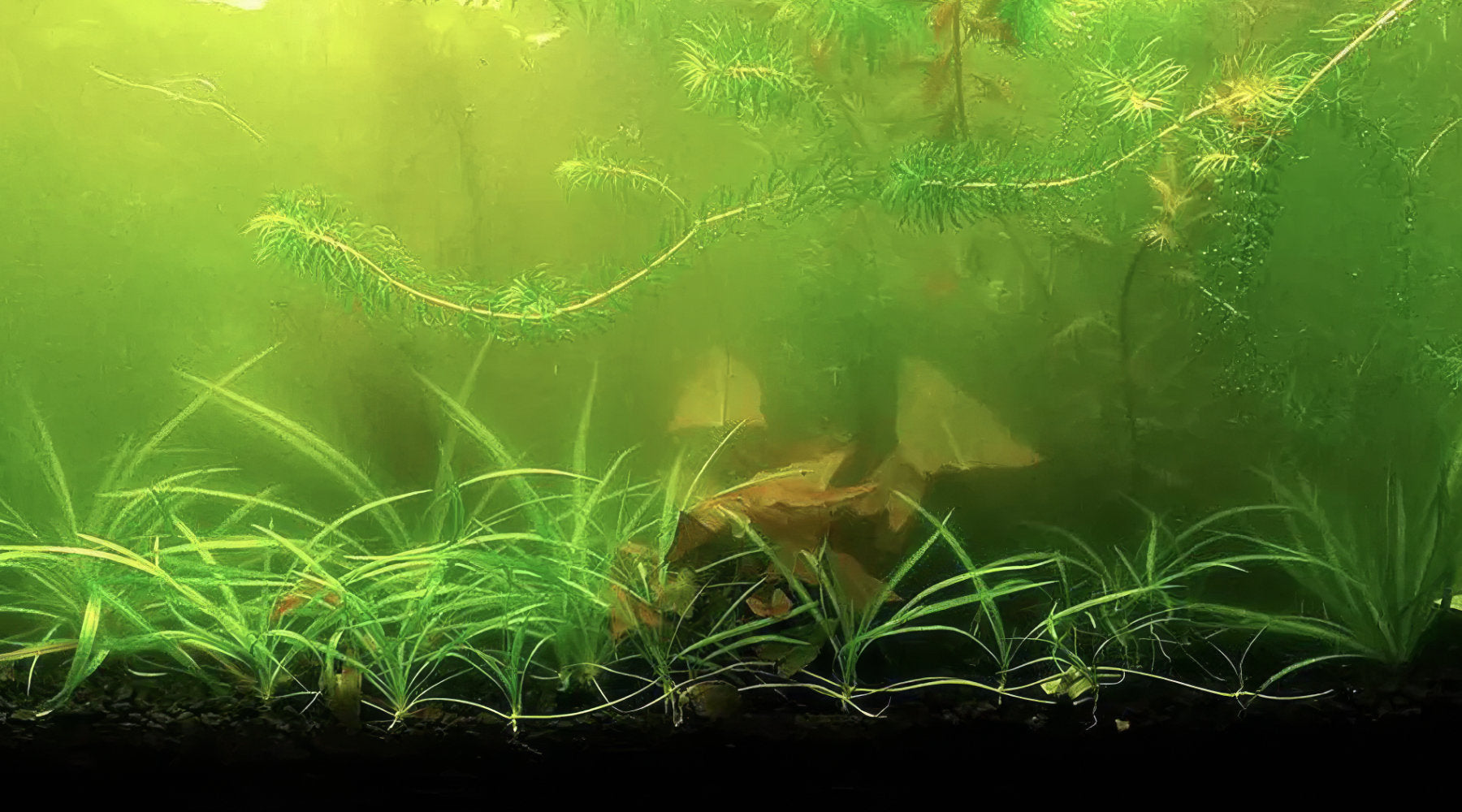
Green Water Algae: Why Your Aquarium Looks Like Pea Soup (And How to Clear It)
Your tank looks like pea soup and water changes barely dent it. Green water is a bloom of free-floating algae, driven by strong light plus dissolved waste. It rarely harms fish, but it hides everything. Here's what actually triggers the bloom and the tools that reliably clear it.
Leer mássobre Green Water Algae: Why Your Aquarium Looks Like Pea Soup (And How to Clear It)
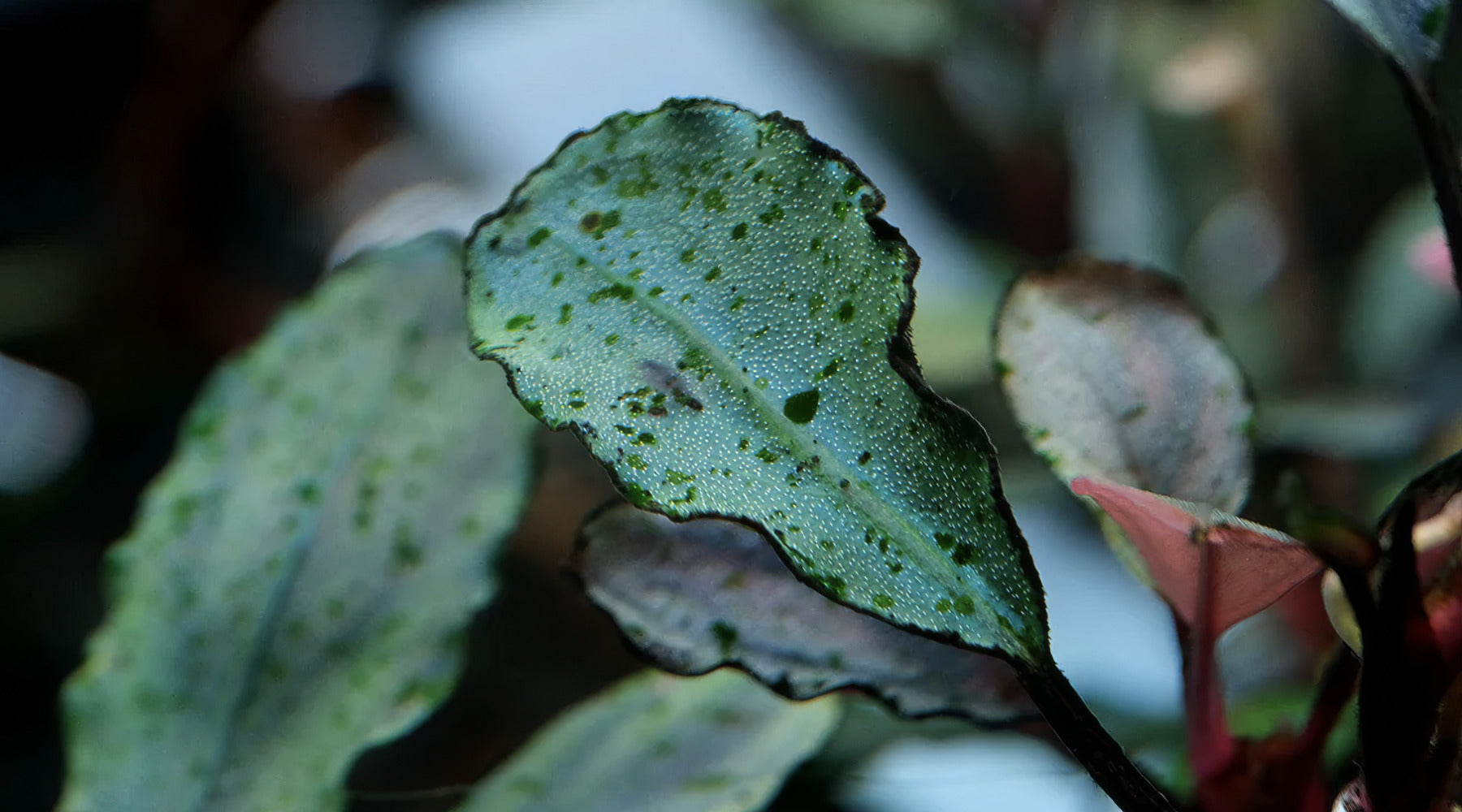
Green Spot Algae (GSA): What Causes It and How to Stop It
Those hard green dots on your glass and Anubias leaves are not random. They show up exactly where strong light hits slow, dirty, poorly circulated surfaces. GSA is a maintenance issue as much as a nutrient problem. Here is what is causing it and how to fix it.
Leer mássobre Green Spot Algae (GSA): What Causes It and How to Stop It
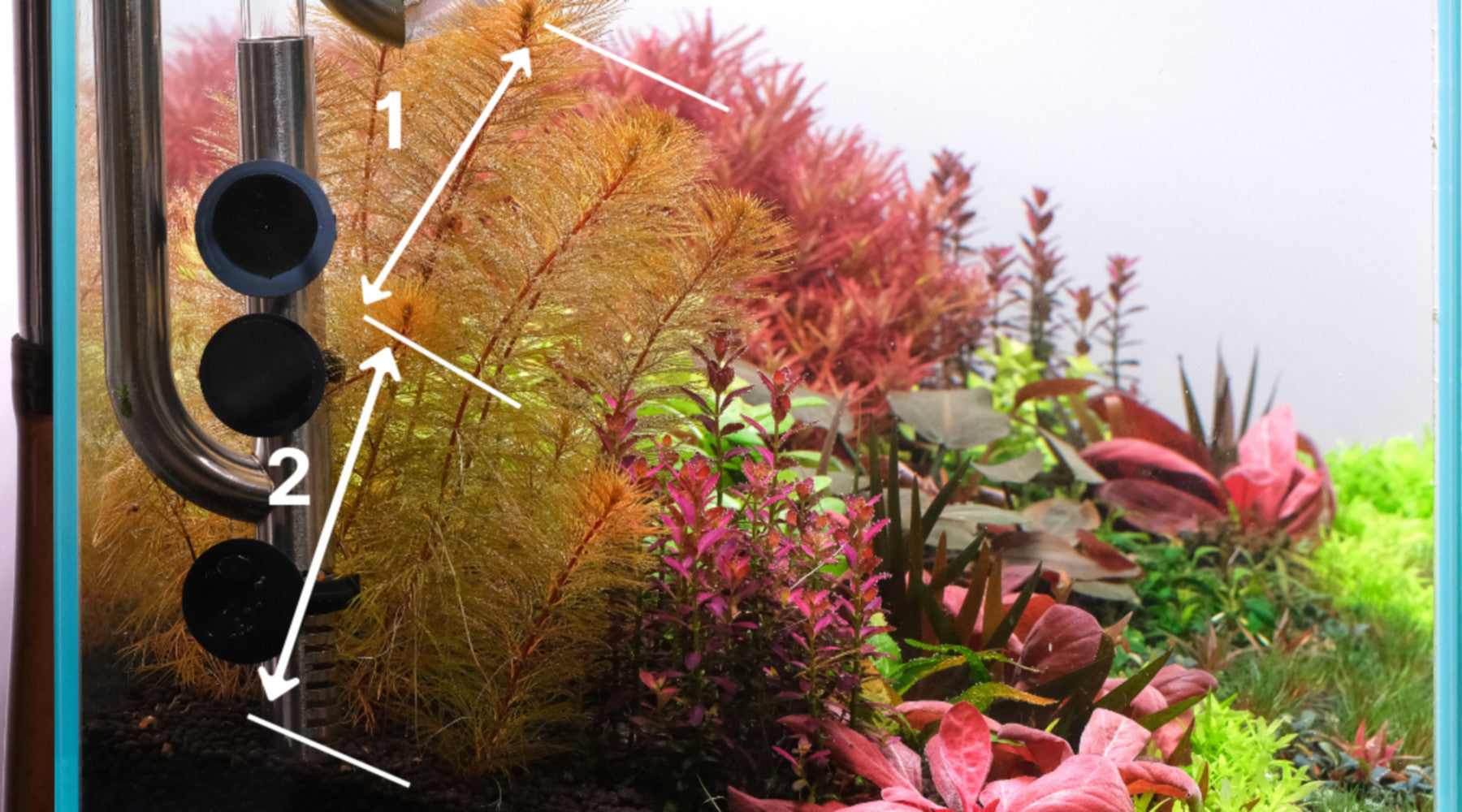
Clearing algae without algicides example 2
How to clear algae without algicides. Early steps to prevent algae from getting a foot hold on the tank.
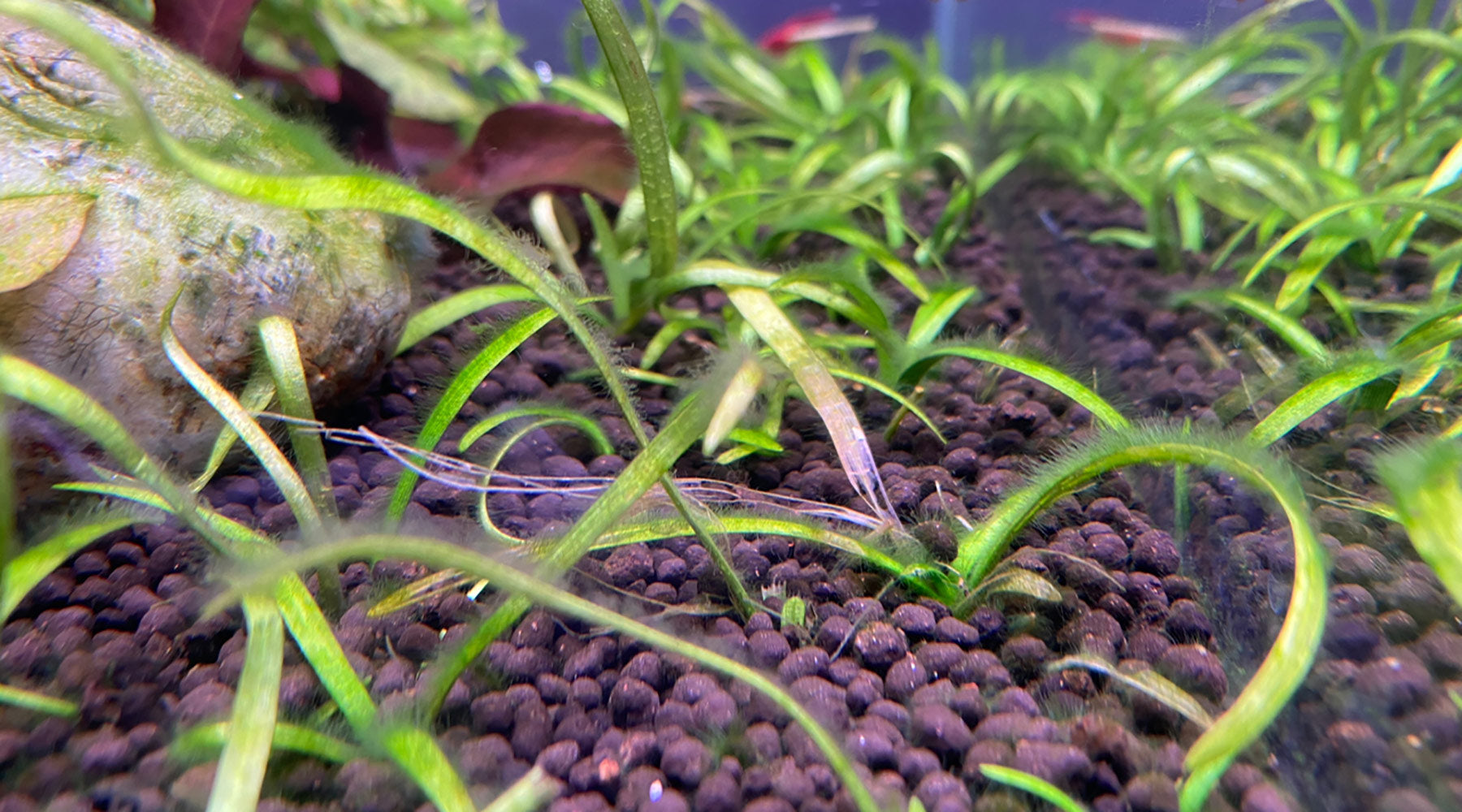
Green Hair Algae, Fuzz Algae, and String Algae in Planted Tanks: Causes and Fixes
Hair, fuzz, and string algae are hobbyist labels for the same filamentous green algae, and on plants they nearly always trace back to one thing: stressed plants. This guide breaks down what actually triggers them, how to tell them apart from Cladophora, and the two-step fix that clears them for good.
Leer mássobre Green Hair Algae, Fuzz Algae, and String Algae in Planted Tanks: Causes and Fixes
Solving localized algae problems
Not all algae issues are tied to CO2, light or nutrients. In this example, we examine how eddy currents depositing debris around a stem plant bush can trigger algae in particular spot.
Cómo controlar las algas pardas (diatomeas)