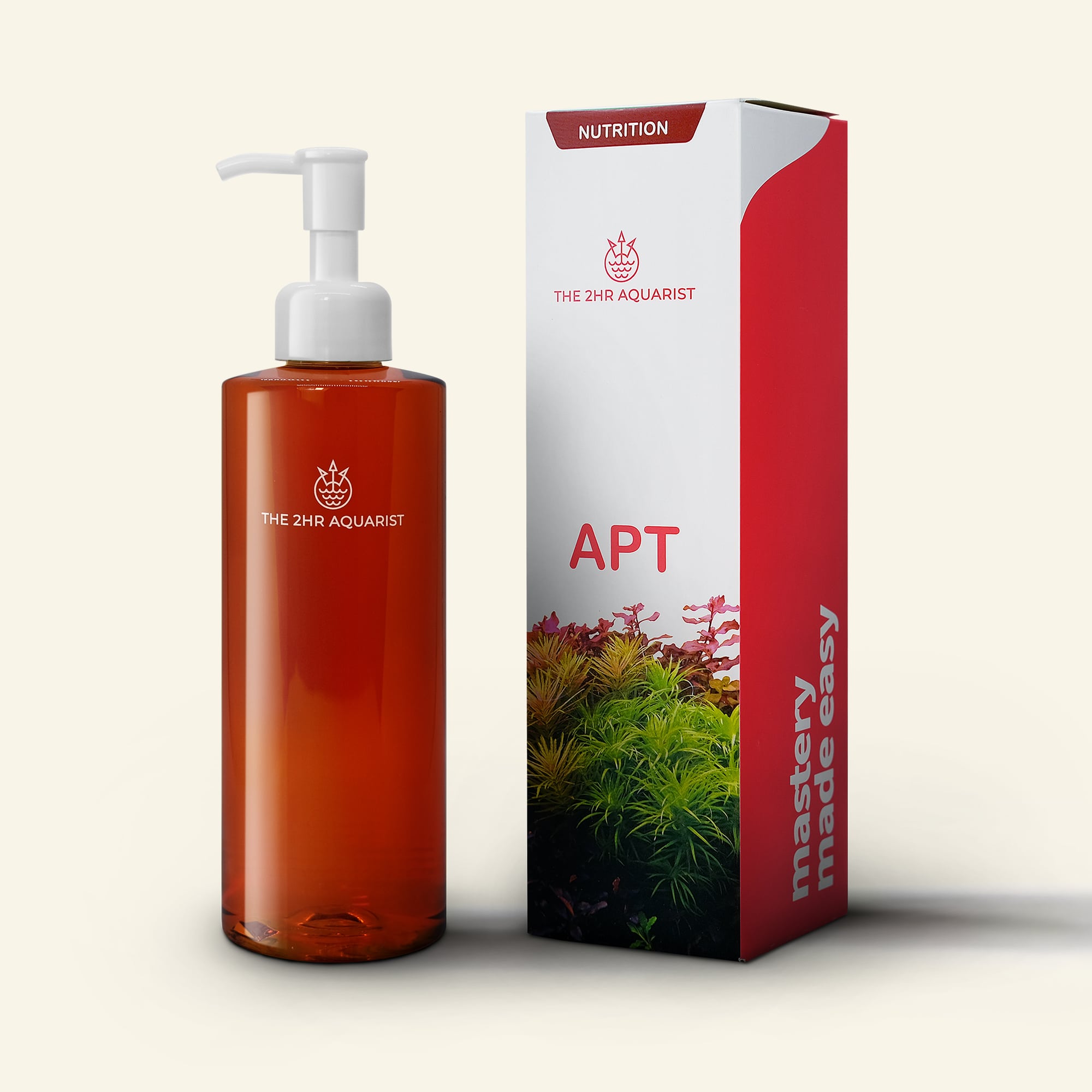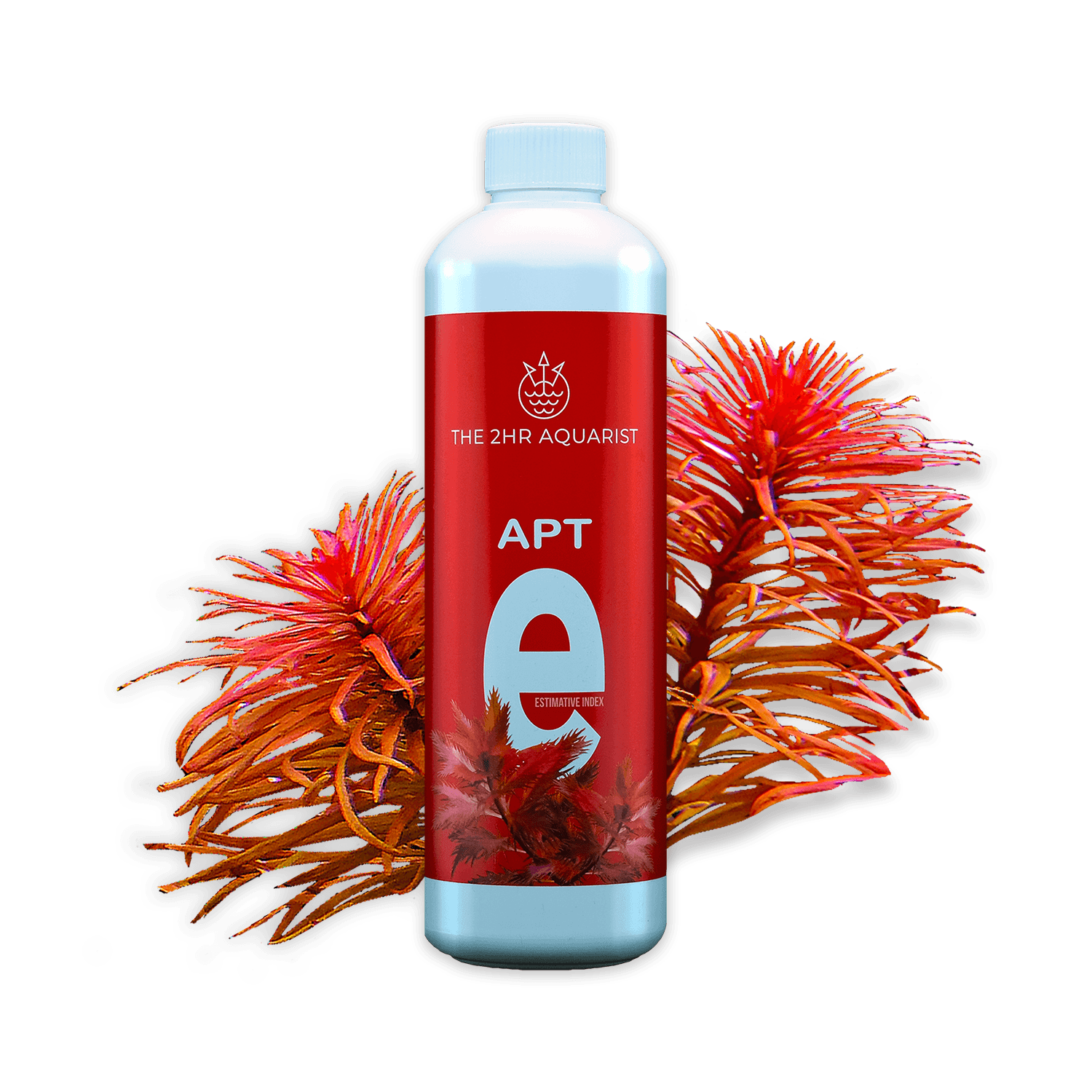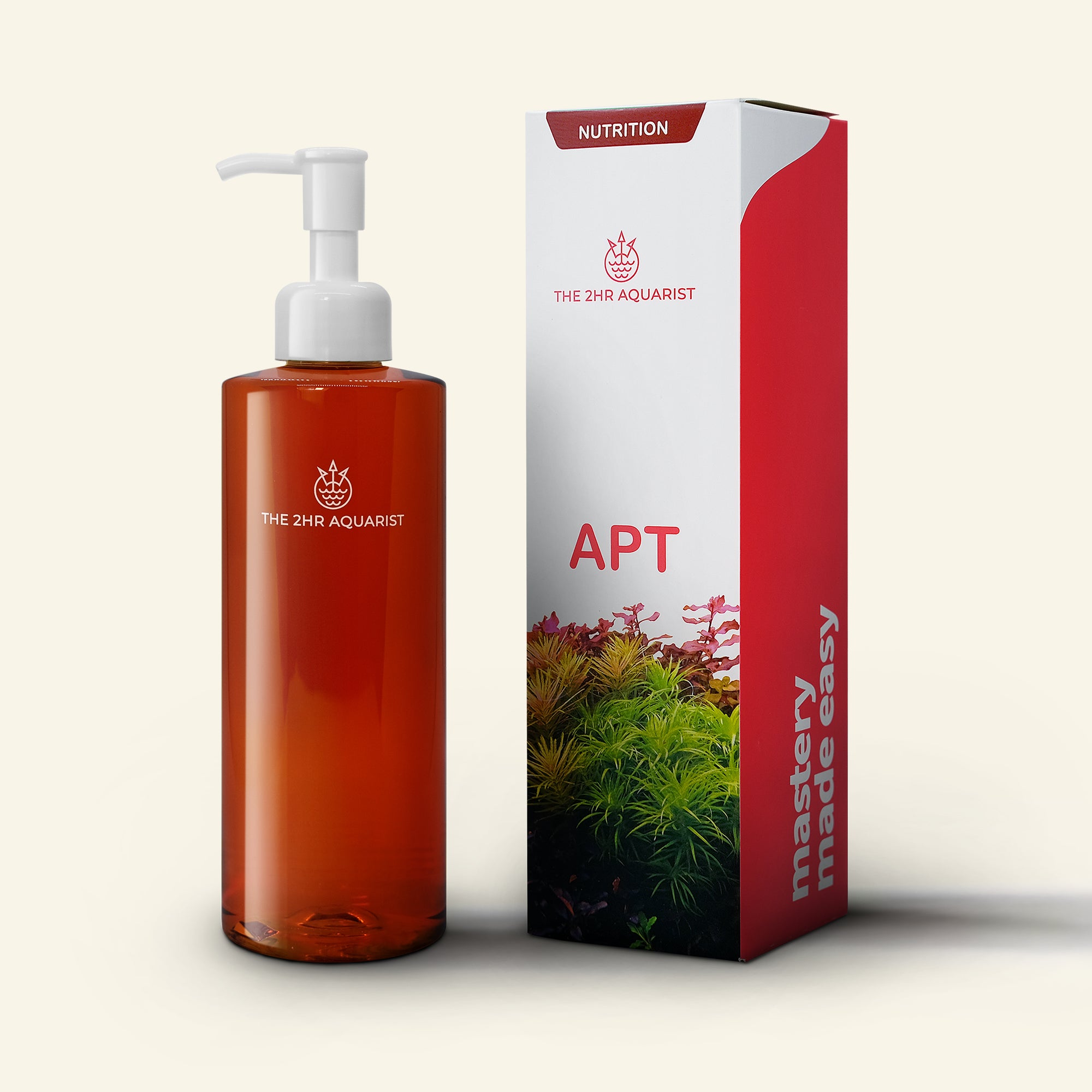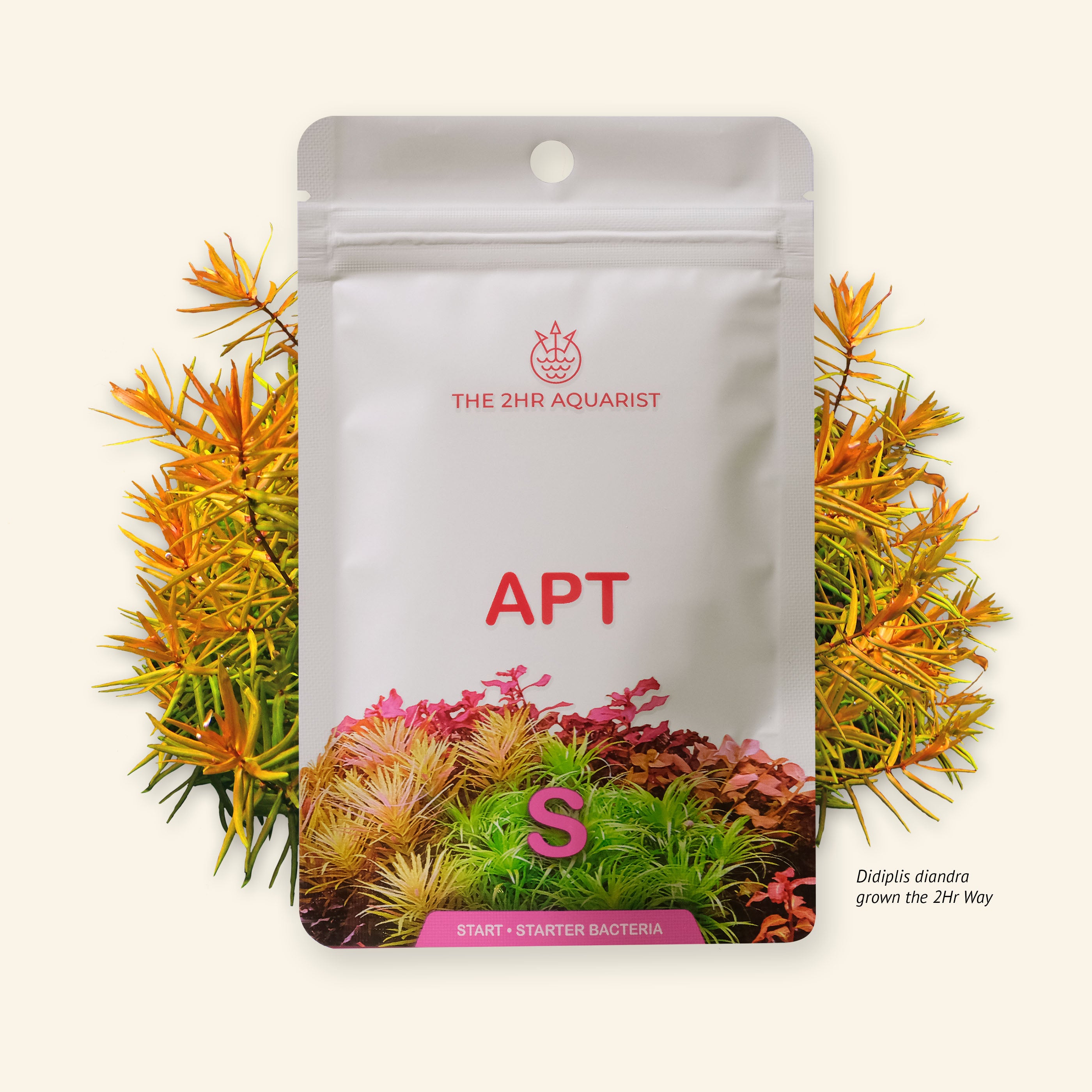



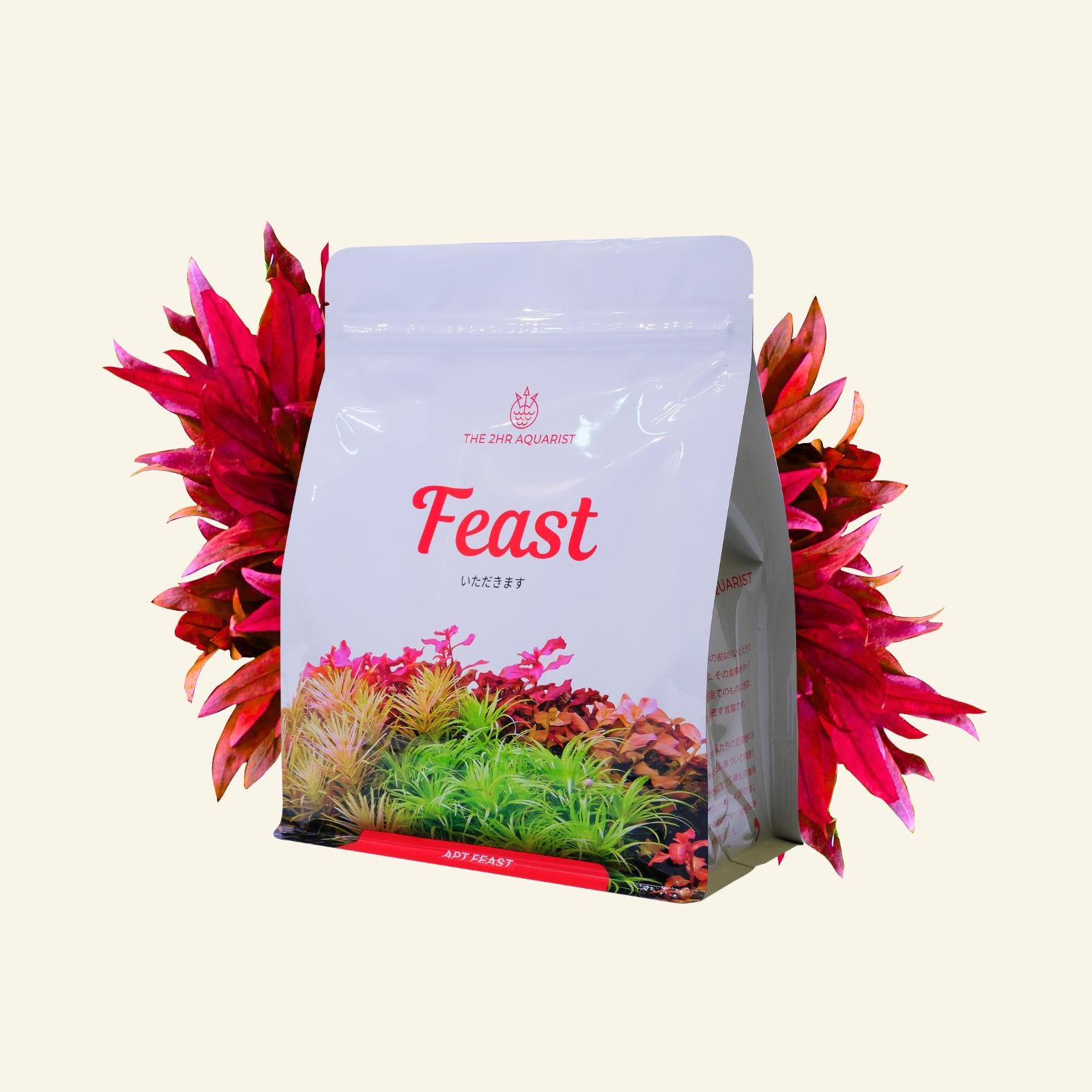
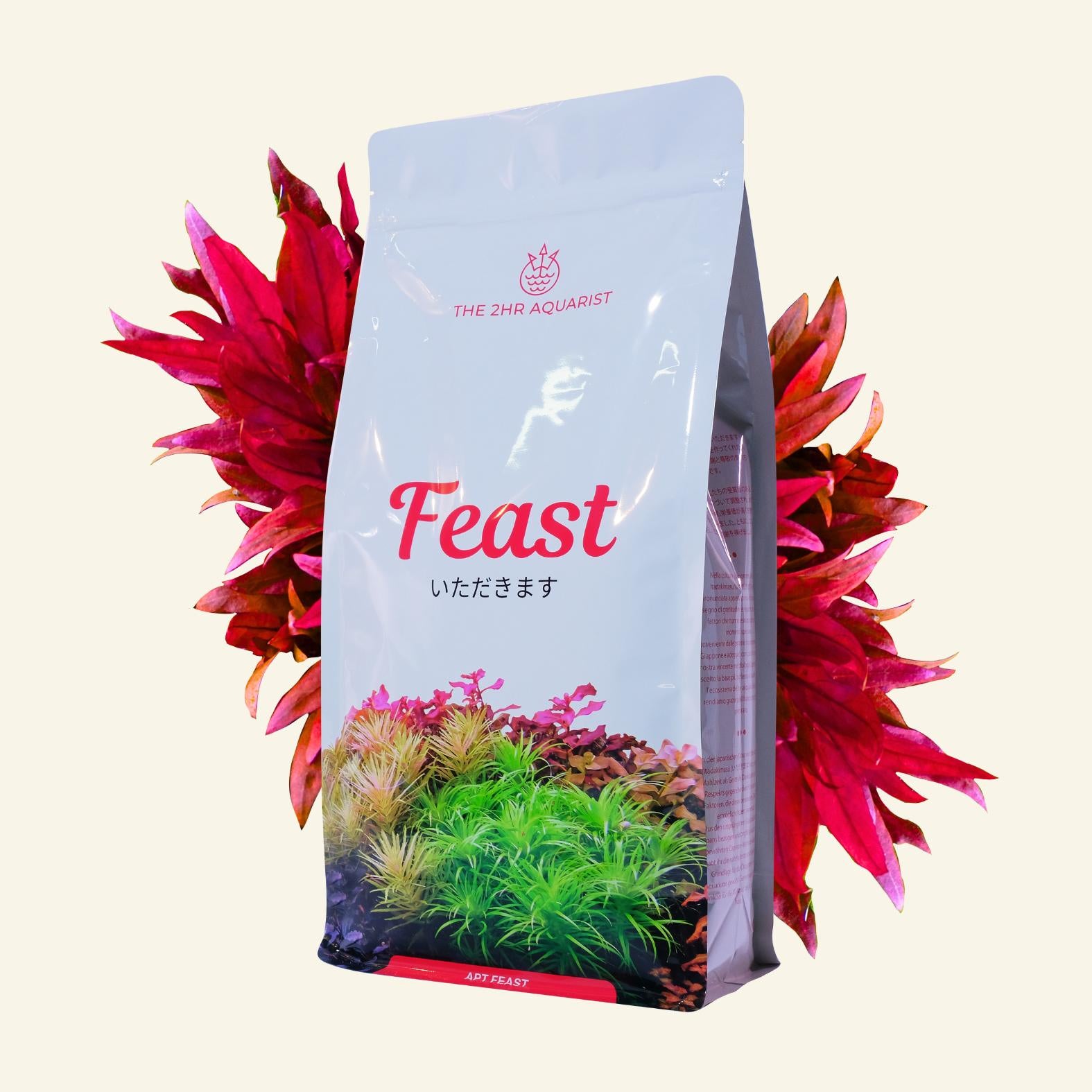
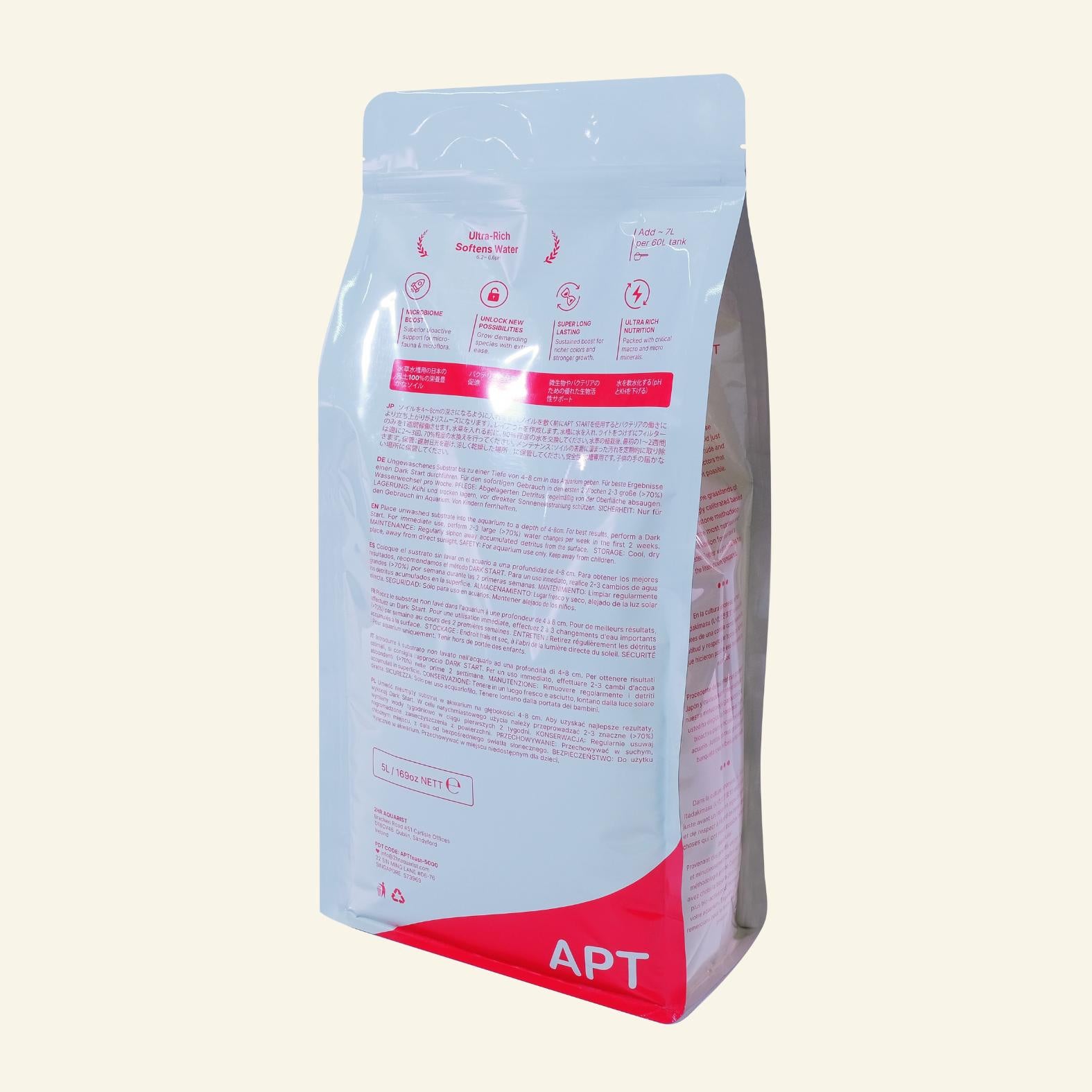
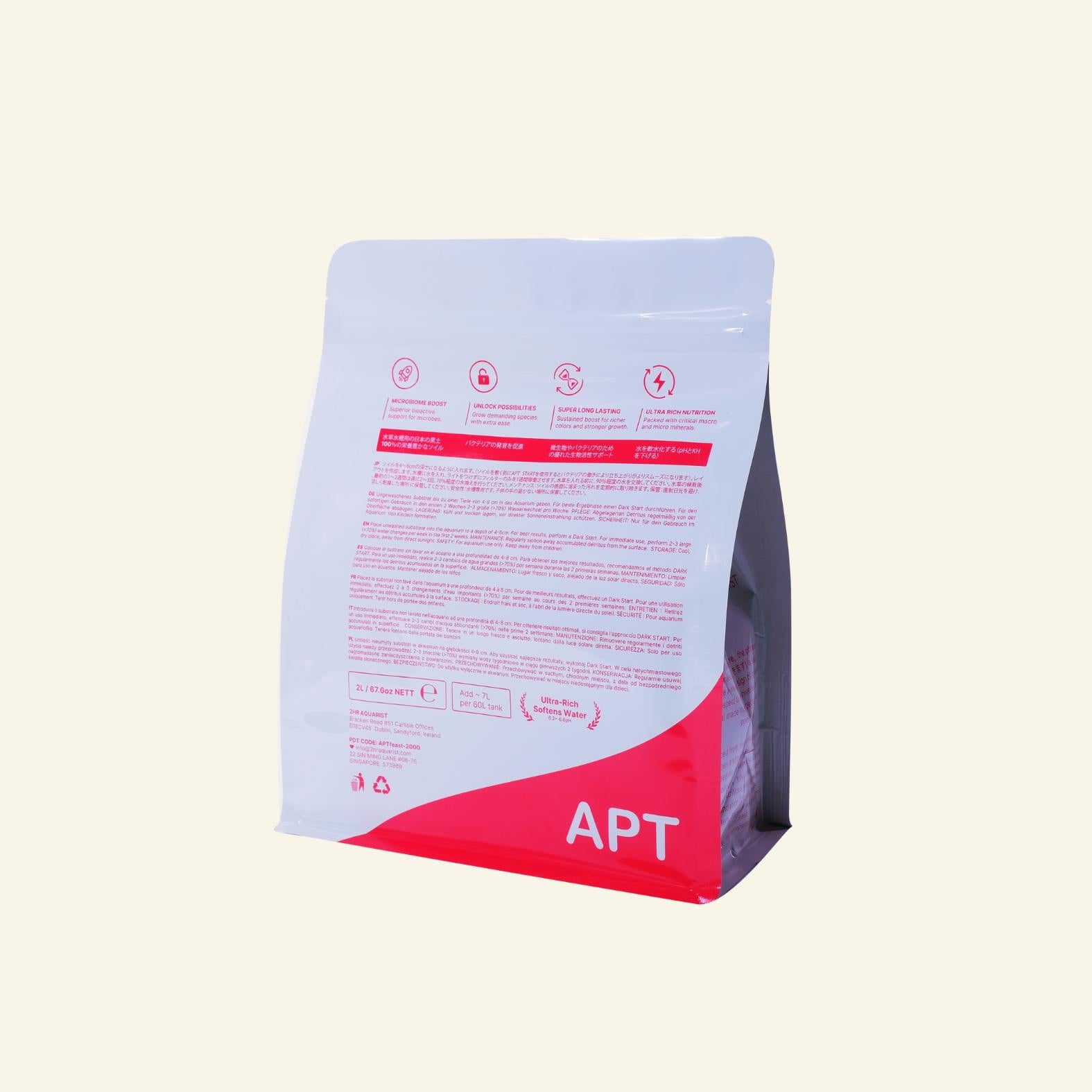
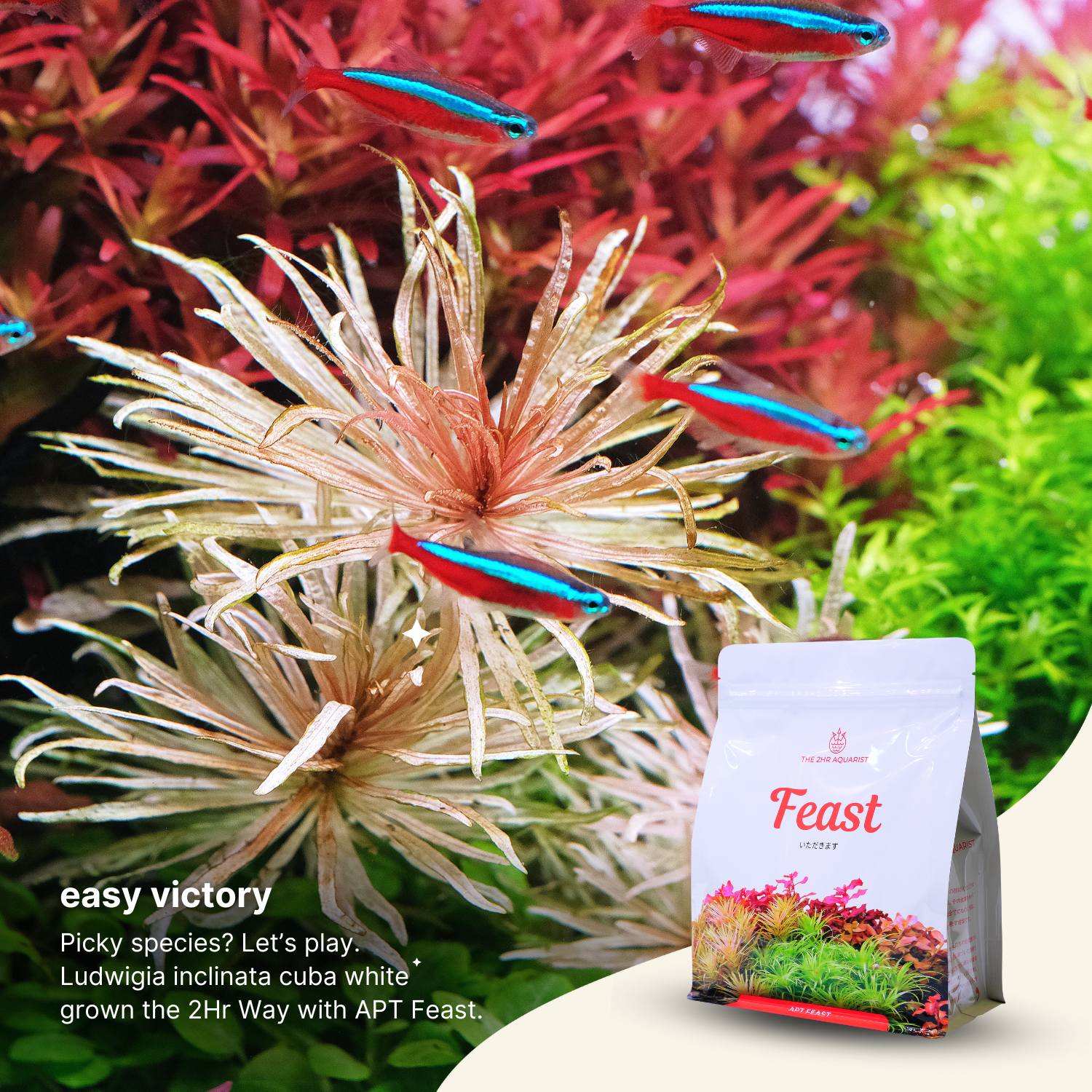
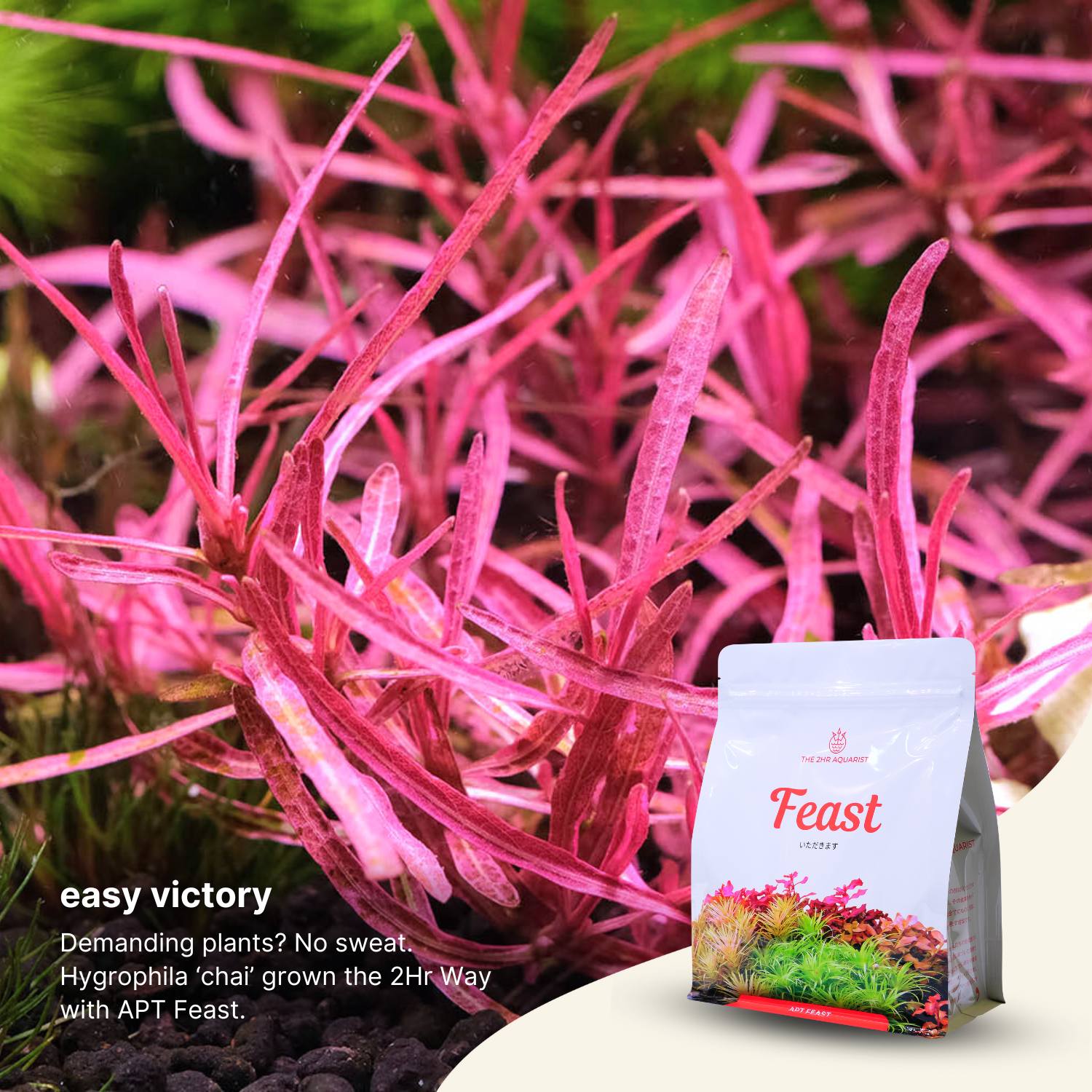
2Hr Aquarist APT Feast
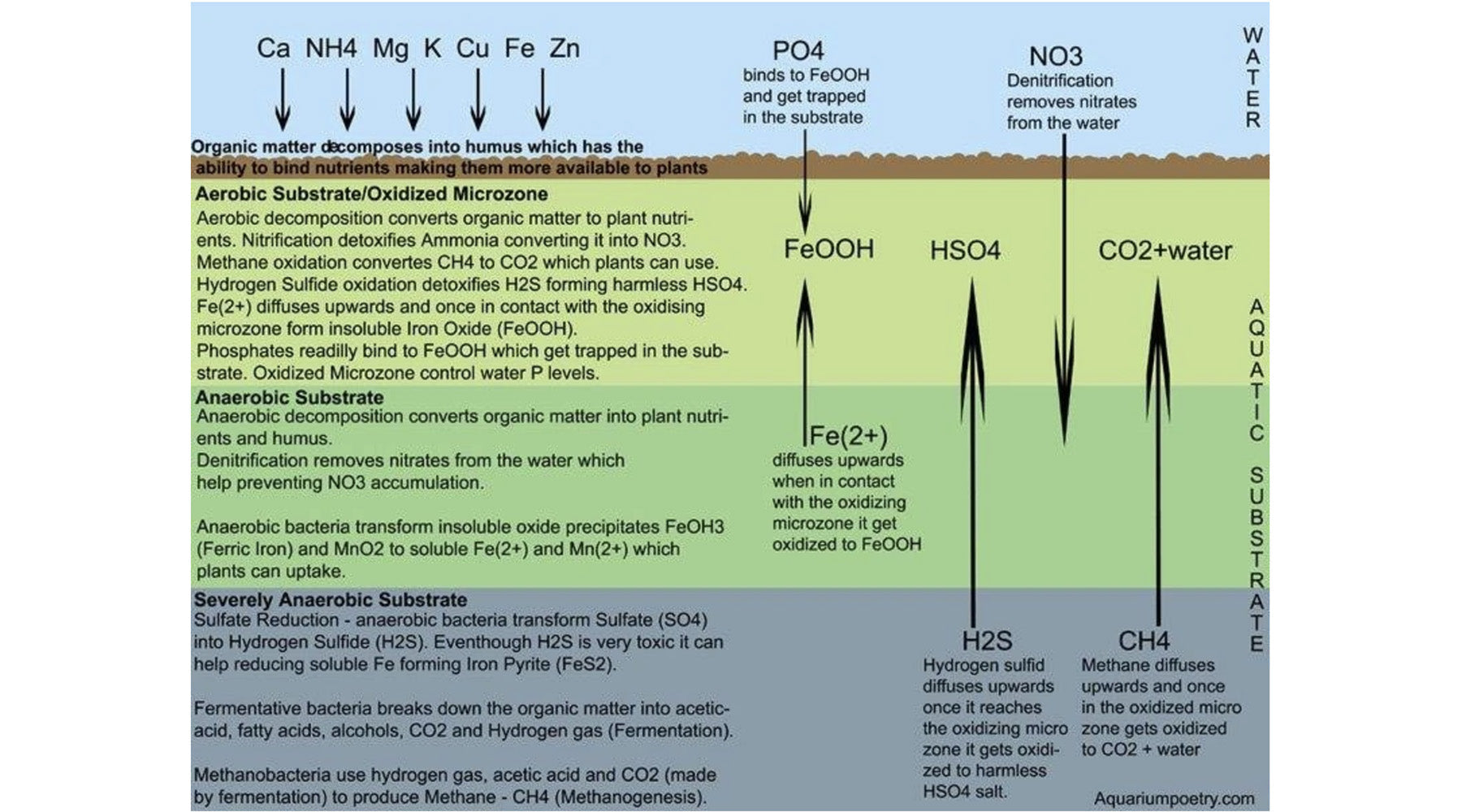
Aquarium's richest substrate.
+ Impulso sostenido hasta 12 meses.
+ Ablanda el agua (6,2-6,6pH).
+ Apoyo bioactivo superior.
WHY
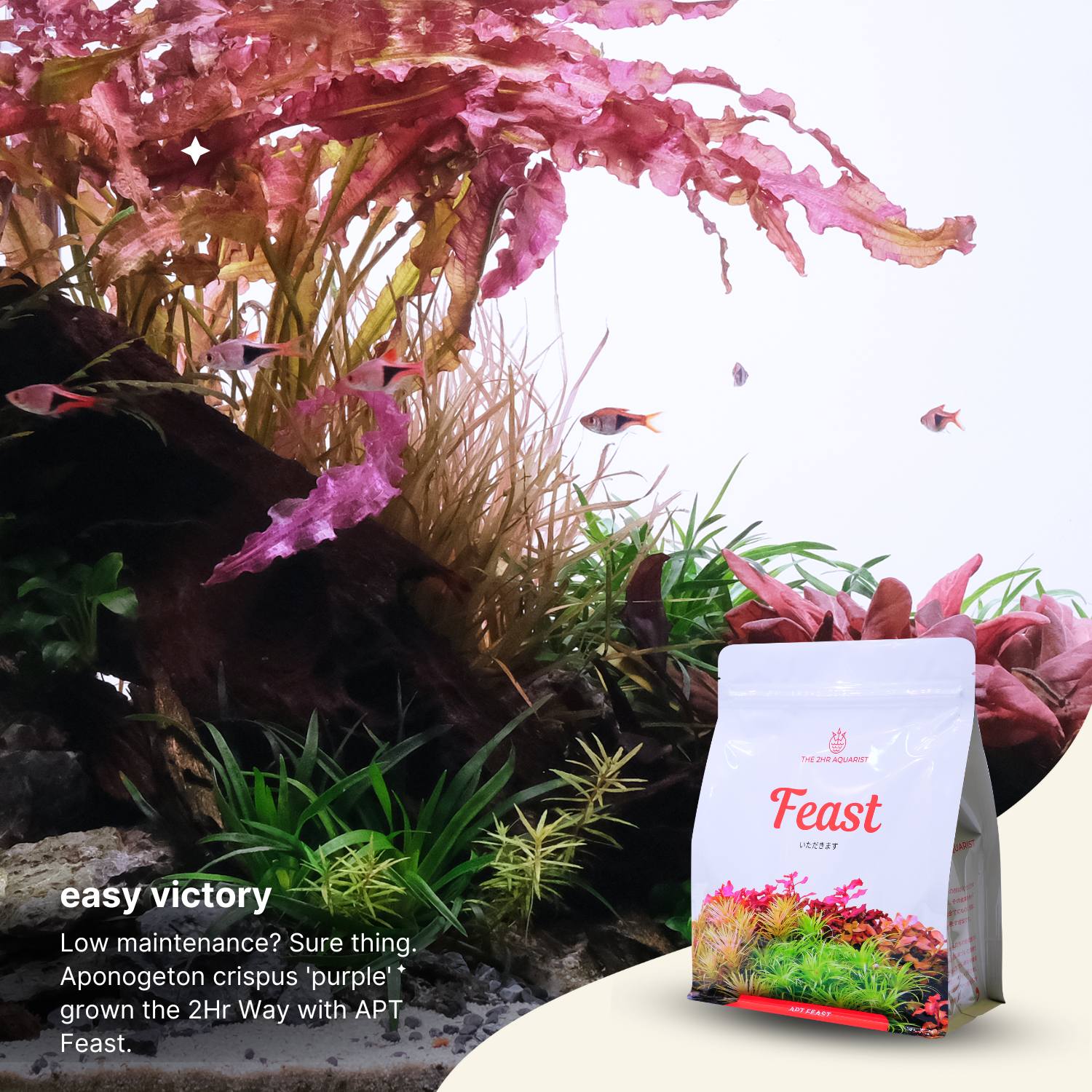
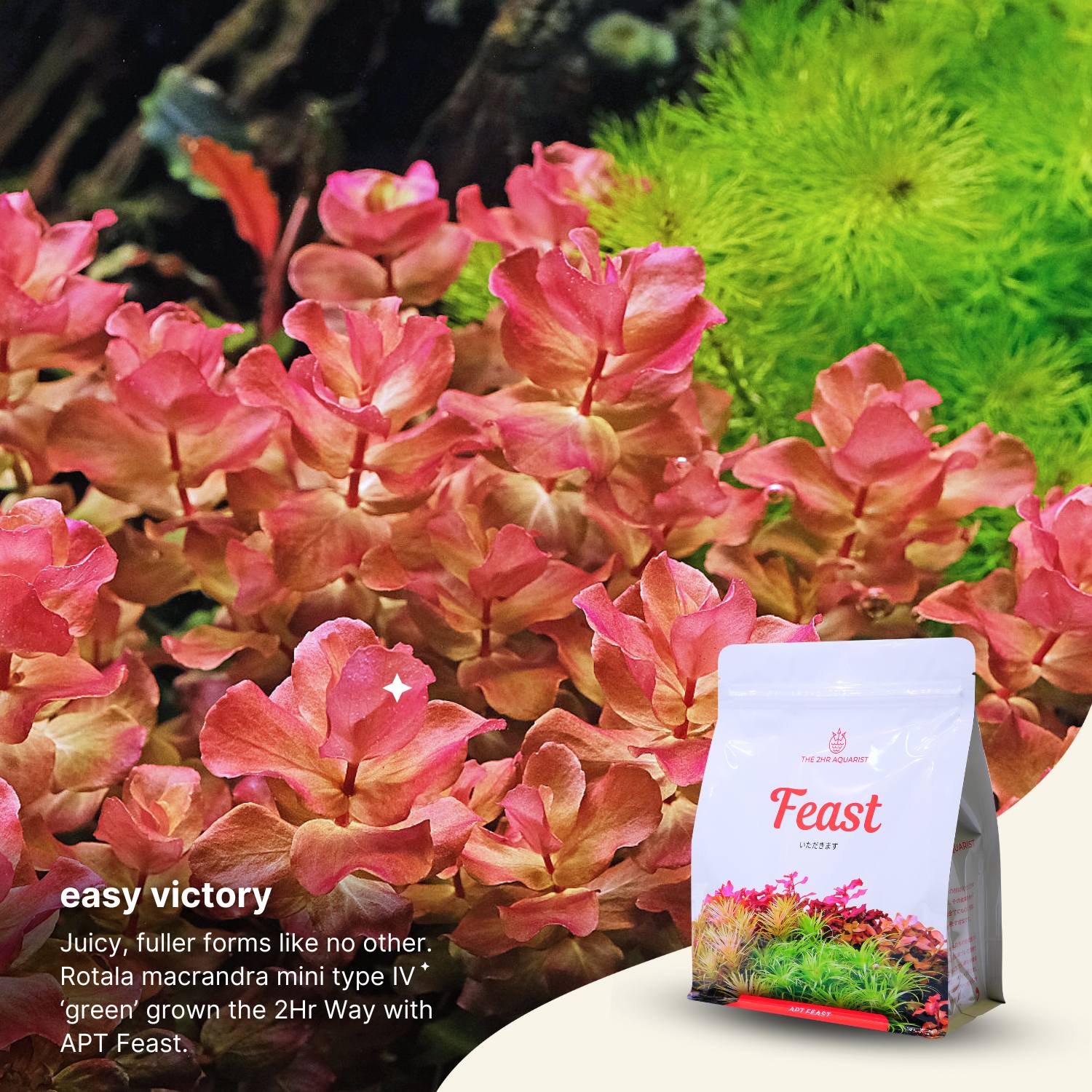
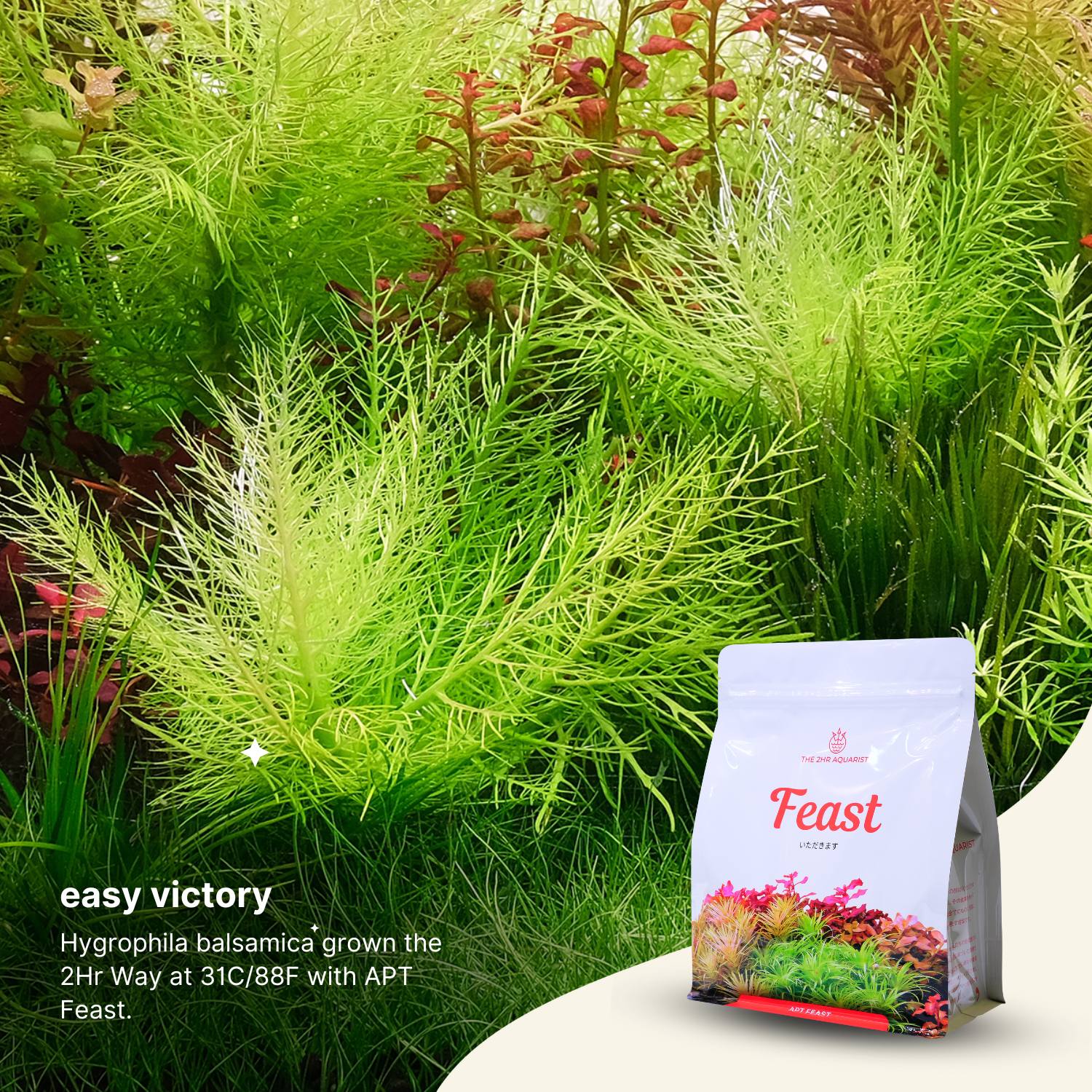
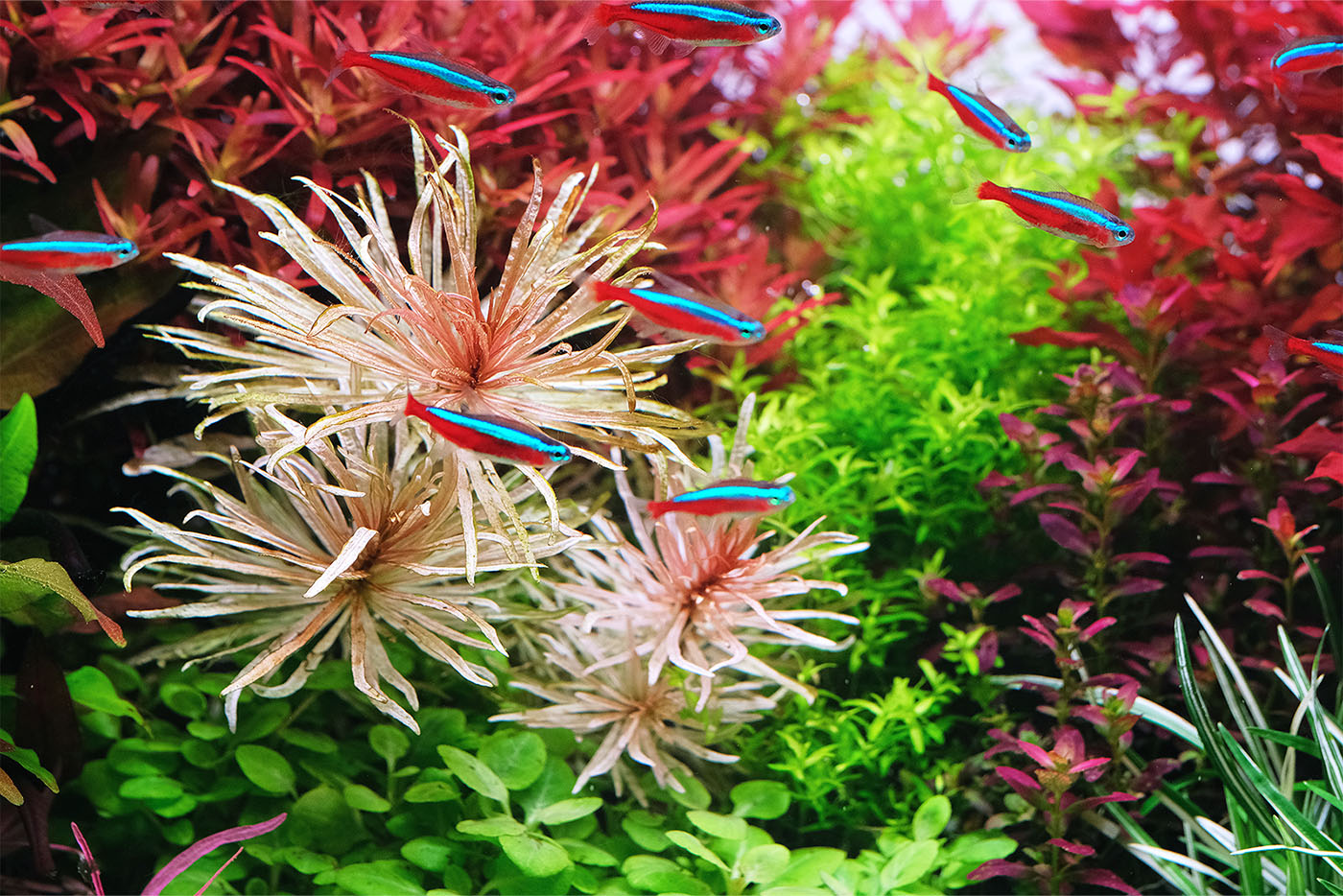
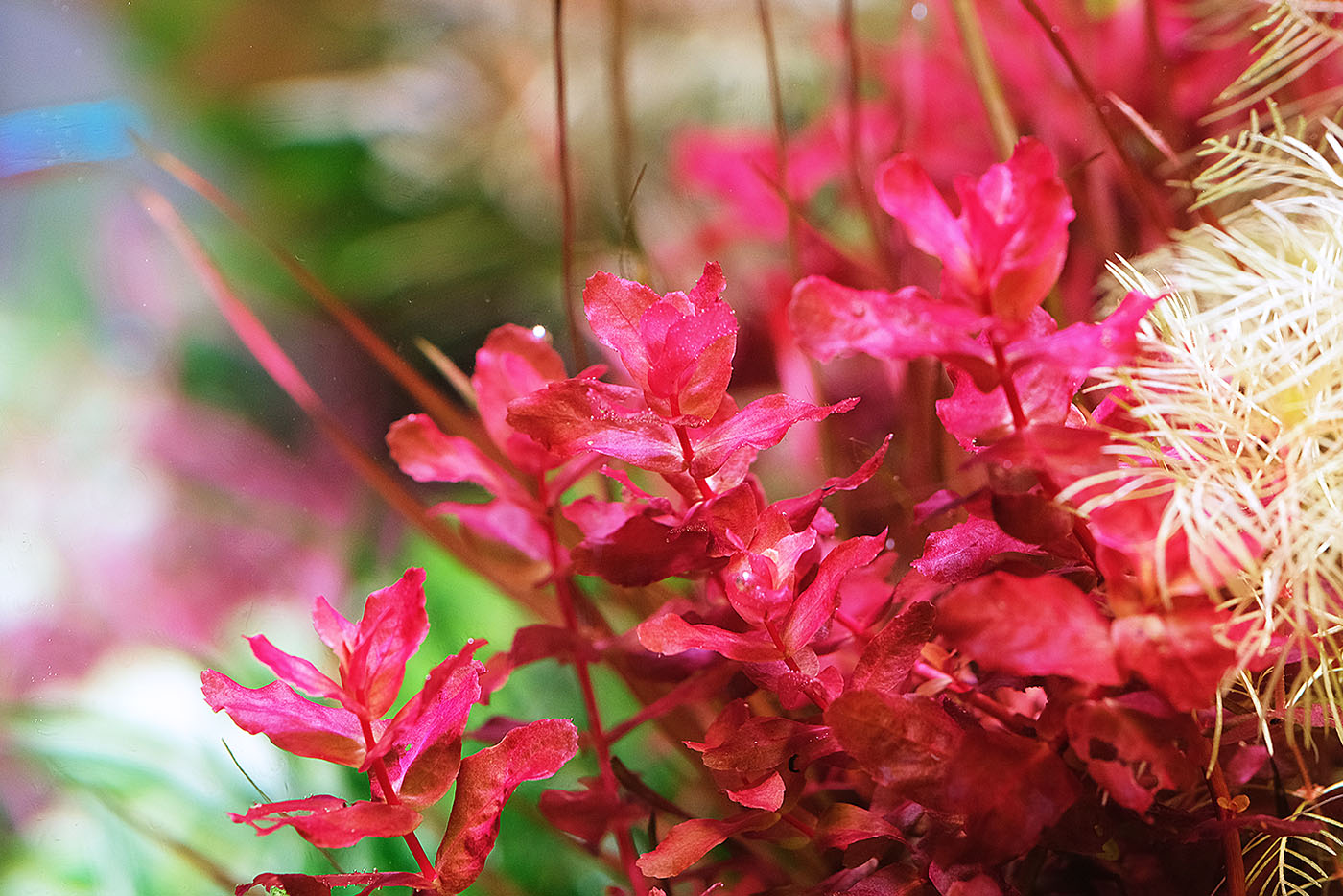
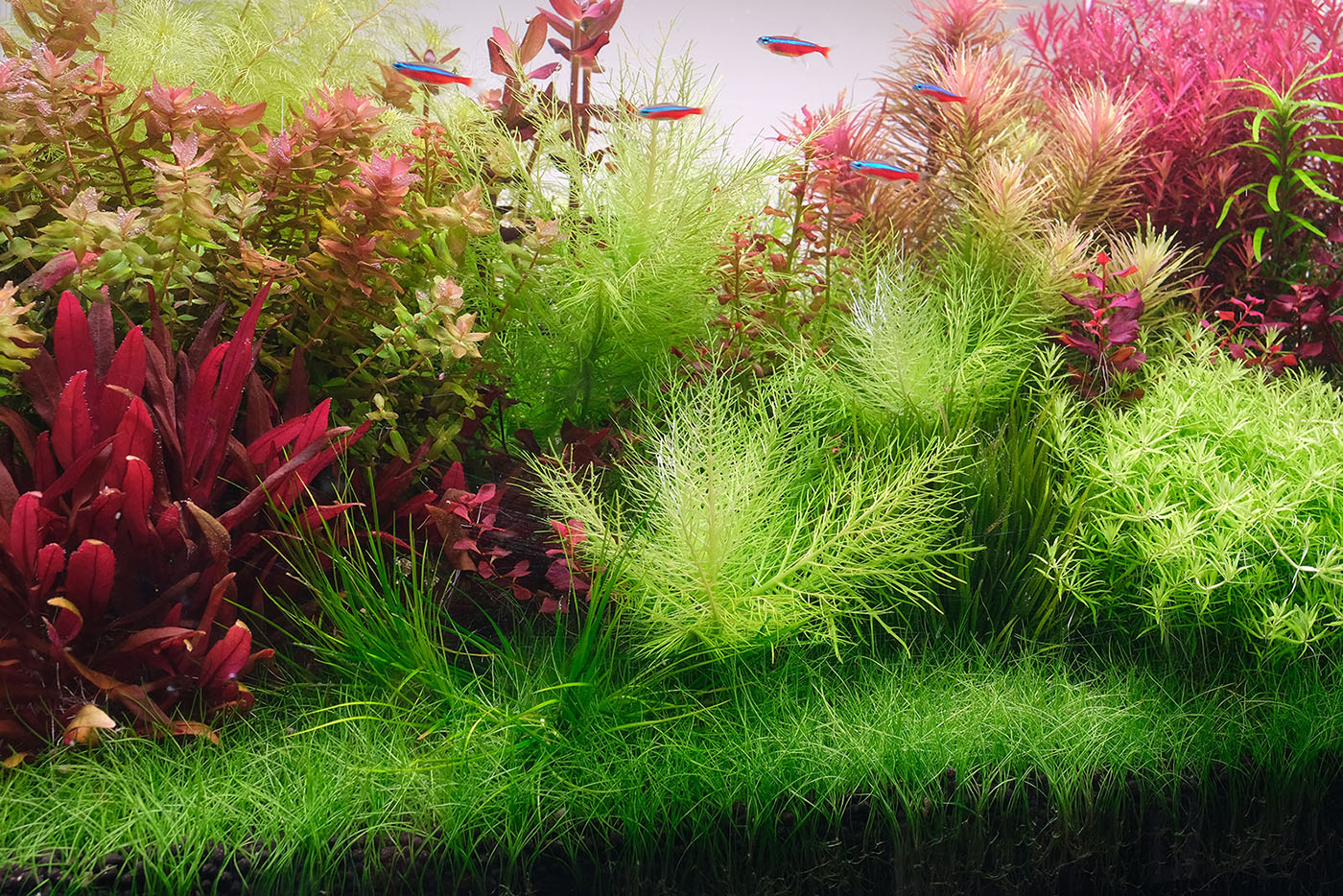
APT Feast hace que sea mucho más fácil conseguir colores más intensos y formas más llenas. Lea su historia aquí.
INSTRUCTIONS
WHY
INGREDIENTS
2Hr Aquarist APT Feast

2X Power

3X Endurance

Super-biotic

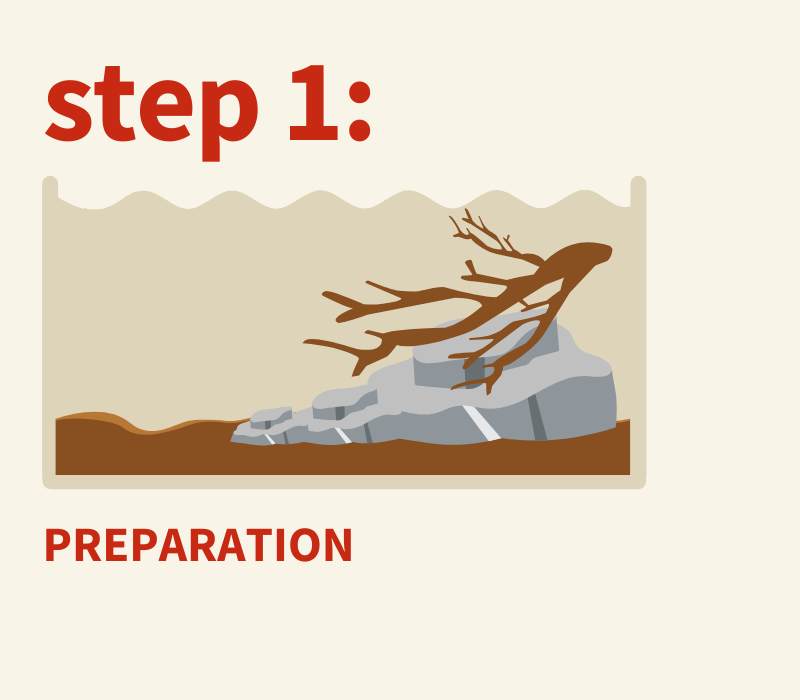
80% Water Change
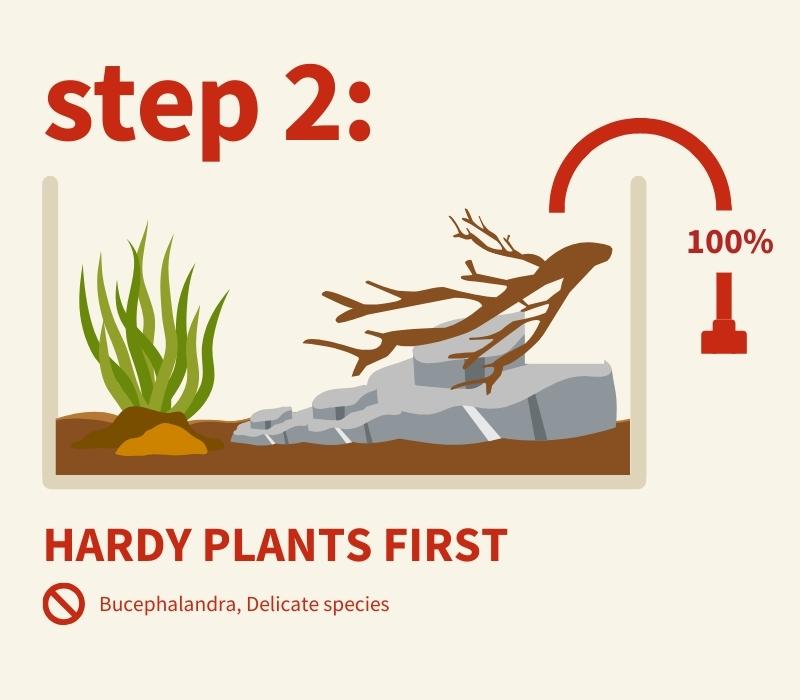
Hardy First
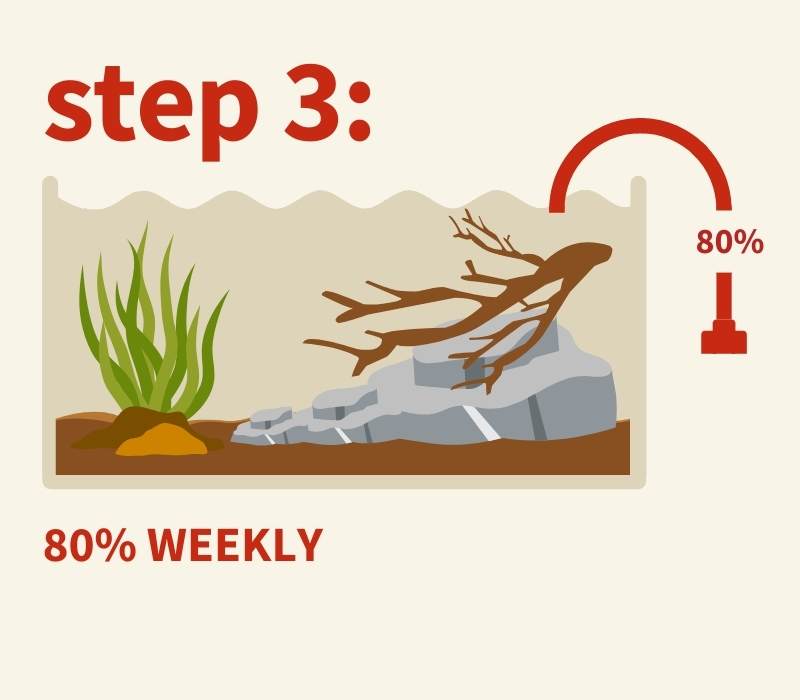
Startup Rhythm
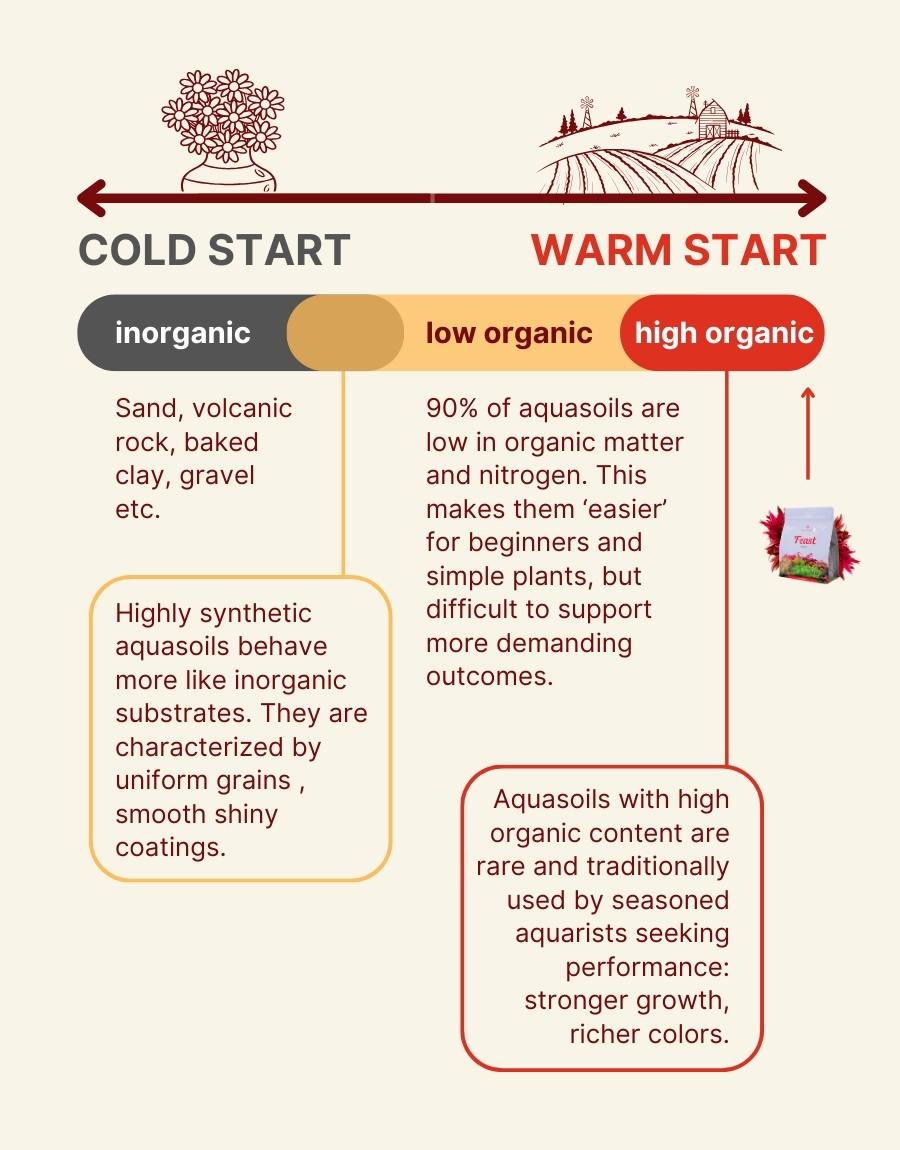
Start Strong, Start Warm

Living Foundation

Years, Not Months
FAQs
Please read our FAQs page to find out more.
Is APT Feast good for beginners?
Is APT Feast hard to use?
When can you add fish or shrimp?
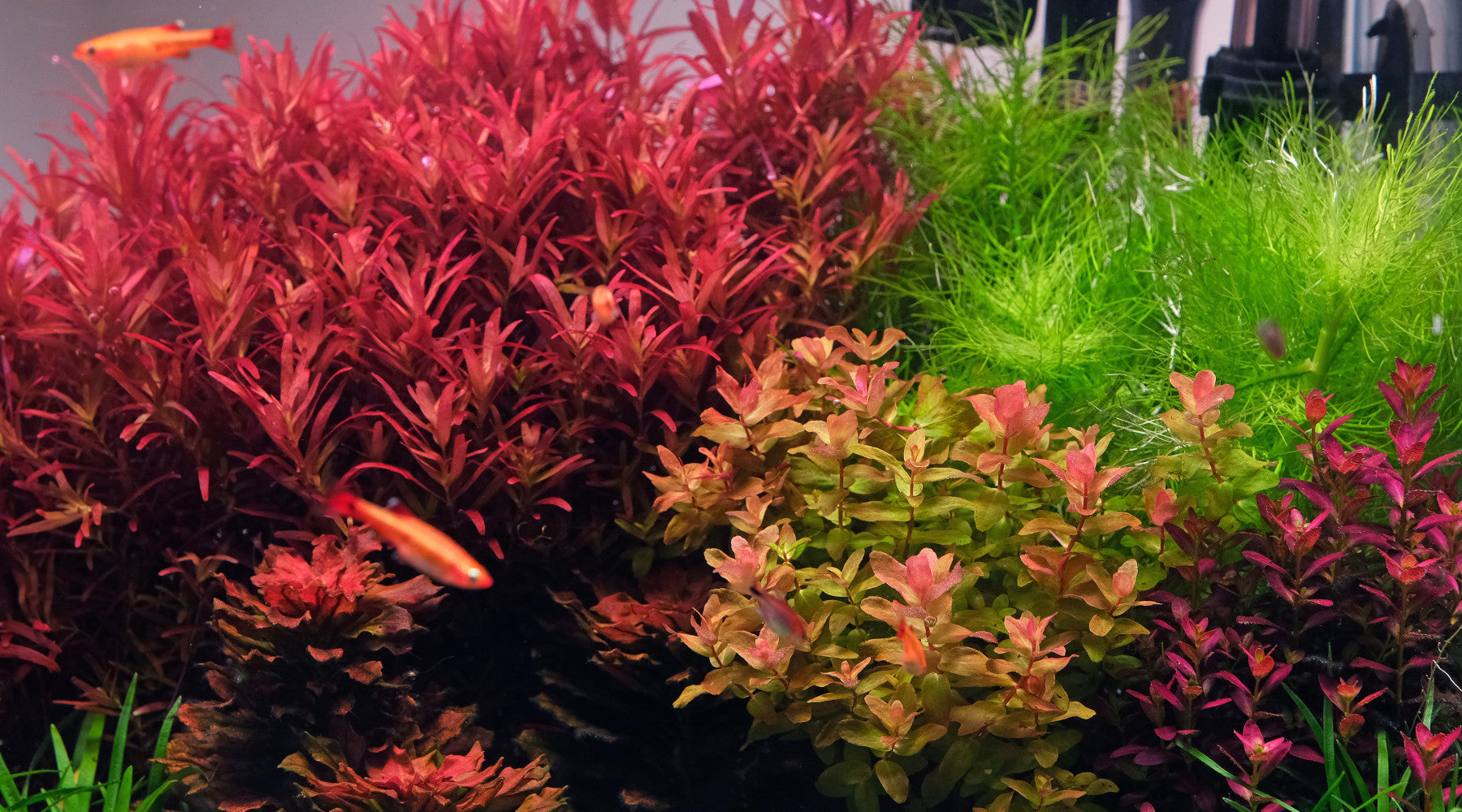
Is APT Feast Aquasoil Only for Advanced Aquarists?
APT Feast has a reputation as a soil for advanced aquascapers, but a beginner can get the same fast, strong growth. The rich soil releases ammonia in the first weeks, which regular water changes clear out. The dark start everyone mentions is optional, not required.
Leer mássobre Is APT Feast Aquasoil Only for Advanced Aquarists?
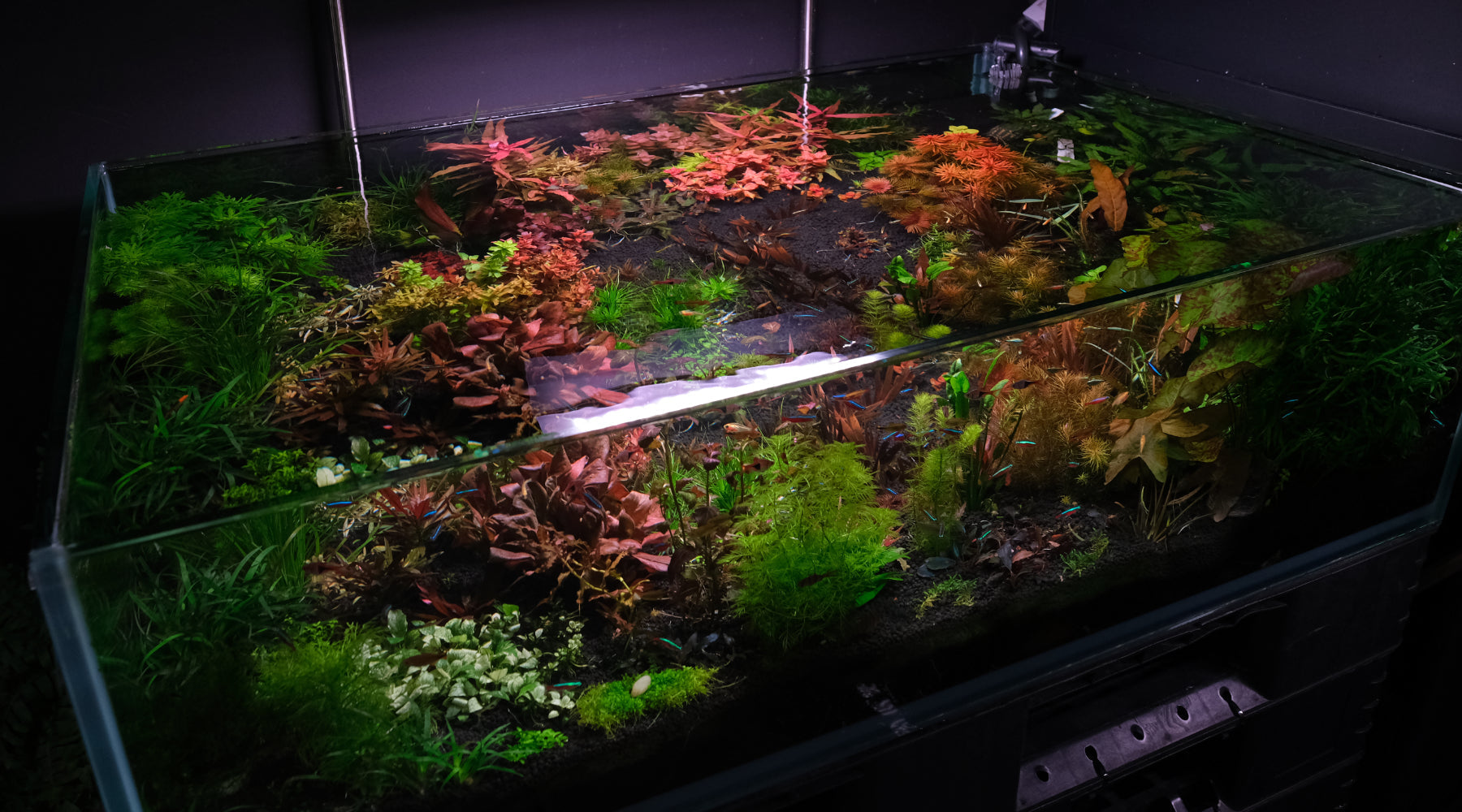
How to Start a New Aquarium with APT Feast Aquasoil: Two Paths to a Stable Tank
Many aquarists start a new tank and immediately face a diatom bloom. This guide lays out two reliable ways to start an APT Feast tank, dark start or plant on day one, and grow in fast without the algae stage.
Leer mássobre How to Start a New Aquarium with APT Feast Aquasoil: Two Paths to a Stable Tank
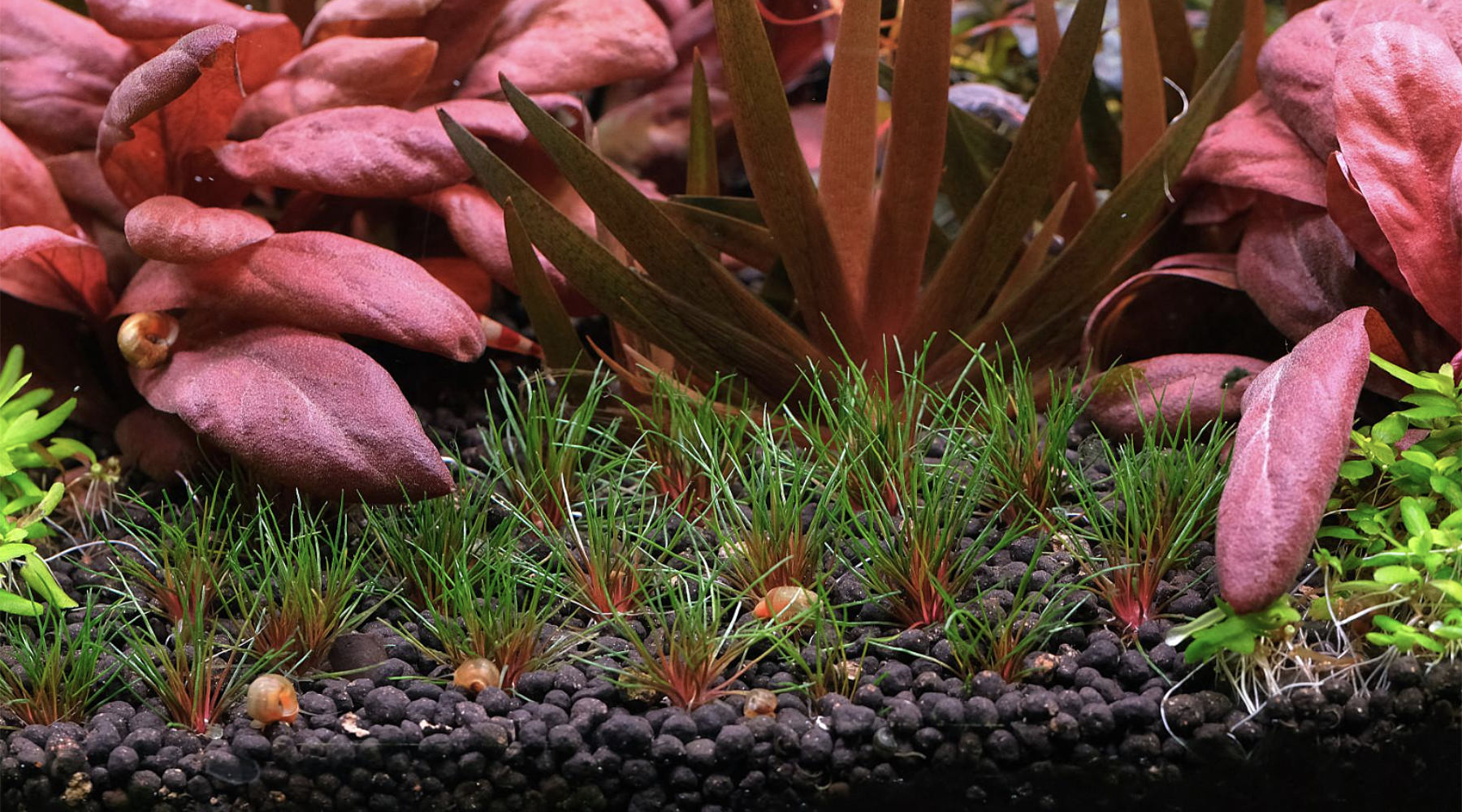
Planted Aquarium Substrate: Active vs Inert Substrates Explained
Active or inert? Aquasoil holds nutrients and can lower pH, while sand and gravel stay neutral but cost less and need less upkeep. This guide breaks down cation exchange, ammonia, CO2 generation, and long-term maintenance, so you can match your substrate to the tank you will actually keep.
Leer mássobre Planted Aquarium Substrate: Active vs Inert Substrates Explained
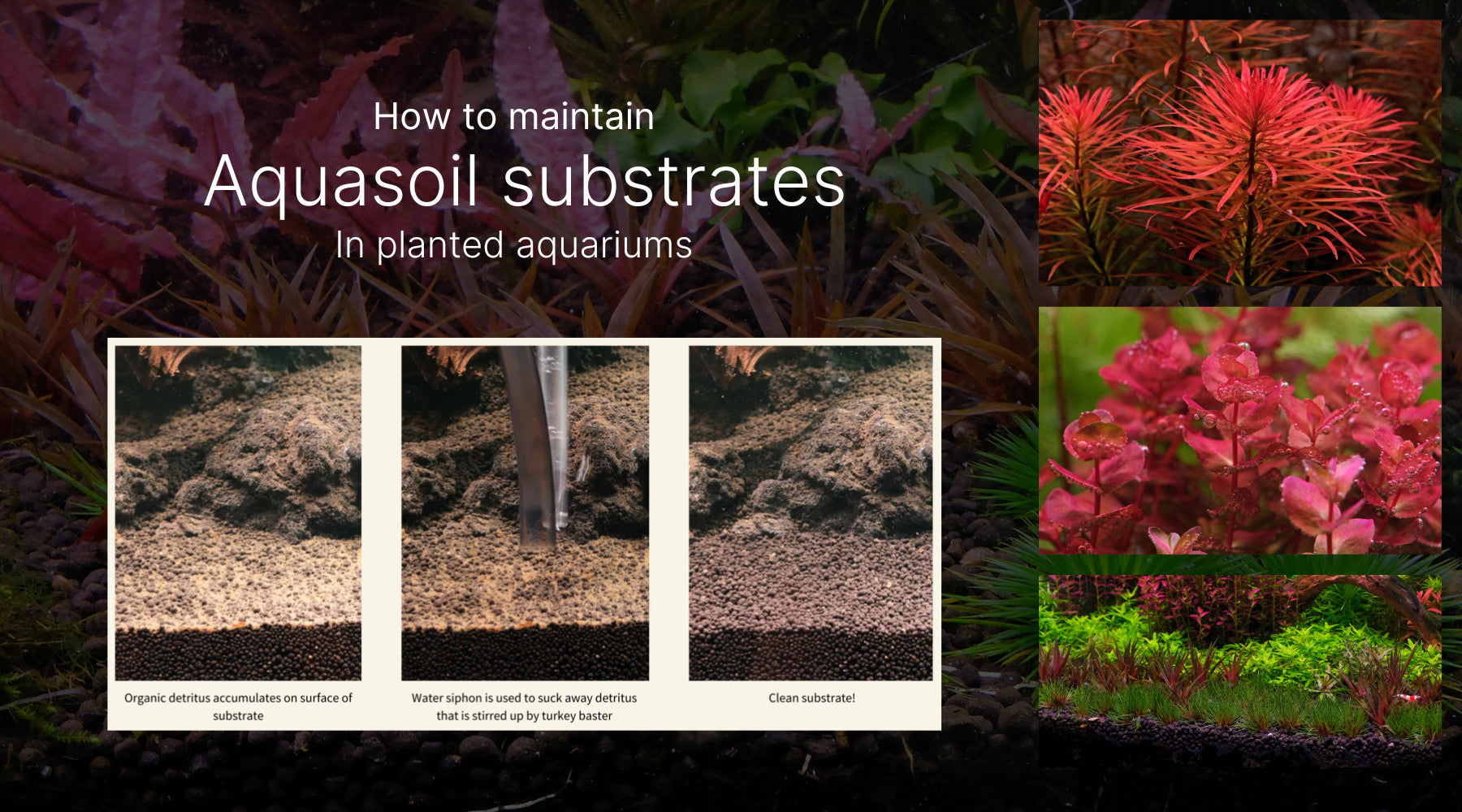
¿Debe sifonar su sustrato aquasoil? ¿Cómo mantener los sustratos aquasoil?
Leer mássobre ¿Debe sifonar su sustrato aquasoil? ¿Cómo mantener los sustratos aquasoil?
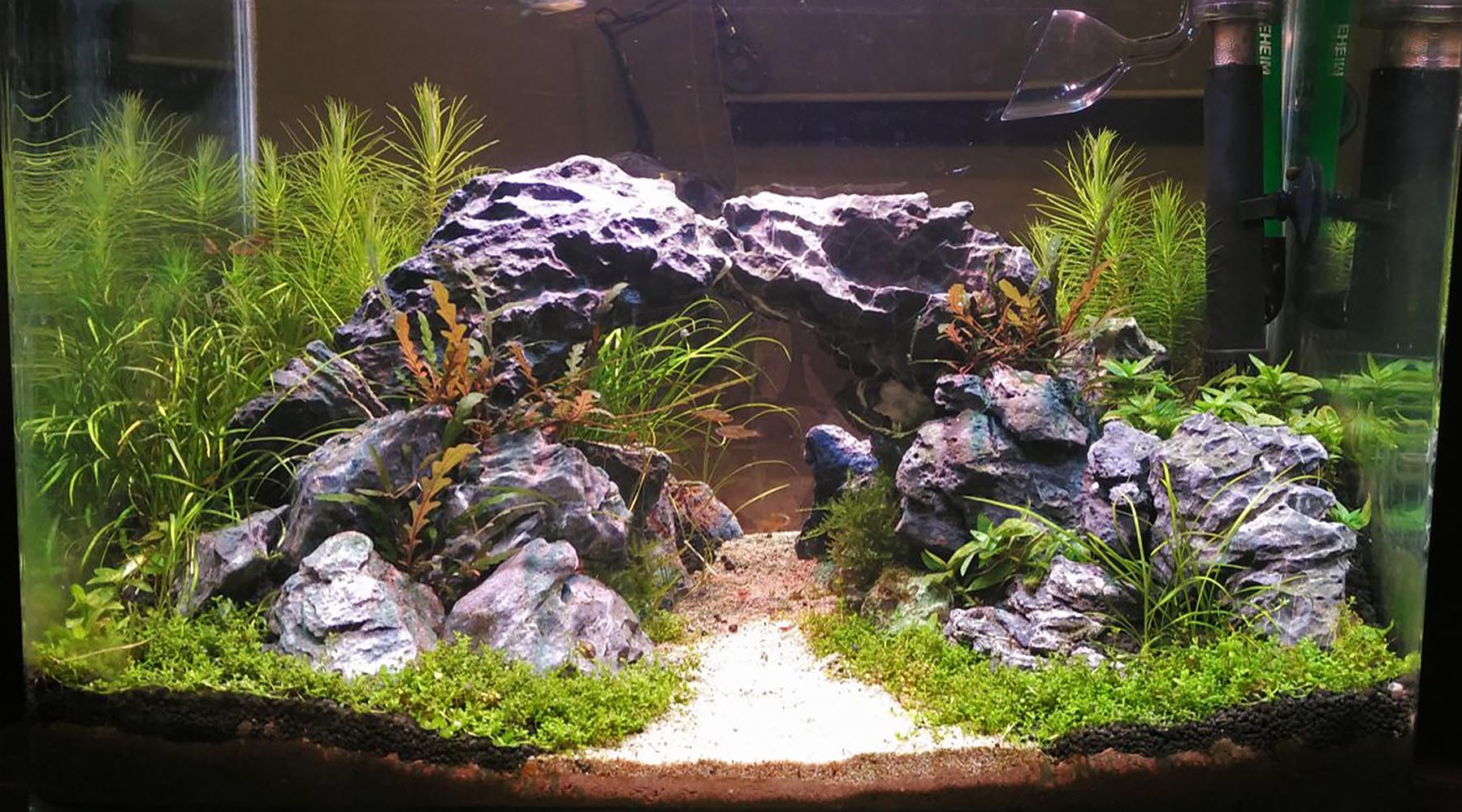
Separar la arena de las zonas de aquasoil
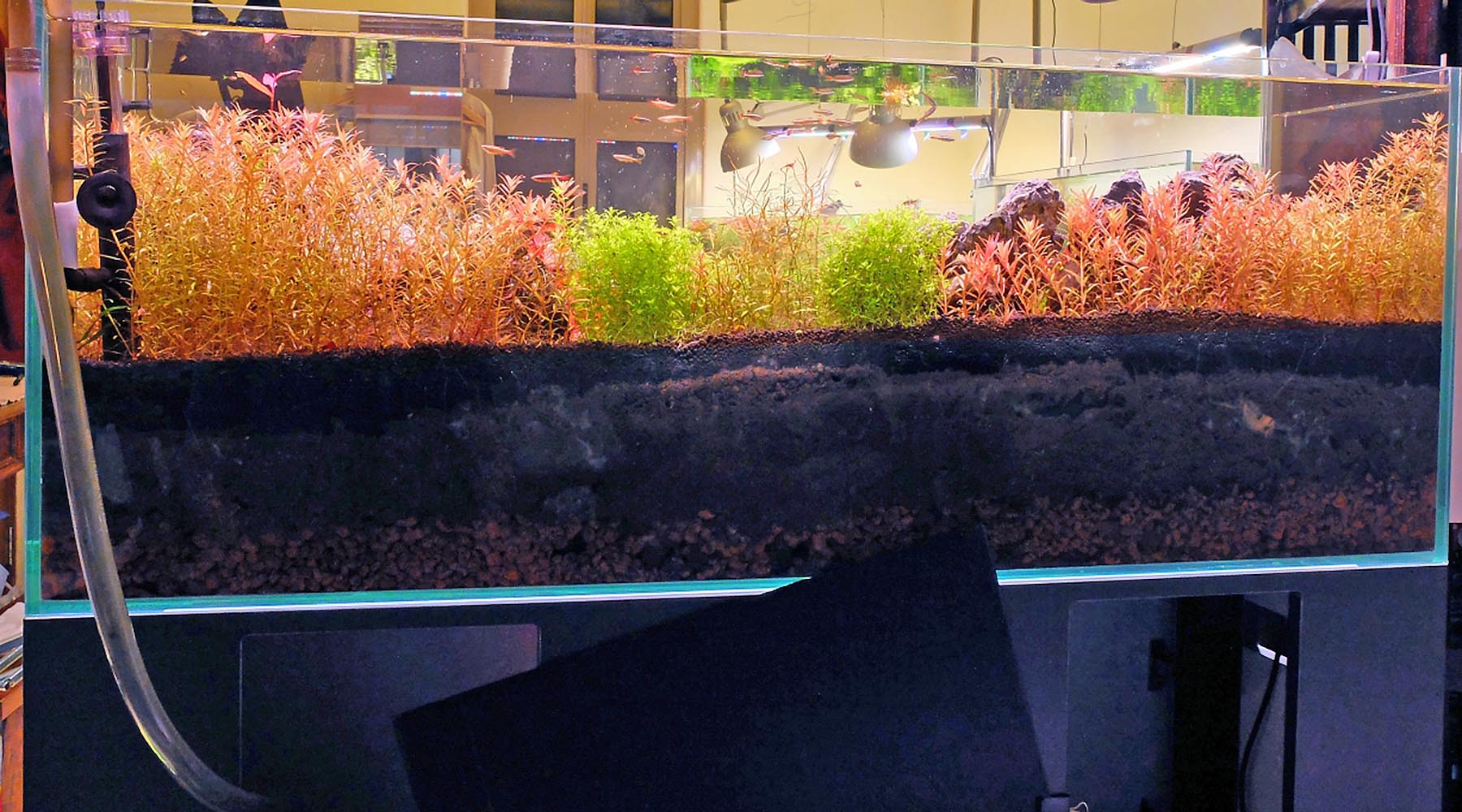
Cómo crear y gestionar pendientes