

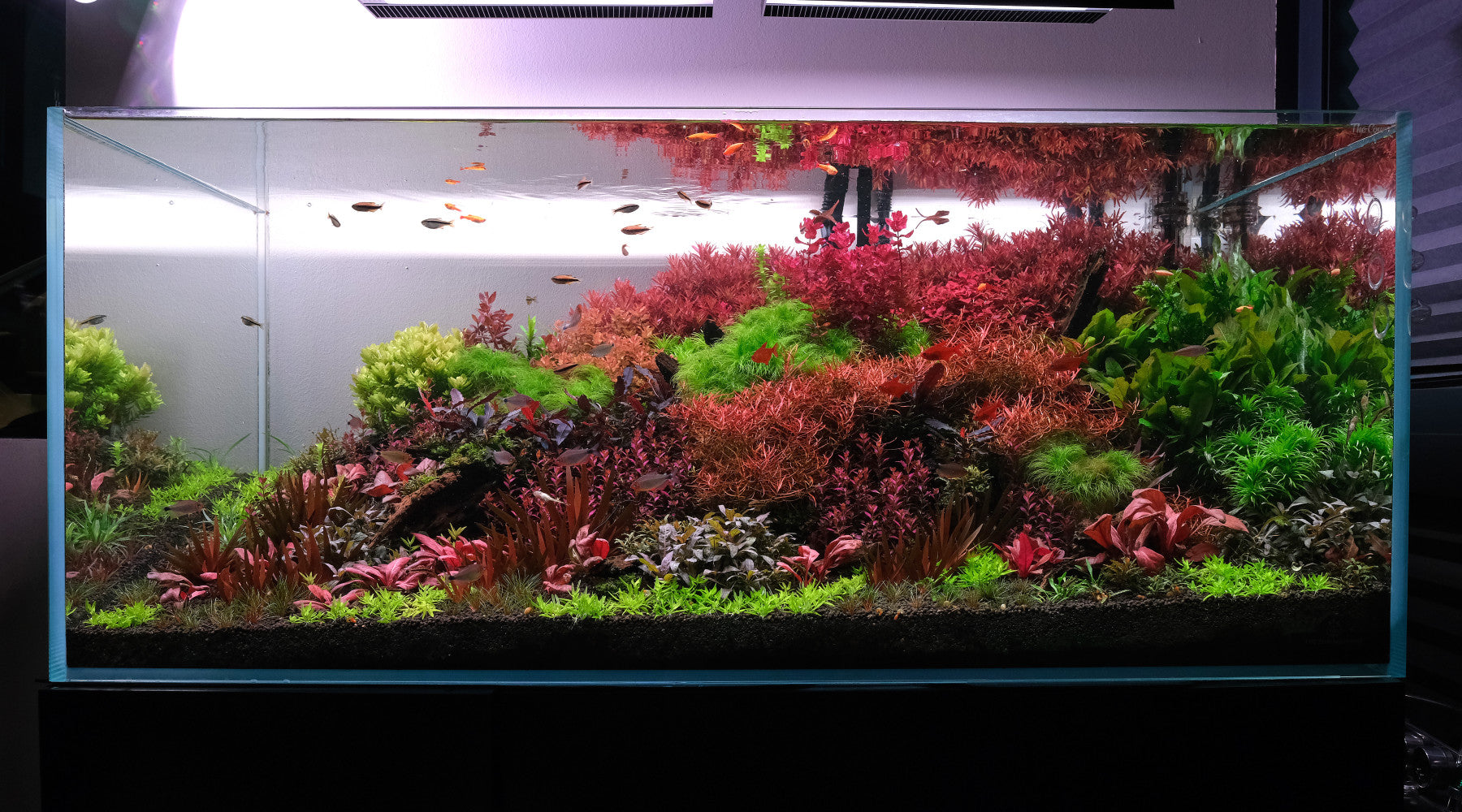
Los acuarios especializados en el cultivo de especies difíciles suelen percibirse como entornos hostiles para los peces y camarones debido a los altos niveles de CO2, los fertilizantes y el alto nivel de interferencia que supone el trabajo de horticultura necesario para mantenerlos. Quería romper este estigma teniendo una buena variedad de especies de peces que prosperaran en buen estado, junto con una población reproductora de camarones.
Los acuarios plantados de «alta demanda» suelen considerarse exposiciones a corto plazo que no duran mucho, ya que se agotan a medida que el sustrato acuático pierde nutrientes. Así que, en lugar de empezar el acuario con tierra acuática nueva, estoy utilizando tierra acuática de hace un año, procedente de un montaje anterior. He enriquecido el sustrato añadiendo un 15 % de tierra acuática nueva. Este proceso de enriquecer periódicamente el sustrato con tierra acuática nueva se explica más adelante.

Al igual que con muchas instalaciones de acuarios, tuve que resolver algunos picos iniciales de algas cuando el tanque estaba creciendo. Esto se hizo principalmente replantando los nuevos brotes y desechando los viejos deteriorados, un proceso que se describe aquí.


Habitantes destacados:
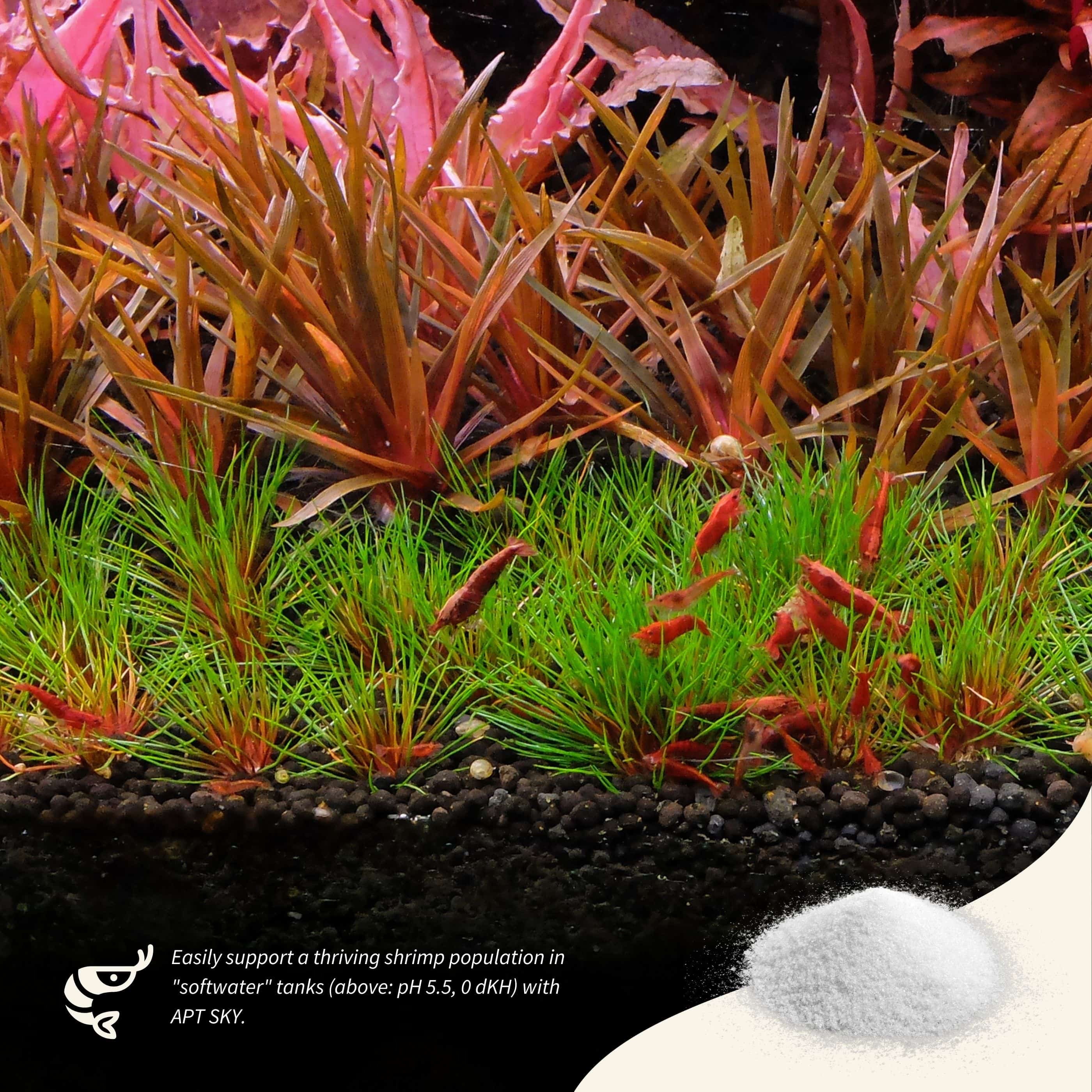
Entre los habitantes del acuario se encuentran Hyphessobrycon peugeoti, nubes blancas doradas, tetras «rojo cereza» de Muzel, danios perla celestial, tetras lapislázuli, tetras emperador amarillo, peces lápiz enano y Rio amaya. Hay muchas gambas CRS, pero suelen ser nocturnas y solo salen por la noche para evitar a los peces agresivos.

Danio perla celestial (Celestichthys margaritatus) junto a Hyphessobrycon peugeoti.

Hyphessobrycon peugeoti.

Pez lápiz del río Amaya. Pequeños peces curiosos que suelen estar juntos.


Plantas destacadas:


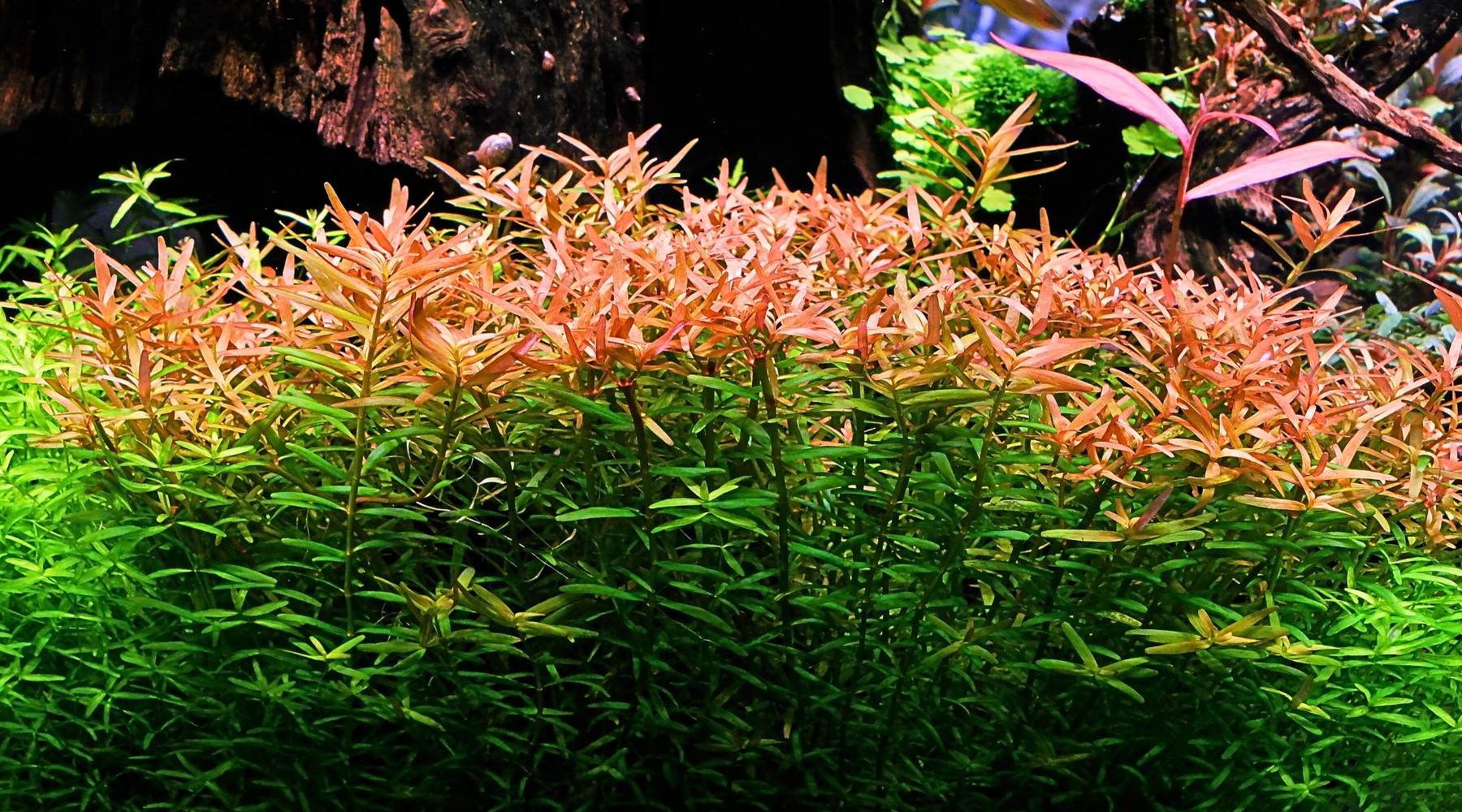
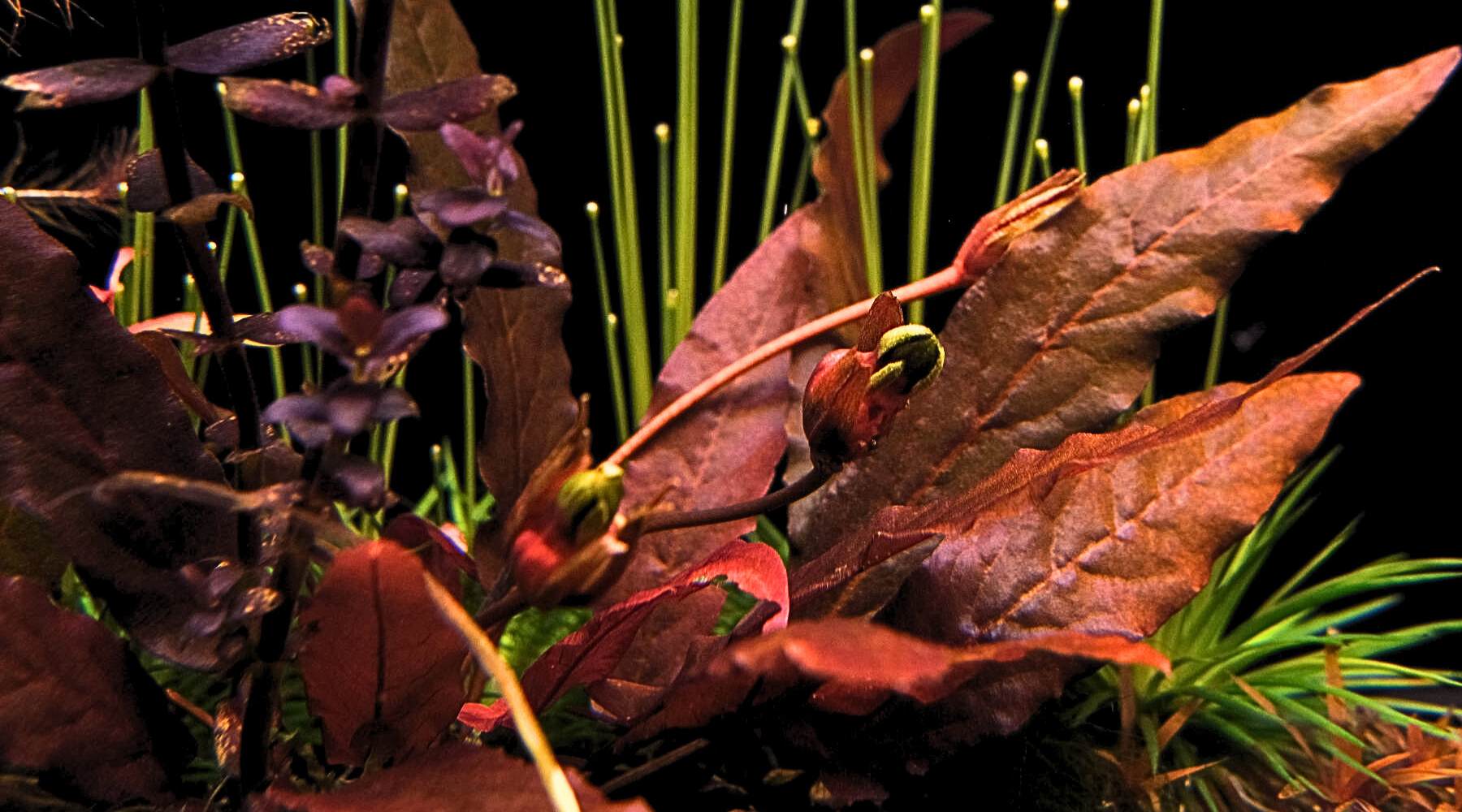
 Tonina «flor de loto» elevándose sobre un mar de Rotala «rojo sangre sg».

Parámetros básicos del agua:
Este tanque utiliza agua del grifo local: 3 dGH, 0,5 dKH, 7,5 pH.
Para obtener más información sobre las interacciones bacterianas en un entorno con pH bajo, diríjase aquí.
Los parámetros finales del tanque son:
- 5 dGH
- 0-0.5 dKH
- pH de 6,4 a 5,0 (5,0 durante la saturación máxima de CO2)
-
Temperatura: 22-24 °C
 Temperatura: 22-24 °C
Equipo:
Acuario: Cristal, 120 (largo) x 60 (ancho) x 50 (alto) cm, fabricado a medida.
Luces: Week aqua a430 X 2, ajustadas a 80R 80G 52B. El PAR del sustrato es de alrededor de 200+umols.
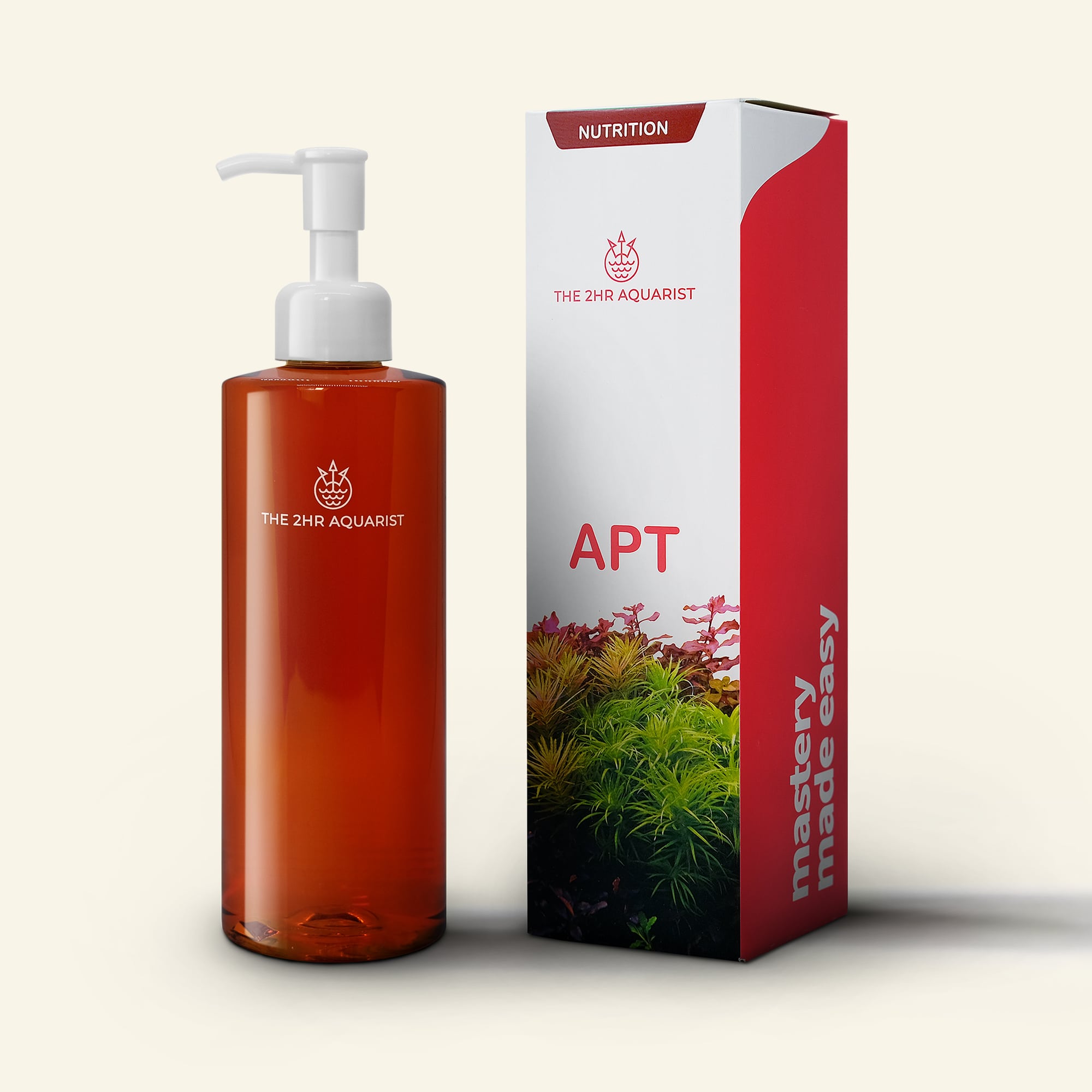
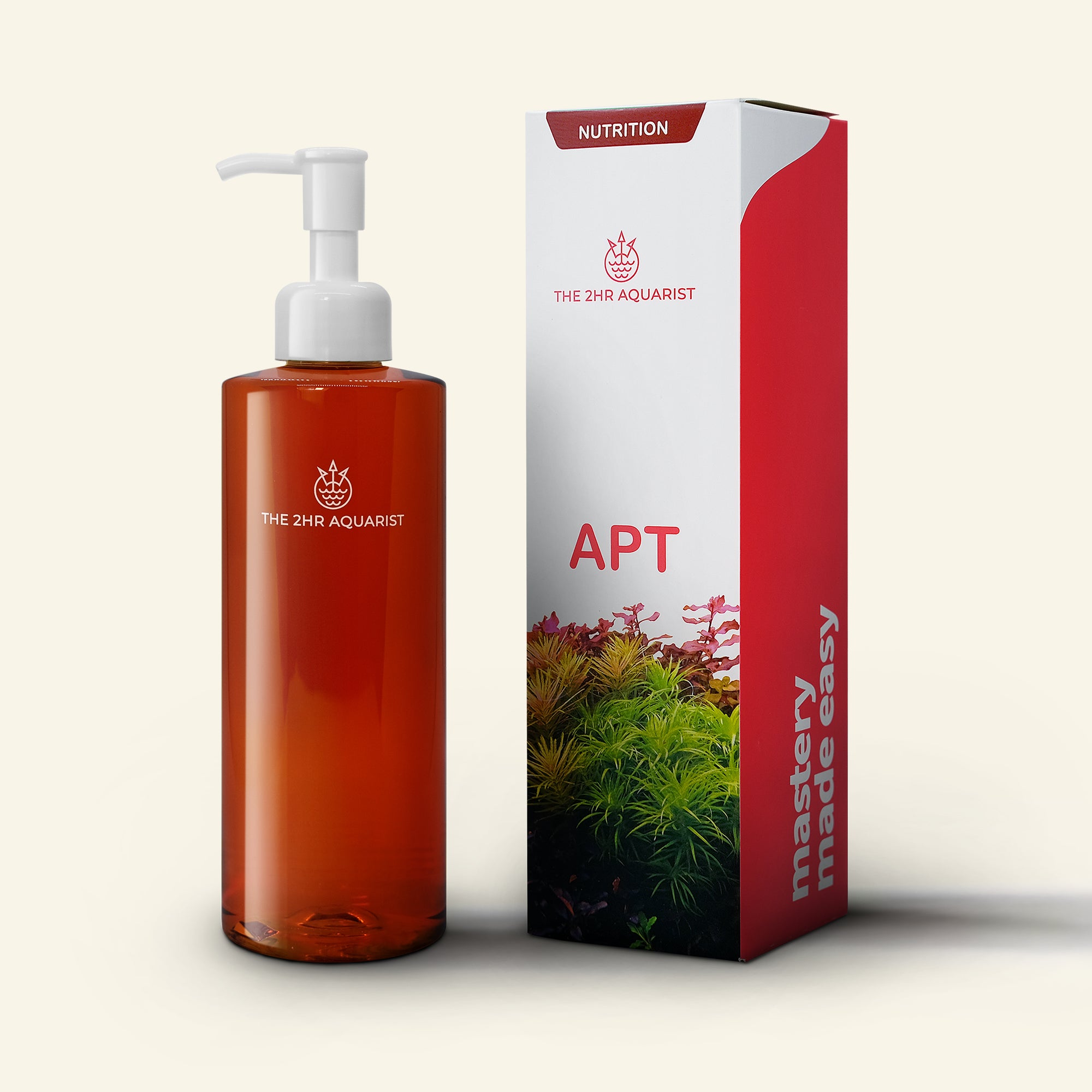
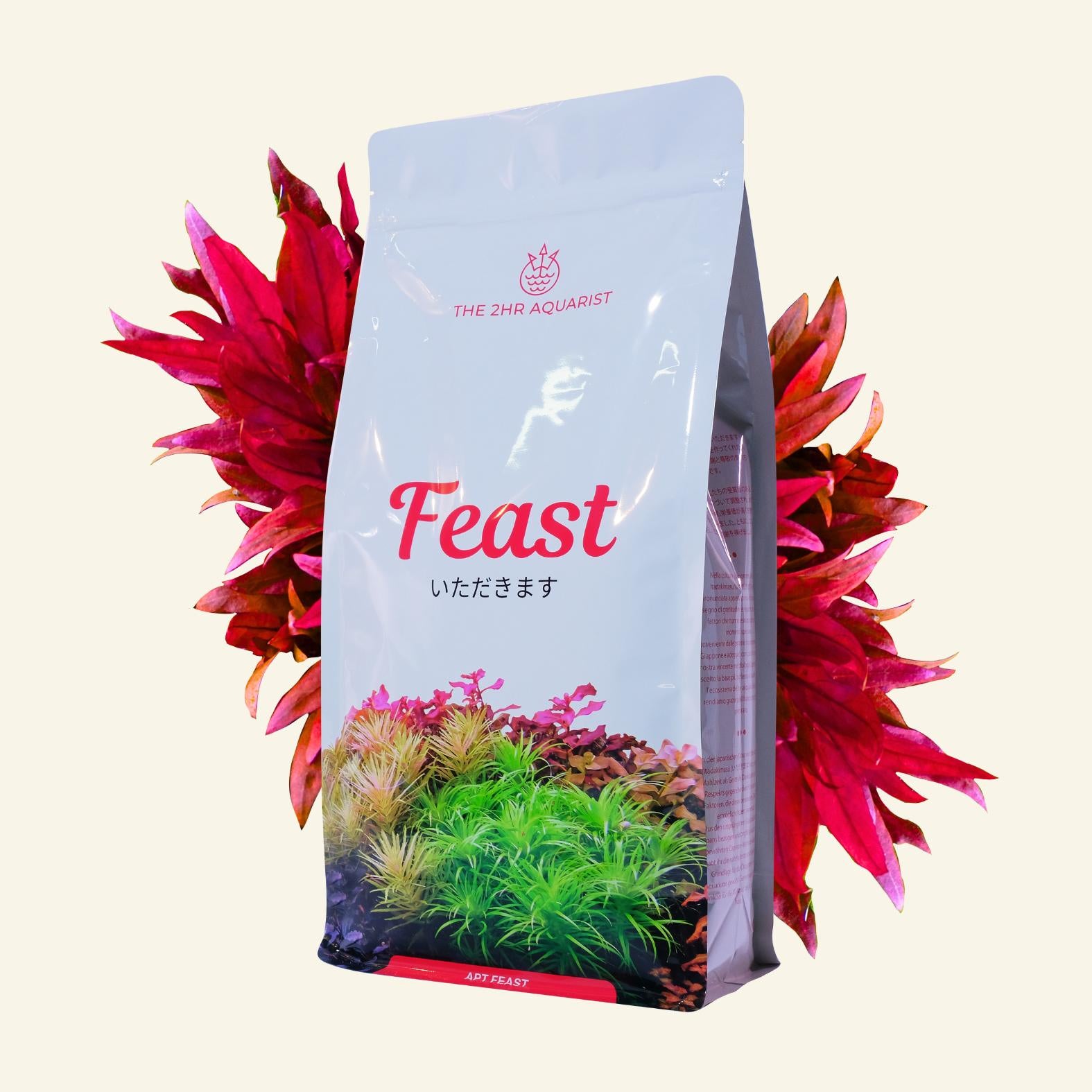
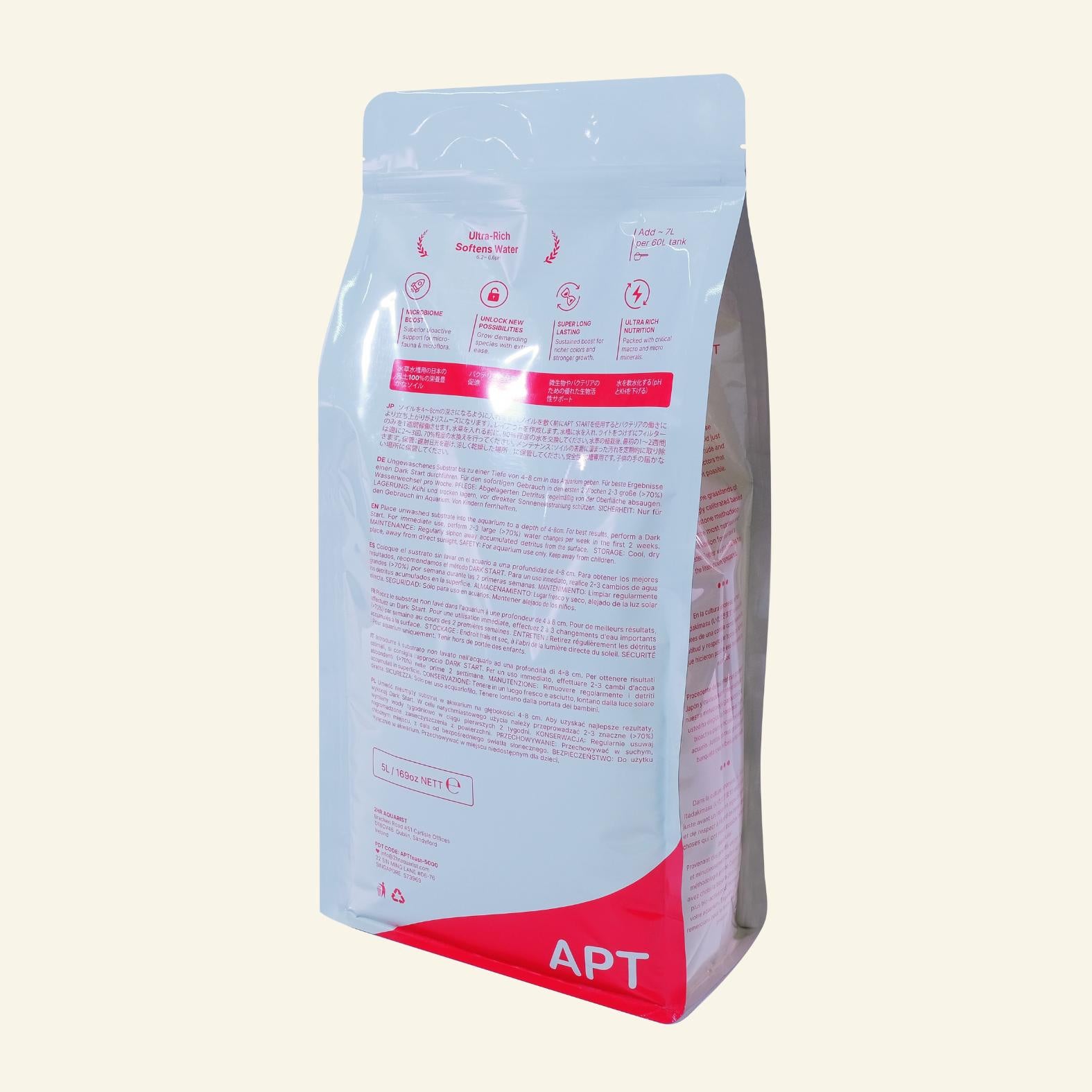
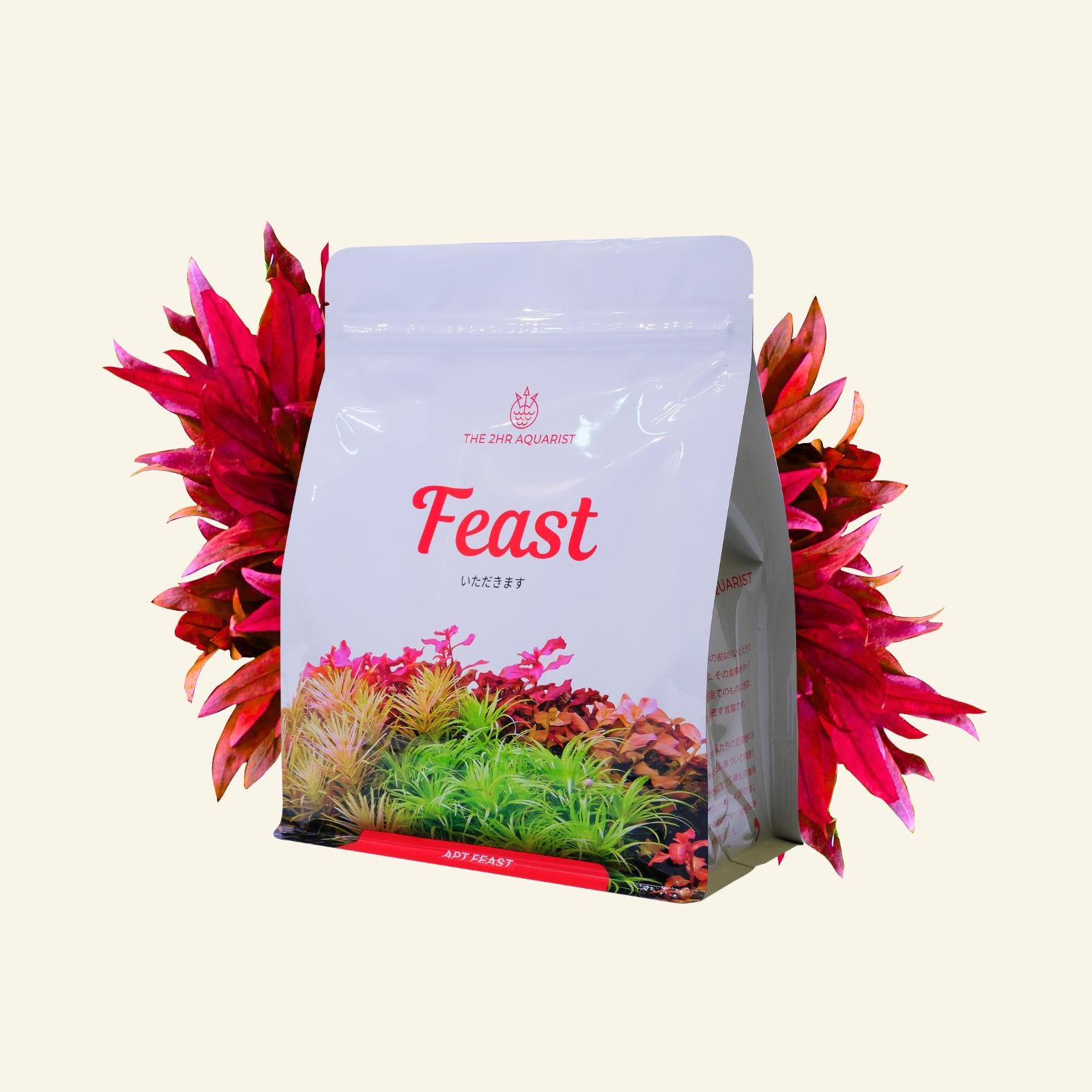
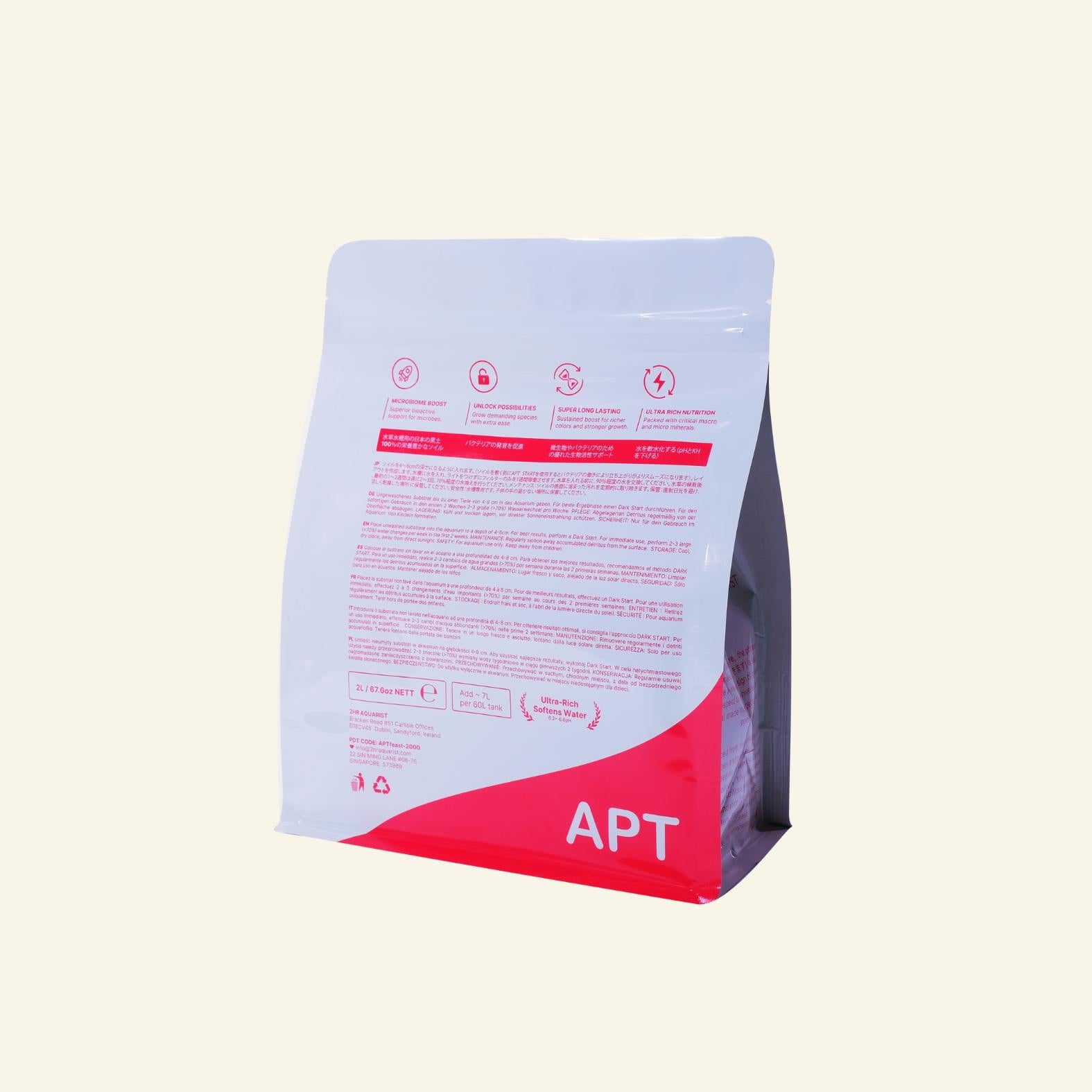
Sustrato: APT Feast.
Filtros: Oase biomaster 850 y Oase biomaster 350. Ambos filtros contienen un 100 % de esponja. Las cámaras del prefiltro se lavan cada mes. La cámara principal se deja sin tocar durante 12-14 meses. Uno de los filtros tiene una toma de skimmer superficial acoplada.
Regulador de CO2: Acuicultor. CO2 inyectado a través de un difusor en línea. El nivel objetivo de CO2 es de 50 ppm. Se busca un nivel más alto de CO2 debido al cultivo de Eriocaulon quinquangulare y Centrolepis drummondiana. Ambas especies crecen mejor con tasas de saturación de CO2 más altas.
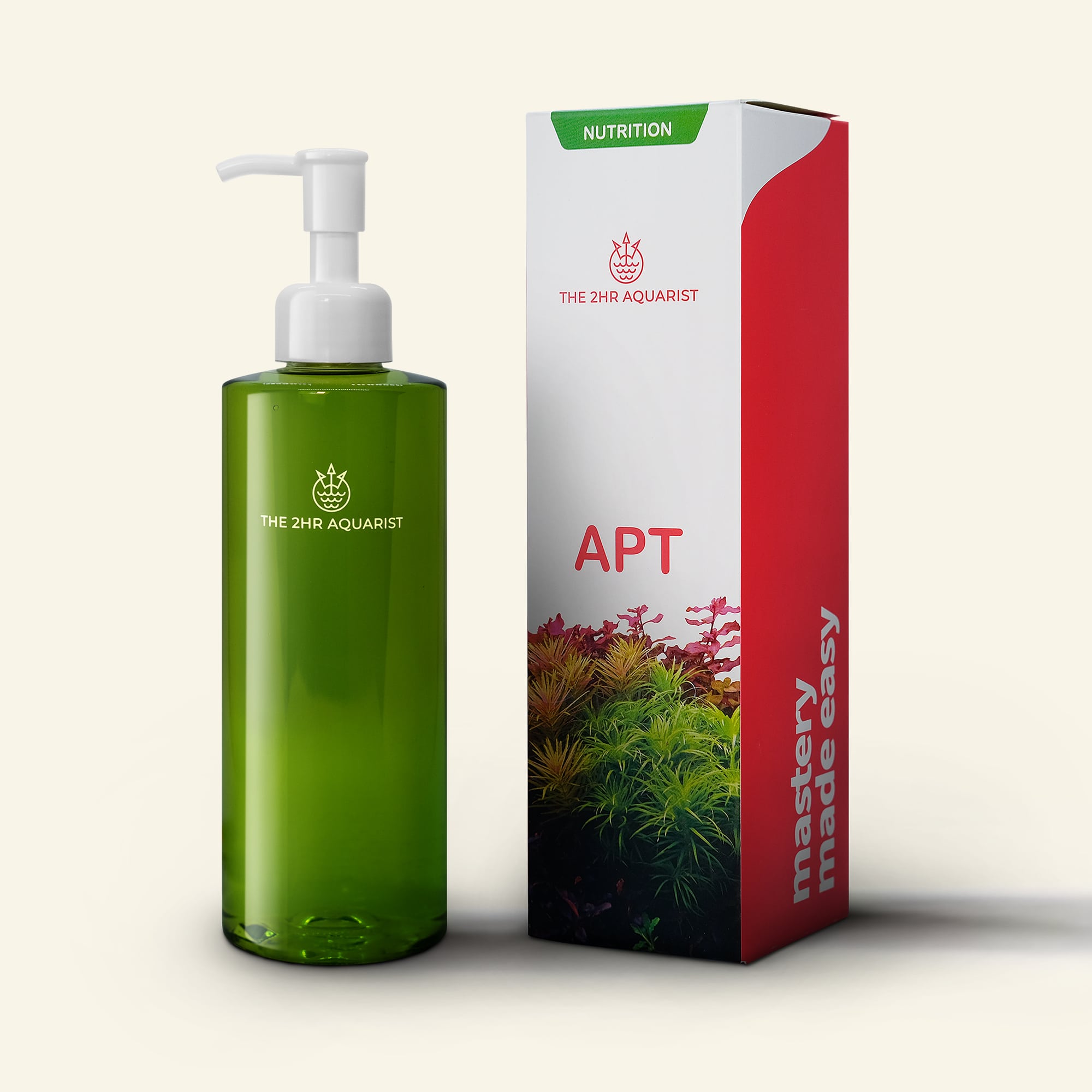
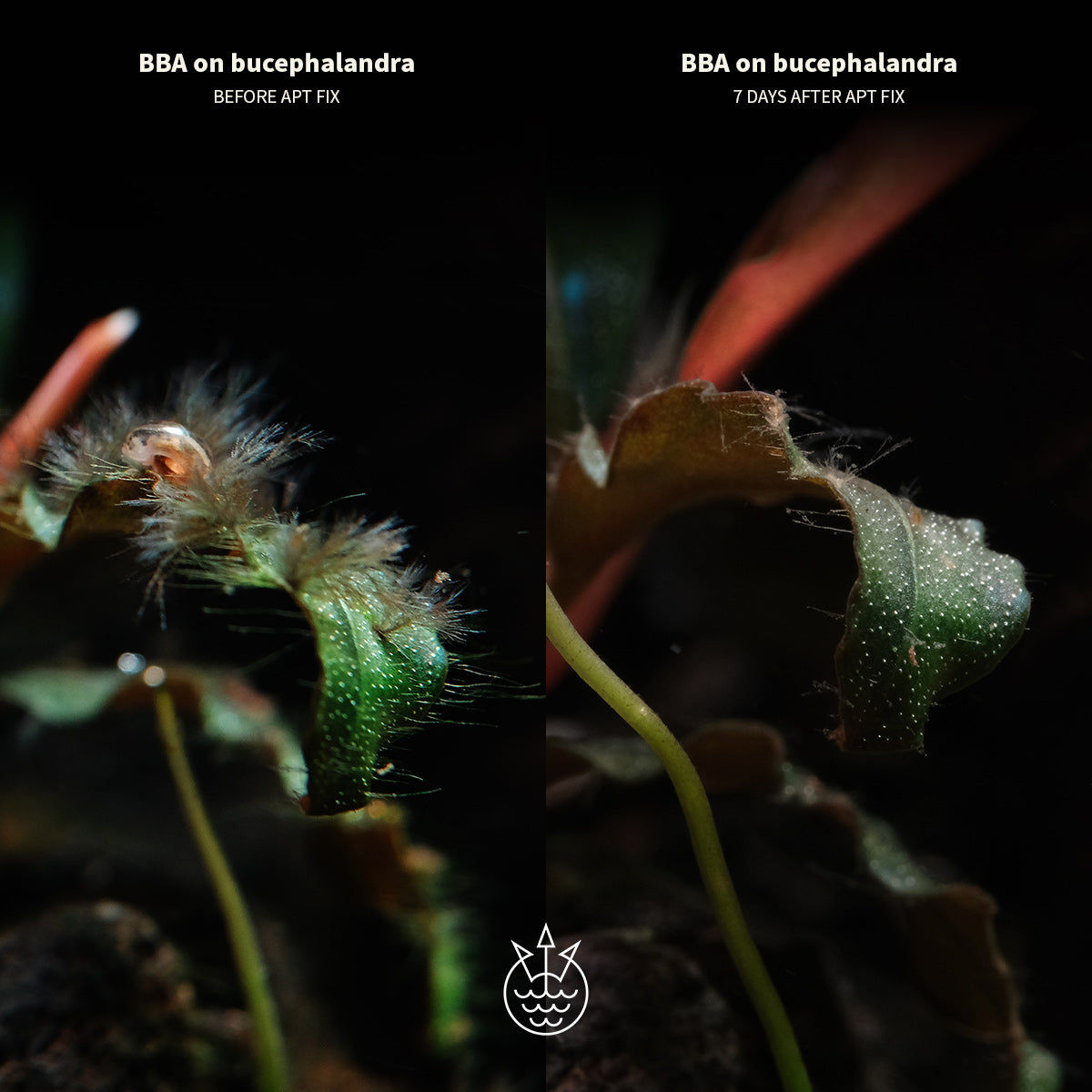
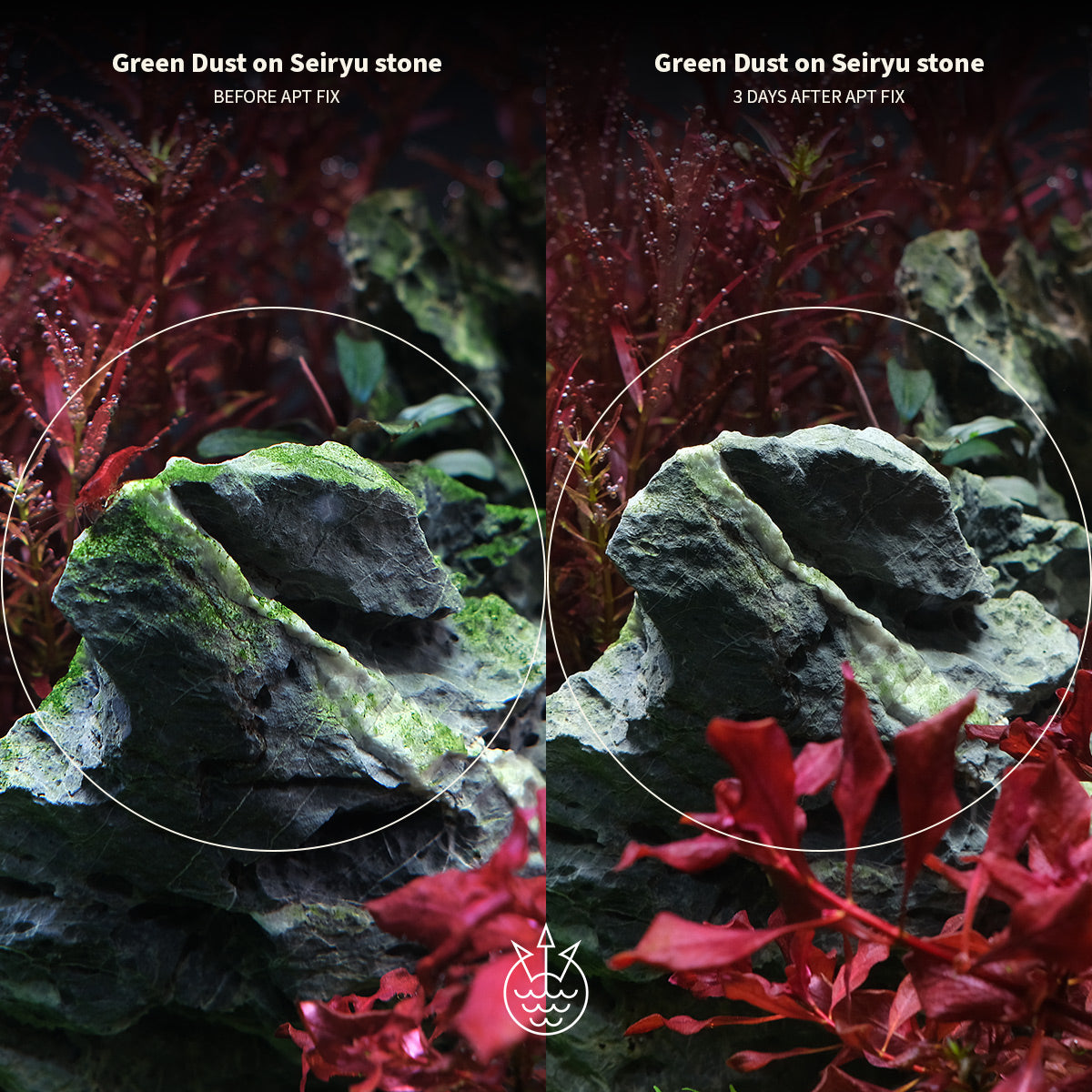
Aditivos adicionales: APT Fix para la dosificación puntual de algas, APT Pure como declorador para los cambios de agua.


Enfoques de mantenimiento y horticultura:
Fertilización:
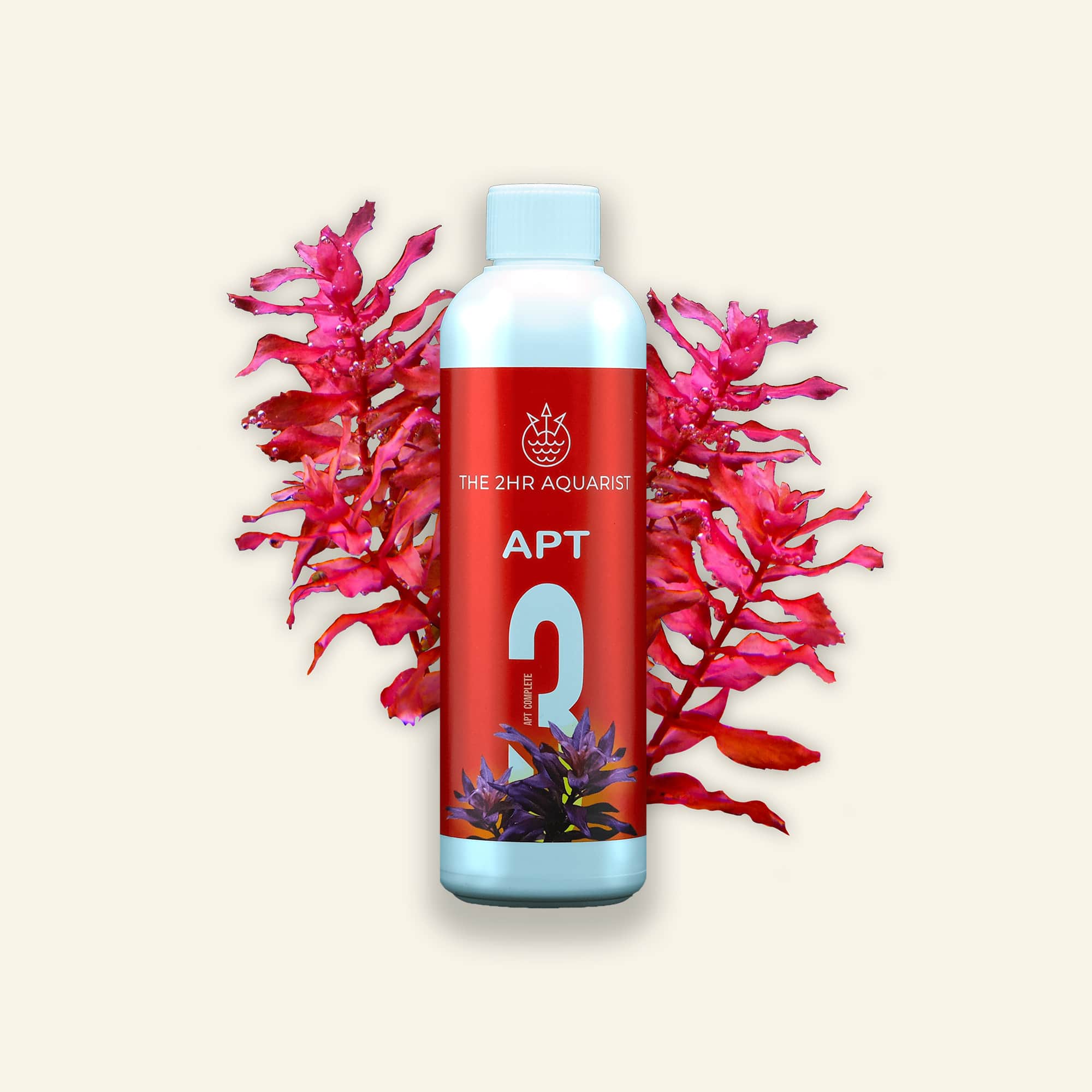
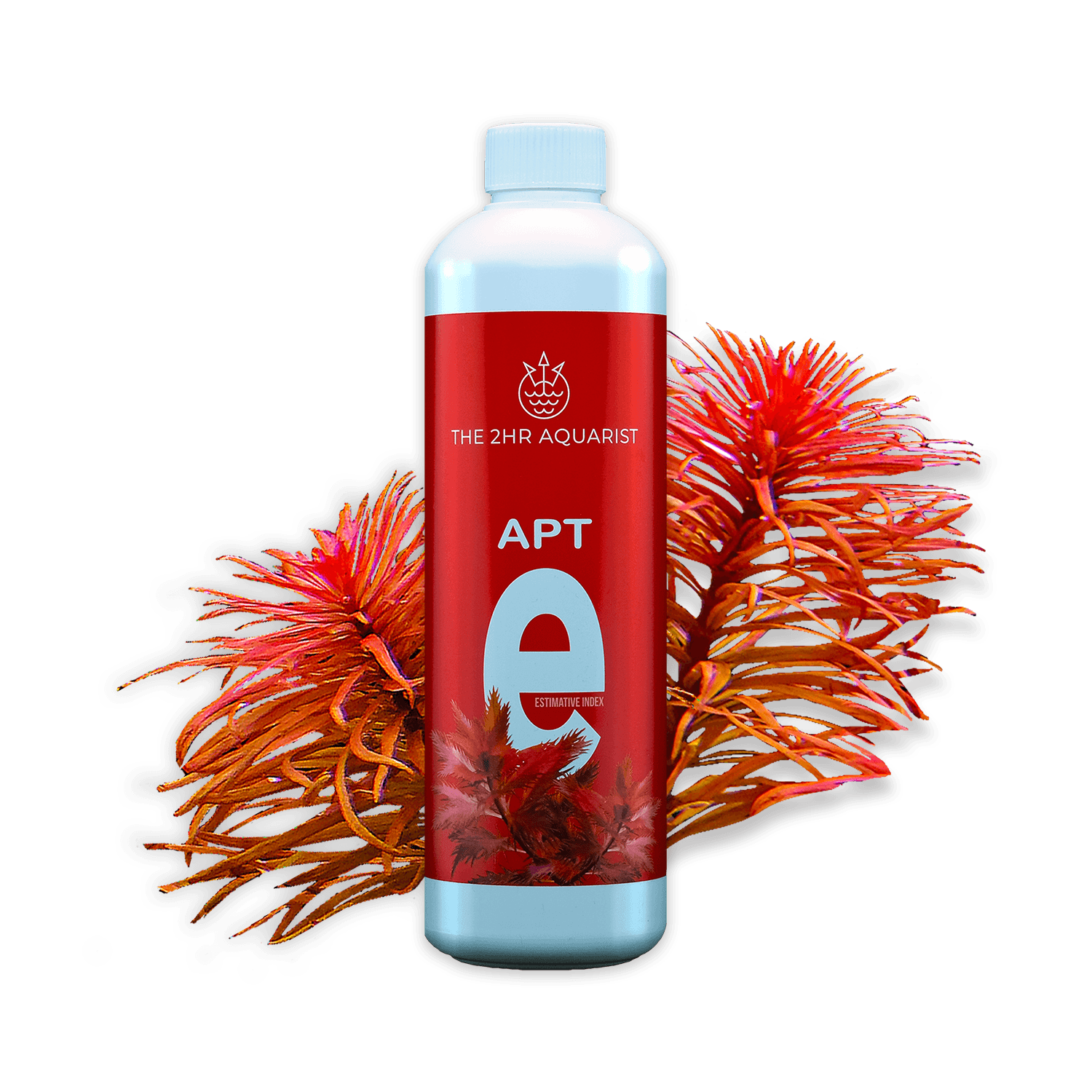
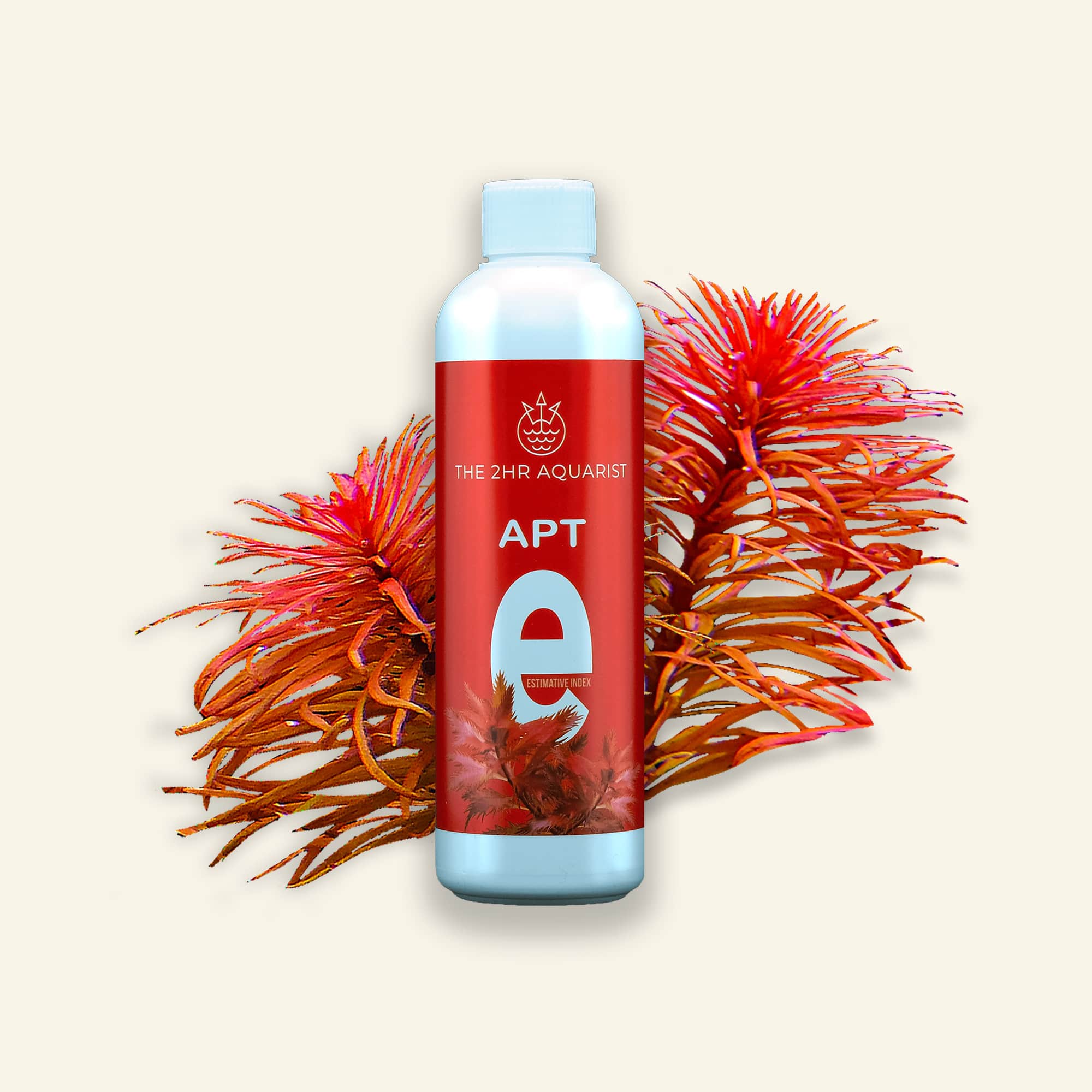
Se añaden 6 ml de APTe al tanque todos los días. Además, cuando se realiza un cambio de agua del 50 %, se añade una dosis triple de APTe (18 ml) al tanque. Esto mantiene los niveles de nitrato en torno a los 15 ppm. Este acuario utiliza niveles más altos de nutrientes para que algunas especies de plantas exigentes crezcan más rápido.
La razón exacta por la que se hace lo anterior se explica detalladamente en otro artículo aquí.

Poda de plantas
Los brotes más altos de las plantas de tallo se cortan individualmente por donde se unen al tallo principal. Esto es menos dañino que realizar un recorte recto, en el que se cortan todas las puntas a la misma altura. Esto se hace con frecuencia para mantener los distintos arbustos a una altura uniforme.

Algunas especies, como Syngonanthus, no se recuperan bien cuando se corta la única yema apical existente. La mejor manera de podar estas plantas es arrancando las yemas más altas en el punto donde se unen al tallo principal y dejando al menos un par de cabezas de crecimiento para que sigan creciendo.


Replantar las puntas de las plantas de tallo
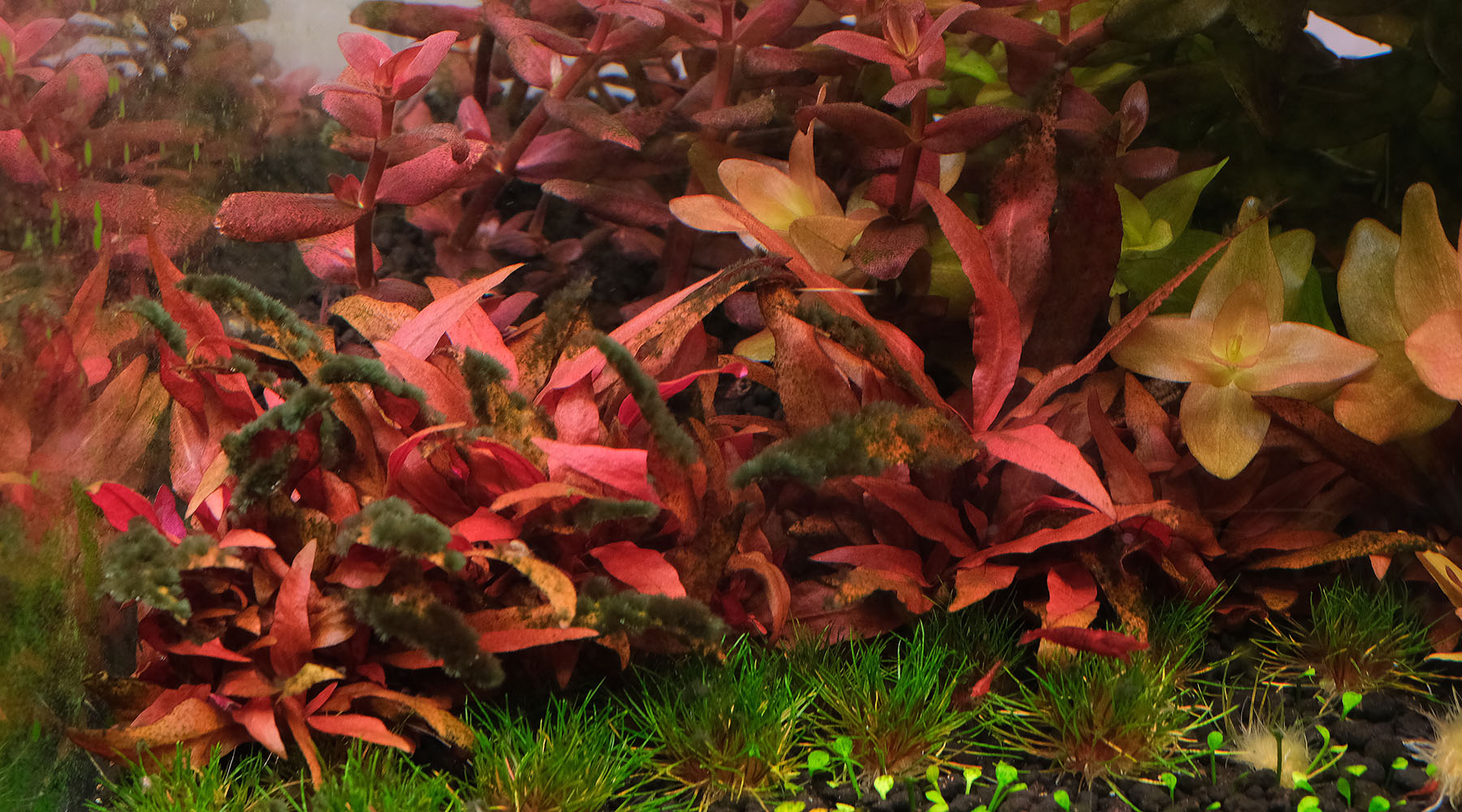
Los arbustos de plantas de tallo deben replantarse después de muchos ciclos de poda. Esto implica cortar y replantar la parte superior fresca de la planta de tallo, y arrancar y desechar las partes inferiores viejas con raíces. Esto rejuvenece los arbustos y mantiene a raya las algas, ya que elimina el crecimiento viejo y deteriorado y lo sustituye por uno nuevo. La eliminación de las raíces evita la compactación del sustrato con el paso del tiempo. Se utiliza un sifón de agua para aspirar el polvo cuando se arrancan las plantas.


Vídeo del trasiego mientras se arrancan las plantas para reducir el desorden:
Cambios de agua
La limpieza del tanque es fundamental en los acuarios con mucha luz para evitar las algas.
Muchos aficionados fracasan en la transición a acuarios de alta potencia, ya que se aferran obstinadamente a los hábitos que les funcionaban bien para mantener acuarios más sencillos con poca luz. Cultivar plantas más exigentes es muy diferente a cultivar una selección de plantas fáciles.

Nuestro objetivo es cambiar al menos el 50 % del agua cada semana. Esto nos permite reequilibrar los parámetros del agua y eliminar tanto los residuos orgánicos disueltos como los restos orgánicos de la zona del sustrato. Es posible que cambiemos más del 90 % en semanas en las que se realiza mucho sifonado debido a la replantación o al traslado de plantas.
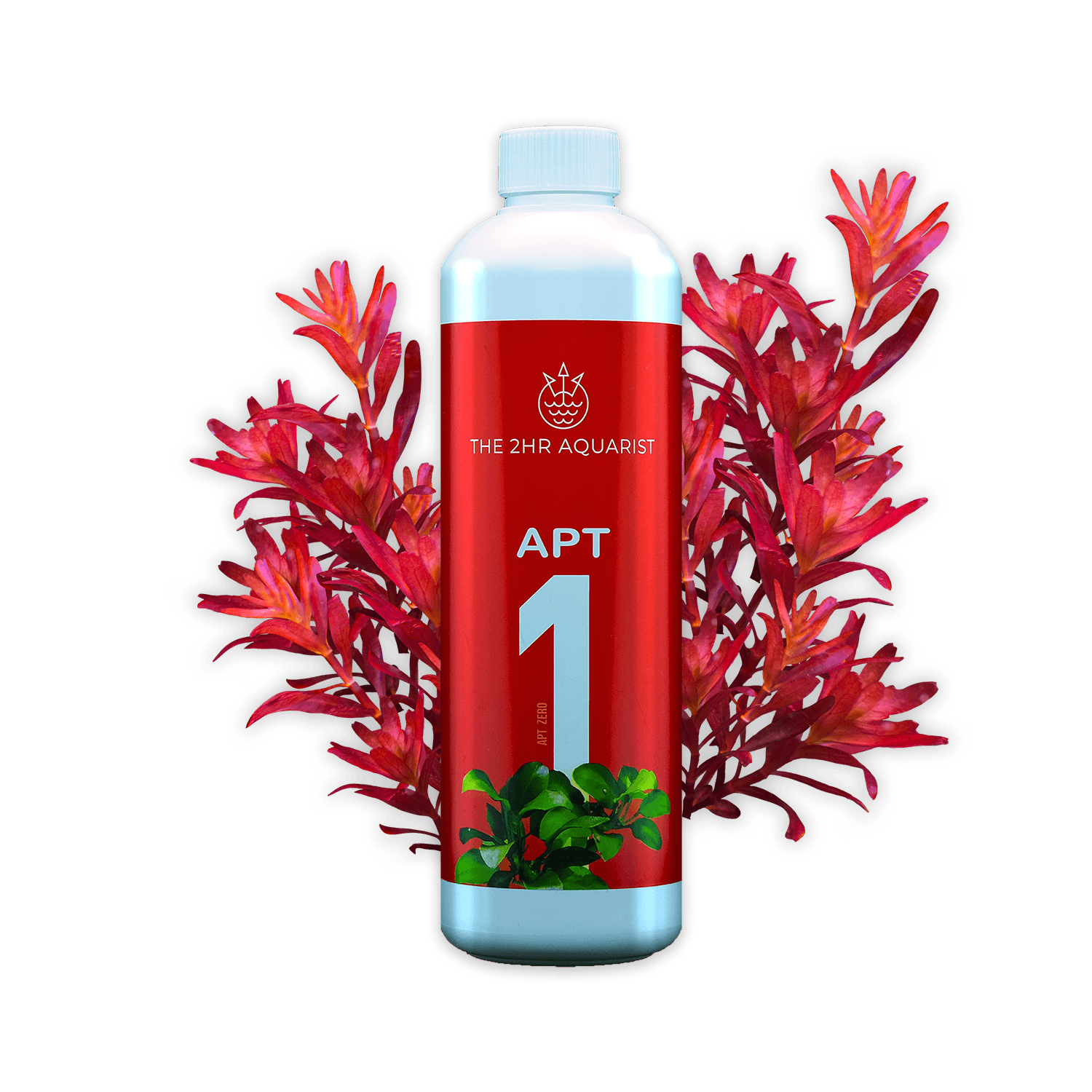
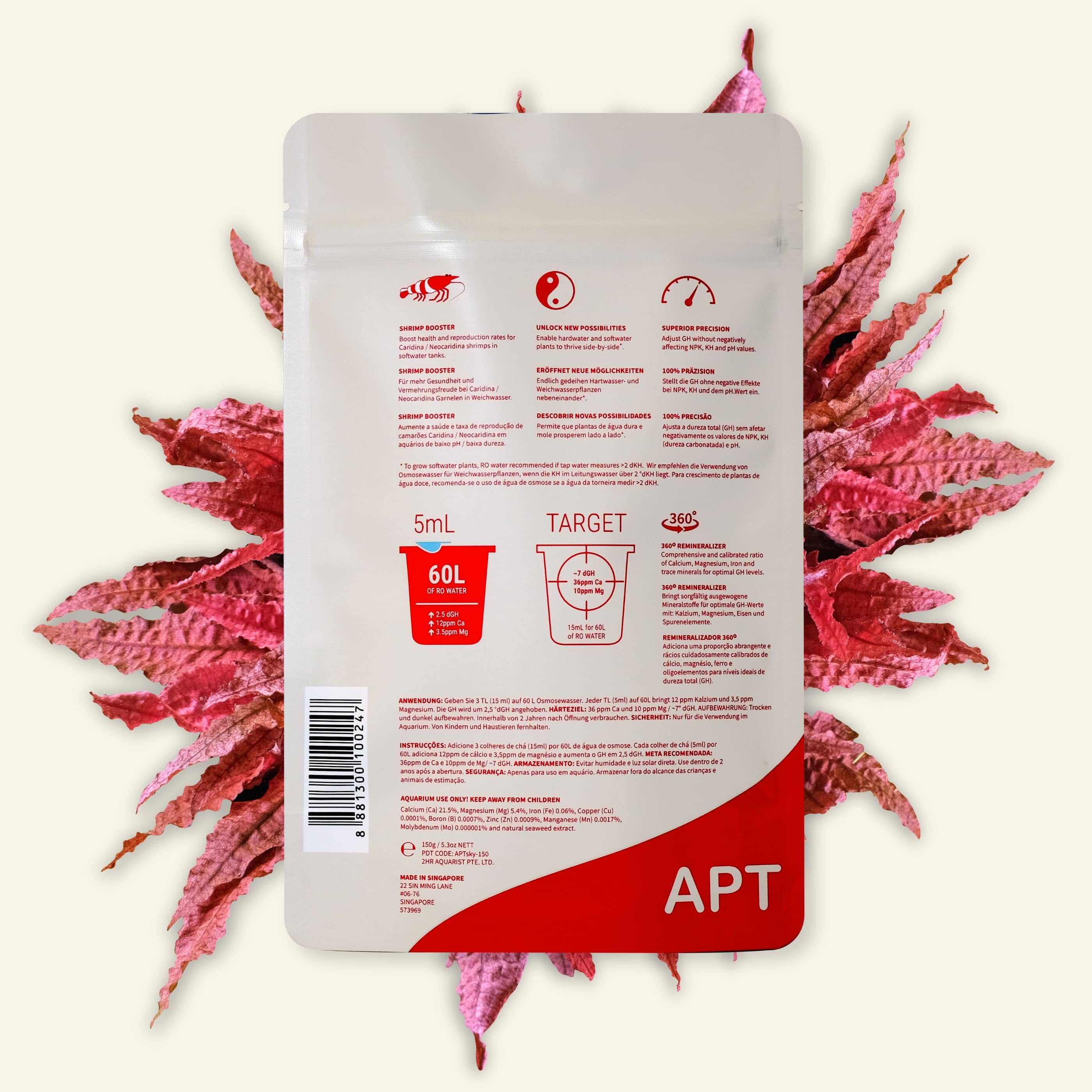
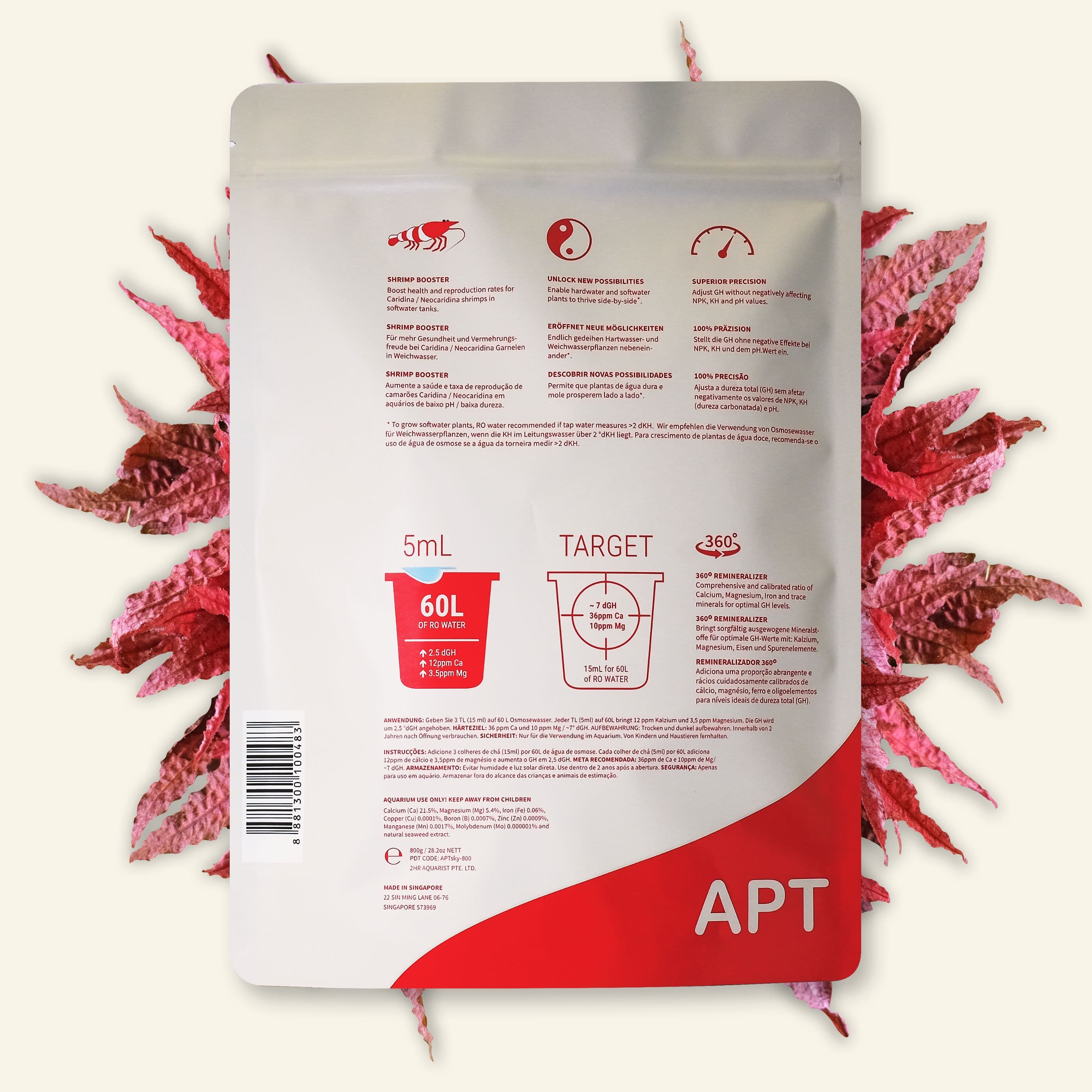
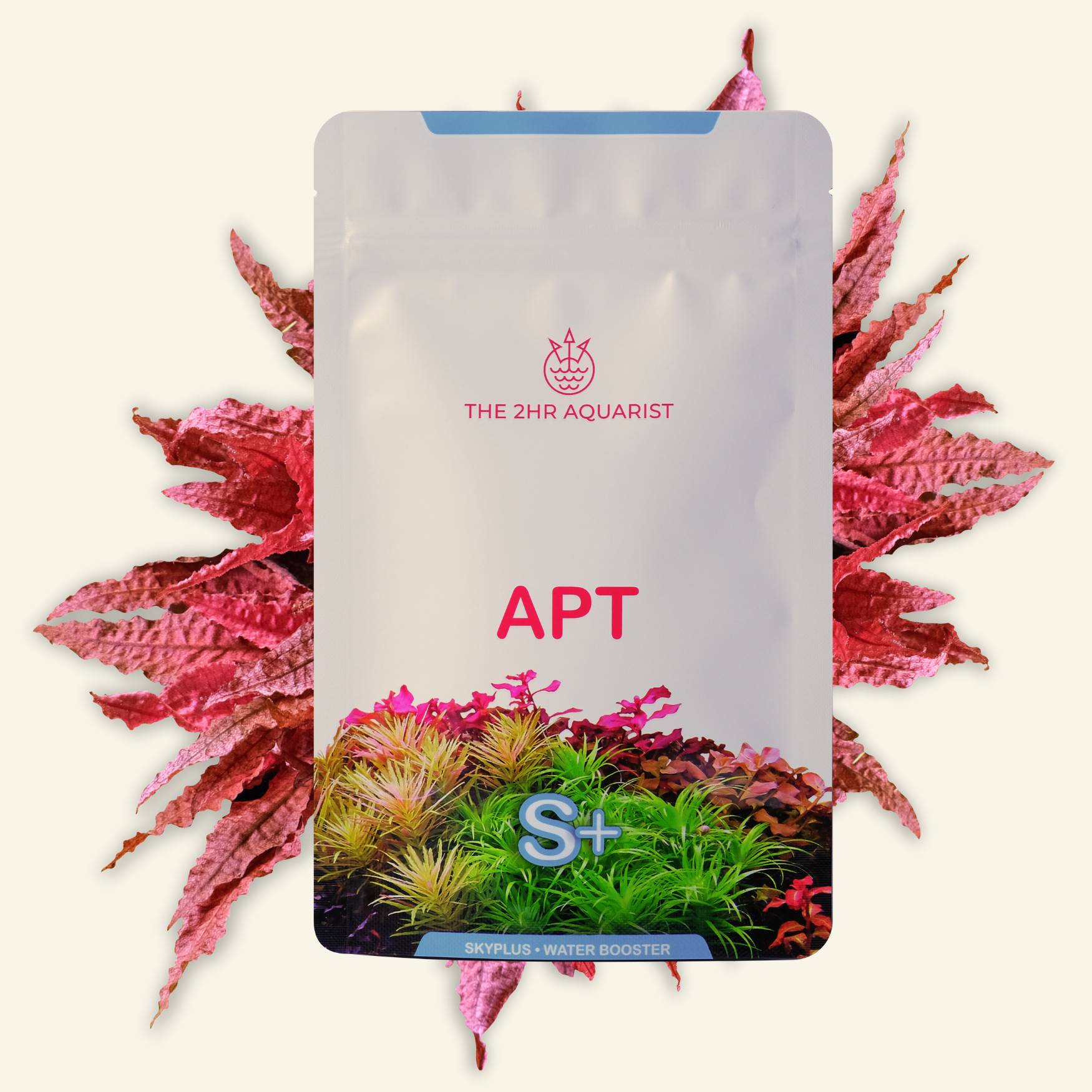
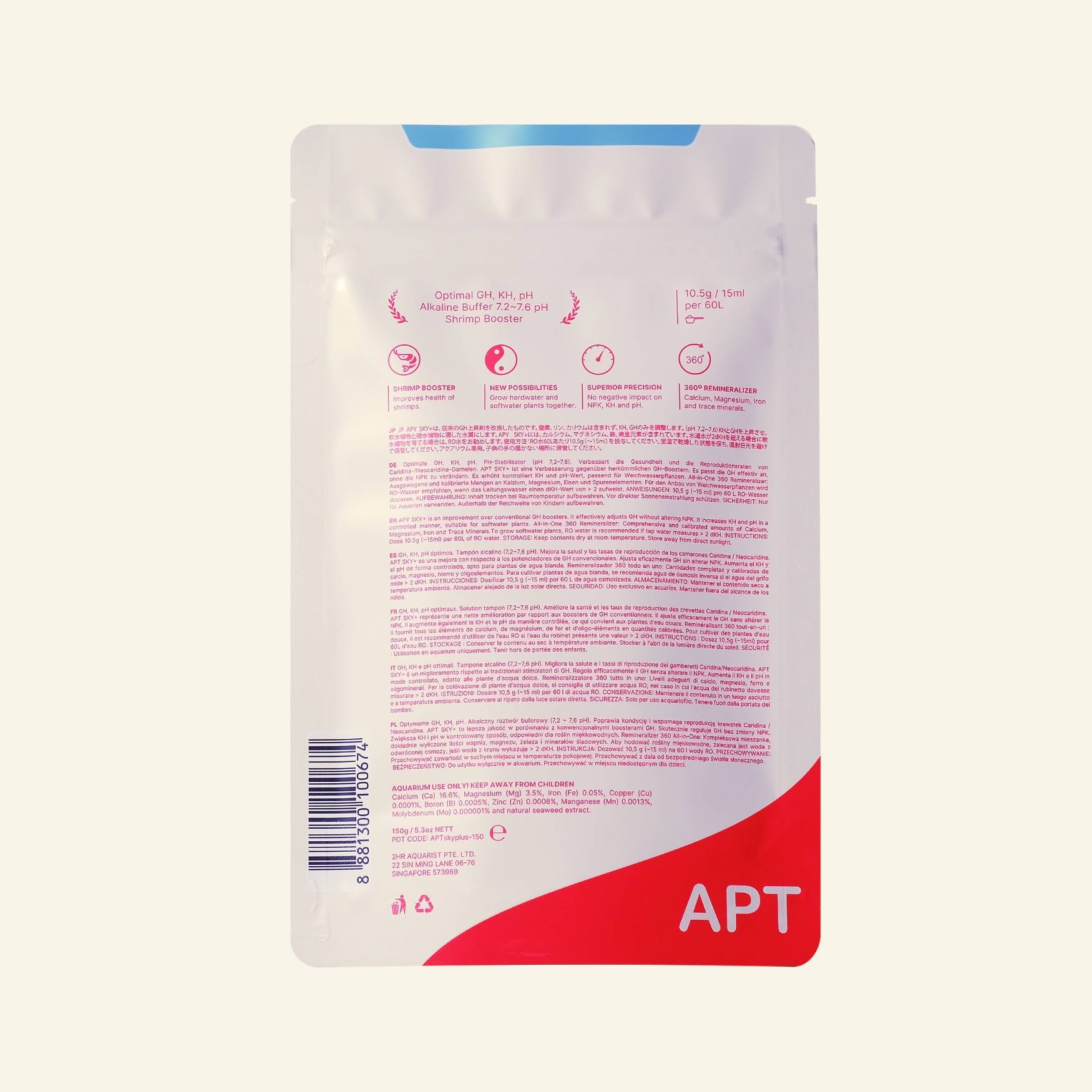
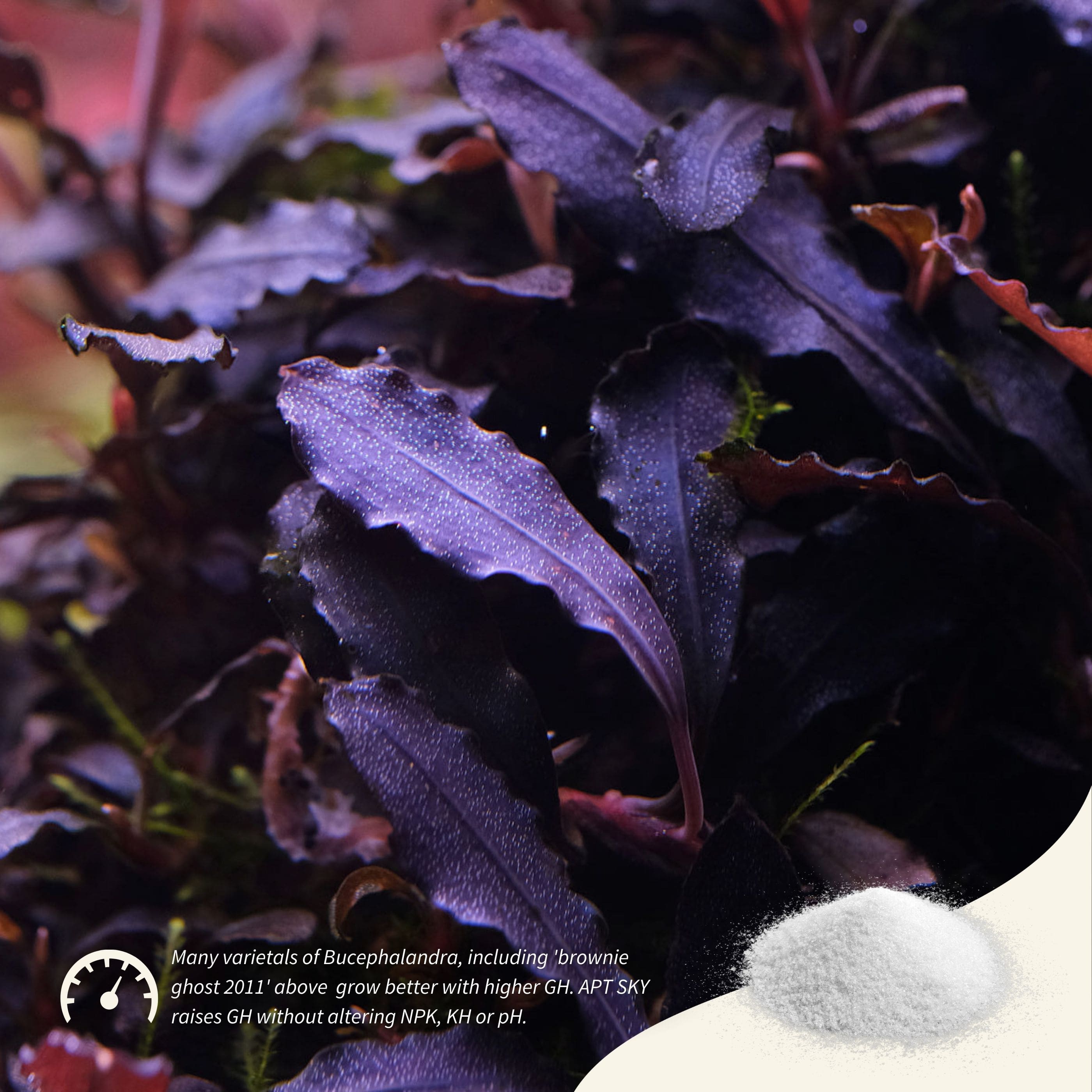
Se añade APT Sky para reequilibrar el GH a 5 dGH después de los cambios de agua. Además, se añade una dosis triple de APTe después de los cambios de agua para mantener los niveles de nutrientes. Para obtener más información sobre por qué y cómo se hace esto, consulte la descripción detallada aquí.
División de rizomas y rosetas
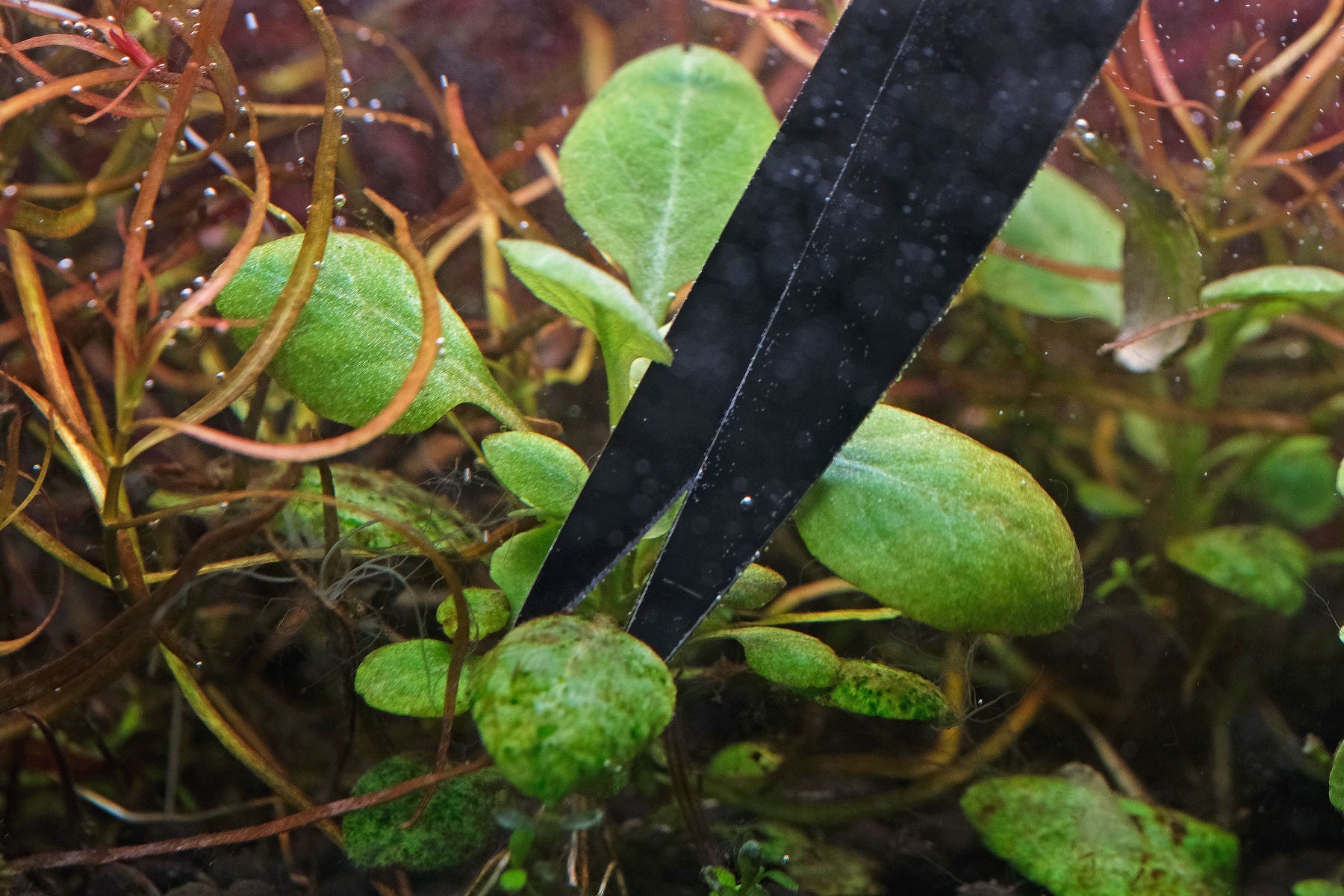
Xyris difformis, Centrolepis drummondiana y Lysimachia parvifolia no crecen en altura como las plantas de tallo. Sin embargo, todas ellas producen plantas hijas en su base. Estas deben dividirse manualmente, ya que se llenan de algas y se vuelven poco saludables cuando están demasiado apretadas. Las plantas apretadas también tienen colores menos vivos.
A veces, las plántulas son tan evidentes que se pueden cortar o arrancar sin desarraigar la planta madre. Sin embargo, sus sistemas radiculares suelen estar entrelazados, por lo que hay que desarraigar todo el grupo y dividirlo manualmente.


Enriquecimiento del sustrato con tierra acuática fresca
El aquasoil fresco contiene nitrógeno amoniacal que mejora considerablemente la calidad del crecimiento de las plantas, produciendo plantas más frondosas y densas con una mejor coloración. Todos los aquasoils agotan sus reservas de nitrógeno con el tiempo, por lo que la adición regular de nuevo aquasoil recarga el sustrato.
Aunque se pueden utilizar pastillas para raíces ricas en amoníaco en grupos de plantas que no se desarraigan con frecuencia, añadir tierra acuática fresca es más eficaz para las plantas que se desarraigan con frecuencia, como las plantas de tallo y la Centrolepis drummondiana. Se retiran unas cucharadas de tierra vieja y se mezcla tierra acuática nueva cuando se podan y replantan las plantas. Se añade un 1 % de nuevo aquasoil al mes.

Reflexiones finales y conclusiones
El mantenimiento es el principal obstáculo que impide que más gente disfrute plenamente de los acuarios de «estilo holandés». Sin embargo, la selección de plantas y la poda selectiva tienen un gran impacto en la cantidad de mantenimiento necesario. El uso de plantas de crecimiento más lento, como Xyris difformis, Rotala florida y especies de Syngonanthus, marca una gran diferencia en la cantidad de trabajo de poda y replantación que se realiza. El uso de métodos de poda más precisos, como cortar los tallos individuales en el punto donde se unen al tallo principal, en lugar de podar directamente todas las puntas de crecimiento de una sola vez, también permite una mayor longevidad de los tallos inferiores.
En los acuarios centrados en las plantas, el trabajo de replantación es inevitable, pero se puede hacer de forma más eficiente si se cuenta con las herramientas y la técnica adecuadas. La técnica requiere tiempo, pero la recompensa es poder utilizar un número mucho mayor de especies de plantas en el paisaje acuático. Aunque los acuarios centrados en el paisaje duro se han vuelto muy populares en los últimos diez años, espero que más gente pruebe los acuarios centrados en las plantas. Hoy en día hay muchas especies nuevas de plantas en la afición de los acuarios plantados en comparación con años anteriores, y no hay mejor momento para explorar el lado vegetal de esta afición.








Share:
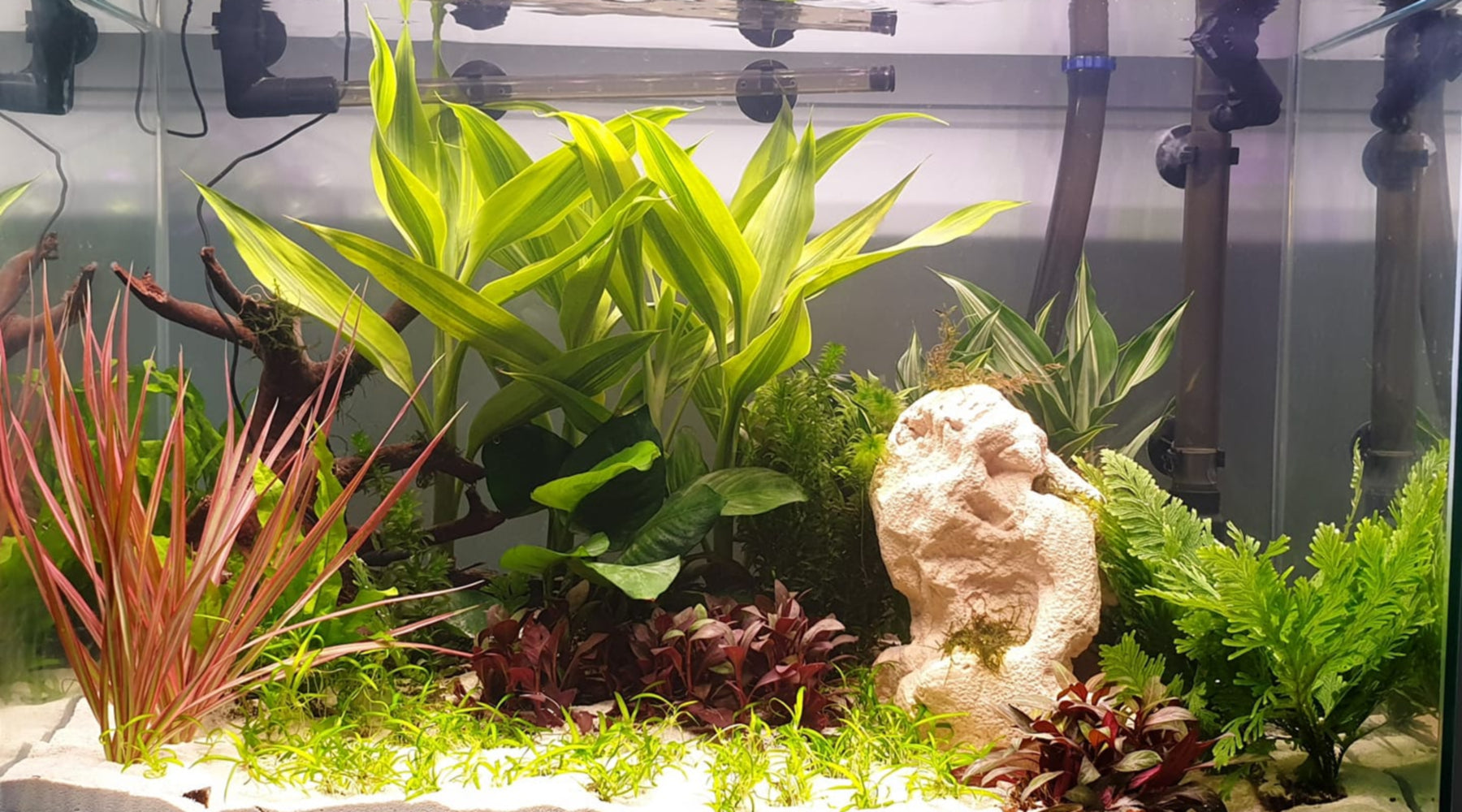
Guía para principiantes para evitar las plantas no acuáticas en las tiendas
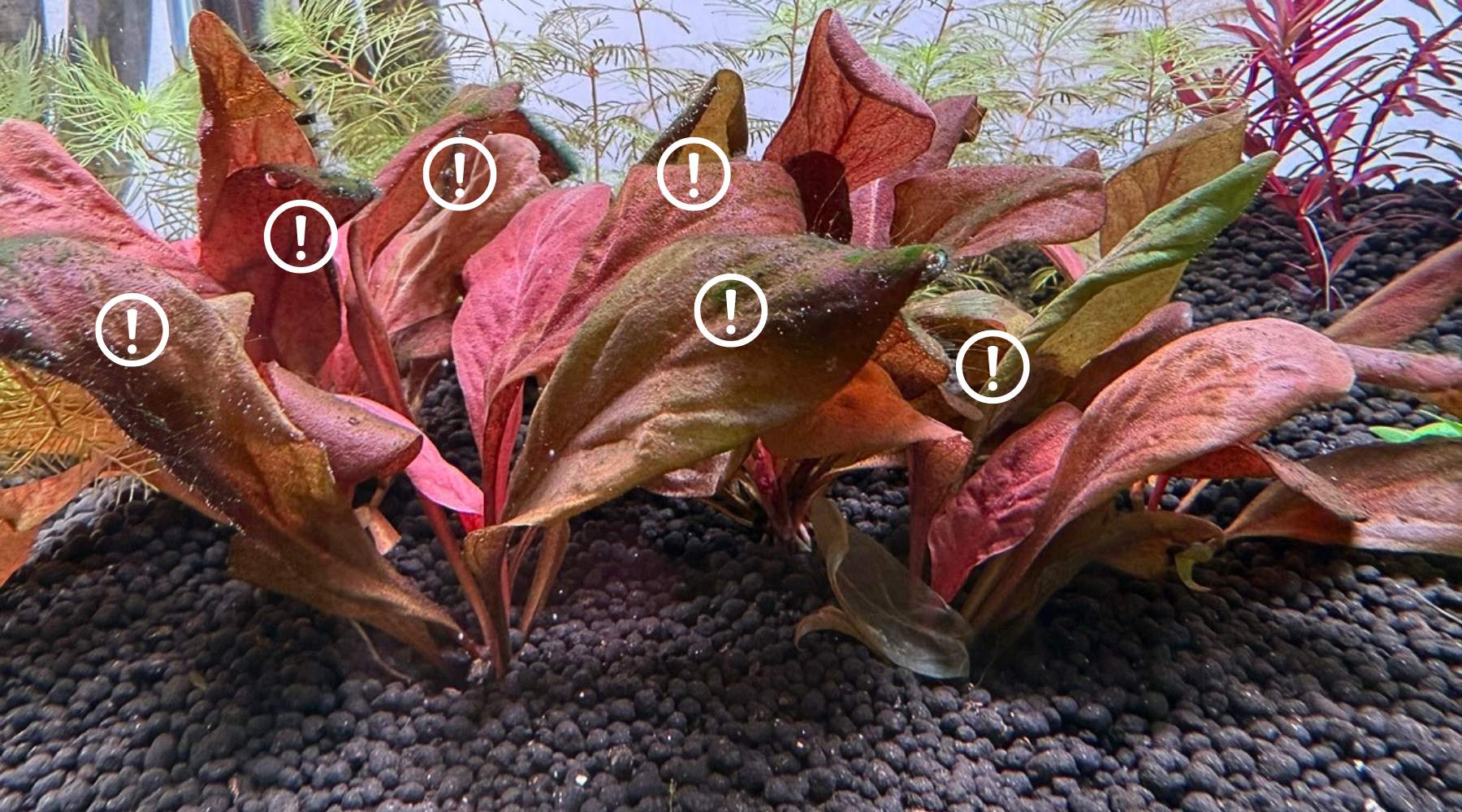
¿Qué deterioran las hojas? Comprender el ciclo de renovación de las hojas en las plantas acuáticas