

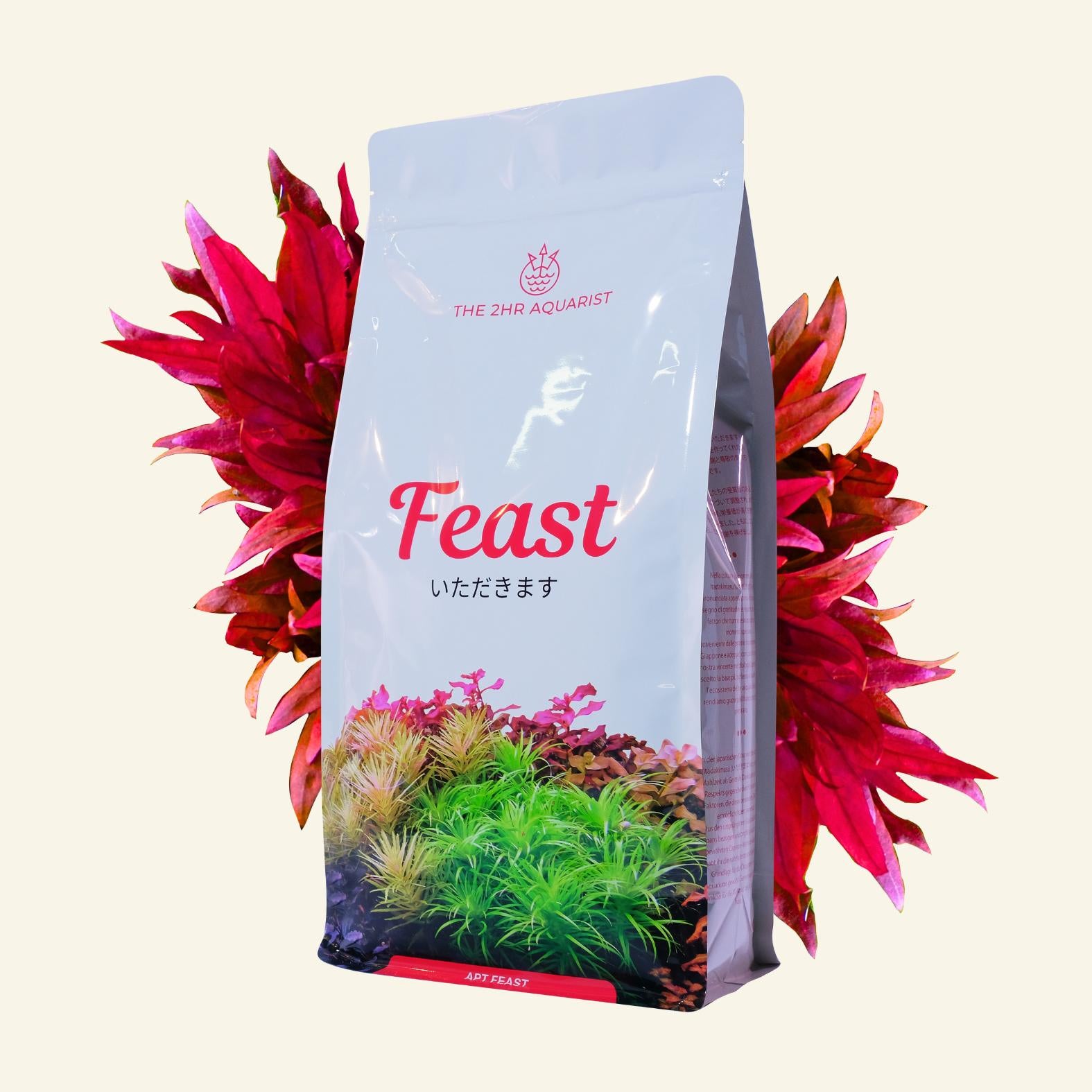
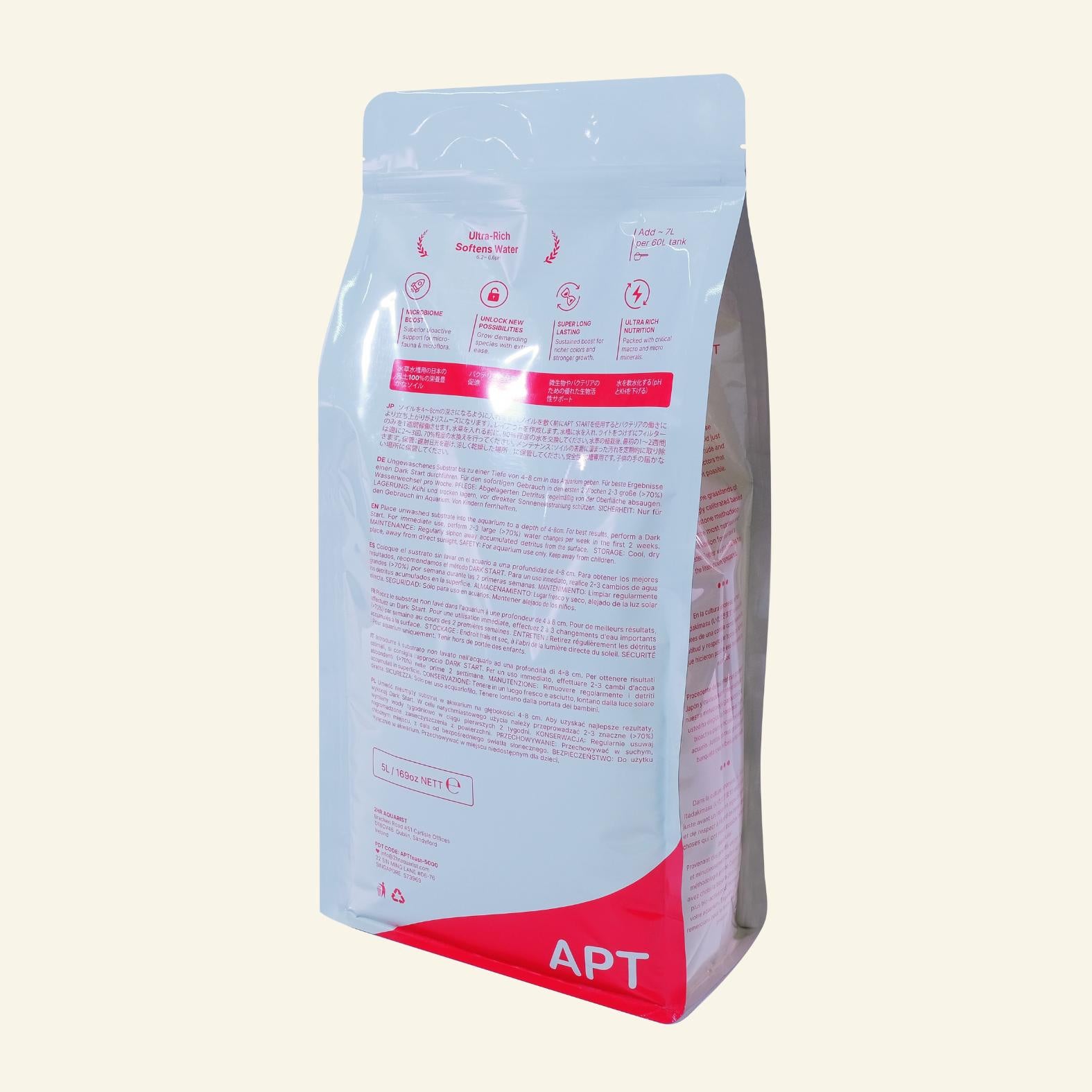
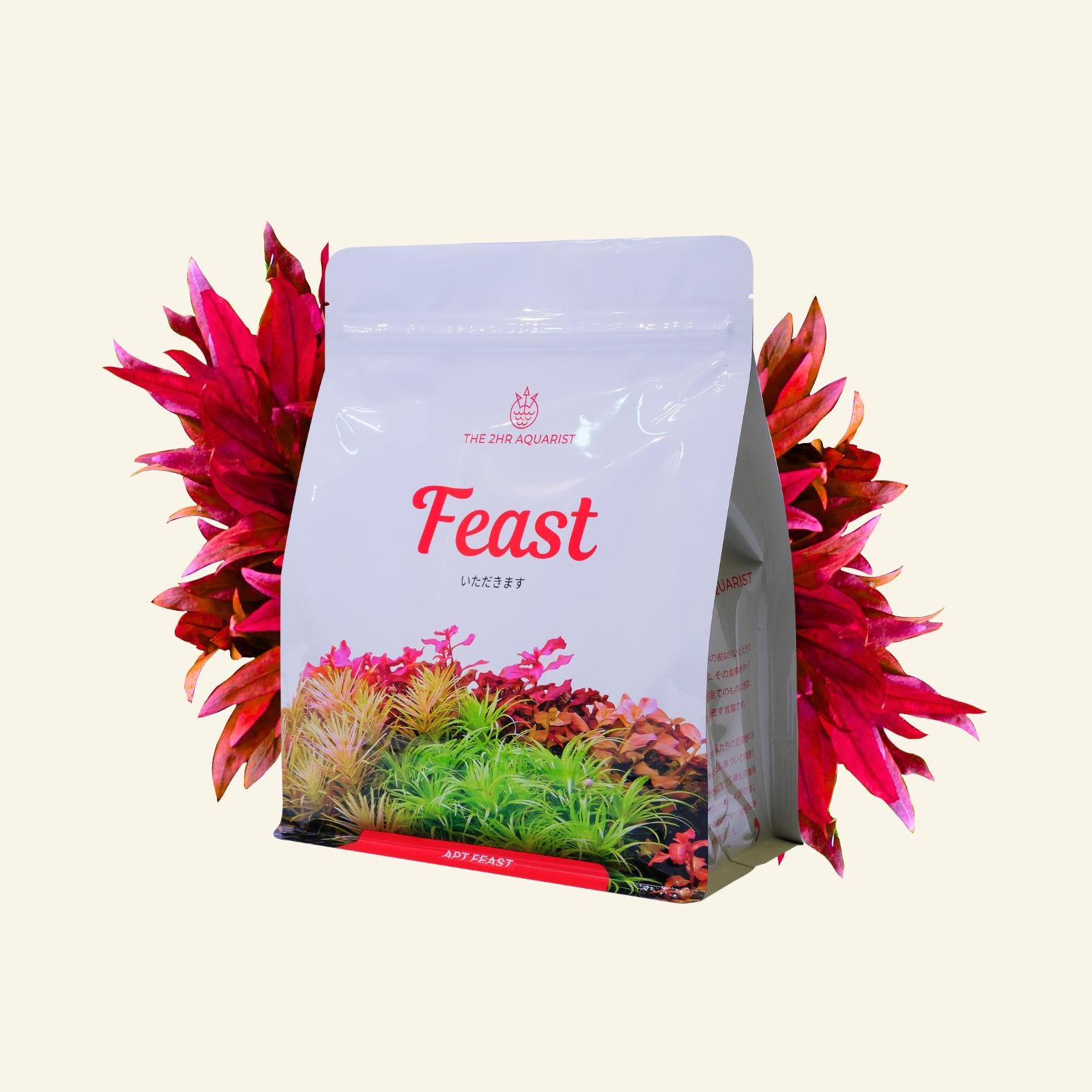
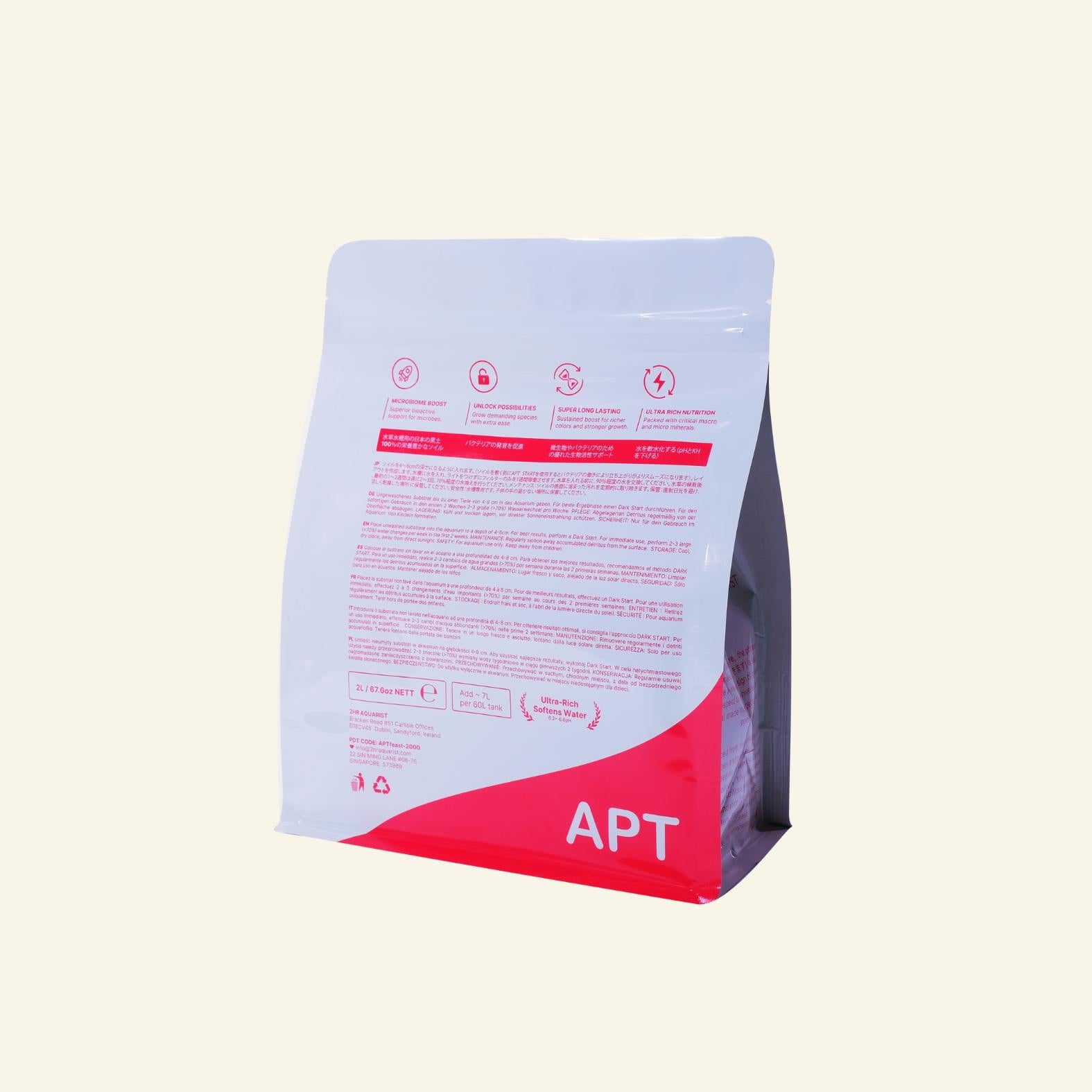
No. APT Feast is beginner-friendly. Its reputation as an "expert" soil comes from a mix-up between two different things: work and skill. APT Feast asks for a little more work in the first couple of weeks, mostly water changes, but it does not ask for any special skill or experience. Follow a simple routine and it grows in well, whether this is your first tank or your fiftieth.
Quick answer:
- APT Feast is one of the richest aquasoils available, and that richness is what drives fast, strong plant growth.
- Rich soil releases ammonia in the first couple of weeks. This is normal, not a sign the soil is difficult.
- The extra effort is a simple routine, water changes or an optional dark start, not expert judgment. More work, not more skill.
- You can plant on day one and get excellent results, whether you are new to the hobby or a seasoned aquascaper.
Why Does APT Feast Release Ammonia in a New Tank?
Because it is a rich, nutrient-packed soil, and rich soils release ammonia when they are first submerged. This is exactly what makes APT Feast grow plants so well, and it is completely normal, not a sign of a bad batch or a mistake.
Here is where the "advanced" label comes from. Left alone, that early ammonia can feed an algae bloom while your plants are still settling in. That is what makes a fresh tank look like it is going wrong, and why people assume the soil is hard to handle.
But handling it takes a bit of work, not skill. Change the water often for the first two weeks and the ammonia and algae spores wash straight out.
It is the same reason we recommend water changes with our fertilisers: not because the fertiliser needs them, but because they clear out waste and keep the whole tank performing. The dark start works the same way. It is a good habit that gives you a cleaner start, not a test you have to pass. Anyone who can do a water change can run APT Feast.

How Do You Set Up APT Feast Without a Dark Start?
Plant on day one, then do a large water change (80-100%) every couple of days for the first two weeks. Big water changes remove the early ammonia and any algae spores before they take hold, so your plants settle in while the tank matures around them.
That is the whole routine. No guesswork, just simple steps anyone can follow:
- Start with hardy plants. Save delicate or tissue-culture plants for once the tank has settled.
- Plant densely. A full tank of plants holds off algae far better than a sparse one.
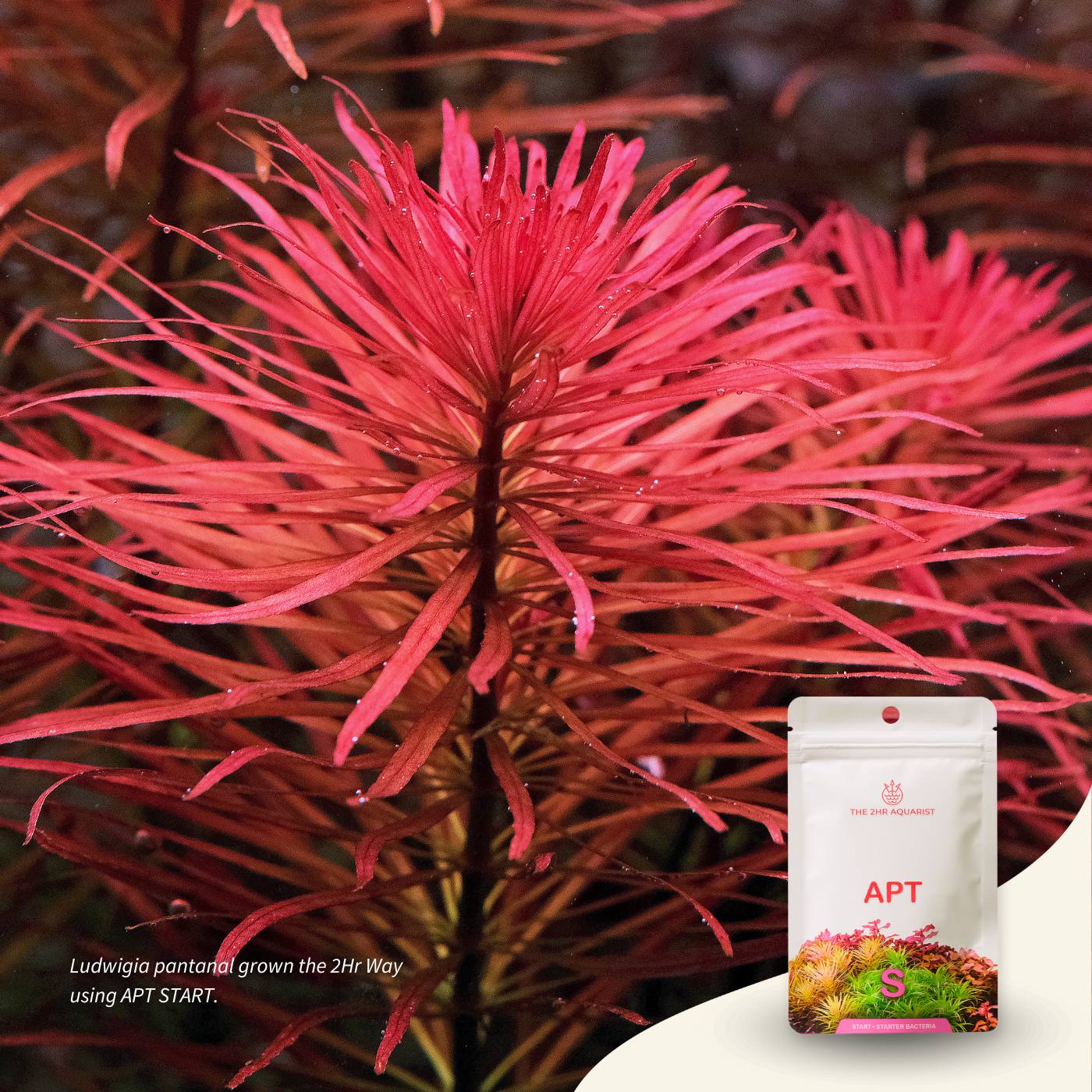
- Seed your filter with mature media from an established tank, or a starter bacteria product, so the tank settles faster.
- Keep up the water changes for two weeks, then ease off as the plants take hold.
- Start dosing liquid fertiliser once the plants are in.
APT Feast for Beginners: Common Questions
Is APT Feast good for beginners?
Yes. Plant densely, keep up water changes for the first couple of weeks, and a beginner can get the same strong growth as an expert.
Is APT Feast hard to use?
No. The first two weeks take a little more effort, but it is the same simple routine every time, not expert judgment.
When can you add fish or shrimp?
Wait about three to four weeks. This gives the tank time to mature into a stable, healthy home for livestock.
Do you need APT START or a starter bacteria product?
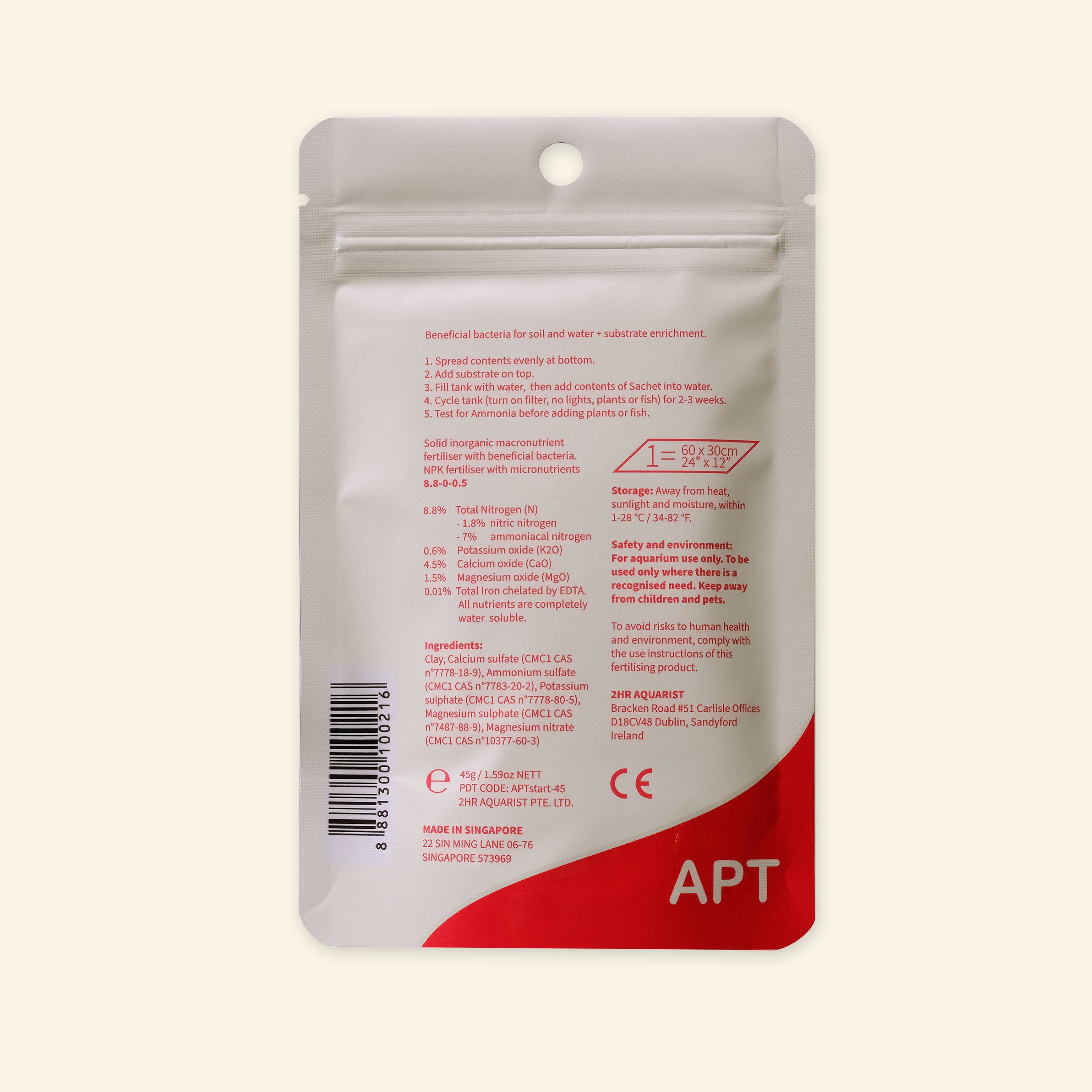
No, you do not need APT START to begin, as the soil is rich on its own. To help the tank settle faster, seed your filter with matured filter media or a starter bacteria product.
For the full step-by-step on both paths, plus cycling and filtration, see the complete APT Feast setup guide.



Compartir:
How to Start a New Aquarium with APT Feast Aquasoil: Two Paths to a Stable Tank