

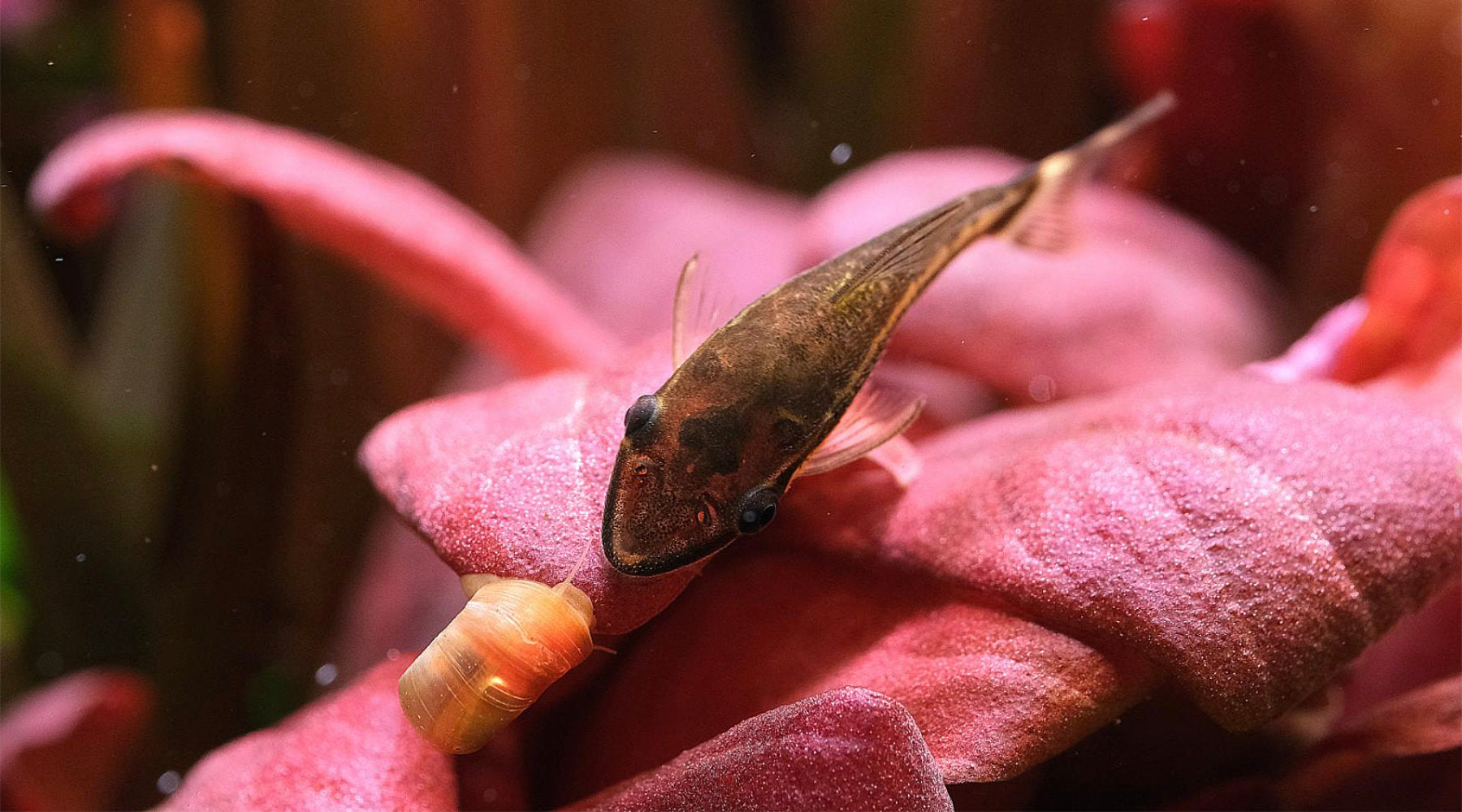
For a planted tank, the best algae eaters are still a tight shortlist: Amano shrimp, Dwarf shrimp (Cardina and Neocaridinas), small snails, Otocinclus catfish (Otos), True Siamese Algae Eaters (SAE) and bristle nose plecos. These are the freshwater algae eaters that do useful work in heavily planted tanks, provided their water requirements match the setup.
There are other fish species that pick at filamentous algae such as Mollies, Platies and American flagfish, but they develop a preference for fish food if it is available. Other algae eating fish sold in stores, including many larger plecos and the notorious Chinese algae eater, are at best partial helpers and at worst leaf-rasping troublemakers once they grow larger.
Algae eaters are not an absolute necessity in healthy planted aquariums. The baseline defense against algae in planted aquariums should come from aquatic plant competition and plant dominance. Planted aquariums can remain algae free even without the usage of algae eaters - algae eaters should be added only if you actually enjoy keeping them.
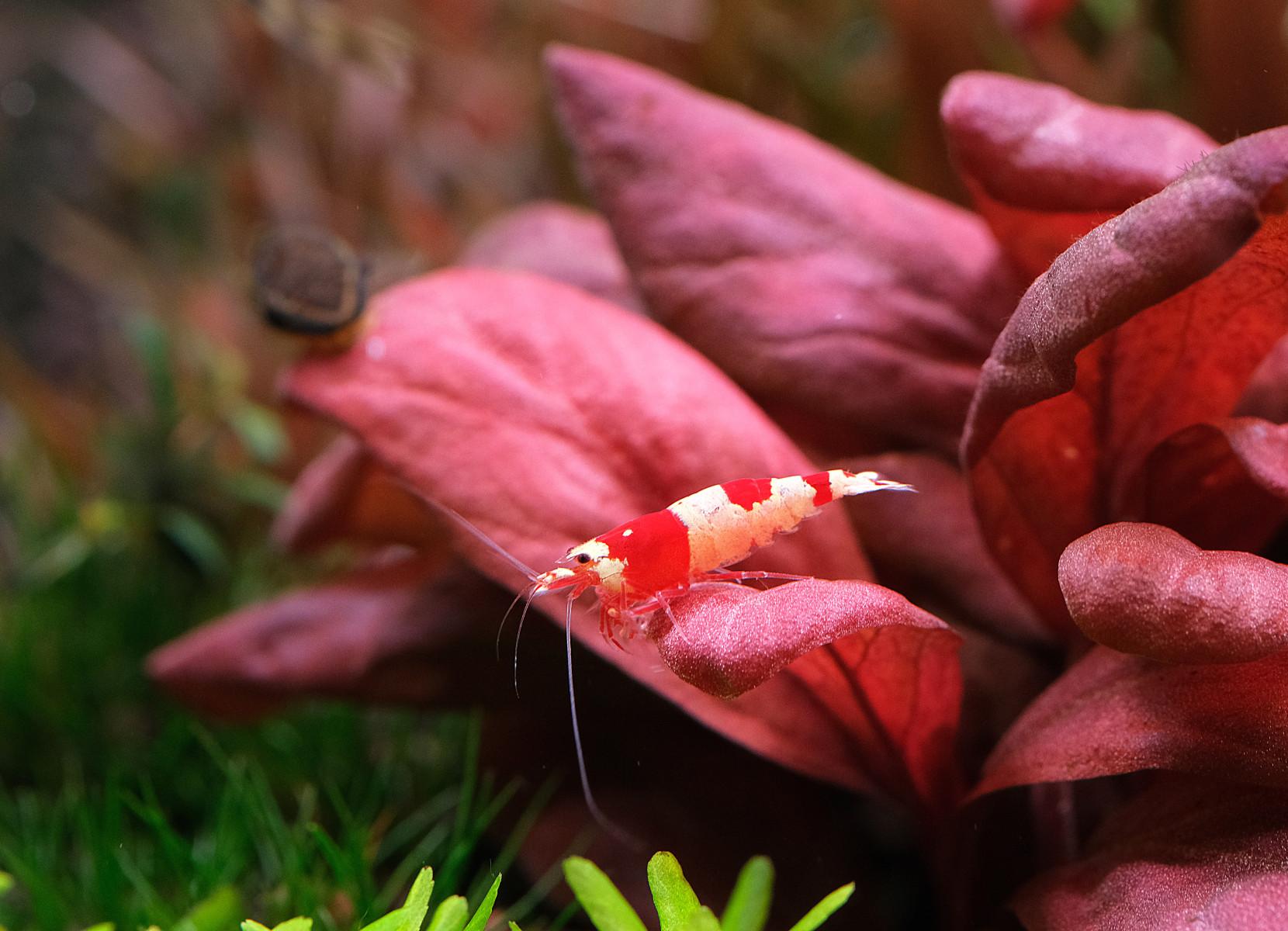
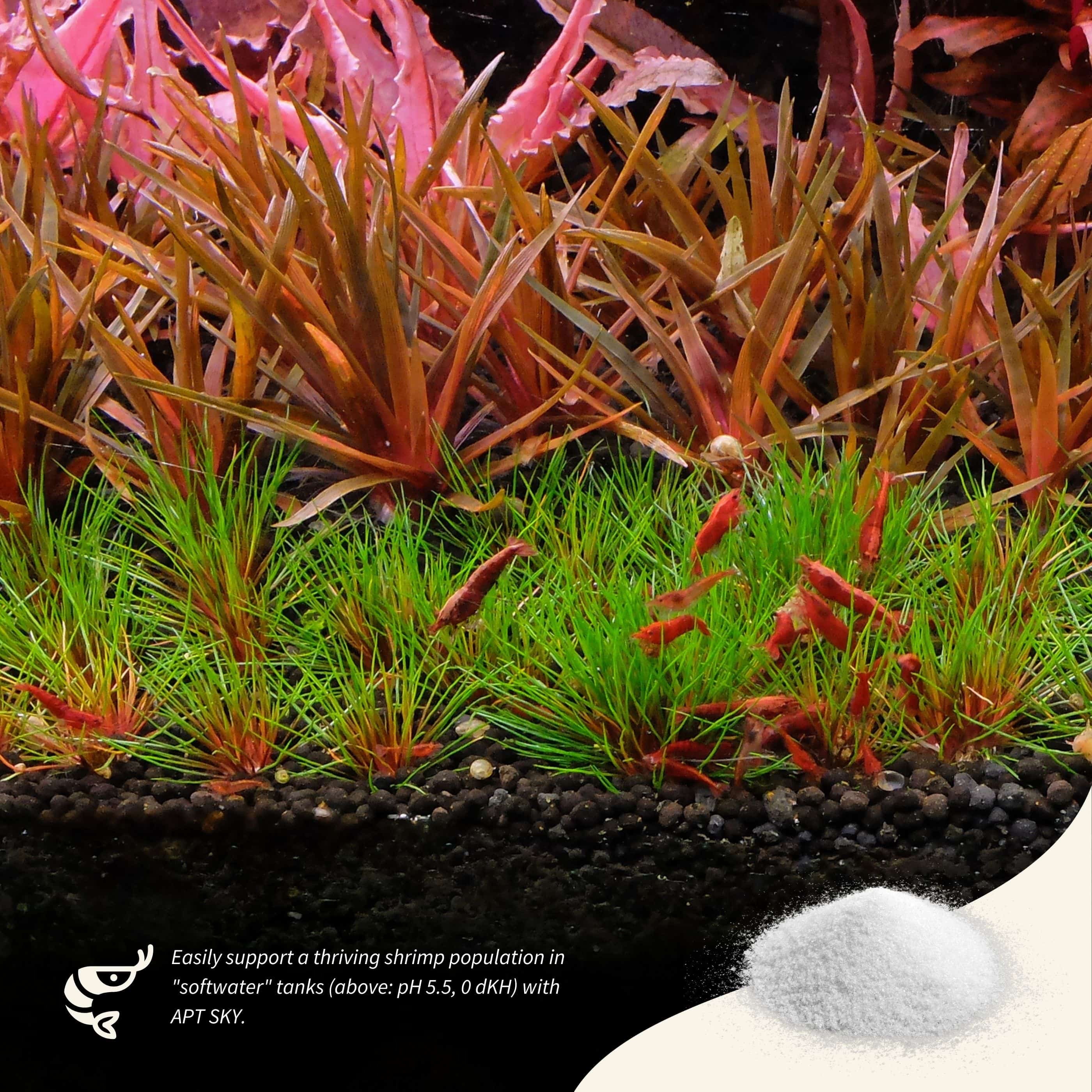
Crystal red shrimp (Caridina cantonensis) comes in attractive dual tone colors and stand out in any planted aquarium.
Do Algae Eaters Improve Water Quality In a Planted Tank?
Snails and shrimp act as detritivores in the aquarium and they are great at breaking down and consuming larger organic material such as leftover fish food and dead leaves or even dead fish. Their own waste is then further digested by decomposer microbes into simpler nitrogenous substances and ammonia that is then taken up by plants as nutrients. Shrimp and snails capture nitrogen and nutrients when they participate in the decomposition chain, and thus reduce the overall waste levels in the system. Due their small mass, this effect is small relative to the impact of plant growth, however, shrimp and snails also help graze on algae and clean surfaces.
Shrimps are also great indicators of water quality because of their sensitivity to the environment. Aquariums that consistently fail at keeping shrimp alive (if livestock predation was not a factor) tend to suffer from other underlying issues that need addressing.
However, the usage of algae eaters do not replace regular water changes or other maintenance tasks. Build-up of organic detritus at the substrate zone and dissolved organic waste in the water column is still best dealt with by water changes and manual cleaning.
How Effective are Amano Shrimp (Caridina multidentata)?
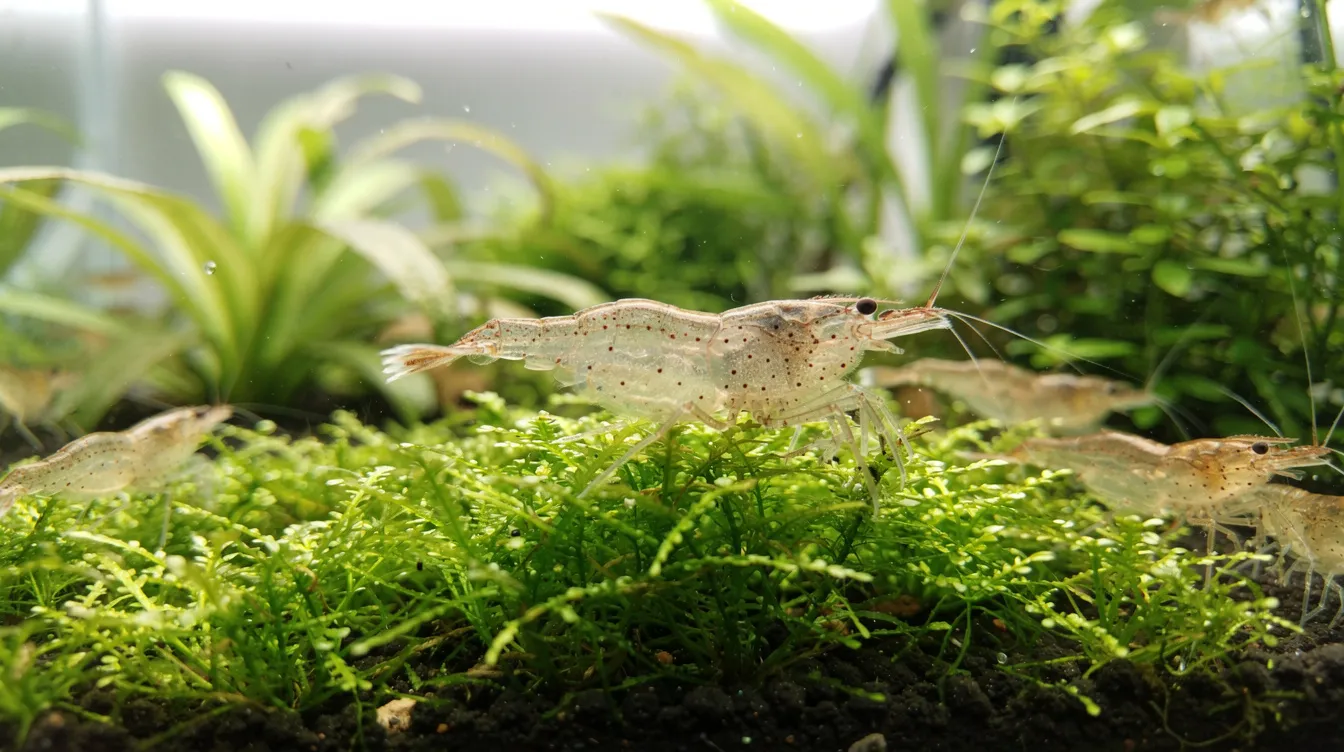
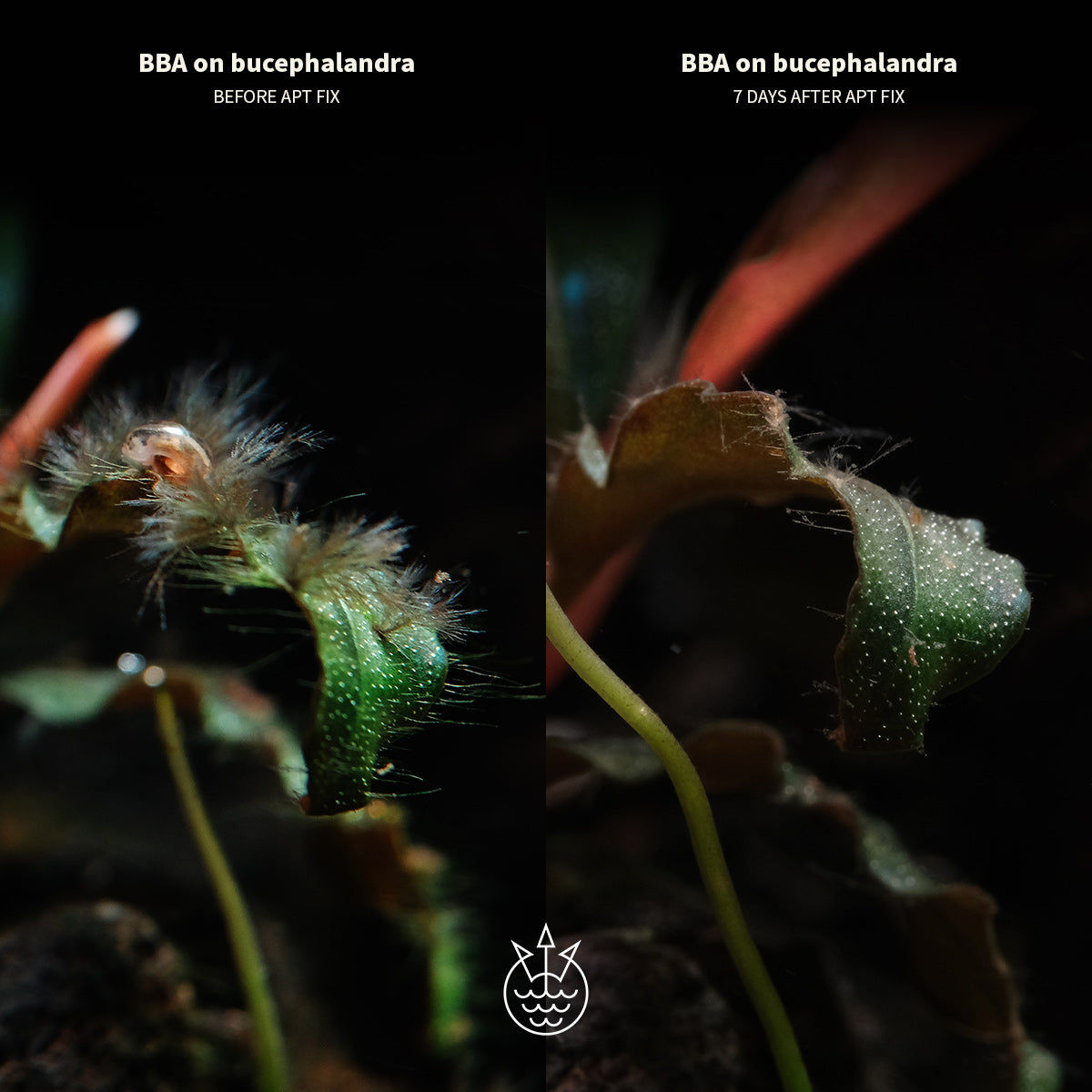
Amano shrimp eat hair algae, fuzz algae, thread algae, soft green algae and any leftover fish food that hits the floor. They do not actively seek BBA (Black brush algae), unless they have no other food source. They do pick on dead BBA, for example, after BBA has been dosed with algicide. Amano shrimp are a lot more effective at eating algae compared to dwarf shrimp such as Crystal red shrimp or Cherry shrimp.
However, sometimes Amanos will opportunistically eat tender new leaves on stressed or delicate plants. This does not happen with every batch of Amanos, and the plant selection they target also changes. Thus, there is quite a range of possible outcomes when using them.
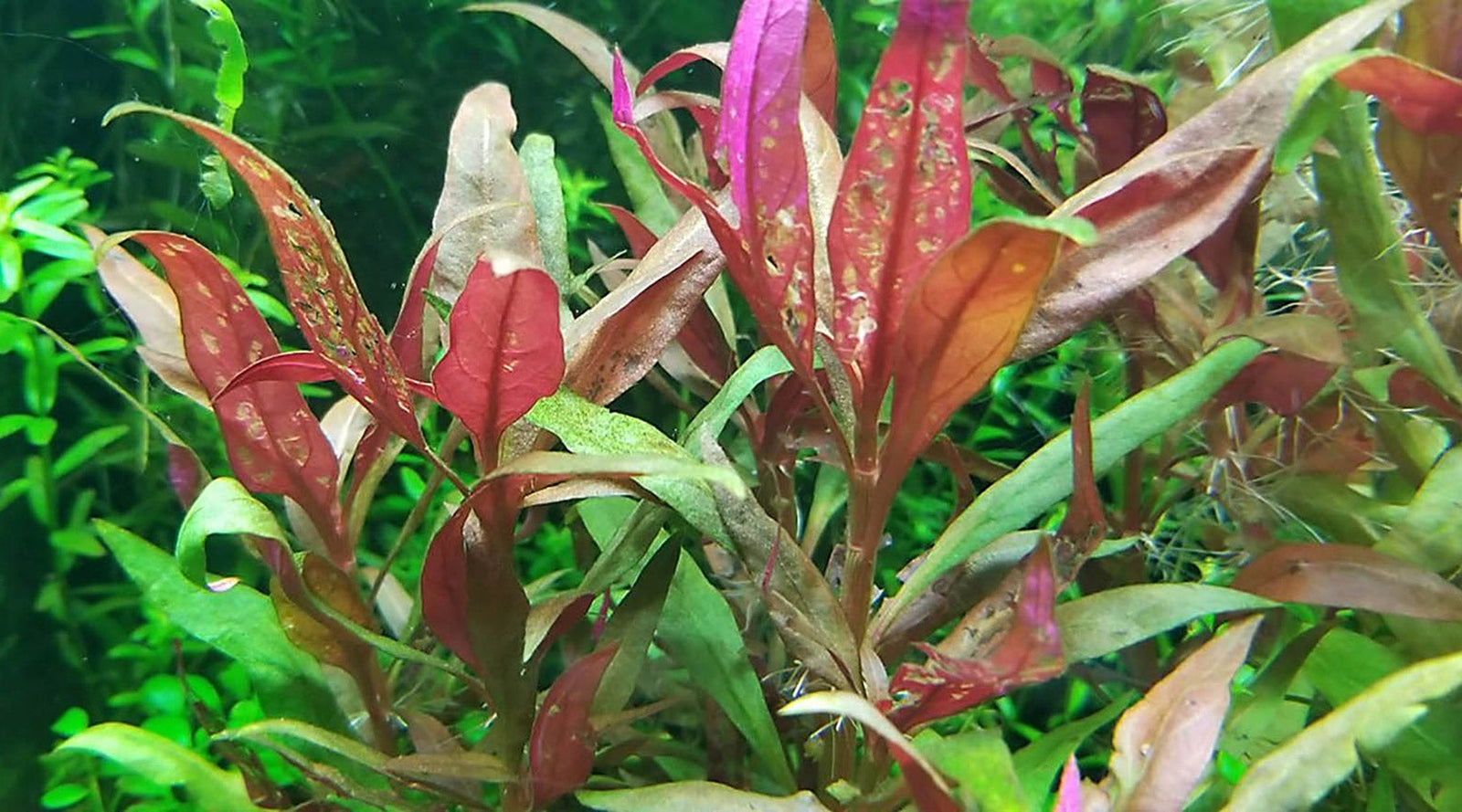
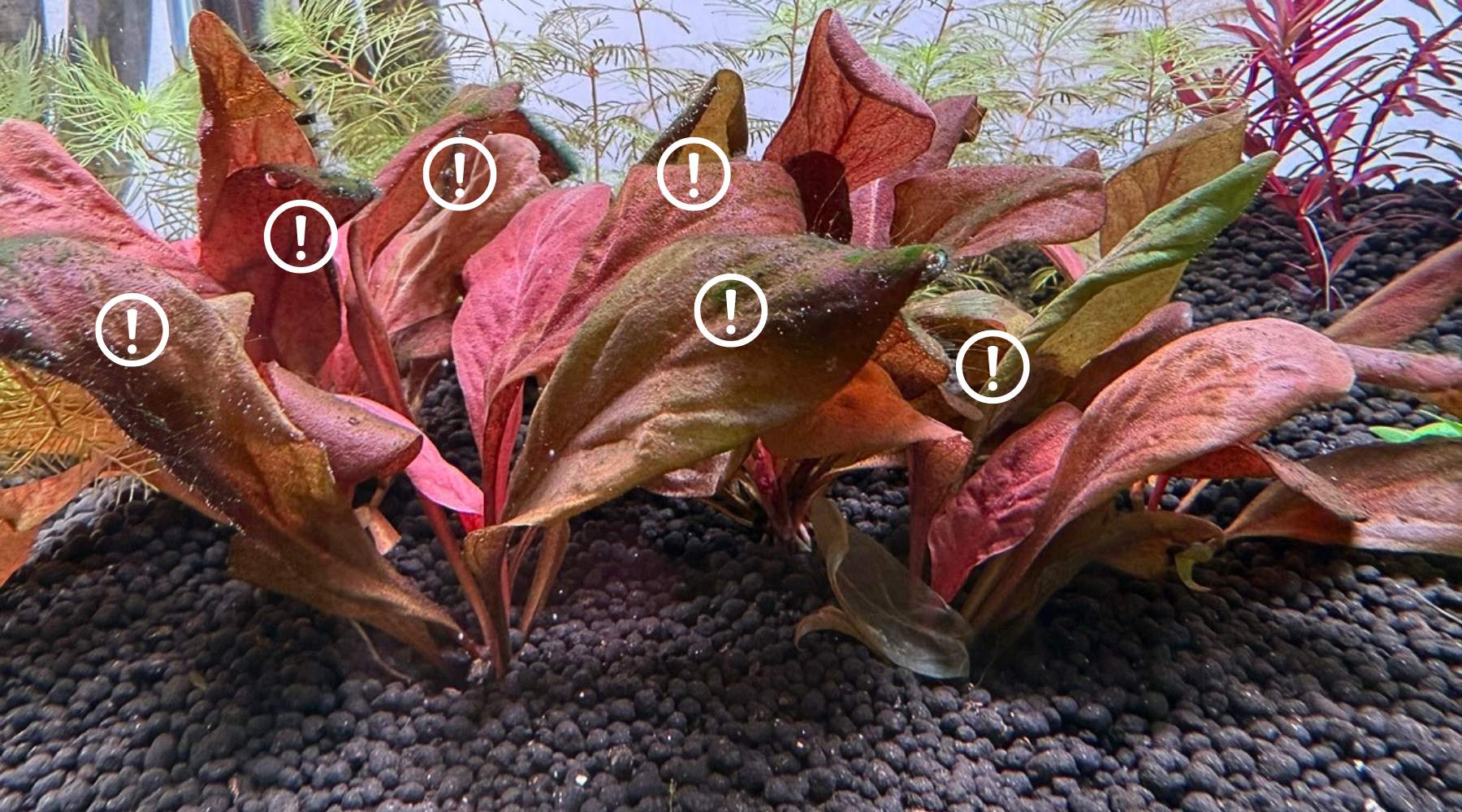
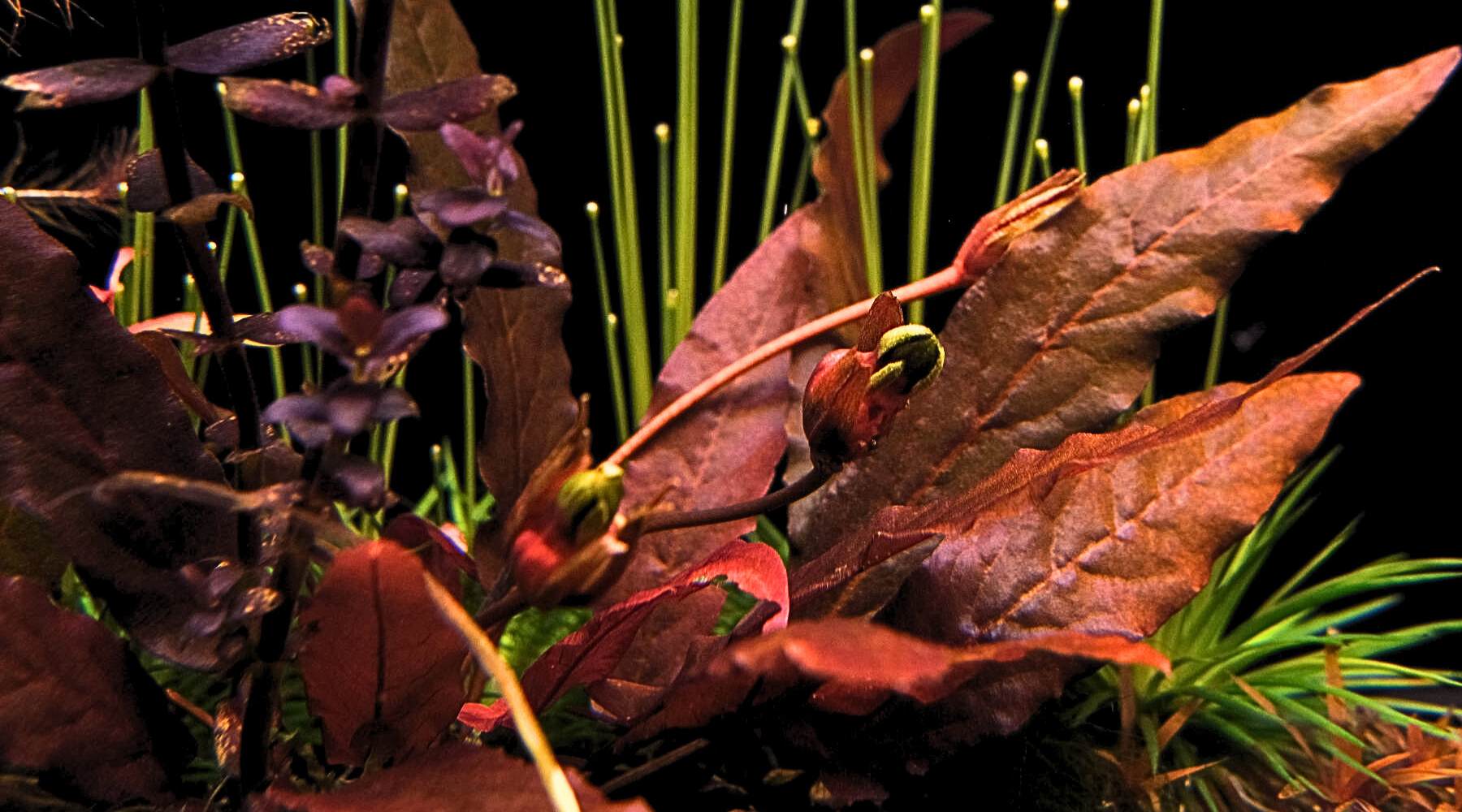
Above shows Amano shrimp damage on Alternanthera reineckii.
if you grow a very wide variety of plants, chances are Amanos will eat some of them. This is why we avoid using them entirely in our planted tanks at our gallery. In layouts packed with tough plants such as Anubias, Java fern and Vallisneria species they will do no damage. They are known to eat Alternanthera reineckii, Rotala florida, and some other delicate stems.
At The 2Hr Aquarist, we actually love dwarf shrimp as algae eaters in serious planted tanks: Caridina and Neocaridina species are smaller, gentler and do not bother plants compared to the larger Amano shrimp. They graze biofilm, soft green algae and decaying matter with tiny claws that can reach into the nooks of driftwood and rock, without rasping through new shoot tips. They also add lovely color and movement that feels like part of the aquascape rather than a compromise for algae control.
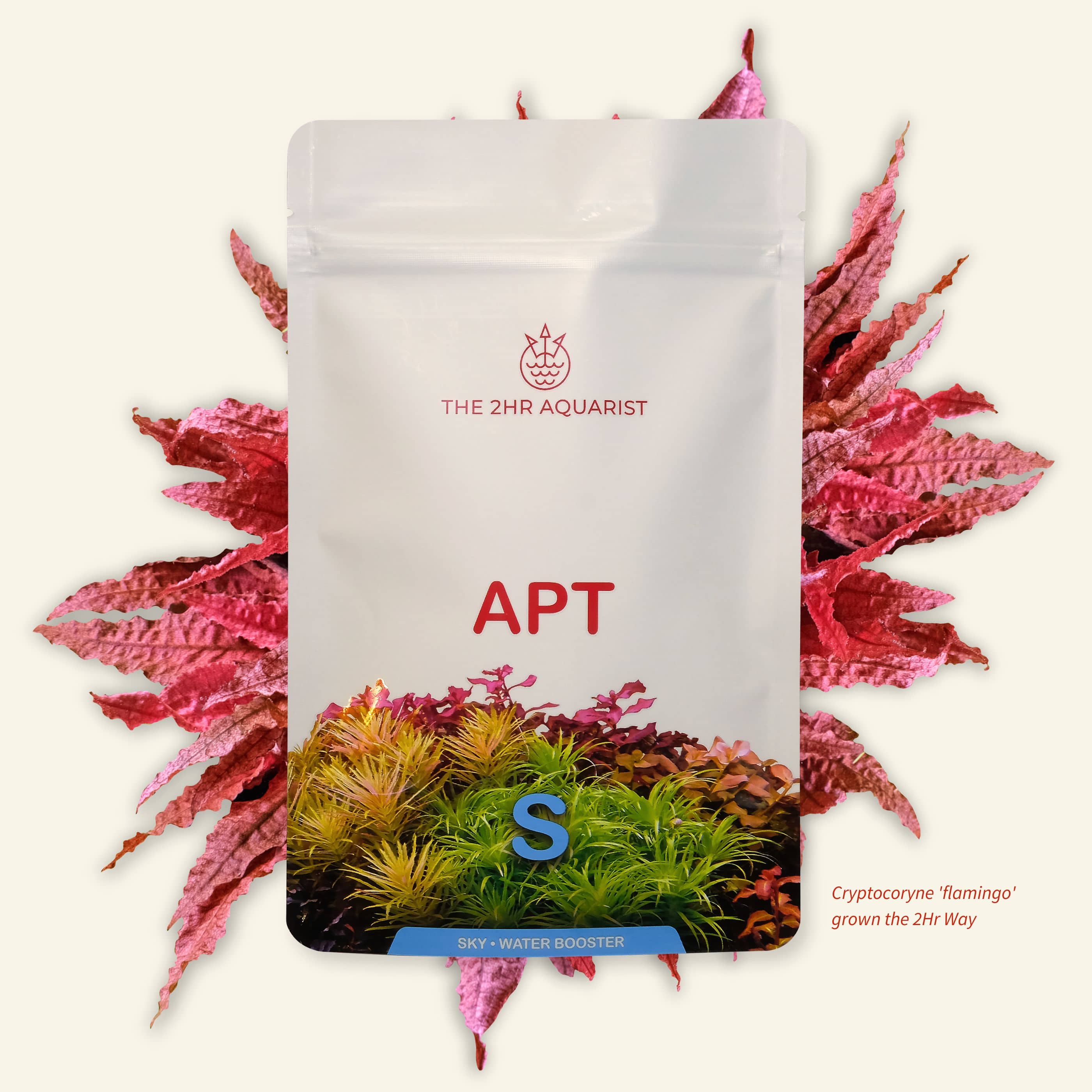
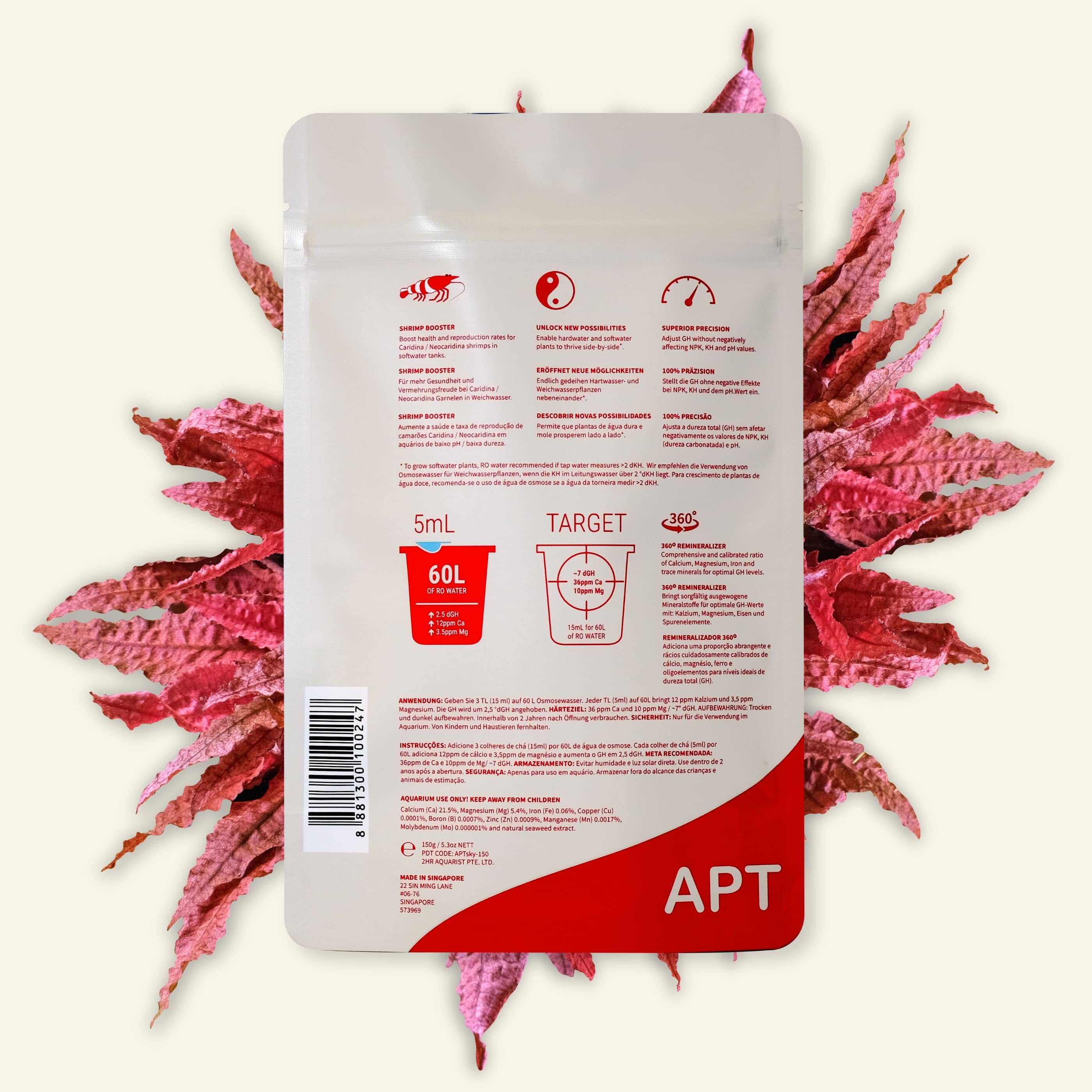
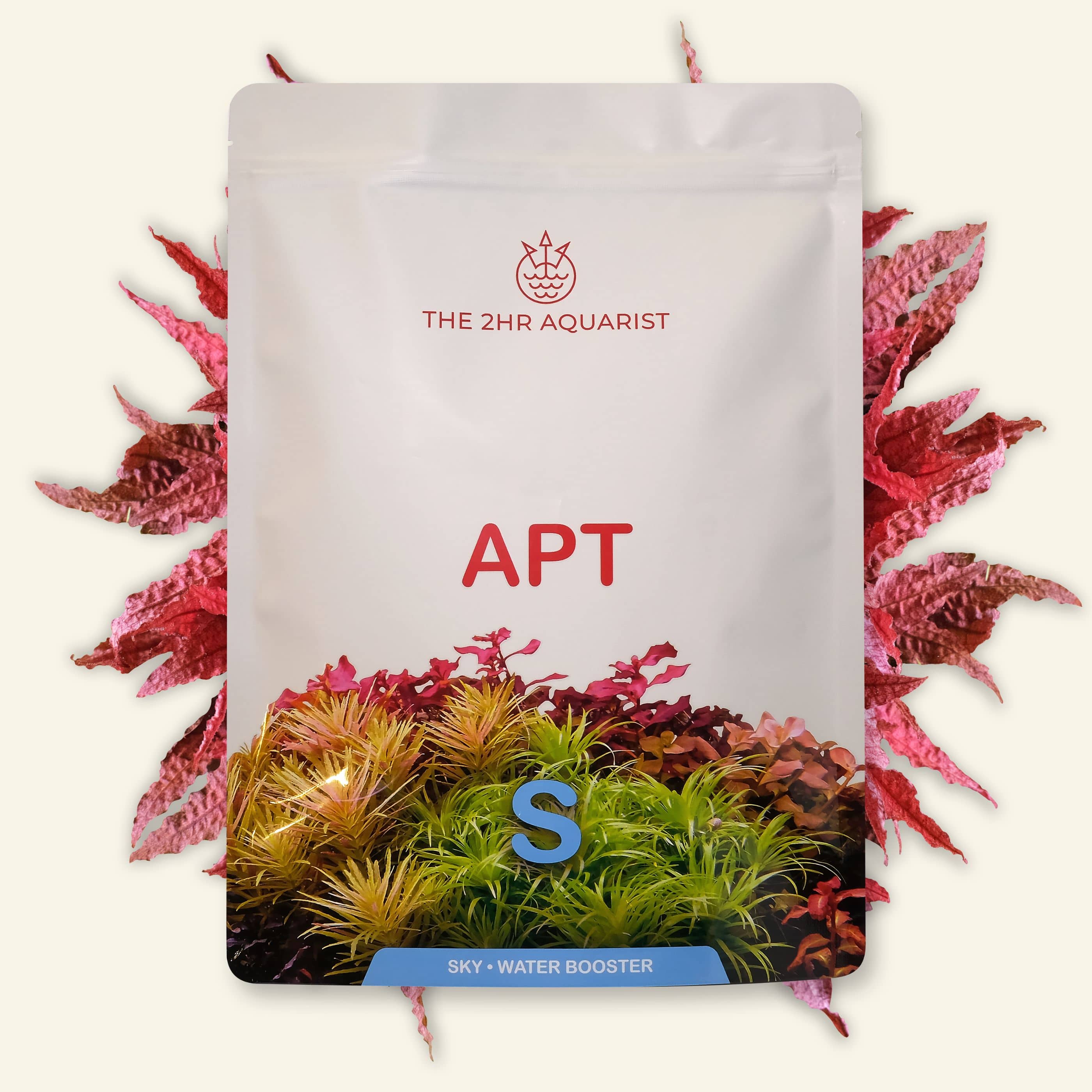
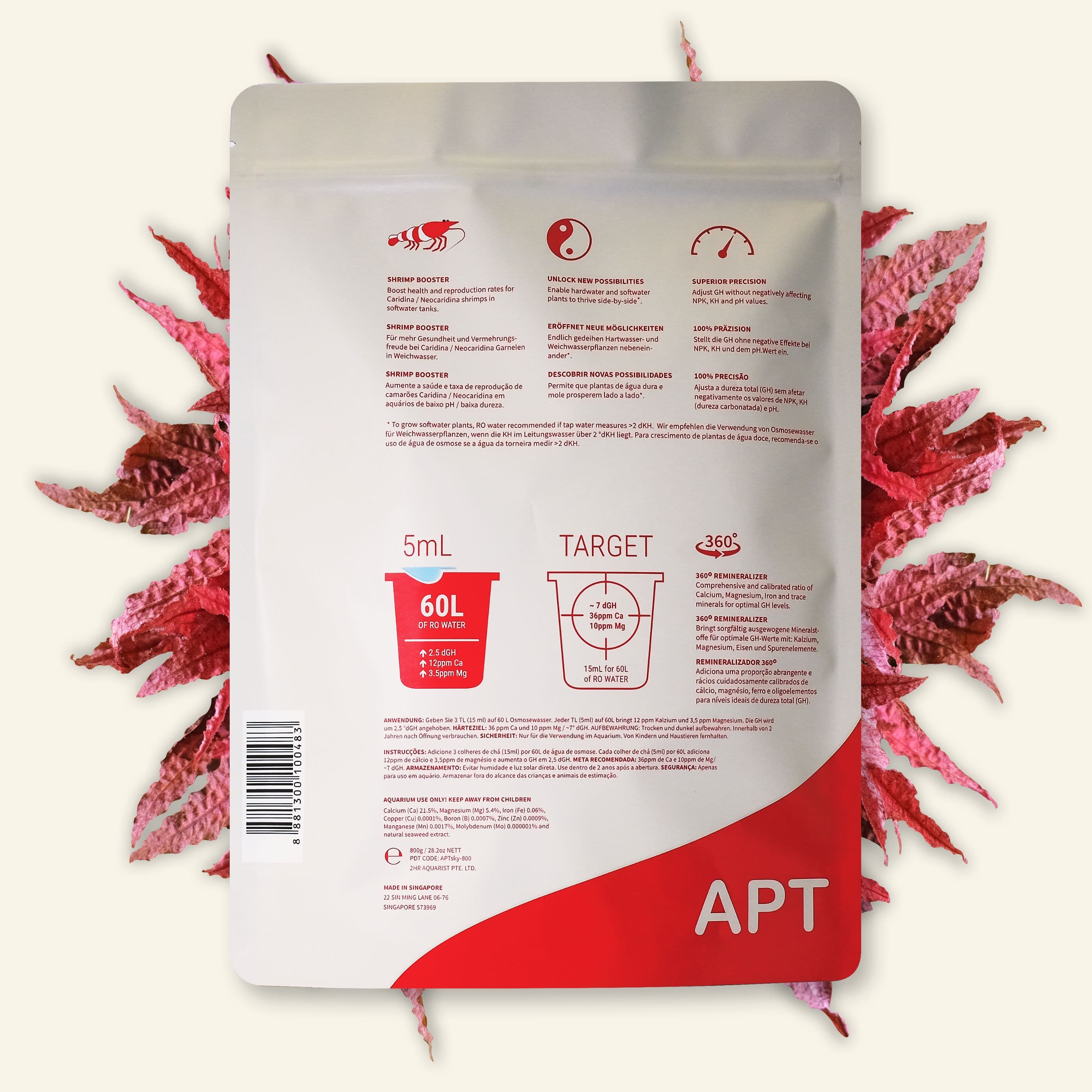
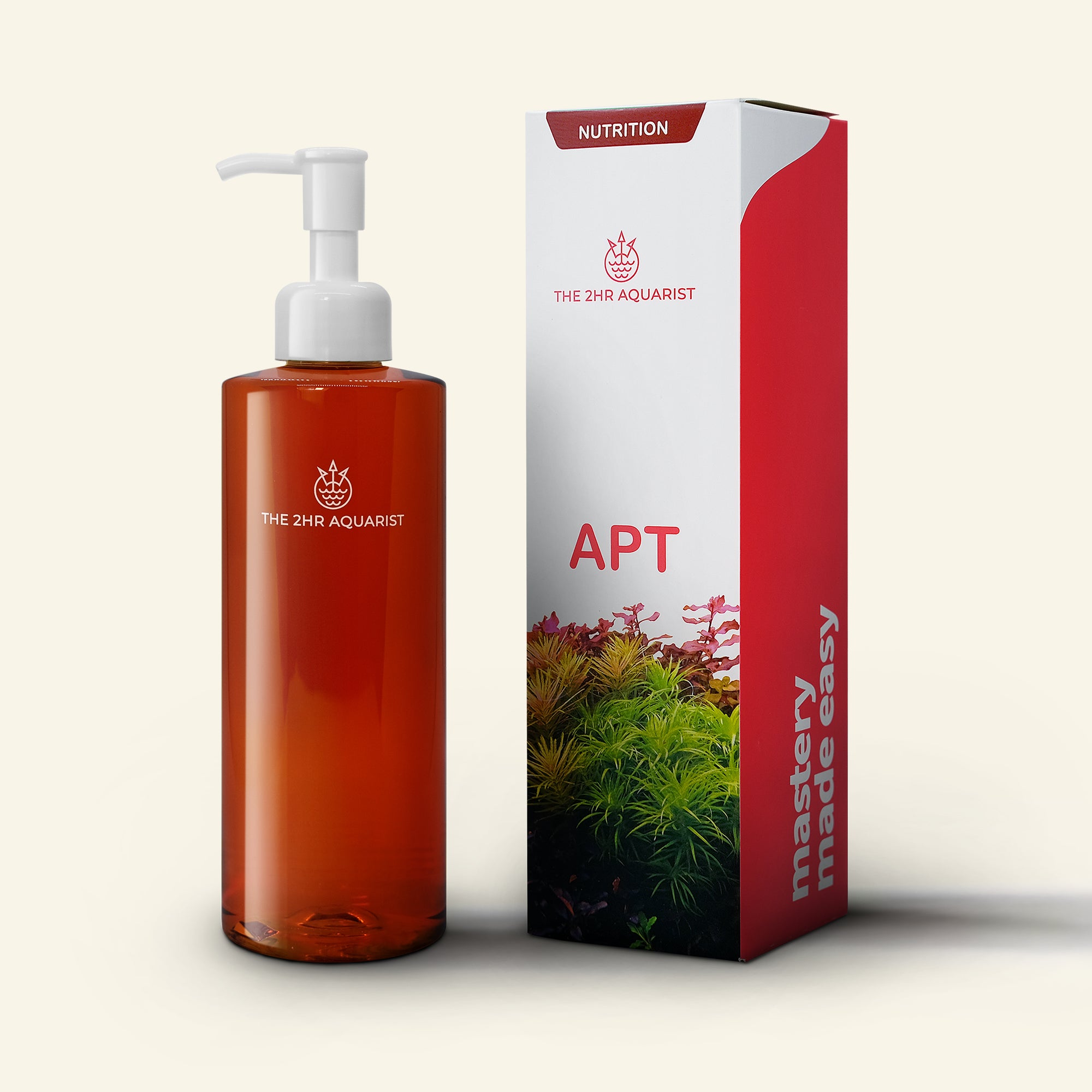
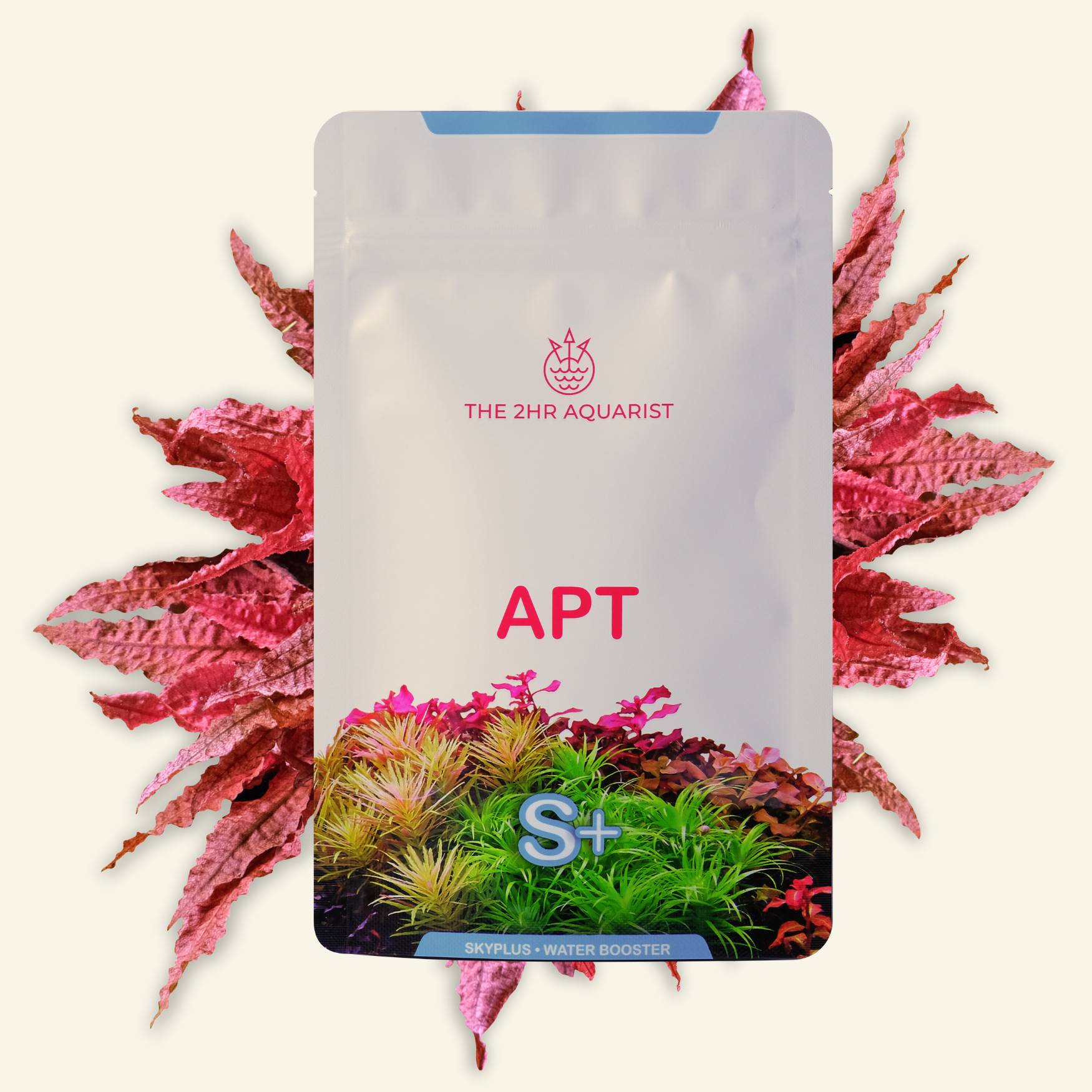
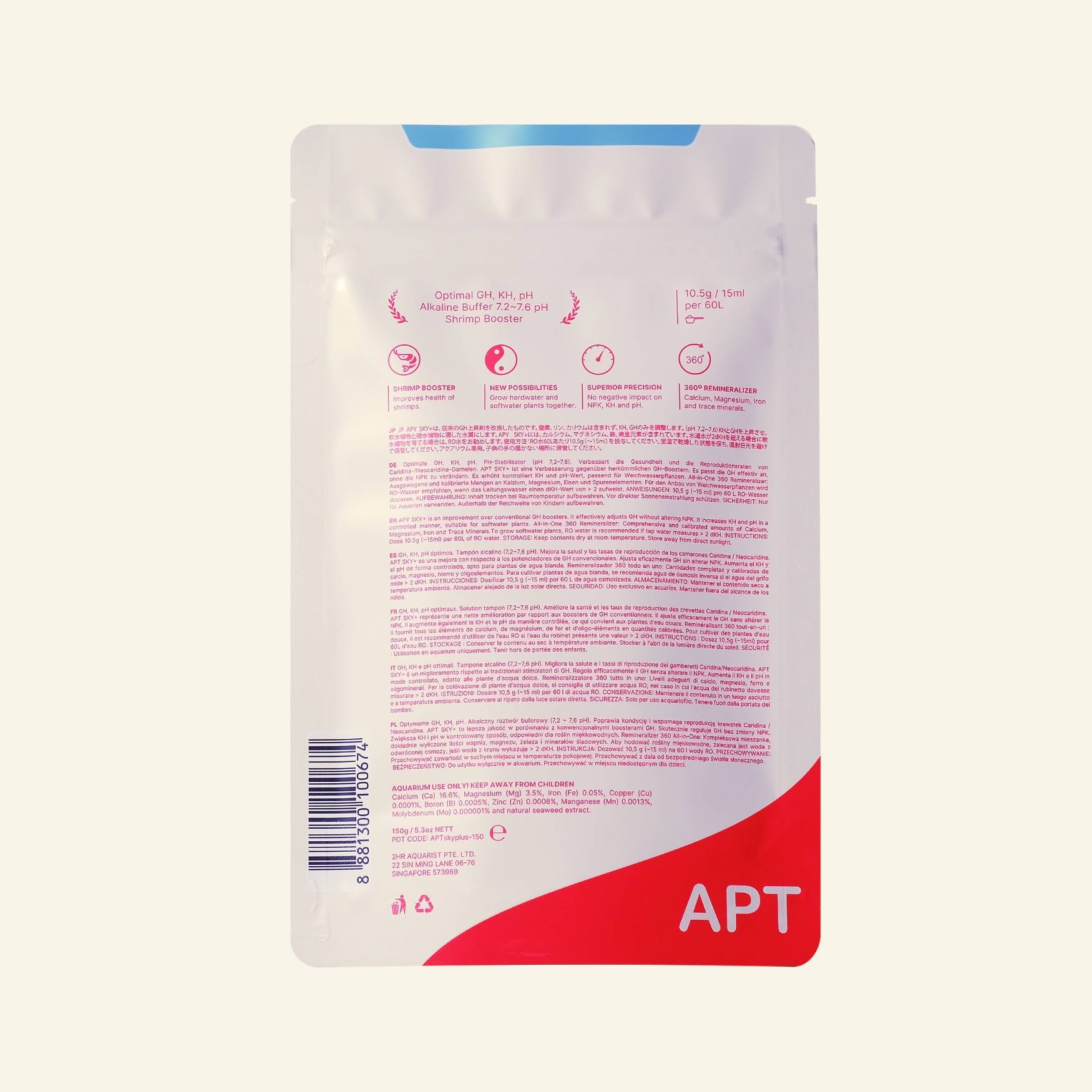
Pairing dwarf shrimp with APT SKY or APT SKY+ is our preferred route for a shrimp-based cleanup crew in a planted tank. SKY and SKY+ keep minerals and hardness in a range where Caridinas and Neocaridinas can thrive long term rather than merely survive. Having optimal parameters keeps them active and breeding steadily.
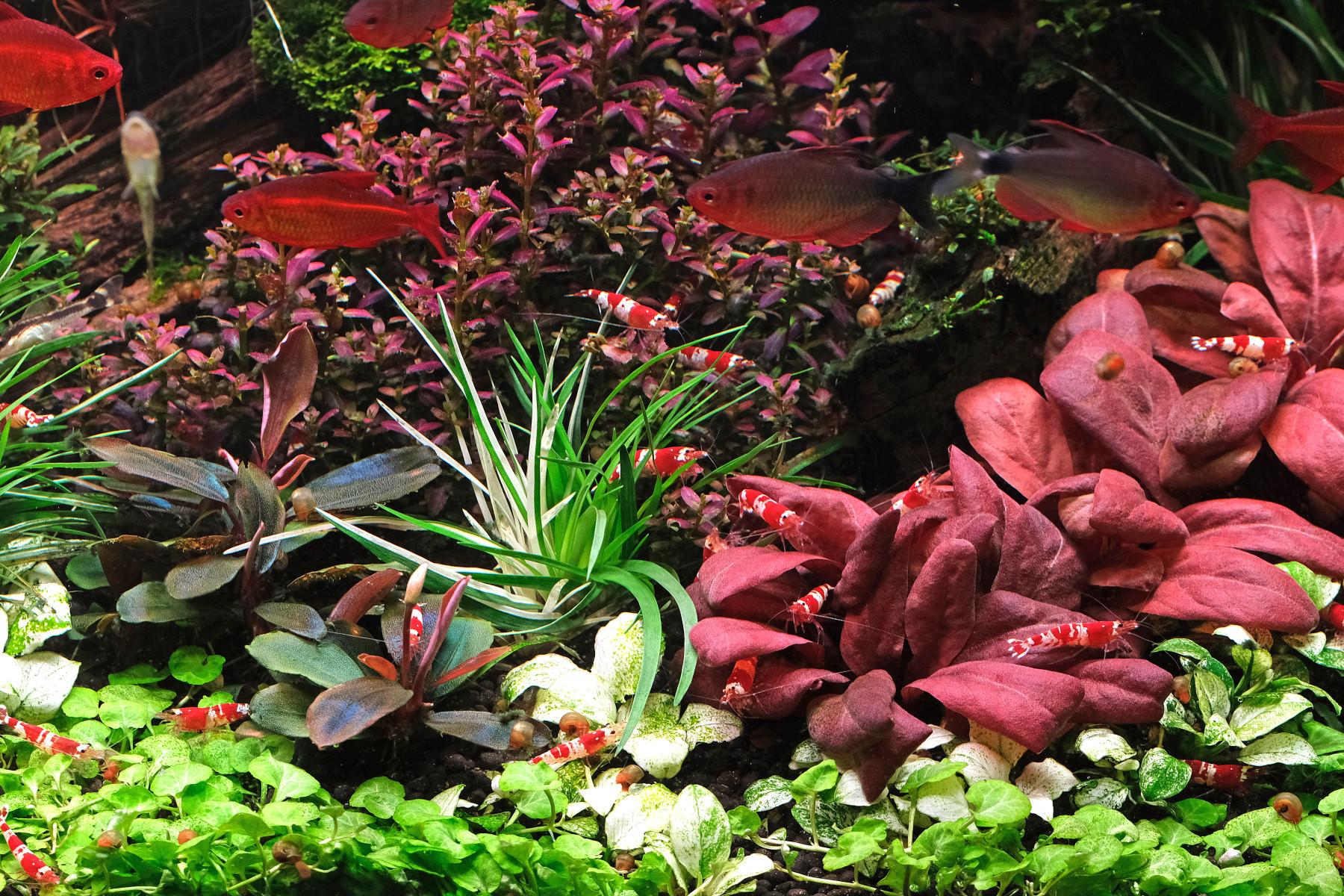
Many fish species will naturally eat smaller shrimp, keeping the fish well fed can reduce this - though it depends on the fish species. Dense plant cover also provides some shelter for shrimp babies. Crystal red shrimp (above) stand out in any aquarium with their banded red/white colors.
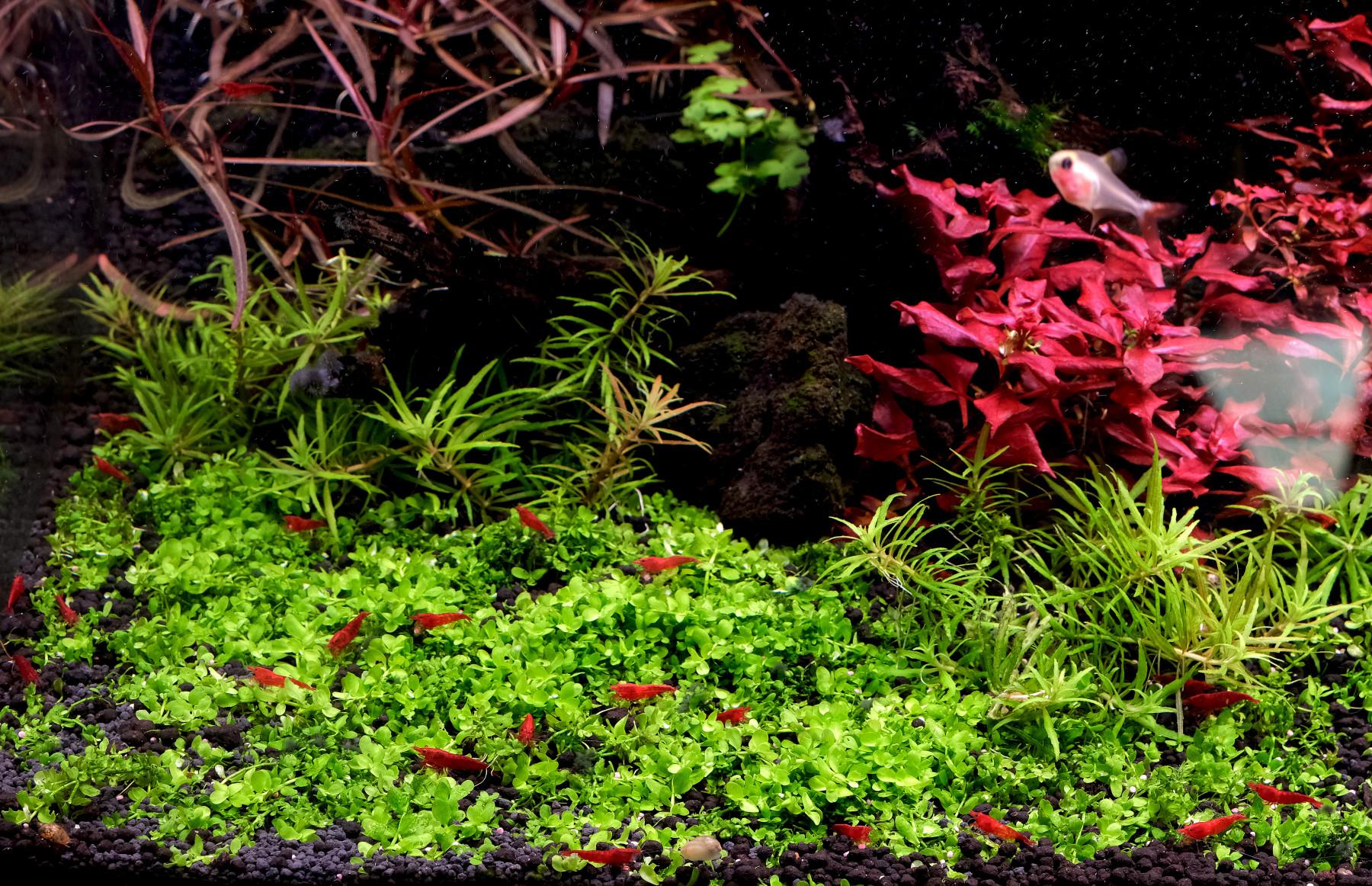
Neocaridina shrimp such as Cherry shrimp are much more hardy and breed more readily compared to CRS.
Are Ramshorn Snails and Bladder Snails Harmful Pests or Useful Algae Eaters? What About Nerite snails?
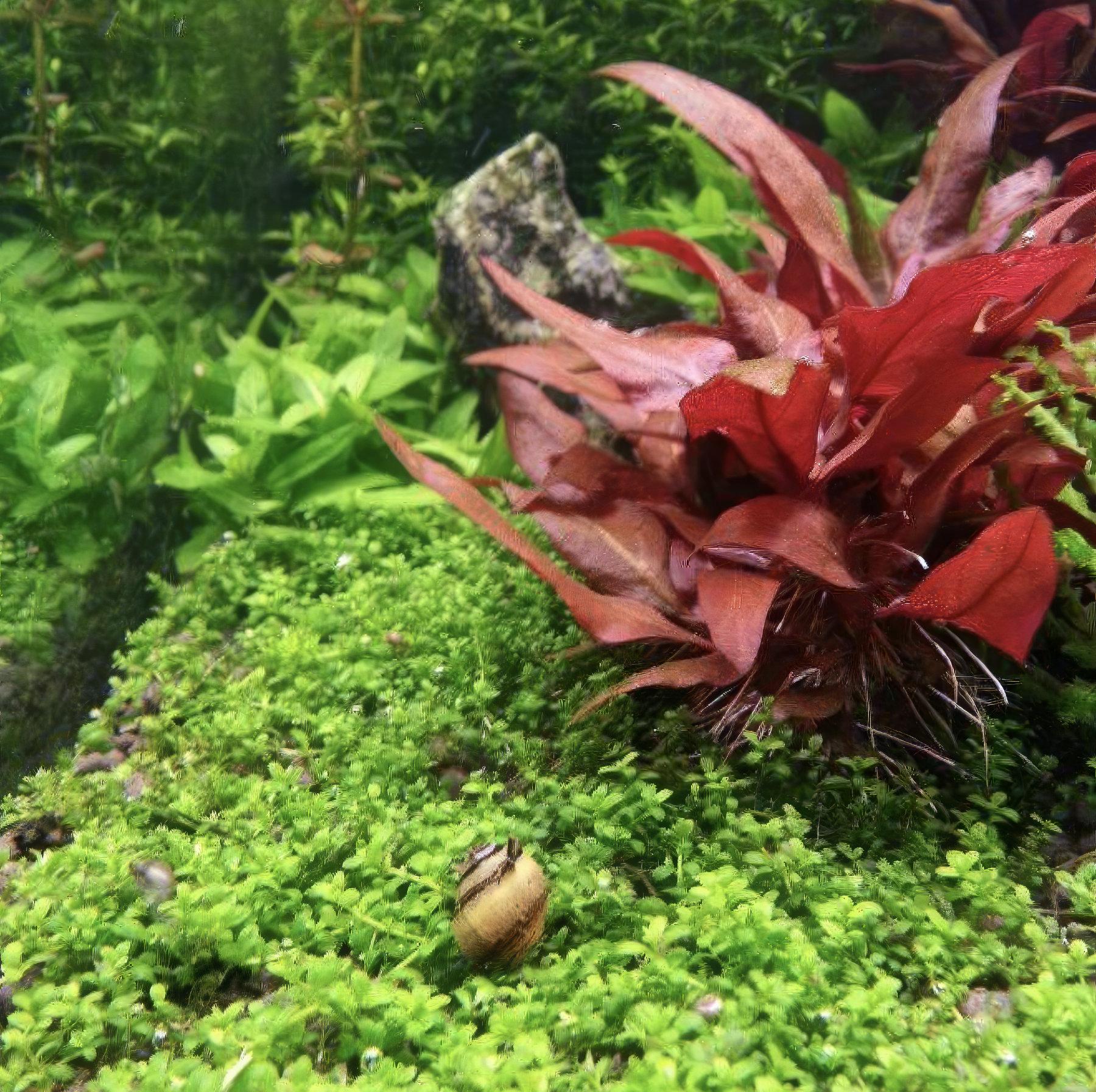
Nerite snails are a popular choice for algae control in the aquarium hobby because they are one of the few animals that can act as a good algae scraper on tough green spot algae. An inexpensive olive nerite will spend its day scraping film algae and green dots off tank glass, rocks and slow-growing leaves that would otherwise need a razor blade. They do not reproduce in freshwater, so you will not wake up to so many eggs that your glass disappears under a layer of juveniles.
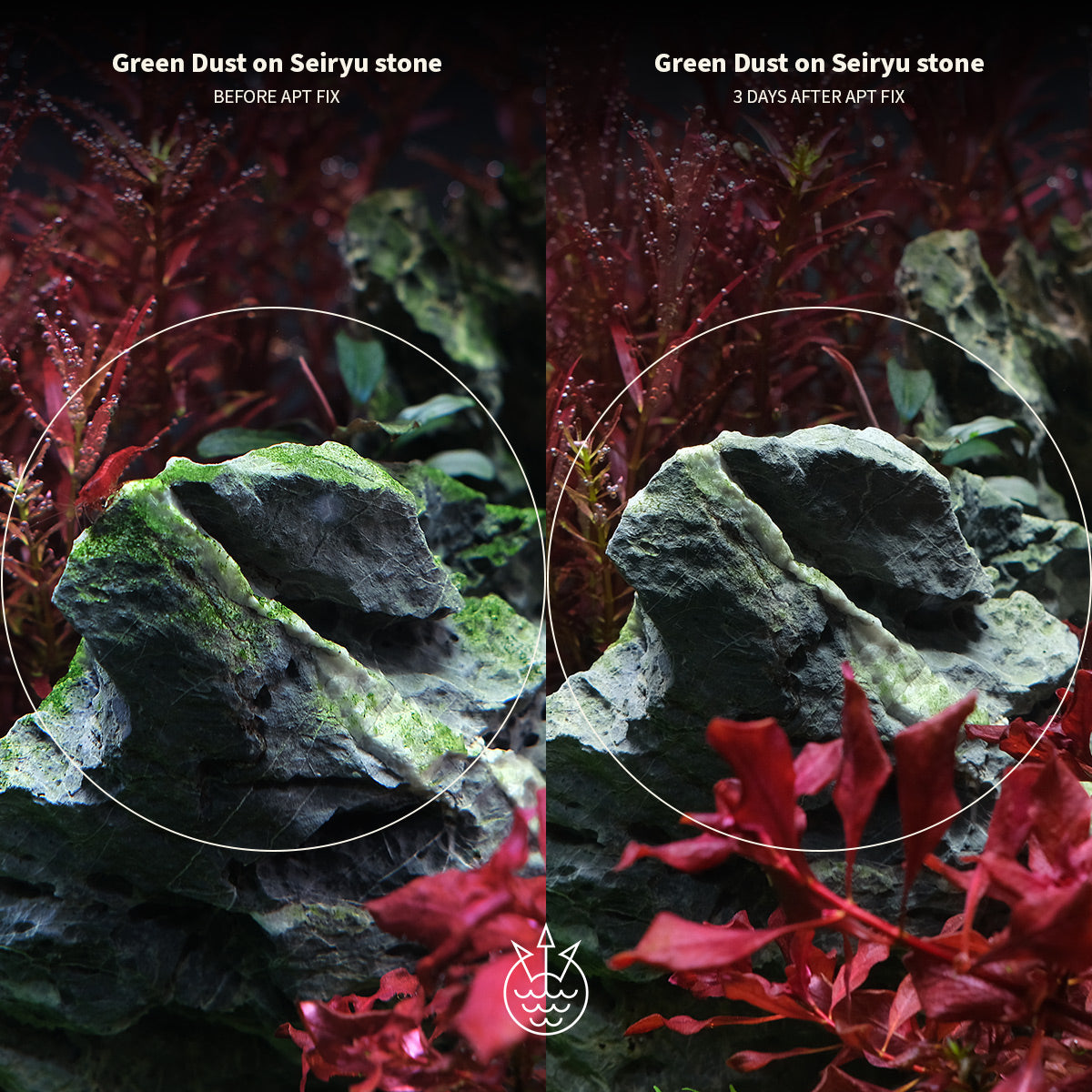
However, they are built for harder, more alkaline water with decent calcium and carbonate content, and in soft, acidic aquasoil systems they do not do well. Over time you see shell pitting unless you raise KH and GH specifically for them, which does not always make sense if your goal is a soft-water nature aquarium. APT SKYPLUS can help in such envionments.They also scatter hard white eggs over rocks and driftwood that never hatch in freshwater, which can be cosmetically annoying in carefully groomed layouts.
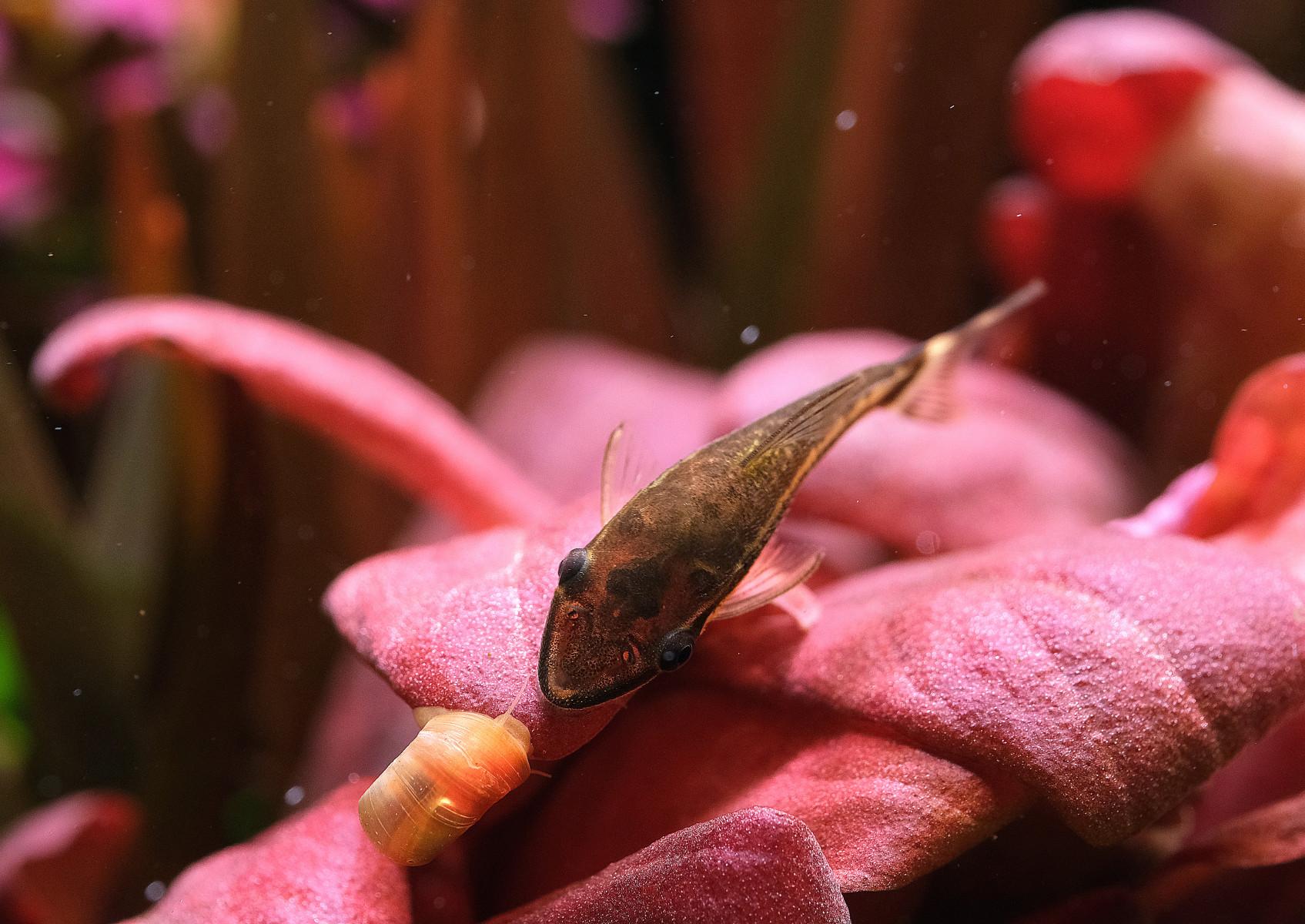
In our own 2Hr-tanks, we increasingly prefer a different approach: instead of leaning on nerites as the default, we welcome all sorts of small freshwater snails with shell sizes under ~ 1 cm. Little ramshorn snails, tiny bladder snails and even Malaysian trumpet snails are widely dismissed as pest snails, but the small ones are not destructive and are actually very useful algae eating animals. They graze soft green algae and film algae, work through decaying leaves and leftover food, and they do it without bulldozing desirable plants or demanding hard, alkaline water.
In planted aquariums, their populations rise and fall with algae and detritus availability - in well maintained planted aquariums where there is no over feeding and build-up of detritus, their populations stay pretty well controlled. However, they do get over-populated in aquariums with persistent algae problems - as this provides a constant food supply for them. Ironically, this means that only work well in already well-maintained planted aquariums.
For folks annoyed with Bladder/Pest snails, Dwarf chain loaches and Yoyo loaches will actively hunt snails and these two species do not get too large unlike Clown loaches. Assassin snails can also keep populations down. Chemical treatments such as "No planaria" will also kill snails in the aquarium.
Are Siamese Algae Eaters (Crossocheilus oblongus) and Chinese Algae Eaters Effective?

The Siamese algae eater (SAE), Crossocheilus oblongus, is a popular algae eating fish that genuinely earns part of its legend. As juveniles they eat hair algae and even black beard algae, especially on hardscape and equipment, and in a larger, rugged layout they can be great at eating hair algae while you correct CO2 and flow.
The fine print that the aquarium hobby likes to forget: true Siamese algae eaters grow up to around 6 inches, are shoaling fish when young, and as they mature their diet shifts towards prepared foods and even plant surfaces. They may also shred plants with fine foliage. We therefore treat them as temporary, context-specific tools in big, tough layouts, not permanent residents in a small planted tank.
Chinese algae eater (CAE) is a different species entirely and a classic example of bad advice. Sold as a great algae eater, this fish often becomes aggressive and stops eating much algae at adult size, switching to slime coats and tank mates. It might start as one of your algae eating fish but ends as a problem animal that does not do much for algae control.
Can Otocinclus Catfish Clean Up Brown Algae in a New Planted Tank?
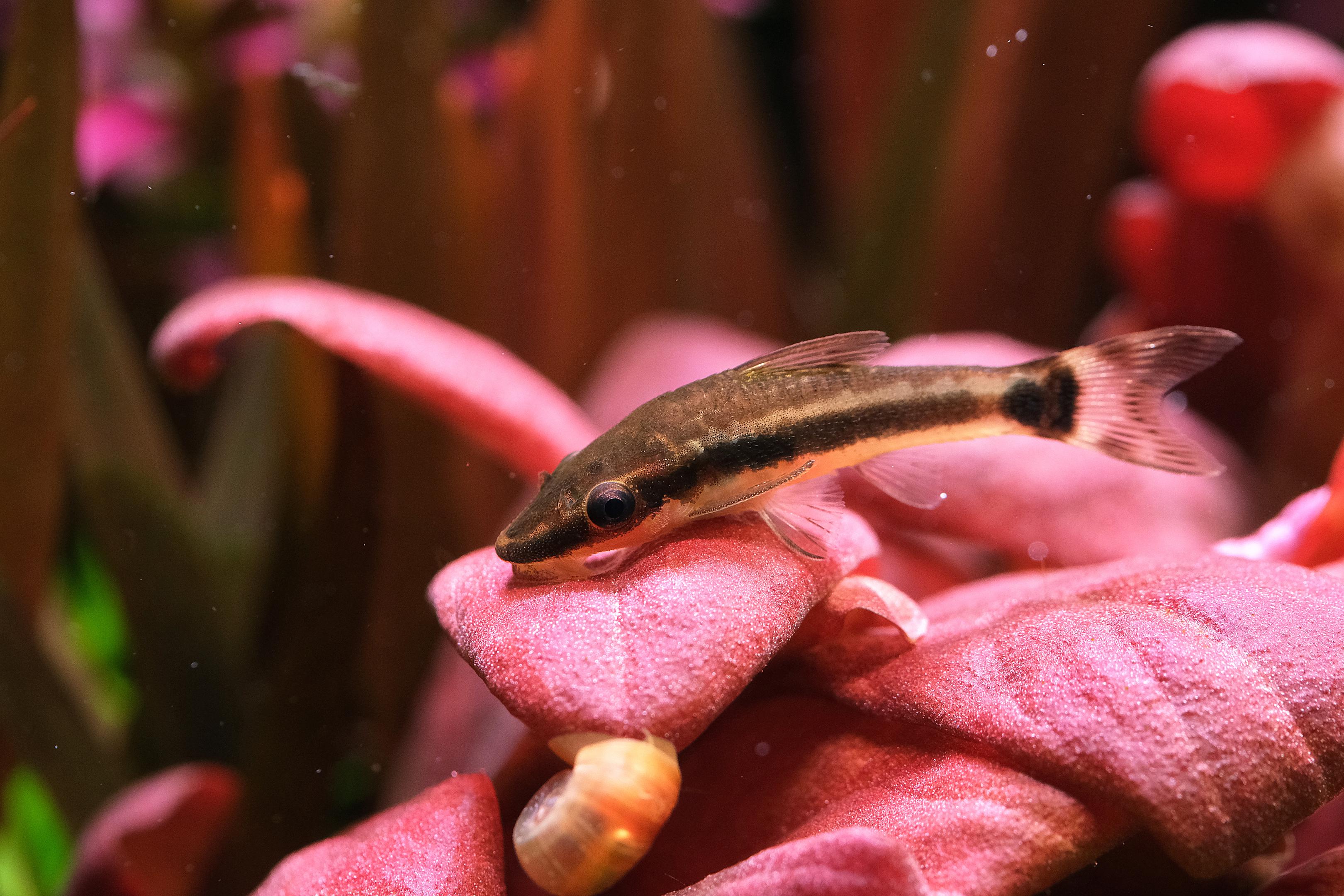
Otocinclus catfish, commonly known as oto cats, are small algae eaters that typically grow to about 2 inches (5 cm) and are effective at consuming various types of film algae in aquariums. They are gentle grazers that do not rasp plant tissue and are safe for delicate species, and they thrive in groups due to their shoaling nature, so you want a small group, not a lonely specimen. In a mature tank with stable parameters and established biofilm, otos are among the safest freshwater algae eaters you can add.
While they do eat diatoms, adding them to new aquariums is detrimental to their health, as they can be sensitive to water quality and they do much better in mature, stable systems where they can eat regularly from established biofilm and soft algae.
Bristlenose plecos from the genus Ancistrus are the more sensible pleco choice for planted tanks. They stay around 4 to 5 inches, much smaller than common plecos, and focus on green algae on glass and hardscape, which makes them useful in larger tanks with lots of surface area. They still produce plenty of pleco poop because they are big-bodied catfish cousins, and if underfed they will rasp on plant leaves, so they are not a magic or perfect algae control method.

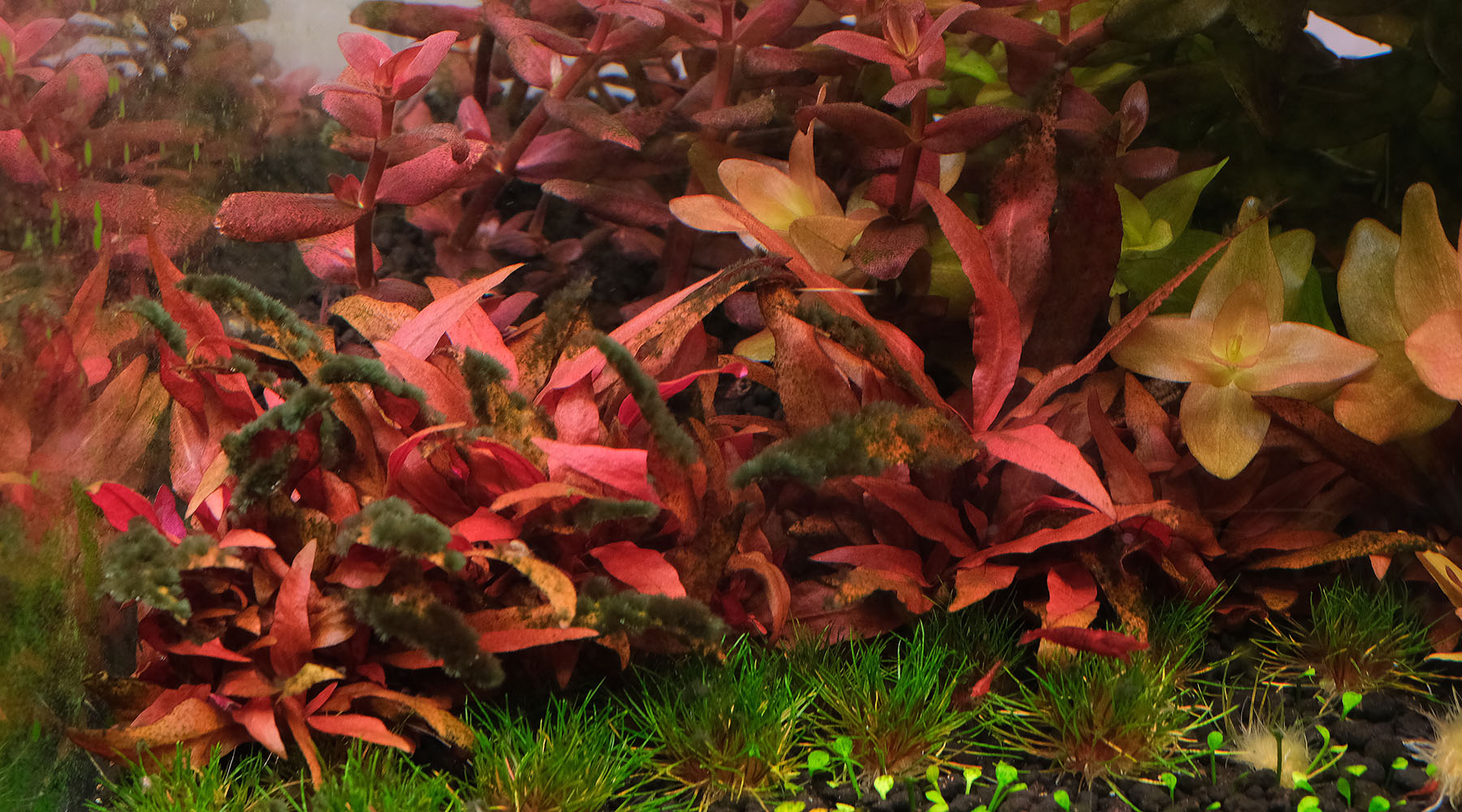
Staurogyne Purple showing damage from Bristlenose plecos.
The worst myth is that any pleco is a “great algae eater” solution for a nano aquarium. Common plecos, rubber plecos and various hybrid domesticated fish sold as generic “suckers” outgrow smaller tanks and contribute more waste than algae control. Rubberlip plecos, members of the genus Chaetostoma, stay smaller and are more plausible in larger nano tanks, but they are delicate, need high oxygen, and are better for cooler, flowing systems than warm, high-tech planted tanks.
Choosing Algae Eaters For Your Planted Aquarium
|
|
Water hardness |
May damage delicate plants? |
Ease of upkeep |
Especially good for |
|
Amano shrimp |
Flexible |
Yes |
Easy |
Filamentous algae |
|
Neocaridina shrimp (cherry shrimp) |
Flexible |
No |
Easy |
|
|
Caridina shrimp (Crystal red shrimp) |
Soft water |
No |
Demanding |
|
|
Nerite snails |
Hard water |
No |
Easy |
Green spot algae |
|
Mystery snails |
Hard water |
Yes |
Easy |
Green spot algae |
|
Otocinclus catfish |
Prefers Soft water |
No |
Moderate |
Diatoms |
|
Siamese algae eater (SAE) |
Flexible |
Yes |
Easy |
Filamentous algae |
|
Bristlenose plecos |
Flexible |
Yes |
Moderate |
Green Dust Algae |
|
Mollies/Platies |
Hard water |
Yes |
Easy |
|
Do low-tech and high-tech tanks need different algae eaters?
Fundamentally no, as long as the water parameters match the requirements of the livestock in question. CO2 injected aquariums with aqua soil substrates tend towards acidic water, with CO2 injection further suppressing pH values. This makes many CO2 injected aquariums unsuitable for organisms that require hardwater to thrive such as Nerite snails.
Algae eaters are not the true solution to more serious algae issues. If you want the real best algae control method, start by dialing in the 2Hr Aquarist approach to CO2 and organic waste, then bring in algae eaters the way a good lab brings in a cleanup crew: to maintain a system that already works, not to rescue one that is fundamentally mismanaged.


Compartir:
¿Los abonos perjudican al ganado?