
Many hobbyists worry that deep substrates are problematic. And indeed, thick substrates that trap decomposing organic matter can be a problem, as many pathogenic bacteria that cause plant diseases thrive in anaerobic (low oxygen) conditions.
Technically, not all anaerobic bacteria are 'bad': many perform useful functions such as reducing ferrous iron from its Fe 3+ state to ferrous iron Fe 2+, which is more readily taken up by plants... but simply put, we want to avoid having too many anaerobic bacteria.
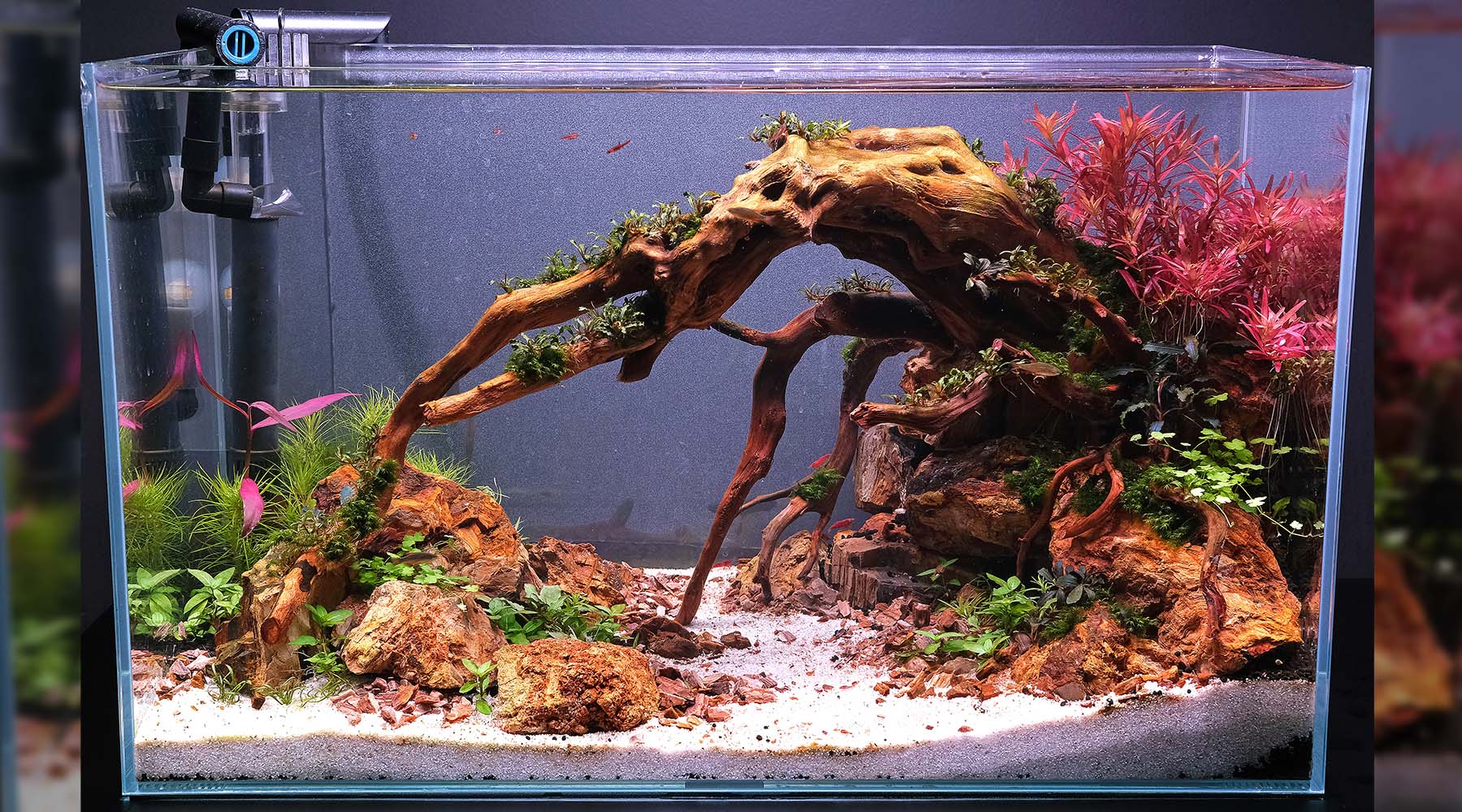
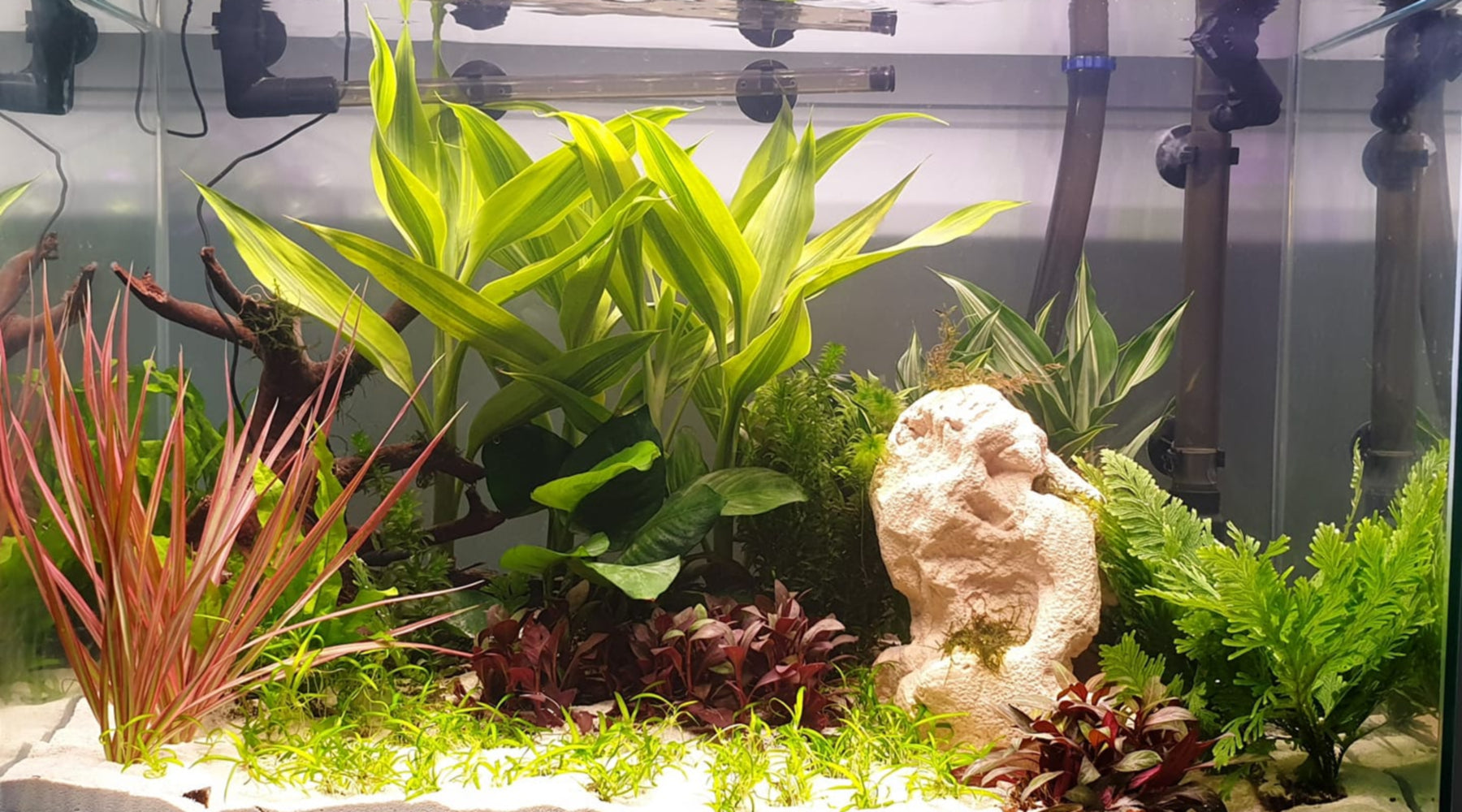
However, very thin inert substrates are not ideal for supporting plant growth. The tank above has a very shallow sand substrate. Note that we do not grow plants in the sandy areas. Aquasoil is used in the right and left sections of the above tank. In fact the right section has a deep layer of Aquasoil substrate - see below.

Aquasoil?
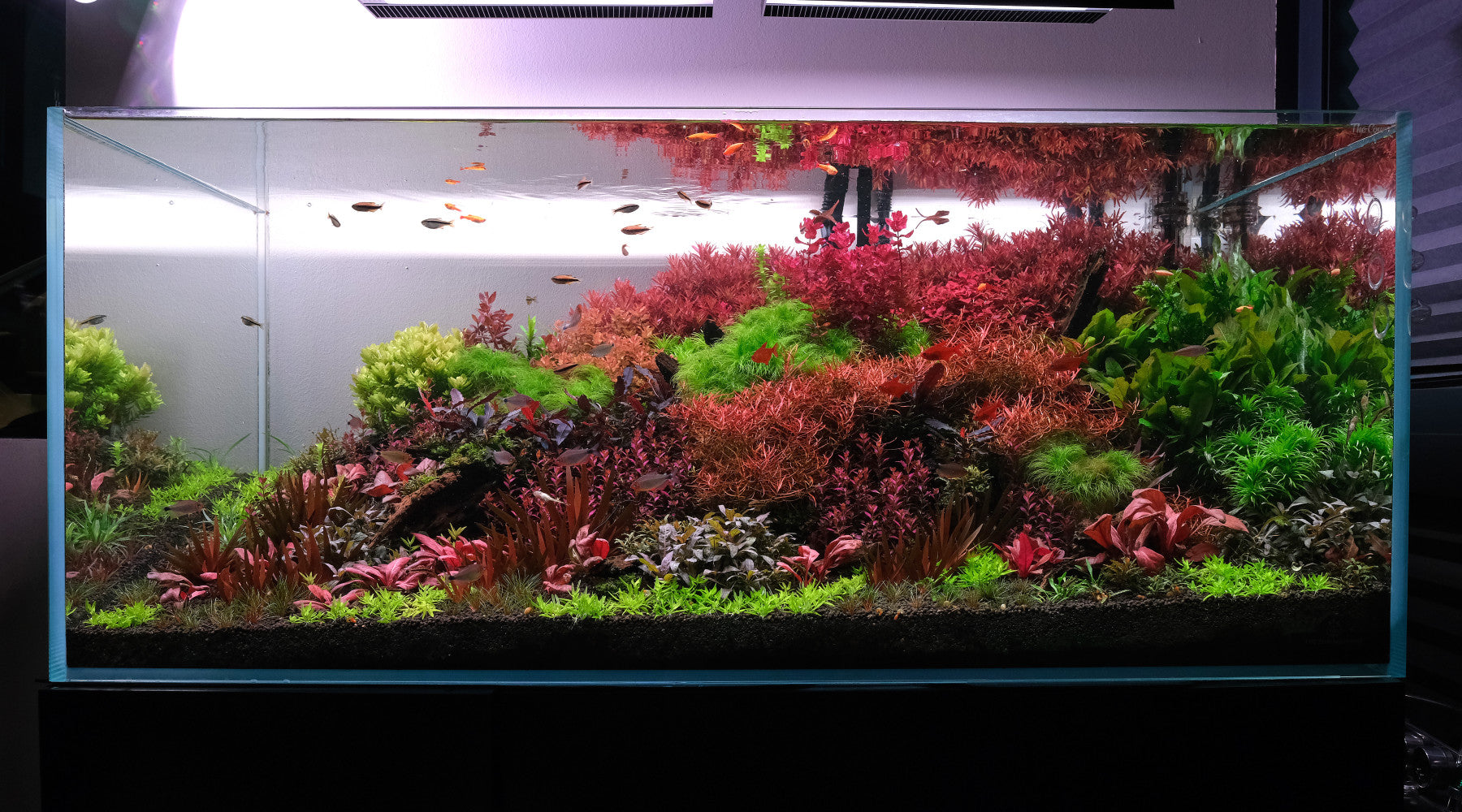
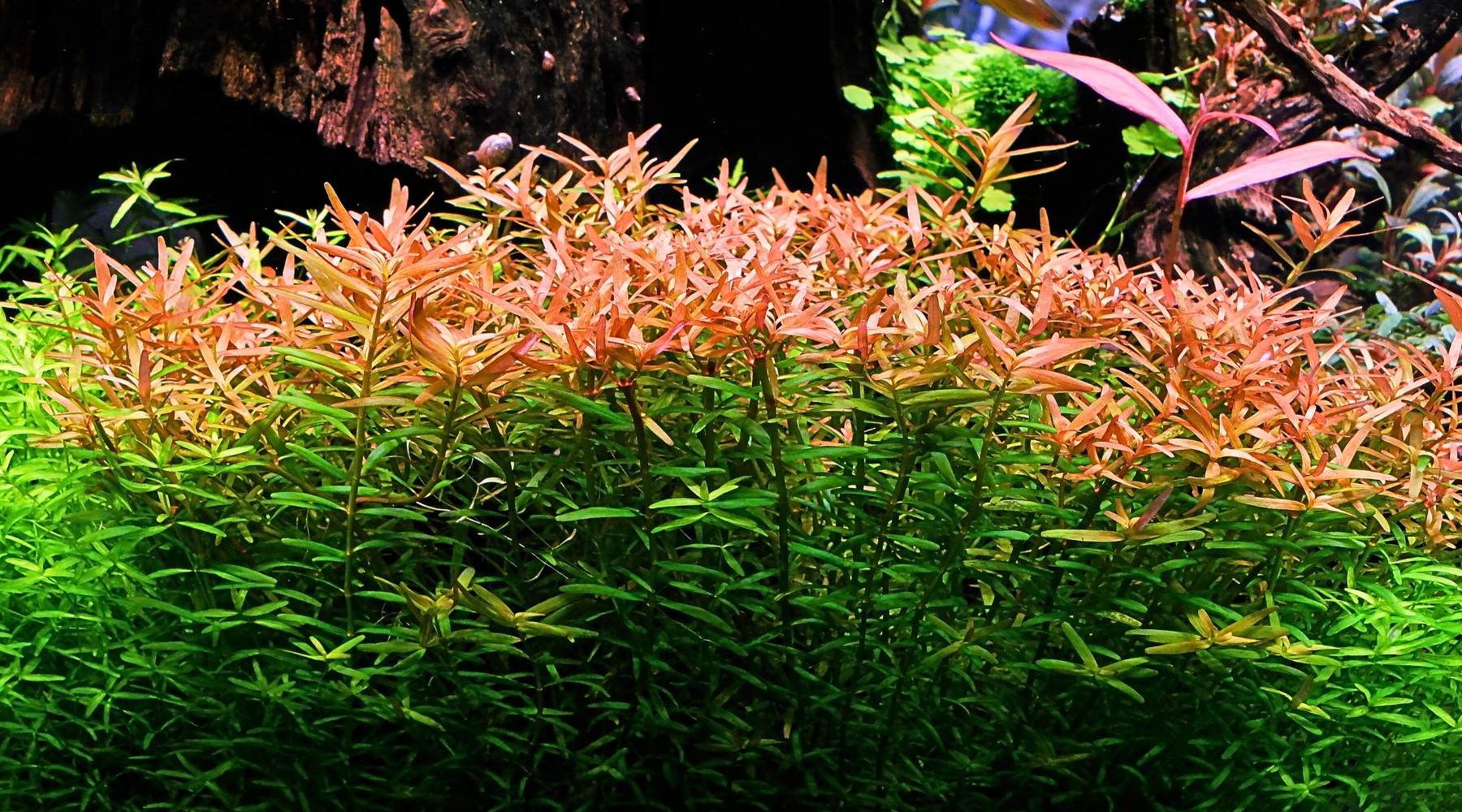
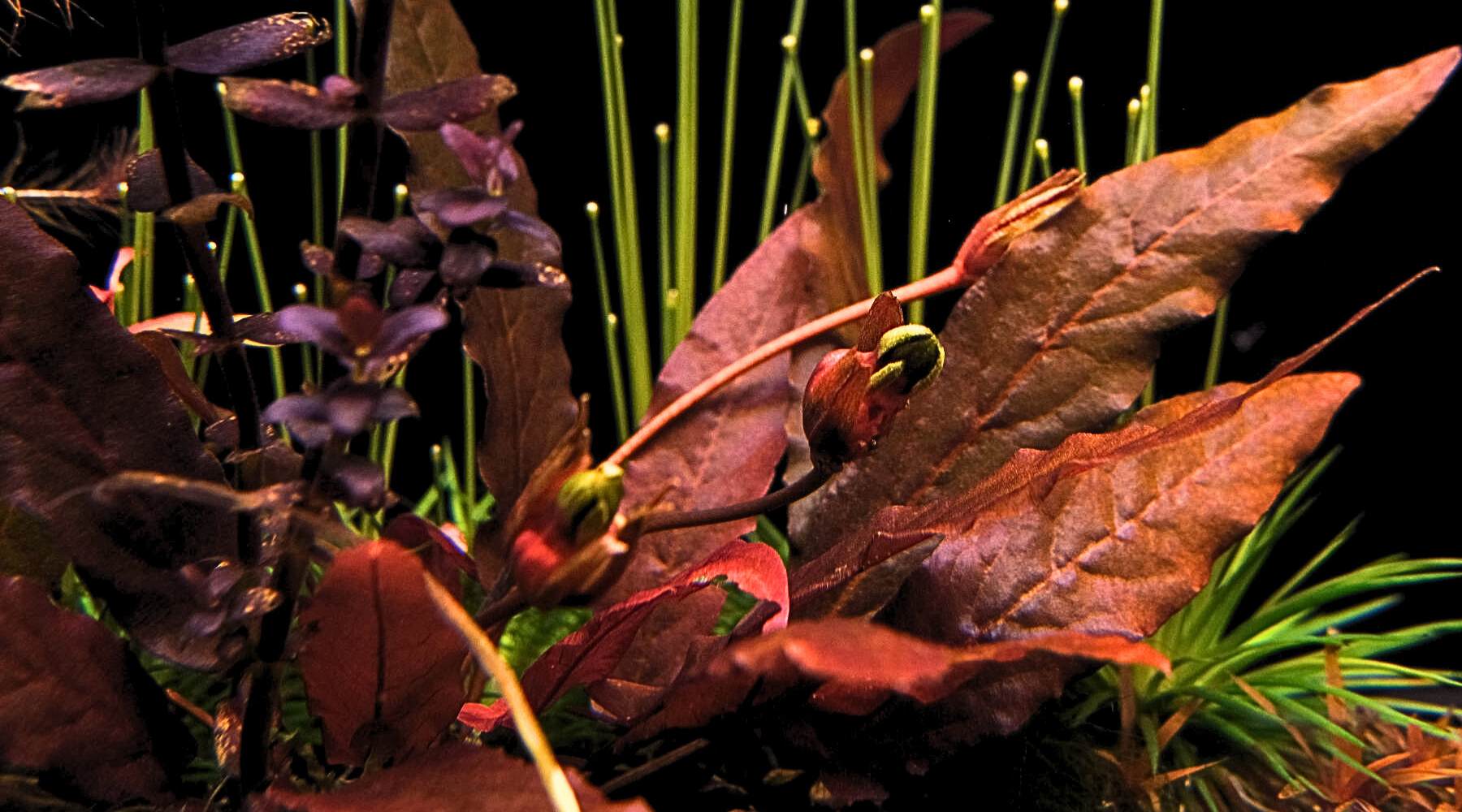
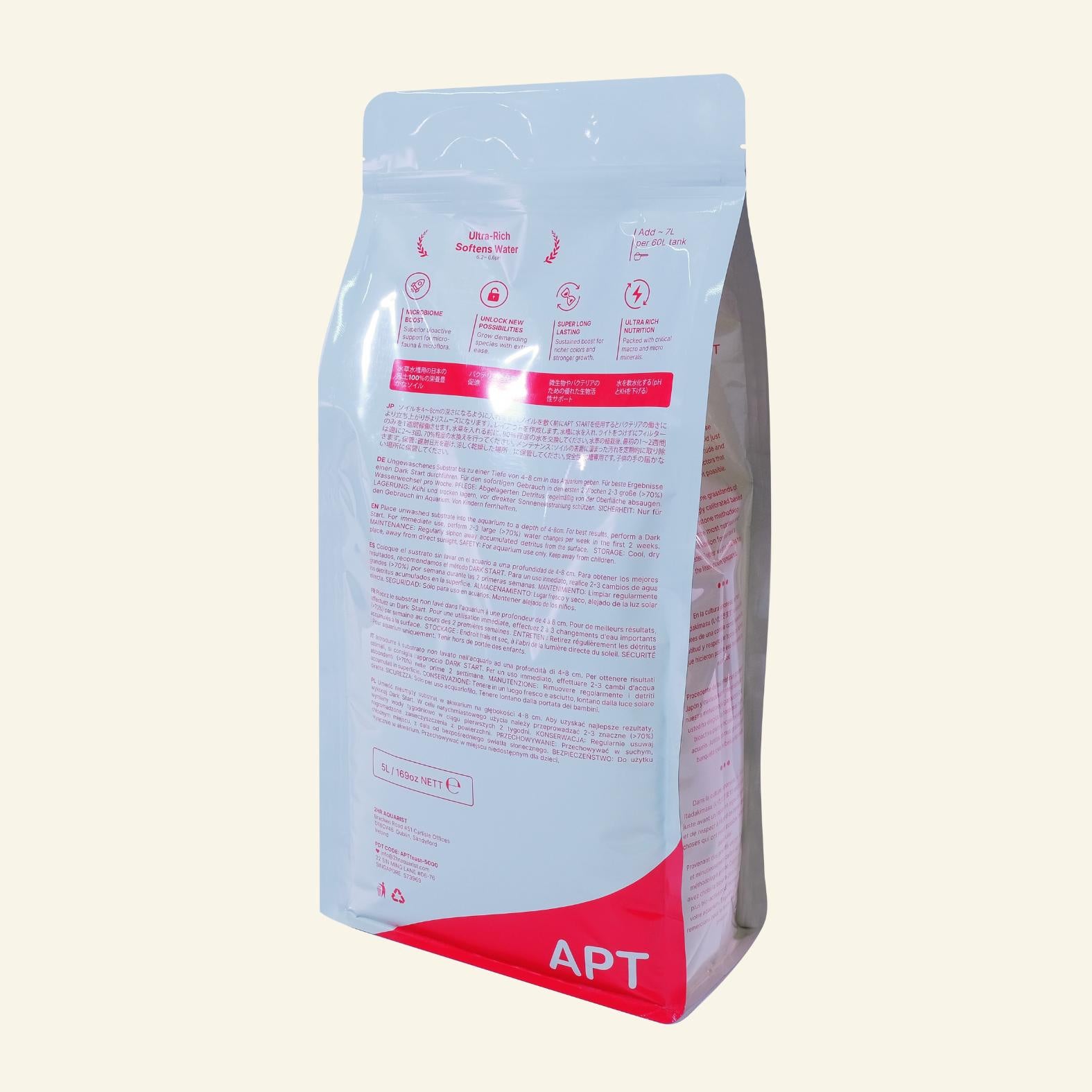
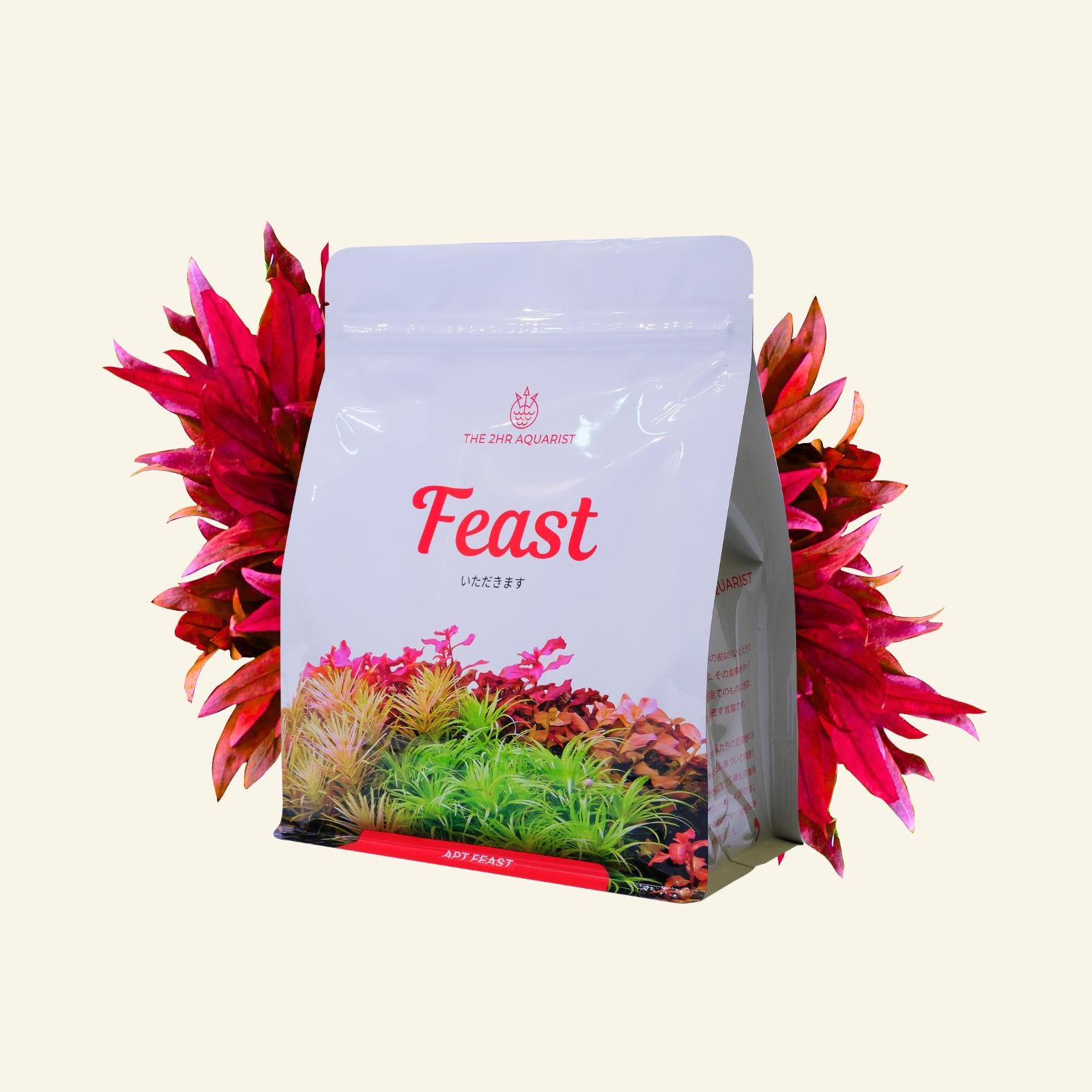
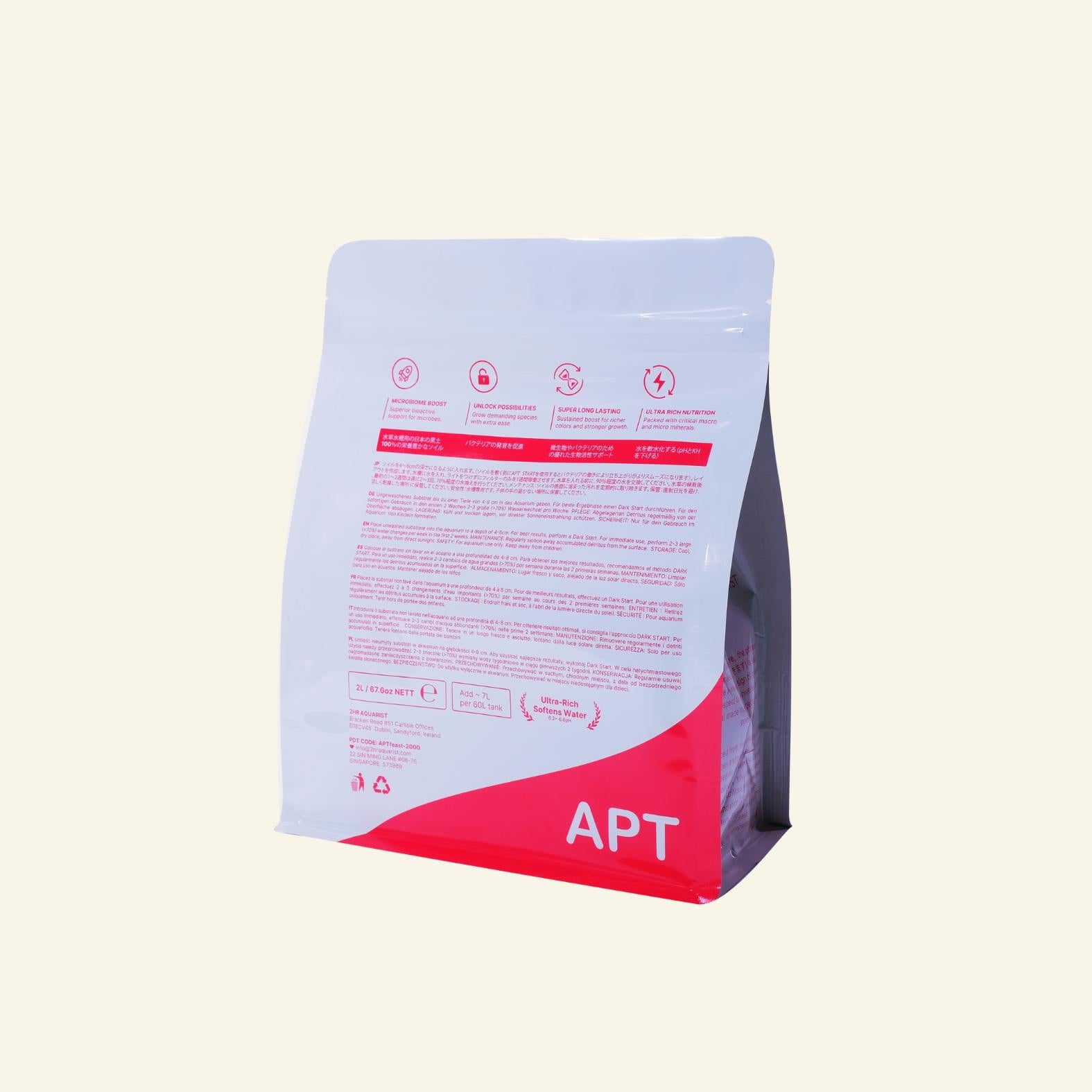
Most of our readers will know that we recommend aqua soil (raw, organic soil compressed into granules, as opposed to the enriched inert substrates commonly marketed as aquarium soil) for plant growth. This is because organic soil binds ammonia and acts as a nutrient store and buffer. A rich aqua substrate, combined with a leaner fertiliser, is one of the secrets to achieving redder colours in Rotala rotundifolia and its variants (or its red relatives: H'ra / Ceylon / colorata...) due to the effect of nitrate limitation, as described in more detail here.
One of the additional advantages of aqua soil is that, due to its large grain size and pore spacing, it does not compact easily, even when stacked high. Put simply, you can have very deep (more than 10+ inches) aqua soil substrate and don't have to worry about the bottom layers becoming overly anaerobic.
Another way?
Aquasoil can be expensive, so if you are creating a slope or an aquascape that requires very deep substrate, it is more cost effective to use an inert material to layer the bottom.

Perhaps the simplest inert base material to use is small lava cobbles (3-5mm in size), as shown above. Lava rock is great for many reasons - it is cheap, widely available, light enough to be easily handled yet heavy enough to remain at the base. It has good porosity and grain size, and can be used long term and transferred from tank to tank without breaking down. Pea gravel or other inert large grain substrates can be used but are likely to be heavier.
It is also possible to use inert baked clay, with a layer of garden soil on top, and finally a layer of aquasoil for ease of maintenance (less stirring up of particles during planting, replanting etc.) This is more complex and is covered in more detail in our guide to layering deep substrates.
What should I avoid?
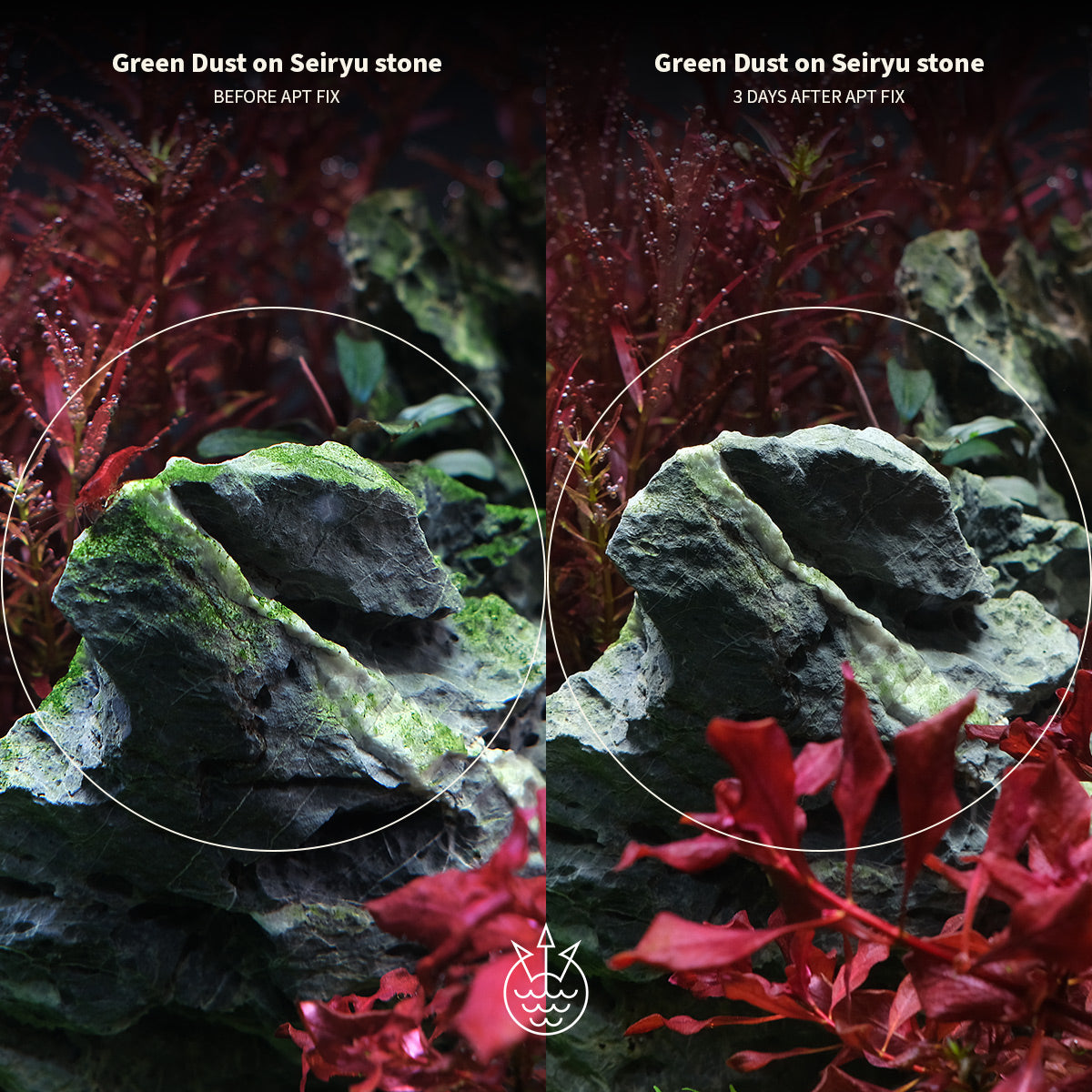
It is possible to simply layer rocks and stones, but it is important to know first whether these rocks are truly inert. Limestone such as Seiryu would alter the KH (carbonate hardness) of the tank and should be avoided unless you are growing plants that specifically prefer harder water.
Of course, it is important to avoid layering with garden soil that has a high organic content, as organic material, if buried too deep, would decompose in anaerobic conditions and cause the specific deep substrate problems we want to avoid.
Finally, fine sands are common and inexpensive, but should not be stacked too deep as organic debris can easily settle through the fine sand and collect - and begin to decompose - in the lower layers. This will cause serious problems if it is disturbed during replanting or if the substrate is disturbed.
In summary:
- You can have very deep aquasoil substrate with no issues.
- If you are layering with rock/ stones, lava rock gravel is an excellent choice.
- In general, deep inert layers do not cause problems, unless it has or traps organic content that starts to decompose in anaerobic conditions.

Share:
Holes in leaves?
Soak before use?