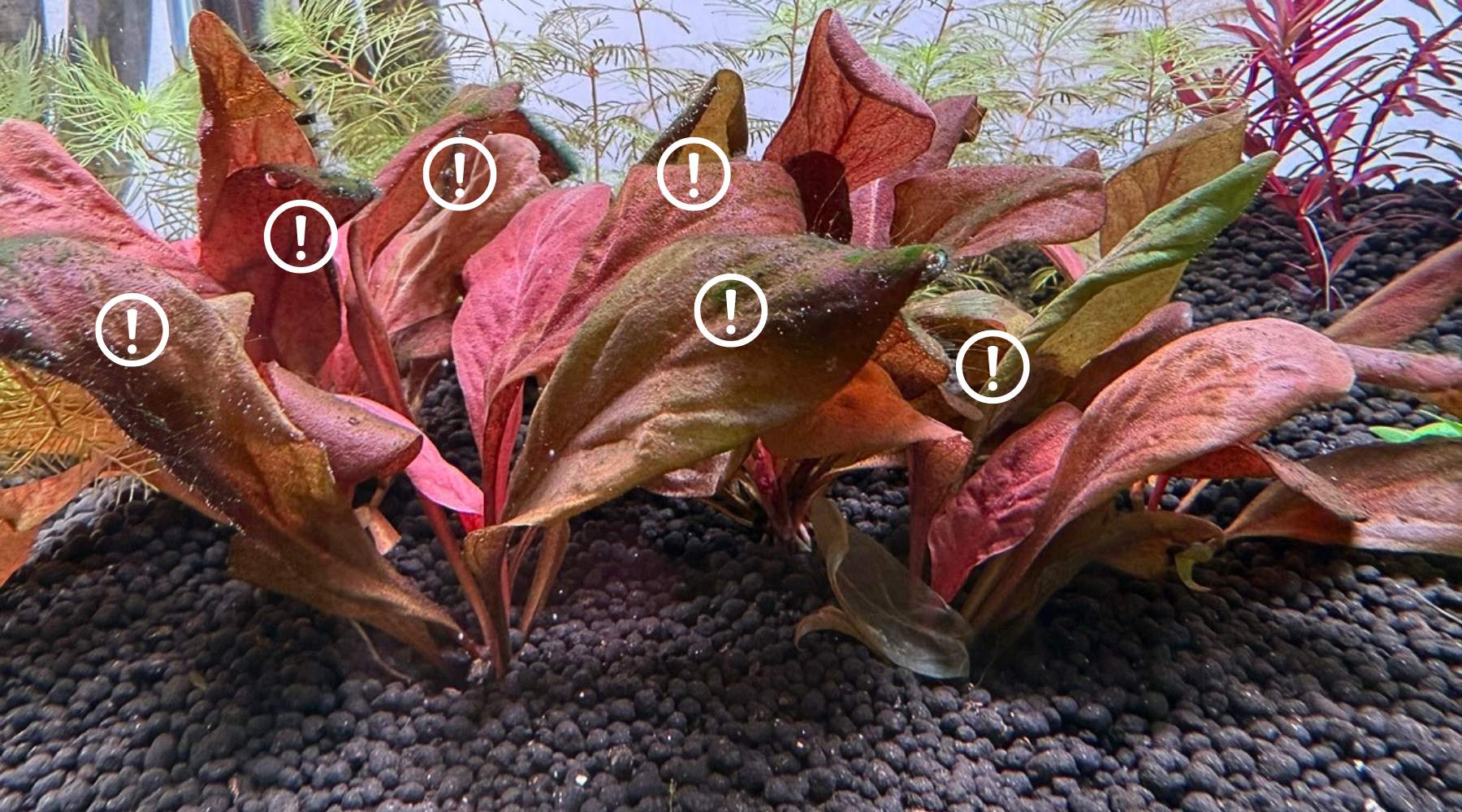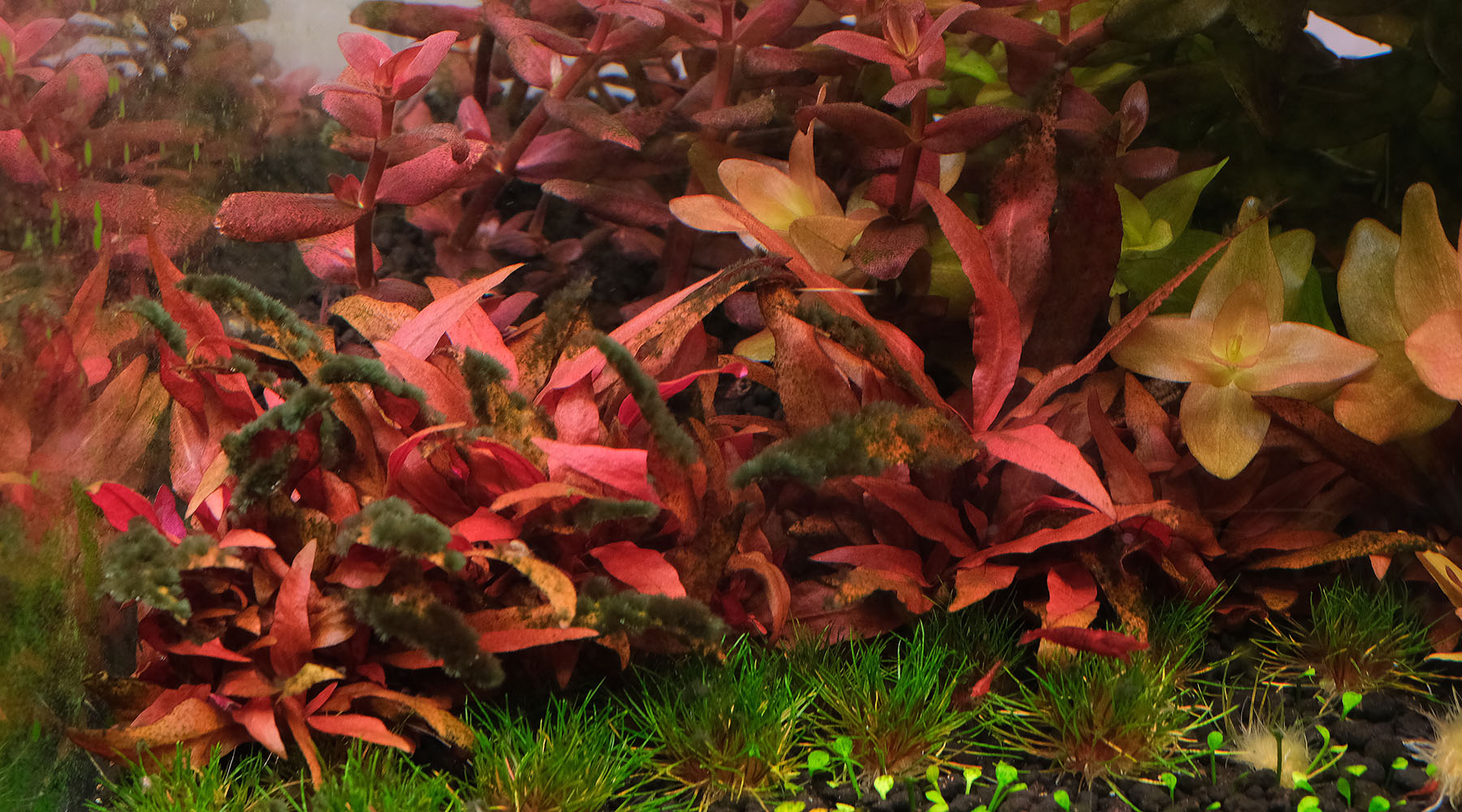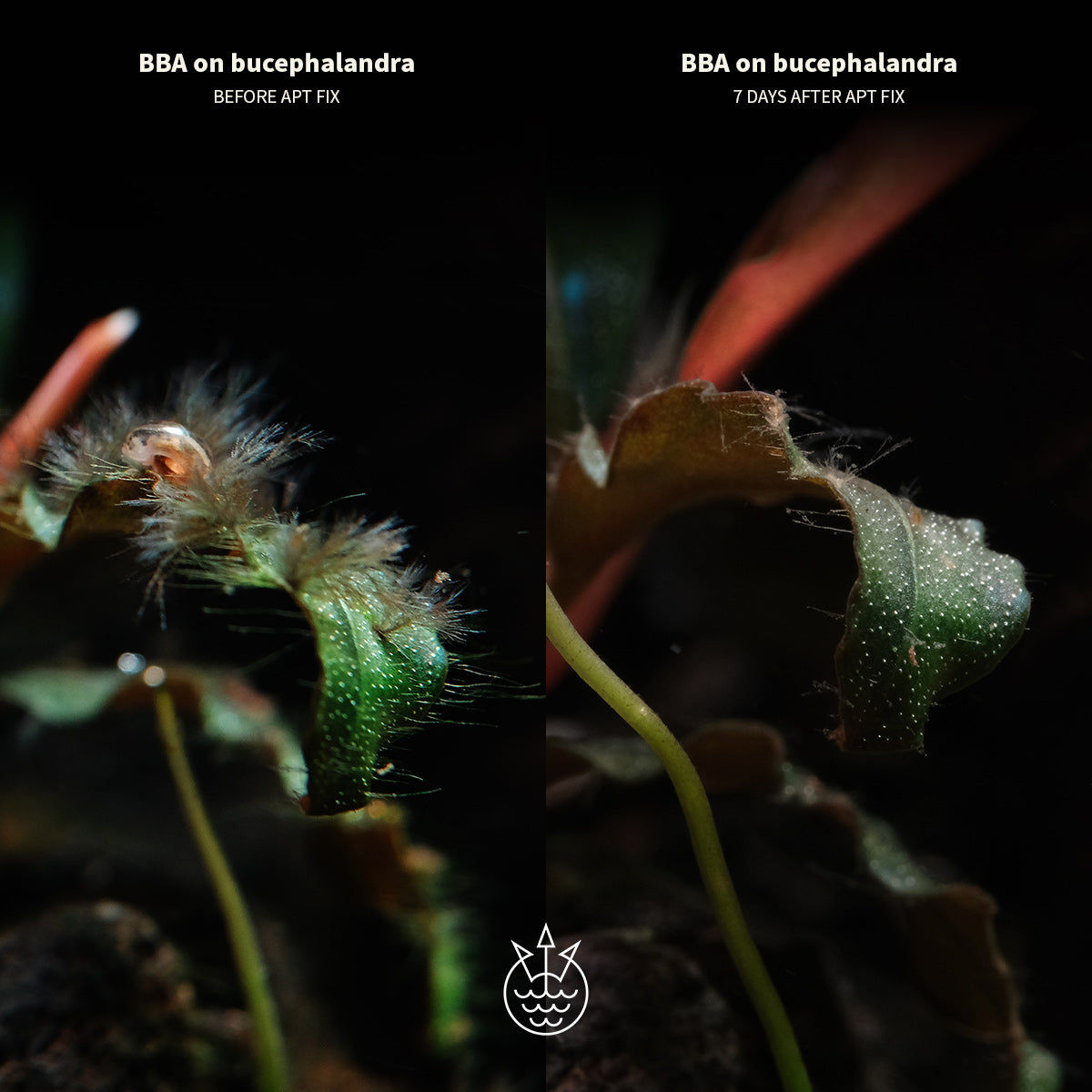

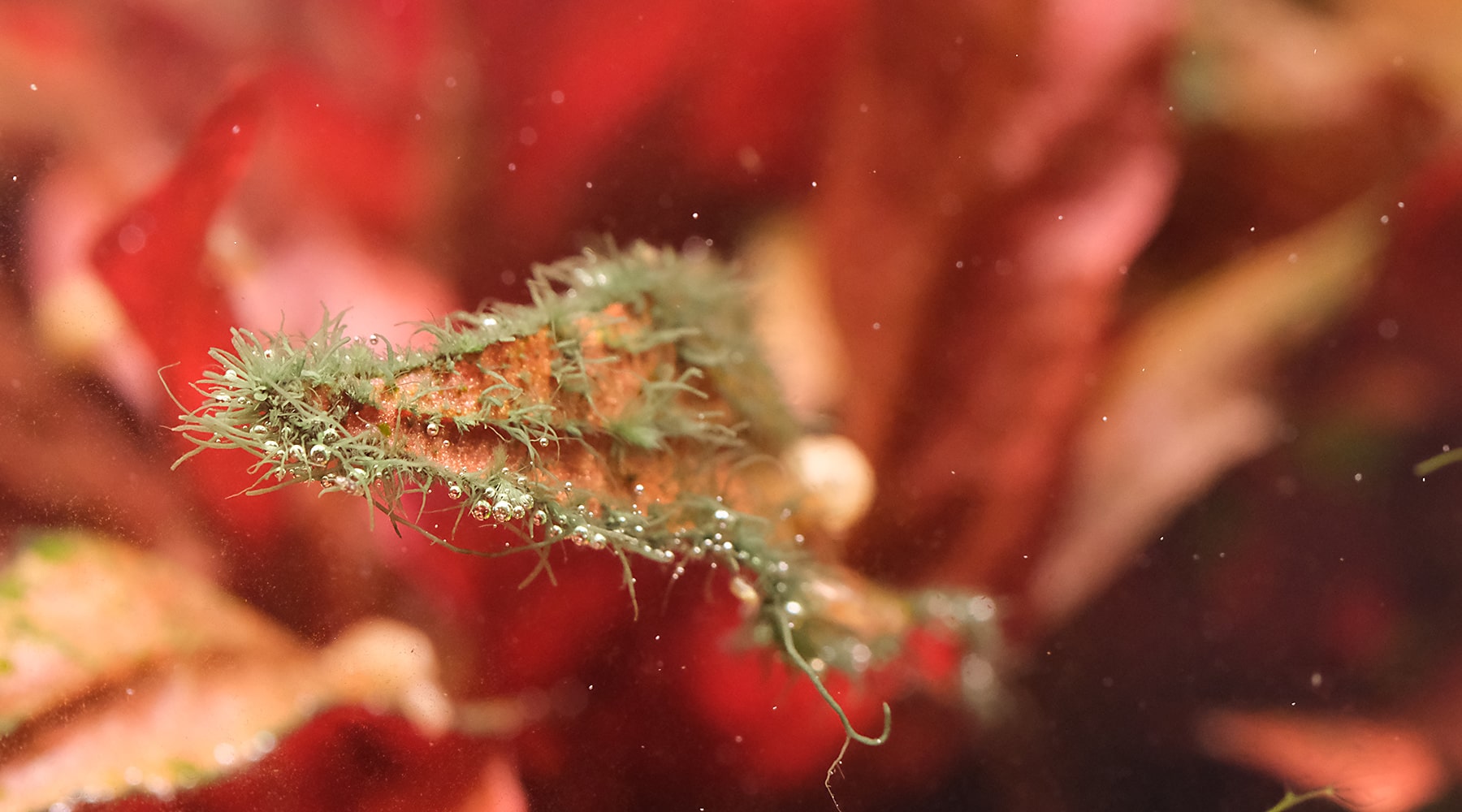
Staghorn algae appear as thick grey hairs on the edges of leaves. They can be difficult to remove by hand. They differ from BBA (black brush algae) in that BBA has a finer texture and is usually darker in colour.

Staghorn on crypt flamingo

When algae appear on plants rather than surfaces, it is always a sign that the plant is stressed or adapting to new conditions. Stressed plants release metabolites at their leaf margins and this encourages algae to attach.

What causes plant stress? The most common cause is when a plant is first introduced to an aquarium. The adaptation process is stressful as the plant has to reprogramme its enzymes to suit the new environment. In mature tanks, unstable CO2 levels, irregular fertilisation or a spike in ammonia/organic waste levels can cause plant stress.

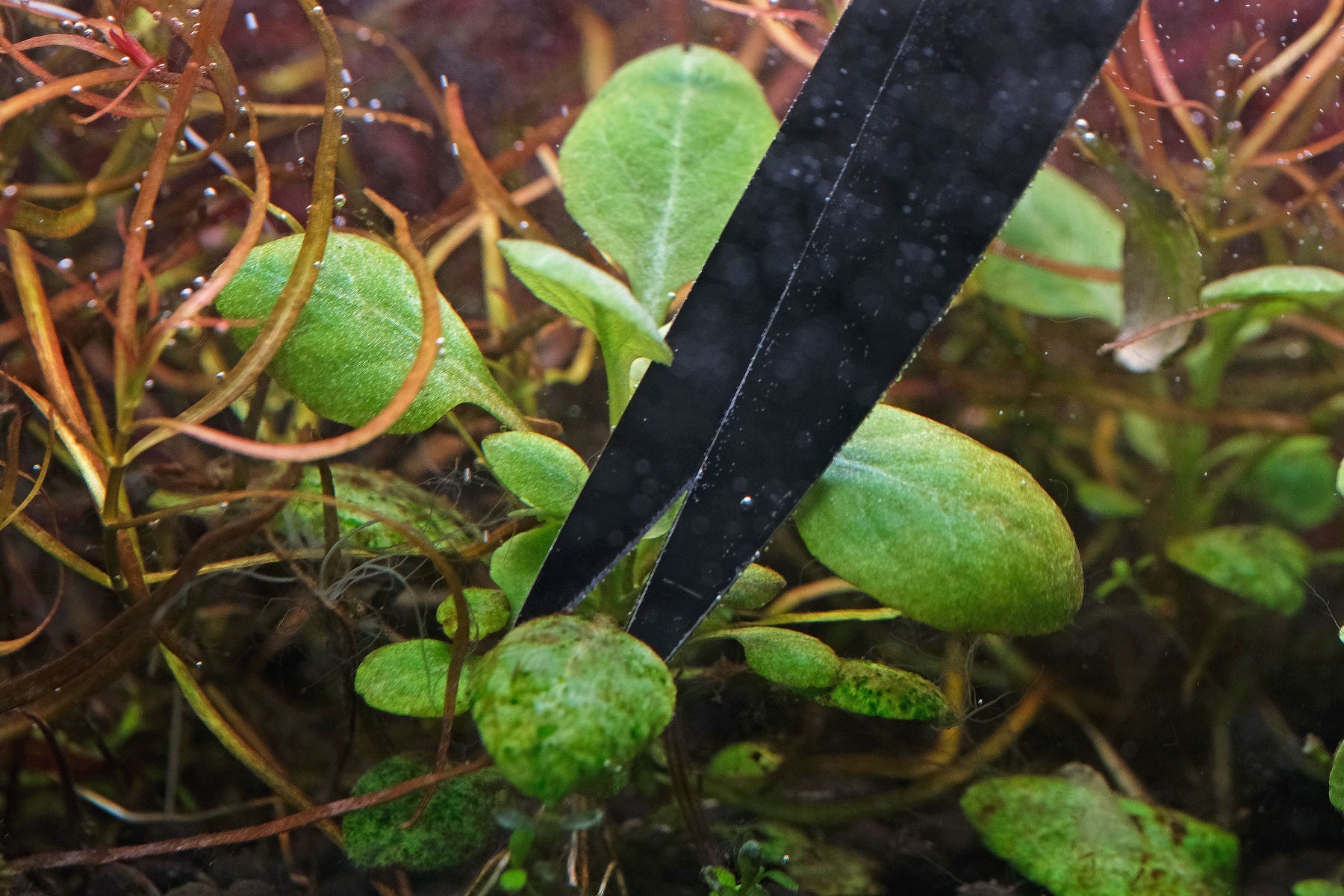
Staghorn algae is commonly found attached to the edges of slow growing plants.

Common Causes

  • Plants adapting to a new aquarium environment

  • Plant stressed due to poor growth parameters

  • Plant stressed due to sudden environment chances

Solutions

  • Trim off affect older leaves to make room for new growth

  • Have a regular maintenance/water change schedule

  • Have a regular fertilization schedule and stable CO2

  • Pruning and replanting of healthy tops, discard old growth

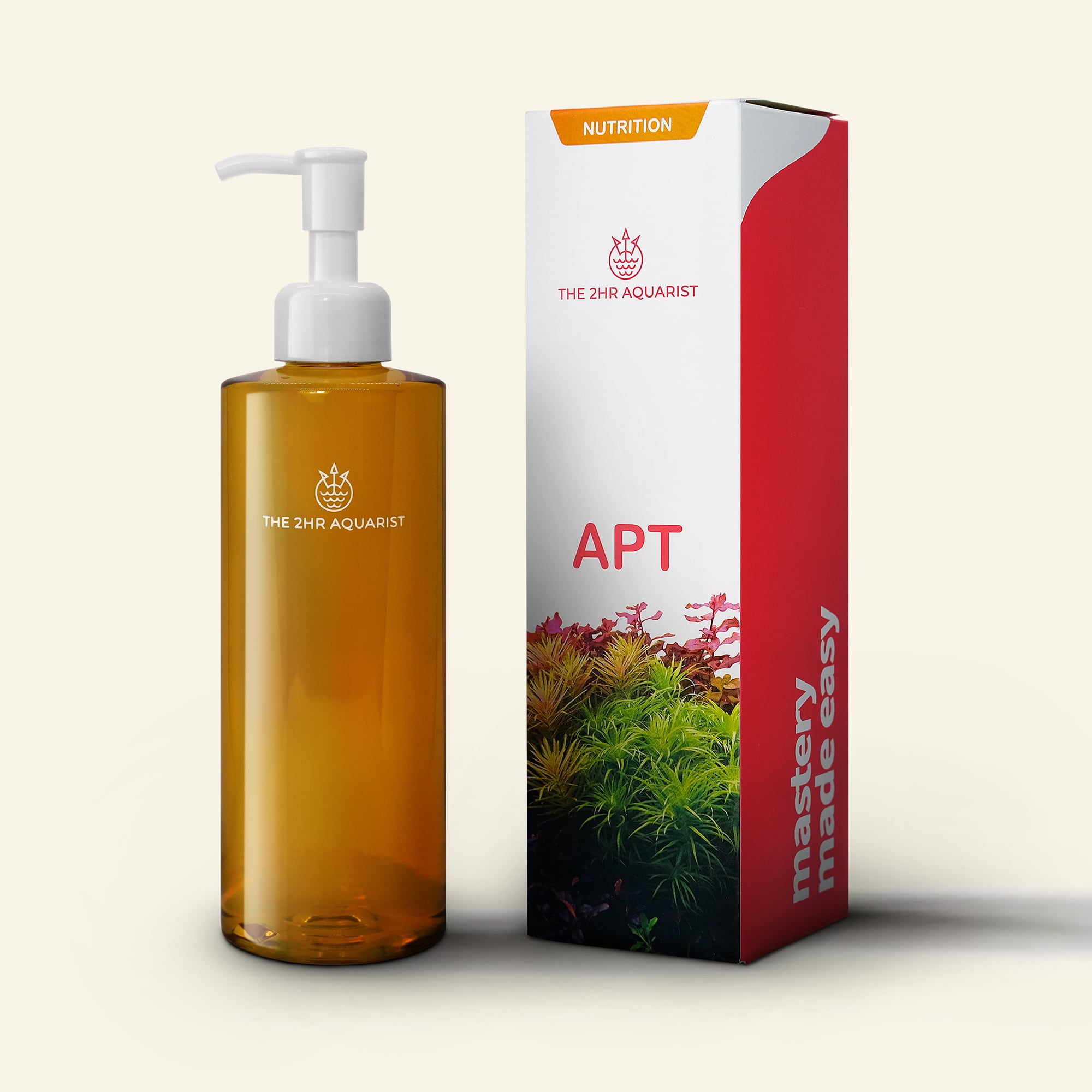
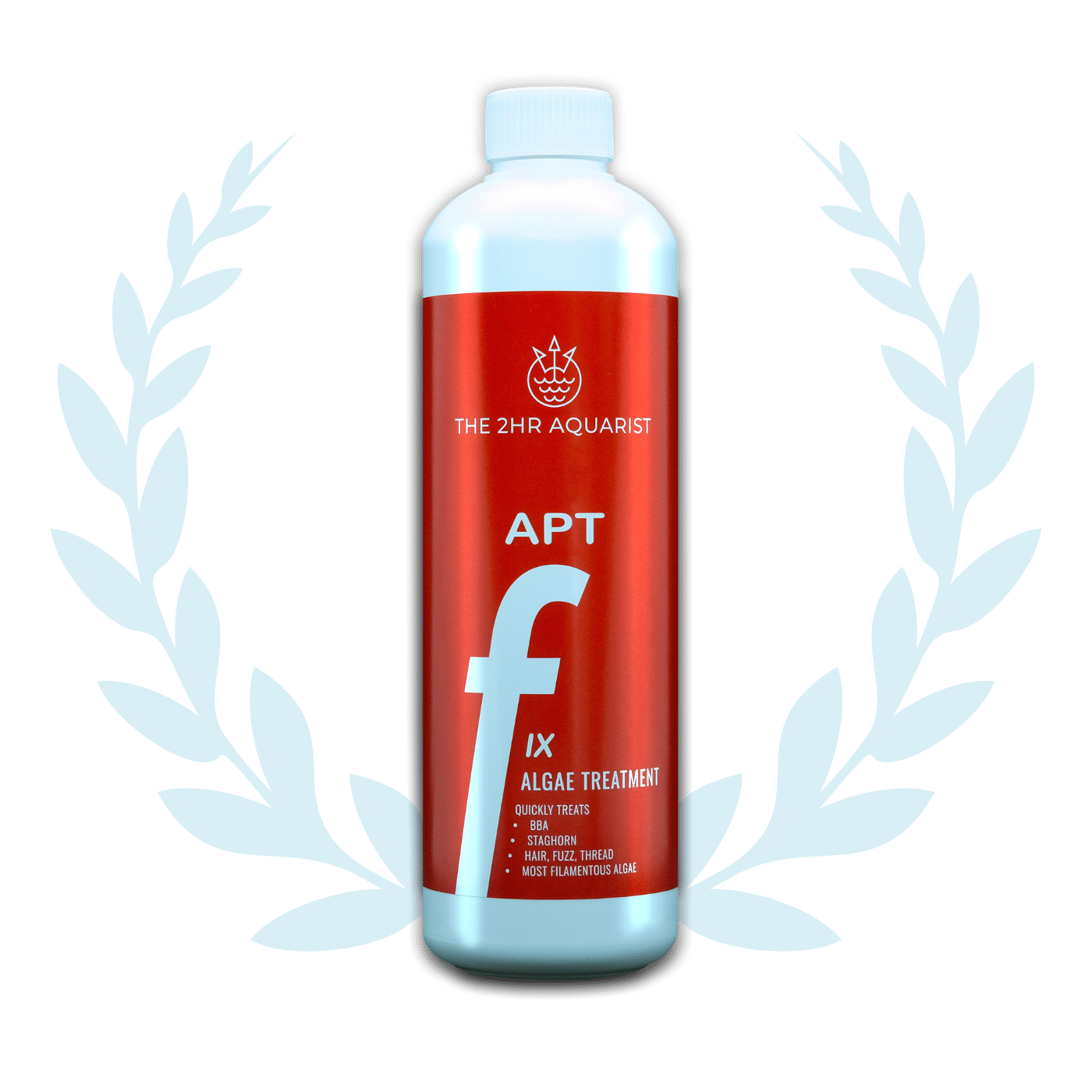
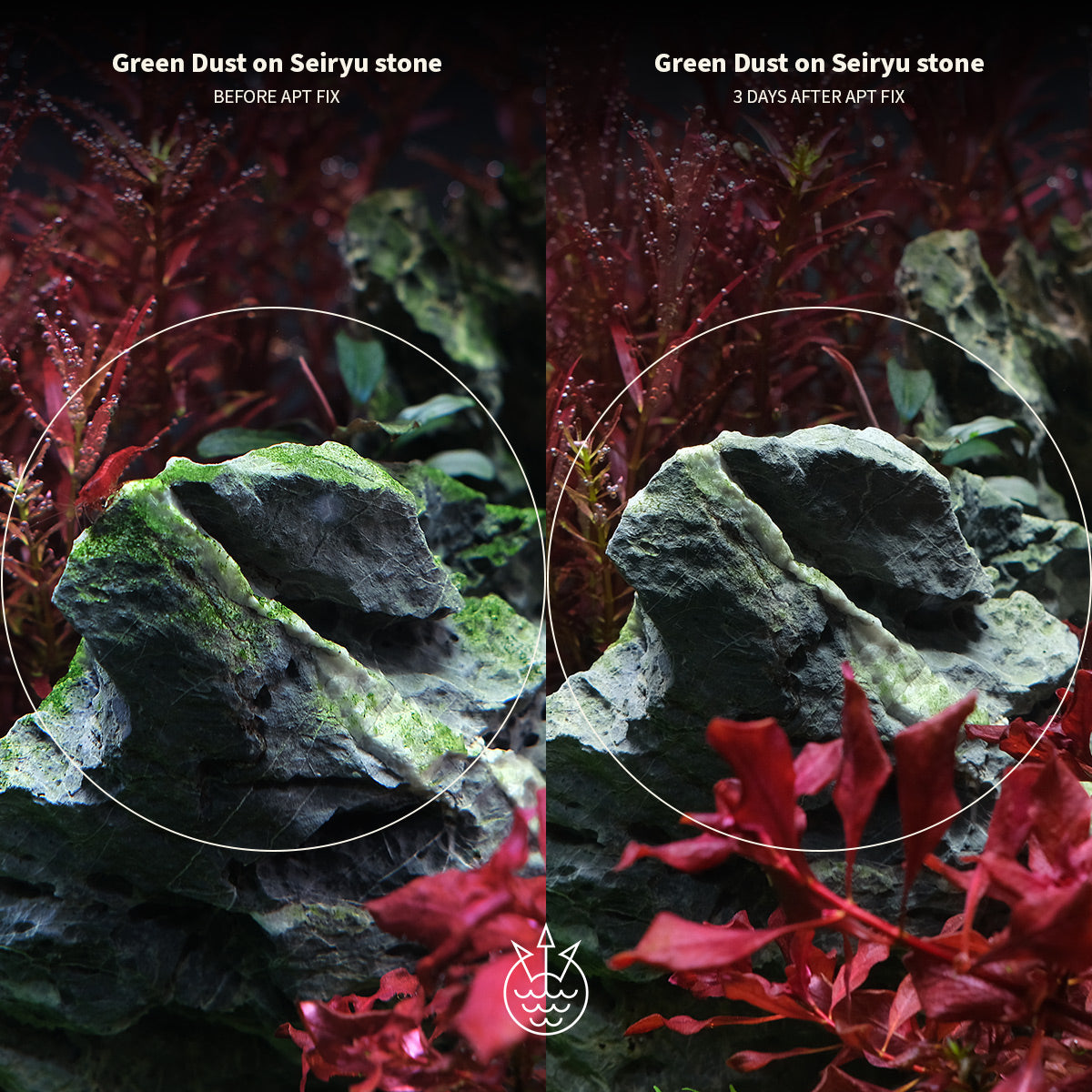
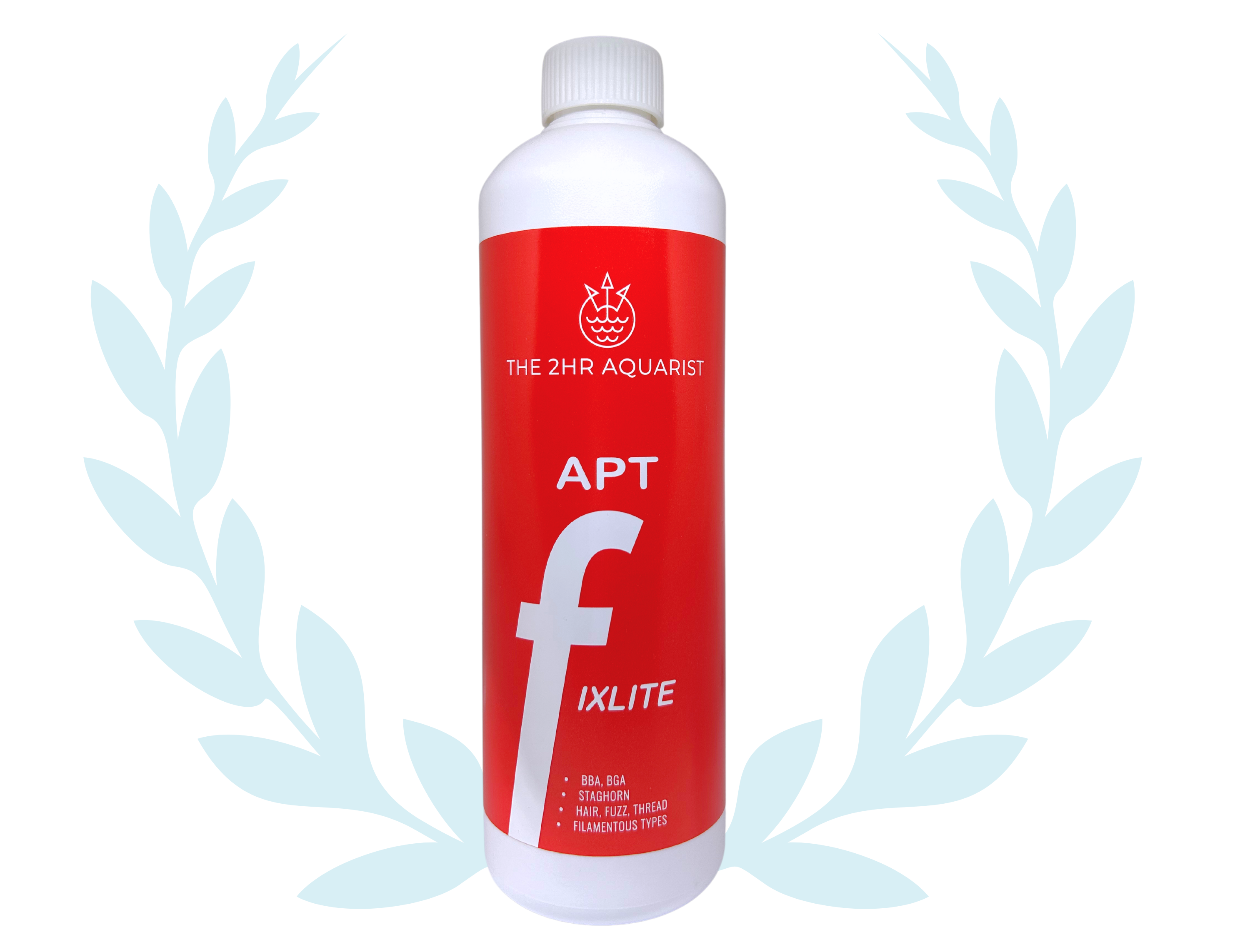
  • Spot-dose with APT Fix directly on algae - up to 1ml per 10L of tank water, repeatable every 24 hours. Mild to moderate cases only.

  • Don't panic - it may be temporary and will pass

Click here for information on how to solve algae problems without algicides.

Click here for information on how to do proper water changes for a planted tank.

Click here for information on how to stabilize a new planted tank quickly.
Explore

View all

Close up photo of algae on older aquatic plant leaves

Why do leaves deteriorate? Understanding the leaf renewal cycle in aquatic plants

This article delves into the topic of how plants continually renew themselves through the production of new leaves.
Read moreabout Why do leaves deteriorate? Understanding the leaf renewal cycle in aquatic plants

4ft Rotala florida community aquarium: Showcasing the 2hr Way

4ft Rotala florida community aquarium: Showcasing the 2hr Way

Full details of tank parameters, plants and fish species, and the maintenance regime of the 4ft Rotala florida aquascape are described here.

Read moreabout 4ft Rotala florida community aquarium: Showcasing the 2hr Way

Non-Aquatic Aquarium Plants: A Beginner's Buying Guide to Avoid Them

Non-Aquatic Aquarium Plants: A Beginner's Buying Guide to Avoid Them

Some of the most attractive plants on shop shelves are not aquatic at all. They persist for weeks, then rot and feed algae. This guide identifies the common non-aquatic species sold as aquarium plants, shows how genuine aquatics shift form above and below water, and lists what to check before buying..

Read moreabout Non-Aquatic Aquarium Plants: A Beginner's Buying Guide to Avoid Them

New Tank Journey | Ugly Duckling

New Tank Journey | Ugly Duckling

New tanks can be frustrating at the beginning. Here, we describe one important signal that things are actually progressing well, despite plants having algae. 

Read moreabout New Tank Journey | Ugly Duckling

When Less is More

When Less is More

How to get Rotala rotundifolia redder? Interestingly, less can be more in this case.

Read moreabout When Less is More

System Shocks

System Shocks

Sudden widespread algae infestation can take place when changes in environmental parameters induce adaptation stress that weaken plants which become vulnerable to algae.

Read moreabout System Shocks

Flowering Underwater?

Flowering Underwater?

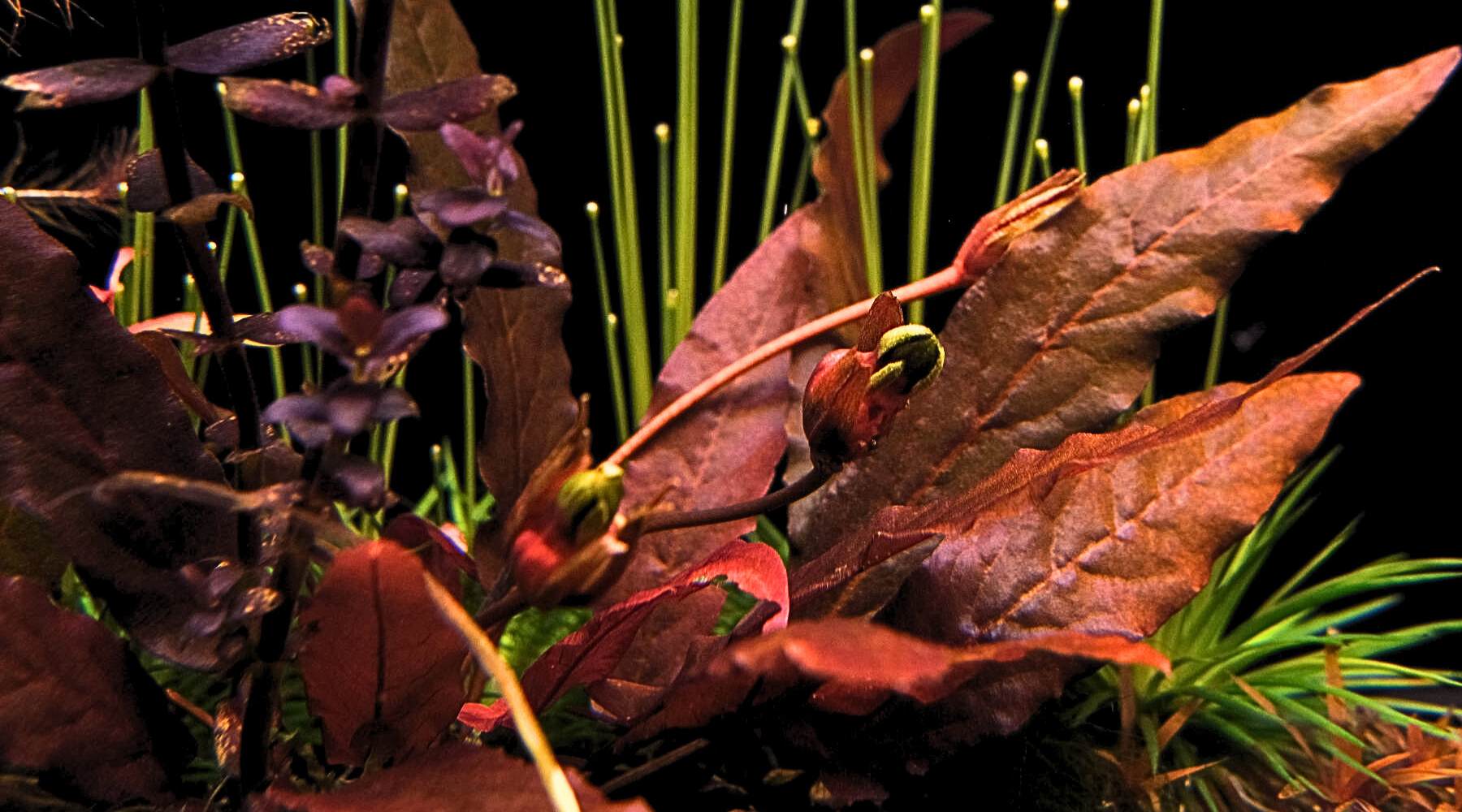
Do aquatic plants flower underwater? Is flowering a sign of good health? Which plants can I grow that will flower easily in my aquarium?

Read moreabout Flowering Underwater?