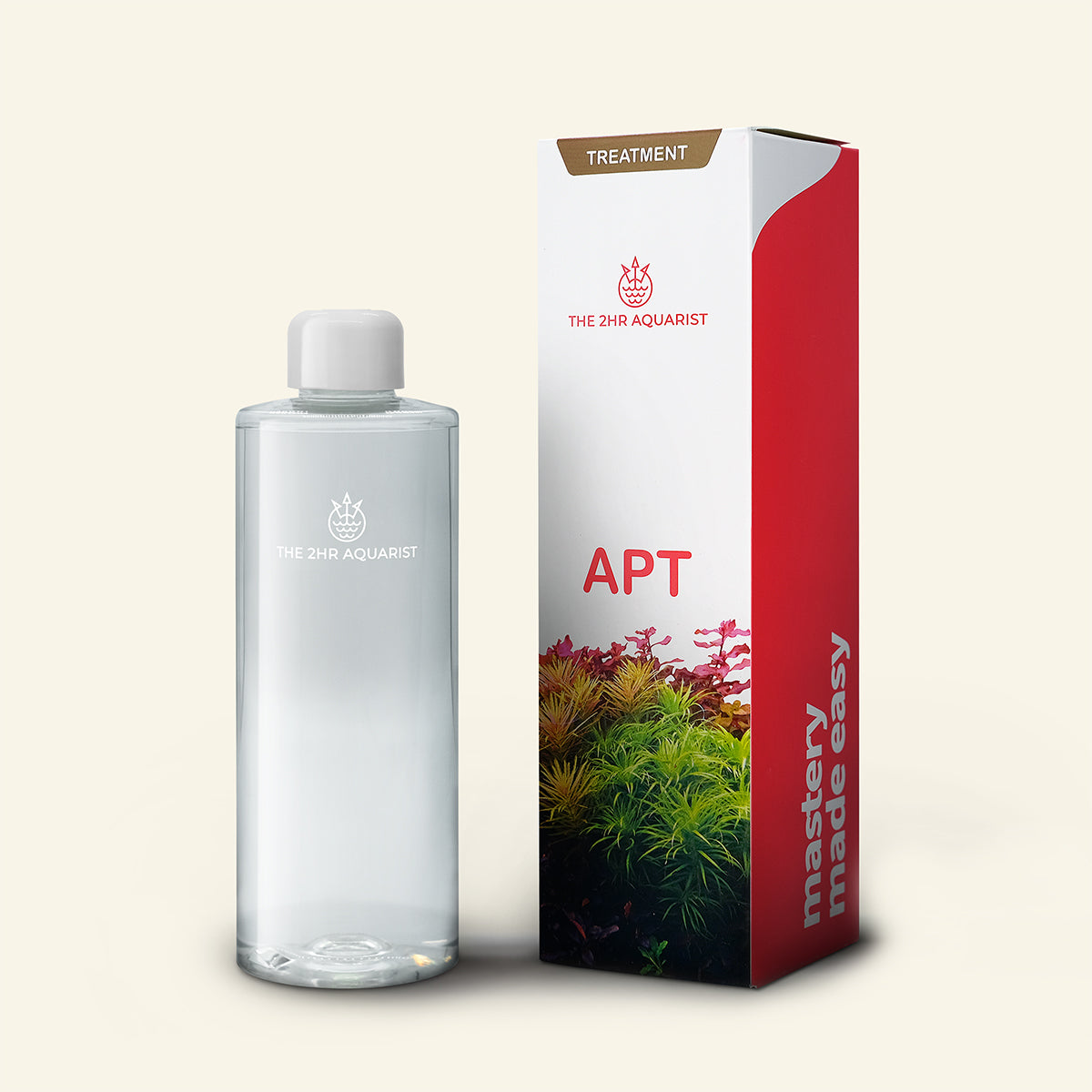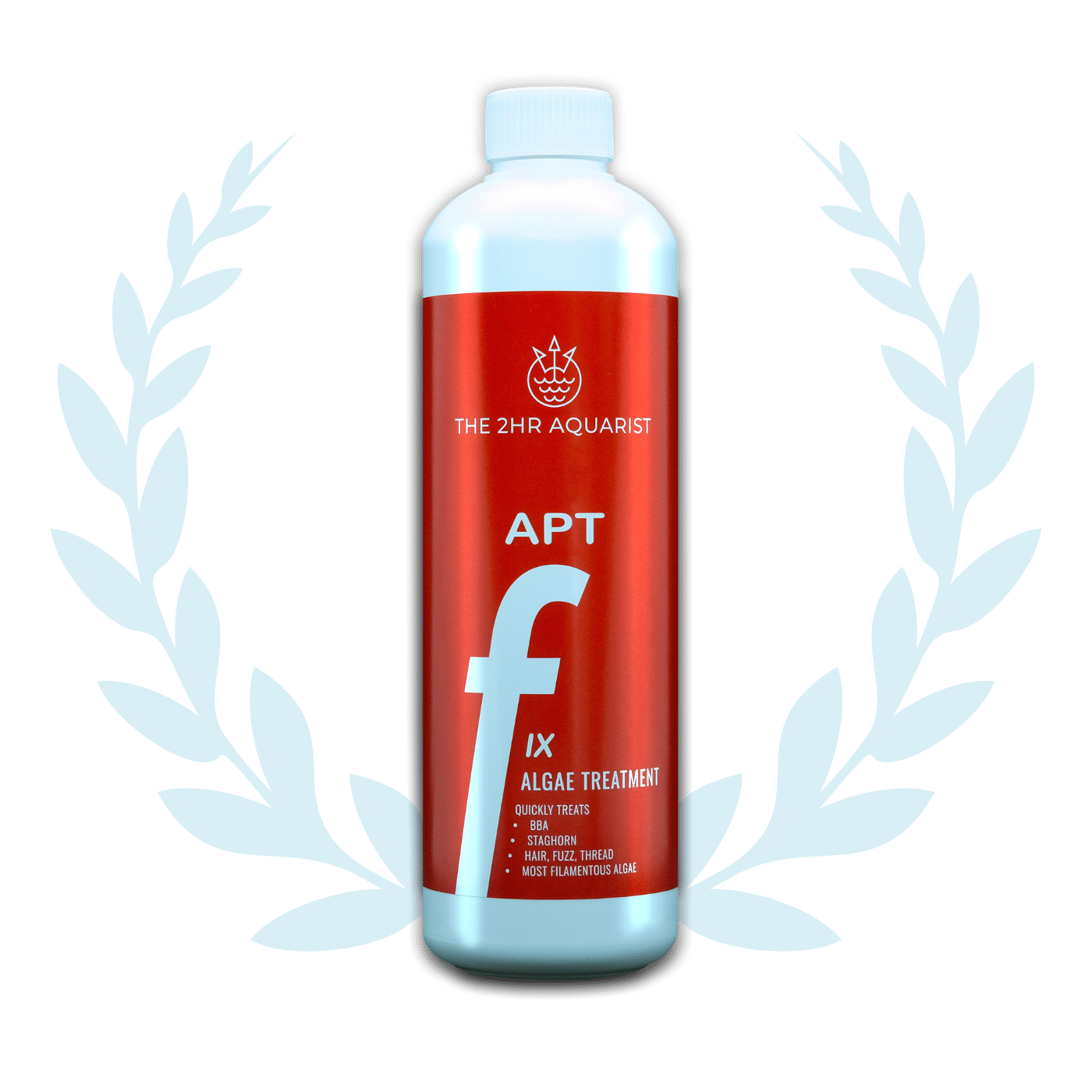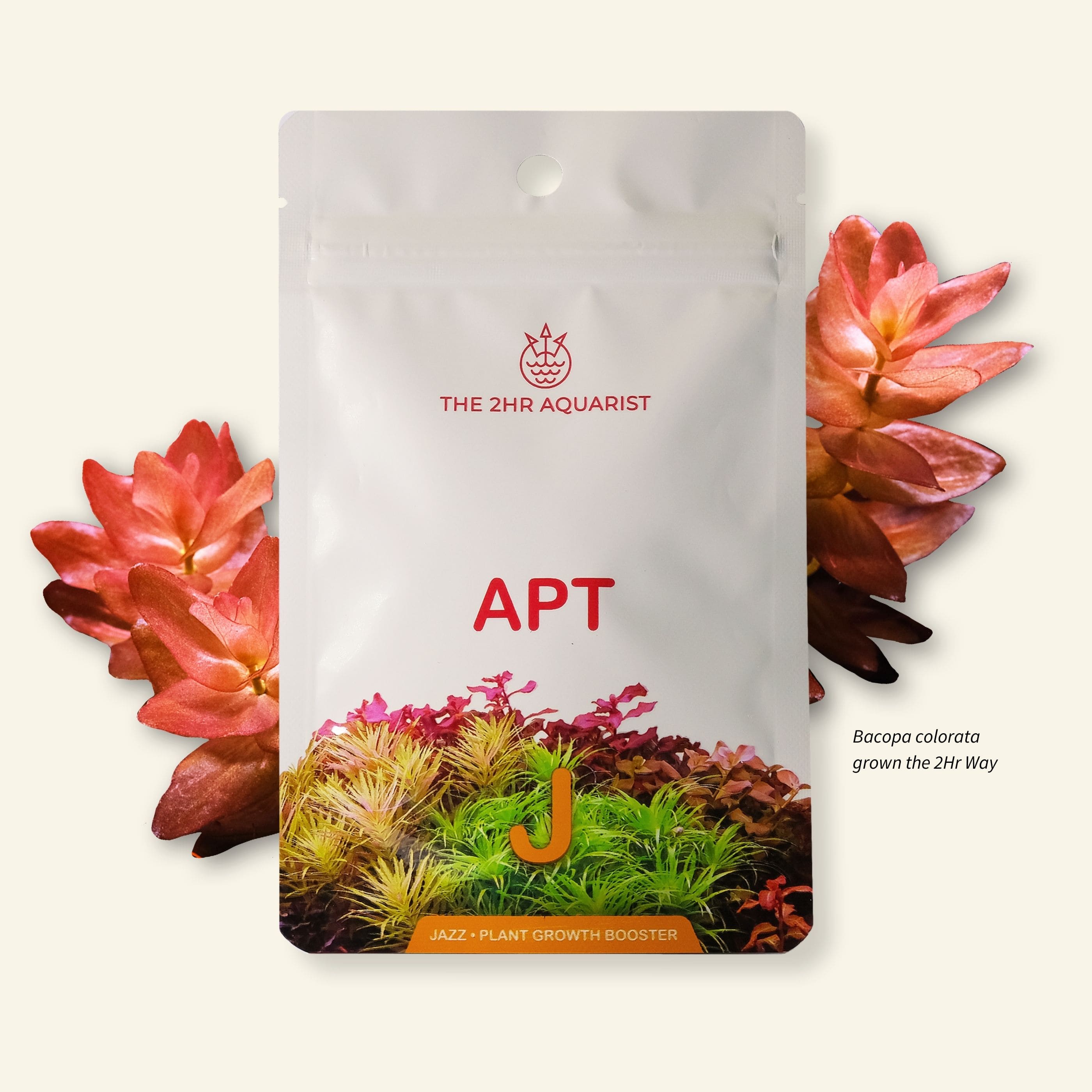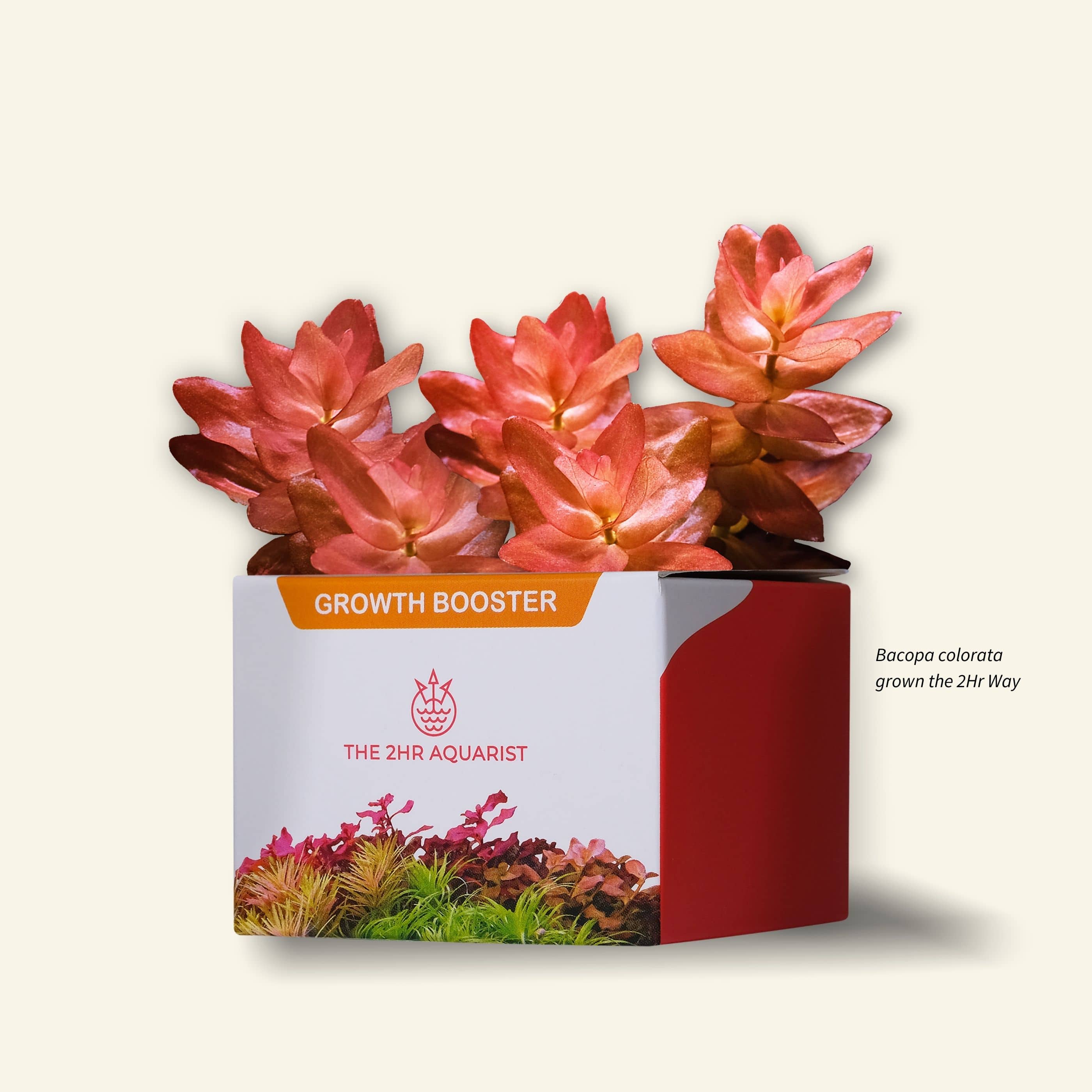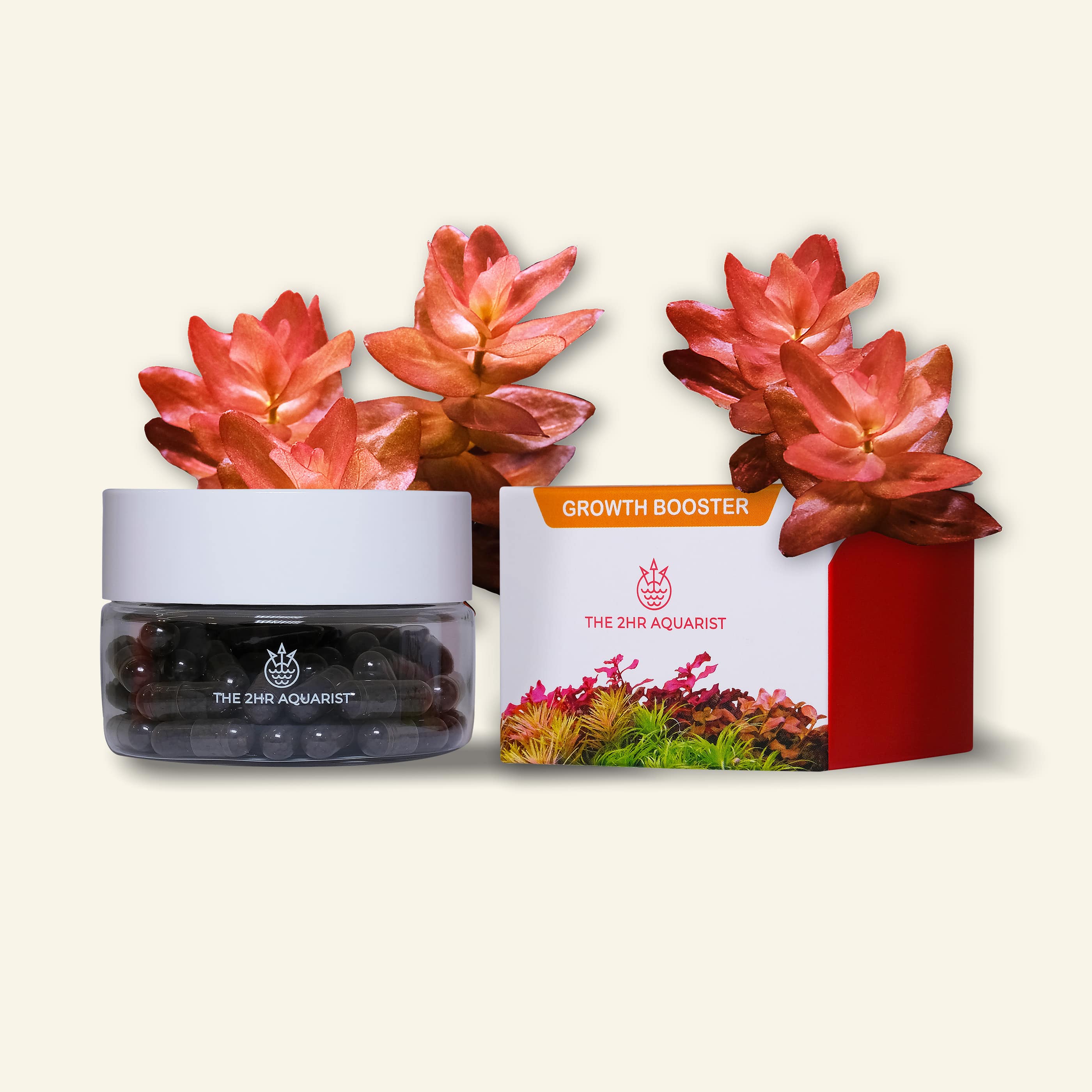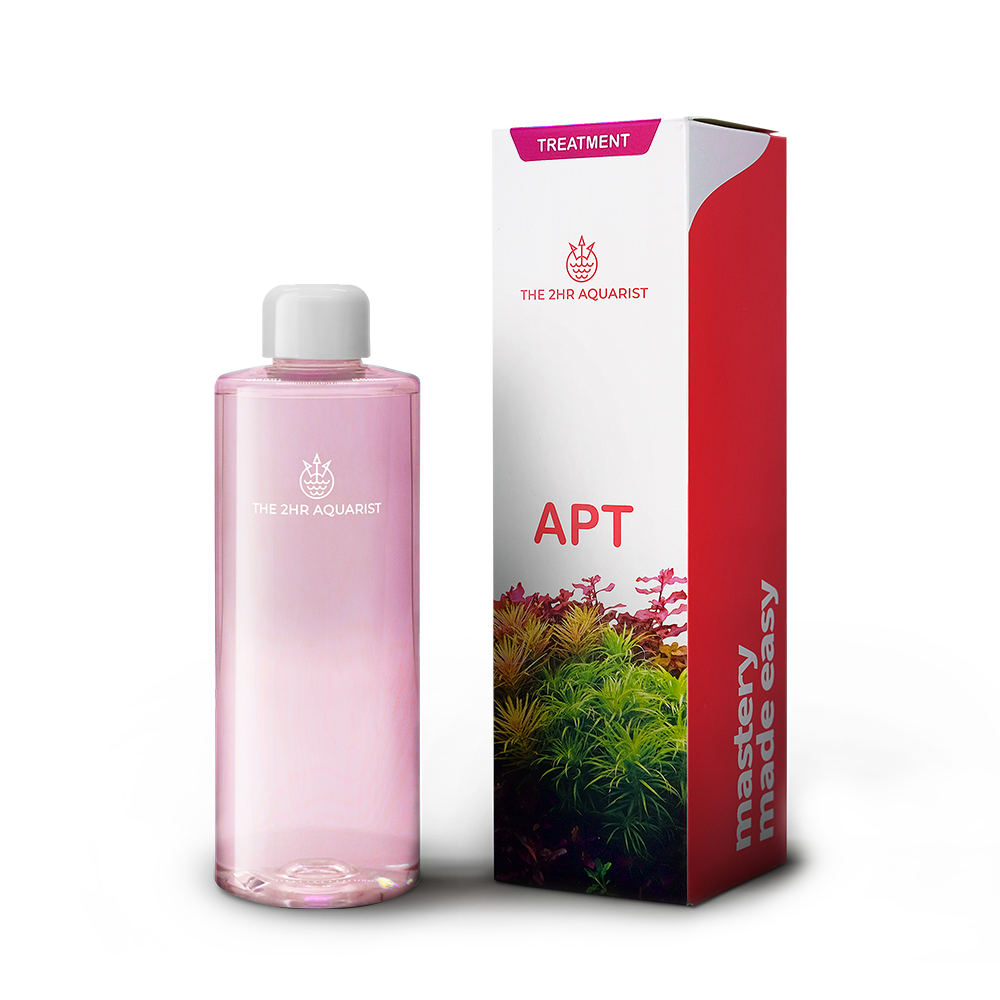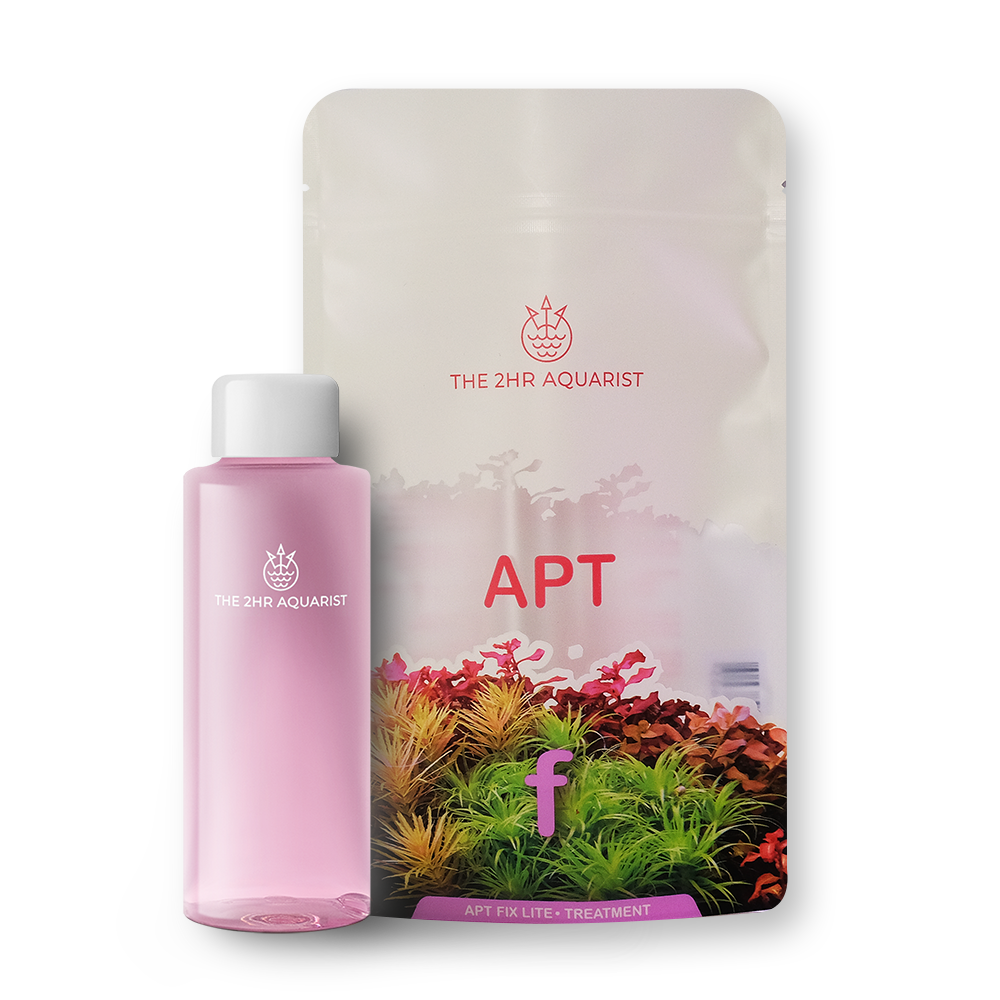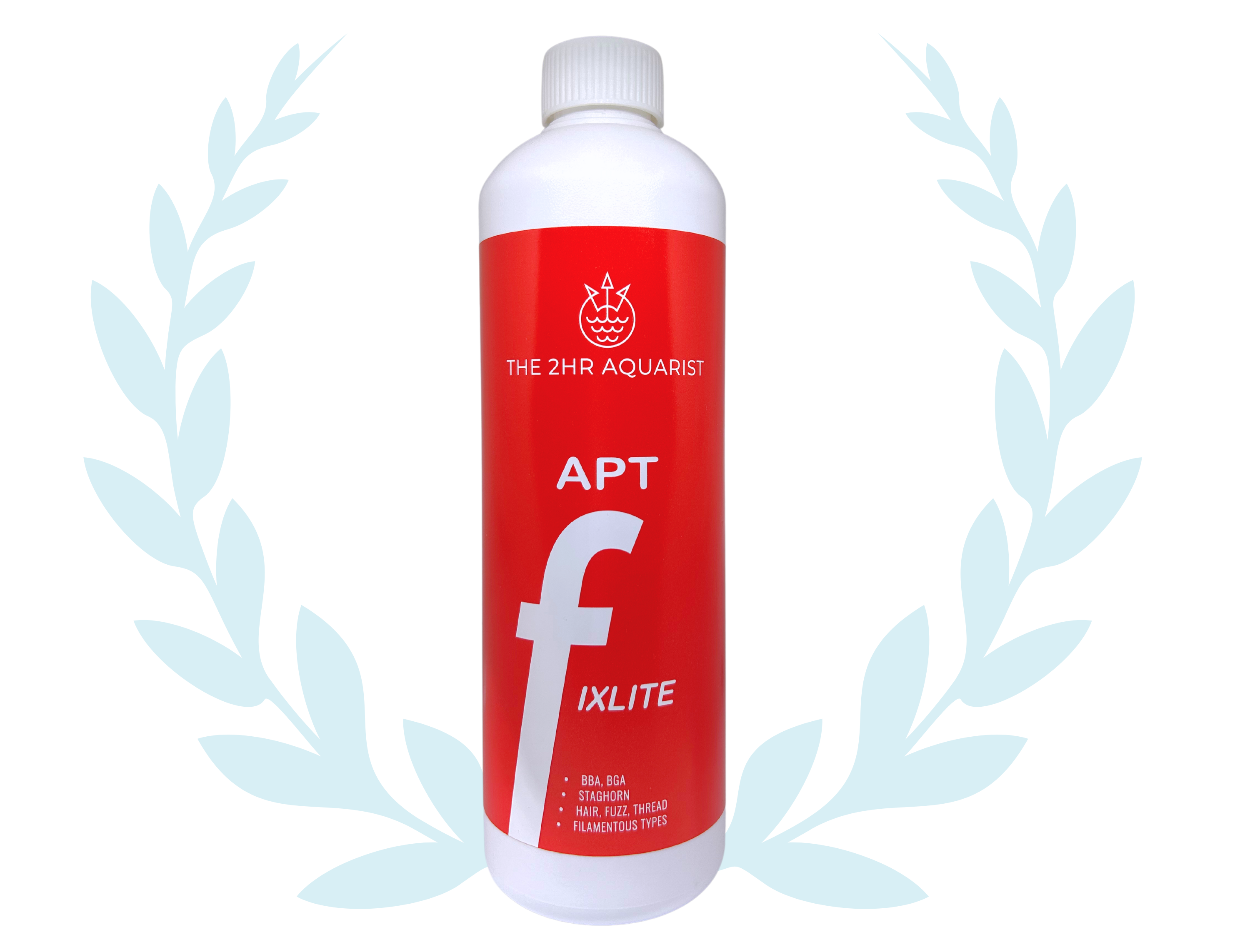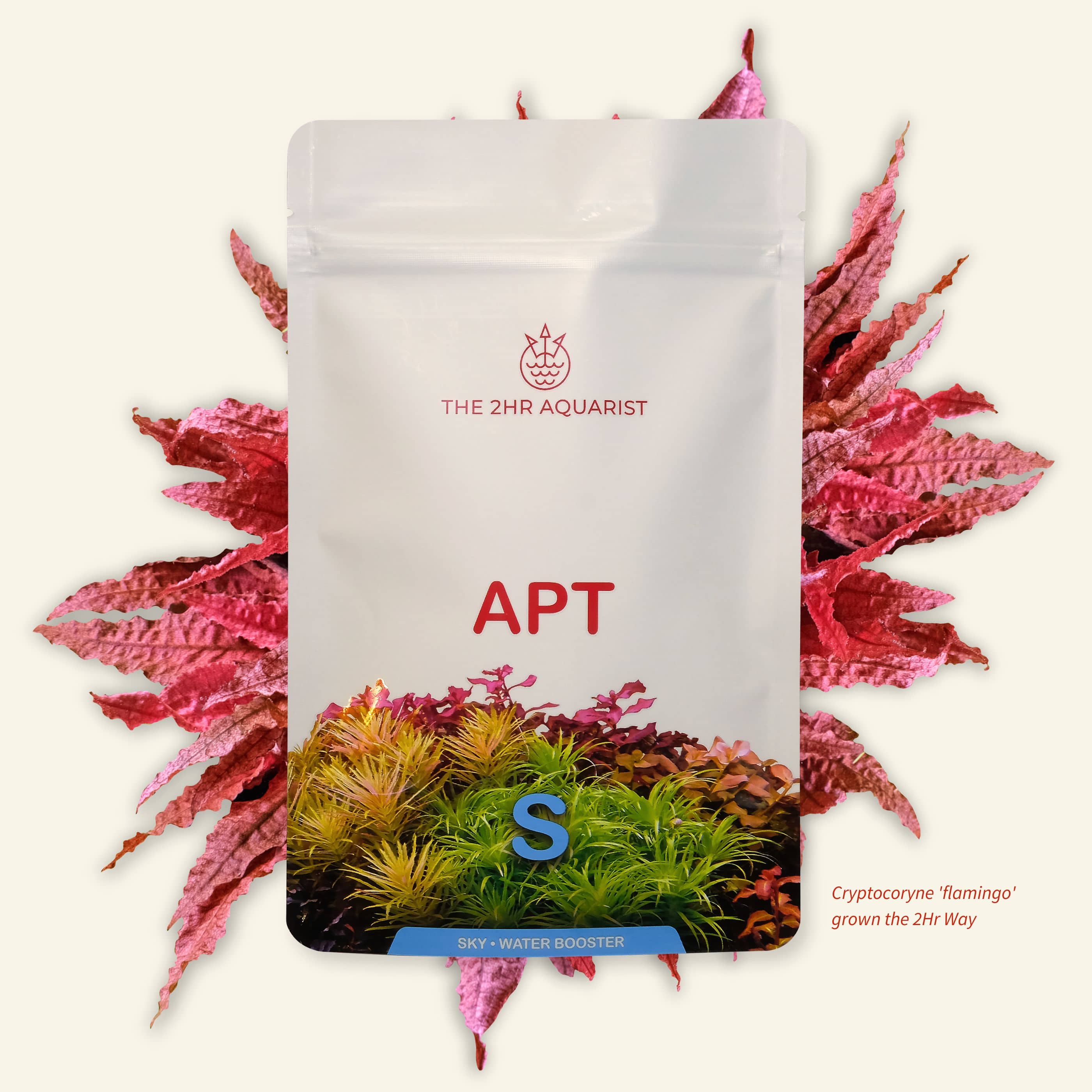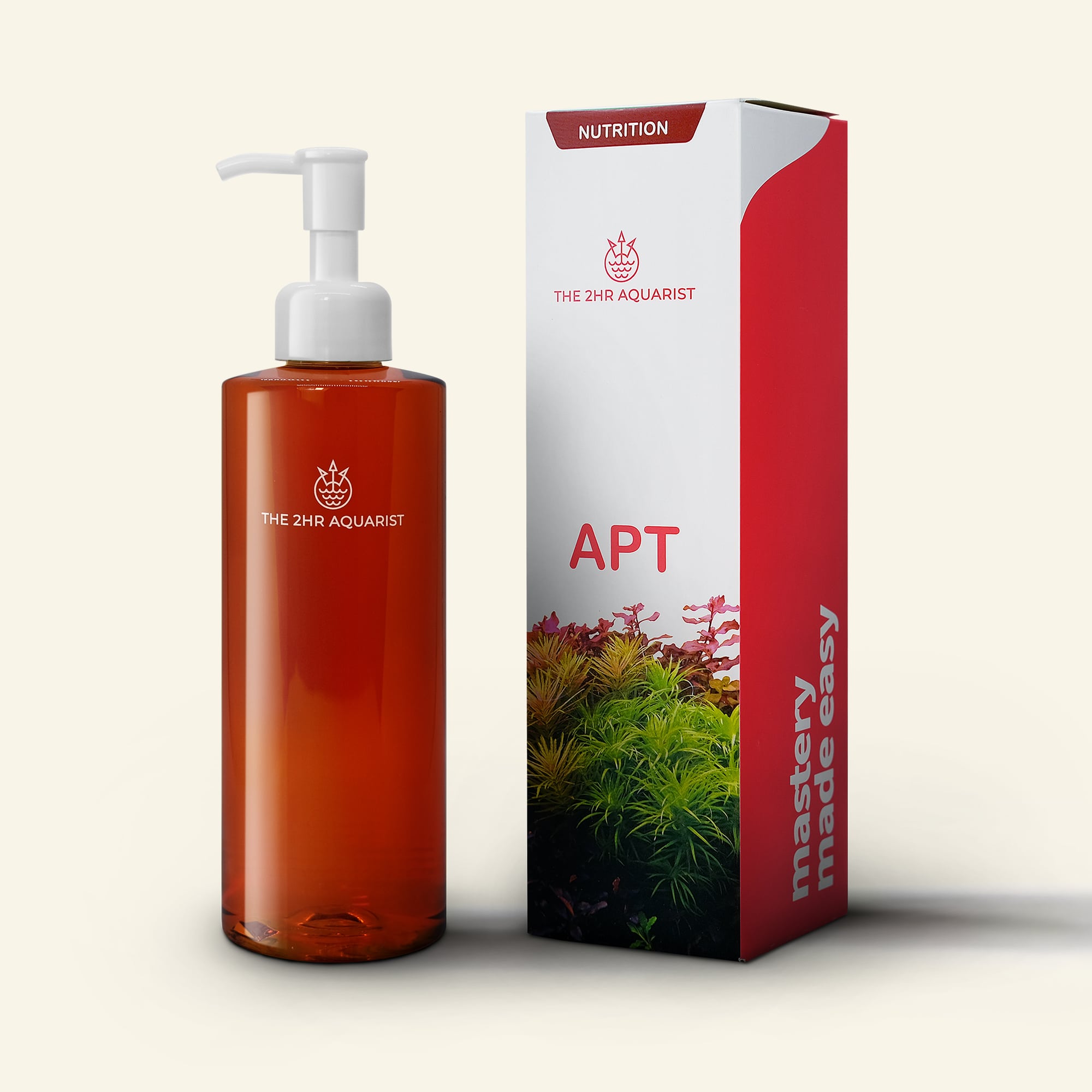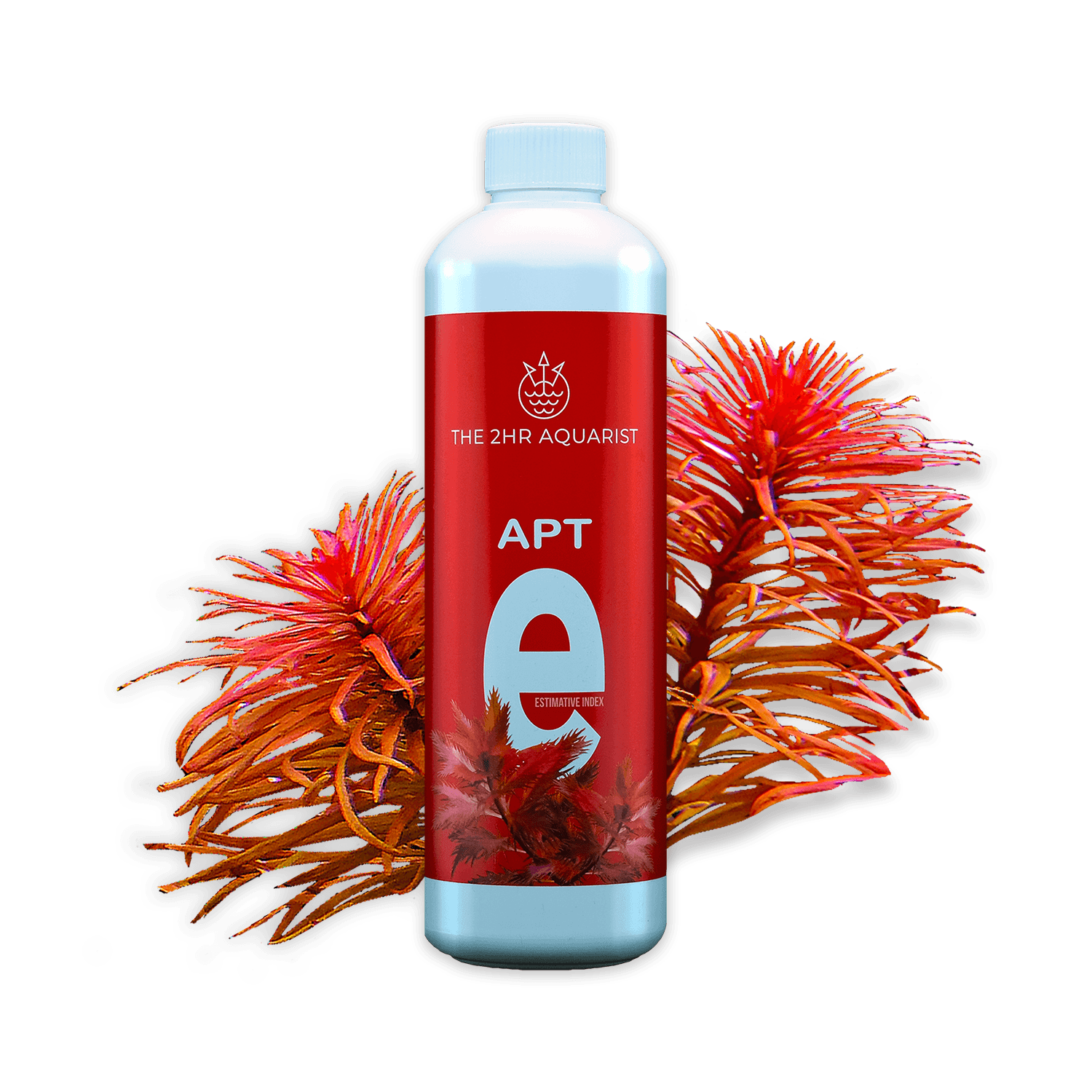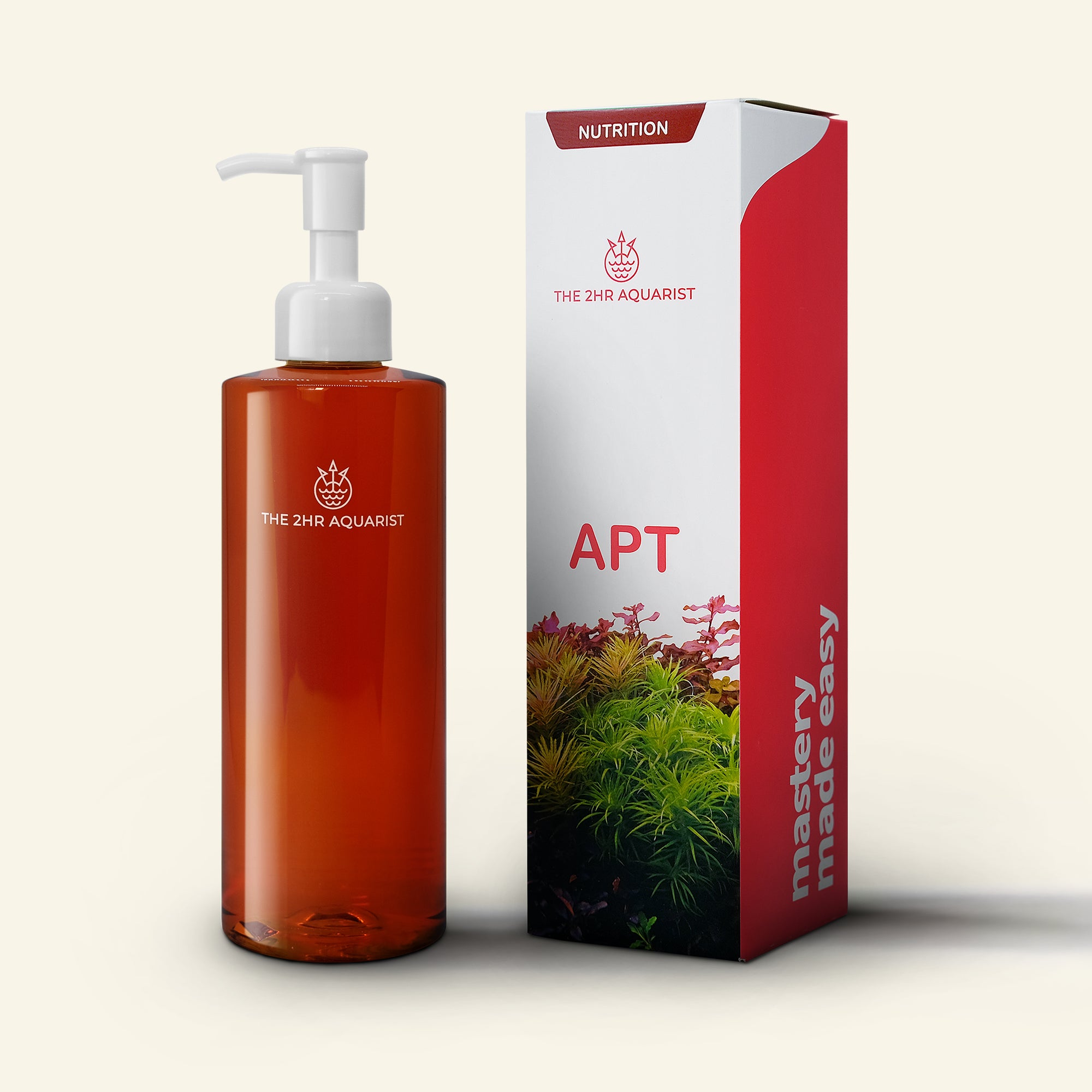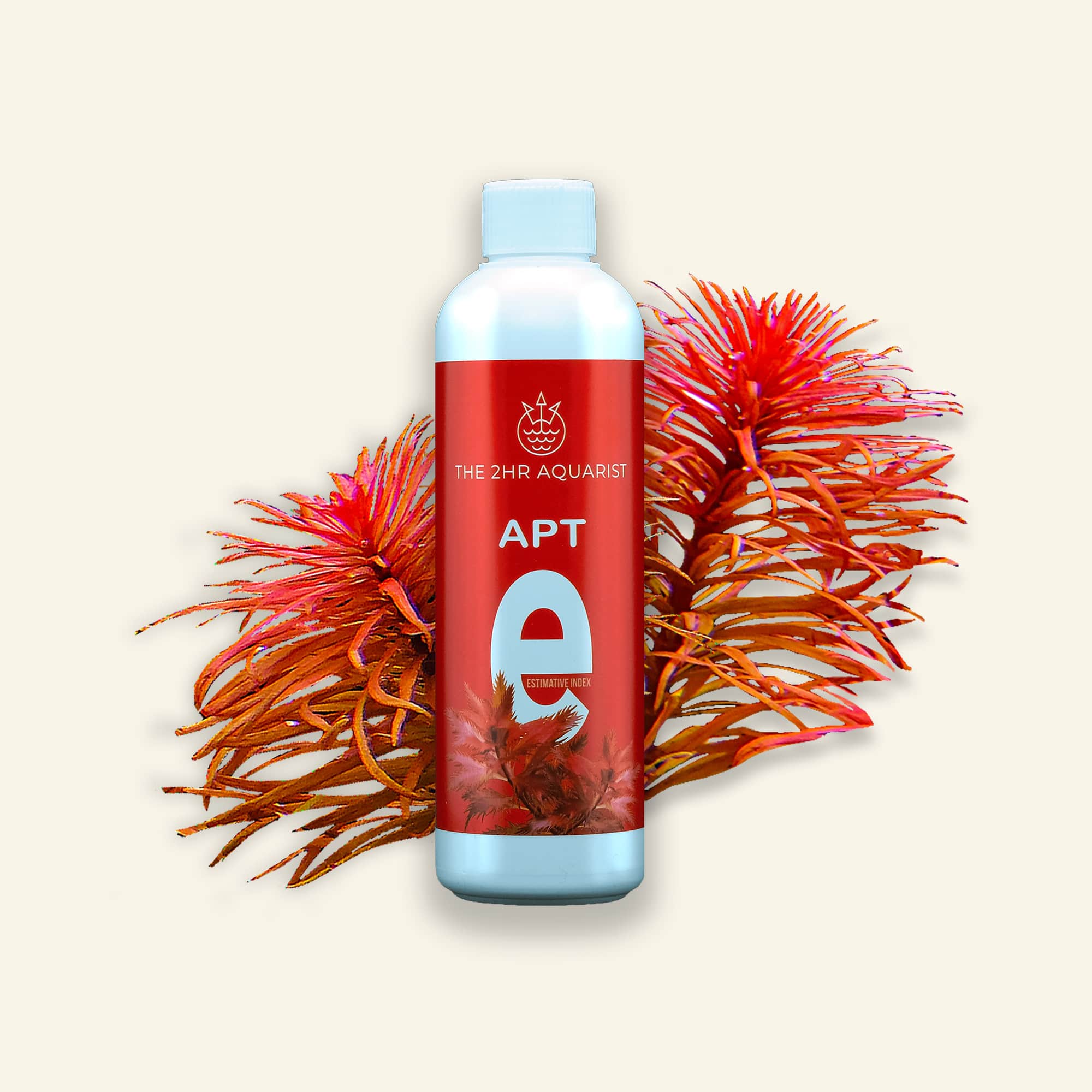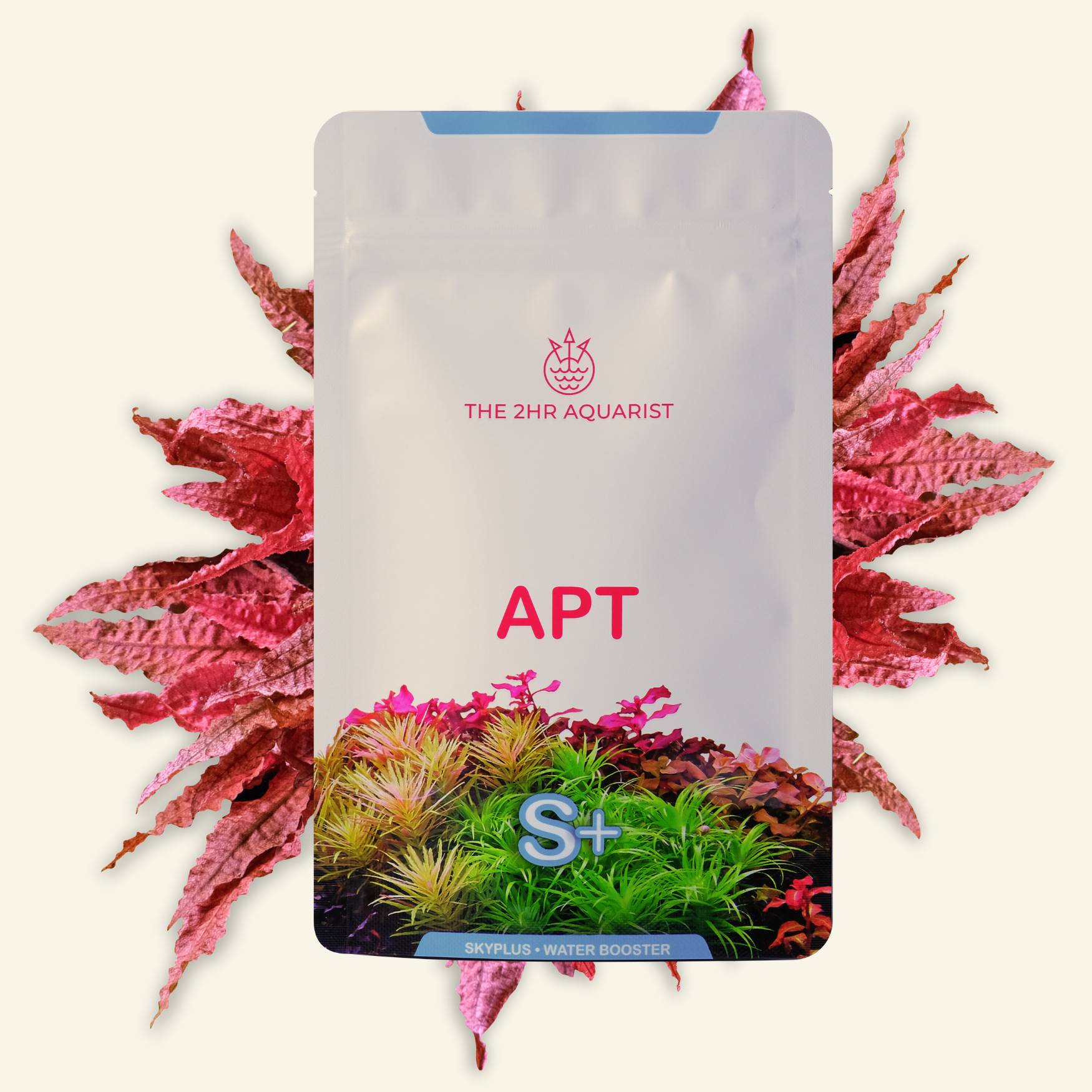



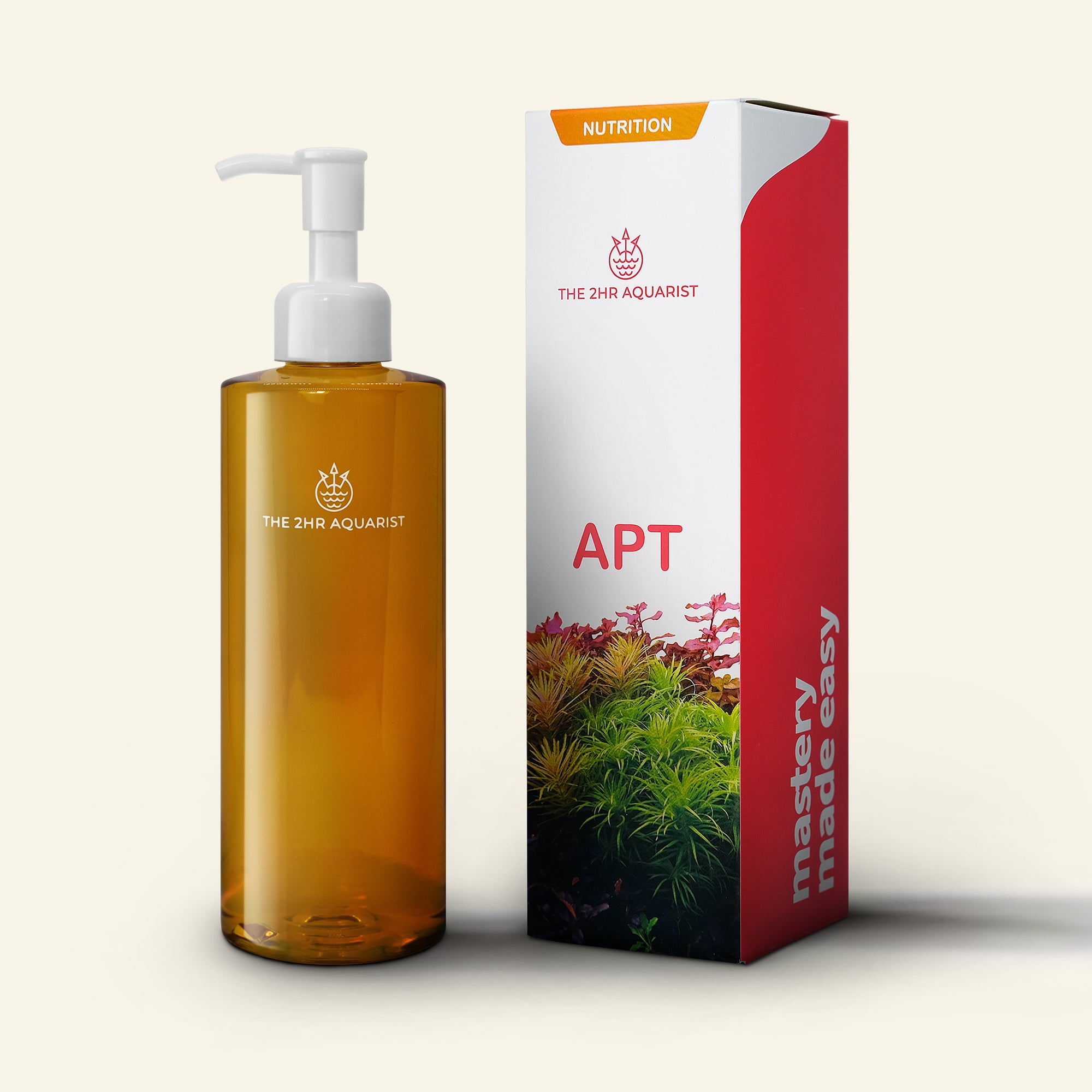
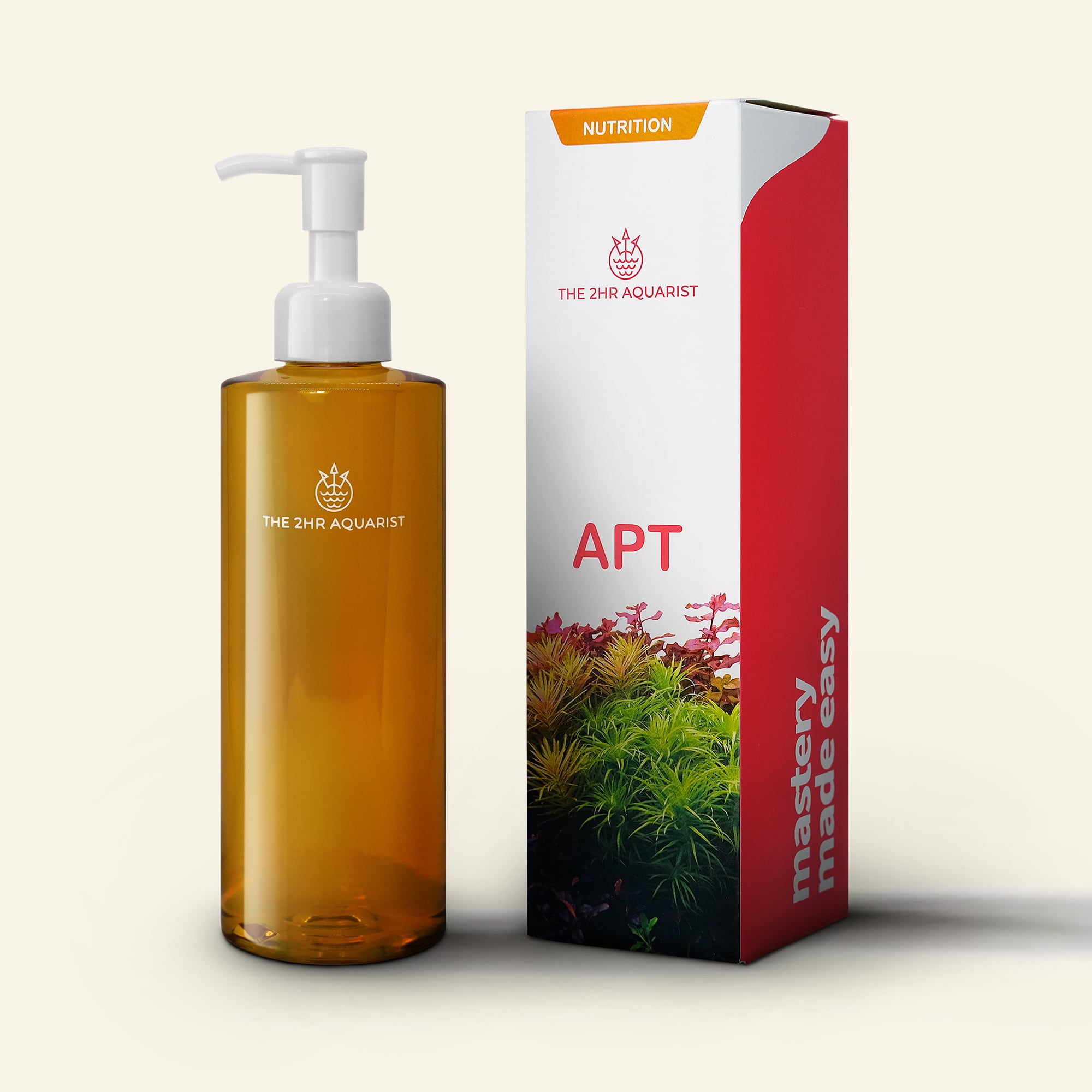
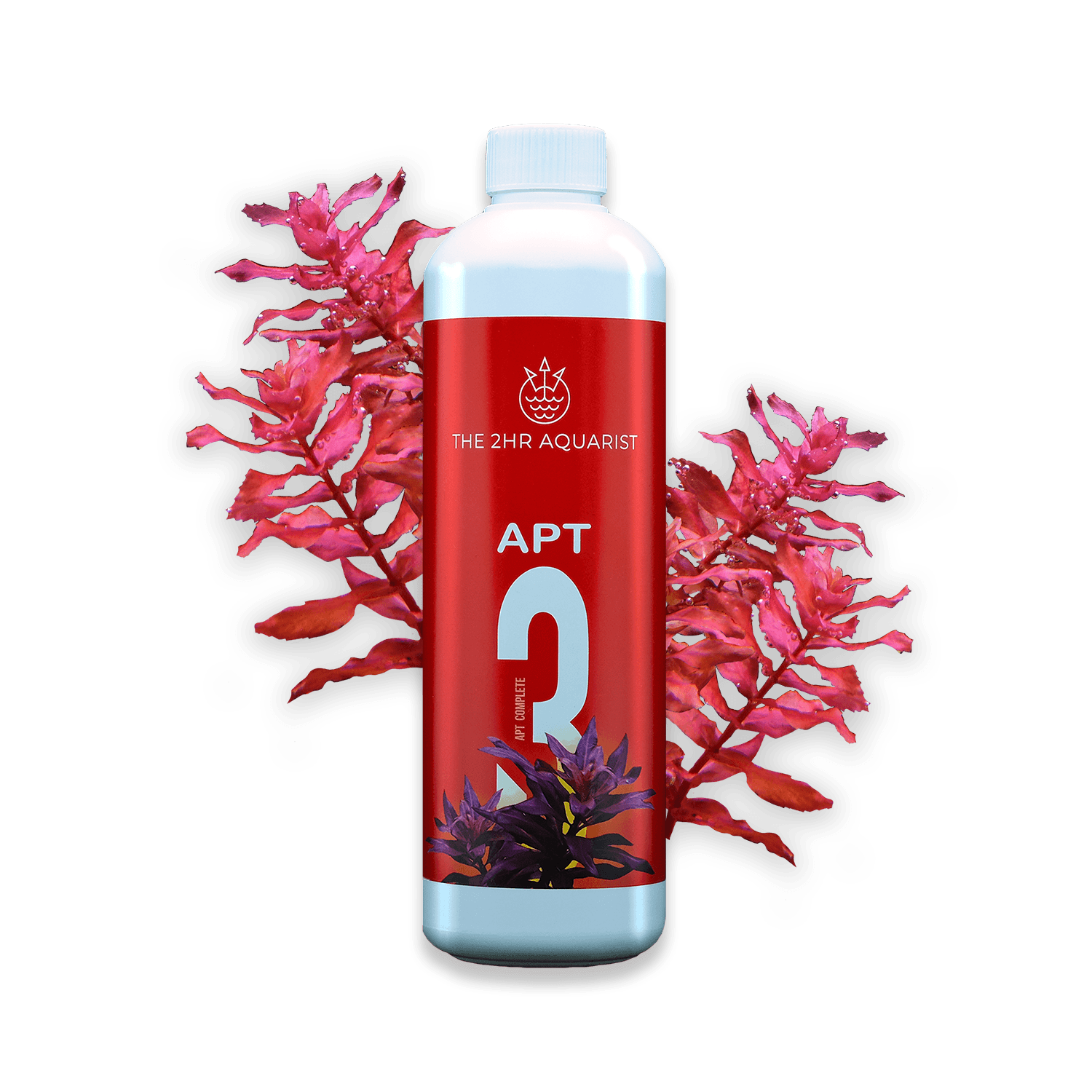
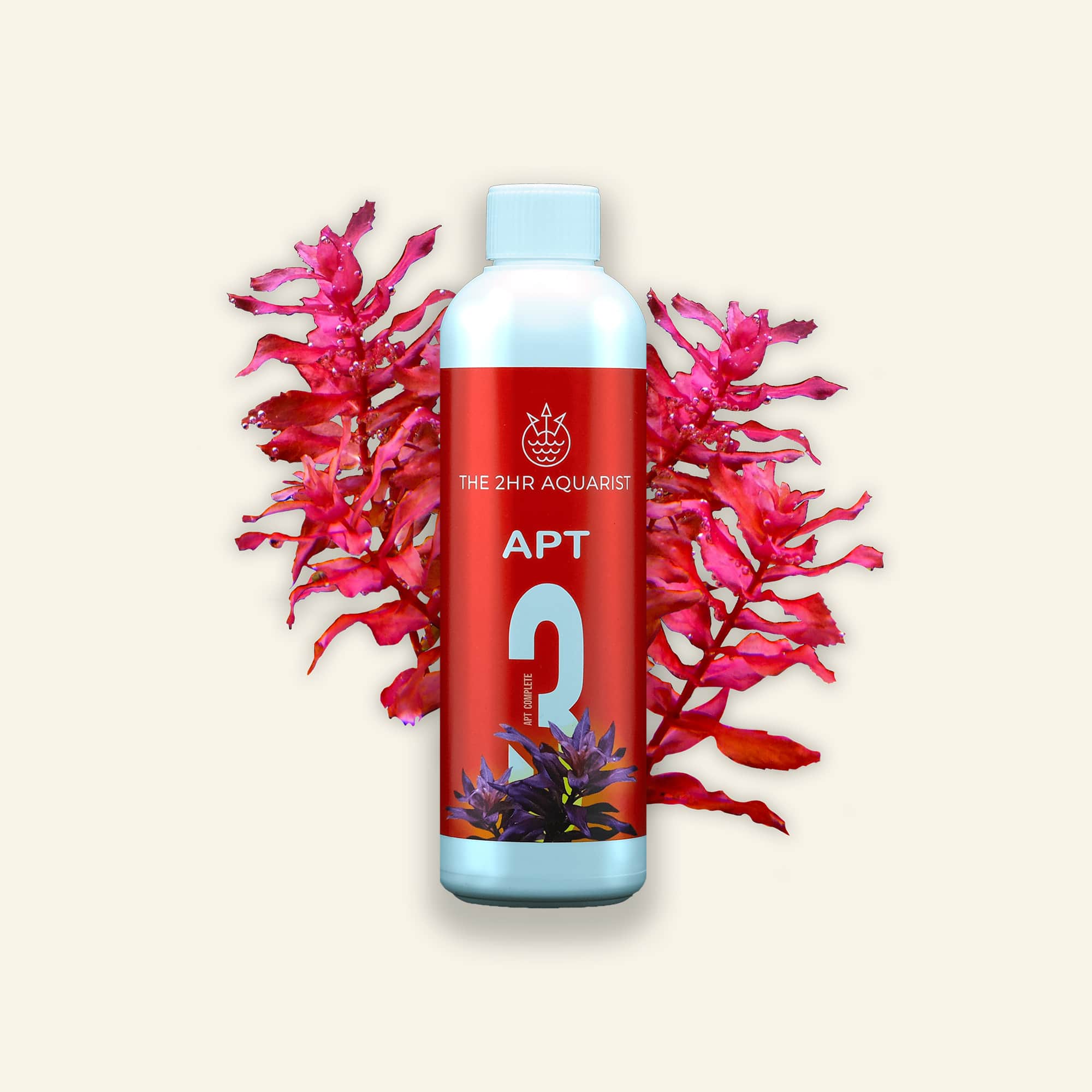
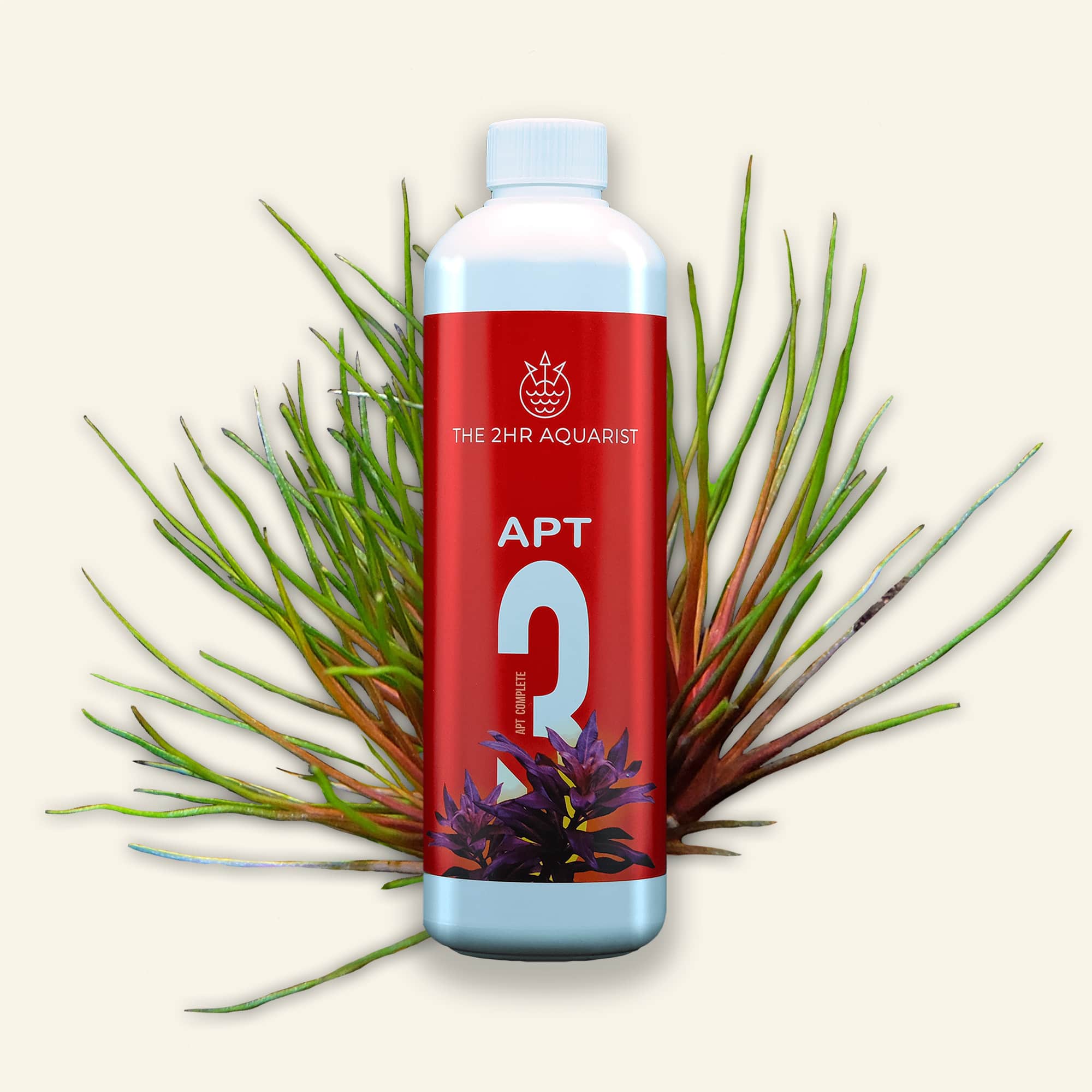
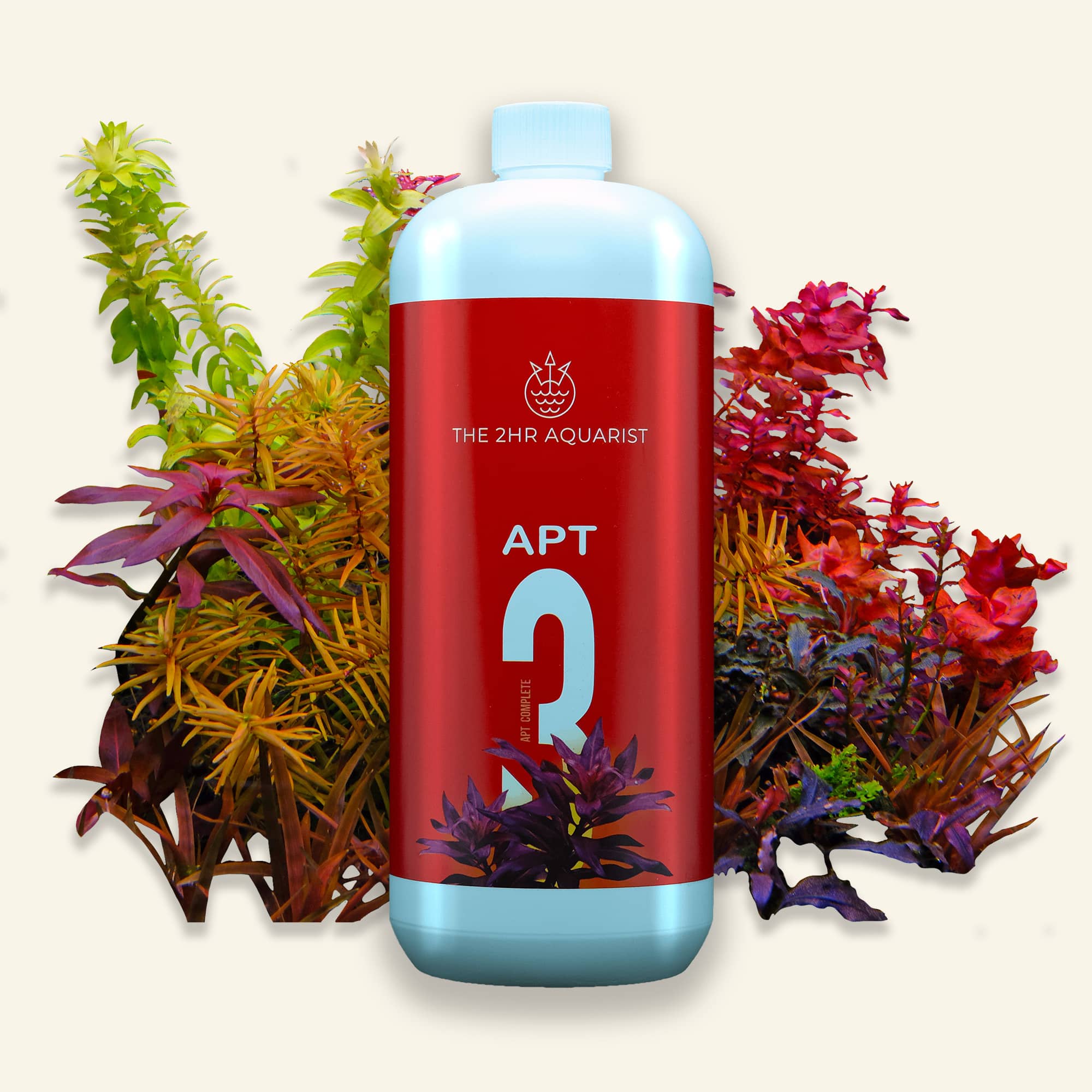
2Hr Aquarist APT 3
Artful Intelligence.
En comparación con los abonos convencionales:
3X más concentrado para especies exigentes*
2X más limitación de nitrato para colores más intensos^
Dosis 3ml por 100L diarios.
#200ml
200ml dura ~3mths para un tanque de 18 Gal / 70L. Dispensador no incluido.
#500ml
500ml dura ~3mths para un tanque de 50 Gal / 190L. Dispensador no incluido.
#1000ml
1000ml dura ~3mths para un tanque de 100 Gal / 380L. Dispensador no incluido.
#standard
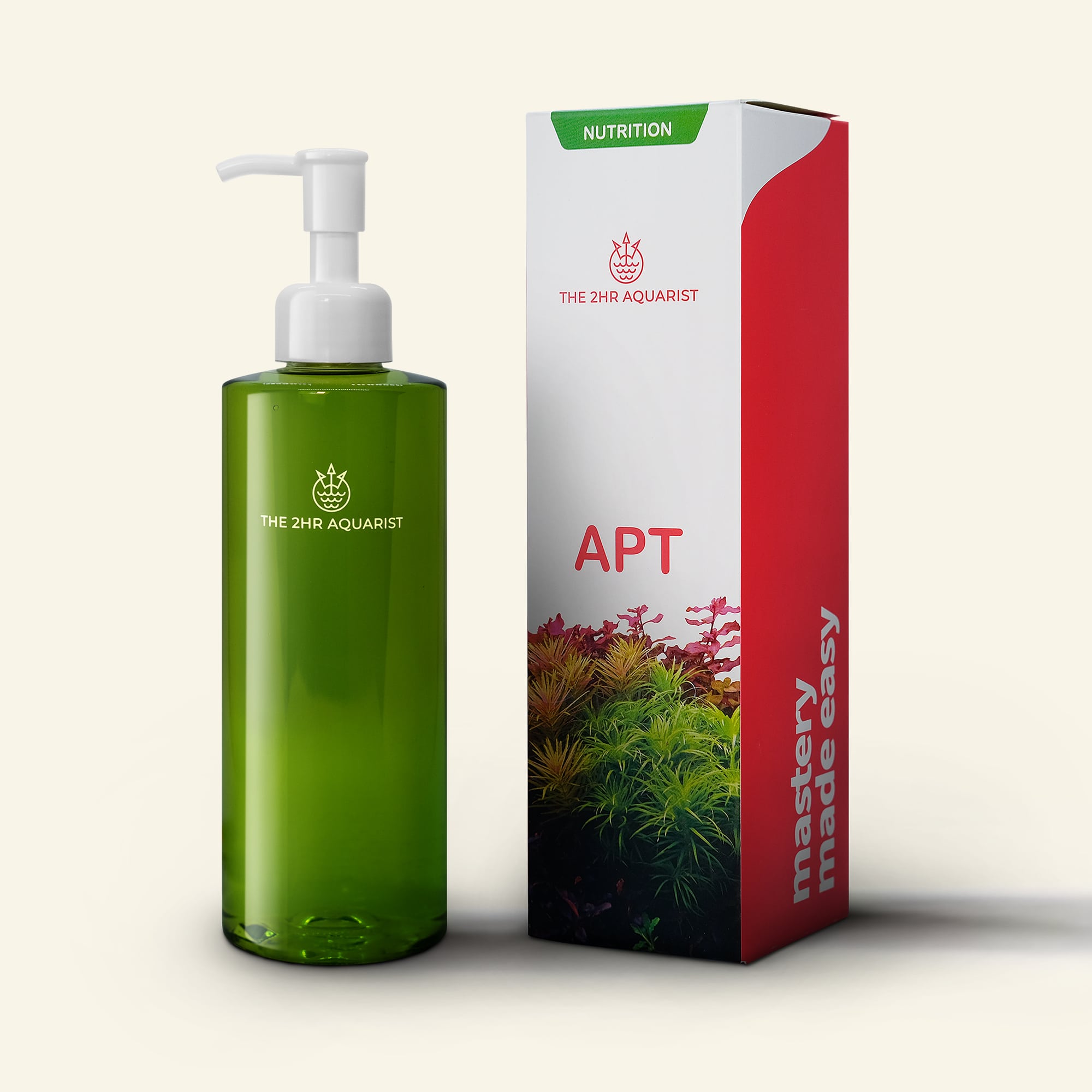
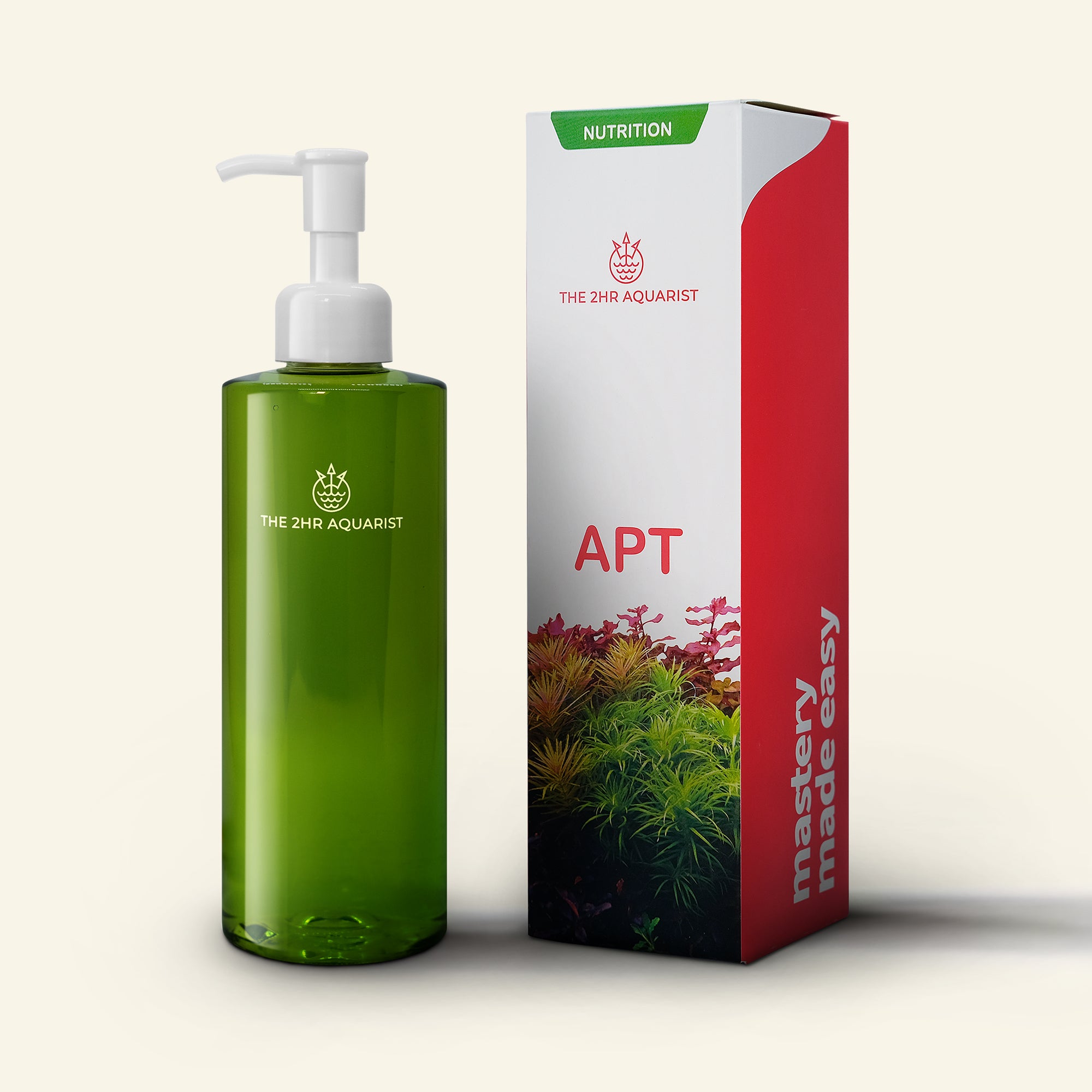
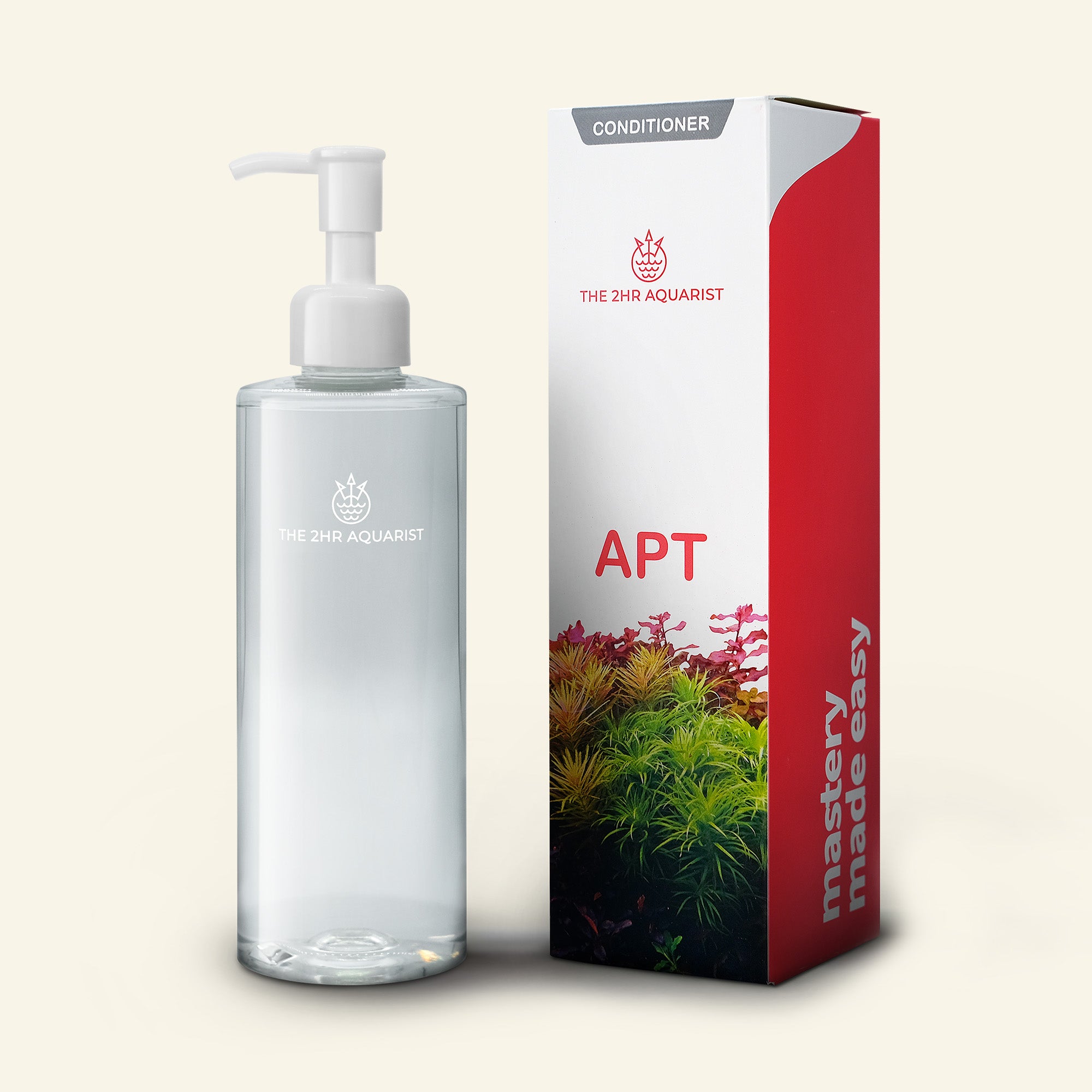
Nuestro envase estándar de 300 ml viene con un dosificador calibrado. 1ml por prensa. Dura ~3mths para un tanque de 30 Gal / 115L.
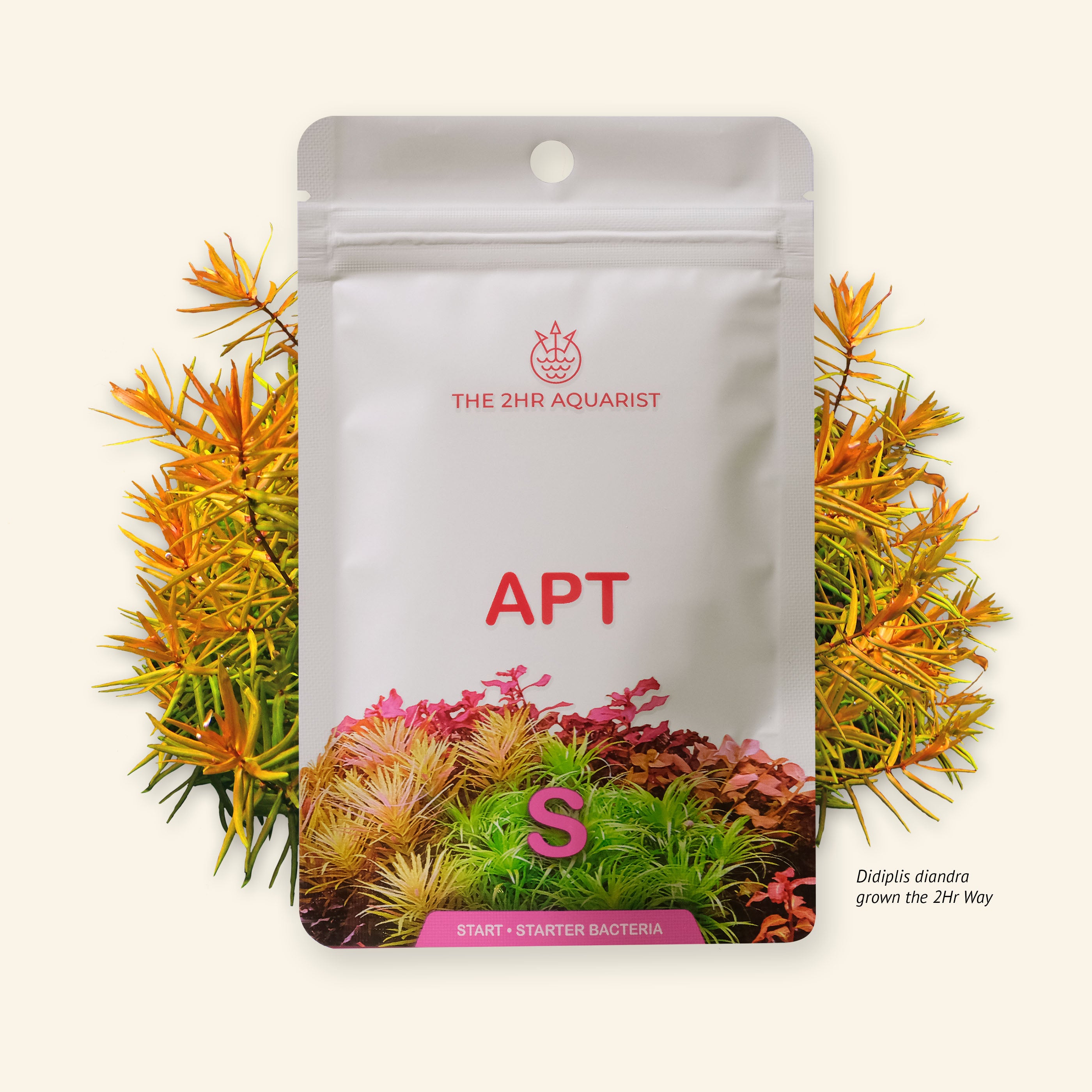
#starter
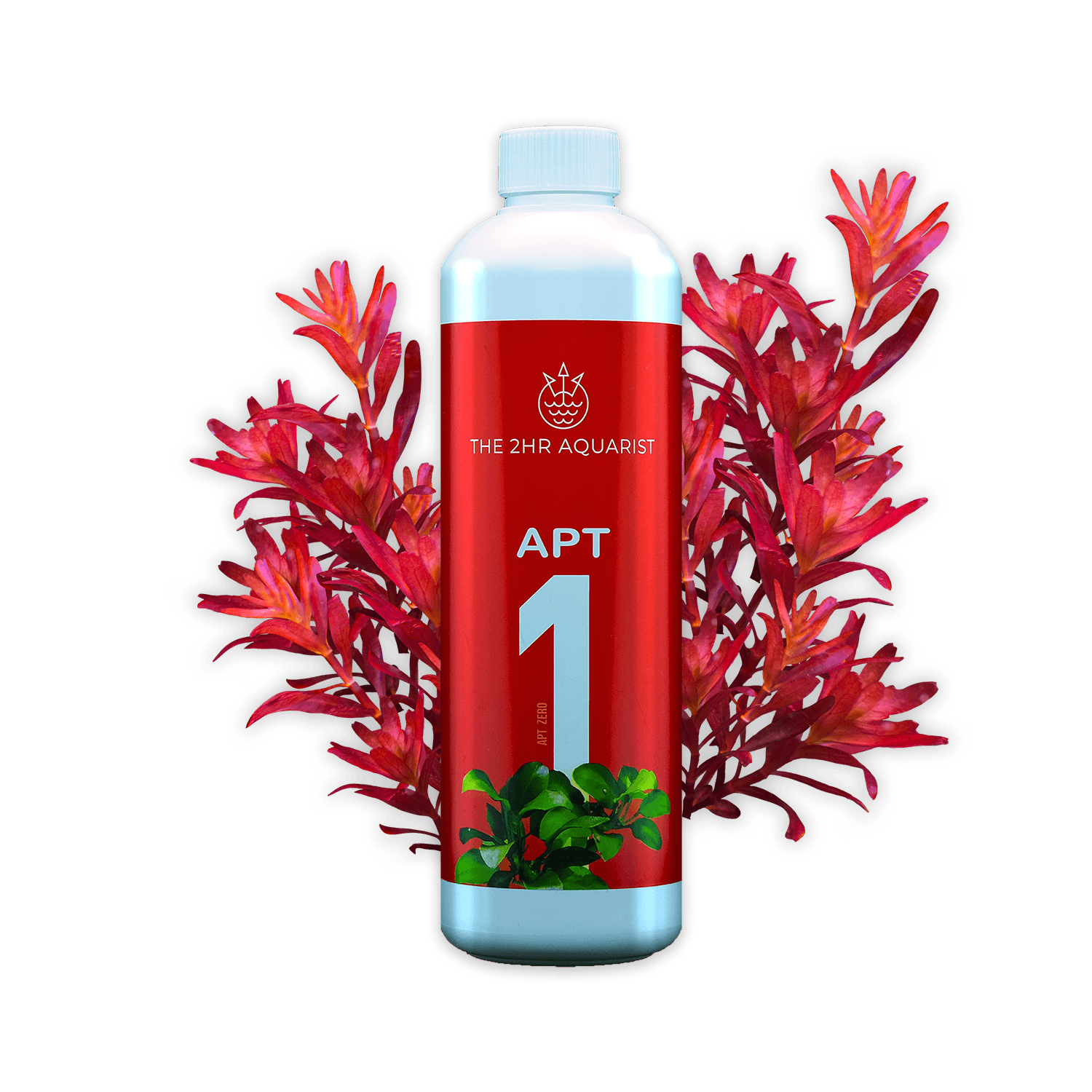
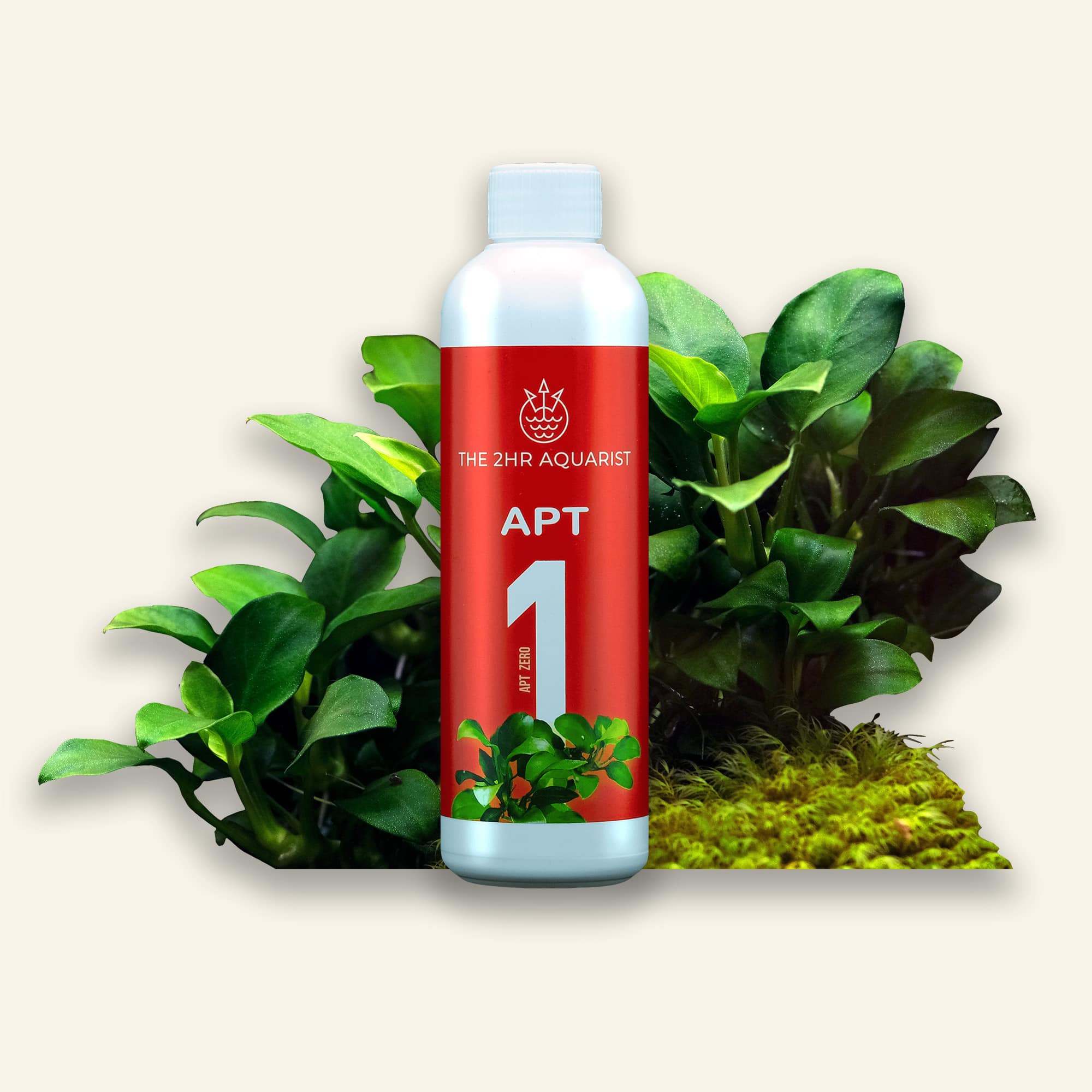
Nuestro paquete de inicio de 100 ml viene con una pipeta.
Dura ~ 3mths para un tanque de 8 Gal / 30L.
Por qué
*en abono elemental soluble total por ml.
^en términos de proporción relativa de nitrógeno frente a otros nutrientes por ml..
La fórmula Capstone de APT, concentrada pero calibrada, permite cultivar las plantas más exigentes del hobby y disfrutar de la magia cotidiana en el tanque más sencillo.
100% Completo NPK, Macro, Micro y Oligoelementos.
FAQ Here.
Ingredients
APT 3 / Complete
Abono líquido inorgánico con macronutrientes
Abono NPK (Mg) con micronutrientes y trazas de boro (B), cobre (Cu), manganeso (Mn), molibdeno (Mo) y zinc (Zn).
0.7-0.9-7 (+1.6)
0.7% Nitrógeno total (N)
- 0.7% nitrógeno nítrico
0.9% Pentóxido de fósforo total (P2O5)
7% Total Óxido de potasio (K2O)
1.6% Óxido de magnesio (MgO)
0.09% Total Hierro quelado por EDTA, DTPA y EDDHA.
Todos los nutrientes son completamente solubles en agua.
Ingredientes:
Sulfato de potasio (CMC1 CAS n°7778-80-5) Cloruro de potasio (CMC1 CAS n°7447-40-7) Nitrato de magnesio (CMC1 CAS n°10377-60-3) Sulfato de magnesio (CMC1 CAS n°7487-88-9) Fosfato de potasio (CMC1 CAS n°7778-77-0)
INSTRUCTIONS
WHY
INGREDIENTS
2Hr Aquarist APT 3
If you have any questions, you are always welcome to contact us. We'll get back to you as soon as possible, within 24 hours on weekdays.
-
Shipping Information
Use this text to answer questions in as much detail as possible for your customers.
-
Customer Support
Use this text to answer questions in as much detail as possible for your customers.
-
FAQ’s
Use this text to answer questions in as much detail as possible for your customers.
-
Contact Us
Use this text to answer questions in as much detail as possible for your customers.
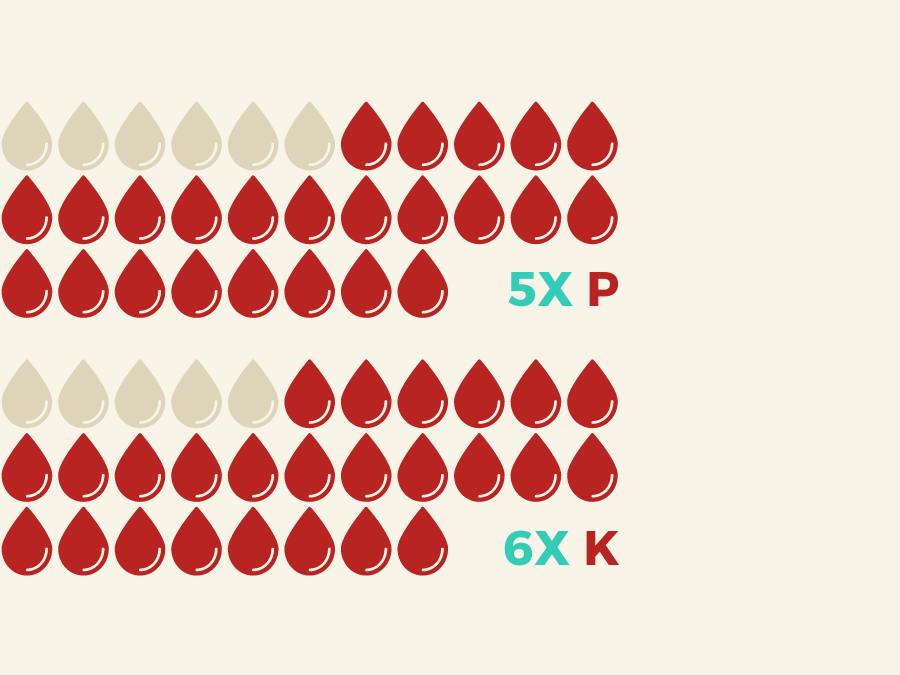
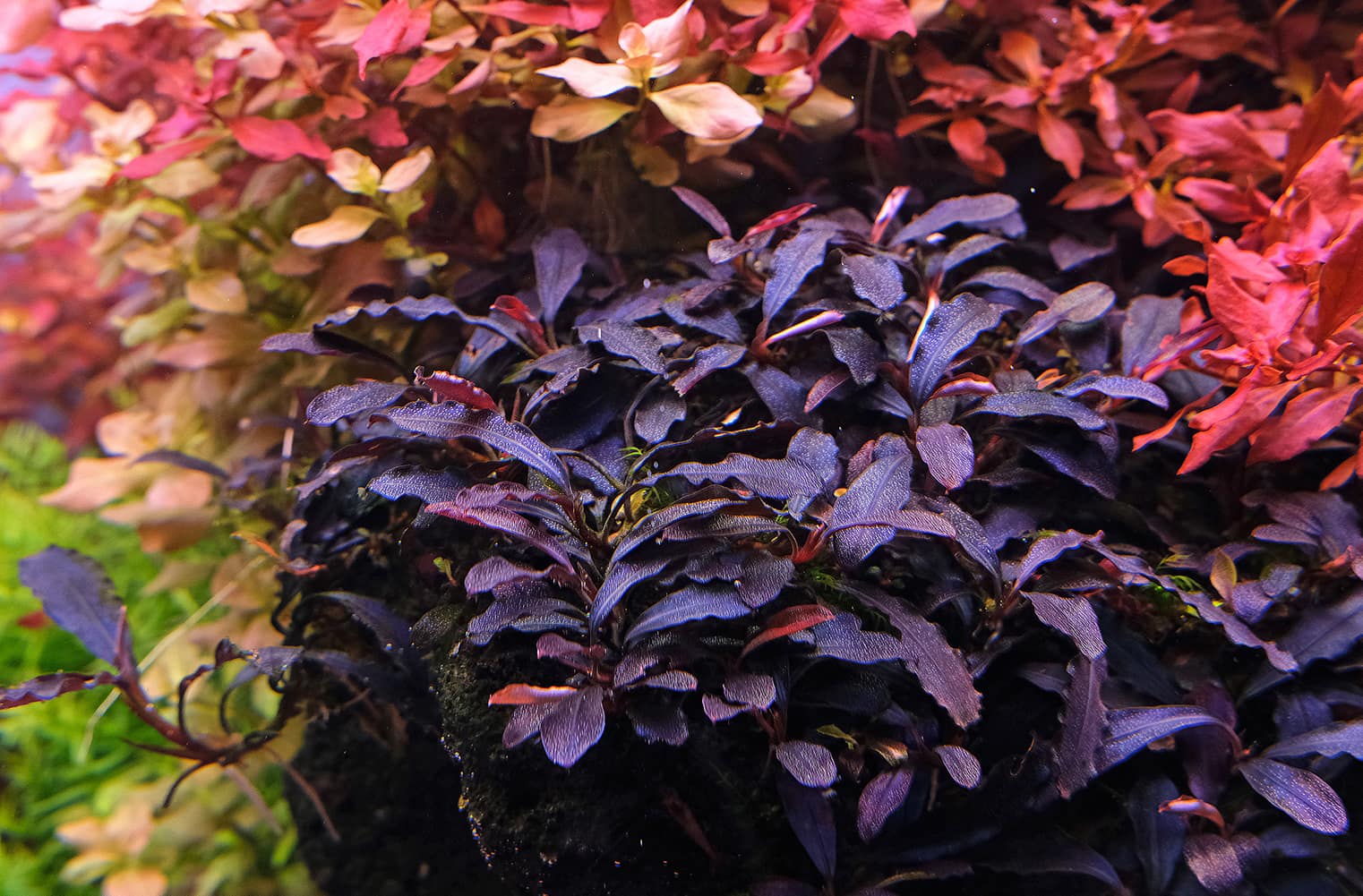
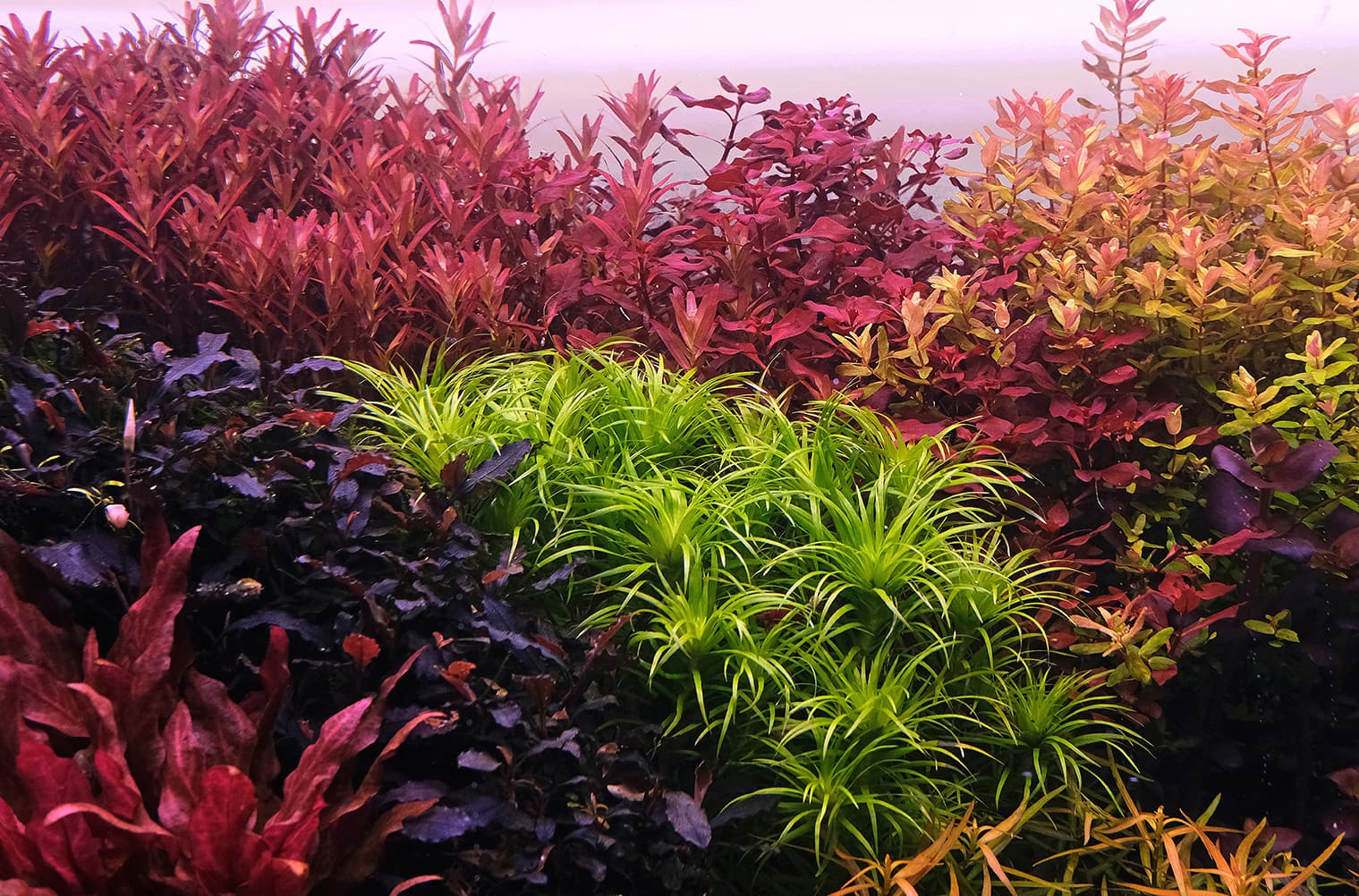
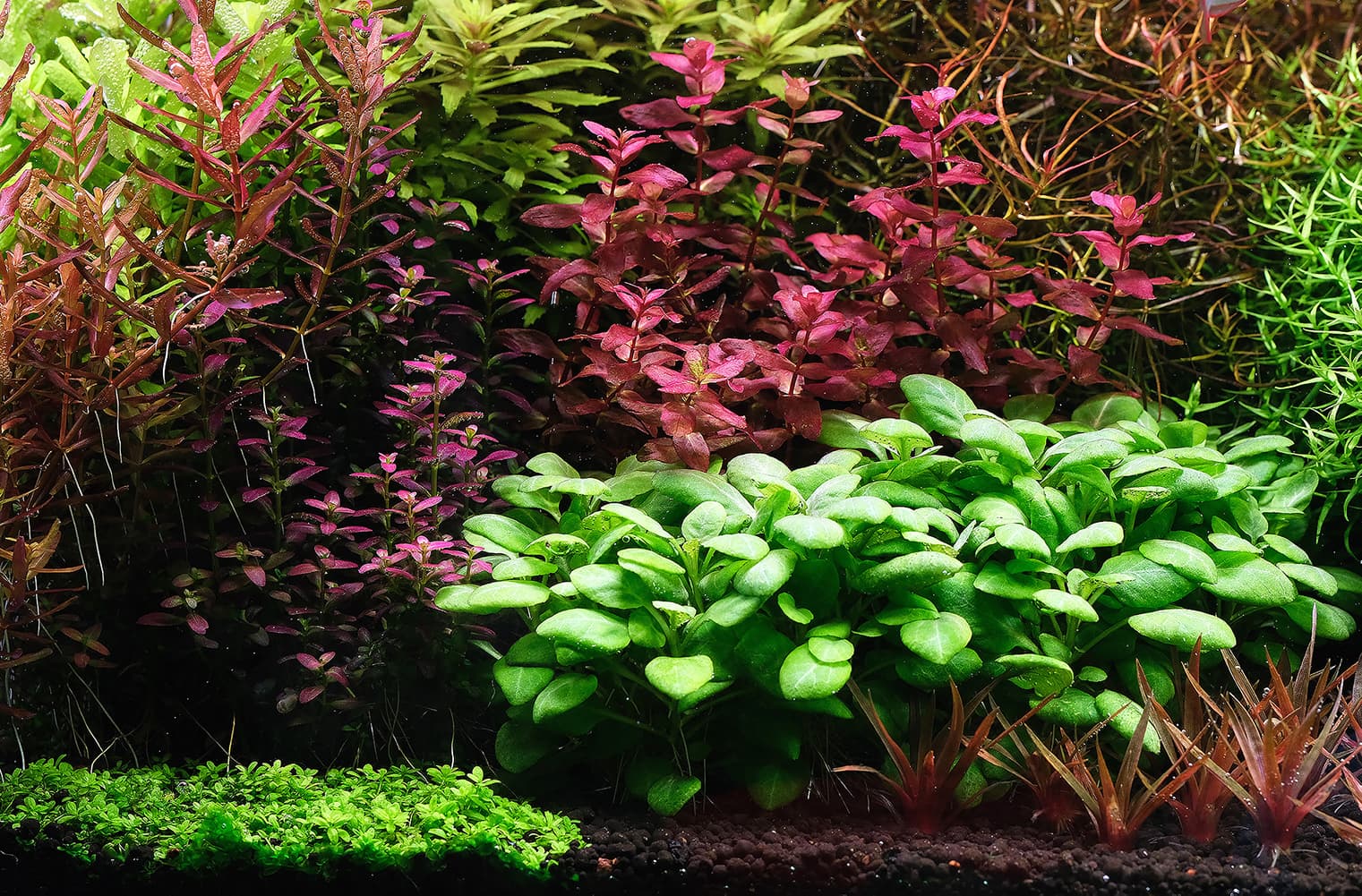
6X Power
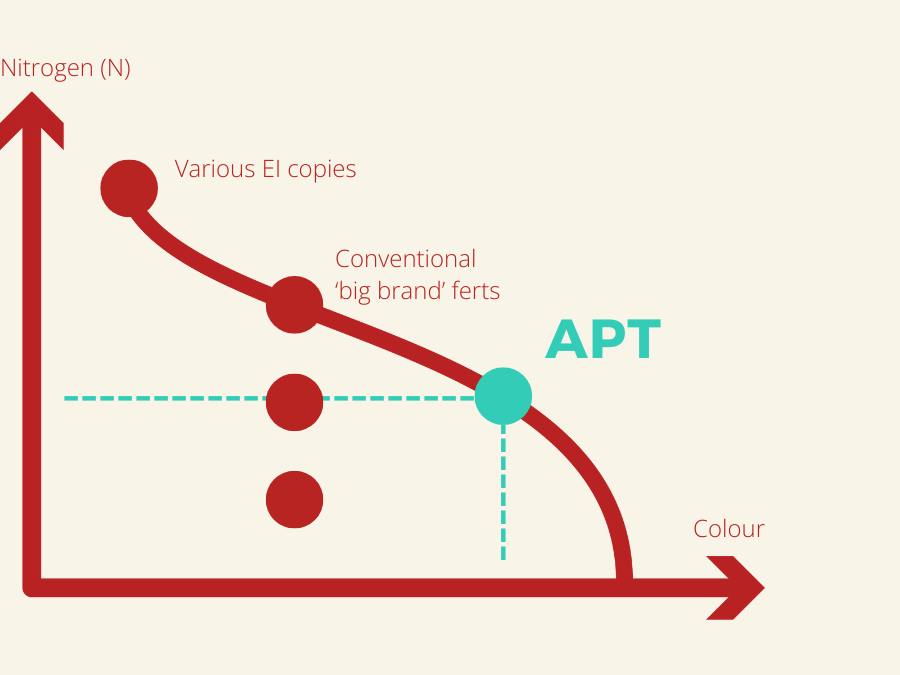
Optimal Balance
Superior Form

Dosage

Timing

Switching?
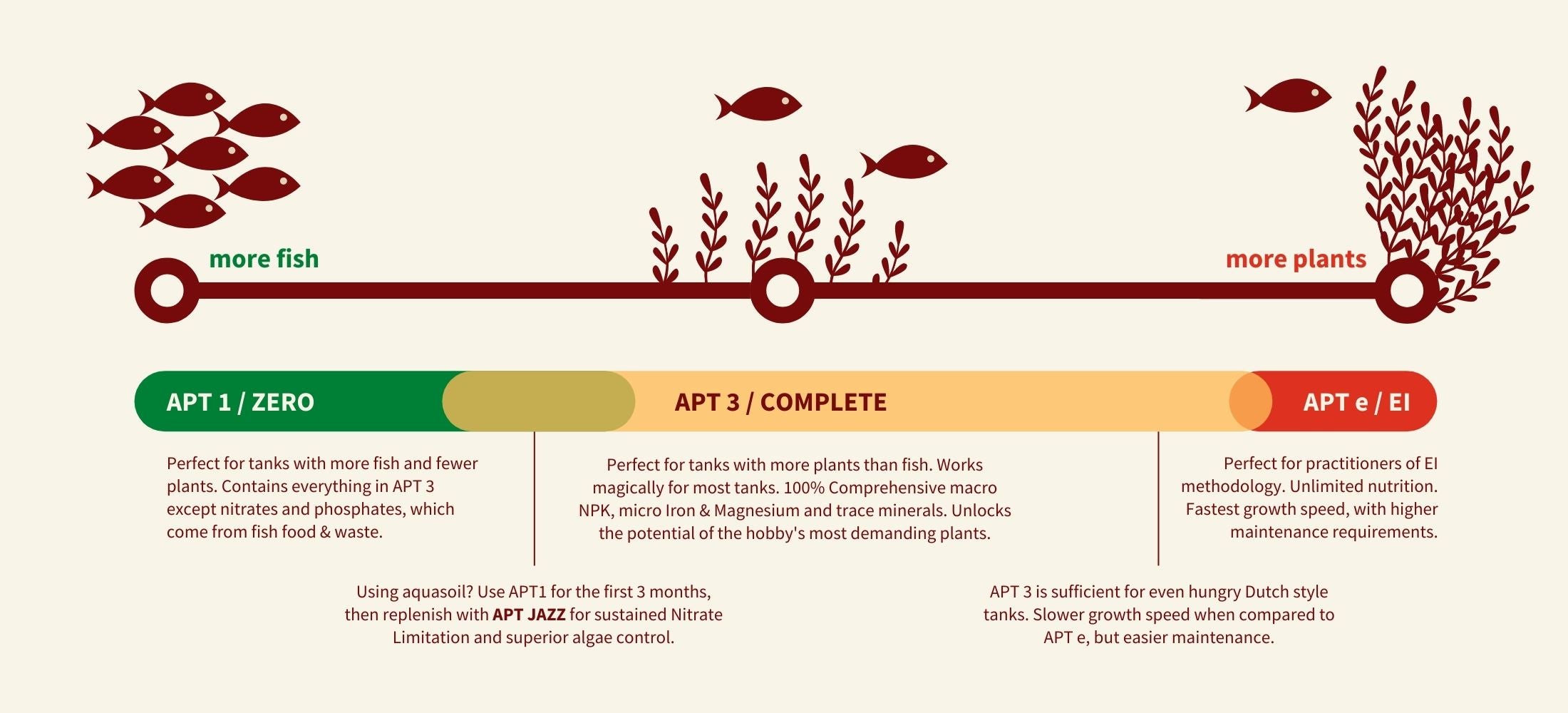
Which APT?
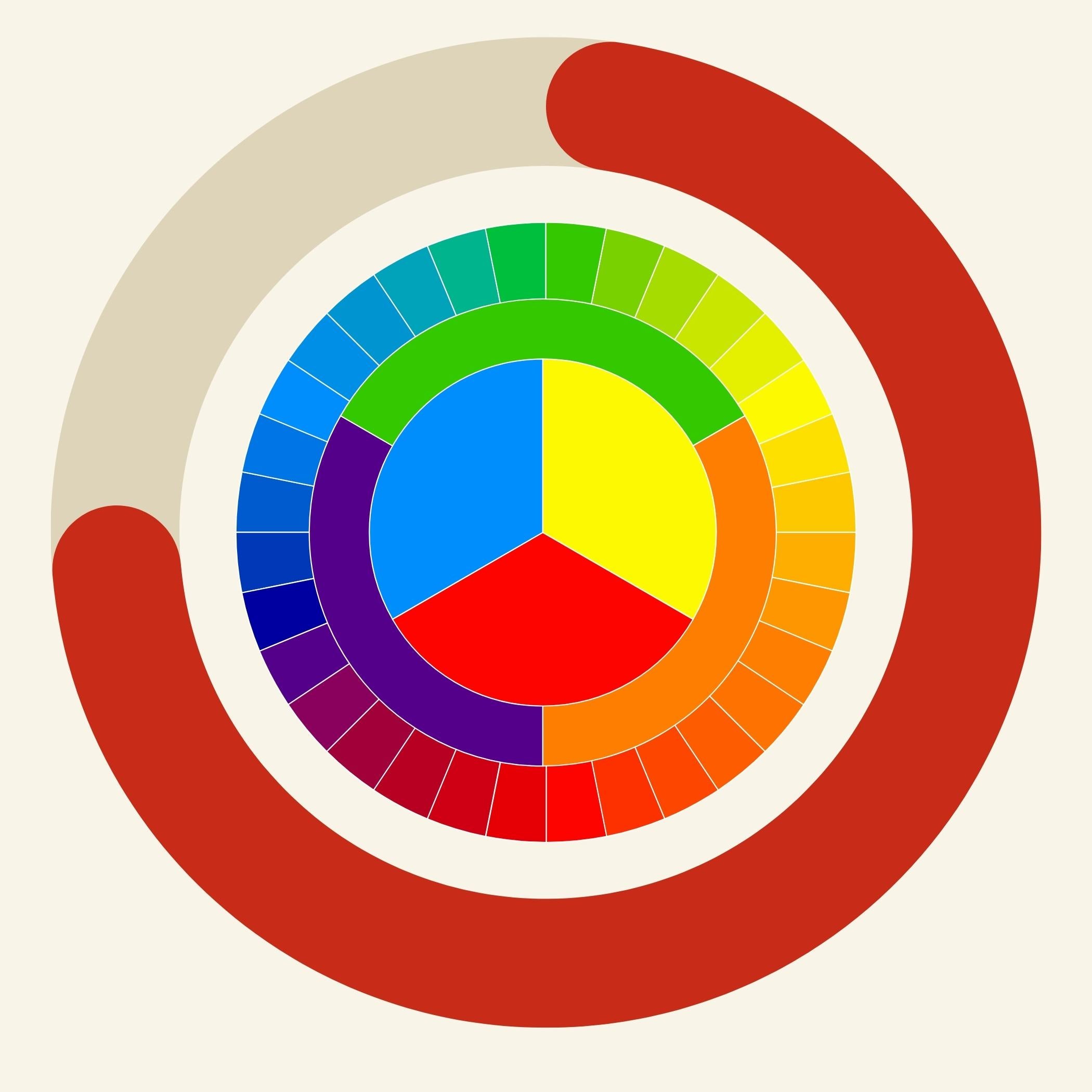
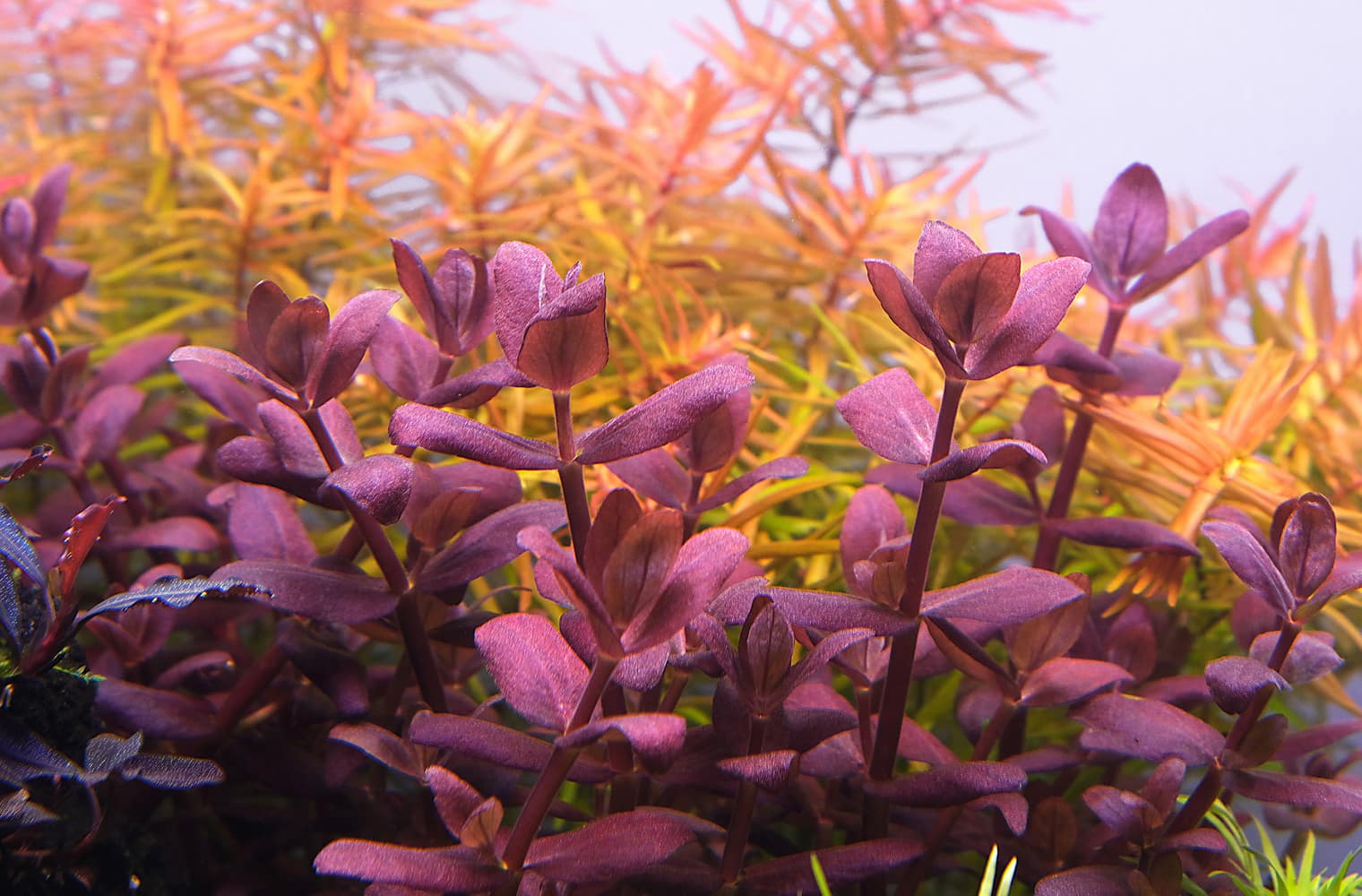
Deeper Reds Built-In

Modern Plant Science
FAQs
Please read our FAQs page to find out more.
Should I use APT 3 or APT e?
Do I need to start with APT 1 before moving to APT 3?
I'm getting a zero reading for nitrate on APT 3- is something wrong?
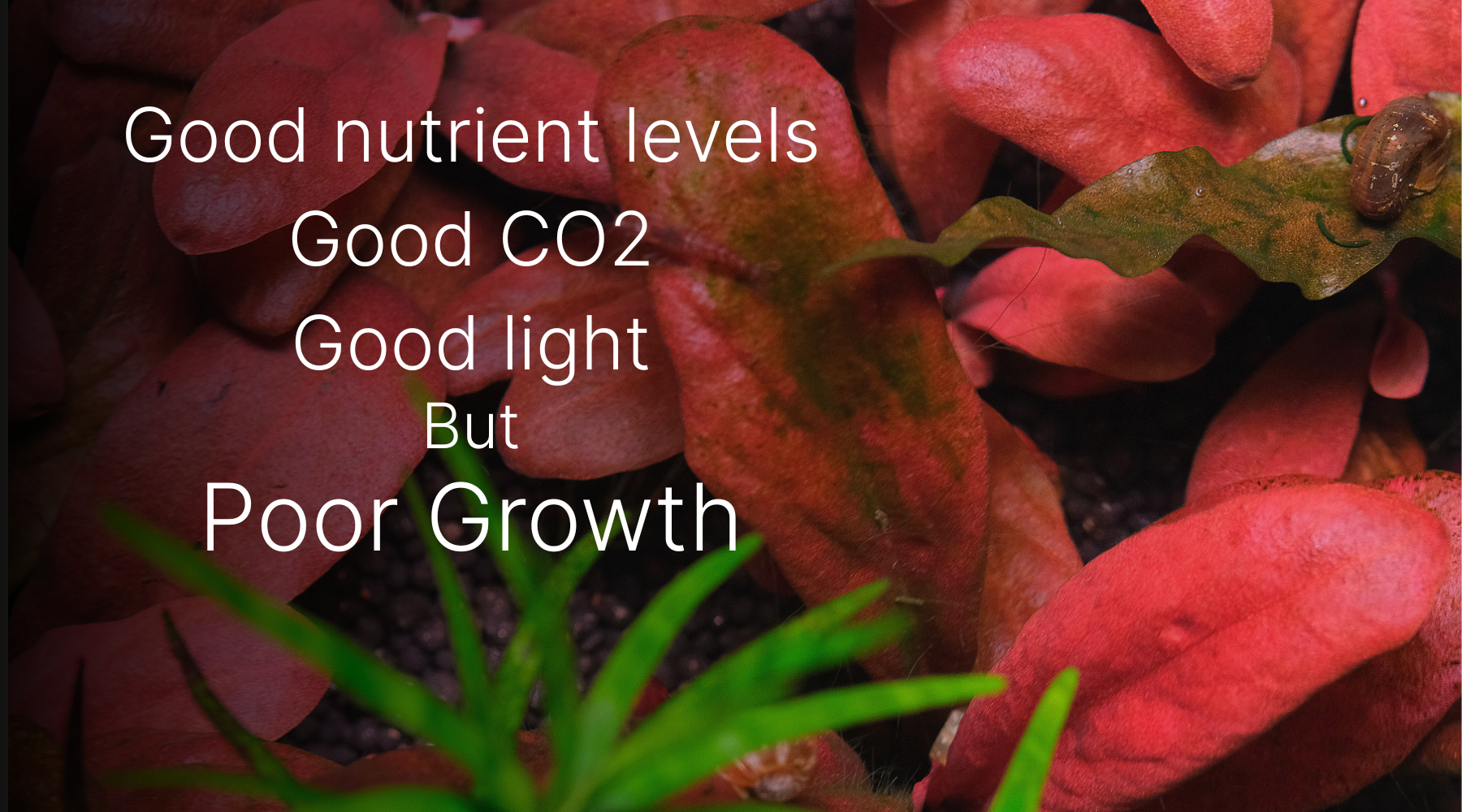
Good parameters, Good CO2, Good light, Poor plant growth?
This article explains why aquatic plants sometimes do not grow well in a planted aquarium despite having good growth parameters available. It demonstrates how clearing old growth above and below the substrate allows new growth to be rejuvenated better than just trimming.
Leer mássobre Good parameters, Good CO2, Good light, Poor plant growth?
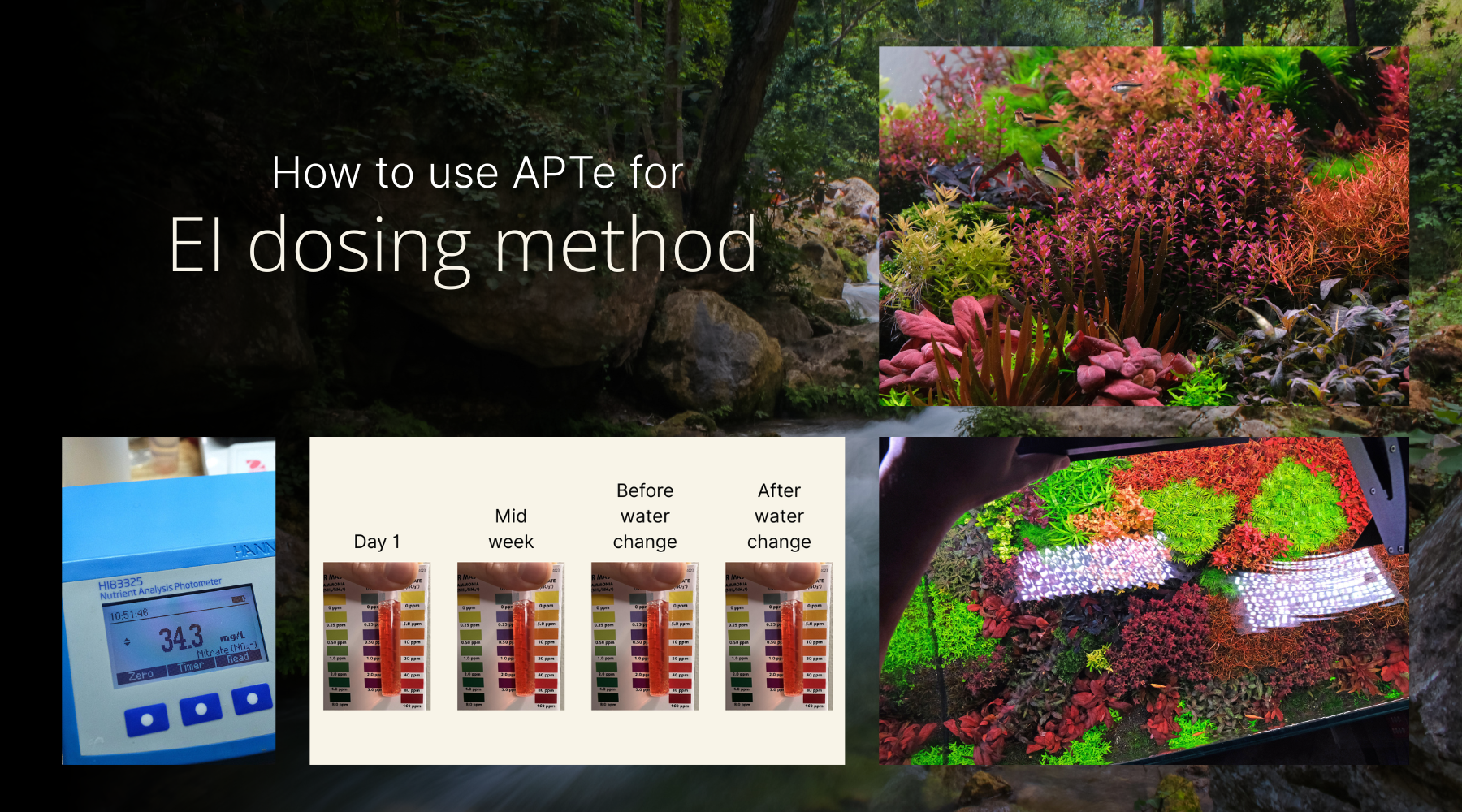
A guide on how to execute EI dosing accurately using 2hr Aquarist APTe liquid fertilizer.
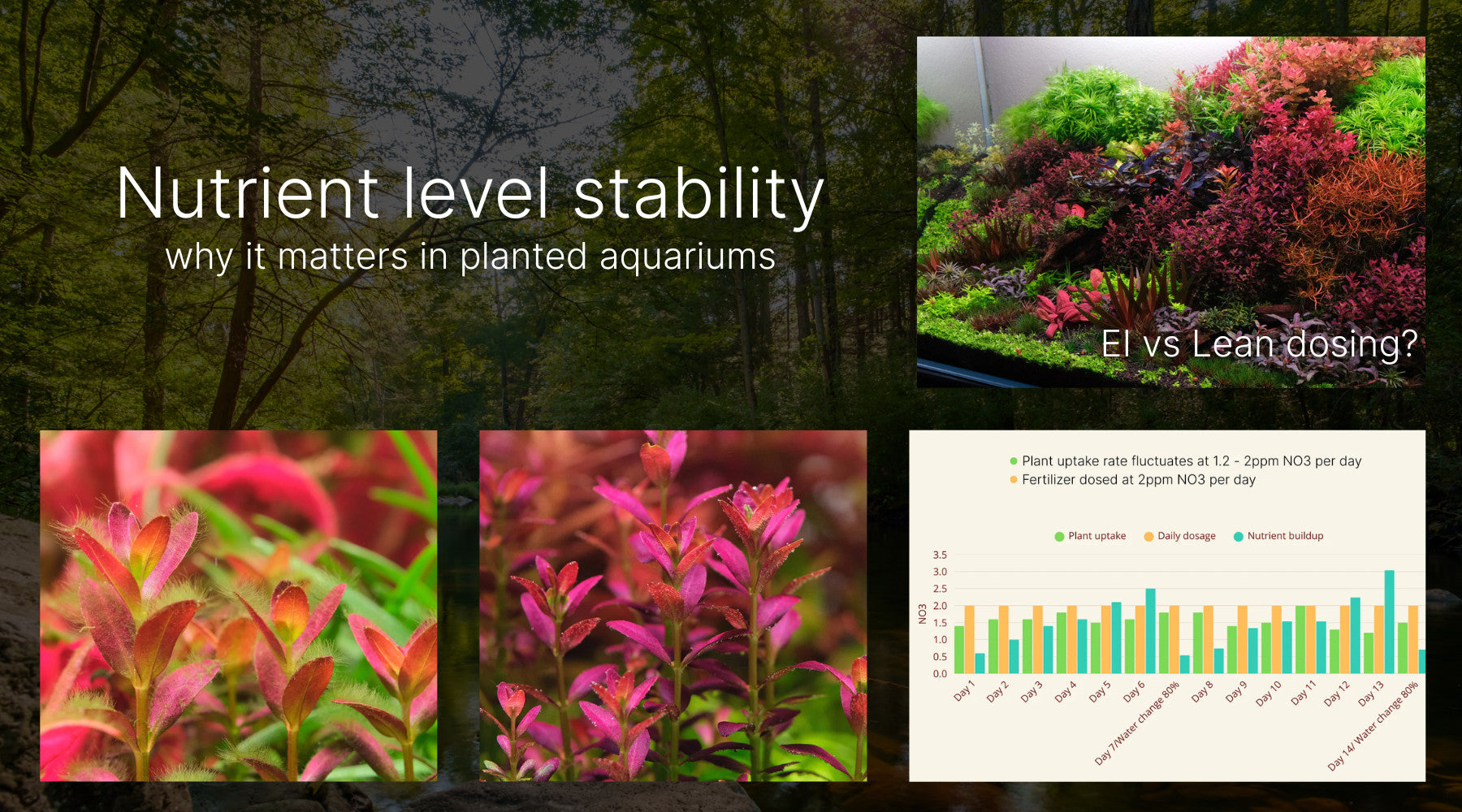
Por qué es importante la estabilidad del nivel de nutrientes en los acuarios plantados
Este artículo explora por qué la estabilidad de los nutrientes es importante en un acuario plantado, y cómo las fluctuaciones en el valor de los nutrientes pueden dar lugar a algas o puntas atrofiadas.
Leer mássobre Por qué es importante la estabilidad del nivel de nutrientes en los acuarios plantados
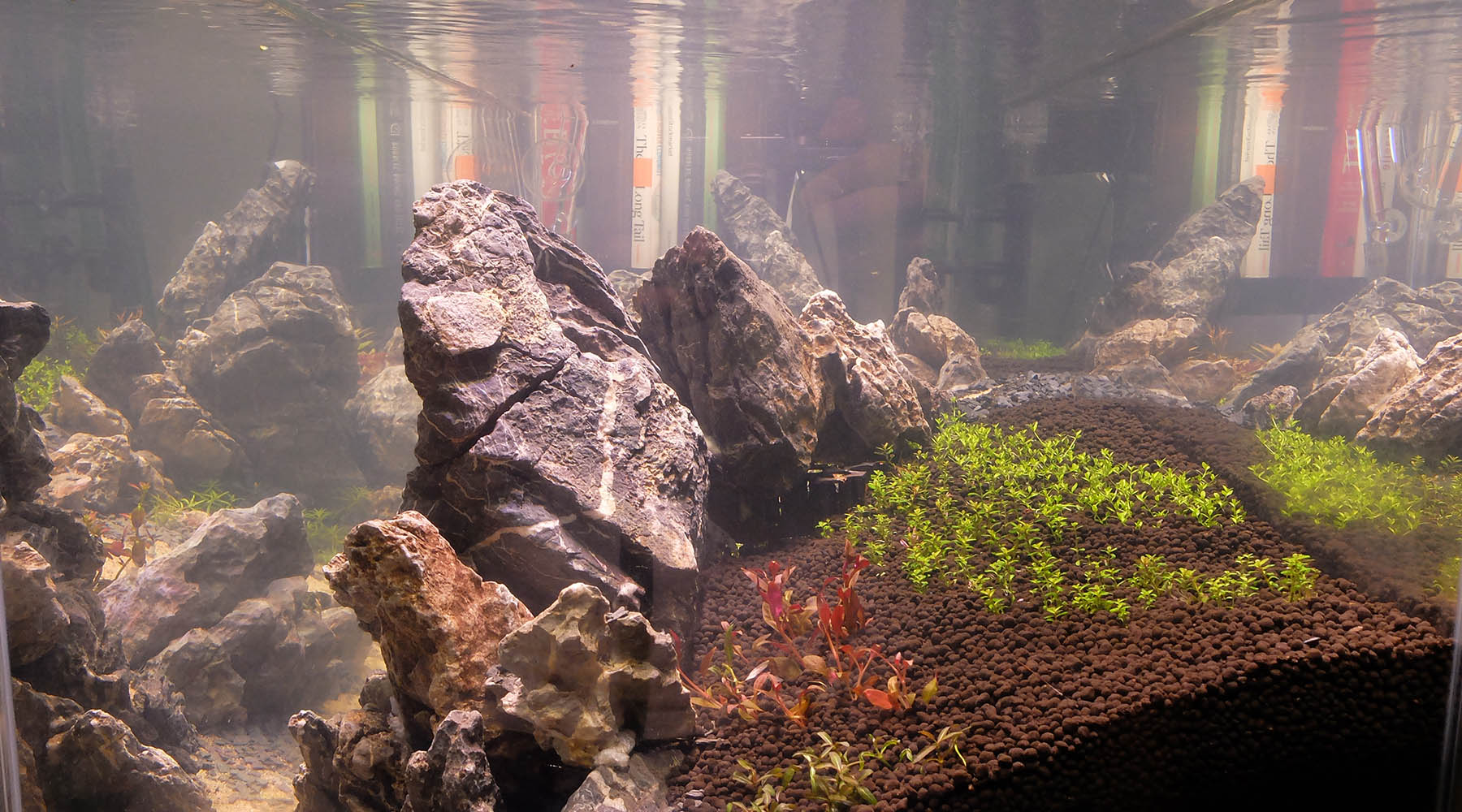
¿Absorción de nutrientes a través de las hojas?
Leer mássobre ¿Absorción de nutrientes a través de las hojas?
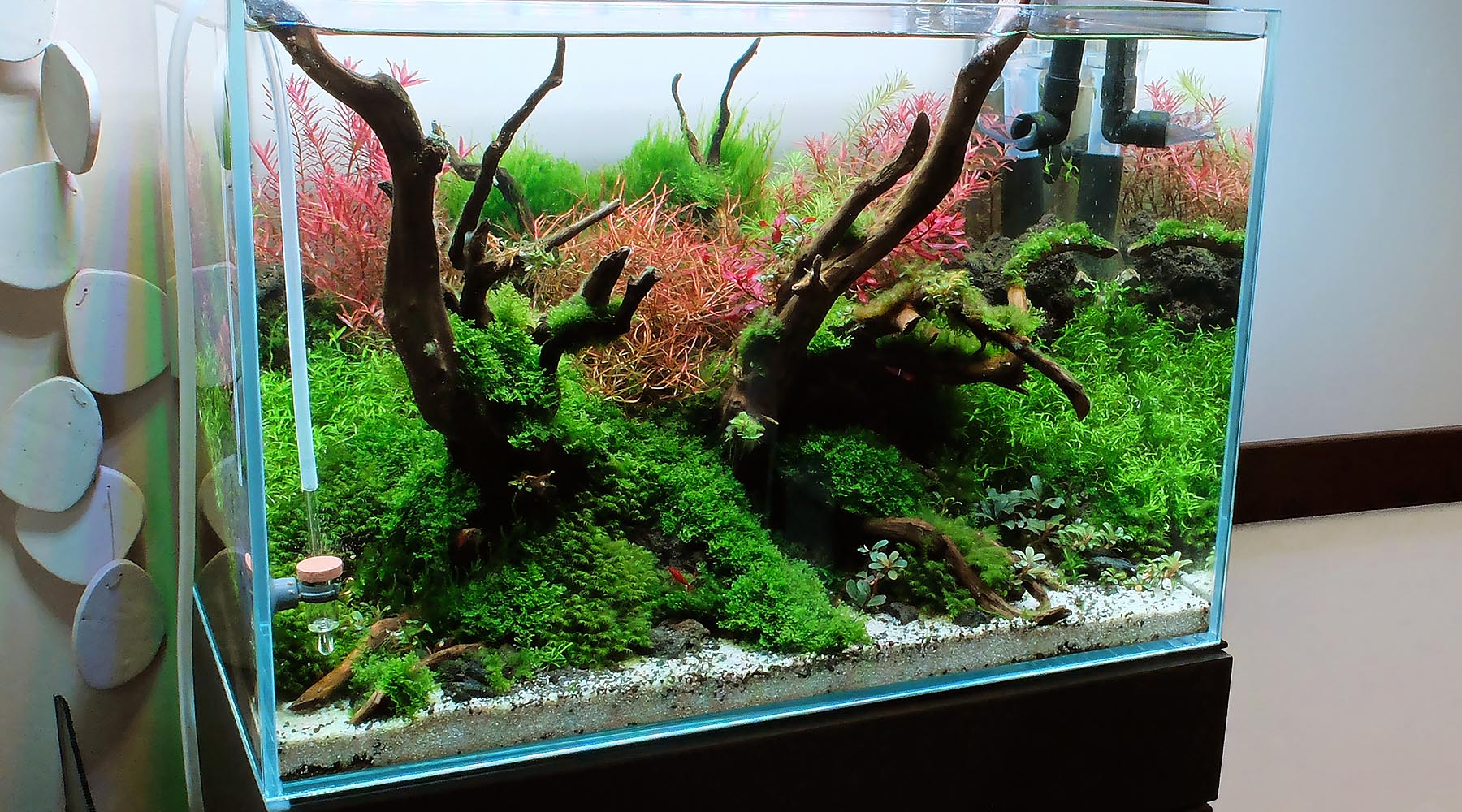
Análisis del enfoque de dosificación de nutrientes de la ADA
Leer mássobre Análisis del enfoque de dosificación de nutrientes de la ADA
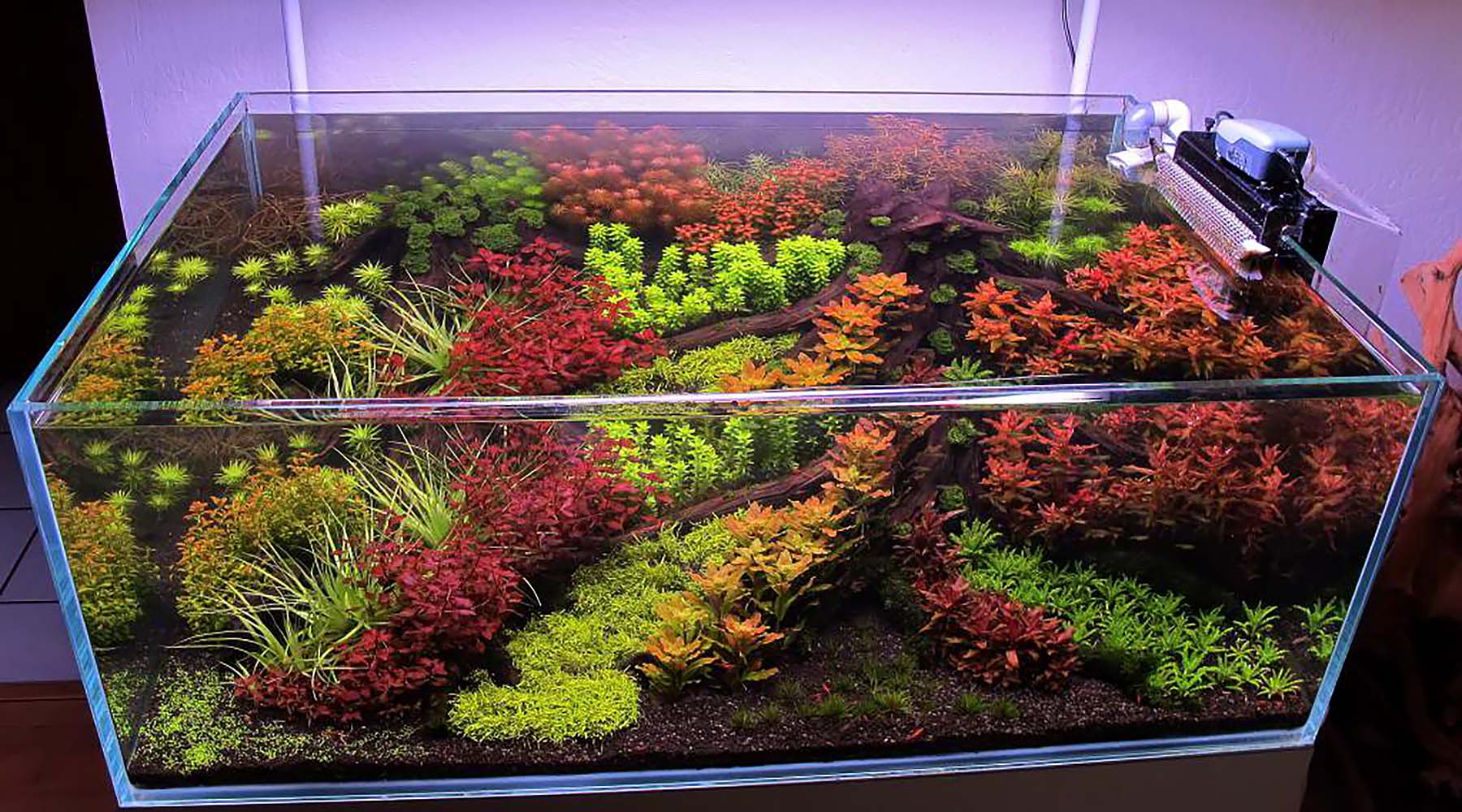
Análisis del método de dosificación de nutrientes basado en el Índice Estimativo (IE)
Leer mássobre Análisis del método de dosificación de nutrientes basado en el Índice Estimativo (IE)
Mezcla de abonos secos para acuarios