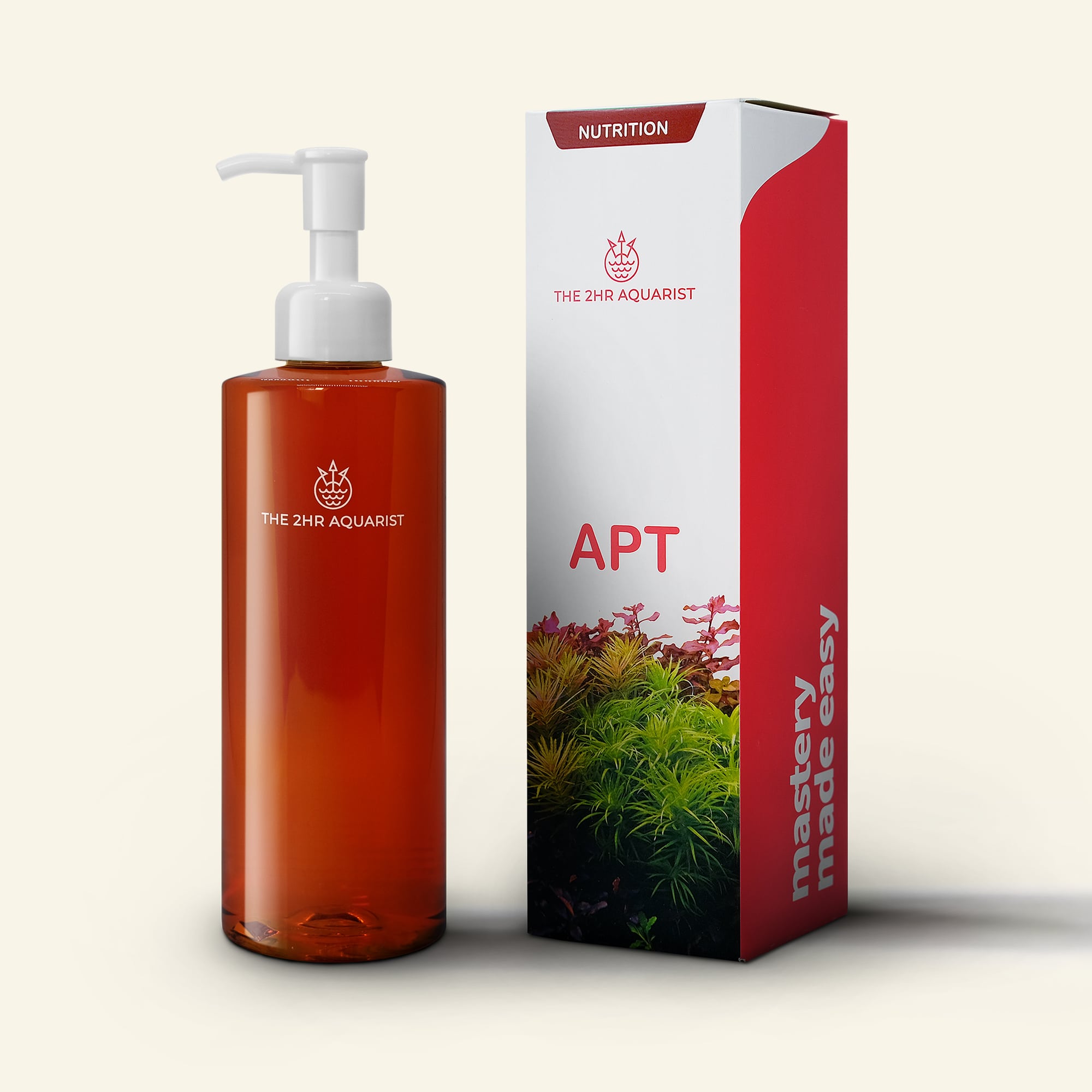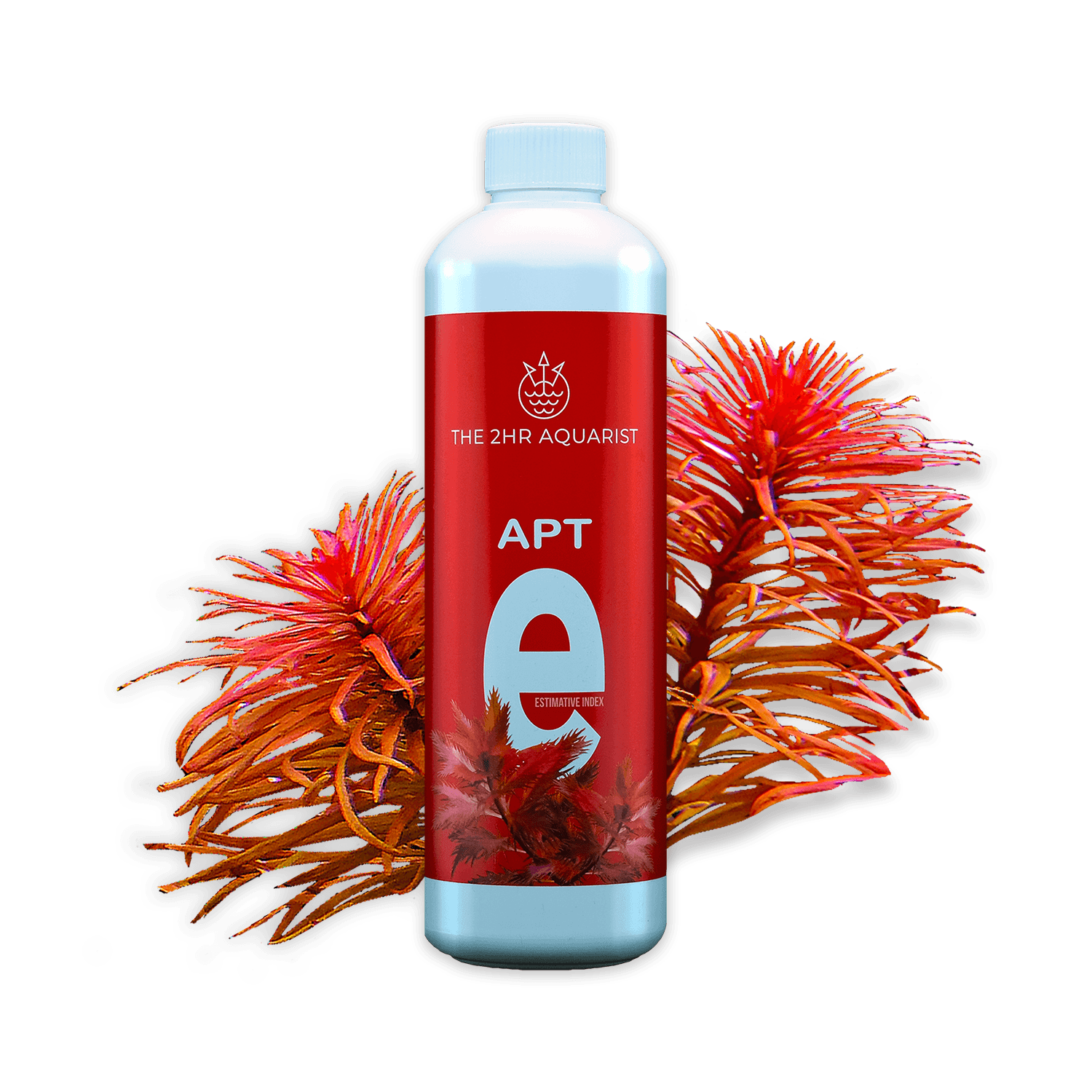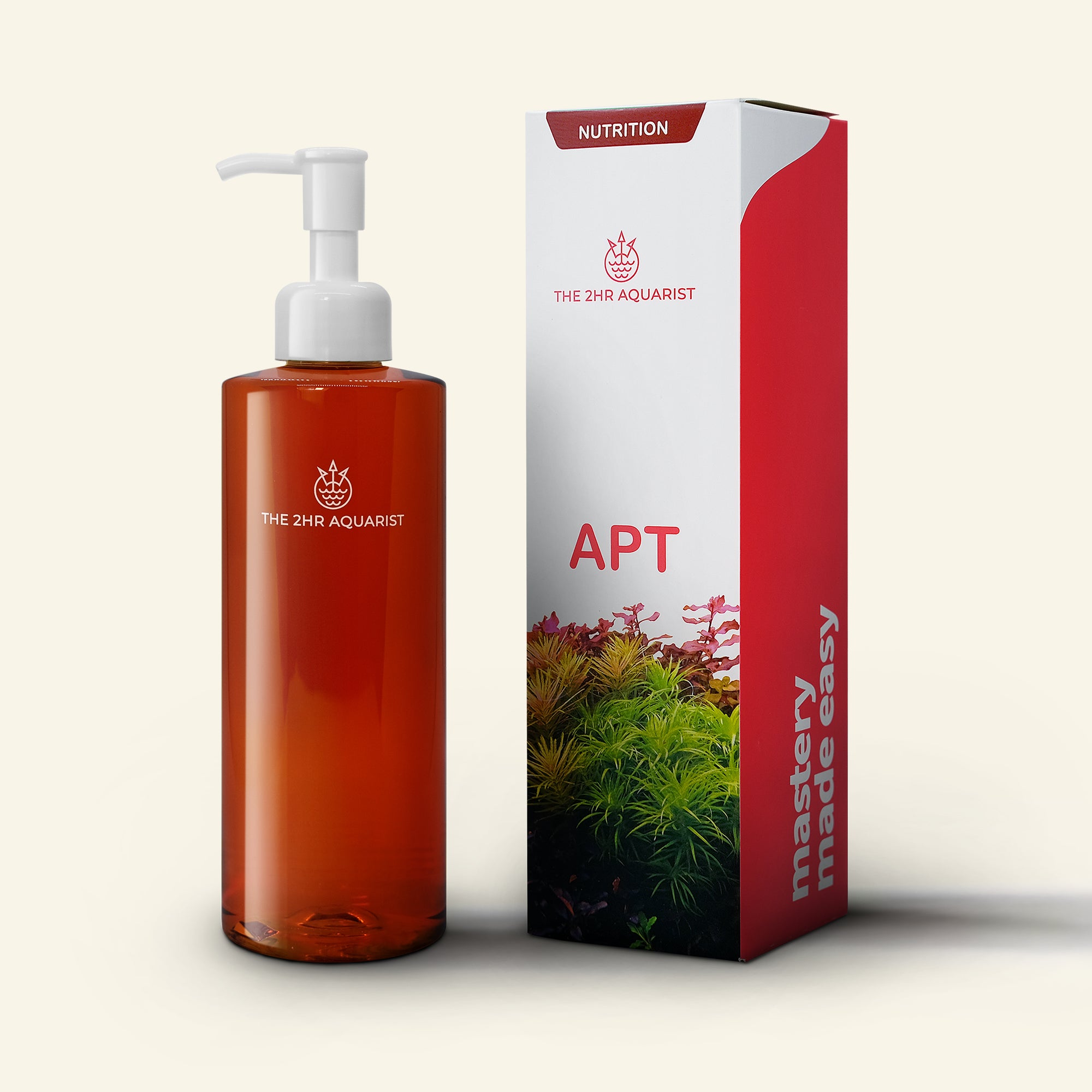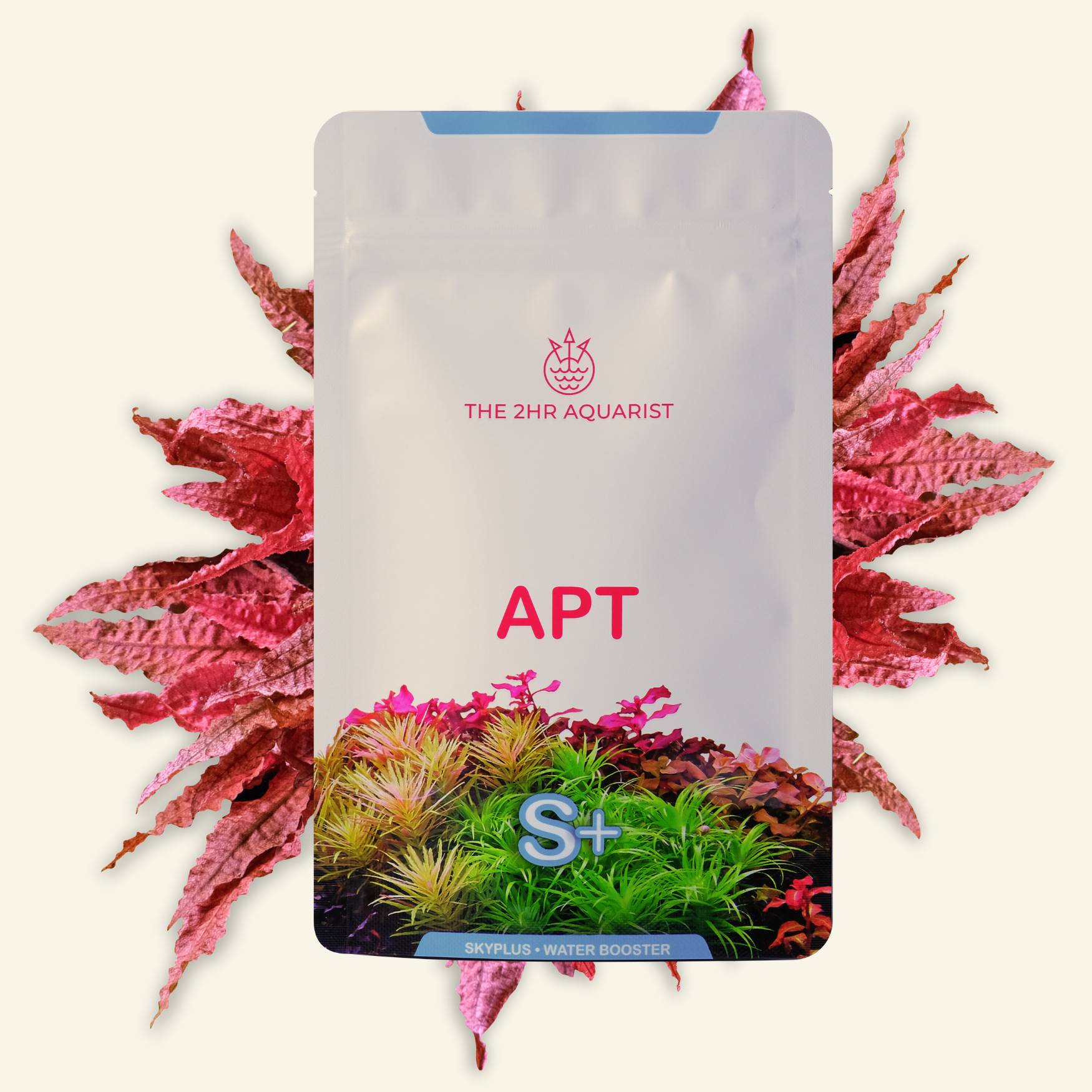

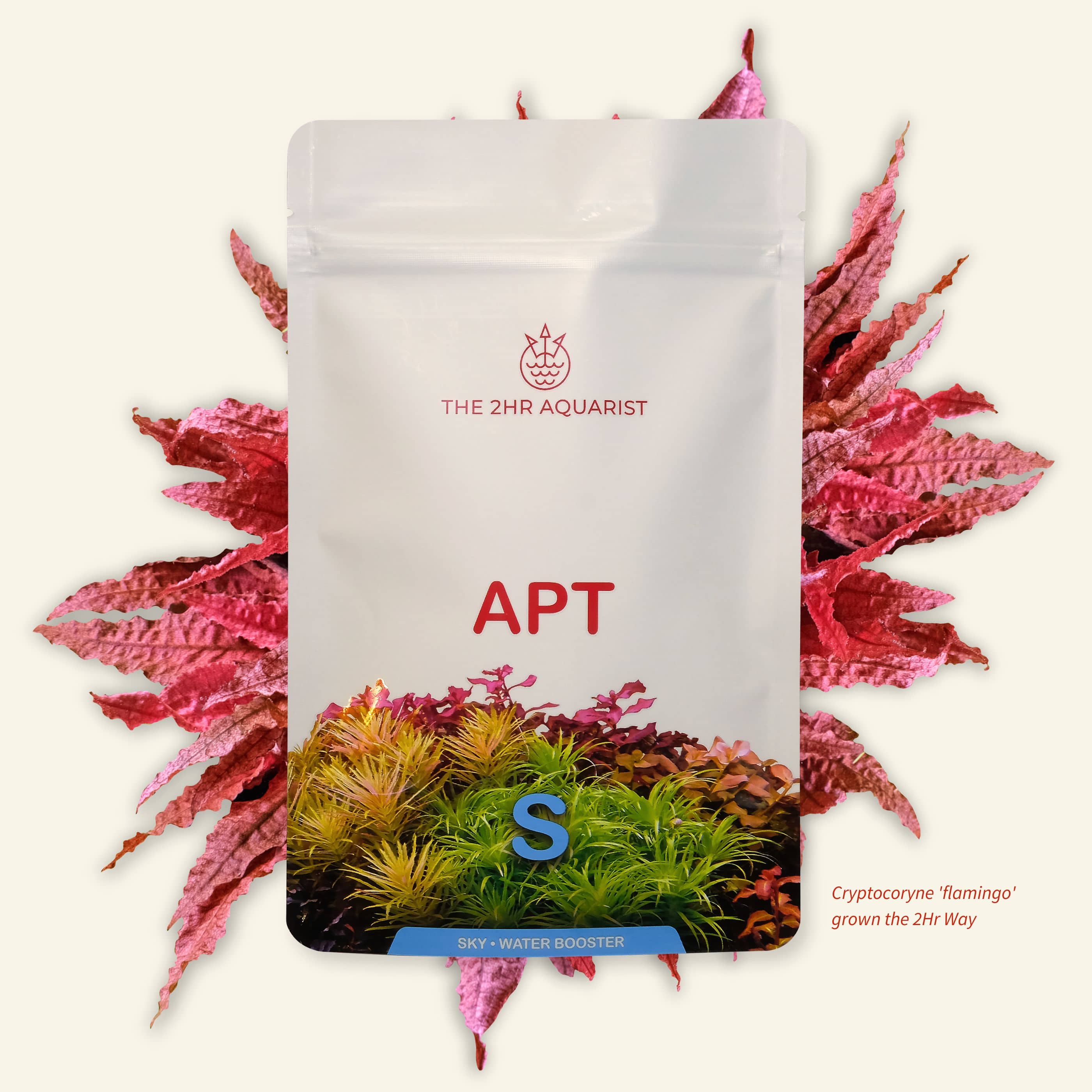
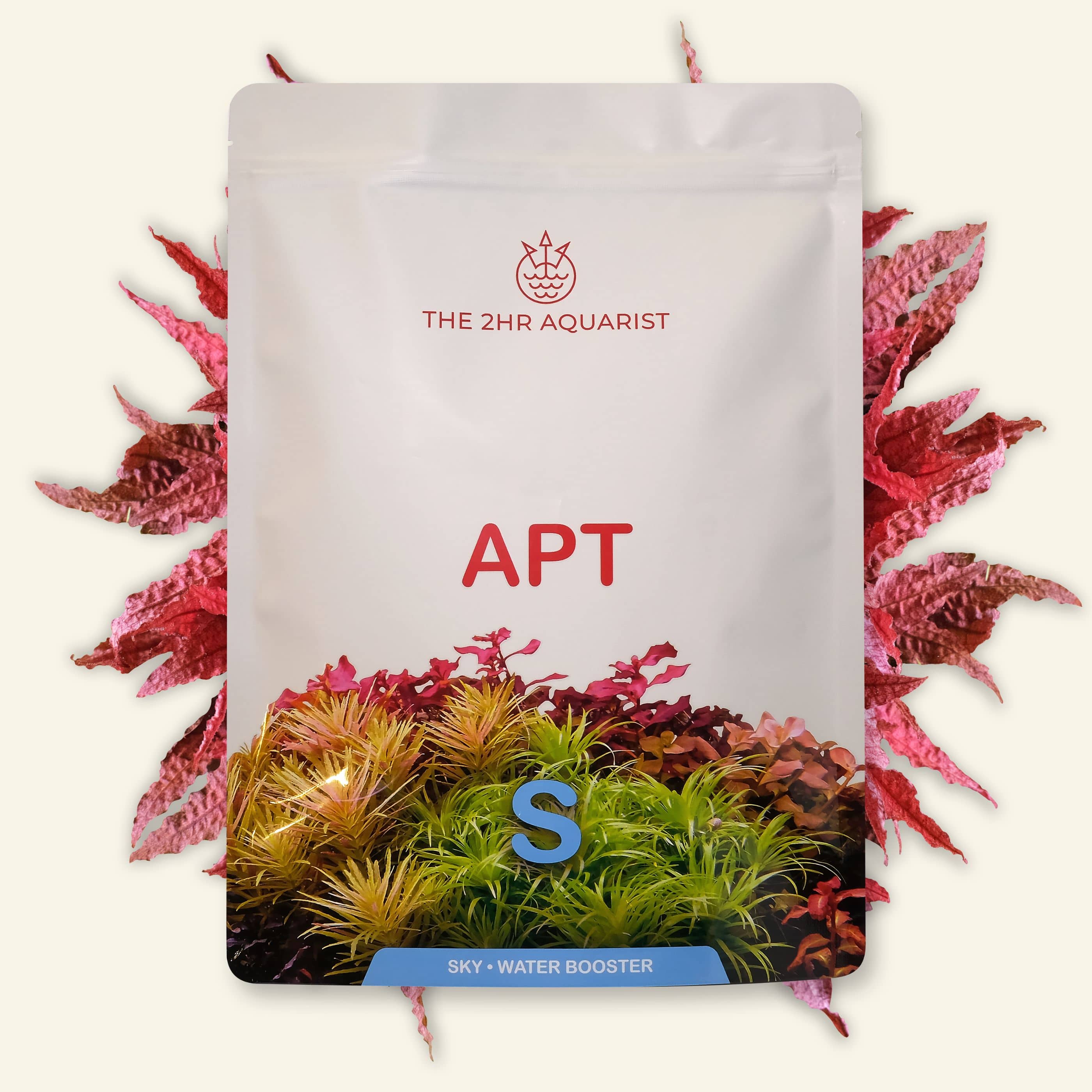
Precision Gh Boost

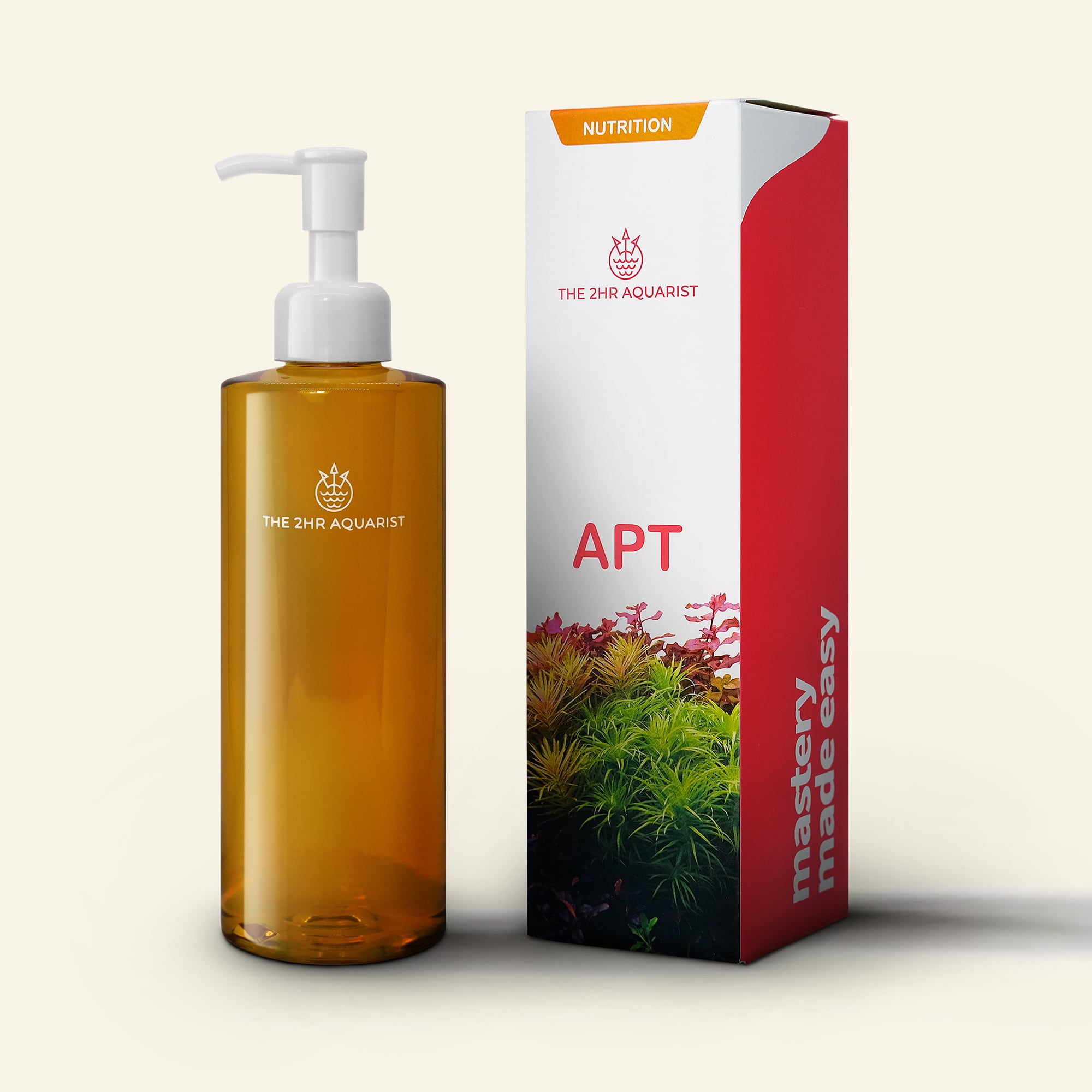
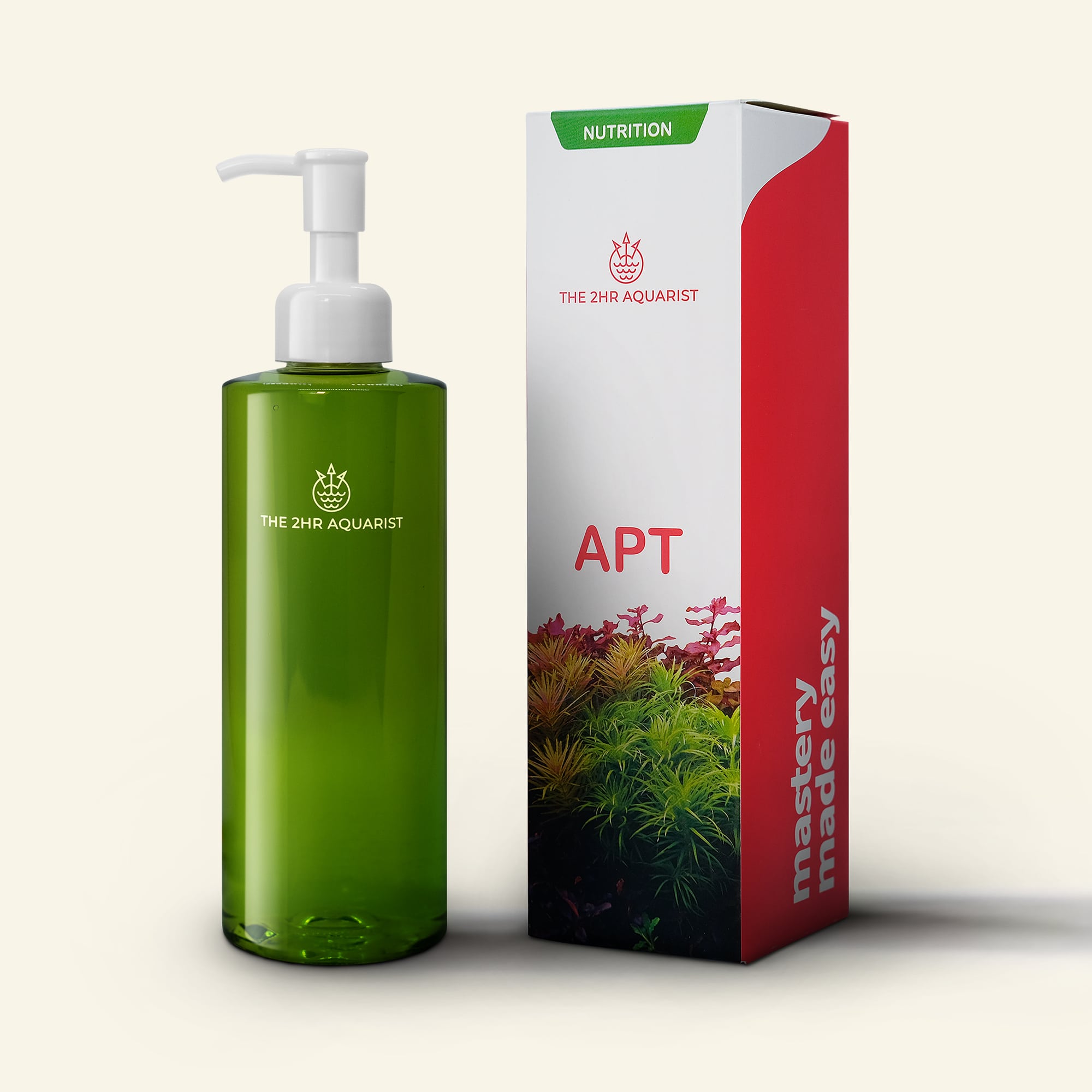
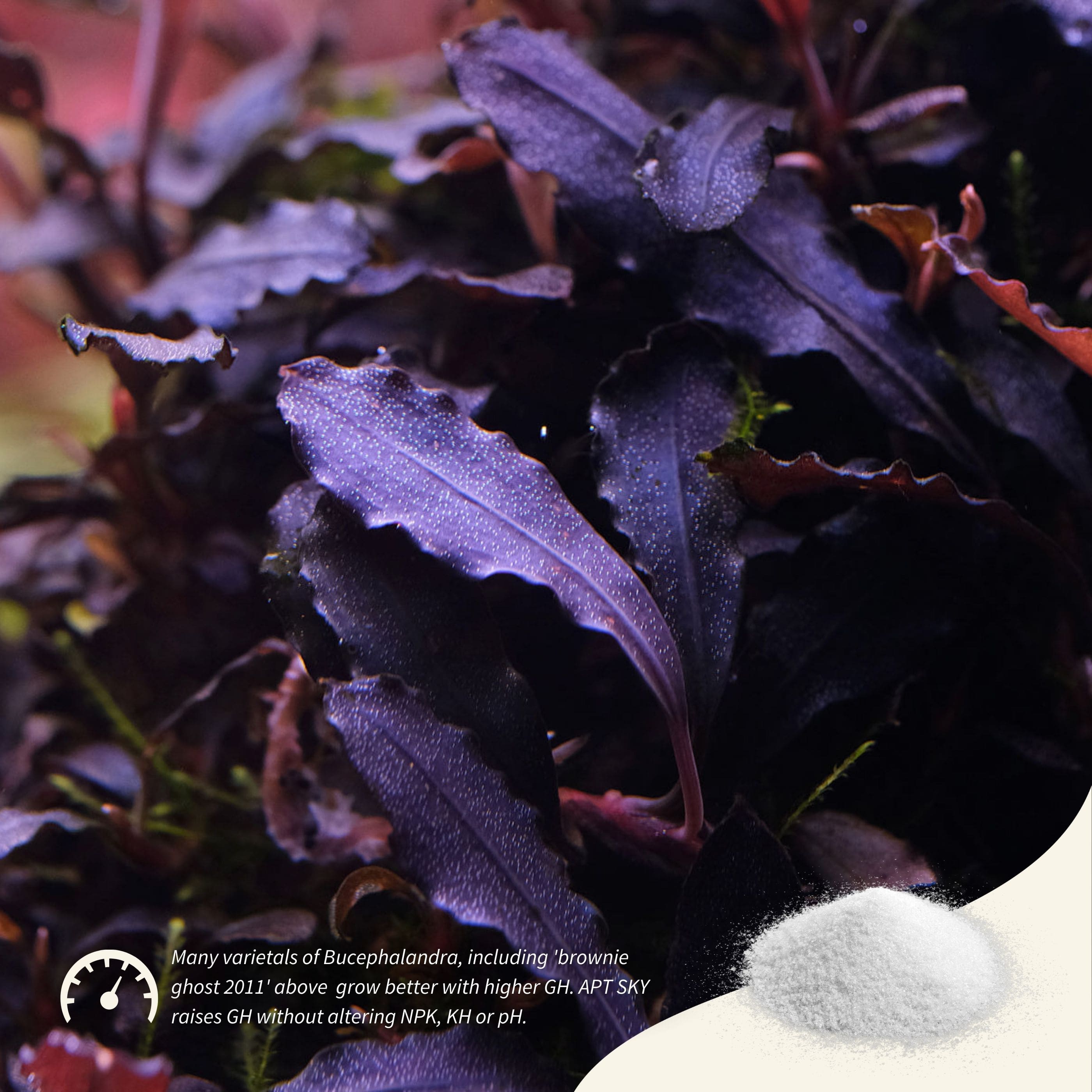
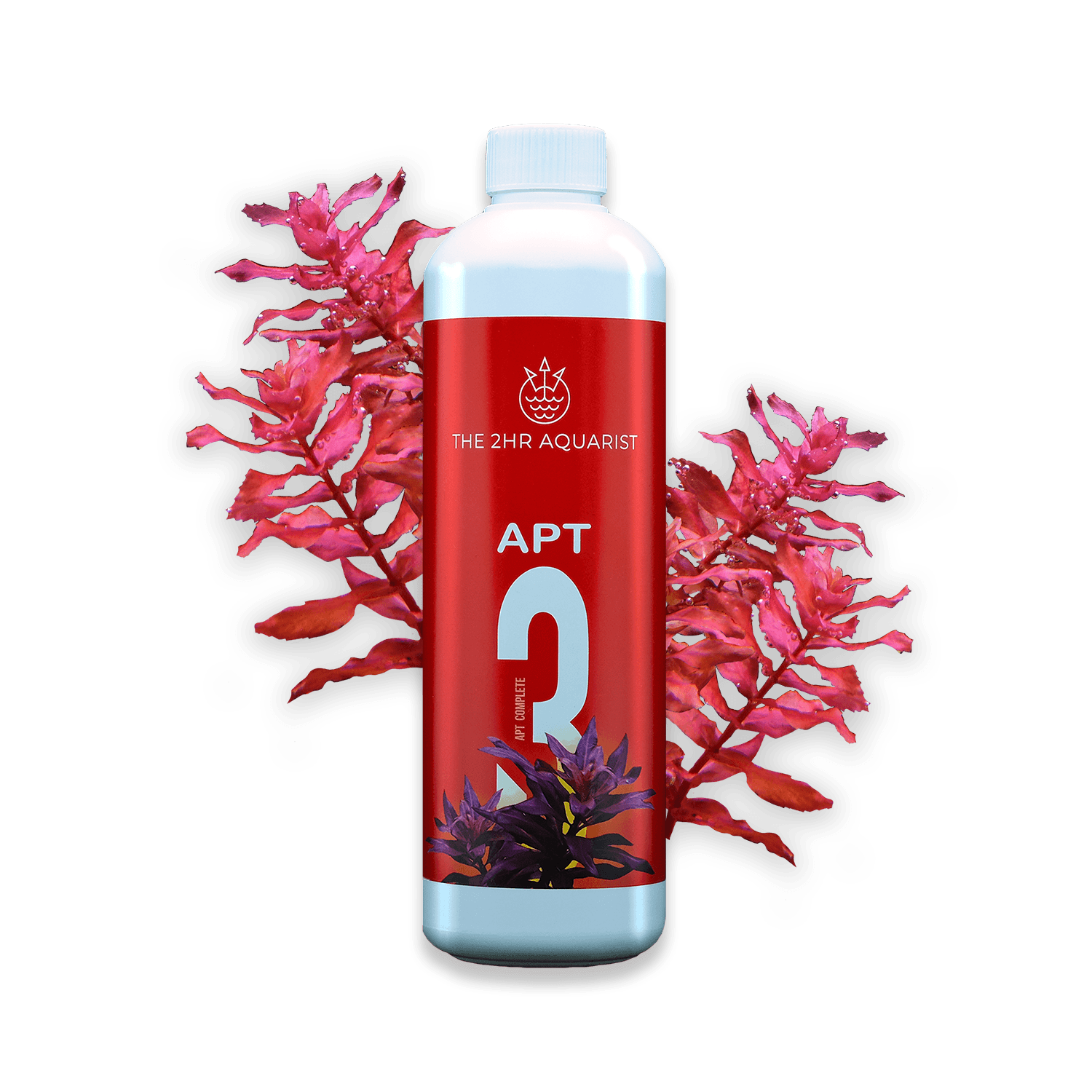
Most conventional GH boosters inadvertently alter NPK values, interfering with calibrated fertiliser ratios. They also raise pH and KH to levels that most commercial aquatic plants don't favour. APT surgically raises GH without these side effects.

Grow Anything

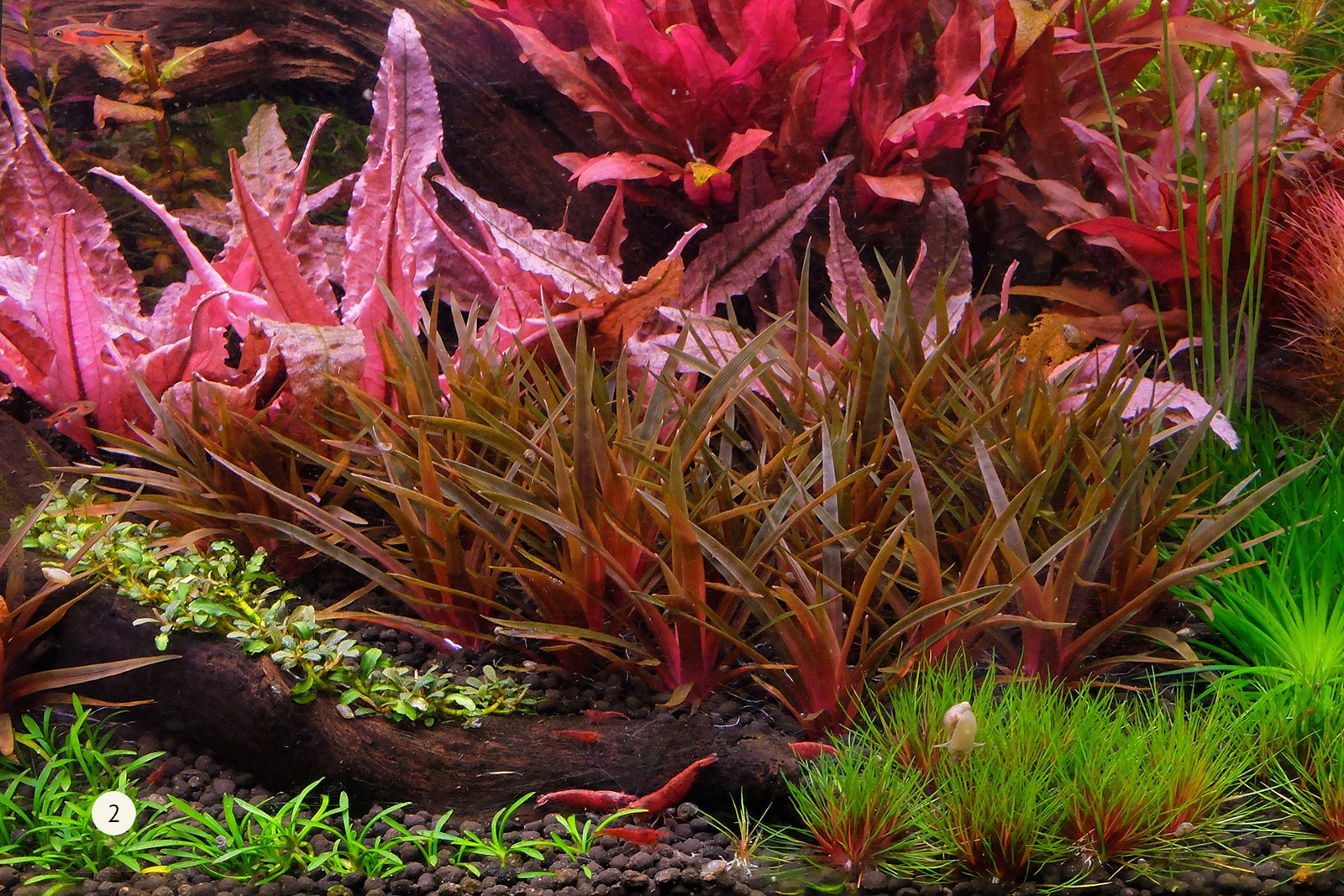
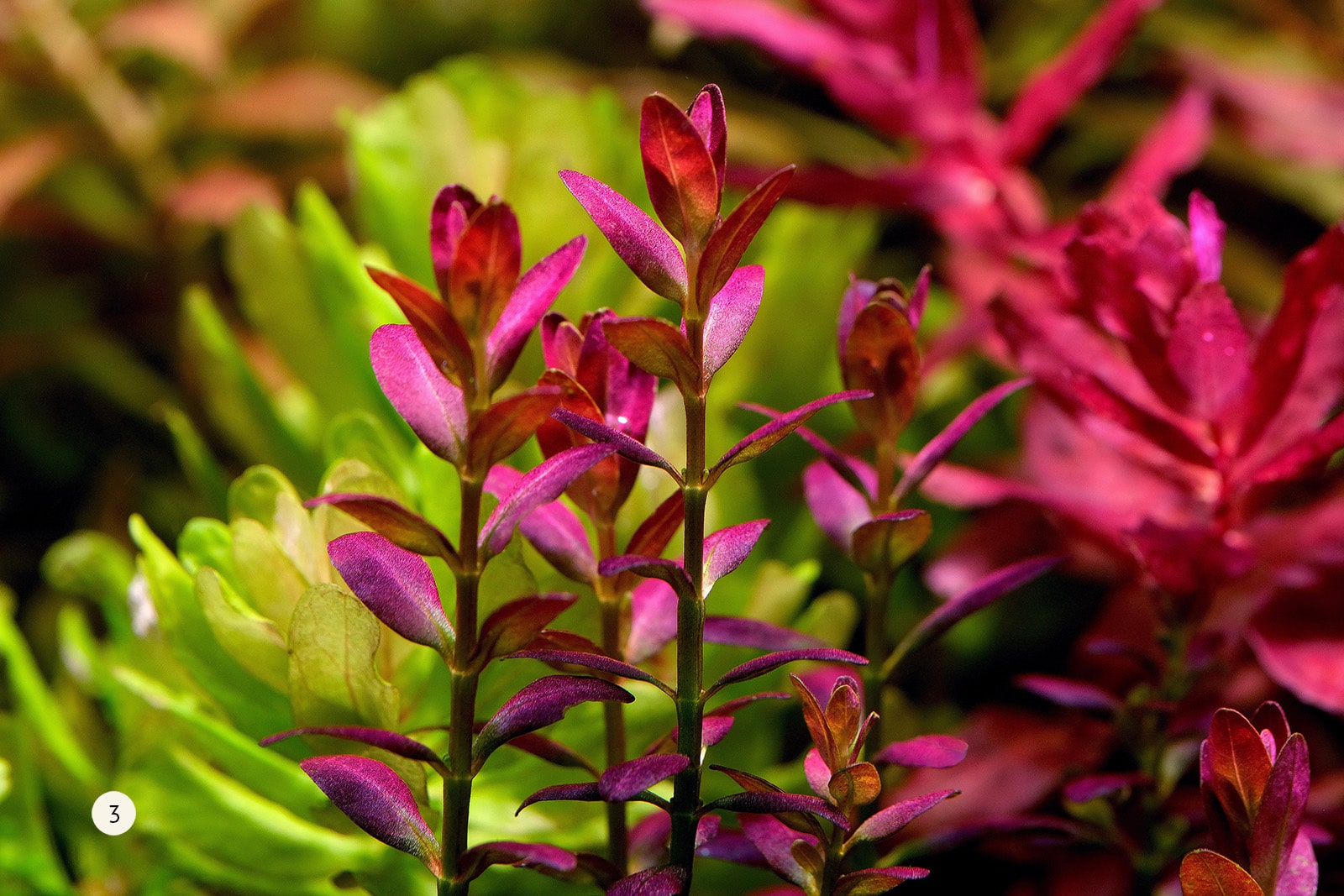
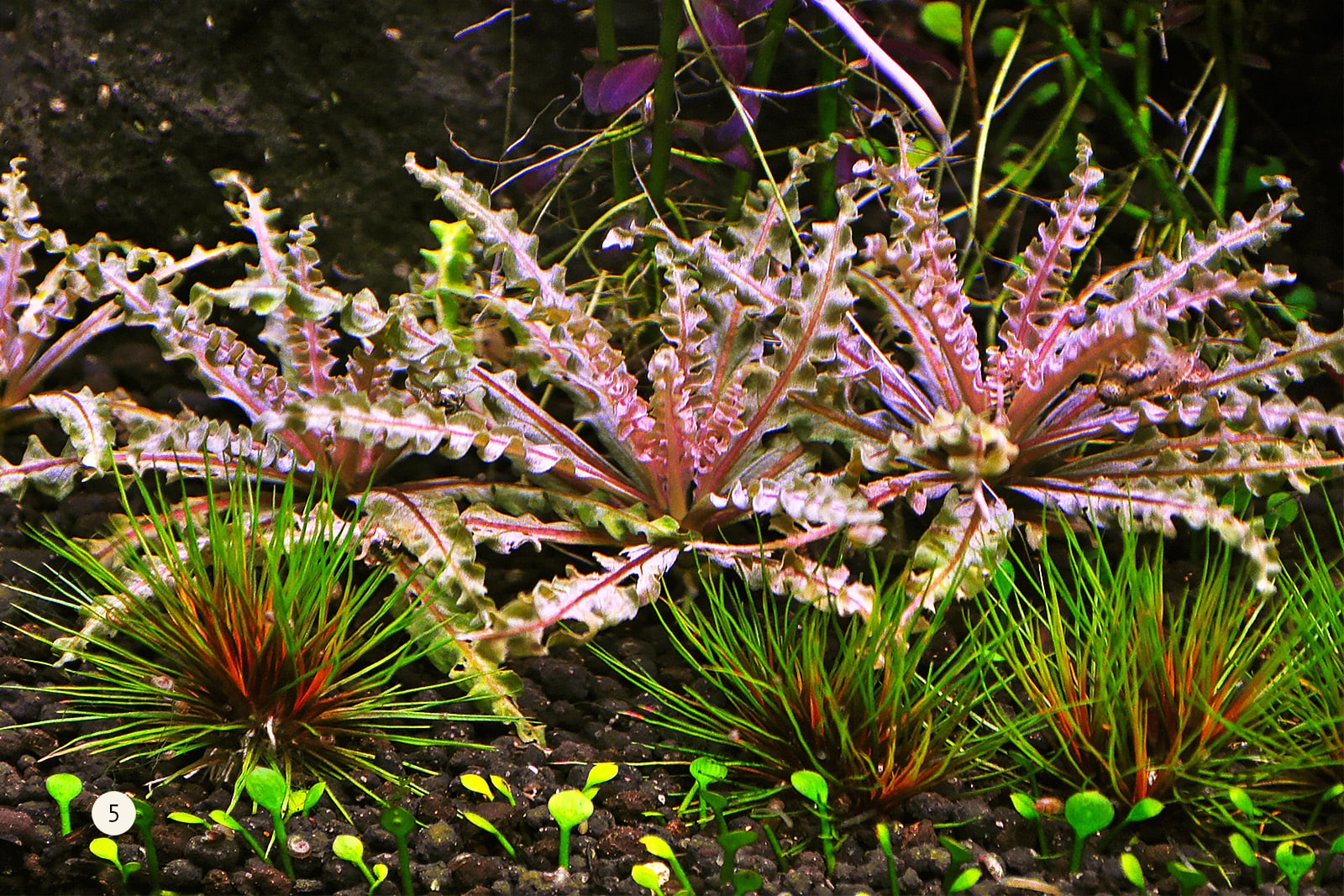
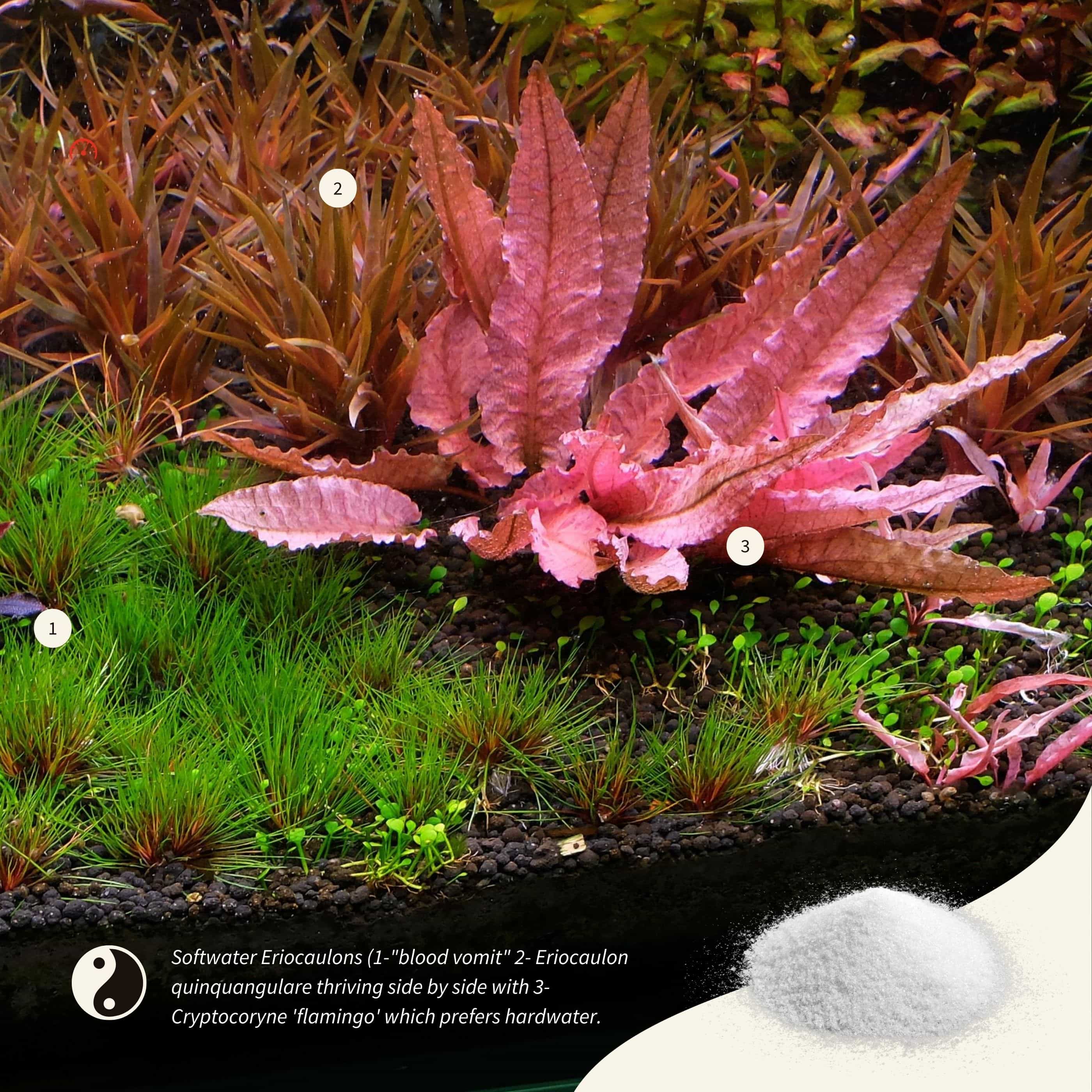
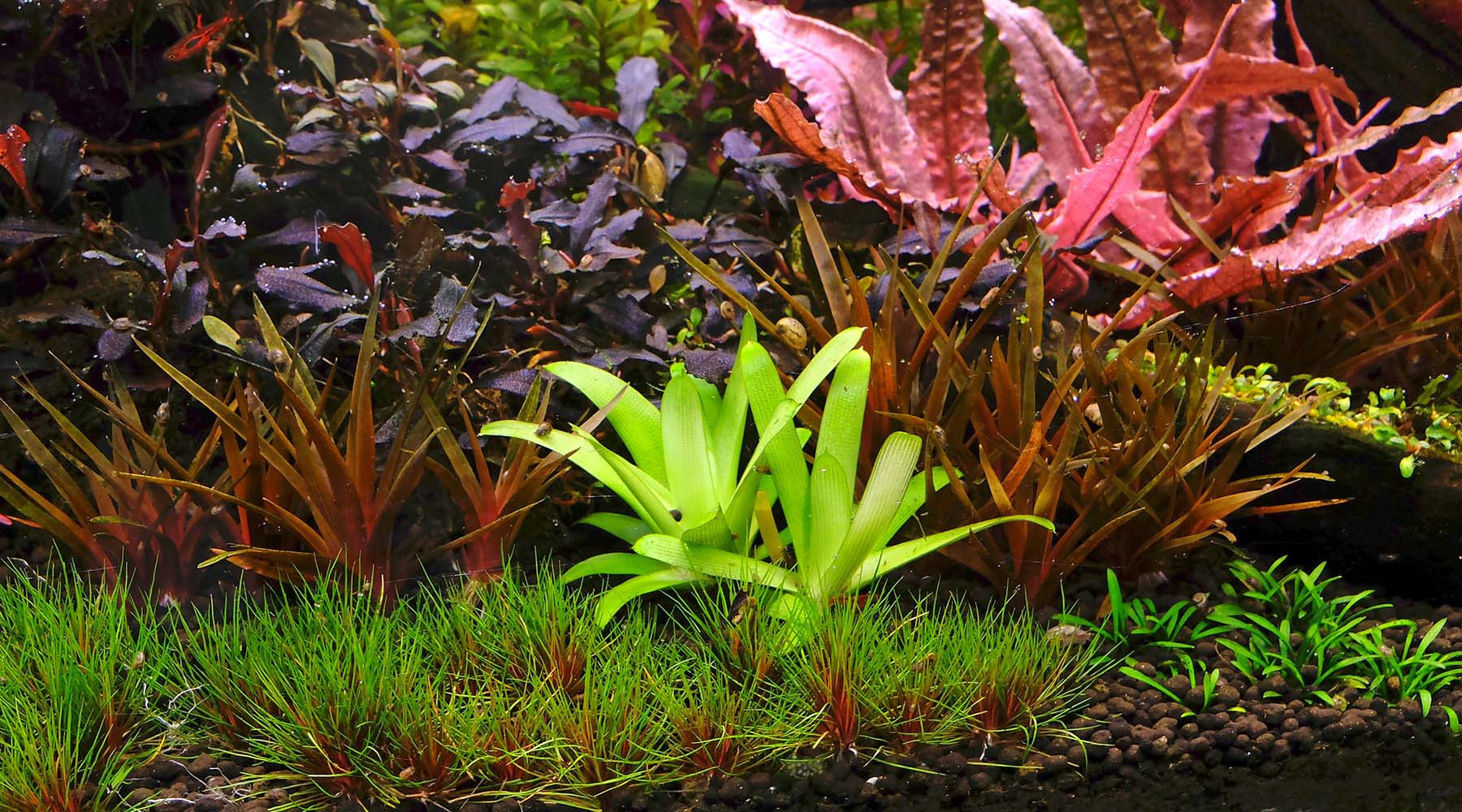
Some plants thrive in mineralized "hardwater," while others prefer acidic "softwater." APT SKY and SKYPLUS make it easy to satisfy both preferences.

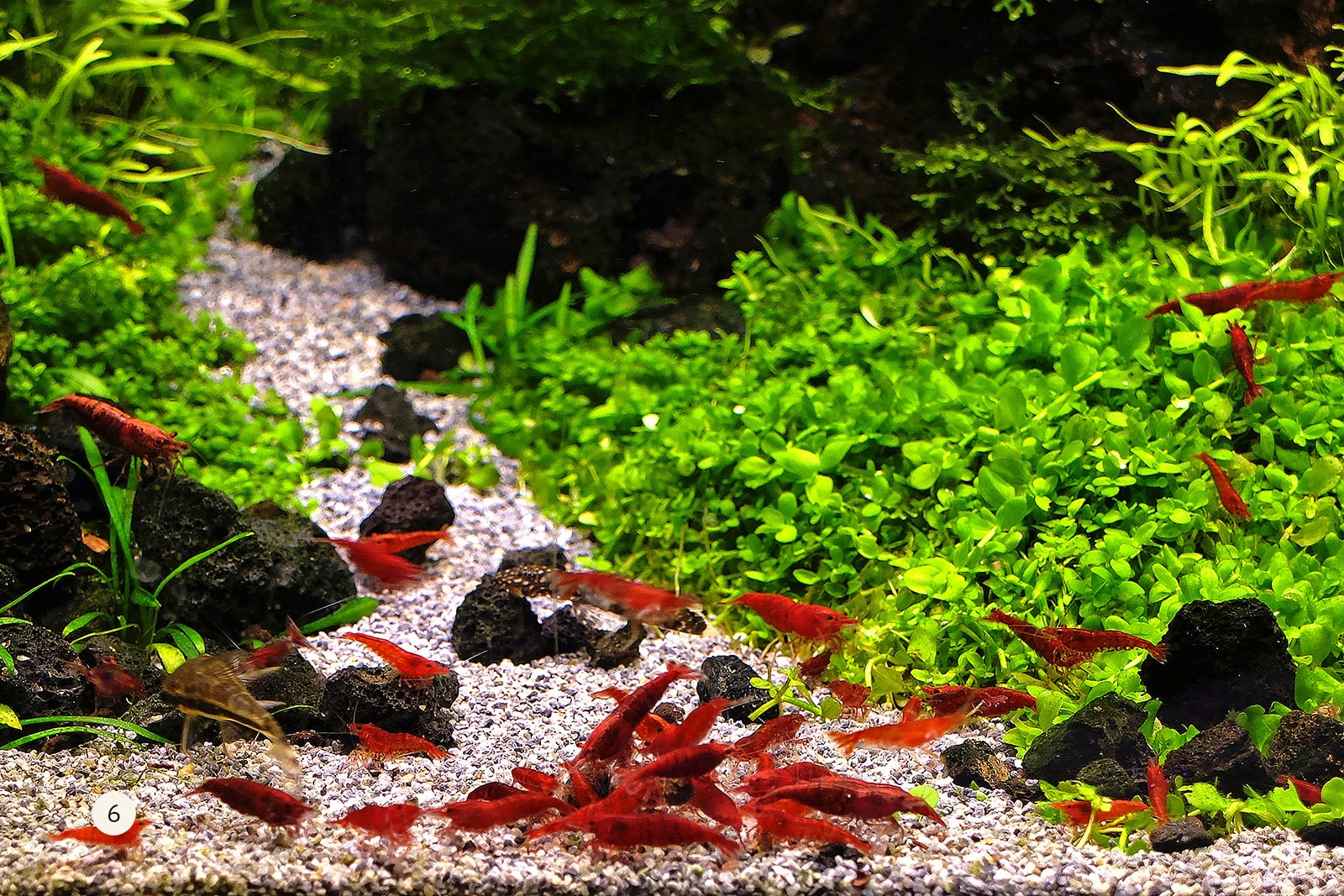
Designed for Shrimp

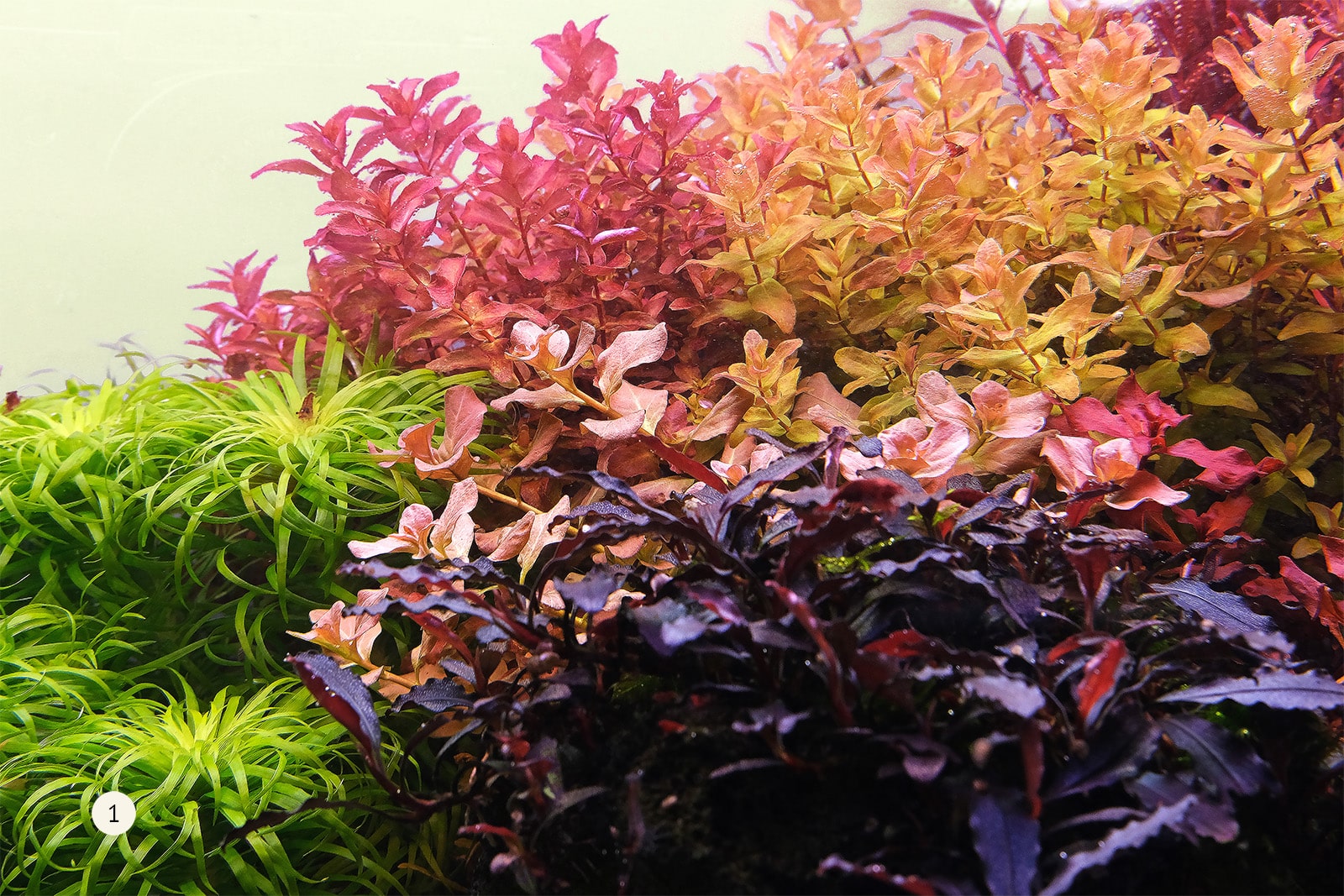
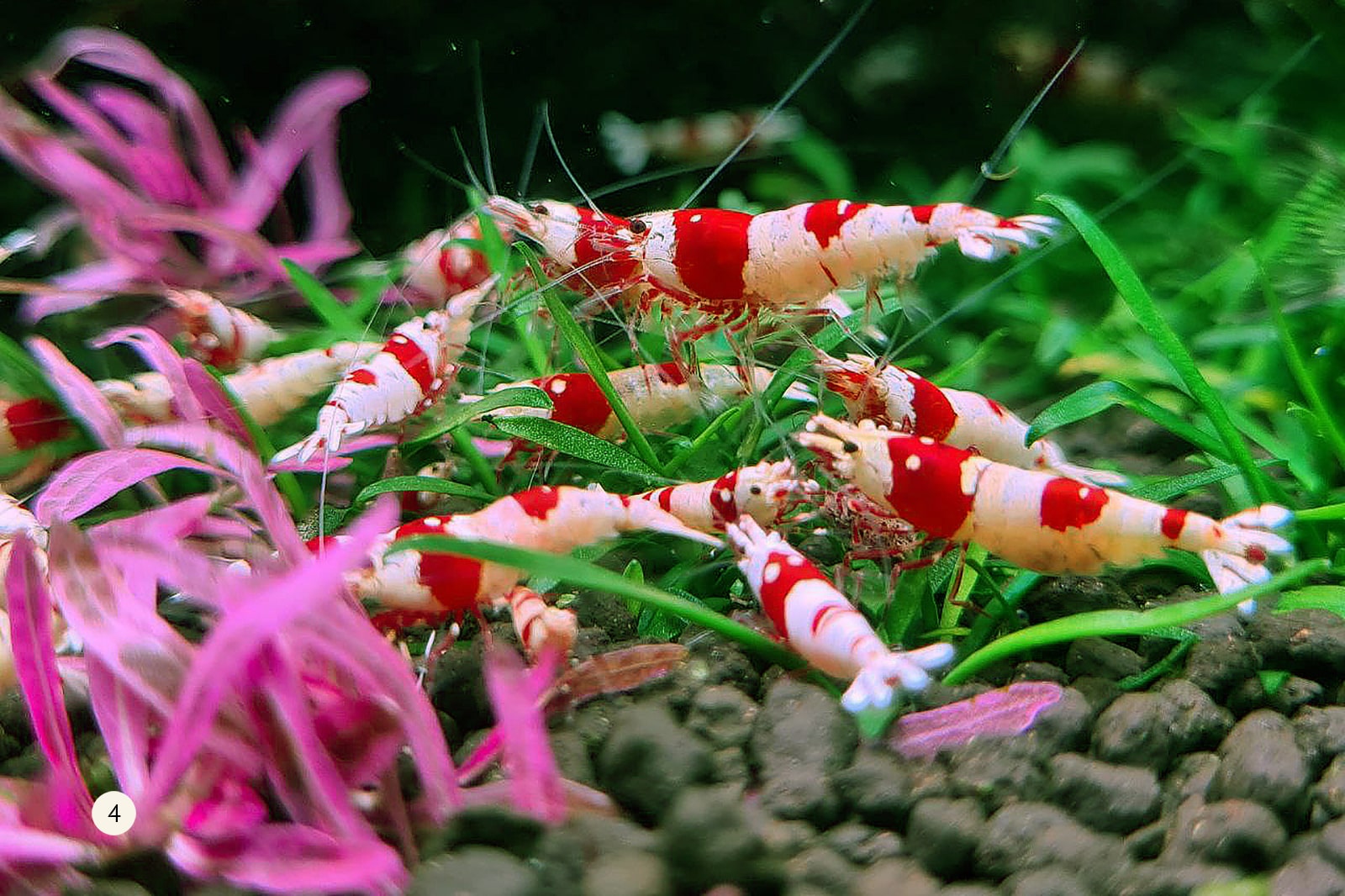
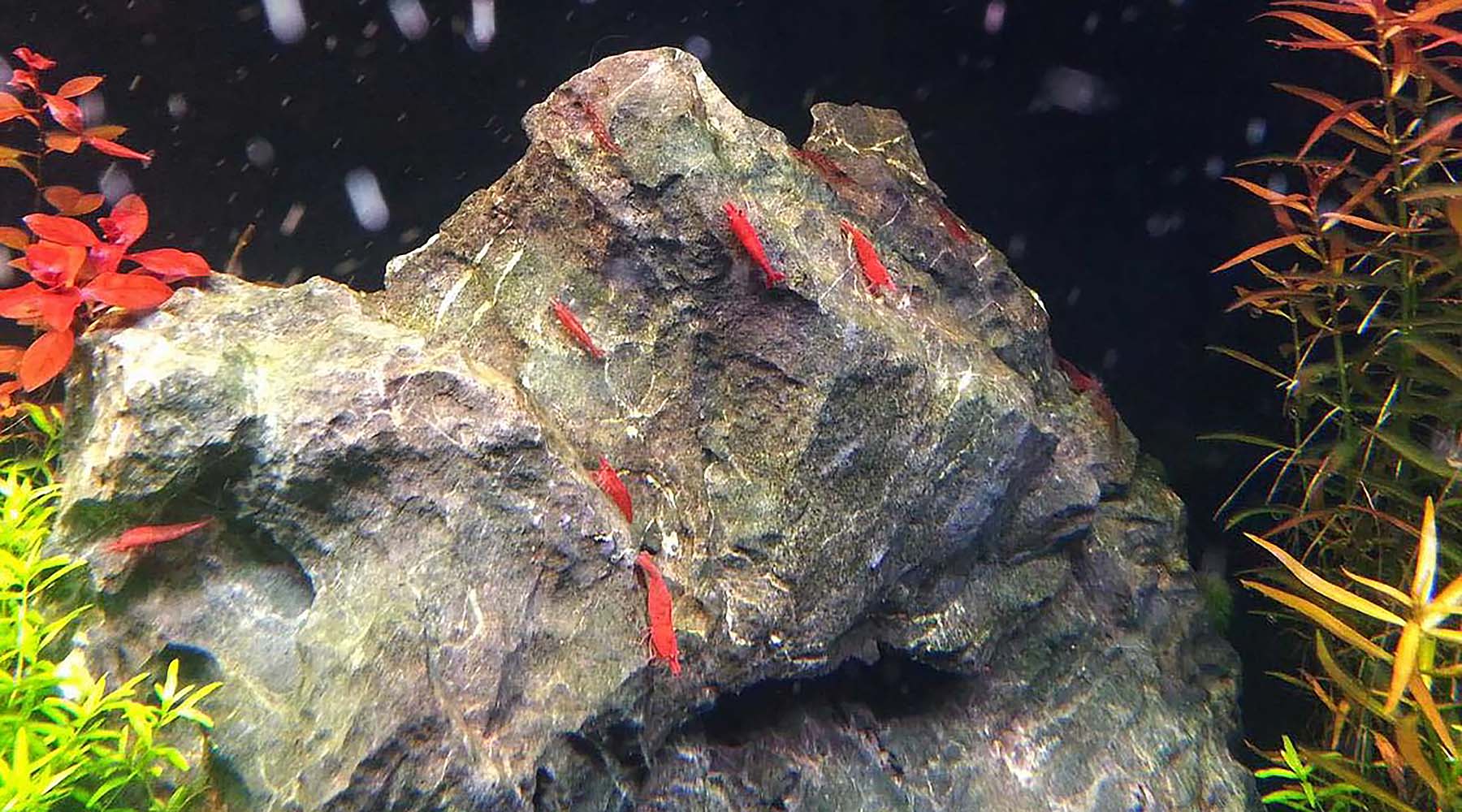
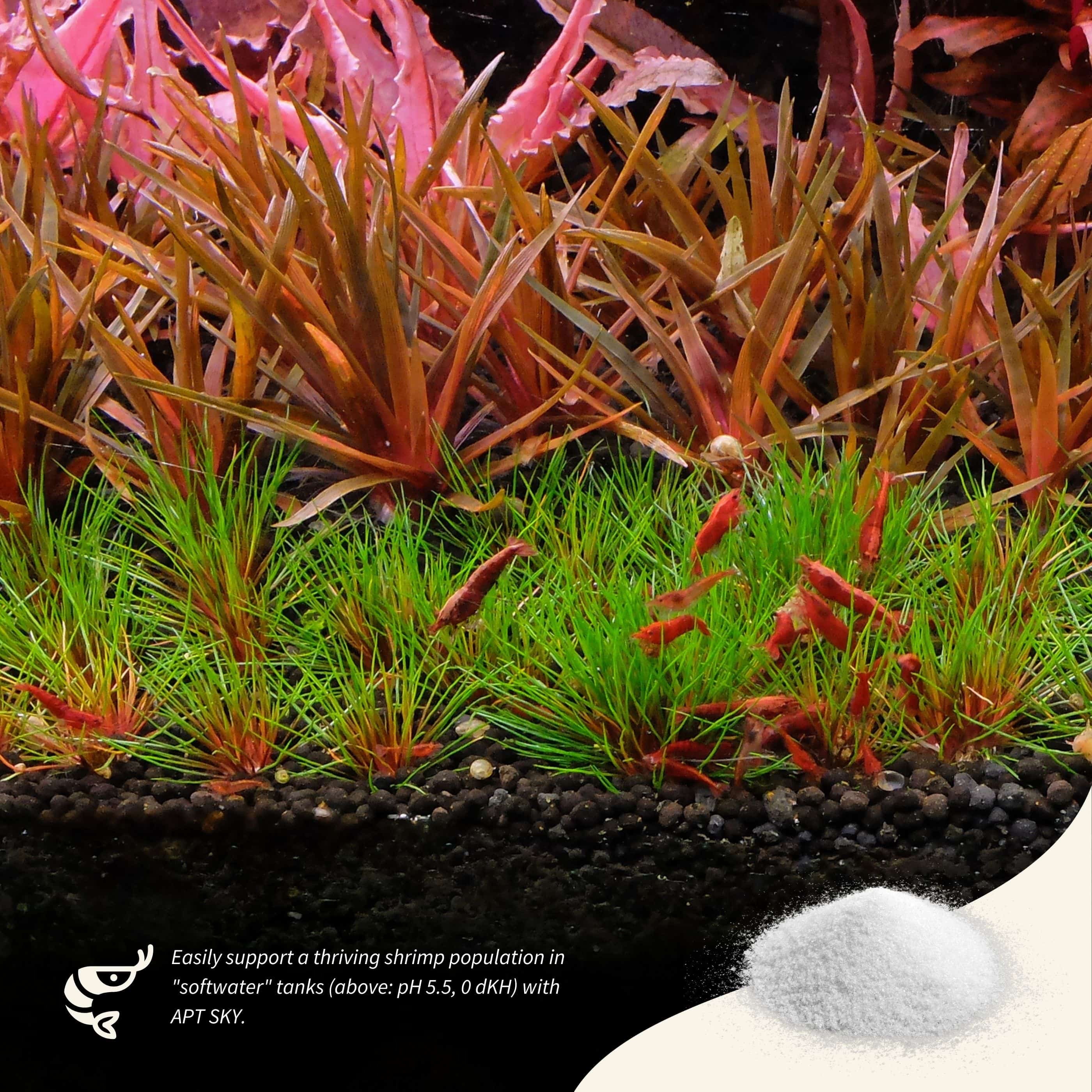
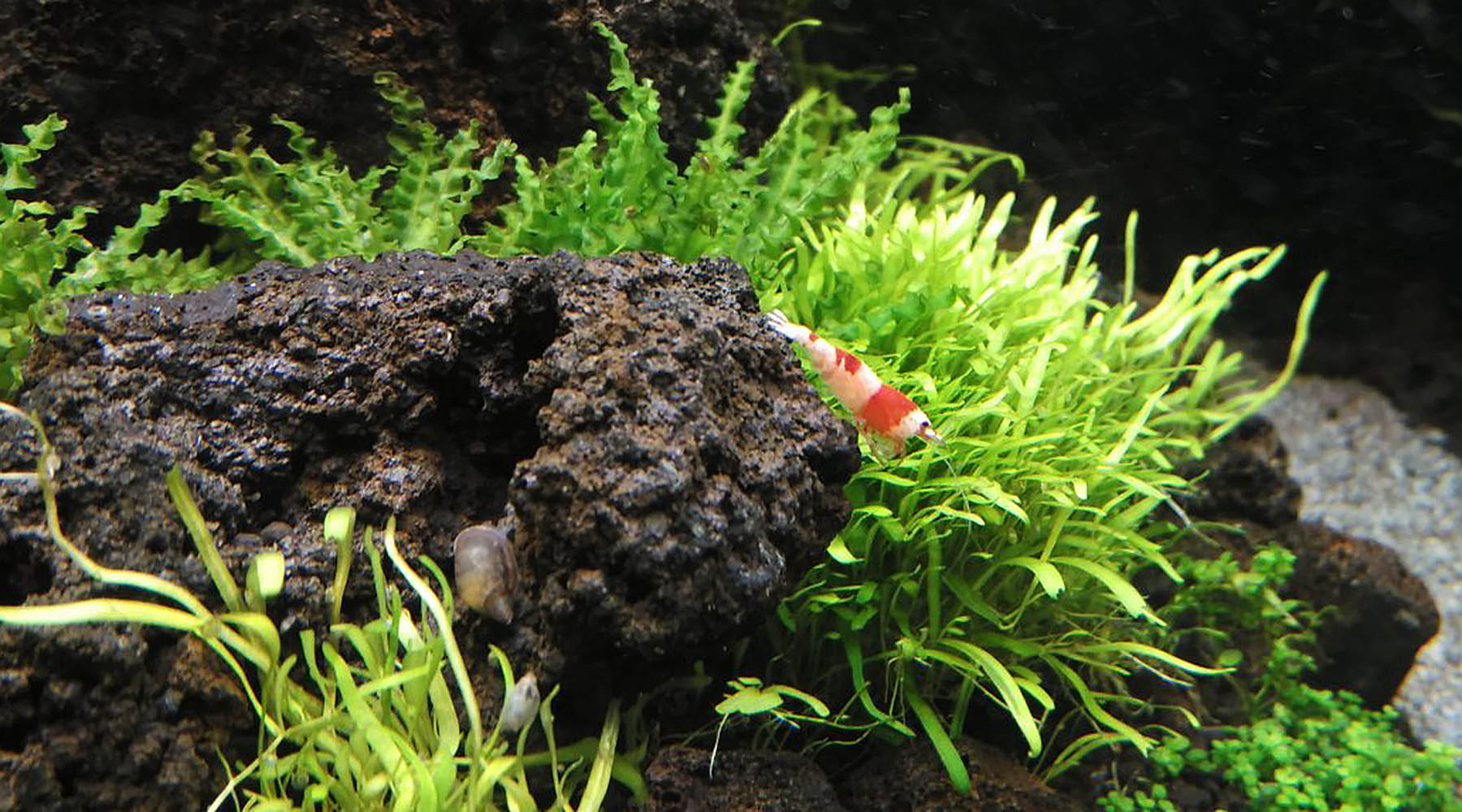
Caridina and Neo-Caridina shrimp need higher calcium levels, which are naturally absent in acidic softwater environments. APT SKY or APT SKYPLUS lets you build a thriving shrimp community with acidic aquasoils.

Baseline

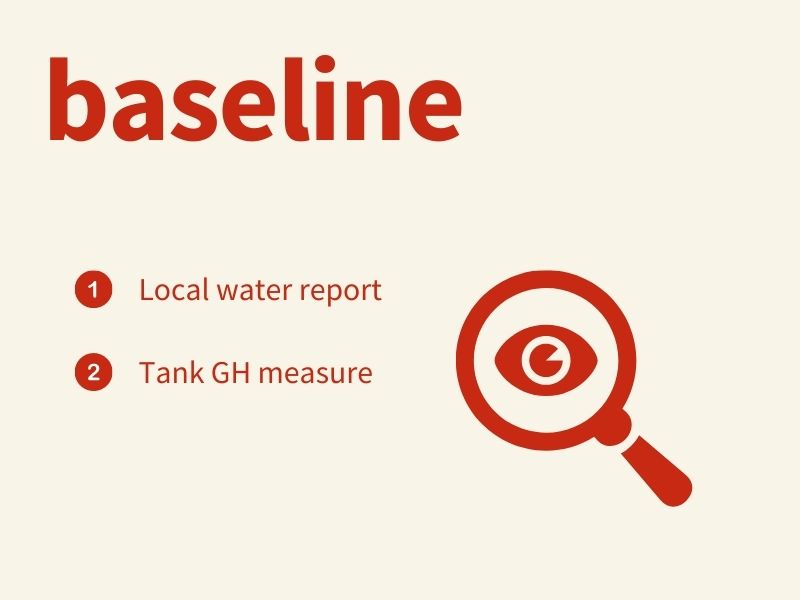
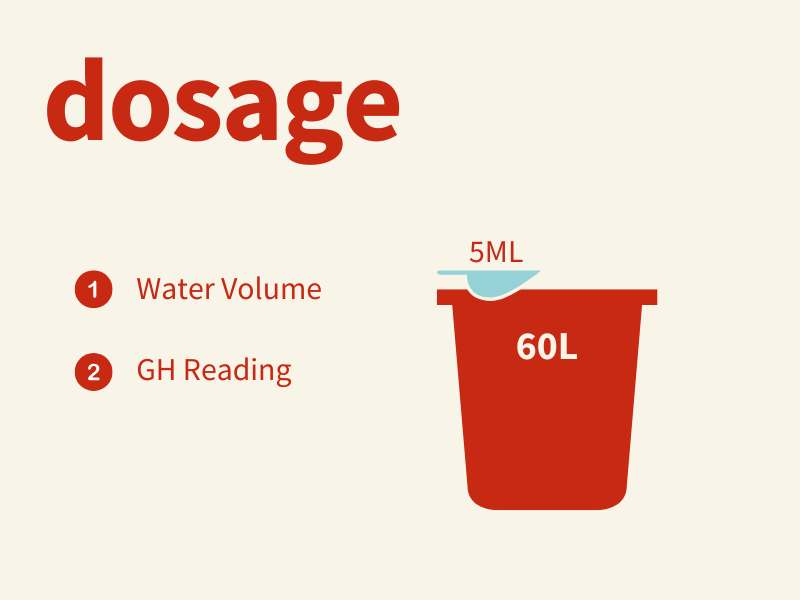
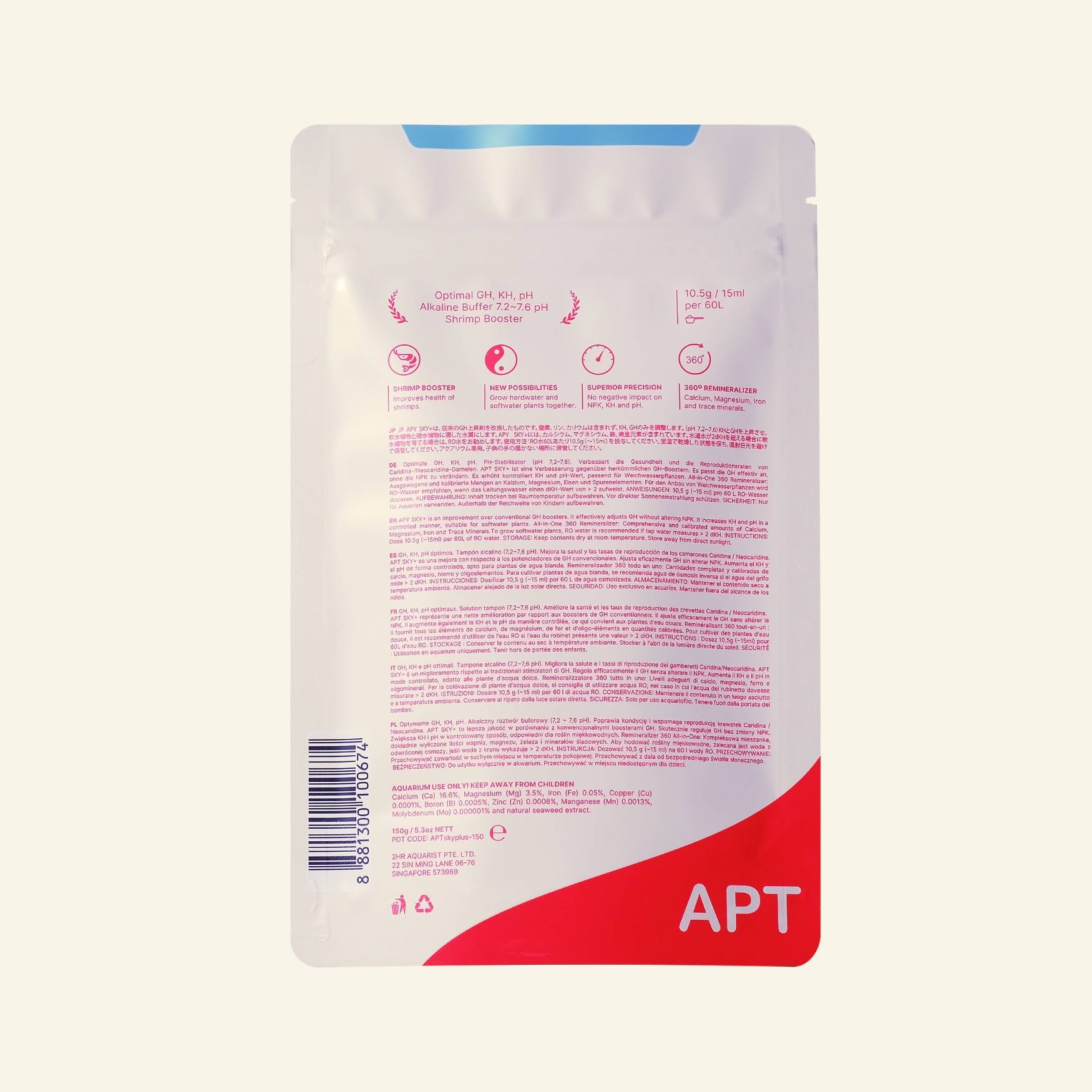
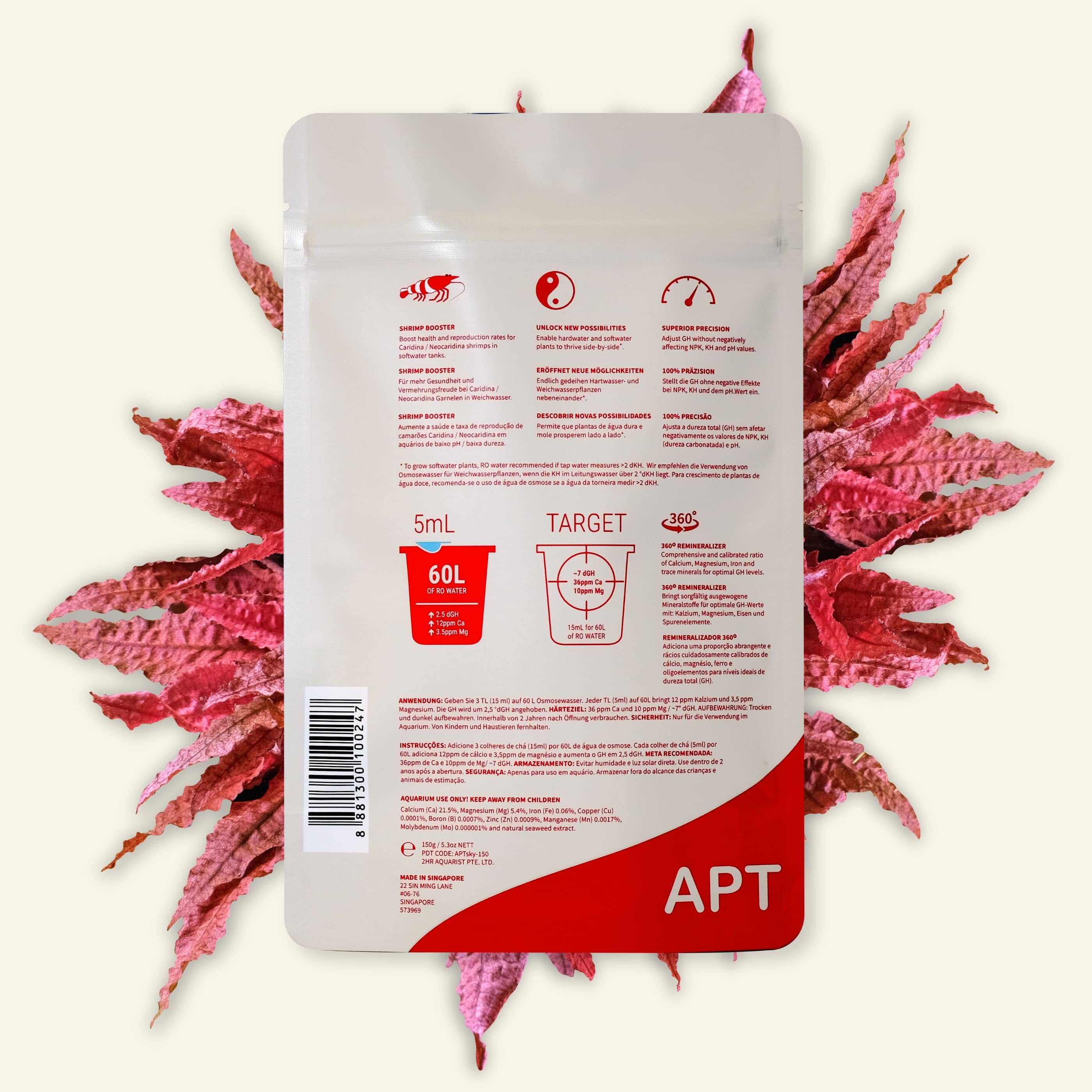
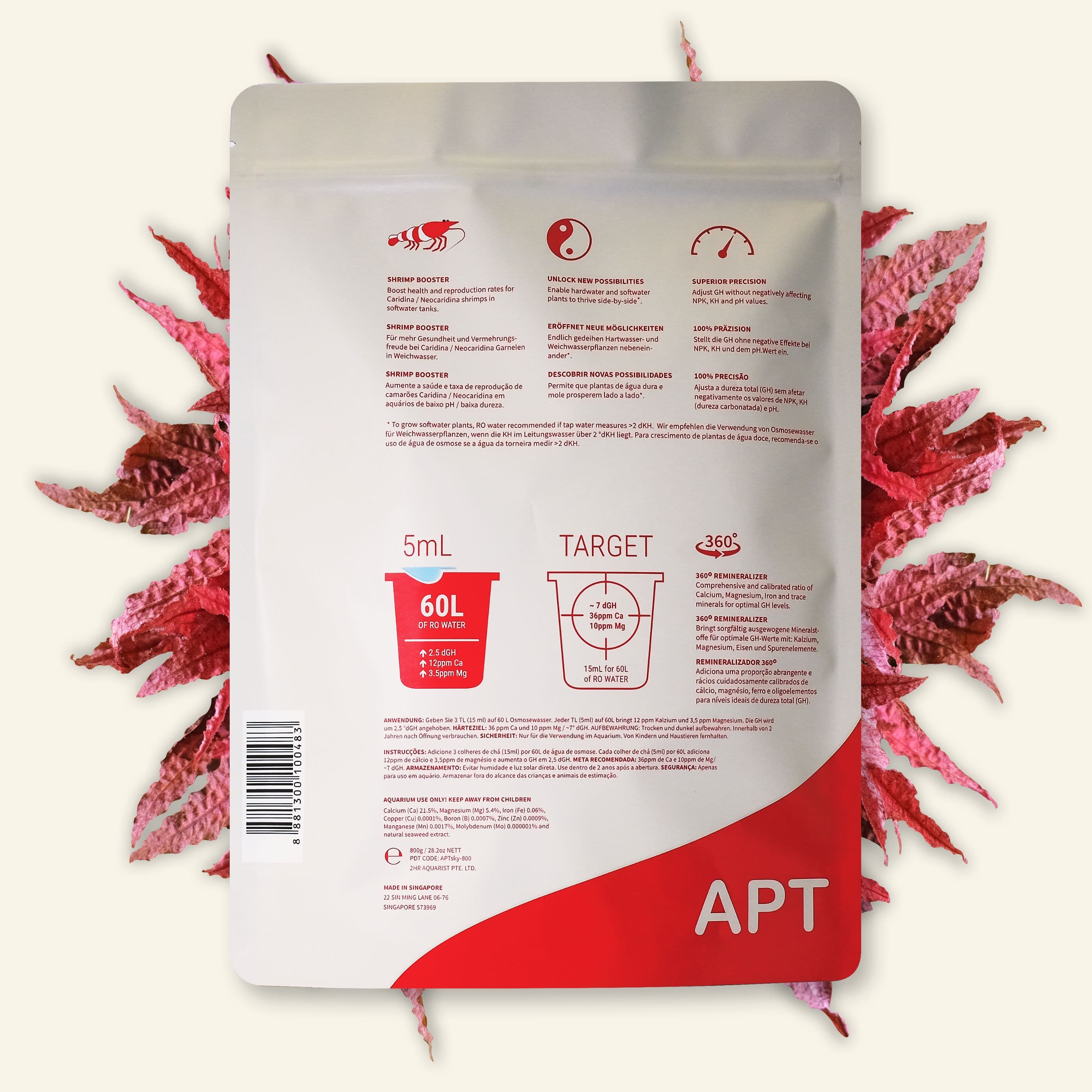
If you have soft water or use RO water, simply add 15ml per 60 L (16 Gal).

If you have hard water or are unsure, obtain a GH reading with a common test kit. You can also read your local water report as we describe here

Dosage

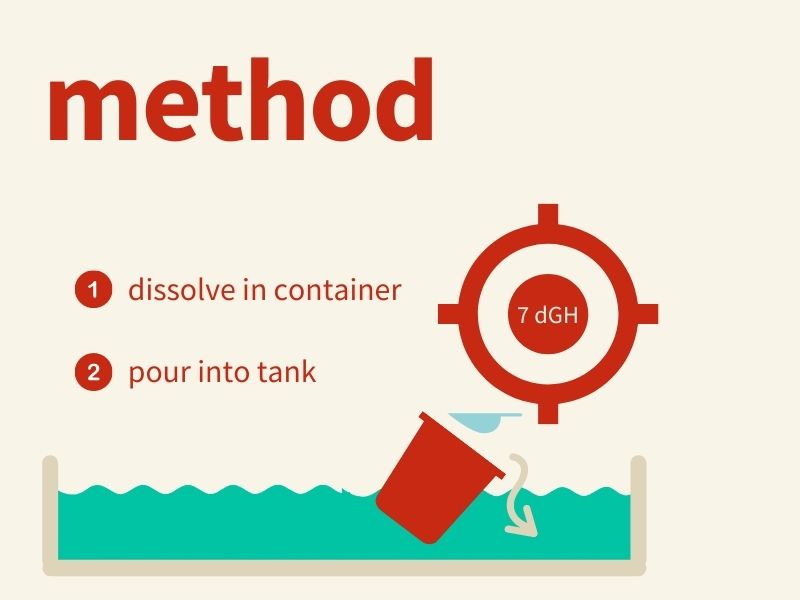
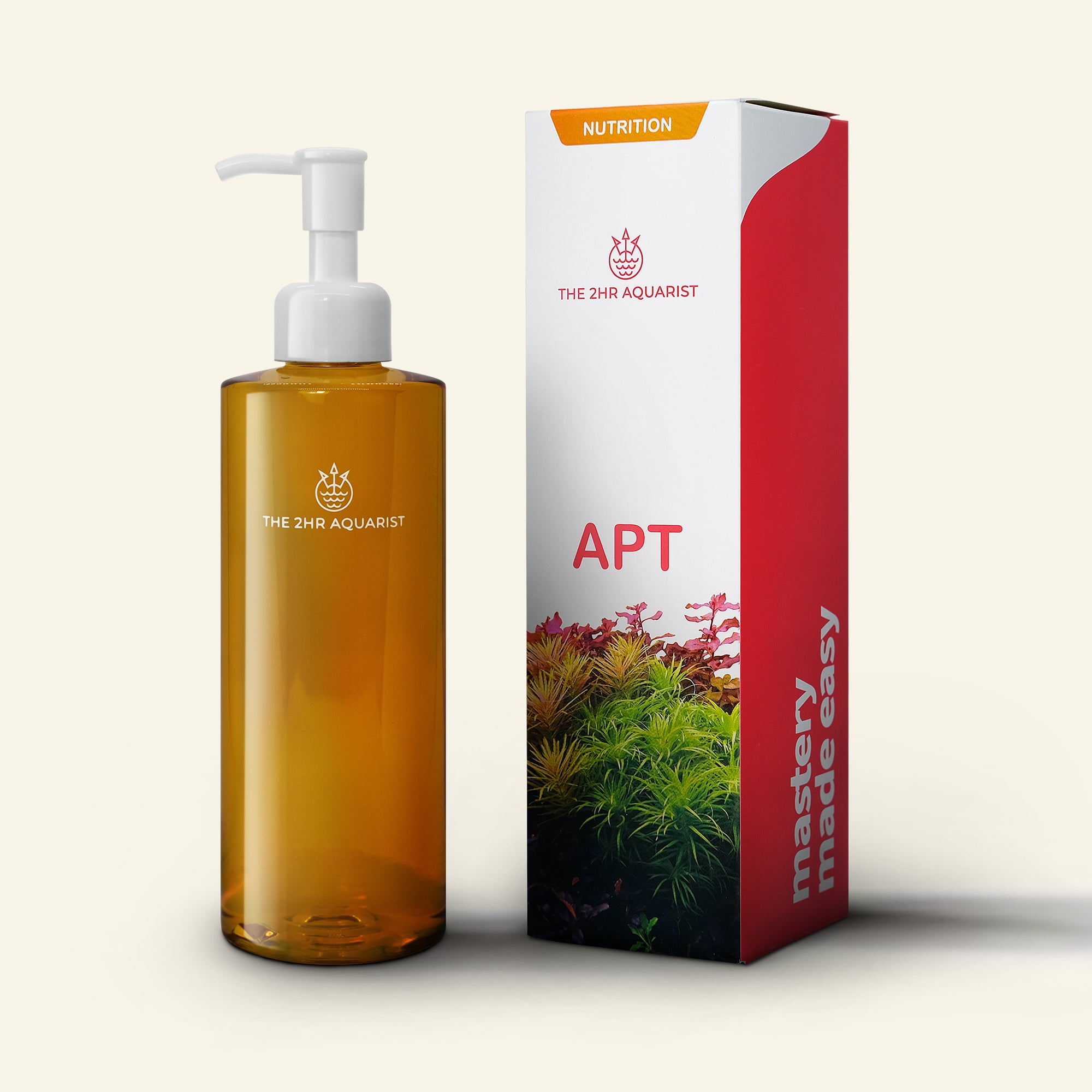
Simply add APT SKY / SKYPLUS powder directly into the tank. It is OK if it covers the plants. Another way is to first mix APT SKY / SKYPLUS with some water in a small container, then add the milky solution to the tank. Both are equally fine.

Sprinkle Directly

Simply add APT SKY / SKYPLUS powder directly into the tank. It is OK if it covers the plants. Another way is to first mix APT SKY / SKYPLUS with some water in a small container, then add the milky solution to the tank. Both are equally fine.

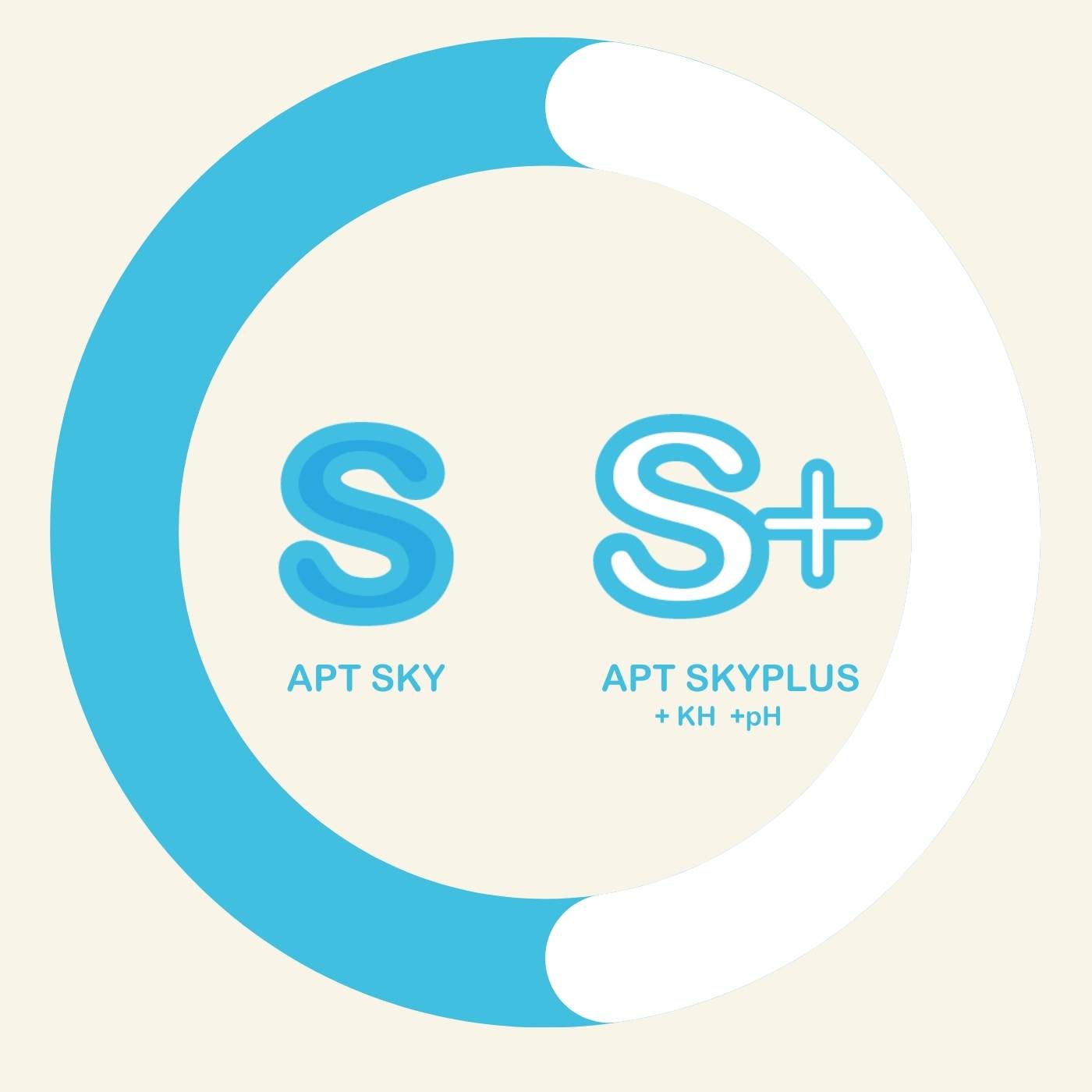
SKY or SKY+?

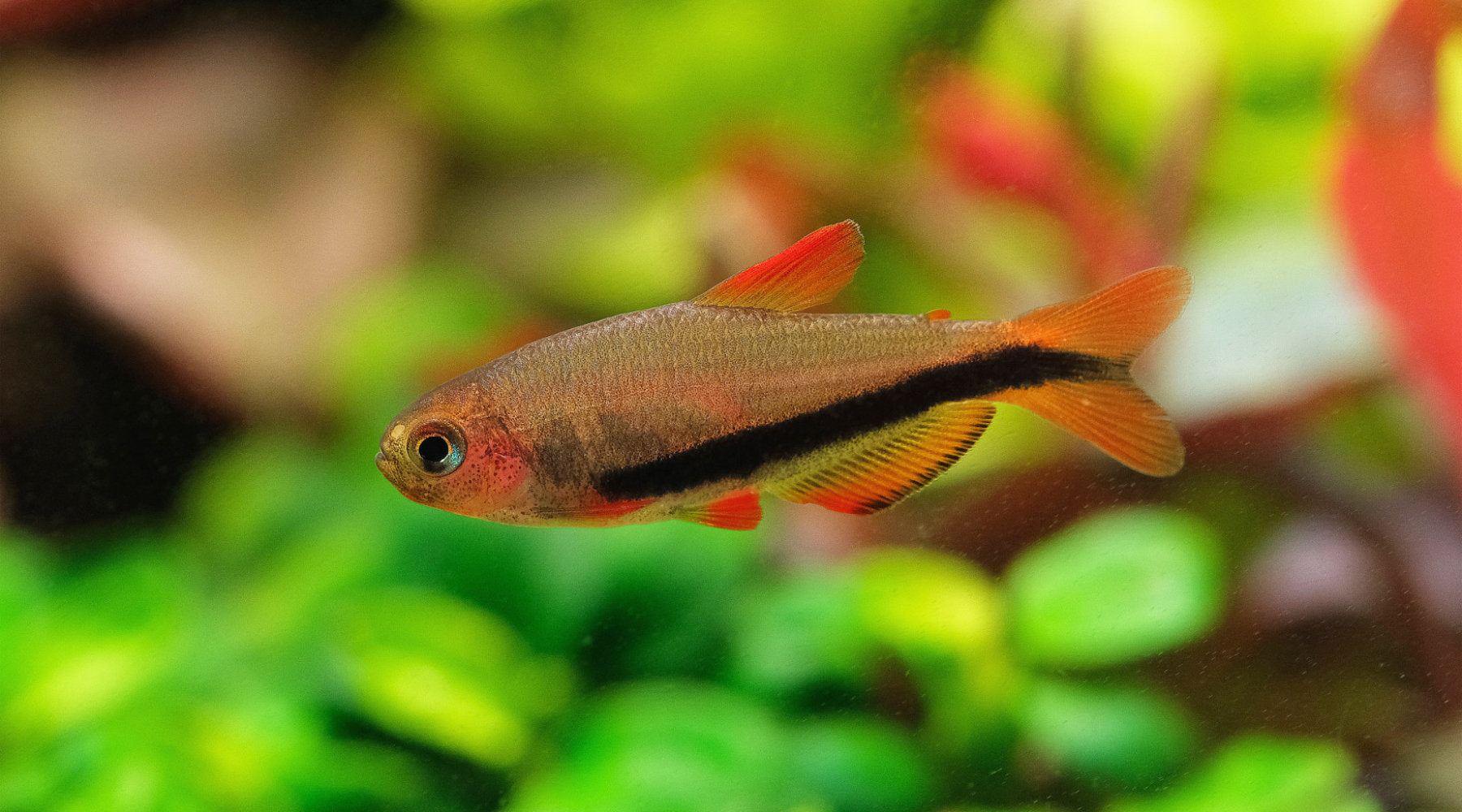
APT SKYPLUS raises KH moderately to ~2 dKH and buffers pH to 7.2~7.6.APT SKY leaves KH and pH unchanged. Use APT SKYPLUS if you keep guppies, mollies and snails. Use APT SKY if you keep tetras and rare softwater plants. Both are great for shrimp. A more detailed comparison can be foundhere.

3X Power

As a GH booster, APT SKY is ~ 3X as concentrated as conventional remineralisers. Each 3.5g / 5ml per 60L adds 12ppm Calcium and 3.5ppm Magnesium, raising GH by 2.5 dGH.Did we mention that it is super-soluble, non-caking, and just a joy to handle?

Freedom to Play

Plants have conflicting softwater / hardwater requirements. APT SKY and APT SKYPLUS remove the hassle of having to choose between softwater and hardwater plants. For softwater tanks, it boosts shrimp health and reproduction. The catch? It does require Softwater or Reverse Osmosis (RO) water to begin with. At the moment, there is no easy way to make Hardwater ’Soft’.

FAQs

Please read our FAQs page to find out more.

How do I use APT SKY? Can I pre-mix it or run it through a doser?

Add APT SKY directly to your tank, or better, to the fresh water you use for a water change, and let it circulate. It's made of calcium and magnesium salts, which have low solubility, so it can't be concentrated into a small stock solution or added through an automatic doser. It needs a large body of water to dissolve fully. Dose to your target GH. Most planted tanks do well at around GH 6, and our our dosing calculator gives you the exact amount for your tank volume.

Do I need APT SKY, and should I choose SKY or SKY PLUS?

You need a remineraliser if you run RO/RODI water, or naturally very soft tap water that's low in GH. If your tap water is already moderately hard, you likely don't need one. Between the two: APT SKY raises GH only (calcium and magnesium) and leaves KH and pH untouched, which suits most planted tanks and soft-water, acidic-loving fish. APT SKY PLUS raises both GH and KH (and nudges pH up slightly), so choose it if your fish or shrimp need a specific, stable KH.

What TDS should I target?

As a rough guide, RO water remineralised to 5–7 dGH usually sits somewhere around 85–150 TDS. But TDS isn't the best way to dose accurately. The reliable method is to dose APT SKY by weight, using an accurate weighing scale, rather than by volume or by chasing a TDS reading.

TDS only reports the total dissolved ions in your water as a single combined number. It doesn't tell you which ions are present or in what ratio, and readings shift with your meter, its calibration, and whatever is already dissolved in the tank. That makes it useful for tracking relative changes over time, such as watching TDS climb between water changes, but unreliable as an absolute target. Weighing your dose gives you a precise, repeatable result every time.

The 2Hr Way

Ver todo

KH in Planted Aquariums: What Level Is Right for Your Tank?

KH in Planted Aquariums: What Level Is Right for Your Tank?

The right KH for a planted aquarium depends on what you keep, not a single internet number. Most tanks do well at 2 to 7 dKH, with sensitive soft water plants preferring less. This guide covers the target ranges, why stability beats a perfect reading, and how to adjust KH safely.

Leer mássobre KH in Planted Aquariums: What Level Is Right for Your Tank?
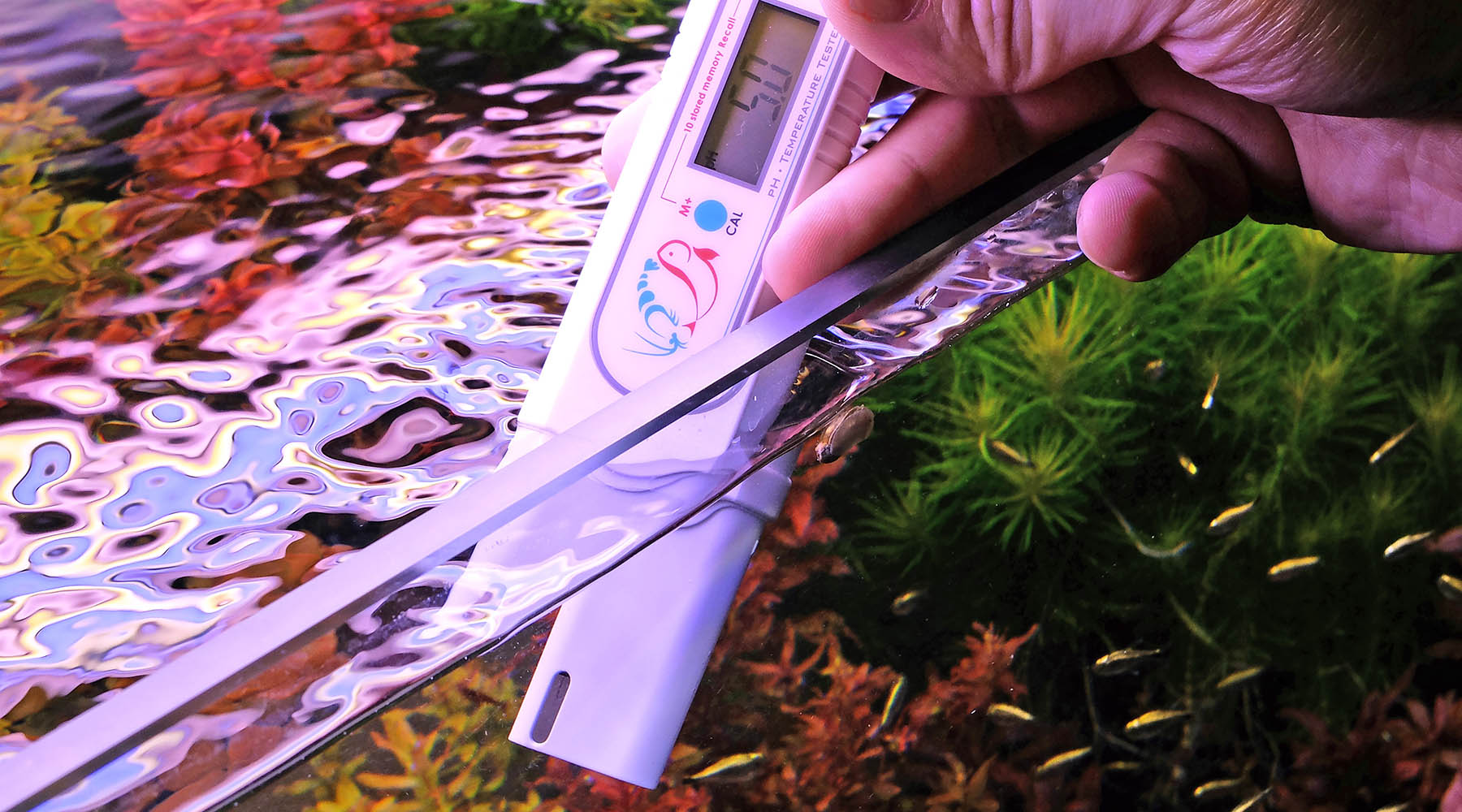
Are bacteria affected due to low pH/KH in aquasoil tanks?

¿Es preocupante un pH bajo en los acuarios debido a los aquasoils/aguas blandas?
Los tanques que utilizan aquasoil en países de aguas blandas tienen naturalmente valores de pH muy bajos. Esto suele suscitar cierta preocupación entre los acuariófilos, que temen que un pH tan bajo afecte a la salud del ganado o de las bacterias del acuario...

Leer mássobre ¿Es preocupante un pH bajo en los acuarios debido a los aquasoils/aguas blandas?

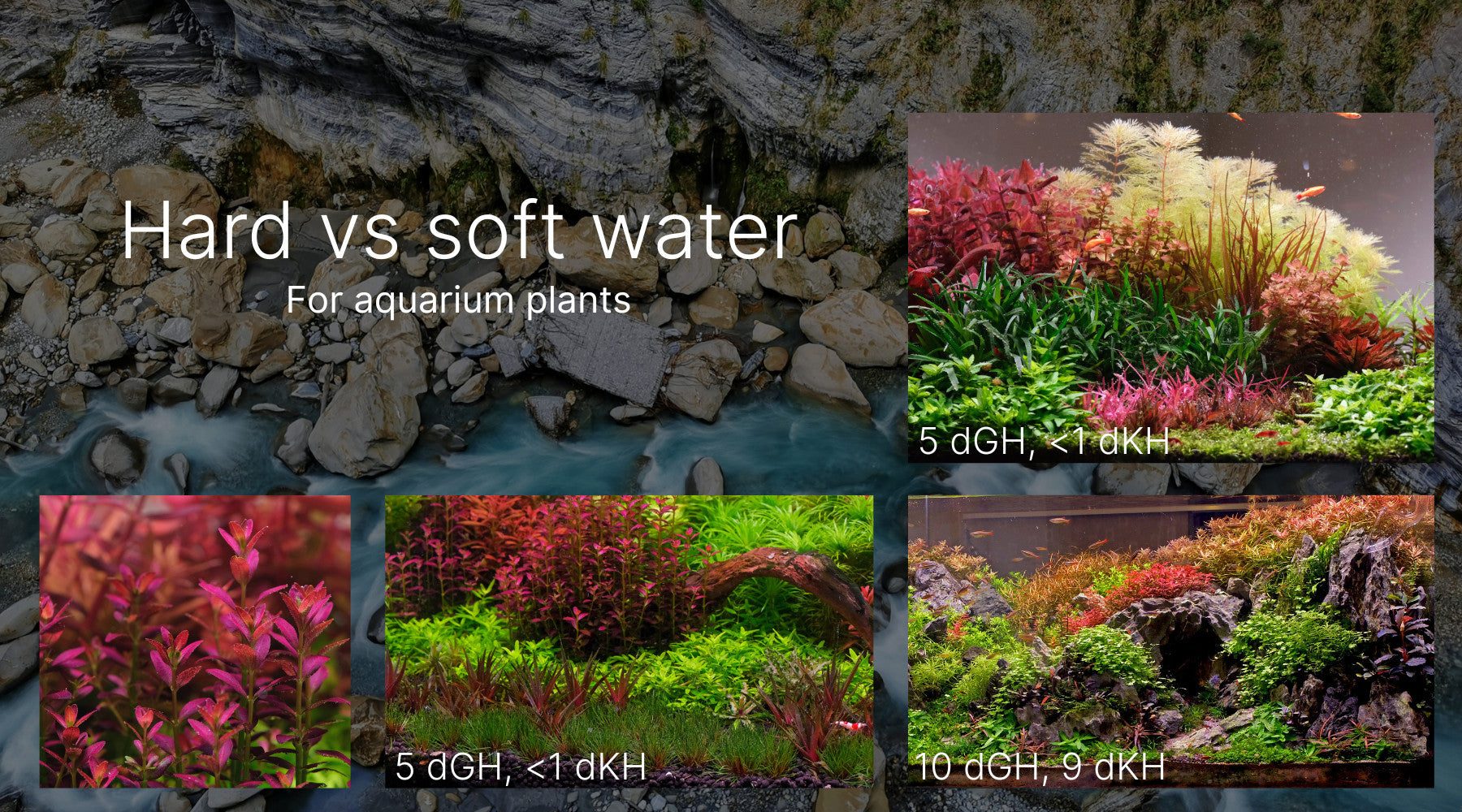
Hard water vs Soft water plants decoded

Plantas de agua dura frente a plantas de agua blanda
¿Qué es exactamente agua dura o agua blanda? Cómo puedo saber si mi tanque tiene agua dura o agua blanda. Cómo puedo aumentar el GH sin aumentar el KH o viceversa?

Leer mássobre Plantas de agua dura frente a plantas de agua blanda

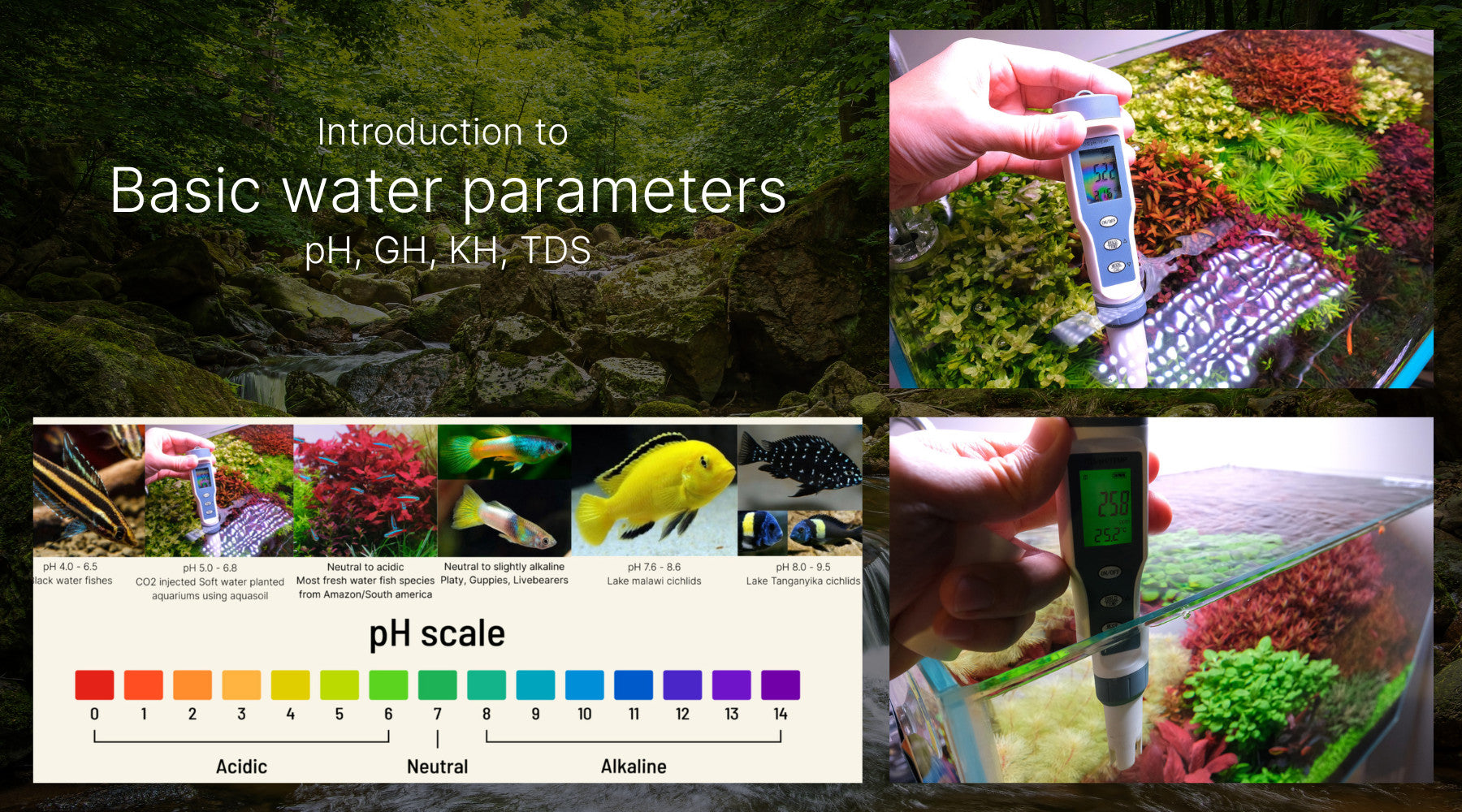
pH, KH, GH, TDS - Introduction to basic water parameters

pH, KH, GH, TDS - Introducción a los parámetros básicos del agua
pH, KH, GH, TDS - Introducción a los parámetros básicos del agua en el contexto de un acuario plantado. ¿Qué parámetros influyen en el acuario? ¿Las oscilaciones del pH afectan realmente a los peces? ¿Necesita amortiguar su KH a unos pocos grados para tener un acuario exitoso? En este artículo examinamos todas estas preguntas y muchas más.

Leer mássobre pH, KH, GH, TDS - Introducción a los parámetros básicos del agua

How to introduce livestock into a planted tank

Cómo introducir ganado en un tanque plantado
Qué hay que tener en cuenta al trasladar gambas y peces de un tanque a otro con parámetros del agua variables...

Leer mássobre Cómo introducir ganado en un tanque plantado

How to grow softwater plants

Cómo cultivar plantas de agua dulce
¿Qué parámetros debo comprobar para saber si puedo cultivar plantas de agua blanda? ¿Cómo consigo agua blanda?

Leer mássobre Cómo cultivar plantas de agua dulce
Understanding TDS

Entender el TDS

¿Qué es el TDS y qué importancia tiene? ¿Cómo afecta una lectura alta o baja a la salud del ganado y/o de las plantas? Este artículo explica cómo utilizar eficazmente un medidor de TDS.
Leer mássobre Entender el TDS