
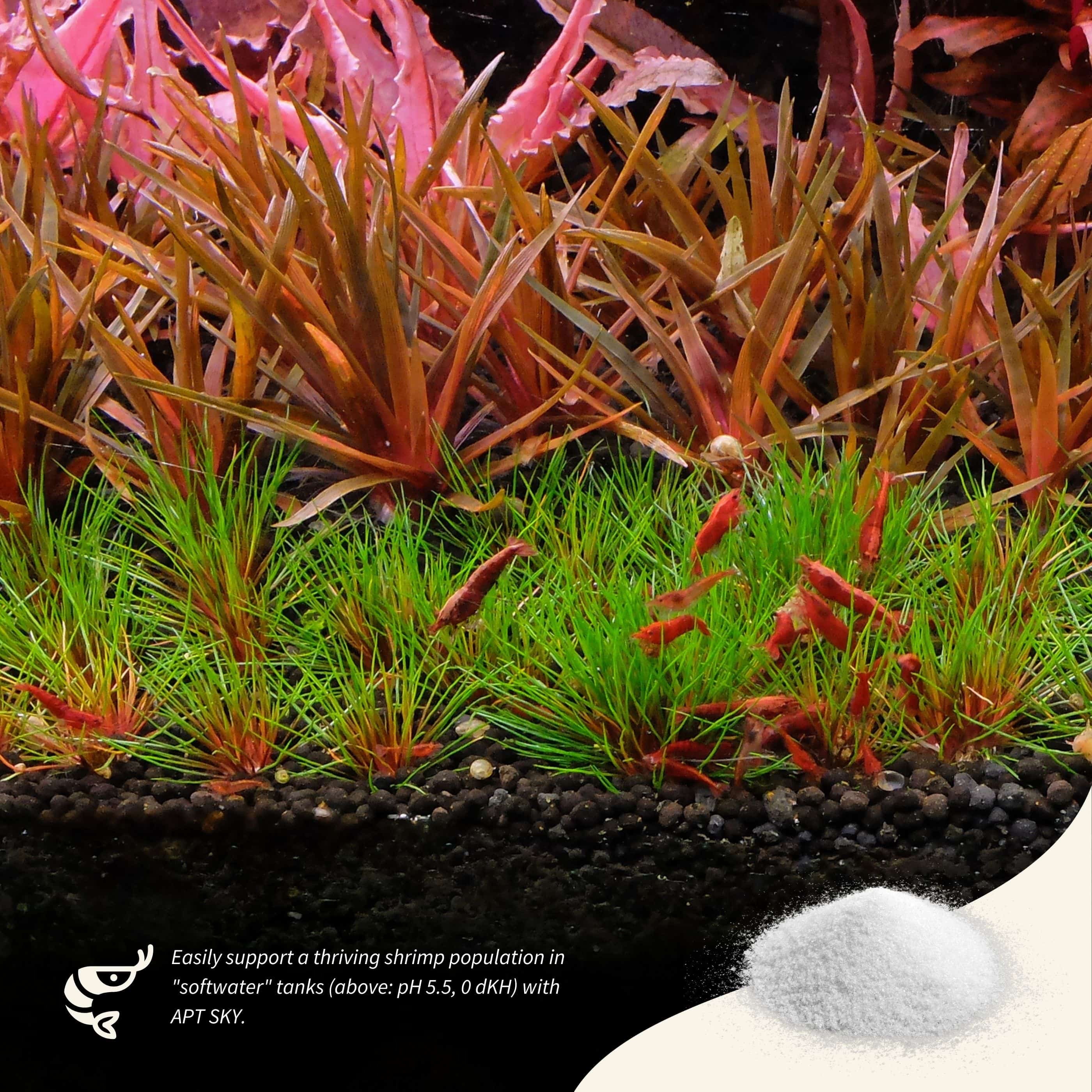
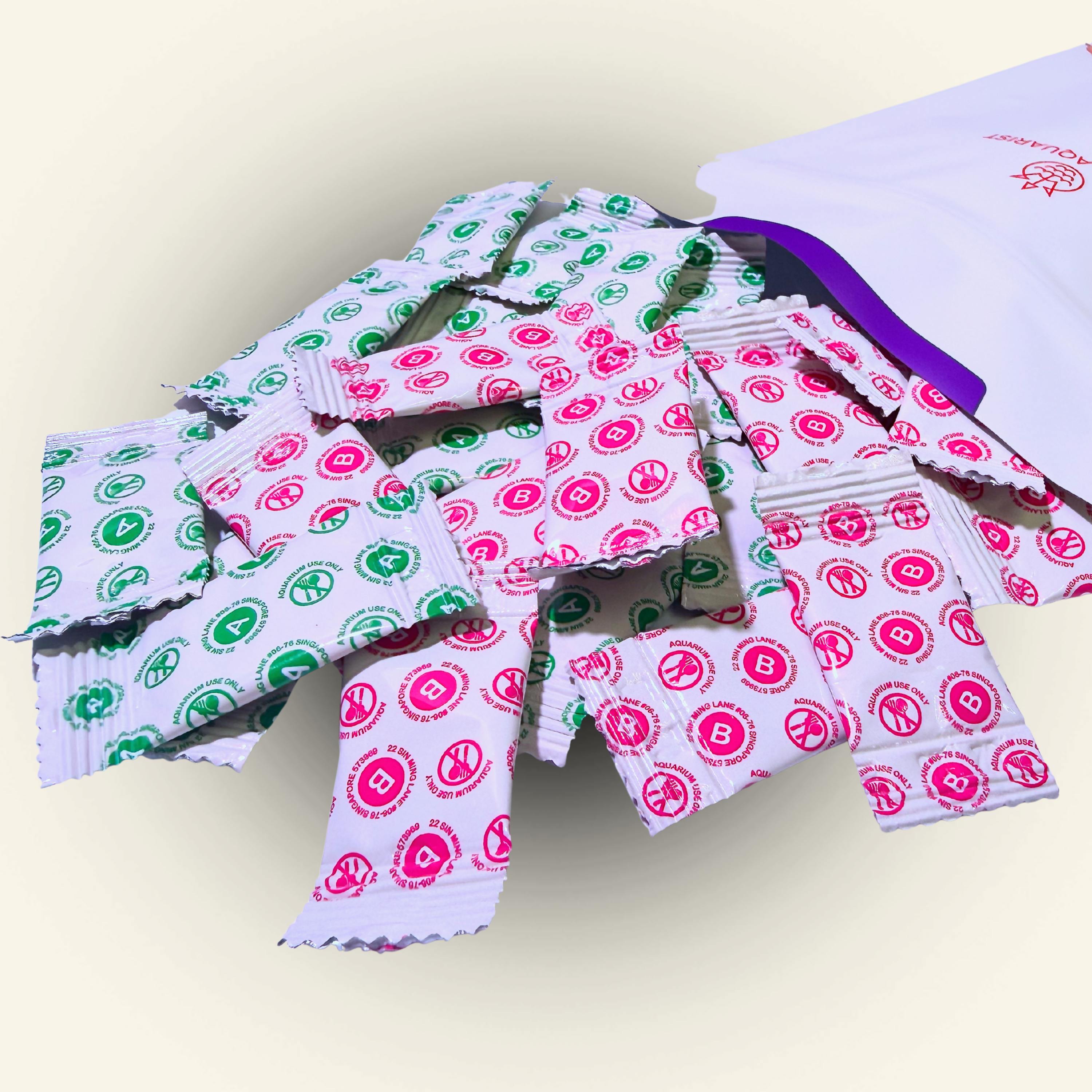
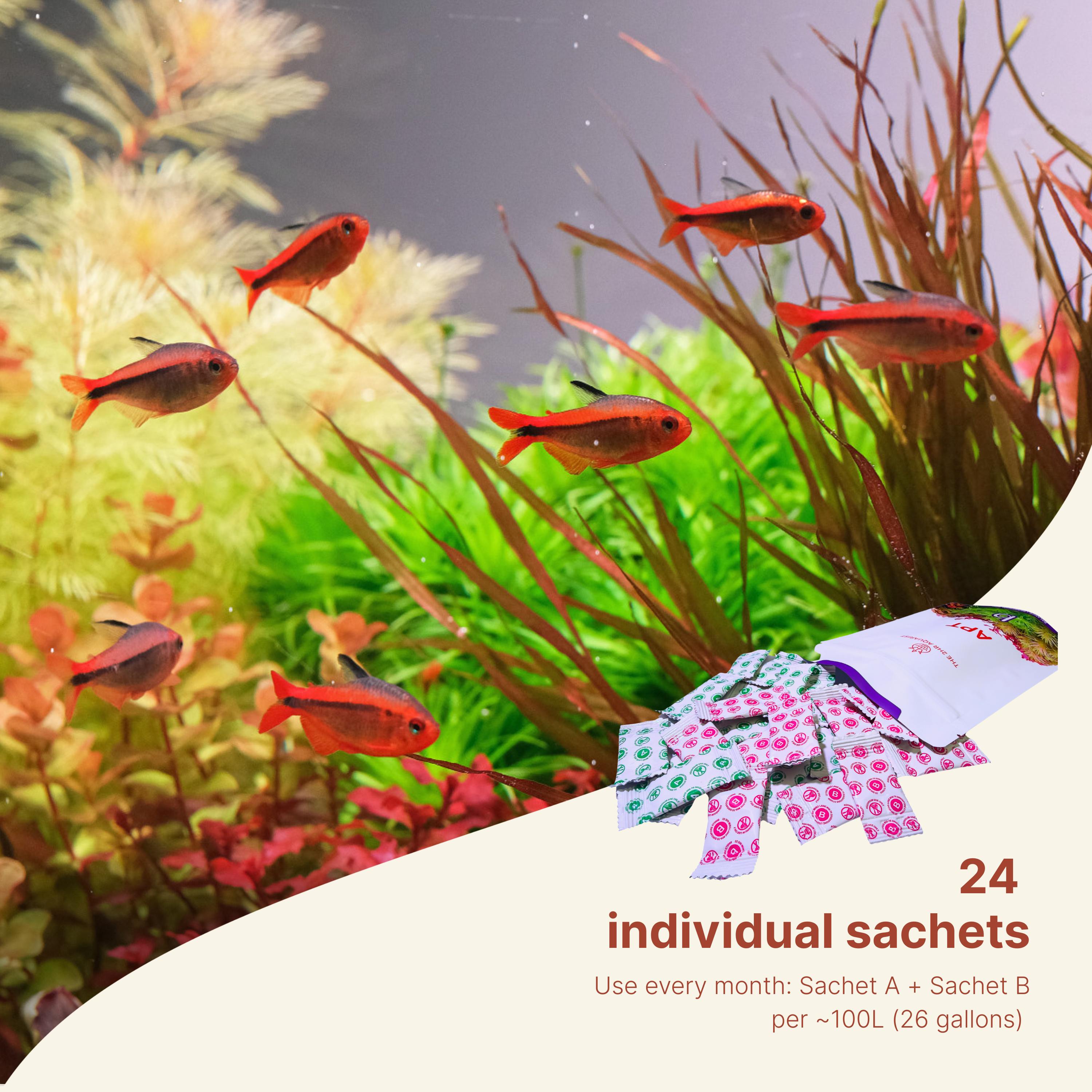
Water care covers the three things that must be right before anything else in the tank can be: the water must be safe, correctly mineralised, and biologically alive. Tap water carries chlorine and chloramines. RO and soft water lack the calcium and magnesium shrimp need. And a tank's stability rests on a microbial community, not on chemistry alone.

4 productos

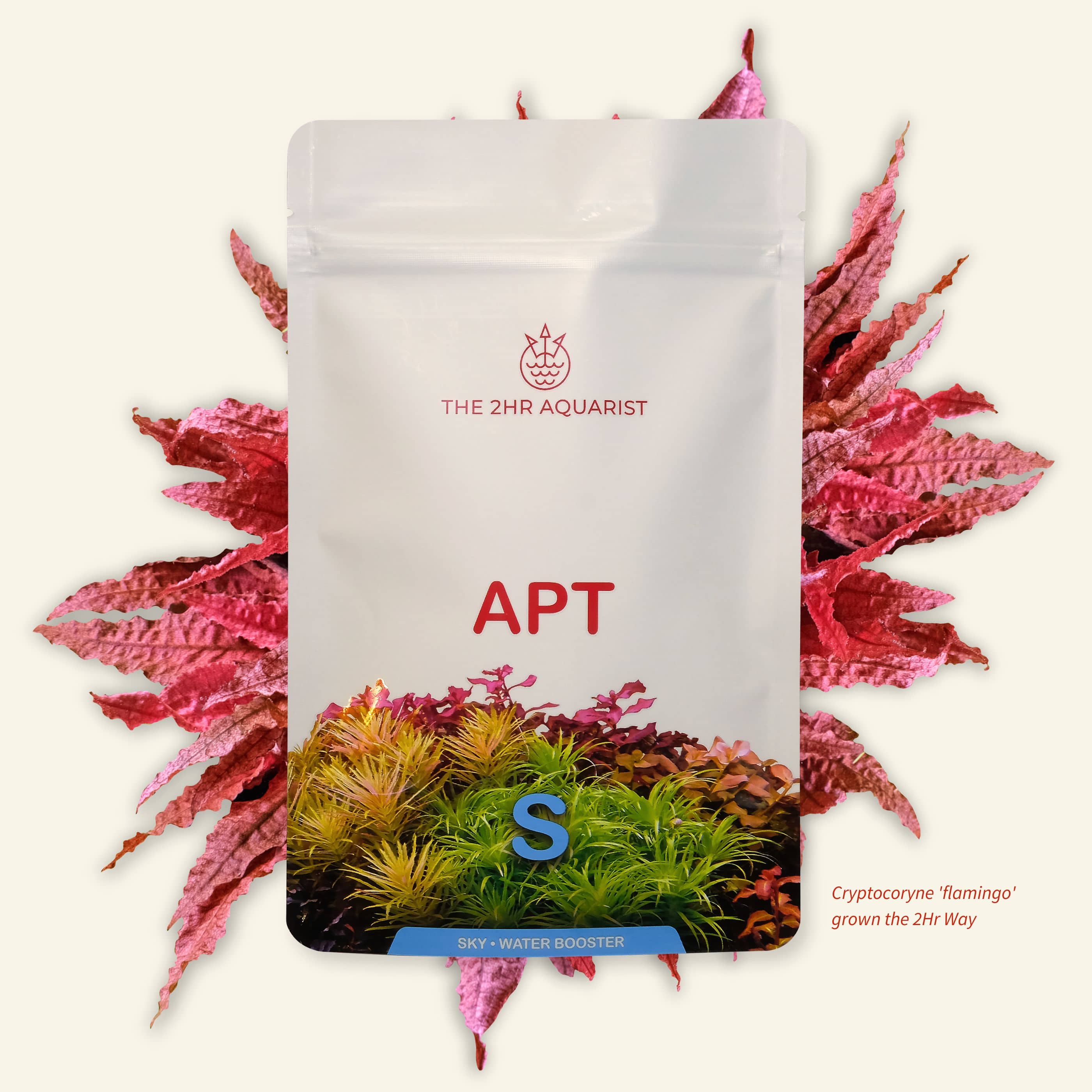
2Hr Aquarist APT SKY

A partir de €12,90

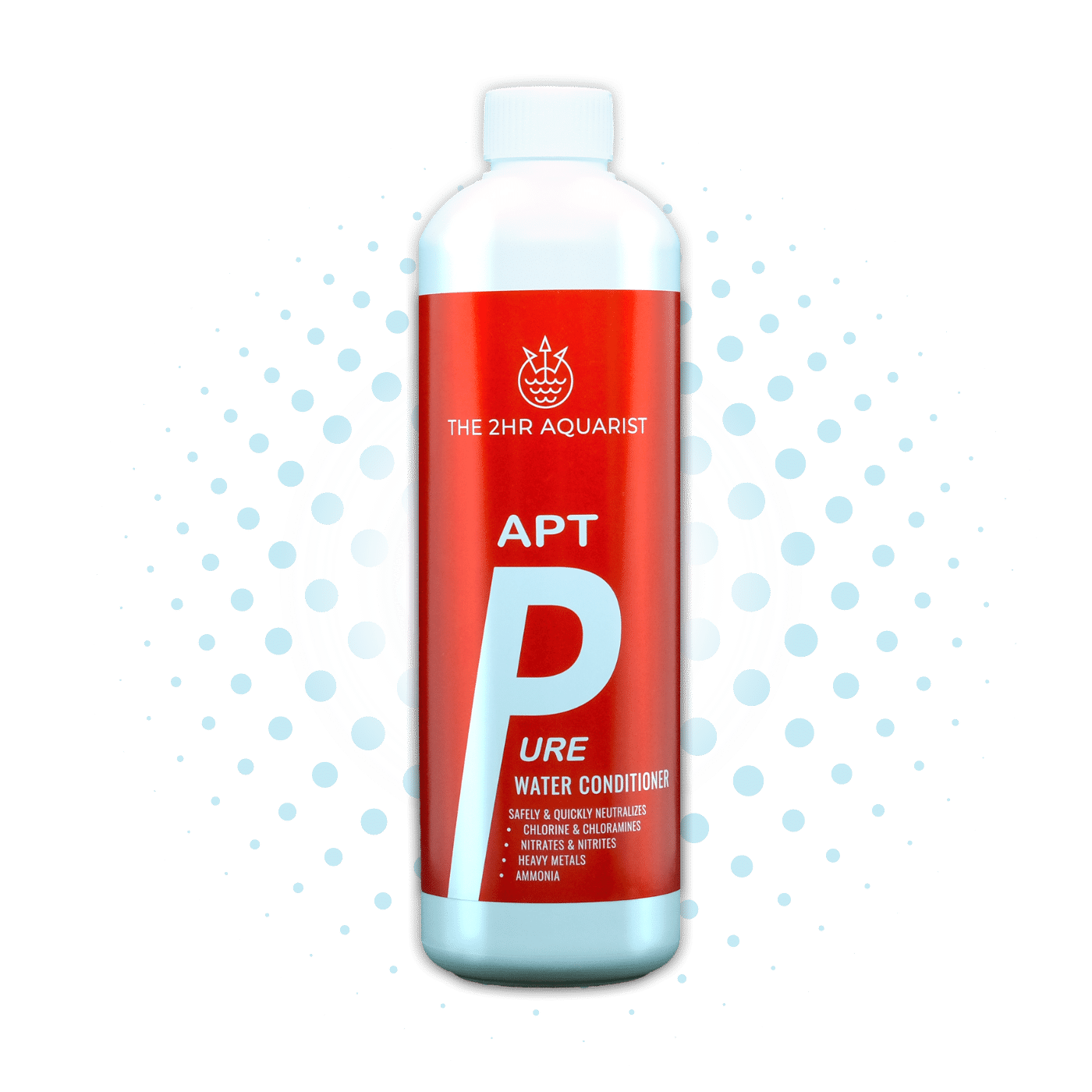
2Hr Aquarist APT Pure

A partir de €11,90

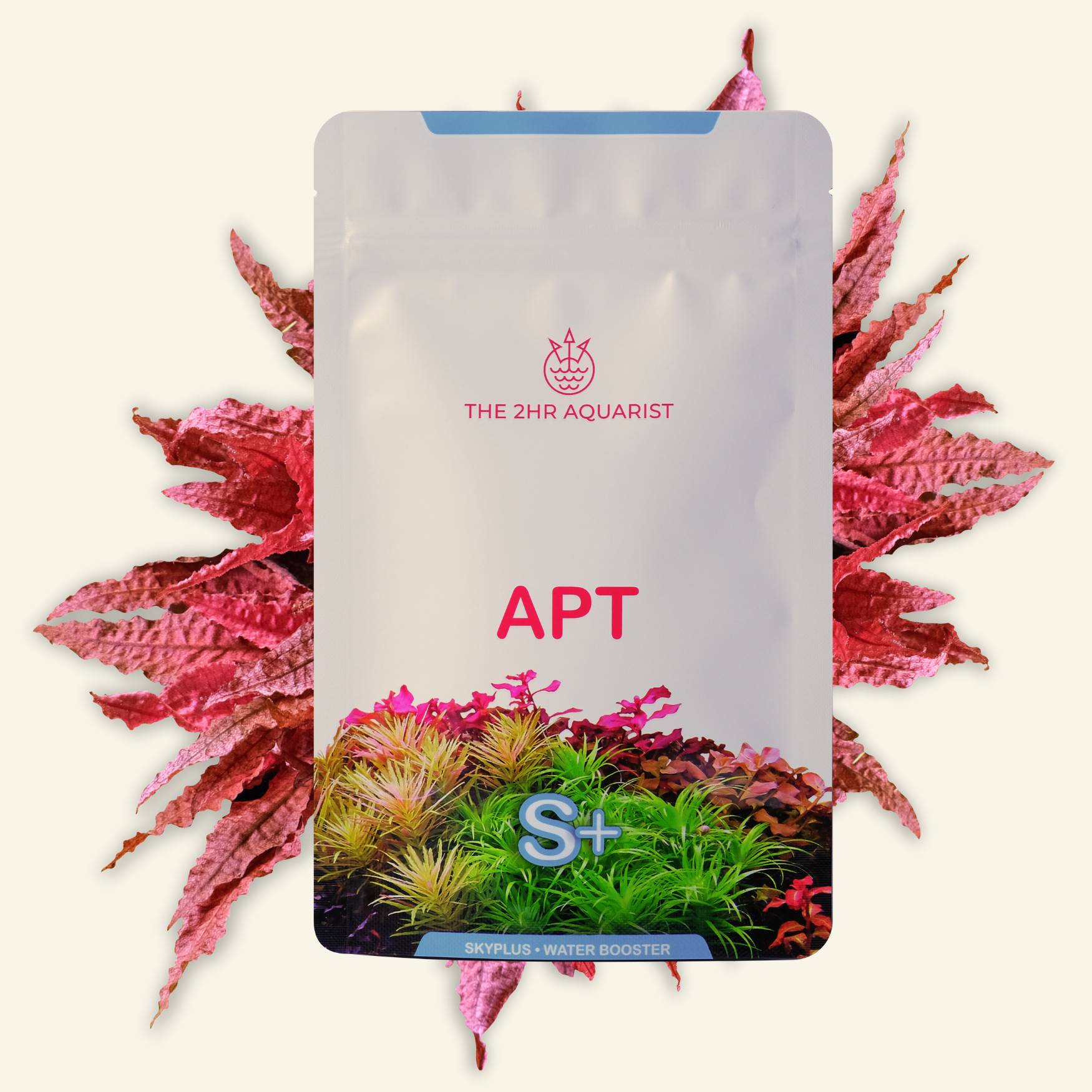
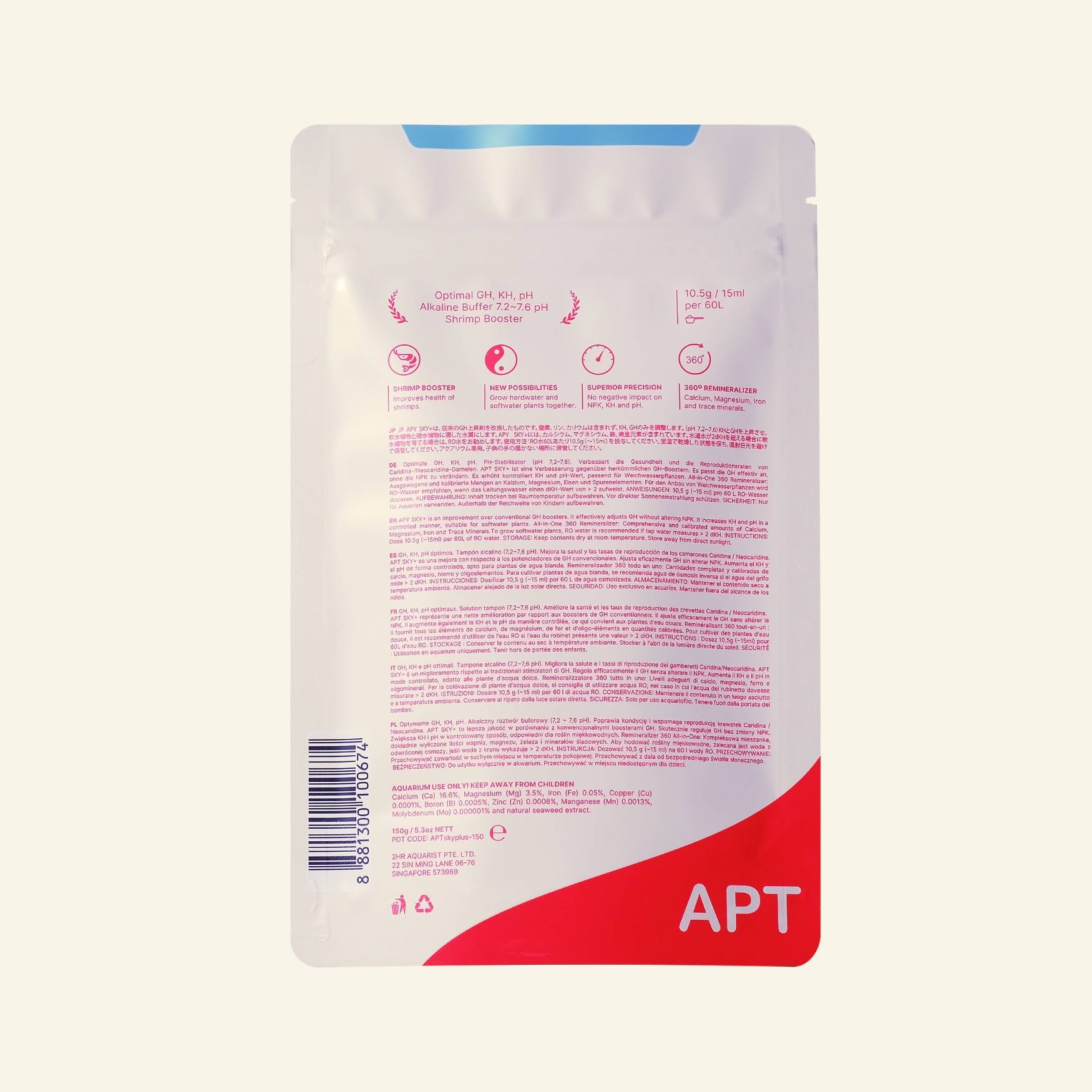
2Hr Aquarist APT SKY PLUS

A partir de €16,90

FAQs

Why treat tap water at all?

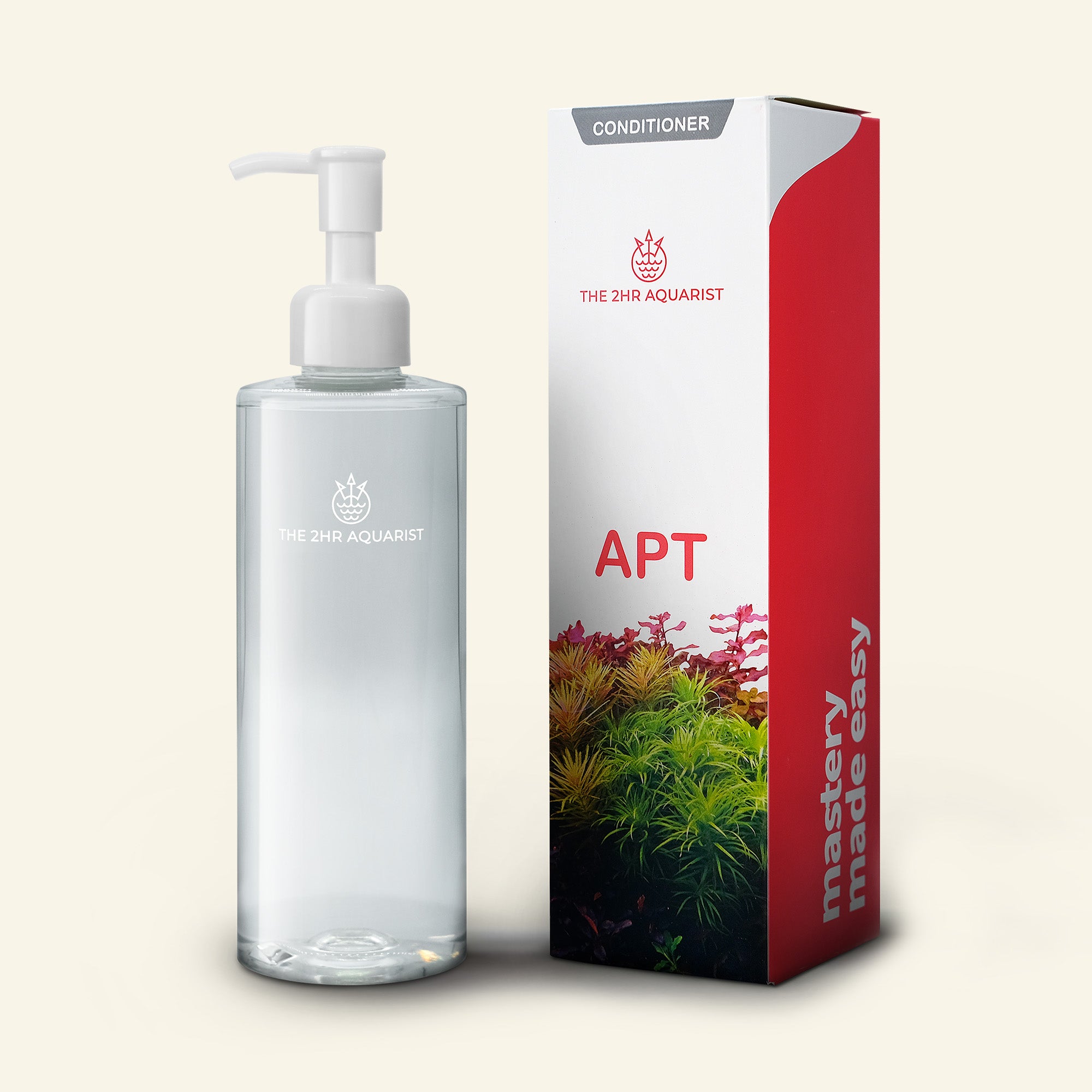
Most urban tap water carries 0.2 to 2ppm of chlorine and chloramines - enough to kill waterborne disease, and enough to harm fish and destroy the beneficial bacteria a tank depends on. Tap water can also carry heavy metals, such as copper leached from old piping. APT PURE removes chlorine and chloramines instantly and detoxifies heavy metals, ammonia, nitrites and nitrates, at 1ml per 60L.

Can shrimp and plants really share the same water?

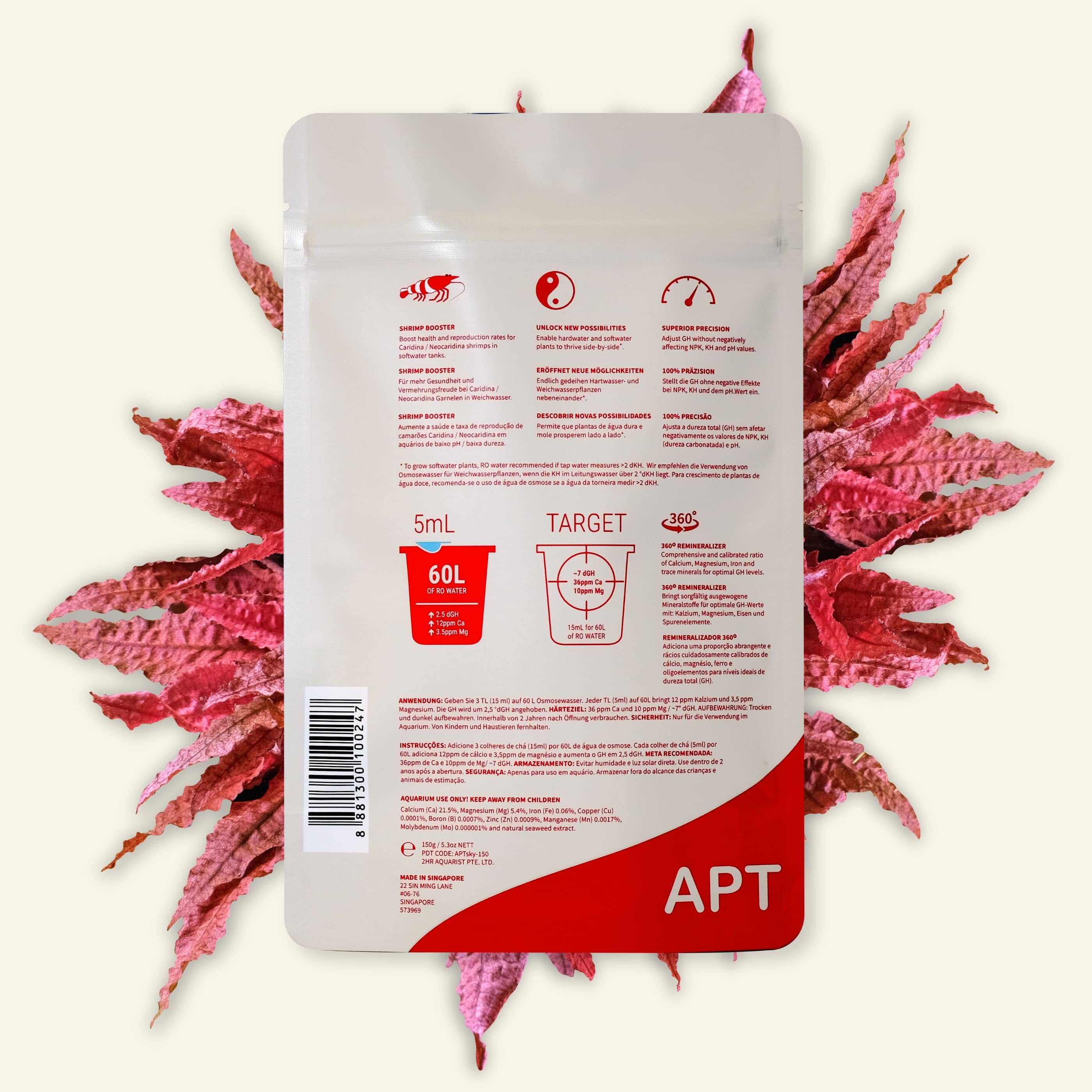
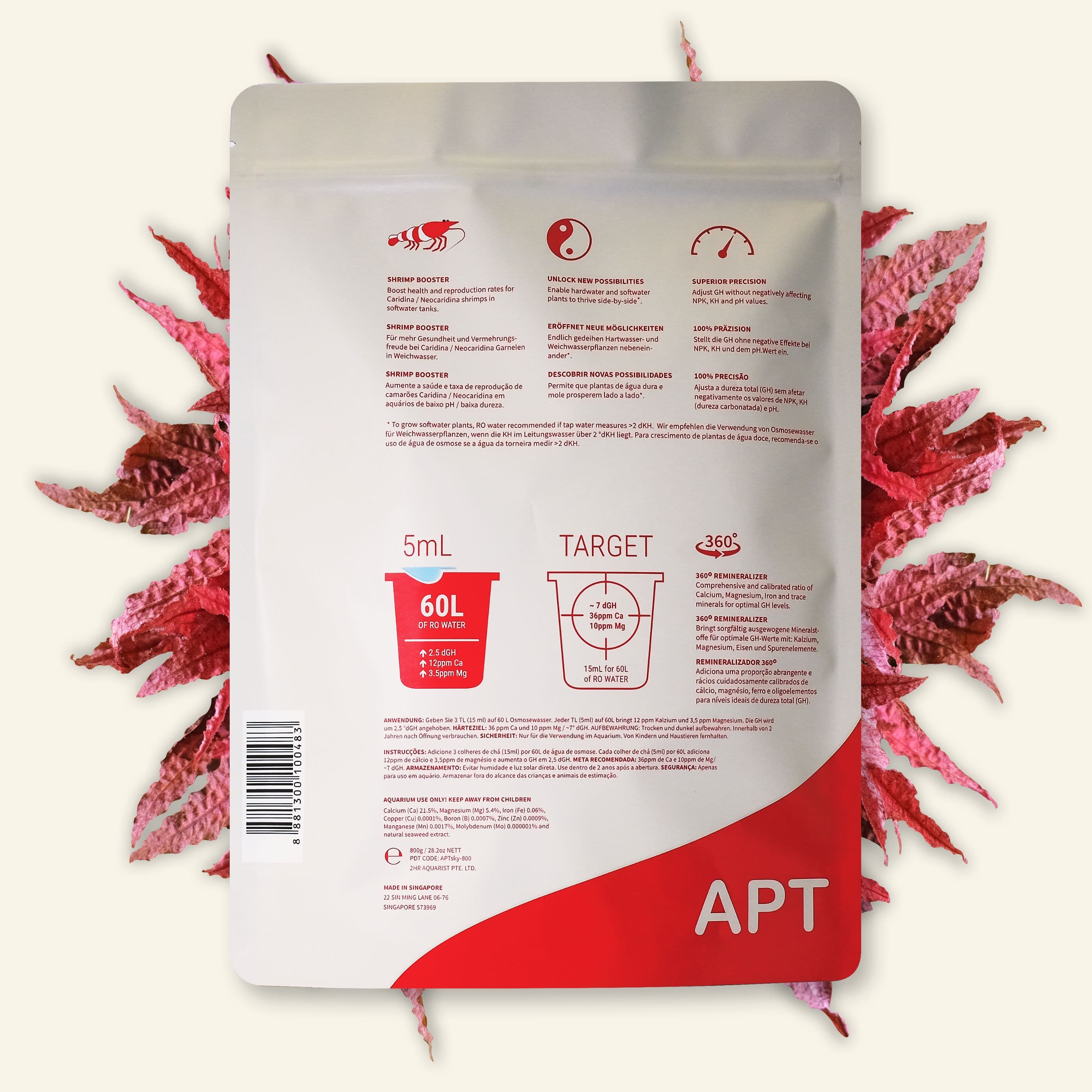
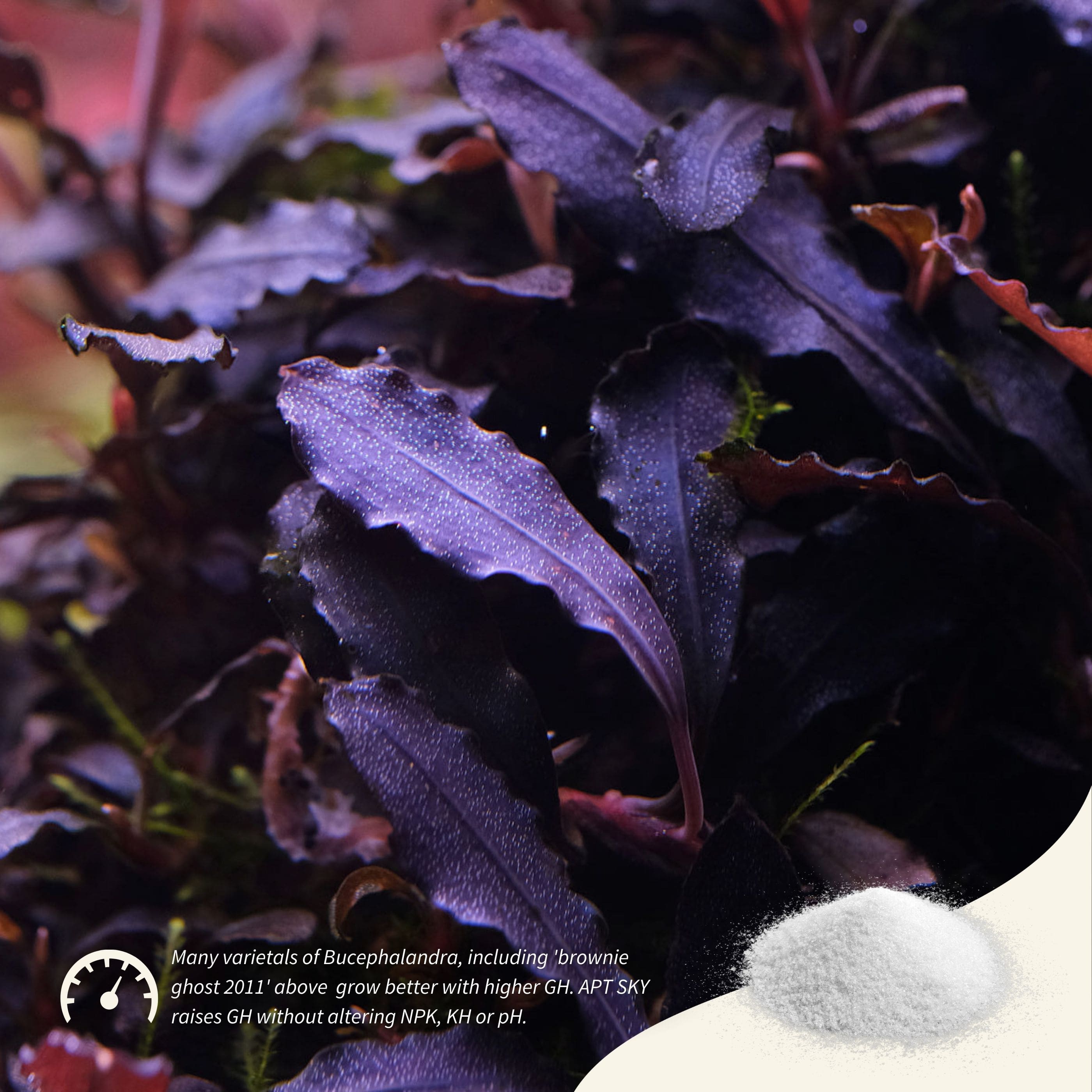
Yes, and this is the point of remineralisation. Caridina and neocaridina shrimp need calcium and magnesium, which acidic softwater lacks - yet acidic softwater is what most aquatic plants prefer. APT SKY raises GH without touching KH, pH or your fertiliser's NPK ratio, so shrimp thrive in the conditions the plants also want, and hardwater and softwater species can be kept in one tank. Conventional GH boosters interfere with all three.

APT SKY or APT SKYPLUS?

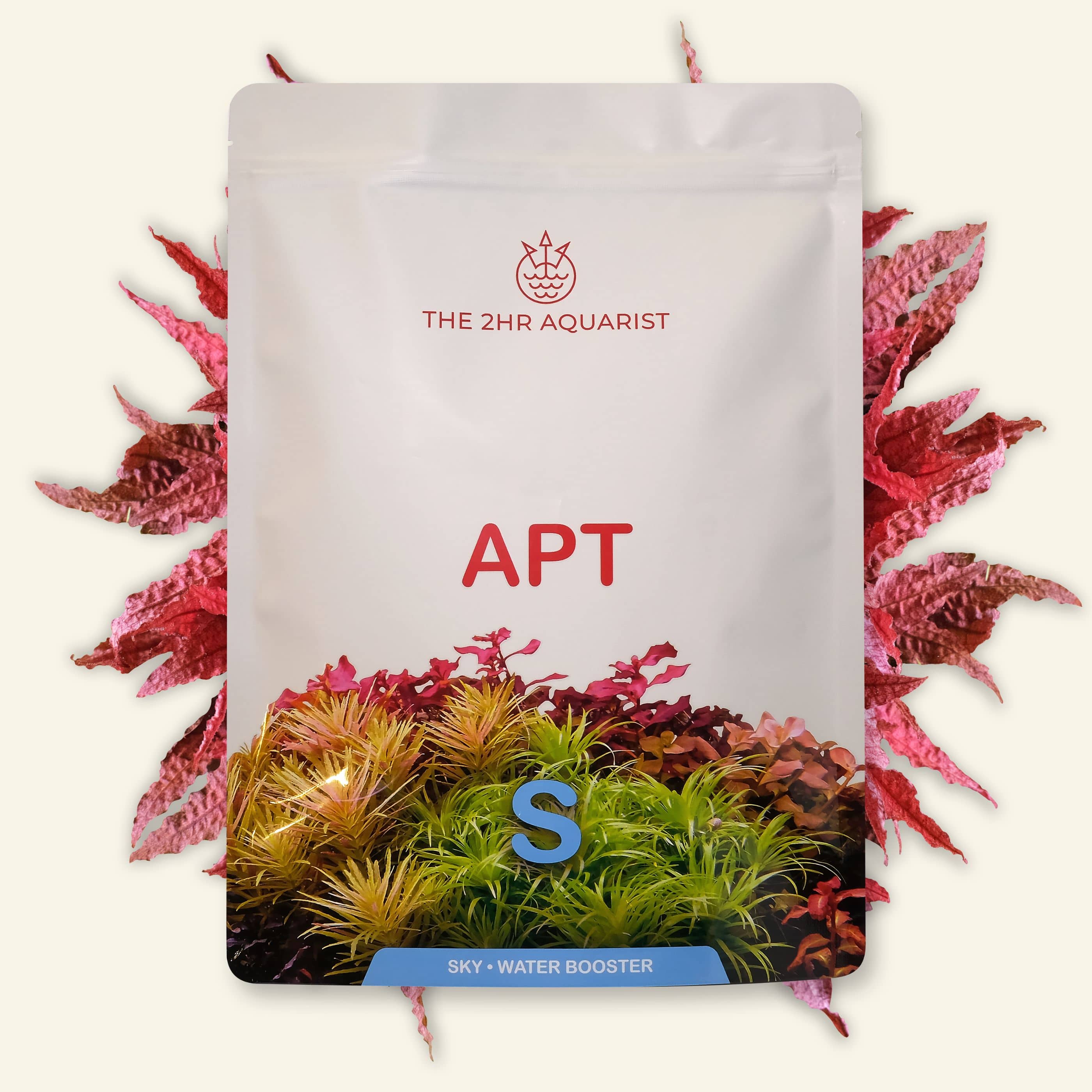
APT SKY leaves KH and pH unchanged: choose it for tetras and rare softwater plants. APT SKYPLUS raises KH moderately to around 2 dKH and buffers pH to 7.2 to 7.6: choose it for guppies, mollies and snails. Both suit shrimp, and both require soft or RO water to begin with.

Why does microbial diversity matter?

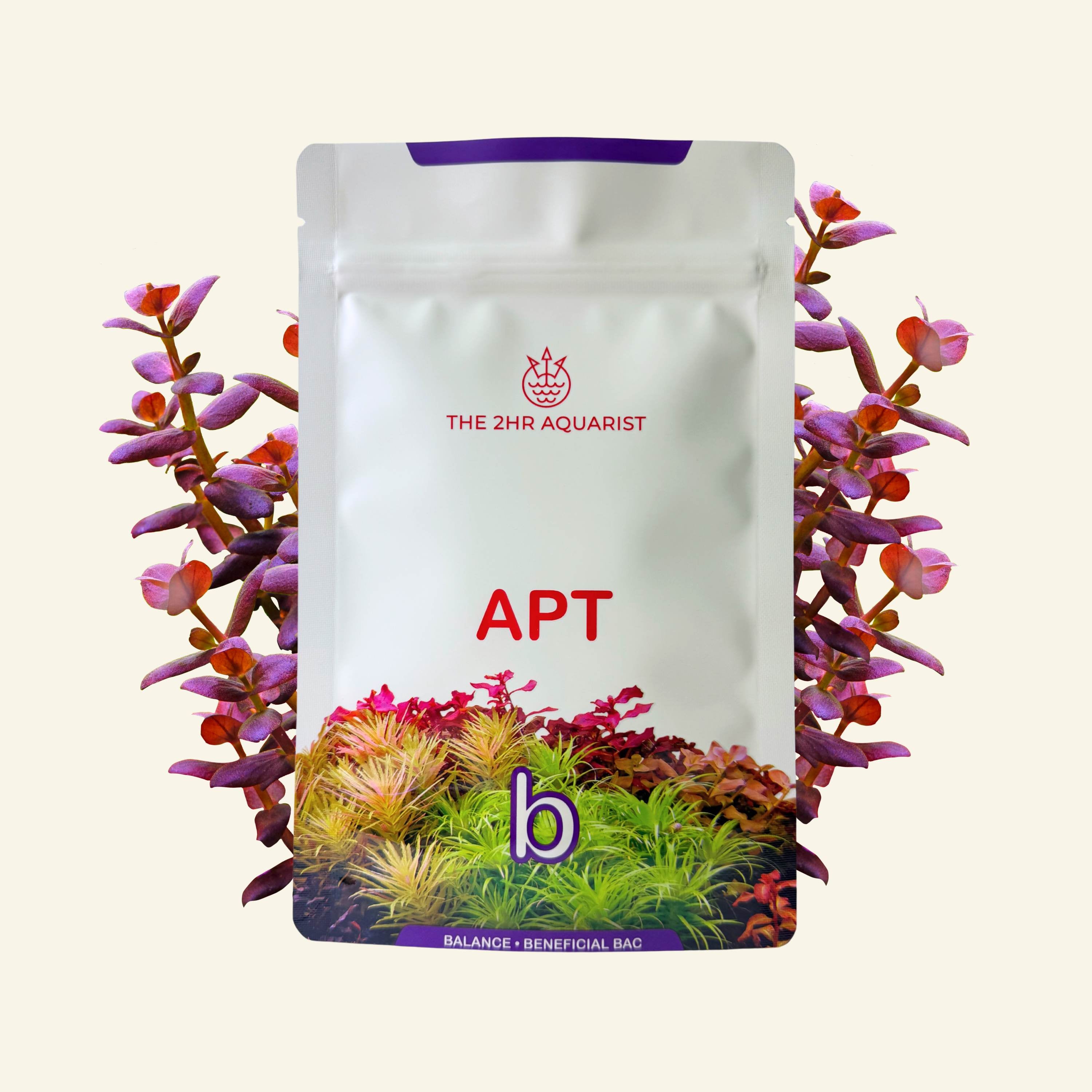
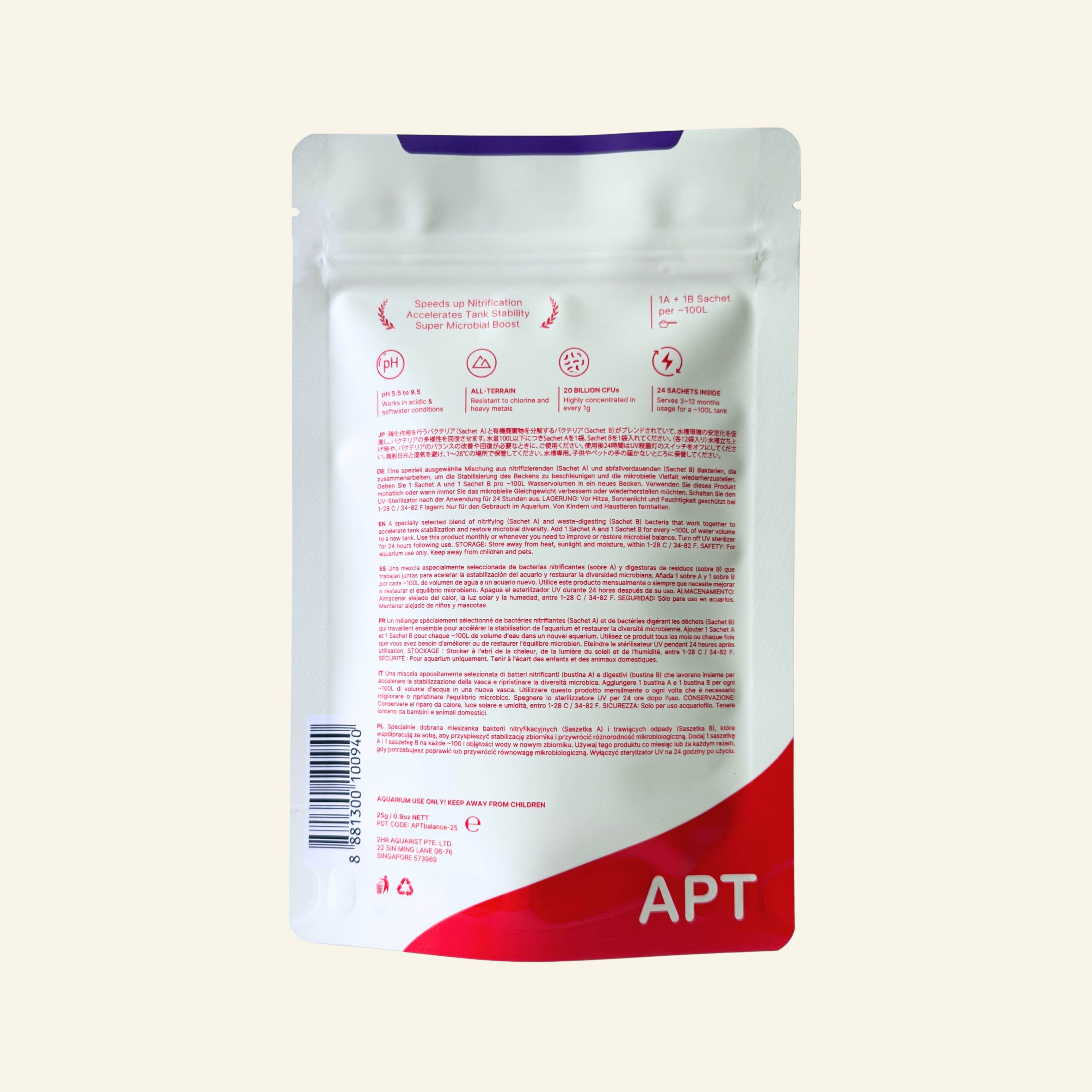
Because tank stability is biological, not chemical. A healthy system needs more than nitrifying bacteria; it needs organisms that break down plant and animal detritus too. APT Balance supplies both, in dry powder form, and is built for the low-pH conditions modern aquasoils create, where conventional liquid bacteria strains struggle. Add monthly, or after a reset, a filter clean, or the introduction of new livestock.

Insights

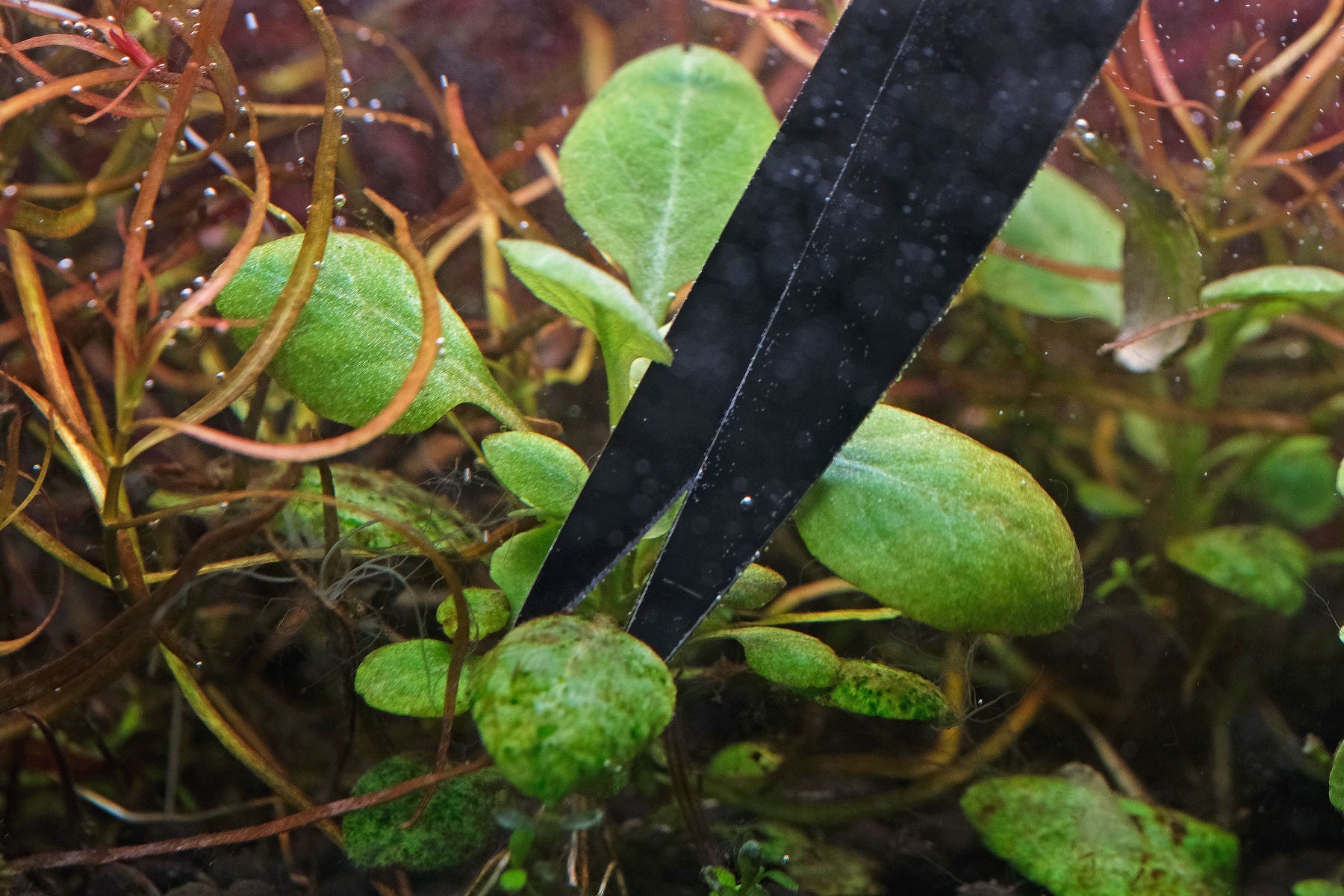
Close up photo of algae on older aquatic plant leaves

¿Qué deterioran las hojas? Comprender el ciclo de renovación de las hojas en las plantas acuáticas

Este artículo profundiza en el tema de cómo las plantas se renuevan continuamente mediante la producción de hojas nuevas.
Leer mássobre ¿Qué deterioran las hojas? Comprender el ciclo de renovación de las hojas en las plantas acuáticas

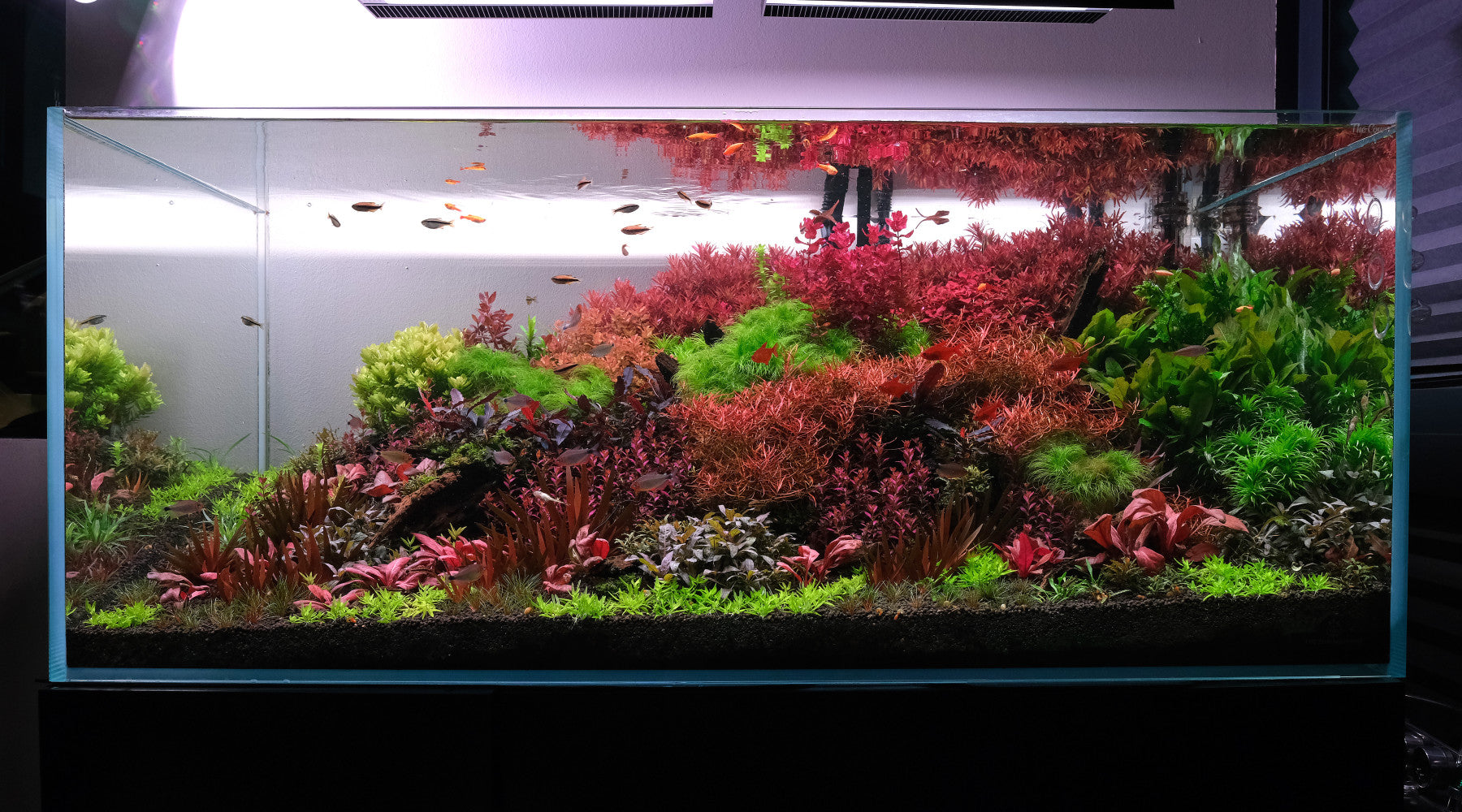
4ft Rotala florida community aquarium: Showcasing the 2hr Way

Acuario comunitario de 1,20 m con Rotala florida: Presentación del método 2hr Way

Aquí se describen todos los detalles sobre los parámetros del acuario, las plantas y las especies de peces, así como el régimen de mantenimiento del paisaje acuático de Rotala florida de 1,20 m.

Leer mássobre Acuario comunitario de 1,20 m con Rotala florida: Presentación del método 2hr Way
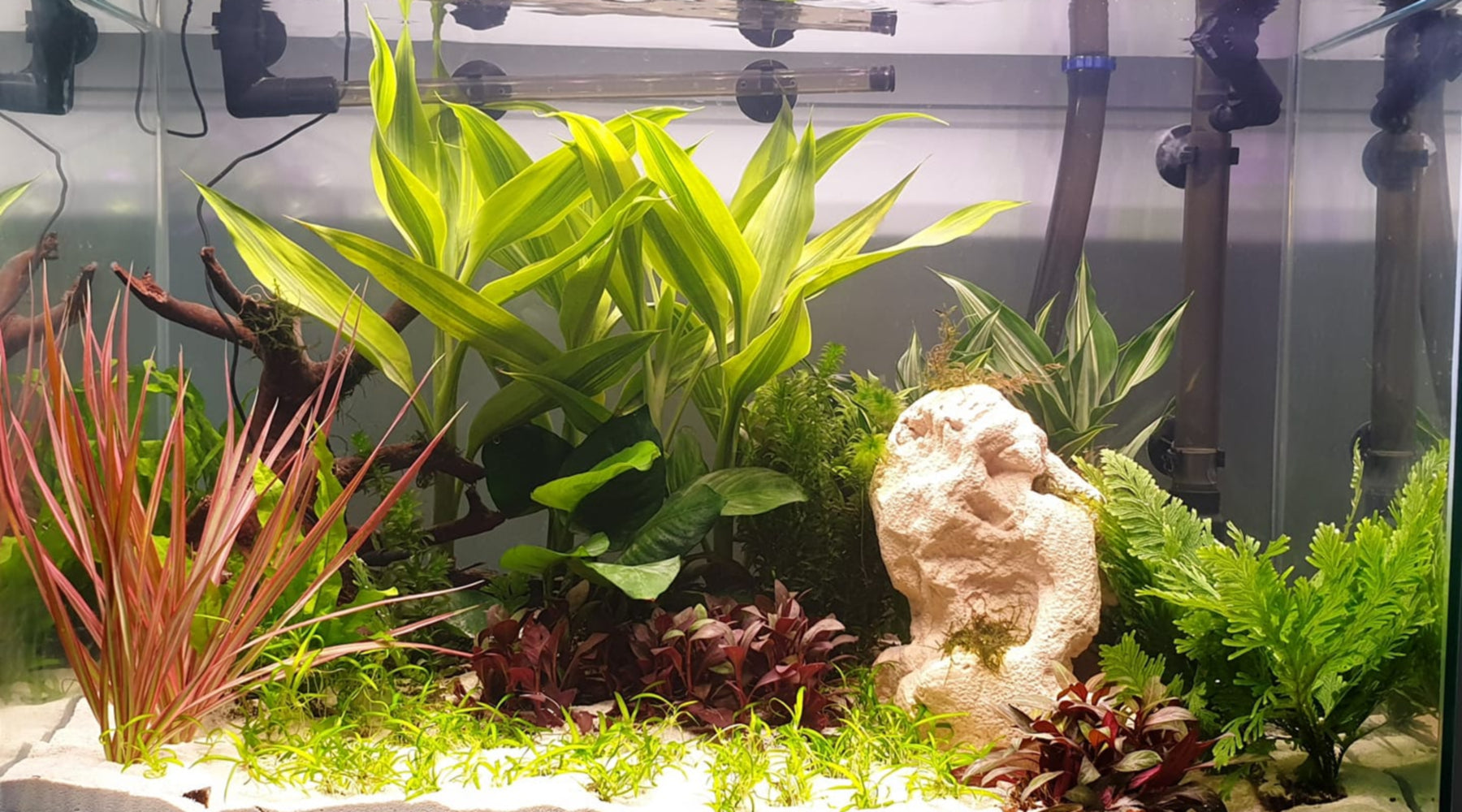
Non-Aquatic Aquarium Plants: A Beginner's Buying Guide to Avoid Them

Guía para principiantes para evitar las plantas no acuáticas en las tiendas

El mayor escollo para los principiantes es que las tiendas de acuarios suelen tener especies de plantas no acuáticas que no crecen bien en el acuario a largo plazo. Esta guía destaca algunas especies no acuáticas comunes que los aficionados deben evitar, y también muestra la diferencia entre las formas emersas y las formas de crecimiento sumergidas para especies de plantas acuáticas comunes.

Leer mássobre Guía para principiantes para evitar las plantas no acuáticas en las tiendas