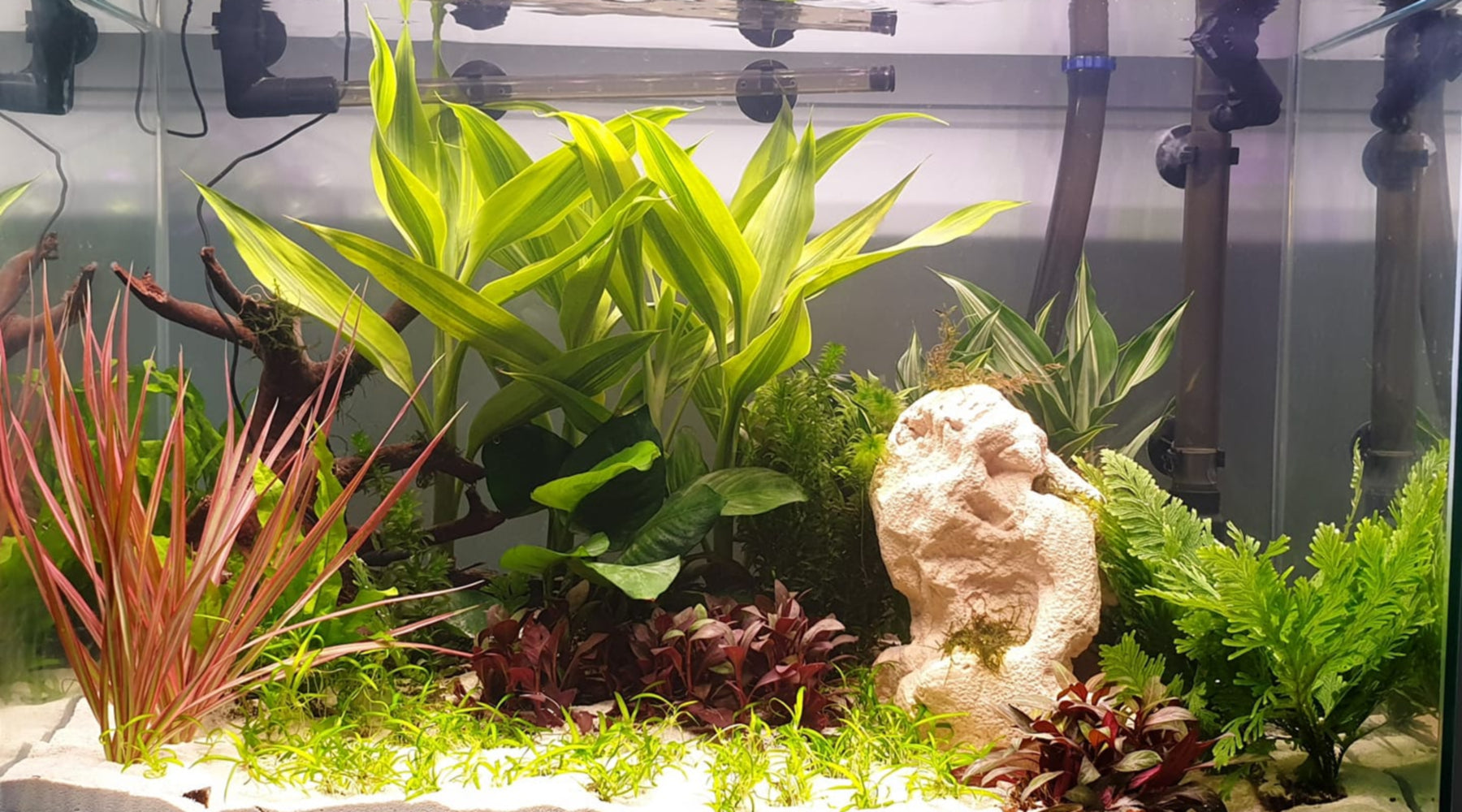

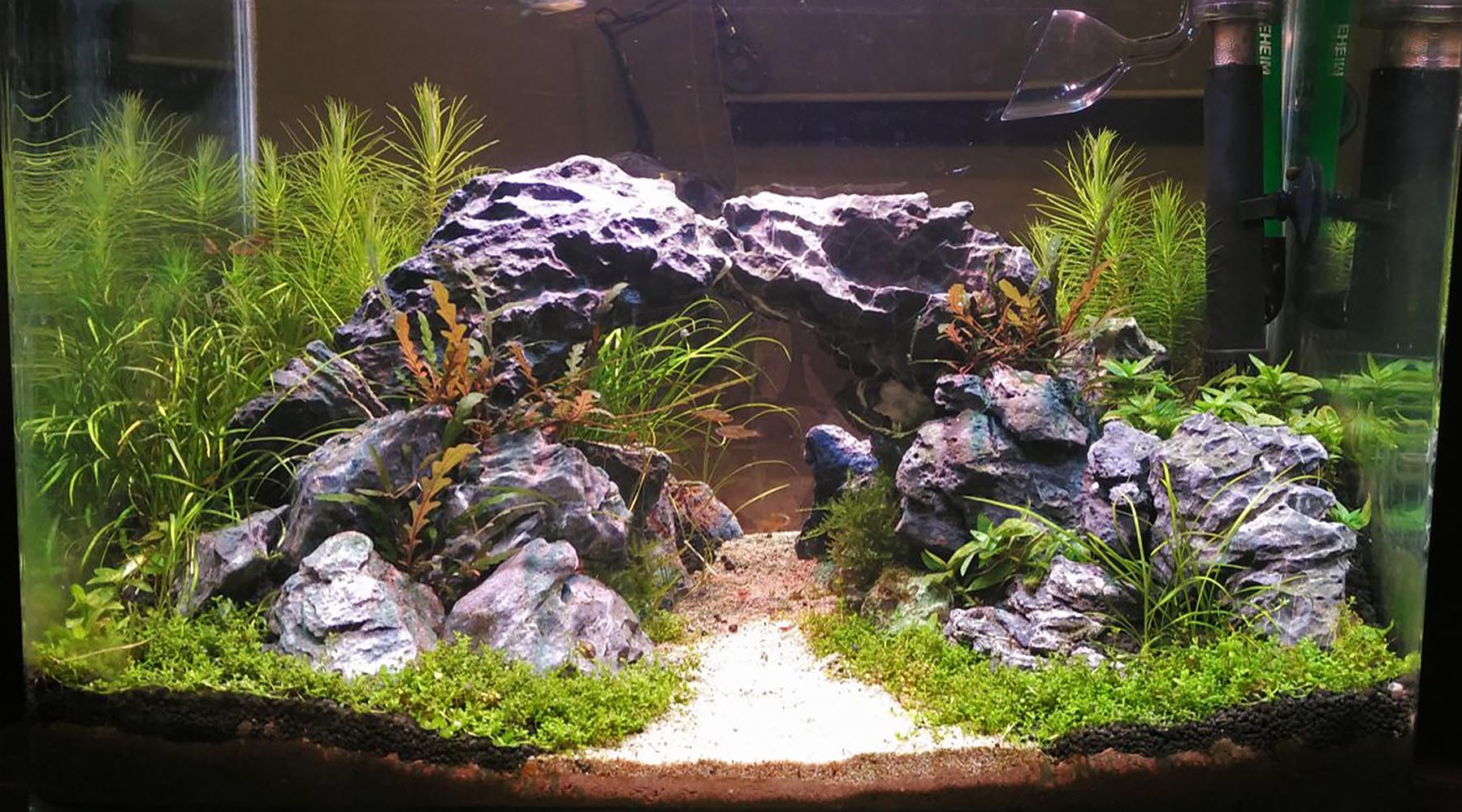
Sometimes we want to use soil in planted areas of the aquarium, while using cosmetic sand to create a path or beach in part of the aquascape.

For convenience, many aquascapers now simply lay a thick layer of sand over the aquasoil in the areas where they require cosmetic sand. The layer of sand must be thick enough to prevent the aquasoil from floating up. Hardscape is usually used to border the sand.

Plants with deep roots should not be planted in such areas, otherwise aquasoil will be pulled up during replanting cycles. If aquasoil rises to the surface of the sand, simply vacuum it up with a siphon during water changes. Due to the low organic content of Aquasoil, this method of building up a thick layer of soil won't cause any problems in the long term.

For those who wish to keep the areas separate, there are a couple of approaches; the first is to grow a carpet that overlaps both areas - the plants will keep the soil from both areas separate. Carpet plants such as HC and MC work well. For larger structures, Limnophila vietnam and Staurogyne repens work well as they do not require frequent replanting.

The other way is to line the path with rocks/coarser rock, which forms a heavier border that keeps the two areas separate. This is where having smaller pieces of rock to match the larger pieces can be very useful.

Using plastic sheets as dividers tends to create an unnatural look and plastic is easily visible between sparsely planted areas, so I do not recommend this method.
Explore

View all

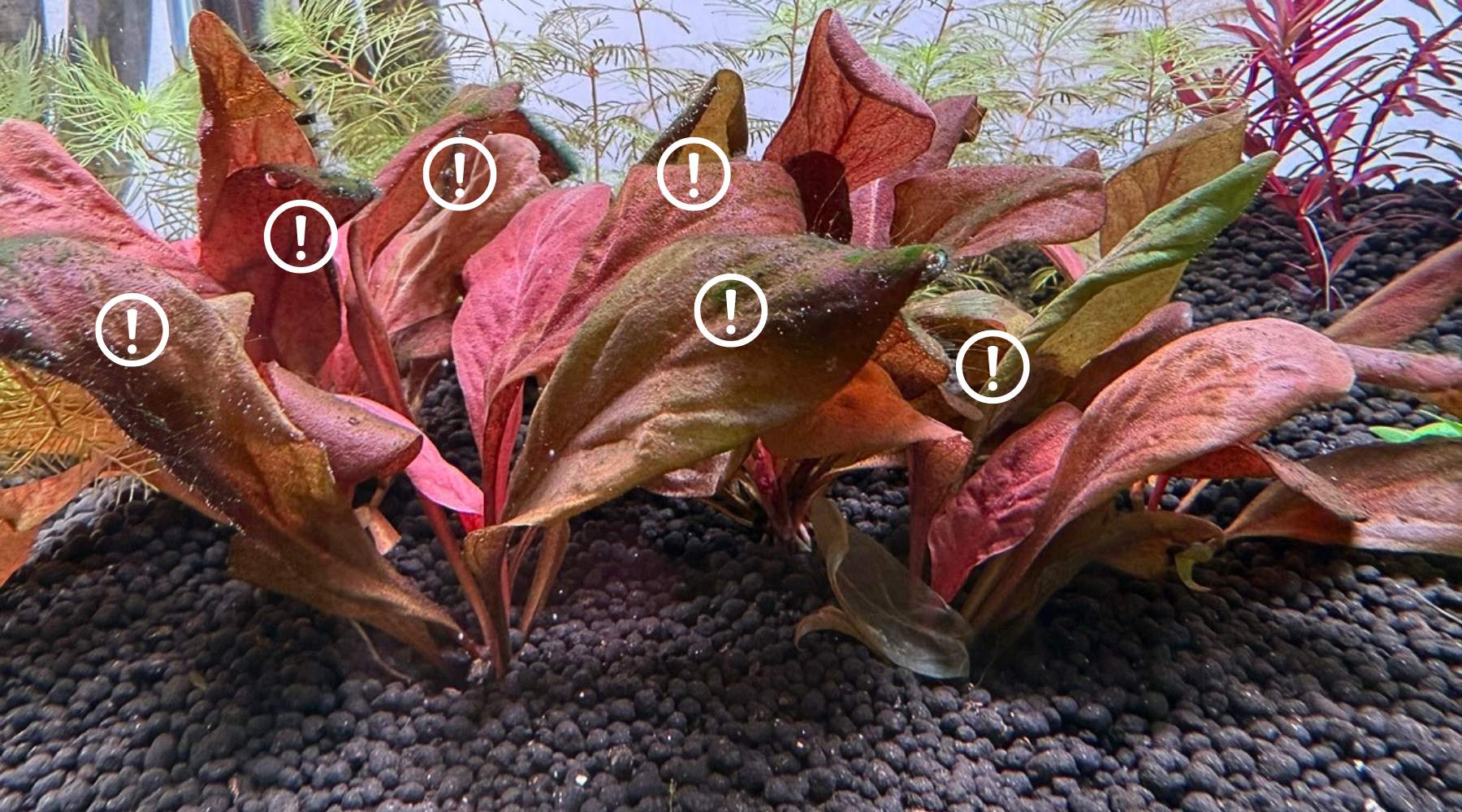
Close up photo of algae on older aquatic plant leaves

Why do leaves deteriorate? Understanding the leaf renewal cycle in aquatic plants

This article delves into the topic of how plants continually renew themselves through the production of new leaves.
Read moreabout Why do leaves deteriorate? Understanding the leaf renewal cycle in aquatic plants

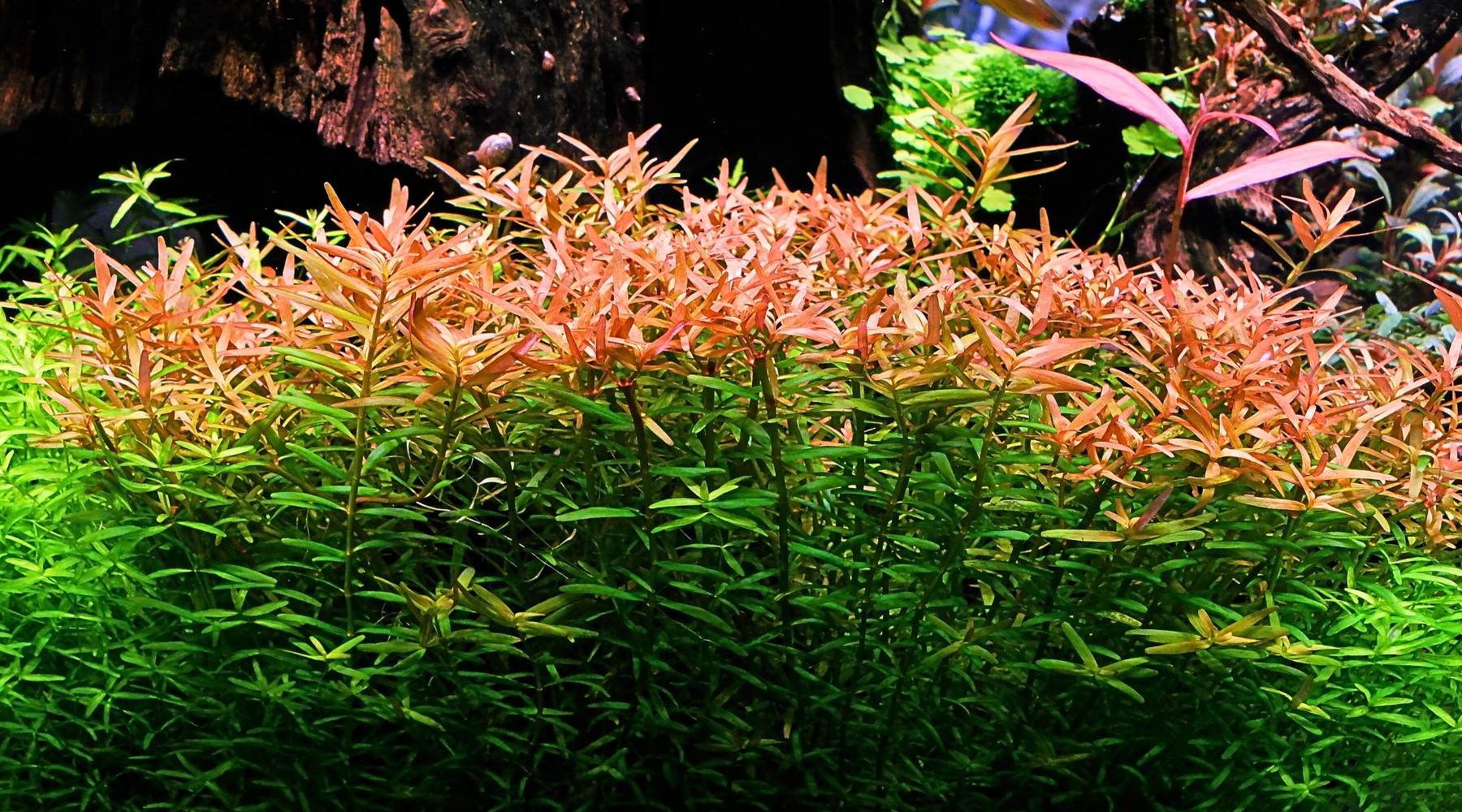
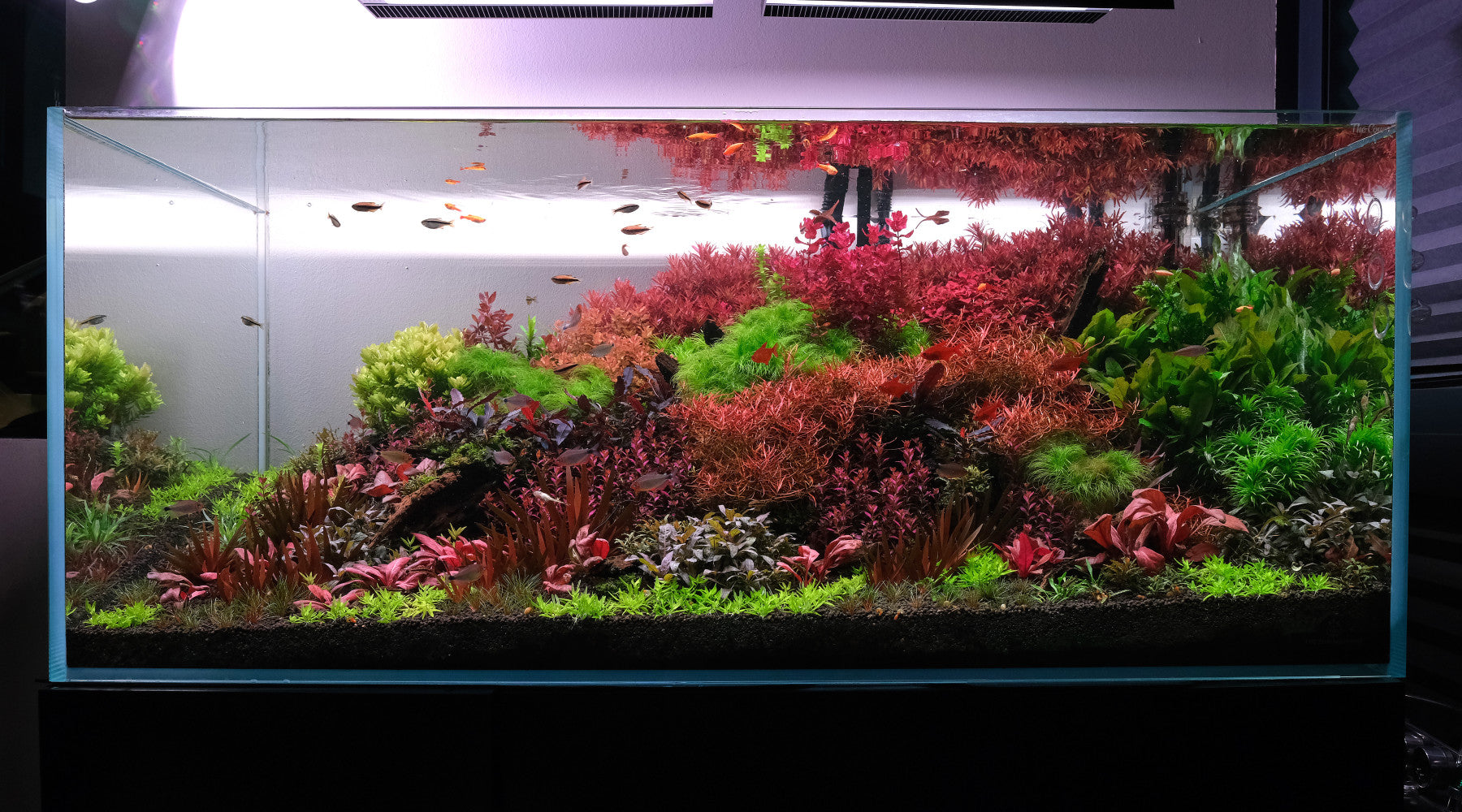
4ft Rotala florida community aquarium: Showcasing the 2hr Way

4ft Rotala florida community aquarium: Showcasing the 2hr Way

Full details of tank parameters, plants and fish species, and the maintenance regime of the 4ft Rotala florida aquascape are described here.

Read moreabout 4ft Rotala florida community aquarium: Showcasing the 2hr Way

Non-Aquatic Aquarium Plants: A Beginner's Buying Guide to Avoid Them

Non-Aquatic Aquarium Plants: A Beginner's Buying Guide to Avoid Them

Some of the most attractive plants on shop shelves are not aquatic at all. They persist for weeks, then rot and feed algae. This guide identifies the common non-aquatic species sold as aquarium plants, shows how genuine aquatics shift form above and below water, and lists what to check before buying..

Read moreabout Non-Aquatic Aquarium Plants: A Beginner's Buying Guide to Avoid Them

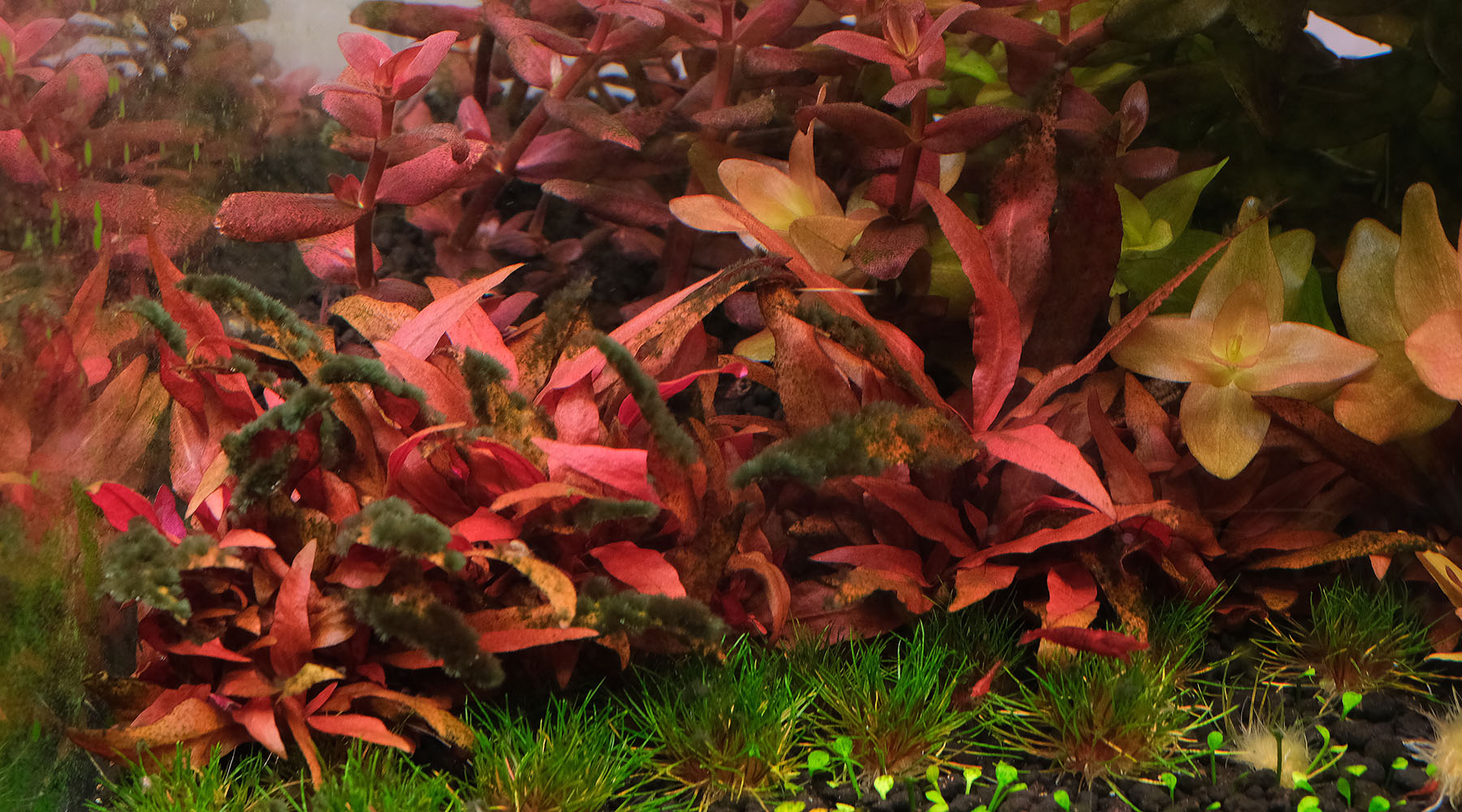
New Tank Journey | Ugly Duckling

New Tank Journey | Ugly Duckling

New tanks can be frustrating at the beginning. Here, we describe one important signal that things are actually progressing well, despite plants having algae. 

Read moreabout New Tank Journey | Ugly Duckling

When Less is More

When Less is More

How to get Rotala rotundifolia redder? Interestingly, less can be more in this case.

Read moreabout When Less is More

System Shocks

System Shocks

Sudden widespread algae infestation can take place when changes in environmental parameters induce adaptation stress that weaken plants which become vulnerable to algae.

Read moreabout System Shocks

Flowering Underwater?

Flowering Underwater?

Do aquatic plants flower underwater? Is flowering a sign of good health? Which plants can I grow that will flower easily in my aquarium?

Read moreabout Flowering Underwater?