


T5
The term 'T5' refers to the diameter of the fluorescent tubes which are 5/8 inches in diameter. T5s produce more light than T8/T12 tubes which are older in design.
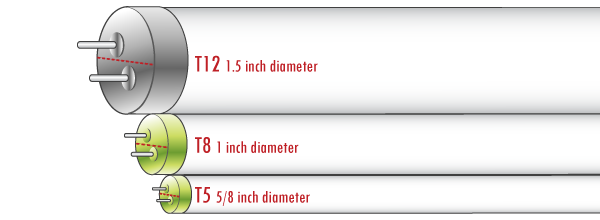
T5 lighting is an older technology, but was the mainstay of aquarium lighting before LEDs became mainstream.
There is a wide variety of T5 bulbs on the market in a range of colours, making it easy to match your light spectrum profile. Efficiency is dependent on the quality of the bulb, and fixtures with better built ballasts will last longer. Reflector design can make a big difference to the actual amount of light entering the tank. Hydroponic luminaires designed to suit the size of the tank will give the most bang for the buck. Shop light fittings can also give good value.
LED
The main advantage of LED over T5 is that it is more efficient, saving costs (bulbs and electricity) in the long run. Designs are often slimmer.
Choosing a commercial LED lamp for a planted aquarium that works well can be tricky. The technology has stabilised a lot in recent years, but there can be differences in quality output between brands. Many of the cheaper fixtures on the market do not have an attractive spectrum choice. However, better LED fixtures offer a lot more features compared to old T5 units - many come with the ability to tune the colour spectrum output of the lamp and have built-in timers. Many of these fixtures can even vary the spectrum output throughout the day, allowing for interesting dawn and dusk settings.
LED spectrum has also come a long way since the early days. Today, higher-end fixtures offer great colour saturation for vibrantly coloured plants, while maintaining an overall neutral white colour tone.

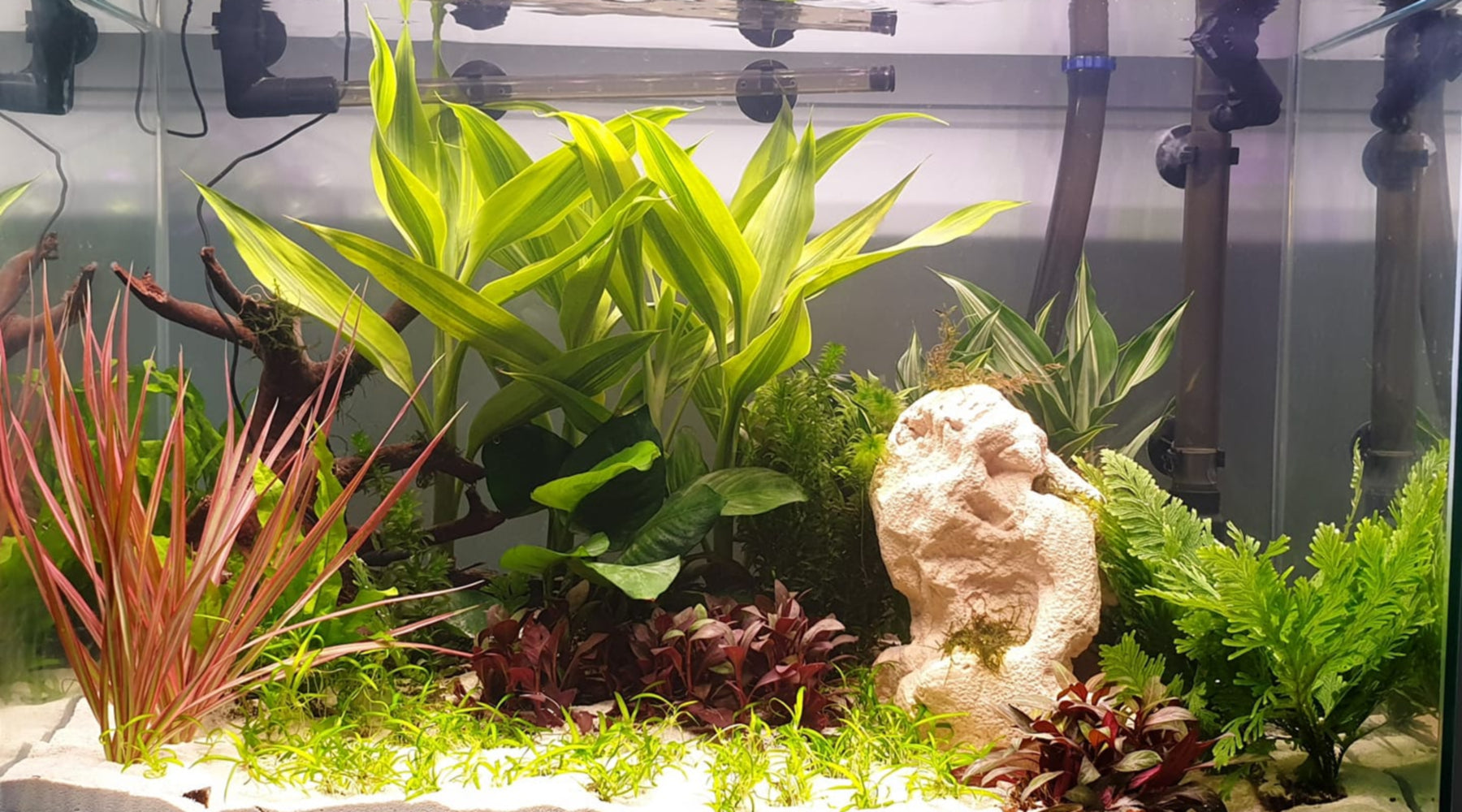
This tank is lit by a Week aqua a430 LED.

This tank is lit by a Twinstar S series LED.
LED Recommendation:
Many commercial fixtures will work okay, but finding a truly great one is difficult. We think that understanding PAR values and spectrum selection are the basics that one should know before making an LED purchase. There are a selection of LEDs that work better than the rest because of their focus on having more RGB rather than white LEDs, giving better color pigmentation and visual saturation than their peers, you can read about it in this article.
Comparison
There is no physical difference in the light produced by an LED or T5 unit, however reflectors in different units can affect whether light beams are more collimated (better penetration in deep tanks) and of course different units produce light of different spectrum/wavelengths.
For T5 units, lamps can be difficult to find these days, whereas almost all higher end LED systems allow for custom spectrum tuning in their units. Many T5 units still produce a purplish backlight, whereas modern LED units can achieve good colour saturation with a more neutral backlight hue. As LED technology continues to improve, LEDs offer more and more advantages over T5 units.

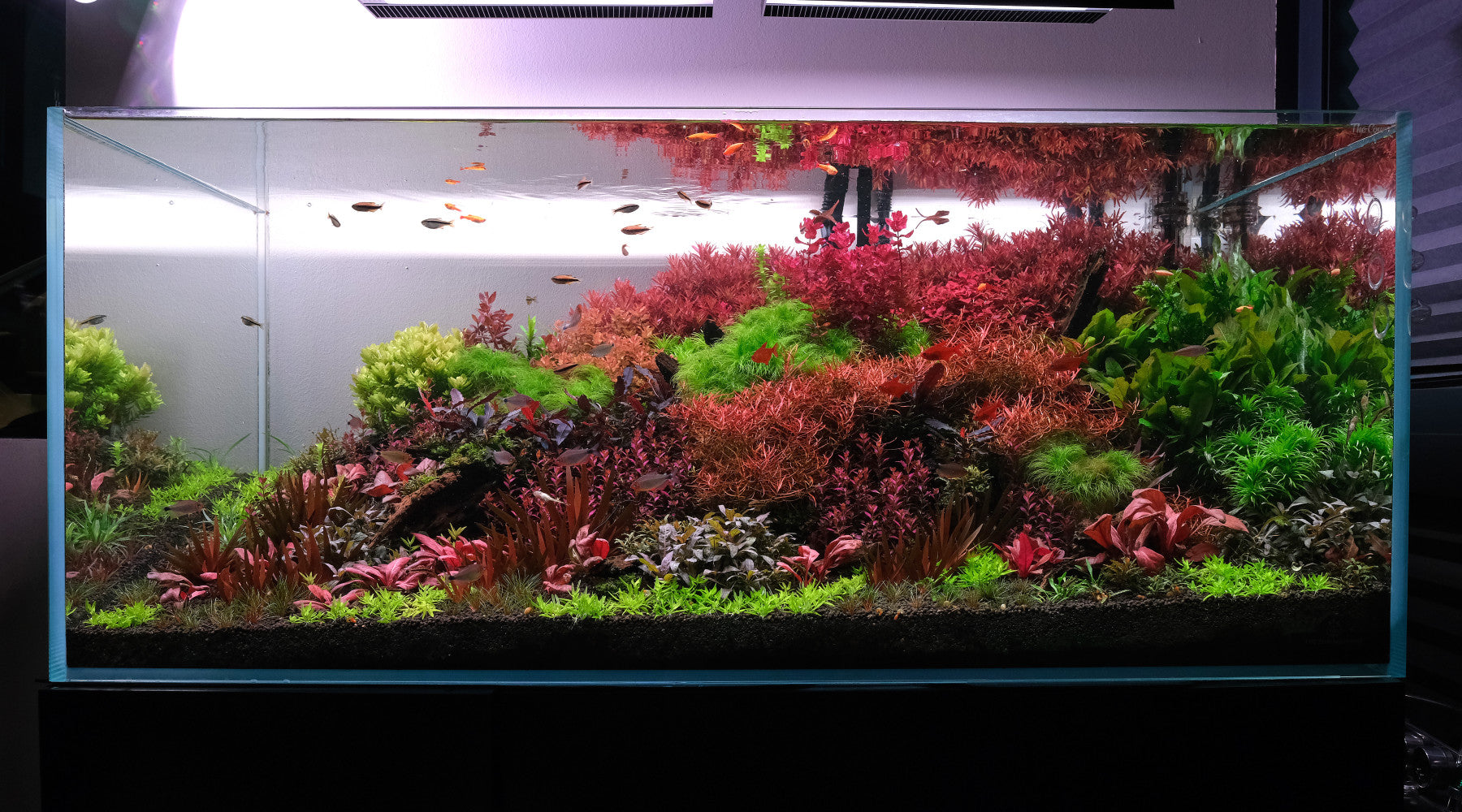
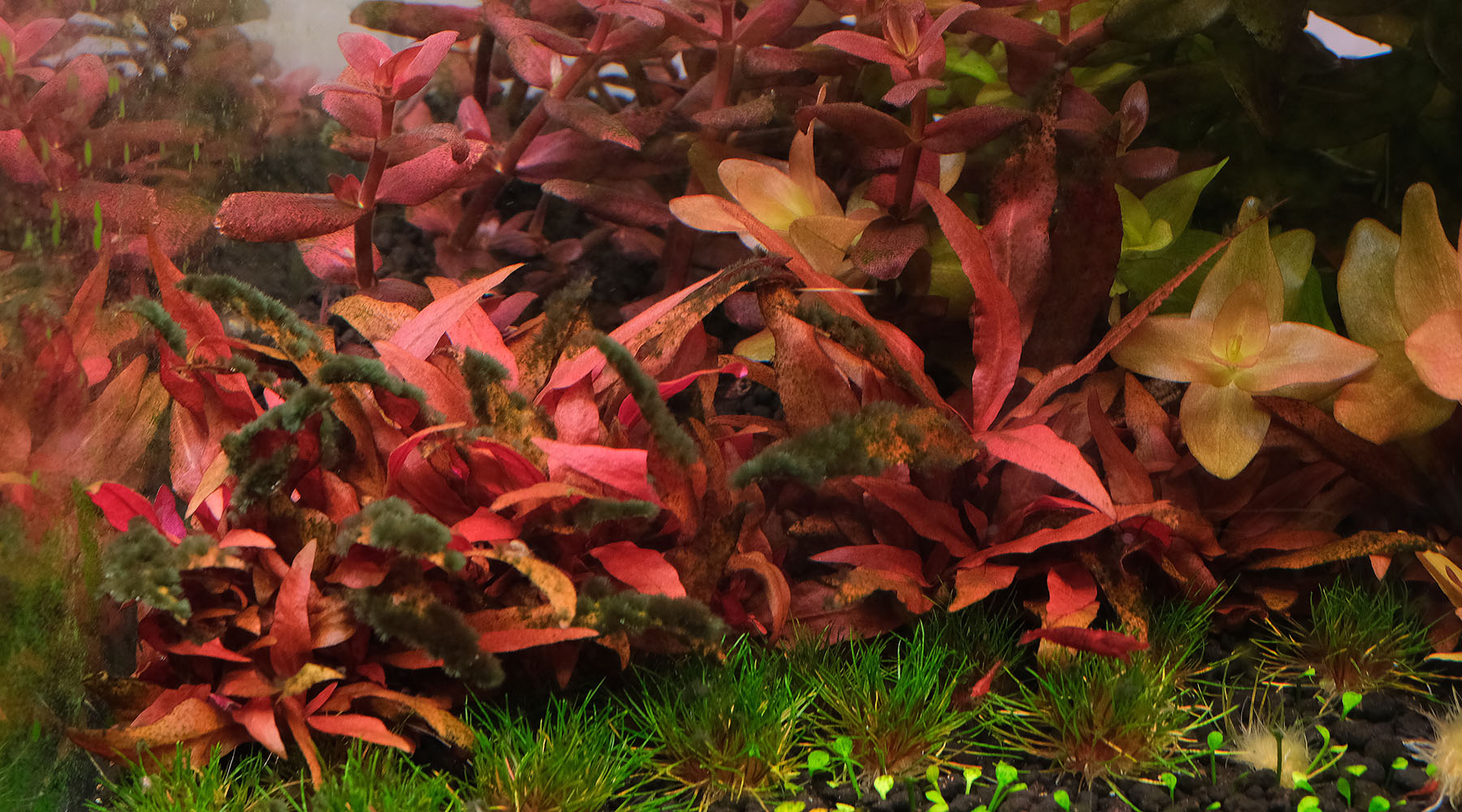
Notice the purplish background cast by T5 lamps in this aquarium. We use a mix of red and blue T5 tubes to give a higher visual colour saturation to the red plants in this tank in the 2hr Aquarist gallery, but the downside is that there is a purple backlight. The tank below is lit by an LED unit and we can programme it to give a much more neutral backlight.

LEDs are more energy efficient and well designed units produce more light per watt than T5 units. This results in energy savings over time and less heat generation. LEDs are also becoming much cheaper to purchase, while T5 bulbs are becoming more expensive to buy and ship.
While many experienced aquarists are still using T5 with great results, higher end LEDs offer much more bang for the buck nowadays.
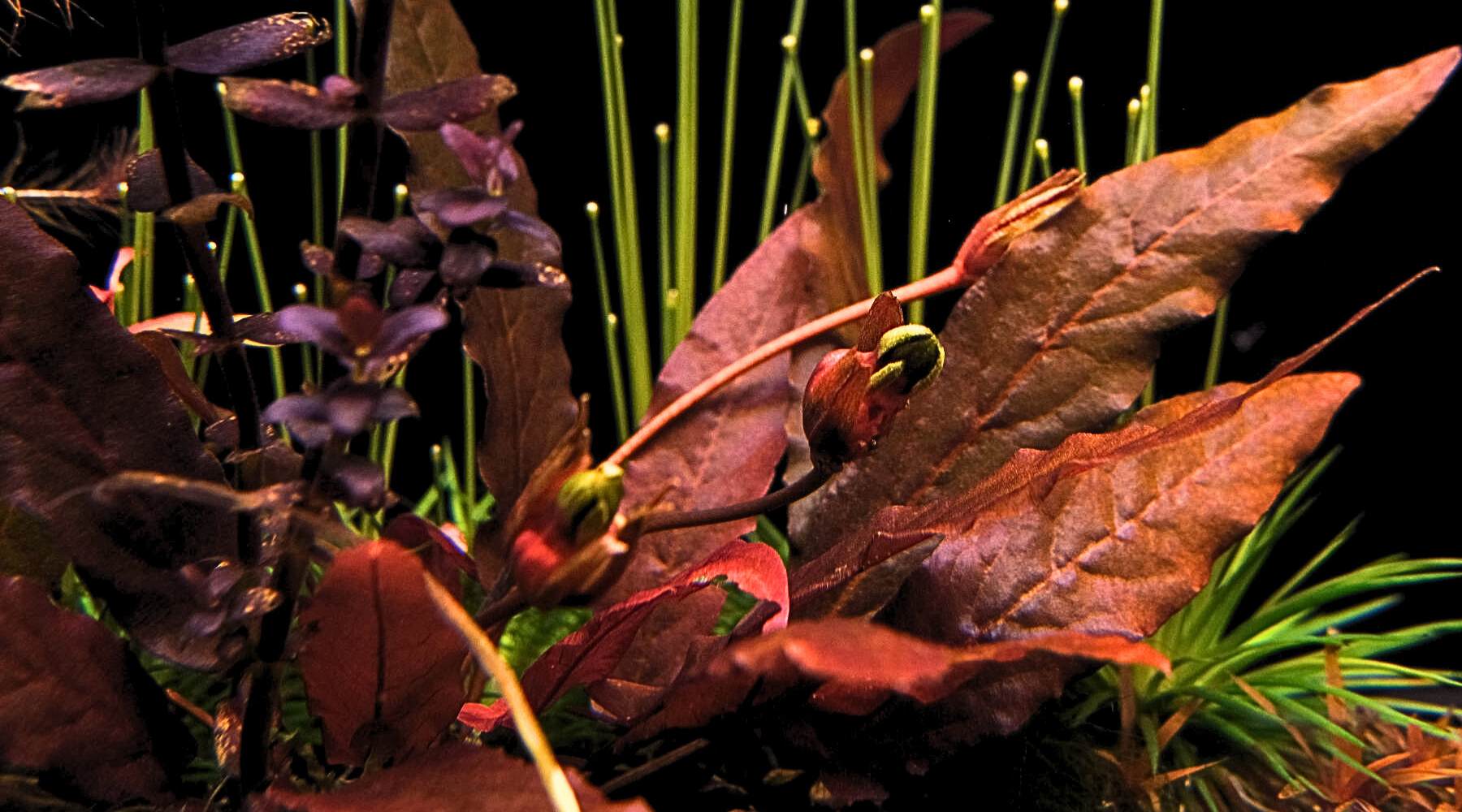
Tom Barr's planted aquarium below demonstrates this well, with striking colouration produced by the use of multi-coloured T5 tubes.

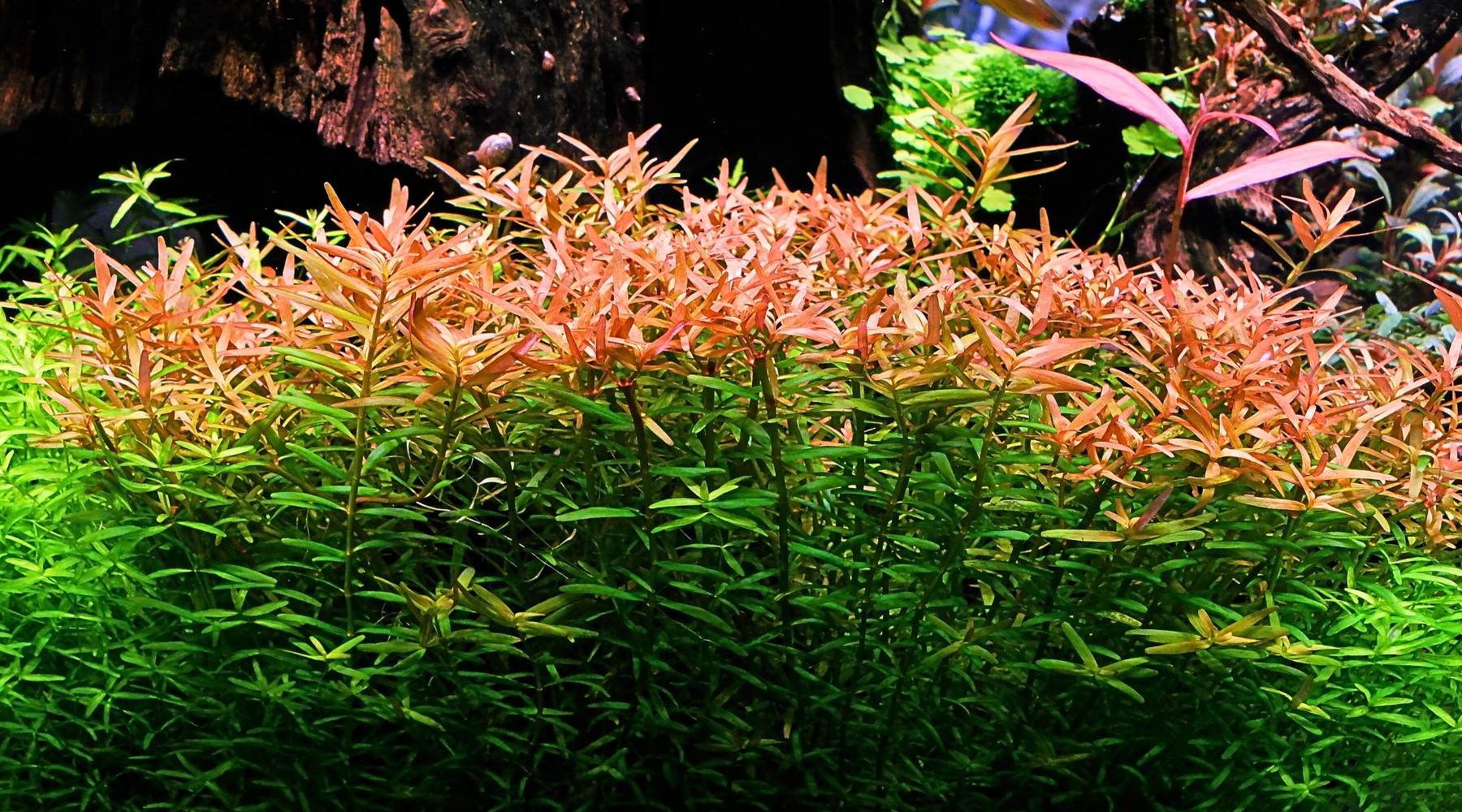
Below is one of our tanks grown under LEDs at the 2hr Aquarist gallery.

At the end of the day, both can produce great planted tanks. However, if you are willing to spend more to get higher end aquarium lamps, LED is definitely leading in what it has to offer.
Click here to learn more about aquarium lighting for planted tanks
Click here to learn more about PAR values.
Click here to learn more about spectrum curves.




















Share:
Is Colour Rendering Index (CRI) important for planted tanks?
Choosing the best light spectrum for planted tanks