Hack #1
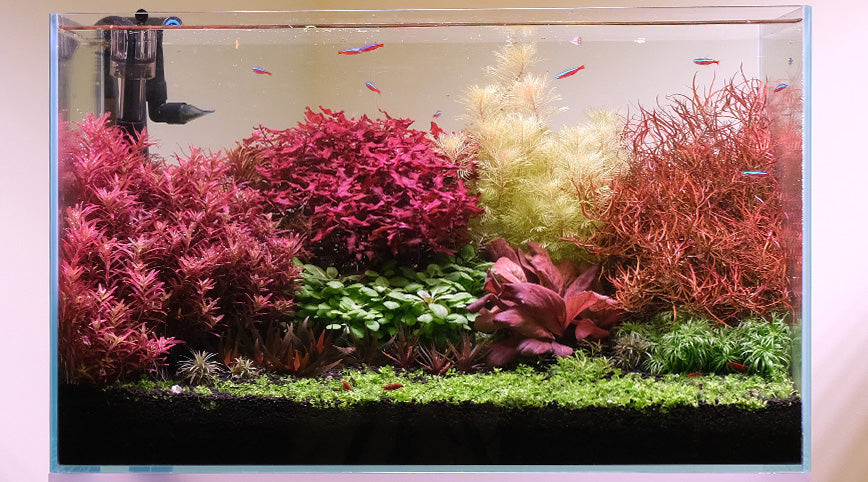
Babysitter plants are hardy plants, such as Hemianthus glomeratus (Pearlweed), which are not intended for the final aquascape, but are introduced temporarily at the start for the first 1 to 3 weeks to help stabilise the new tank. They will be discarded when the tank is ready for the real tenants to move in.

This technique that has been used a long time by experienced aquarists.
While largely invisible to the human eye, a new tank's environment is a hostile, volatile one. Imagine the earth in its infancy!

Babysitter plants help accelerate the stabilisation of this invisible micro-biome. They also act as canaries in the coal mine:
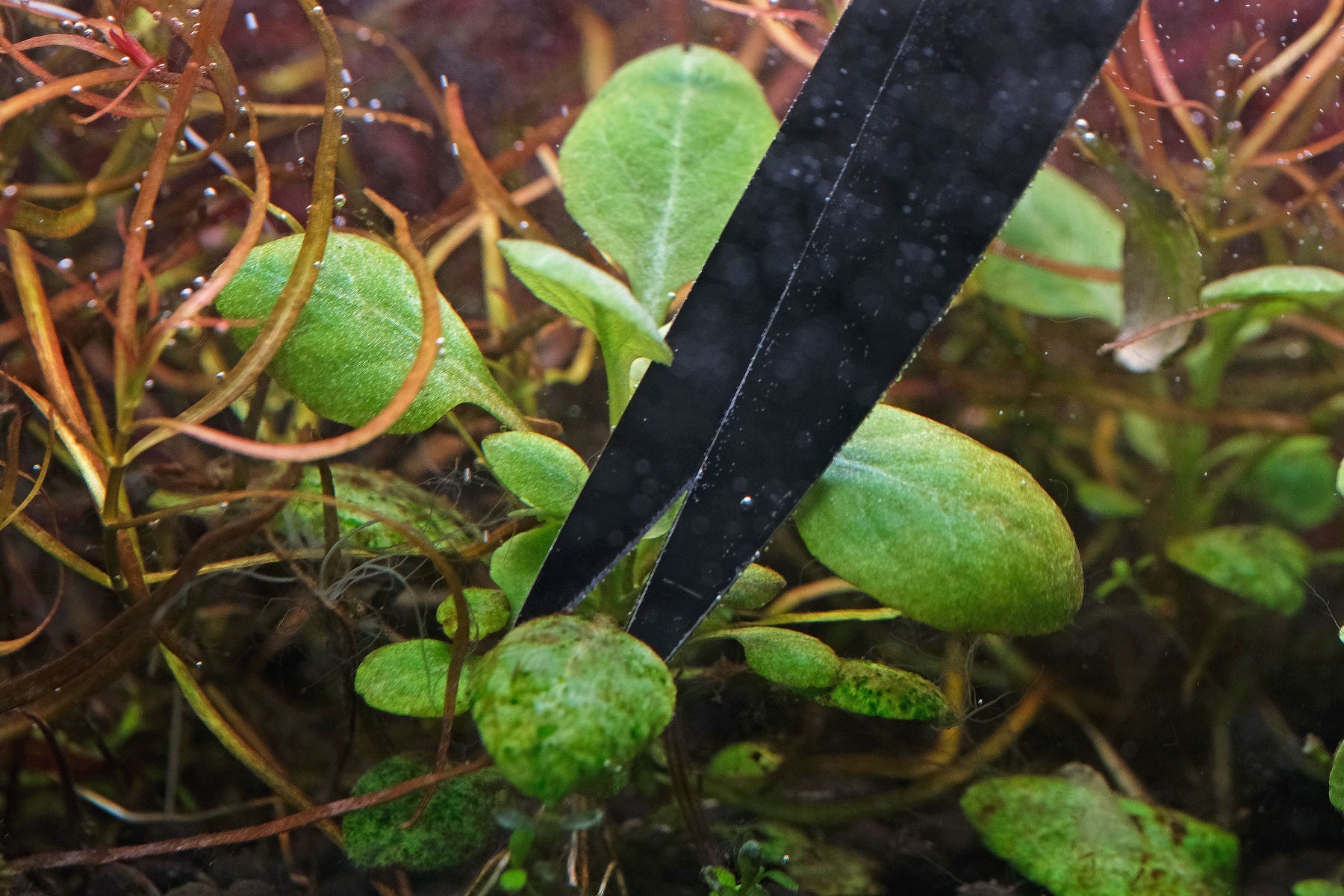
- If they continue to melt or remain engulfed by algae, it signals that the tank is not ready.
- When new shoots start to look healthy, it signals that the tank is ready for the intended residents to move in.
Some finer points:
- When uprooting the babysitter plants, take extra care to avoid disturbing the substrate too much.
- Always siphon away the stirred up detritus before planting the intended plants.
Hack #2: Sequence Matters (alot)

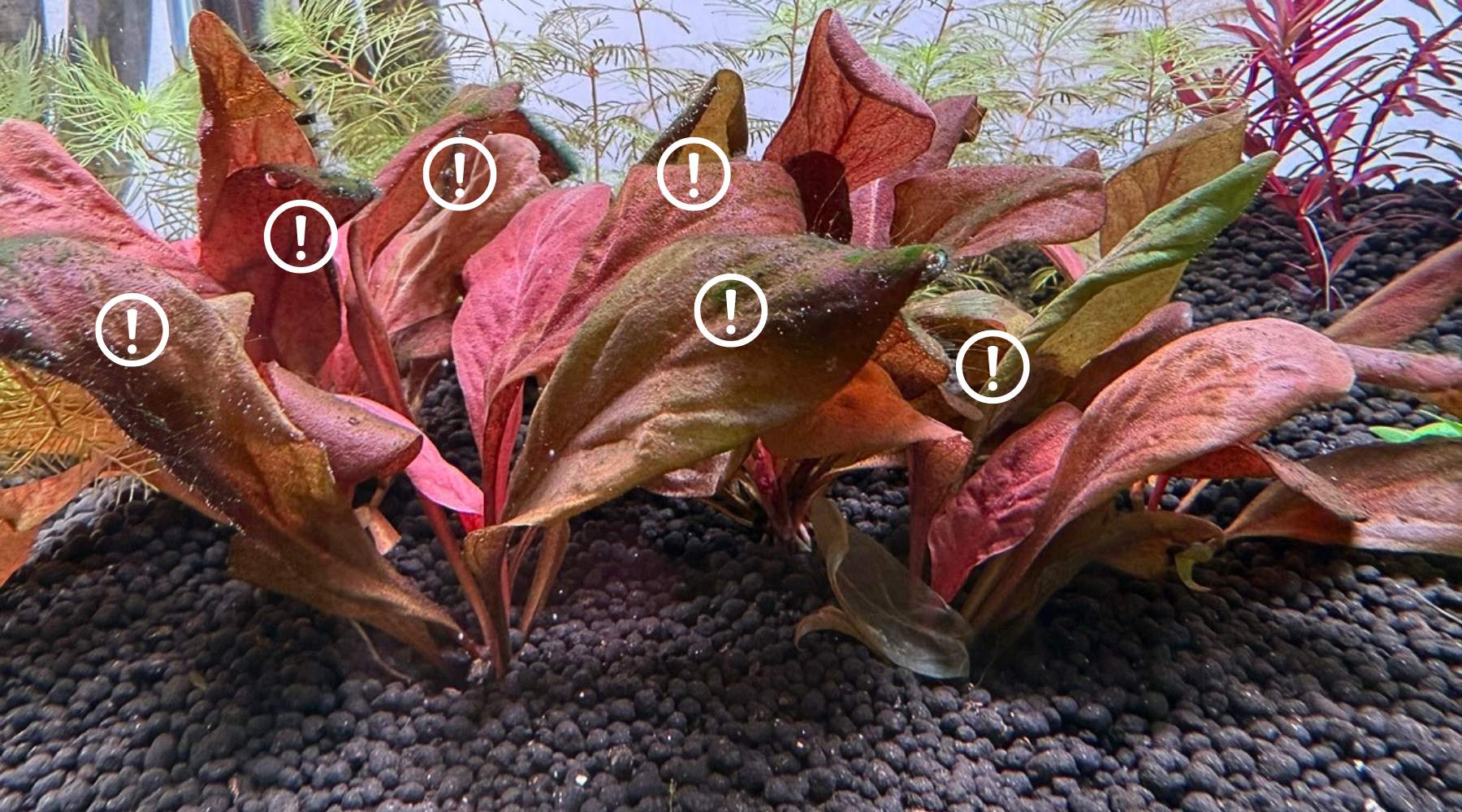
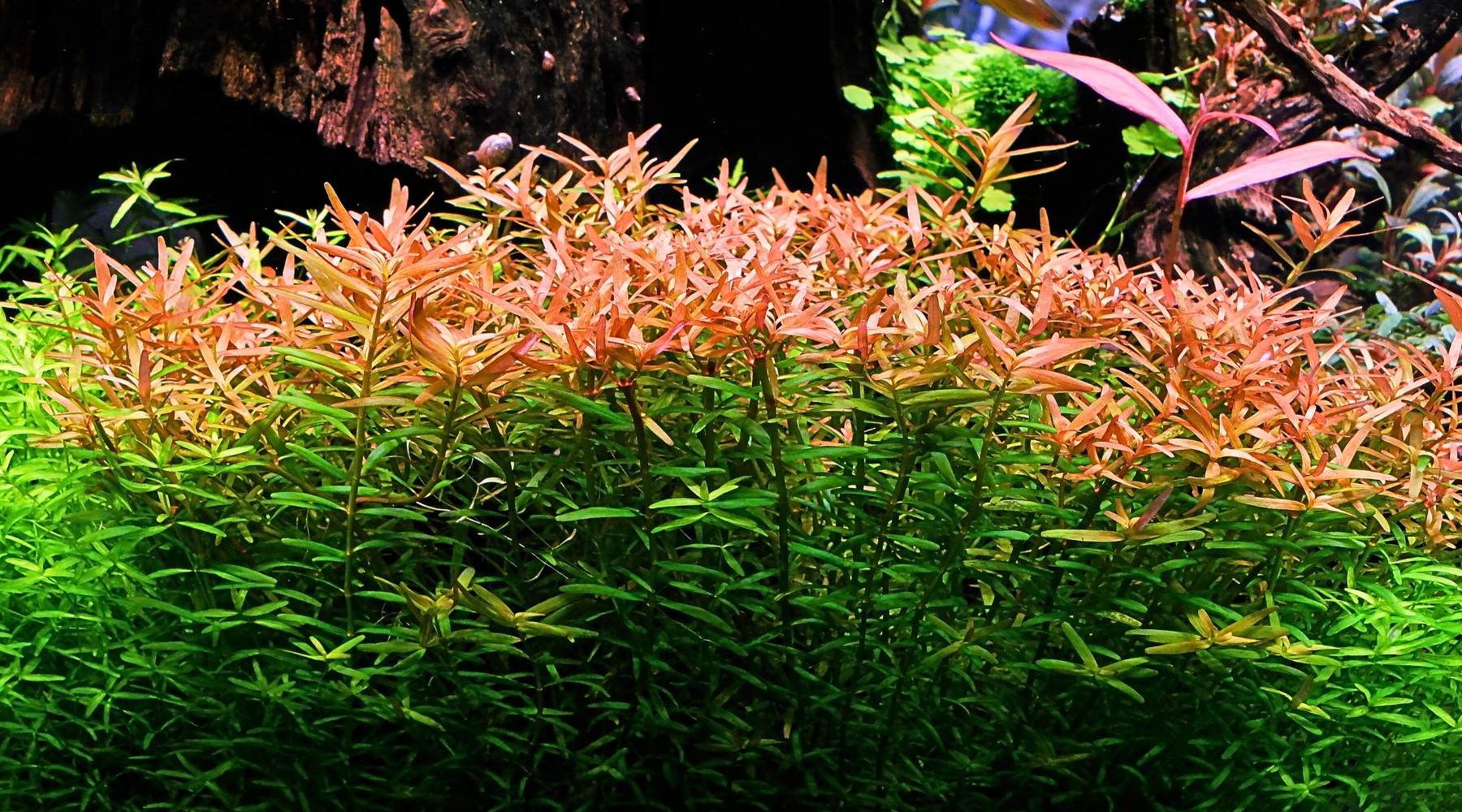
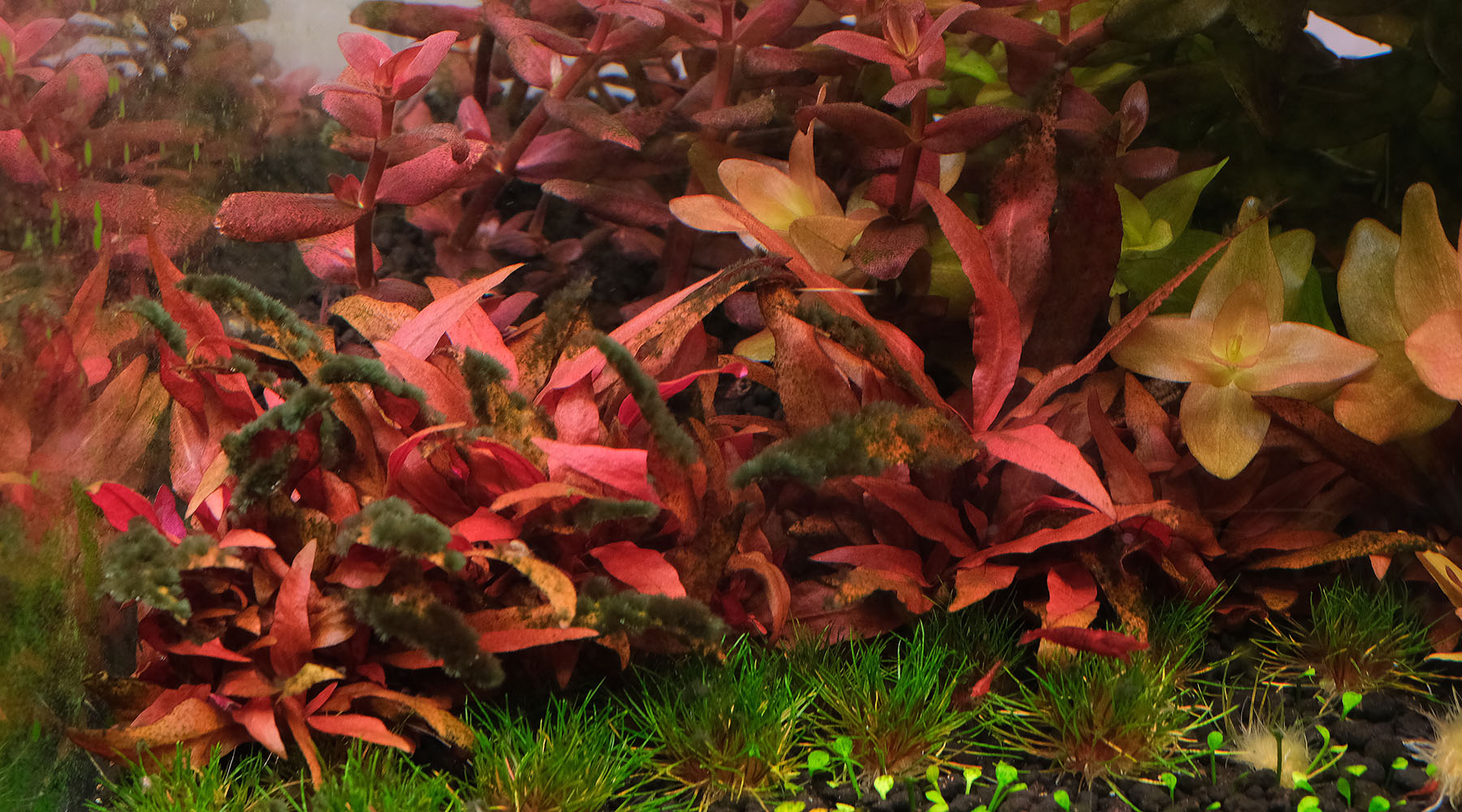
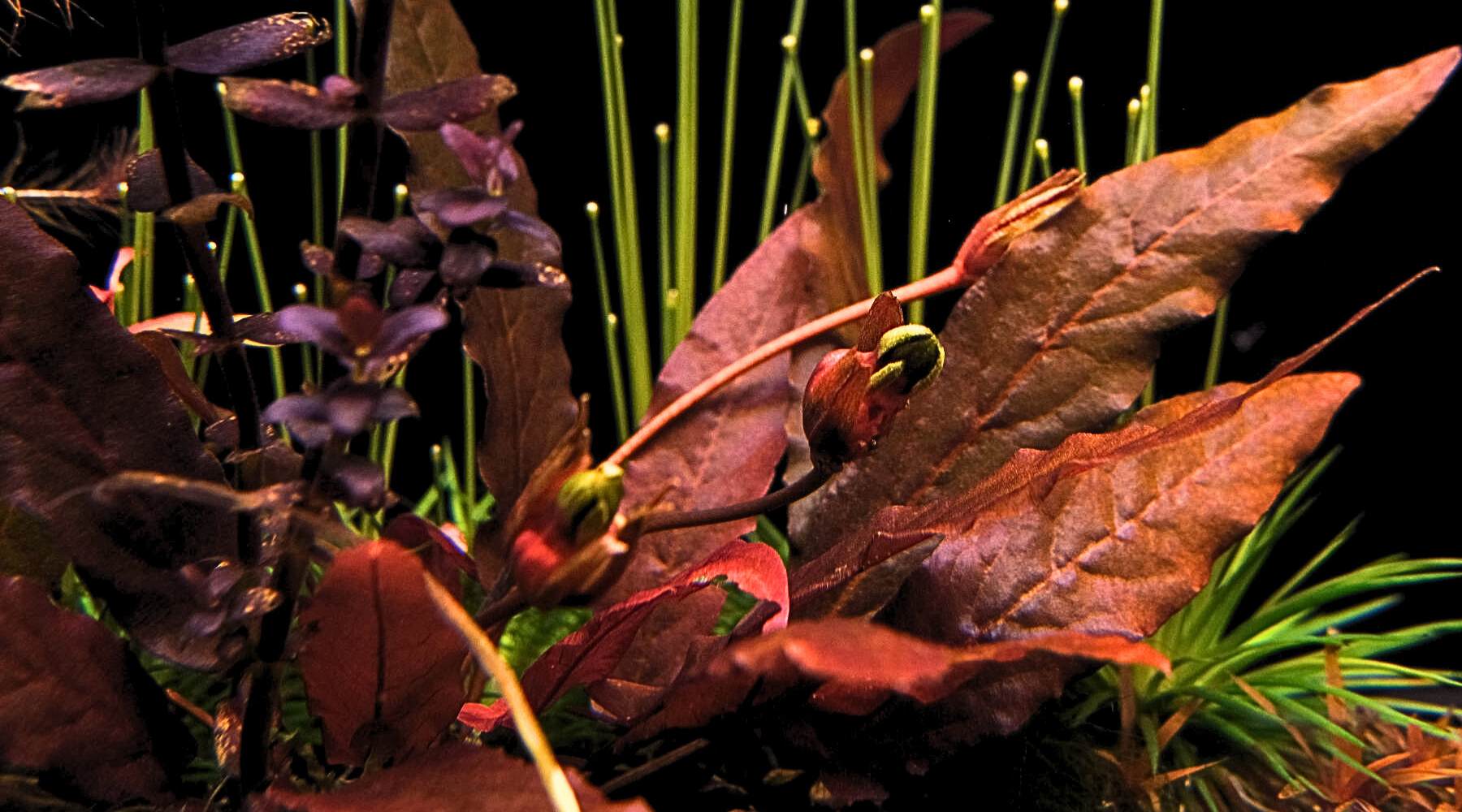
Above: Cryptocoryne 'flamingo' with staghorn algae. As a slow grower, it is similar to Hygrophila sp. chai (below) in being far more vulnerable to algae and 'melt'.

Hack #3: Dark Start

We recommend the "Dark Start" approach, which involves:
- adding the substrate and hardscape
- filling the tank with water
- letting the system 'cycle' for 3-4 weeks (filter on, lights and CO2 off) before planting.
Why not a Dry Start, which involves growing plants in moist emersed conditions for a while first?
- the aquatic biome has had time to stabilise in submerged conditions
- tissue culture plants adapt directly to submerged conditions
- store-bought submerged plants do not need to expend energy to temporarily transit to their emersed form and then adapting back to submerged growth forms
- as all store-bought emersed plants have to adapt to their submerged forms anyway- let's get it over with at one go.
What else?
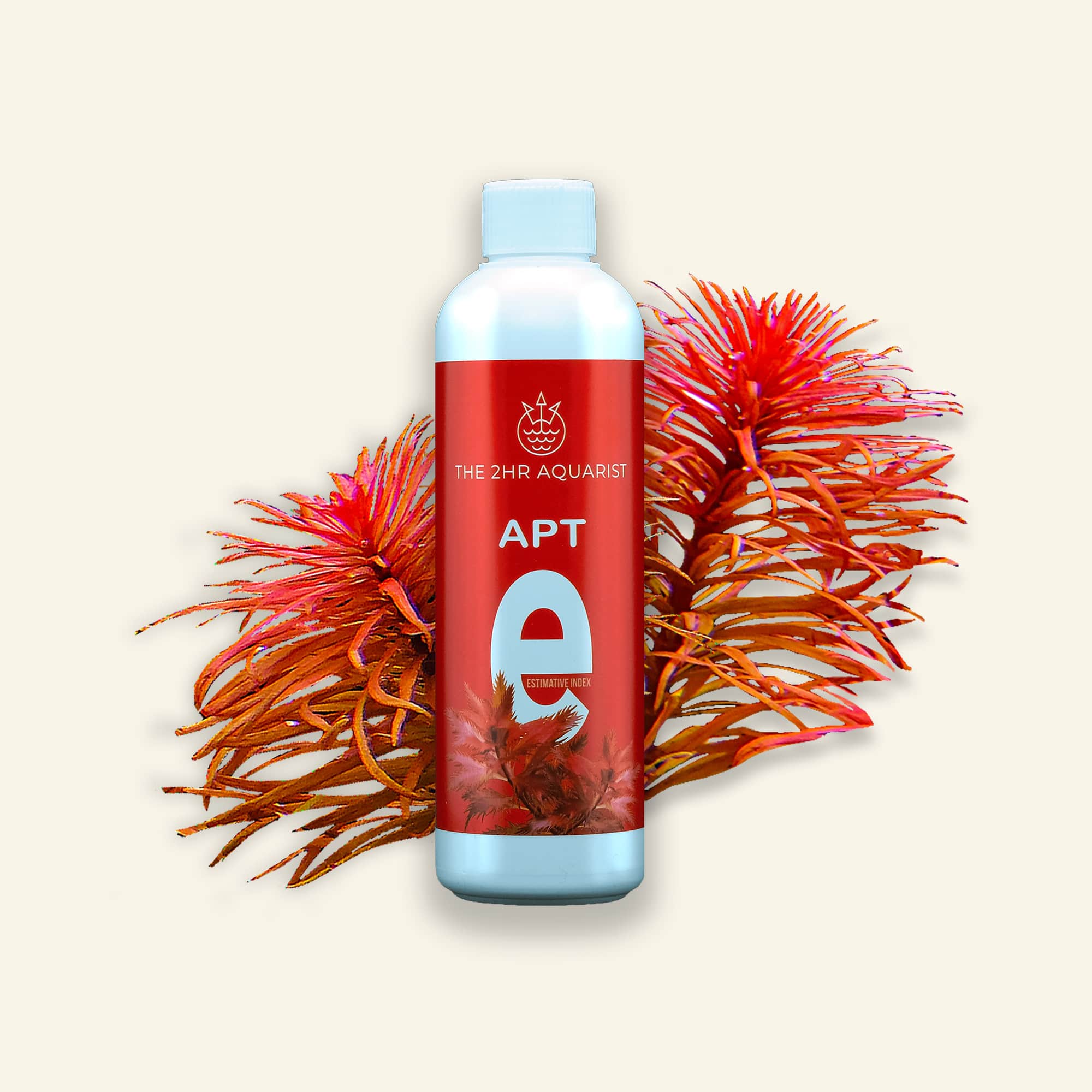
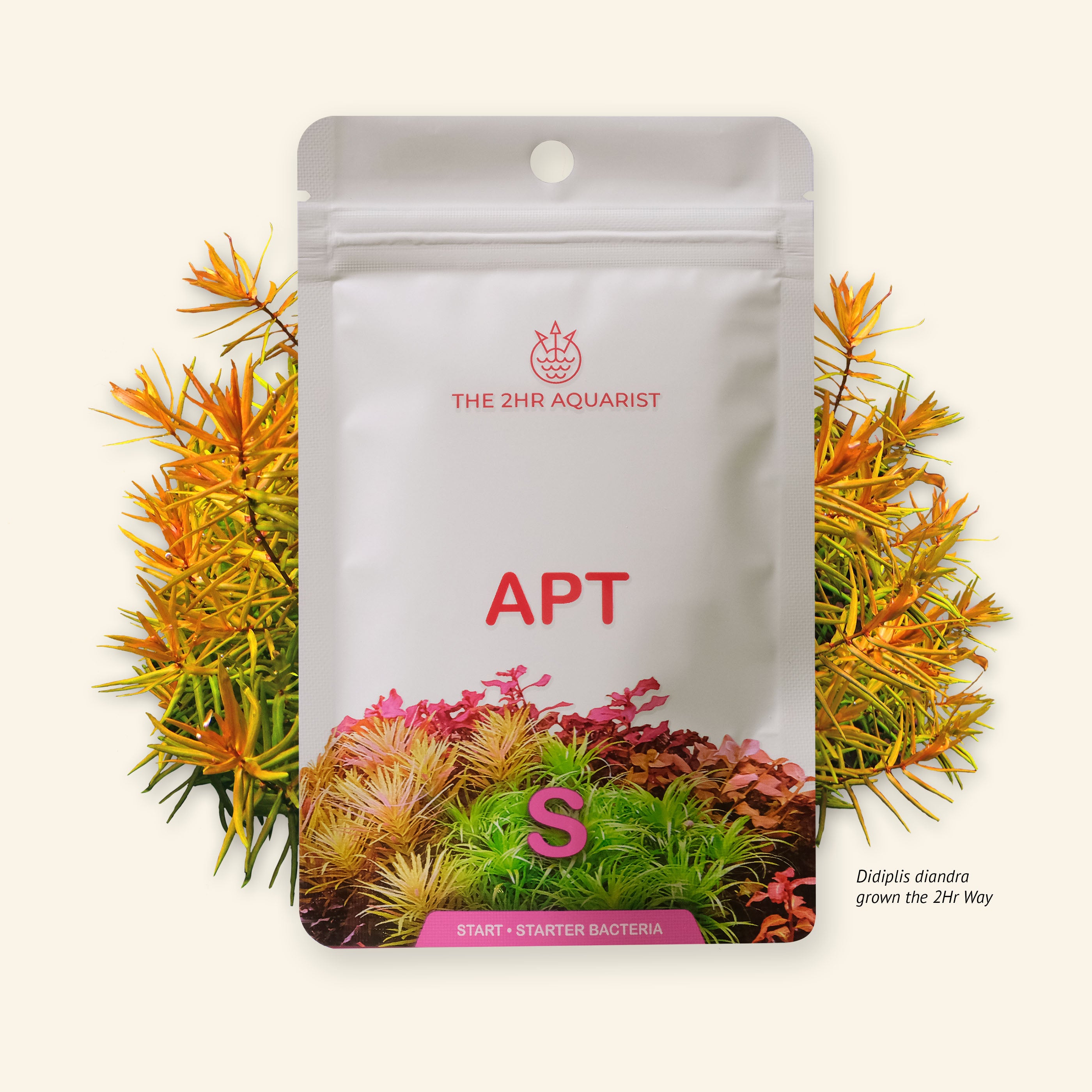
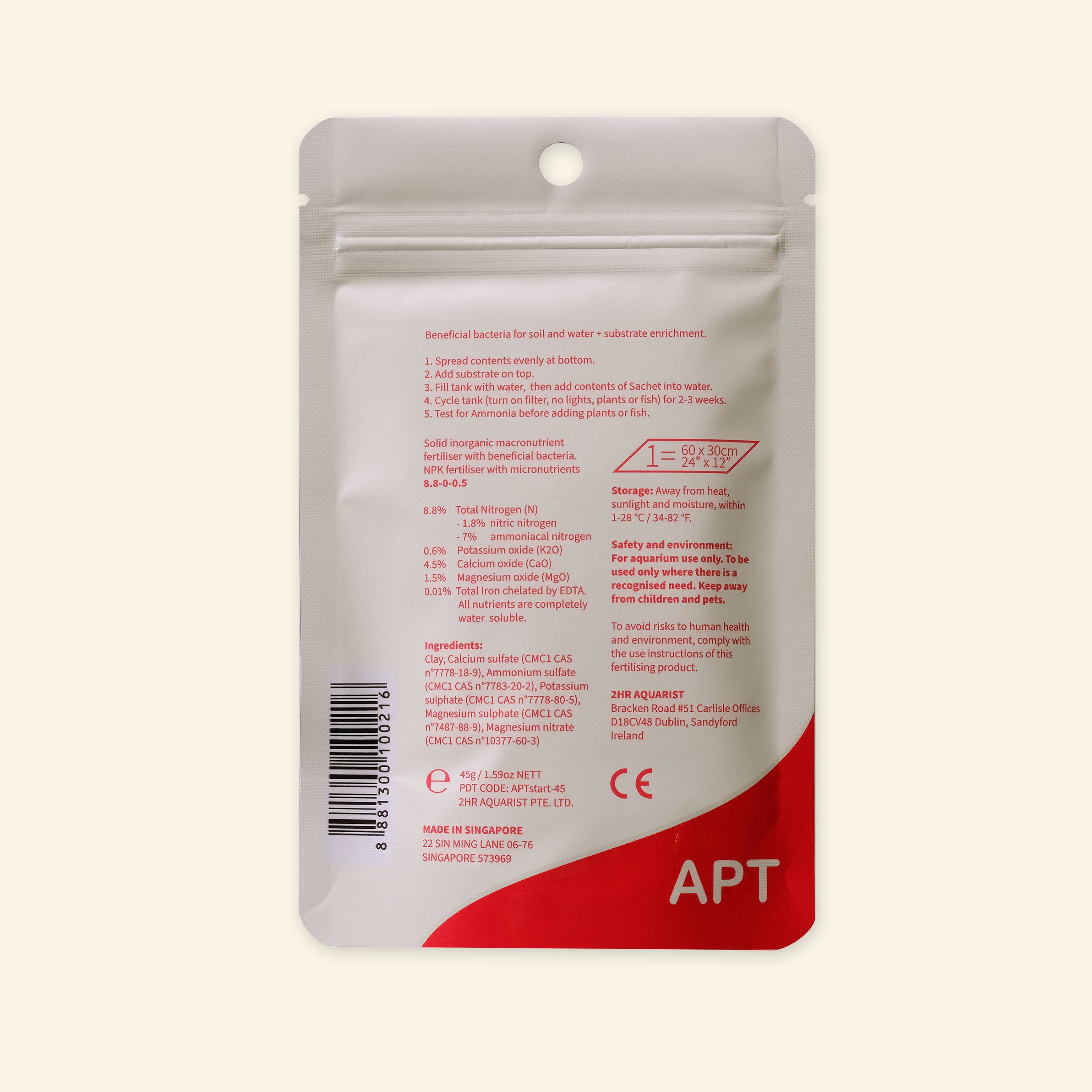
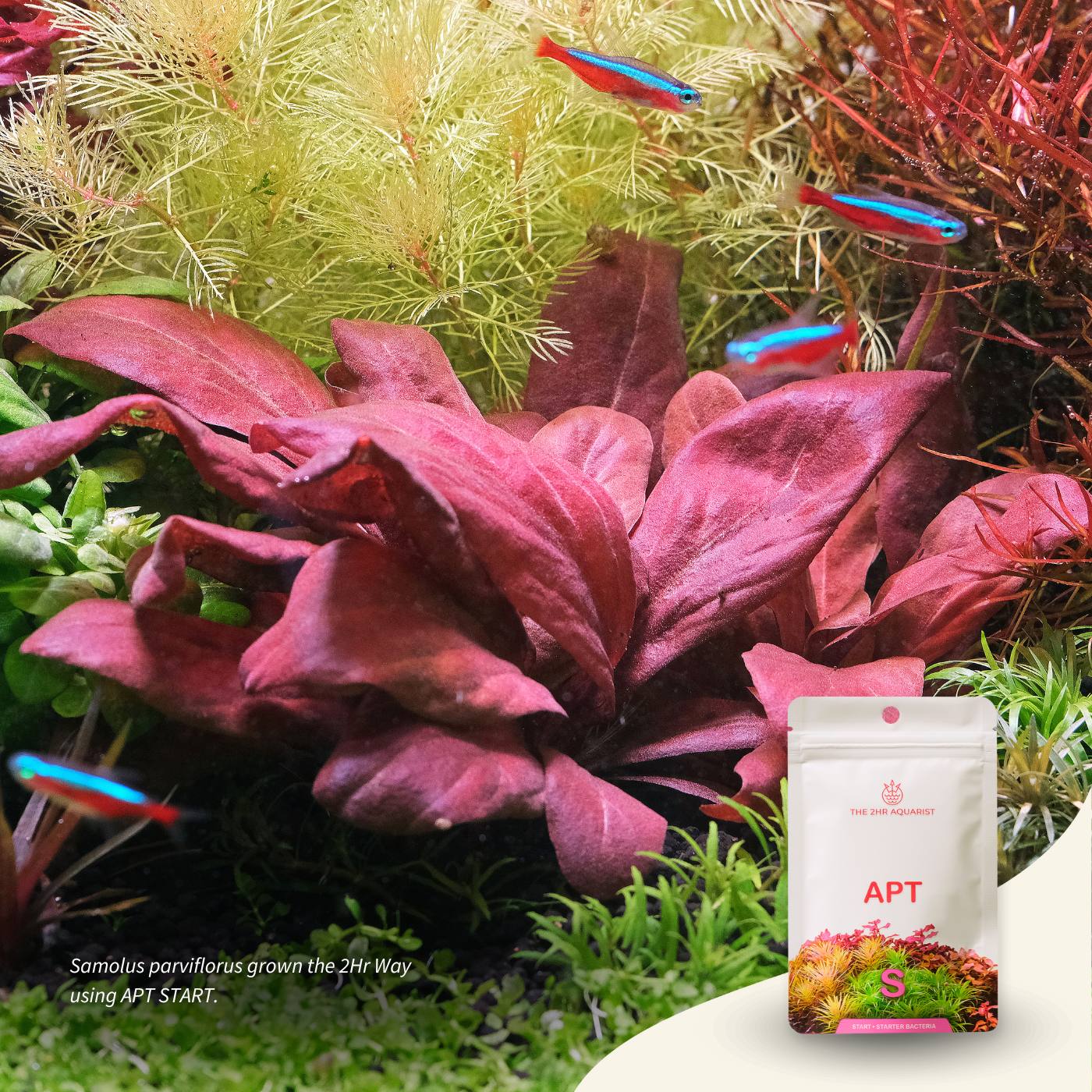
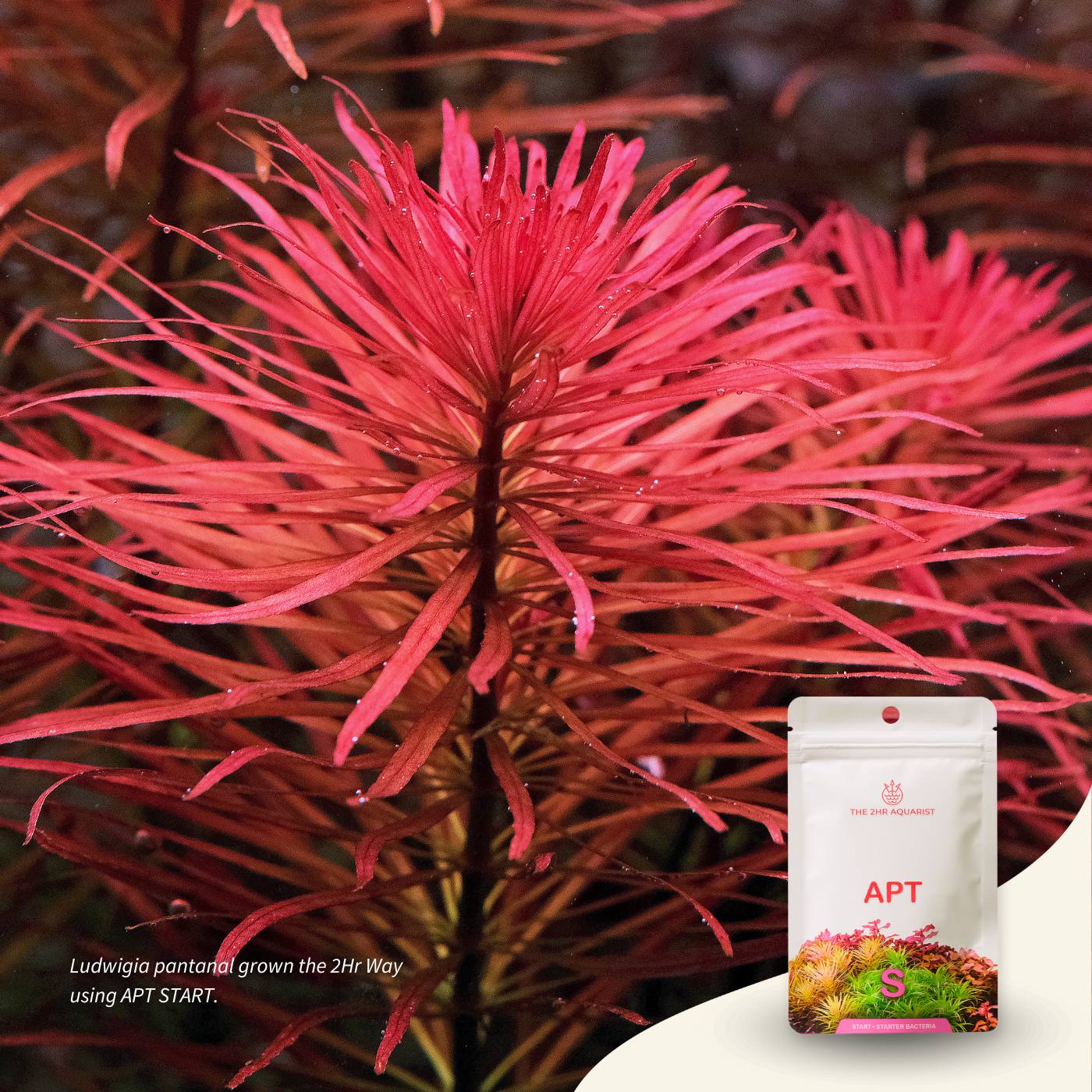
To help establish the tank's microbial ecology, it helps to seed the environment with beneficial bacteria, especially those involved in the breakdown of nitrogenous waste from fish and plants.









Share:
Competitive Aquascaping: Matthew Manes
Why this? Tips on keeping Java Fern and Anubias