Snake Oil?

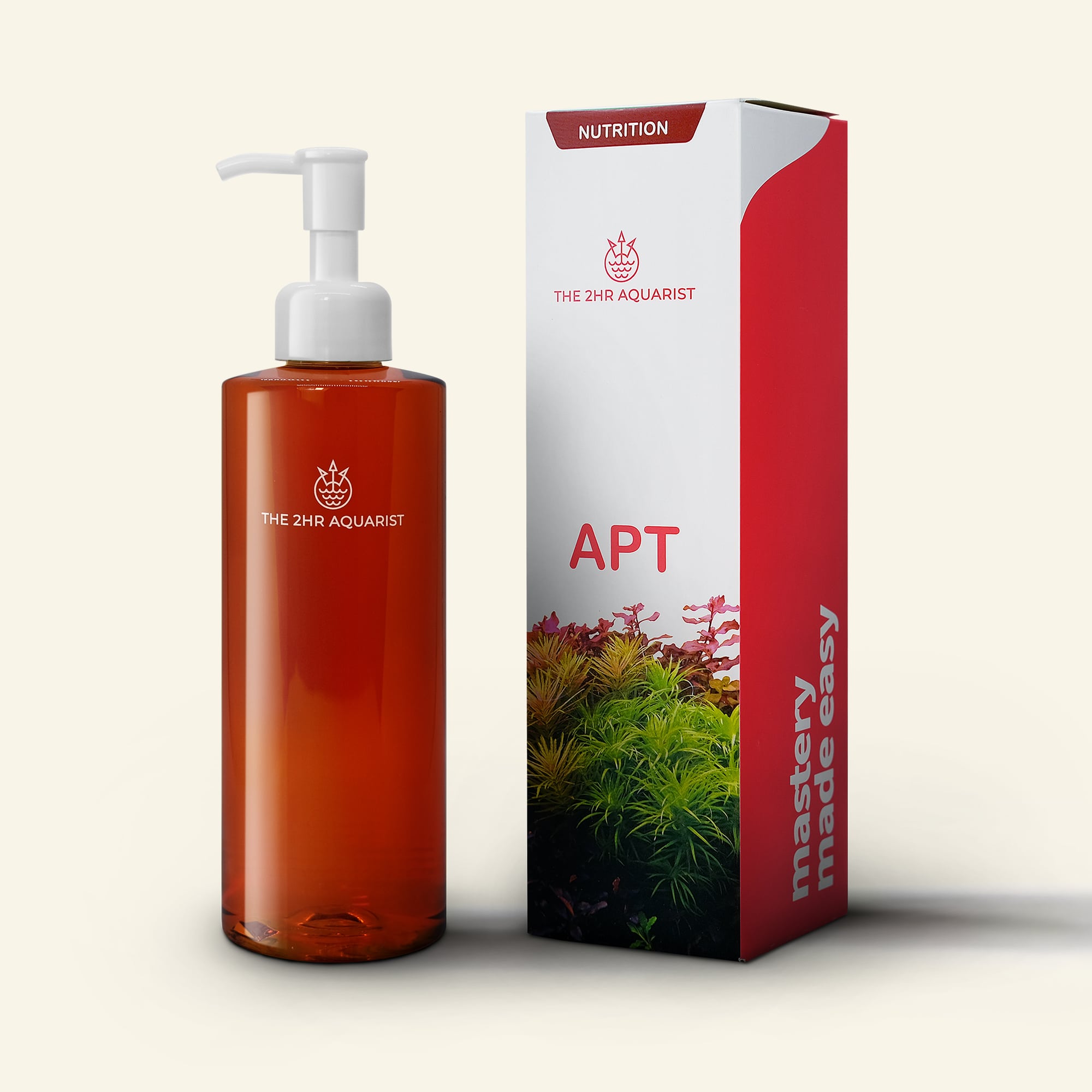
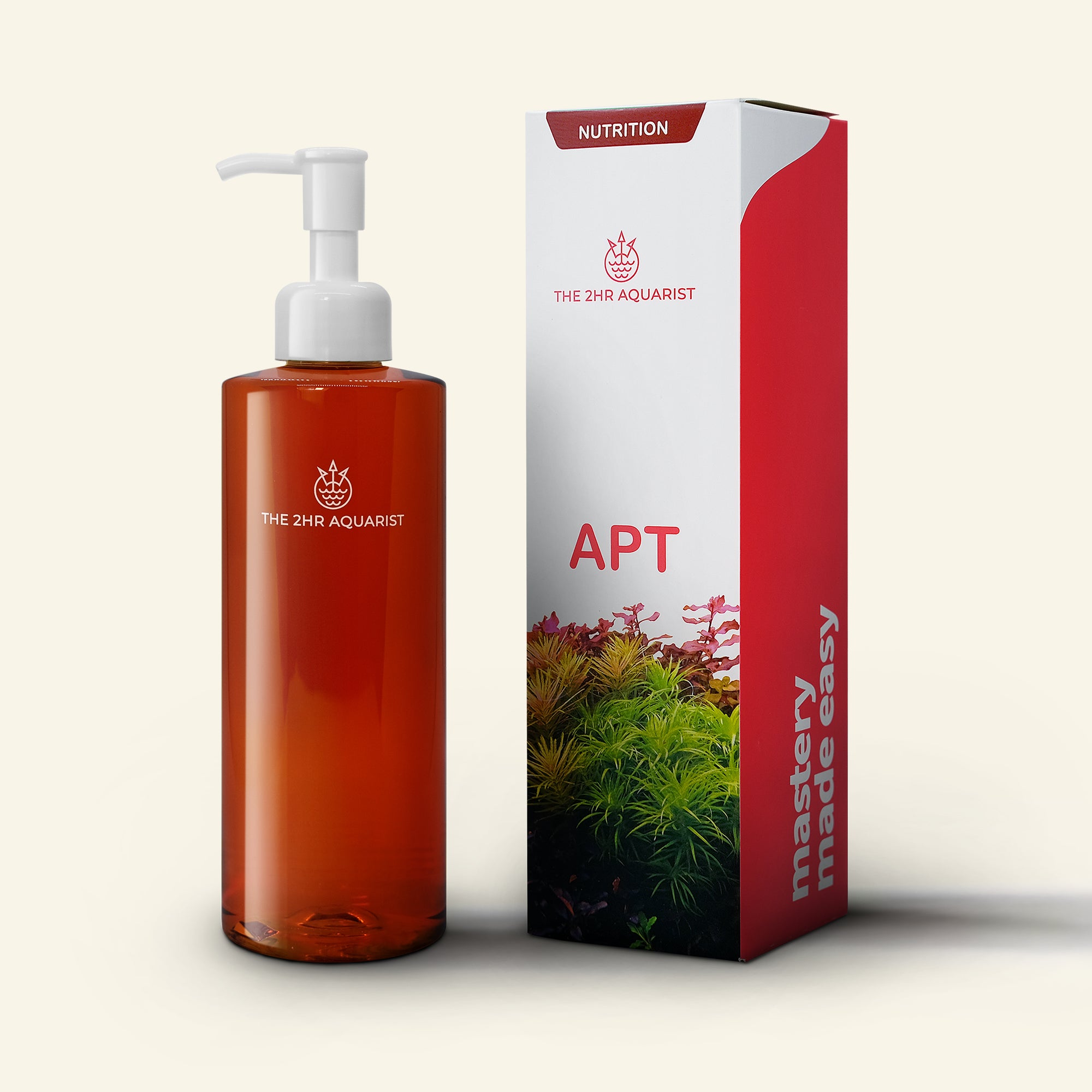
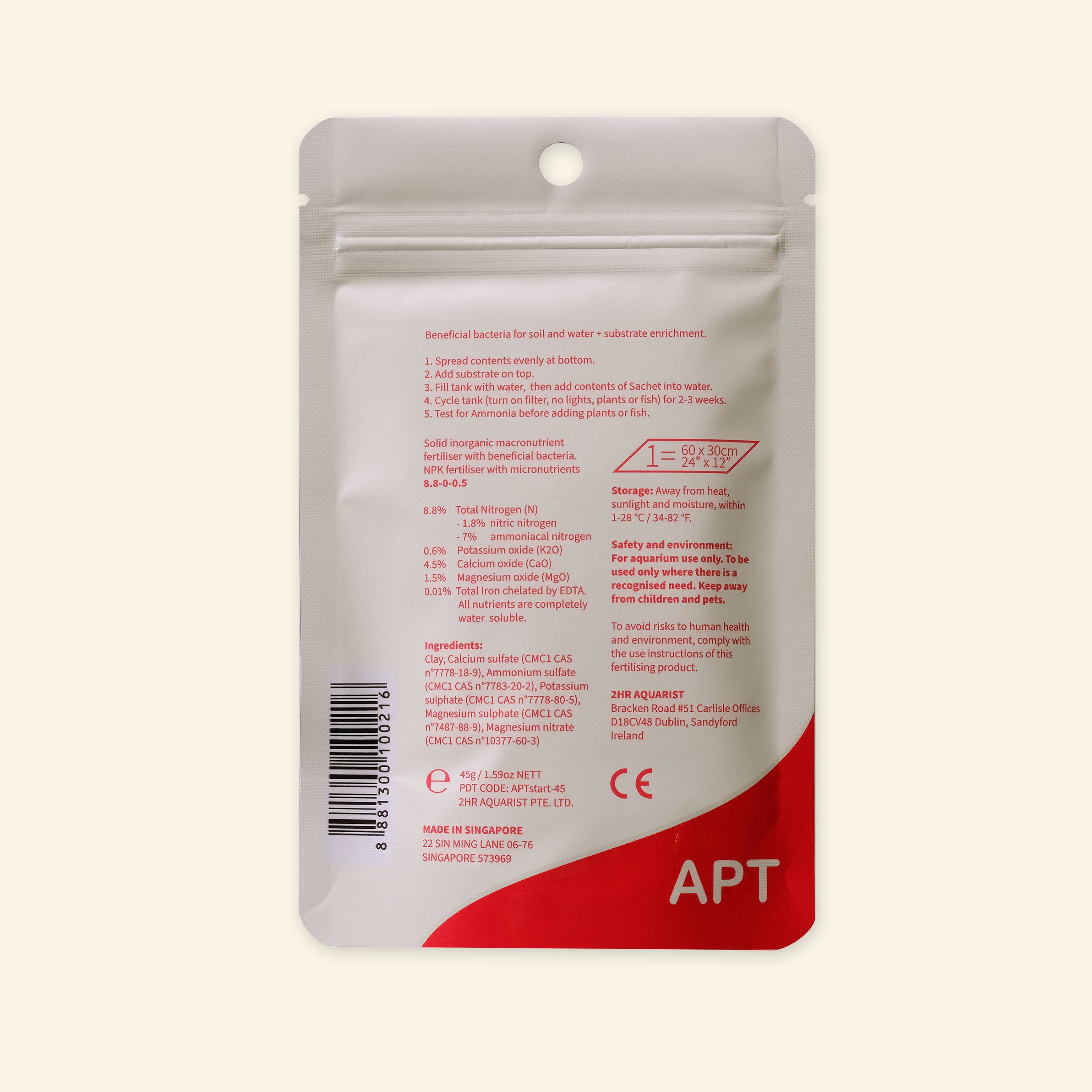
There are a number of starter bacteria products on the market such as API quick start and Seachem Stability. They do work to accelerate the nitrification cycle but bacteria cultures are sensitive, especially to temperature. Depending on how they are transported and stored - the efficacy of such products is easily affected. Bacteria outside a bio-film is also more vulnerable to environmental factors such as harsh chemicals or chlorine.  

A side from bacteria cultures. One can use the old method of using old filter media or mulm from tank to kick start the cycling. This works very well as it probably contains a larger range of microbes that are already suited to your area's water.

​Raising the tank temperature to 28-36 degrees Celsius (82-97f) also speeds up bacteria reproduction. As does having some carbonates in the water.

However, if for some reason you already have livestock in the tank, ammonia toxicity is much lower when the water is acidific (below pH 7), as most of the ammonia exists in ammonium (NH4+) format. So keeping the water acidic actually prevents livestock from being poisoned by ammonia. 

Bacteria does not work below pH 6 ?

One of the remnants of anachronistic aquarium science is the belief that bacteria cannot survive or function in low pH (say <6) environments. Plenty of natural lakes and rivers have pH ranges below 6 and they are definitely not sterile. Scientific studies such as this one show that bacteria nitrification still happens in low pH environments.
 

Explore

View all

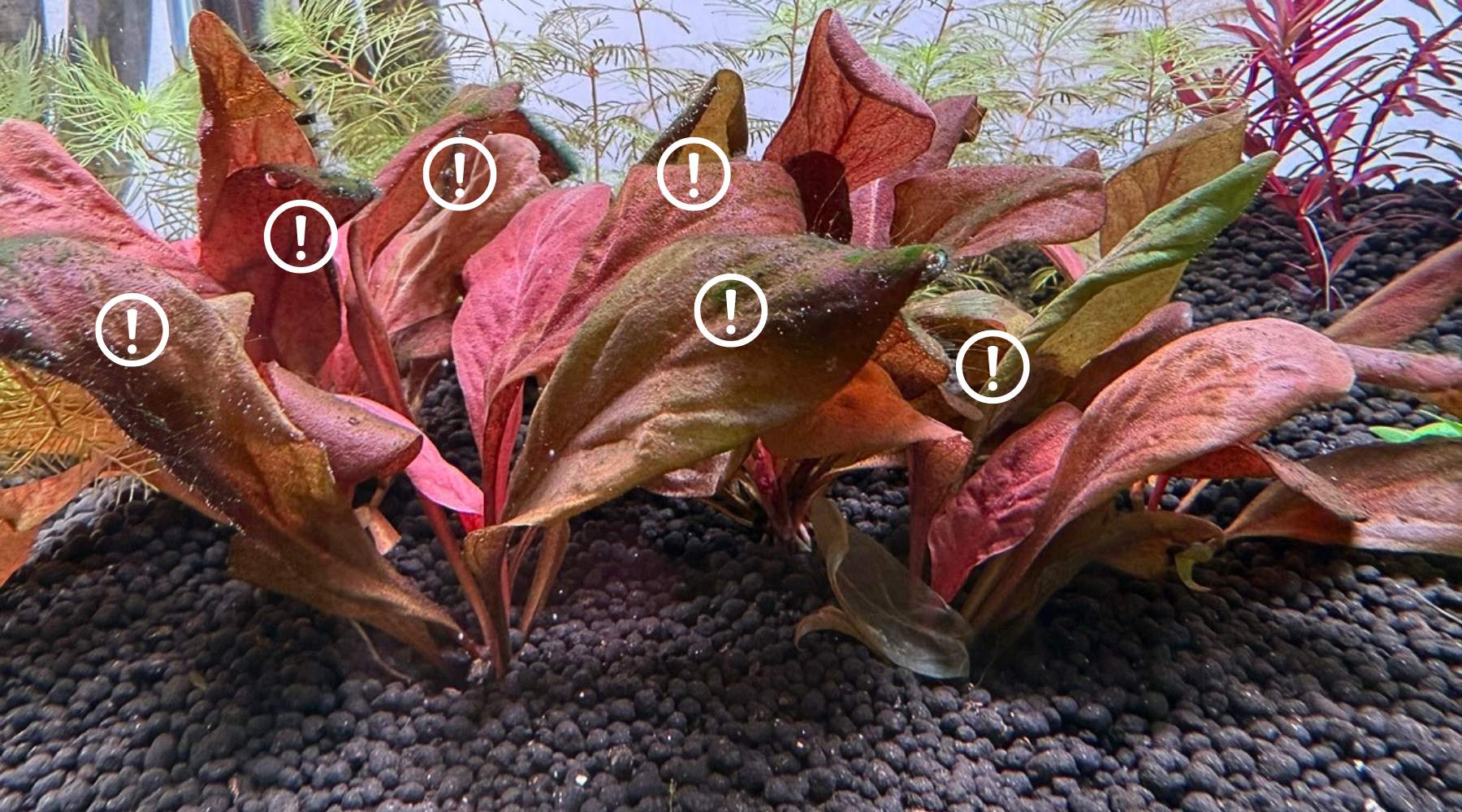
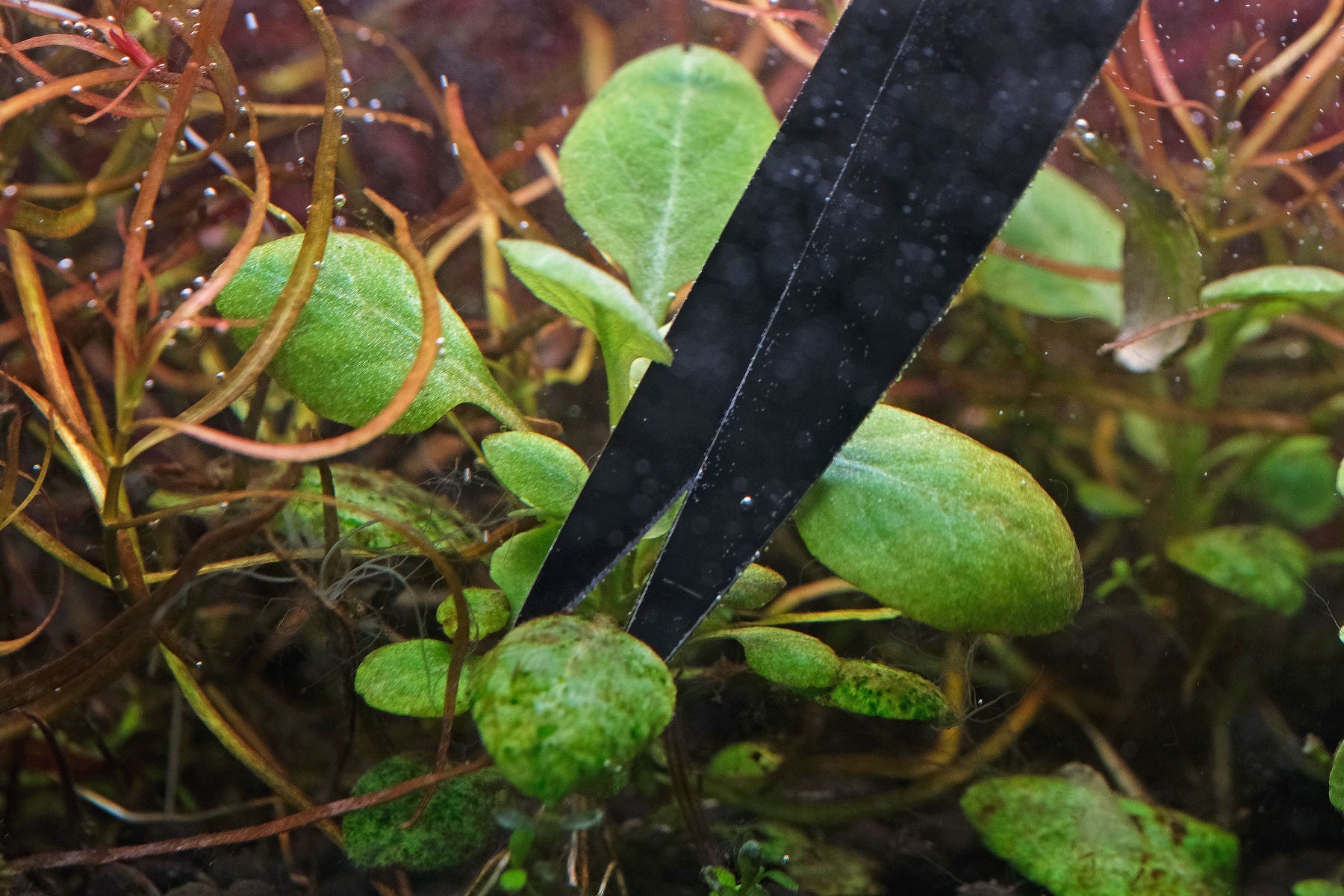
Close up photo of algae on older aquatic plant leaves

Why do leaves deteriorate? Understanding the leaf renewal cycle in aquatic plants

This article delves into the topic of how plants continually renew themselves through the production of new leaves.
Read moreabout Why do leaves deteriorate? Understanding the leaf renewal cycle in aquatic plants

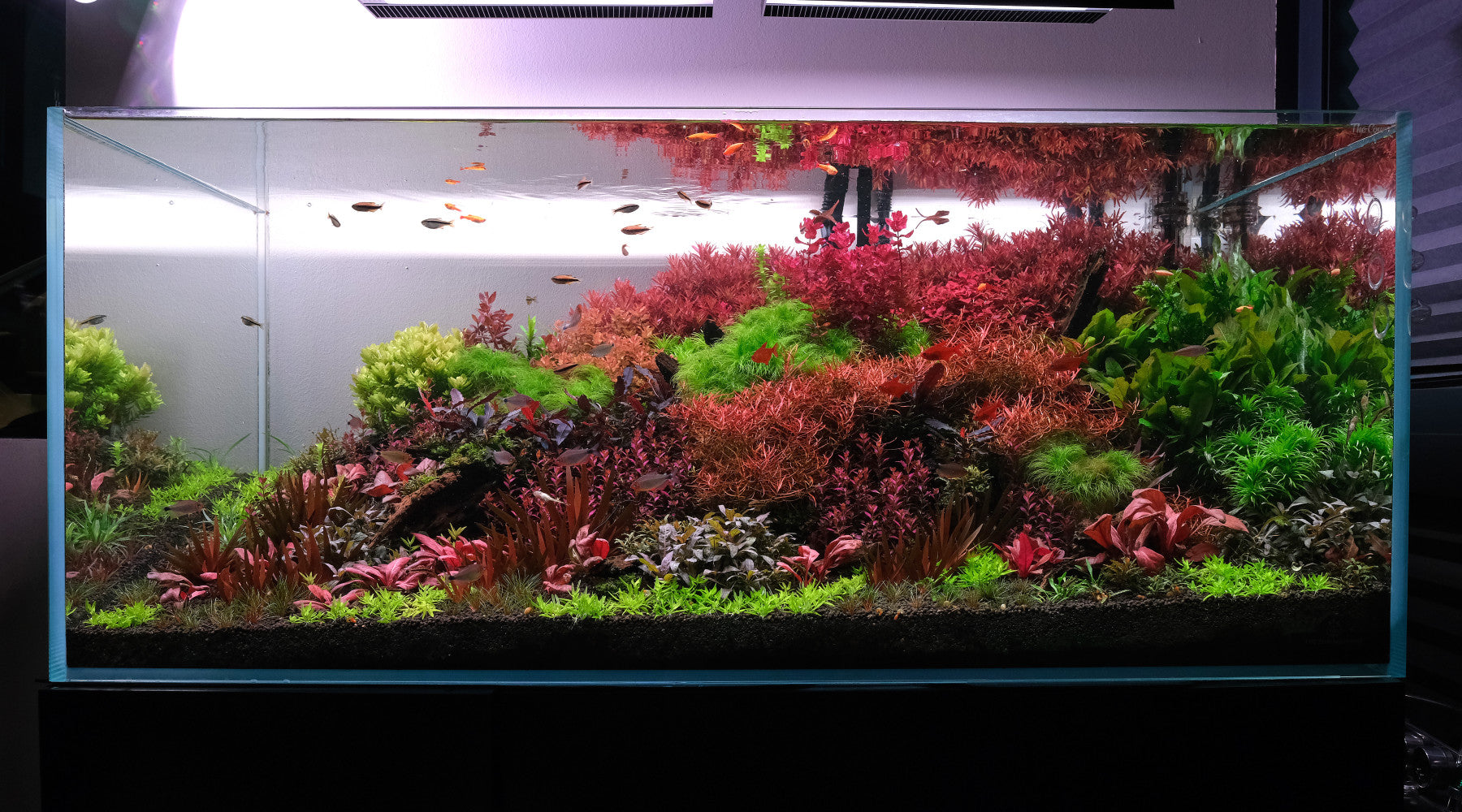
4ft Rotala florida community aquarium: Showcasing the 2hr Way

4ft Rotala florida community aquarium: Showcasing the 2hr Way

Full details of tank parameters, plants and fish species, and the maintenance regime of the 4ft Rotala florida aquascape are described here.
Read moreabout 4ft Rotala florida community aquarium: Showcasing the 2hr Way

Non-Aquatic Aquarium Plants: A Beginner's Buying Guide to Avoid Them

Non-Aquatic Aquarium Plants: A Beginner's Buying Guide to Avoid Them

Some of the most attractive plants on shop shelves are not aquatic at all. They persist for weeks, then rot and feed algae. This guide identifies the common non-aquatic species sold as aquarium plants, shows how genuine aquatics shift form above and below water, and lists what to check before buying..

Read moreabout Non-Aquatic Aquarium Plants: A Beginner's Buying Guide to Avoid Them

New Tank Journey | Ugly Duckling

New Tank Journey | Ugly Duckling

New tanks can be frustrating at the beginning. Here, we describe one important signal that things are actually progressing well, despite plants having algae. 

Read moreabout New Tank Journey | Ugly Duckling

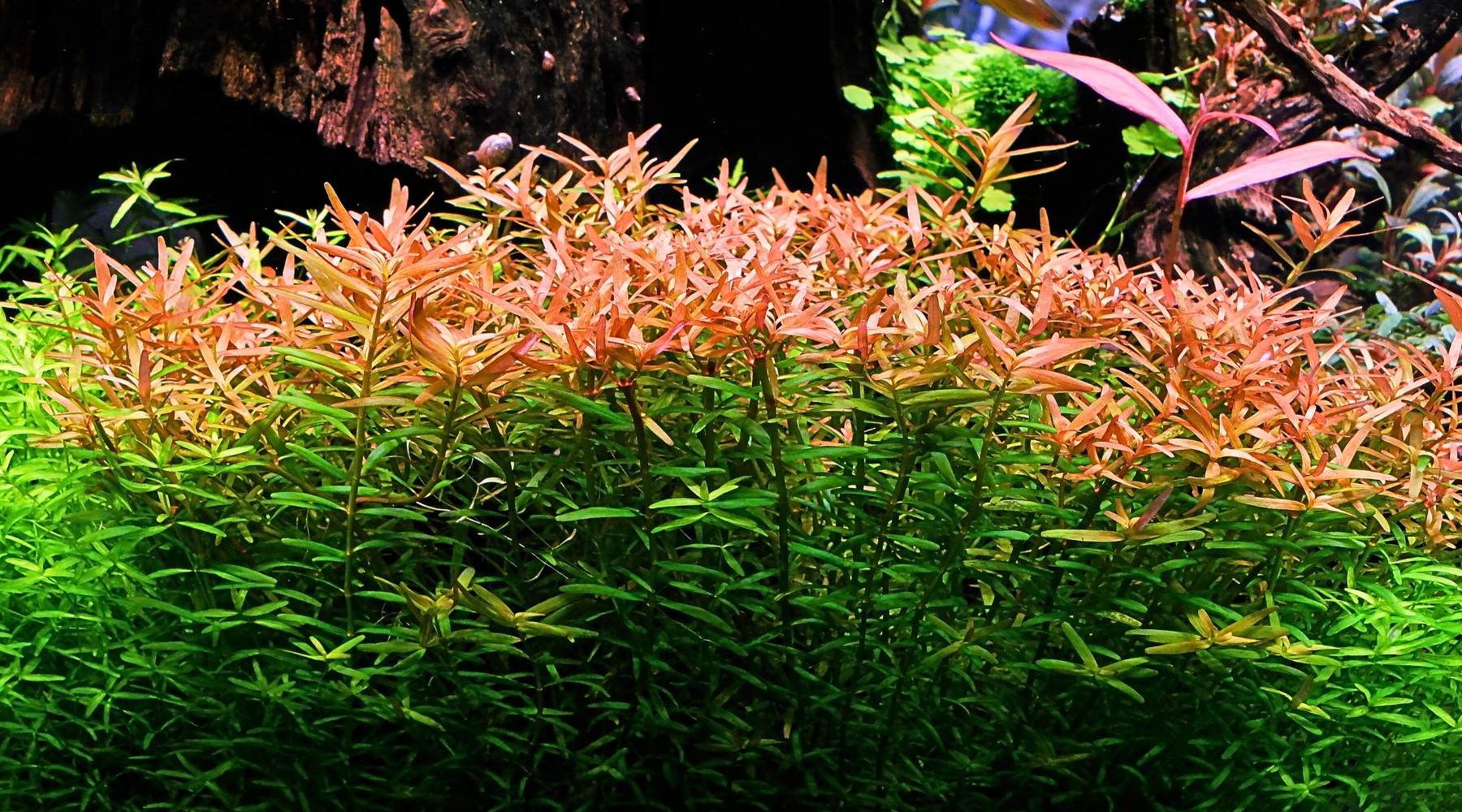
When Less is More

When Less is More

How to get Rotala rotundifolia redder? Interestingly, less can be more in this case.

Read moreabout When Less is More

System Shocks

System Shocks

Sudden widespread algae infestation can take place when changes in environmental parameters induce adaptation stress that weaken plants which become vulnerable to algae.

Read moreabout System Shocks

Flowering Underwater?

Flowering Underwater?

Do aquatic plants flower underwater? Is flowering a sign of good health? Which plants can I grow that will flower easily in my aquarium?

Read moreabout Flowering Underwater?