
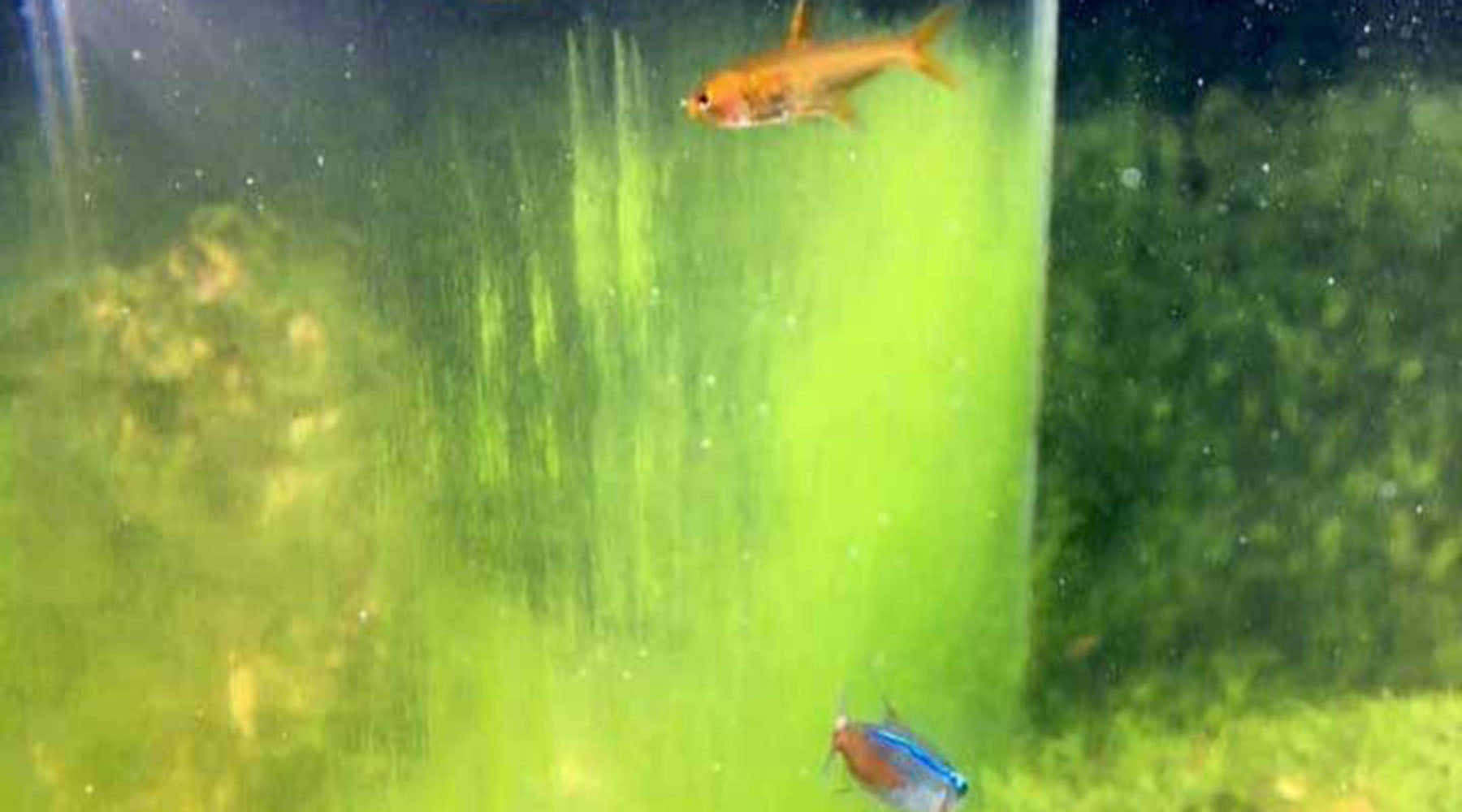
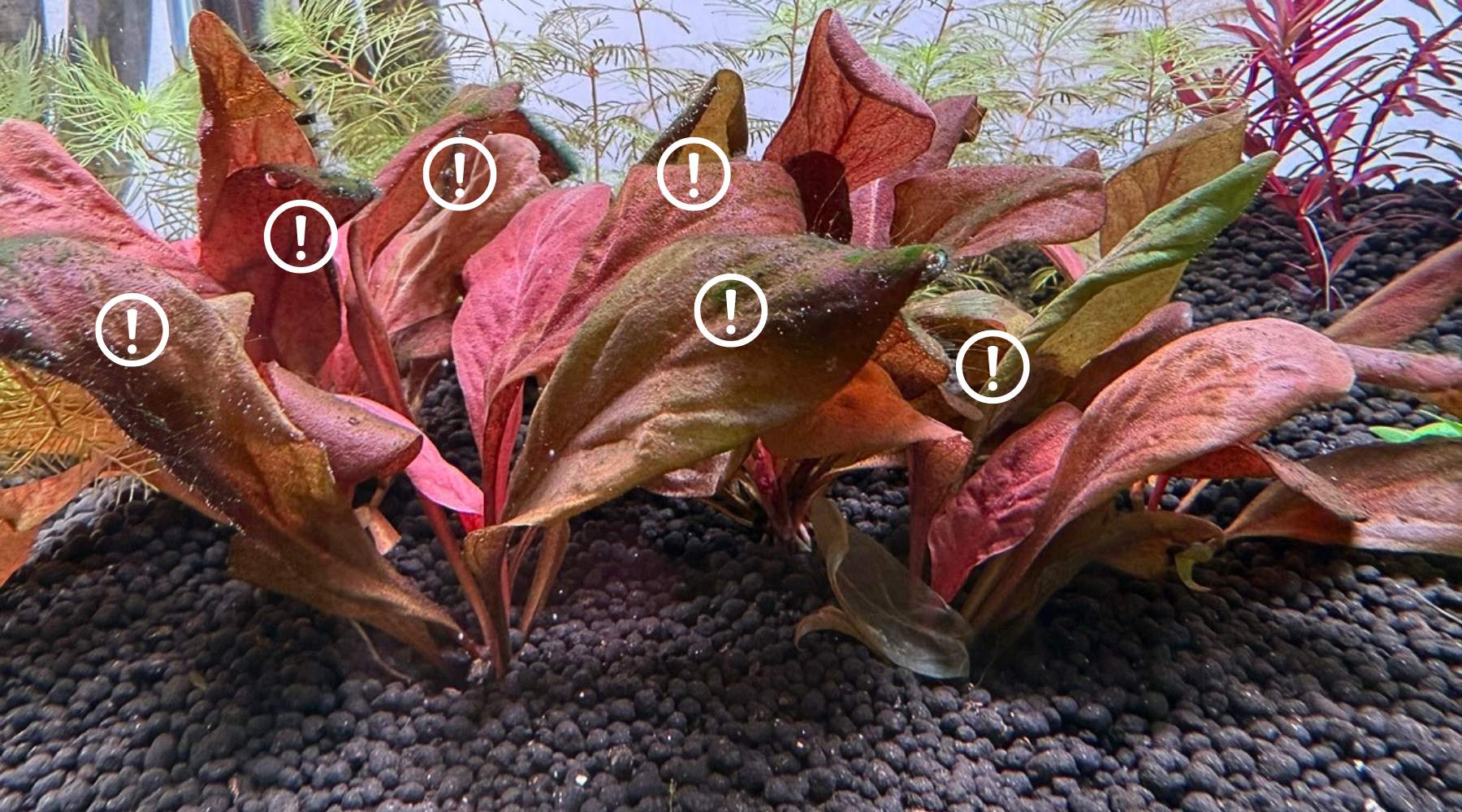
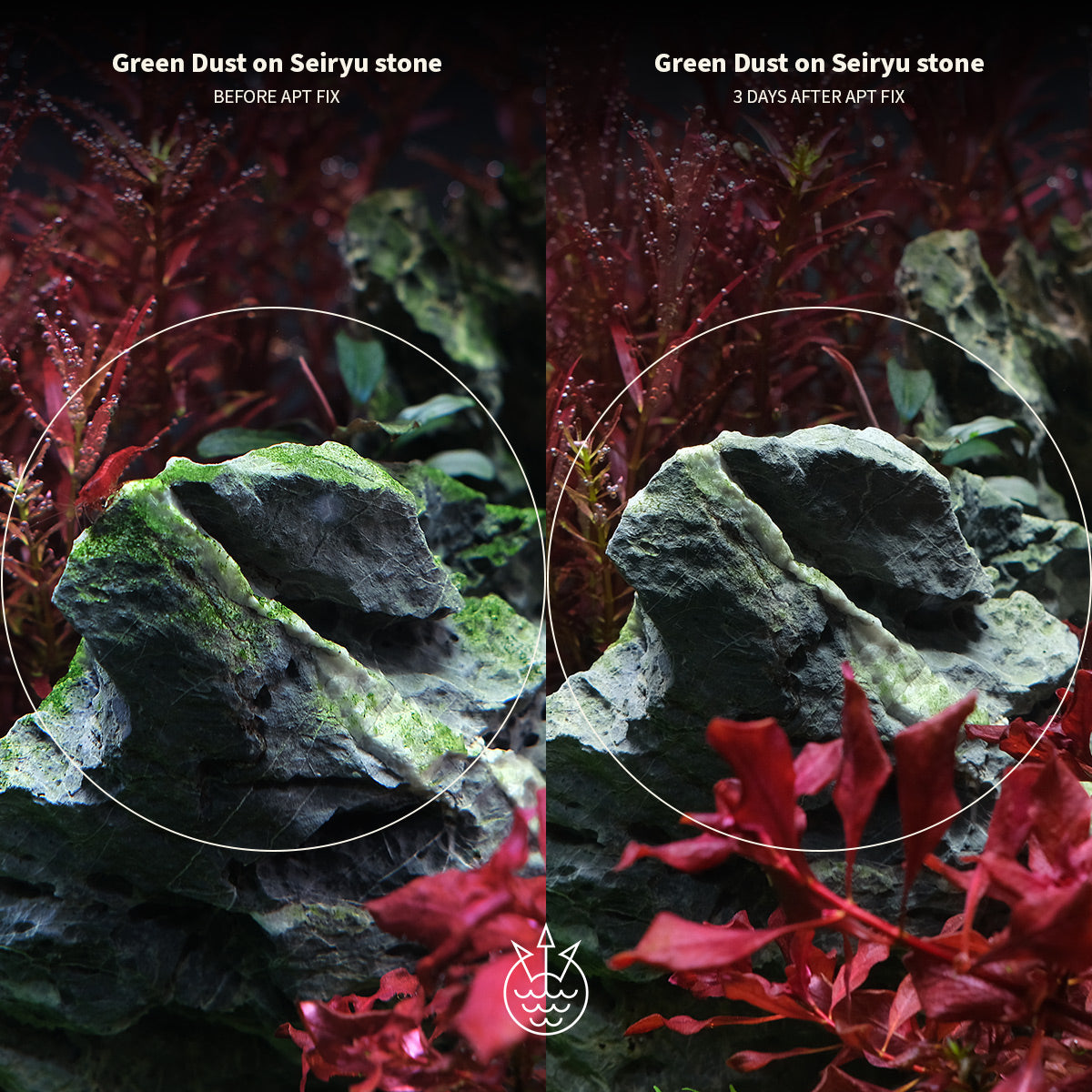
Green dust algae forms a green film on rocks and especially on the walls of planted tanks. It is easily wiped off but will quickly return. In tanks with strong light it can reappear within a day. In less severe cases it means weekly scraping/wiping of the tank walls. For aquascapers who have only had tanks with chronic GDA, weekly glass wiping may seem inevitable - we assure you it is not. GDA is easily distinguished from GSA (green spot algae) as it grows much faster (without any particular spot formation) - and forms a distinct thin green film on the tank walls.
GDA is more common in 'hot' tanks - those with lots of lighting and nitrogen waste. Ammonia or nitrogenous waste can easily trigger it. Tanks with high NO3 levels (above 10ppm) and not enough plant mass are also very susceptible. Many EI based tanks suffer from this. Cooler tanks, with more moderate lighting and leaner dosing regimes have much less of a problem.
Common Causes
- Biologically immature tanks
- Lack of dominant plant mass in tank
- High light coupled with heavy water column fertilization (Common in tanks with high NO3 > 10ppm), warm temperatures
- Organic detritus build-up in tank (watch the vid on water changes)
- Poor oxygen levels in tanks
Solutions
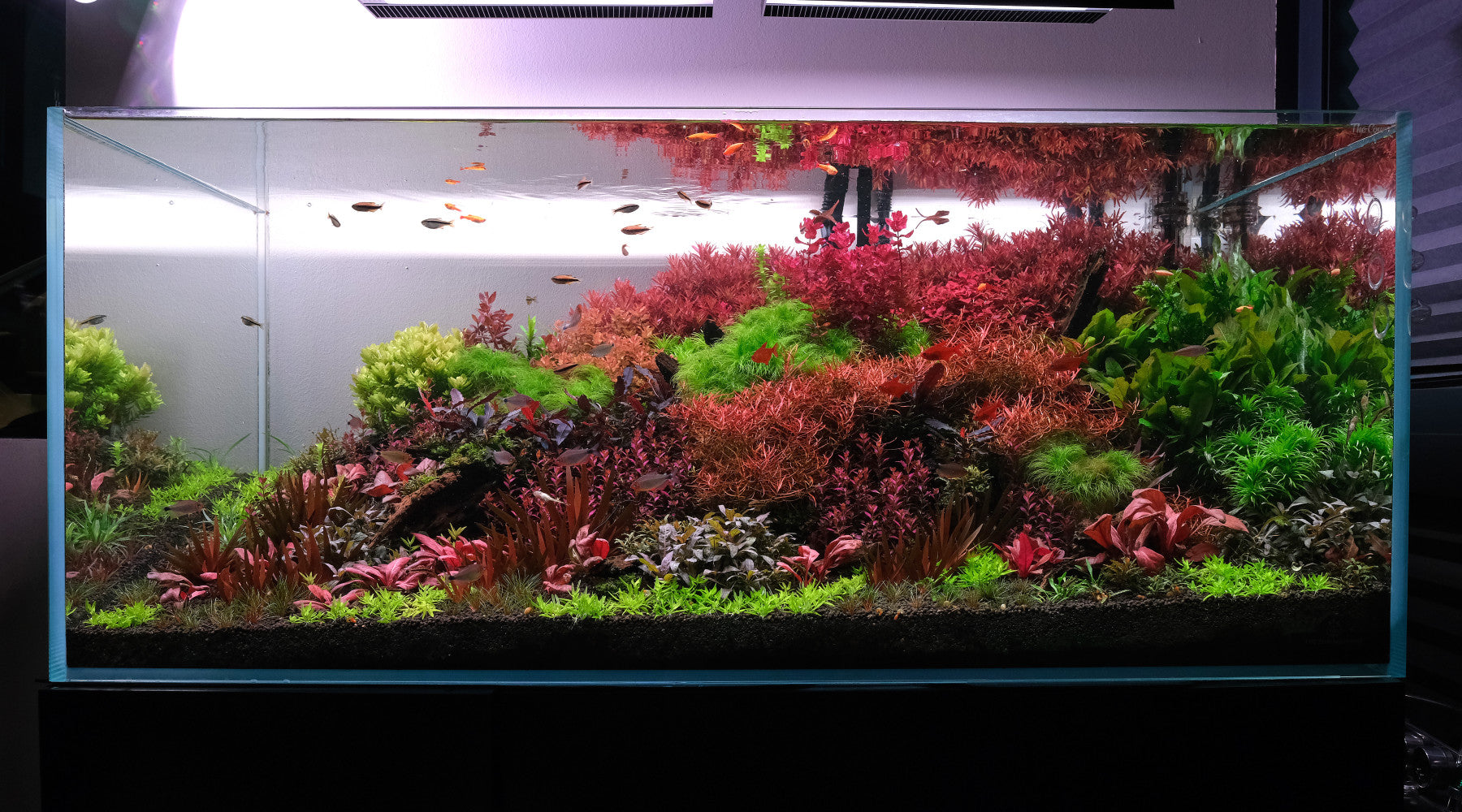
- Build up dominant plant mass in the tank (70% + planted)
- Optimize CO2 levels (>30ppm)
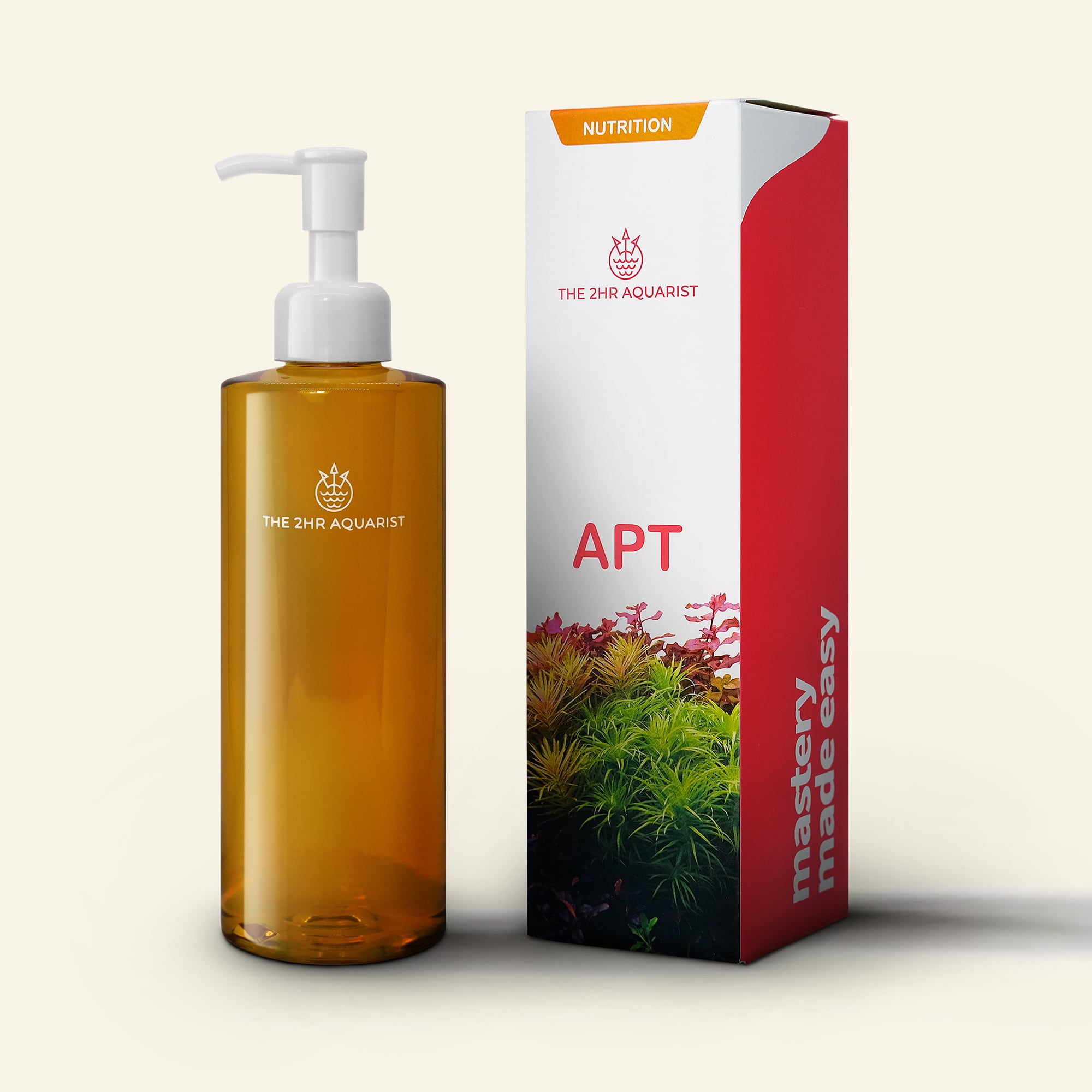
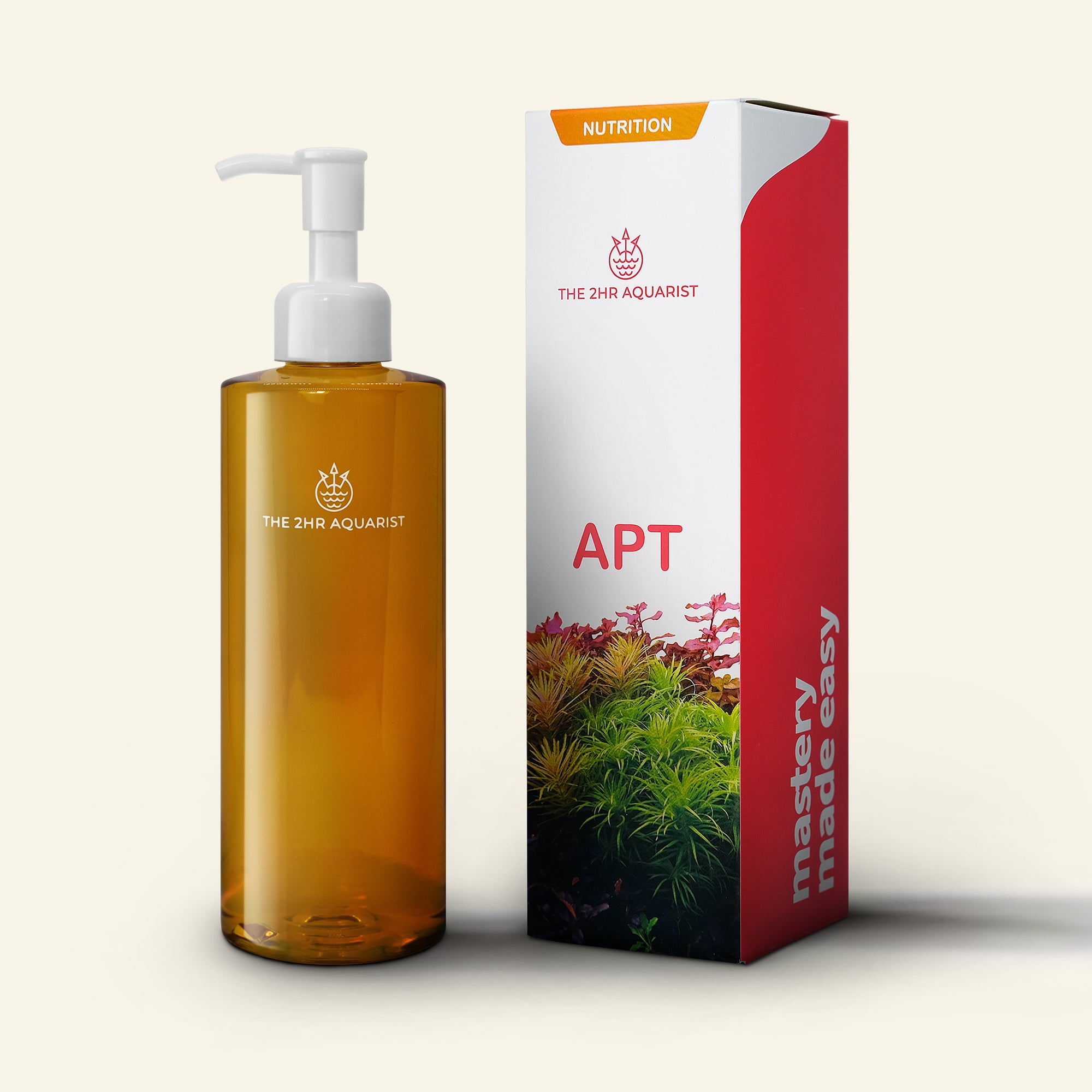
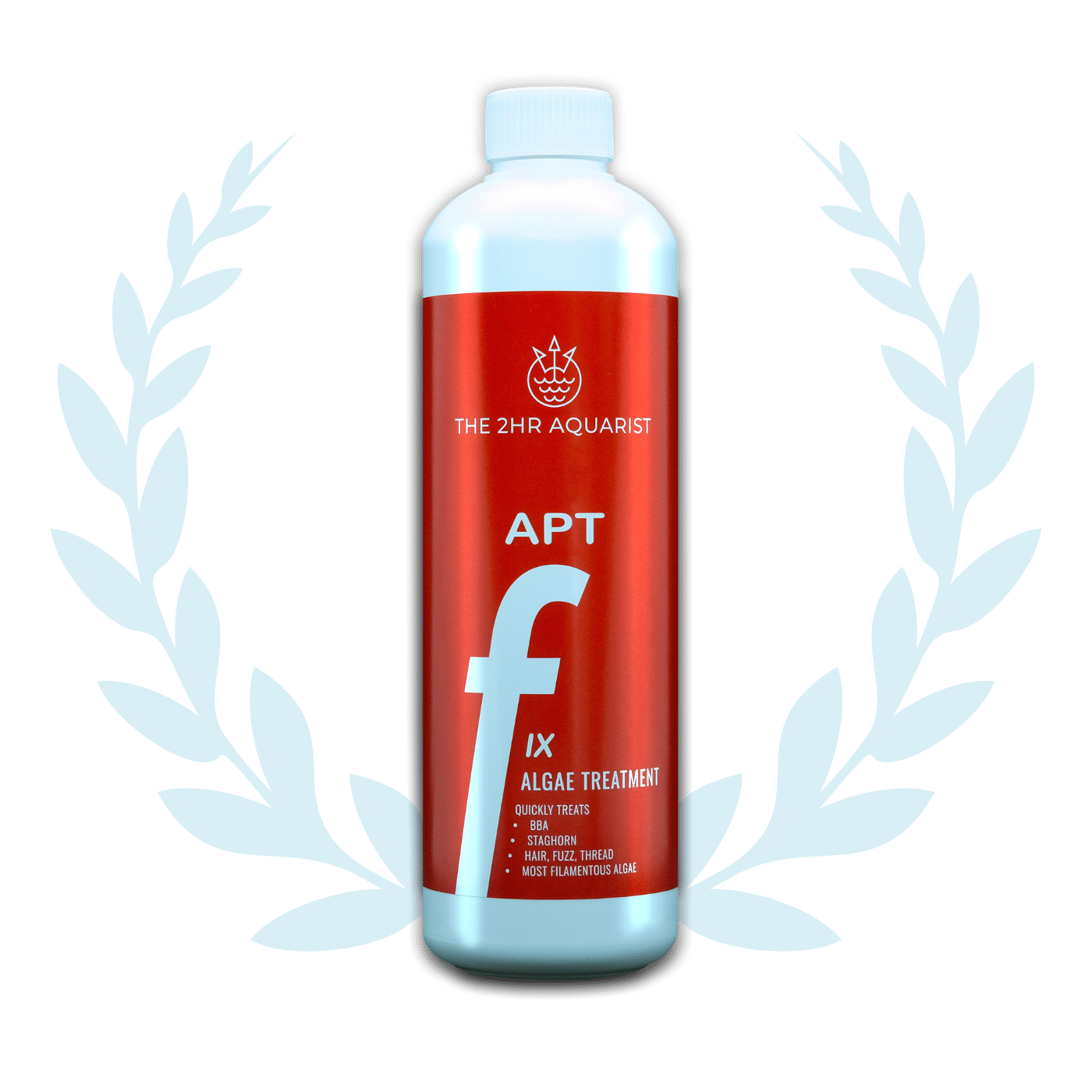
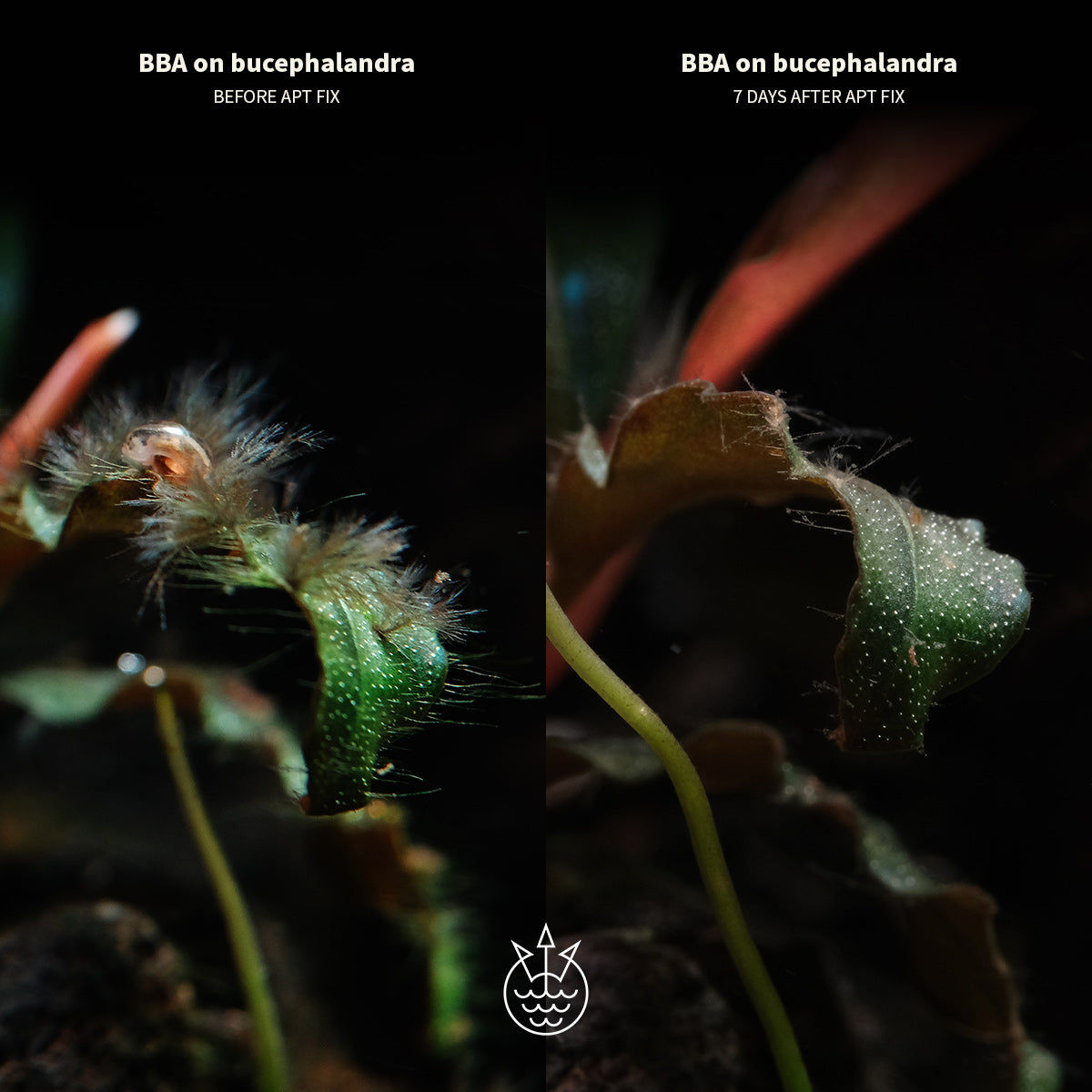
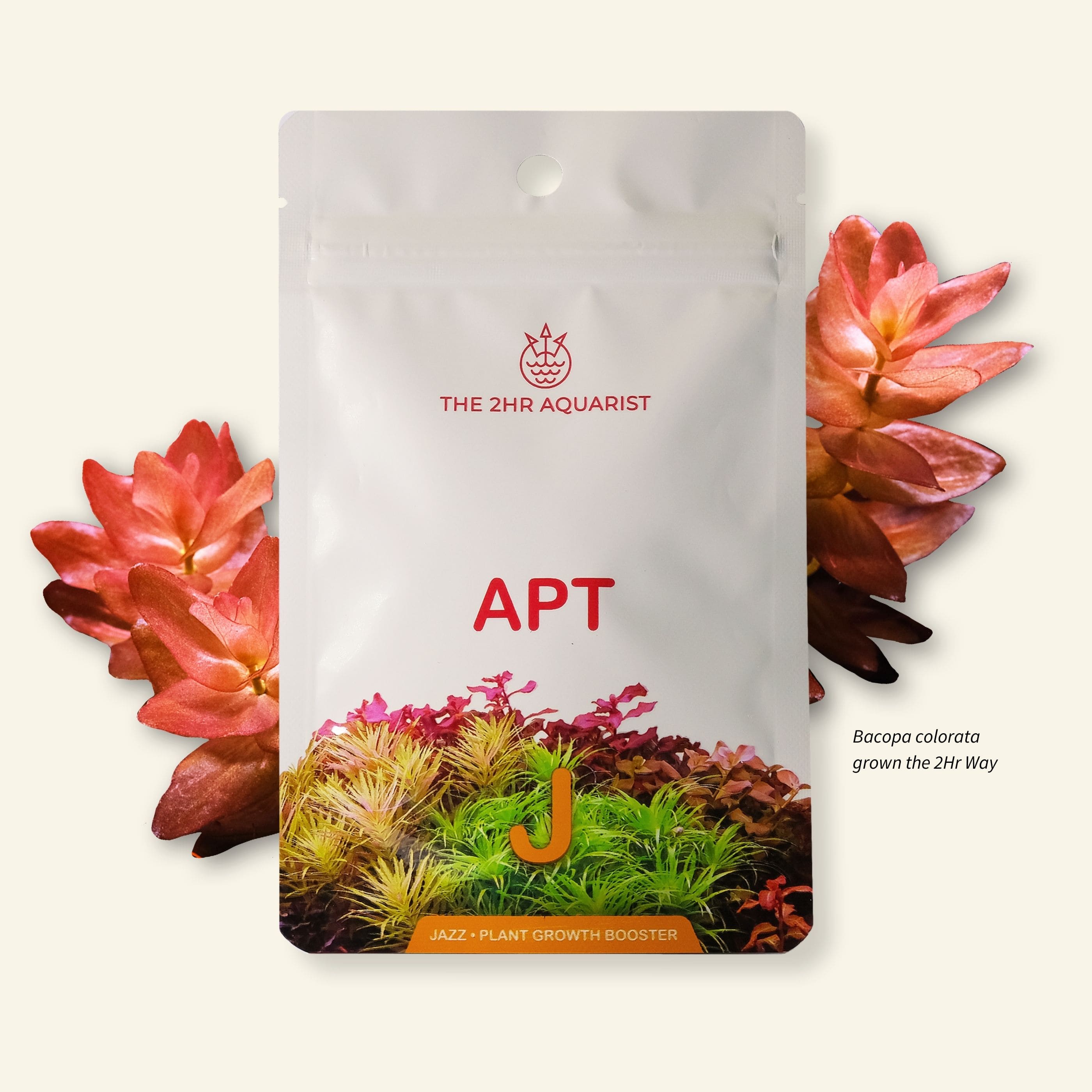
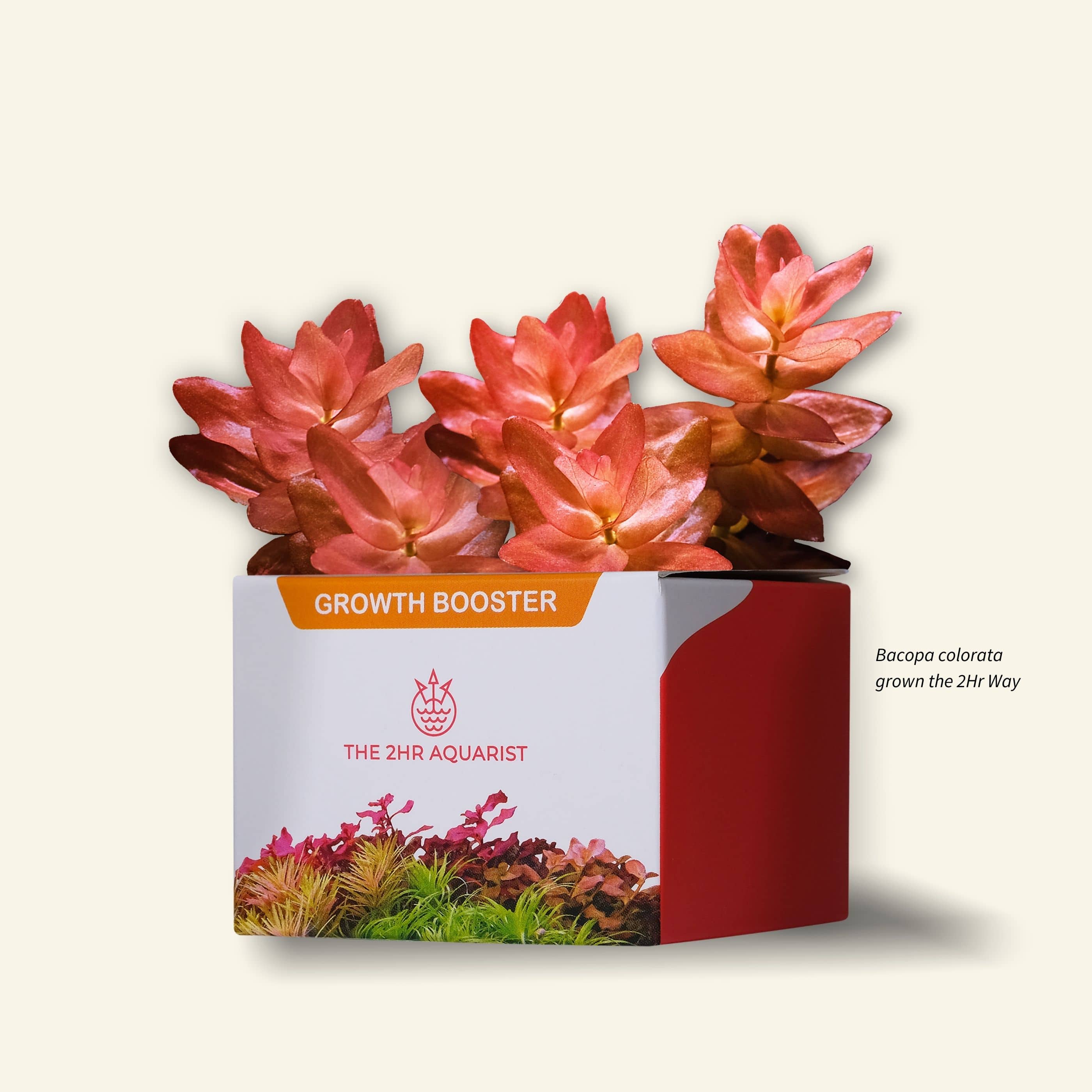
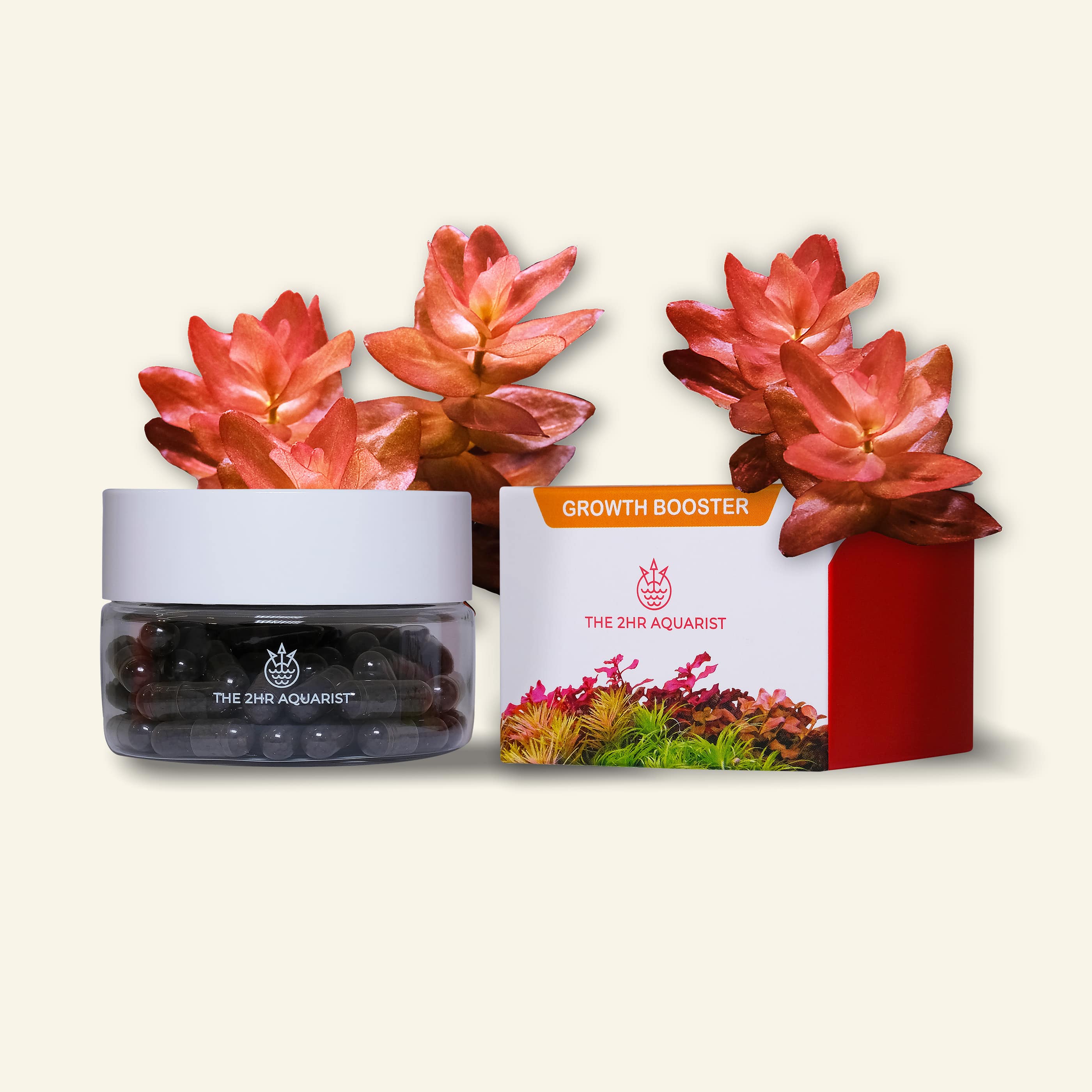
- For mild to moderate cases, APT Fix will work - up to 1ml per 10L of tank water, repeatable every 24 hours
- 3-5 days blackout for serious cases
- Consider a leaner dosing regime (specifically, lower NO3 levels - keep it at 5ppm & below, till things stabilize. This is specific for EI fans for which this seems to be a common problem)
- Lower water temperatures help significantly (<24 degrees celsius)
- Better oxygenation helps
For a more in-depth article on the different strategies of defeating GDA head here.


Share:
How to control cyanobacteria (Blue-green algae) in an aquarium
How to control cyanobacteria (Blue-green algae) in an aquarium