Superpower

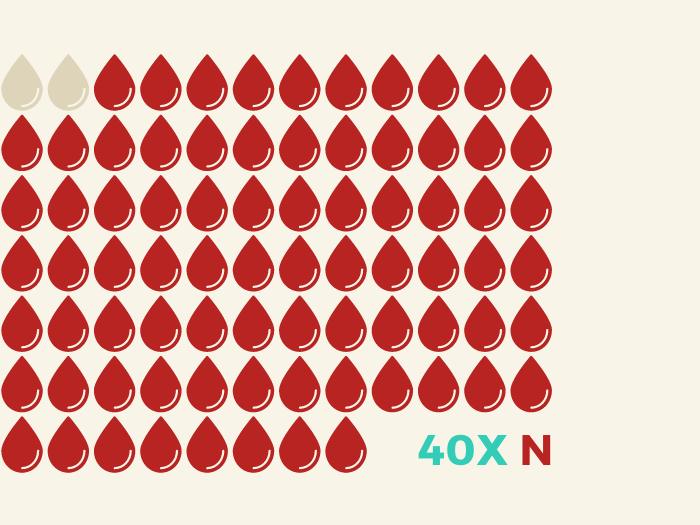
Example of APT JAZZ's relative concentration compared with a 40-year old American 'big brand fertiliser'. APT contains 40X the amount of Nitrogen- the most impactful nutrient for plant growth.

Goldilocks Balance

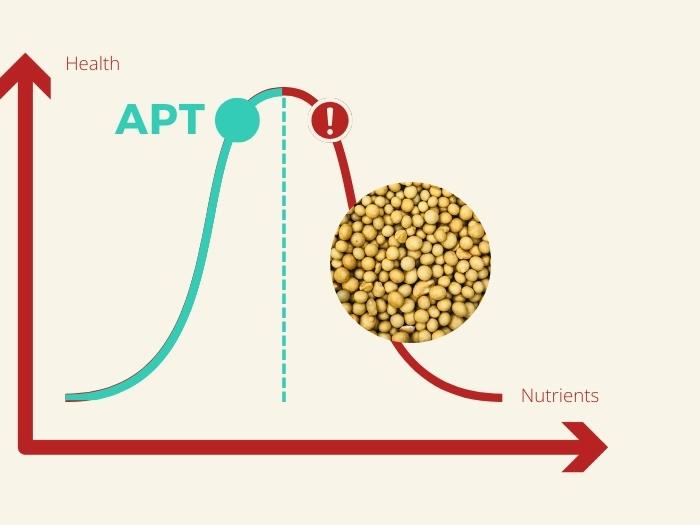
Beyond a point, minerals- in particular heavy metals, become harmful instead. Terrestrial root tabs (characterised by their yellowish 'osmocote' shells) can be powerful, but with high risk of imbalance in aquatic conditions. APT Jazz keeps you safely on the good side of the curve.

Richer Colors

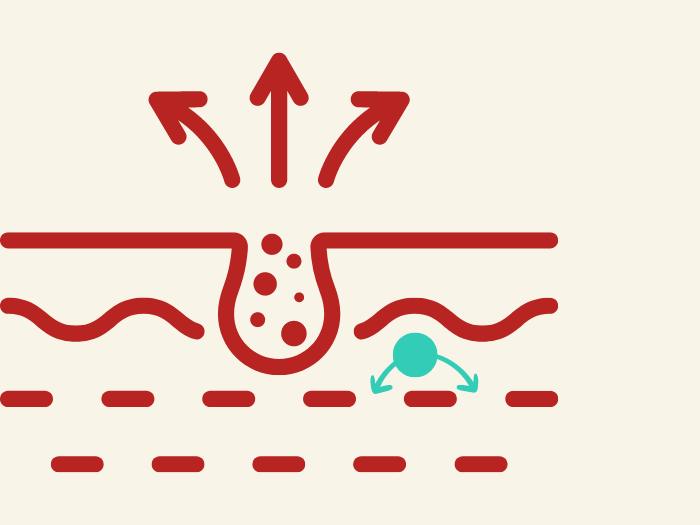
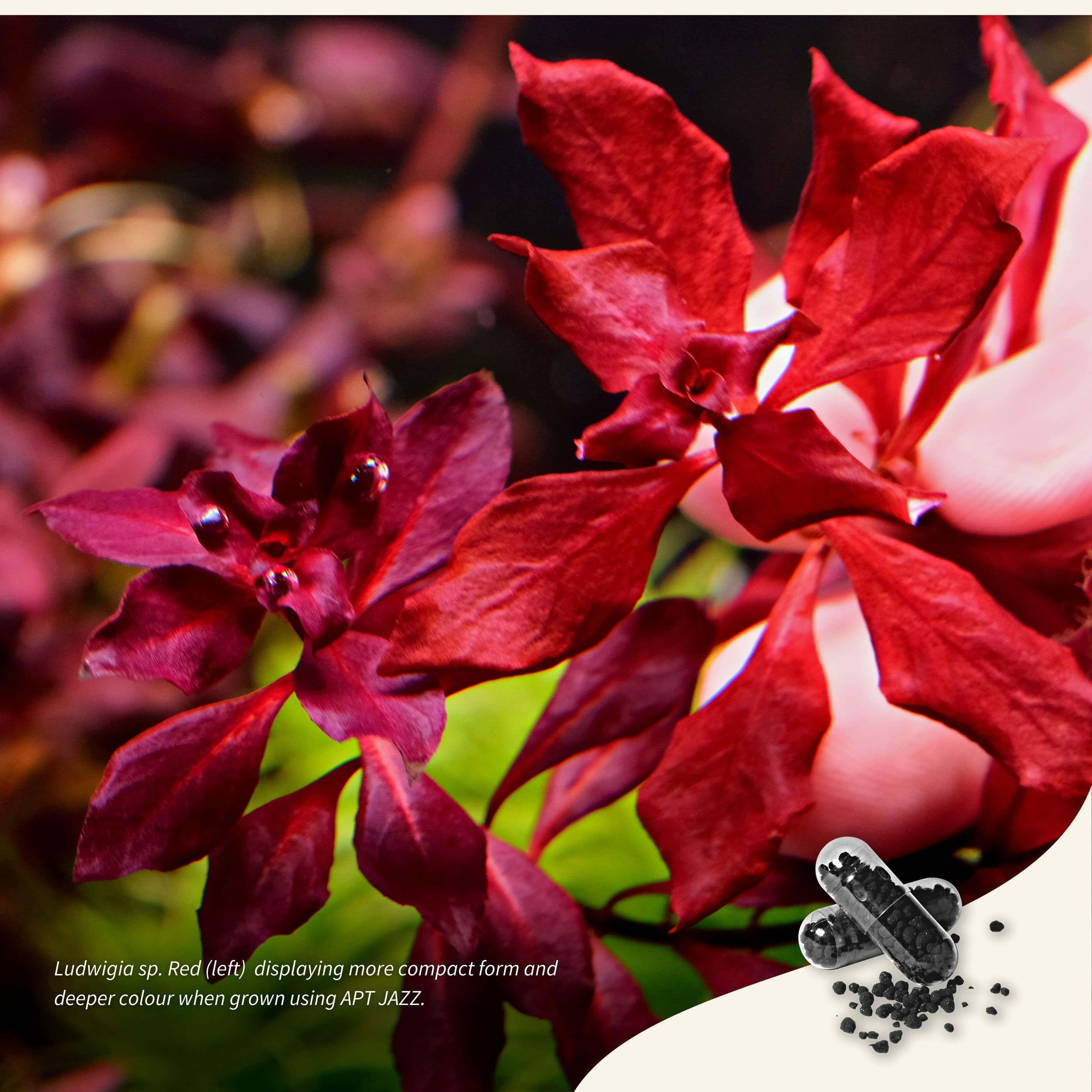
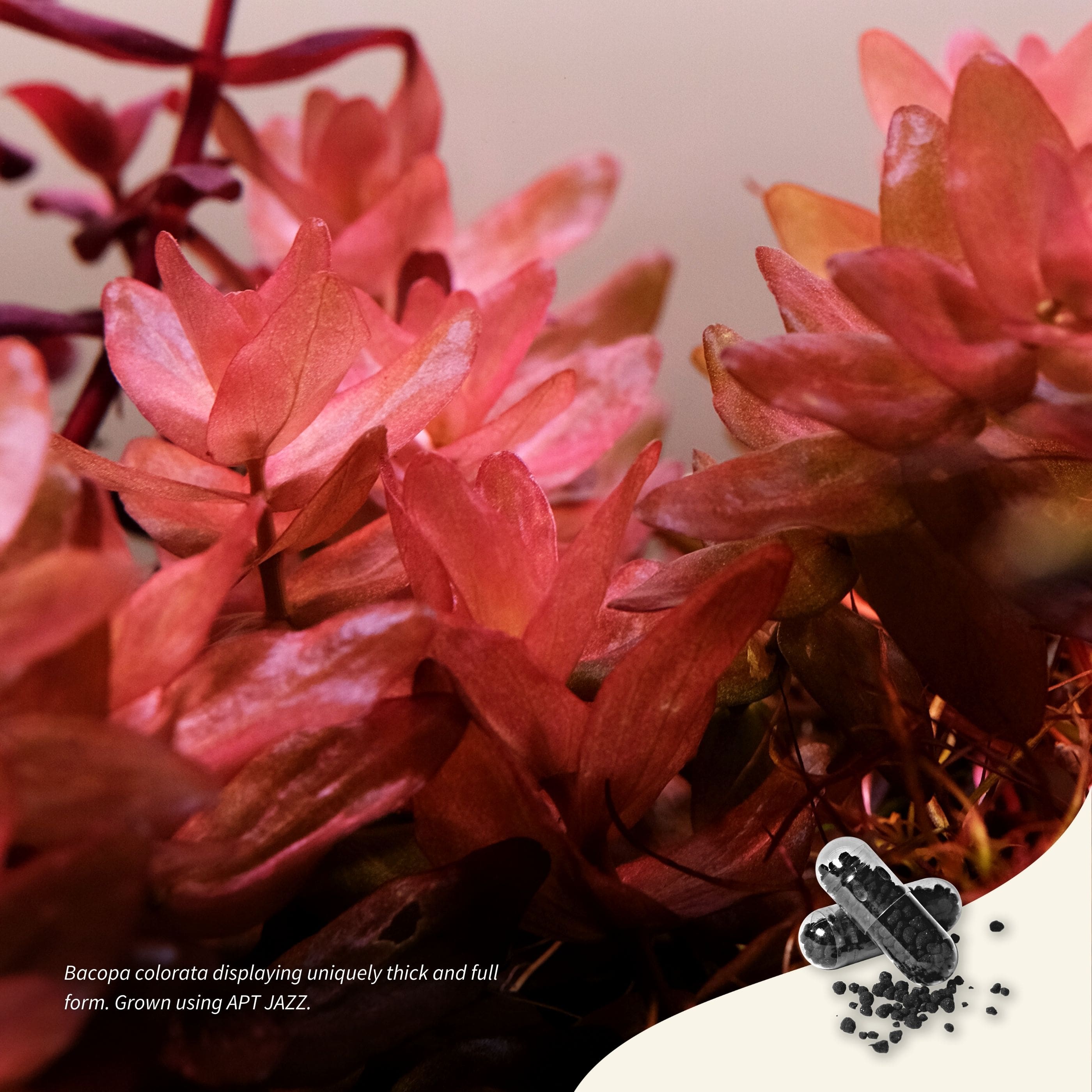
Root nutrition unlocks thicker, fuller growth. However most root tabs quickly leach their contents into the water (e.g. nitrates). APT JAZZ uses ammoniacal nitrogen which binds to substrate, and a powerful slow-release mechanism.

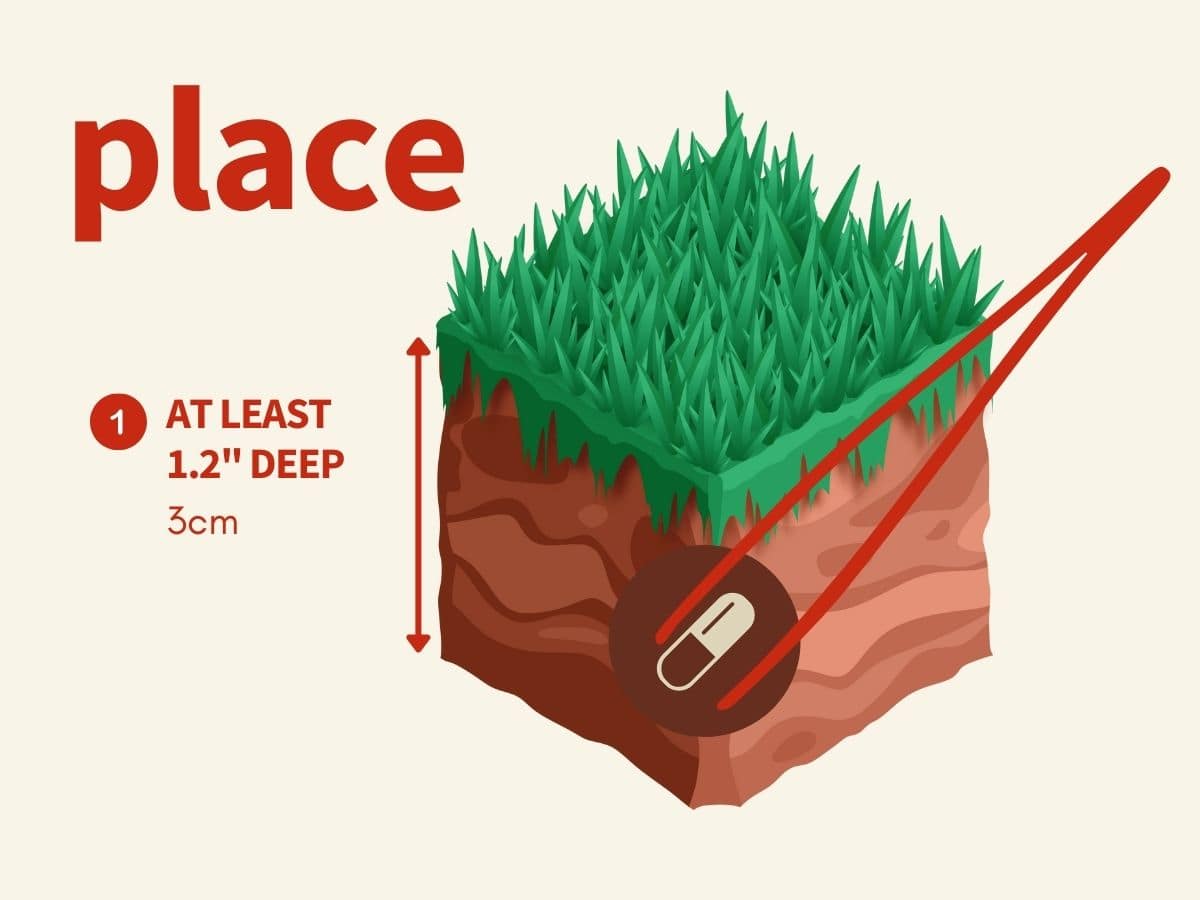
Place

Place the capsule directly under the root zone of the plant you want to fertilize. Place at least 3cm /1.2" deep.

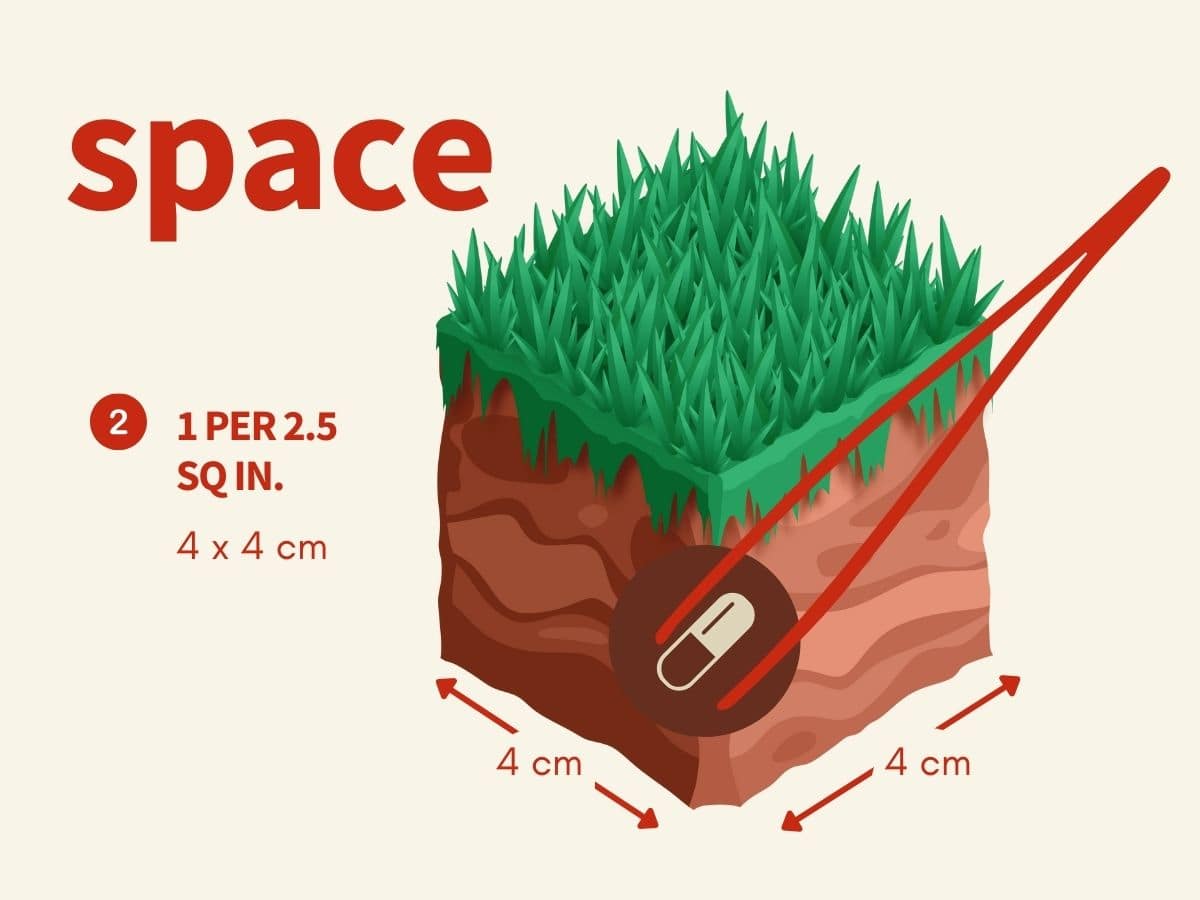
Space

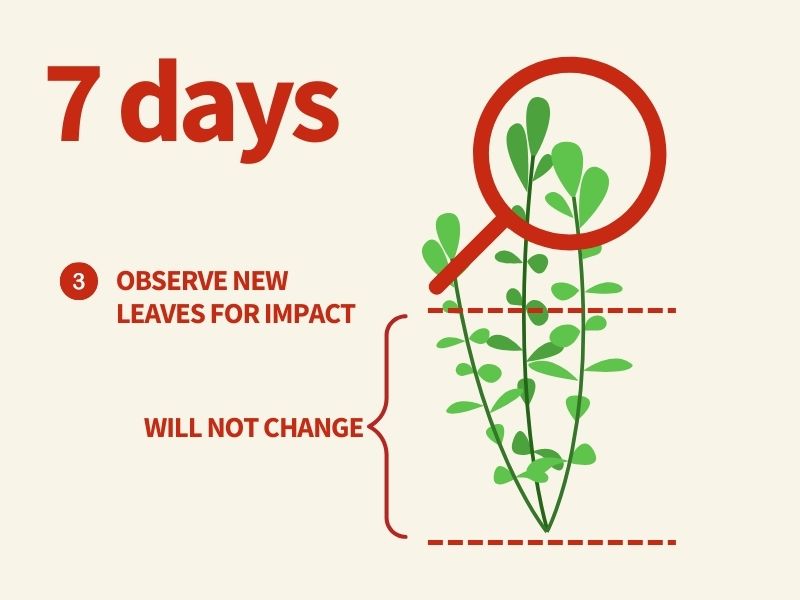
Observe the impact on new leaves after 7 days. Root absorption takes longer than leaf uptake. Old leaves do not rejuvenate.

7 Days

Observe the impact on new leaves after 7 days. Root absorption takes longer than leaf uptake. Old leaves do not rejuvenate.

Phoenix Matrix

Aquasoil depletes naturally over 3~6 months.

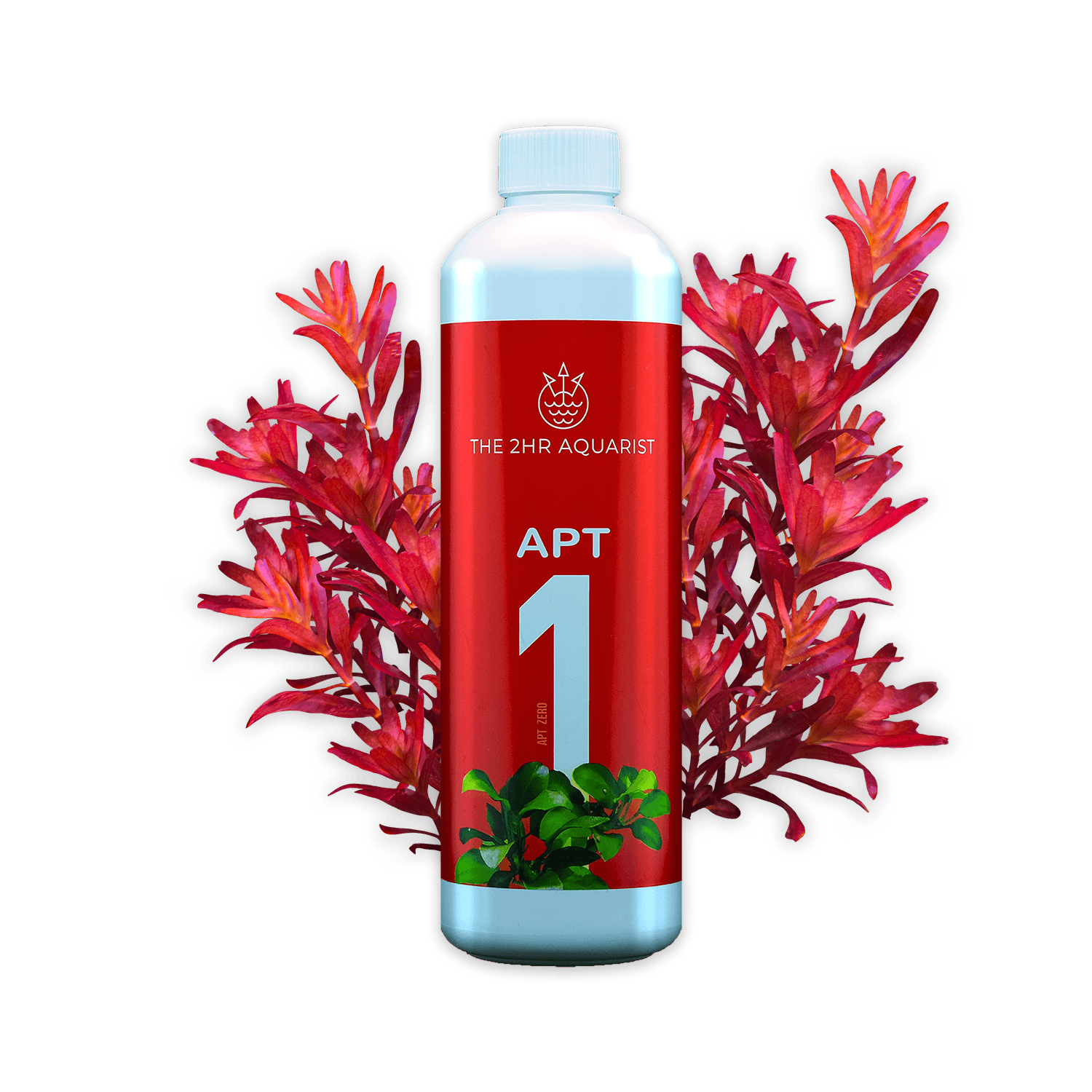
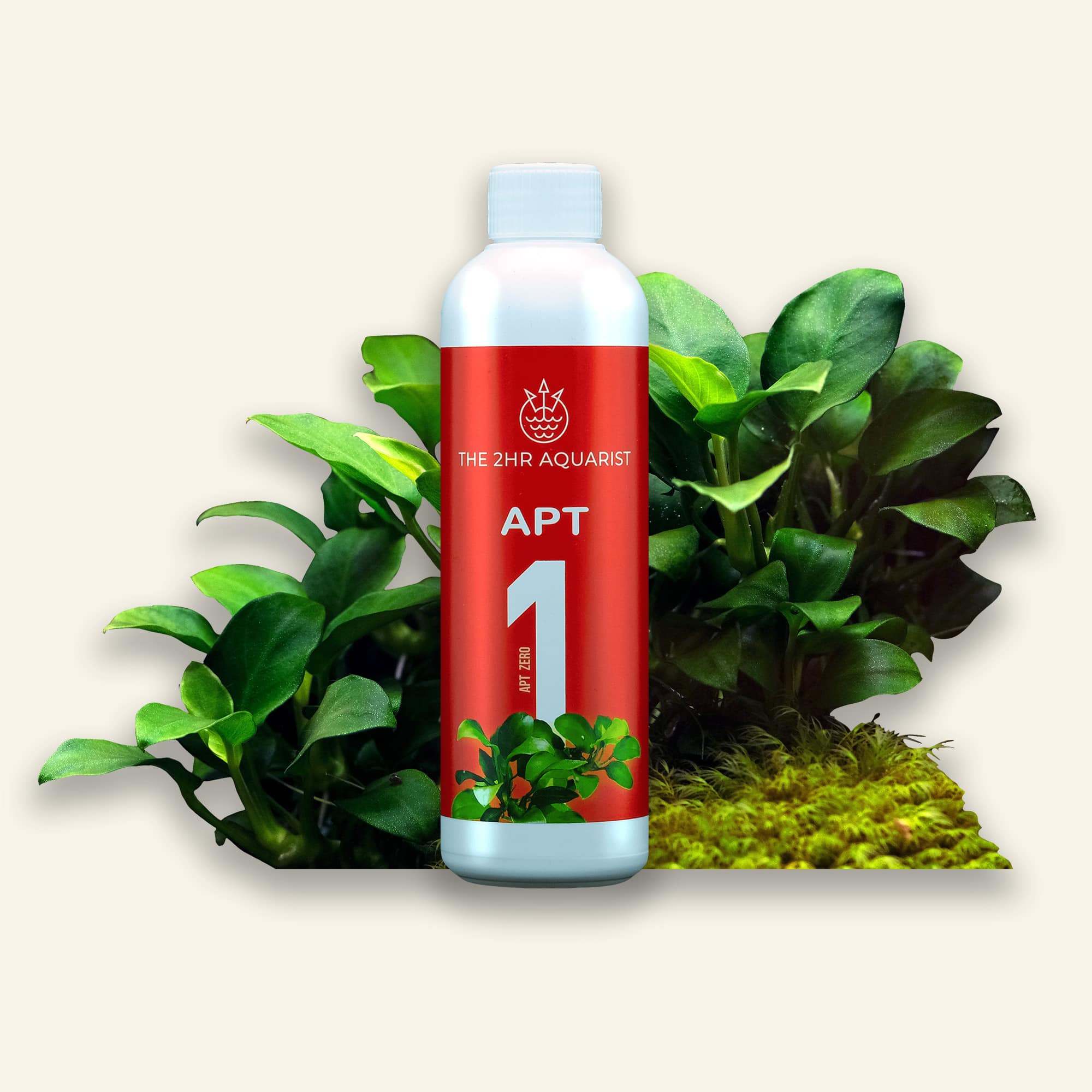
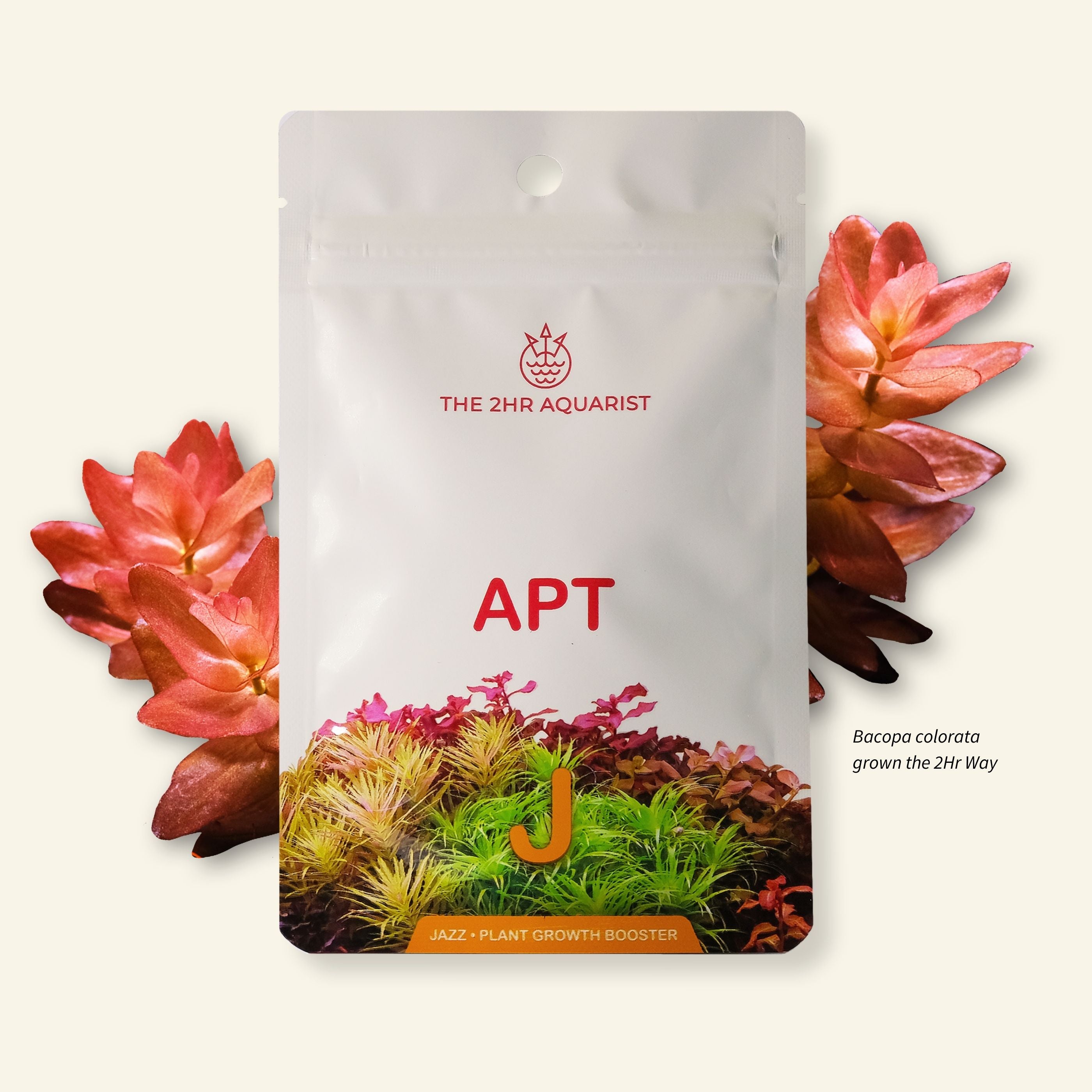
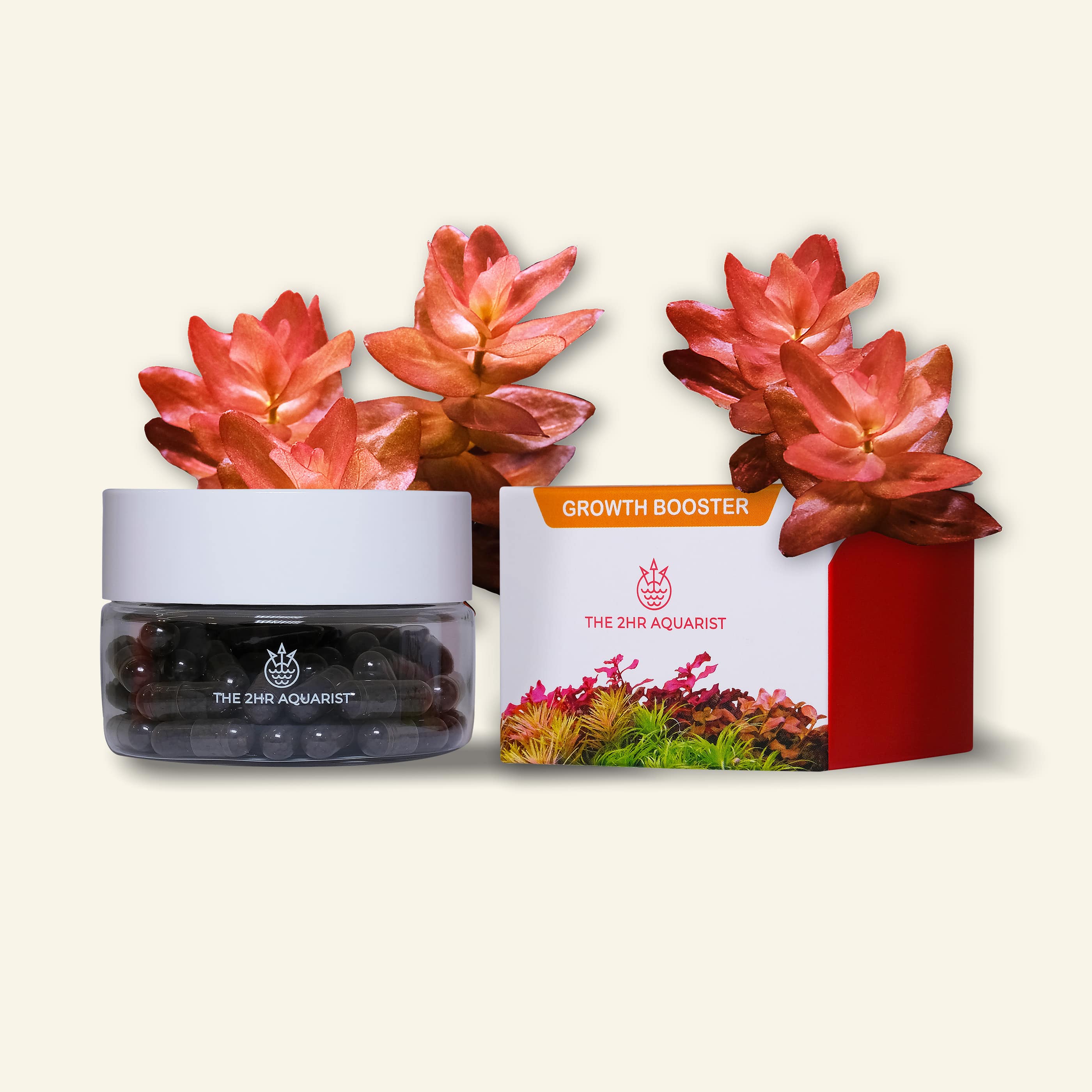
At the heart of APT Jazz's potency lies its Phoenix Matrix, a blend of ammoniacal nitrogen and essential nutrients that can repeatedly rejuvenate aquasoil.

Enjoy fresh, rich aquasoil without the hassle (and waste) of discarding matured substrate.

Nitrate Limitation

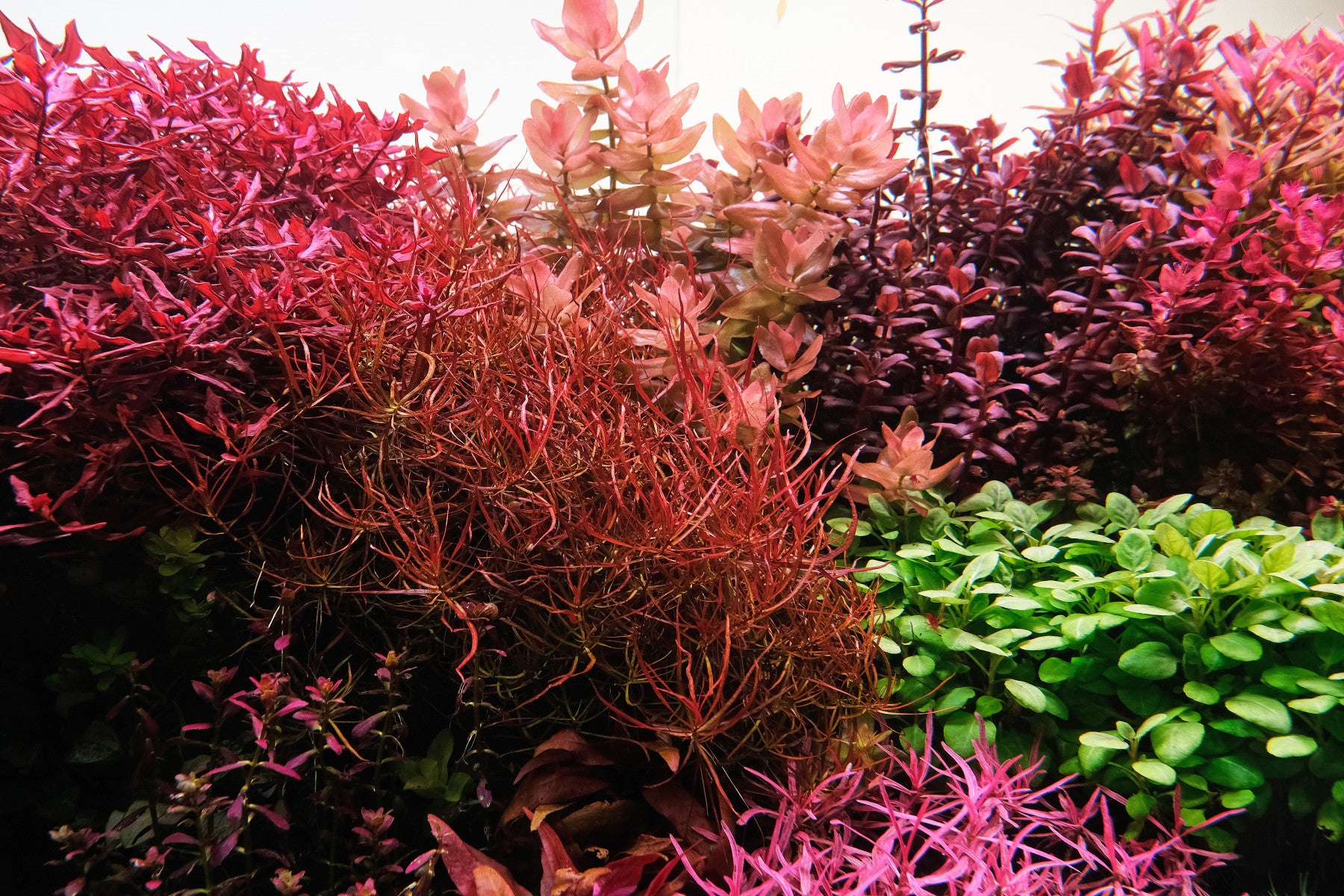
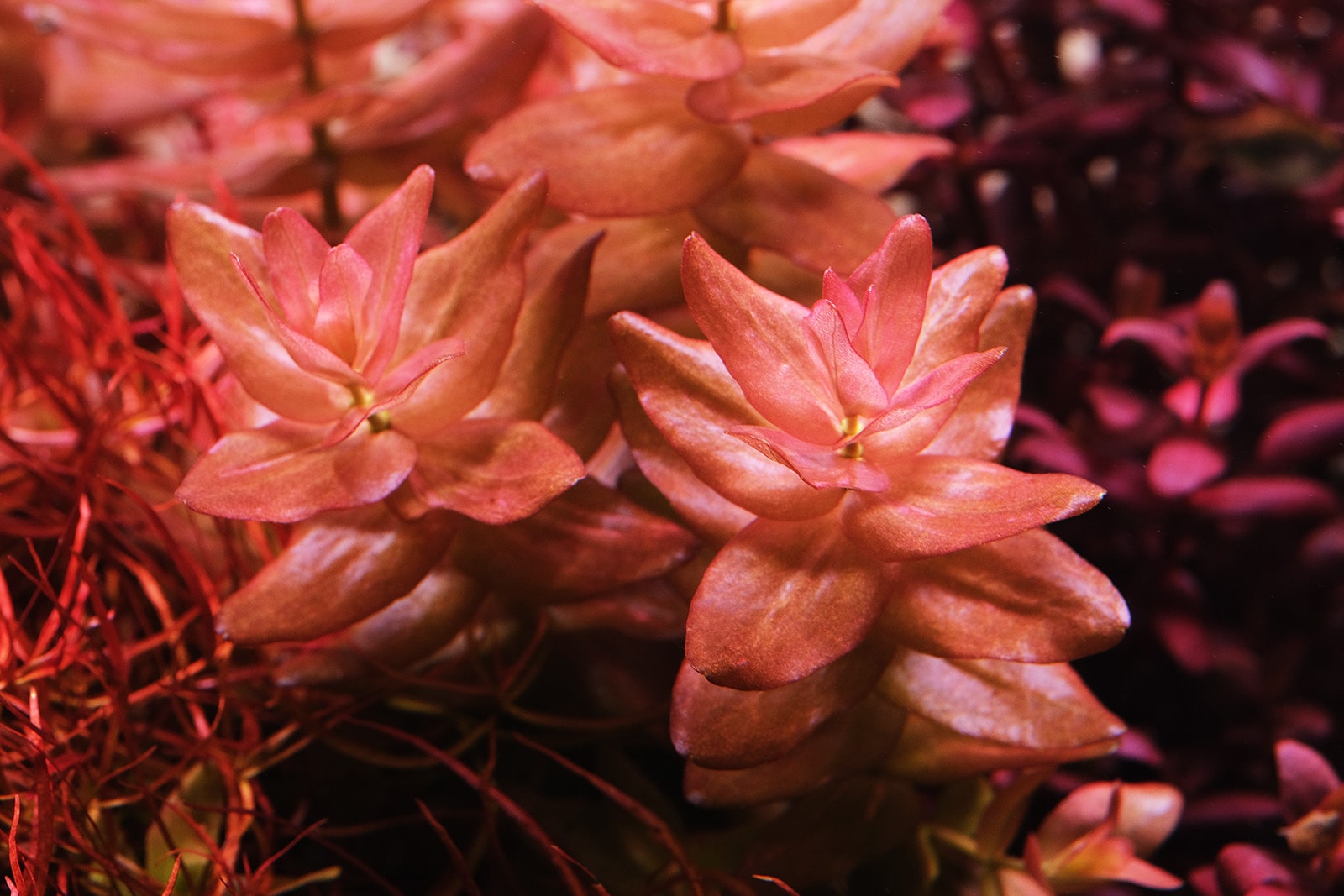
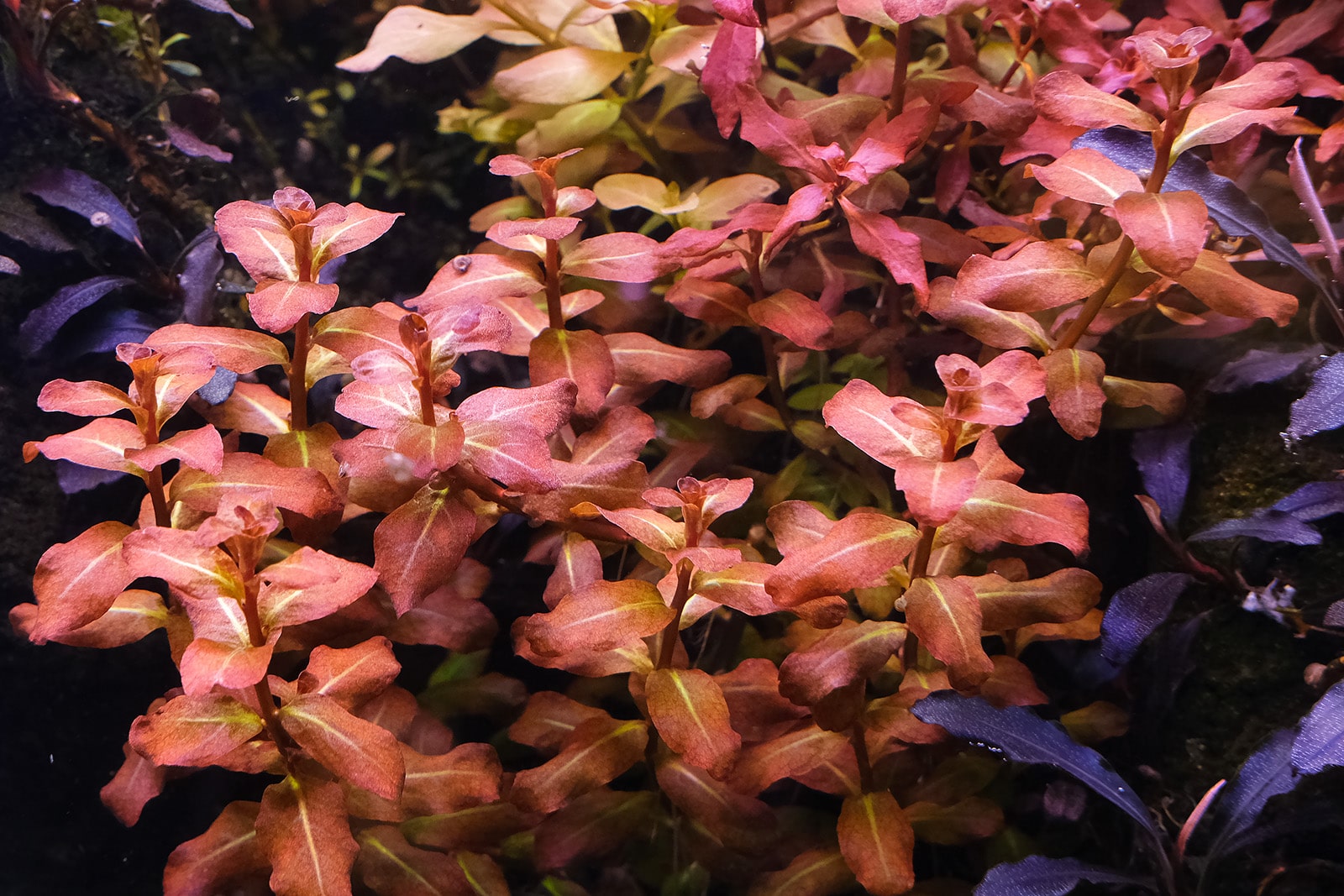
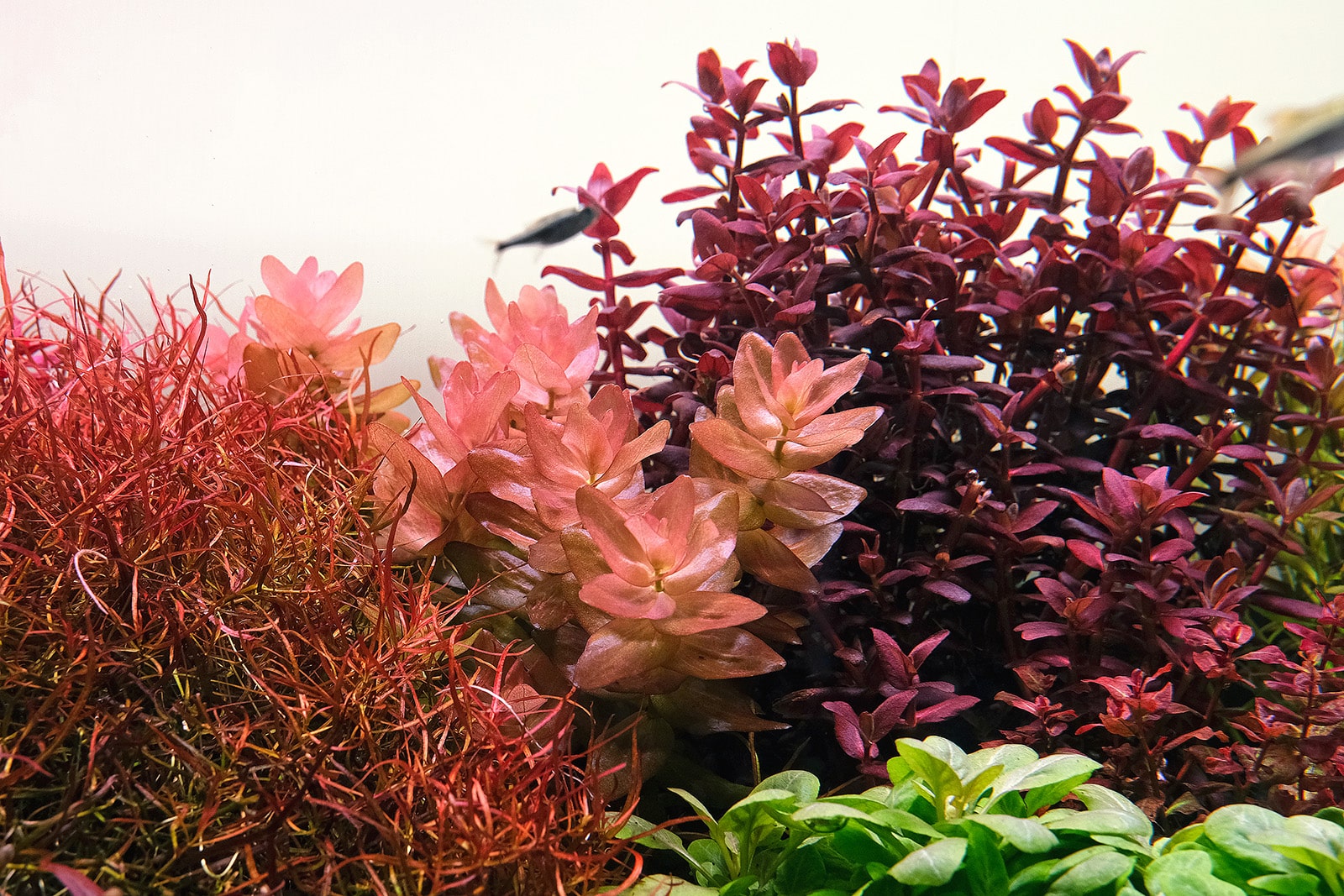
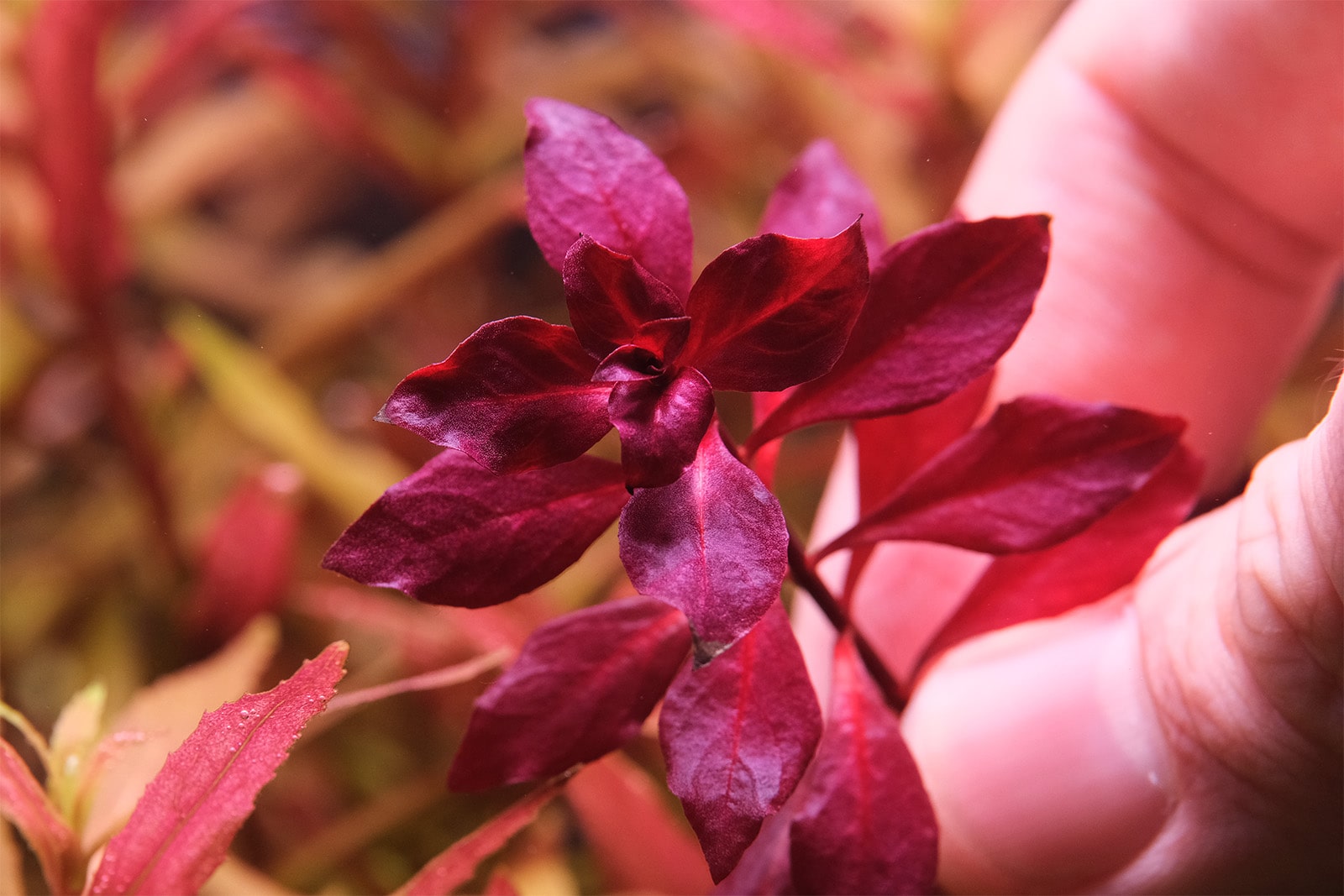
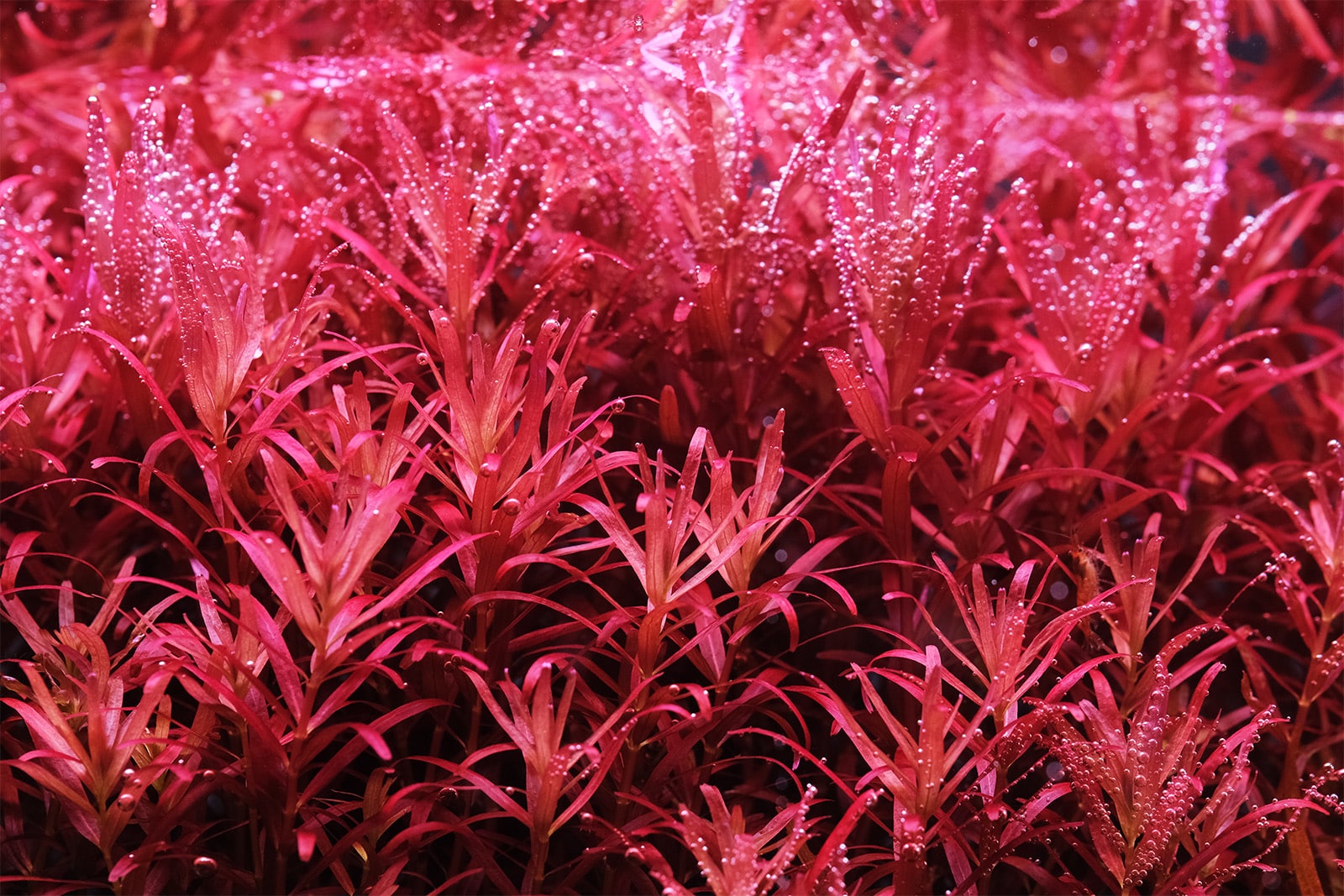
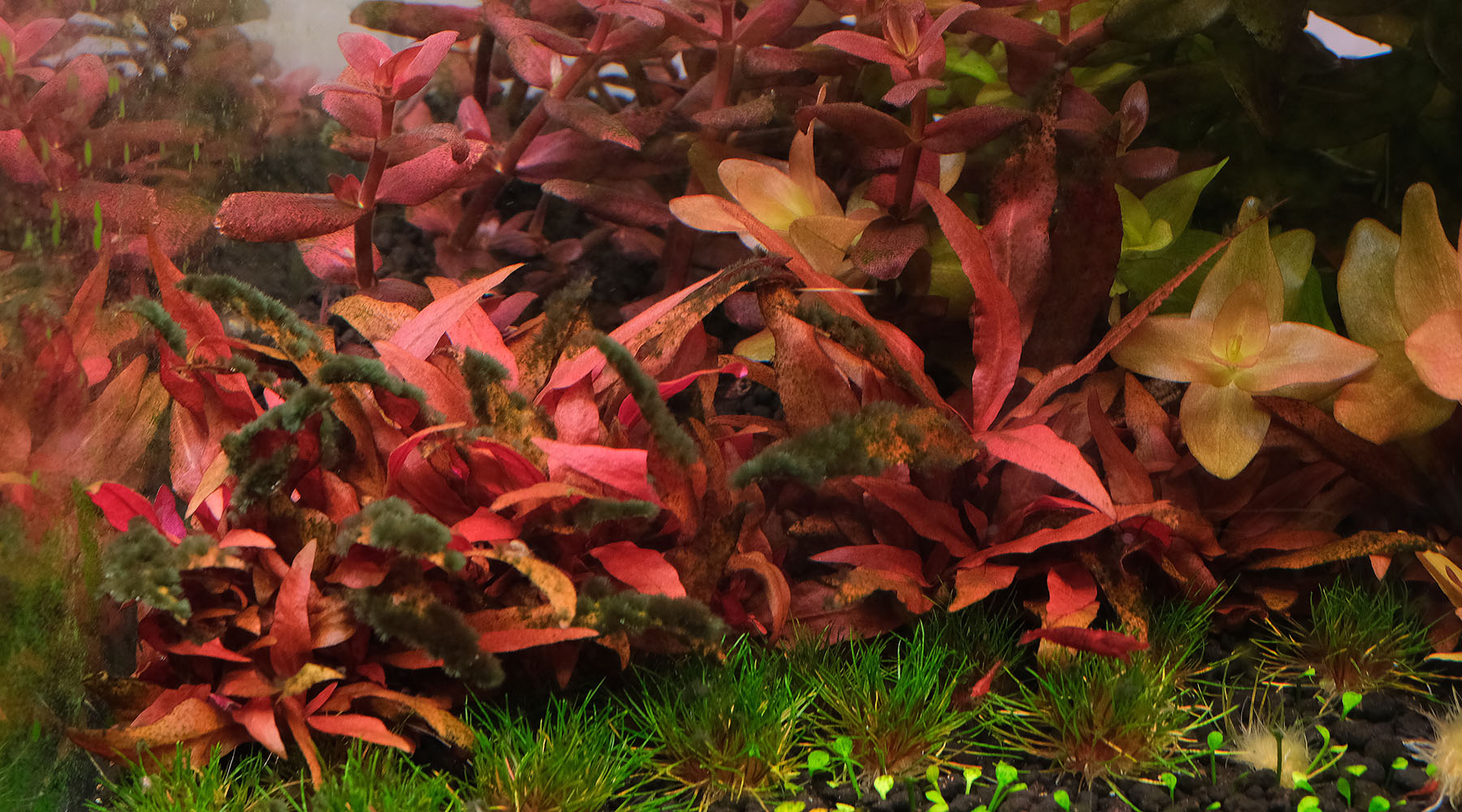
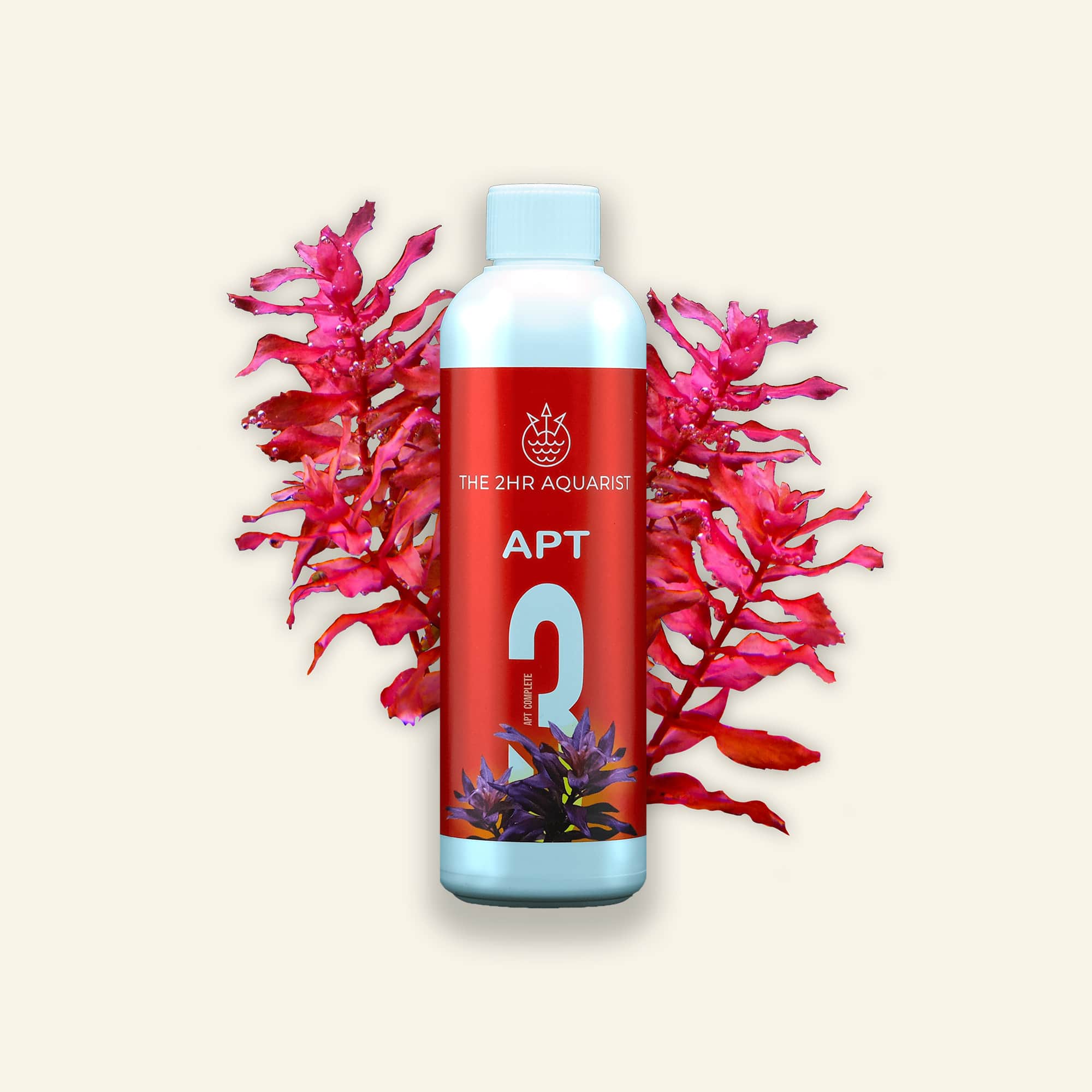
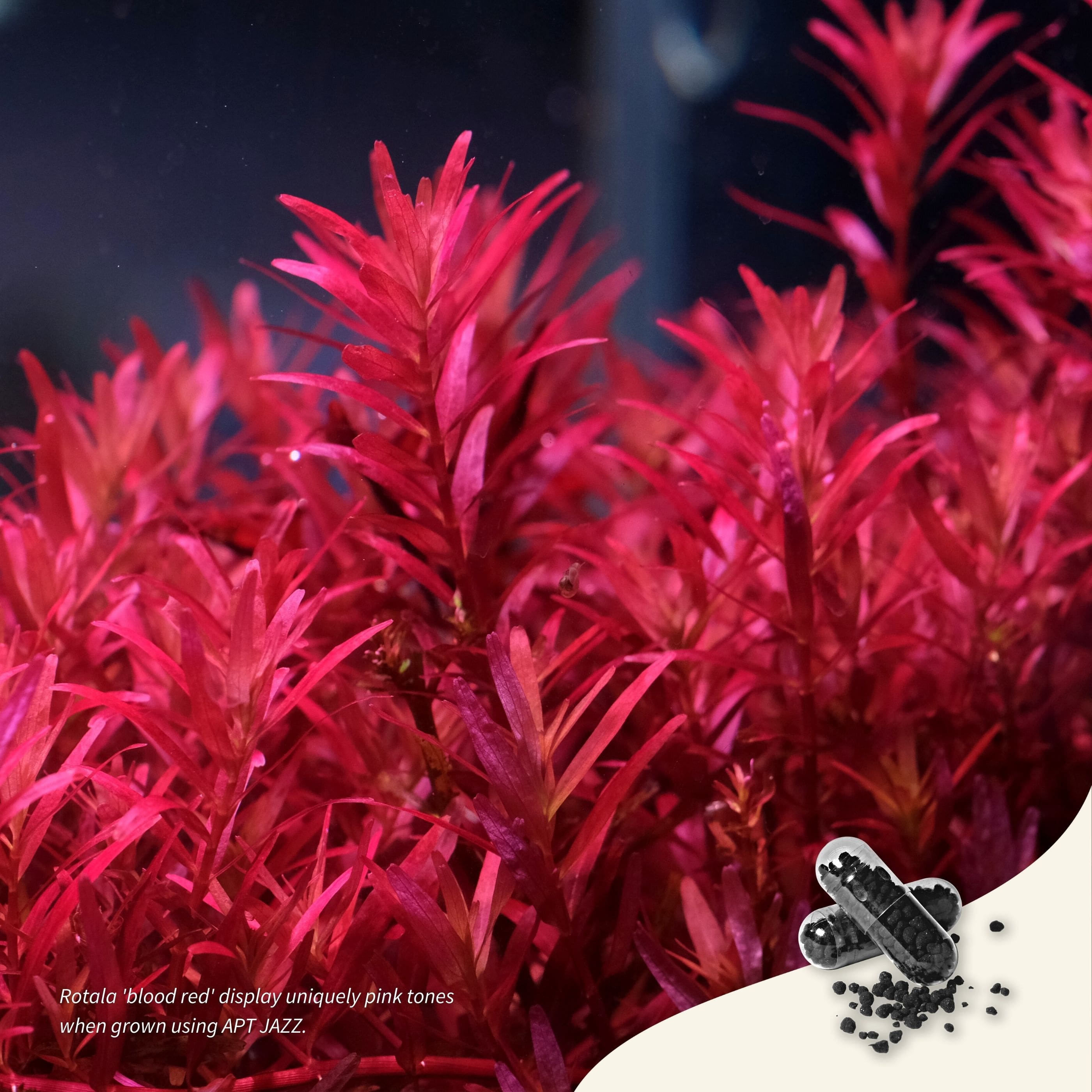
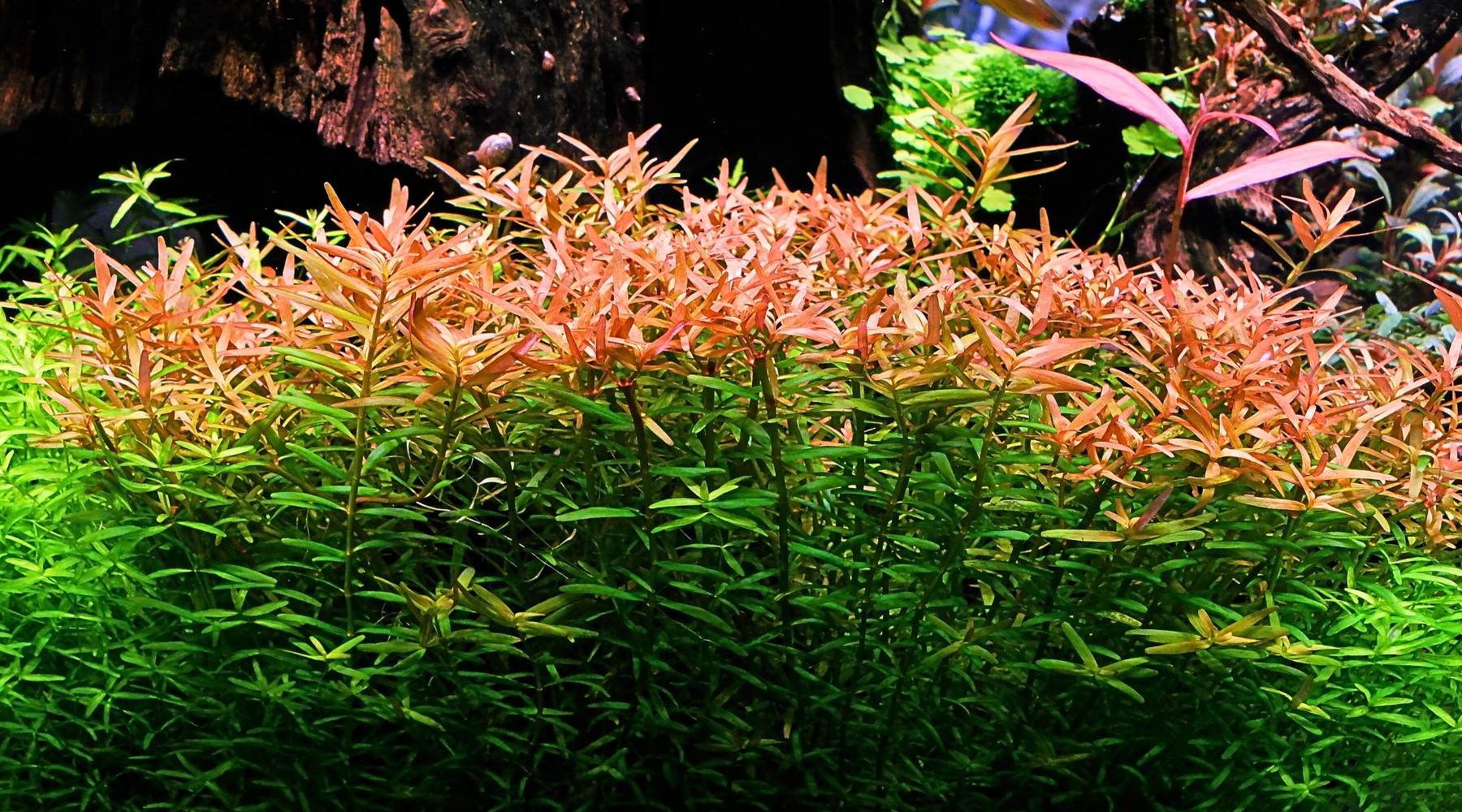
Nitrate Limitation unlocks the deepest possible reds in Rotala rotundifolia and many of the hobby's most popular plants.

This technique involves root-fed macro nutrients, coupled with low nitrates in the water. Existing root tabs either do not contain sufficient root-fed macro nutrients or do not effectively retain nitrogen within the substrate. Once leached into the water, nitrate limitation fails.

APT Jazz was specially engineered to retain potent ammoniacal nitrogen within the root zone. Enjoy the power.

No Ammonia Spike

Many aquatic root tabs are derived from terrestrial 'osmocote' type fertilisers. They can be strong growth boosters, but often cause dangerous spikes in ammonia that trigger algae blooms and can kill fish and plants. Tissue-culture plants are especially vulnerable.

APT Jazz is 100% designed for aquatic use, with no unpleasant suprises.

FAQs

Please read our FAQs page to find out more.

Do I need aquasoil to use APT Jazz, or can I use it with inert substrate?

APT Jazz works in both, but the results differ, and it's worth understanding why. Aquasoil (and other substrates high in organic content) binds ammoniacal nitrogen and holds it in the root zone, where plants can draw on it steadily.

Inert substrate doesn't bind nutrients the same way, so a root tab placed in coarse gravel mostly leaches into the water column rather than feeding the roots - which defeats the purpose of root fertilising.

If you're on inert substrate, choose a fine grain (under 2mm) with at least 4cm of cover, and Jazz's added clay will help by improving the substrate's ability to retain nutrients. But for the fullest growth forms, Jazz is designed to be paired with aquasoil.

What does APT Jazz actually do, and why ammoniacal nitrogen?

Plants take up ammoniacal nitrogen very efficiently through their roots, and it drives noticeably faster, more robust, fuller growth than relying on the water column alone. Fresh aquasoil is rich in it, which is why plants grow so well in a newly set-up tank, but most aquasoils deplete their nitrogen supply within 3 to 6 months.

APT Jazz slowly releases ammoniacal nitrogen back into the substrate, letting you rejuvenate matured aquasoil so it performs as if it were new, without tearing the tank down. It also enables Nitrate Limitation: by feeding nitrogen at the roots while keeping water-column nitrates low with APT liquid fertilisers, you can unlock the deepest reds in species like Rotala.

Unlike terrestrial "osmocote"-type tabs, Jazz is engineered specifically for underwater use, so it releases over months rather than dumping its contents in weeks, and won't cause ammonia spikes.

How do I place APT Jazz, and when will I see results?
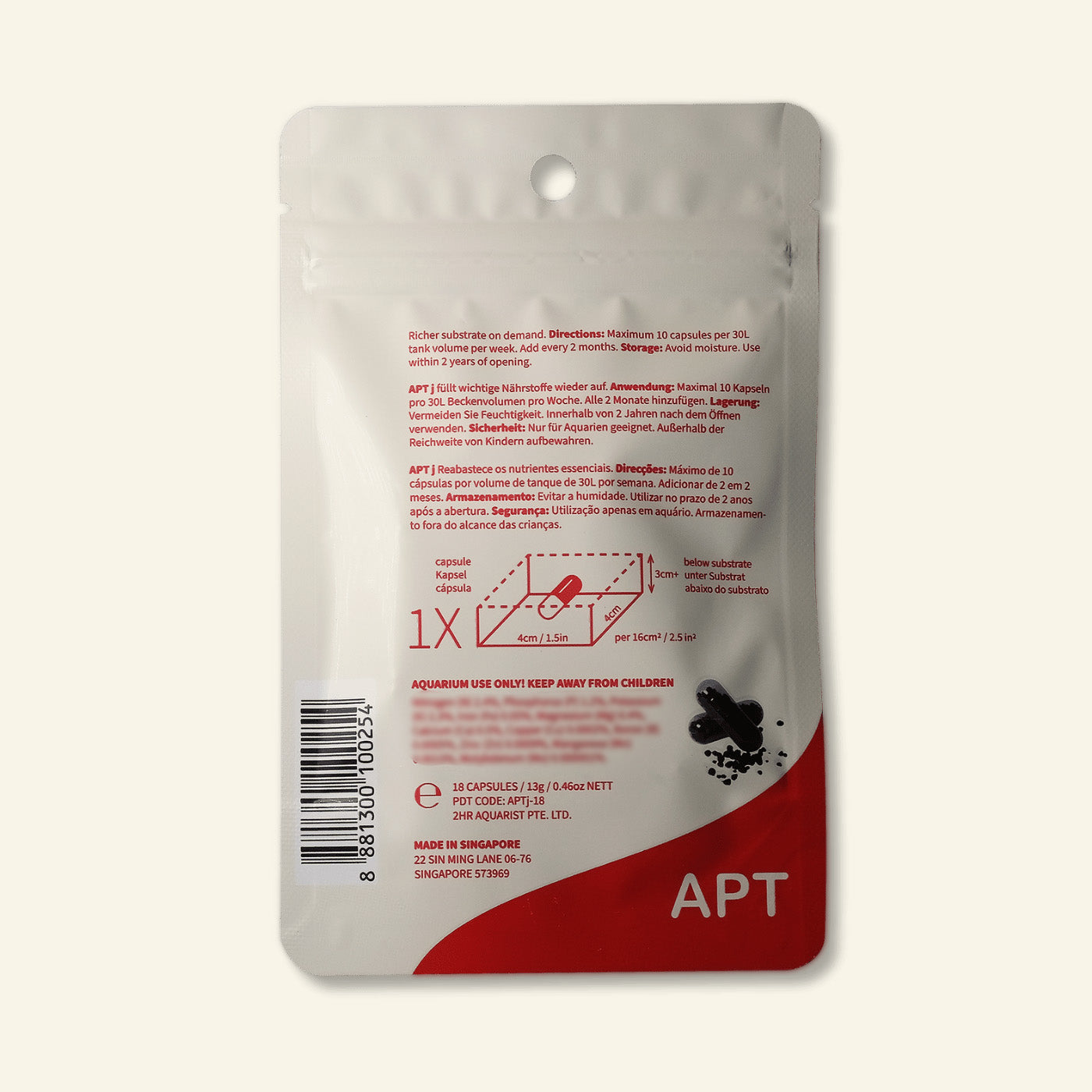
Push the capsule into the substrate directly under the root zone of the plant you want to feed, at least 2.5cm (1 inch) deep, using roughly one capsule per 2.5 square inches (16cm²) of substrate. Focus on heavy root feeders - Crypts, swords, and stem groups you want to thicken.

Siphon out any detritus stirred up during replanting. Results show on new growth, usually within about 7 days: root uptake is slower than leaf uptake, so existing older leaves won't rejuvenate - watch what comes in next. A single dose lasts around 2 months before it's worth replenishing.

The 2Hr Way

View all

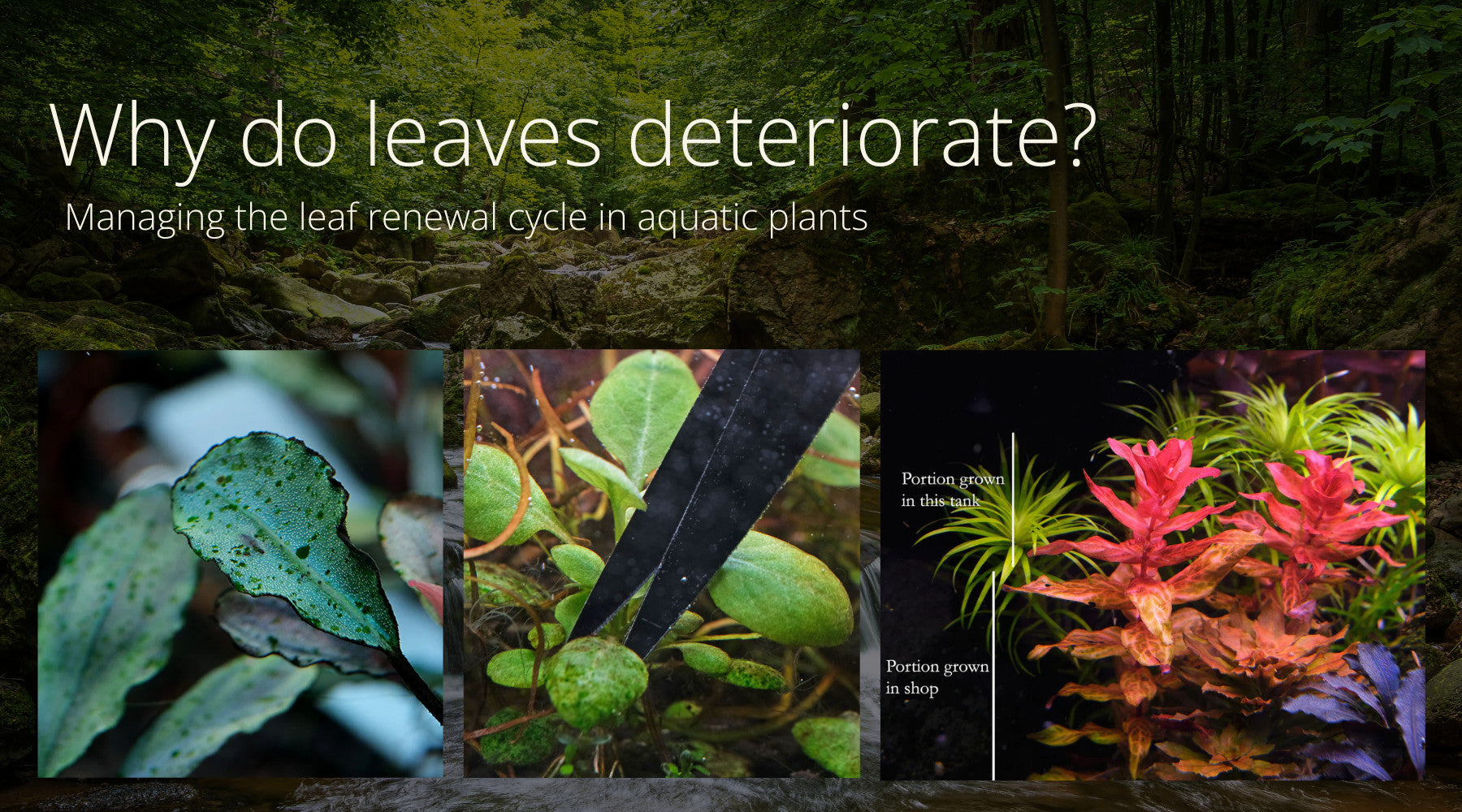
Why do leaves deteriorate? Understanding the leaf renewal cycle in aquatic plants

Why do leaves deteriorate? Understanding the leaf renewal cycle in aquatic plants

This article delves into the topic of how plants continually renew themselves through the production of new leaves.

Read moreabout Why do leaves deteriorate? Understanding the leaf renewal cycle in aquatic plants
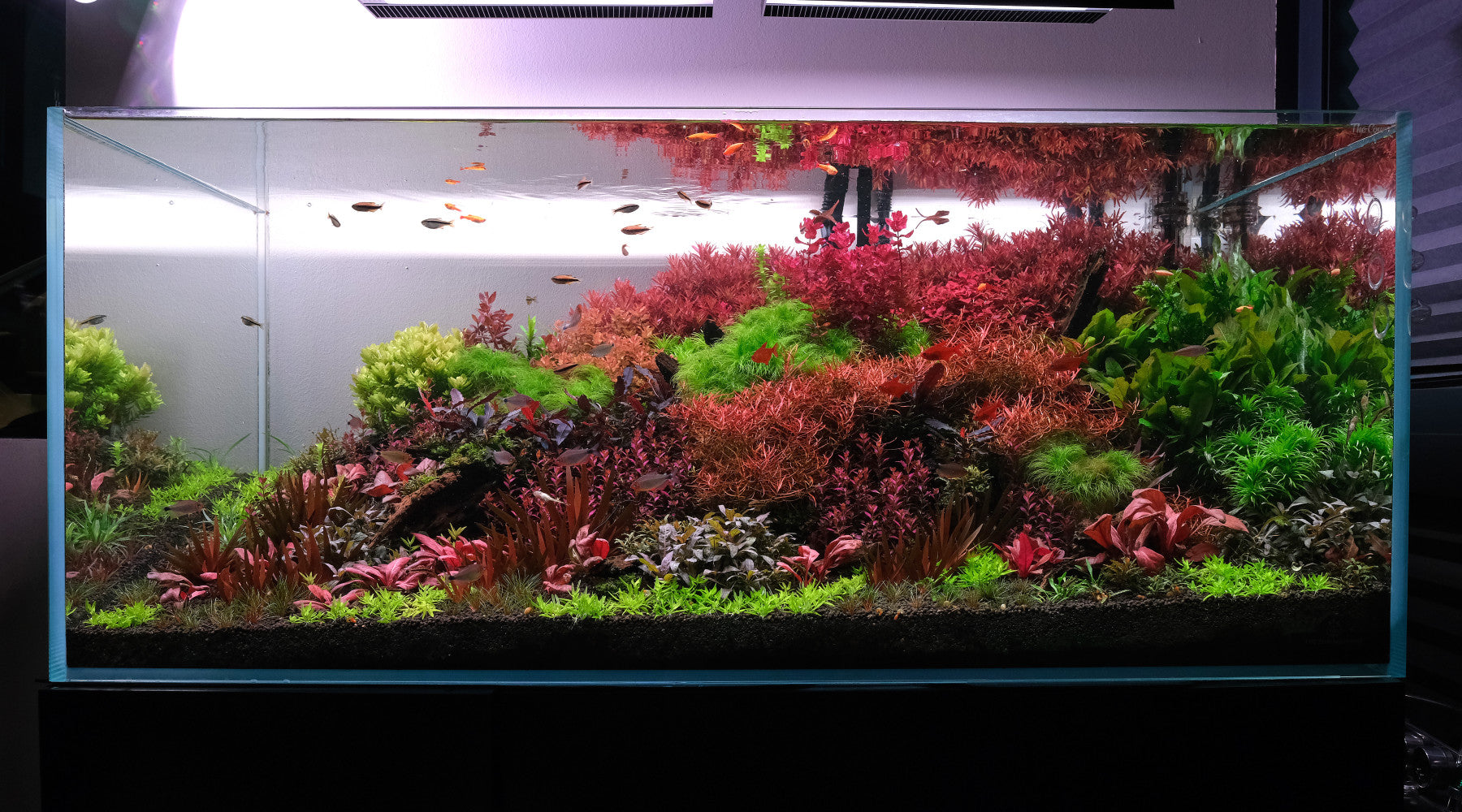
4ft Rotala florida community aquarium: Showcasing the 2hr Way

4ft Rotala florida community aquarium: Showcasing the 2hr Way

Full details of tank parameters, plants and fish species, and the maintenance regime of the 4ft Rotala florida aquascape are described here.

Read moreabout 4ft Rotala florida community aquarium: Showcasing the 2hr Way
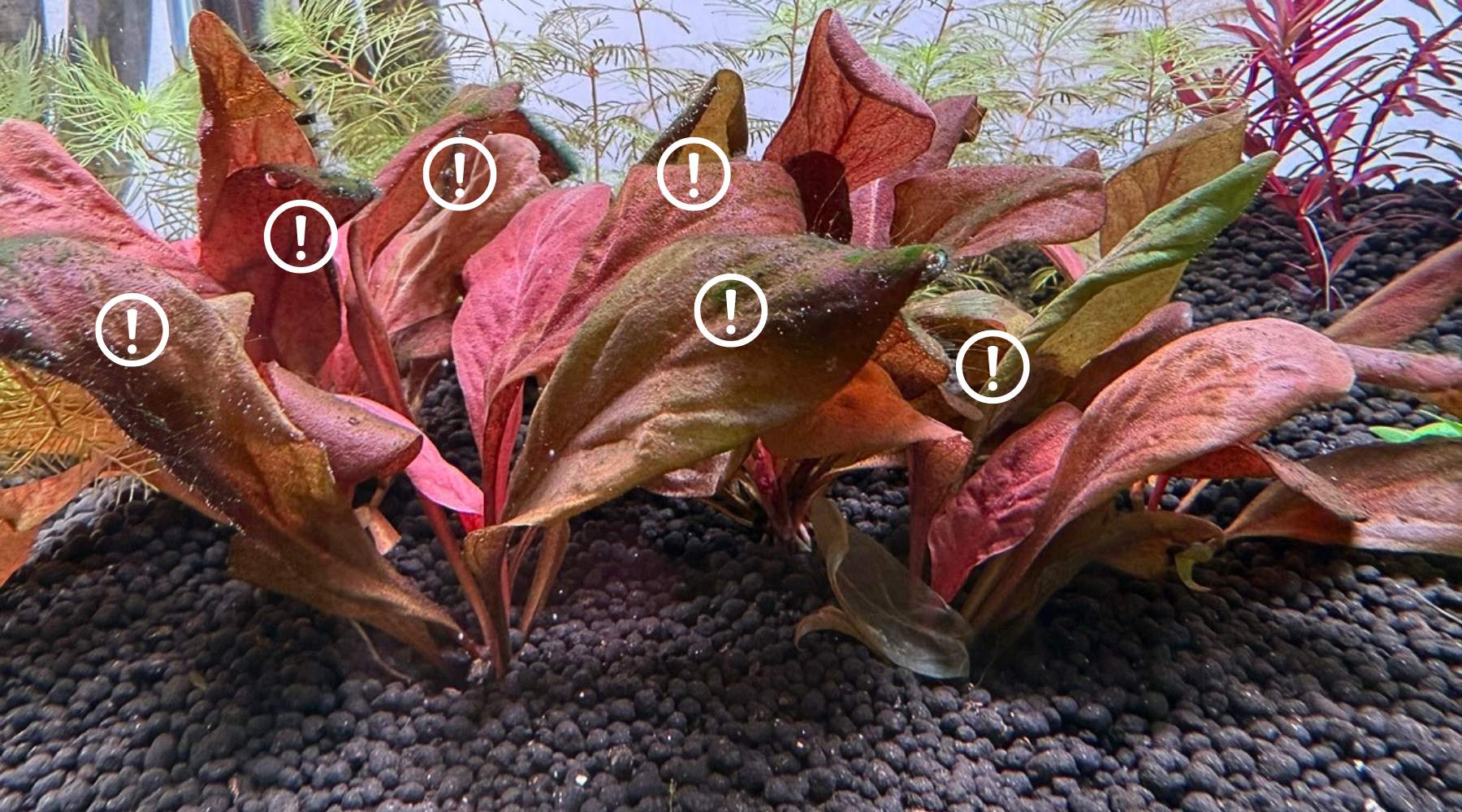
New Tank Journey | Ugly Duckling

New Tank Journey | Ugly Duckling

New tanks can be frustrating at the beginning. Here, we describe one important signal that things are actually progressing well, despite plants having algae. 
Read moreabout New Tank Journey | Ugly Duckling

When Less is More

When Less is More

How to get Rotala rotundifolia redder? Interestingly, less can be more in this case.

Read moreabout When Less is More

System Shocks

System Shocks

Sudden widespread algae infestation can take place when changes in environmental parameters induce adaptation stress that weaken plants which become vulnerable to algae.

Read moreabout System Shocks

Flowering Underwater?

Flowering Underwater?

Do aquatic plants flower underwater? Is flowering a sign of good health? Which plants can I grow that will flower easily in my aquarium?

Read moreabout Flowering Underwater?

Small Tanks- 3 Choices

Small Tanks- 3 Choices

3 Choices to maximise success in a small aquarium. We use a 1ft cube example- without CO2 injection.
Read moreabout Small Tanks- 3 Choices