

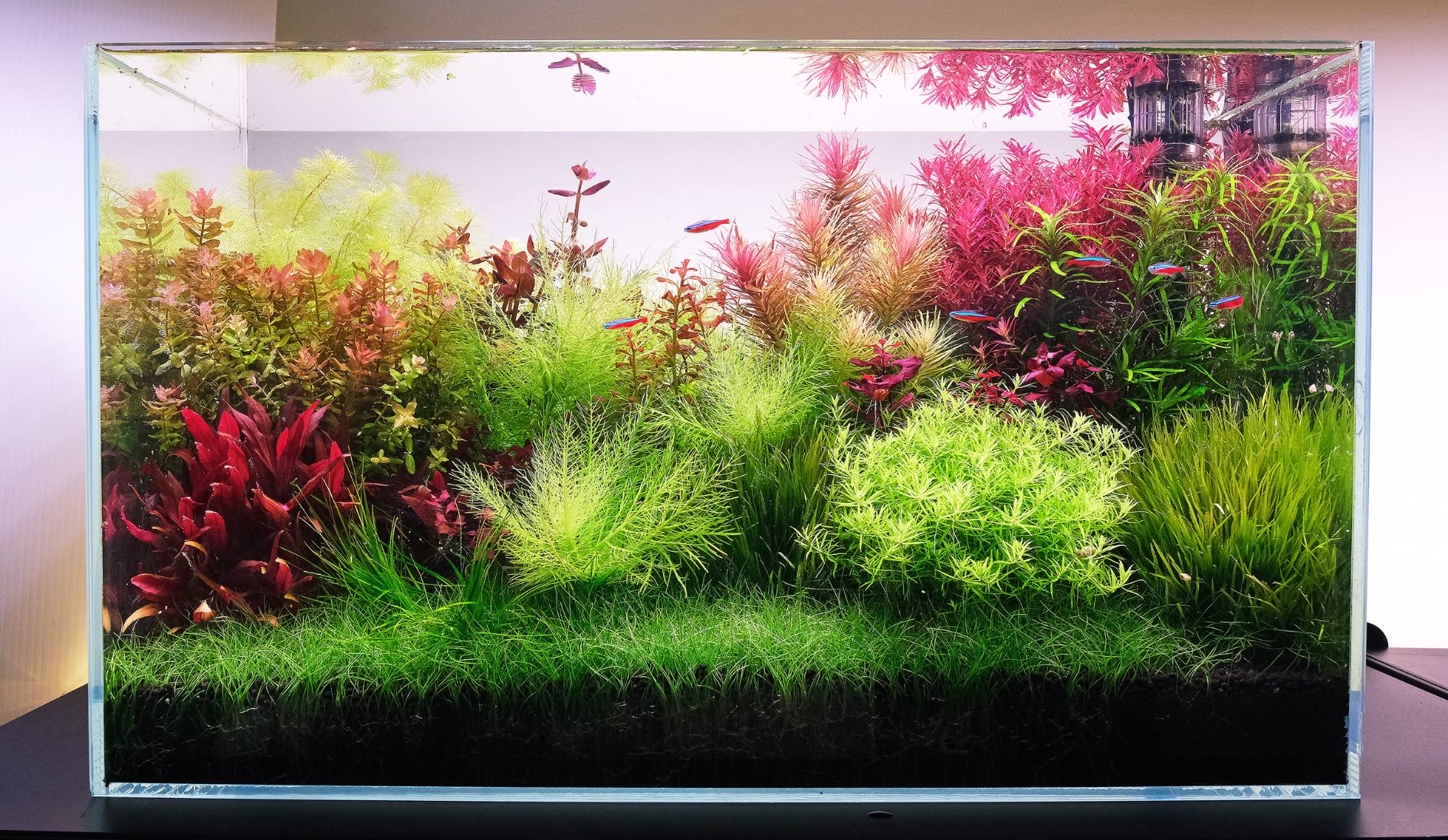
Above: "A200 Balsamica" grown at 31C/88F. For hobbyists who want a vibrant, algae-free tank, a higher temperature is not the only obstacle.
A warmer tank actually has some advantages over cooler tanks:
Faster Startup: The early stages of a tank's life cycle are often frustrating because it takes time for the all-important, yet invisible, bacteria/microbe population to establish itself. In cooler tanks, with diatoms and other algae, it can take 1-2 months. At higher temperatures it can be two or three times as fast.
Faster Growth: With a faster overall metabolism, a new tank can reach what we call "summer" 50%-100% faster.
Warm Tank Setup

1. Hardware: CO2, Lighting & Filter
Important caveat: Without CO2 injection, algae have a distinct advantage. This is the bane of most warm tanks.
We use an in-line atomizer to deliver 20ppm. Light is set at 200 PAR (but 100 PAR would be fine), 7 hours a day. External canister filter at 6~10X flow rate.

2. Warm-friendly Plants.
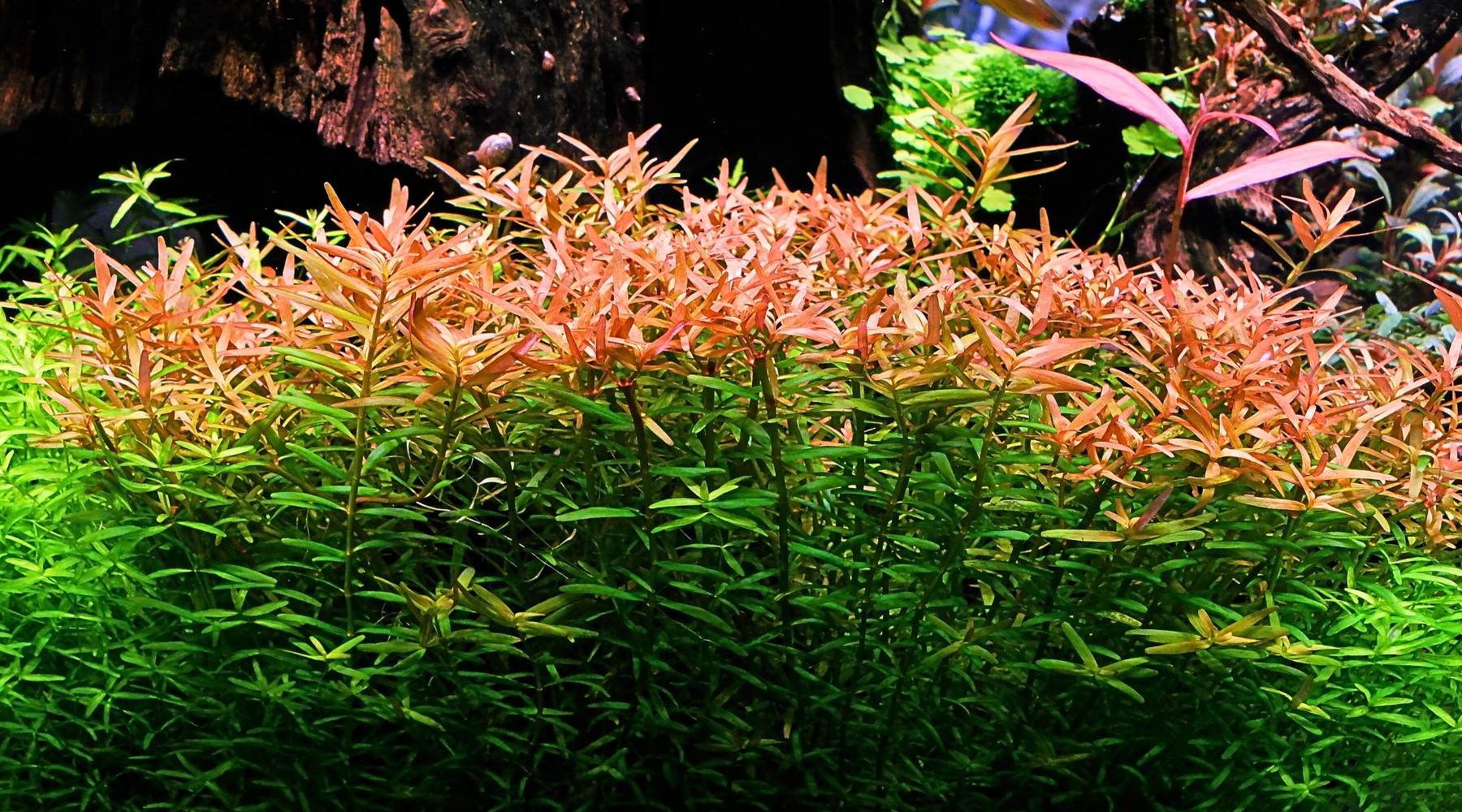
The tank above shows species that show good color and shape at higher temperatures.

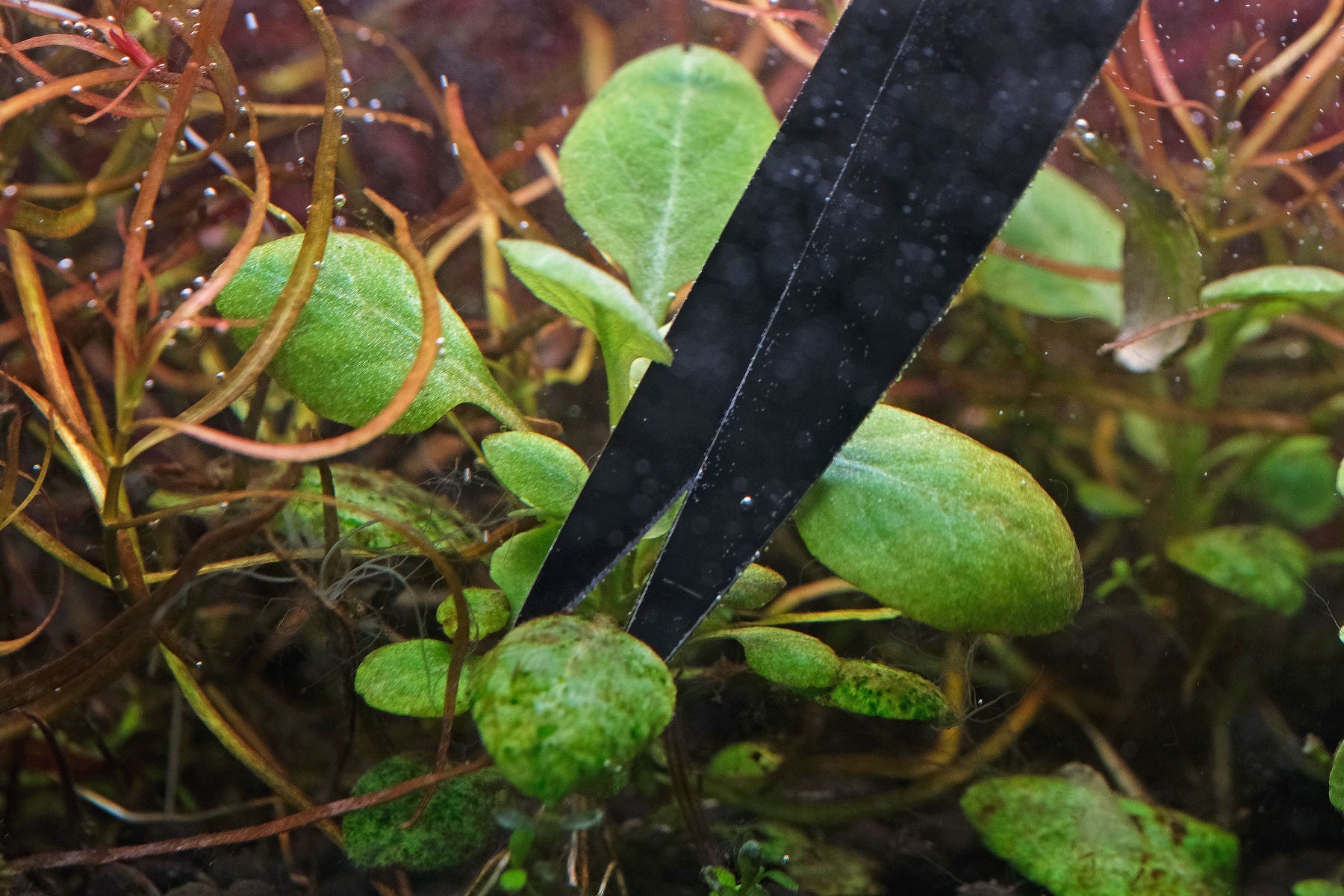
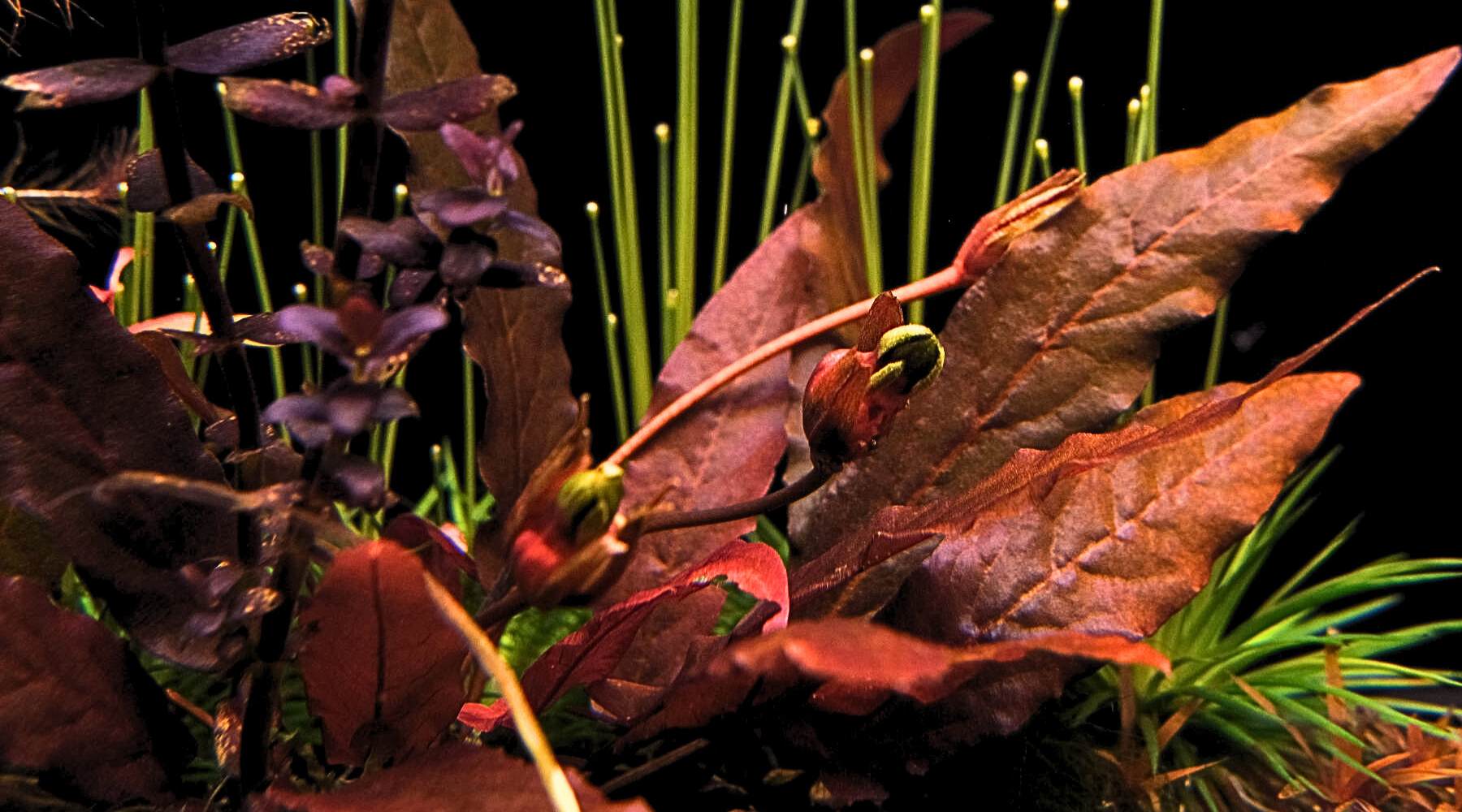
Above: Hygrophila balsamica has a distinctive leaf pattern and is easy to grow. Below: The 'Happy Trio' of Limnophila 'Vietnam', Blyxa japonica and Eleocharis parvula. These 3 species show particularly lush, green forms in warmer temperatures.

3. Good plant mass.
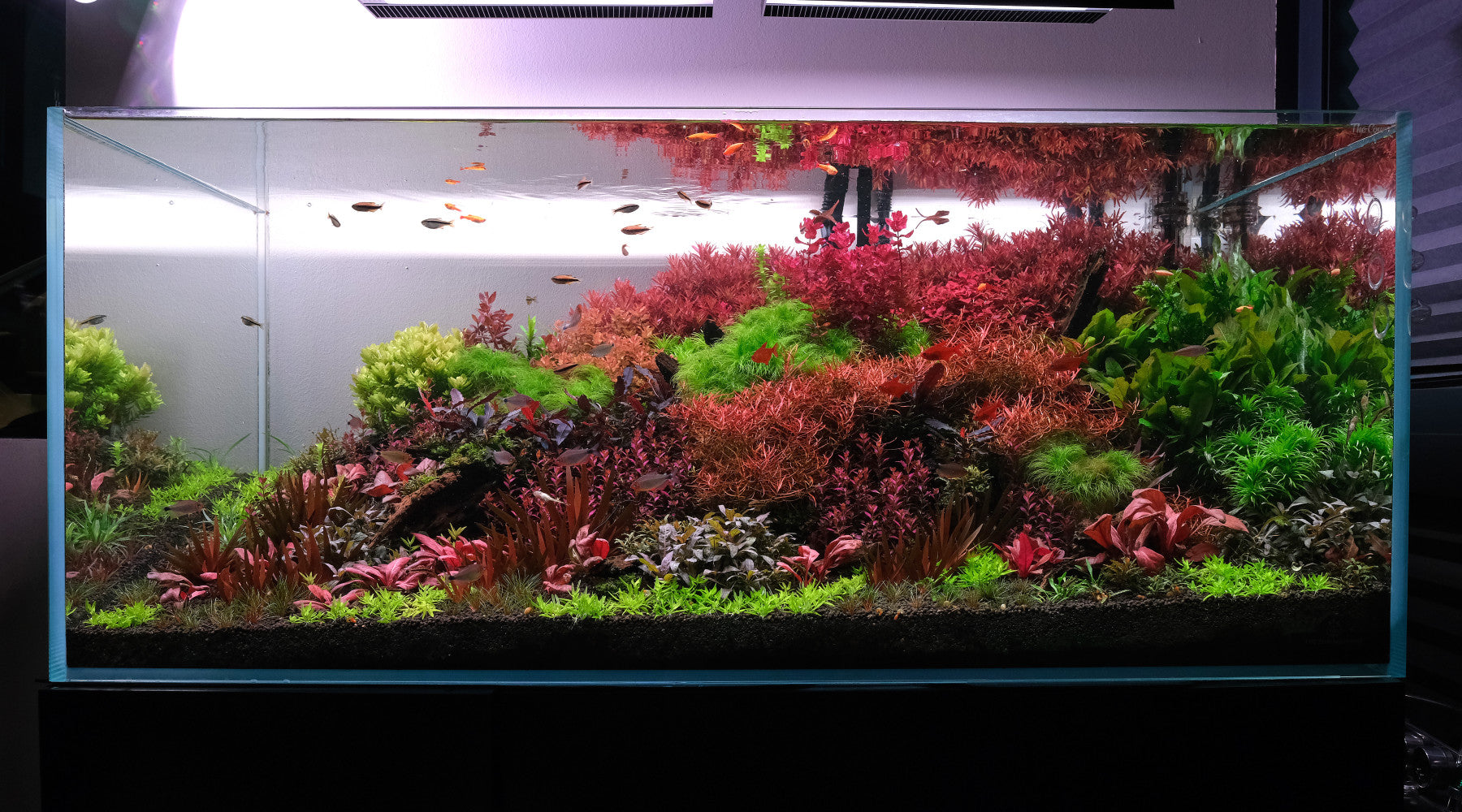
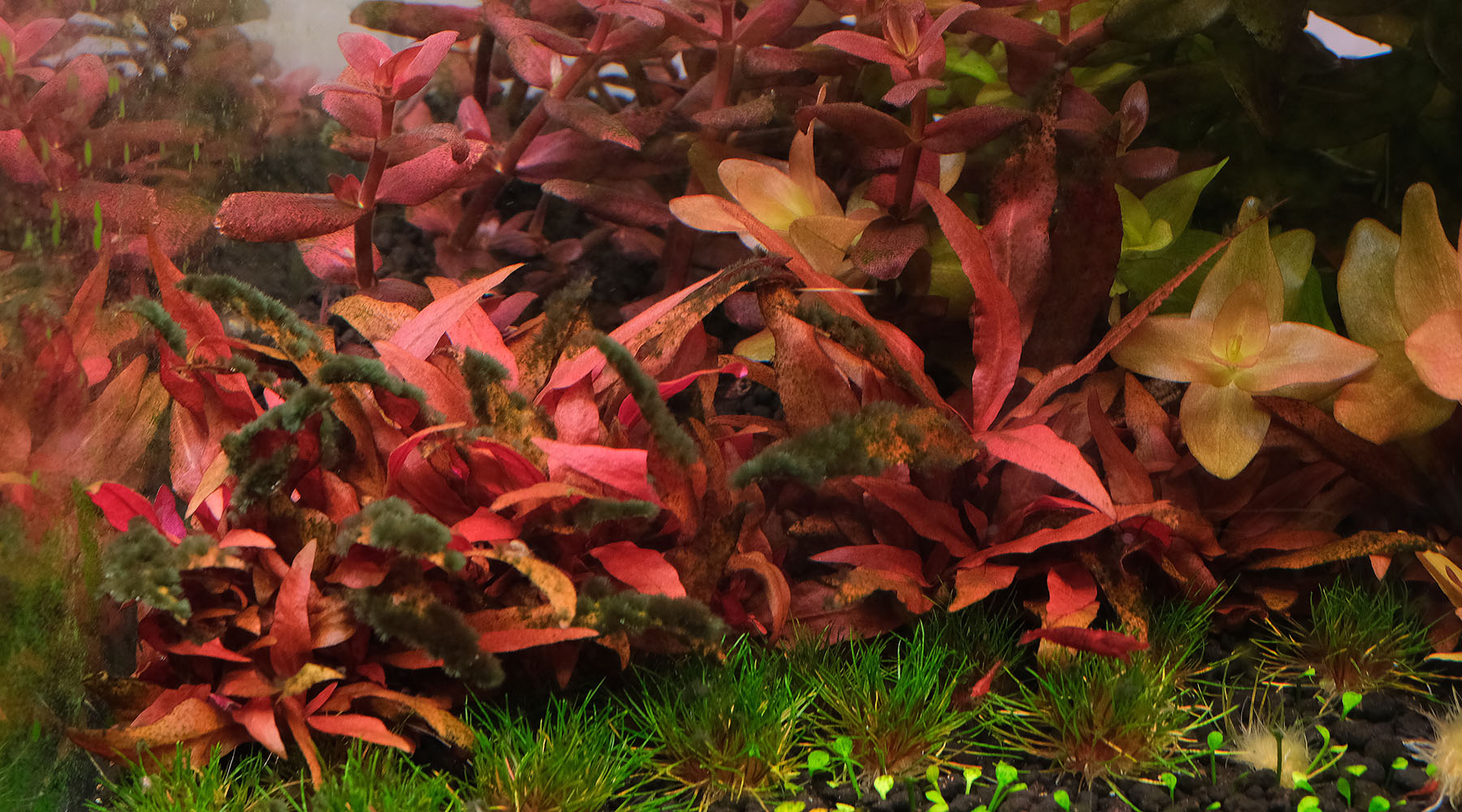
Sparse tanks invite algae, just as unplanted open land attracts weeds. A key principle of the 2Hr Way is to plant densely in the beginning. The picture below shows the above tank immediately after planting.
(If your scape is intentionally sparse, than lower light is critical, as we describe here)

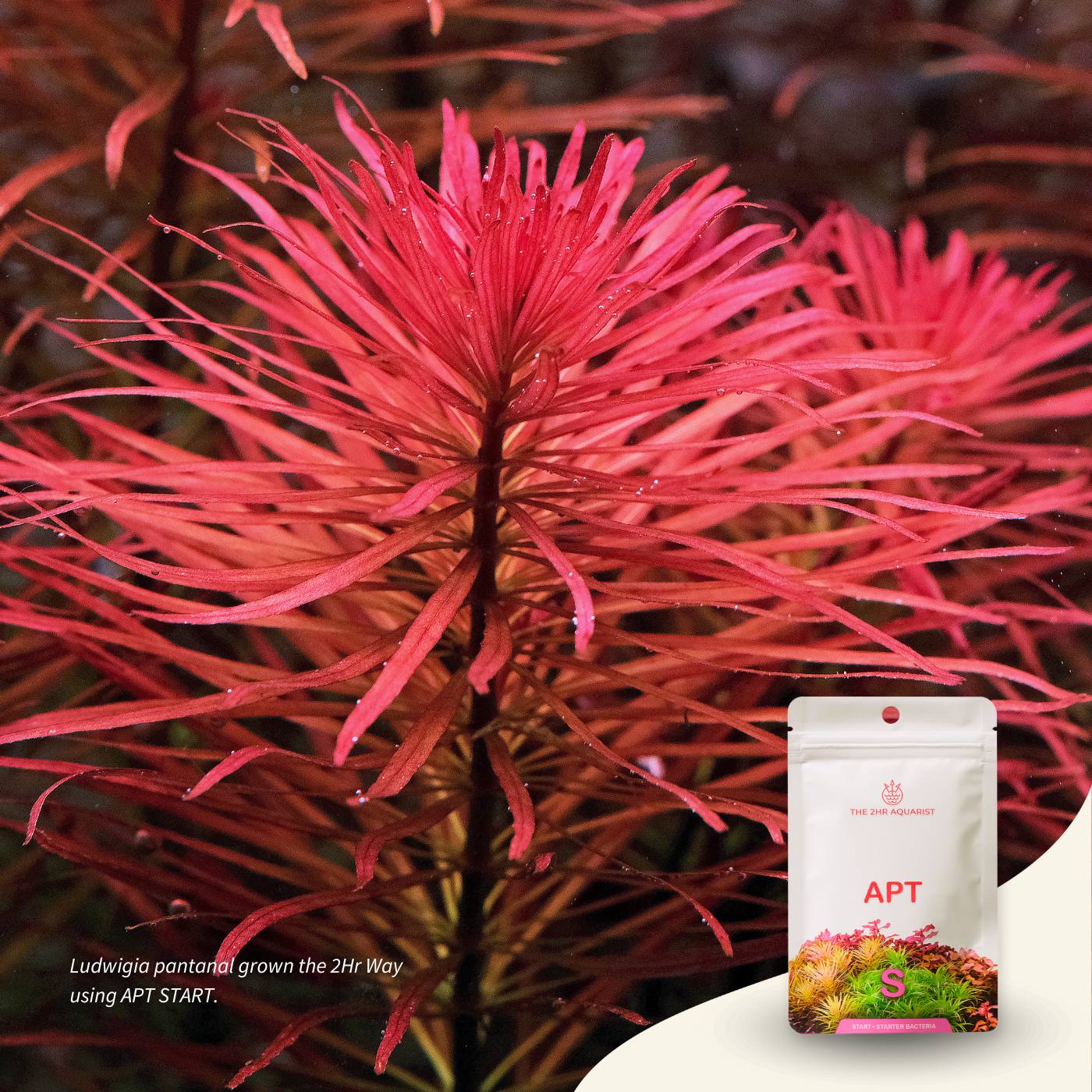
4. Software: aquasoil + APT.
A warm tank is like driving a fast car - small advantages are magnified (and vice versa).
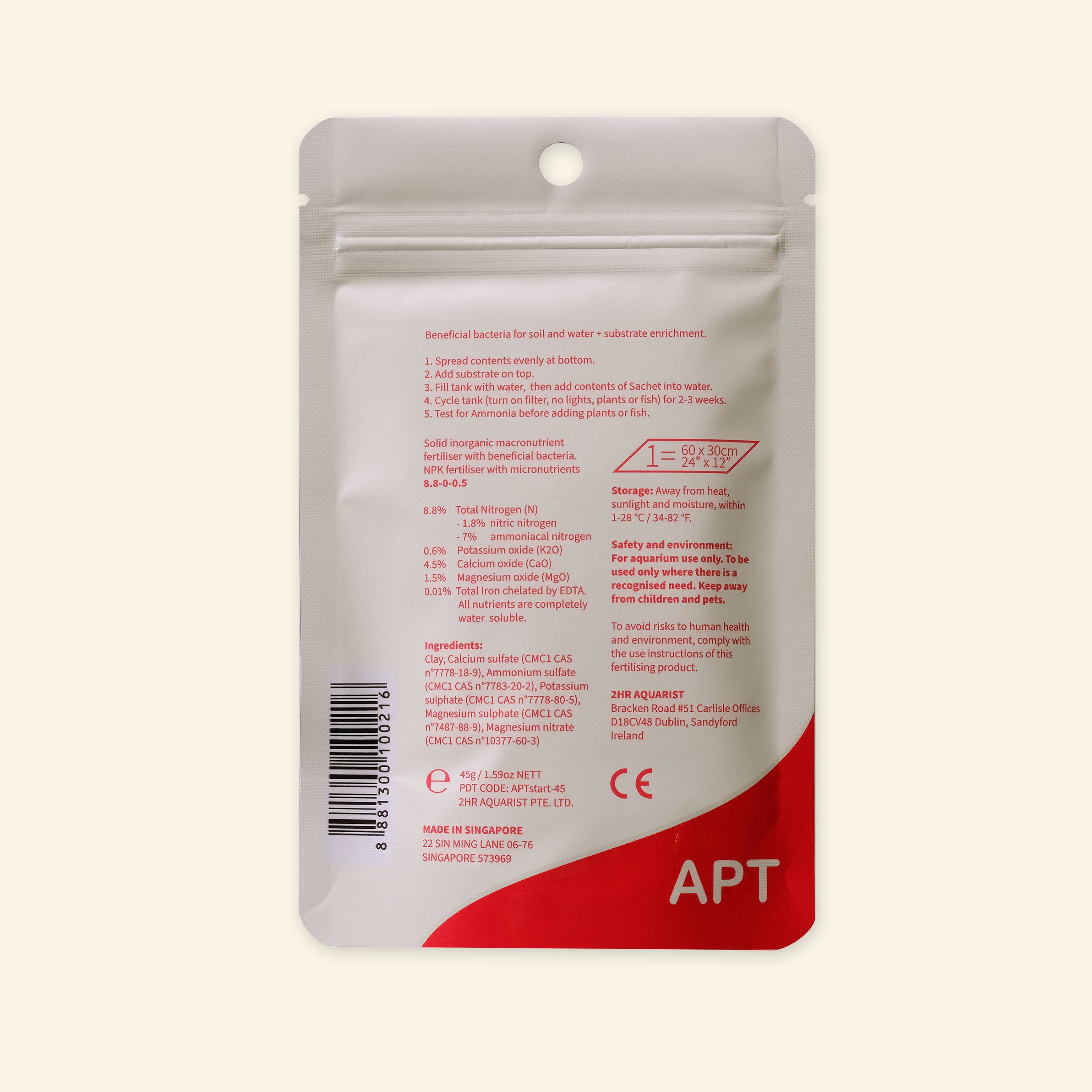
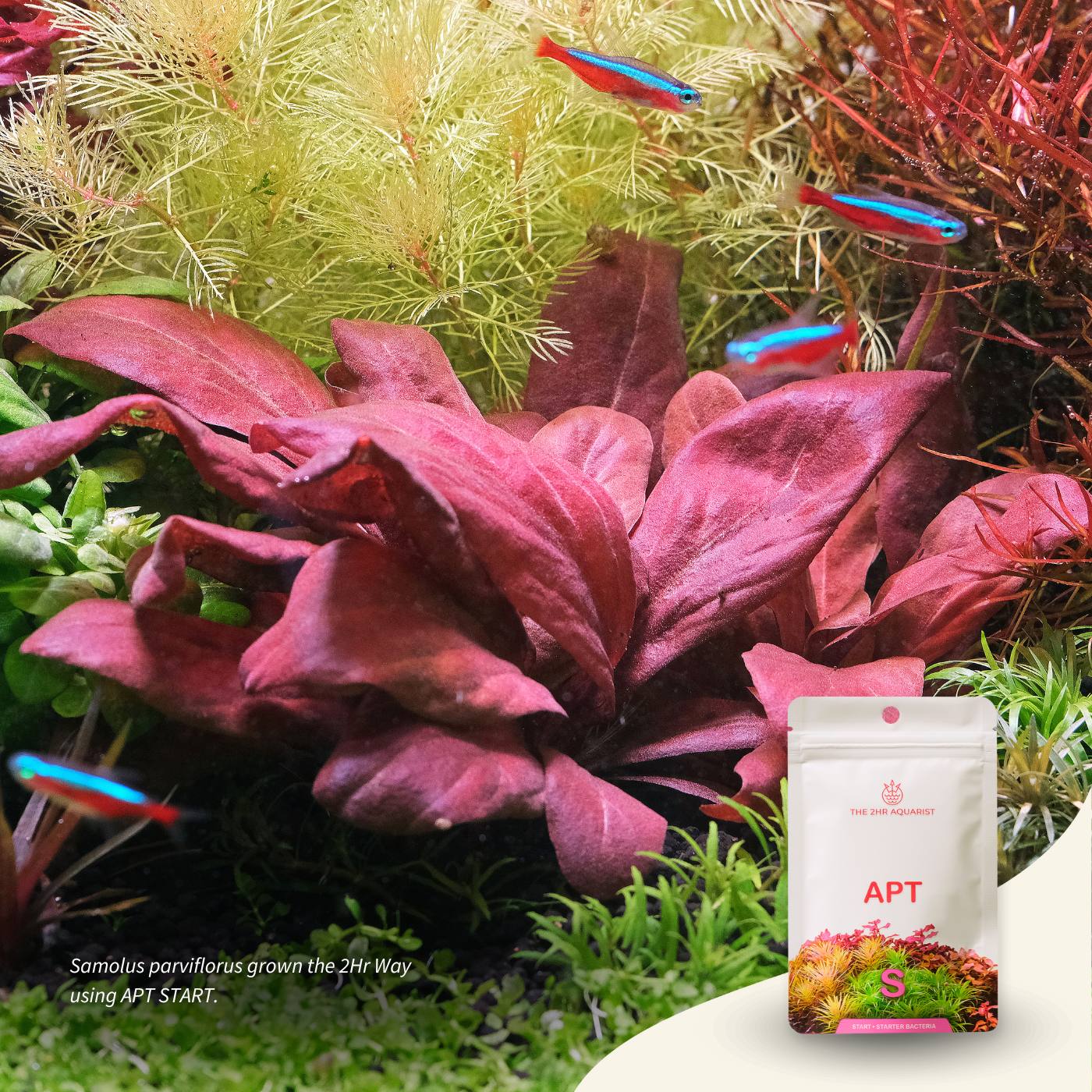
Fertile, deep aquasoil (4-8cm in depth, enriched with APT START) not only supports the all-important microbial ecology, but healthy growth. APT3 provides the added boost.
5. Water Parameters
- pH 5.5 (very normal in our tanks with aquasoil and CO2 injection)
- 0.5 dKH (naturally 'soft' tap water)
- 150 TDS
Putting it all together:
- Dark Start for 1 week (lights off, filter on), Aquasoil + APT START.
- 90% water change before planting.
- Plant densely, begin standard dosage of APT3.
- Monitor Co2 closely.
- Add fish in week 4.
We have a longer article on warm tanks here.


Share:
Rotala Colour Tips
Water Change- how much?