
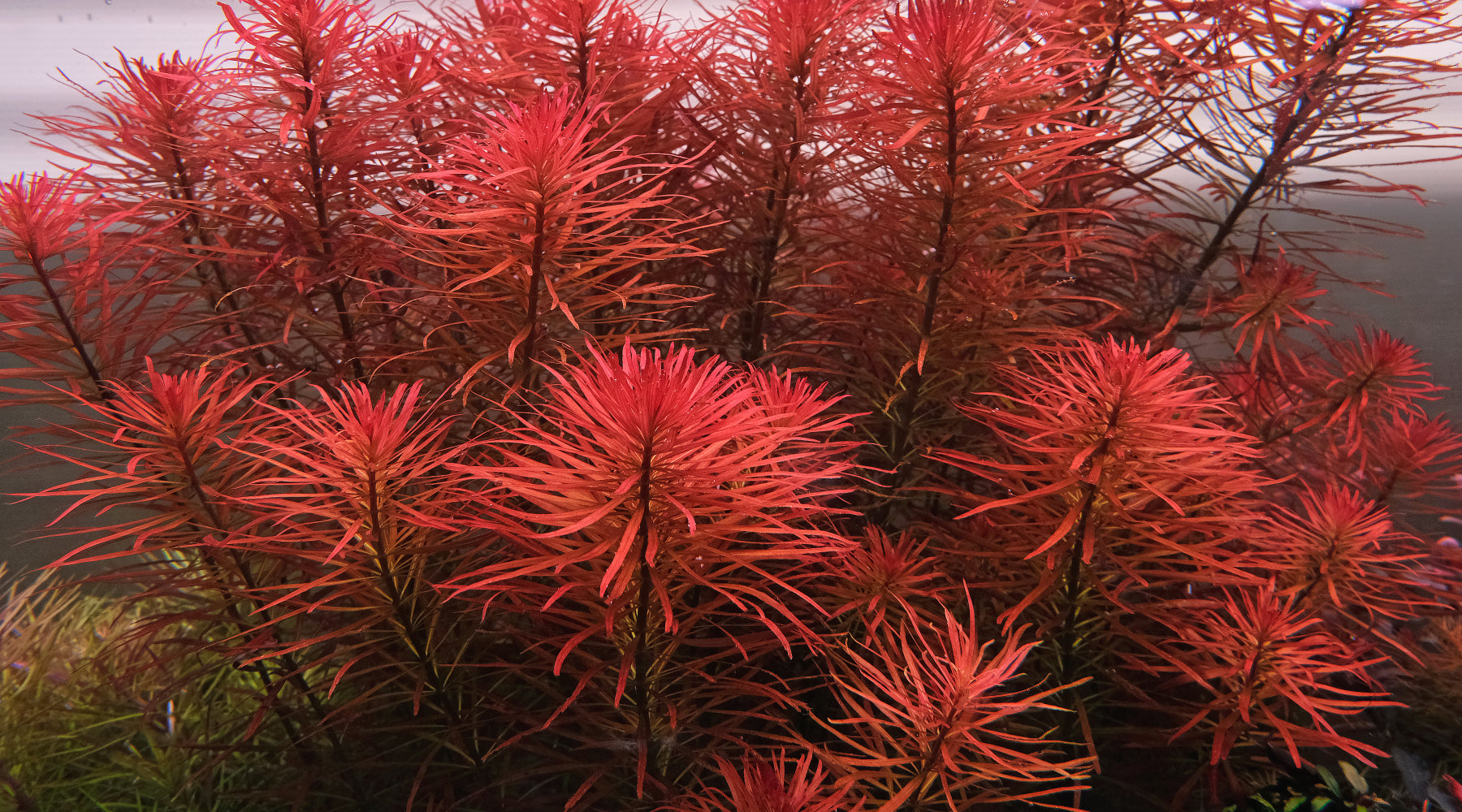
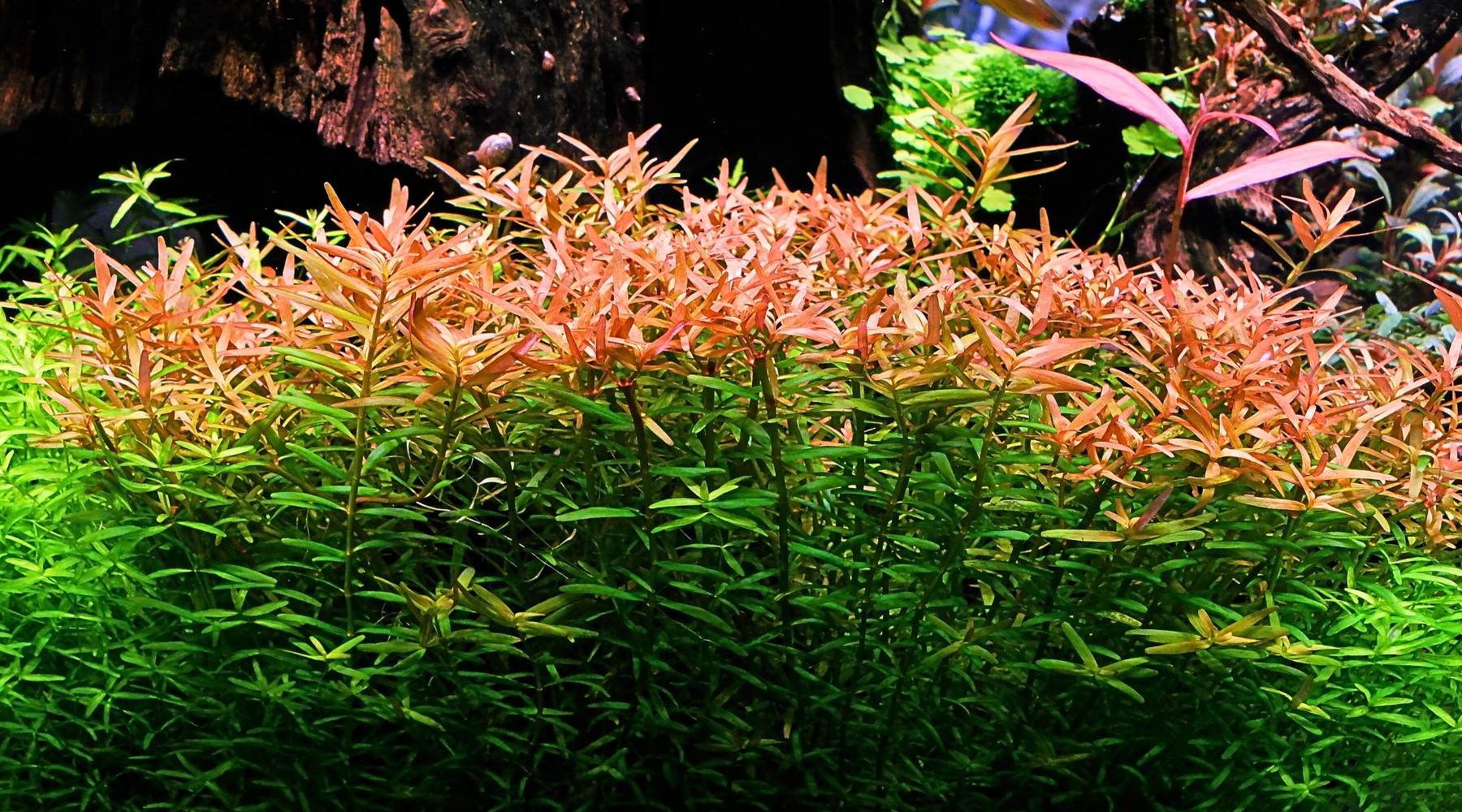
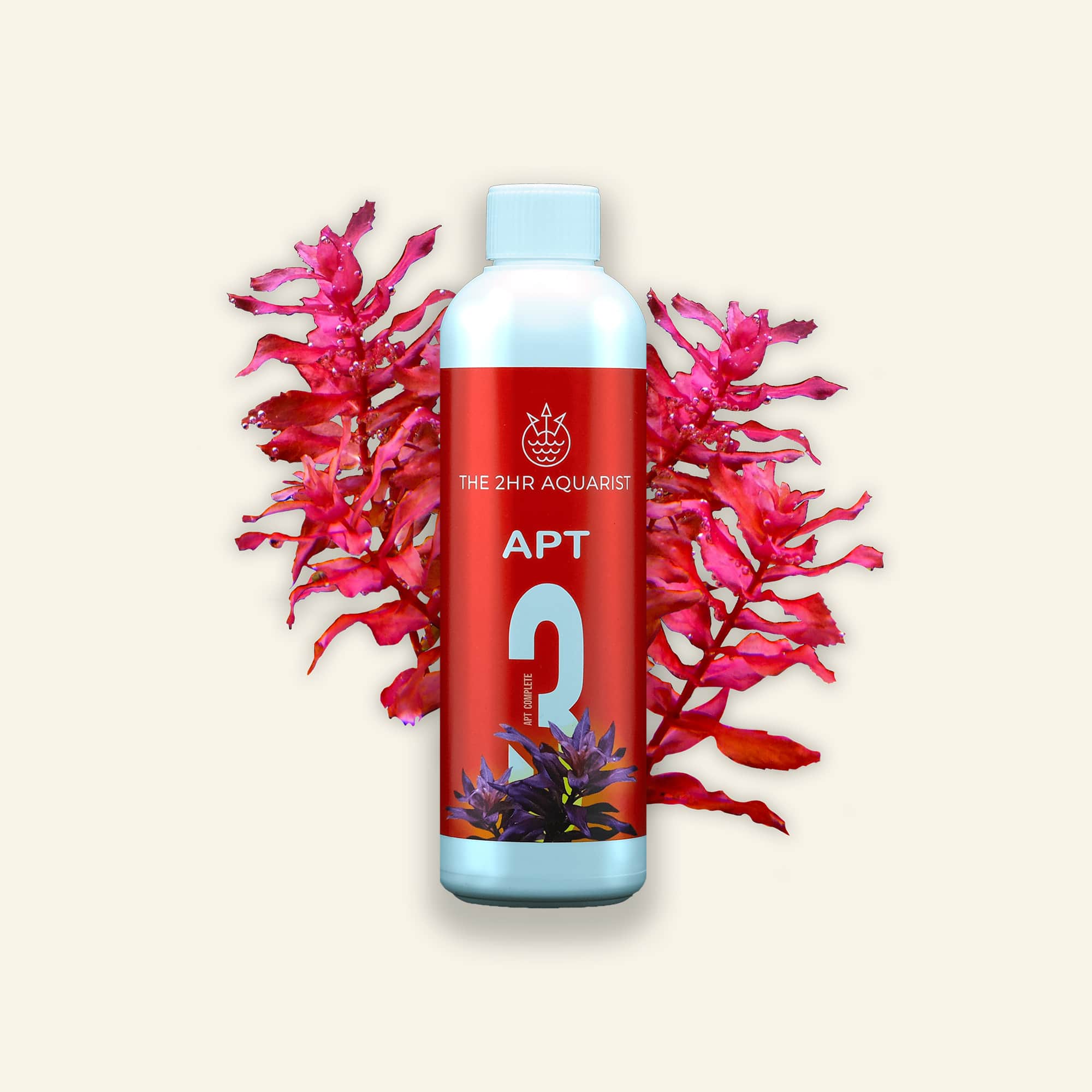
Impressive bushes of this species tend to require a slightly taller tank (50cm+) for the plant to reach its full size. Grown with APT Complete in the water column and APT Jazz in substrate.
Introduction
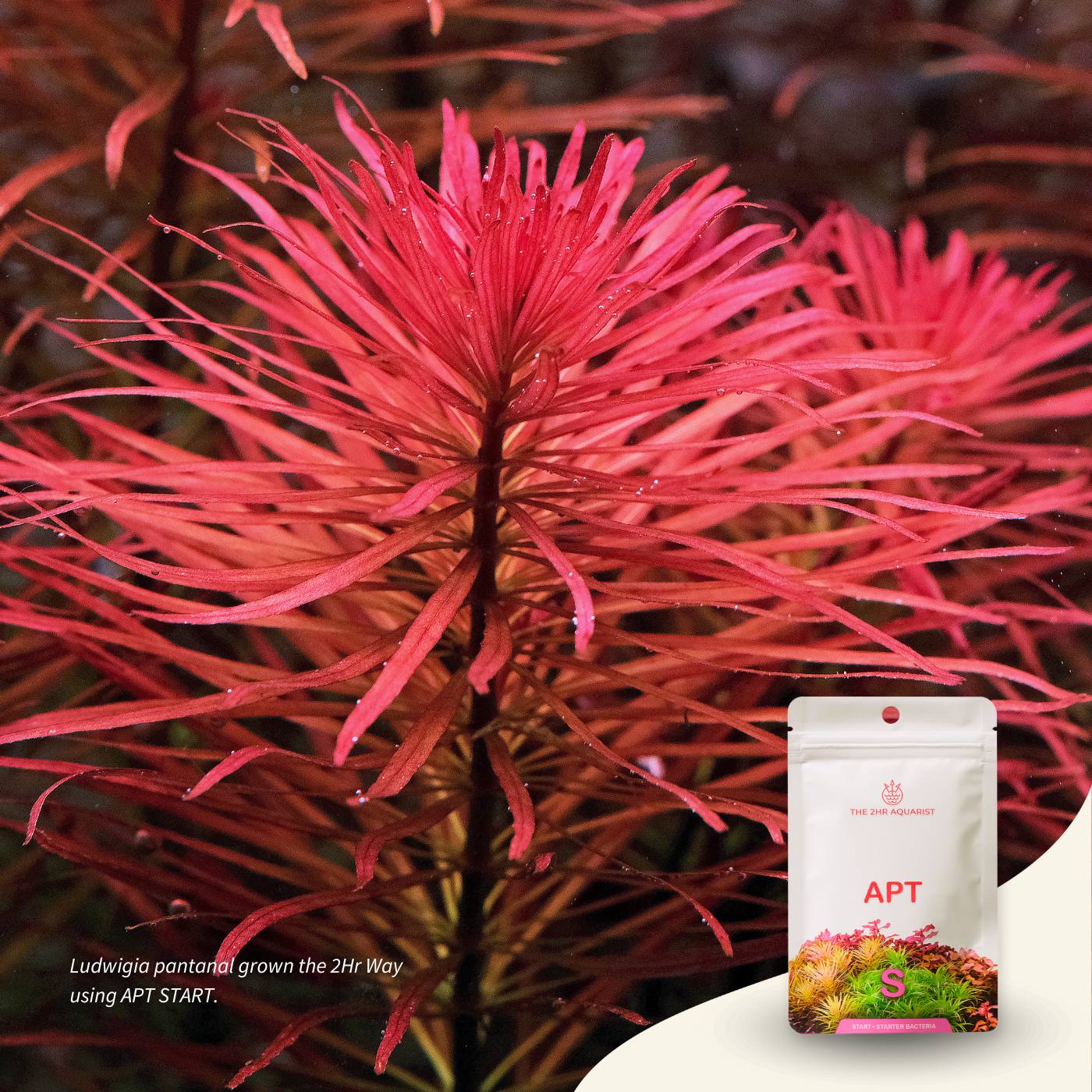
Ludwigia inclinata var. verticillata 'Pantanal' is an orange-red form of Ludwigia inclinata. Ludwigia 'Pantanal' is a fast growing stem plant with fine reddish leaves spreading from a central stem. This species originates from South America and has been in the aquarium hobby for a long time, but due to its high demands it is not as popular with hobbyists as other easier to grow colored plants. Another variety, Ludwigia inclinata var. verticillata 'Meta', looks identical but is much easier to grow; hobbyists should look for this variety if available.
Ludwigia 'Pantanal' can be used as a center or background plant. The difficulty with using this plant in layouts is that it grows very fast, a couple of inches or more per day in tanks where growth conditions are favorable. This means that the size of the bush or the height of the ridge formed by the plants will constantly change due to growth/pruning.
Ludwigia 'Pantanal' requires soft water (< 3dKH) to grow well. It is a heavy feeder and usually either booms or busts - either growing well and fast, or stunting and deteriorating when conditions are not favorable. It is a species that really likes excess - preferring high light, high CO2 and high nutrient availability. It is very sensitive to growth conditions and reacts very quickly to changing parameters. Color and shape changes can usually be seen within a day of changing parameters. Tip stunting is often seen when growth conditions are lacking. Higher light levels coupled with proper fertilization will affect coloration; lower light levels will tend to produce more greenish leaves further from the top.
The plant will benefit from the availability of ammoniacal nitrogen. This can be provided through the water column, but is best provided through the substrate. The correct balance of micronutrients will also affect tip shape and coloration.
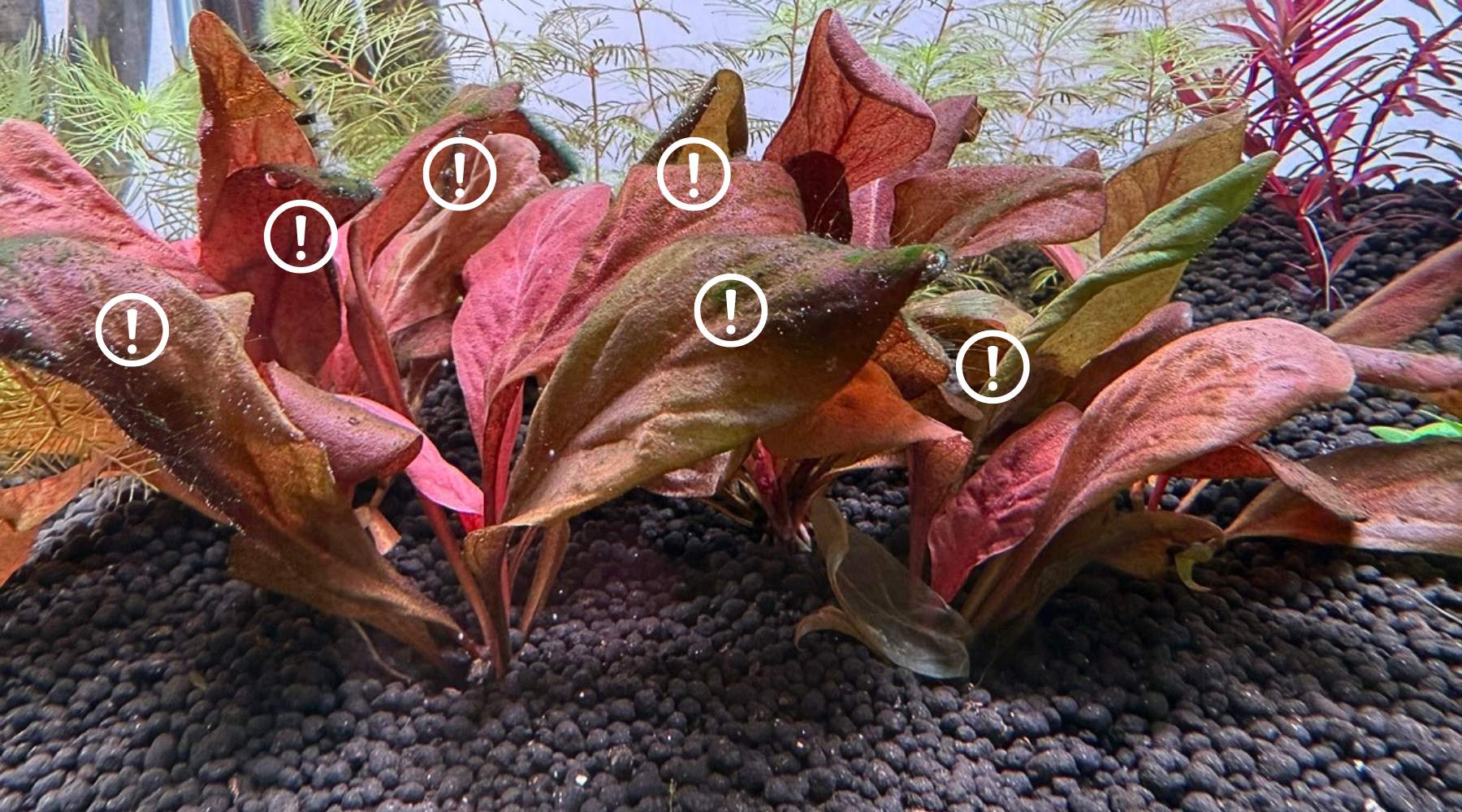
 Under good growing conditions, the crown of the plant should be full with even coloration. When conditions are less than ideal, tip stunting is the first sign of trouble. Grown with APT Complete in the water column and APT Jazz to provide ammoniacal nitrogen in the substrate. Water column nitrate levels measure 5ppm.
Key success factors
- Requires soft water; 3dKH and below. Flexible with GH ranges (2-10+dGH).
- Requires high CO2 levels (30ppm and up). 'Meta' Variant of Ludwigia panatal is much more tolerant of lower CO2 levels (10ppm and up).
- High light levels (100+ umols of PAR for better coloration, and improvement will be seen upwards of 200, 300 umols) these numbers are measured at the substrate level.
- Regular all round fertilization. This can be done by regular/heavier water column dosing or substrate enrichment. Both areas should be covered for optimal results. Access to ammoniacal nitrogen gives both better coloration and growth form.
- Grows quite a few inches per week, so this species is more suitable for taller tanks.

Pruning and propagation
Ludwigia pantanal can be pruned by cutting off the top. If the plant has been growing vigorously, the rooted part will produce new tops. However, these secondary shoots tend to be smaller in size. The arrangement of the new shoots can be chaotic, so it is generally difficult to form tidy bushes by pruning, as opposed to more easily stemmed plants. The soil also deteriorates quickly after a few prunings.
For the above reasons, it is more advisable to replant the top part of the plant and uproot and discard the bottom part when the plant grows too tall. This gives a neater arrangement to the bush as a whole. Maintenance can be tedious as the plant grows quite rapidly, which is the main drawback to growing this species.
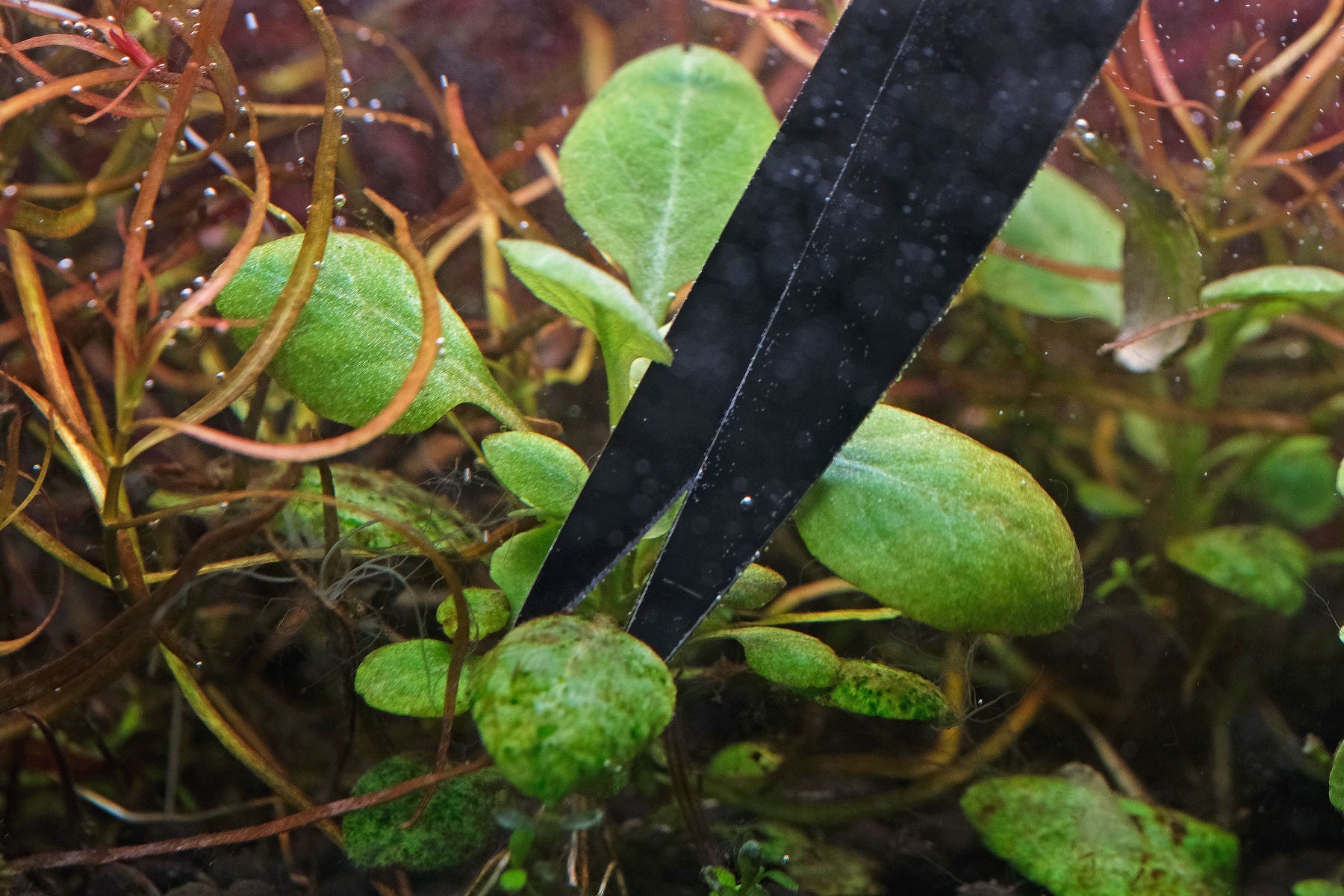
For plants that are mainly fed on substrate, there may be a short period of stunting as the replanted plant reestablishes its root zone. For tanks where plants are more heavily fed through the water column, this effect is lessened.

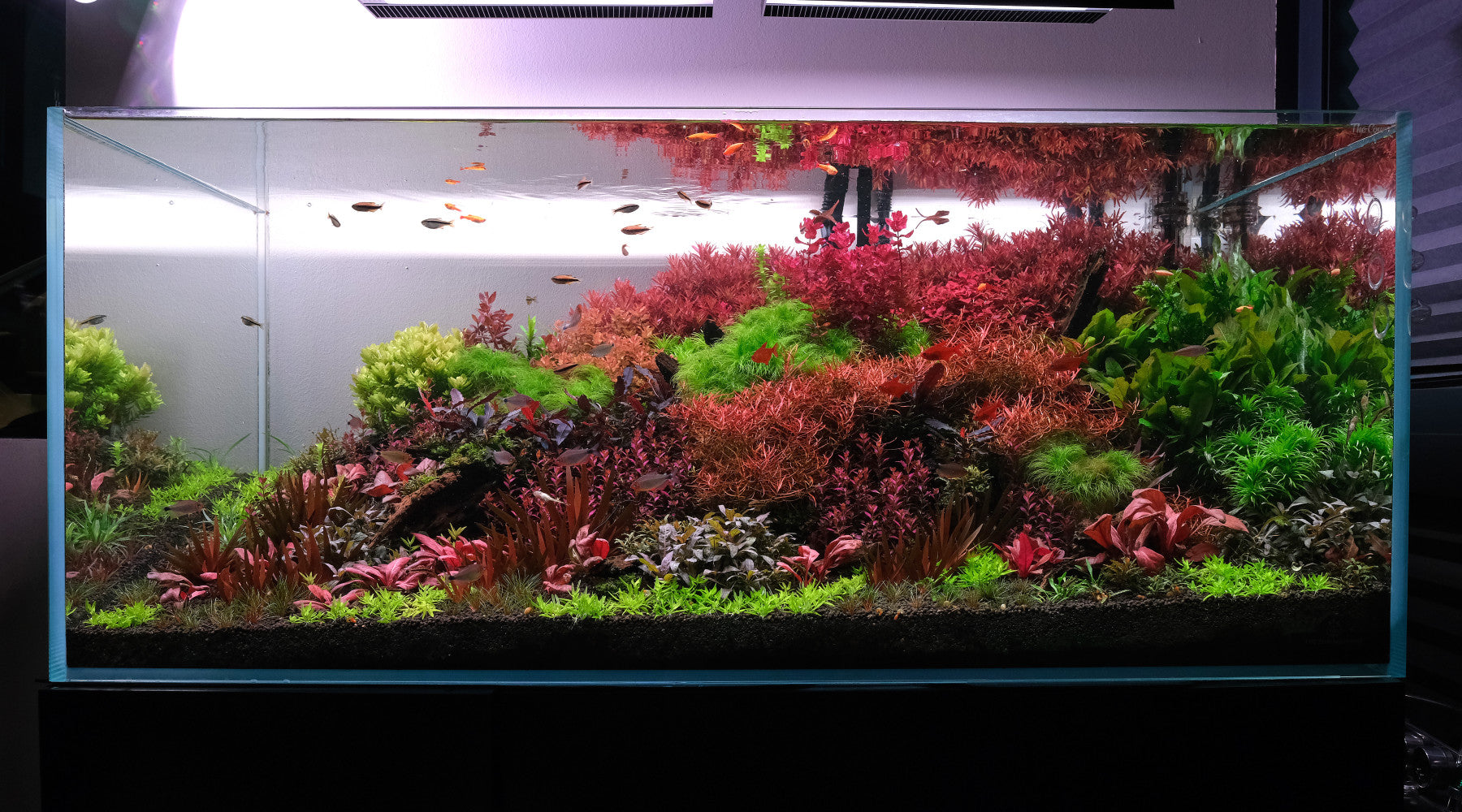
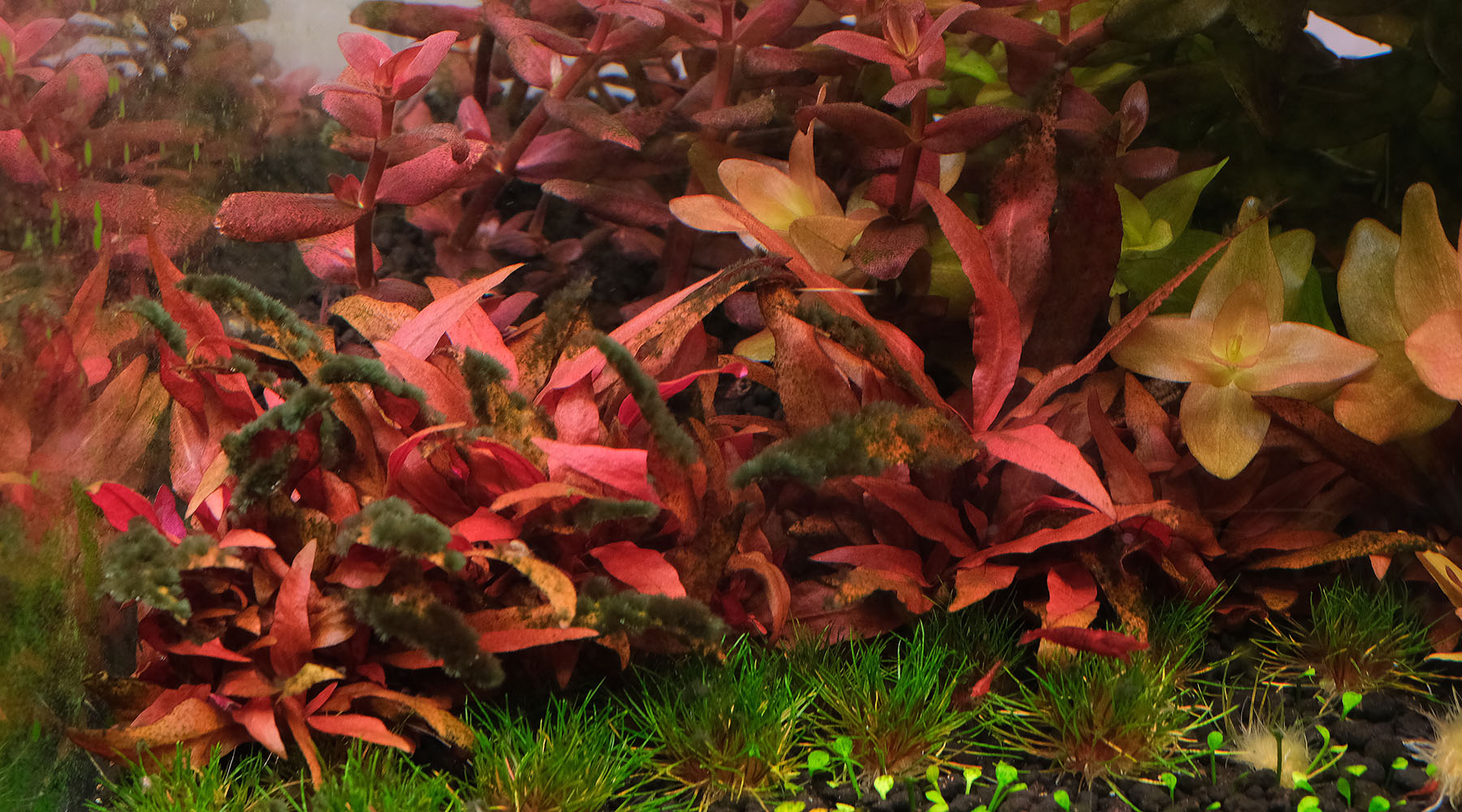
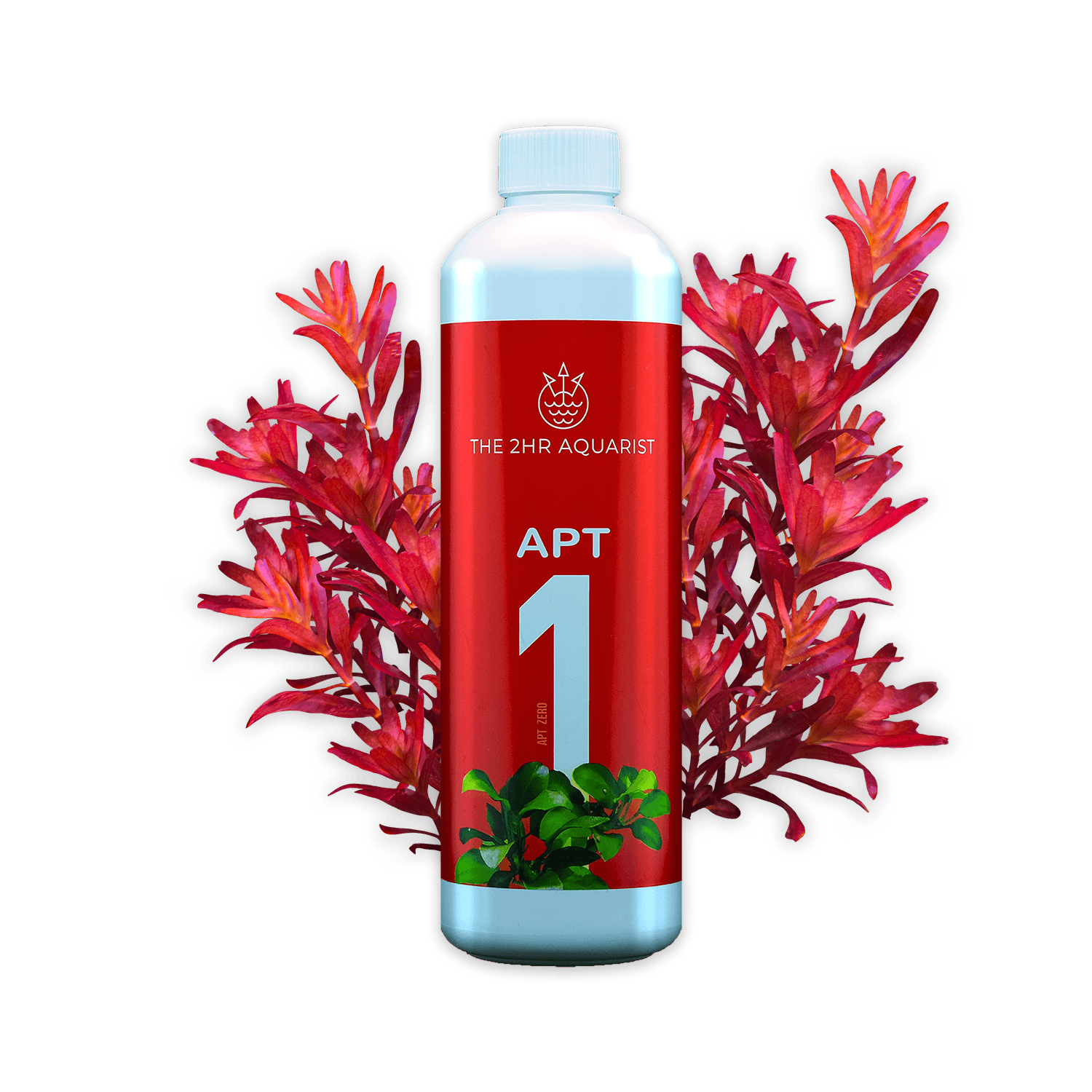
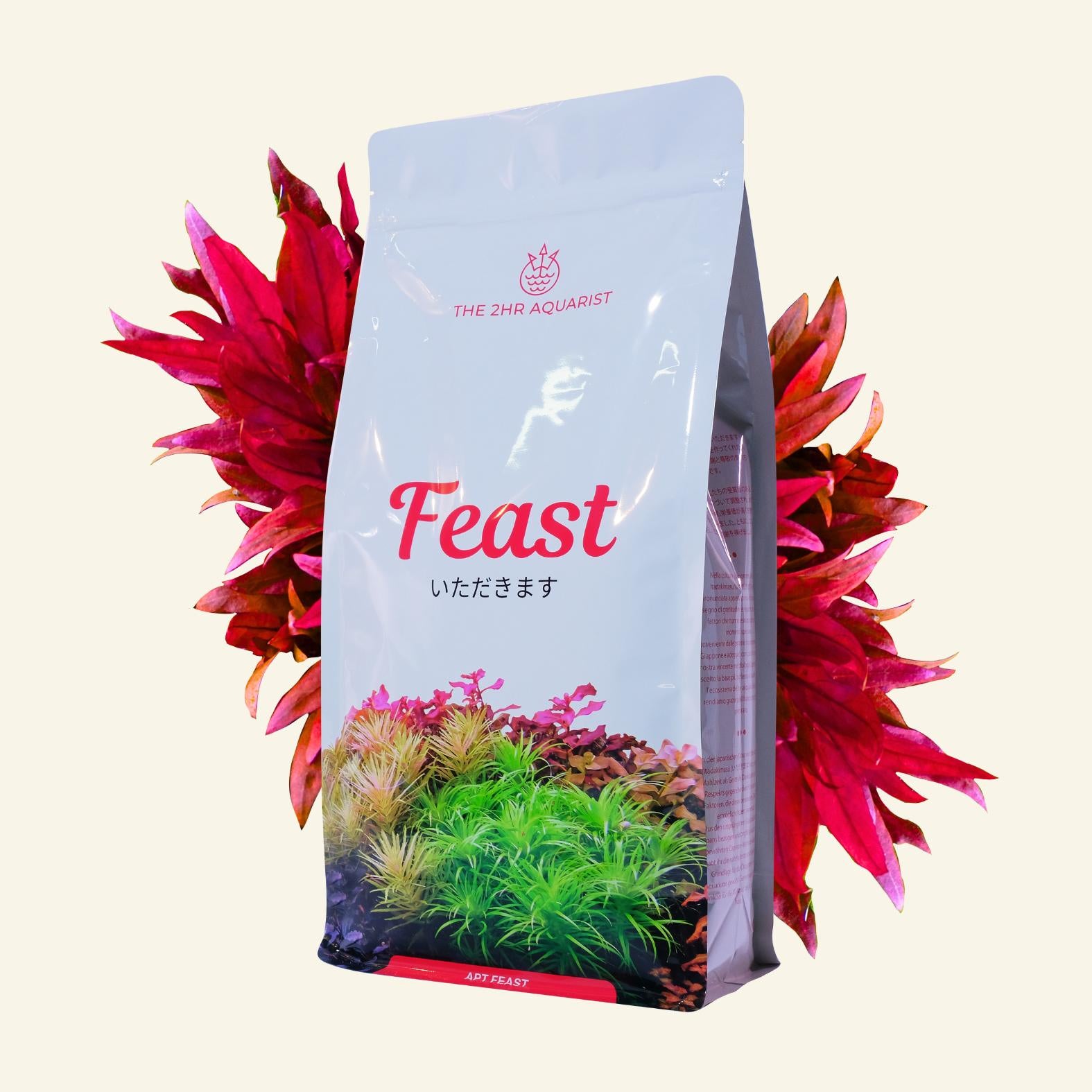
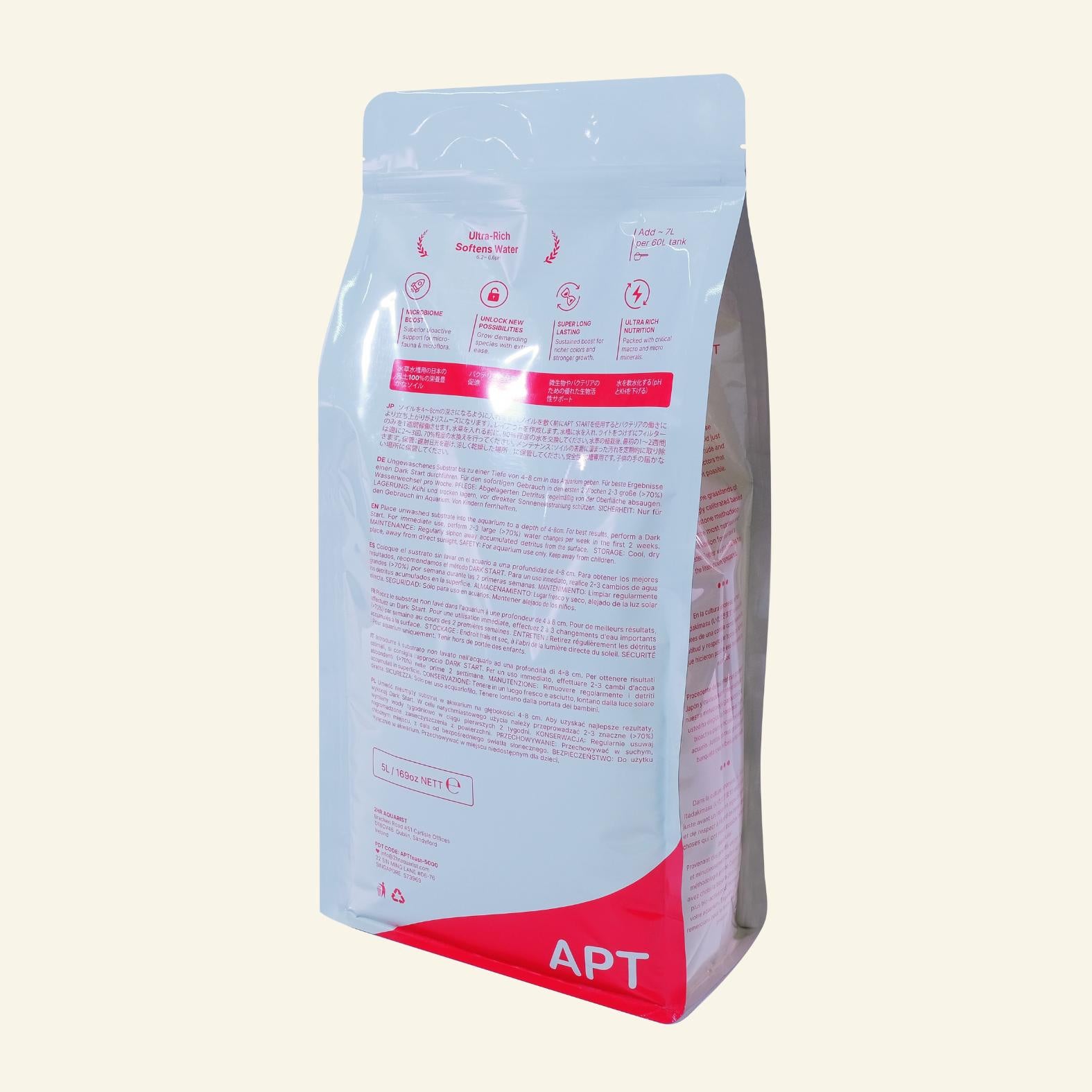
This tank is grown using APT 3 in the water column, and APT Feast as the substrate.
Click here to find out how to grow red aquarium plants.
Click here to read on how to optimize CO2 levels
Click here to browse more plant growing profiles
Click here to read on how to stabilize a new planted tank


Share:
How to grow Lysimachia parvifolia (Samolus parviflorus red)
How to grow Cryptocoryne "Flamingo"