
There is a widespread belief that there is an optimum K value for photosynthesis and this is 6500.
The K rating of lamps does not indicate the spectrum of the light itself, but only the general hue of the light. It is of some use for white light to indicate whether the hue of the light is warmer (lower K values) or cooler (bluish - higher K values). It does not indicate whether the light is suitable for plant growth or not. You will need to look at the PAR values and spectrum curves to determine if the light is good for growing plants.
6500k does not tell us the strength of the light or what the exact spectral distribution is. It certainly does not mean that the light has a similar spectrum to sunlight. This is why indoor lighting is so different from sunlight - something every photographer knows and has to compensate for.
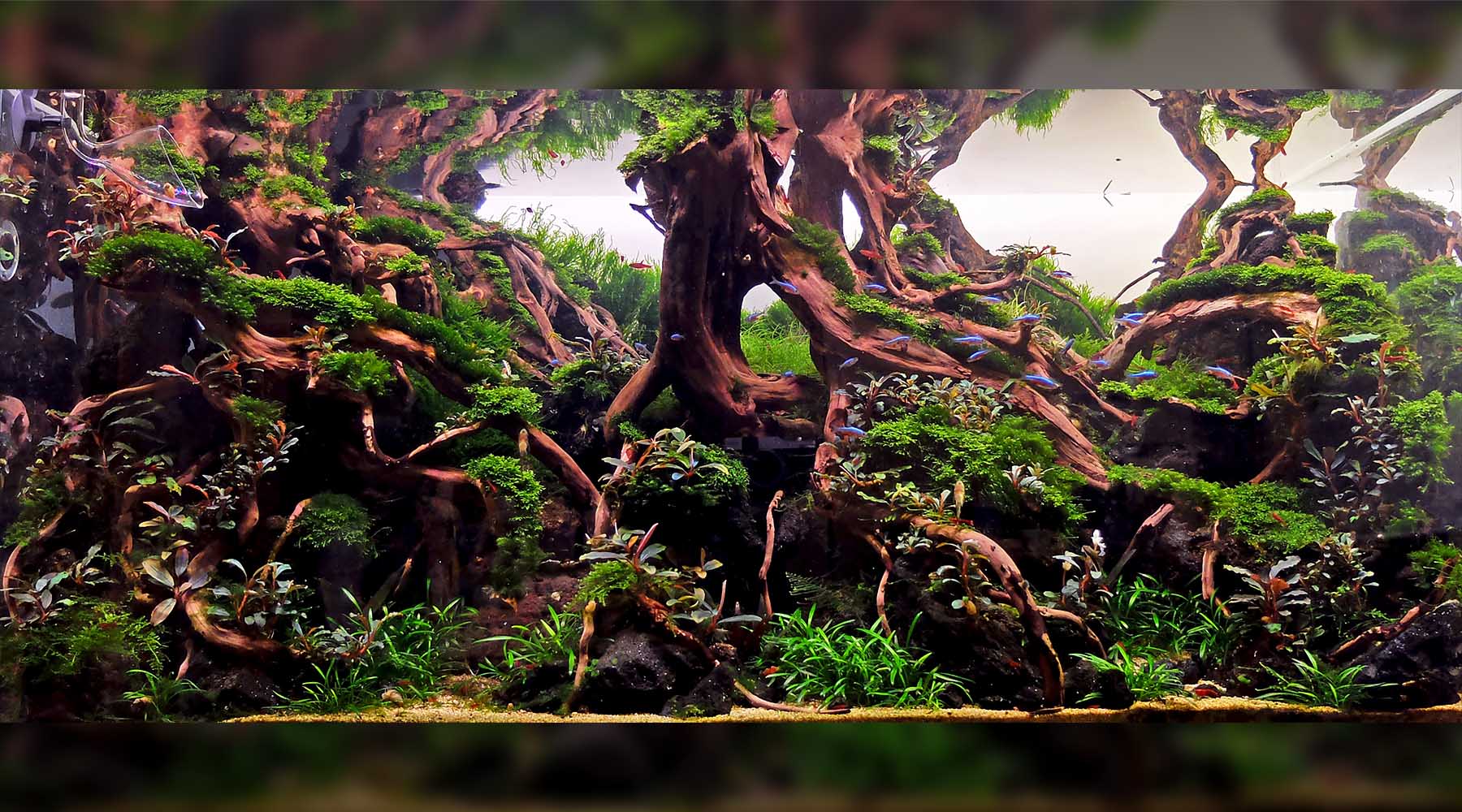
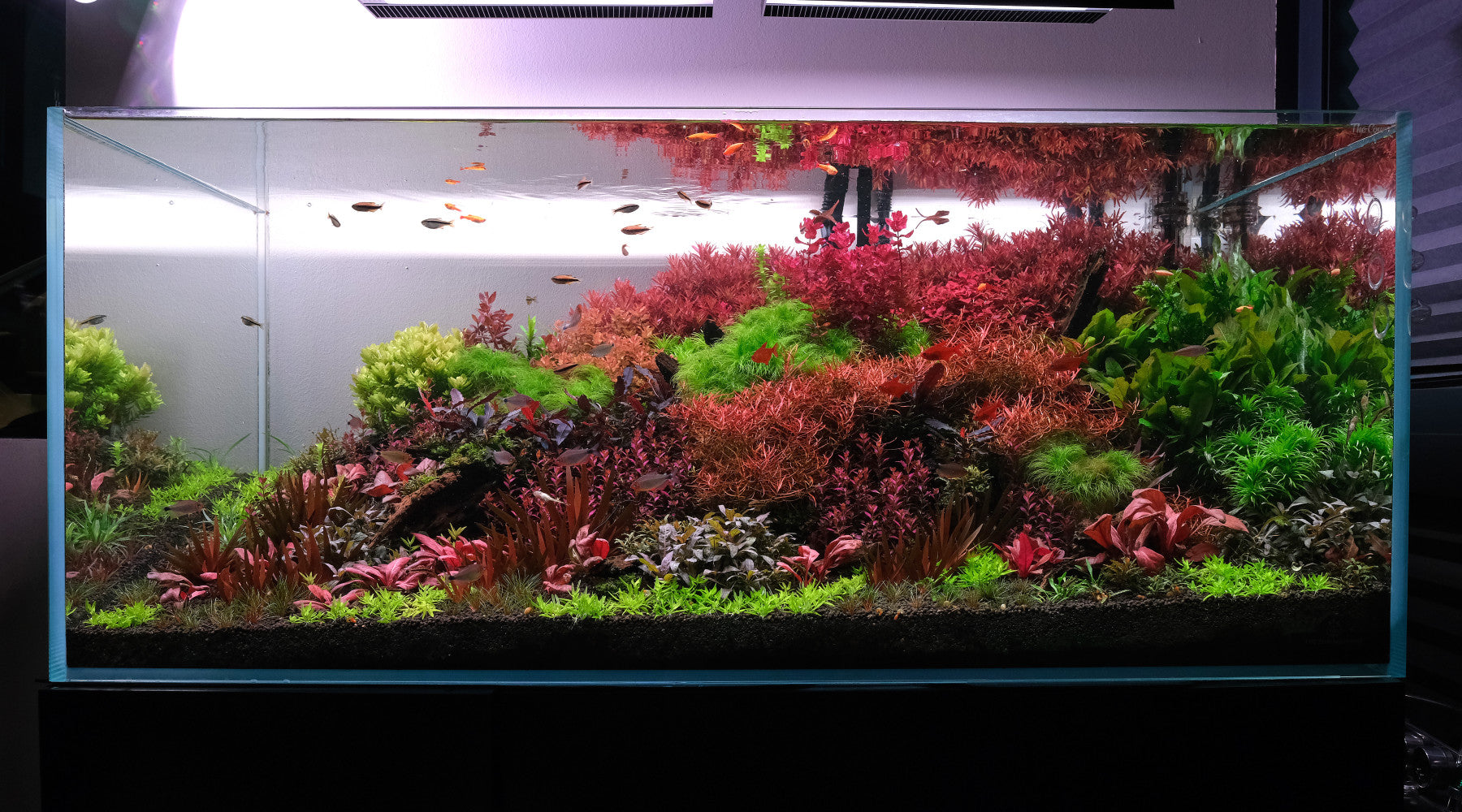
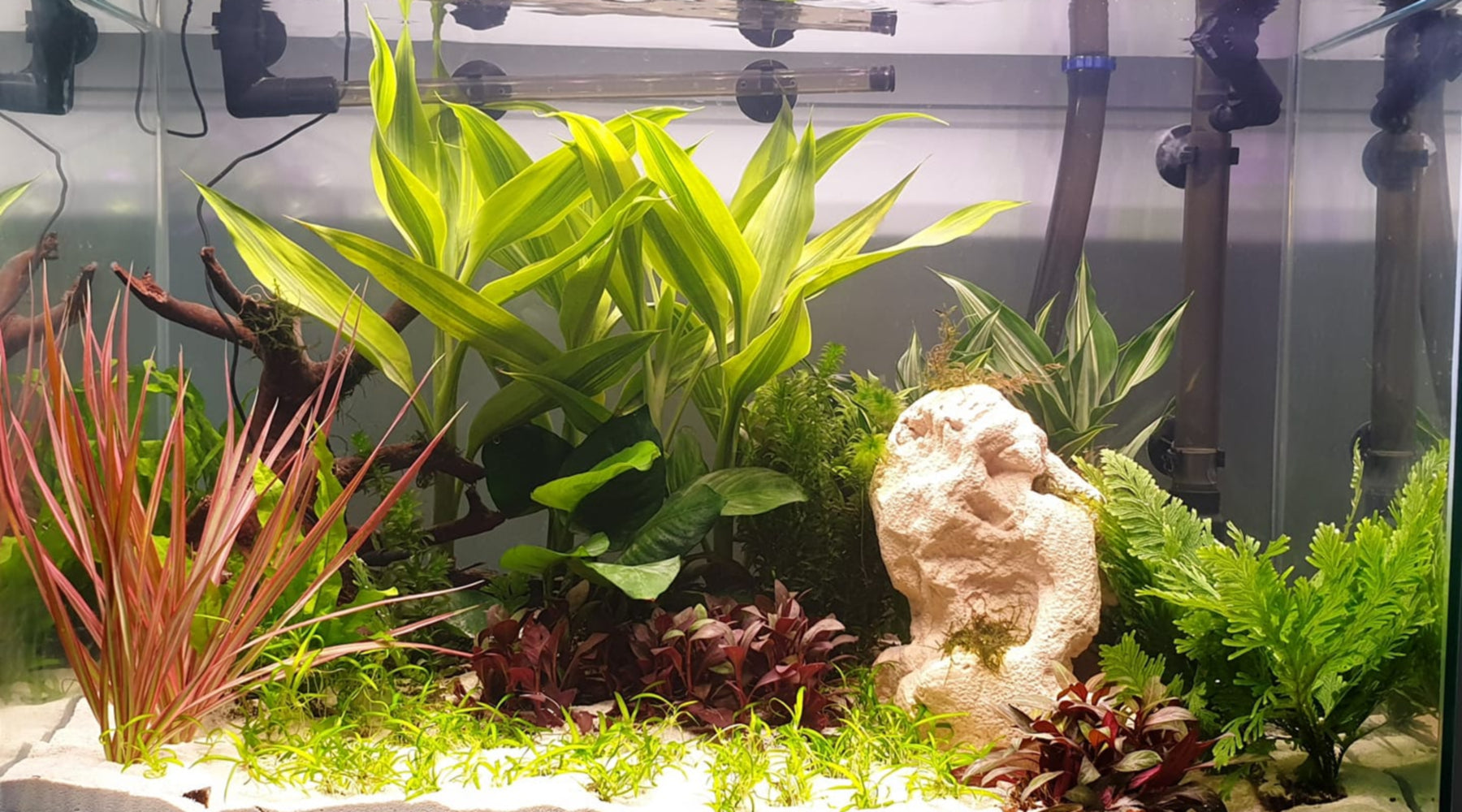
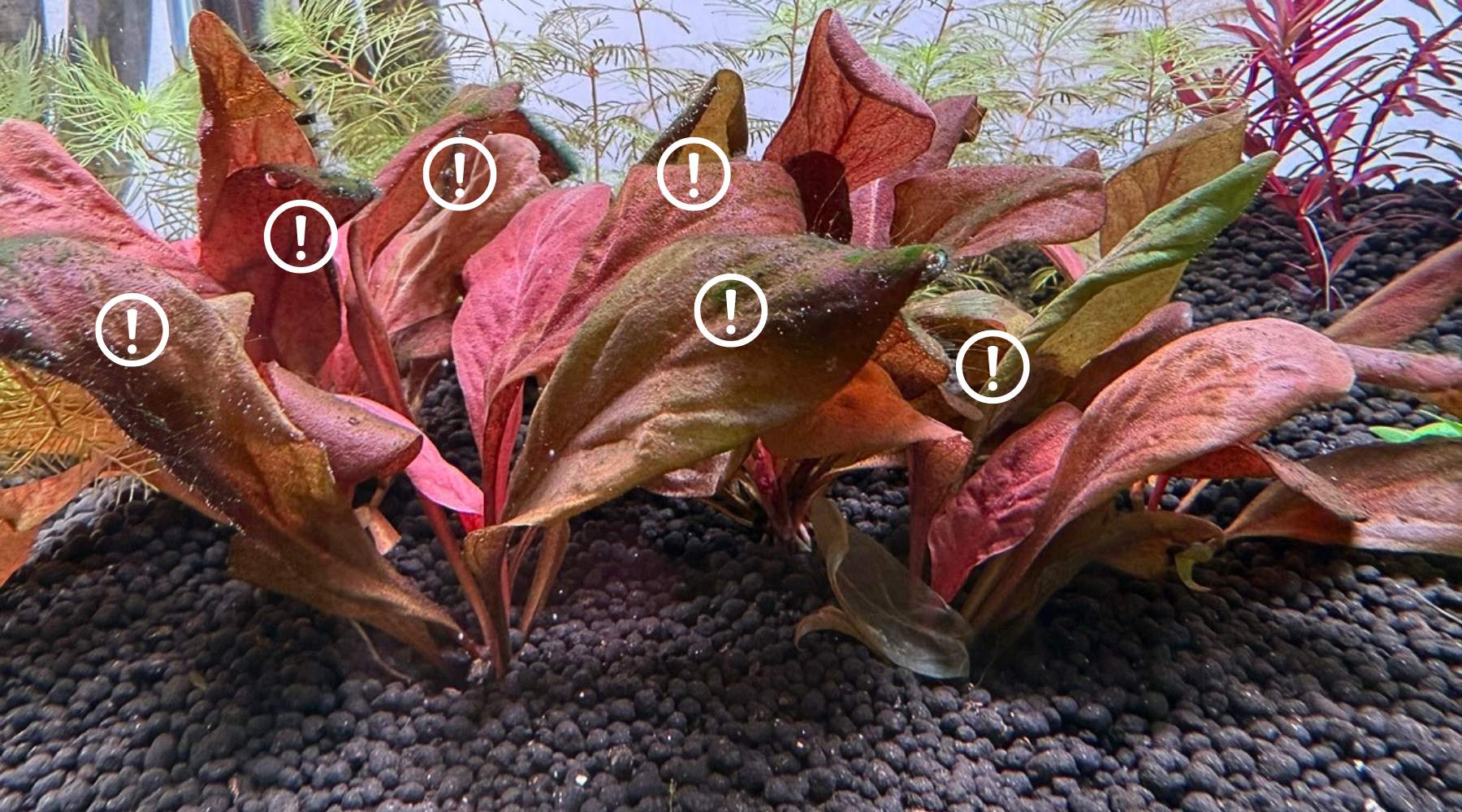
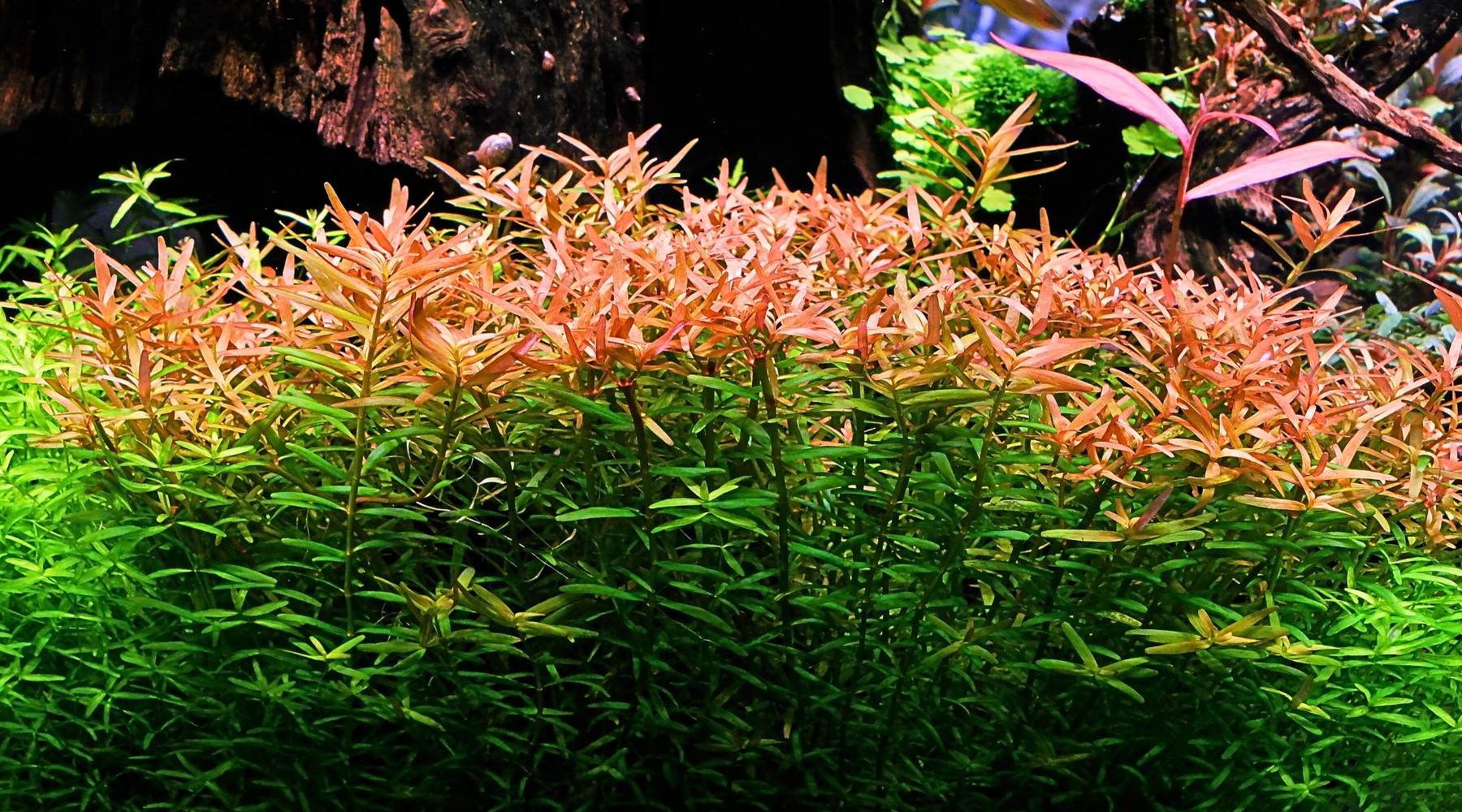
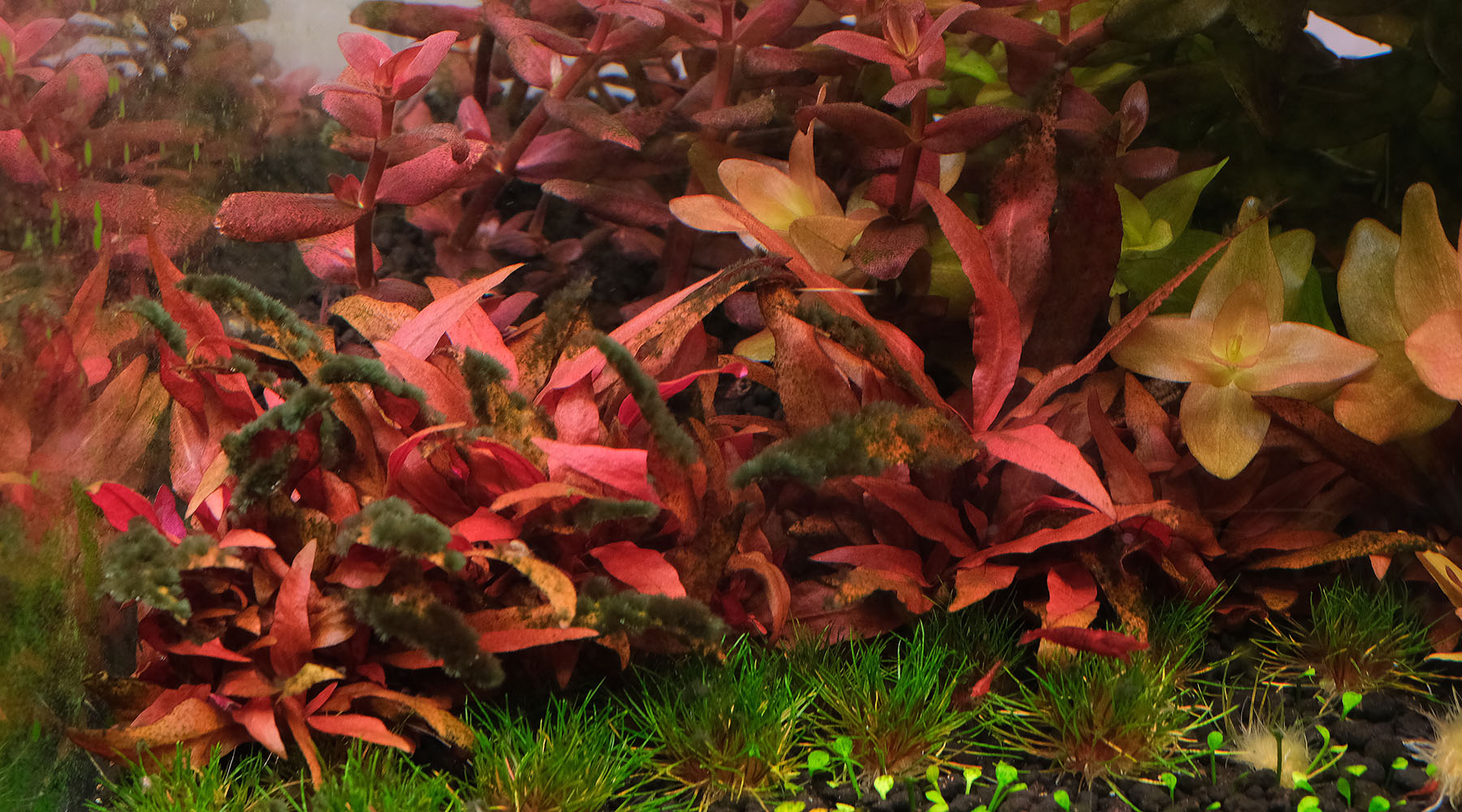
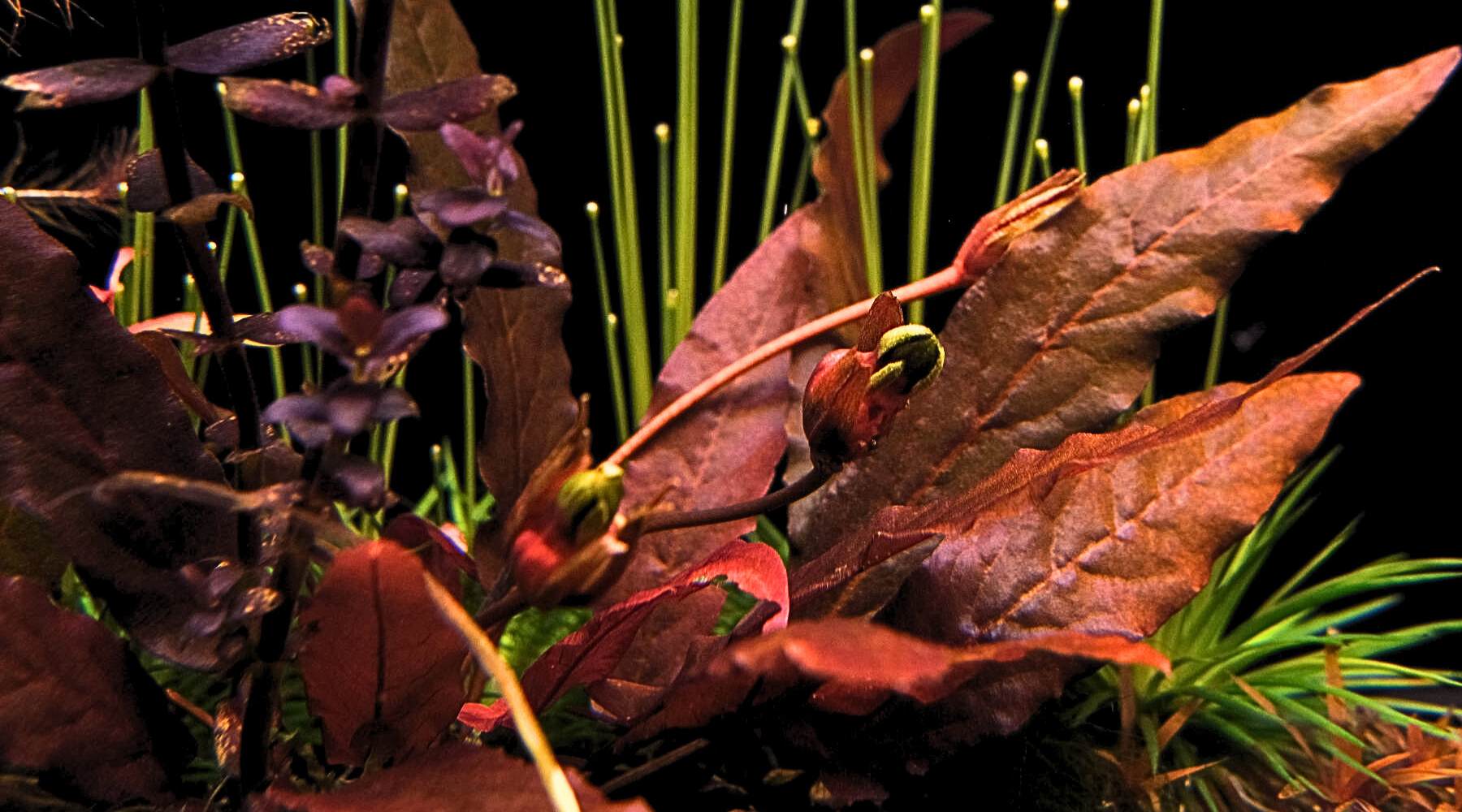
Below you can see the different tanks we have grown with lights of different K ratings. Above, the hardscape diorama used a 4200K rated light.
Websites and commercial lighting still like to use K rating as a marketing sales pitch - but it's marketing speak and nothing more.
It is also important to note that the K rating used by the scientific community to determine the colour temperature of black body lamps is different from the K rating used by the lighting industry (CCT/colour correlated temperature).
Read more here on exactly on how K rating is derived.
Grown with 3600K rated lighting:

Grown with 4200K Lighting:

Grown with 12000K lighting:

Grown with 12000K Lighting:

A good light is defined by its PAR at a given depth, which gives an estimate of the strength of the light in terms of photosynthesis. In addition, light with a favourable spectrum will give better visual colour rendering and better pigmentation and growth forms. Neither of these can be derived from the K value alone. To understand these two values you need to read the PAR and spectral charts associated with the lamp in question.
Click here to learn more about aquarium lighting for planted tanks
Click here to learn more about PAR values.
Click here to learn more about spectrum curves.


Share:
What factors give rise to stem elongation?
Dispersion, Angles & Spread of light units