
In the plant hobby, it is easy to become obsessed with nutritional deficiencies.
While nutrition is important, identifying specific deficiencies from a single image is much more difficult than people realise.
It is like trying to tell from a single photograph that a stranger has insufficient vitamin B12. An experienced doctor might be able to do this, but it would be foolhardy for the average person to attempt a similar diagnosis by sight alone.
Holes in leaves are often associated with nutritional deficiencies.
And they may be.
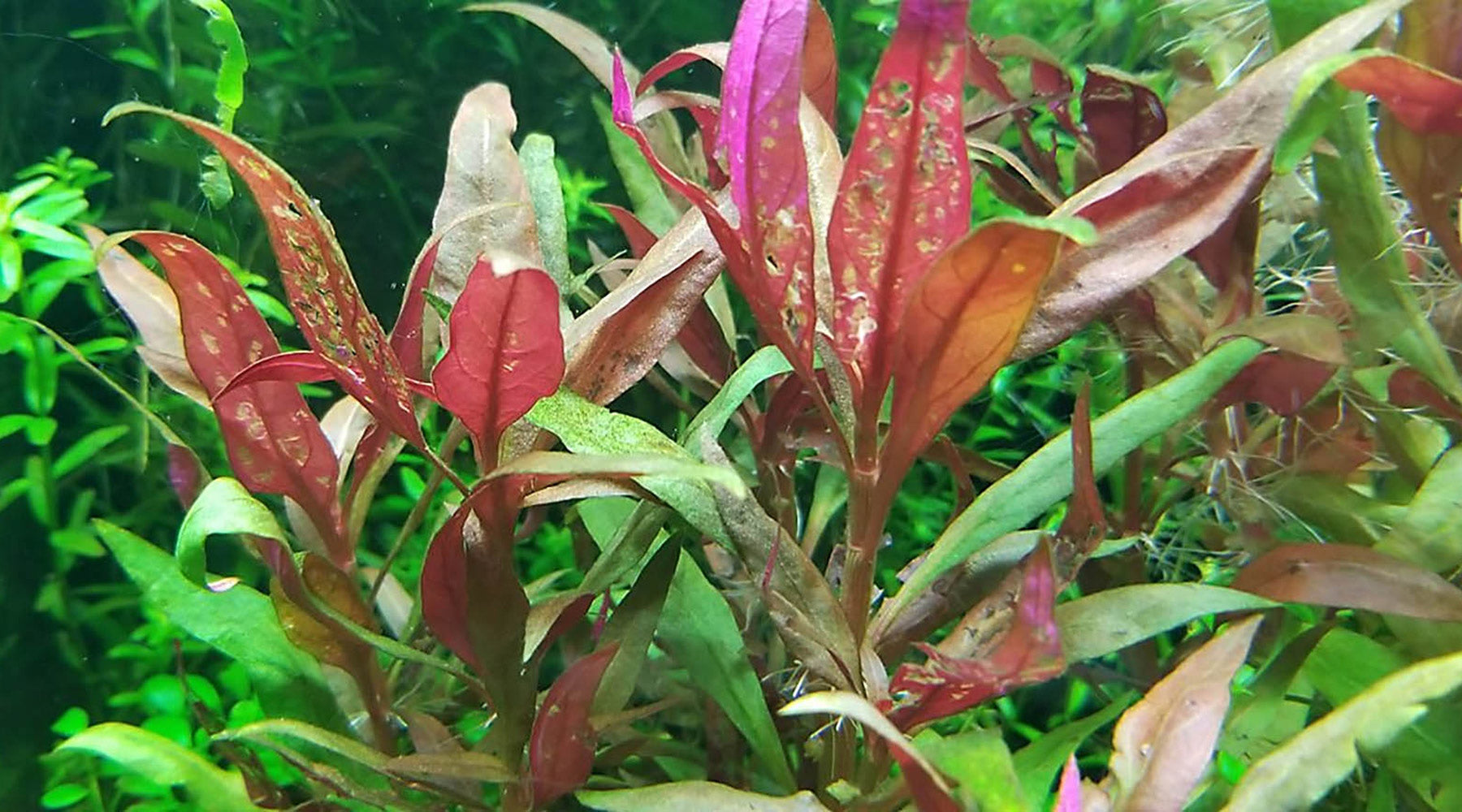
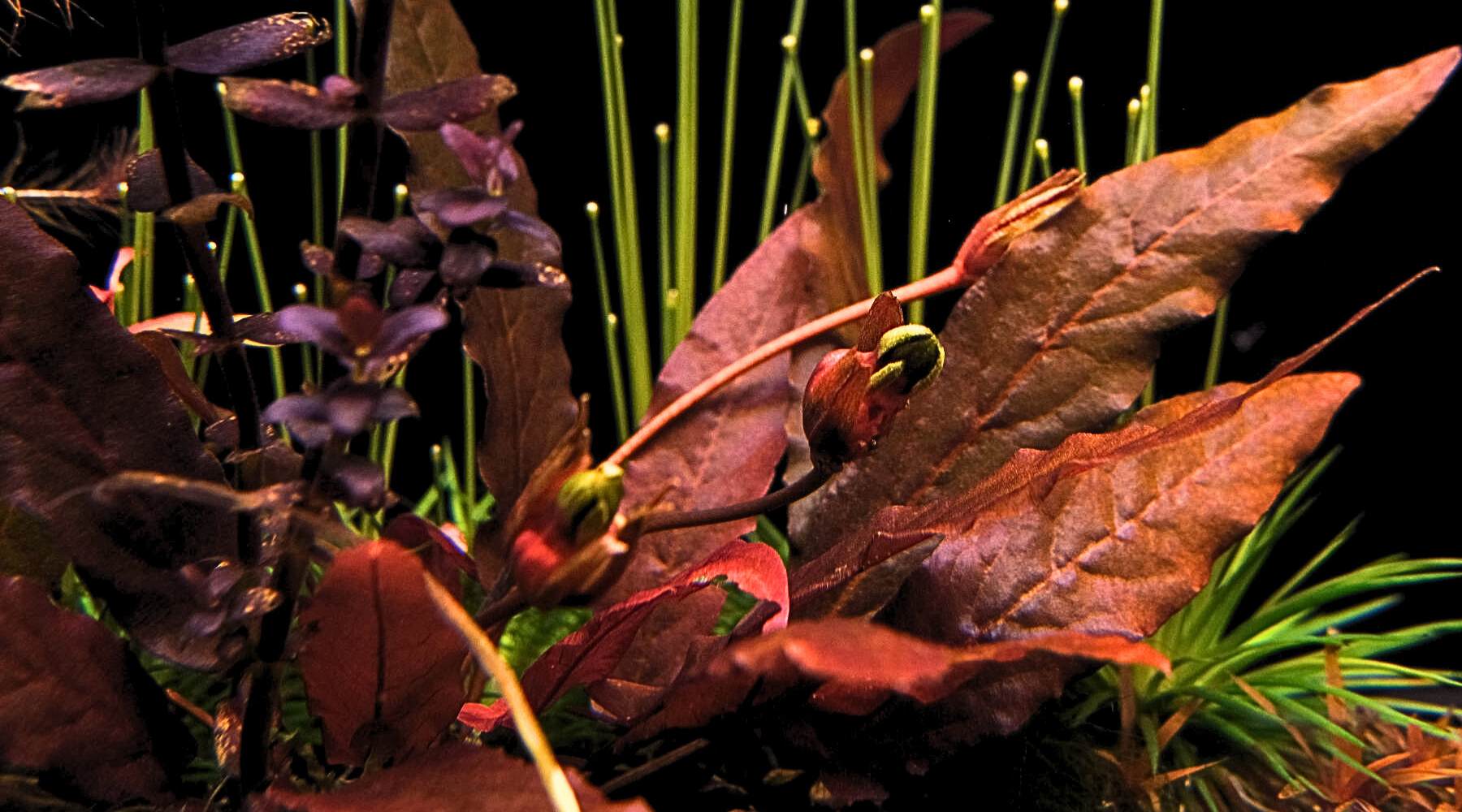
But often they are simply the victim of hungry fish and shrimp, what we call 'herbivore damage'. The picture above is a classic example of herbivore damage. Joe Harvey's before and after pictures below show the damage caused by a hungry bristle-nosed pleco.

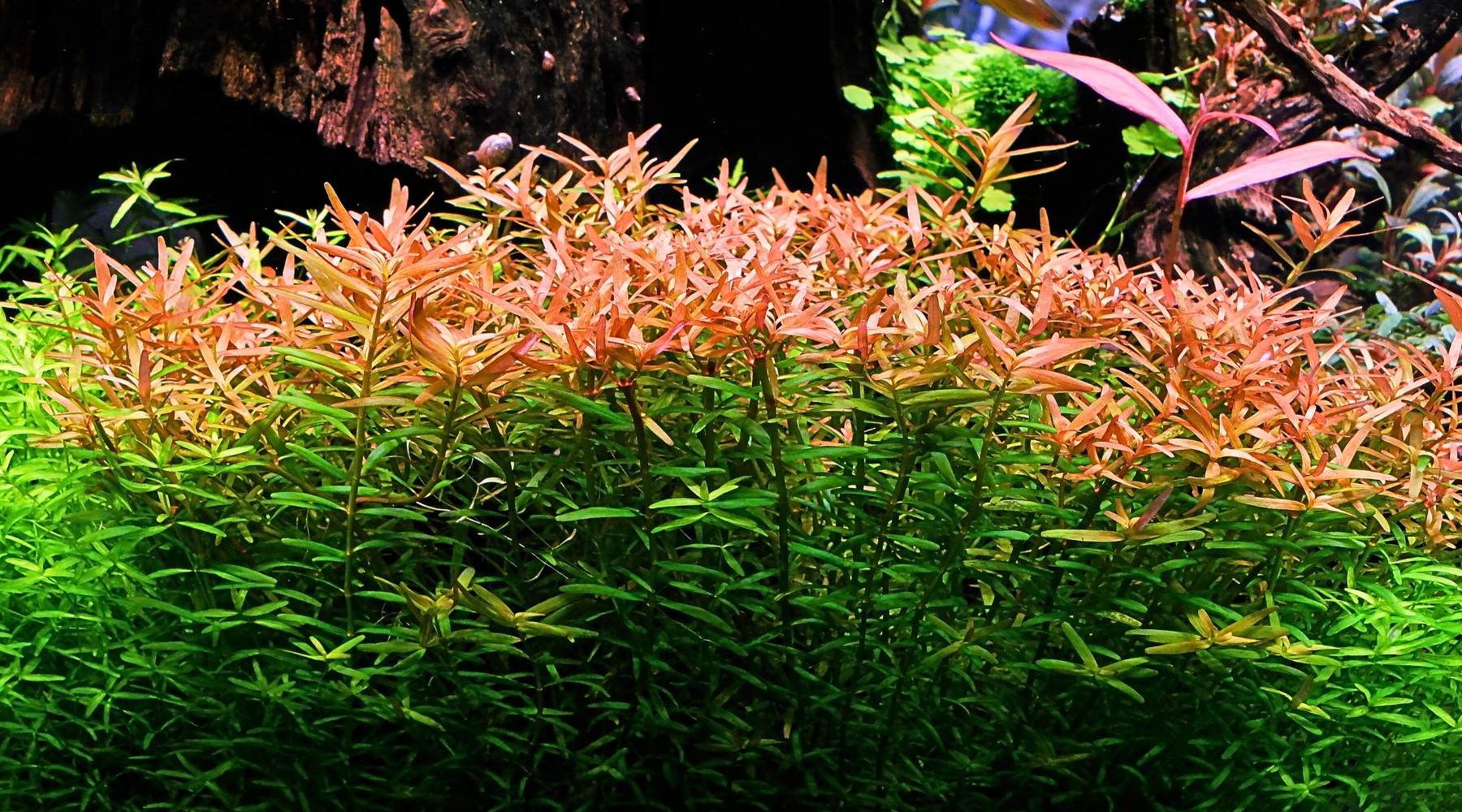
Below: Alternanthera reineckii and Pogostemon helferi/Downoi are 2 of the tastiest plants in the world.
Older leaves of AR are often chewed, leaving holes. Similarly with the crinkly leaves of Downoi. Amano shrimp, red nose tetras and mollies are particularly attracted to young Downoi leaves.

Bottom: The Amano shrimp is a popular algae eater, but we don't keep them in our 2L tanks, mainly because they tend to chew on plants.
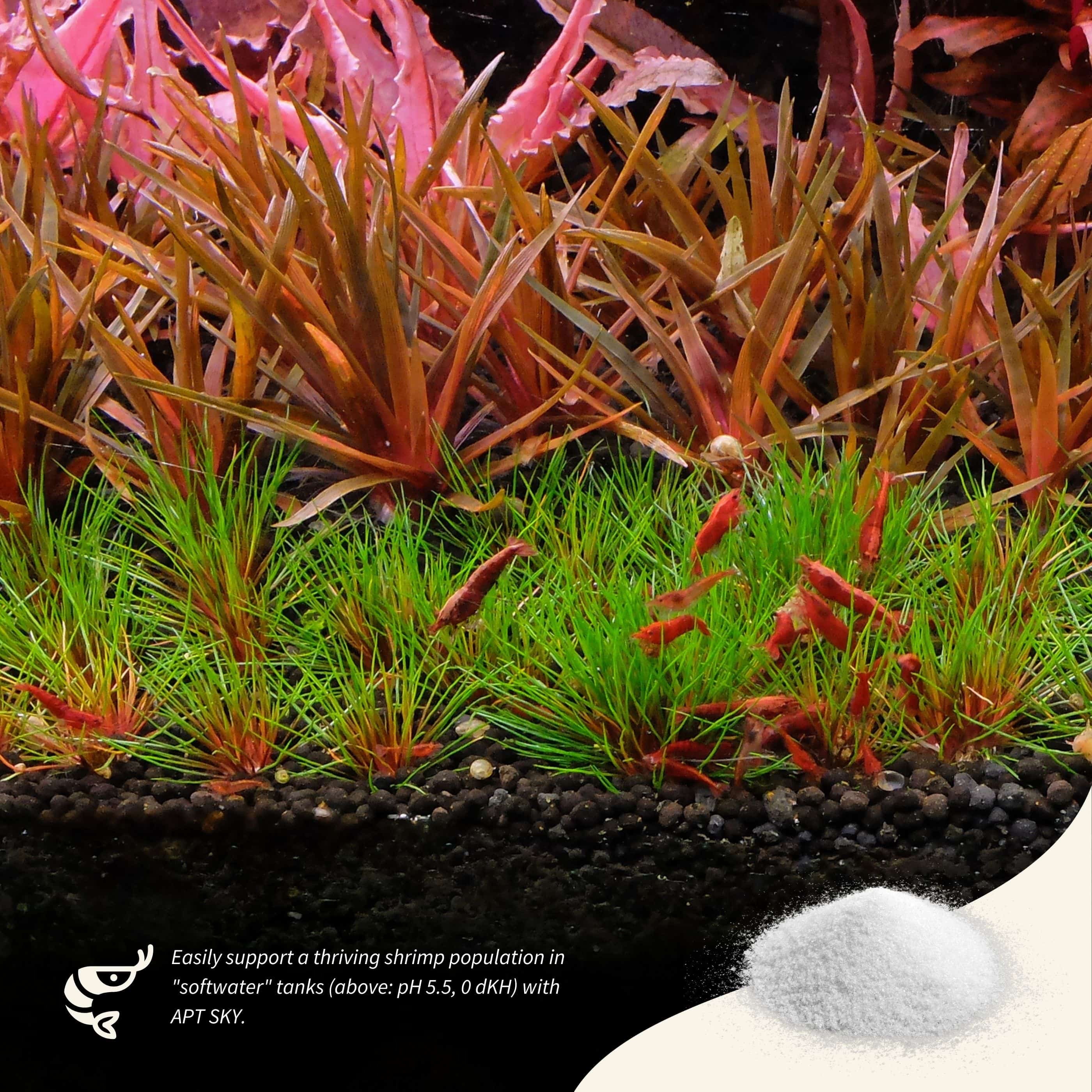
Other shrimp such as the Red Cheery Shrimp are more uniformly gentle - they feed mainly on algae but will not damage older leaves.

Below: Plecos are voracious omnivores and often do some damage to plants. This said, those that are accustomed to fish food may leave plants alone.

Herbivore Damage: 3 clues
-
Punch-holes. The leaf looks healthy overall, but has holes that look like they have been made with a mechanical (uneven) hole punch. Nutrient deficiency tends to affect the overall colour and leaf margins. Chew marks often include the central part of the leaf.
-
Selective damage. Symptoms of nutrient deficiency tend to be seen on different plants in a tank. Herbivore damage tends to be selective, affecting only certain leaves and certain (tastier) plants. Younger plants, tissue culture plants and older/weaker plants are much more susceptible.
- Nutrient deficiencies are most obvious in new shoots (shape, colour, size, etc.), while animals tend to attack older leaves. As old leaves do not heal, it is also natural for older leaves to lose colour and/or deteriorate in various ways. This is normal and has nothing to do with a lack of nutrients.


Share:
Soak before use?
Is it a problem? Deep substrates?