

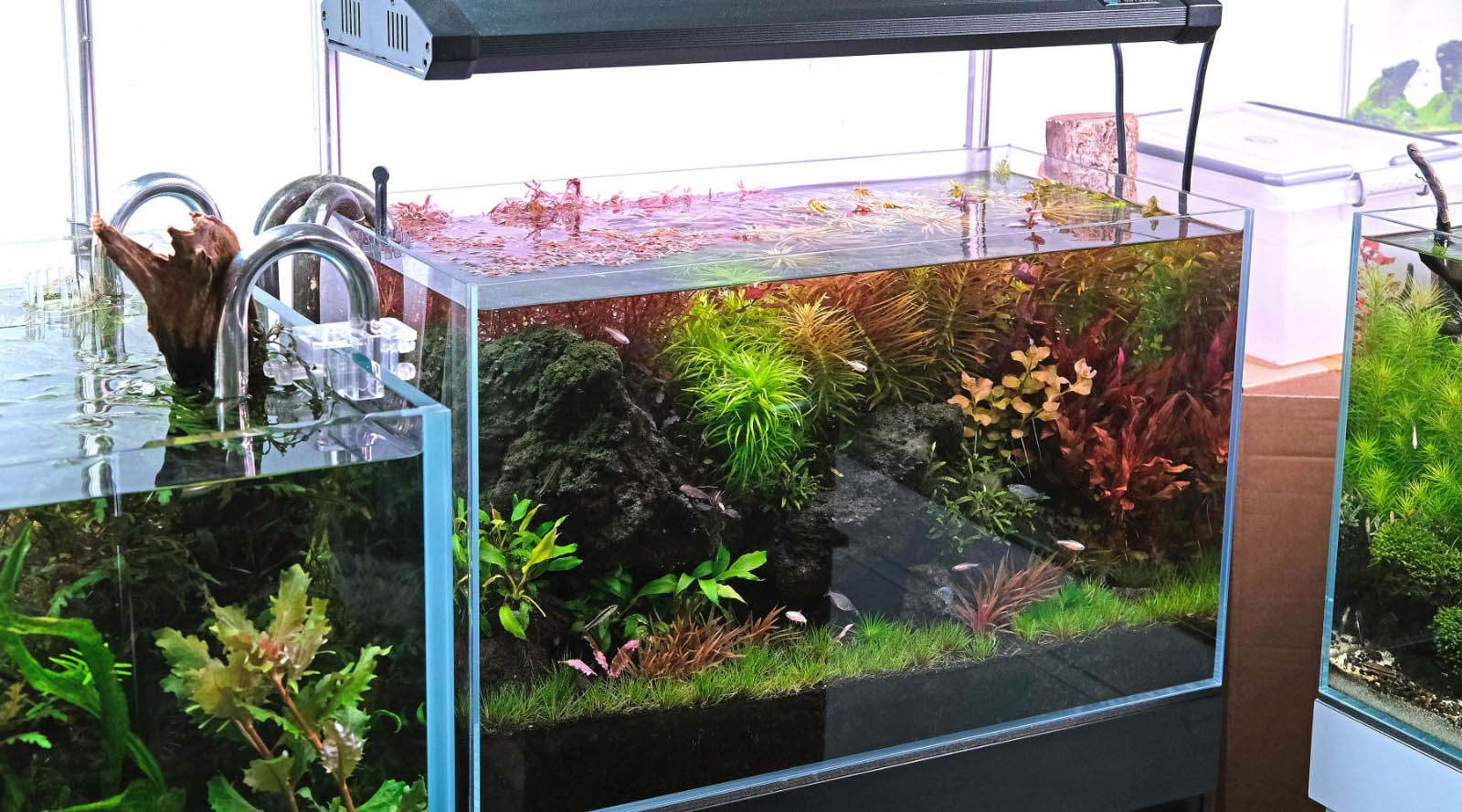
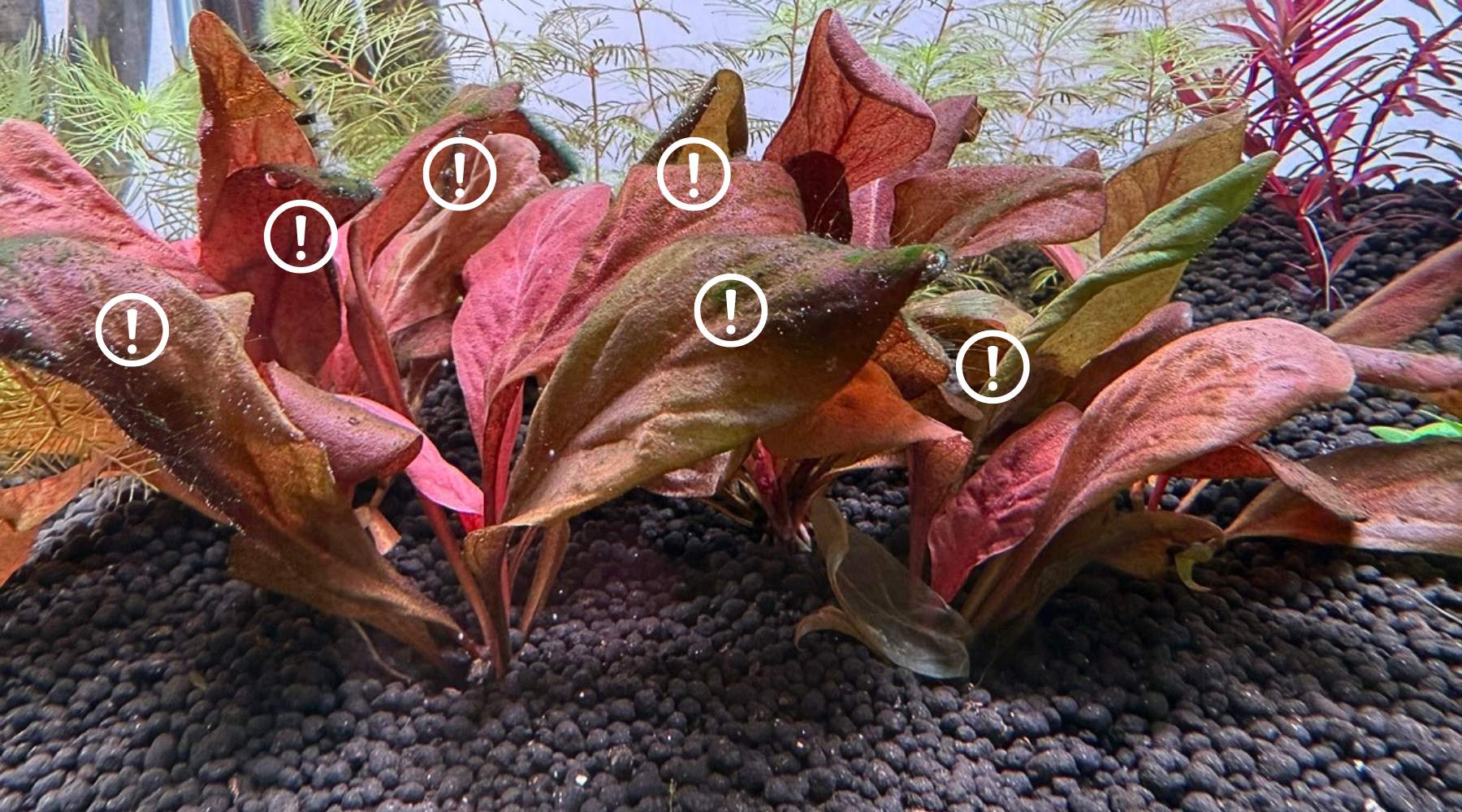
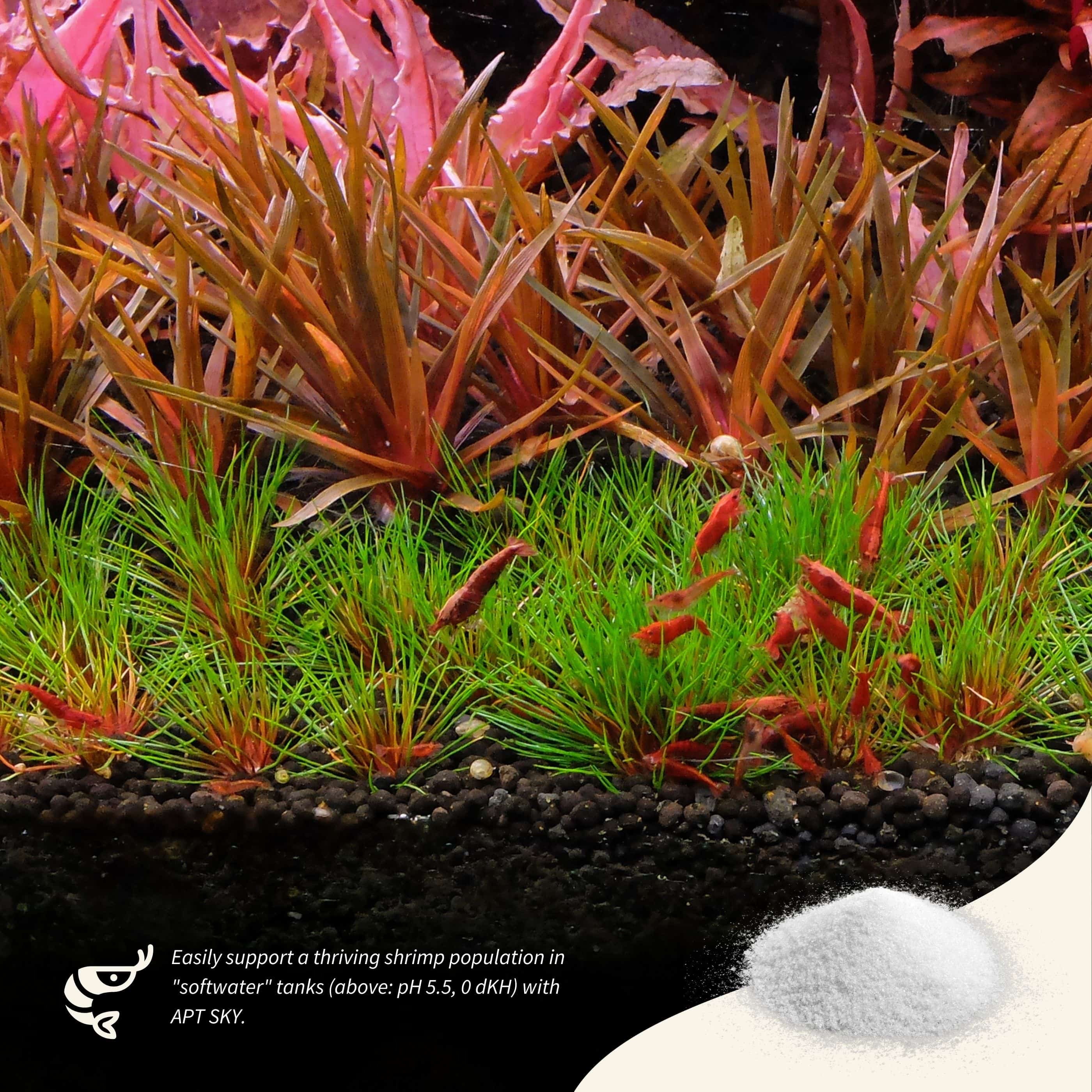
Above: A 2Hr tank at Green Effect, a freshwater tank retailer in Singapore. More difficult species such as the red Eriocaulon quinquangulare will do better above 100 umols PAR on the substrate.
Light strength matters.
Too low and plants are unable to thrive.
Too high and the tank becomes far more vulnerable to algae.
The relevant measure of strength for a planted tank is the amount of Photosynthetically Active Radiation (PAR) as used in horticulture, but This information is not often found on household light bulbs (which typically show wattage (a measure of power consumption, not output) and/or lumens (a proxy for "brightness").
The tricky part is that there is little correlation between PAR, watts and lumens...especially when it comes to LED bulbs (where there is huge variability in efficiency and efficacy). This leads to the following:
- A seemingly bright bulb can have very low PAR.
- A 24W LED that is stated to be ‘equivalent’ to a 75W incandescent feels strong enough but is often not.
- When judged on visual ‘brightness’, we tend to severely under-provide light.
- Many ‘plant bulbs’ are no better than ordinary household bulbs.
What strength do we need?
- A simple tank with shade tolerant plants (Crypts, Anubias & Java Fern, etc.) and a lively fish population can do well with 30 umols PAR. Lower PAR will help keep algae in check in tanks with more fish.
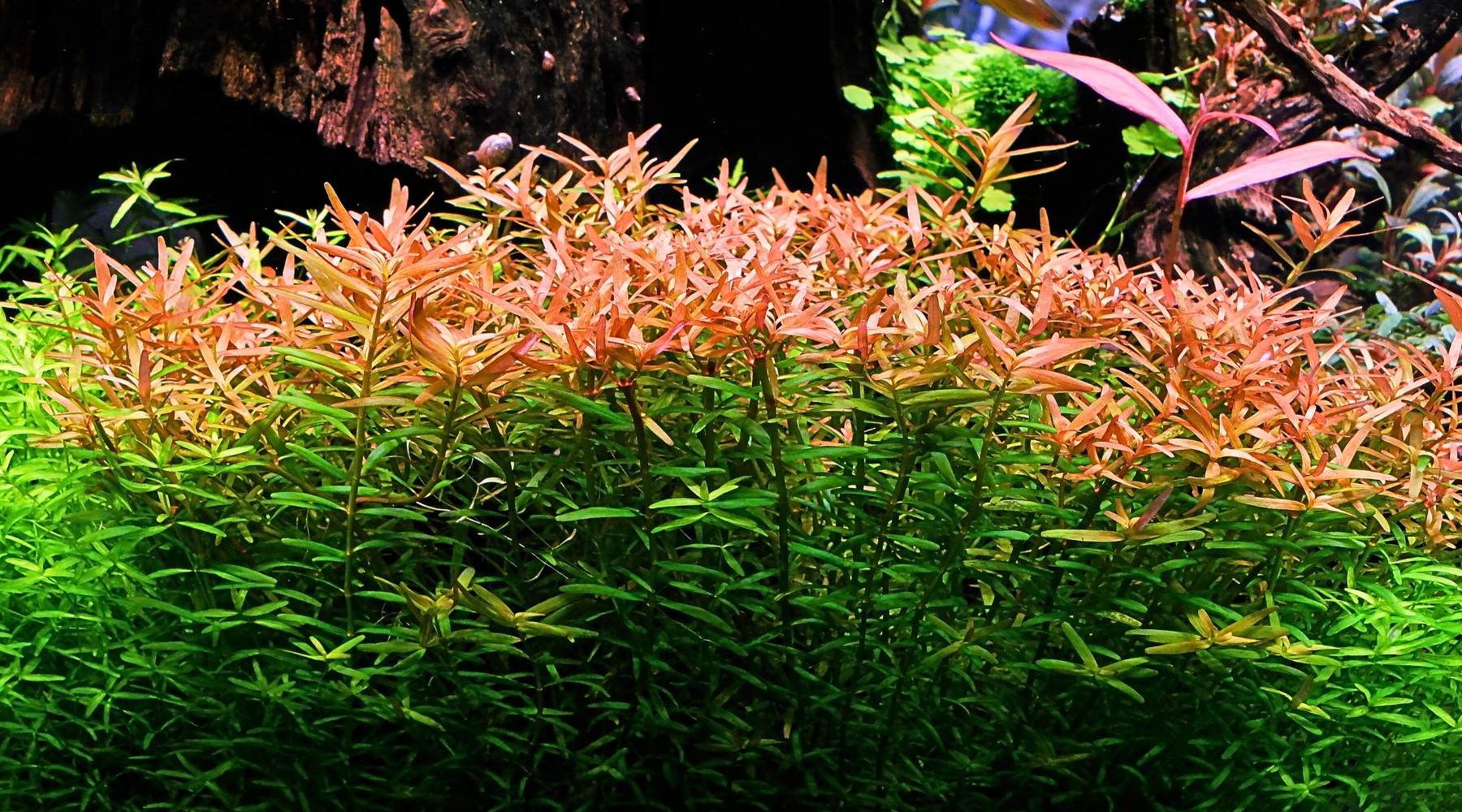
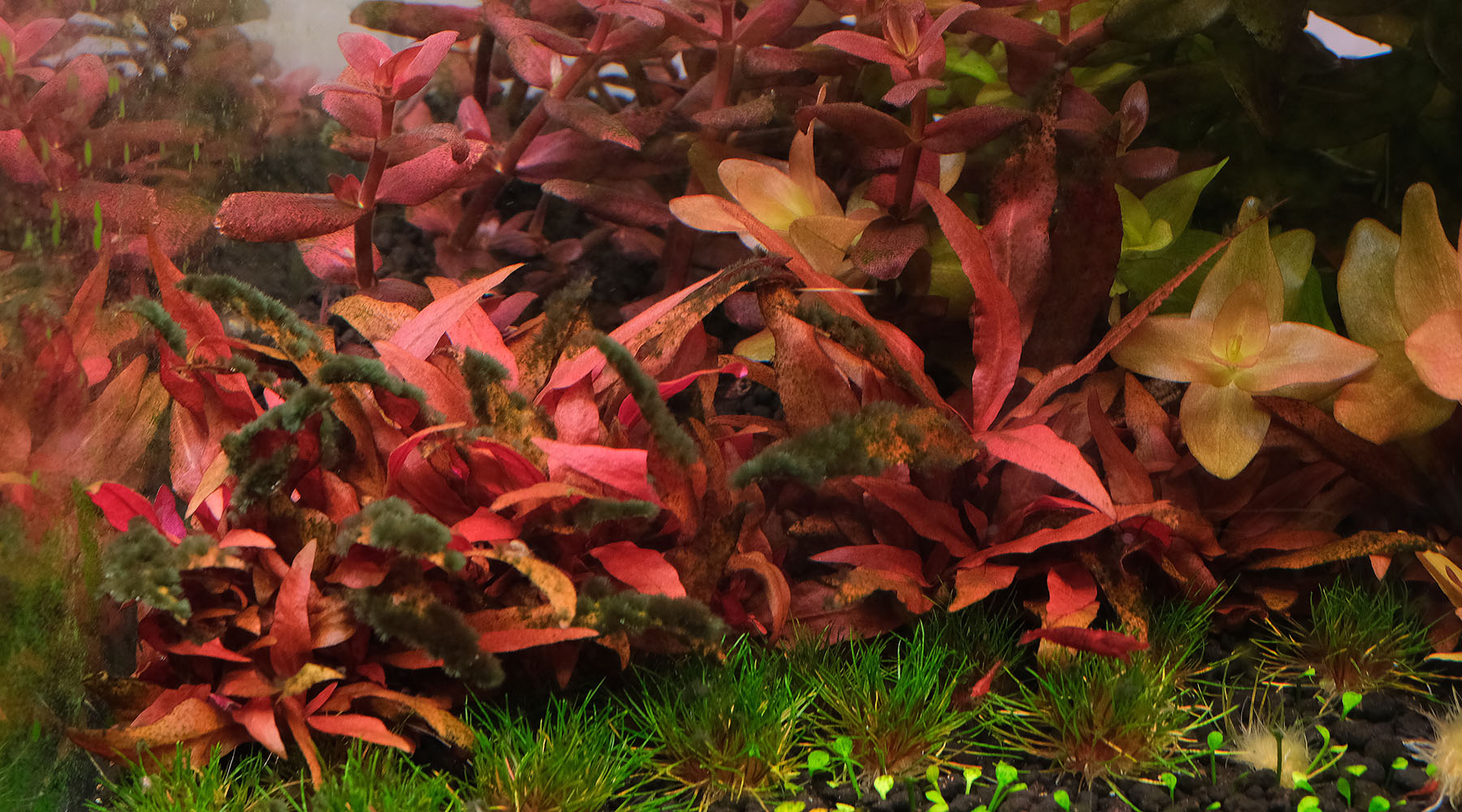
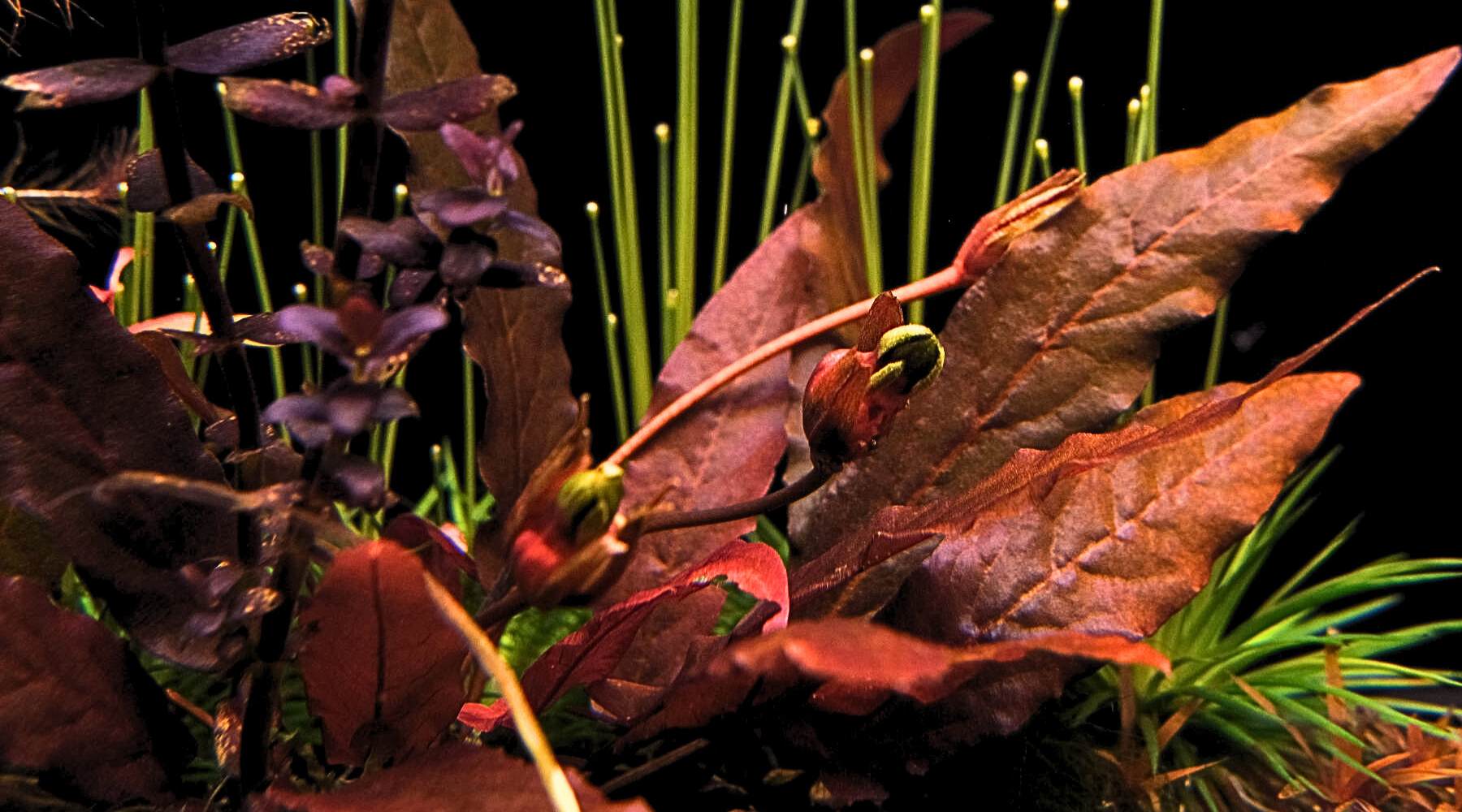
- A planted tank with colored plants would require at least 50-70 umols to bring out richer hues.
- A tank with carpets would need around 20+ umol for healthy growth (with CO2 injection if you want a lush carpet); 80+ would give a very fast-growing carpet. Many colored plants only get more intense reds above 80 umols of PAR or so;

Are household bulbs strong enough?
We took a sample of 5 common household light bulbs with the question: given how bright these new LEDs appear, are they strong enough for a planted tank?

The conclusion is that the vast majority of household bulbs, while appearing very bright to the human eye, would only be suitable for fish-only tanks or planted tanks with only shade-tolerant plants.To unlock richer hues, it would be far better to go for specialised aquarium lights. Read our review of the latest LEDs here.
How to get PAR data
Unfortunately, there is no simple way. You cannot mathematically convert watts and/or lumens to PAR. The detailed specifications of household bulbs may include information about the PAR of the bulb. Professional aquarium lamps usually publish PAR data.
Summary
- Visual brightness is a very poor proxy for light intensity.
- A simple tank with shade plants can do well with household bulbs (you can underfeed by a wide margin and be fine), but is probably inadequate if you plan to grow colored plants or have invested in CO2 injection to grow more demanding plants.


Share:
Optimal Lighting
Injecting Enough?