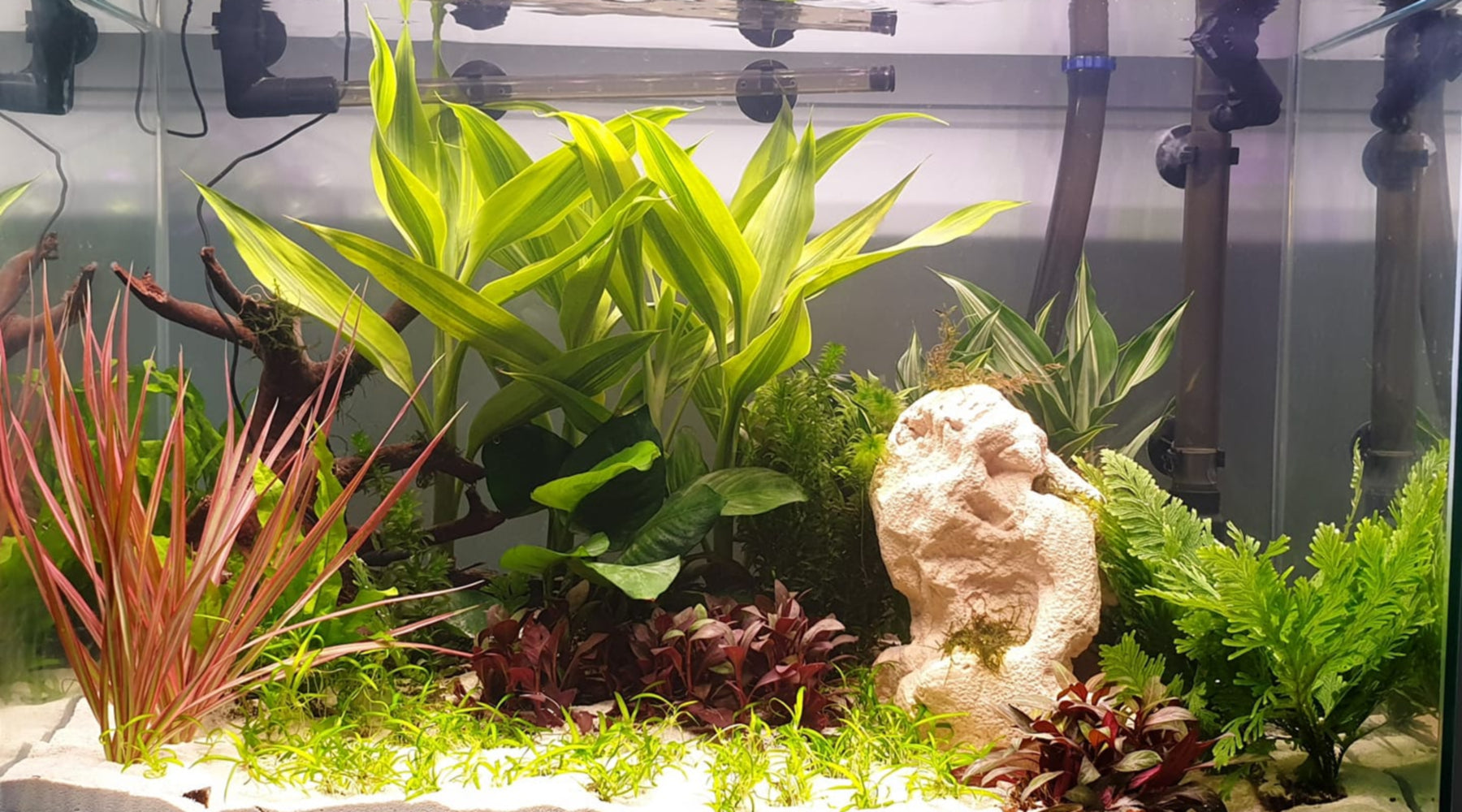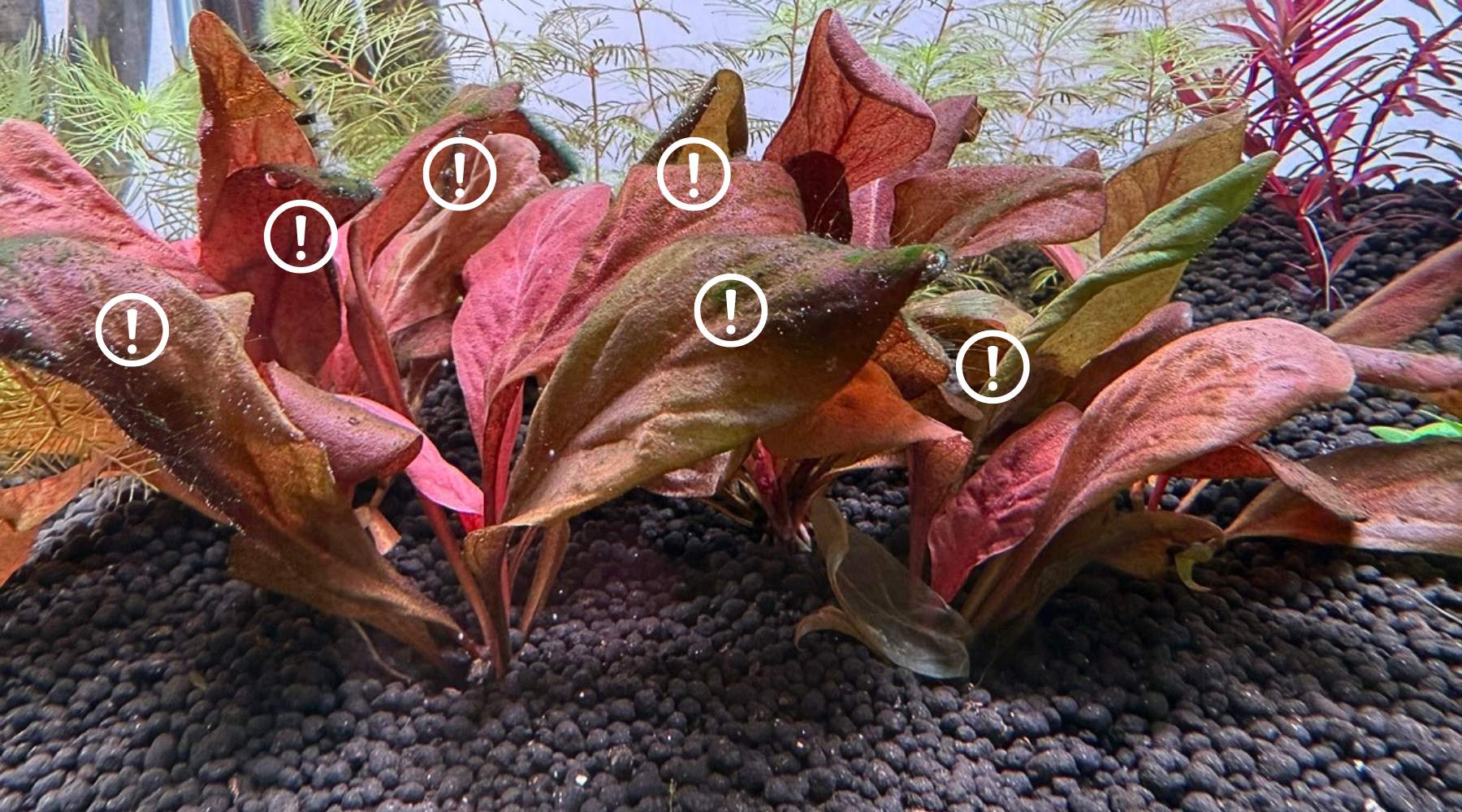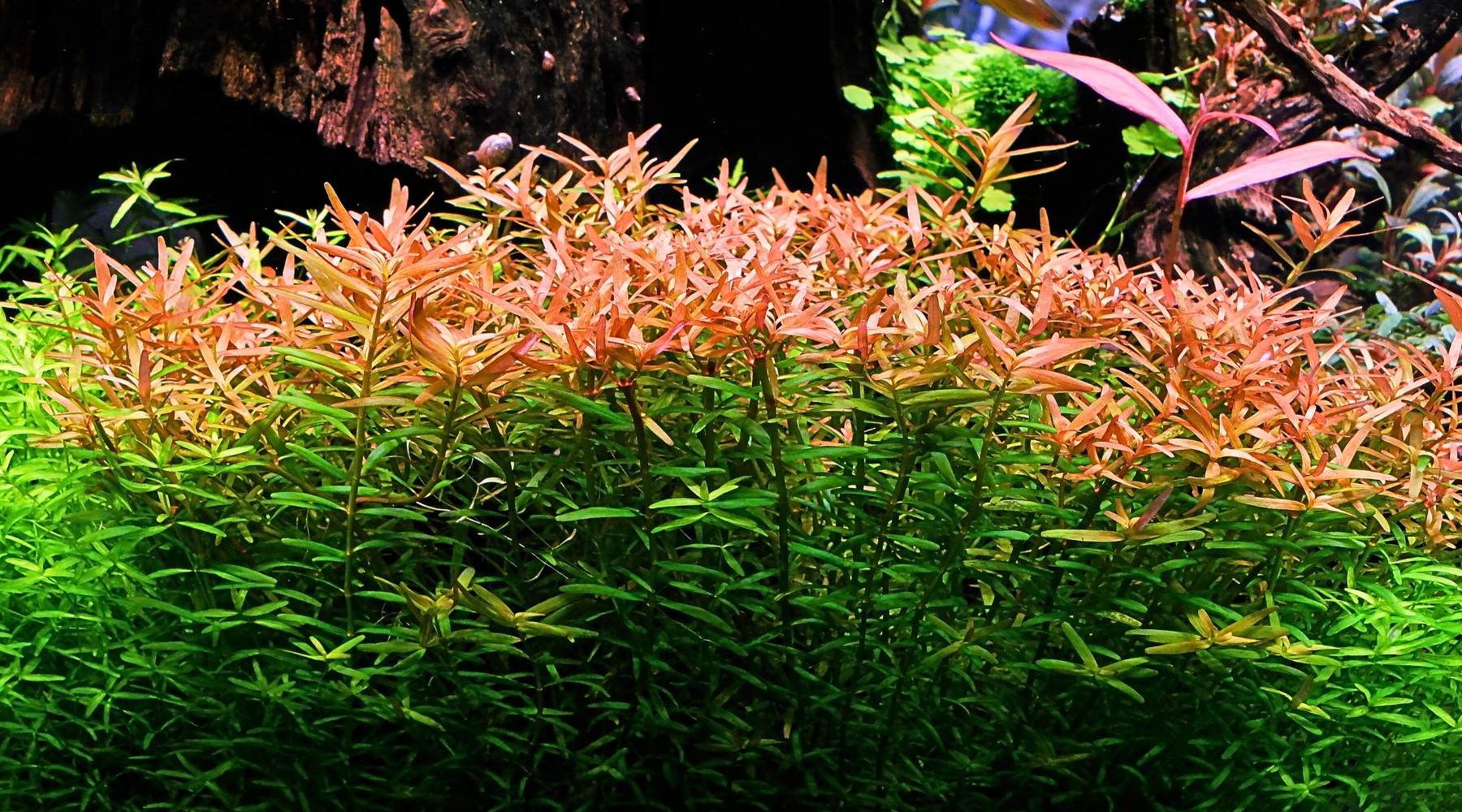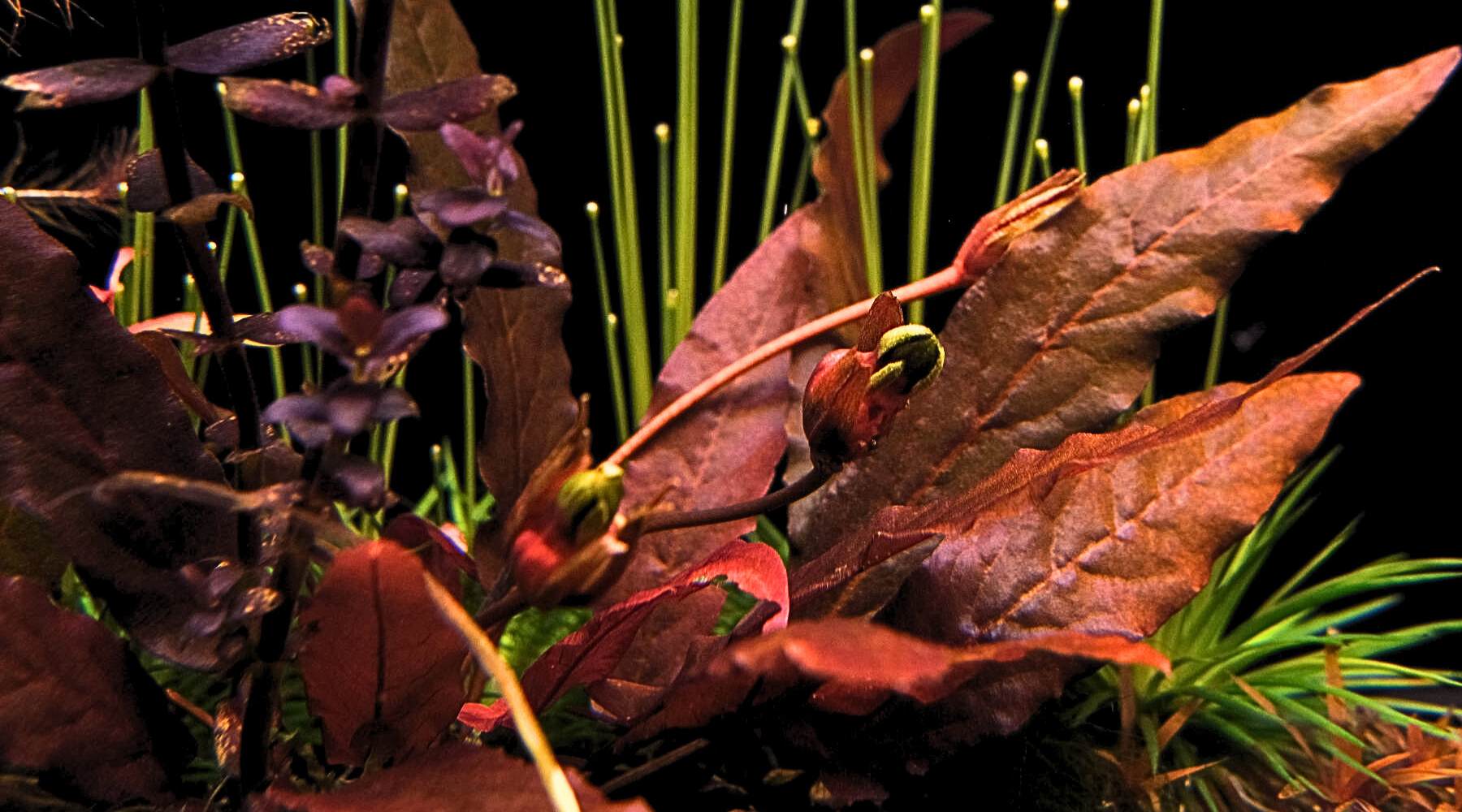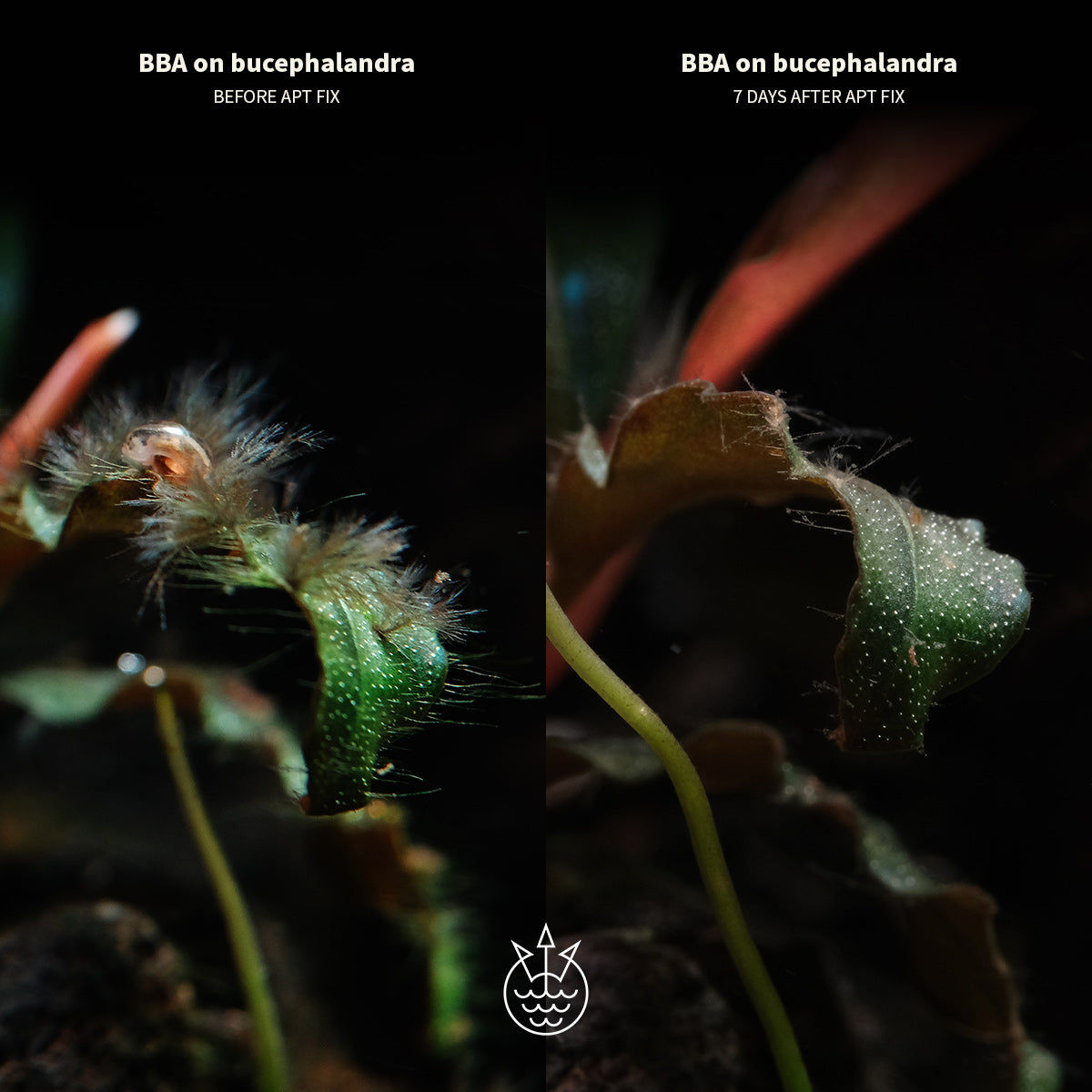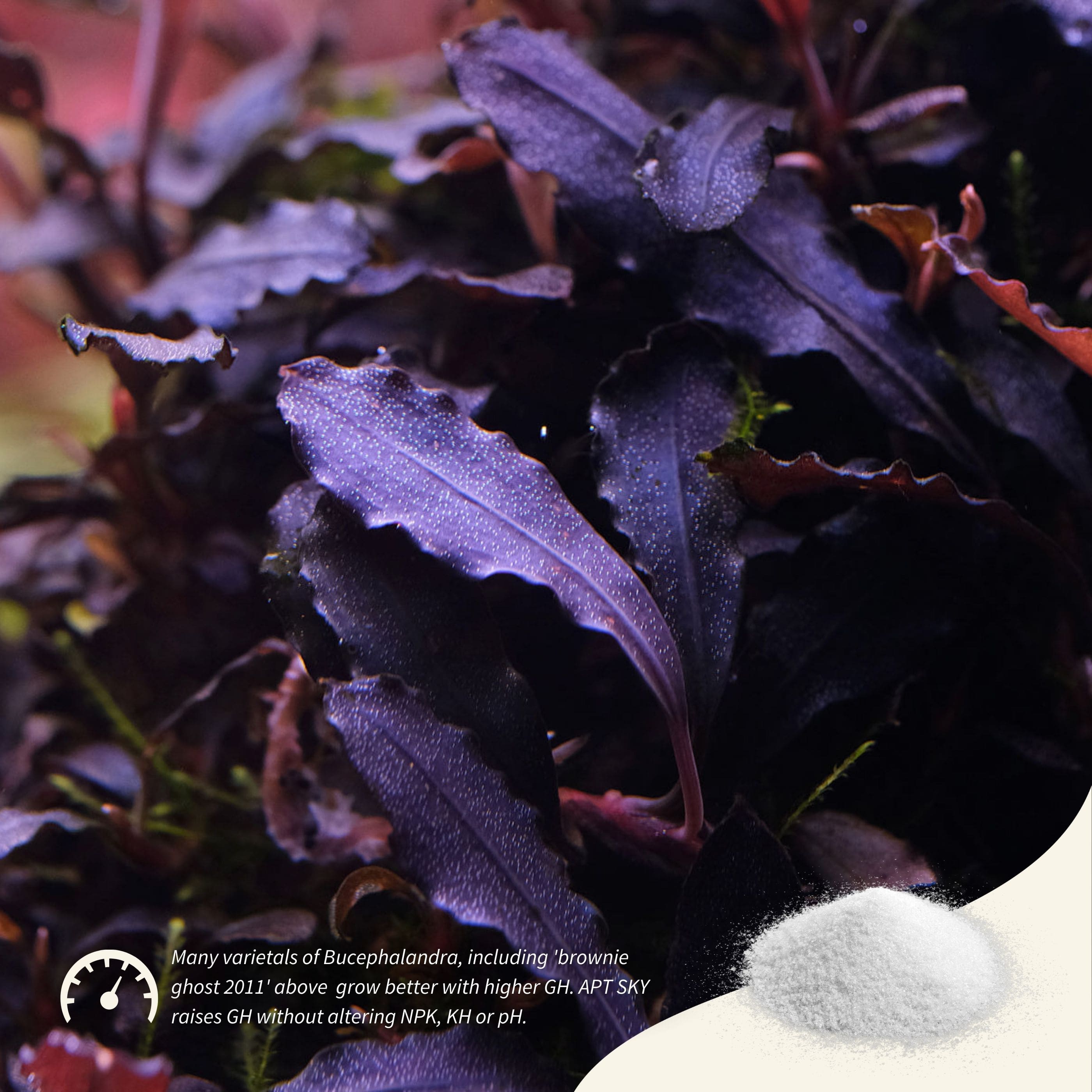
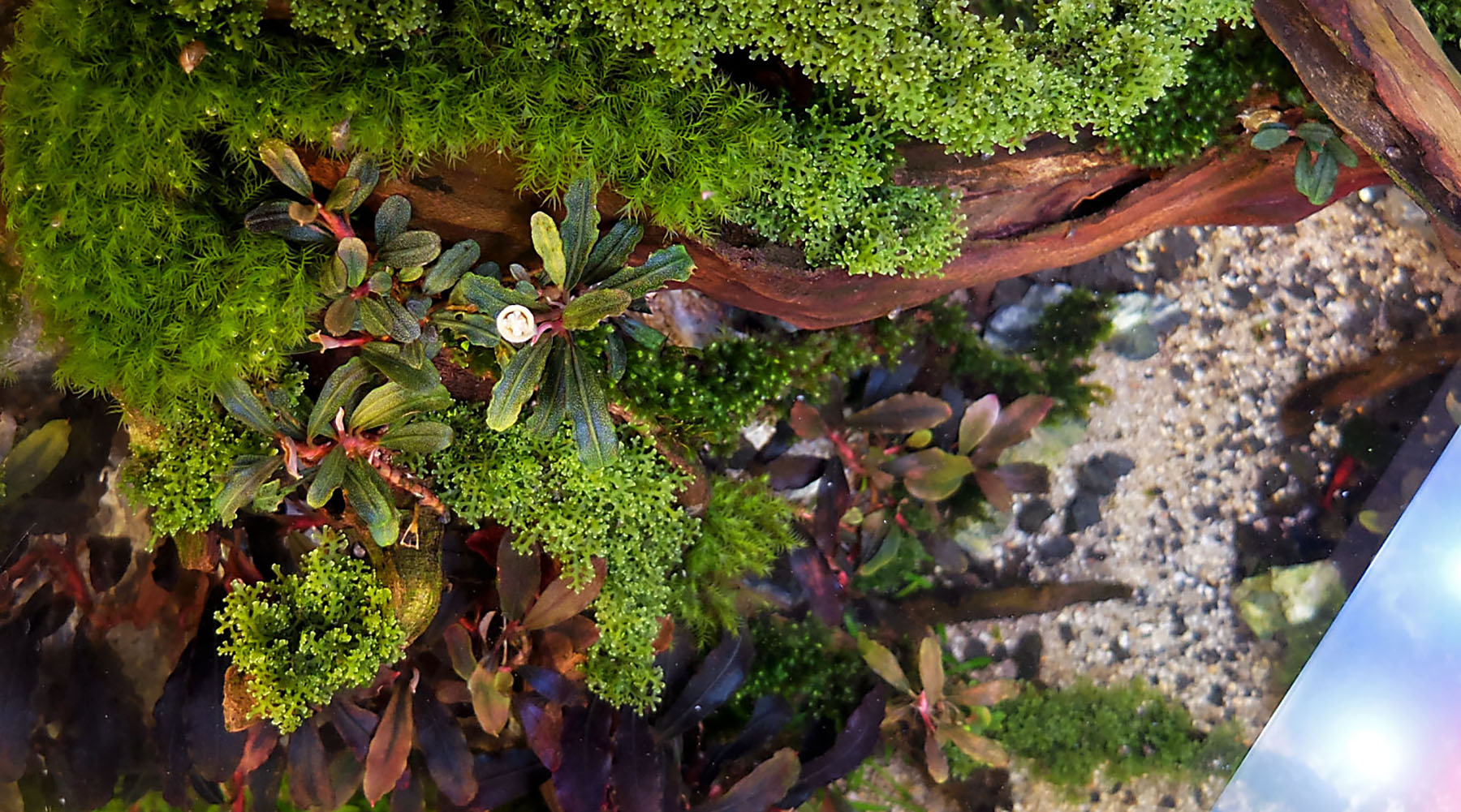
Above: In cooler waters ( 22 to 26 C / 72 to 79 F ) Bucephalandra grow markedly better and mosses display richer, greener tones. Above 29 degrees Celsius / 84 F, most aquatic mosses tend to be more yellowish and melt more easily.

Temperature plays a powerful, silent role in planted aquariums.

While most tropical plants can survive in water temperatures above 30C / 86F, most tend to show better form and colour at lower temperatures.

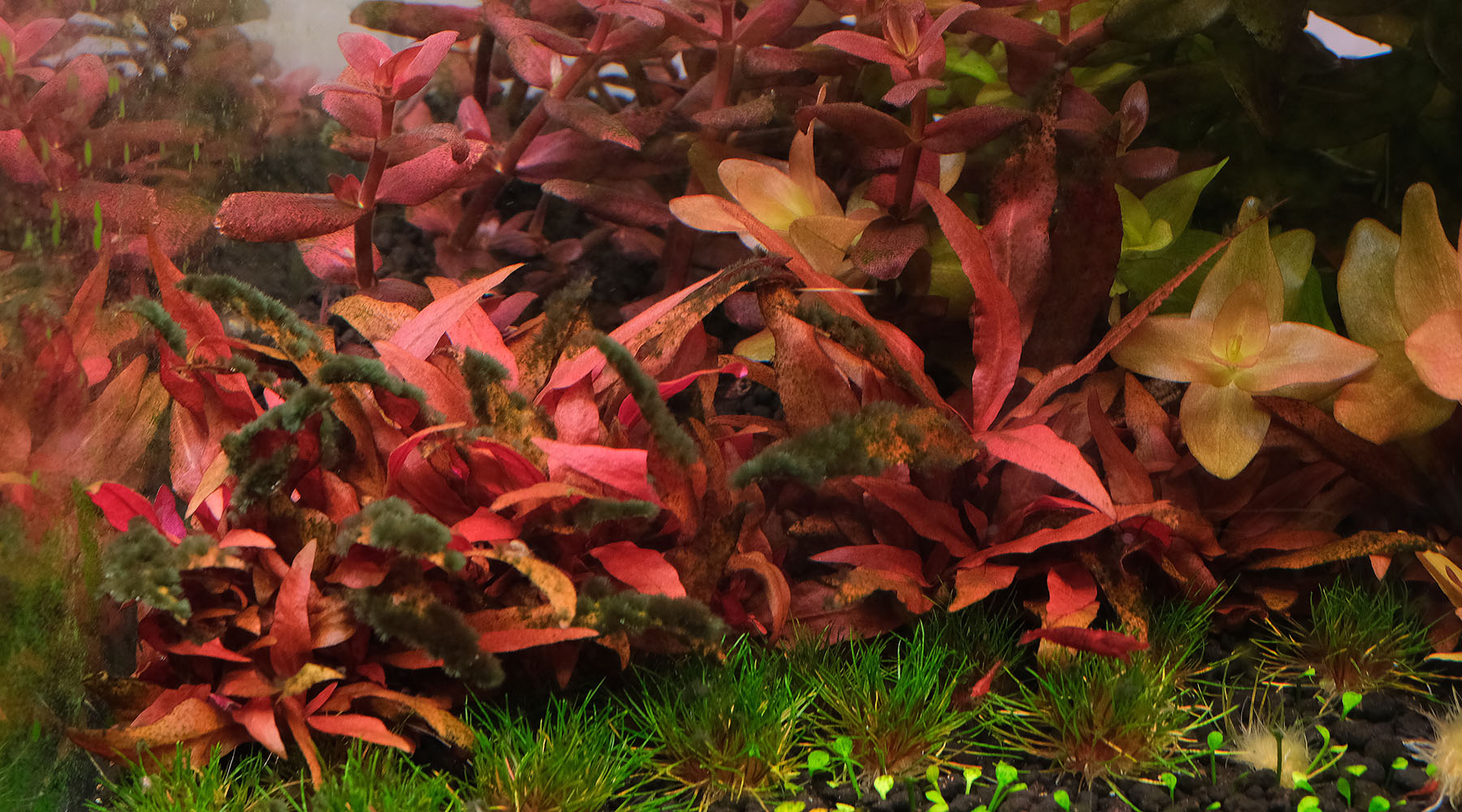
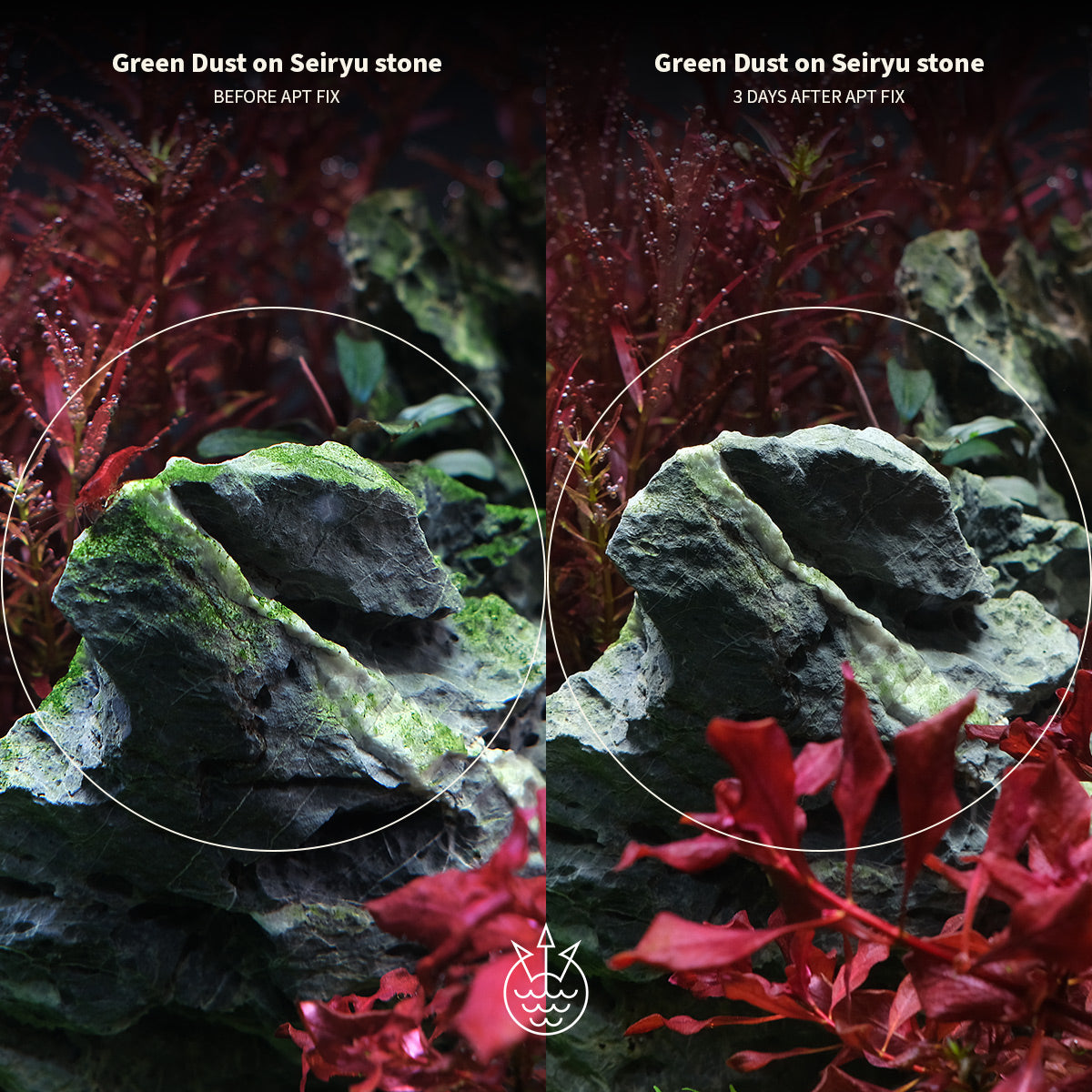
Warmer tanks are also much more prone to algae, especially green dust algae.

The sweet spot for most tanks is between 22 and 26C / 72 and 79F.
We keep most of our tanks at 24 C / 75 F.

chai aquarium plant


Above: sensitive plant species such as Hygrophila sp. Chai (above) and Eriocaulons stunt / melt more easily in warmer waters (above 26C / 79F). 

They require stable tank conditions to grow well, and in terms of temperature, cooler tanks (with slower overall plant / microbial / algae metabolism) tend to be more stable.

Above 26C /79F it is also slightly less easy to saturate the water with CO2, as the solubility of the gas decreases as the water temperature rises.

What you can do

In cooler regions, raising temperature is easy as heaters are common and inexpensive.

However in warmer places,  lowering tank temperature is far harder.

There are 3 options, all with certain drawbacks.

  1. Fan. There are aquarium-specific designs that sit on the edge of the tank. Depending on the ambient temperature and humidity in your room, a fan can lower the temperature of a tank by a few degrees. Every degree counts, so this option is usually worth a try.

  2. Aquarium Chiller. These tend to be expensive and can often be the most expensive part of an aquarium set-up. They also require a powerful filter to run, or a separate pumping system. They also heat the room around them, and the cheaper ones can be noisy.

  3. Air-conditioning. This will cost more in electricity, but is the most consistent and convenient of the 3 methods. Combined with a fan, you can usually reduce the tank temperature by a few degrees below the actual setting on the air conditioner.

Lighting choice also matters. Metal halide and T5 units hung low contribute much more heat than LED units.

What about cooler temperatures?

While tropical plants can survive below 20C /68F, most species will experience significantly slower growth at these temperatures. This range is also outside the general comfort zone of most fully tropical fish. In some species it makes them more susceptible to certain diseases such as white spot.

cabomba furcata

Above: In many stem species such as Cabomba furcata, the right temperature helps to develop shorter internodes and a more compact growth form. In warmer waters, they develop more elongated internodes with looser form.

The sweet spot for most tanks lie in between ( 22 to 26 C / 72 to 79 F). This contributes to tank stability, and brings out the best form and coloration in most ornamental aquatic species.
Explore

View all

Close up photo of algae on older aquatic plant leaves

Why do leaves deteriorate? Understanding the leaf renewal cycle in aquatic plants

This article delves into the topic of how plants continually renew themselves through the production of new leaves.
Read moreabout Why do leaves deteriorate? Understanding the leaf renewal cycle in aquatic plants

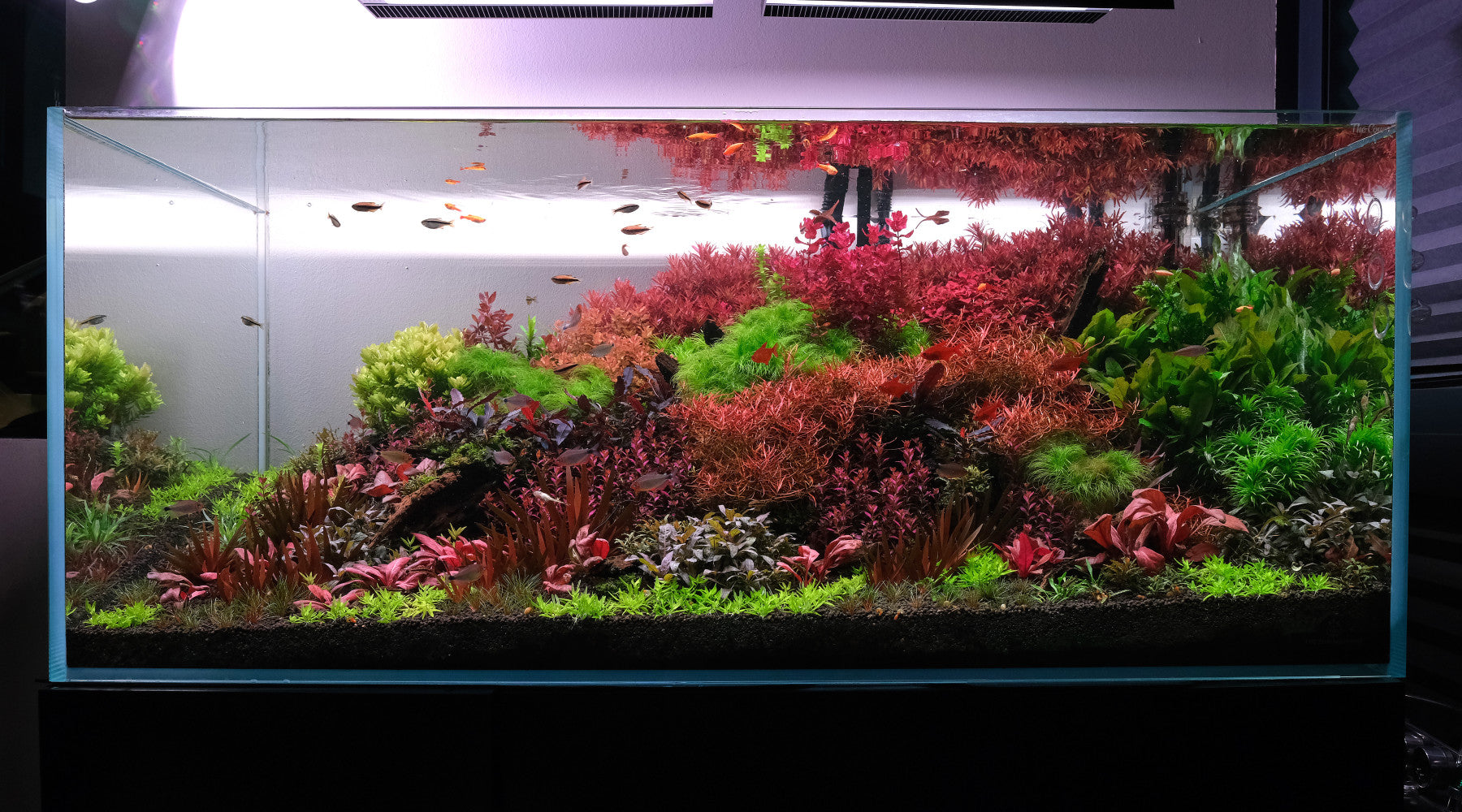
4ft Rotala florida community aquarium: Showcasing the 2hr Way

4ft Rotala florida community aquarium: Showcasing the 2hr Way

Full details of tank parameters, plants and fish species, and the maintenance regime of the 4ft Rotala florida aquascape are described here.
Read moreabout 4ft Rotala florida community aquarium: Showcasing the 2hr Way

Non-Aquatic Aquarium Plants: A Beginner's Buying Guide to Avoid Them

Non-Aquatic Aquarium Plants: A Beginner's Buying Guide to Avoid Them

Some of the most attractive plants on shop shelves are not aquatic at all. They persist for weeks, then rot and feed algae. This guide identifies the common non-aquatic species sold as aquarium plants, shows how genuine aquatics shift form above and below water, and lists what to check before buying..

Read moreabout Non-Aquatic Aquarium Plants: A Beginner's Buying Guide to Avoid Them

New Tank Journey | Ugly Duckling

New Tank Journey | Ugly Duckling

New tanks can be frustrating at the beginning. Here, we describe one important signal that things are actually progressing well, despite plants having algae. 

Read moreabout New Tank Journey | Ugly Duckling

When Less is More

When Less is More

How to get Rotala rotundifolia redder? Interestingly, less can be more in this case.

Read moreabout When Less is More

System Shocks

System Shocks

Sudden widespread algae infestation can take place when changes in environmental parameters induce adaptation stress that weaken plants which become vulnerable to algae.

Read moreabout System Shocks

Flowering Underwater?

Flowering Underwater?

Do aquatic plants flower underwater? Is flowering a sign of good health? Which plants can I grow that will flower easily in my aquarium?

Read moreabout Flowering Underwater?