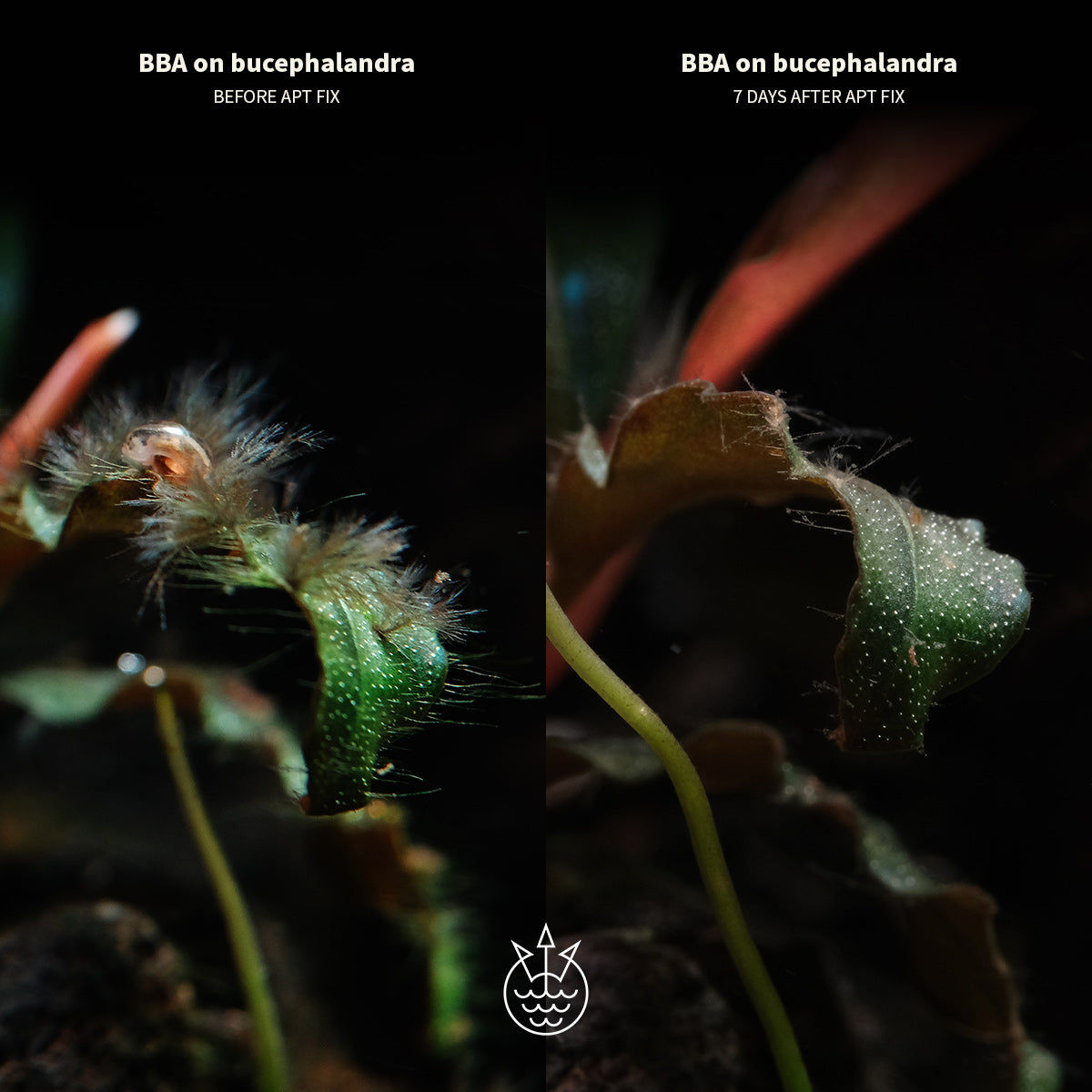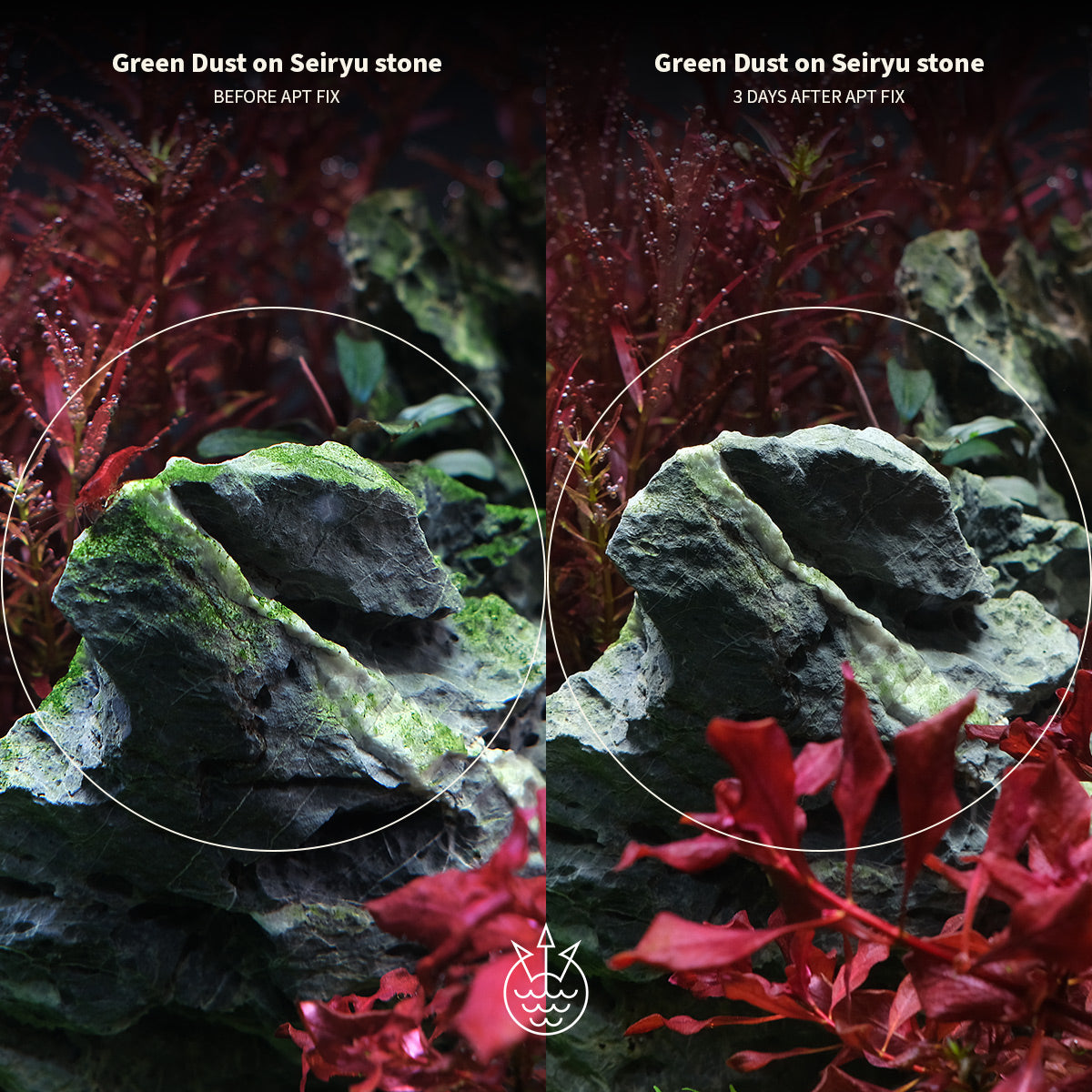

Many aquarists worry about introducing algae and snails to their planted tanks, and sometimes people use a dip solution to burn off algae and snails. Depending on how robust the plant is, dipping them can be damaging.

I don't usually dip my plants at all; I usually just rinse them under running water. I find that most pond snails do not harm healthy plants, so I do not worry about having snails in my tank. Buying tissue culture plants avoid snails and algae problems entirely as they come sterile.

However, if you want to try dipping plants these are a couple of dip solutions:

Hydrogen Peroxide

The Hydrogen Peroxide 3% concentration is what is usually sold in drug stores.

Method 1

  • Spray H2O2 onto plants directly.
  • Leave on for about 20 seconds then wash off.

Method 2

  • Add 10ml of H2O2 to a gallon (3.7L) bucket
  • Let plants sit for 10 minutes, then rinse off.

Bleach

Many aquarists use a ​5% bleach concentration (3-6% is what is usually sold as household bleach) The steps:

  • Mix bleach with water in a 1 part bleach 20 parts water ratio.
  • Dip delicate stems for not more than 20 seconds
  • Rinse off plants in water then soak in water with dechlorinator before planting

Aluminium Sulphate

For 'Alum' or Aluminium Sulphate, the steps are:

  • ​Dissolve 2 tablespoons per gallon of water.
  • Soak plants for half an hour.
  • Rinse plants thoroughly.
Explore

View all

Close up photo of algae on older aquatic plant leaves

Why do leaves deteriorate? Understanding the leaf renewal cycle in aquatic plants

This article delves into the topic of how plants continually renew themselves through the production of new leaves.
Read moreabout Why do leaves deteriorate? Understanding the leaf renewal cycle in aquatic plants

4ft Rotala florida community aquarium: Showcasing the 2hr Way

4ft Rotala florida community aquarium: Showcasing the 2hr Way

Full details of tank parameters, plants and fish species, and the maintenance regime of the 4ft Rotala florida aquascape are described here.

Read moreabout 4ft Rotala florida community aquarium: Showcasing the 2hr Way

Non-Aquatic Aquarium Plants: A Beginner's Buying Guide to Avoid Them

Non-Aquatic Aquarium Plants: A Beginner's Buying Guide to Avoid Them

Some of the most attractive plants on shop shelves are not aquatic at all. They persist for weeks, then rot and feed algae. This guide identifies the common non-aquatic species sold as aquarium plants, shows how genuine aquatics shift form above and below water, and lists what to check before buying..

Read moreabout Non-Aquatic Aquarium Plants: A Beginner's Buying Guide to Avoid Them

New Tank Journey | Ugly Duckling

New Tank Journey | Ugly Duckling

New tanks can be frustrating at the beginning. Here, we describe one important signal that things are actually progressing well, despite plants having algae. 

Read moreabout New Tank Journey | Ugly Duckling

When Less is More

When Less is More

How to get Rotala rotundifolia redder? Interestingly, less can be more in this case.

Read moreabout When Less is More

System Shocks

System Shocks

Sudden widespread algae infestation can take place when changes in environmental parameters induce adaptation stress that weaken plants which become vulnerable to algae.

Read moreabout System Shocks

Flowering Underwater?

Flowering Underwater?

Do aquatic plants flower underwater? Is flowering a sign of good health? Which plants can I grow that will flower easily in my aquarium?

Read moreabout Flowering Underwater?