


'No ferts, no dosing, no CO2'
Such a headline is often used to lure newcomers into the idea of having a planted aquarium without the need for sophisticated equipment or dosing. By using soil and easy-to-grow rooted plants, it is very possible to grow simple planted aquariums for many months without fertiliser, as the plants can draw what they need from the soil. Fish waste can also provide a good amount of essential nutrients such as nitrogen and phosphates.
However, all soils become depleted over time. Most soils will hold enough iron for many months, but water-soluble nutrients such as potassium are quickly depleted. Going the "no ferts, no dosing" route is basically a bet that your tap water has a good supply of essential minerals to make up for what fish waste cannot provide. Fish waste is not a healthy source of nutrients - looks good in theory, works terribly in practice, despite what some books claim. Fish wastes provide good amounts of nitrogen and phosphates, but rarely adequate amounts of potassium and magnesium, and no fish I know of excretes chelated iron as waste.
So, depending on your tap water, it may be very feasible in certain areas, for a period of time, especially in a combination of good soil and light plants. However, it rarely results in optimum growth.
The few examples that do are presented as the norm. (classic survivor-ship bias), but its not a dependable method for most folks.
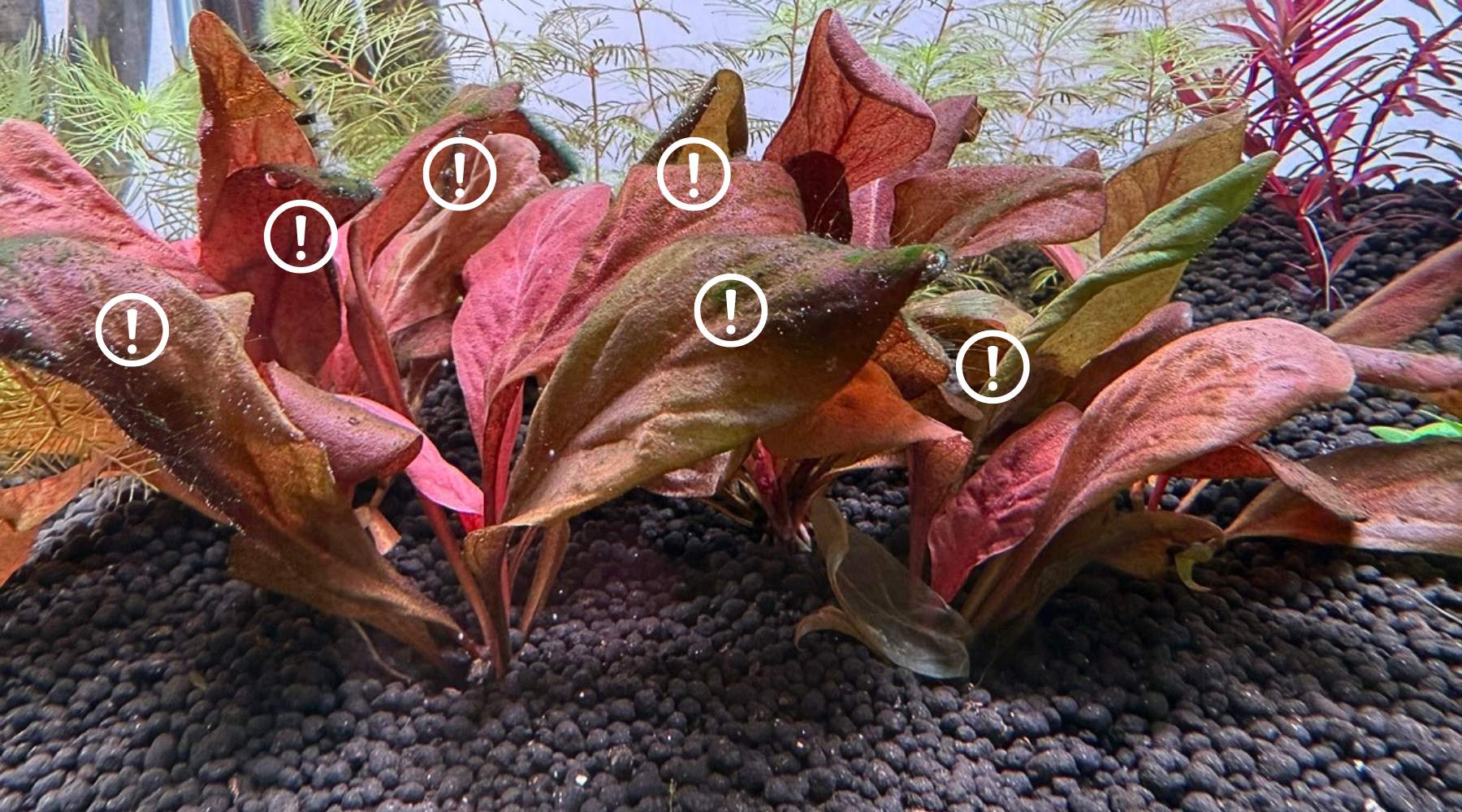
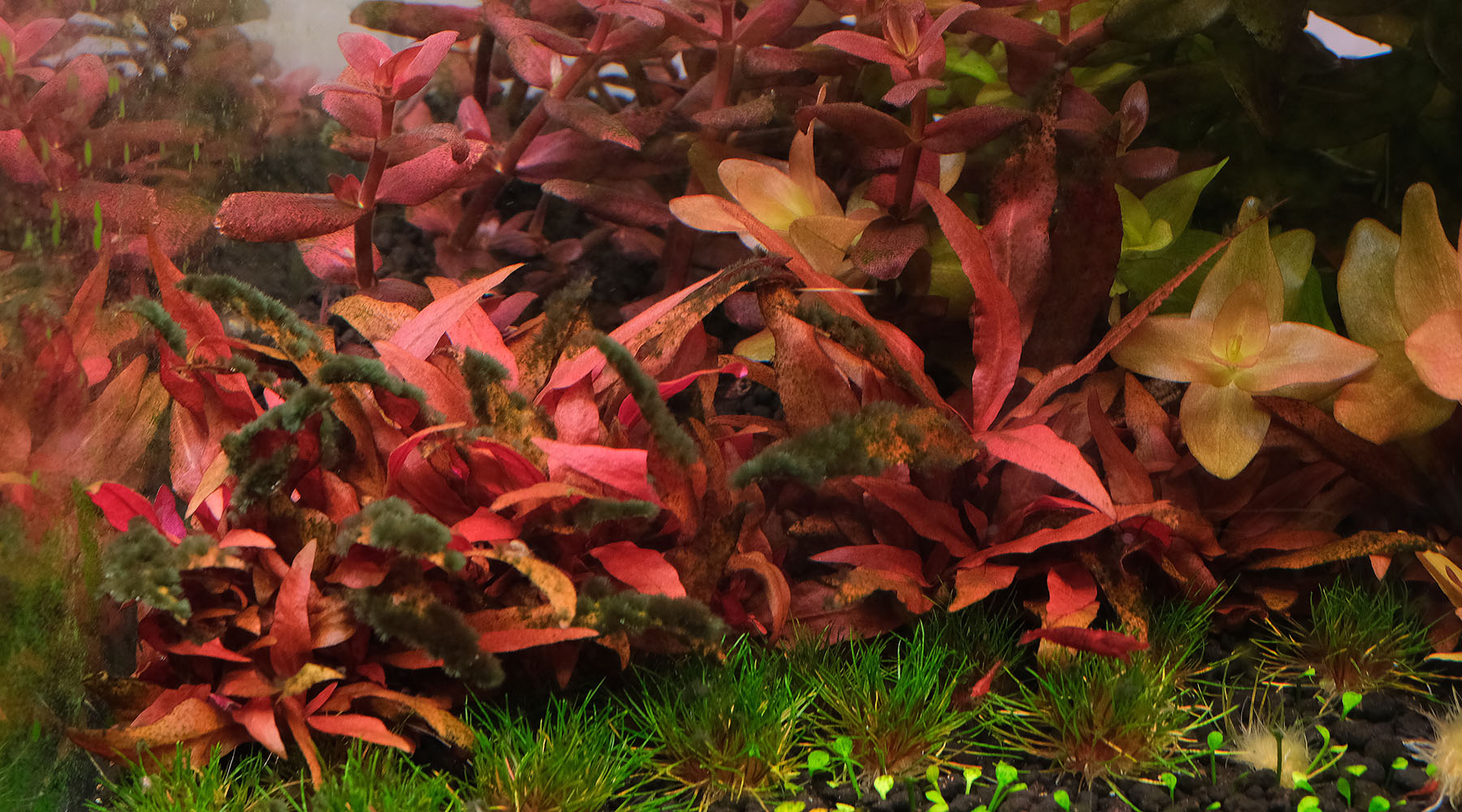
The typical 'no fertiliser, no dosing' tanks are terrible as plants quickly starve of essential nutrients and deteriorate - leading to algae. This is why lushly planted tanks are not the standard form of planted tank in the world.
Simple dosing, even once or twice a week, goes a long way to providing a stable base for growth. A wider variety of plants can be grown in optimum condition than just the most basic species. With the cheap price of liquid fertiliser, there is really no reason not to dose minerals to make up for what is lacking in tap water/fish waste.
"CO2 is unnatural, nature has no CO2 injection"
Many natural bodies of water have elevated levels of CO2 due to organic decomposition and sequestration of CO2 in underground reservoirs. Spring water typically has much higher CO2 levels than our tanks, and such environments that support thriving plant growth typically have elevated CO2 levels in the range of (10 - 40+ ppm). This is much higher than the 2-3ppm that standard non CO2-injected aquariums will have (in equilibrium with atmospheric CO2 levels, given gas pressure laws). CO2 injection therefore brings CO2 levels closer to those found in many areas of nature.
"I have measured dozens of rivers and lakes at 8-30 ppm CO2 natural gas levels. They are spring fed, think Perrier bubbling CO2 carbonated spring water... all spring water is enriched with CO2". - Tom Barr

Read more here on CO2 levels in nature.


















Share:
When do I start dosing fertilizer into a newly setup planted tank?
When do I start dosing fertilizer into a newly setup planted tank?