The use of chlorine to treat water on an industrial scale dates back to the 1890s in Germany and the UK. Today, chloramine is often added to chlorine as it is more stable. While a few countries in Europe have moved to other methods, the vast majority of urban piped water systems around the world continue to use chlorine and chloramine to eliminate harmful pathogens.
Do I really need to use a dechlorinator? Is it one of those common but actually unnecessary items in the planted tank hobby?
Today, most urban tap water contains between 0.2ppm (parts per million) and 2ppm of chlorine and chloramines. This is high enough to kill waterborne diseases, but low enough for human consumption. However, this level is sufficient to harm fish and destroy the beneficial bacteria in an aquarium. For sensitive fish species, levels as low as 0.05ppm can be lethal.
A snapshot the general published levels of Chlorine / Chloramine in some cities:
Tokyo: 0.1 to 1ppm
Boston: 2ppm
London: 1ppm
Rome: 0.2ppm
Bangkok: 2ppm
Sydney: 1ppm
Singapore: 2.4ppm
But my friend doesn’t use a dechlorinator during his water changes, and the fish seem OK?
Chlorine breaks down naturally over time. A glass of standing water will lose most of its chlorine in 24 to 48 hours. So if your building receives water from a main storage tank where the water has been standing for a long time, it is possible that your tap water will have very low chlorine levels when you turn it on, even if a high level has been injected during the water treatment process. Conversely, in homes without cisterns, where the pipes are constantly flowing, chlorine levels tend to be higher.
In Singapore, for example, tap water typically has a chlorine level of around 2.5ppm. However, in office buildings where the water tank is large, the tap water that comes out can be almost free of chlorine due to standing water off-gassing (e.g. on a quiet weekend). During the week, however, chlorine levels rise as the water tank is emptied more frequently.
In other words, chlorine levels can often vary.
Measuring zero today does not mean zero tomorrow.
What if my town is known for having low levels of Chlorine?
In areas where chlorination is low, it is possible to make smaller water changes without dechlorinators without killing fish. However, this can still cause cumulative damage in the long term.
In some cities, such as Tokyo, the target level of chlorine is low (around 1ppm) and most people's tap water comes out with between 0.1 and 1ppm of chlorine. In such places, hobbyists find that they can do 20% water changes (without a dechlorinator) without affecting the animals.
However, this is a dangerous practice.
If the chlorine level in the water spikes (if the pipes are cleared faster than usual that day) or if they do a larger water change and reach lethal levels, they will lose the animals.
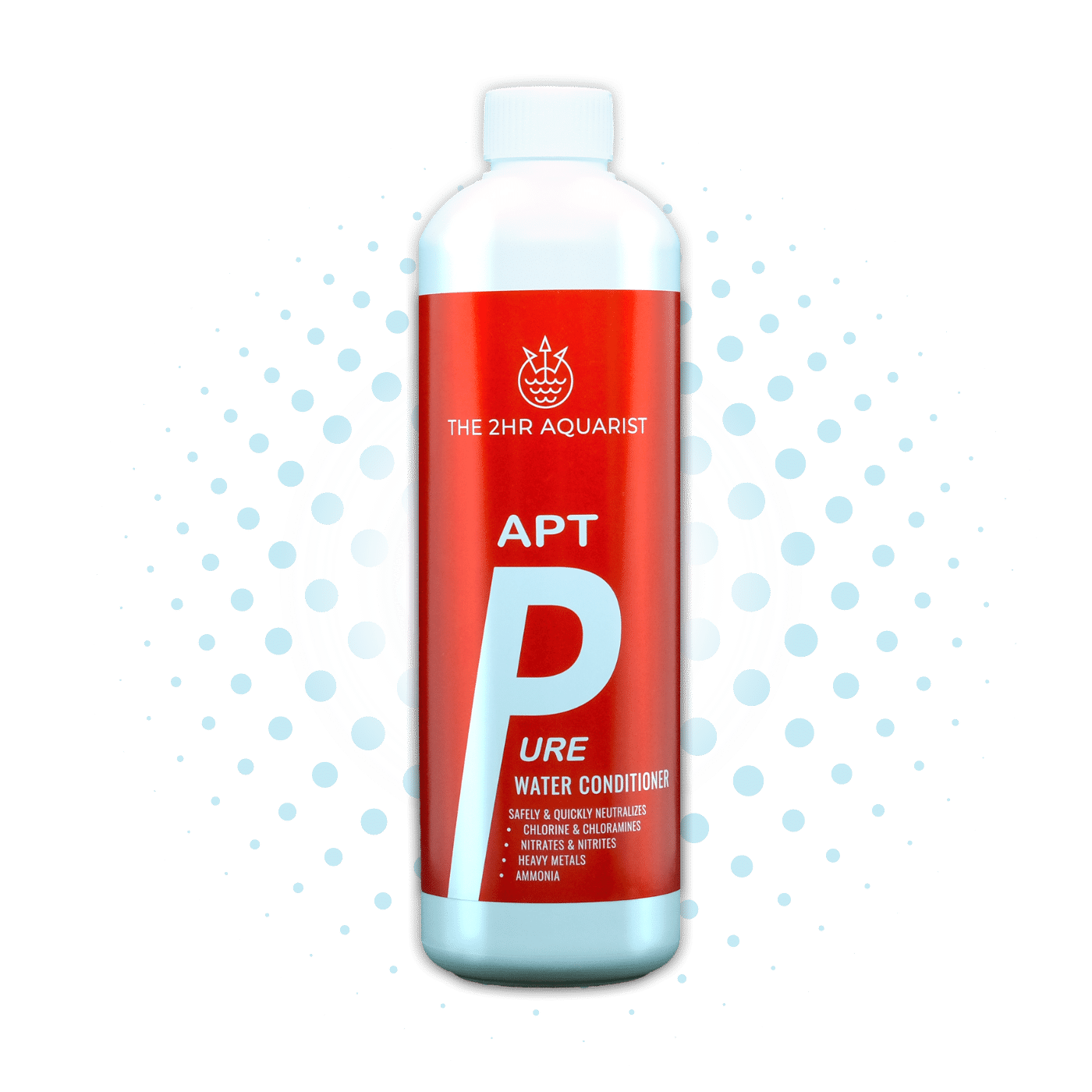
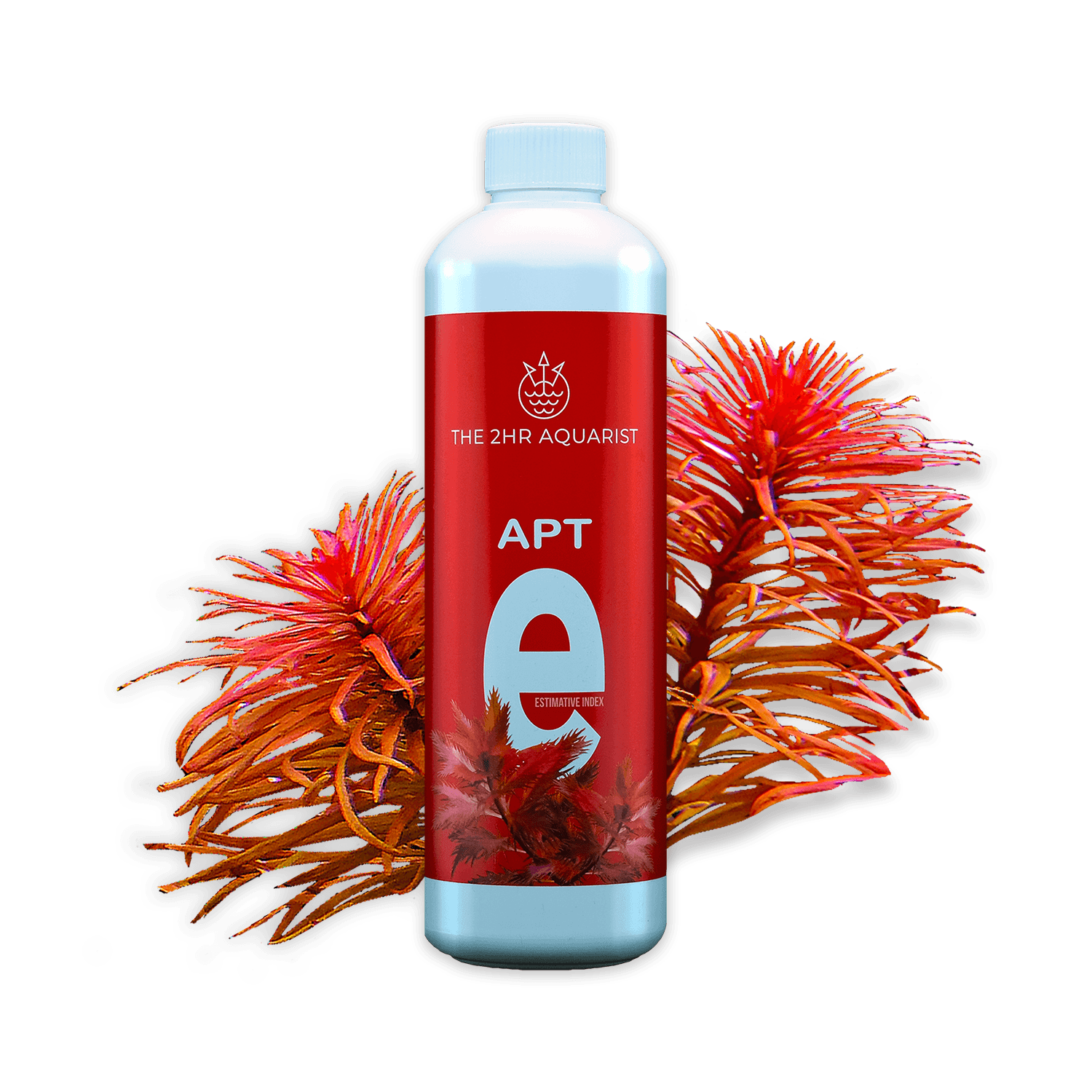
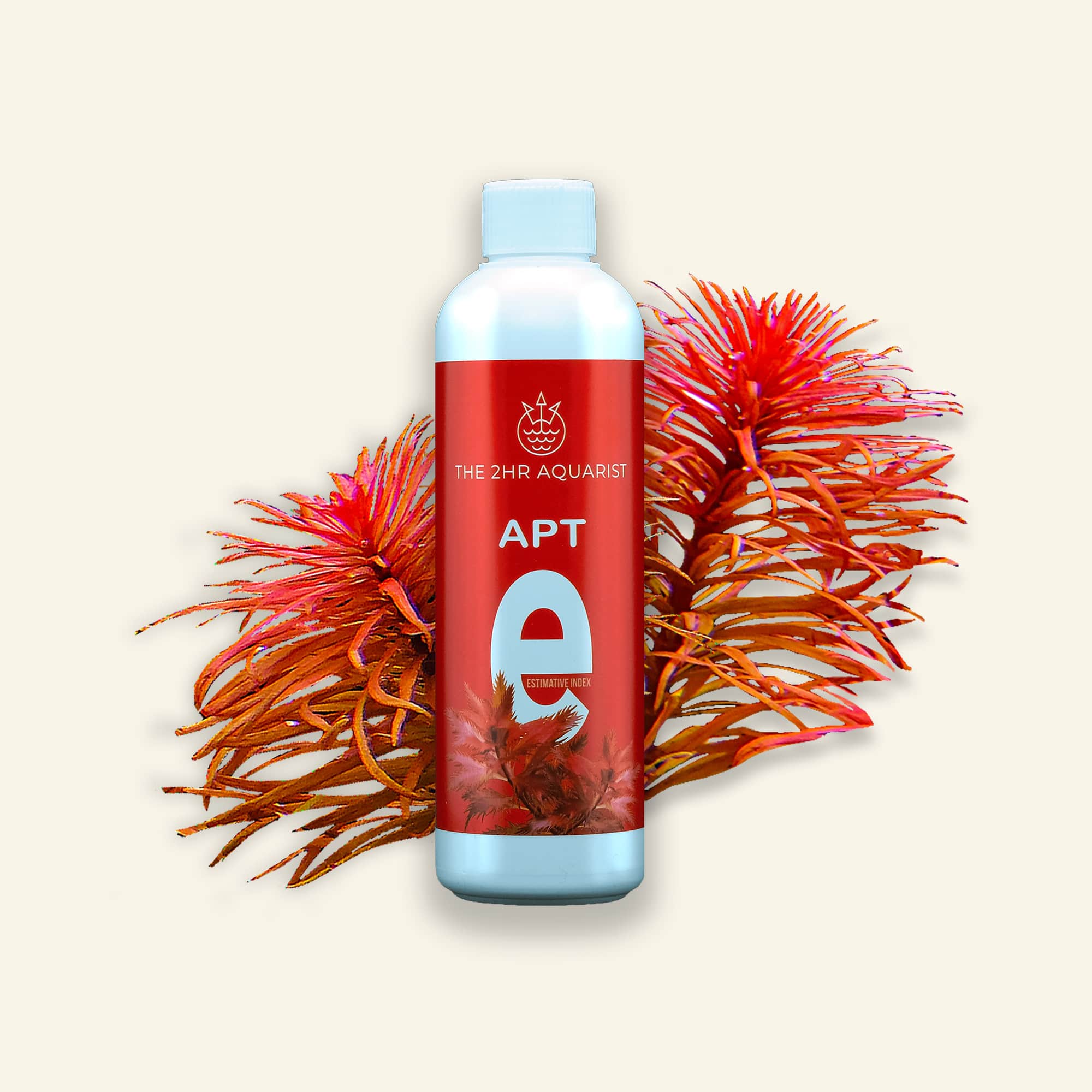
It is generally safer to use a dechlorinator if you reside in a country where water chlorination is used, as tap water chlorine levels may change over time.













Share:
pH swings, low pH and CO2 in planted tank
The 10 Best Fish for a Community Planted Aquarium