

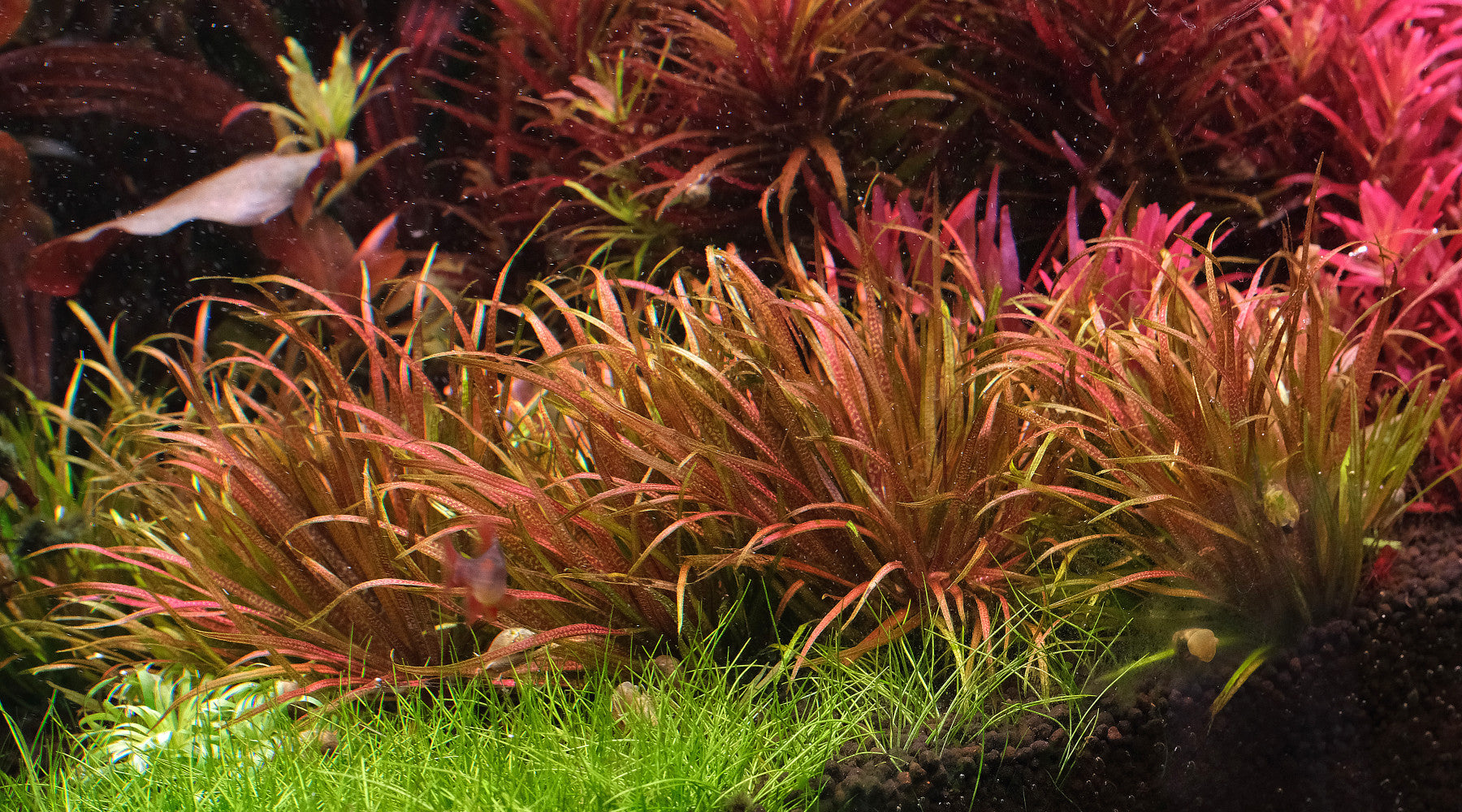
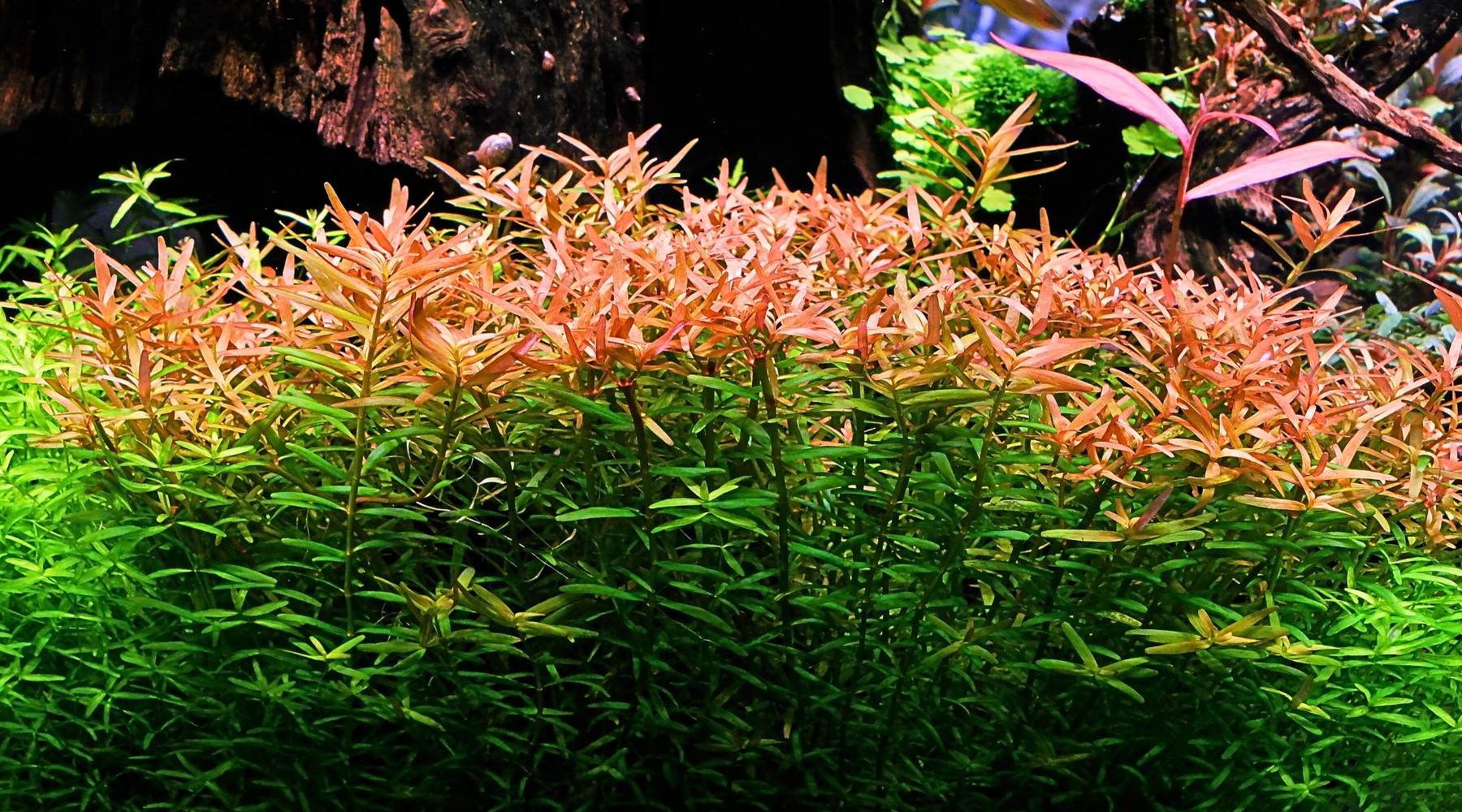
Grown under 200 umols of PAR using APT Complete in a densely planted tank.
Introduction
Blyxa japonica is a true aquatic plant; one that does not have a submerged form and only grows under water. It originates from Asia where it is found in shallow ponds and rivers. Blyxa japonica has a long history in the aquarium hobby and is popular for its bushy, grass-like growth. It has yellowish-green leaves that take on golden and reddish hues when grown under higher light levels. It is actually a stem plant, but the internodes are so closely spaced that it looks like a rosette instead. The plant also prefers to produce new shoots at the bottom of the stem rather than at the top, making it naturally bushy. In favourable conditions this plant will flower under water. The flowers develop into seed pods. These seed pods can remain dormant for a long time before germinating new plants.


Blyxa japonica flowers open fully when they are able to penetrate the water surface.
Due to its medium height, Blyxa japonica will do well in the middle of a tank. It can be used as a background plant in smaller tanks but will need some time to gain height. Its controlled growth rate and height make it ideal for aquascaping.
Blyxa japonica likes stability in its growth environment and will take a while to adapt when transferred to a new tank/environment. It is not uncommon for leaves to drop or even melt in severe cases during this transition period. Once adapted and rooted, it is a very hardy plant, tolerant of a wide range of growth parameters. However, it responds particularly well to water column dosage - so for people who want to grow their Blyxa japonica bunches fast, a richer water column nutrient level is the quicker way to get faster growth.

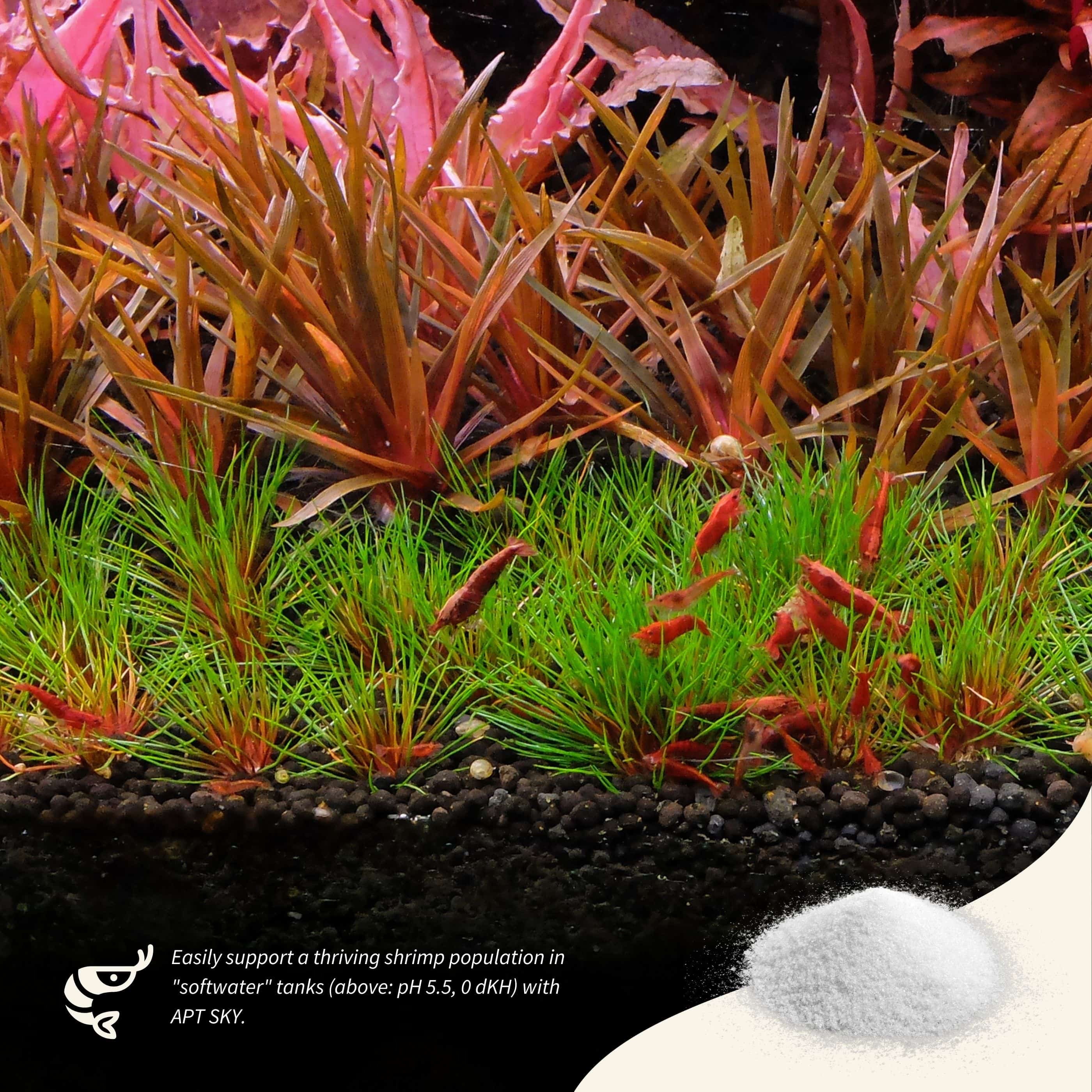
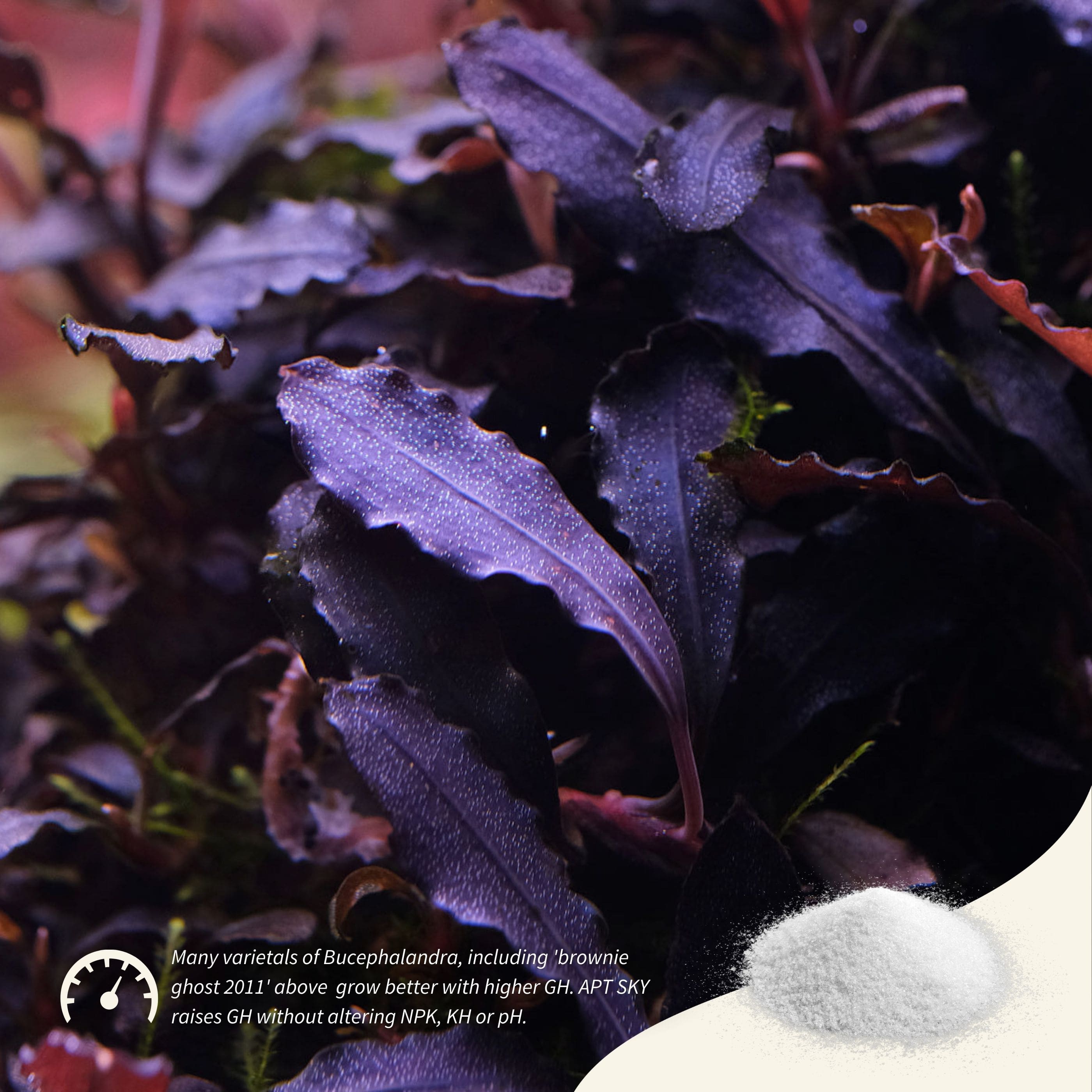
A popular myth is that Blyxa japonica is a soft water plant and needs soft water to grow well. It does very well in hard water - up to 10+ dKH/dGH. The problems people have with it in hard water may well be related to the availability (or lack thereof) of nutrients in harder water when relying solely on water column fertilisation. Using a higher water column dosage should circumvent most of the problems of growing it in hard water.
Whilst it will grow in non CO2 injected tanks, especially shallow ones with good gas exchange, it will grow best with CO2 injection. Higher light levels give it an attractive golden/reddish hue which provides a subtle tonal contrast to green plants. If a plant previously grown in shade is moved to a much brighter area, the leaves will tan quickly. However, apart from tanning, it is not a particularly light demanding plant.

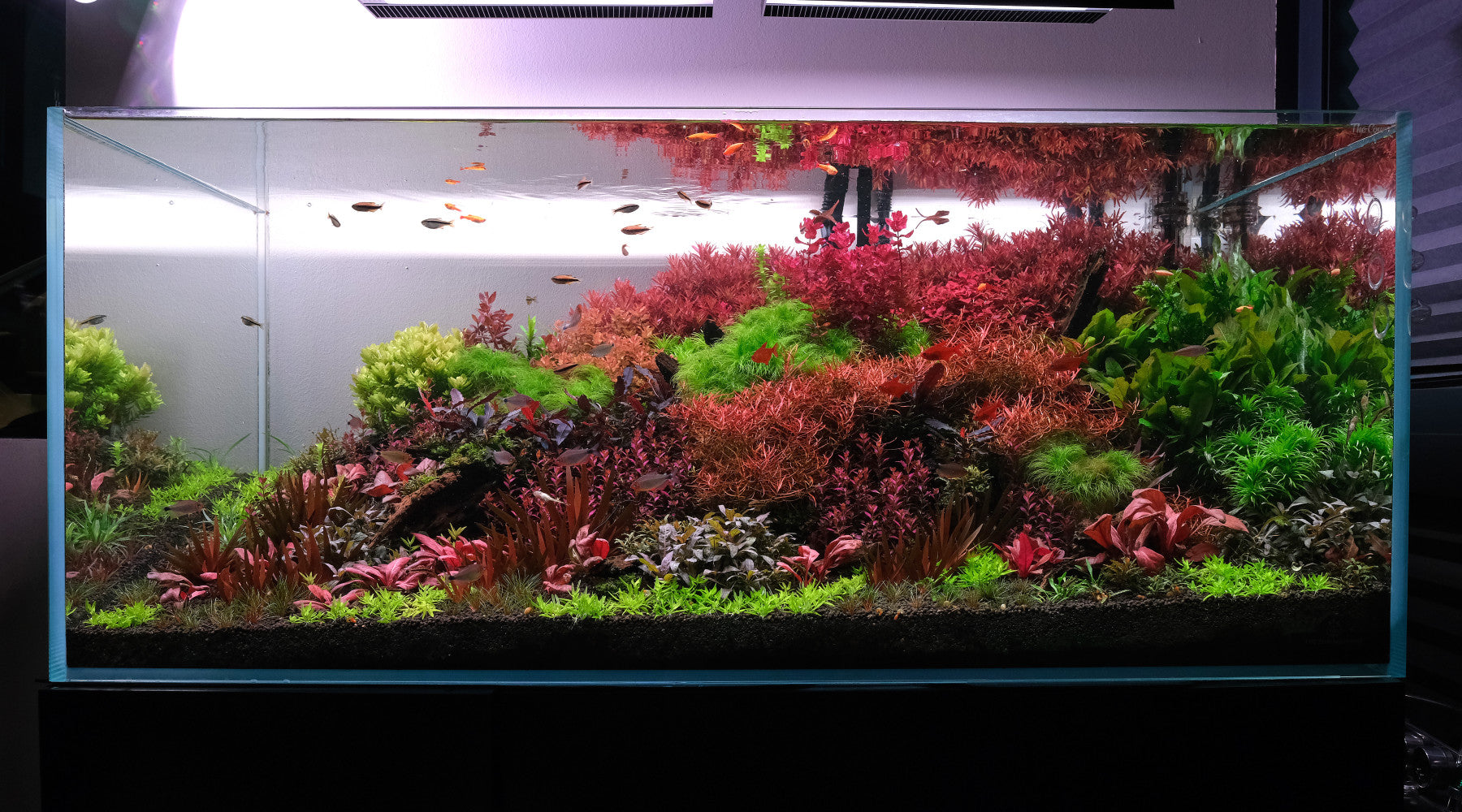
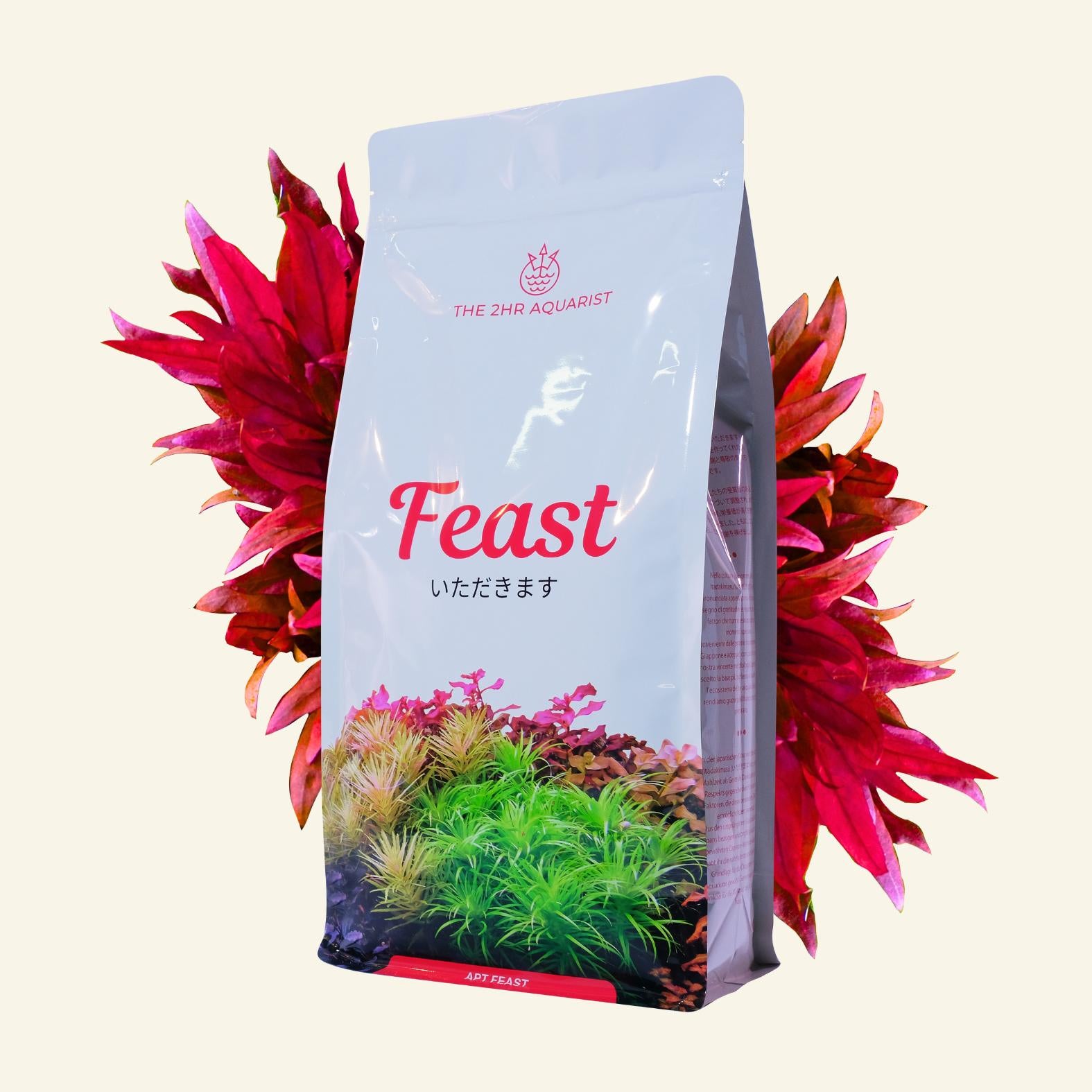
This tank is grown using APT 3 in the water column, and APT Feast as the substrate.
Key success factors
- CO2 injection, even at lower saturation (10ppm+), greatly improves success rates.
- Stable, matured tank environment reduces incidents of melting or algae when planting this plant.
- Regular all round fertilization is necessary for faster growth. Responds very well to water column dosing.
- Pale/whitish leaves is a sure sign that nutrient levels are too low.
- Higher light levels and longer hours can give the plant a reddish hue. 100 umols of PAR will give the plants a bronze hue, while 200 umols will give a deeper reddening. 30-40 umols will allow the plant to survive well, but without much bronze colouring.
Trimming and propagation
Blyxa japonica can be quite floppy and difficult to plant. Choose longer stems and remove the leaves at the bottom of the stem until you have a few centimetres of clear stem to plant into the substrate. Planting individual stems is much easier than trying to anchor a large clump.
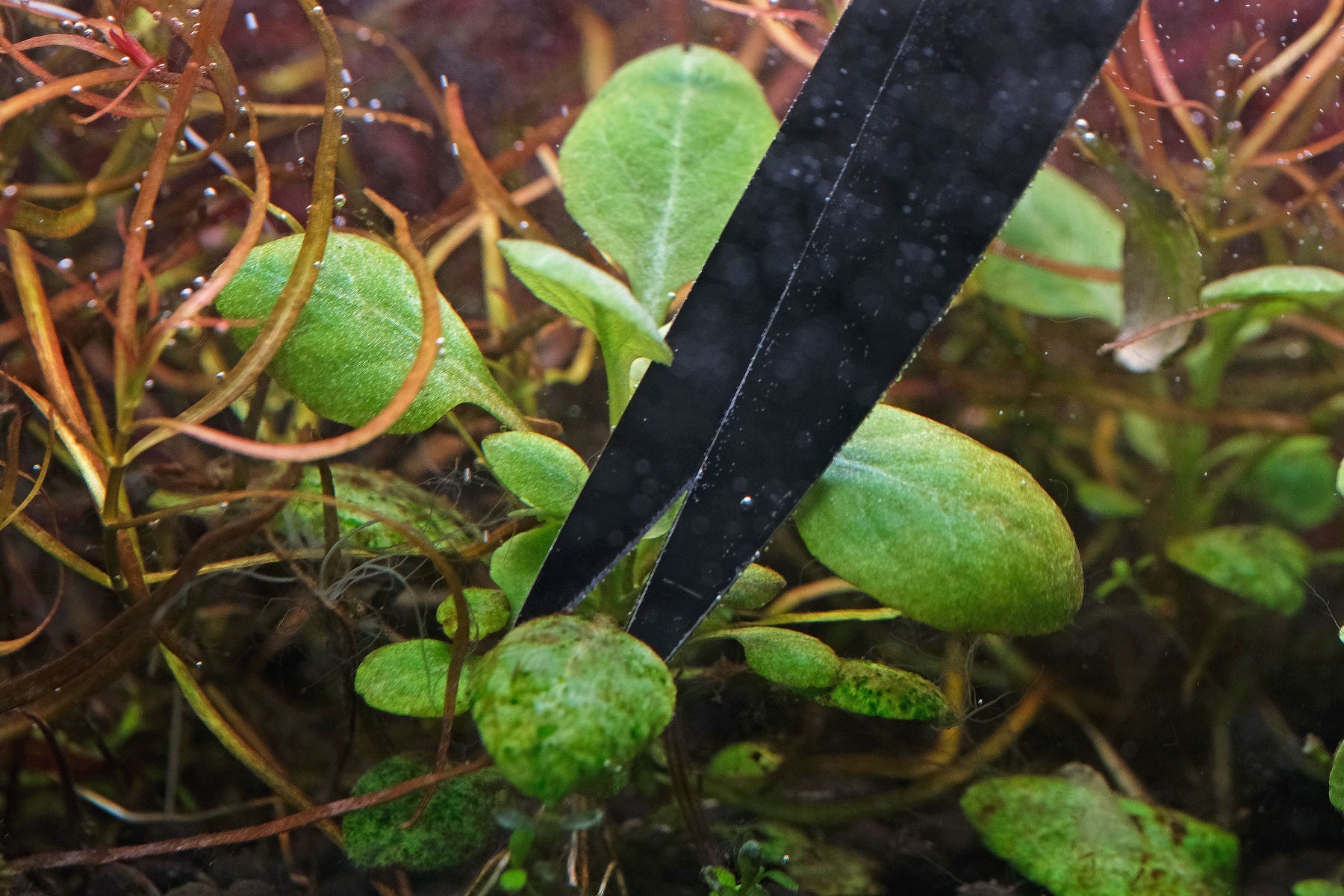
Propagation and pruning of Blyxa japonica is very easy. In most cases the plant does not need to be uprooted at all and can be thinned out by cutting off excess stems near the base of the plant. These stems can then be replanted.
Click here to find out how to grow red aquarium plants.
Click here to read on how to optimize CO2 levels
Click here to browse more plant growing profiles
Click here to read on how to stabilize a new planted tank























Share:
How to grow Xyris red (Xyris difformis)
How to grow Xyris red (Xyris difformis)