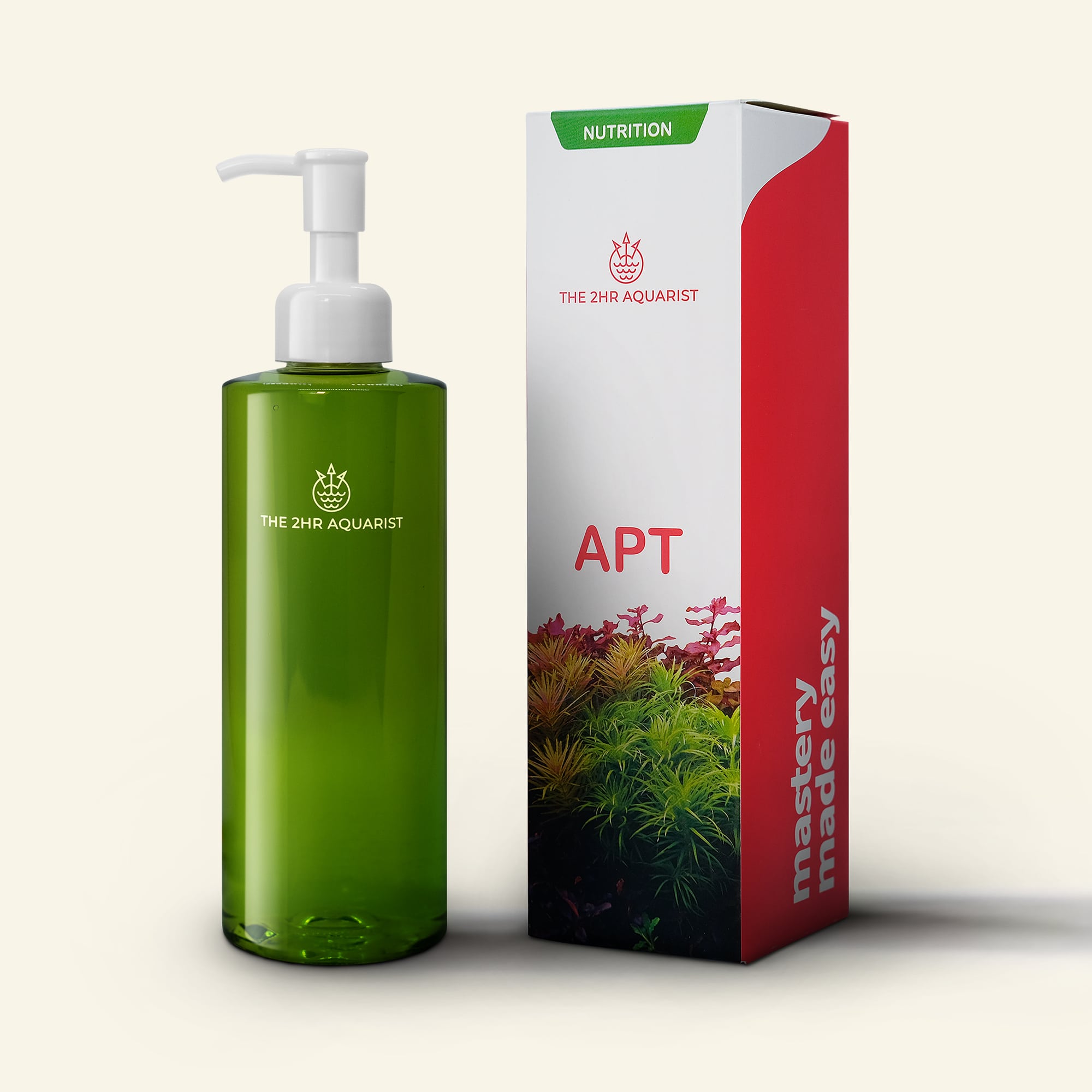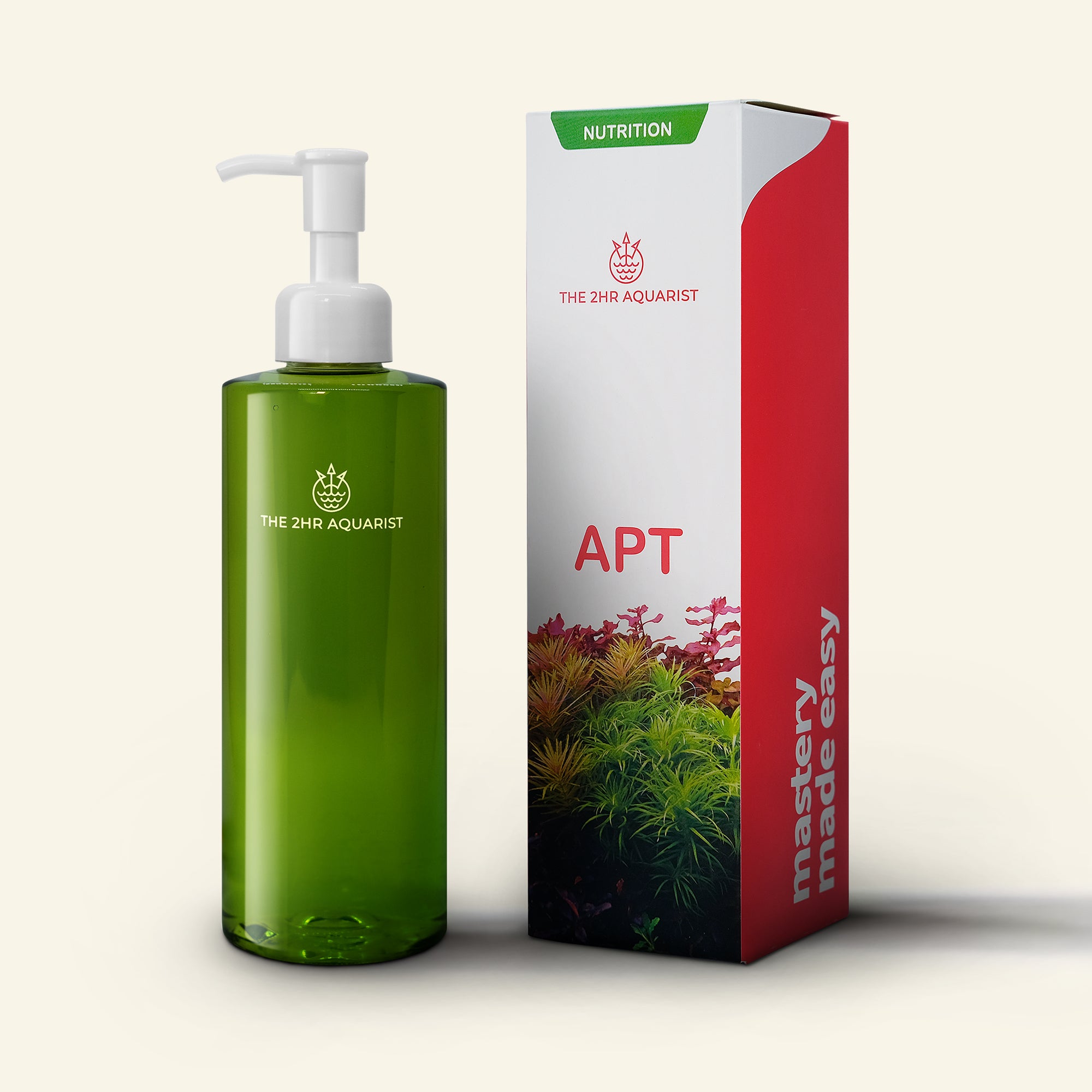


2X Power

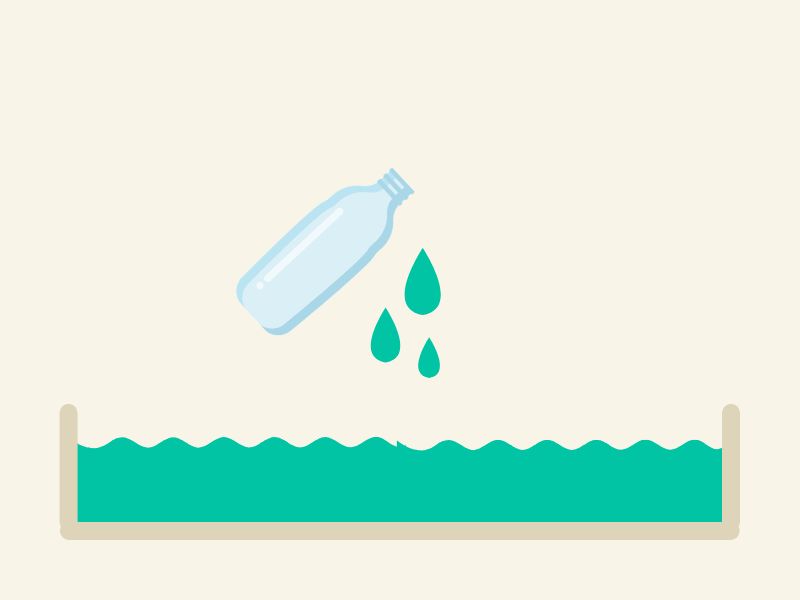
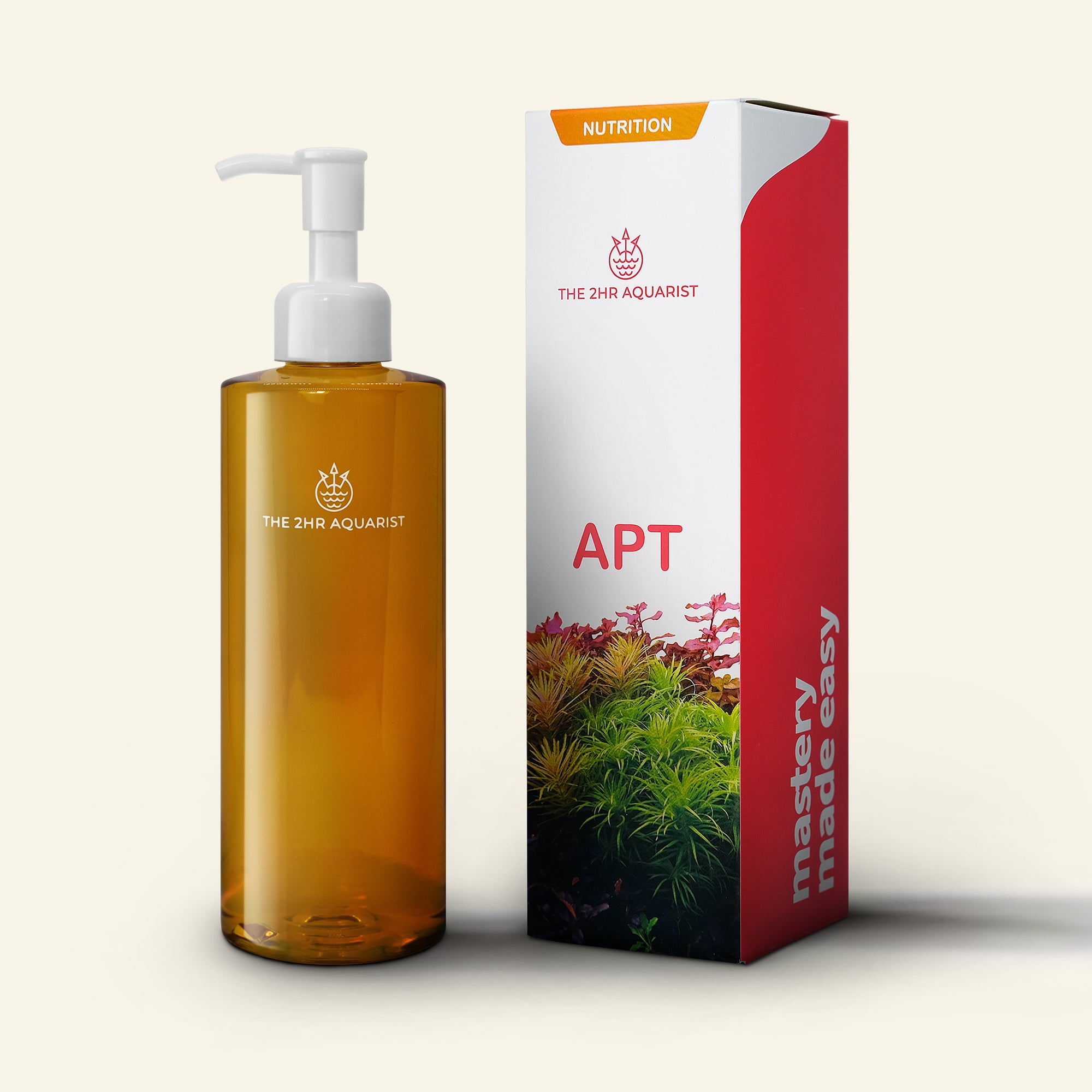
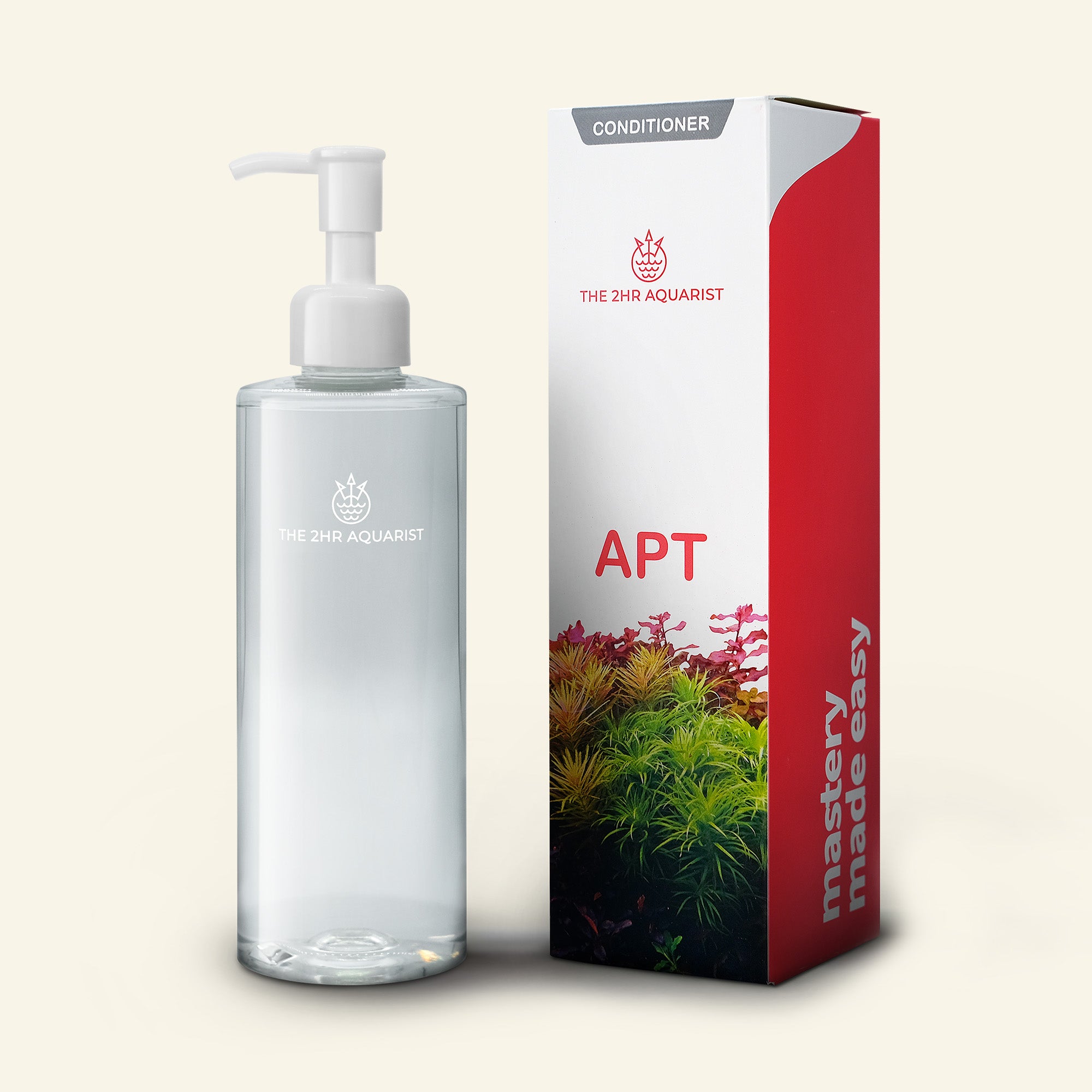
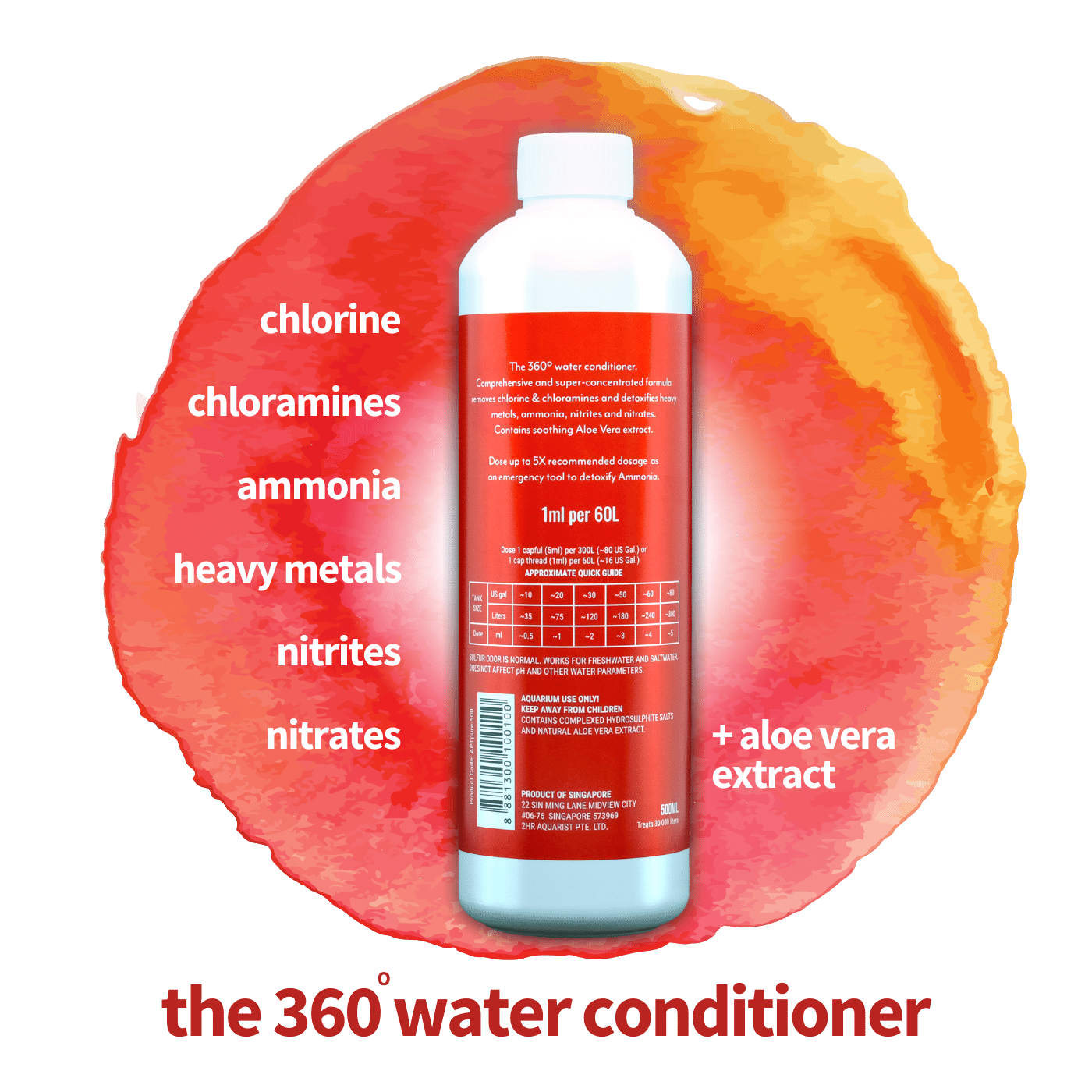
A mere 1ml per 60L / 16Gal gets the job done. Intelligence meets economy.

360 Protection

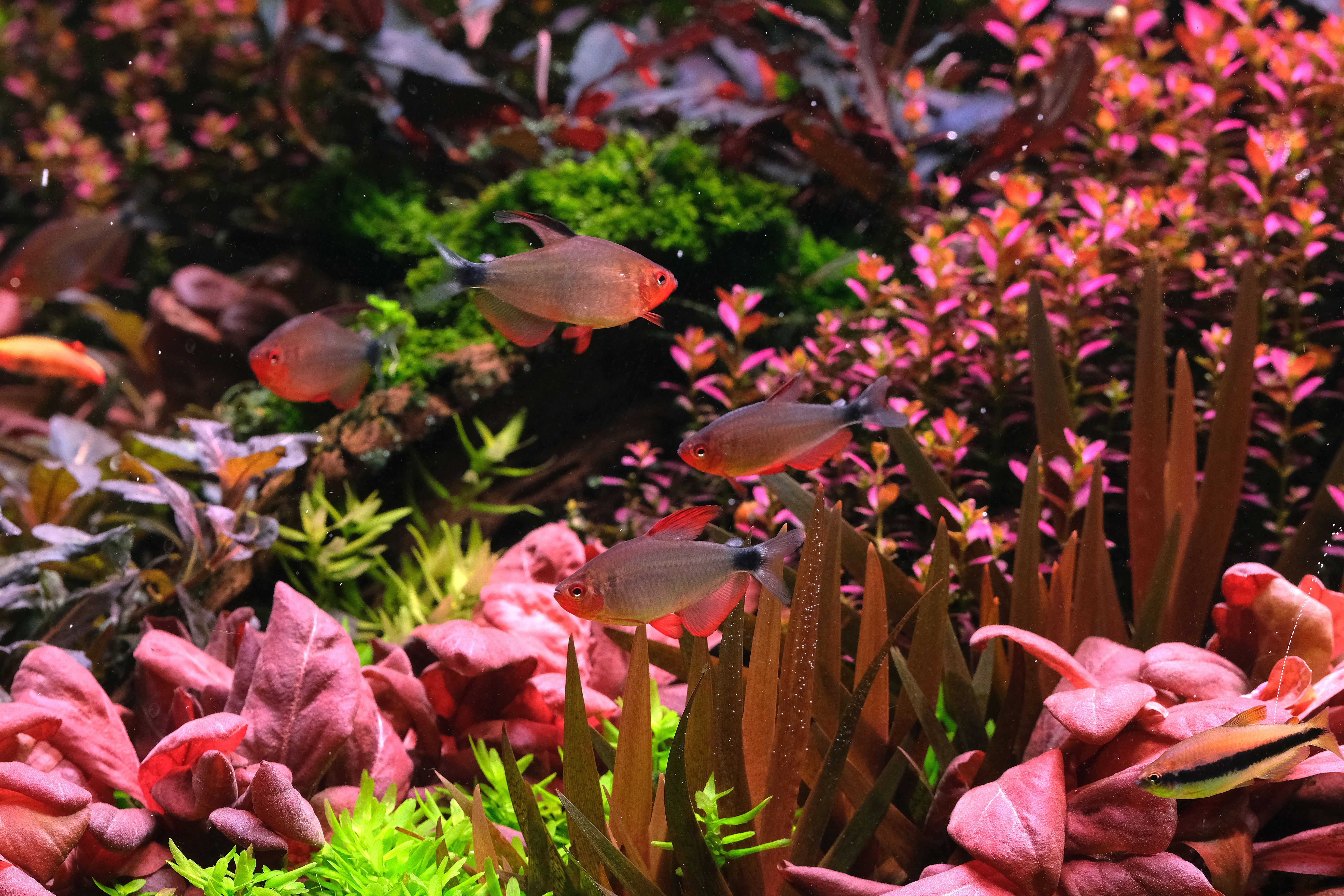
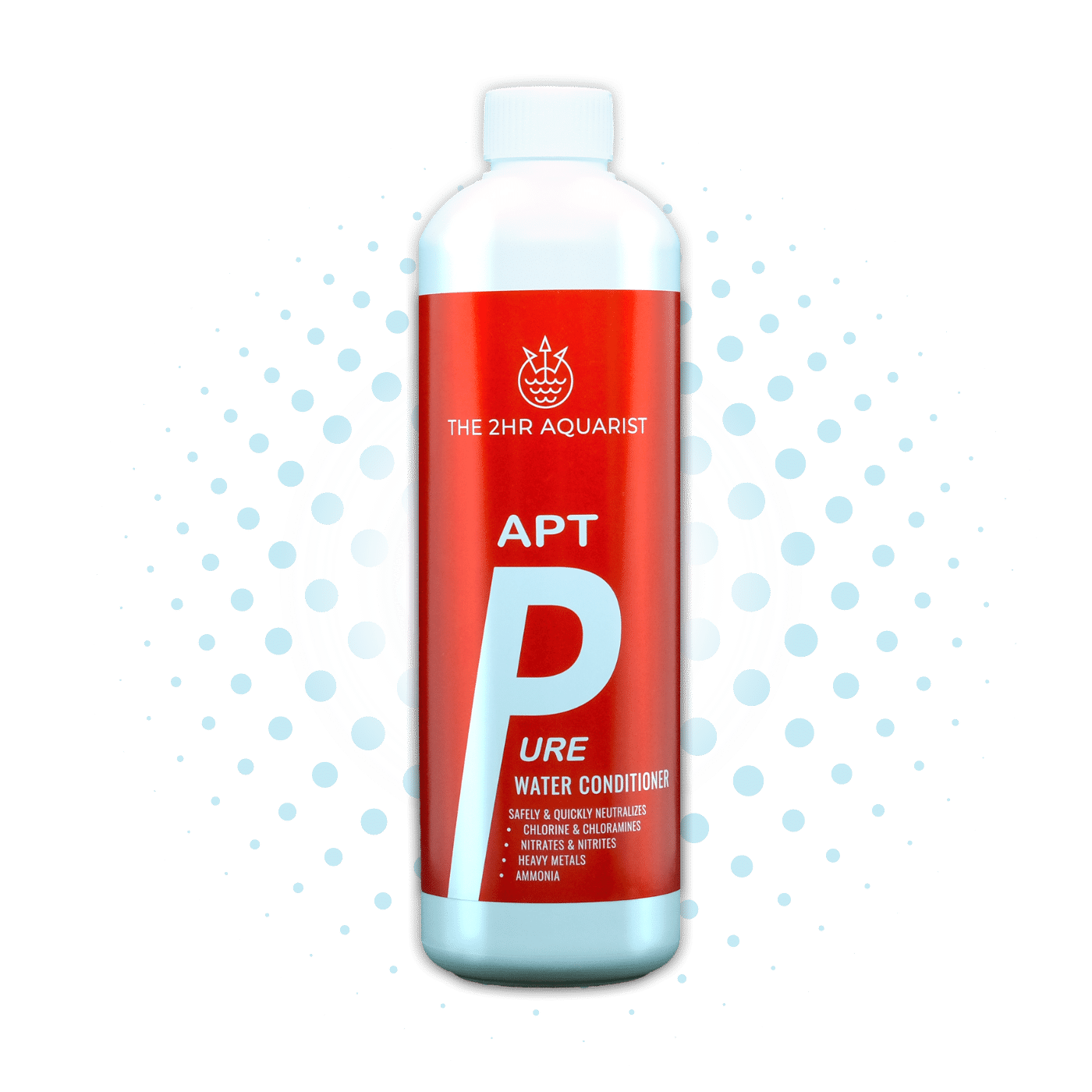
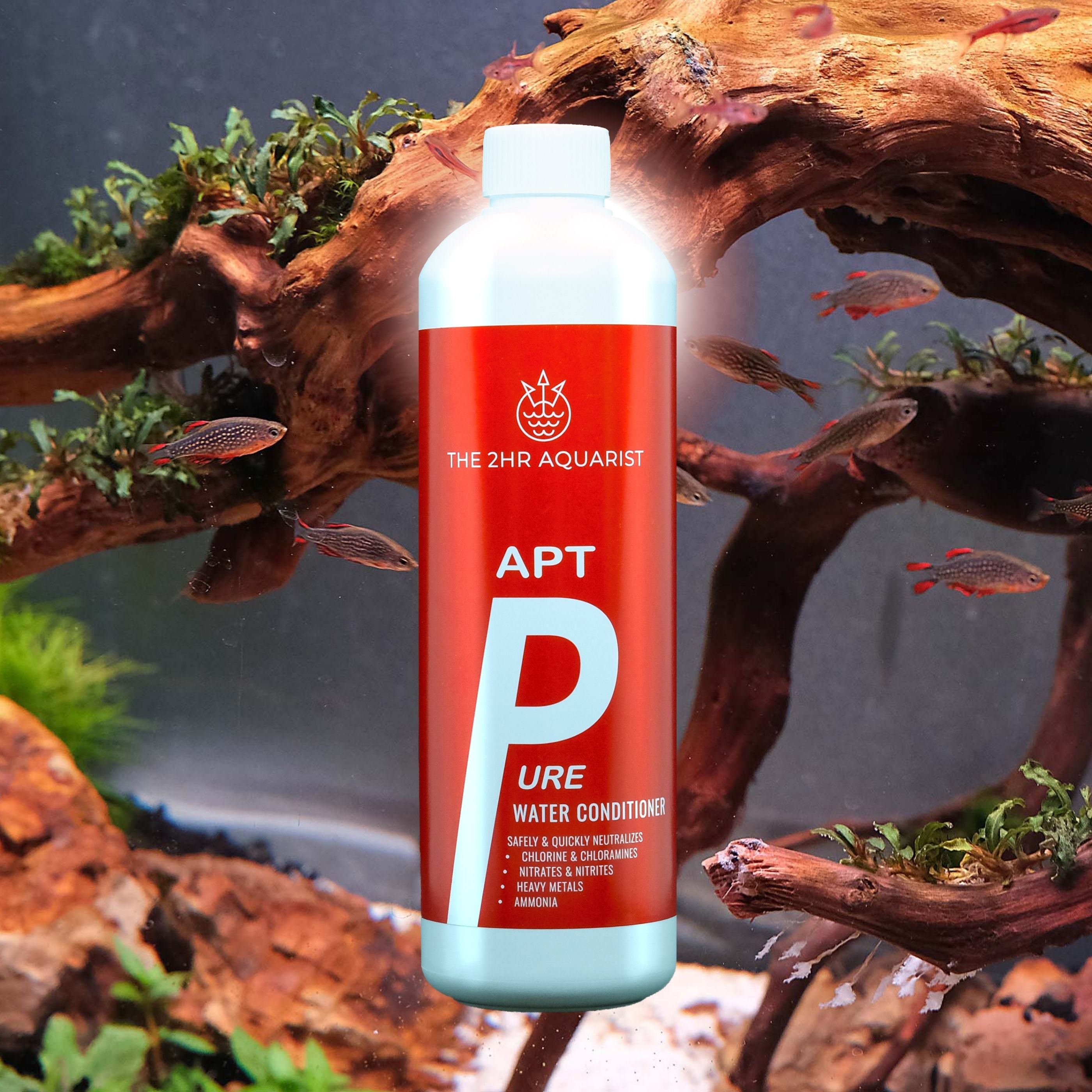
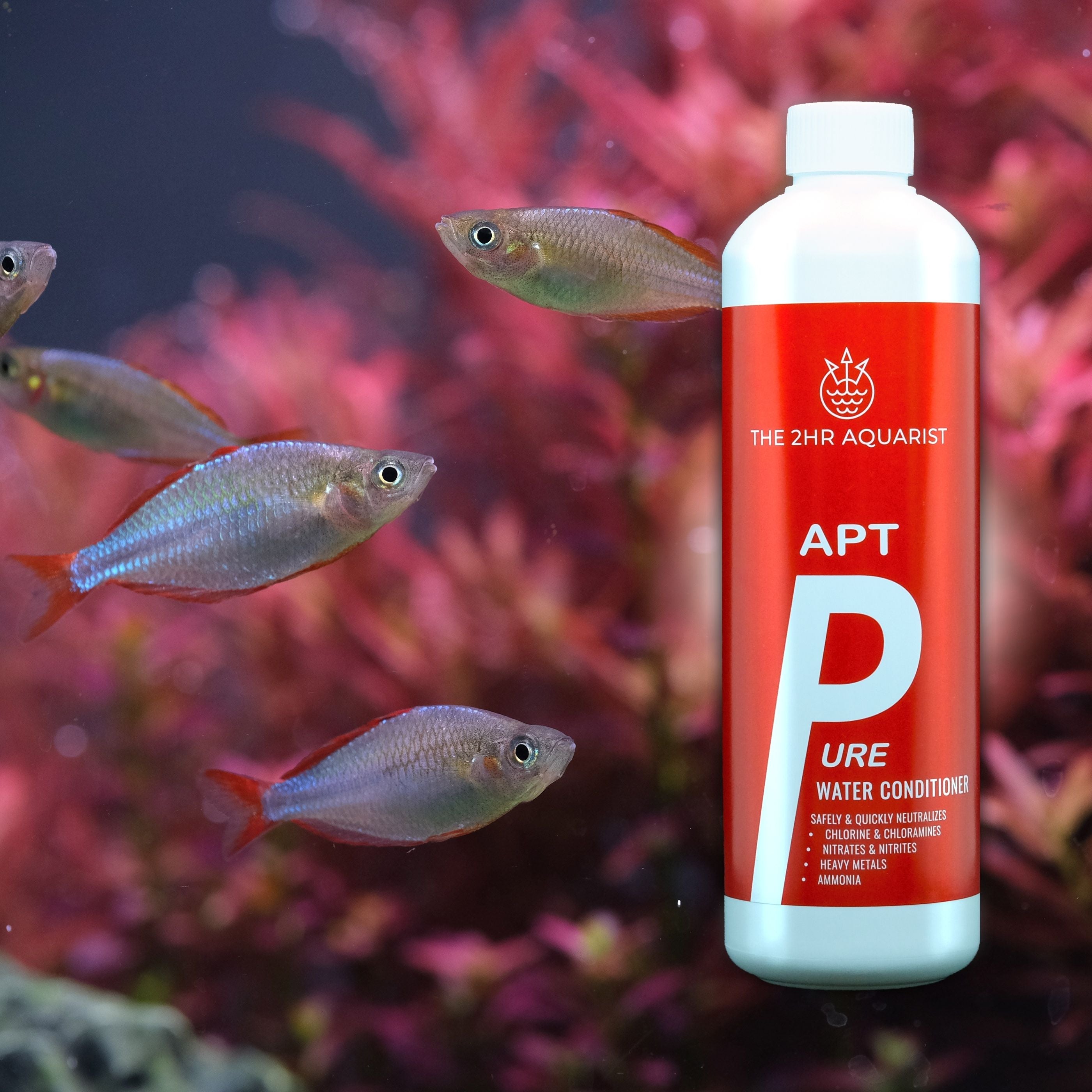
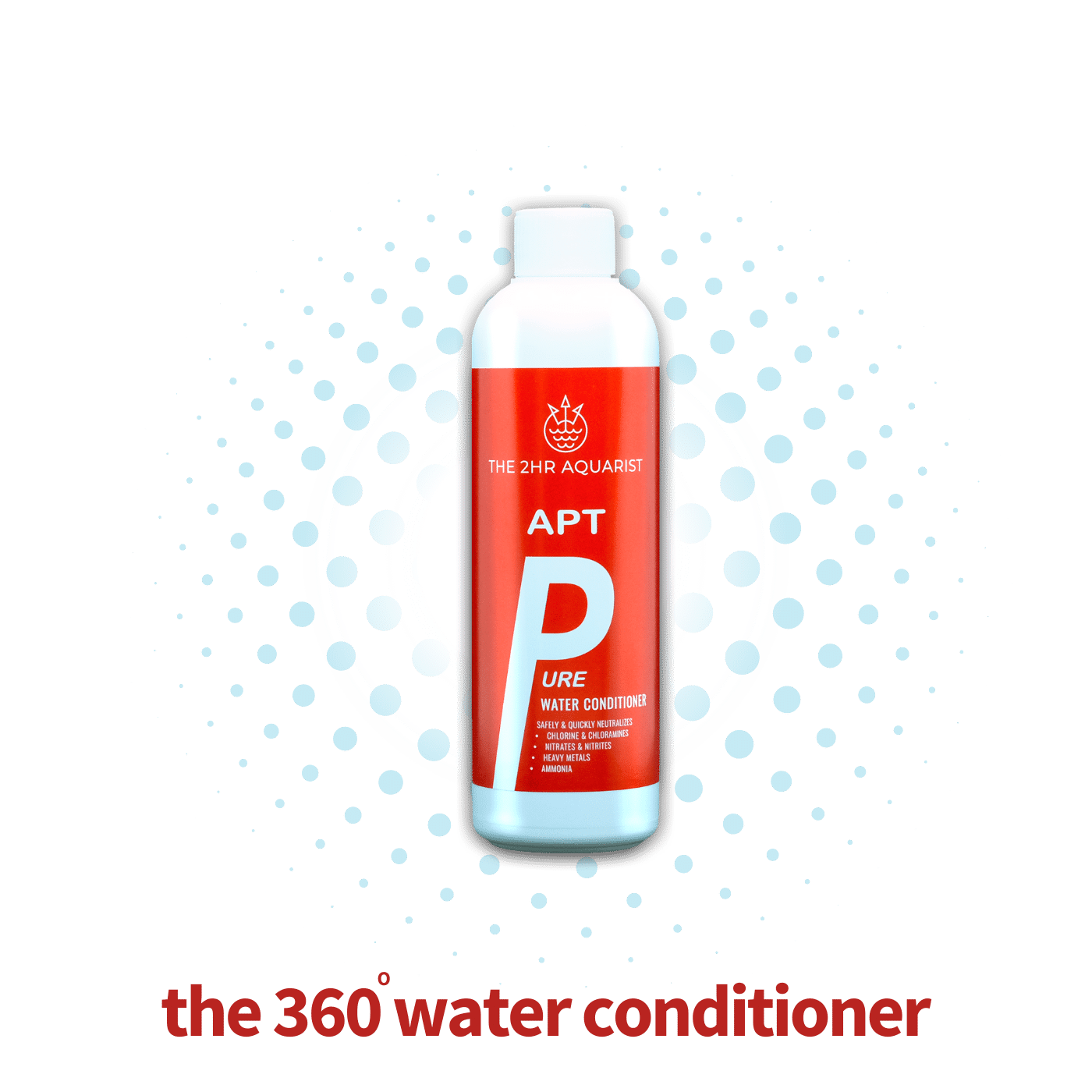
Instantly removes chlorine & chloramines and detoxifies heavy metals, ammonia, nitrites and nitrates.

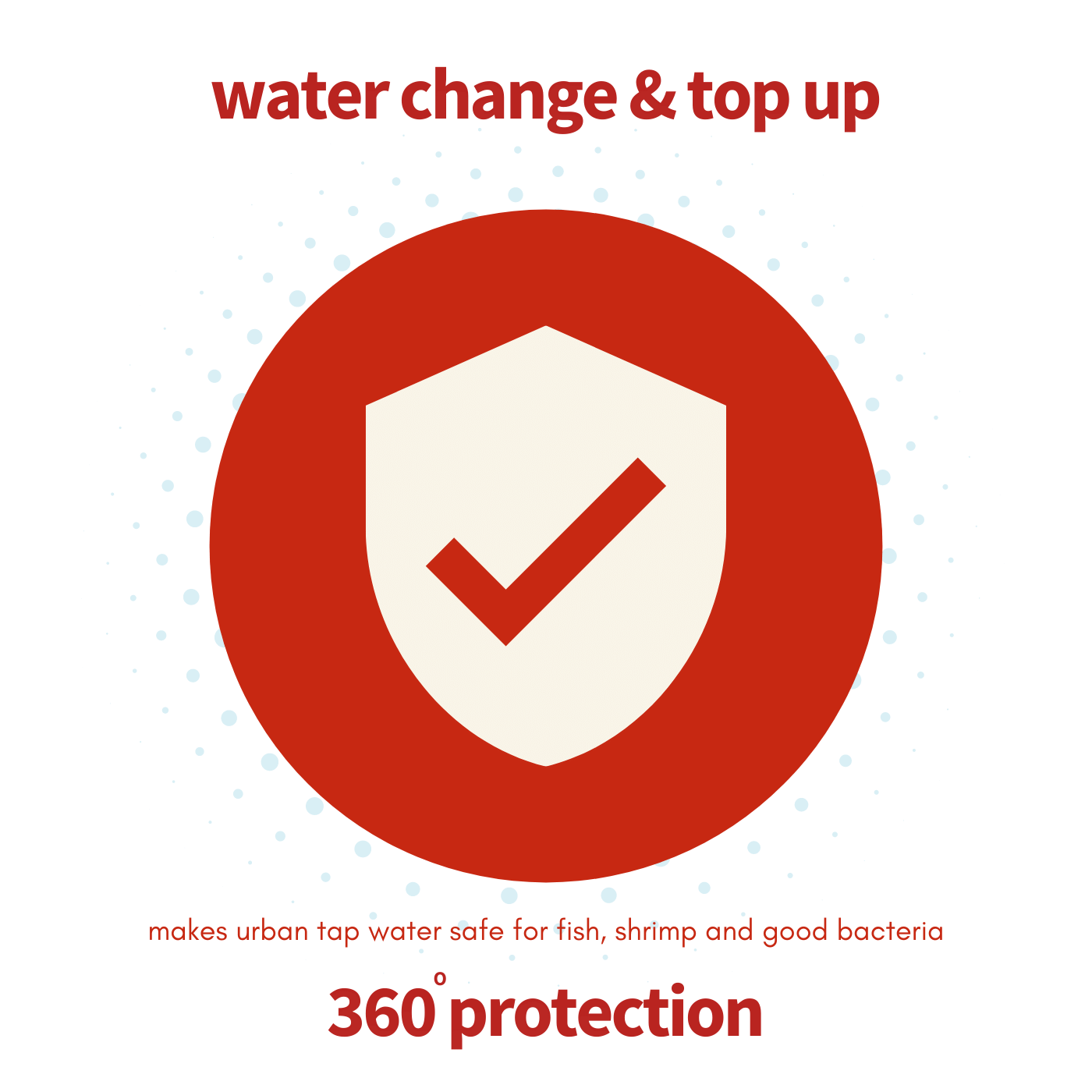
Makes it Safe

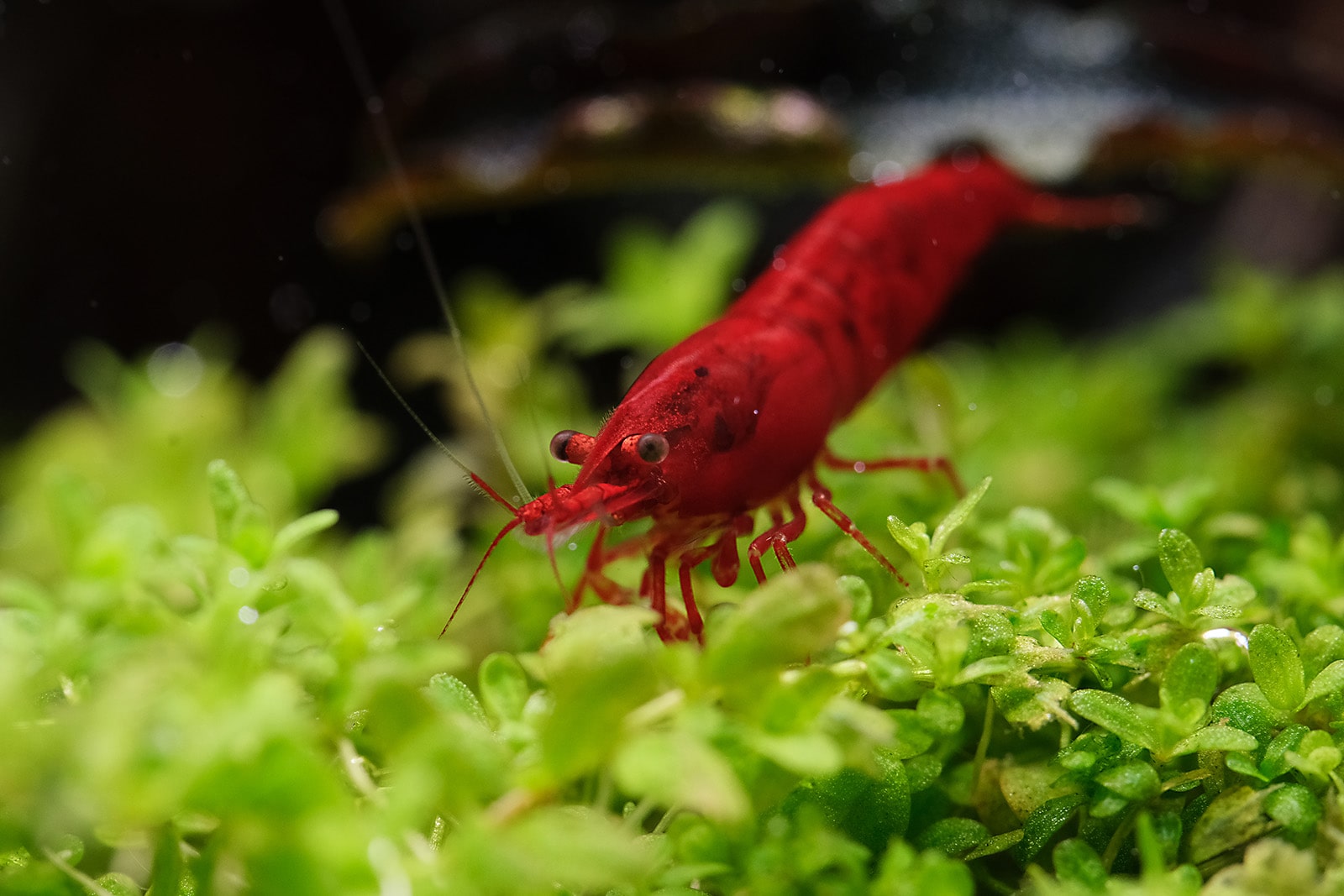
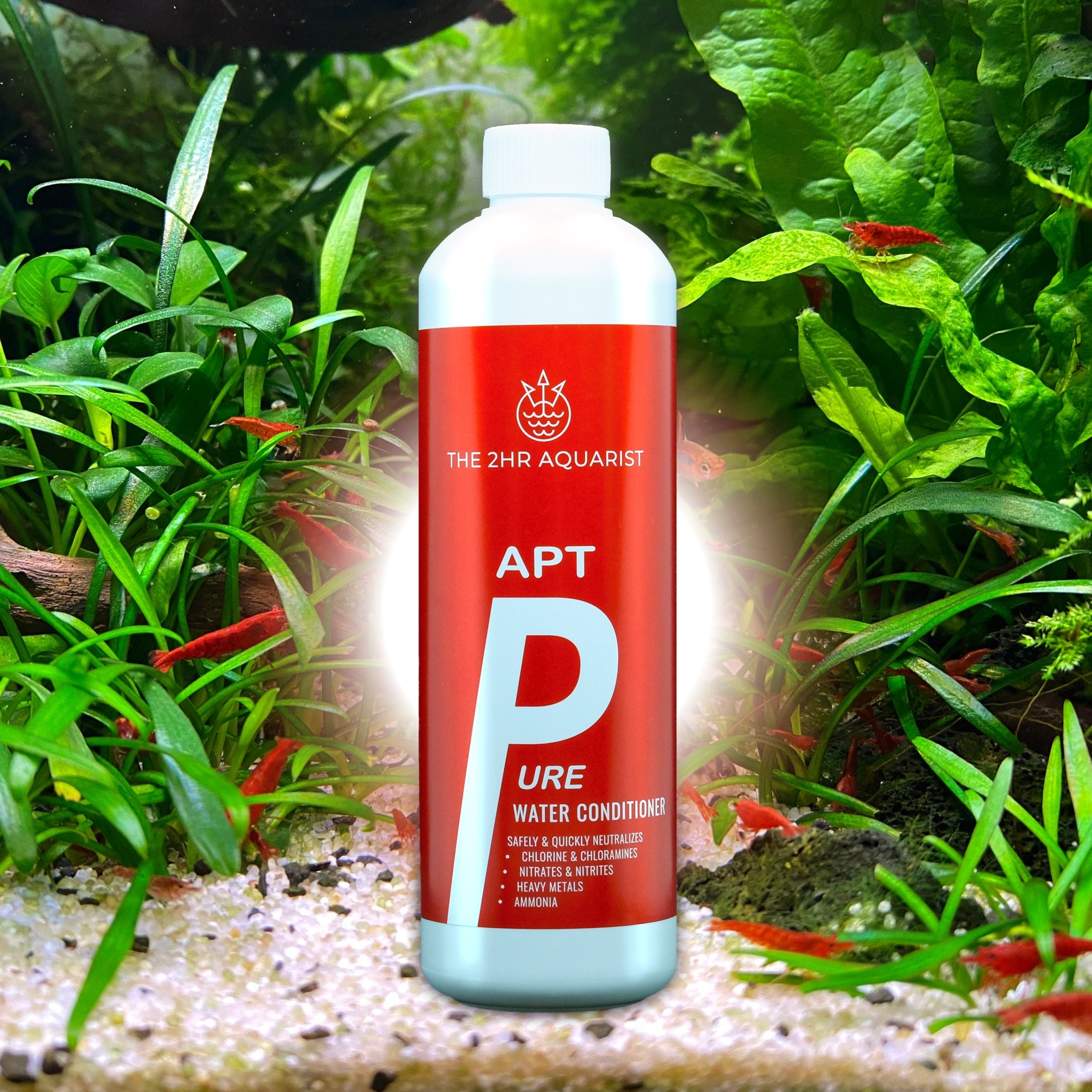
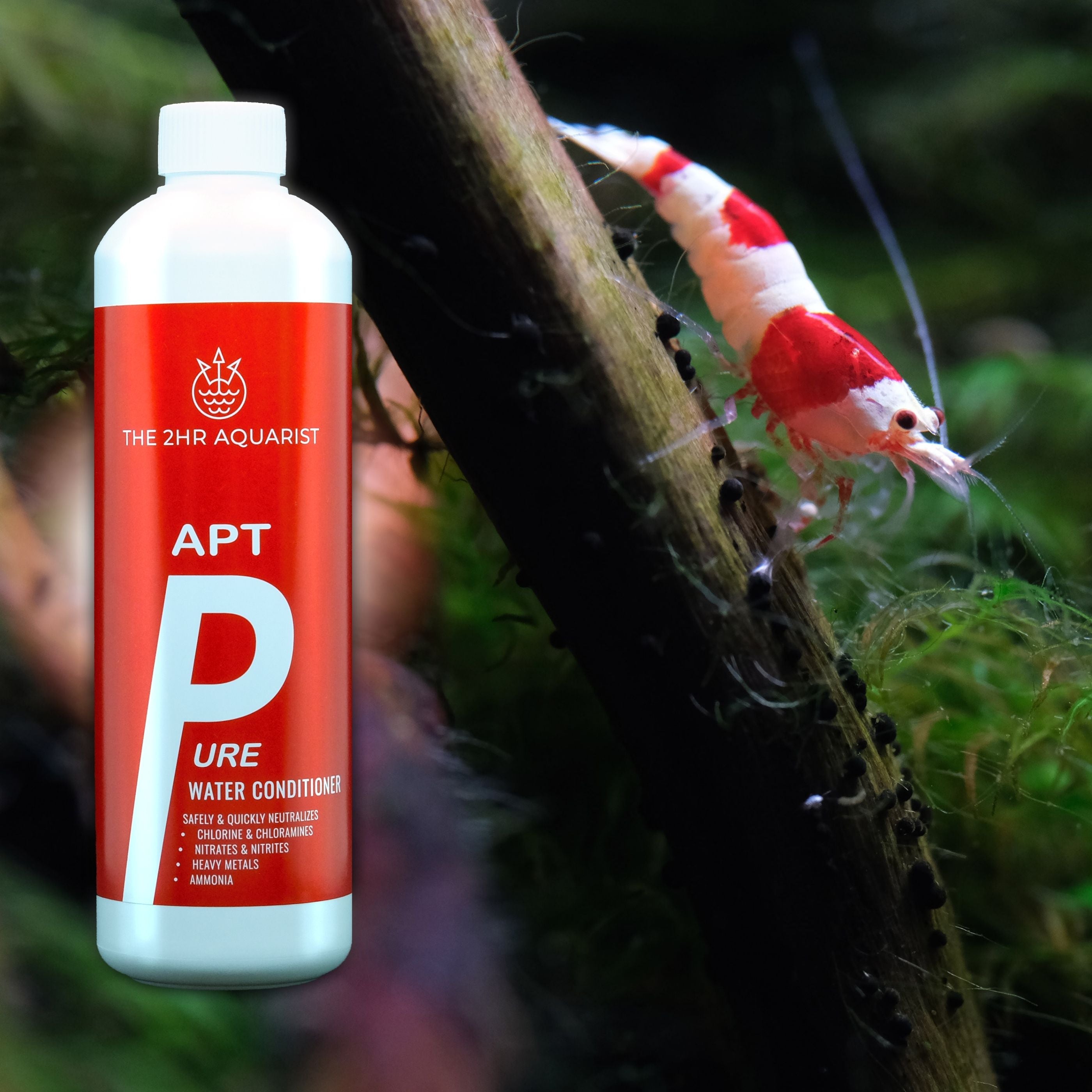
Makes urban tap water safe for fish, shrimp, and beneficial bacteria.

Pour Straight In

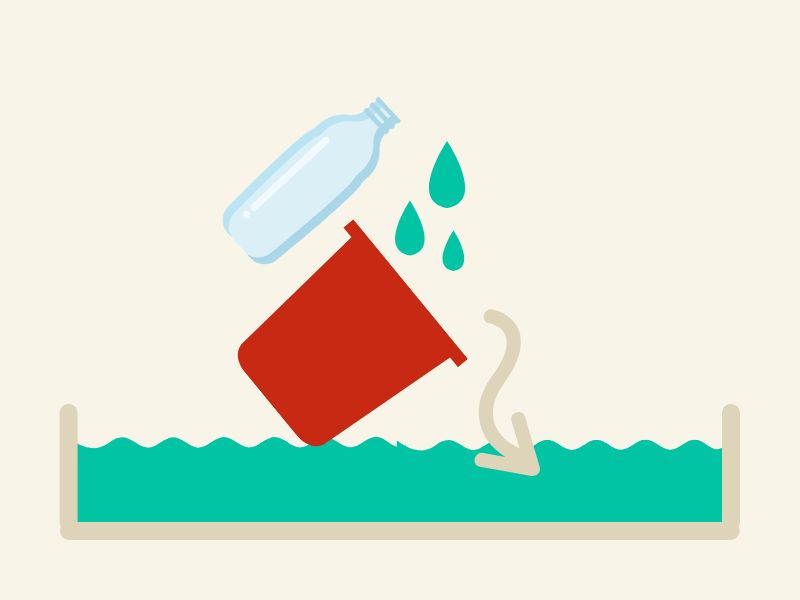
Before refilling the aquarium with tap water, add APT PURE directly into the tank.

Pre-Mix

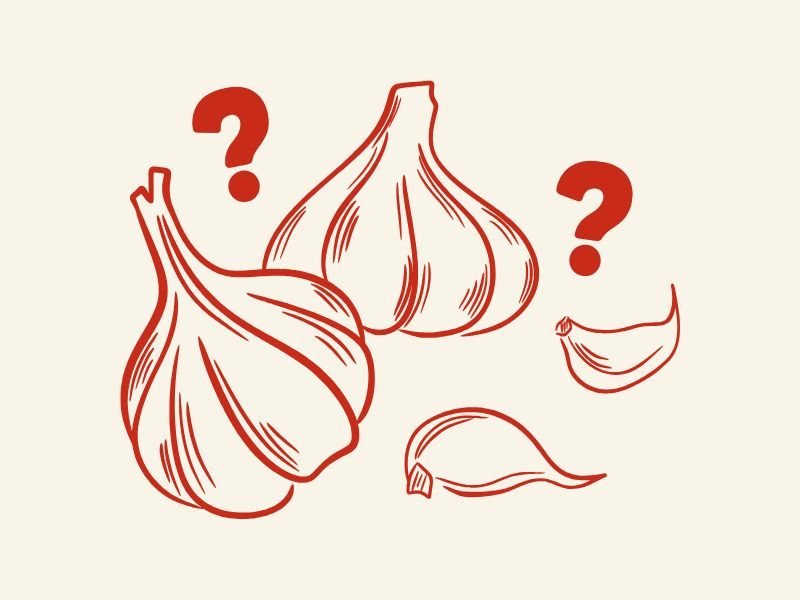
APT Pure smells like sulfur and garlic, with an overall pungent odor. This is natural and harmless. The smell comes from its high concentration of hydrosulfite salts, the ingredient that allows it to do what it does best: detoxify chlorine, chloramines, and other unwanted substances in tap water.

Garlic Smell?

APT Pure smells like sulfur and garlic, with an overall pungent odor. This is natural and harmless. The smell comes from its high concentration of hydrosulfite salts, the ingredient that allows it to do what it does best: detoxify chlorine, chloramines, and other unwanted substances in tap water.

2ppm

Industrial water chlorination dates back to the 1890s in Germany and the UK.

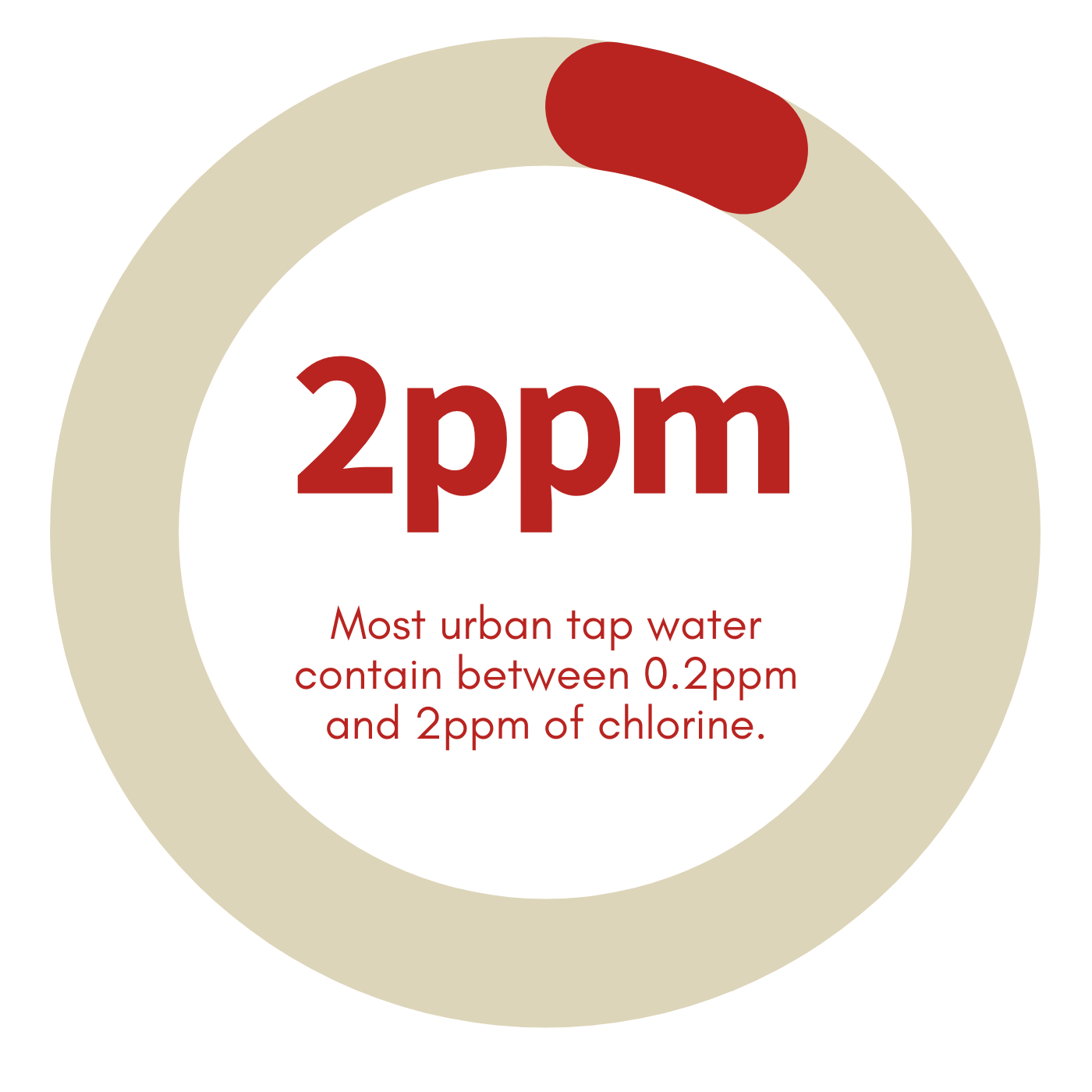
Today, most urban tap water contains between 0.2ppm and 2ppm of Chlorine and Chloramines ( a more stable form of Chlorine).

This is high enough to kill water-borne diseases, but low enough for human consumption. However, this level is sufficient to harm fish and destroy the beneficial bacteria in an aquarium

5 Threats

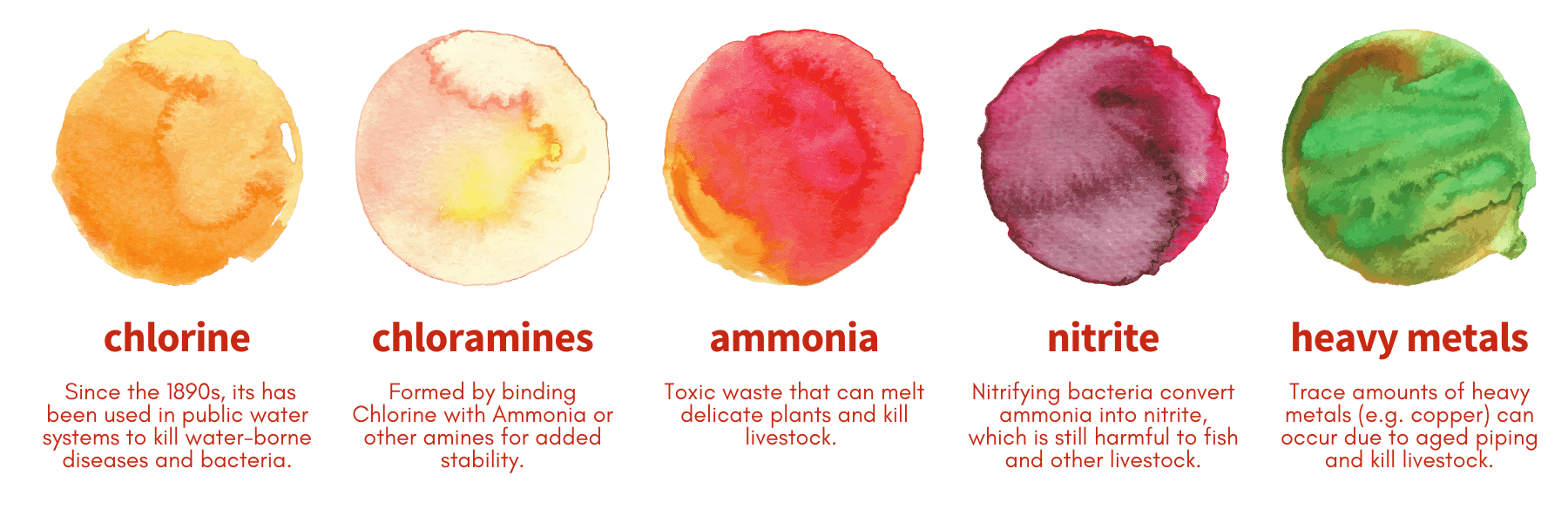
Apart from Chlorine and Chloramine, tap water can have unexpected occurrences of Heavy Metals (e.g., copper from old piping), which are lethal to livestock.

Ammonia is often released into the tank when we stir up decaying matter buried in the substrate or when there is a build-up of waste matter.

Sudden spikes in Ammonia and Nitrite (an oxidised form of Ammonia) can melt plants and kill livestock.

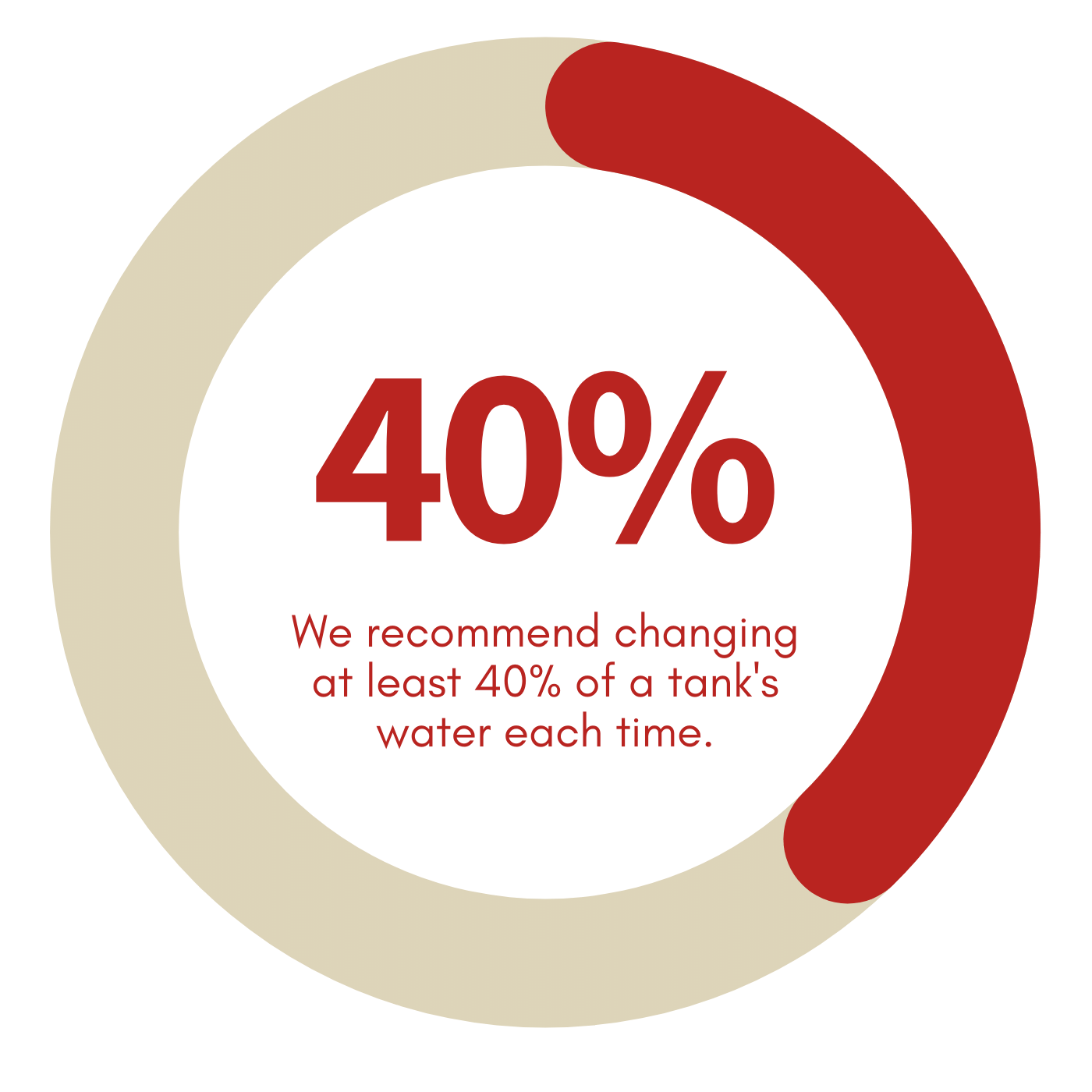
Regular 40

It is worth the effort to change ~40% of the tank water regularly.

At least monthly for a slow-growing, fully planted tank with a light fish load. More frequently for tanks with higher bio loads.

Regular water changes help keep algae at bay by removing organic waste that is not digested by microbial action (and is not measurable by hobbyist test kits).

When performed the 2Hr Way, it significantly reduces the prime algae triggers of detritus and decaying matter. It also helps to remove algae spores.

FAQs

Please read our FAQs page to find out more.

It smell bad?

APT Pure smells like sulfur and garlic, with an overall pungent odor. This is natural and harmless. The smell comes from its high concentration of hydrosulfite salts- the ingredient that allows it to do what it does best: detoxify chlorine, chloramines, and other unwanted substances in tap water. 

Will APT Pure affect fertilisers?

APT Pure does not make nitrates (or nitrites) disappear from the tank. It binds them into a form that is harmless to livestock, but digestible by plants and bacteria.  

So within normal usage, it does not affect fertilizers. More specifically, it does not affect the availability of nutrients for plant absorption. 

How do I use APT Pure?

For most tanks, simply add it into the tank, together with tap water.  

If you are keeping more sensitive fish or livestock, it is best to pre-mix it with tap water, before adding the water into the tank.

The 2Hr Way

View all

What are the best algae eaters for a planted tank?

What are the best algae eaters for a planted tank?

Not every animal sold as an algae eater actually eats algae - at least not the kind you need removed, or not for long. Shrimp, snails, otocinclus and the right plecos each do a specific job. Pick the wrong one and you've added bioload, not solved anything.

Read moreabout What are the best algae eaters for a planted tank?
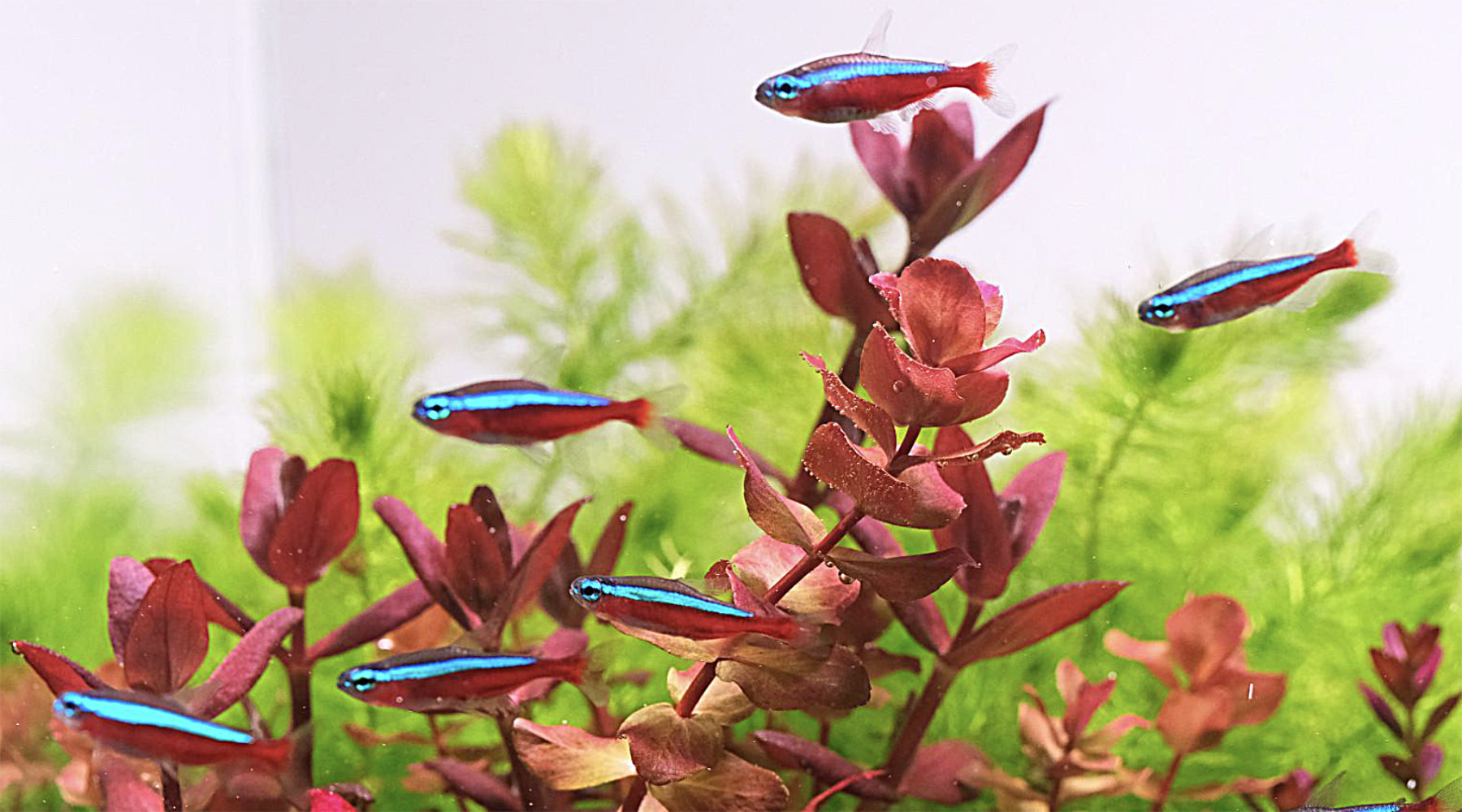
Cardinal tetra in planted aquarium

The 10 Best Fish for a Community Planted Aquarium

Not every peaceful fish is safe for a planted tank. Plant-safety, schooling behaviour, and water parameters are three separate gates, and the wrong pick can wreck a scape in a fortnight. Here are ten small, peaceful, plant-safe species that thrive alongside live plants, plus how to stock them without crashing the tank.

Read moreabout The 10 Best Fish for a Community Planted Aquarium
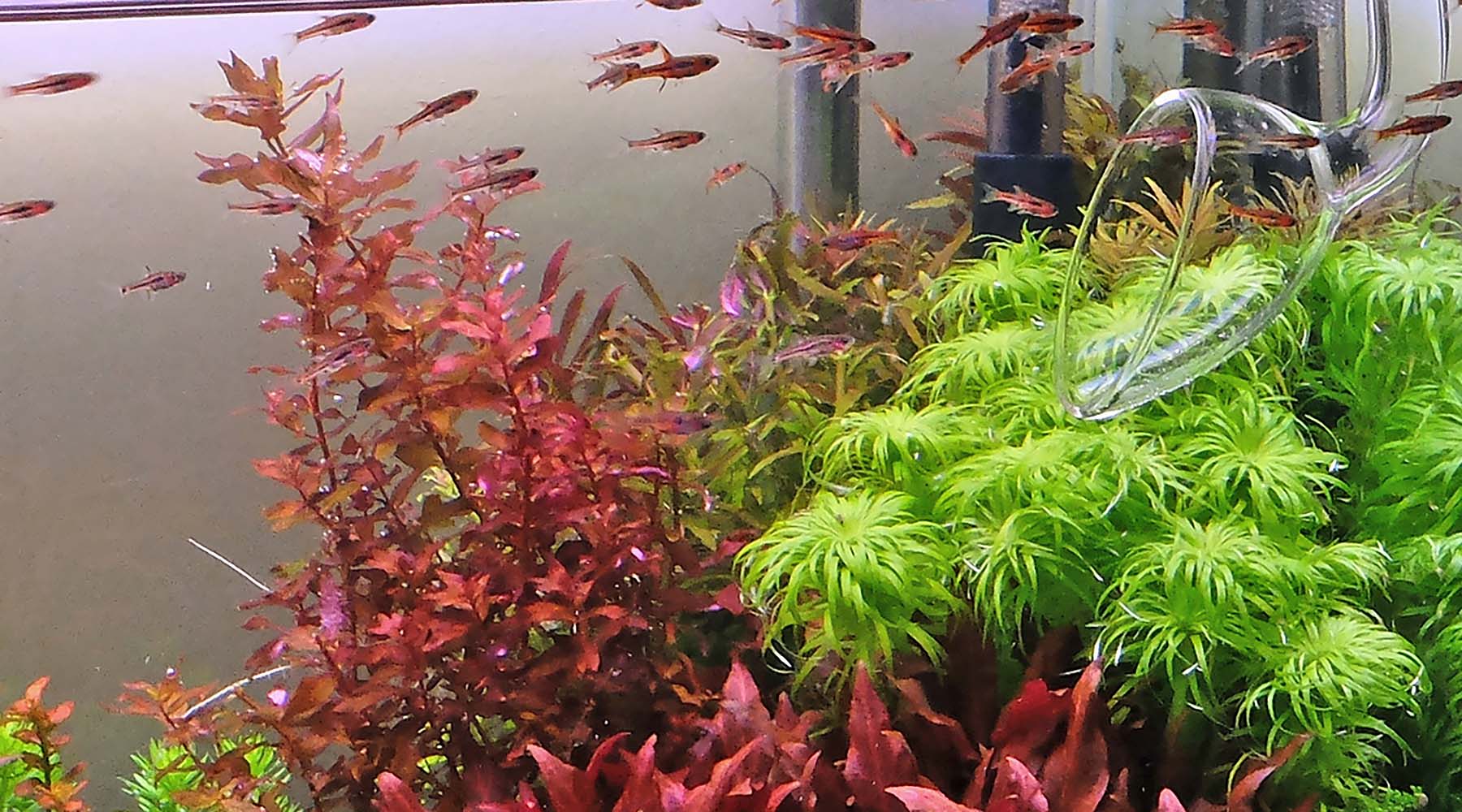
Best schooling fishes for planted tanks
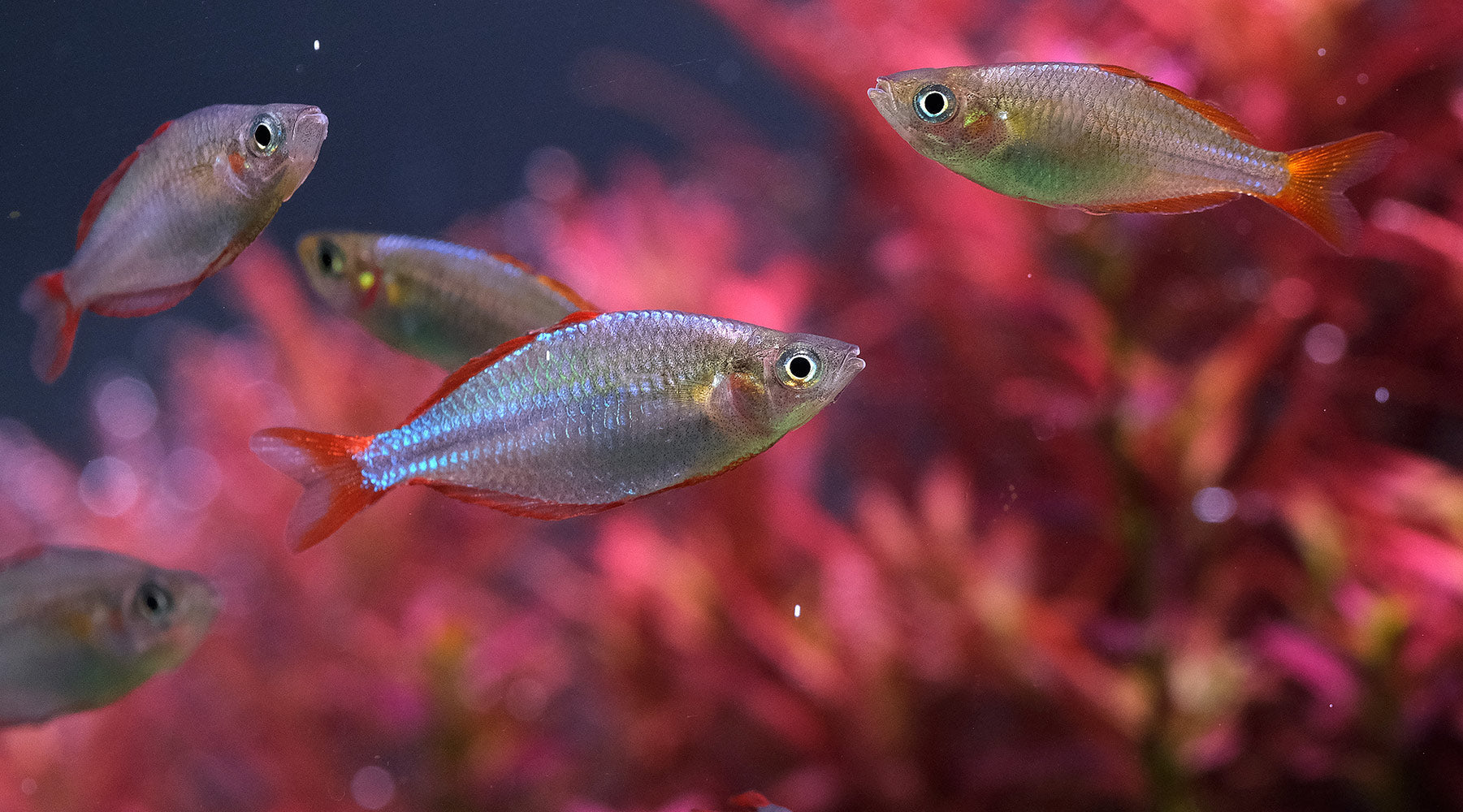
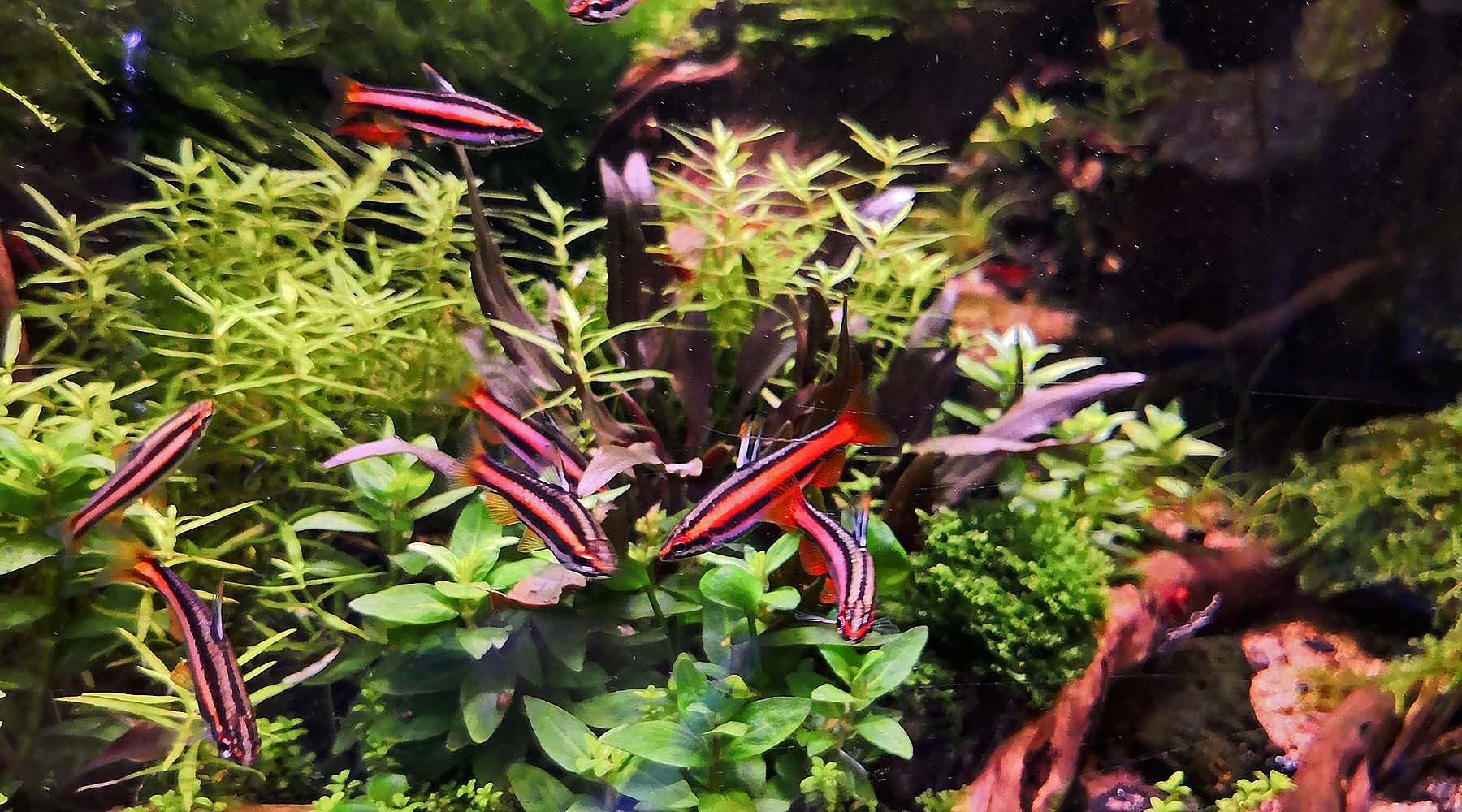
Best schooling fishes for planted tanks

What types of fish are best for planted tanks? Which are good shoaling species? What should I avoid?

Read moreabout Best schooling fishes for planted tanks

Chlorine a concern?

Chlorine a concern?

Is it really necessary to use a dechlorinator? Is it one of those common but unnecessary additives for a planted aquarium?

Read moreabout Chlorine a concern?

pH swings, low pH and CO2 in planted tank
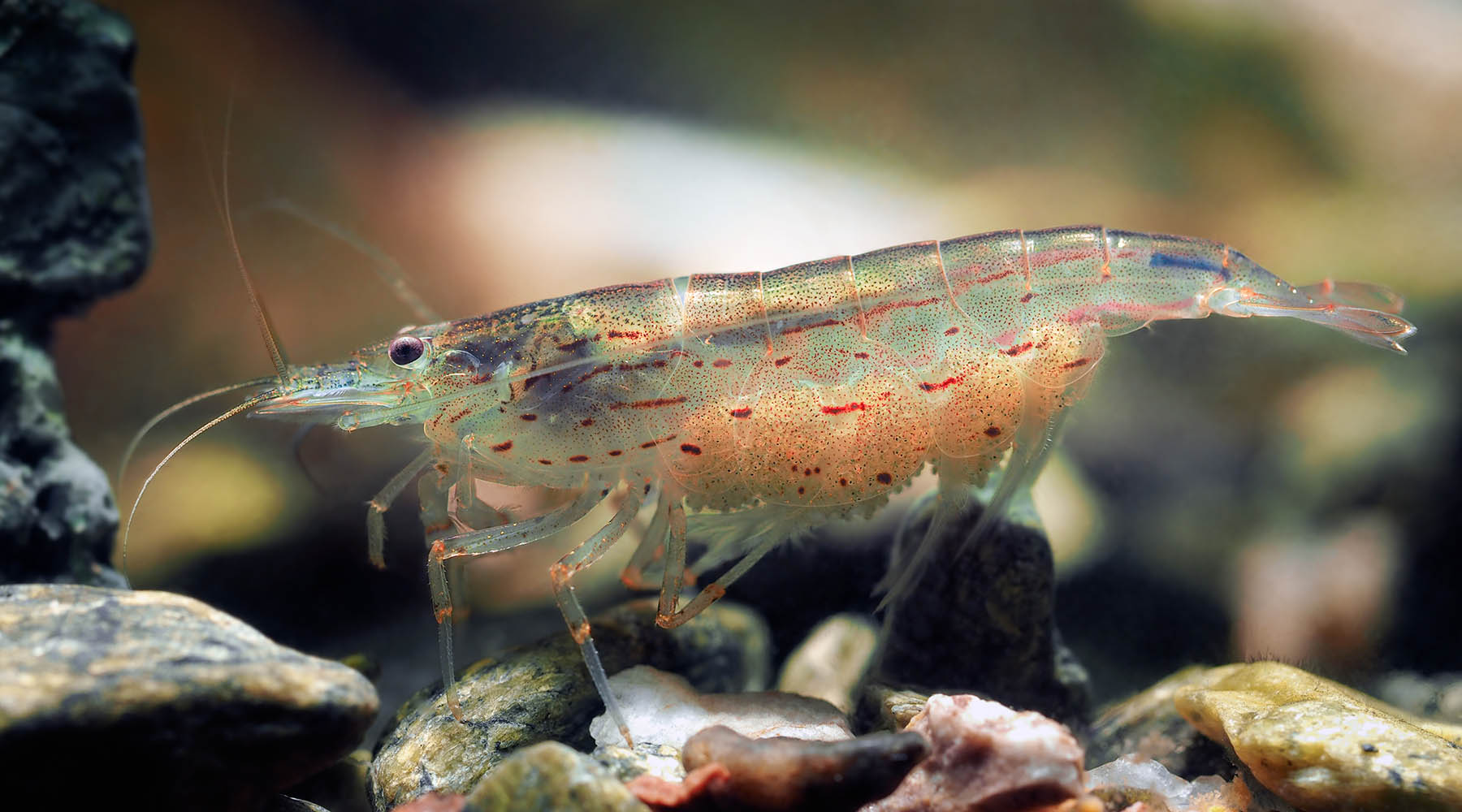
pH swings, low pH and CO2 in planted tank

Read on to find out more about CO2 injection and pH swings impact on planted aquarium livestock.

Read moreabout pH swings, low pH and CO2 in planted tank

Do fertilizers hurt livestock?
Do fertilizers hurt livestock?

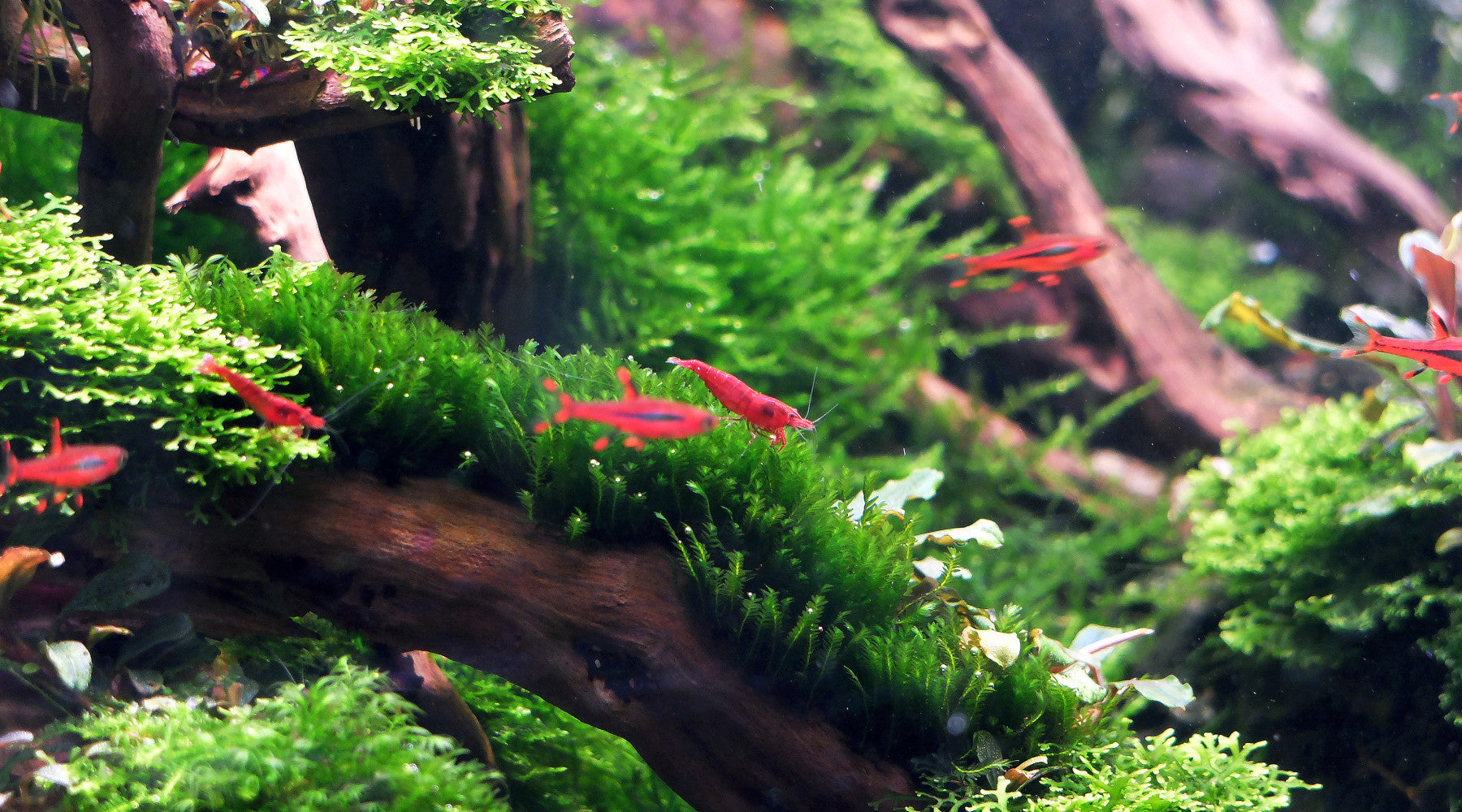
Does adding fertilizers affect the health of shrimp / fish/ other livestock? What are things to look out for when keeping sensitive livestock?

Read moreabout Do fertilizers hurt livestock?

Keeping dwarf shrimp in planted tanks

Keeping dwarf shrimp in planted tanks

This article explains how to keep ornamental dwarf shrimp such as Neocaridina and Cardina species in a planted tank and examines how to balance the needs of both planted tanks and shrimp.
Read moreabout Keeping dwarf shrimp in planted tanks