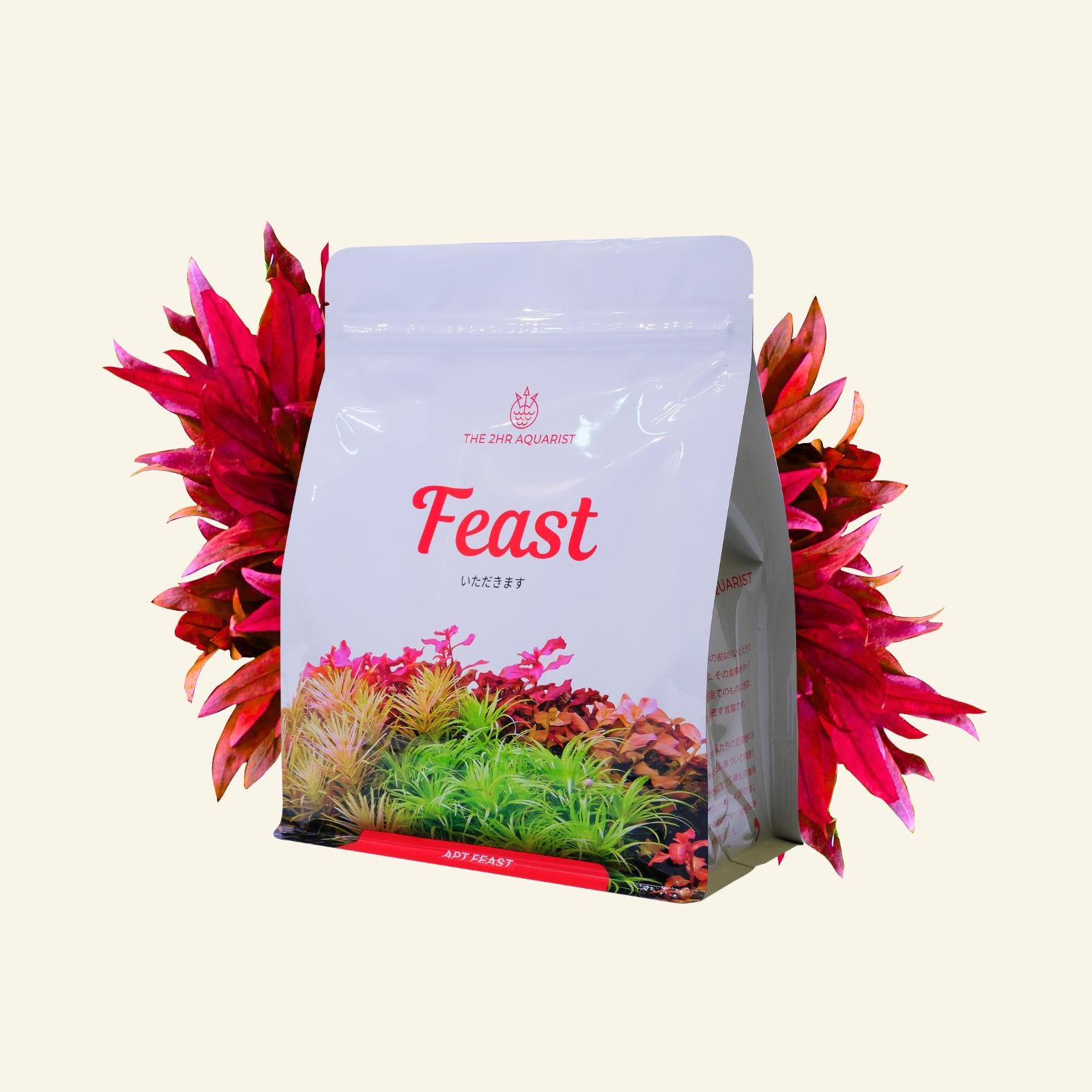
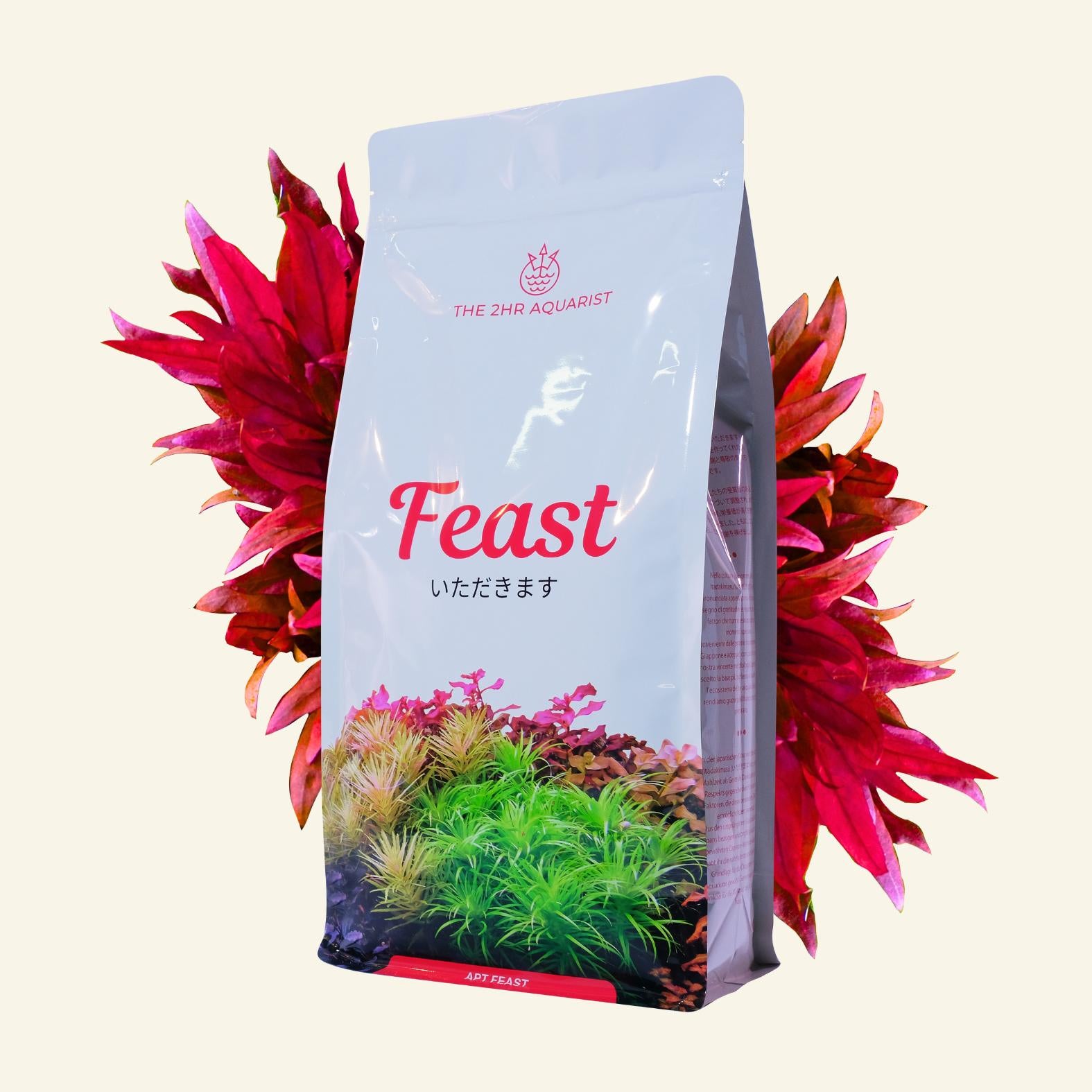
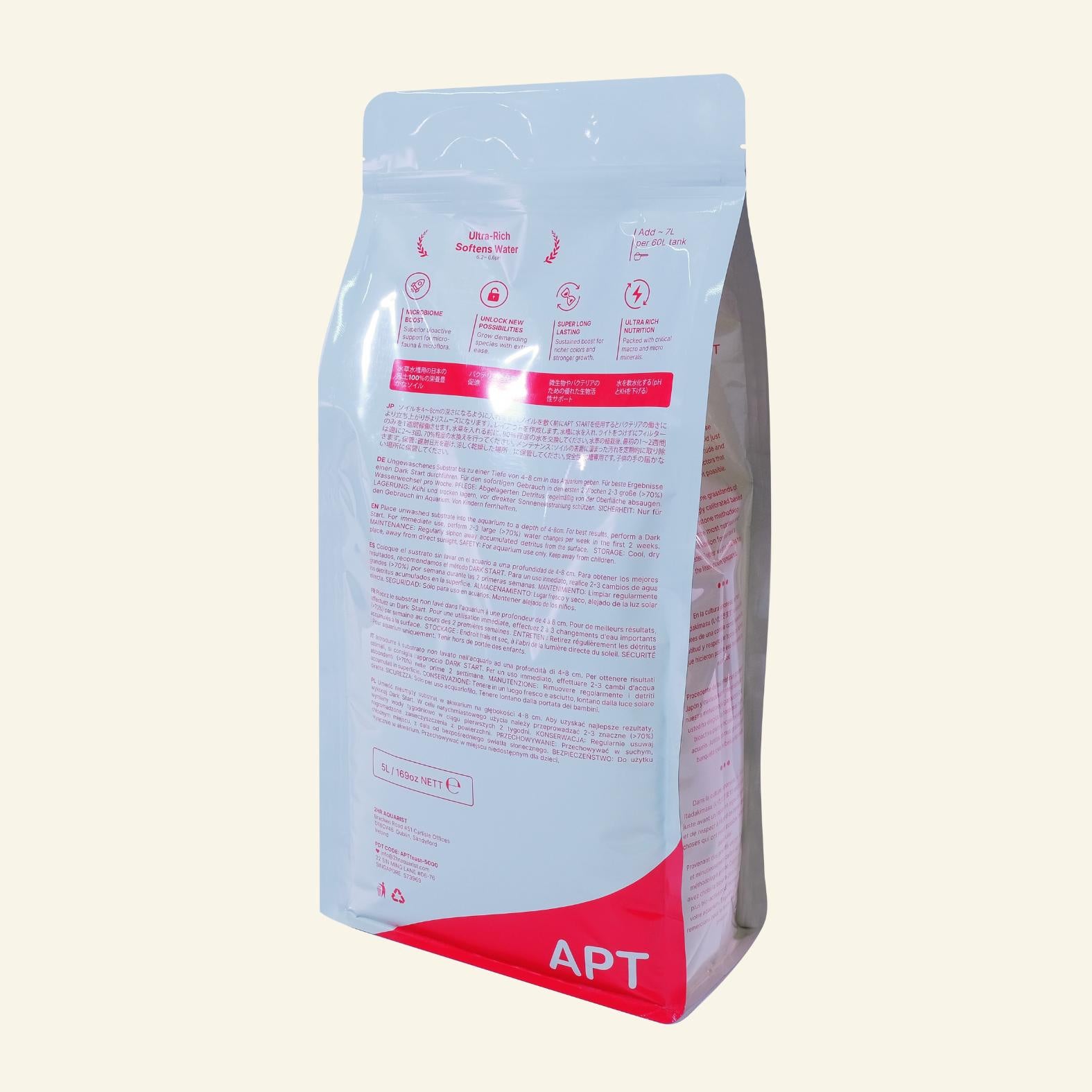
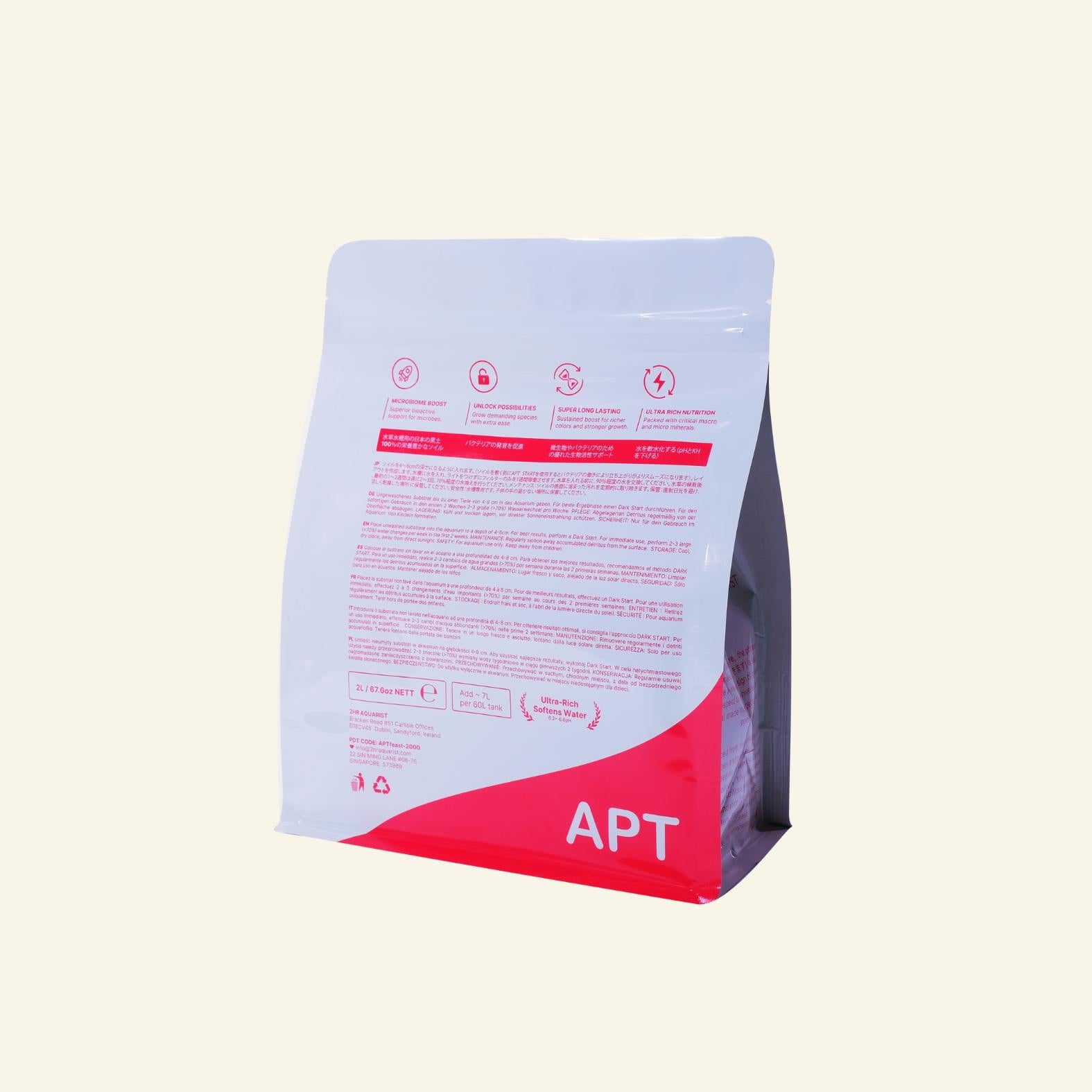
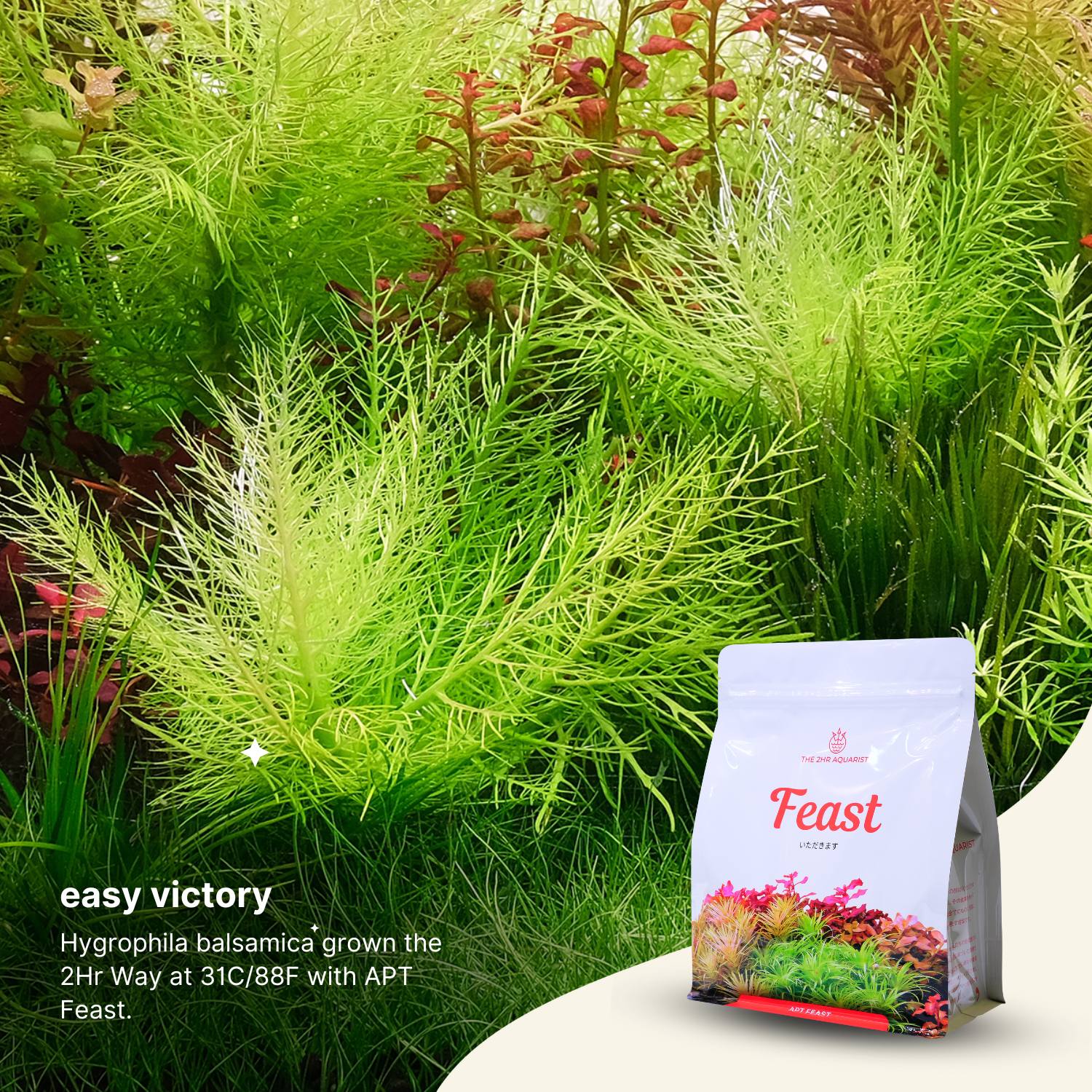
2X Power

Compared to conventional 'big brand' aquasoils, APT Feast contains more than 2X the amount of Nitrogen (N), the most important macro nutrient. That is like having a 60,000 mAh powerbank instead of everybody else's 30,000 mAh version.

3X Endurance

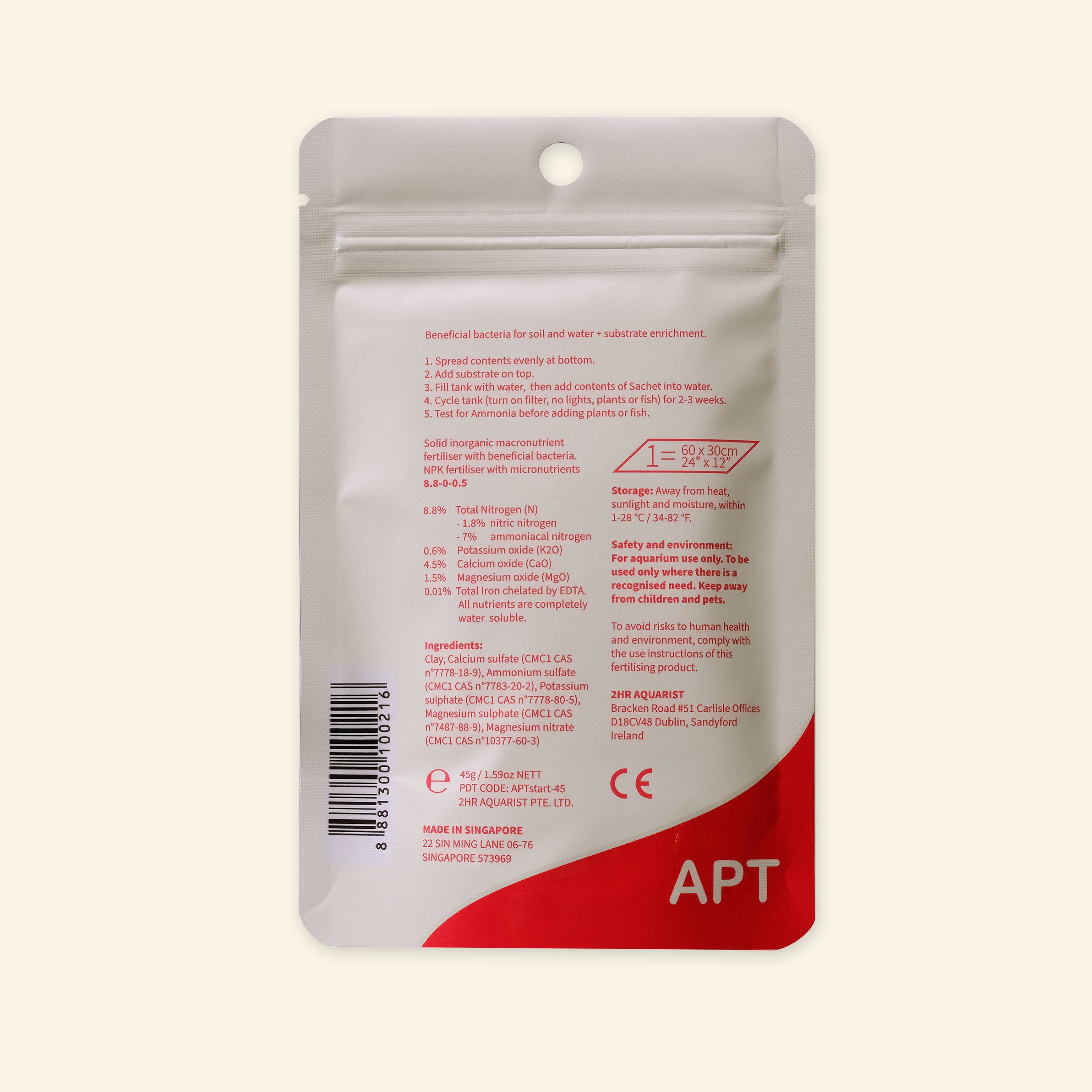
Substrate is a hassle to replace. APT Feast easily provides sustained nutrition for up to 12 months without any additional root fertilisation. No, you don't even need APT START when you begin!

Super-biotic

Uniquely probiotic, organic granules that hold their form yet feel and perform like natural soil. Promotes faster rooting and microbial development. Granules release nutrients in an even, sustained manner over 12+ months.

80% Water Change

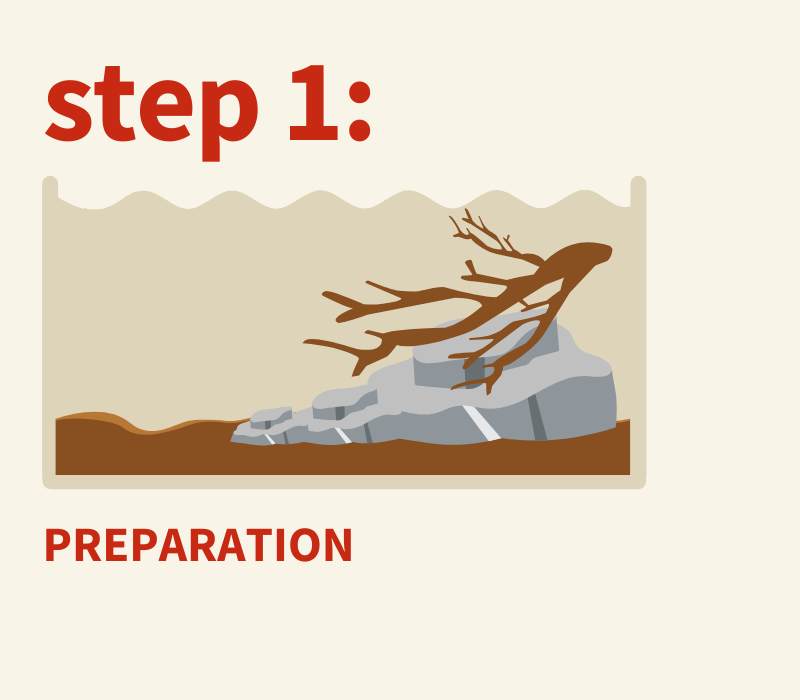
Perform 80% water change every 2-3 days after planting. Alternatively, allow a 2-week Dark Start.

Hardy First

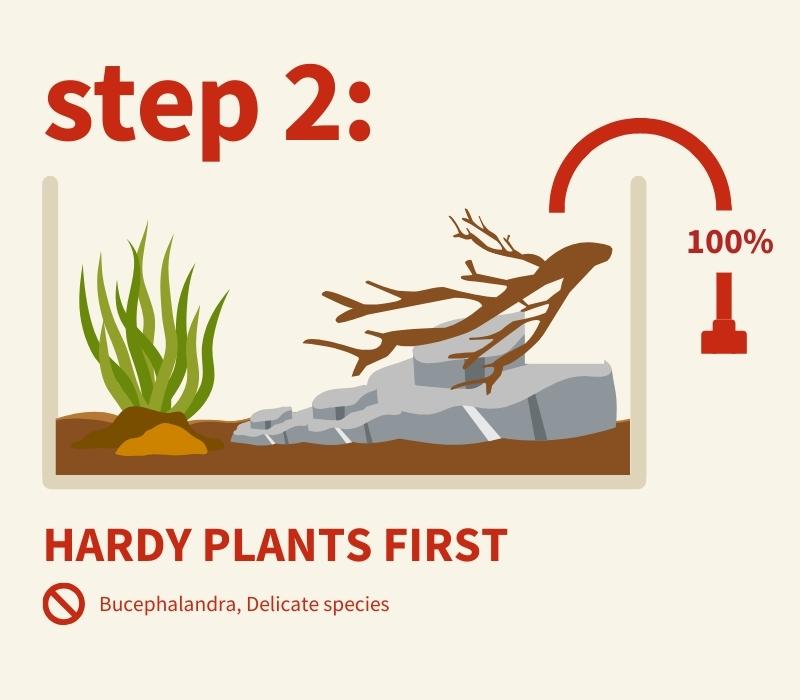
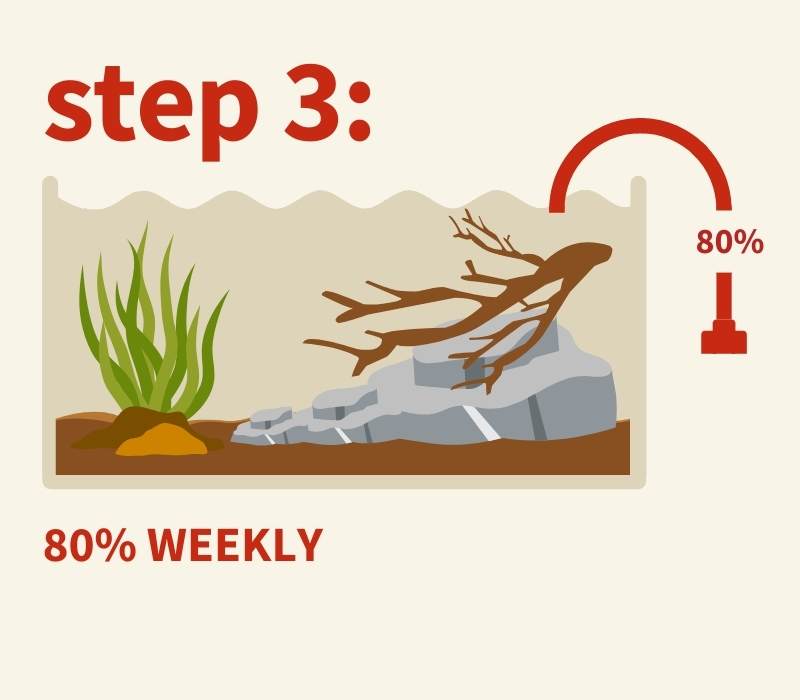
Introduce hardy, fast-growing plants first. Perform 80% water change every week until the tank stabilises. Add slow growers, delicate plants, tissue-culture plants, and fish/shrimp at that time.

Startup Rhythm

Introduce hardy, fast-growing plants first. Perform 80% water change every week until the tank stabilises. Add slow growers, delicate plants, tissue-culture plants, and fish/shrimp at that time.

Start Strong, Start Warm

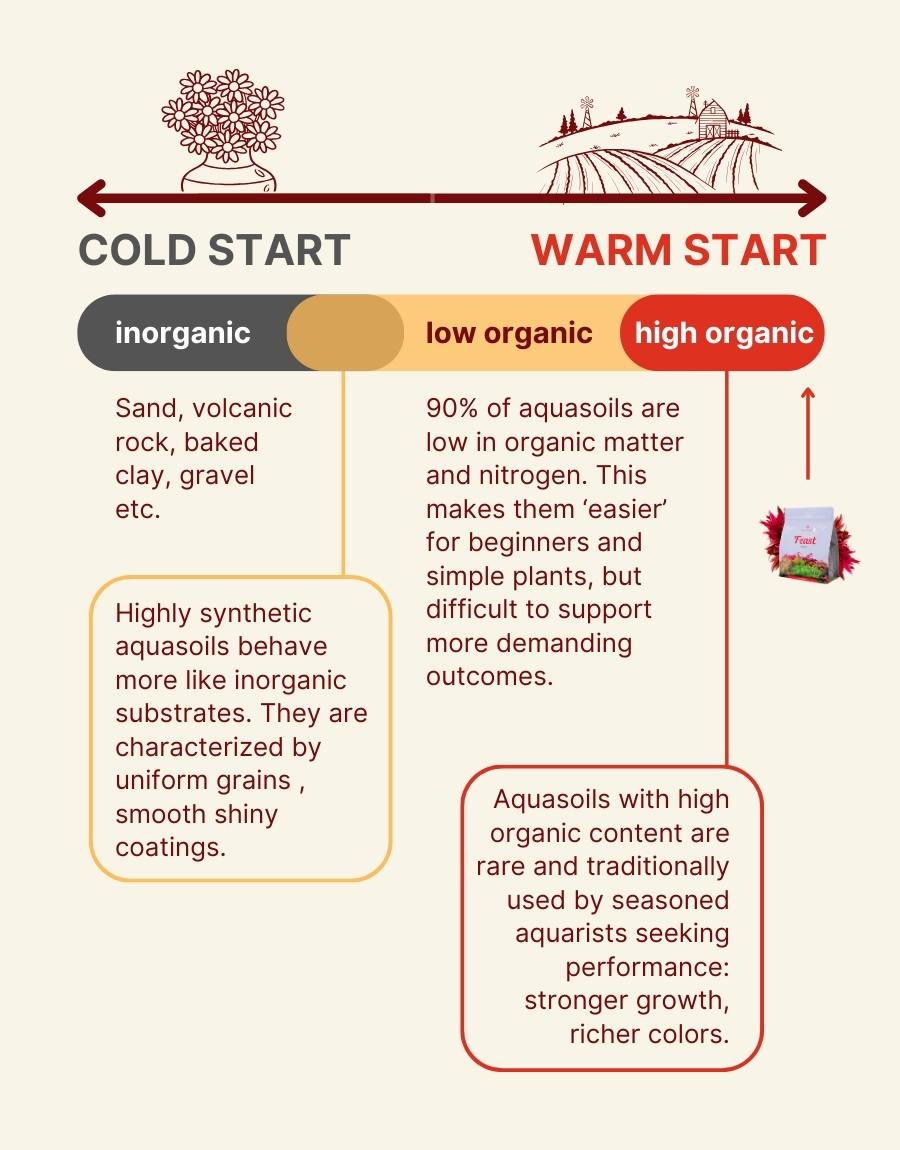
A Cold Start (using an inorganic substrate) is like putting fresh cut flowers in a vase: it is conveniently easy for the first 1-3 weeks. There is no need for water changes and it is OK add fish almost immediately. Plants do not melt (yet), and there is little algae. The problems come 4-6 weeks later. After consuming their stored energy, plants begin to struggle, and algae (delayed at the beginning) gain an entrenched foothold, taking advantage of the weaker plants and less developed microbial ecology.

Living Foundation

A Warm Start (using a highly organic substrate) is like starting a miniature farm: real work is required at the start to avoid making an immediate mess. A 2 week Dark Start (ideally at ~26C+/ 79F+), followed by a 100% water change before adding hardy plants (no Bucephalandra, rare hybrids, delicate plants yet). Weekly 80% water change for another 2 weeks. Fish and delicate plants enter 1 month after planting. The reward? Richer colors and stronger growth that endures, with enhanced microbial diversity that supports crystal clear waters.

Years, Not Months

APT Feast is designed to last for years without replacement. Its grains break down very slowly, delivering nutrients over the long term with only periodic enrichment needed to maintain peak performance.

FAQs

Please read our FAQs page to find out more.

Is APT Feast good for beginners?

Yes. Plant densely, keep up water changes for the first couple of weeks, and a beginner can get the same strong growth as an expert.

Is APT Feast hard to use?

No. The first two weeks take a little more effort, but it is the same simple routine every time, not expert judgment.

When can you add fish or shrimp?

Wait about three to four weeks. This gives the tank time to mature into a stable, healthy home for livestock.

The 2Hr Way

View all

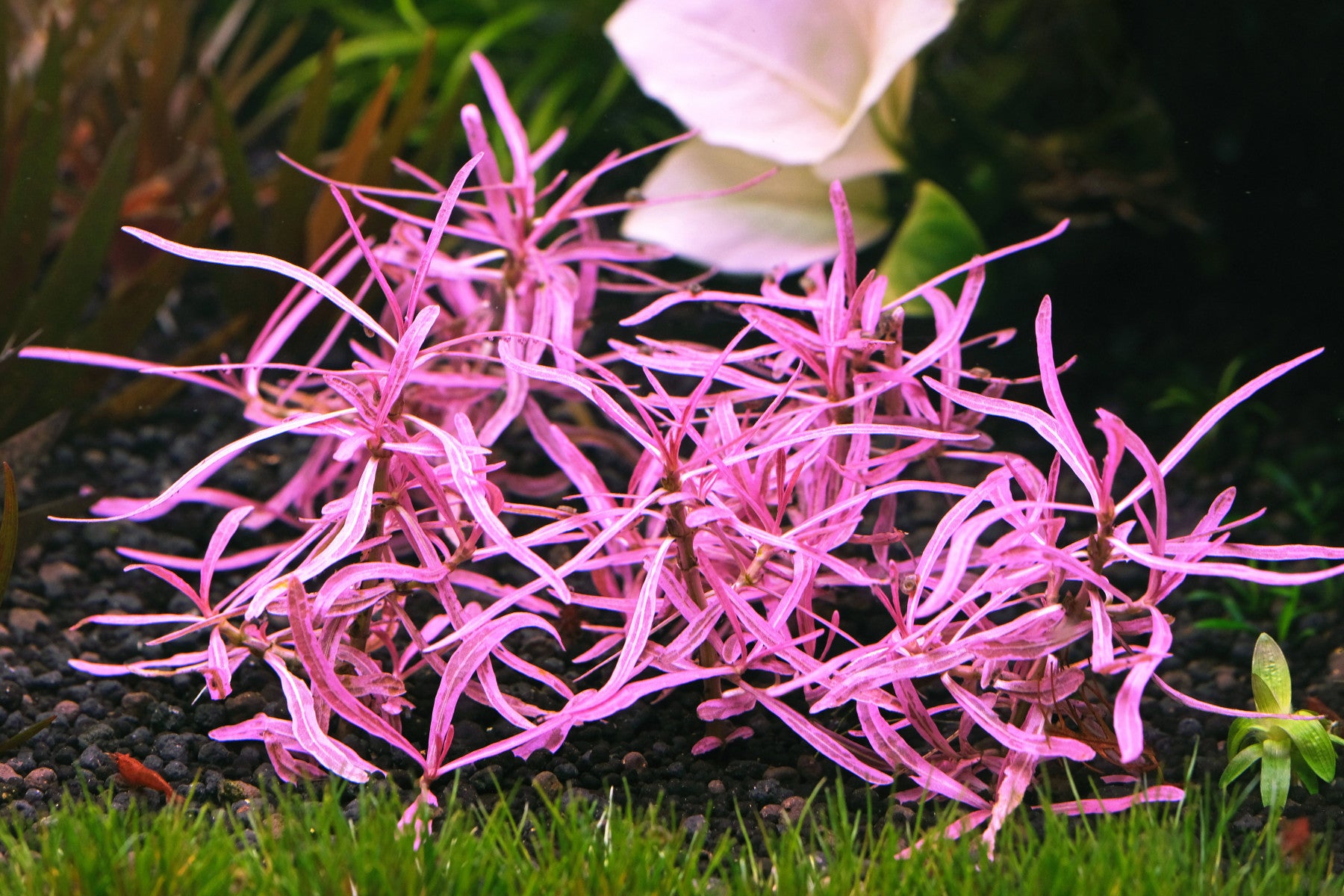
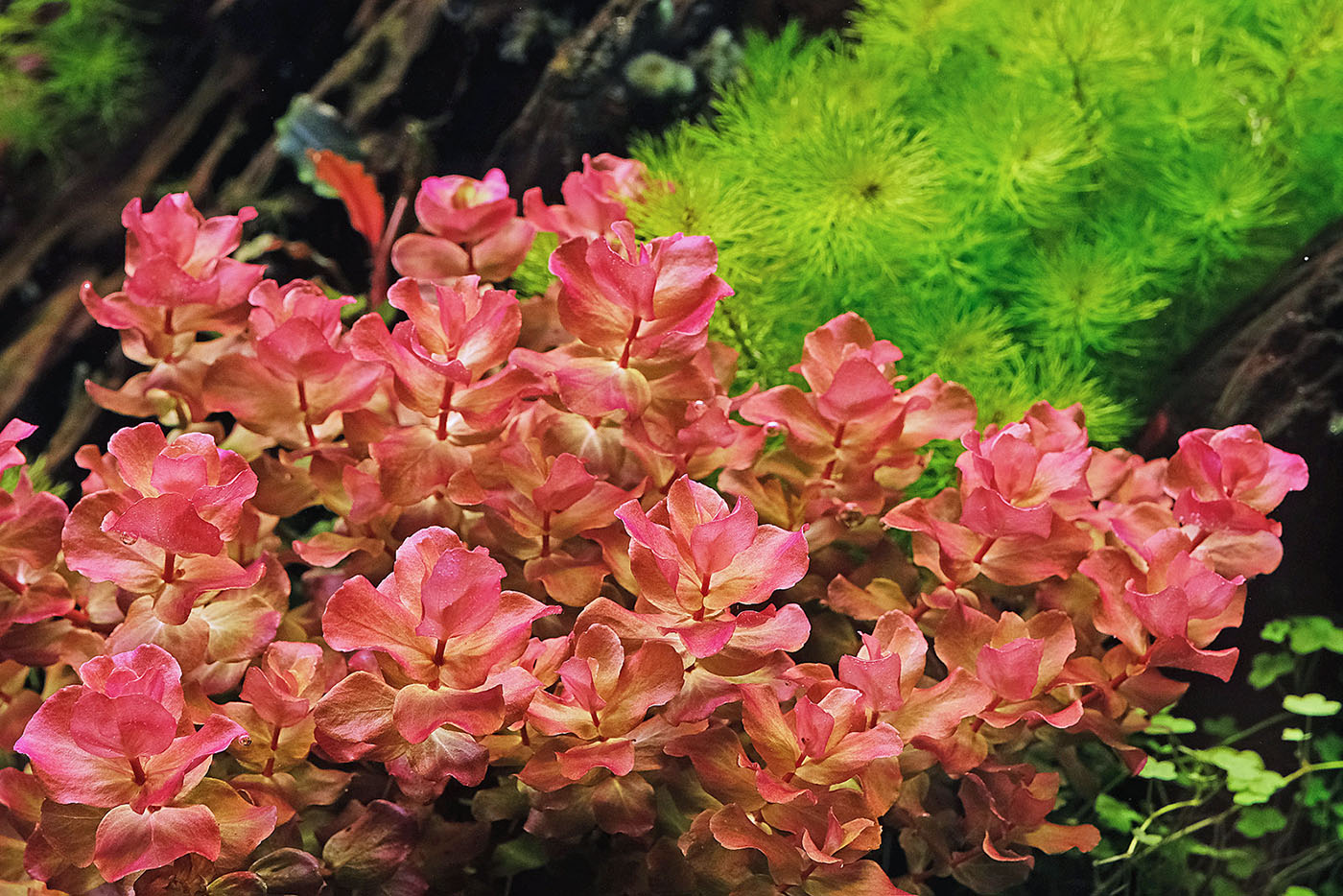
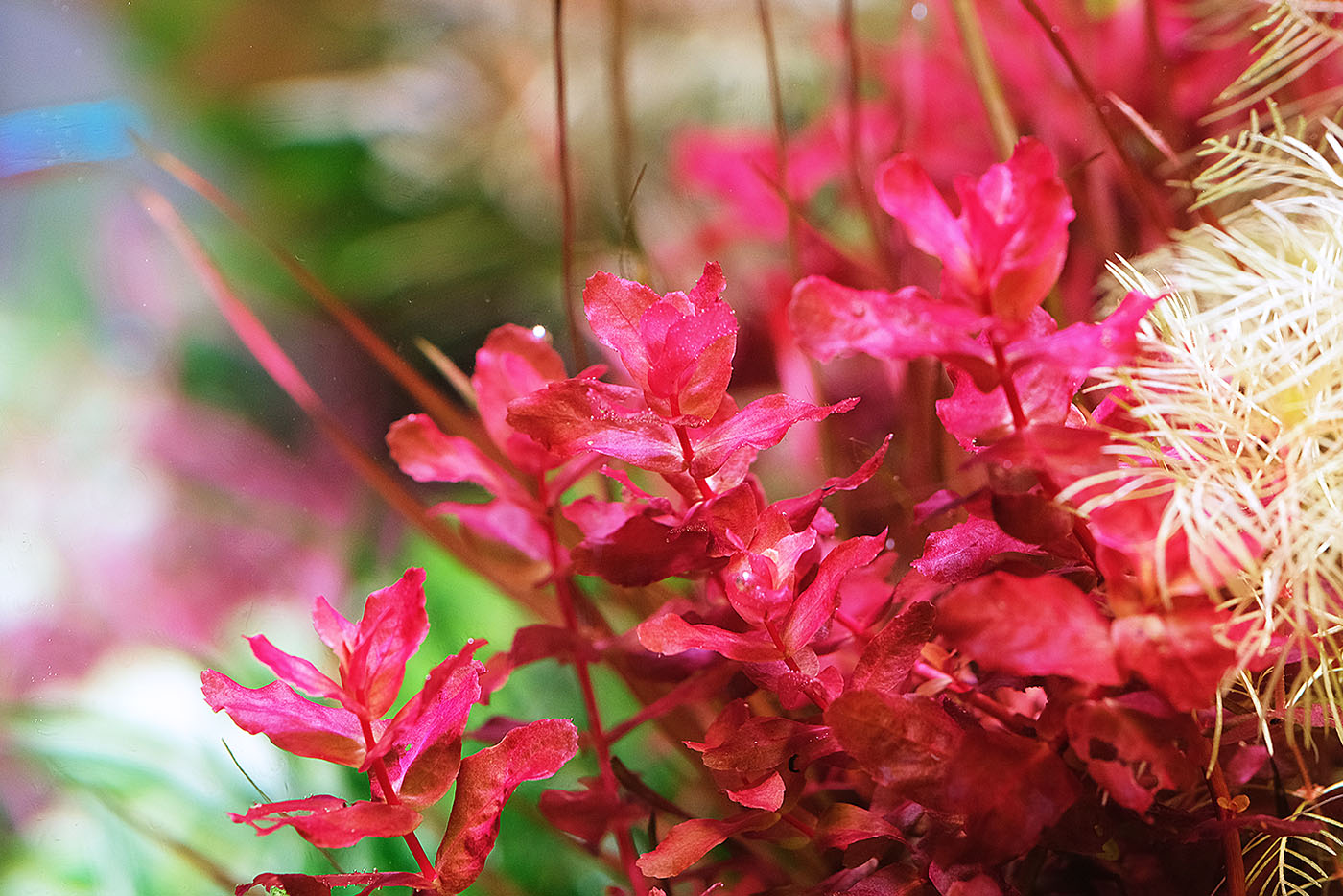
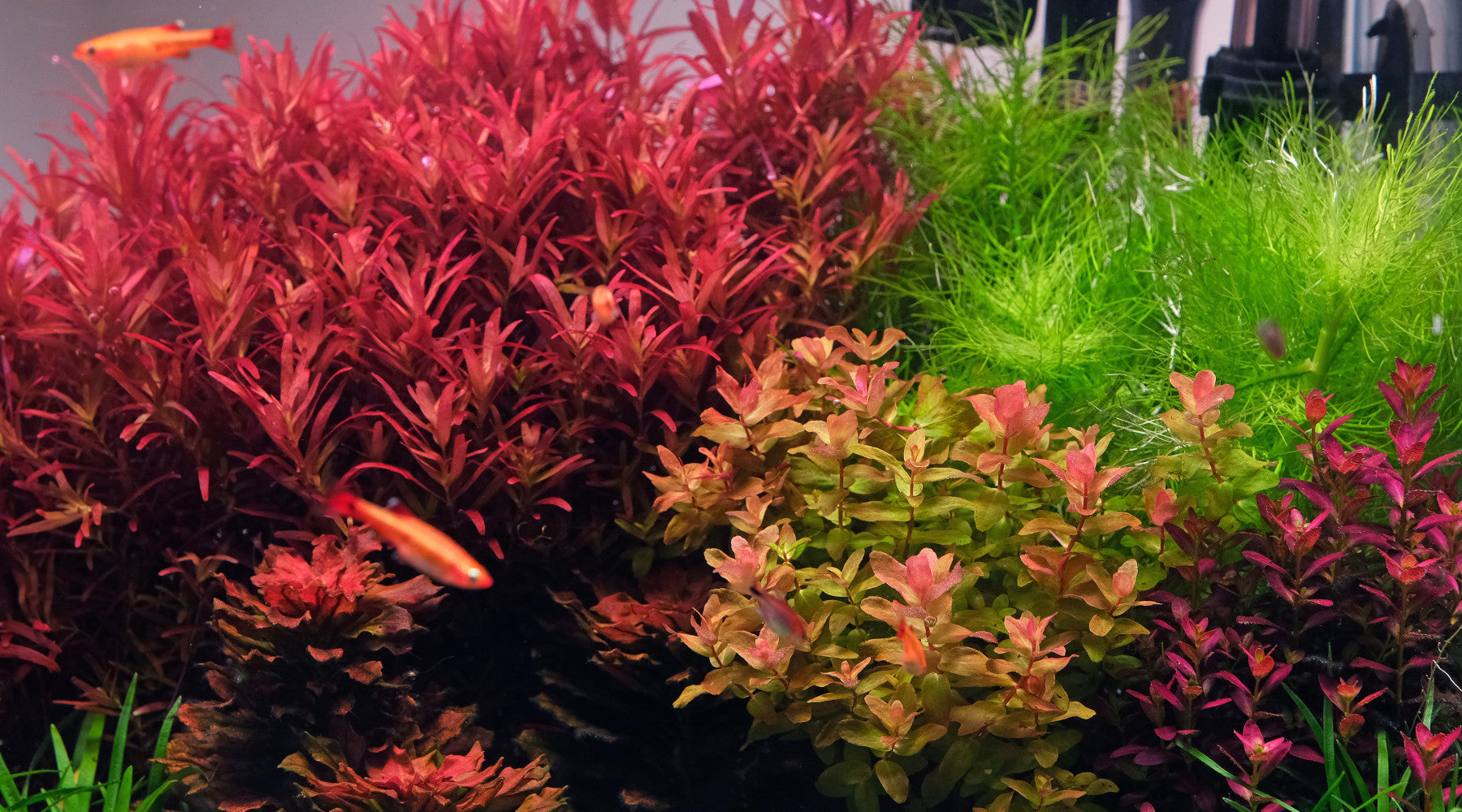
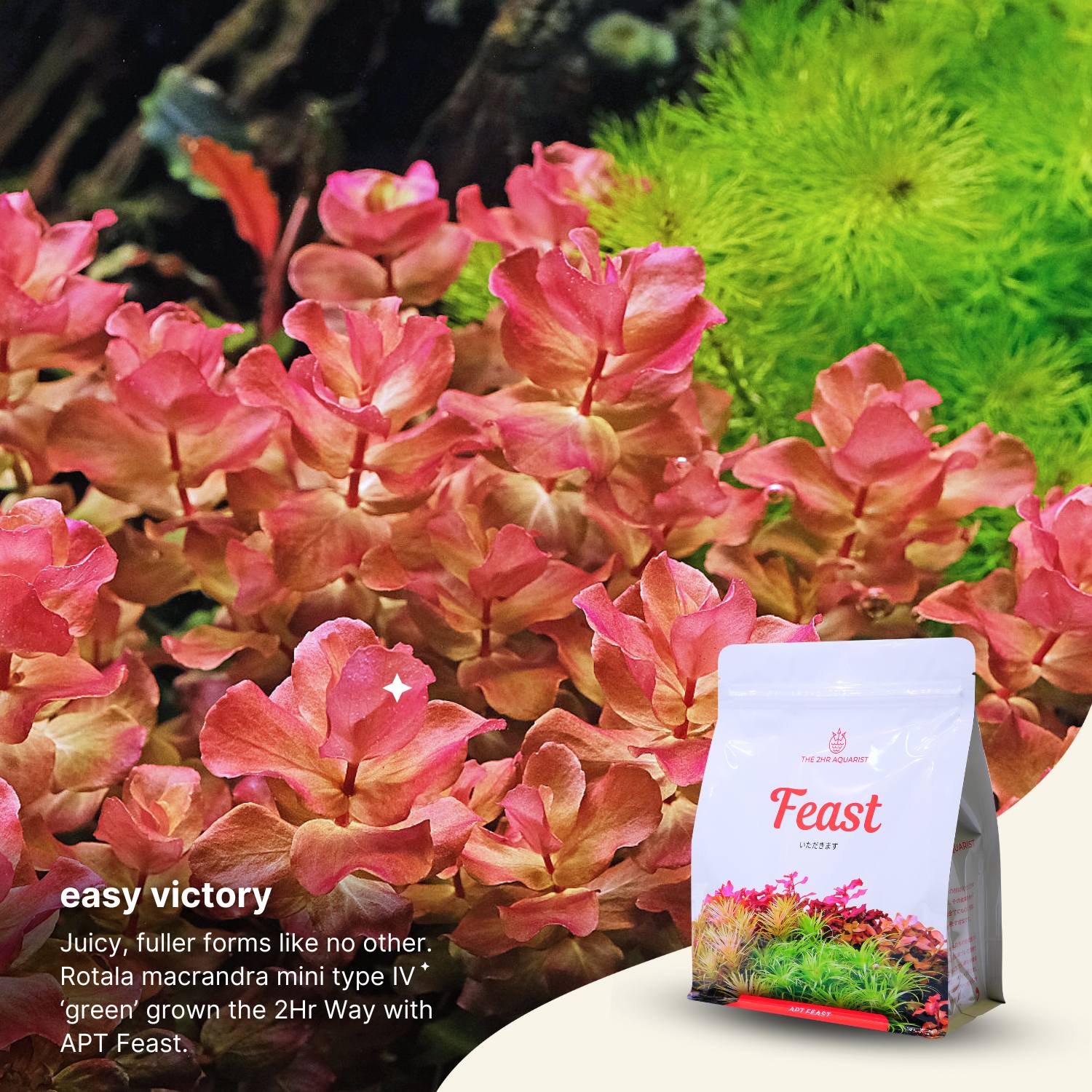
Vibrant Rotala Blood Red SG and Rotala Macrandra green

Is APT Feast Aquasoil Only for Advanced Aquarists?

APT Feast has a reputation as a soil for advanced aquascapers, but a beginner can get the same fast, strong growth. The rich soil releases ammonia in the first weeks, which regular water changes clear out. The dark start everyone mentions is optional, not required.

Read moreabout Is APT Feast Aquasoil Only for Advanced Aquarists?
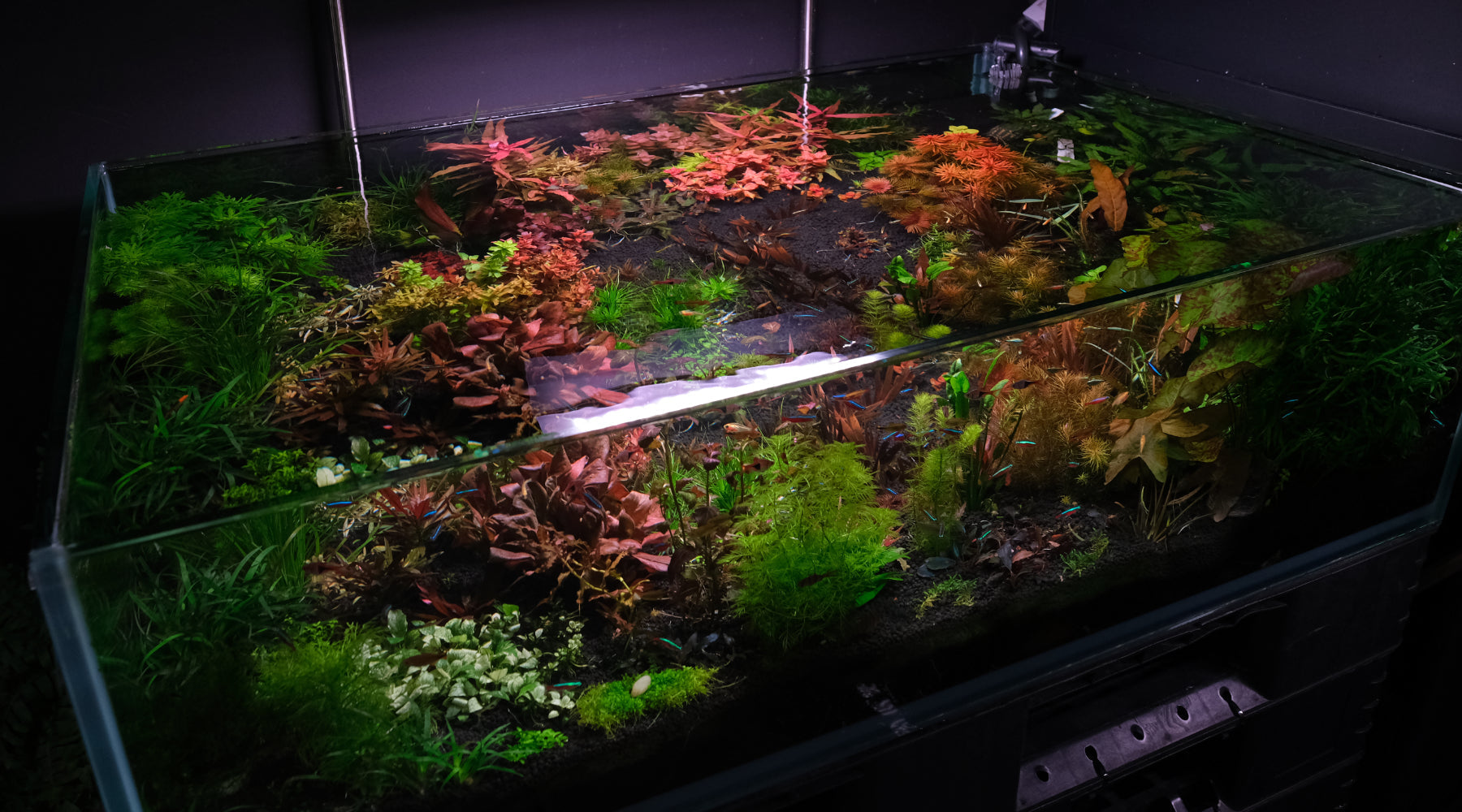
How to Start a New Aquarium with APT Feast Aquasoil: Two Paths to a Stable Tank

How to Start a New Aquarium with APT Feast Aquasoil: Two Paths to a Stable Tank

Many aquarists start a new tank and immediately face a diatom bloom. This guide lays out two reliable ways to start an APT Feast tank, dark start or plant on day one, and grow in fast without the algae stage.

Read moreabout How to Start a New Aquarium with APT Feast Aquasoil: Two Paths to a Stable Tank
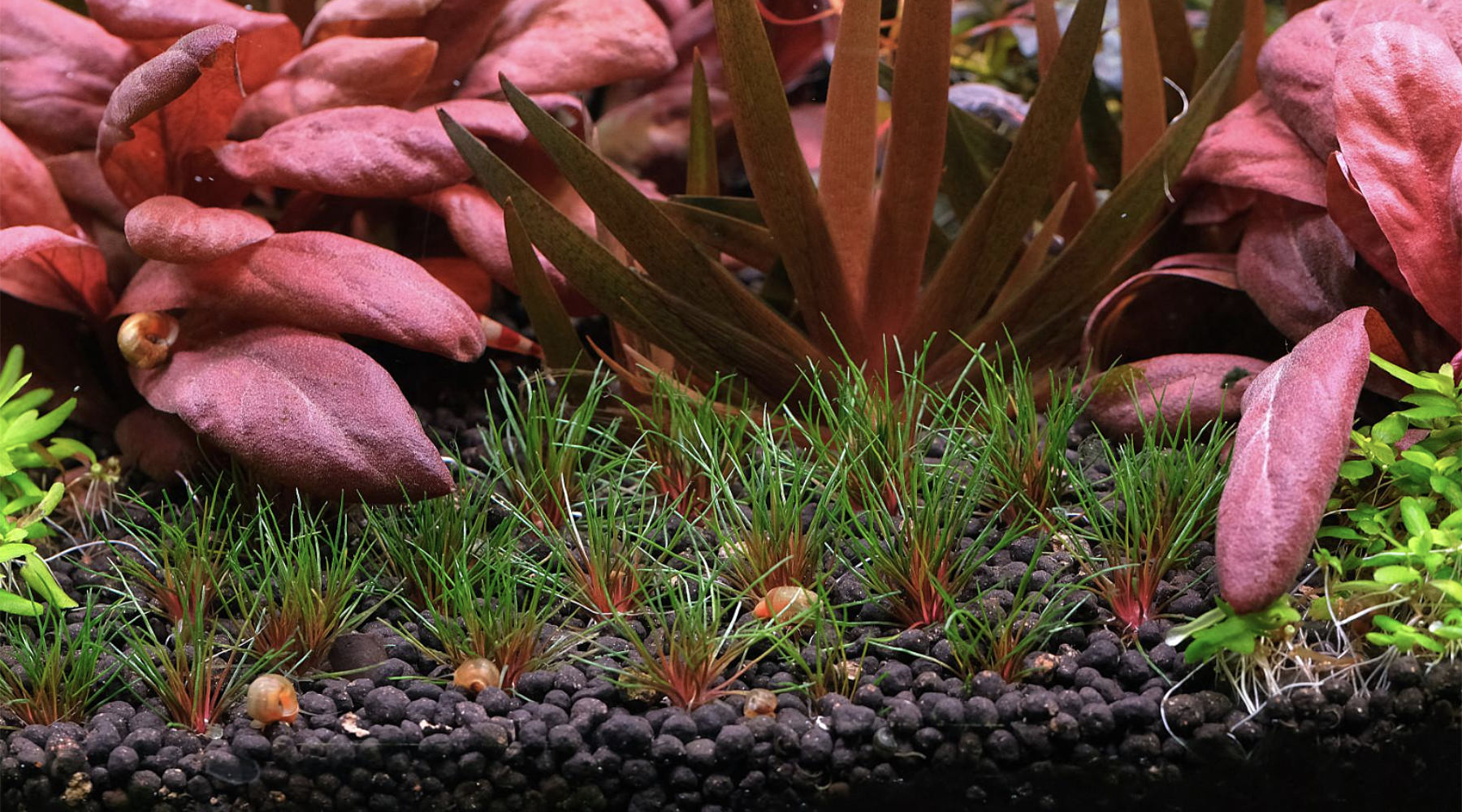
Planted Aquarium Substrate: Active vs Inert Substrates Explained

Planted Aquarium Substrate: Active vs Inert Substrates Explained

Active or inert? Aquasoil holds nutrients and can lower pH, while sand and gravel stay neutral but cost less and need less upkeep. This guide breaks down cation exchange, ammonia, CO2 generation, and long-term maintenance, so you can match your substrate to the tank you will actually keep.

Read moreabout Planted Aquarium Substrate: Active vs Inert Substrates Explained
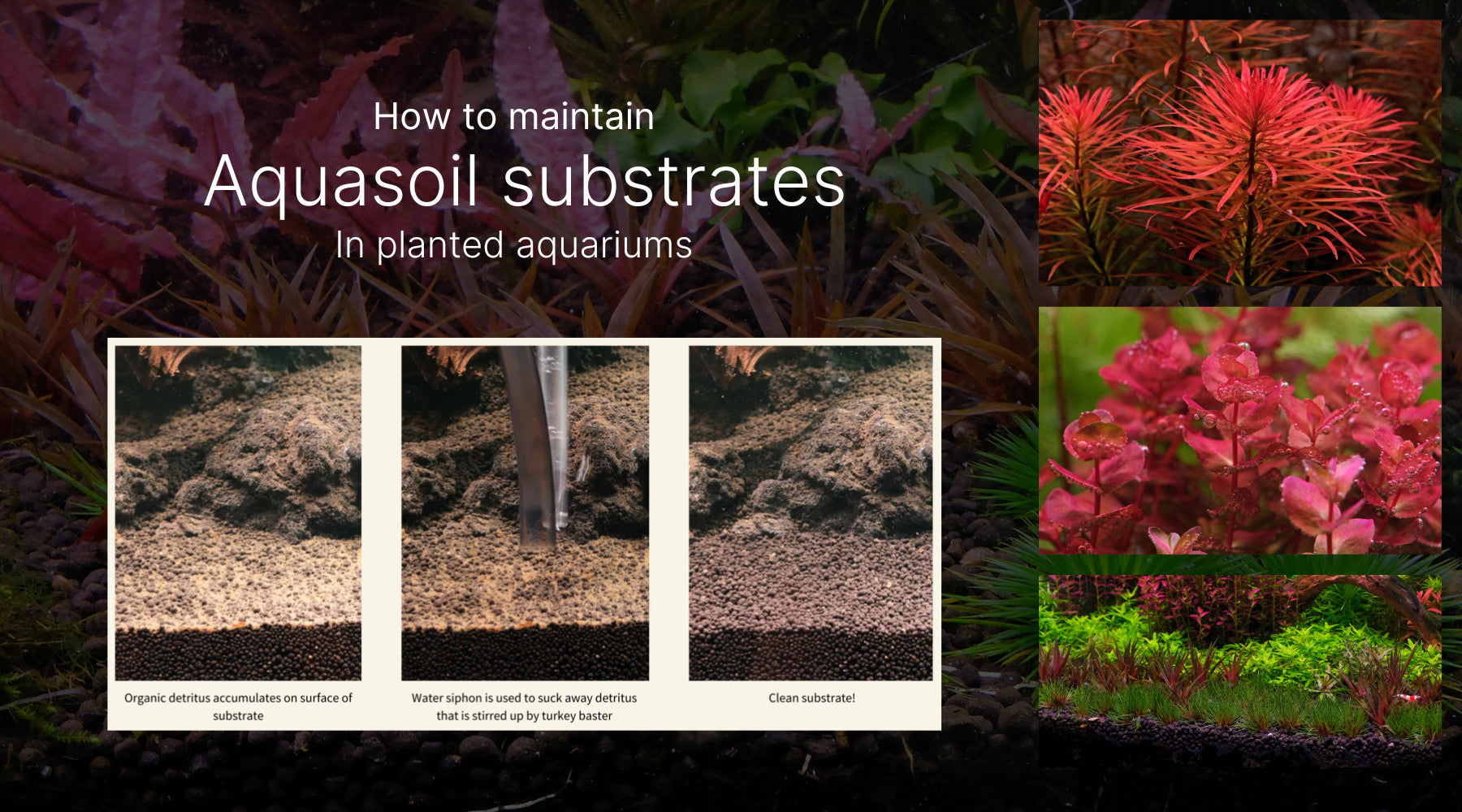
Should you siphon your aquasoil substrate? Do aquasoils need maintenance?

Should you siphon your aquasoil substrate? Do aquasoils need maintenance?

Aquasoils are now standard in many planted tank setups, but there are very few sources if any, that cover how to maintain aquasoil substrates over the long run. Excess organic detritus should be removed and aquasoil substrates also need enriching over time to perform optimally.

Read moreabout Should you siphon your aquasoil substrate? Do aquasoils need maintenance?
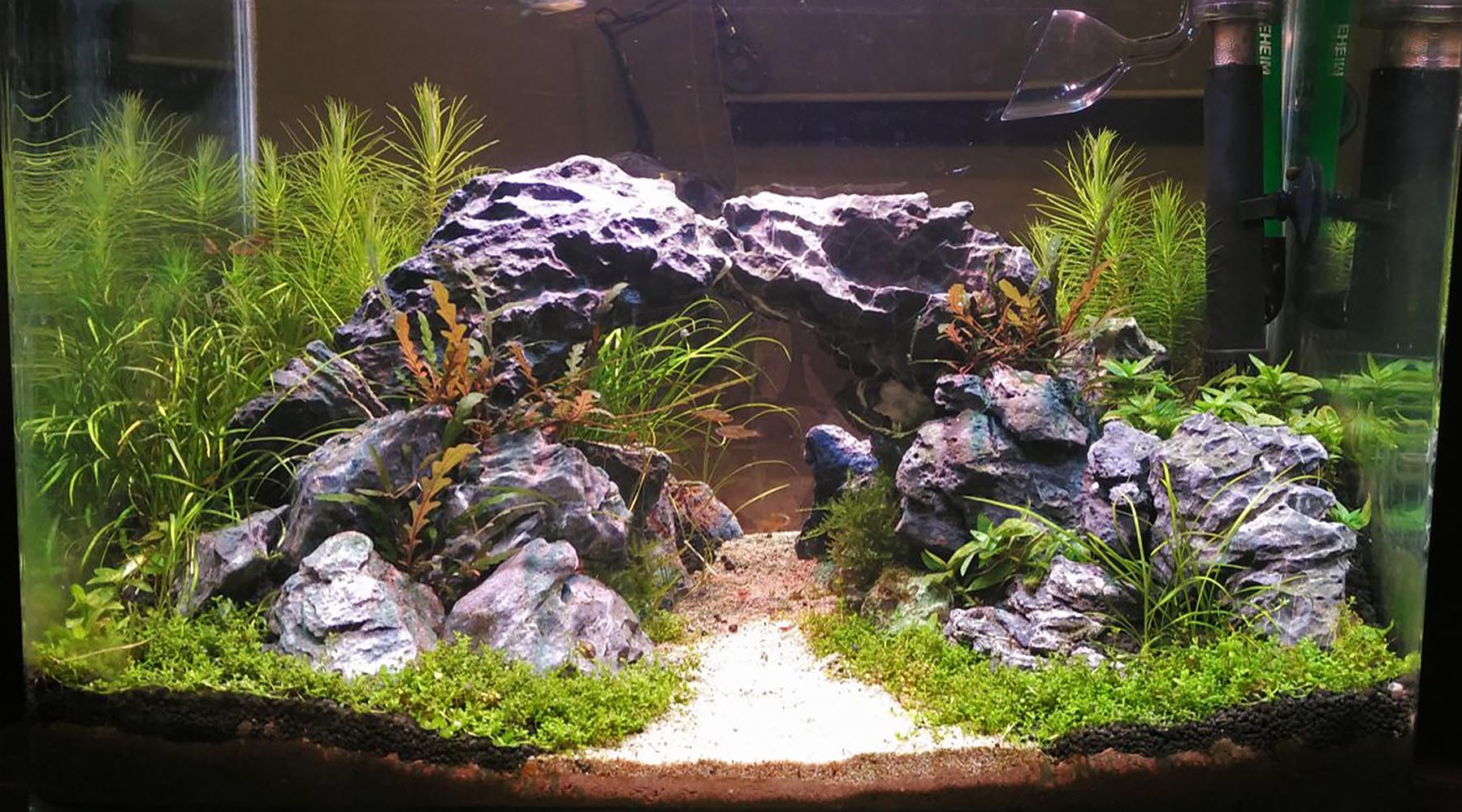
Separating sand from aquasoil areas
Separating sand from aquasoil areas

How to create a pathway as part of an aquascape? These are a couple of different approaches.

Read moreabout Separating sand from aquasoil areas

How to create and manage slopes
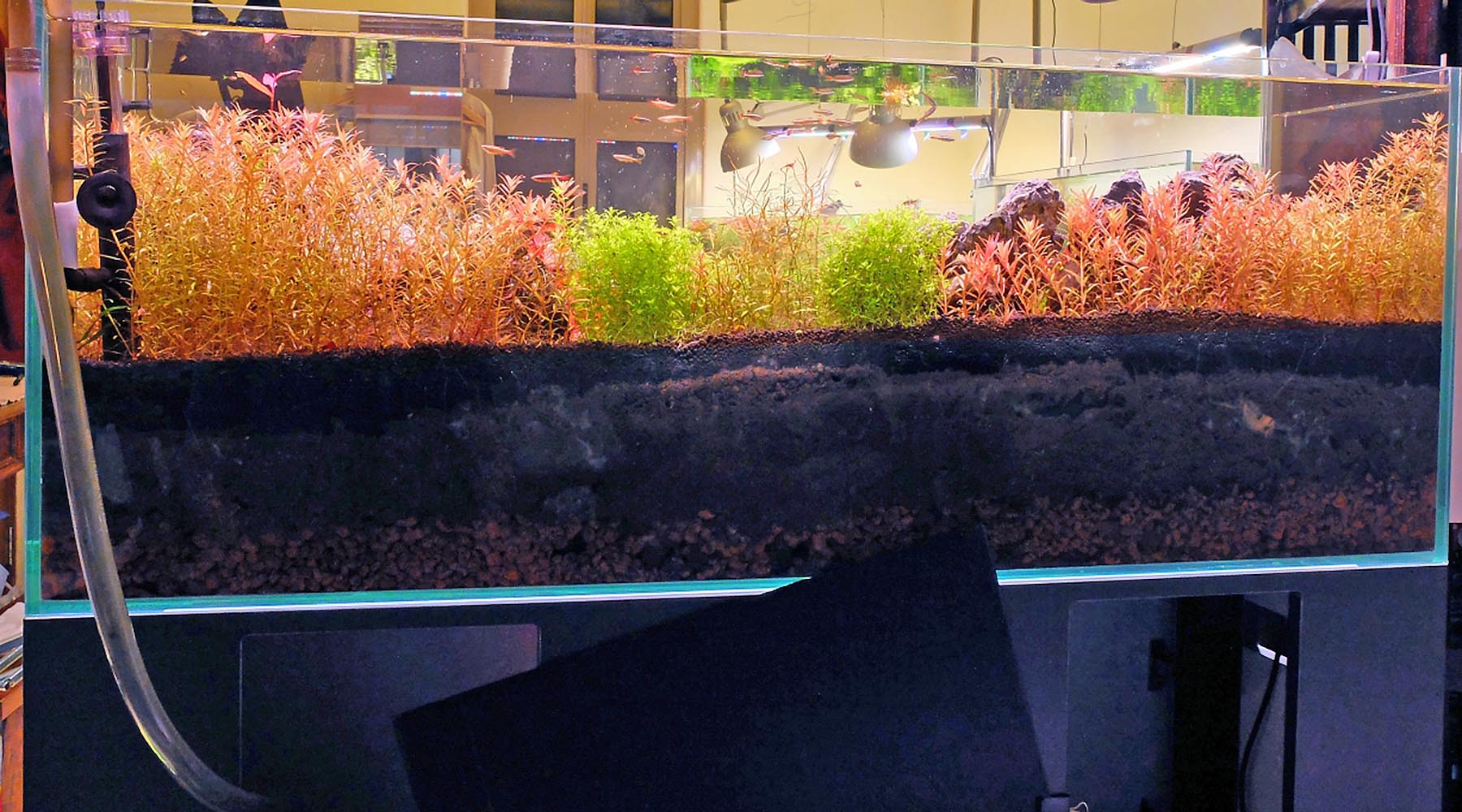
How to create and manage slopes

How to create high slopes and manage high soil depth? Here I go into some techniques and approaches.

Read moreabout How to create and manage slopes

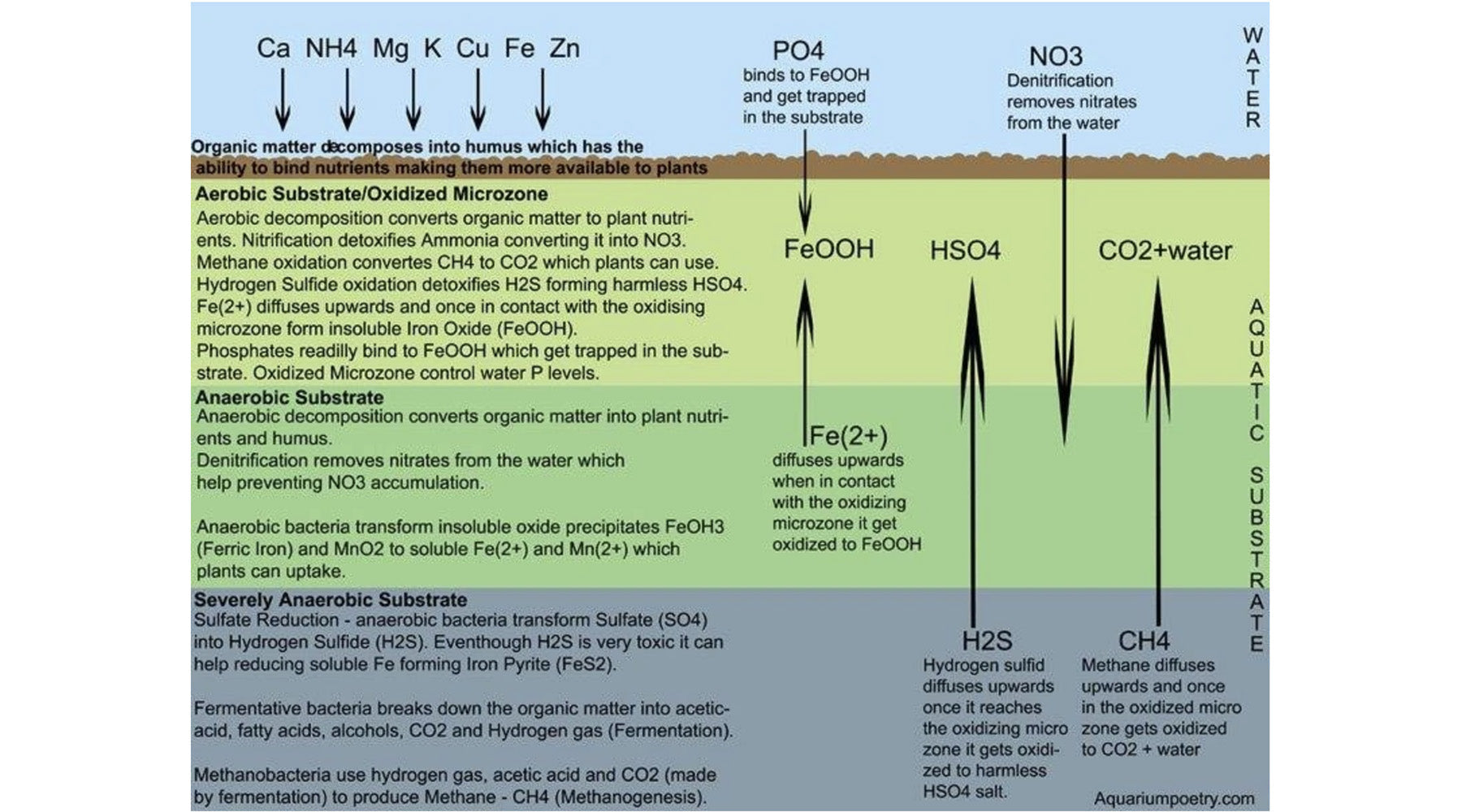
How deep can I layer soil? Does thick soil always become anaerobic and cause problems?
How deep can I layer soil? Does thick soil always become anaerobic and cause problems?
There is widespread belief that if one uses deep soil more than a few inches deep, it will result in an anaerobic substrate & create harmful gases...

Read moreabout How deep can I layer soil? Does thick soil always become anaerobic and cause problems?