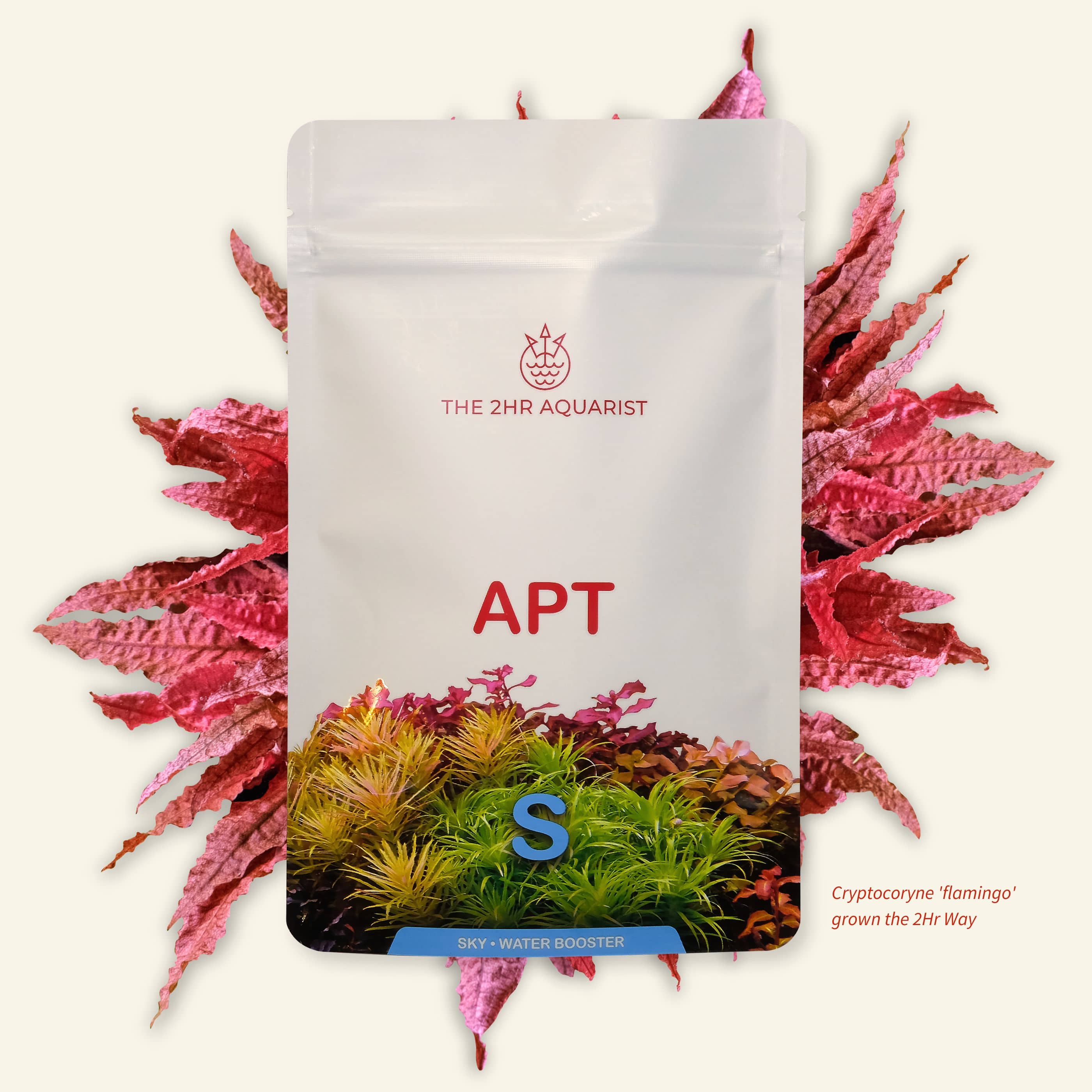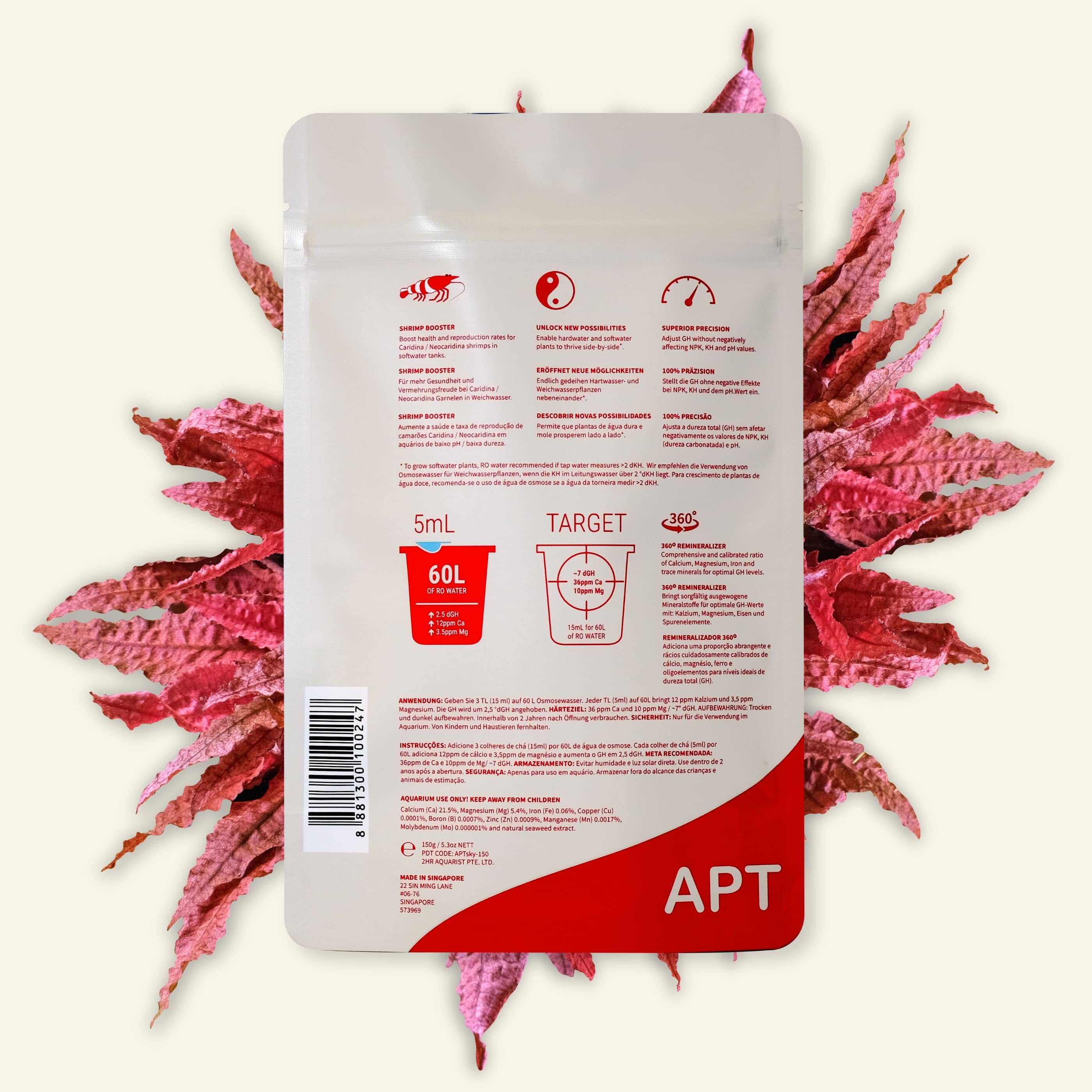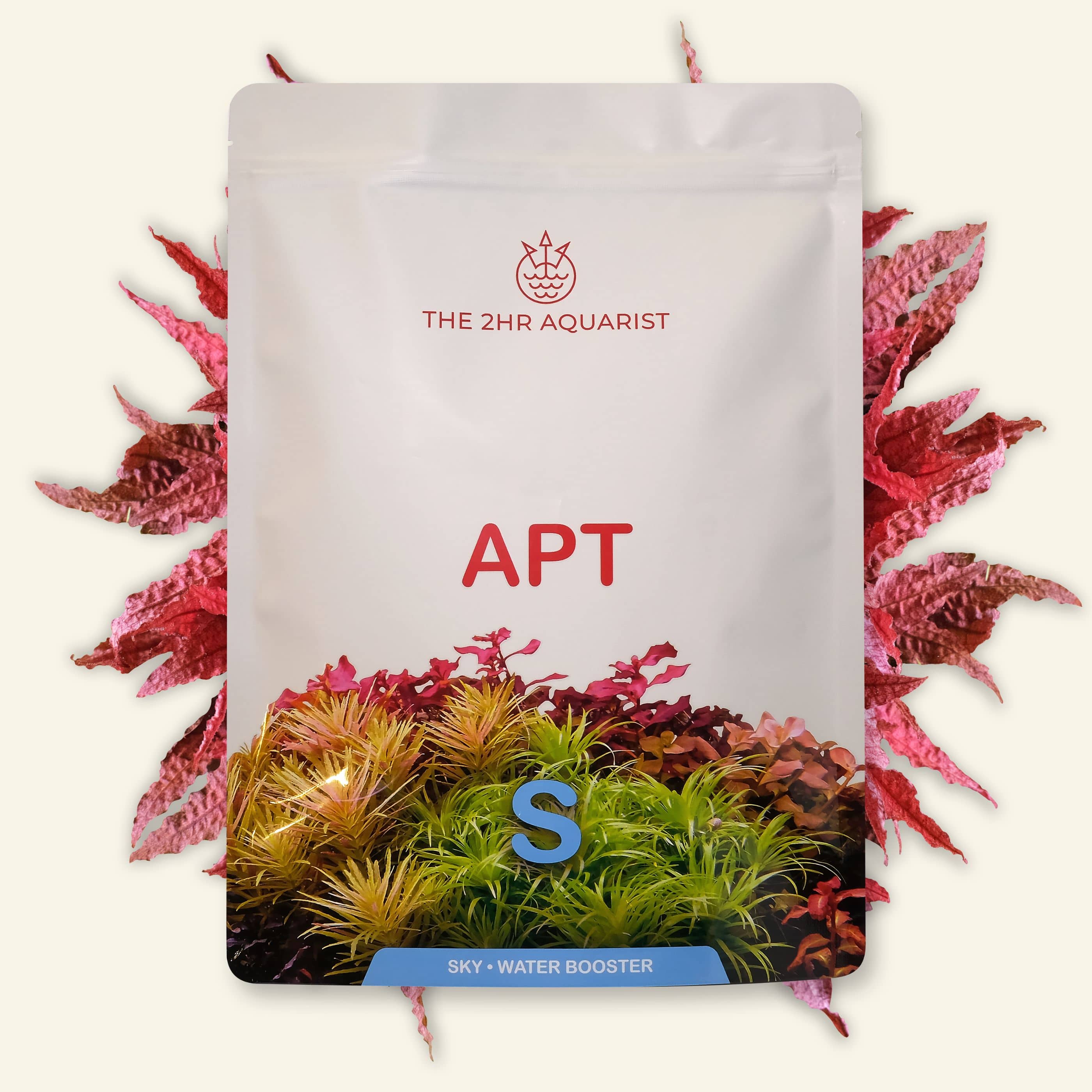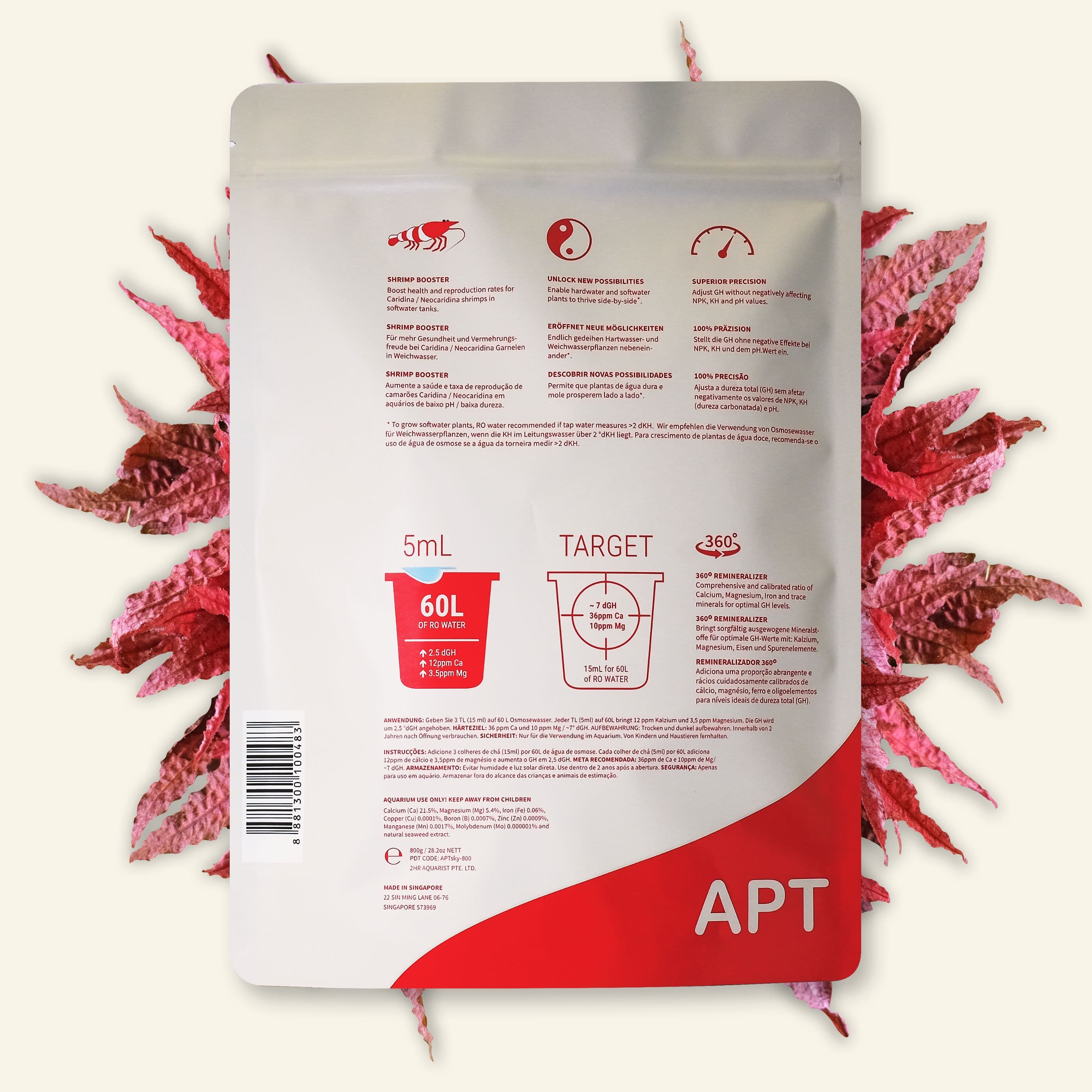

All-In-One

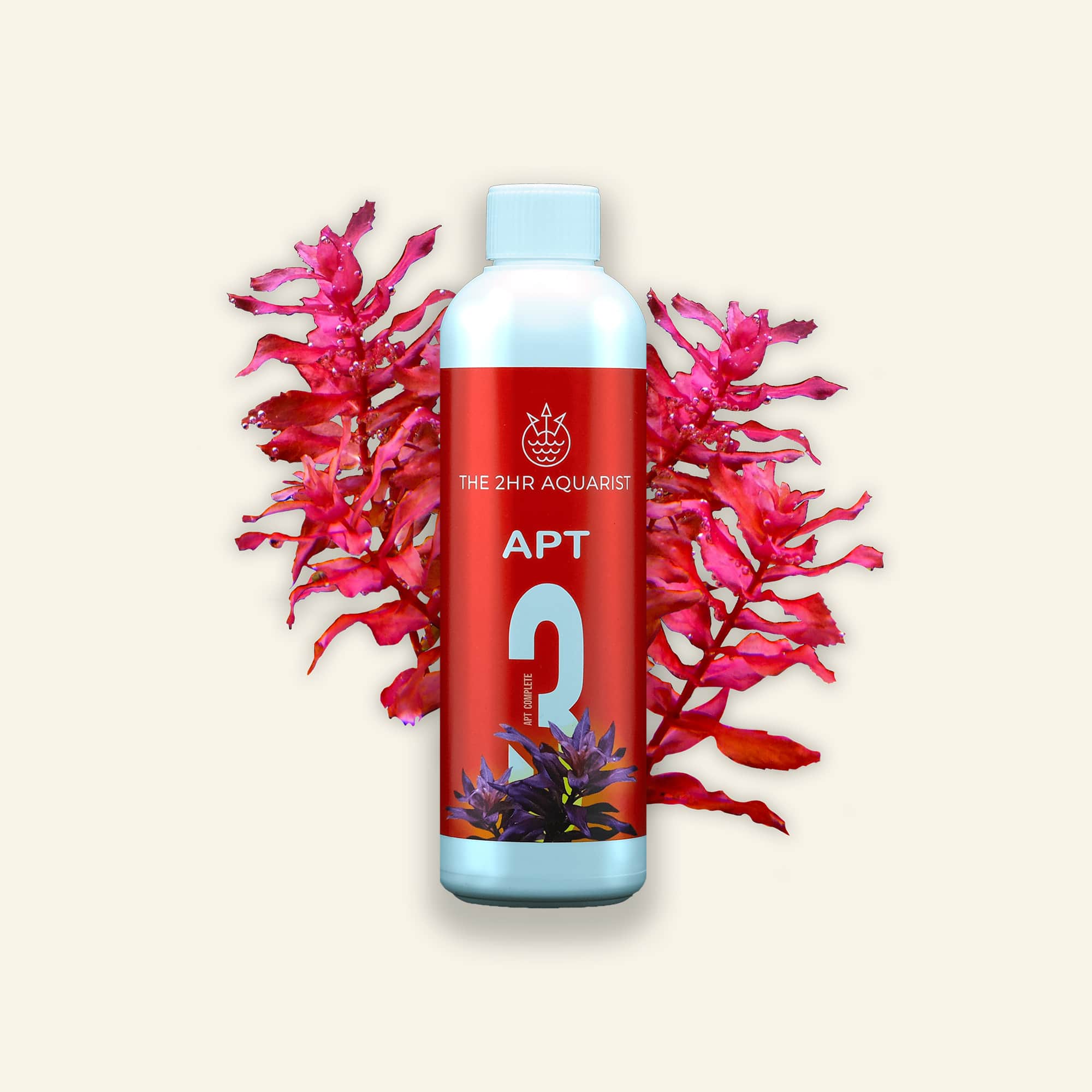
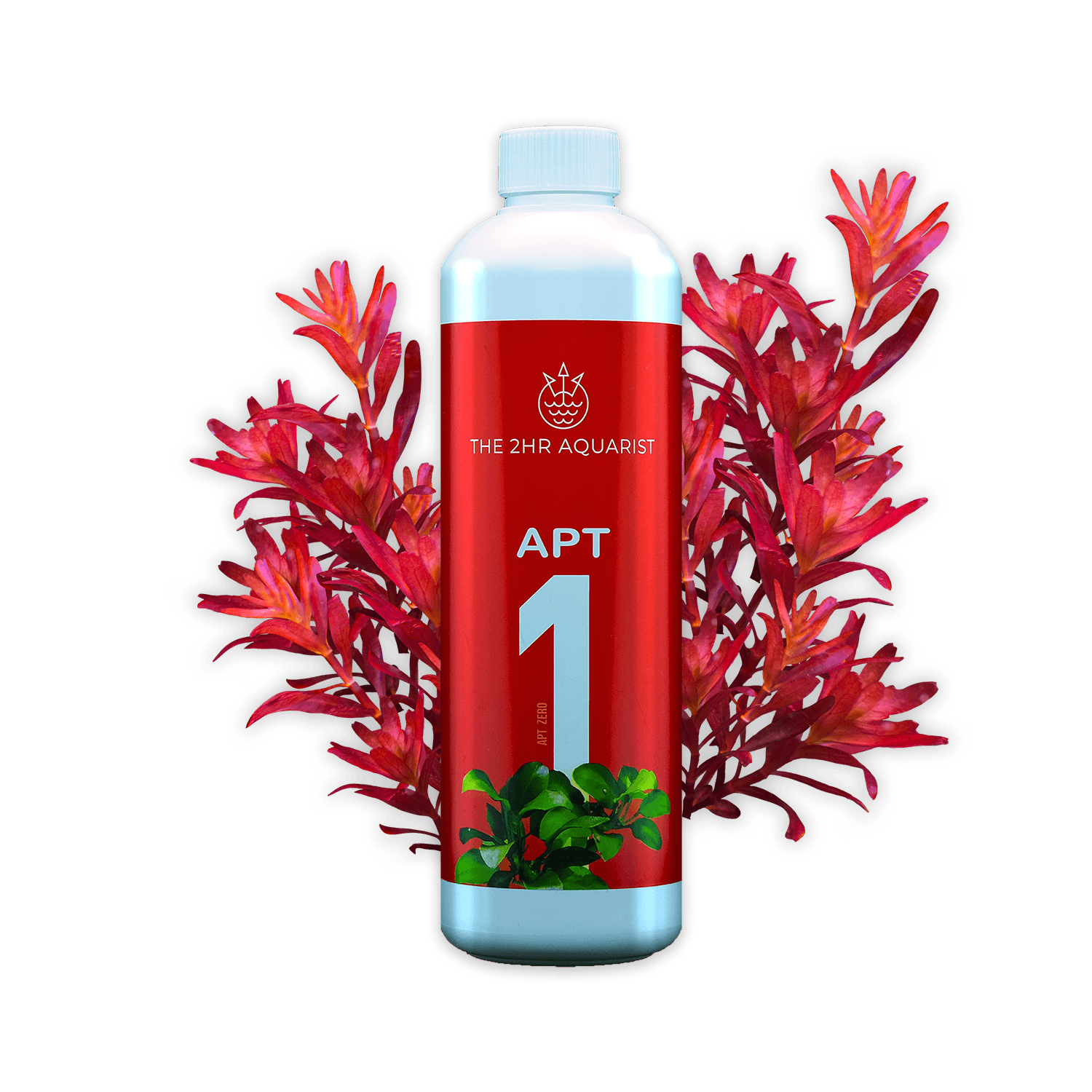
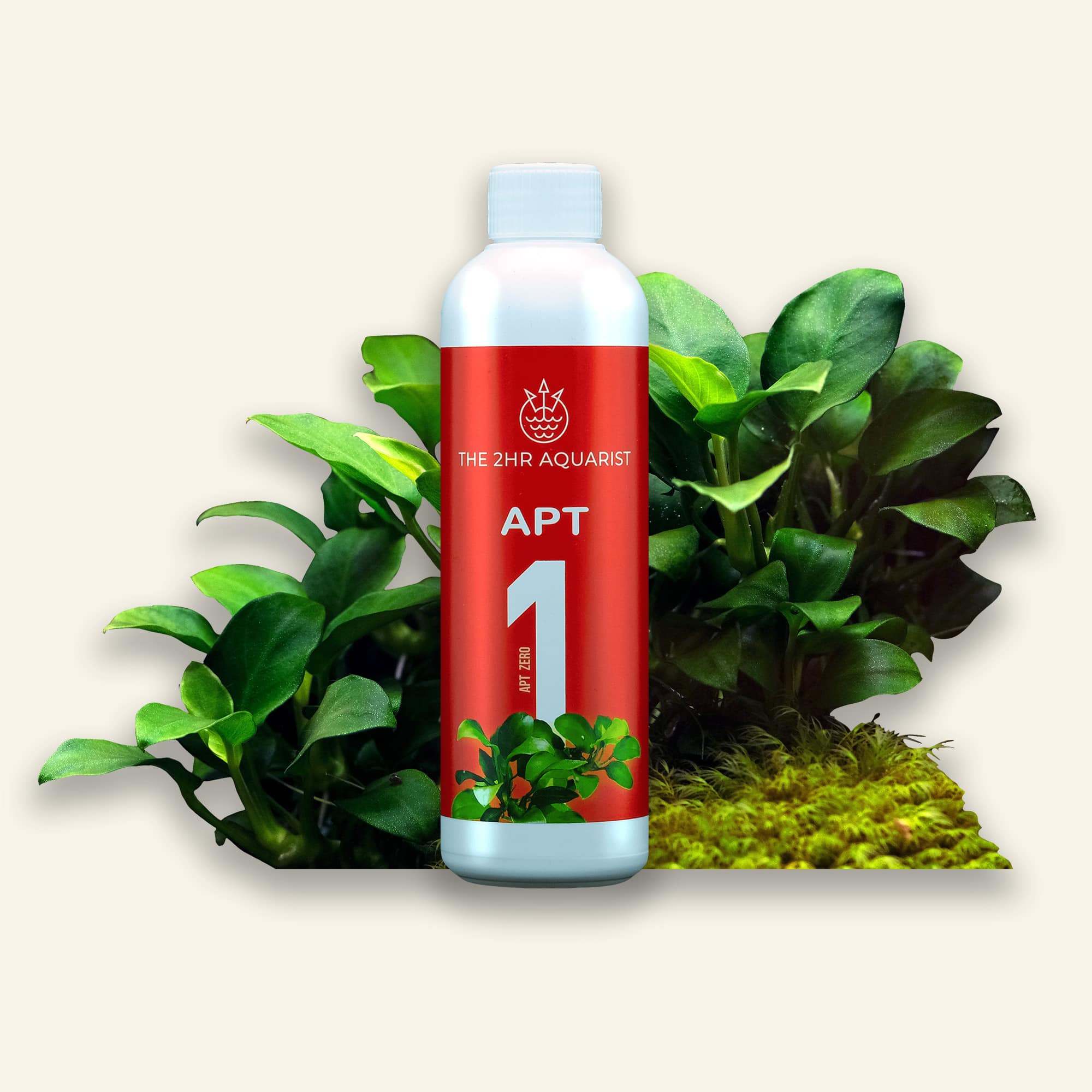
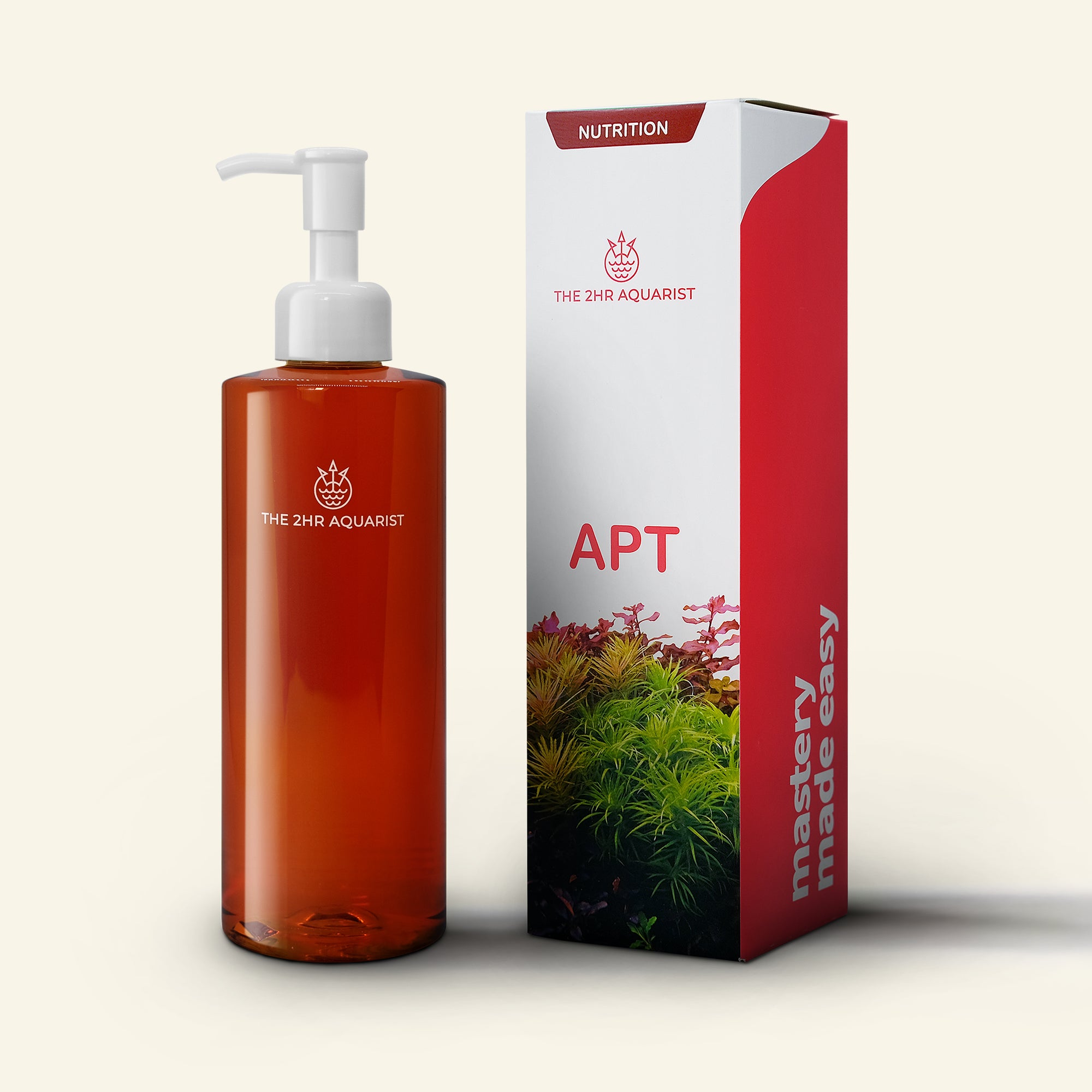
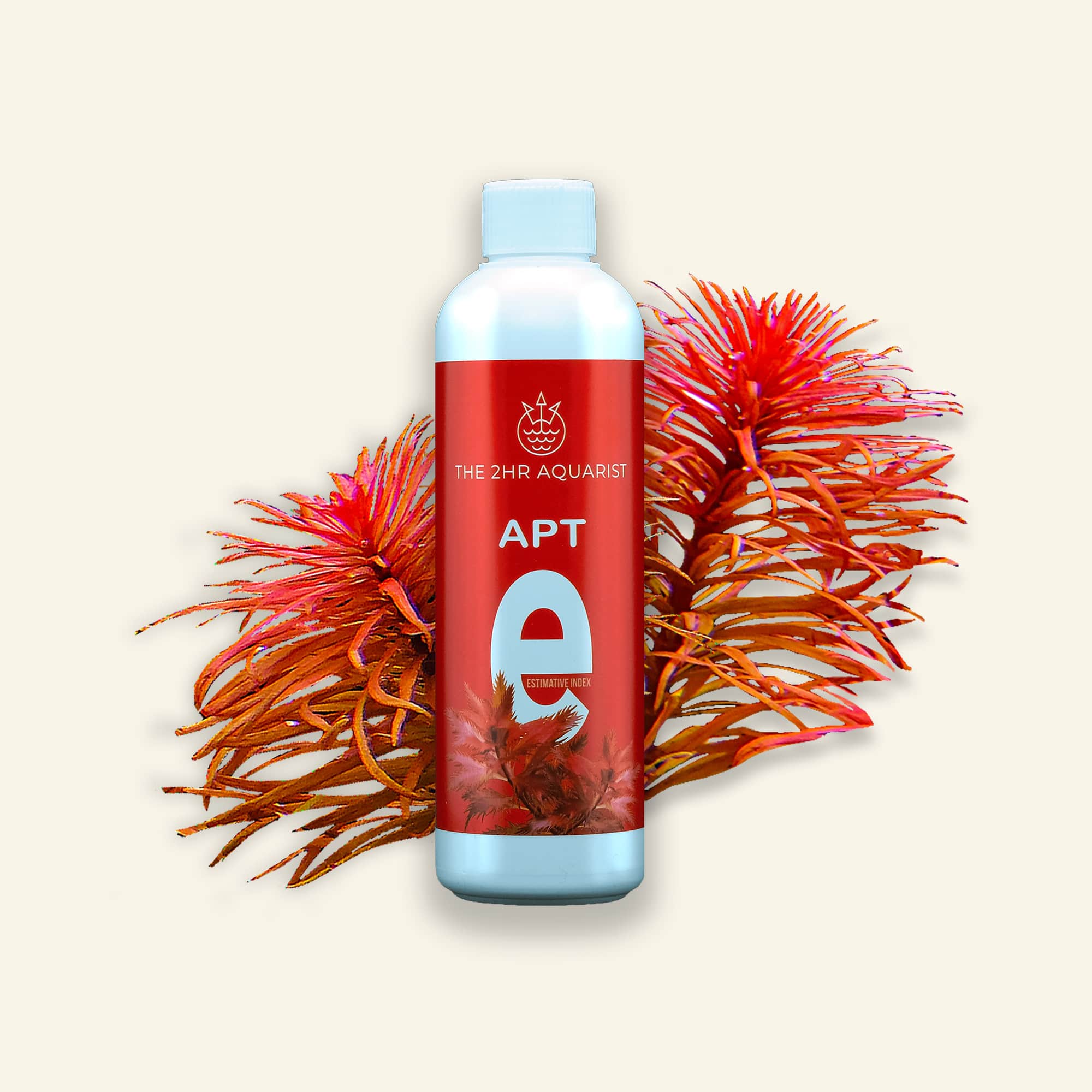
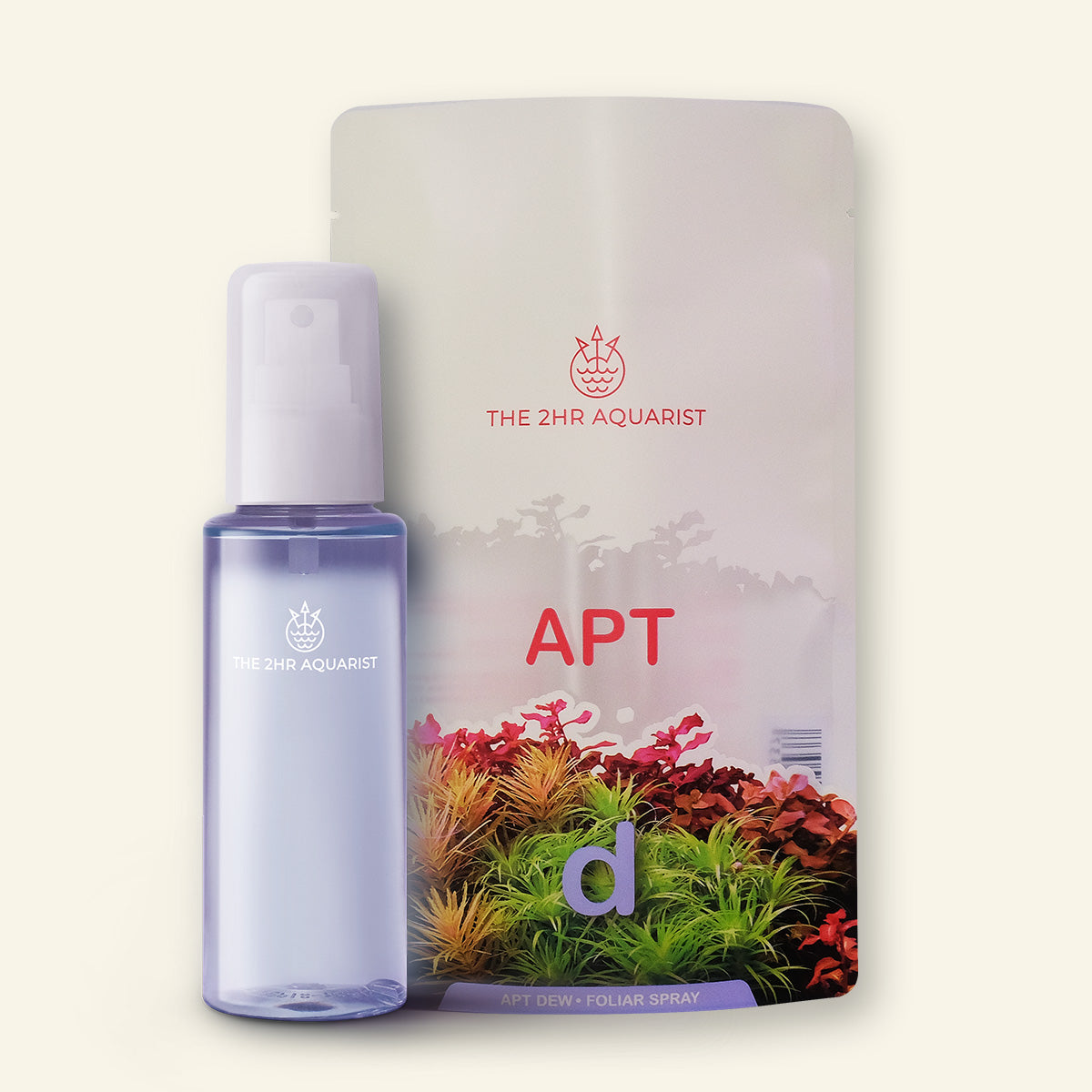
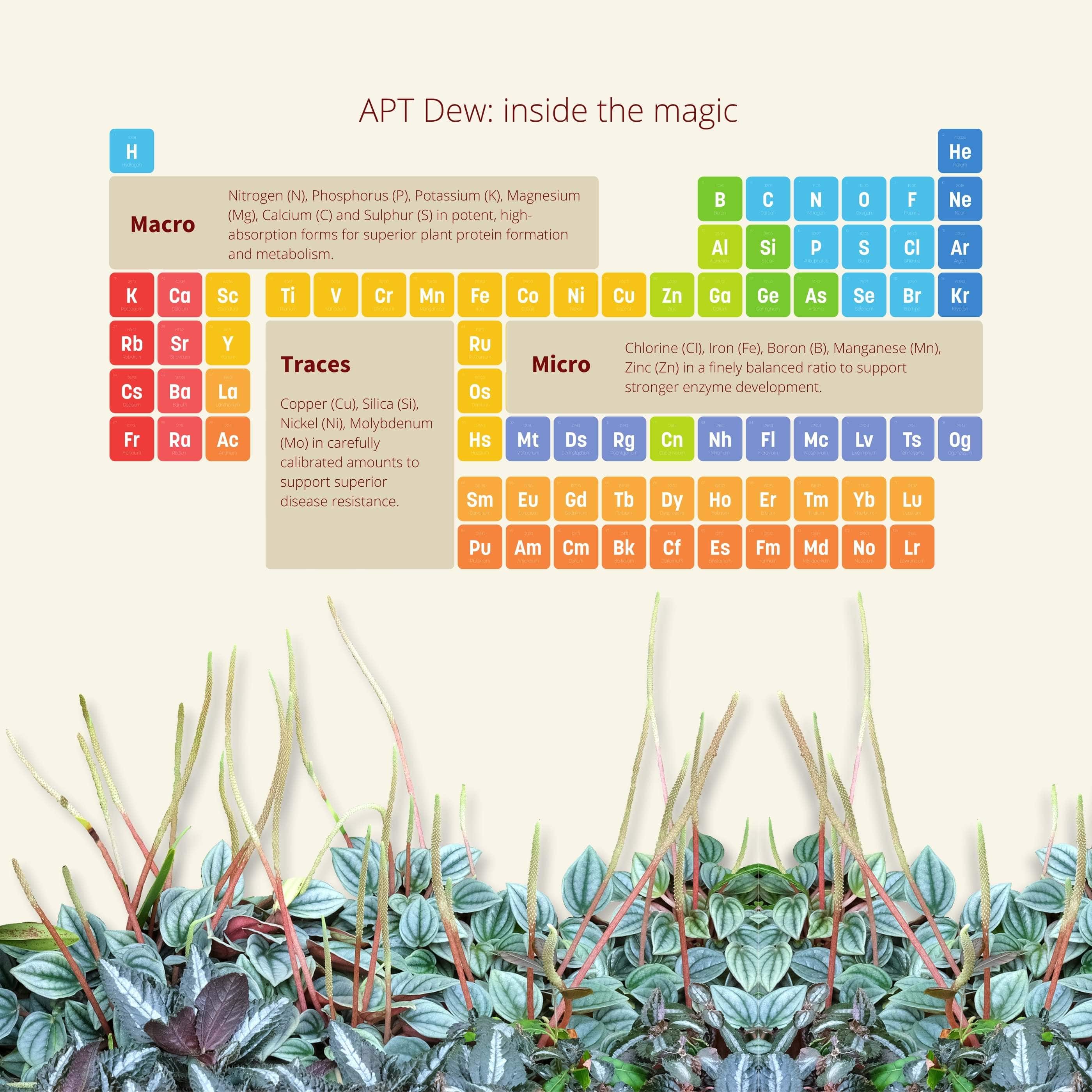
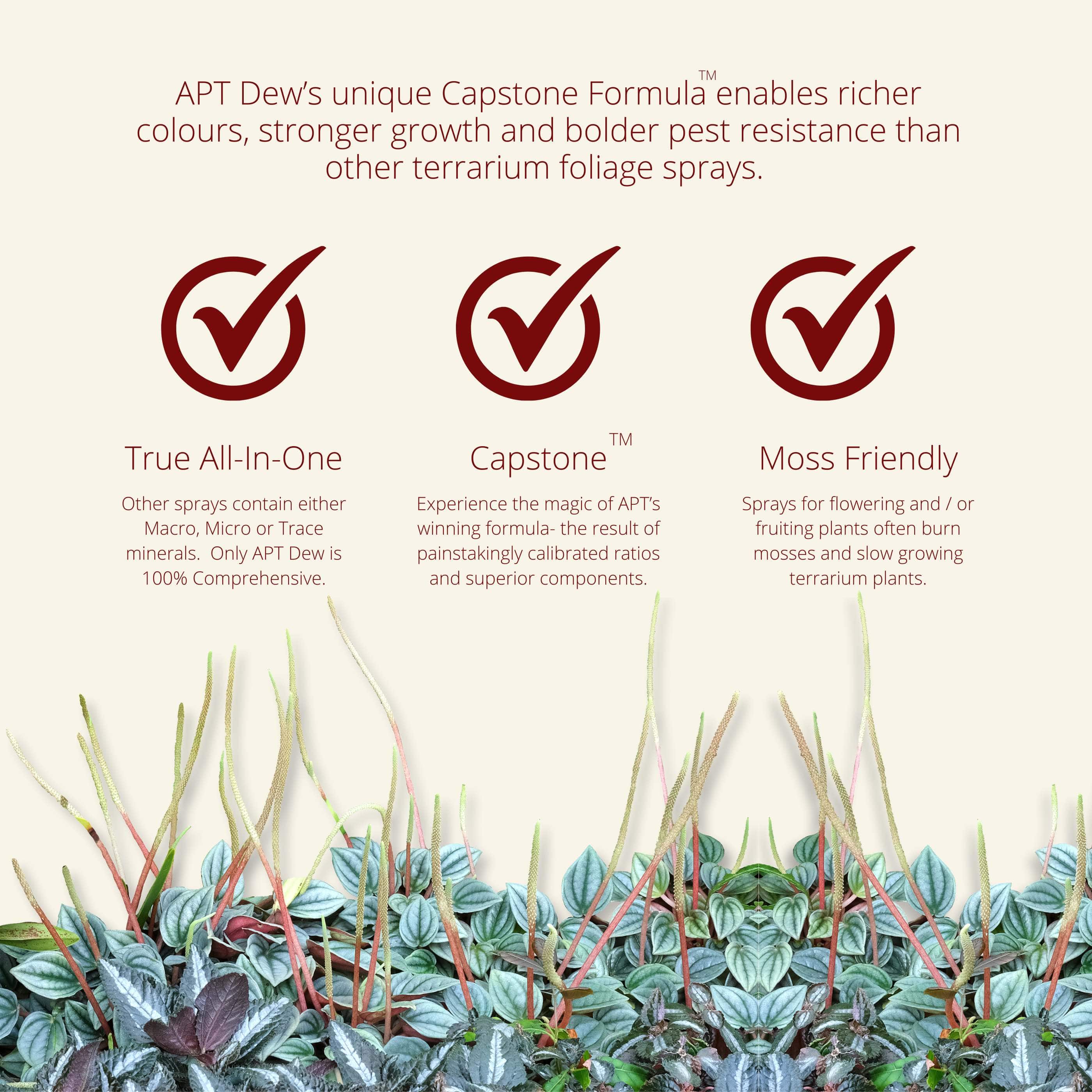
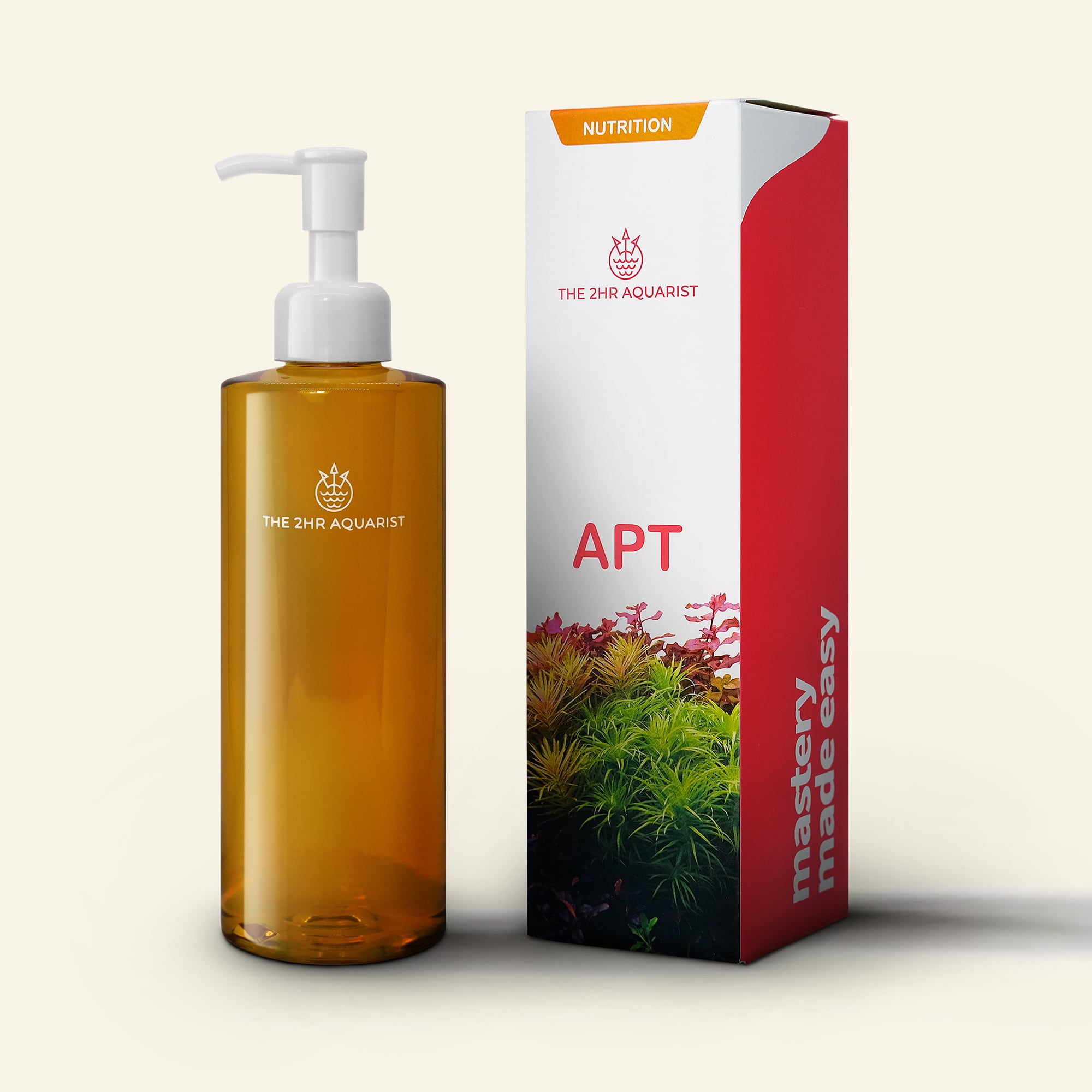
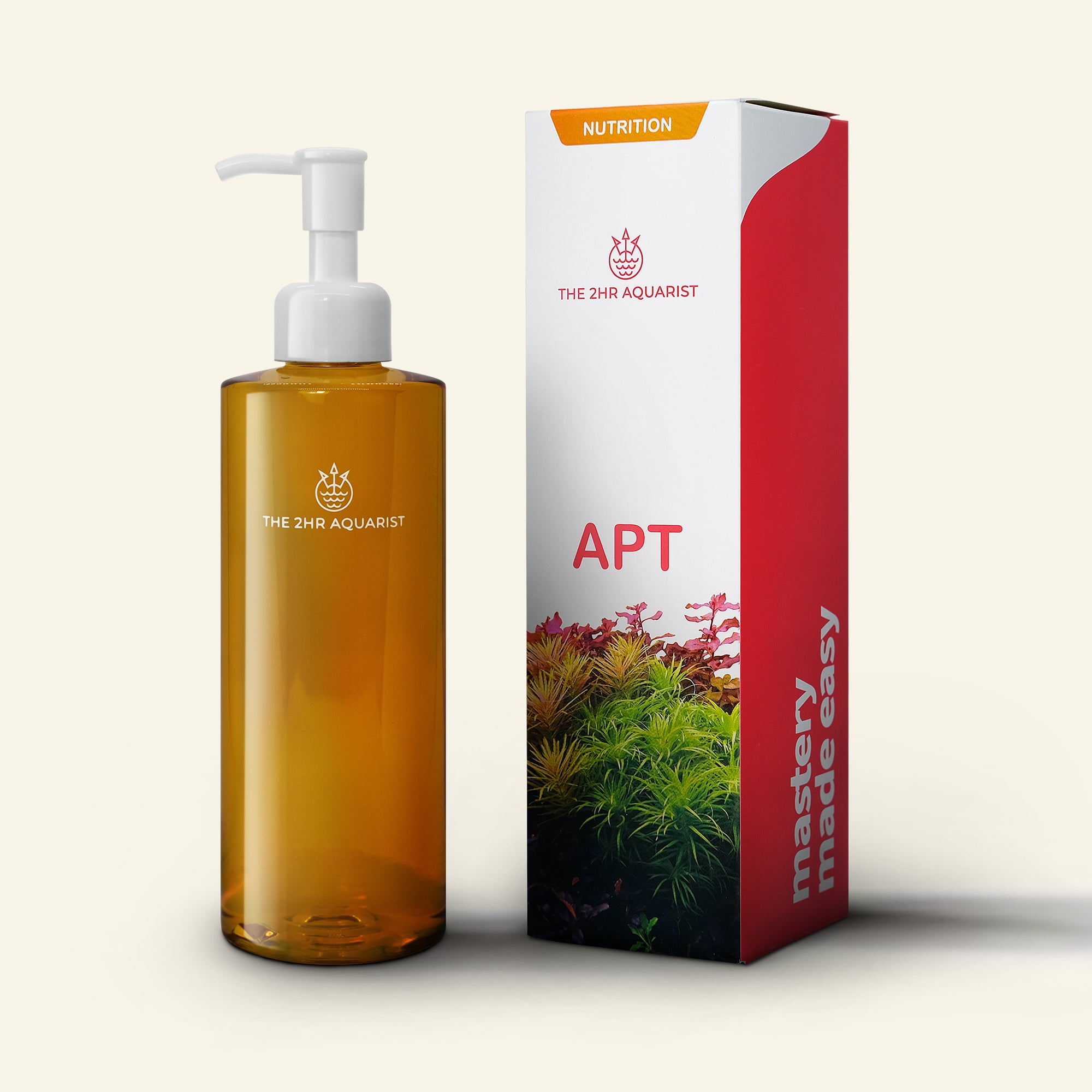
APT DEW contains a comprehensive blend of essential macro- and micro-nutrients, based on APT's winning Capstone formula.

Ultra-fine Mist

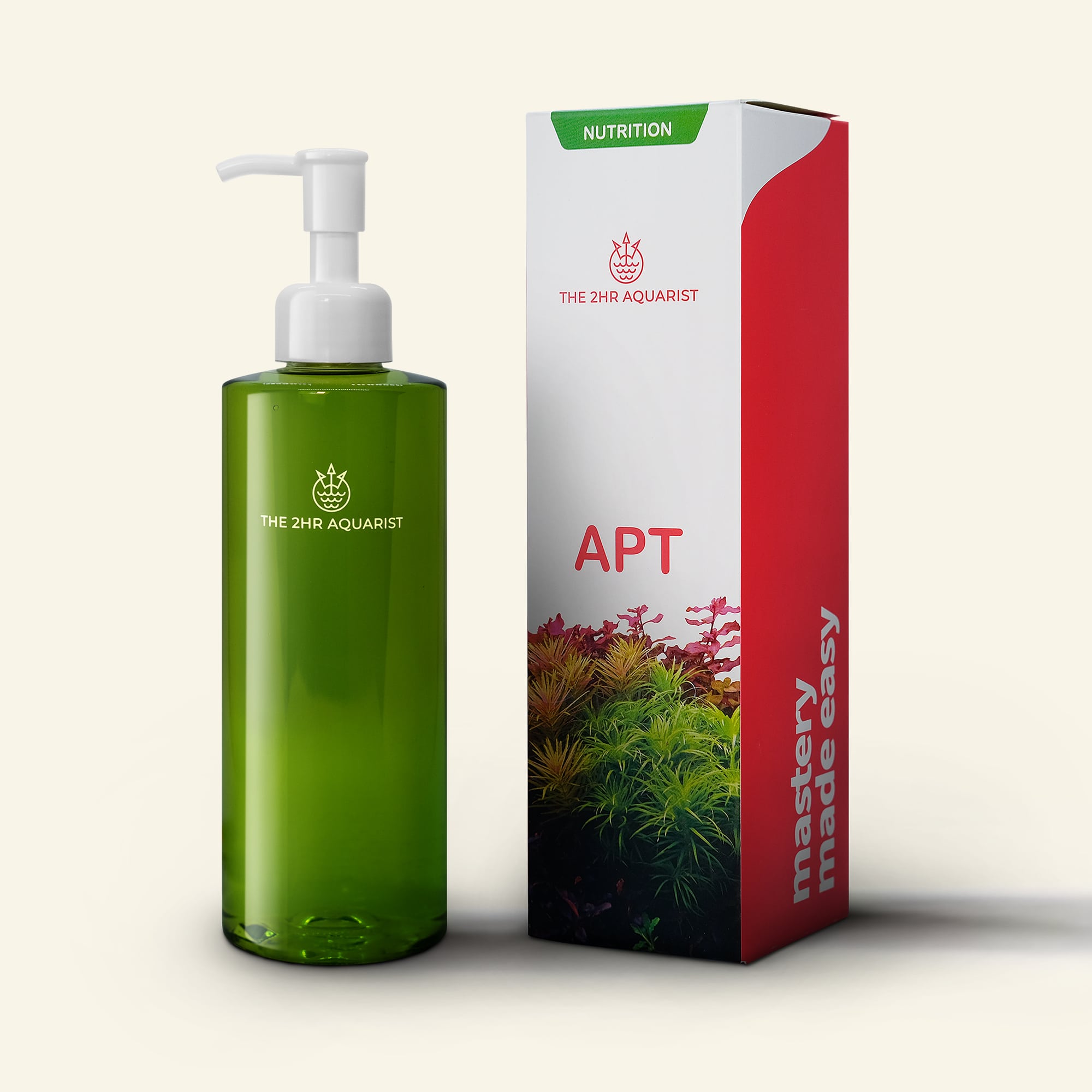
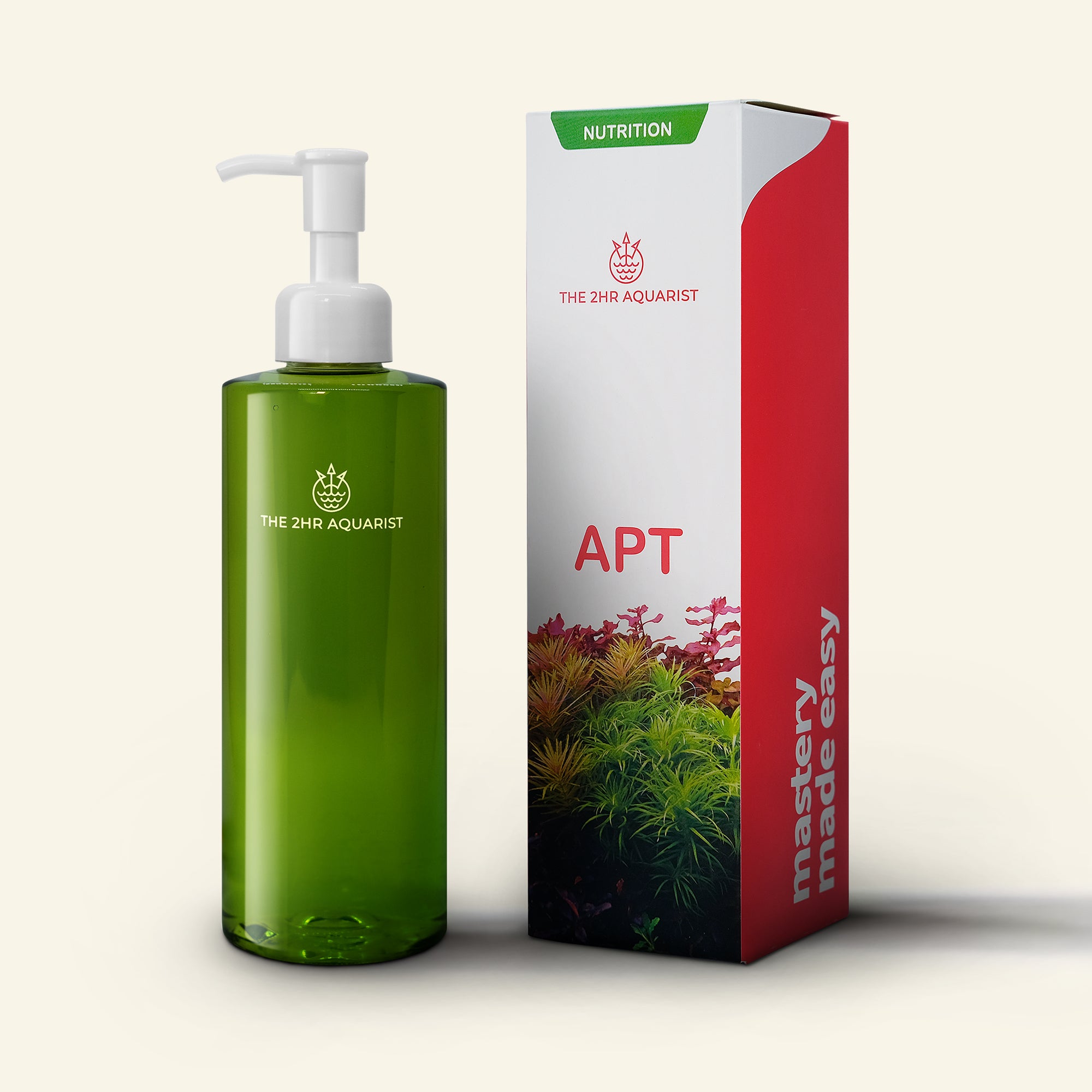
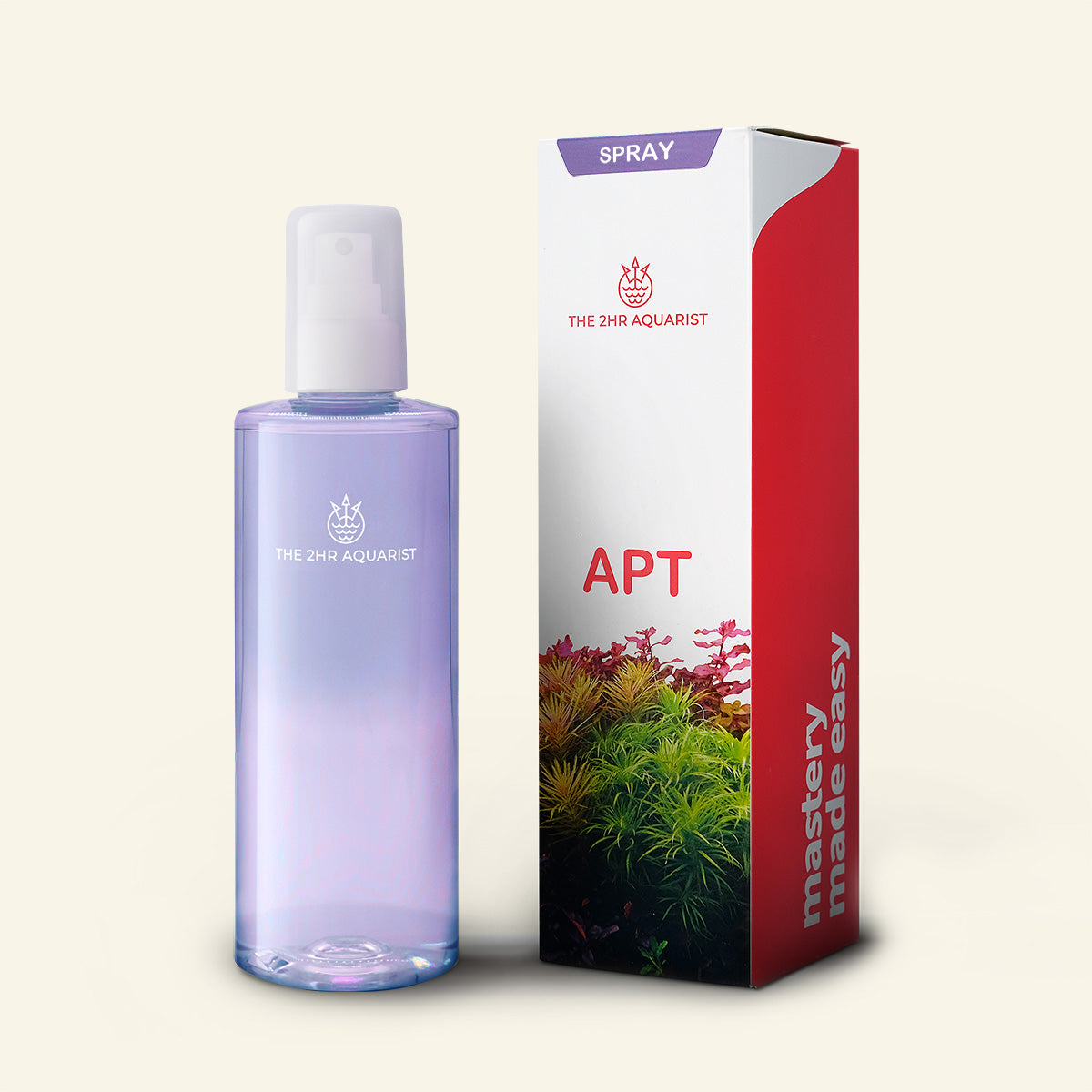
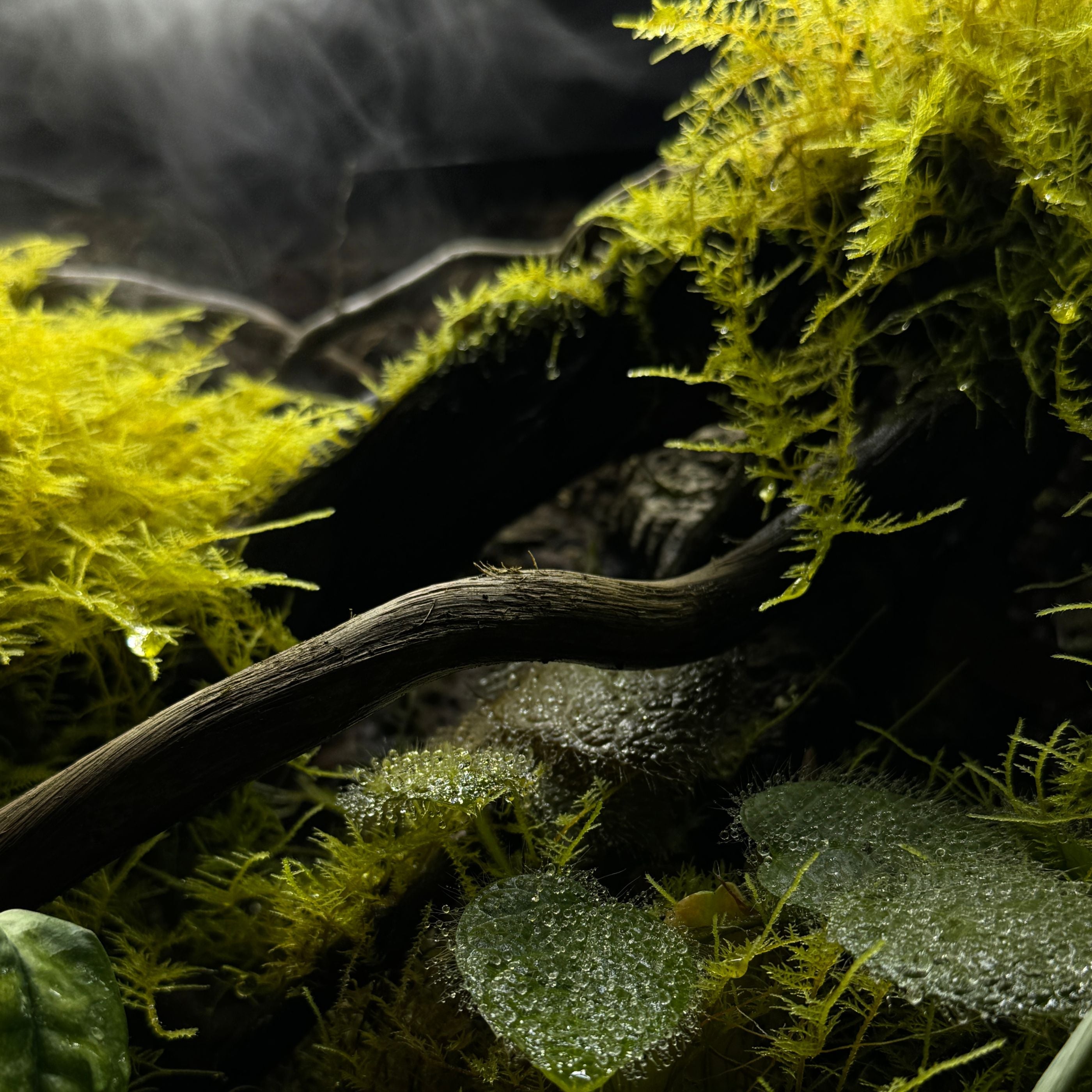
Each bottle of APT DEW comes with a high-precision spray nozzle. Every full press delivers 0.18ml evenly in an ultra-fine mist for superior foliage coverage.

Animal Friendly

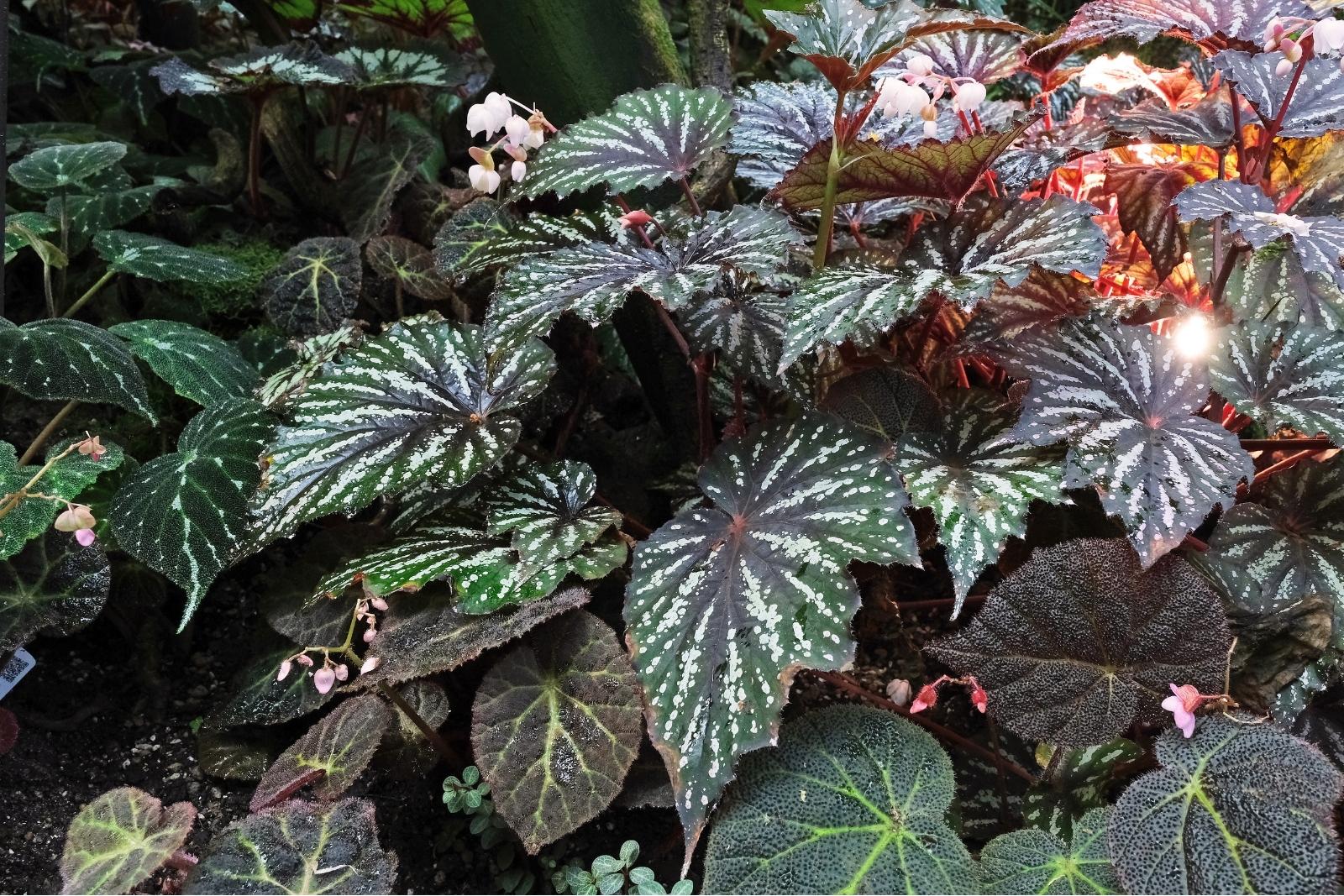
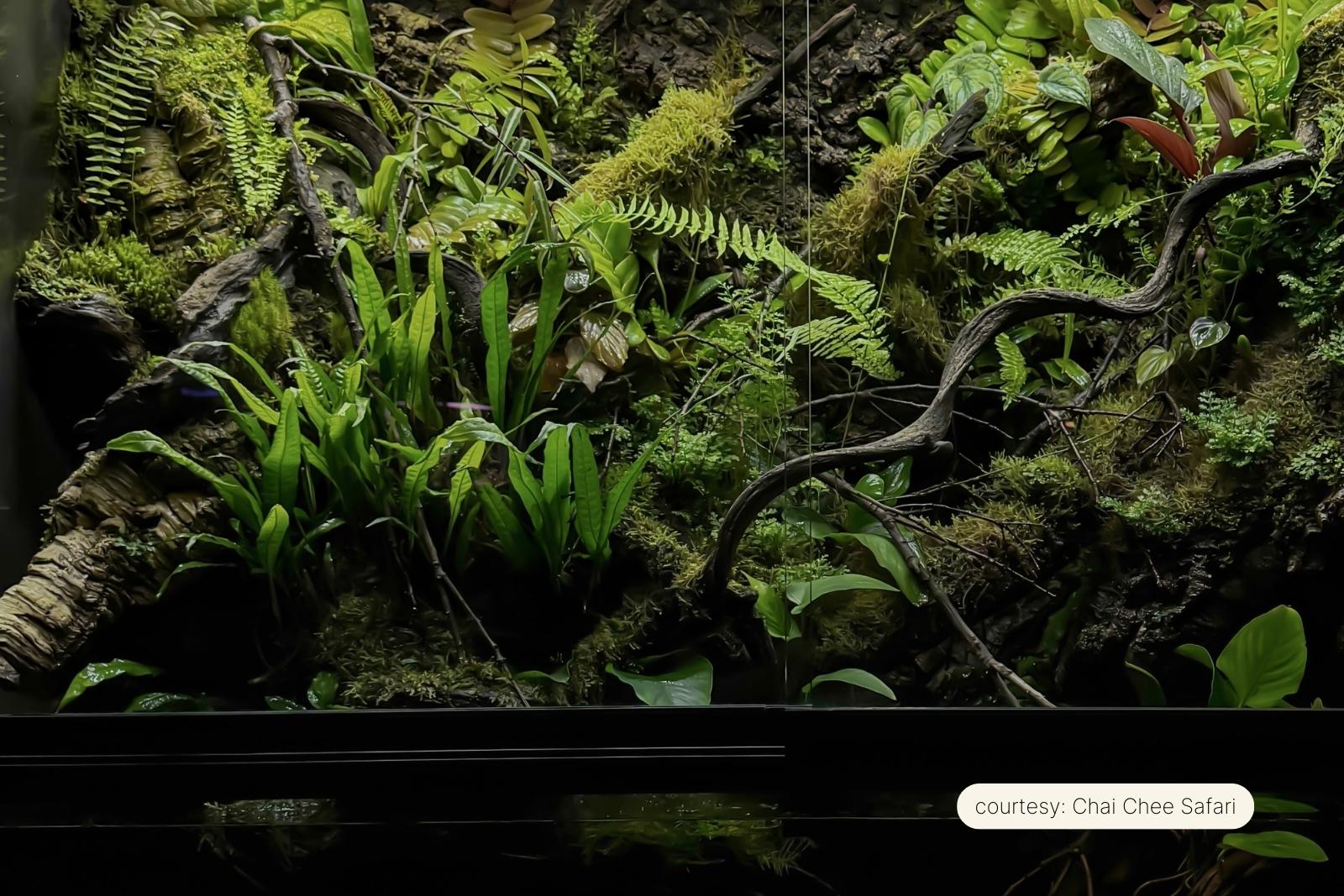
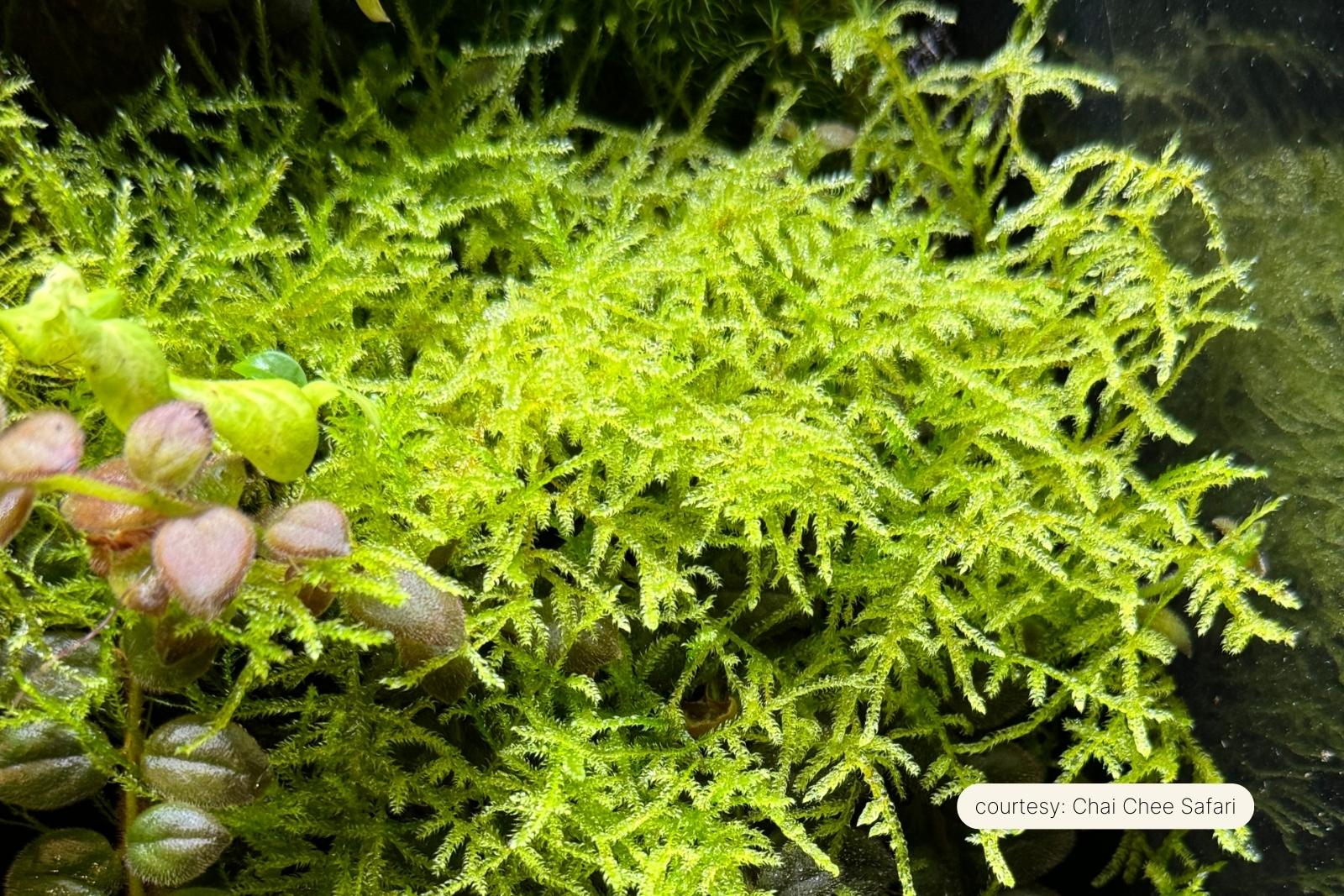
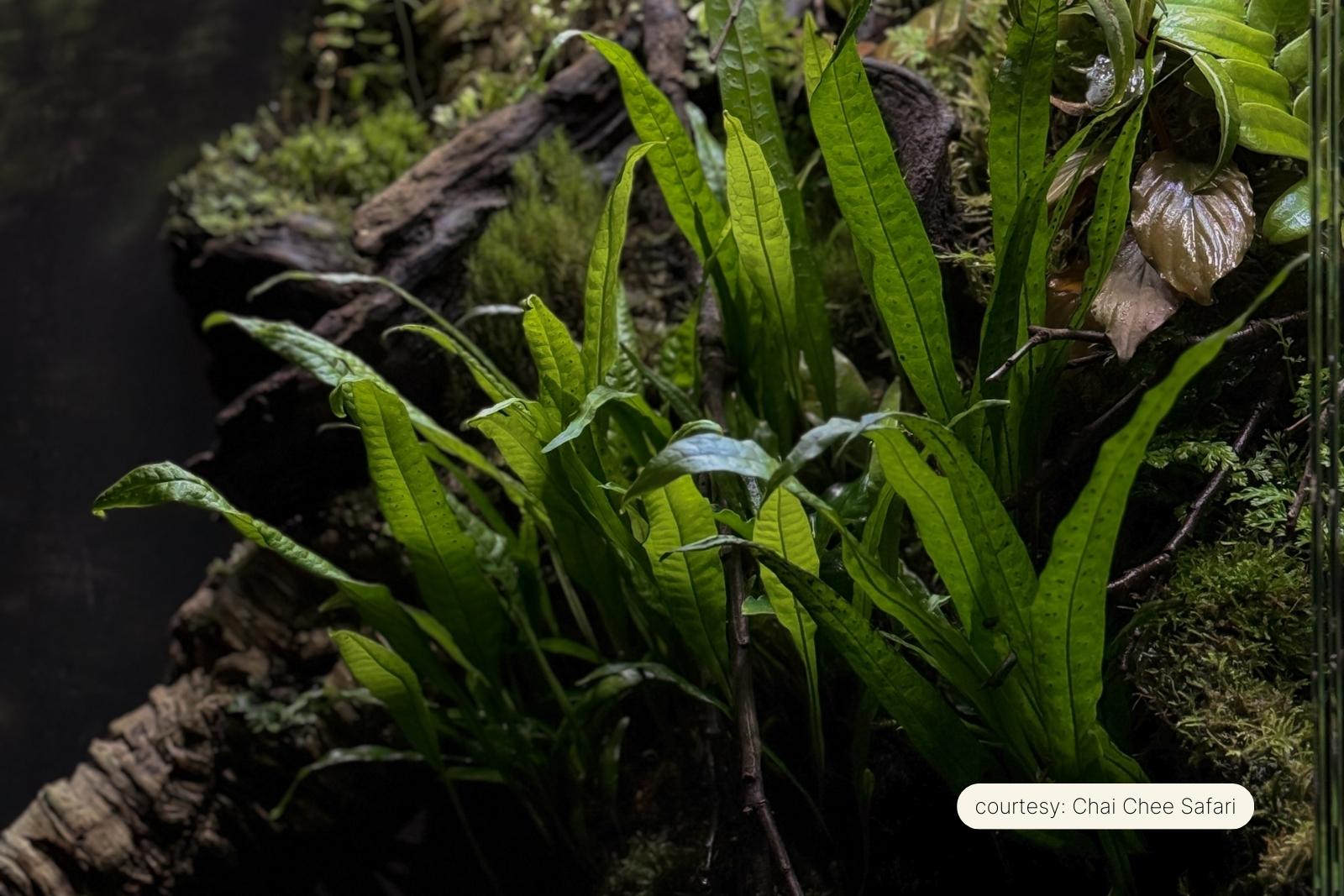
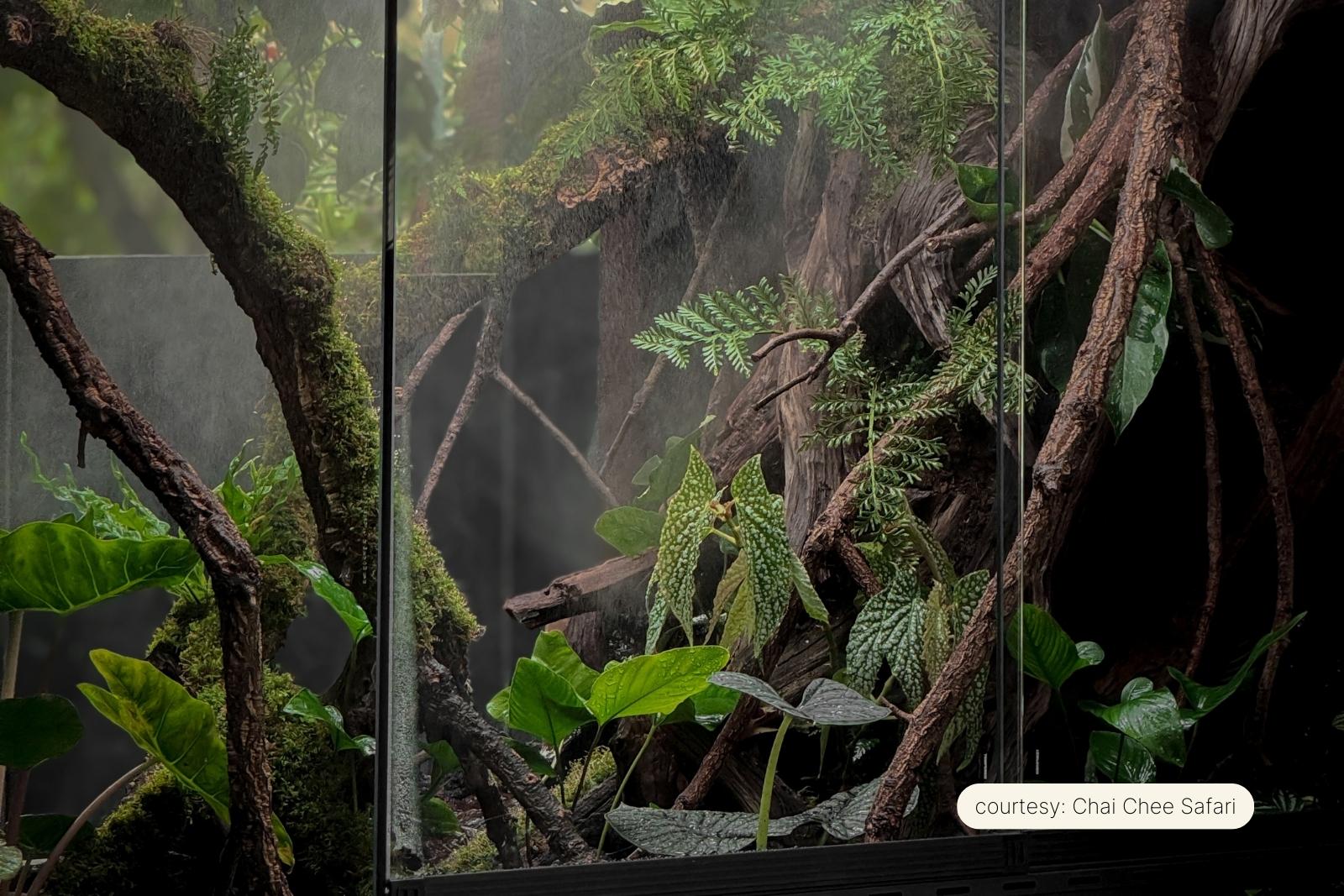
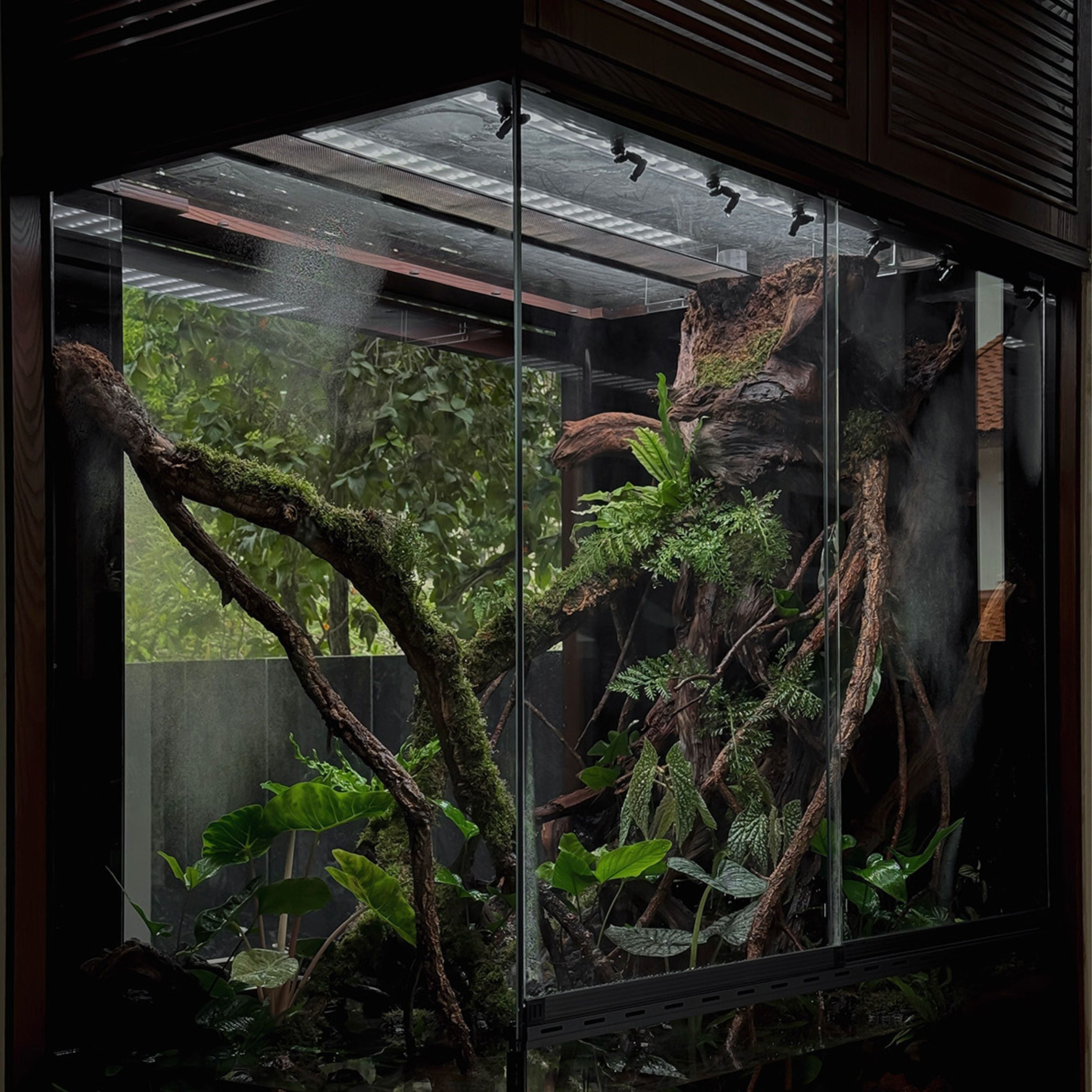
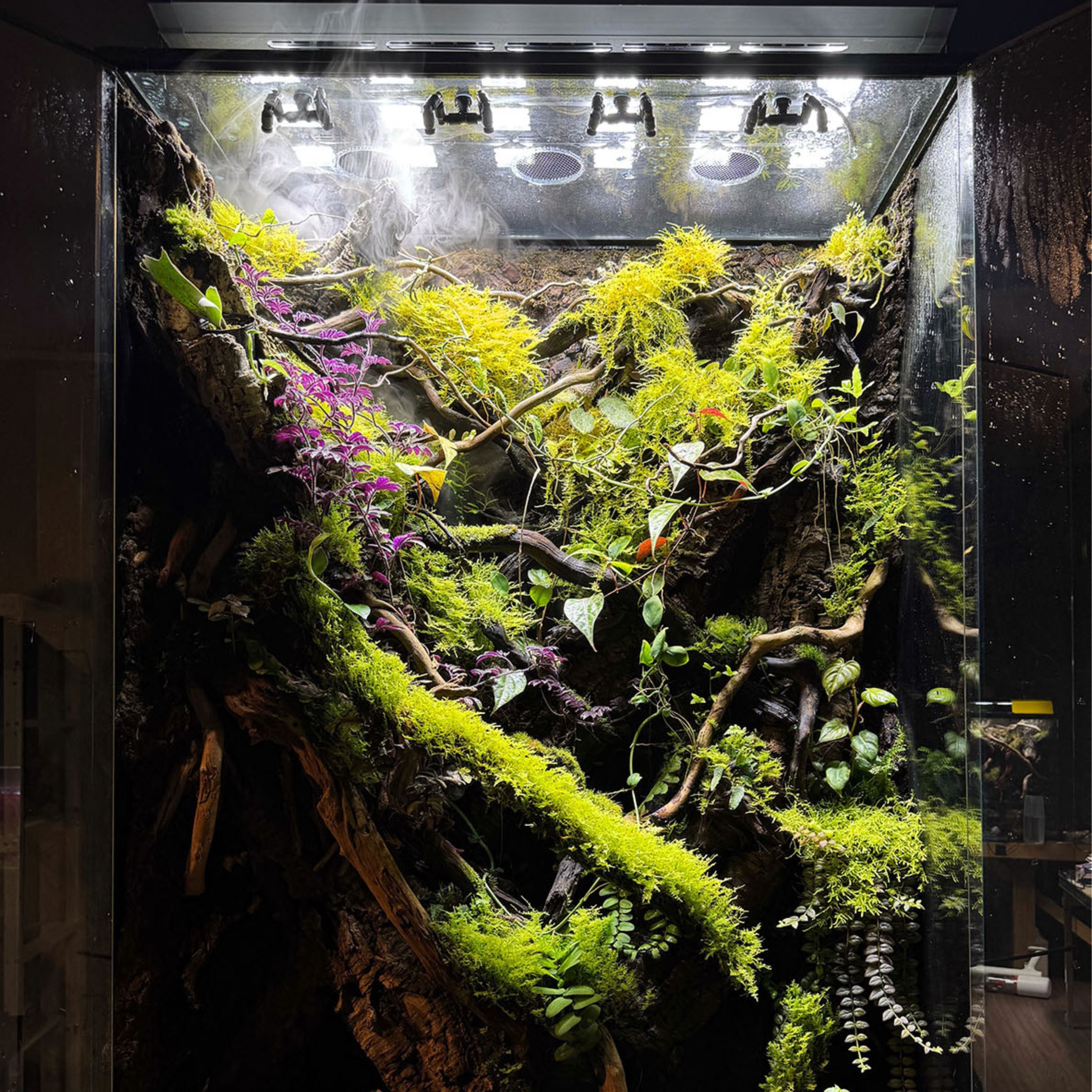
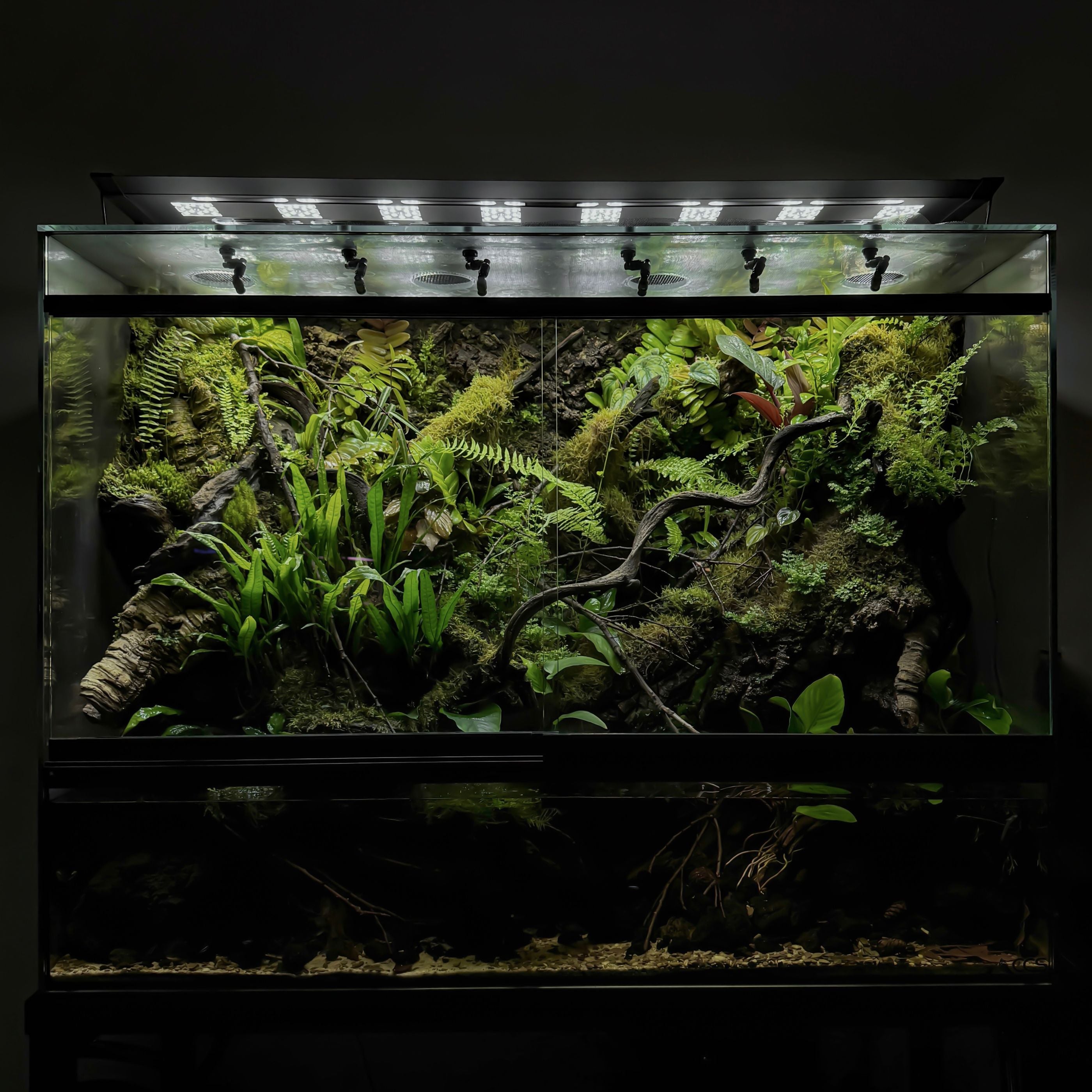
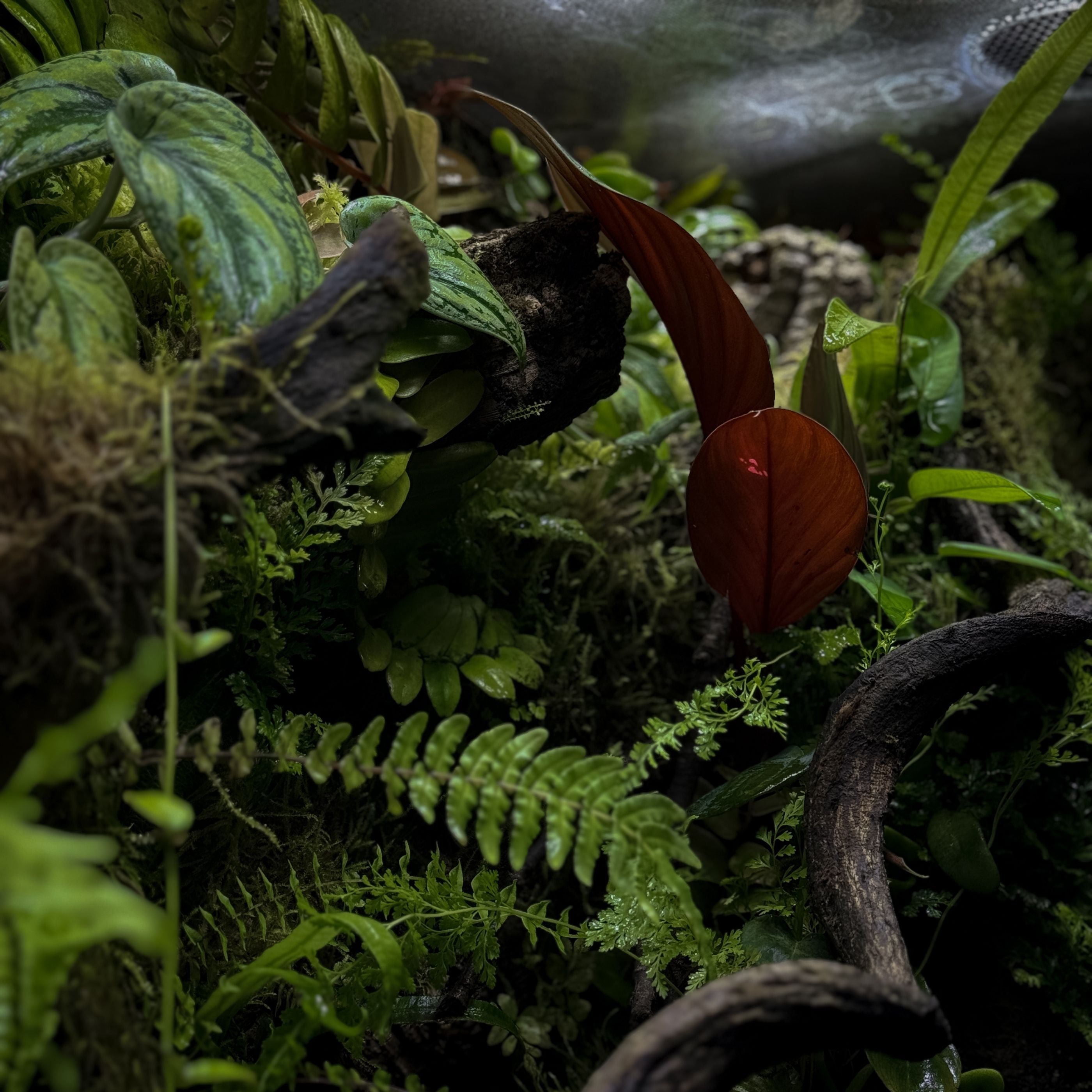
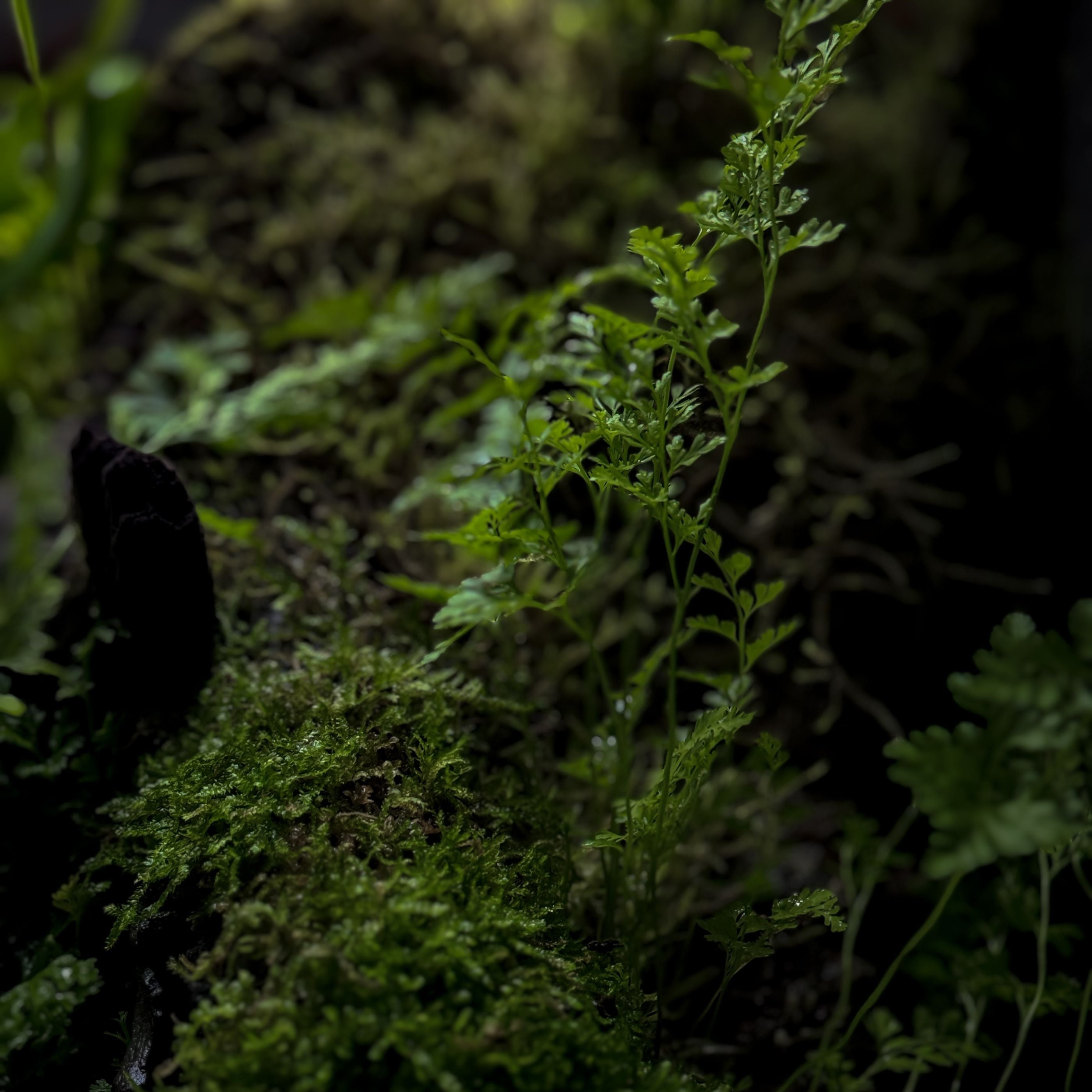
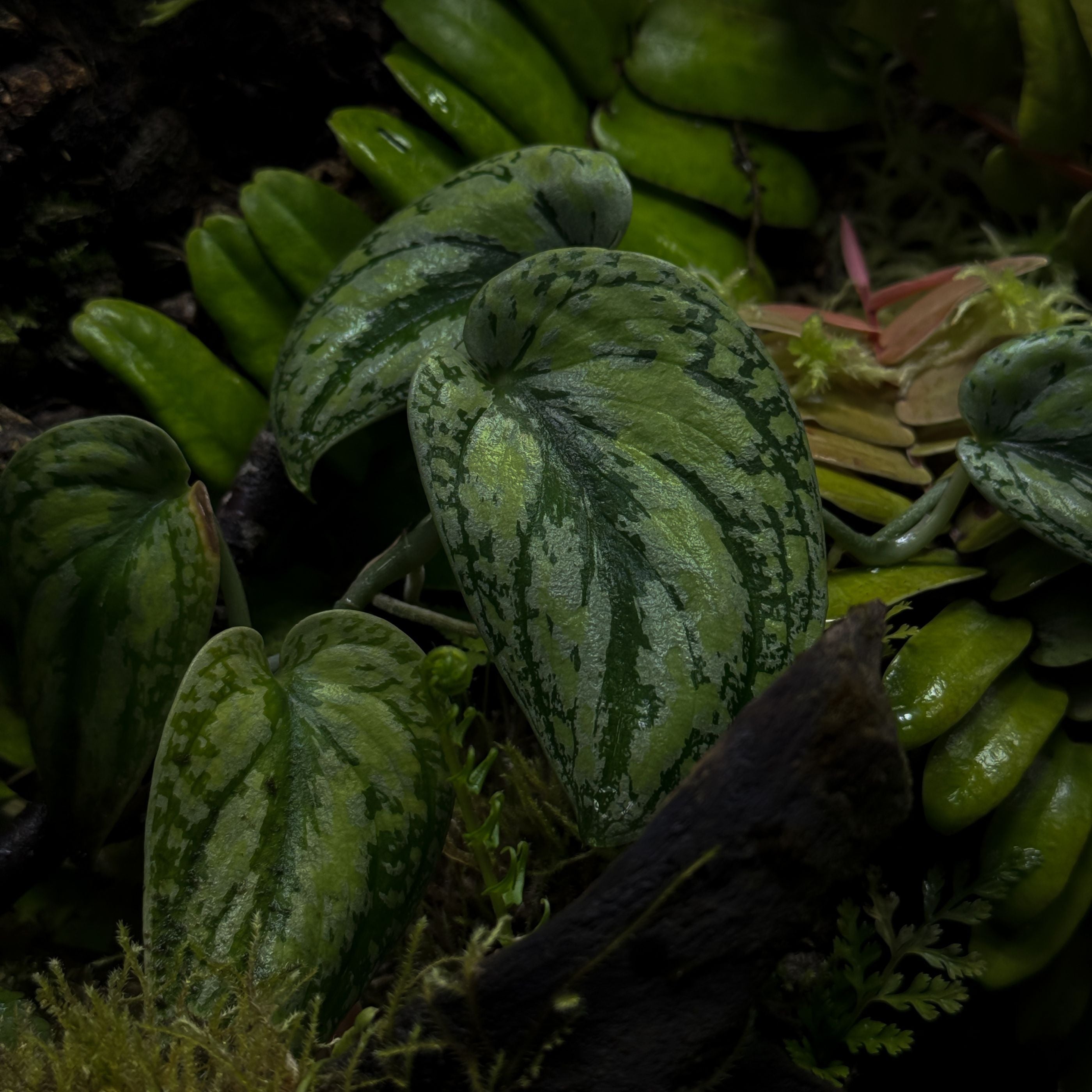
APT Dew is specially formulated for mosses, ferns, aquatic, and semi-aquatic species used in terrariums and paludariums. It is safe for fish, frogs, insects, isopods, snail,s and other animals.

Mist, Don't Drench

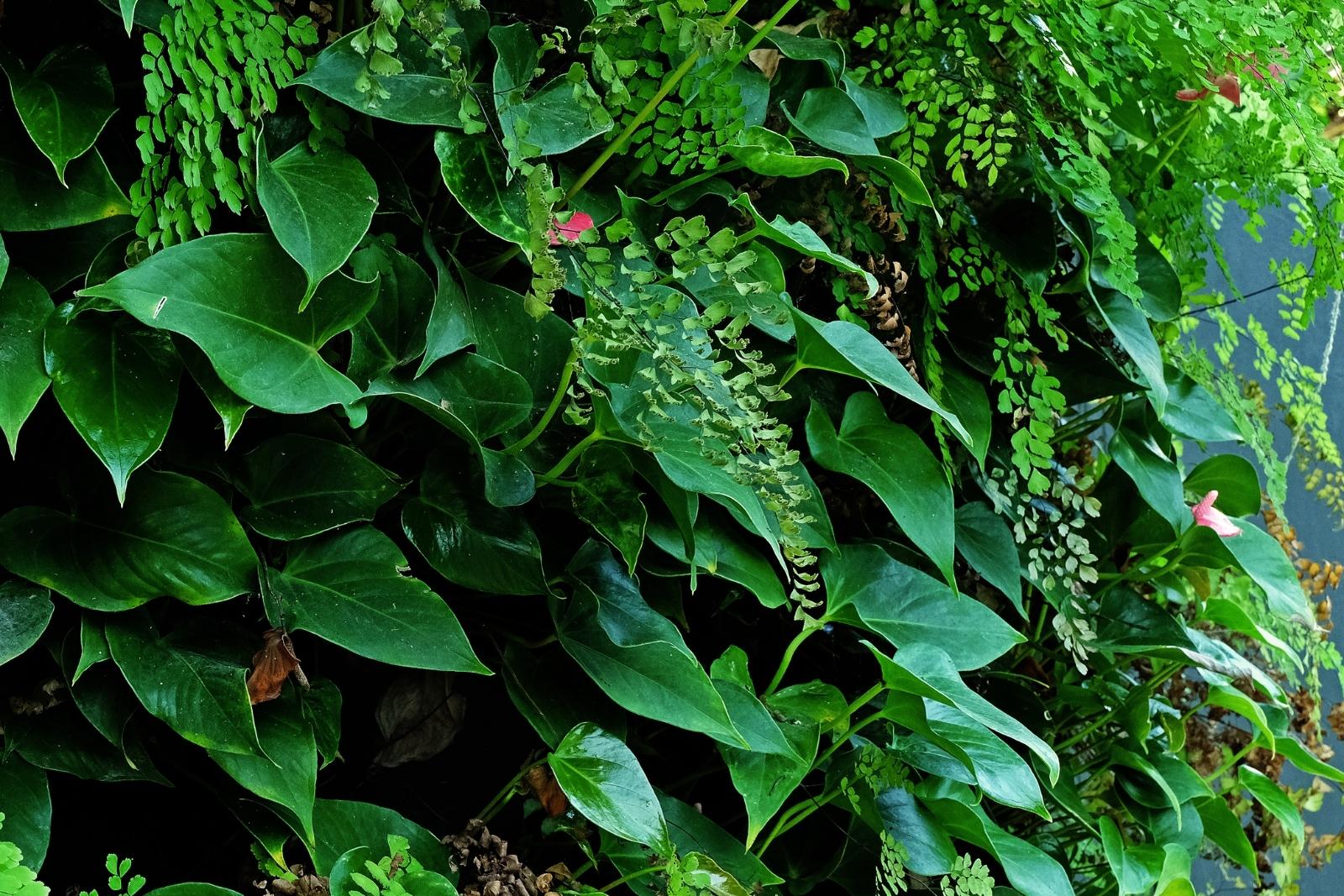
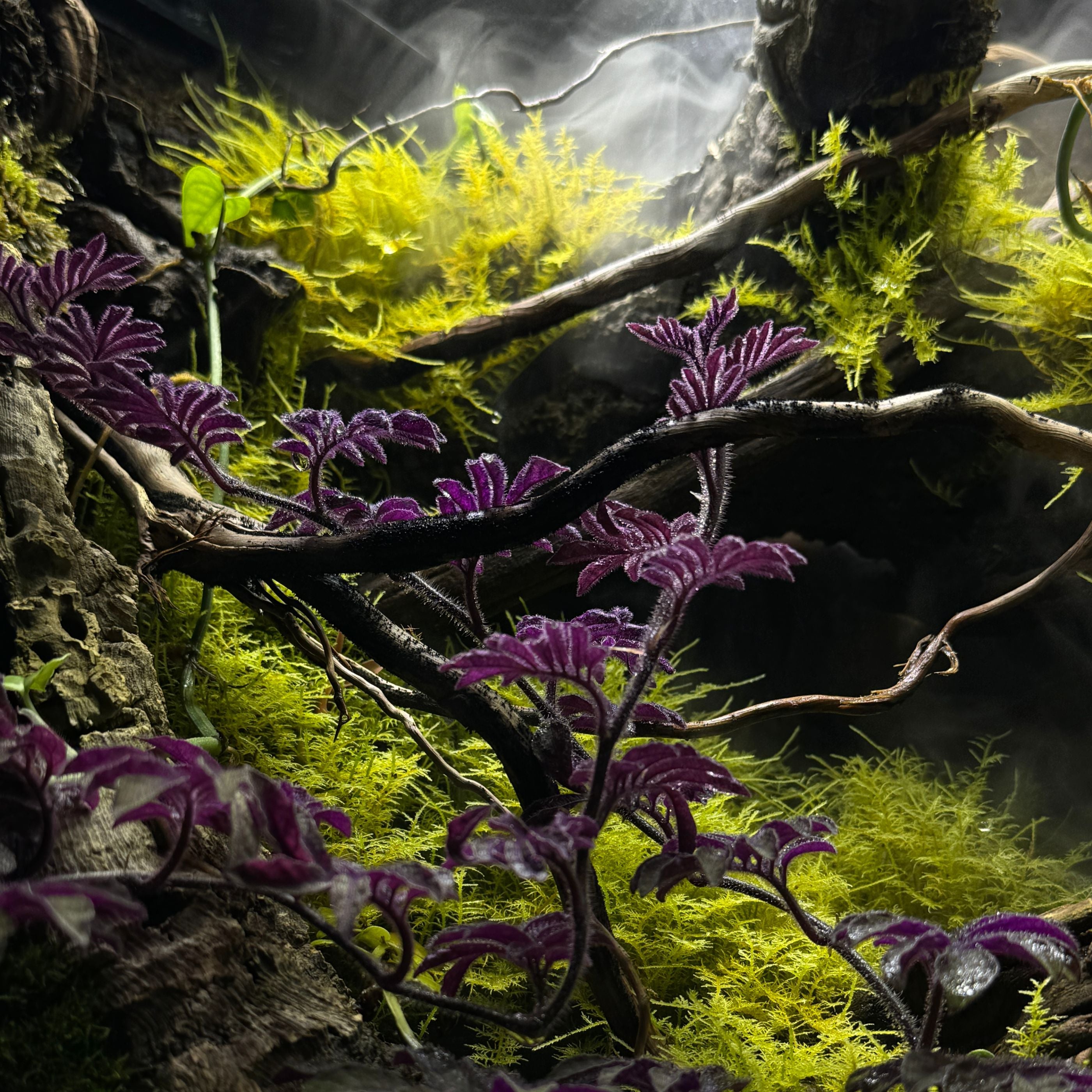
Spray APT Dew evenly over the foliage until every leaf is uniformly coated: moist and glossy, but not dripping. Aim for full coverage (top and undersides where practical) so minerals contact the leaf surface without pooling.

Repeat, Gently

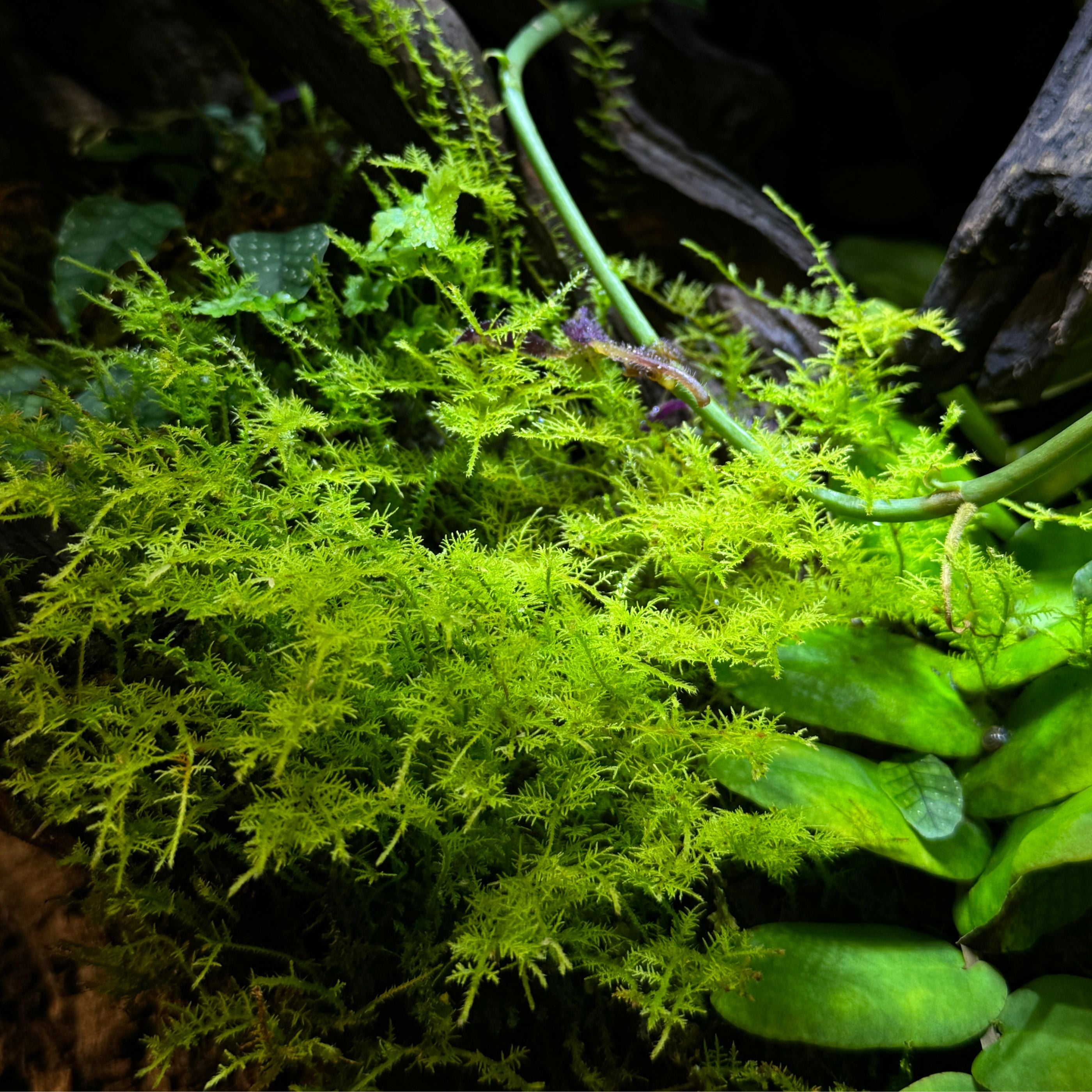
Watch what happens on fresh shoots and new leaves: that’s where improvement shows first. Older leaves won’t “recover” in appearance because plants prioritize energy and resources into new growth rather than rejuvenating or “protecting” aging foliage.

Track New Growth

Watch what happens on fresh shoots and new leaves: that’s where improvement shows first. Older leaves won’t “recover” in appearance because plants prioritize energy and resources into new growth rather than rejuvenating or “protecting” aging foliage.

No Leaf Burn

Most nursery foliar feeds are built for tougher, fast-feeding flowering or fruiting plants, and can easily “burn” sensitive terrarium and paludarium species. APT Dew is calibrated specifically for these delicate leaves, delivering comprehensive minerals in a gentler profile that supports steady growth without harsh dosing spikes.

Capstone-Calibrated

APT Dew is formulated from APT’s proven Capstone Formula, tuned for emersed aquatic plants and semi-aquatic plants that sit between land and water. That means you get a mineral balance designed for the exact physiology and growth style of terrarium, paludarium, and emersed aquarium plants, where typical houseplant sprays often miss the mark.

Faster Mineral Uptake

Foliar feeding is widely used in agriculture because it can be absorbed faster through leaves, bypassing the longer route of root uptake. But leaves are less selective than roots, so precision matters: APT Dew is designed for controlled, reliable foliar fertilisation, giving plants rapid access to minerals while keeping concentrations appropriately measured for sensitive foliage.

FAQs

Please read our FAQs page to find out more.

Is it safe for frogs, isopods, insects, fish?

Yes. It is safe for fish, frogs, amphibians, insects, isopods, snails, and other terrarium and paludarium animals. As a sensible precaution, spray the foliage rather than directly onto the animals.

How do I apply it, and how often?

Spray evenly over the foliage until the leaves are moist and glossy but not dripping, covering the tops and undersides where you can reach them. Apply 2–3 times per week. Each press of the nozzle releases 0.18ml in an ultra-fine mist, so light, even coverage is all you need rather than soaking the plants.

My older leaves look tired - will Dew fix them?
Improvement shows first on fresh shoots and new leaves, which is where you should watch for results. Older, damaged leaves generally won't recover, because plants direct their energy into new growth rather than repairing aging foliage. That's normal, and not a sign the product isn't working.

The 2Hr Way

View all

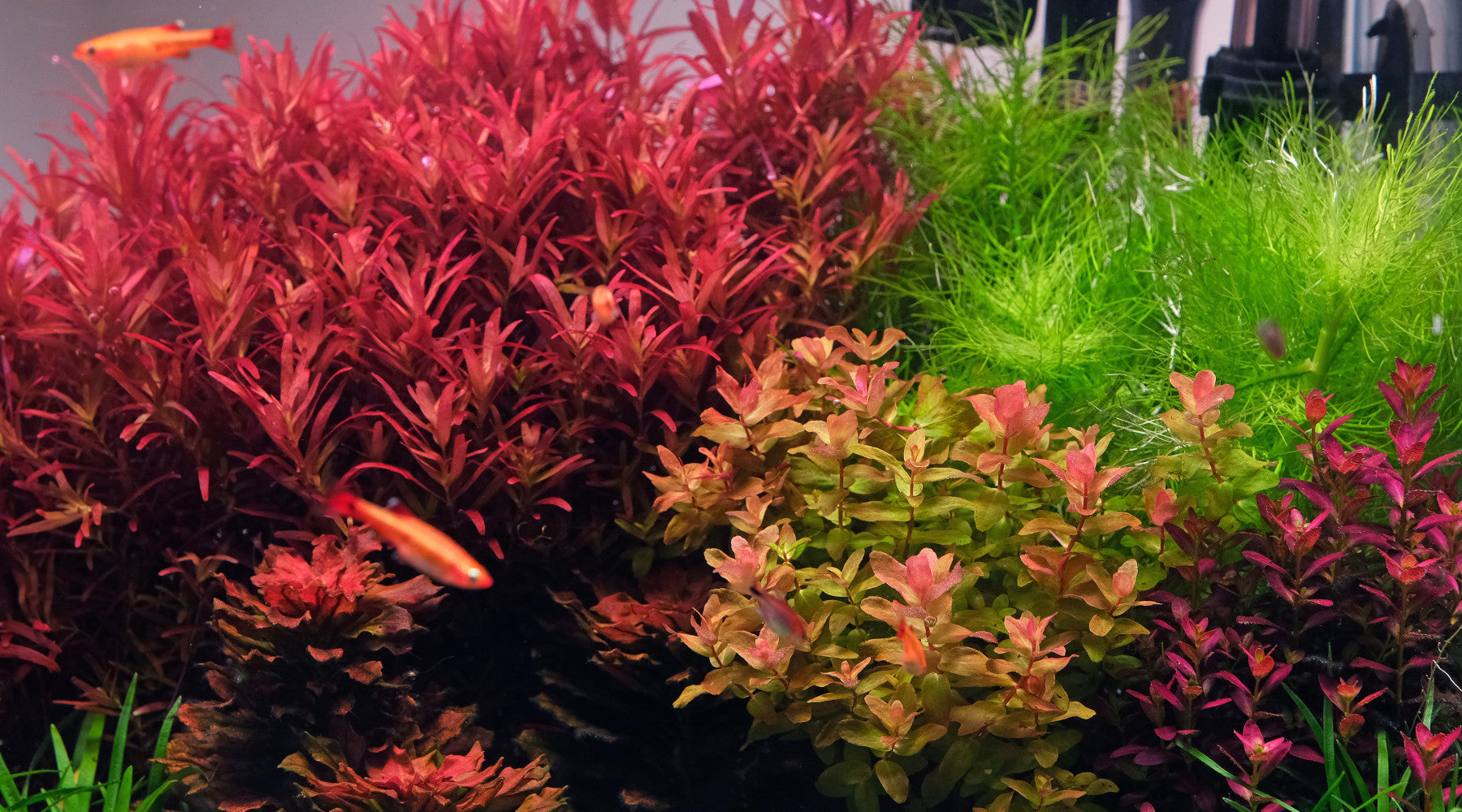
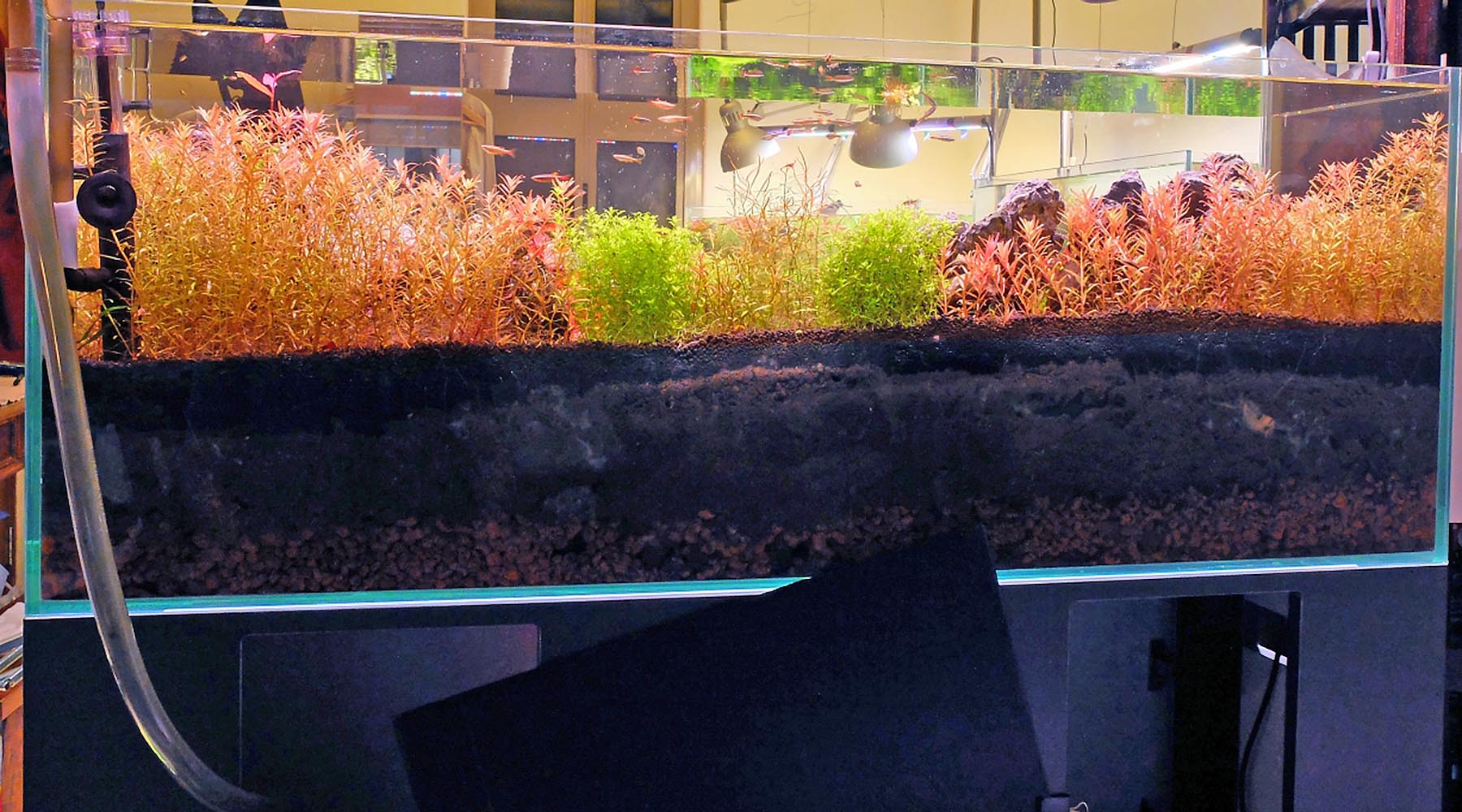
Vibrant Rotala Blood Red SG and Rotala Macrandra green

Is APT Feast Aquasoil Only for Advanced Aquarists?

APT Feast has a reputation as a soil for advanced aquascapers, but a beginner can get the same fast, strong growth. The rich soil releases ammonia in the first weeks, which regular water changes clear out. The dark start everyone mentions is optional, not required.

Read moreabout Is APT Feast Aquasoil Only for Advanced Aquarists?
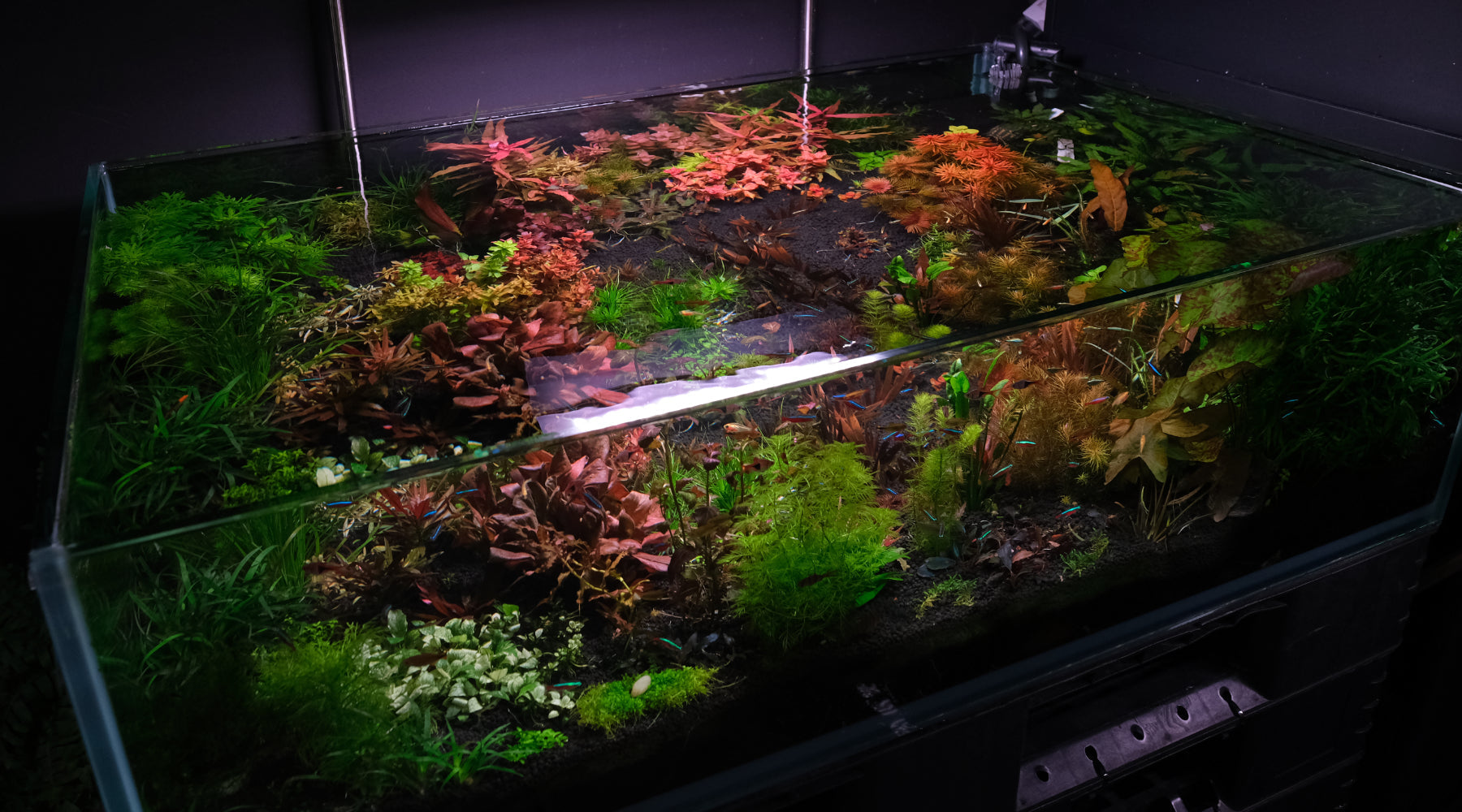
How to Start a New Aquarium with APT Feast Aquasoil: Two Paths to a Stable Tank

How to Start a New Aquarium with APT Feast Aquasoil: Two Paths to a Stable Tank

Many aquarists start a new tank and immediately face a diatom bloom. This guide lays out two reliable ways to start an APT Feast tank, dark start or plant on day one, and grow in fast without the algae stage.

Read moreabout How to Start a New Aquarium with APT Feast Aquasoil: Two Paths to a Stable Tank
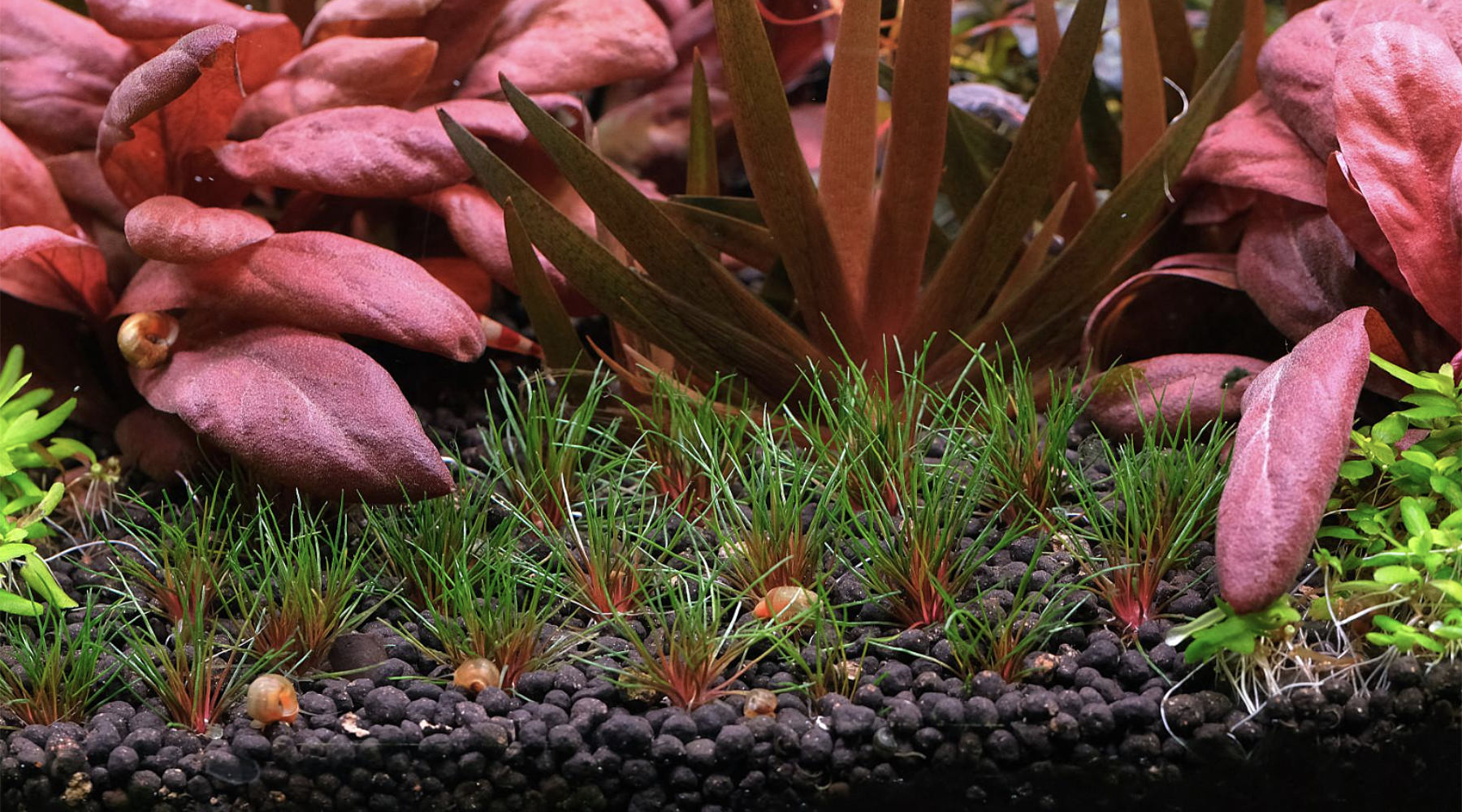
Planted Aquarium Substrate: Active vs Inert Substrates Explained

Planted Aquarium Substrate: Active vs Inert Substrates Explained

Active or inert? Aquasoil holds nutrients and can lower pH, while sand and gravel stay neutral but cost less and need less upkeep. This guide breaks down cation exchange, ammonia, CO2 generation, and long-term maintenance, so you can match your substrate to the tank you will actually keep.

Read moreabout Planted Aquarium Substrate: Active vs Inert Substrates Explained
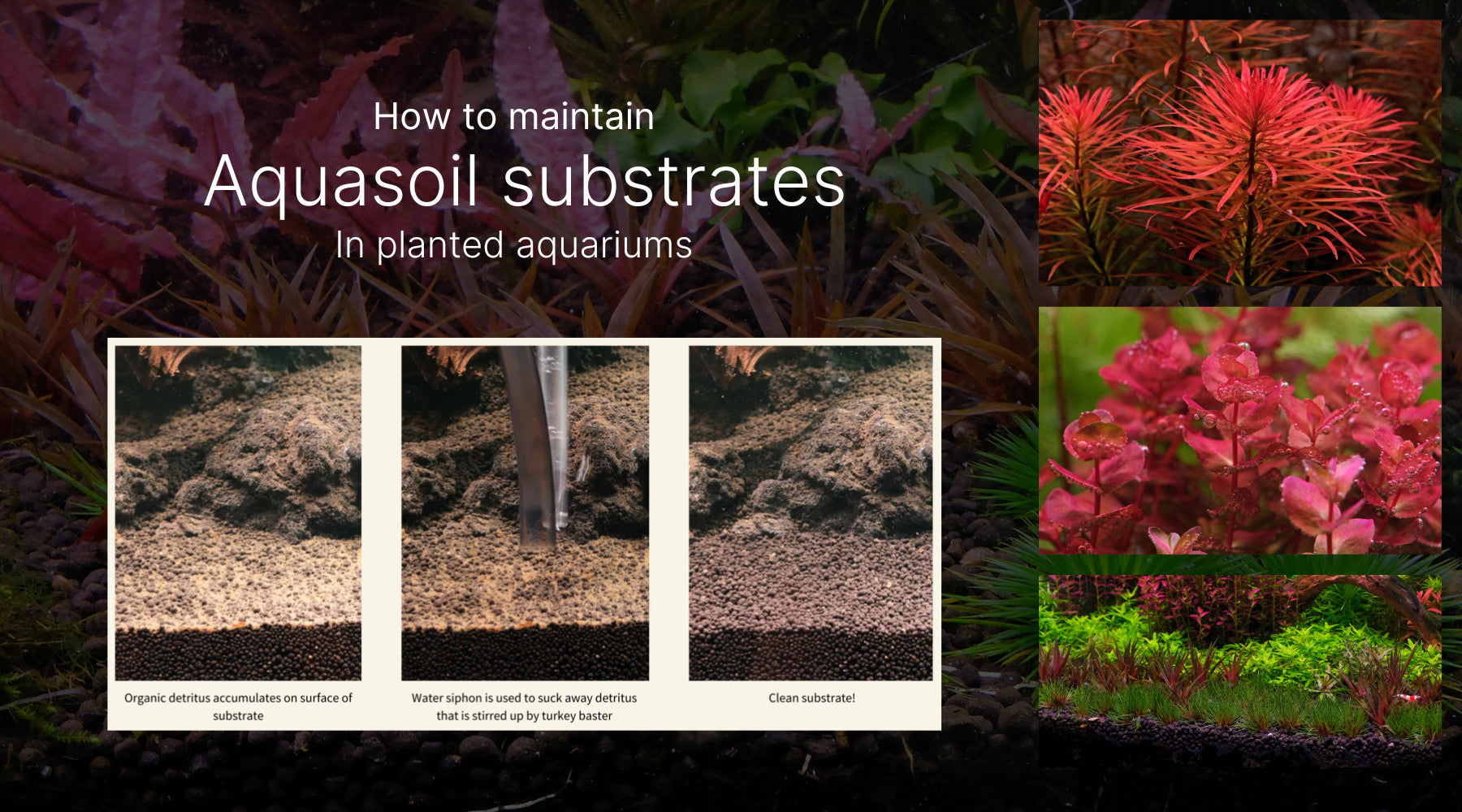
Should you siphon your aquasoil substrate? Do aquasoils need maintenance?

Should you siphon your aquasoil substrate? Do aquasoils need maintenance?

Aquasoils are now standard in many planted tank setups, but there are very few sources if any, that cover how to maintain aquasoil substrates over the long run. Excess organic detritus should be removed and aquasoil substrates also need enriching over time to perform optimally.

Read moreabout Should you siphon your aquasoil substrate? Do aquasoils need maintenance?
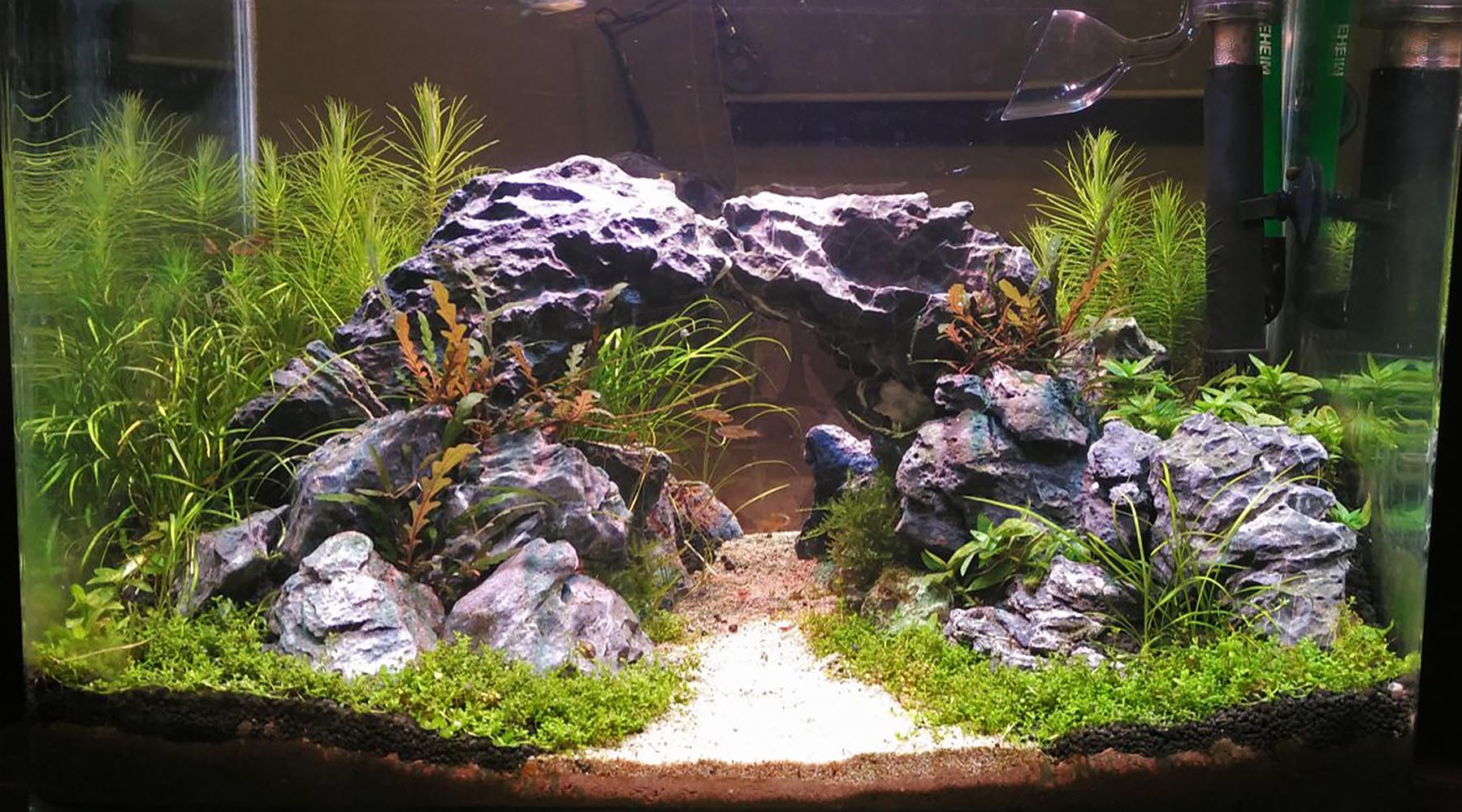
Separating sand from aquasoil areas
Separating sand from aquasoil areas

How to create a pathway as part of an aquascape? These are a couple of different approaches.

Read moreabout Separating sand from aquasoil areas

How to create and manage slopes
How to create and manage slopes

How to create high slopes and manage high soil depth? Here I go into some techniques and approaches.

Read moreabout How to create and manage slopes

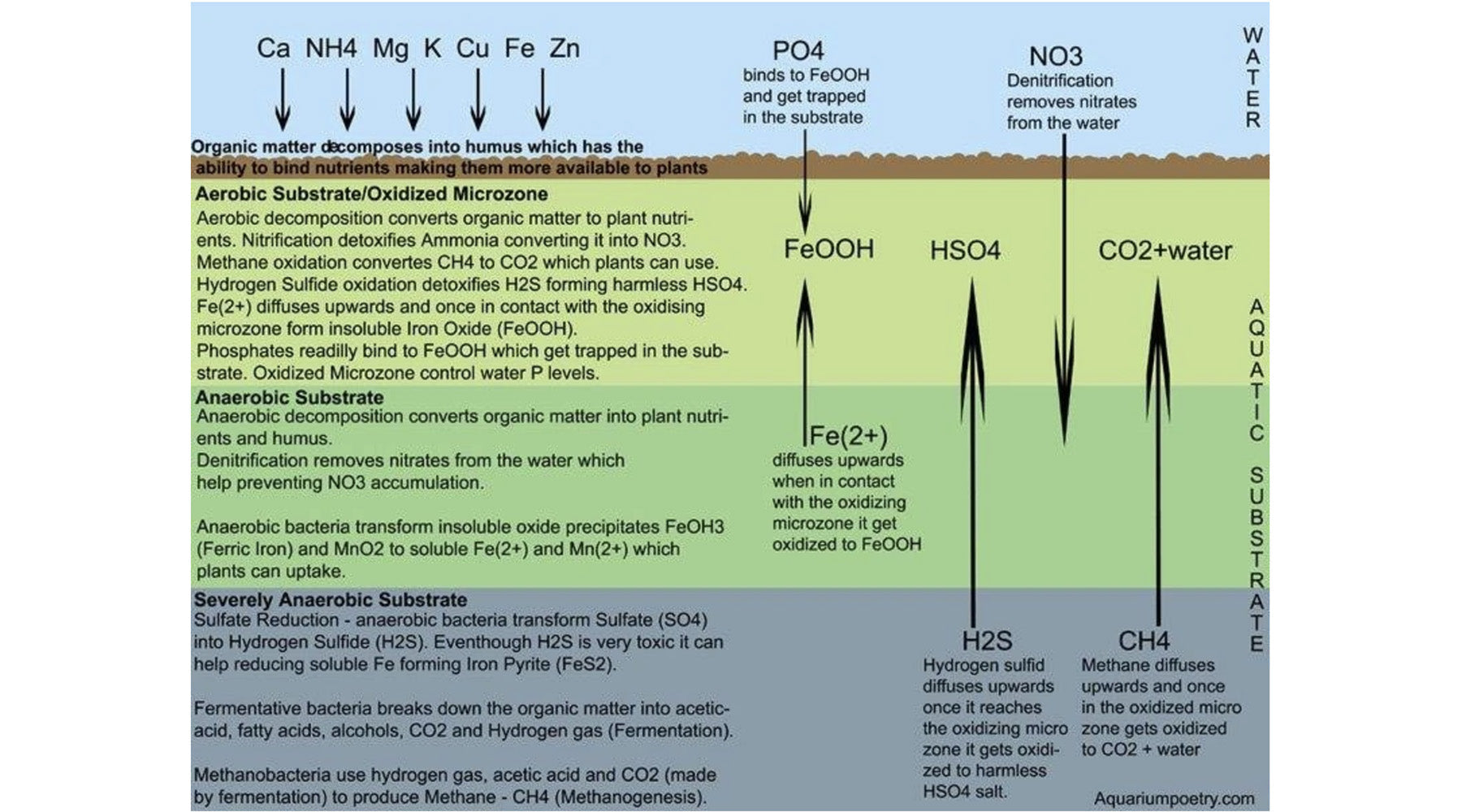
How deep can I layer soil? Does thick soil always become anaerobic and cause problems?
How deep can I layer soil? Does thick soil always become anaerobic and cause problems?
There is widespread belief that if one uses deep soil more than a few inches deep, it will result in an anaerobic substrate & create harmful gases...

Read moreabout How deep can I layer soil? Does thick soil always become anaerobic and cause problems?