6X Power

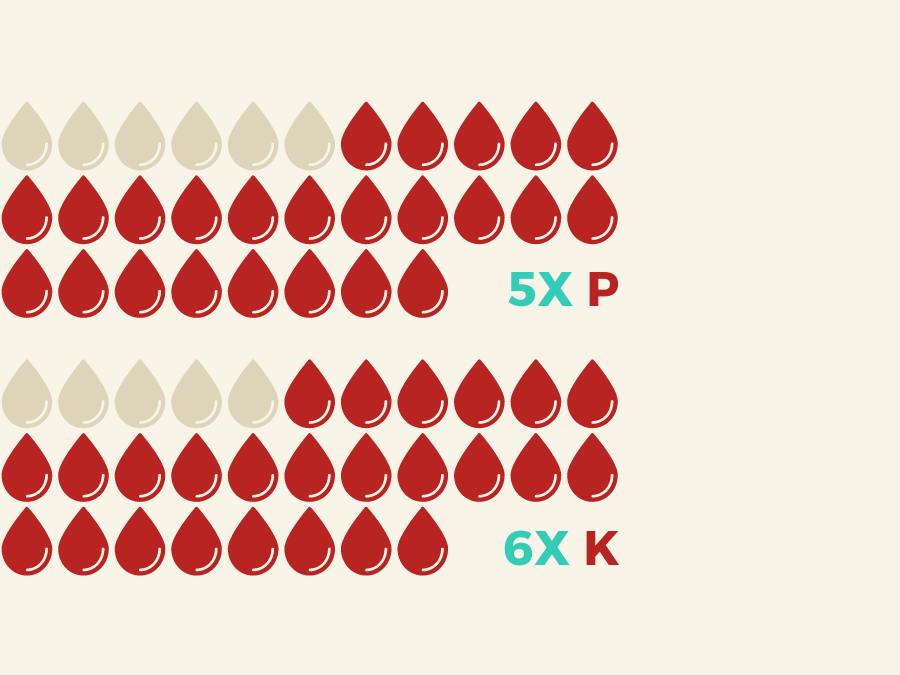
Example of APT's relative concentration compared with a 50-year old European 'big brand fertiliser'. APT contains 5X the amount of Phosphorus (P) and 6X Potassium (K) per ml. That is like having 5 shots instead of 1 in your morning espresso, if you are into coffee :)

Optimal Balance

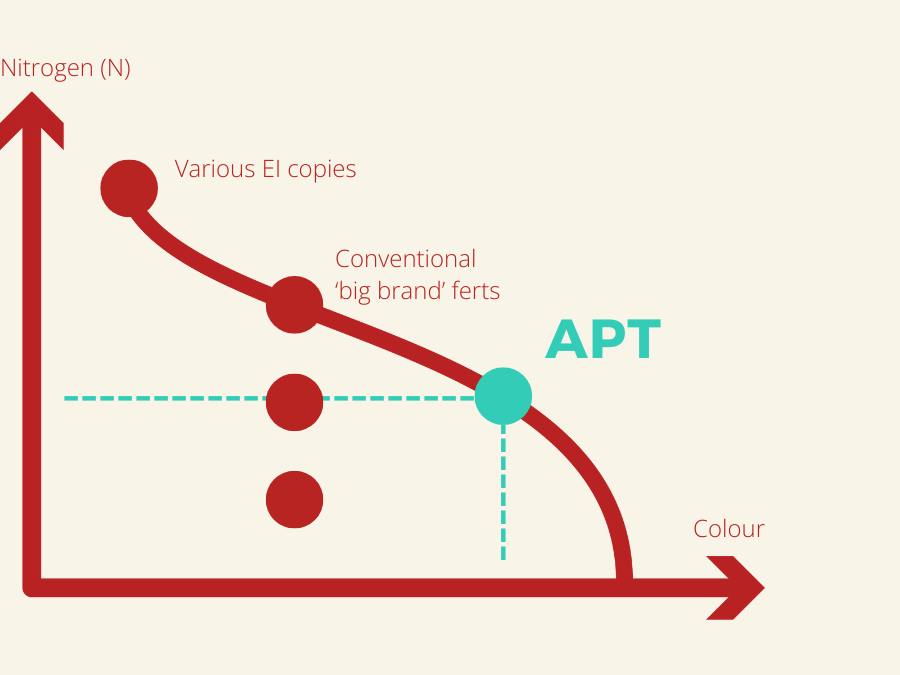
Simply 'more' is not always better. Lower Nitrogen (N) delays chlorophyll production and promotes richer colors- up to a point. Nitrogen is also essential for metabolism. APT pushes the limits of that balance. Maximum color before diminishing returns.

Superior Form

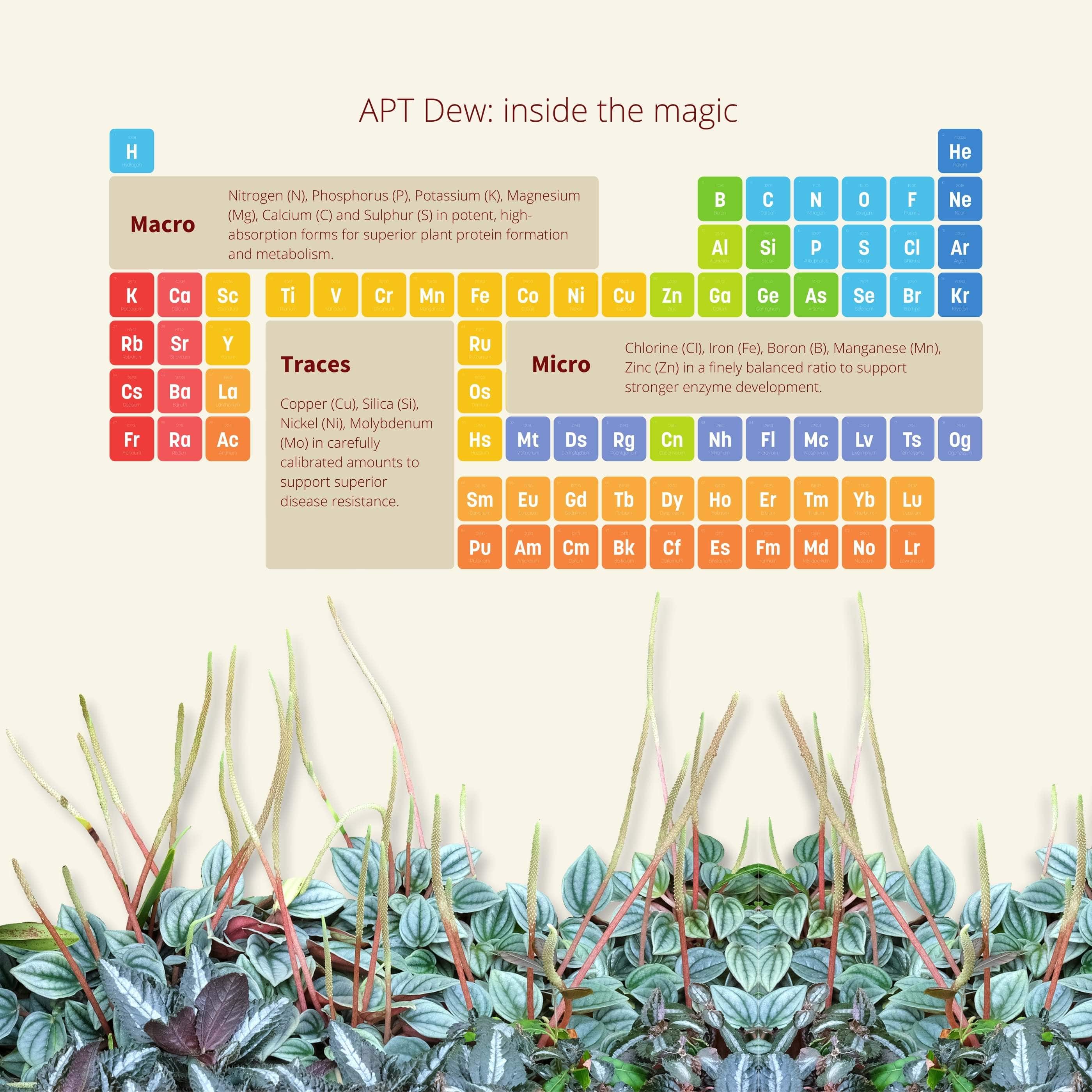
Similar to food labels, "20% protein" or "1% Iron" tells little about actual absorbability, efficacy, and impact. APT's components are up to 50X more absorbable and accessible across a wider range of pH and other water parameters.

Dosage

Use the Dosage Calculator. Absolute precision isn't necessary: when in doubt, dose slightly less, not more. Consistency is much more important than being 100% accurate.

Timing

Changing fertilizers can trigger a temporary system shock. In rare cases, this results in widespread algae. This can be mitigated by introducing APT incrementally over 2 weeks.

Switching?

Changing fertilizers can trigger a temporary system shock. In rare cases, this results in widespread algae. This can be mitigated by introducing APT incrementally over 2 weeks.

Which APT?

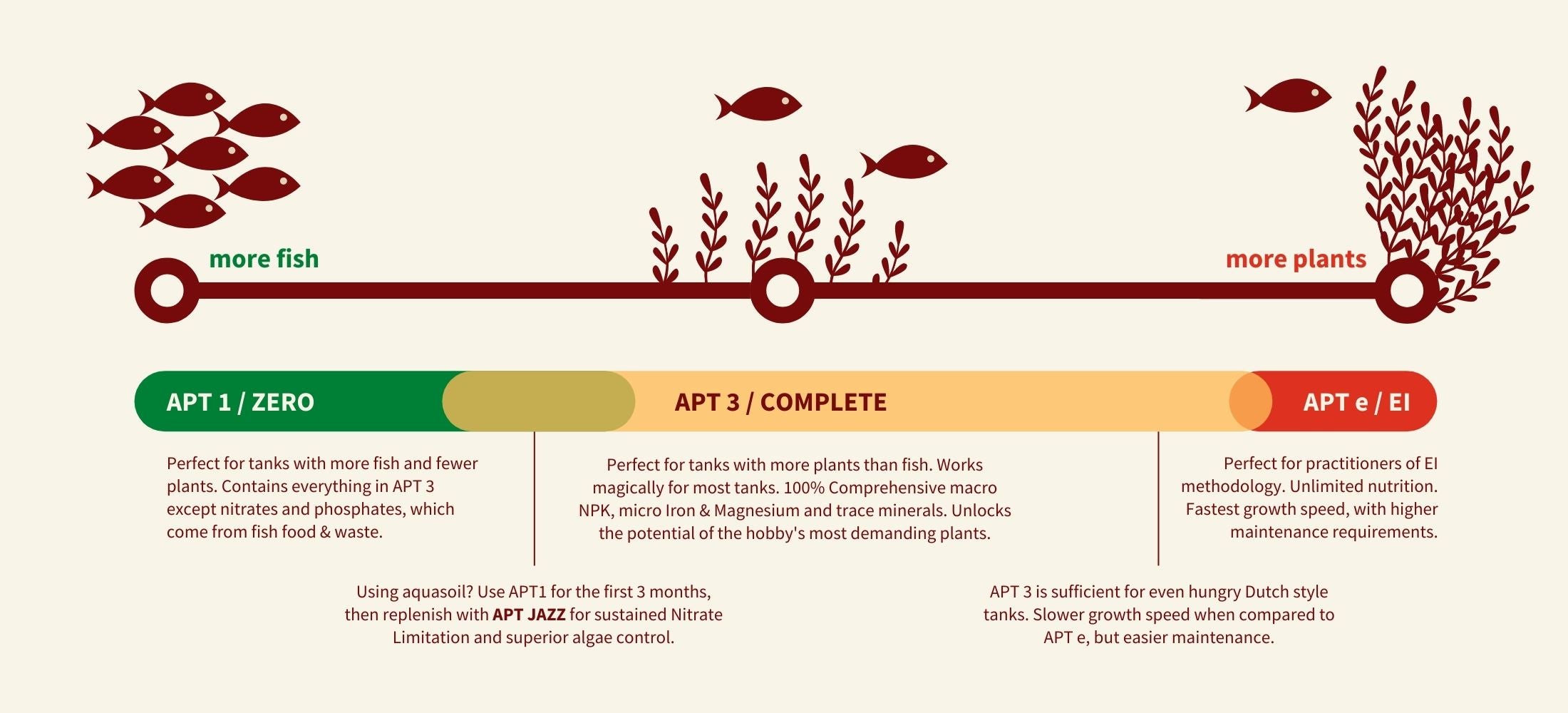
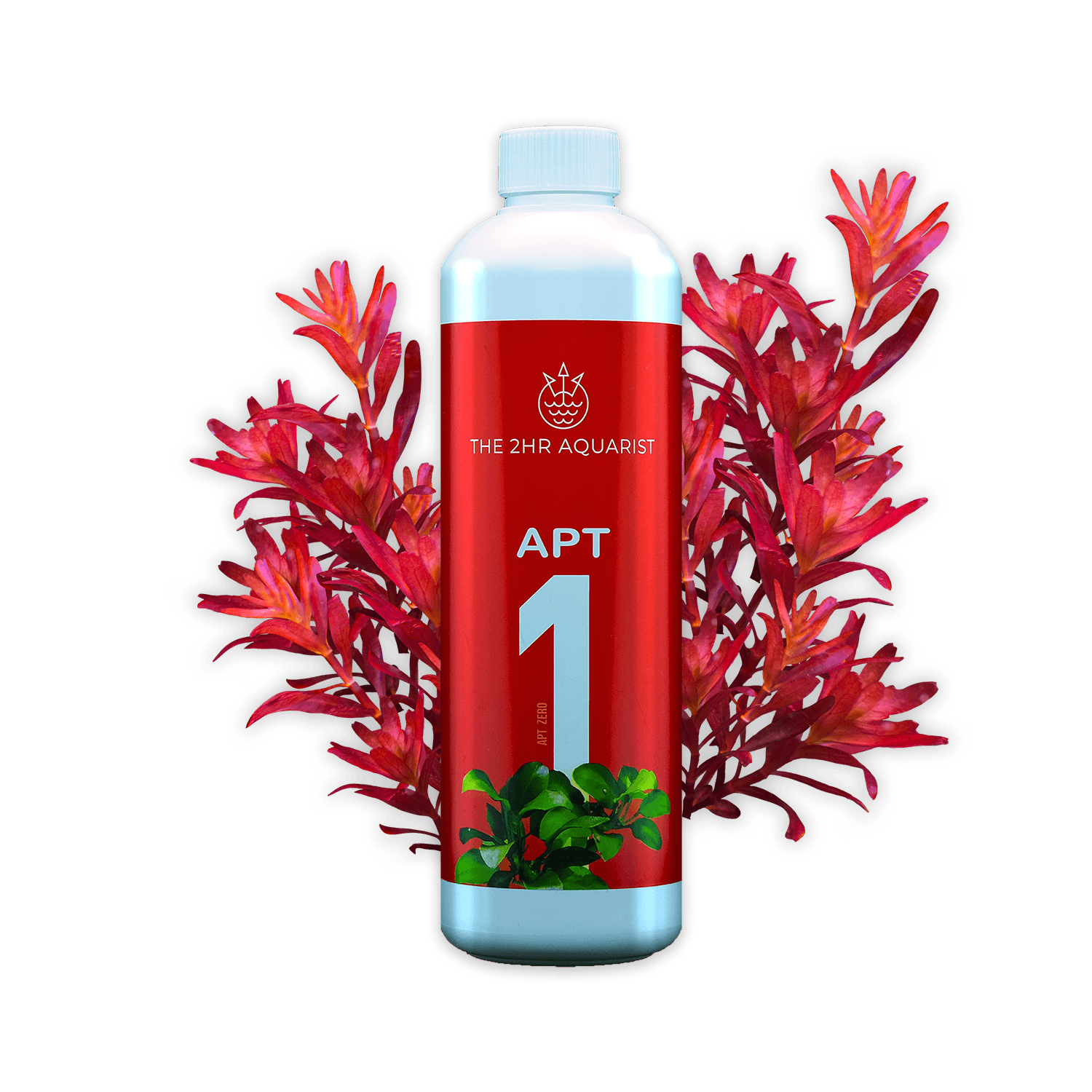
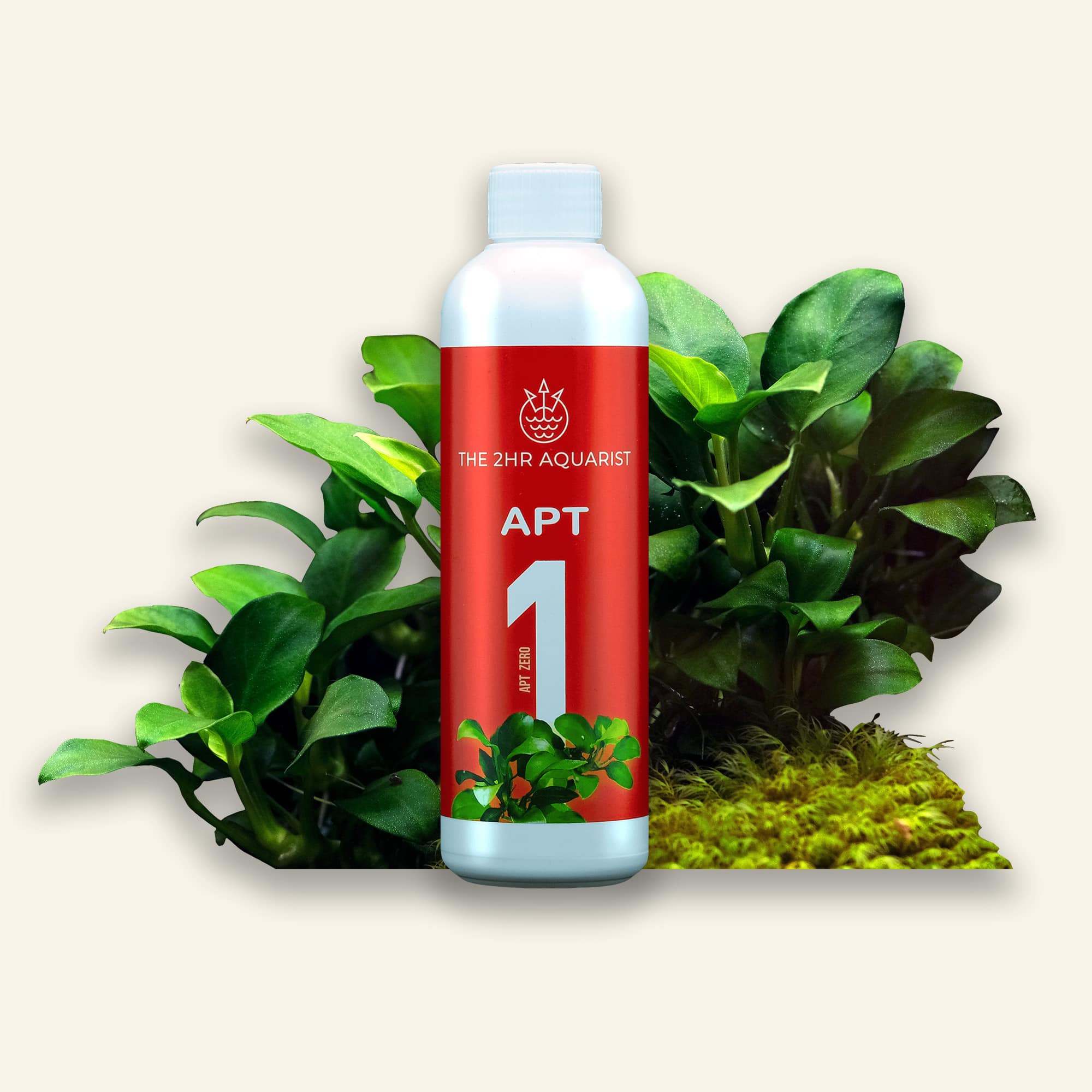
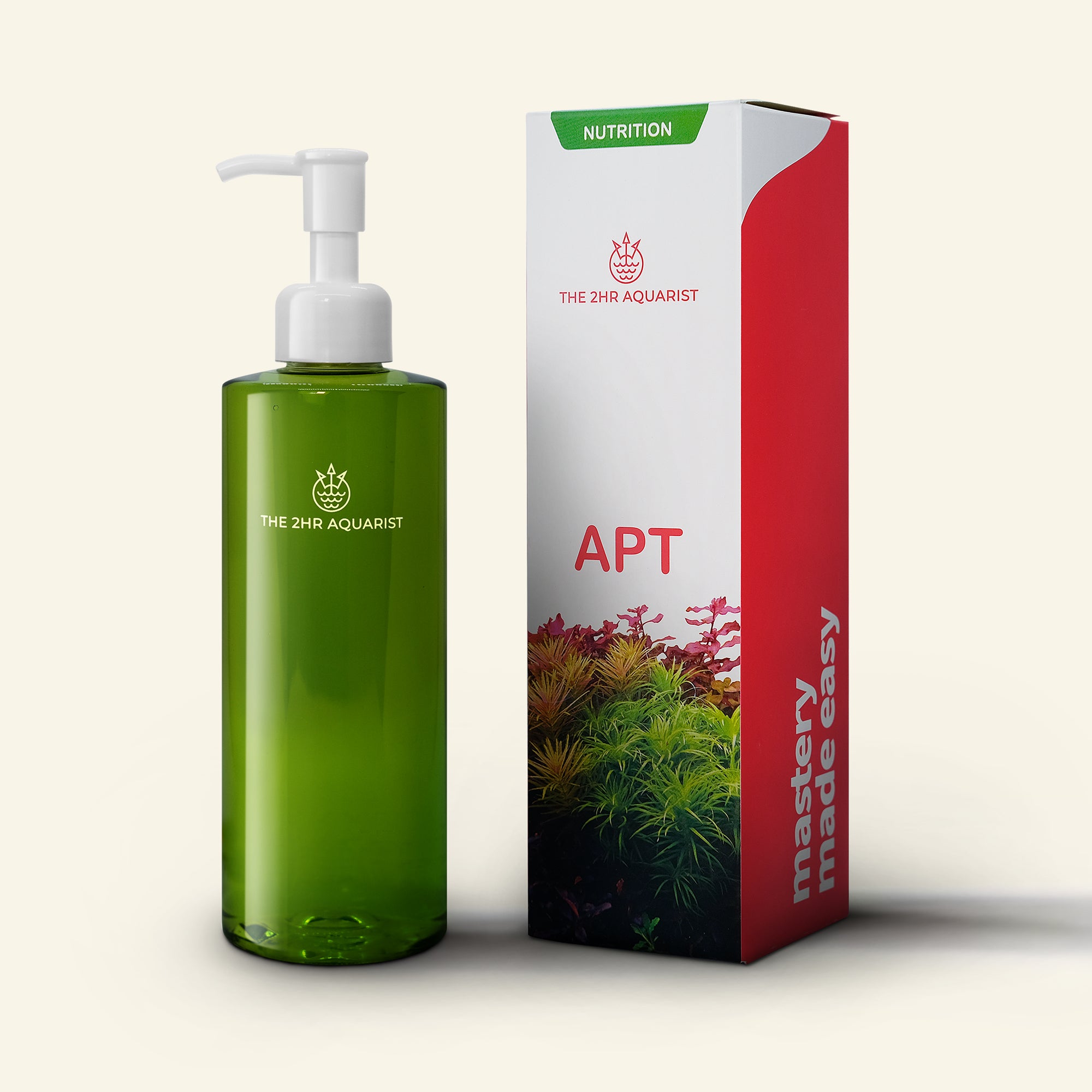
APT 1 is perfect for tanks with more fish, fewer plants. Also for new tanks (<3 months) with aquasoil. Enjoy comprehensive nutrition without nitrates and phosphates for maximum algae control.

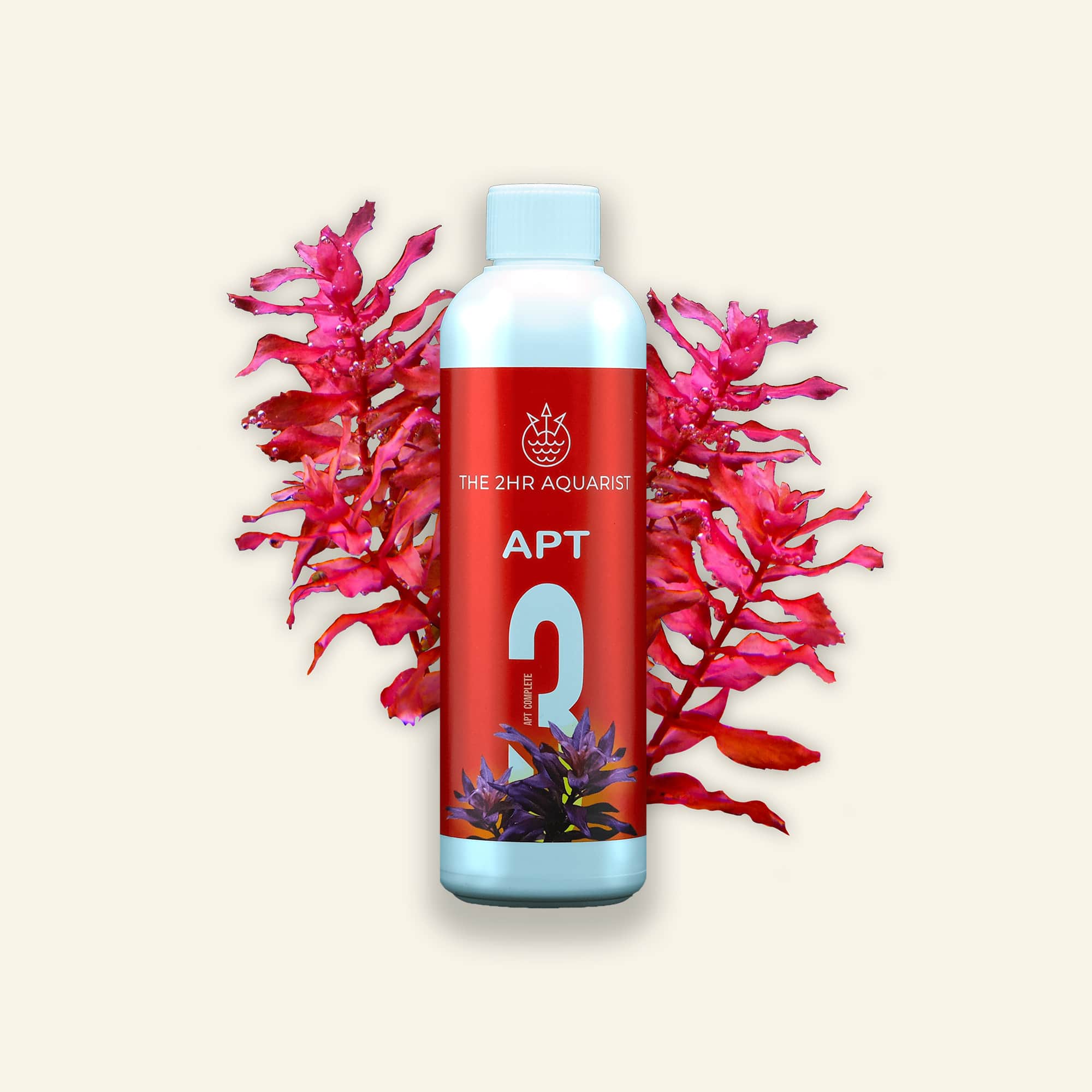
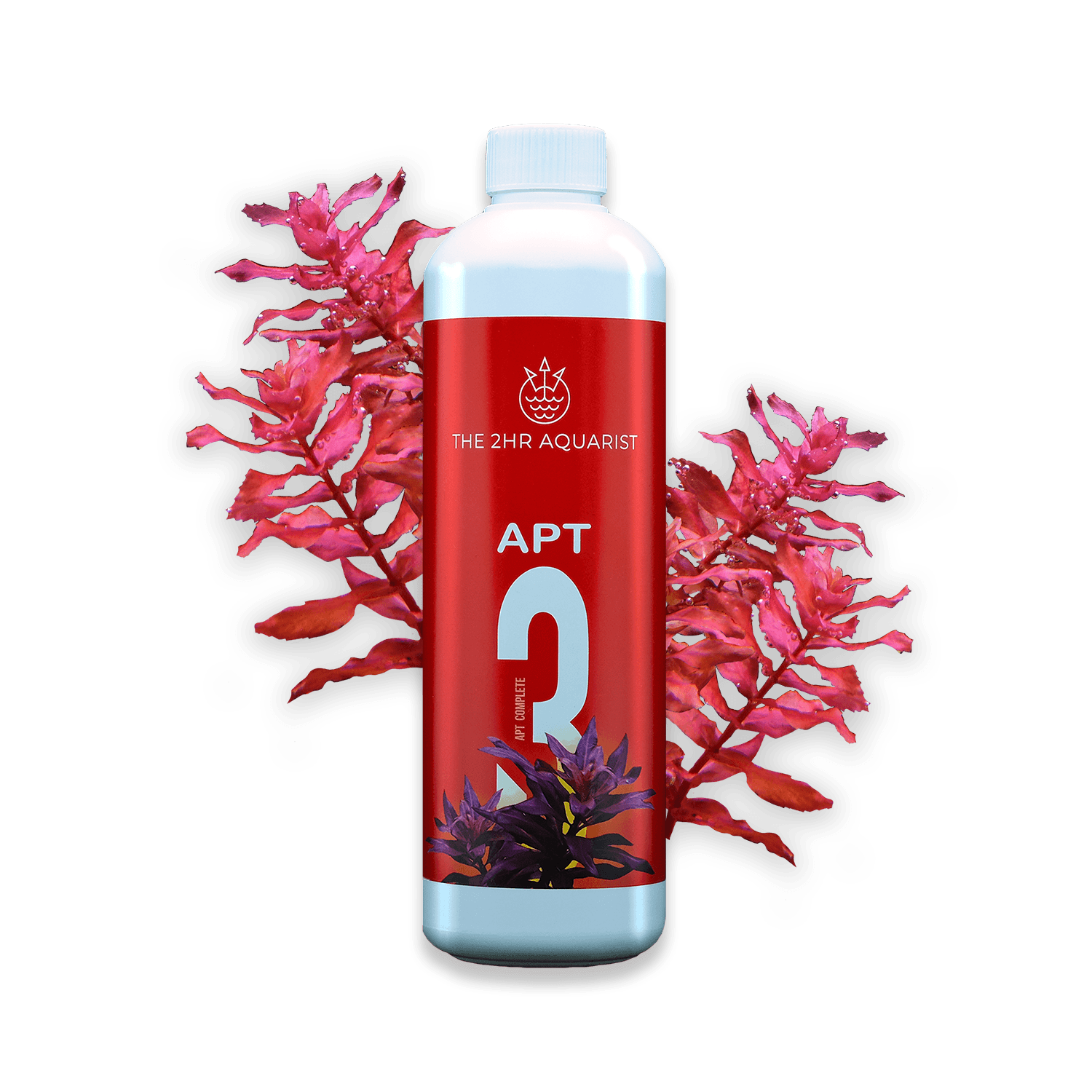
APT 3 is perfect for tanks with more plants, fewer fish. Enjoy 100% comprehensive macro, micro and trace minerals. Unlocks the full potential of the hobby's most demanding plants.

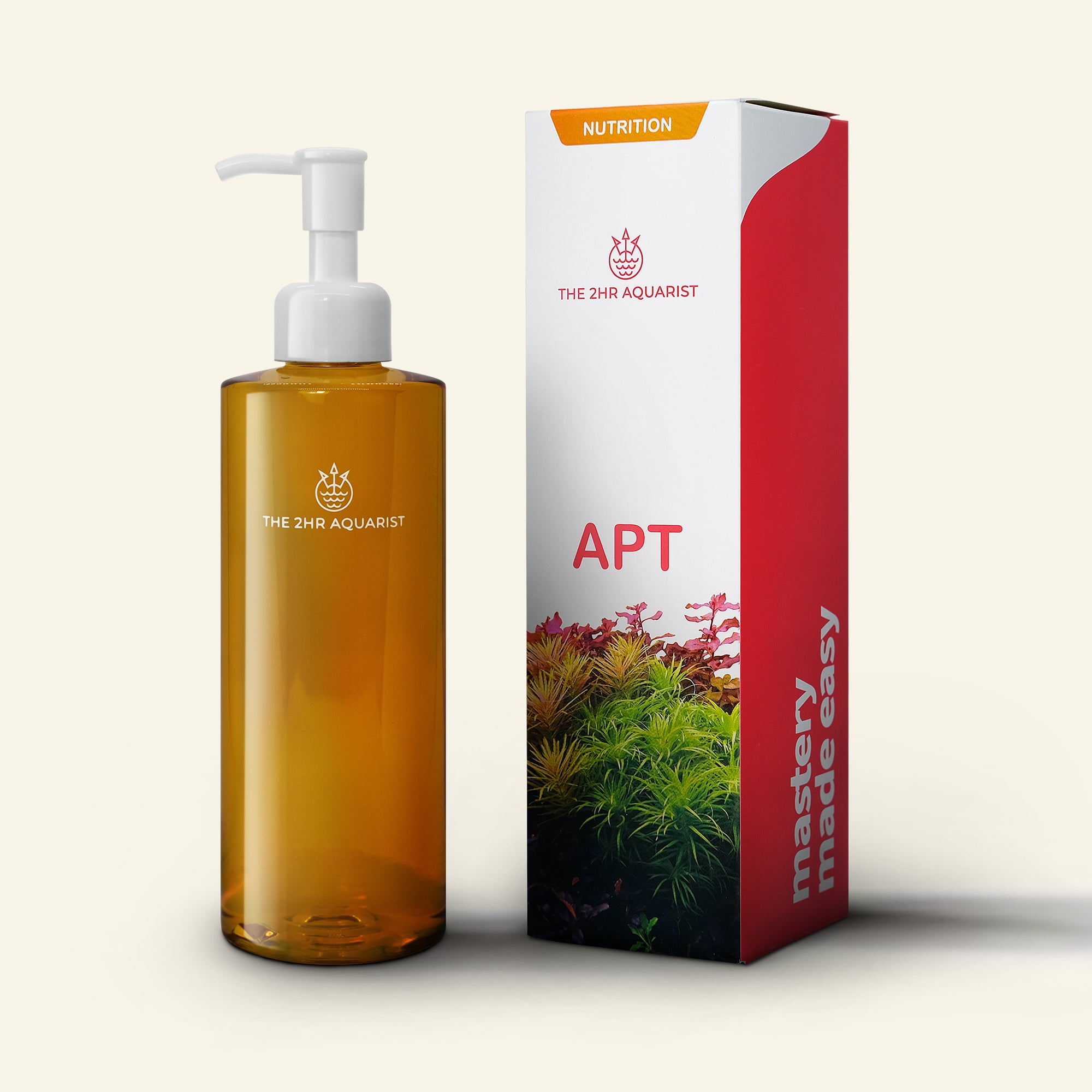
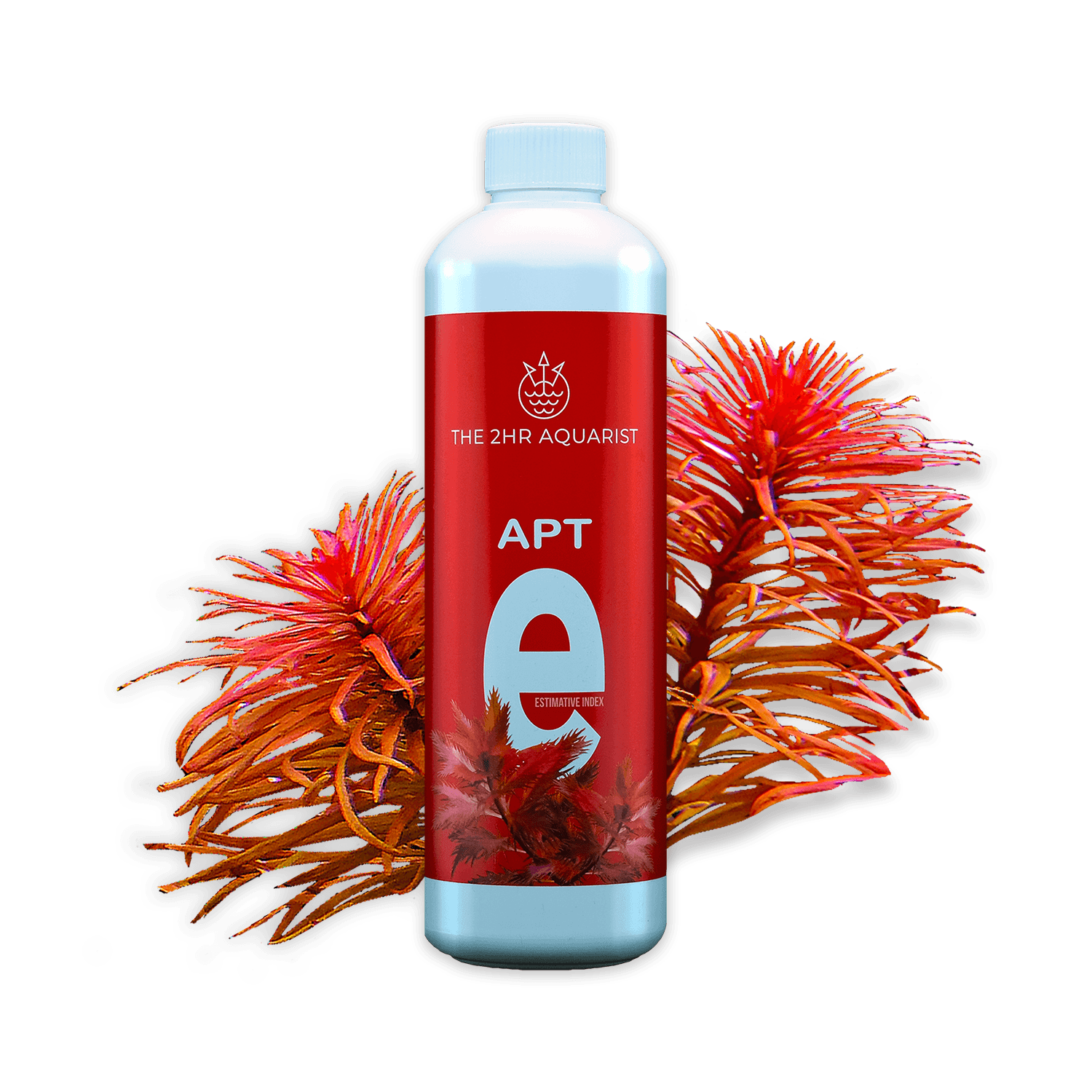
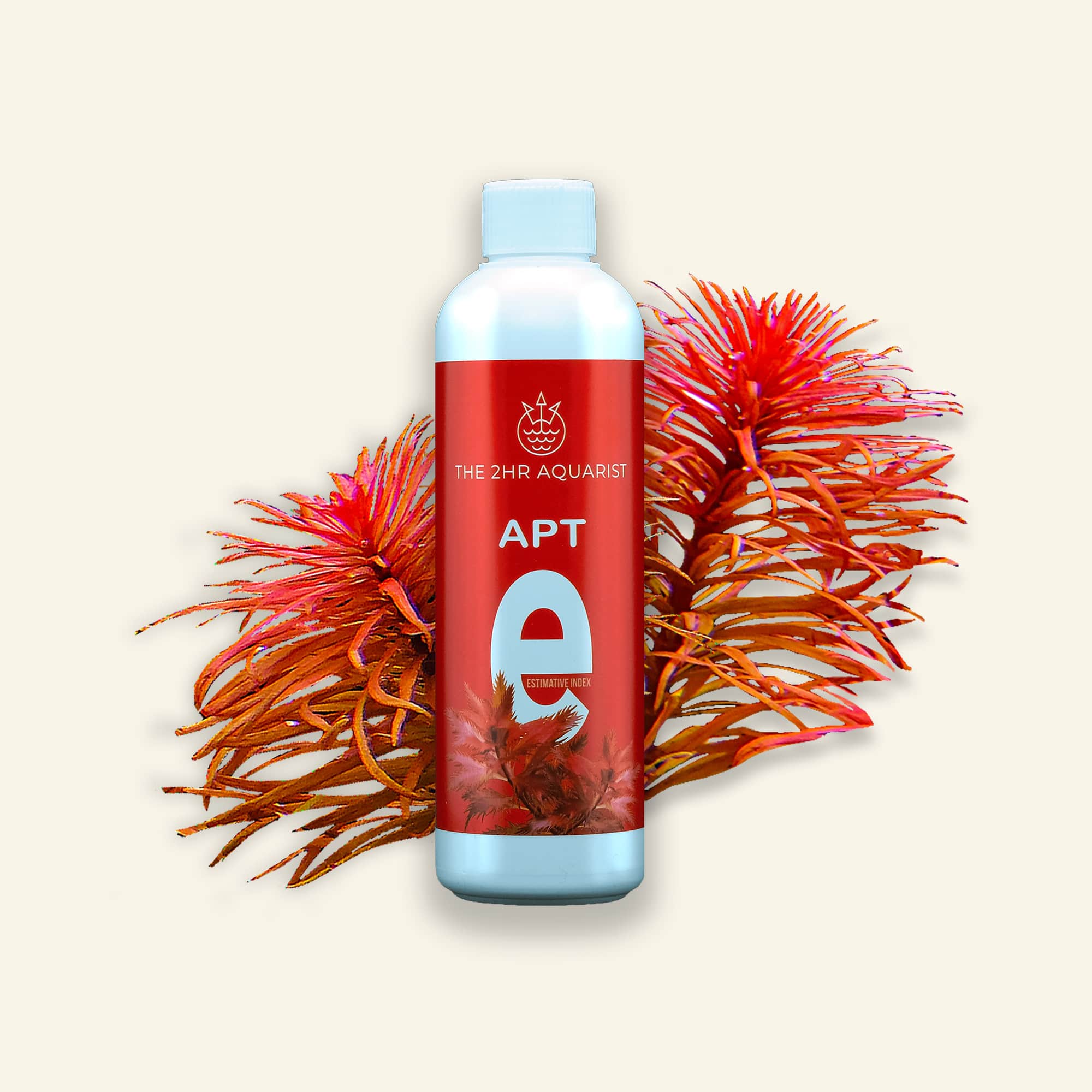
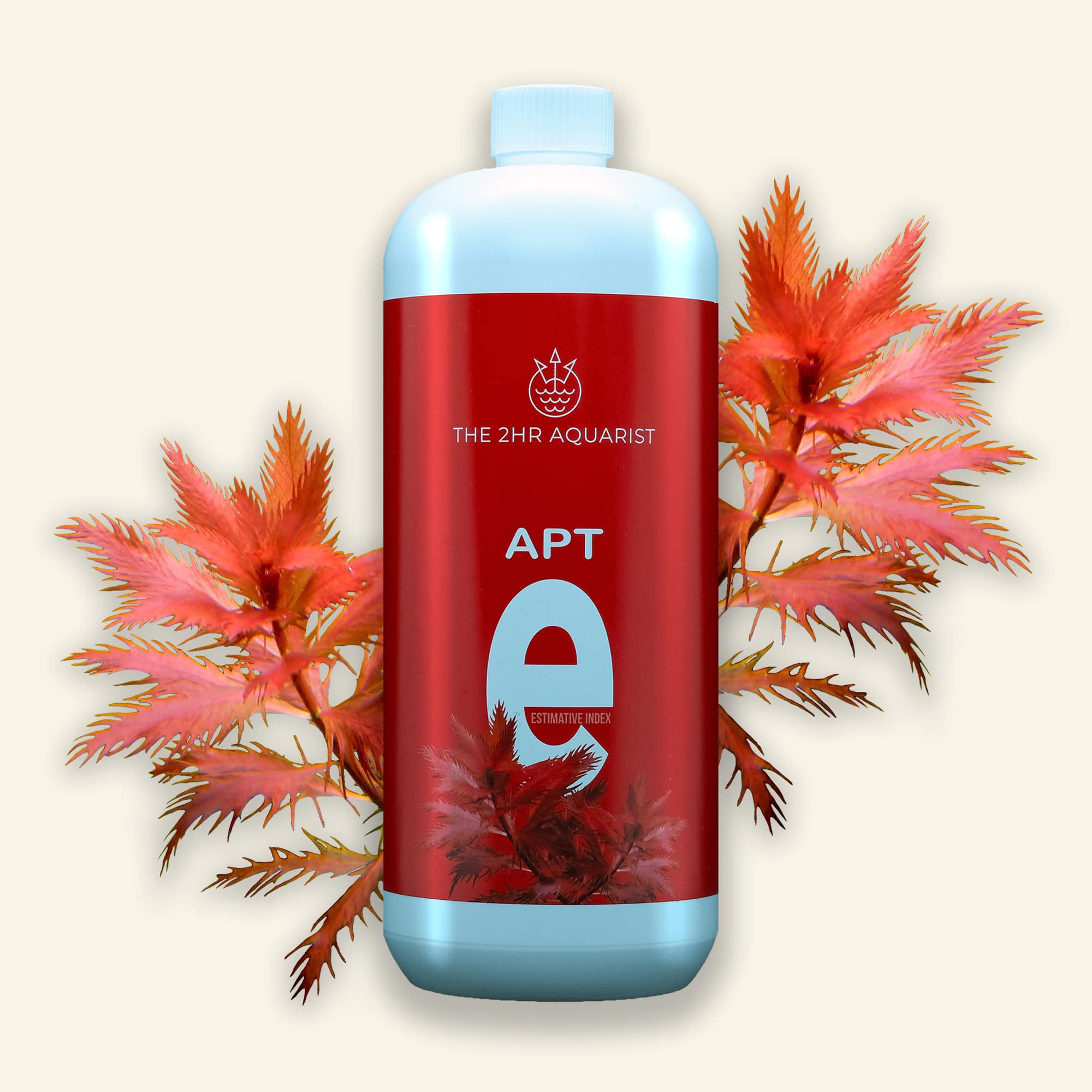
APT e is perfect for heavily planted Dutch Style tanks and users who understand EI methodology. Supremely concentrated and expertly balanced.

Deeper Reds Built-In

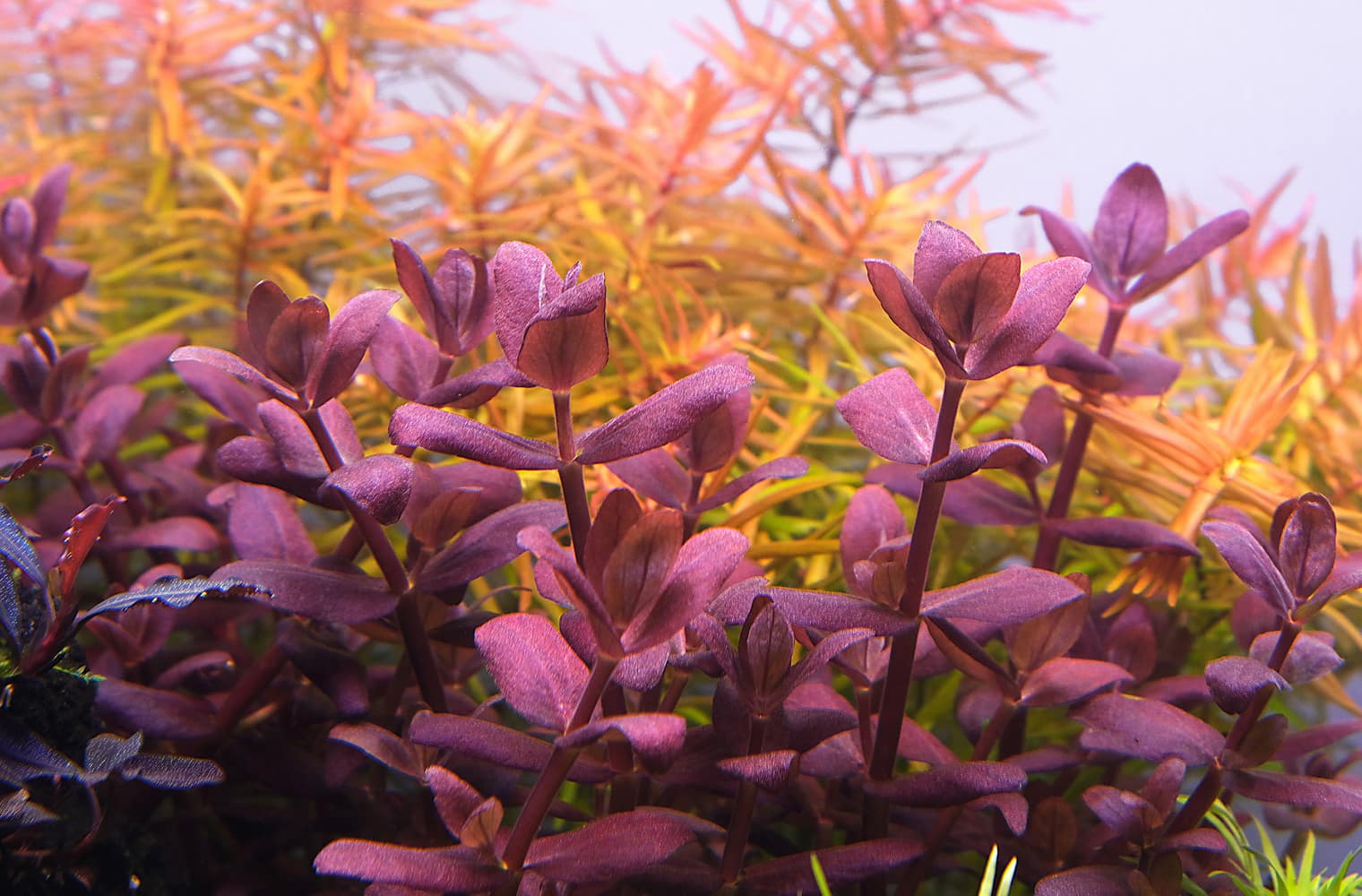
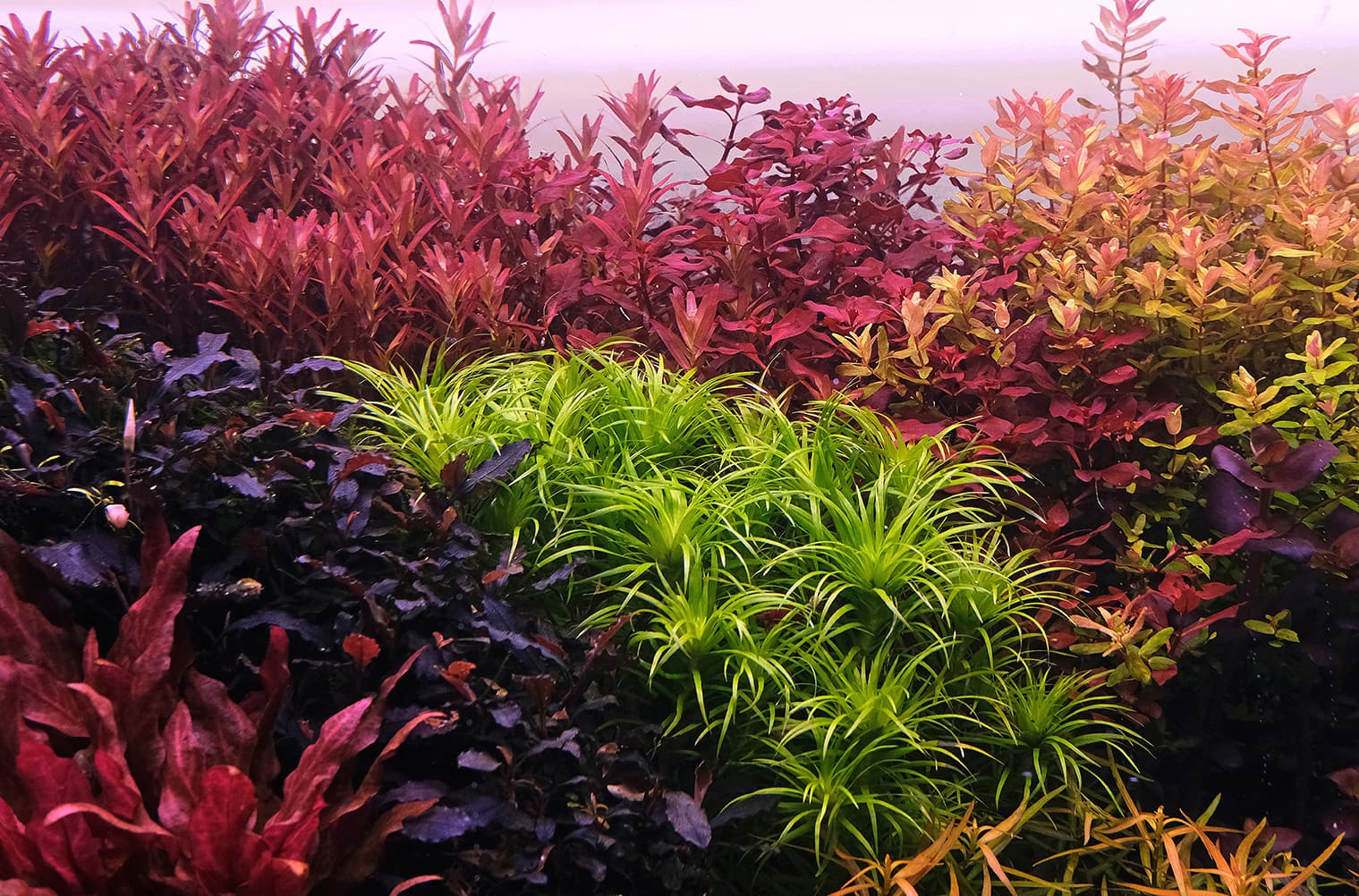
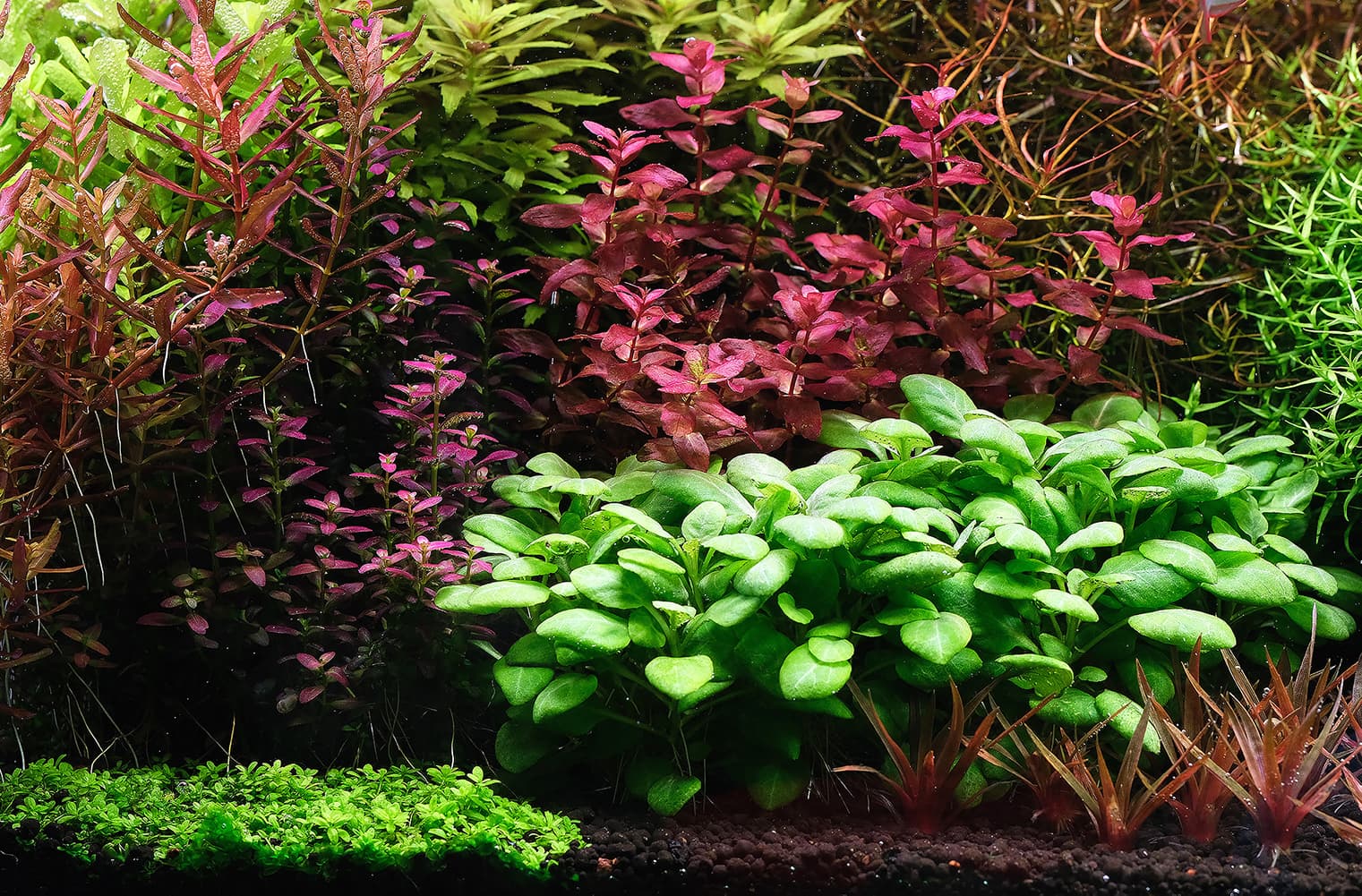
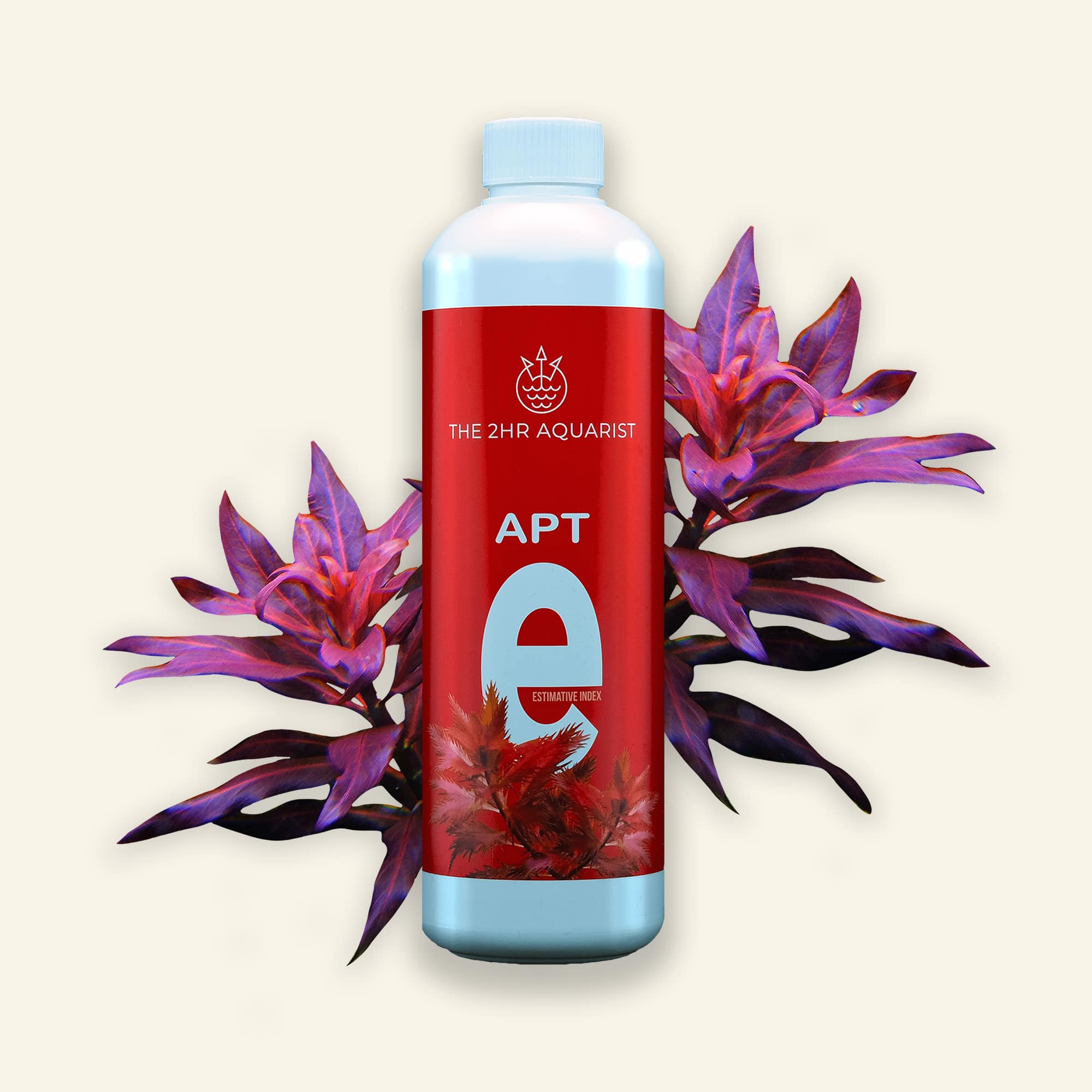
APT 3's nitrate-limiting ratio is specifically engineered to bring out deeper reds in species like Rotala rotundifolia and Ludwigia arcuata, while still providing everything plants need to thrive.

Modern Plant Science

APT's proprietary Capstone formulation was developed specifically for today's planted aquariums, factoring in current tank environments, new plant hybrids, and evolving light and CO2 technologies, unlike conventional fertilisers that trace their origins to 1970s fish-focused tanks.

FAQs

Please read our FAQs page to find out more.

Which should I use - APT e or APT 3?

The simplest way to decide is by your substrate and how hands-on you want to be. APT 3 is nitrate-limiting: growth is a little slower, algae risk is lower, and maintenance is more forgiving, which makes it the better match for nutrient-rich soil or anyone wanting a steadier tank. APT e supplies nitrate and phosphate in full, so plants grow faster - but that pace assumes strong CO2, good flow, and consistent dosing, and it leaves less margin for error. Choose APT e if you run an inert substrate or a high-energy tank and you're comfortable staying on top of maintenance; choose APT 3 if you have nutrient-rich soil or prefer an easier routine. (APT 1 is the starter step for the first one to three months on fresh soil.)

I'm using APT e and I'm getting algae - is it too strong?

APT e isn't "too strong" on its own, but it does assume the rest of your tank is keeping pace. Because it doses nitrate and phosphate in full, it's built for tanks with strong, stable CO2, good circulation, and enough plant mass to use those nutrients. Early-stage algae usually points to the tank not yet being balanced -CO2 fluctuating, flow reaching only part of the tank, or a young tank still maturing - rather than to the fertiliser itself. If you're in the first few weeks, or your setup is more moderate, APT 3 or APT 1 is often the steadier choice while things settle.

Can I mix or combine APT e with APT 1 or APT 3?
Yes. Because APT 1 carries no nitrate or phosphate while APT 3 and APT e do, blending APT 1 with either gives you a middle ground - more nitrogen and phosphate than APT 1 on its own, but less than a full dose of APT 3 or APT e. It's a useful way to fine-tune how lean or rich your dosing is: lean toward APT 1 in the mix for tighter algae control and nitrate limitation, or toward APT e for faster growth. You can adjust the ratio to suit your tank rather than treating the three as mutually exclusive.

The 2Hr Way

View all

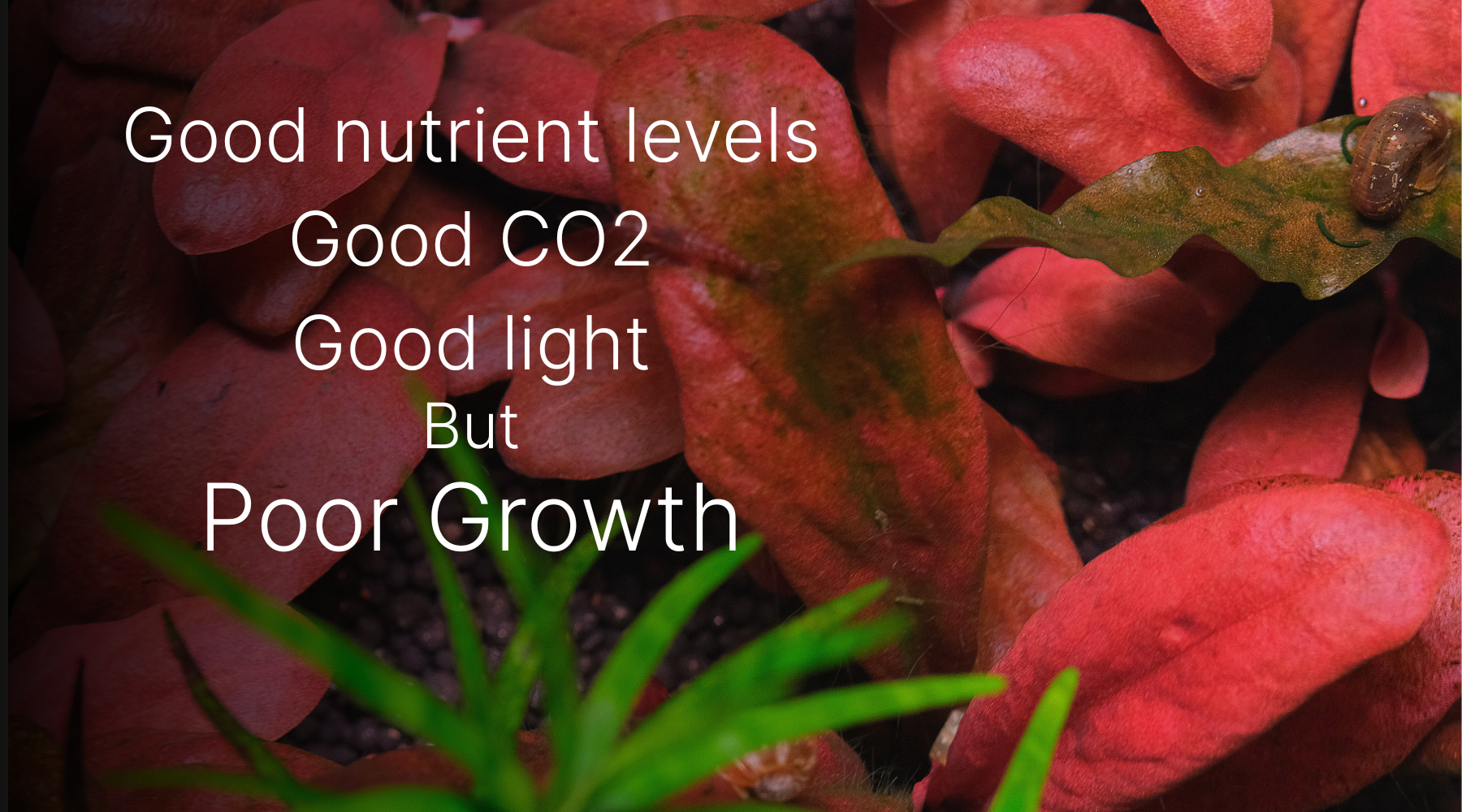
Good parameters, Good CO2, Good light, Poor plant growth?

Good parameters, Good CO2, Good light, Poor plant growth?

This article explains why aquatic plants sometimes do not grow well in a planted aquarium despite having good growth parameters available. It demonstrates how clearing old growth above and below the substrate allows new growth to be rejuvenated better than just trimming.

Read moreabout Good parameters, Good CO2, Good light, Poor plant growth?
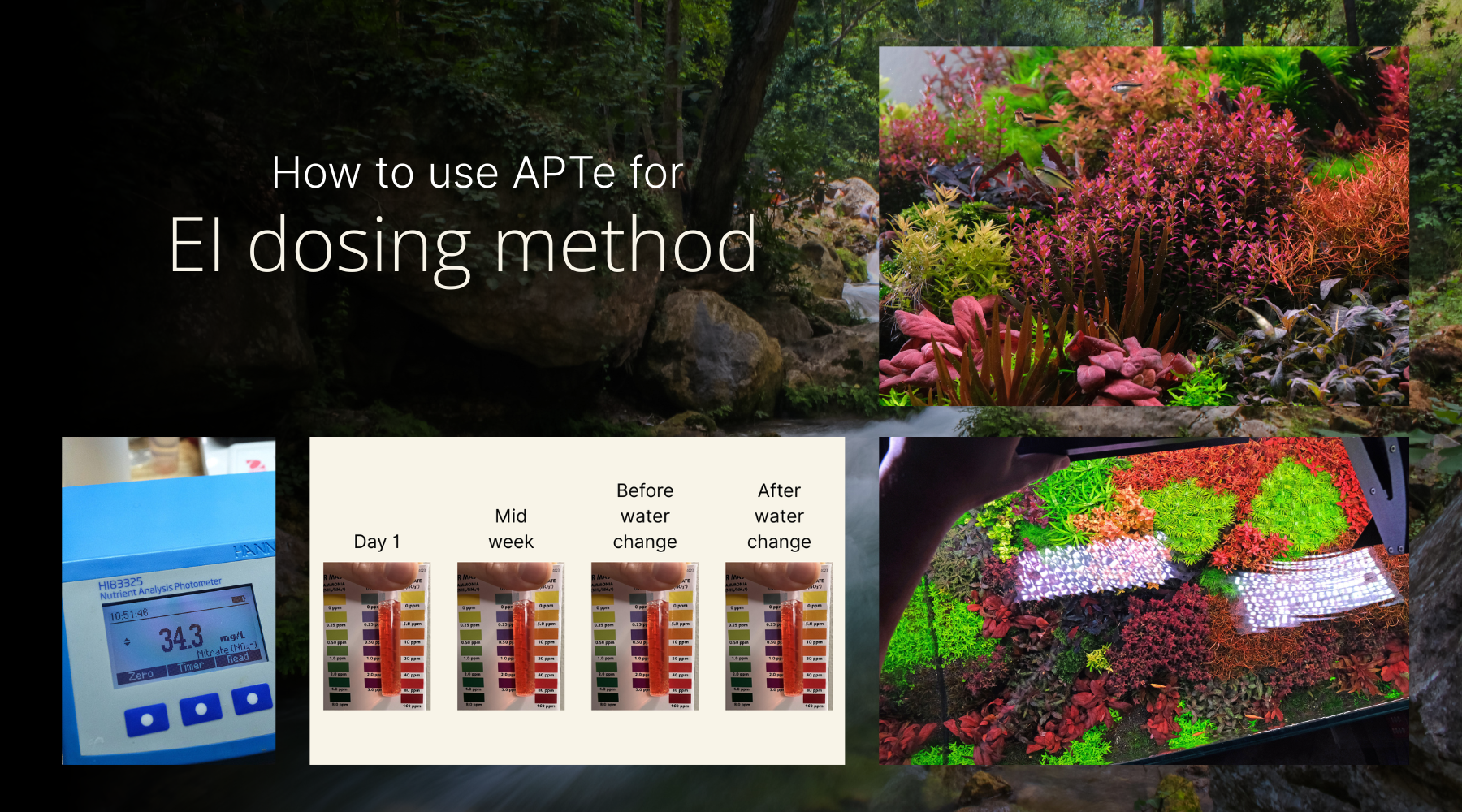
Using APTe for EI dosing

Using APTe for EI dosing

A guide on how to execute EI dosing accurately using 2hr Aquarist APTe liquid fertilizer.
Read moreabout Using APTe for EI dosing

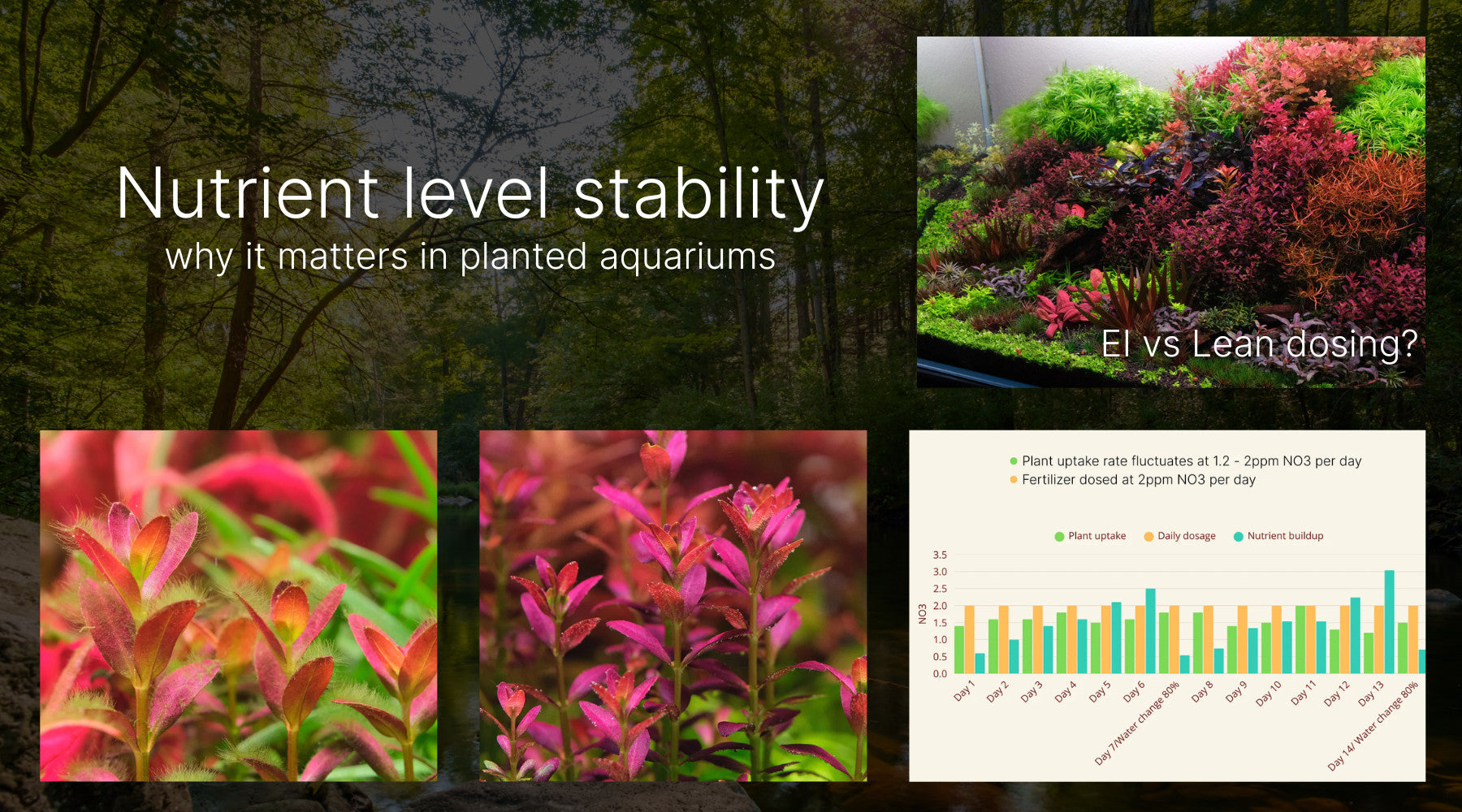
Why nutrient level stability matters for planted aquariums

Why nutrient level stability matters for planted aquariums

This article explores why nutrient stability is important in a planted aquarium, and how nutrient value fluctuations can result in algae or stunting tips.

Read moreabout Why nutrient level stability matters for planted aquariums
Nutrient uptake through leaves

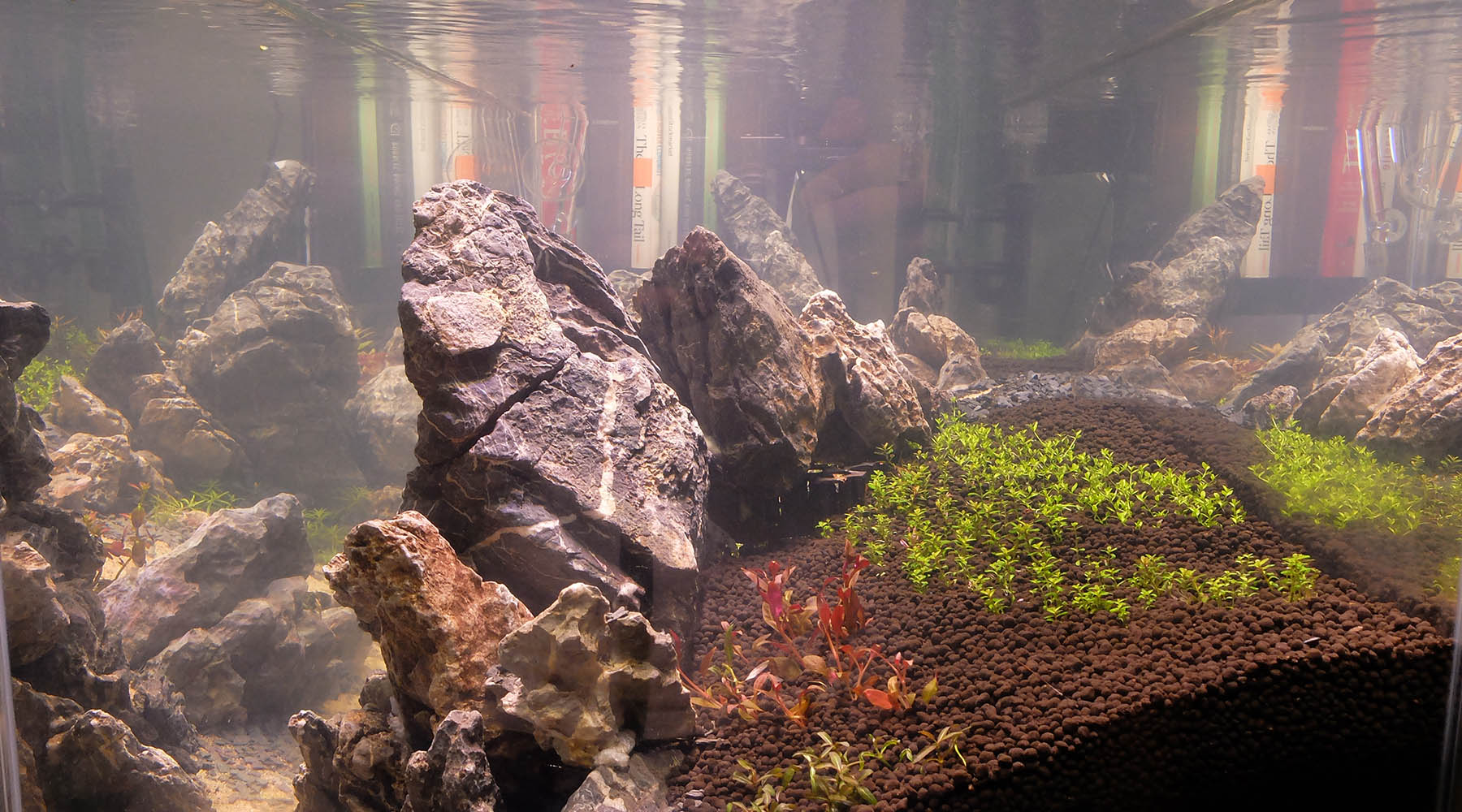
Nutrient uptake through leaves

When do we start adding fertilizer and do I need to add plant fertilizer in an aquarium? Start fertilizing immediately on day one when planting. All aquarium plants require regular fertilization for healthy growth and vibrant colors through foliar absorption—the natural process of absorbing nutrients directly through leaf surfaces.
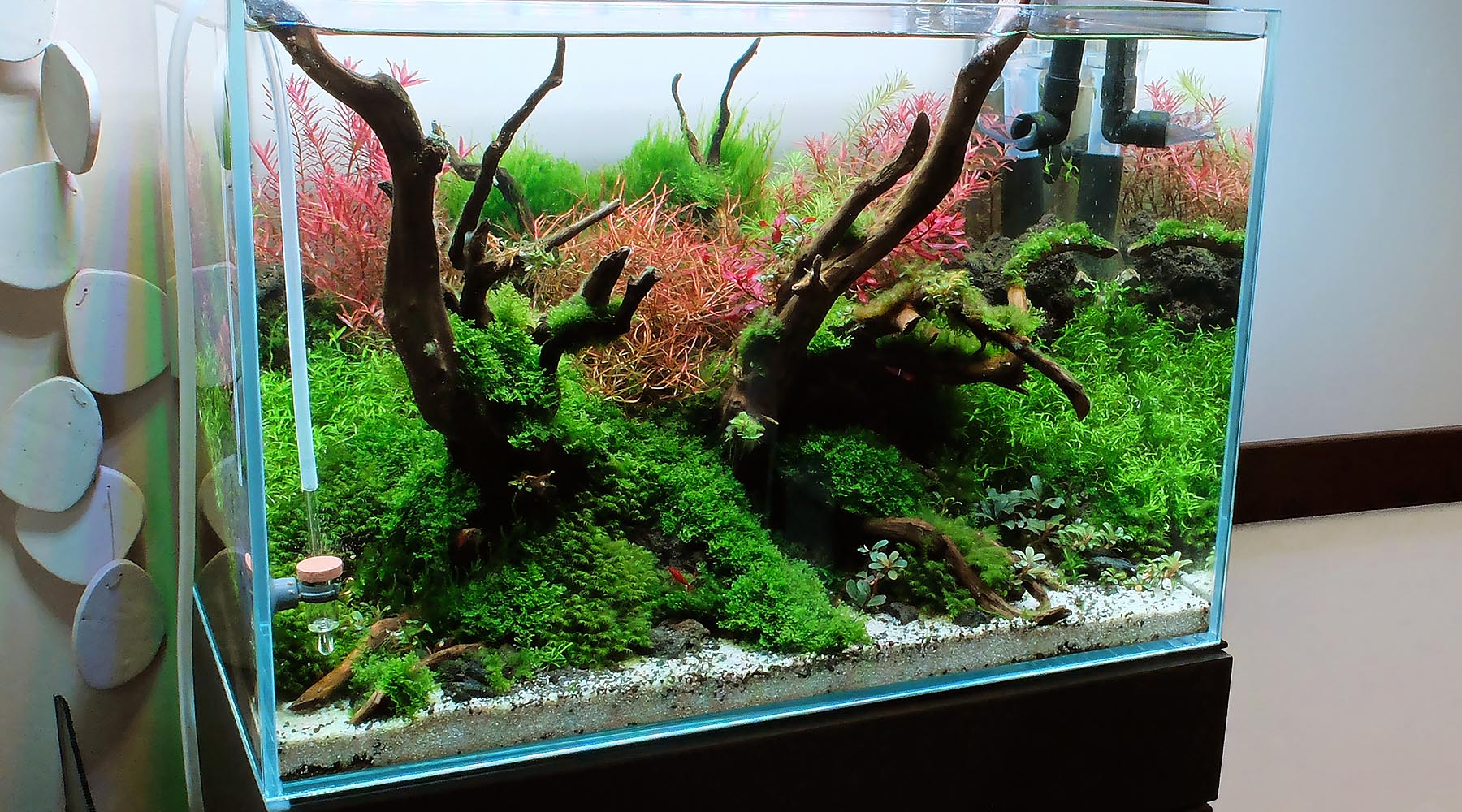
Read moreabout Nutrient uptake through leaves

Analysis of the ADA nutrient dosing approach
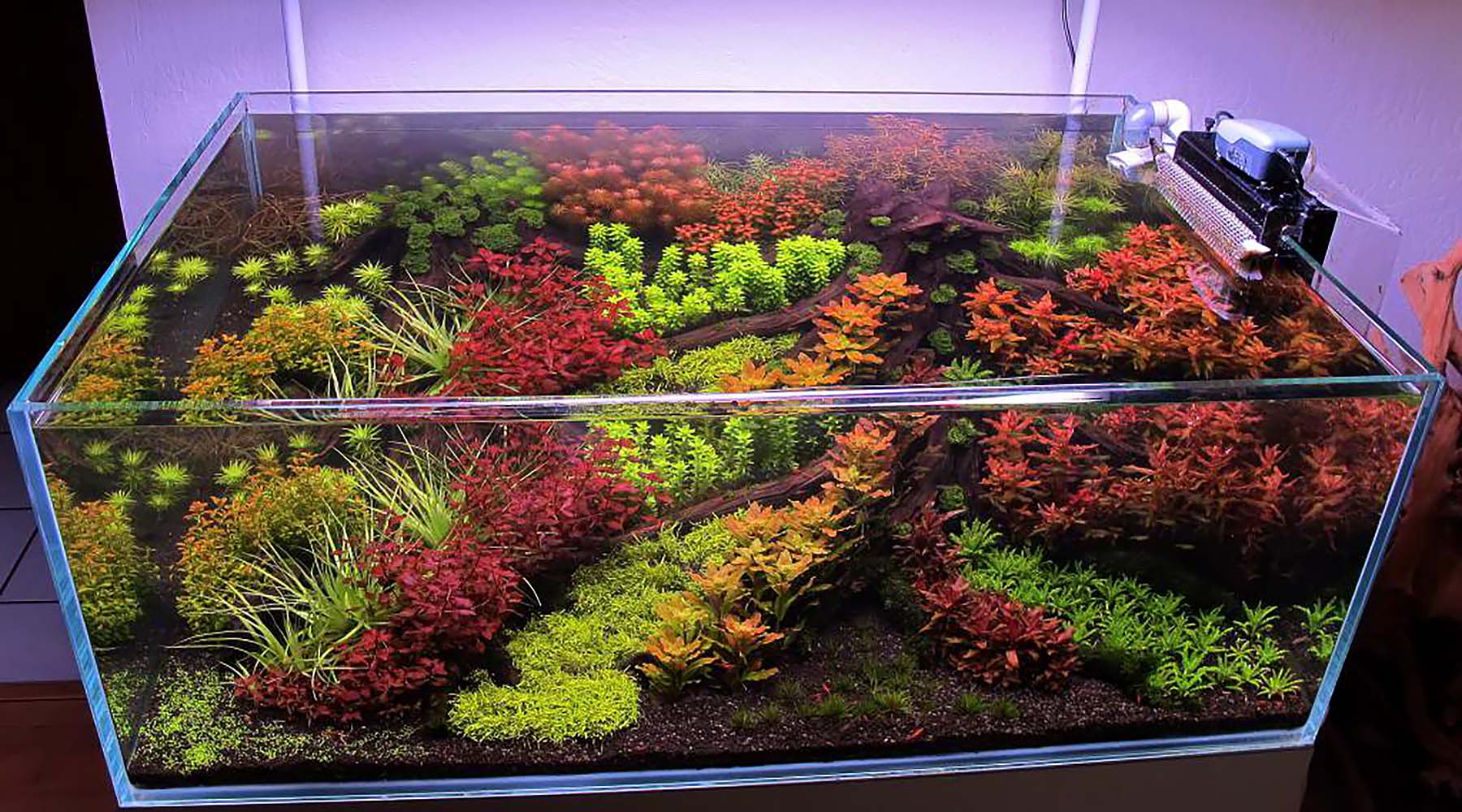
Analysis of the ADA nutrient dosing approach

An overview of the ADA philosophy and approach to fertilization for planted tanks.

Read moreabout Analysis of the ADA nutrient dosing approach

Analysis of the Estimative Index (EI) nutrient dosing approach
Analysis of the Estimative Index (EI) nutrient dosing approach

What is 'Estimative Index (EI)' and why is it so popular in some segments of the planted tank community?

Read moreabout Analysis of the Estimative Index (EI) nutrient dosing approach

Mixing dry aquarium fertilisers
Mixing dry aquarium fertilisers
How to use dry fertilisers to make your own fertiliser? Follow this guide.
Read moreabout Mixing dry aquarium fertilisers