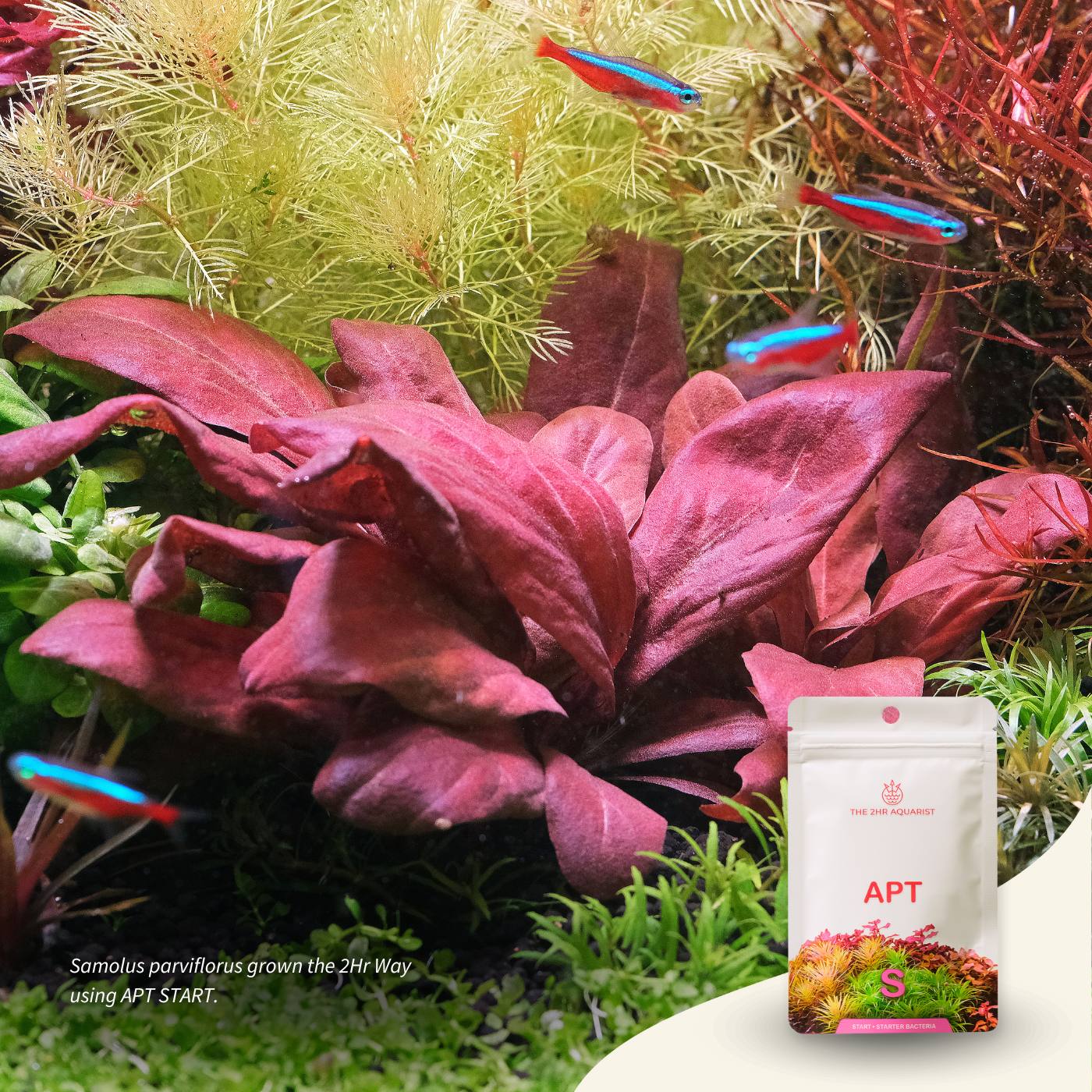
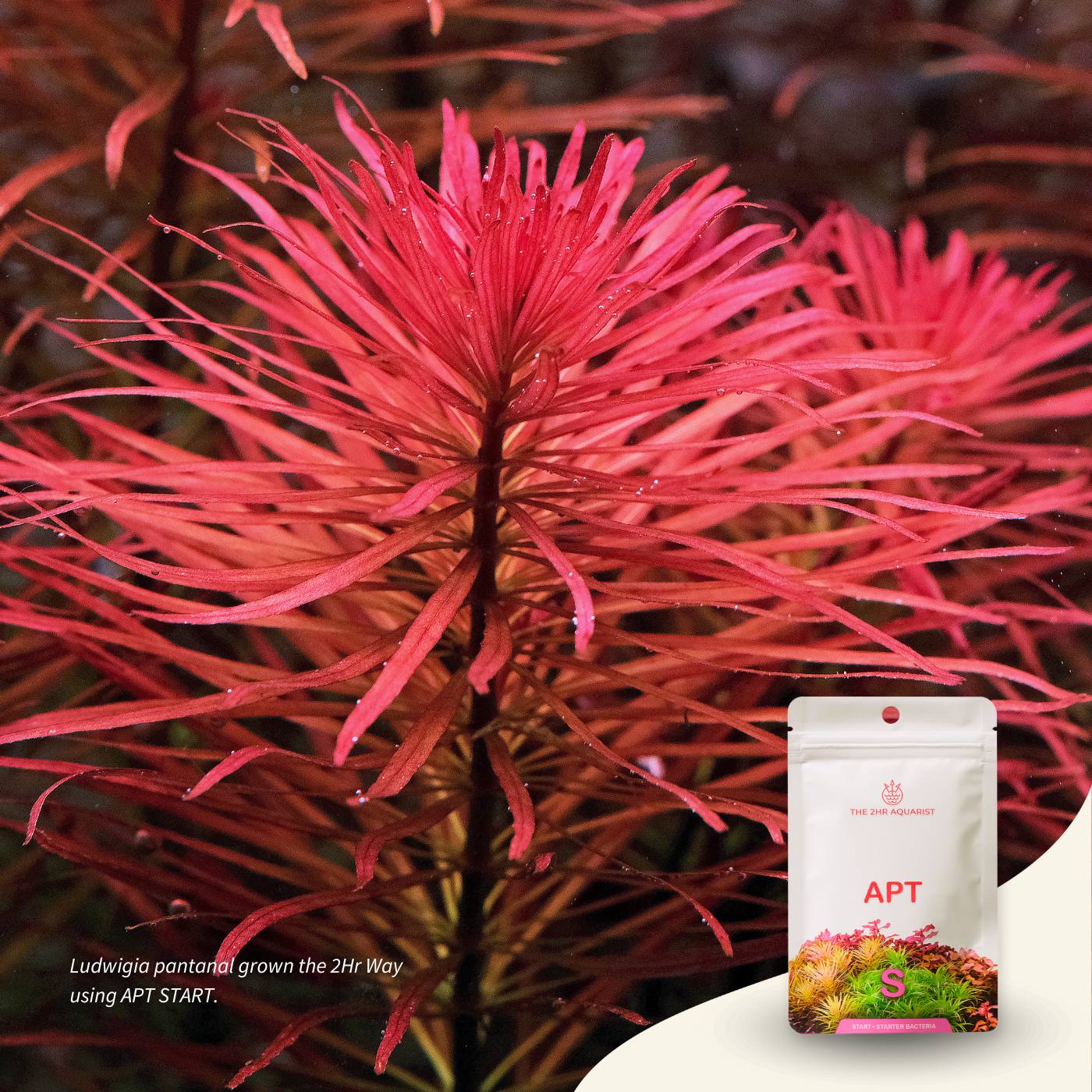
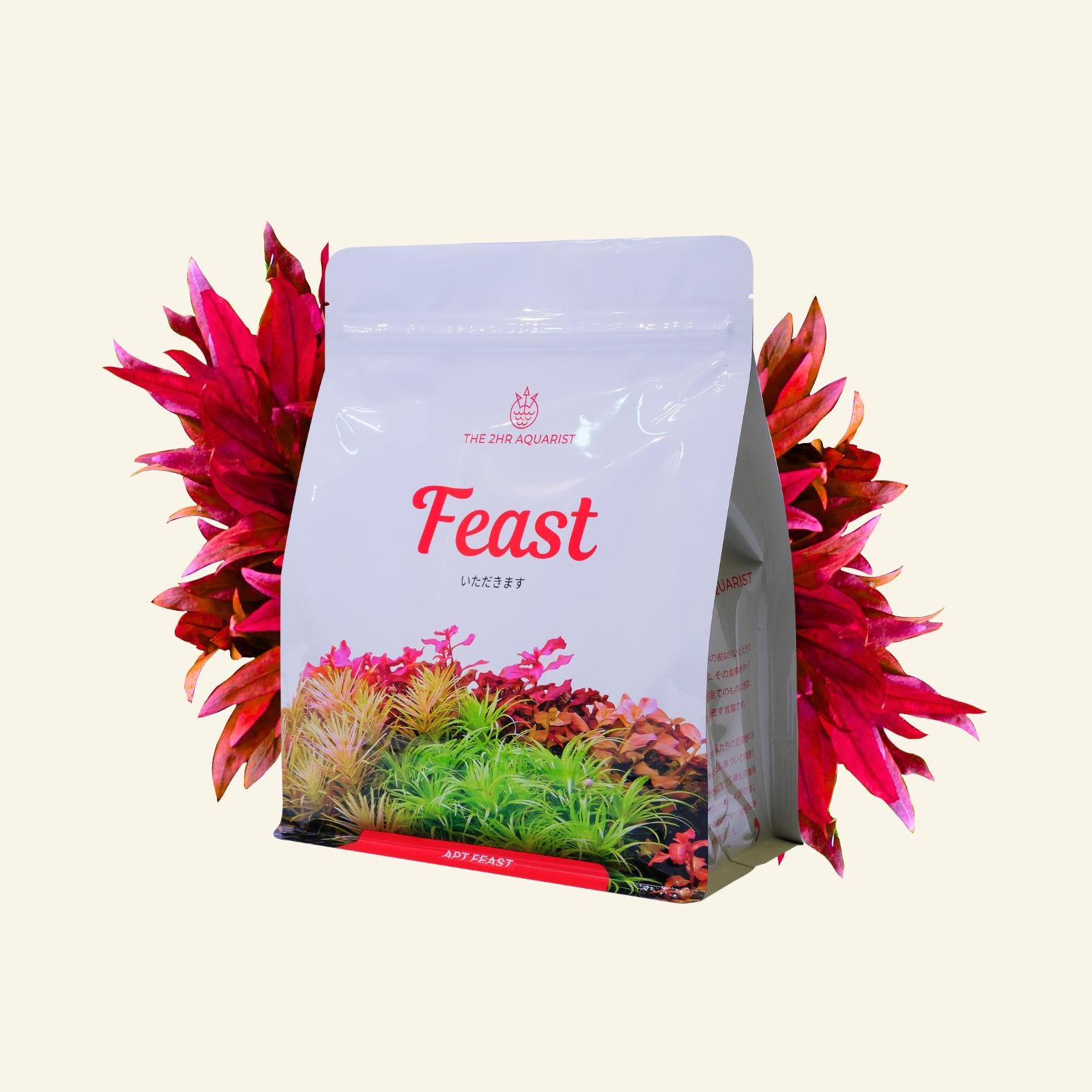
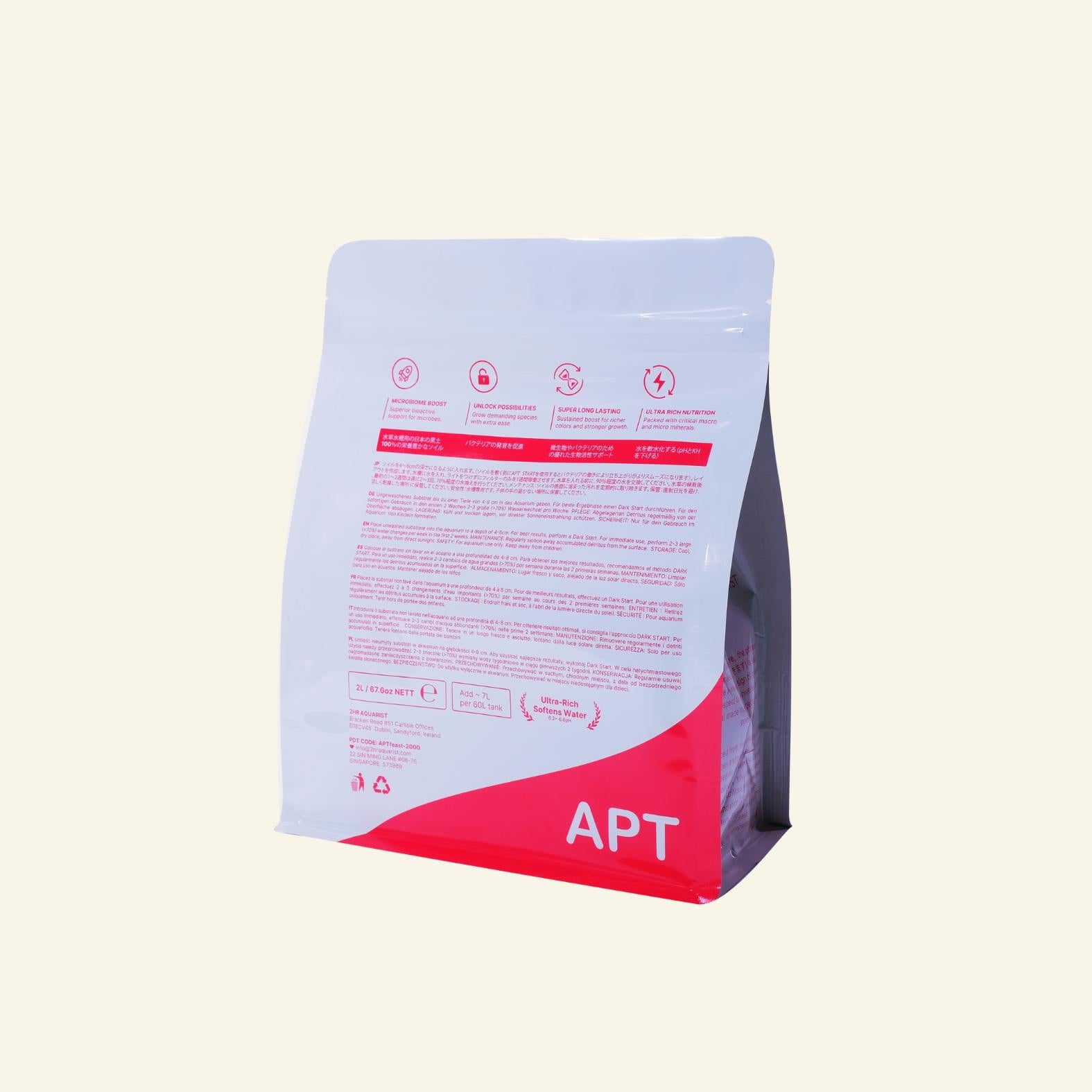
Substrate in a planted aquarium is not simply an anchor for roots. An active substrate binds nutrients within reach of the root zone, provides the surface area on which the tank's microbial community establishes itself, and buffers water while binding organic waste. It is the decision with the longest downstream consequences in a new setup.

3 products

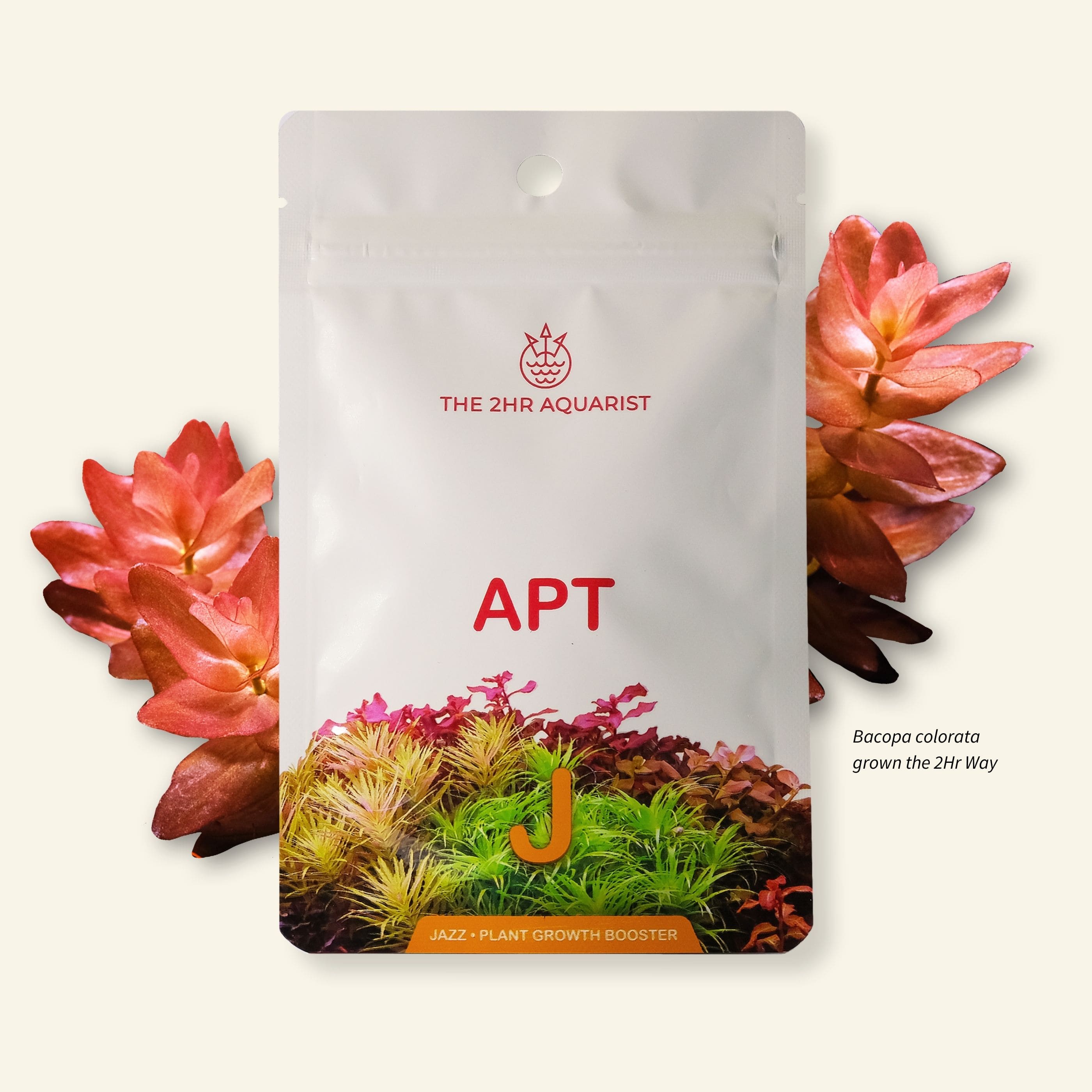
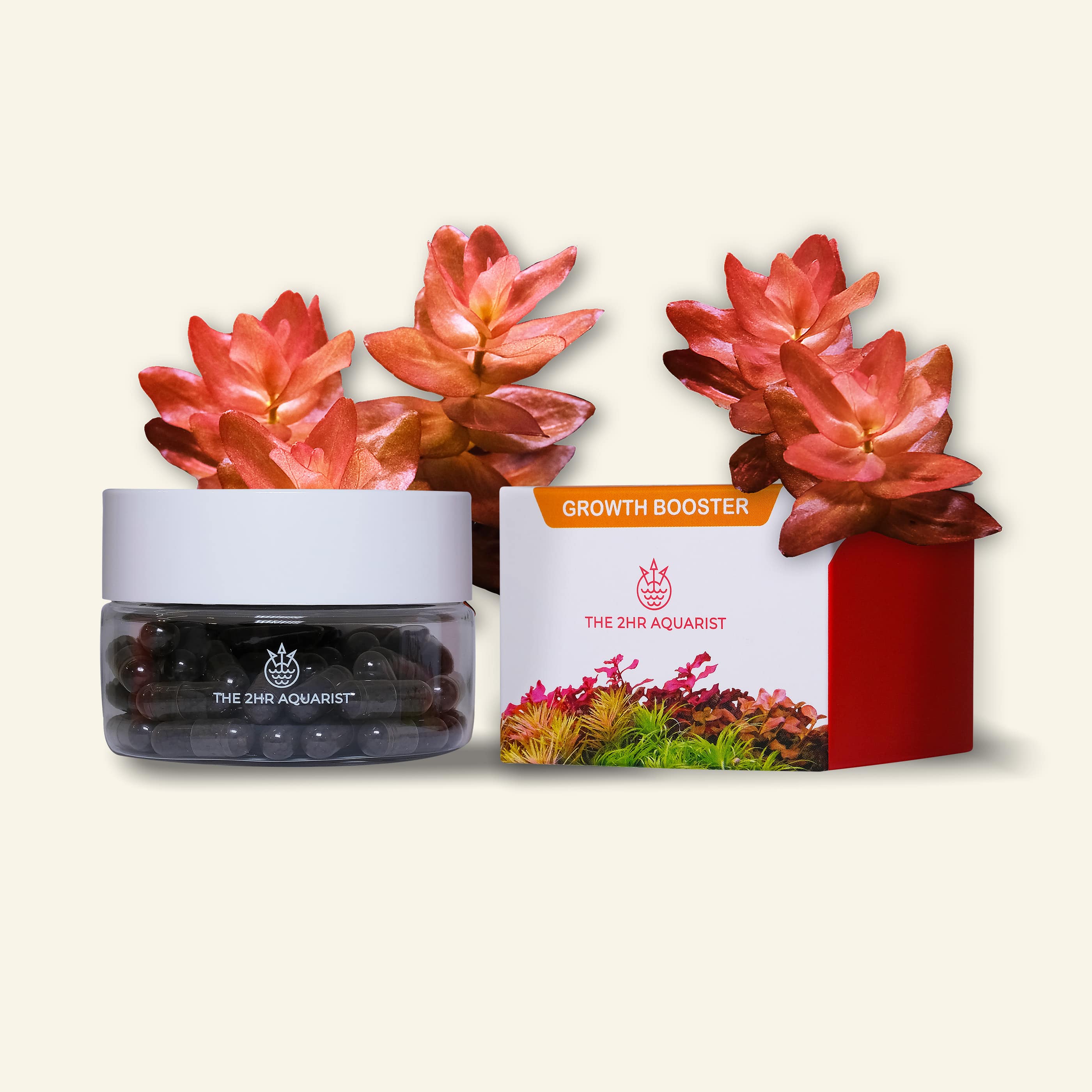
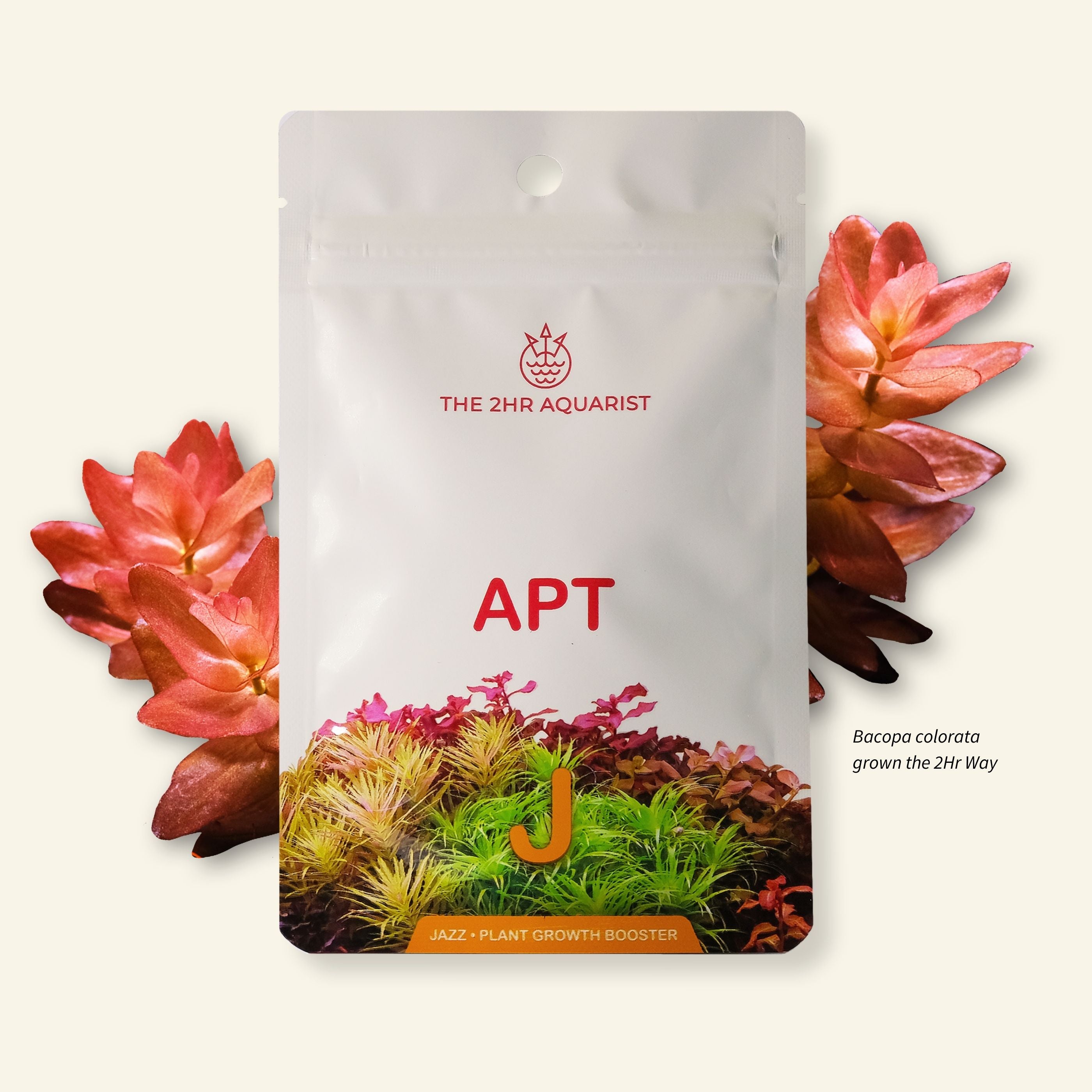
2Hr Aquarist APT Jazz

From €21,50

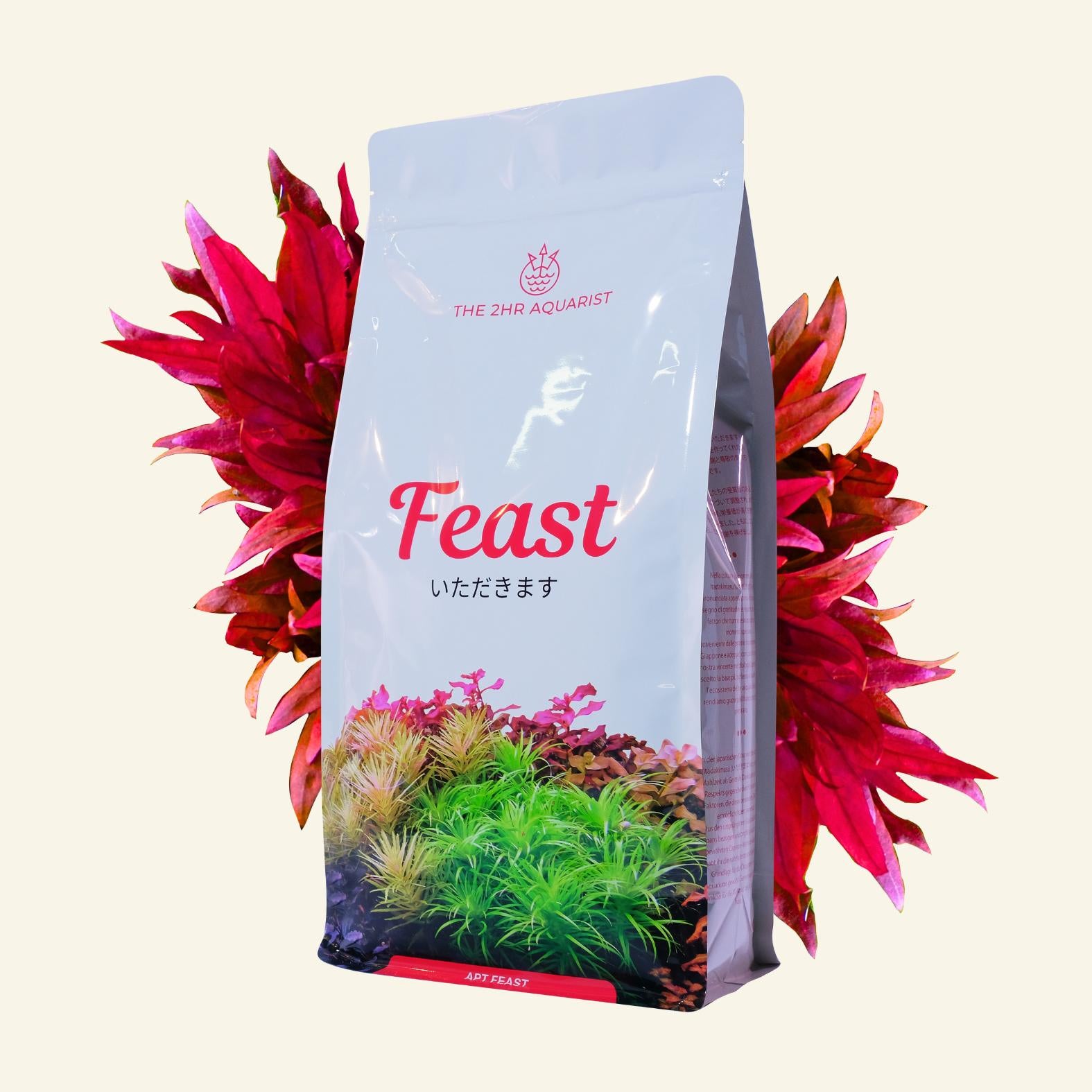
2Hr Aquarist APT Feast

From €15,90

FAQs

Why does substrate matter so much?

It does three jobs that inert gravel or sand cannot. It binds nutrients and holds them within reach of the roots. It provides the surface area on which the tank's microbial community establishes itself. And it buffers water while binding organic waste. The practical consequence is that plants grow more easily and tanks stay stable with far less intervention.

Which of the three do I need?

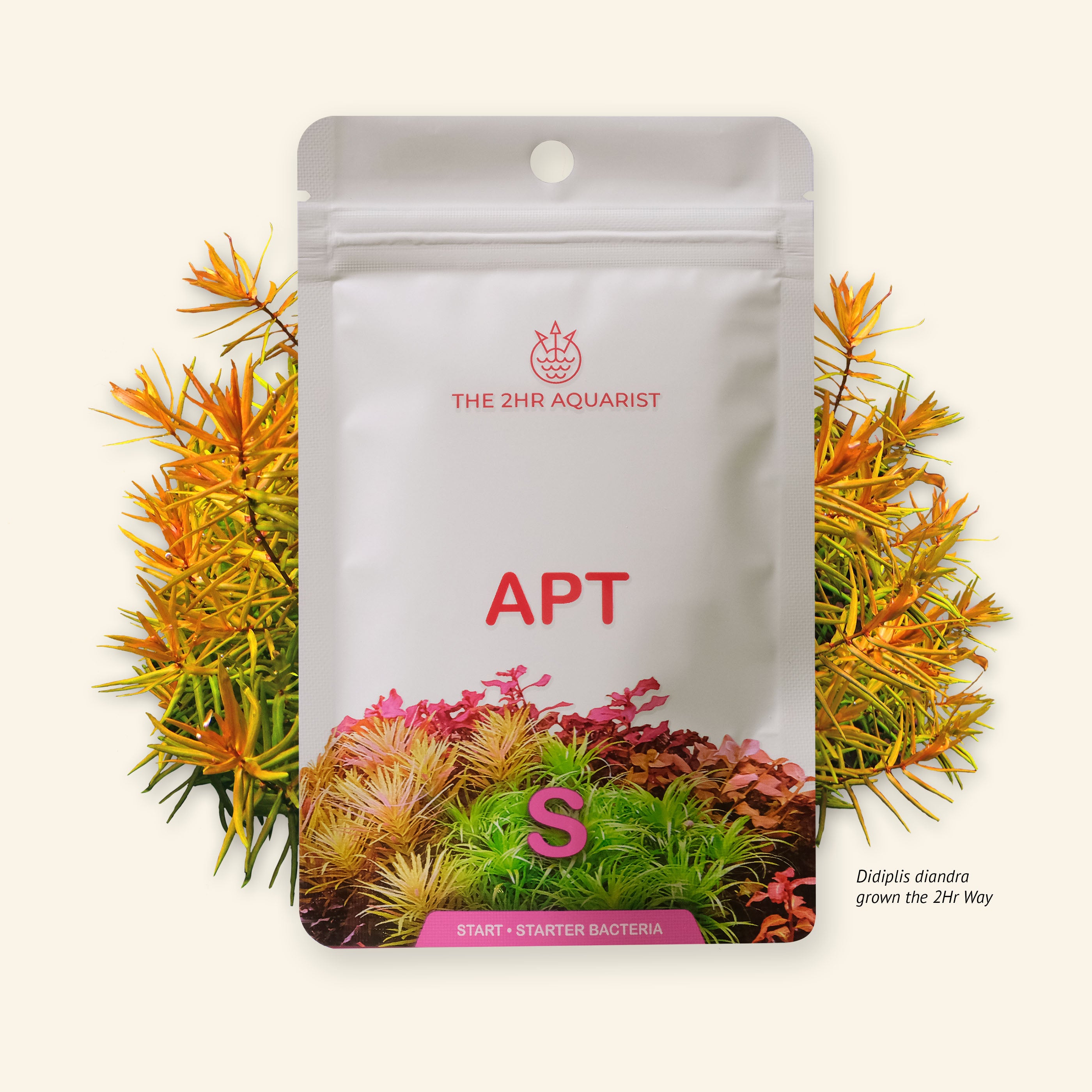
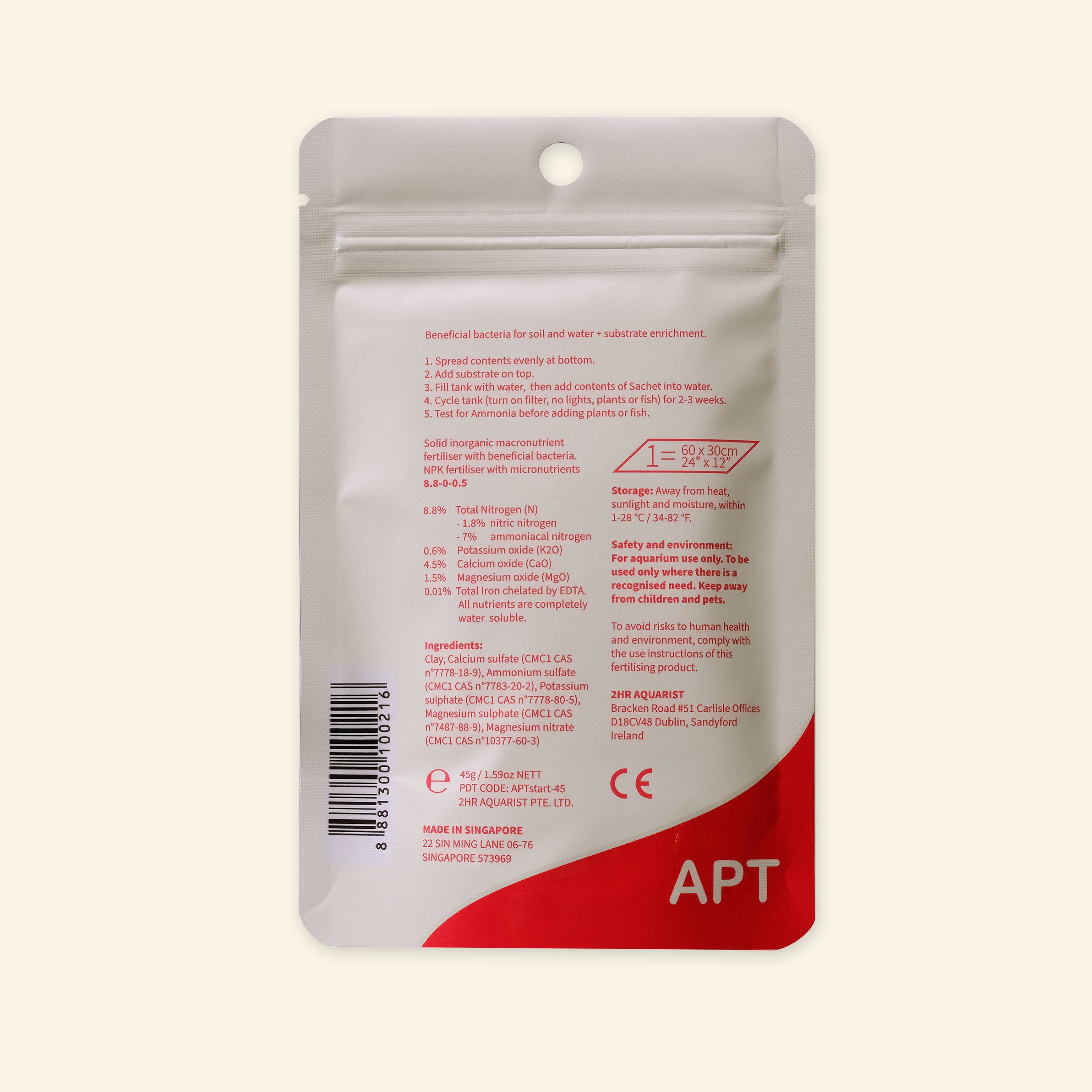
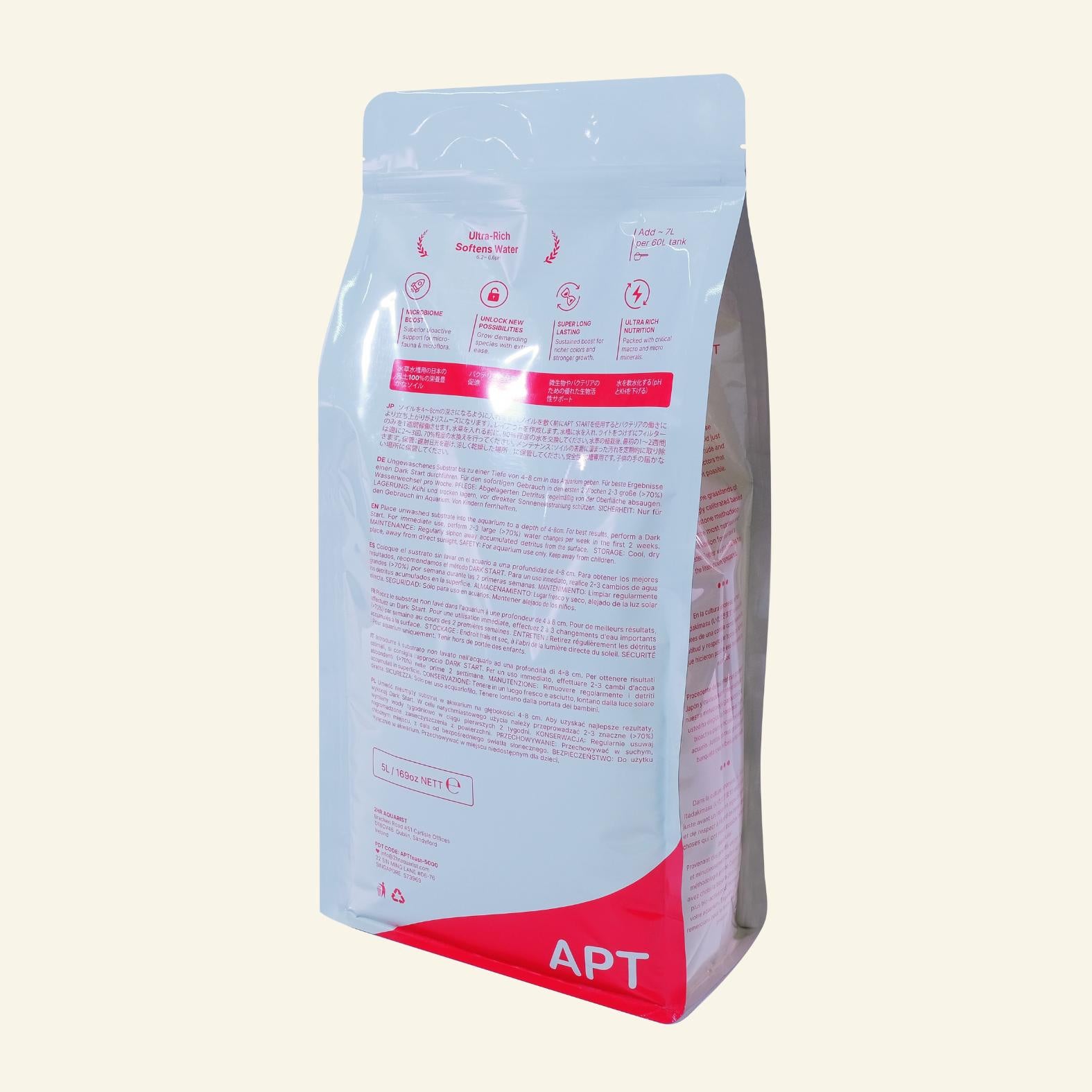
APT Feast is the substrate itself: a highly organic aquasoil that feeds roots for 12 months or more, softens water to around pH 6.2 to 6.6, and supports strong microbial development. Nothing else is required alongside it at setup - not even APT START. APT START is for anyone using a different aquasoil: it enriches the base layer with ammoniacal nitrogen and minerals, and seeds beneficial bacteria to accelerate cycling. APT Jazz is the long-term answer - root capsules that rejuvenate maturing substrate as it depletes, and, through Nitrate Limitation, help draw the deepest colour from red species.

What is Nitrate Limitation?

Feeding macronutrients at the roots while keeping nitrate low in the water column. Plants receive everything they need, but the low water-column nitrate signals them to produce deeper red pigmentation. APT Jazz is engineered specifically to hold ammoniacal nitrogen within the root zone rather than leaching it into the water, which is what most root tabs do.

Do I need to replace my aquasoil when it runs down?

No. Replenishing with APT Jazz restores potency to matured substrate repeatedly, without the considerable disruption of tearing a tank down.

Insights

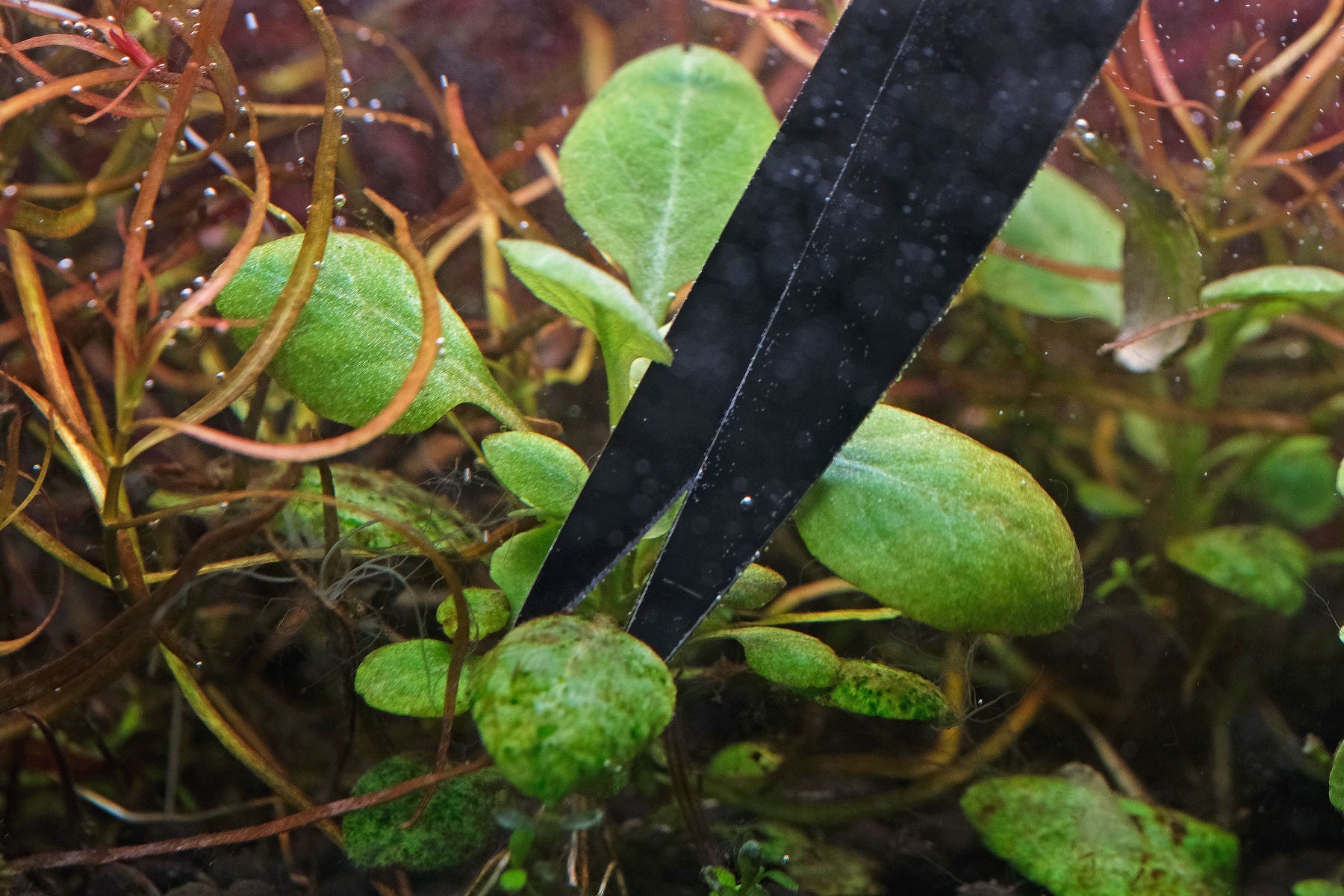
Close up photo of algae on older aquatic plant leaves

Why do leaves deteriorate? Understanding the leaf renewal cycle in aquatic plants

This article delves into the topic of how plants continually renew themselves through the production of new leaves.

Read moreabout Why do leaves deteriorate? Understanding the leaf renewal cycle in aquatic plants
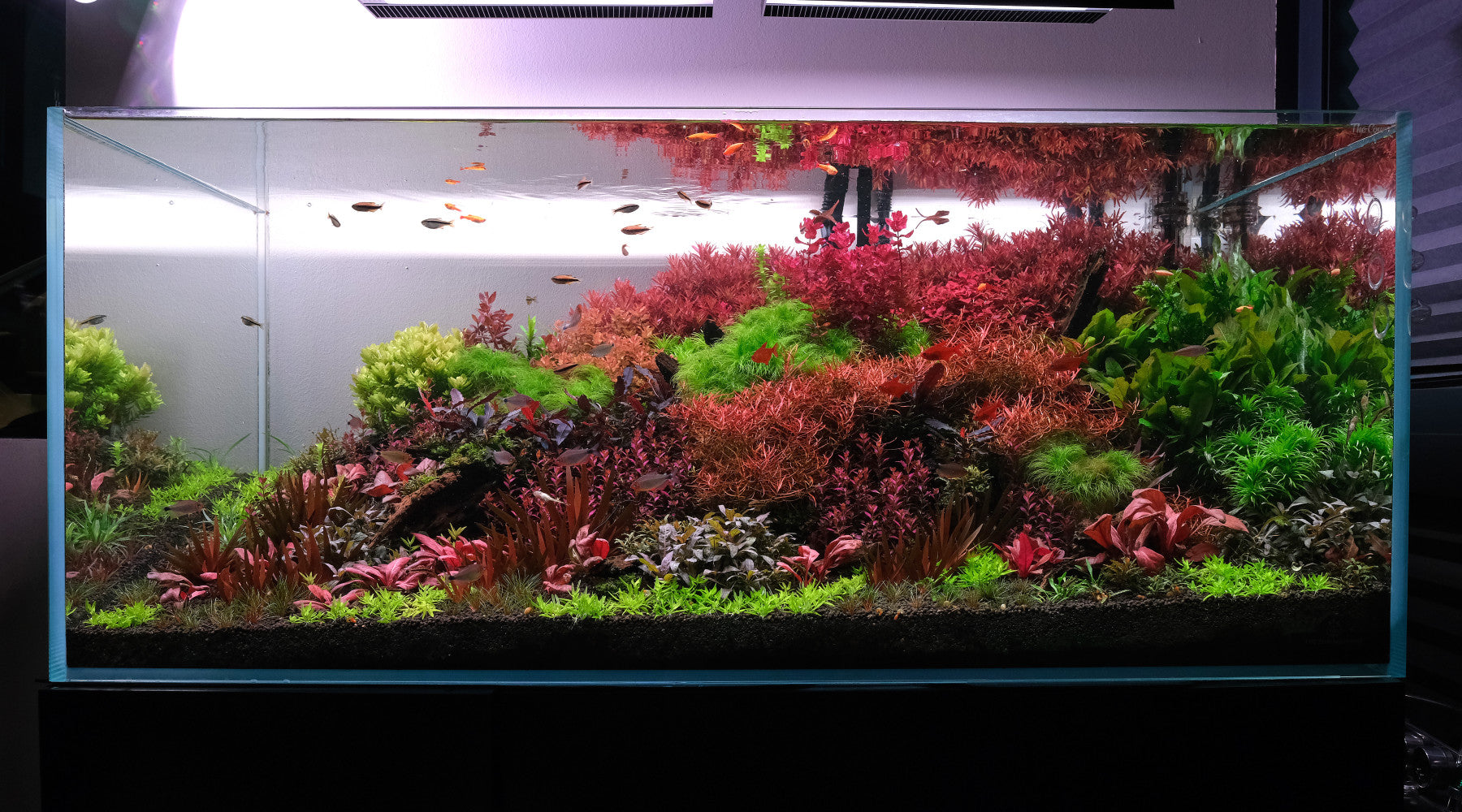
4ft Rotala florida community aquarium: Showcasing the 2hr Way

4ft Rotala florida community aquarium: Showcasing the 2hr Way

Full details of tank parameters, plants and fish species, and the maintenance regime of the 4ft Rotala florida aquascape are described here.

Read moreabout 4ft Rotala florida community aquarium: Showcasing the 2hr Way
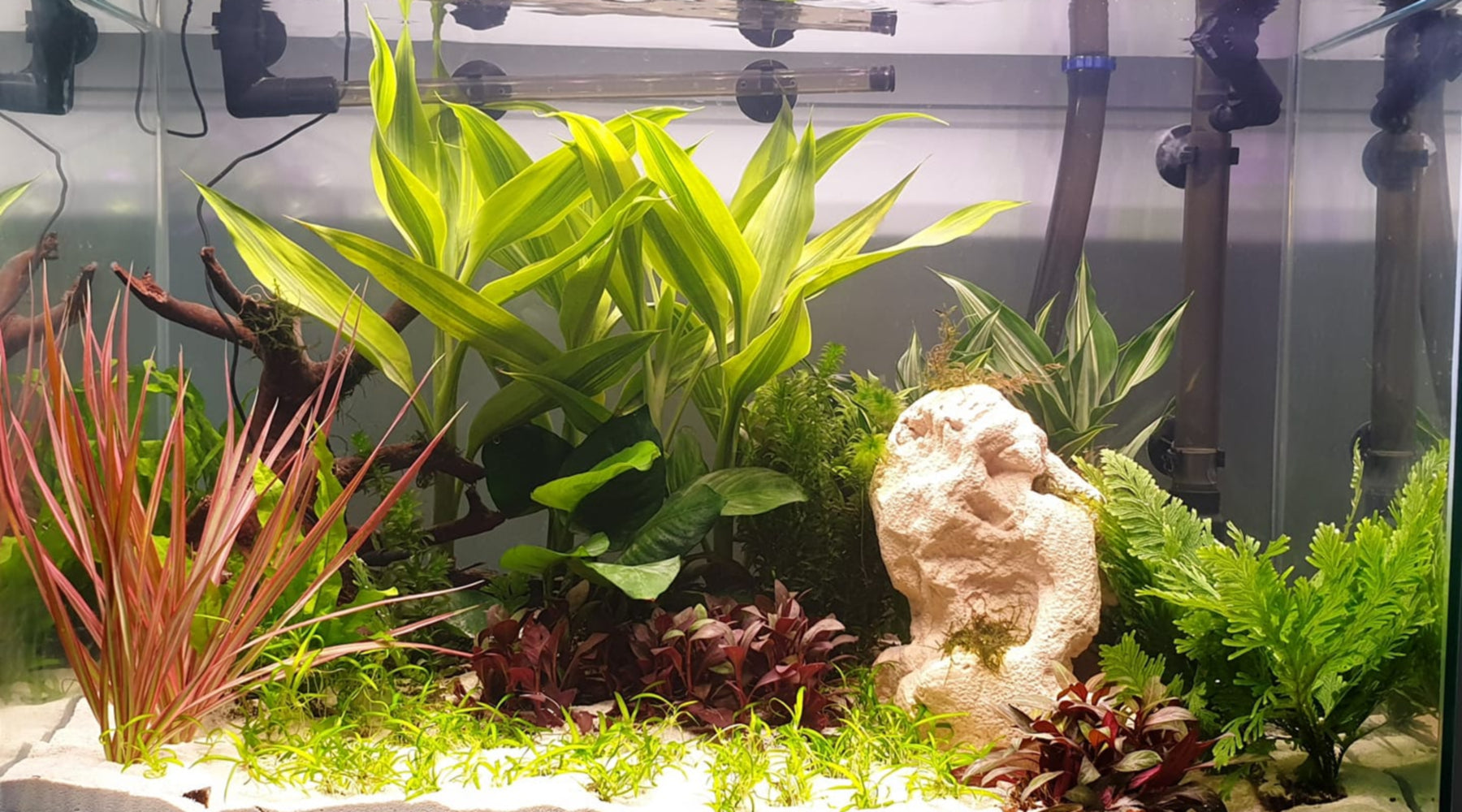
Non-Aquatic Aquarium Plants: A Beginner's Buying Guide to Avoid Them

Non-Aquatic Aquarium Plants: A Beginner's Buying Guide to Avoid Them

Some of the most attractive plants on shop shelves are not aquatic at all. They persist for weeks, then rot and feed algae. This guide identifies the common non-aquatic species sold as aquarium plants, shows how genuine aquatics shift form above and below water, and lists what to check before buying..

Read moreabout Non-Aquatic Aquarium Plants: A Beginner's Buying Guide to Avoid Them