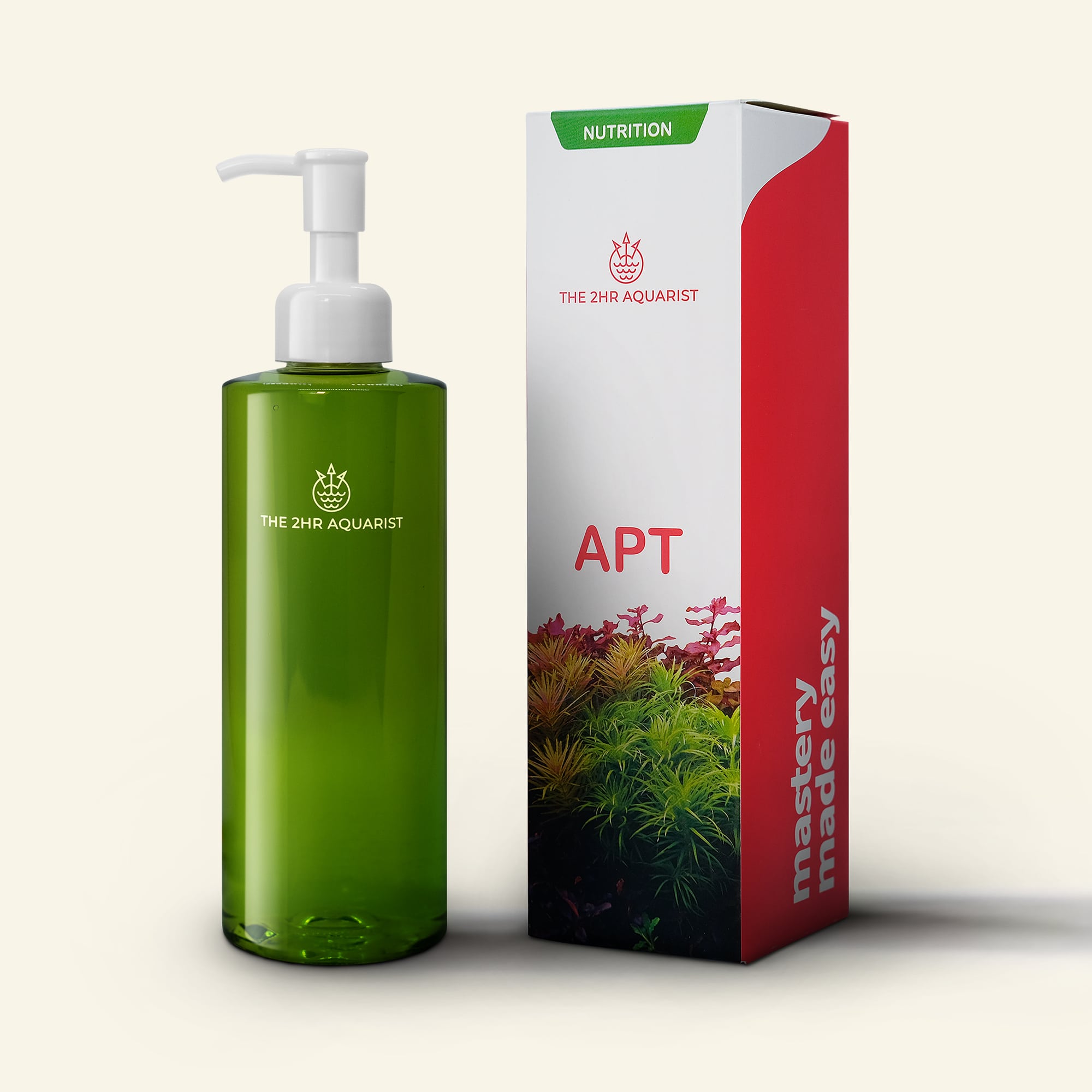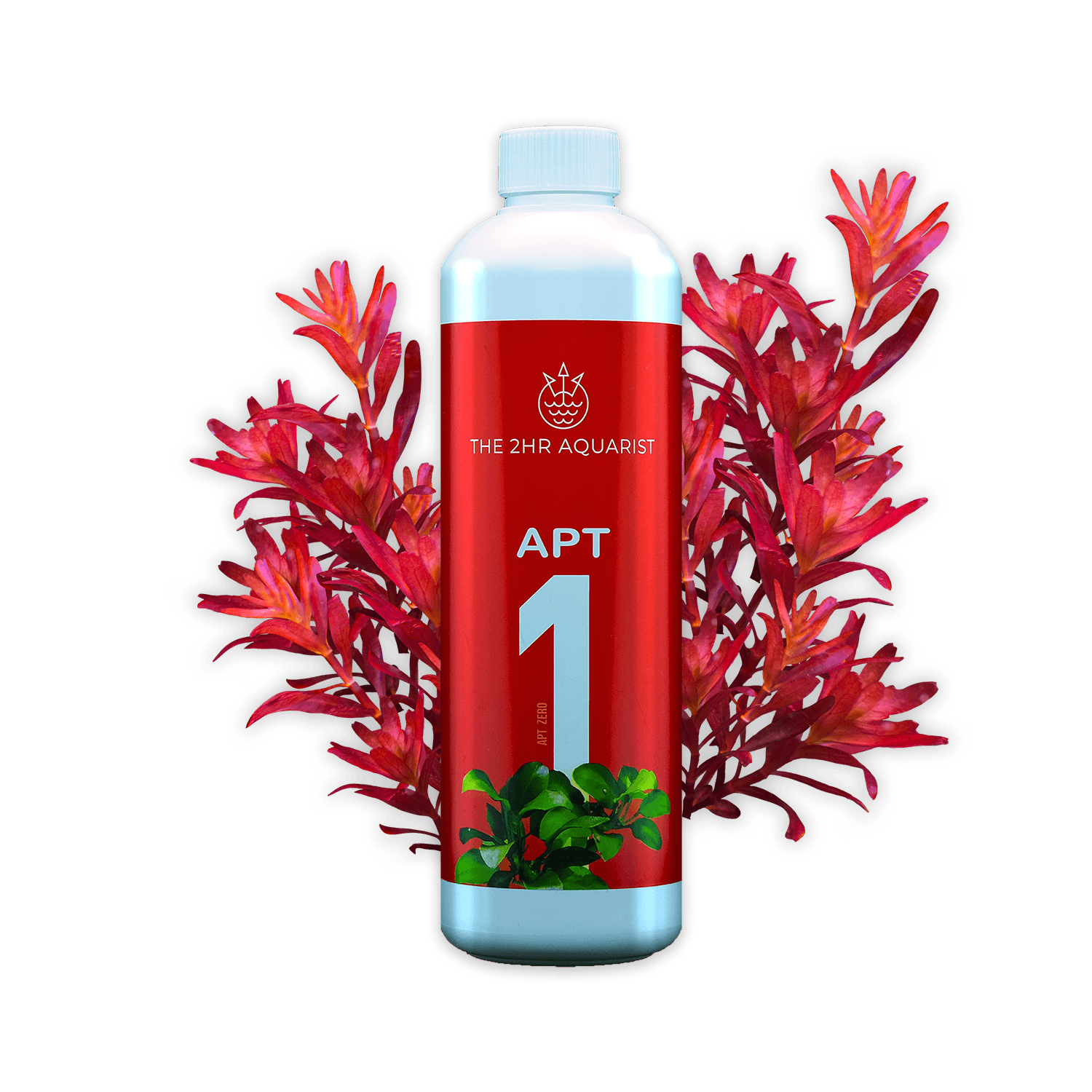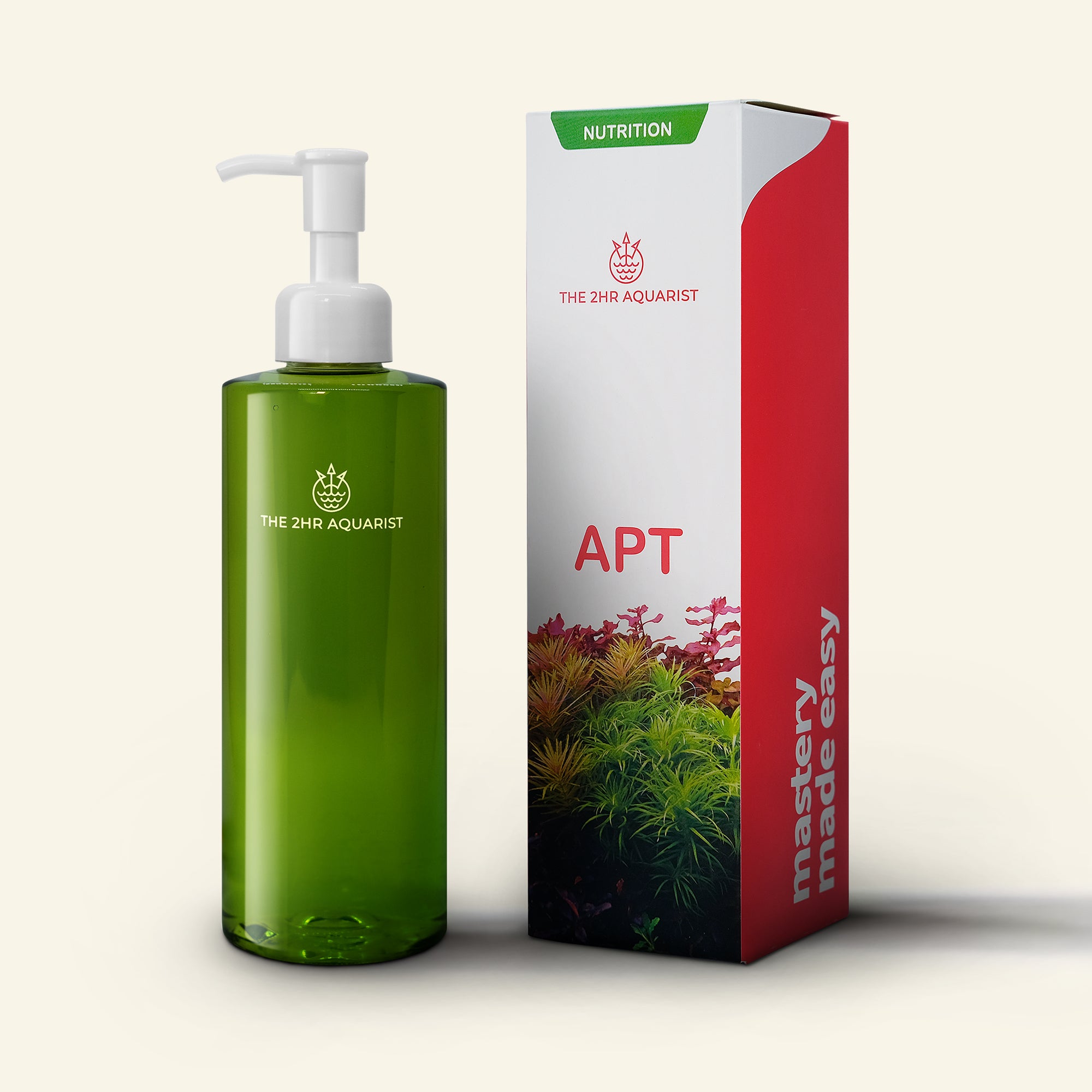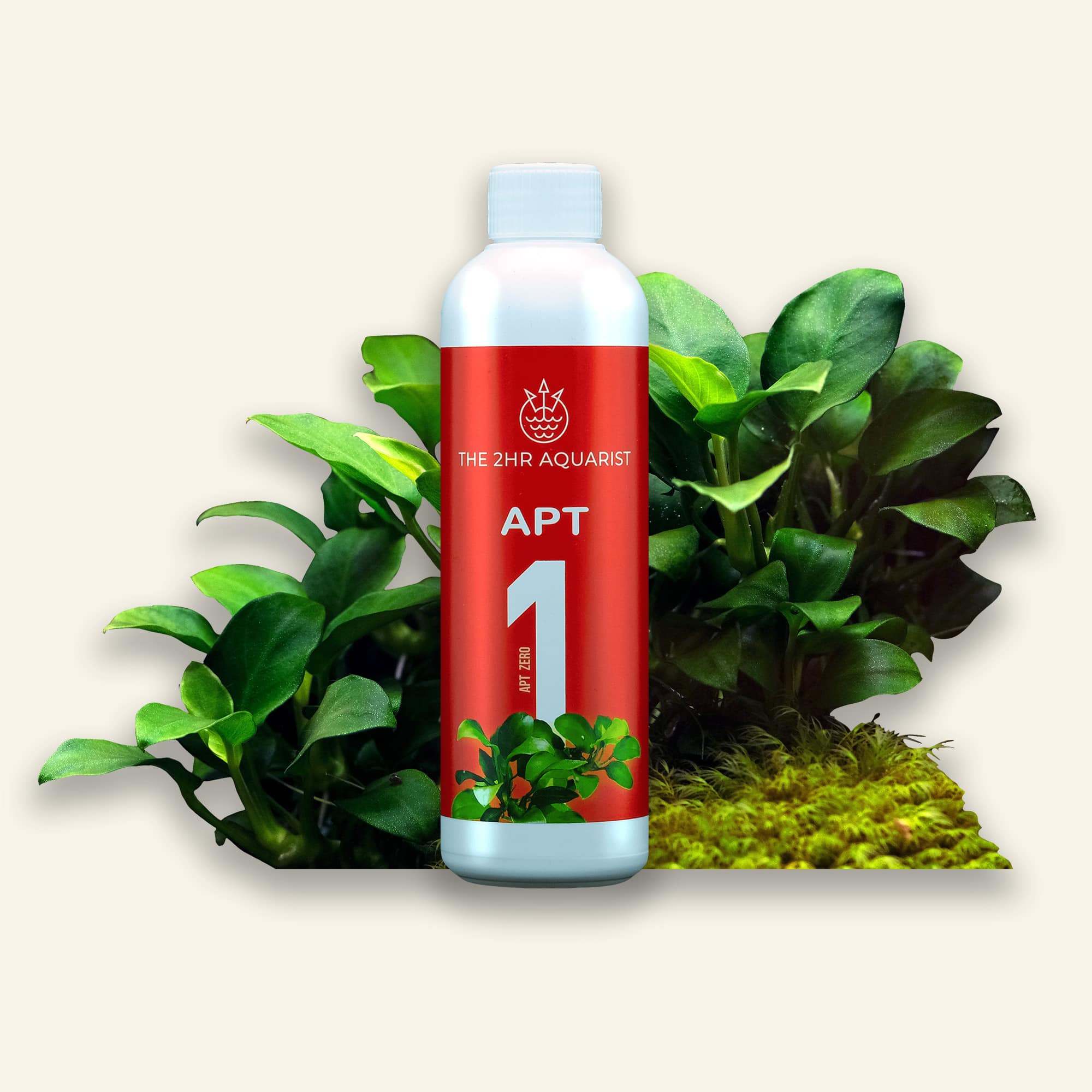
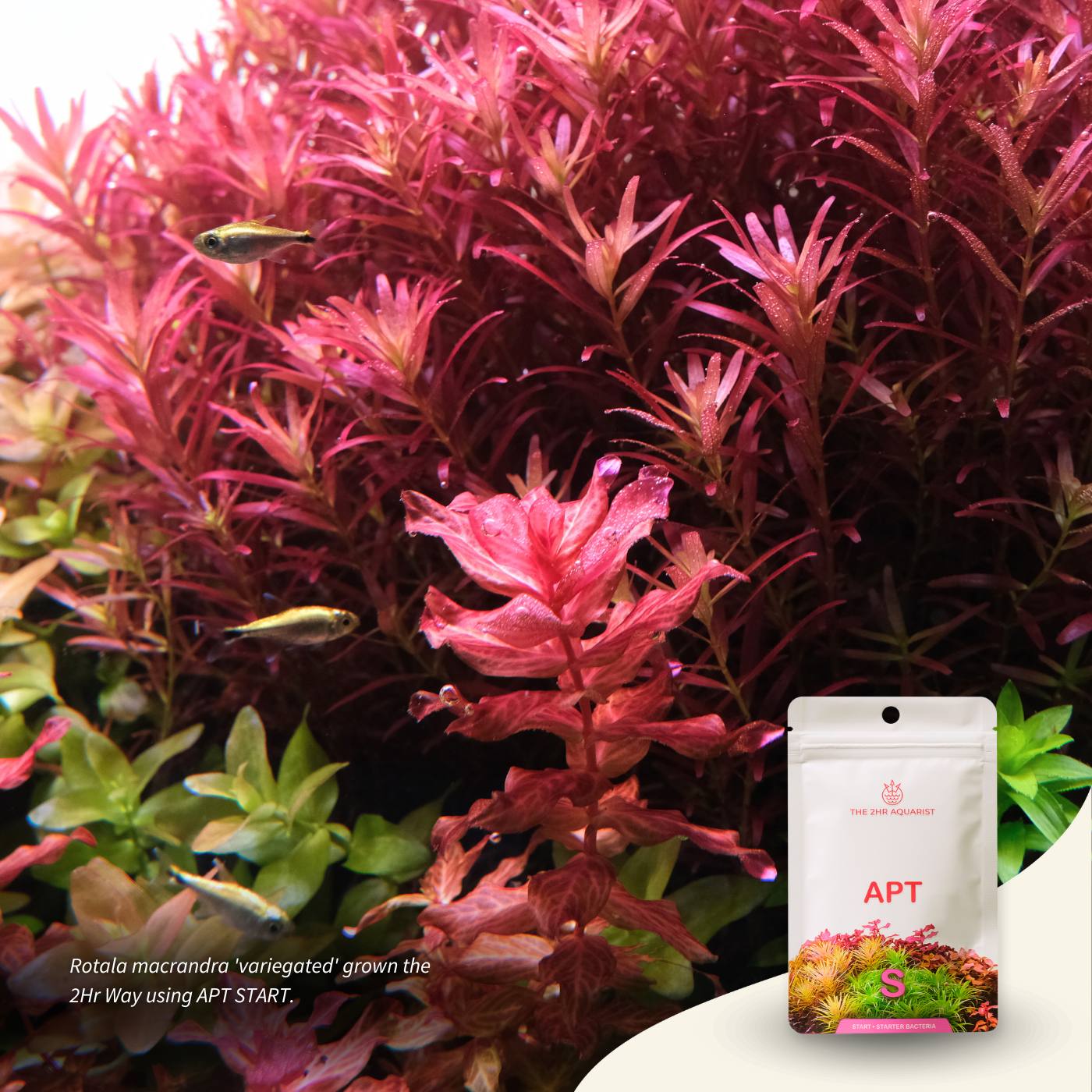
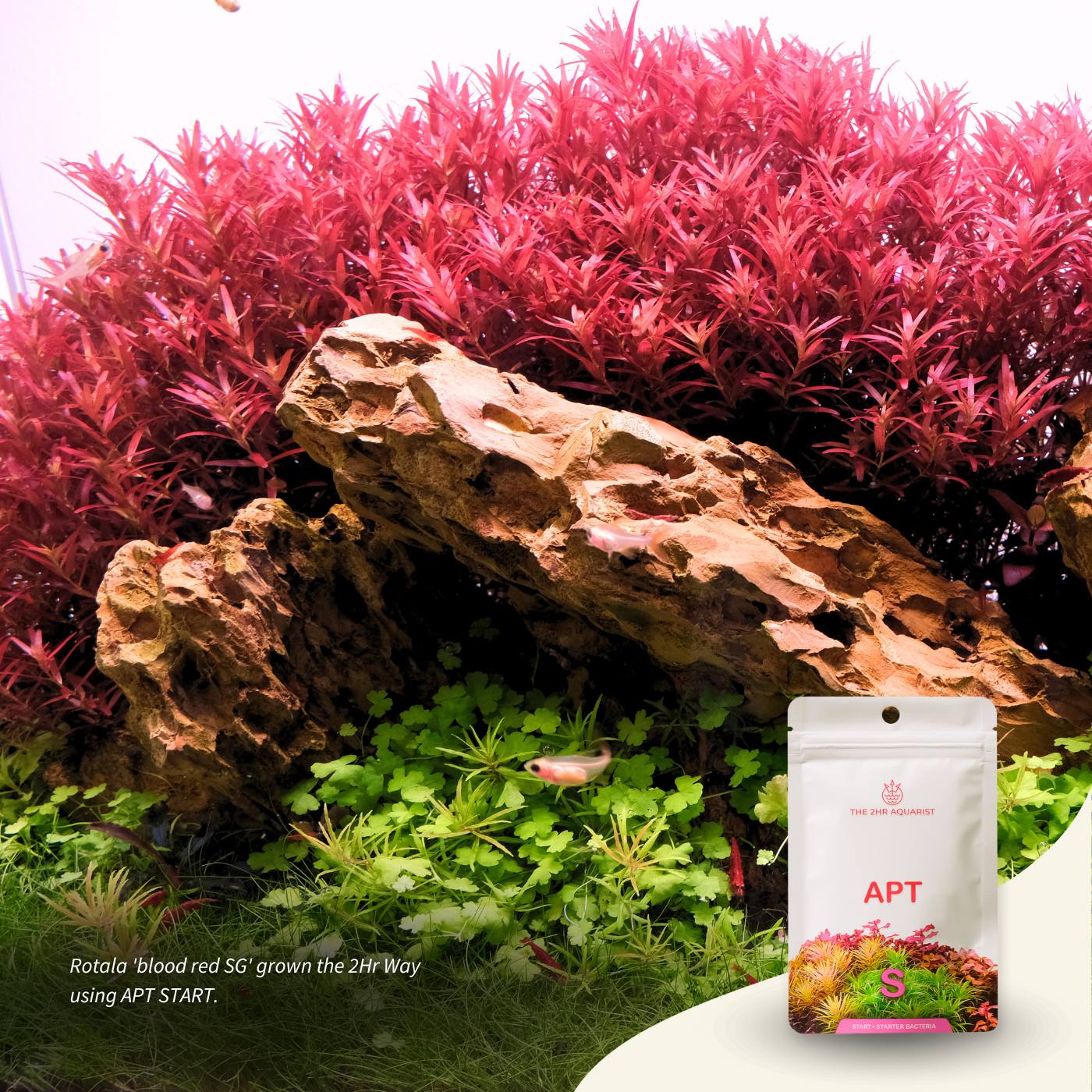
Super Boost

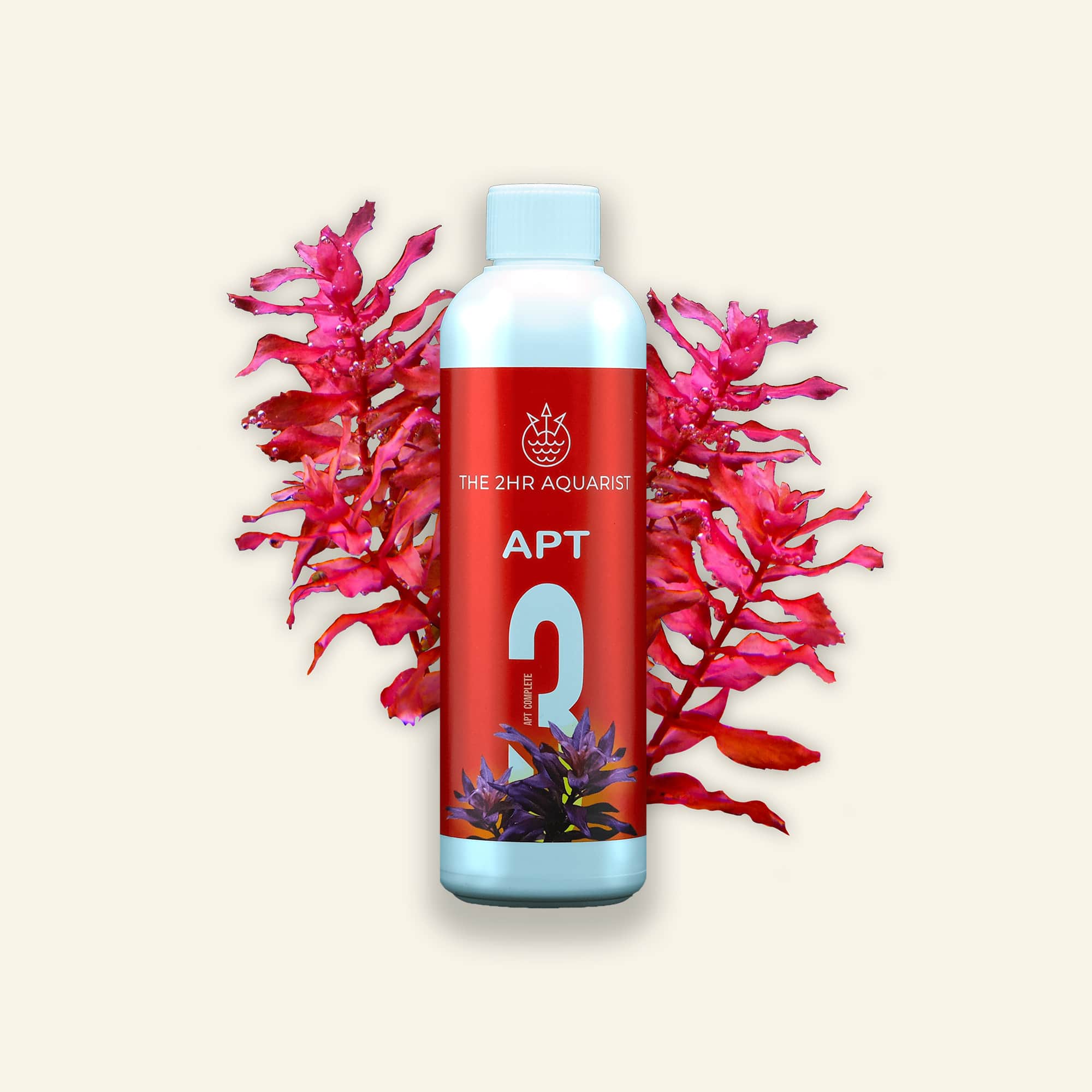
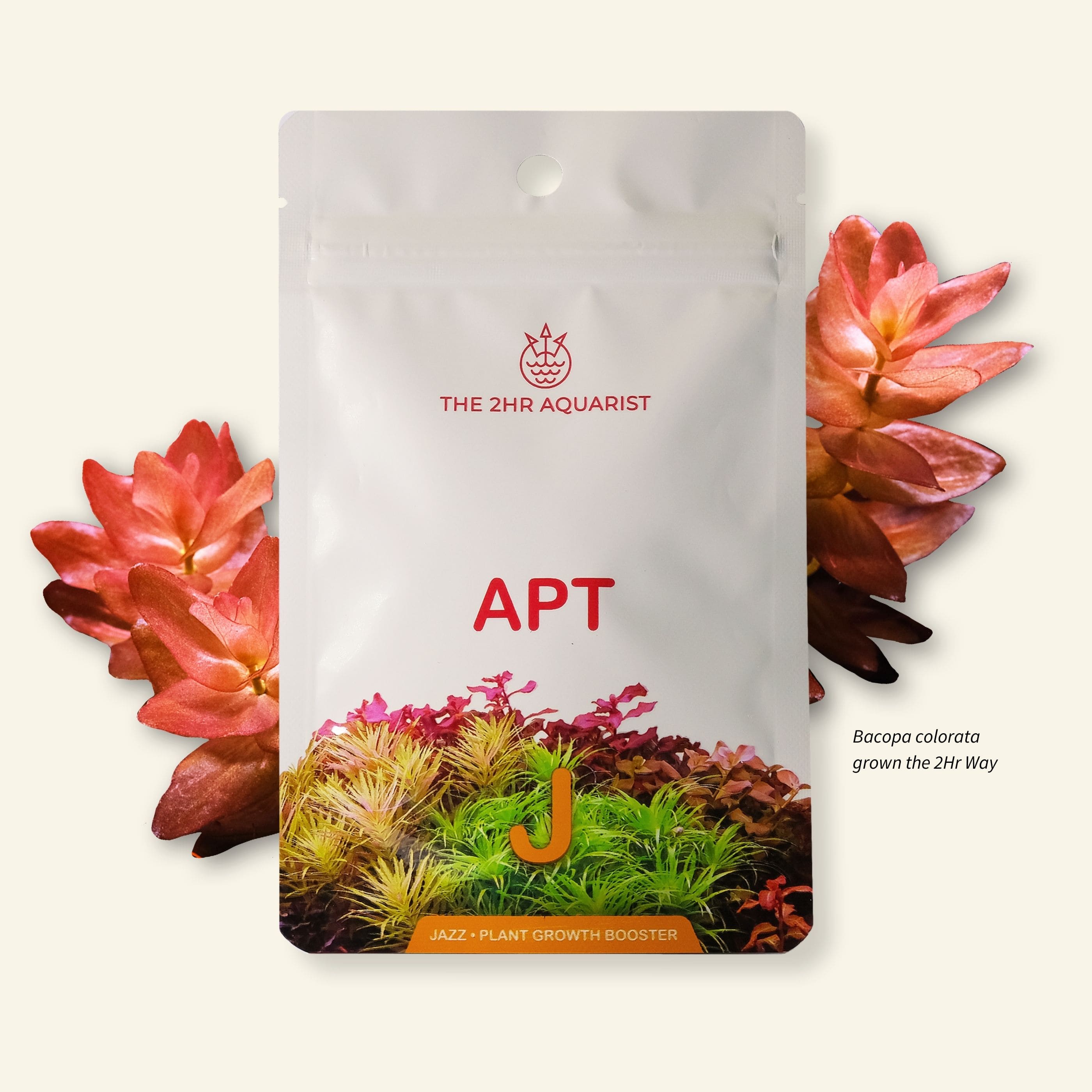
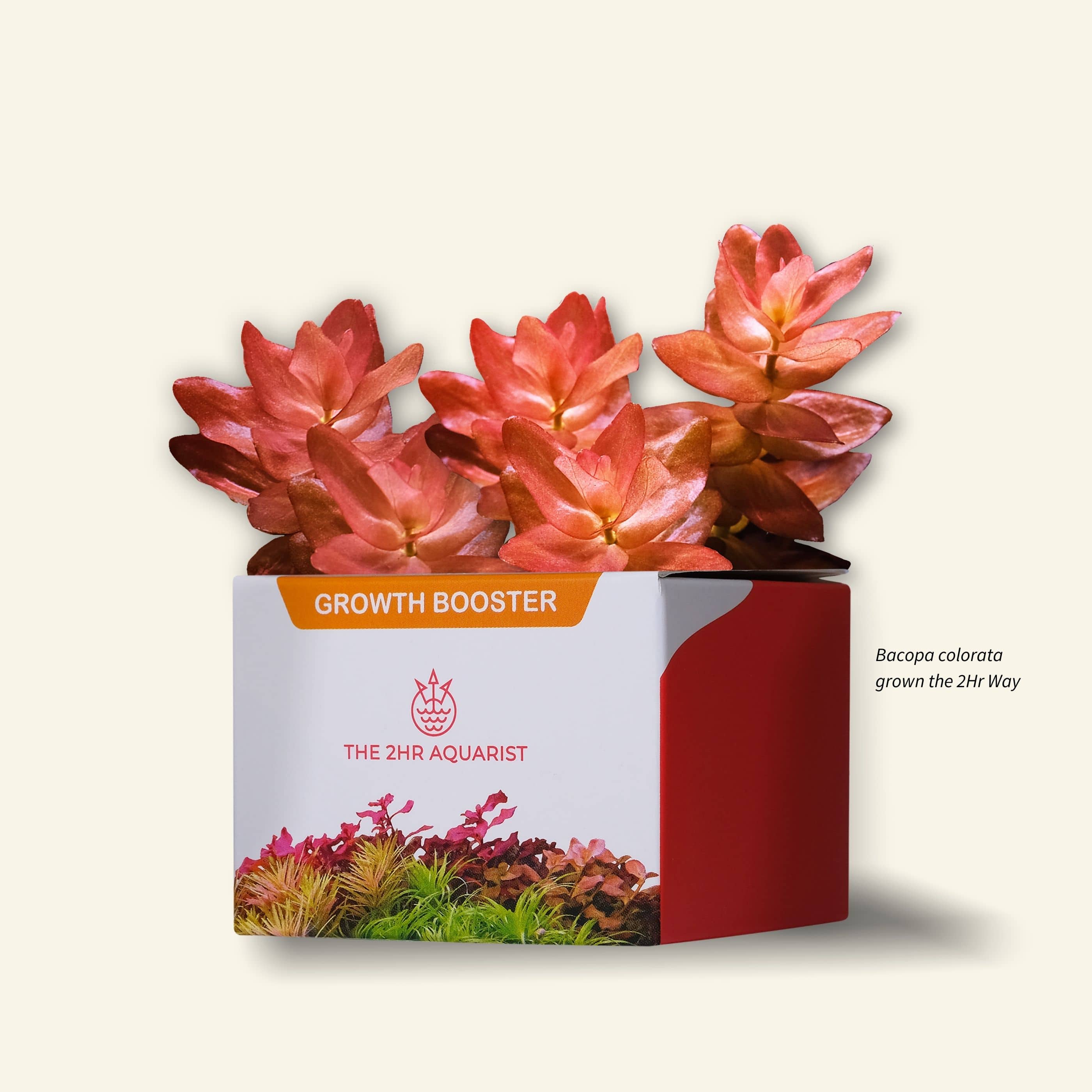
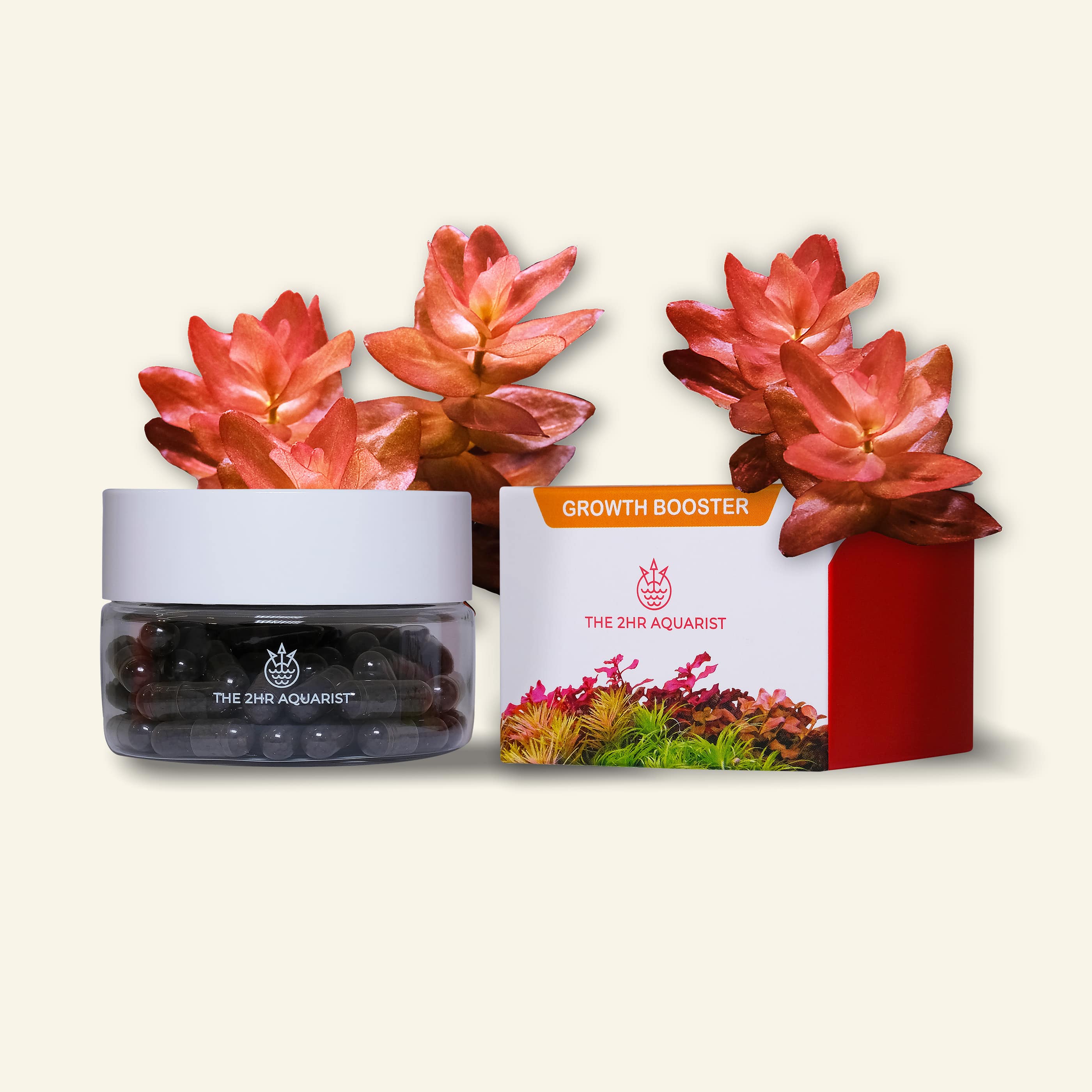
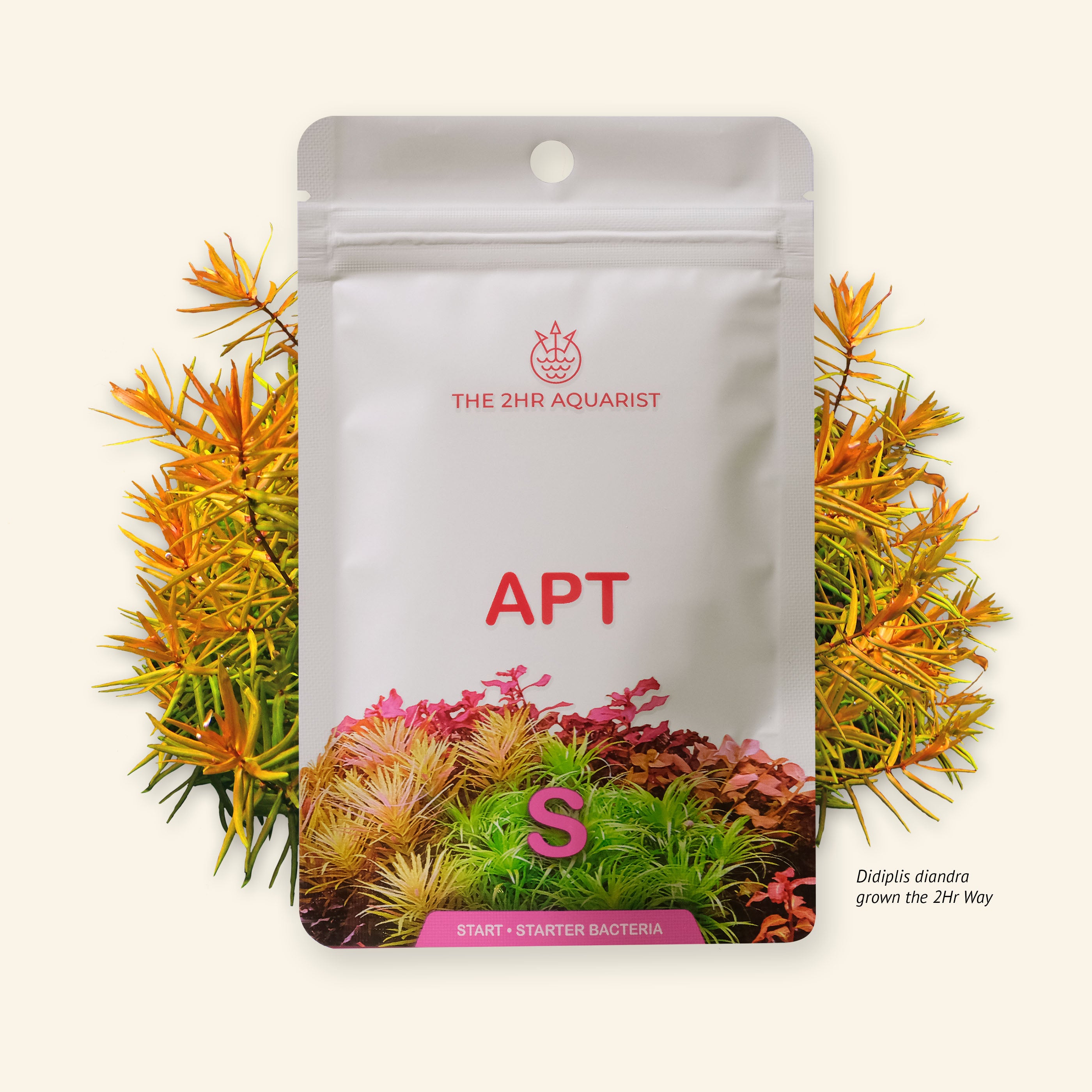
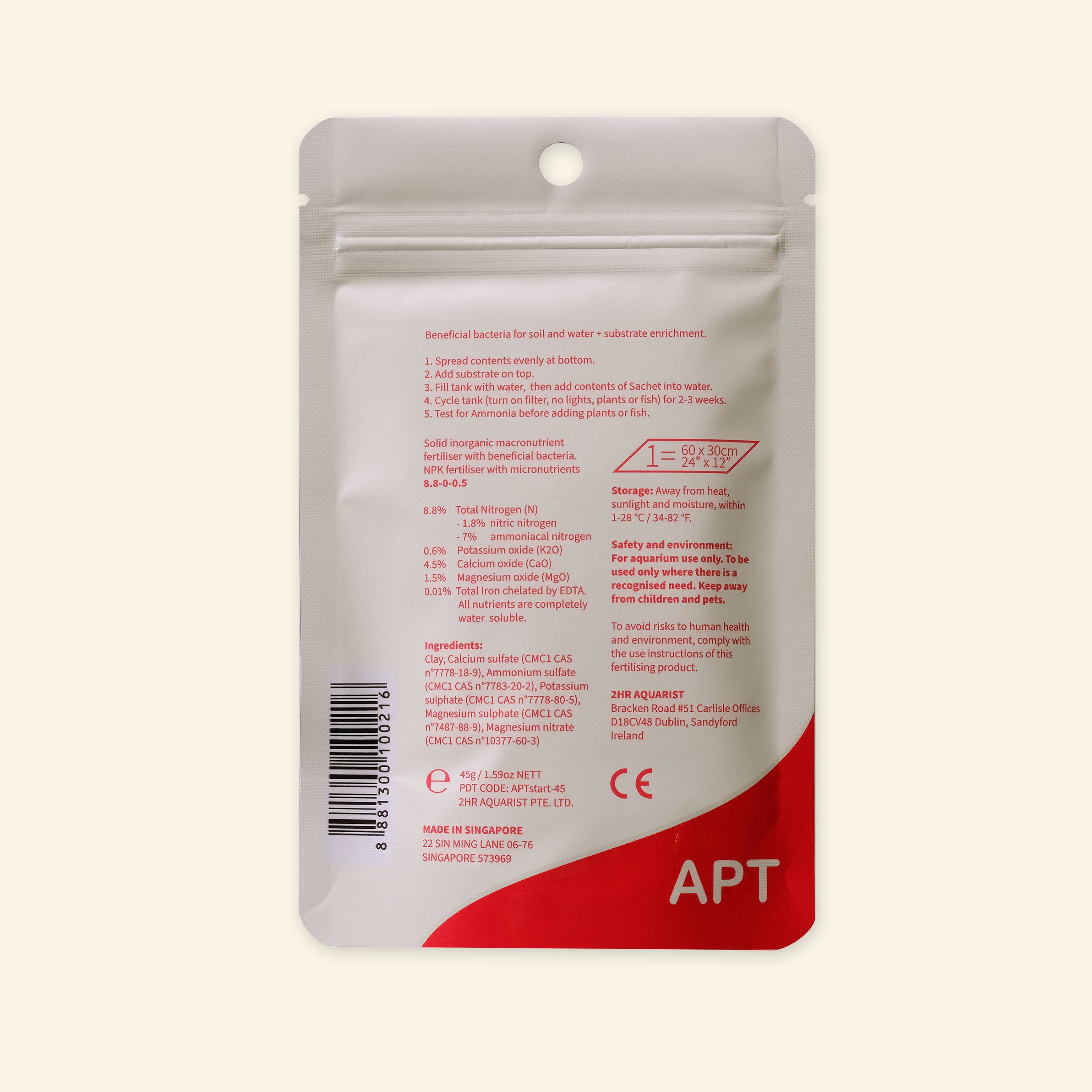
Get the power of rich substrate on demand, no matter what brand of aquasoil you use. APT START delivers a powerful boost of ammoniacal nitrogen and essential minerals based on APT's proven Capstone formula.

3 in 1

APT START combines substrate fertilization with beneficial bacteria to jump-start tank cycling and nitrification. It releases a small amount of ammonia to feed nitrifying bacteria and accelerate the cycling process. For ongoing microbial support, continue with APT Balance after the first month.

Long Lasting

APT START releases nutrients gradually over several months. After 3 months, or when plant growth slows, supplement with APT JAZZ.

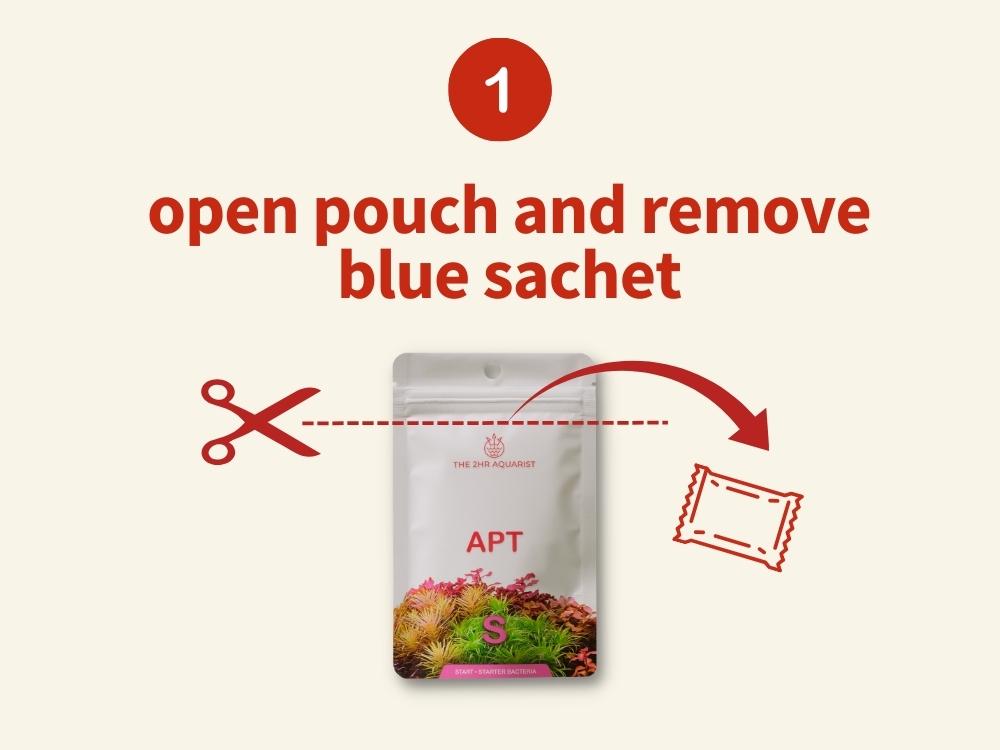
Remove Bacteria Sachet

Open the pouch and remove Sachet A (or the Blue one) inside.

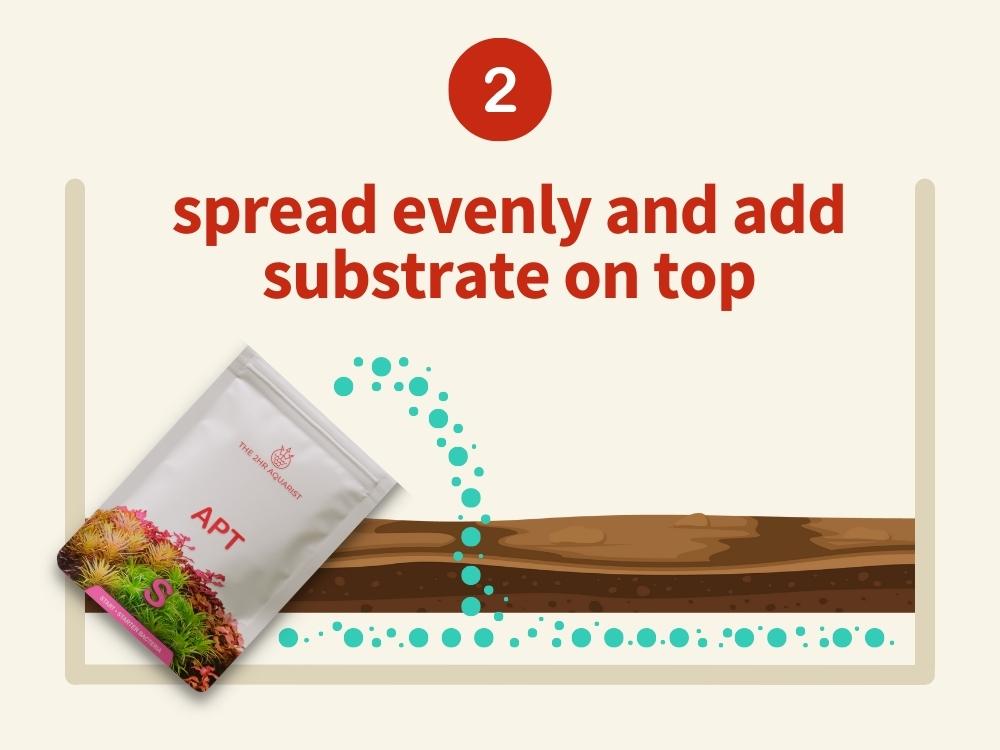
Spread Evenly

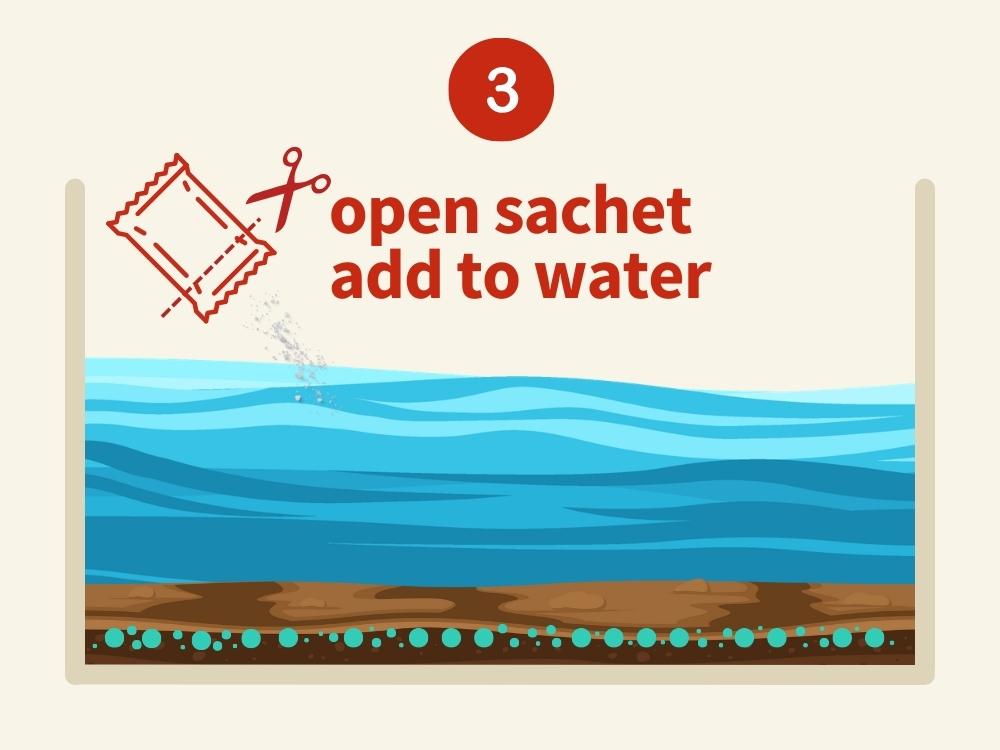
Fill the tank with water. Tear open the Bacteria Sachet (it contains dormant bacteria) and pour the contents into the water.

Fill and Add

Fill the tank with water. Tear open the Bacteria Sachet (it contains dormant bacteria) and pour the contents into the water.

Faster Startup

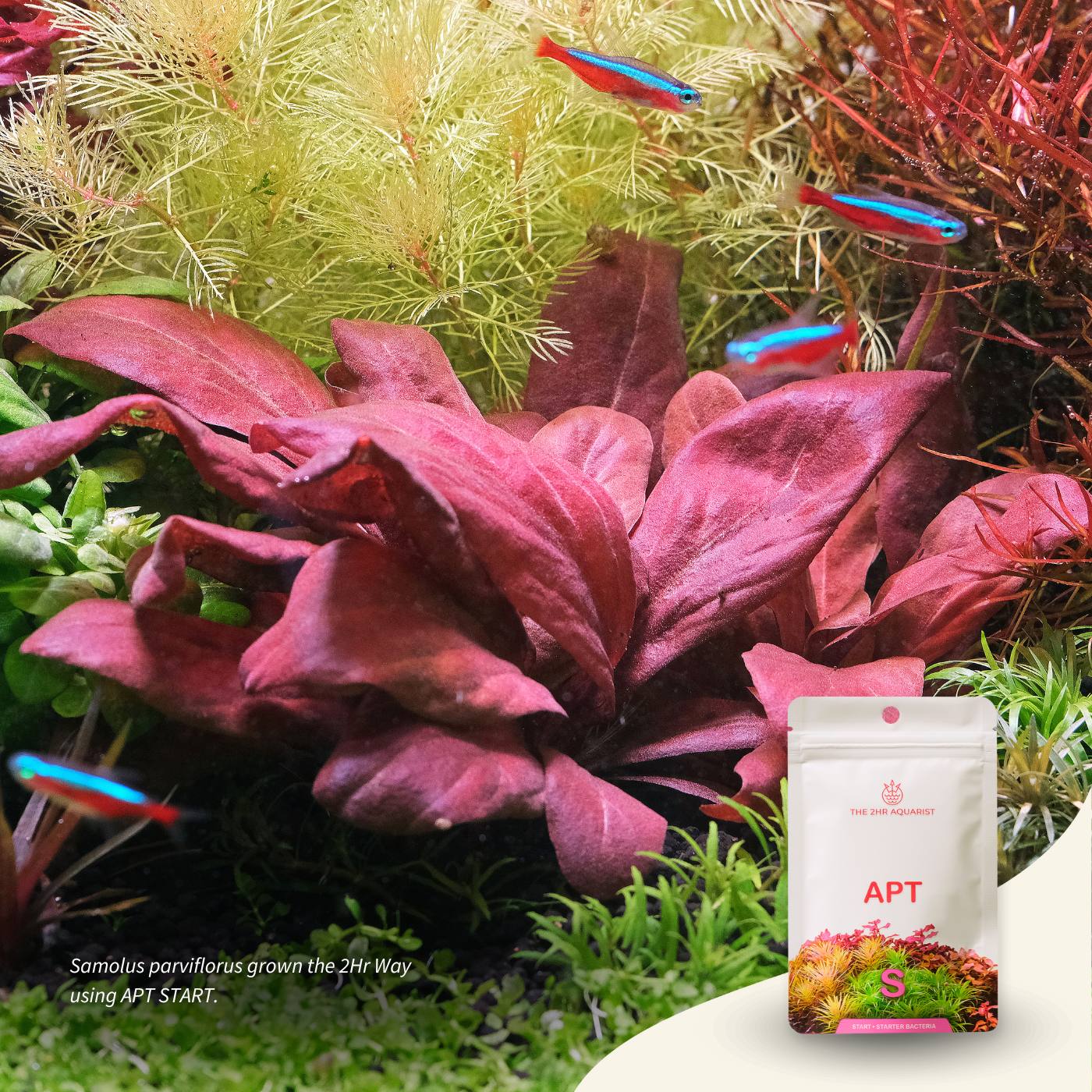
80% of new tanks experience common problems such as plant melt and algae blooms. By starting strong the 2Hr Way, these frustrations can be largely avoided.

Aquarist's Secret

Tank stability depends on more than just nutrition; it requires a diverse community of beneficial bacteria. This is where APT START excels. While other substrate boosters only add minerals, APT START delivers critically important microbes.

Algae Control

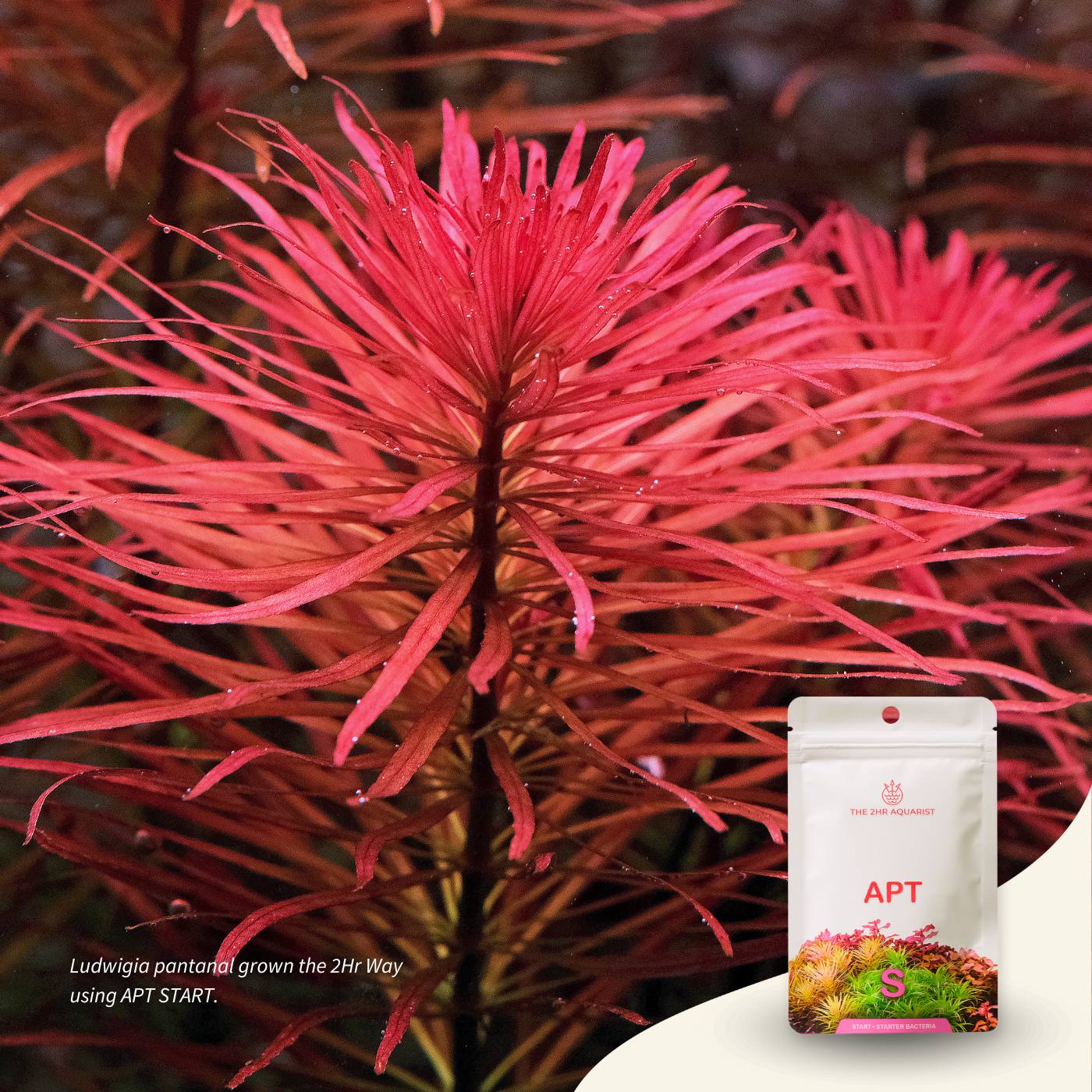
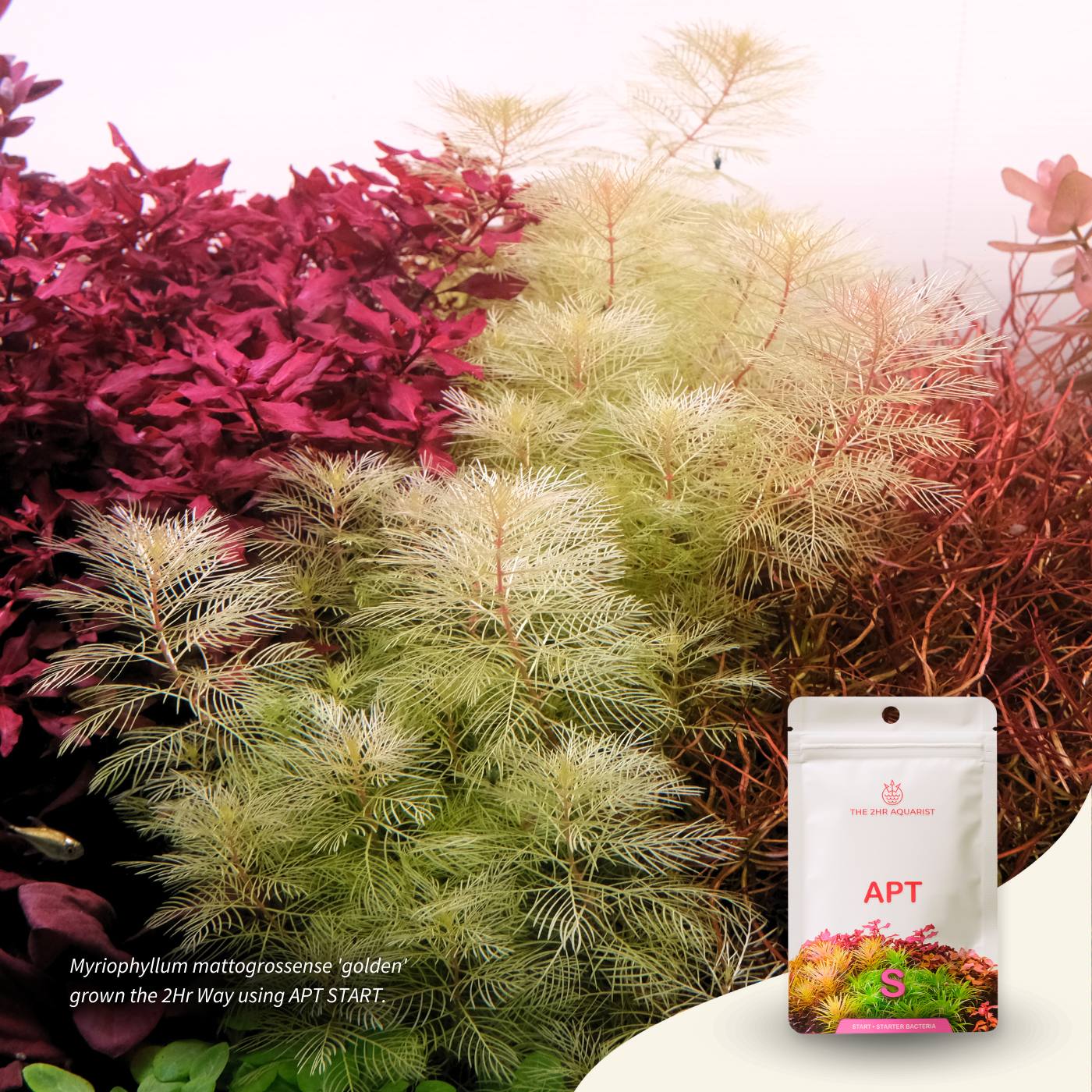
A richer substrate paired with leaner water dosing keeps algae under control while ensuring rooted plants receive all the nutrients they need to thrive.

FAQs

Please read our FAQs page to find out more.

Do I need APT START if I'm already using an aquasoil?

It depends on the aquasoil. If you're using APT Feast, you don't need APT START - Feast already delivers sustained nutrition and beneficial microbes from day one. If you're using most other aquasoils, APT START adds two things they usually lack: an extra boost of ammoniacal nitrogen at the root zone, and a dose of starter bacteria to kick-start cycling. Think of it as an enhancement for the roughly 90% of aquasoils that provide minerals but no live bacteria - not a mandatory add-on for every setup.

When and how do I use it - is it a one-time thing?

Yes, APT START is a one-time setup product. Spread the pouch evenly across the tank base before you lay your substrate (preferably aquasoil) on top, then tear open the bacteria sachet and pour it in once you fill the tank with water. It works whether you plant right away or run a dark start first - it simply goes into the substrate build at the very beginning. For ongoing support afterwards, continue with APT Balance for microbes after the first month, and APT JAZZ for nutrients from around three months on.

What does APT START actually do?

It does two jobs at once. First, it enriches the substrate with ammoniacal nitrogen and essential minerals - the form of nitrogen plants take up most easily, which drives faster, more robust root-zone growth. Second, it seeds the tank with beneficial bacteria and releases a small amount of ammonia to feed them, helping your tank cycle and stabilise sooner. Most substrate boosters only add minerals; APT START adds the live microbes too.

The 2Hr Way

View all

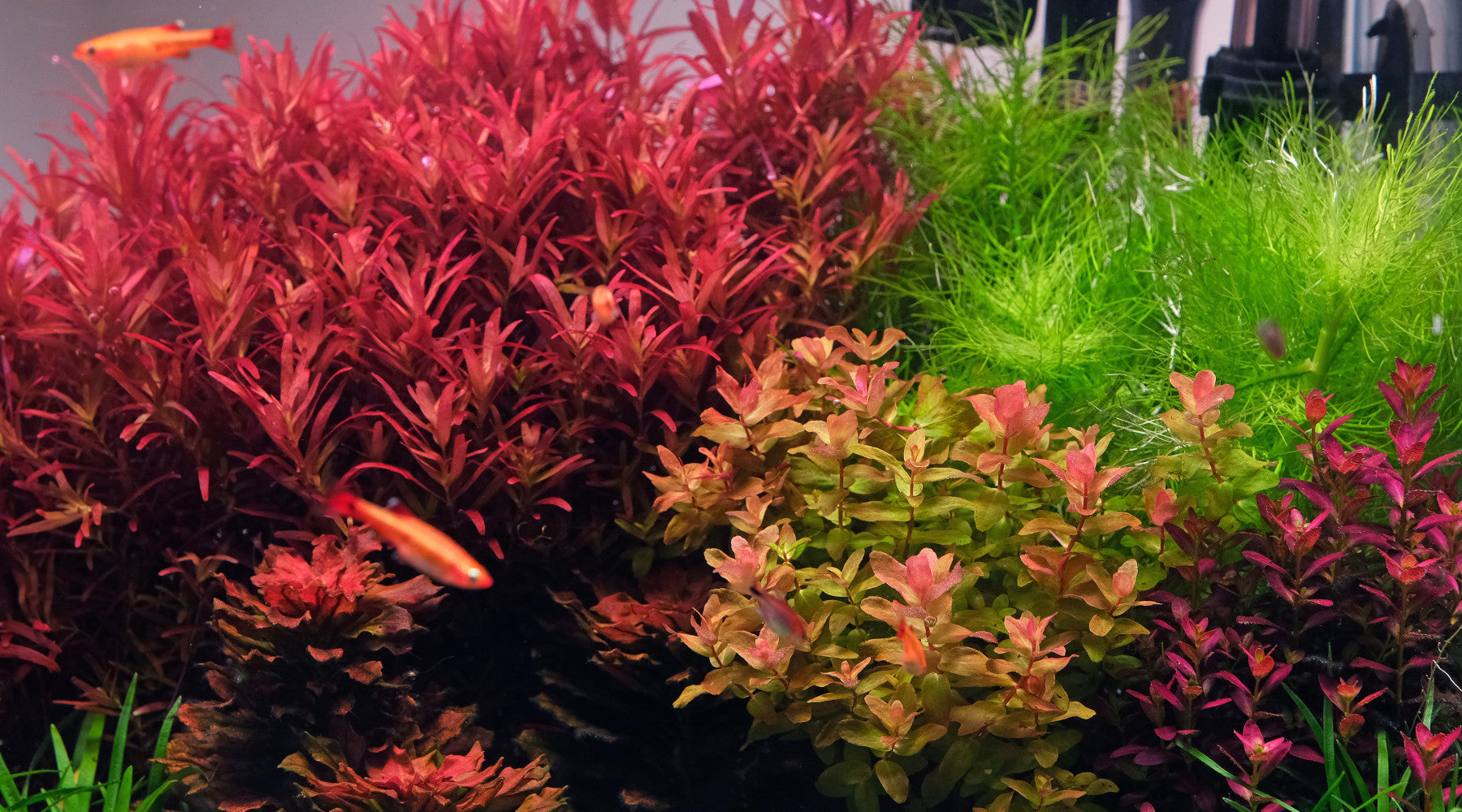
Vibrant Rotala Blood Red SG and Rotala Macrandra green

Is APT Feast Aquasoil Only for Advanced Aquarists?

APT Feast has a reputation as a soil for advanced aquascapers, but a beginner can get the same fast, strong growth. The rich soil releases ammonia in the first weeks, which regular water changes clear out. The dark start everyone mentions is optional, not required.

Read moreabout Is APT Feast Aquasoil Only for Advanced Aquarists?
How to Start a New Aquarium with APT Feast Aquasoil: Two Paths to a Stable Tank

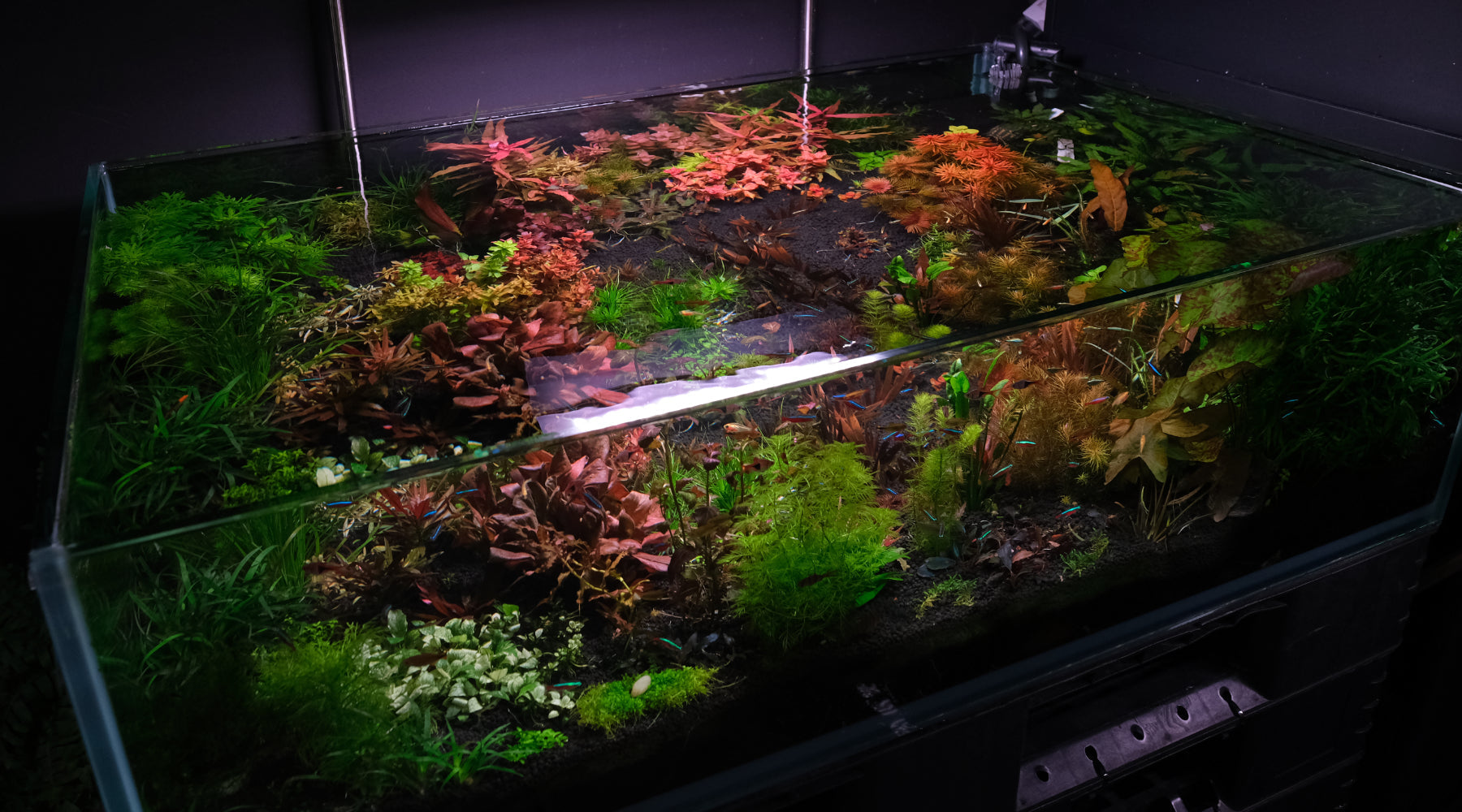
How to Start a New Aquarium with APT Feast Aquasoil: Two Paths to a Stable Tank

Many aquarists start a new tank and immediately face a diatom bloom. This guide lays out two reliable ways to start an APT Feast tank, dark start or plant on day one, and grow in fast without the algae stage.

Read moreabout How to Start a New Aquarium with APT Feast Aquasoil: Two Paths to a Stable Tank
Planted Aquarium Substrate: Active vs Inert Substrates Explained

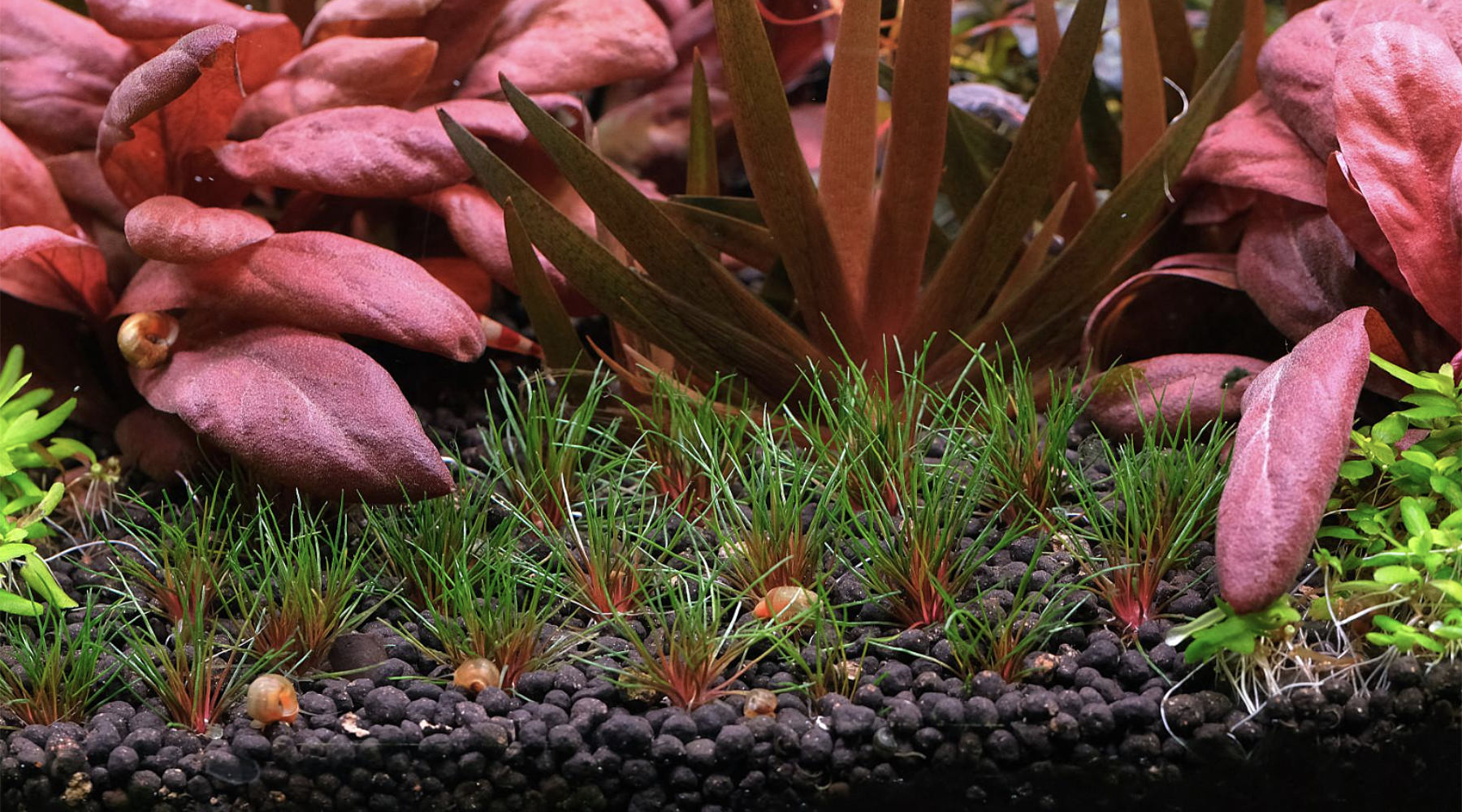
Planted Aquarium Substrate: Active vs Inert Substrates Explained

Active or inert? Aquasoil holds nutrients and can lower pH, while sand and gravel stay neutral but cost less and need less upkeep. This guide breaks down cation exchange, ammonia, CO2 generation, and long-term maintenance, so you can match your substrate to the tank you will actually keep.

Read moreabout Planted Aquarium Substrate: Active vs Inert Substrates Explained
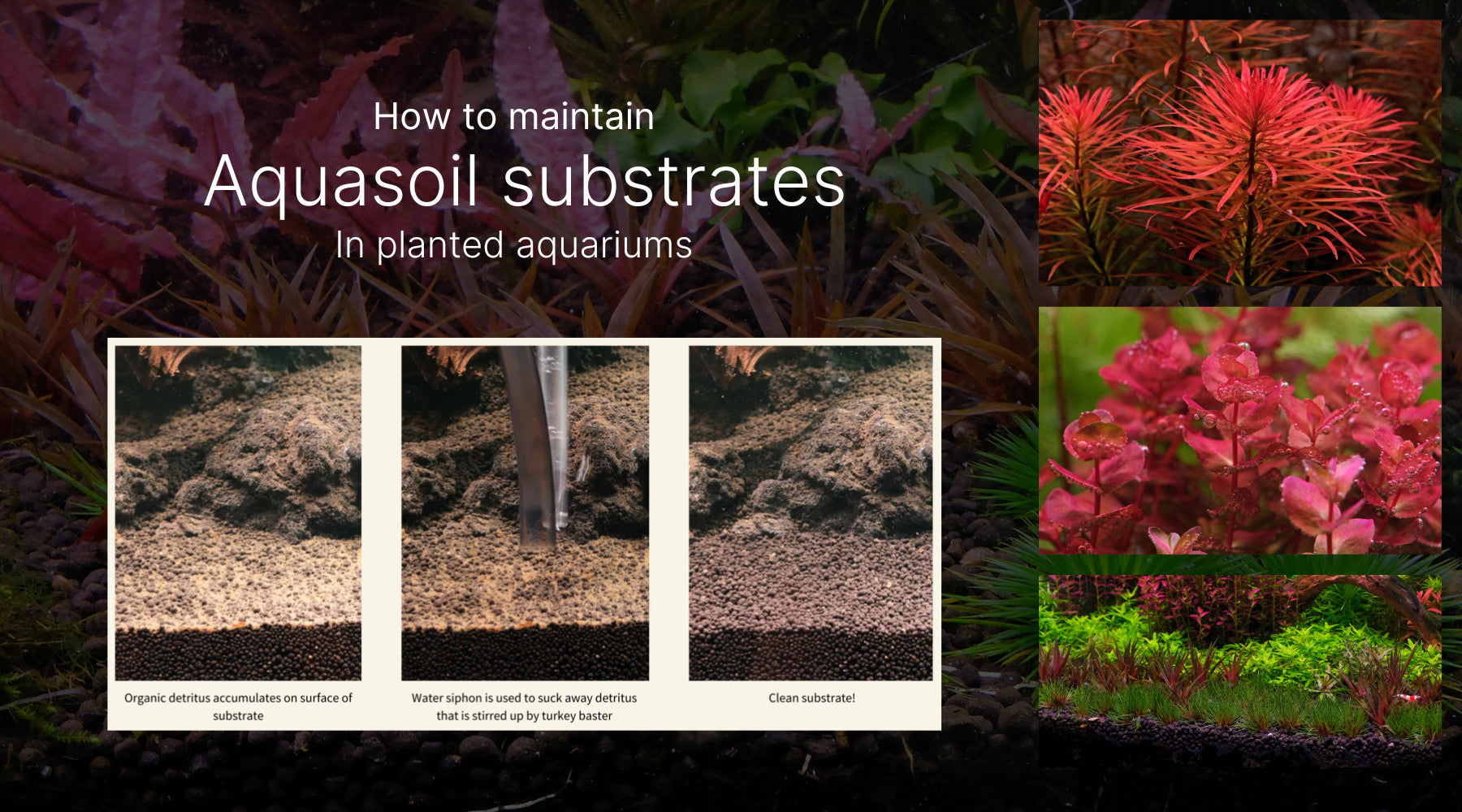
Should you siphon your aquasoil substrate? Do aquasoils need maintenance?

Should you siphon your aquasoil substrate? Do aquasoils need maintenance?

Aquasoils are now standard in many planted tank setups, but there are very few sources if any, that cover how to maintain aquasoil substrates over the long run. Excess organic detritus should be removed and aquasoil substrates also need enriching over time to perform optimally.

Read moreabout Should you siphon your aquasoil substrate? Do aquasoils need maintenance?
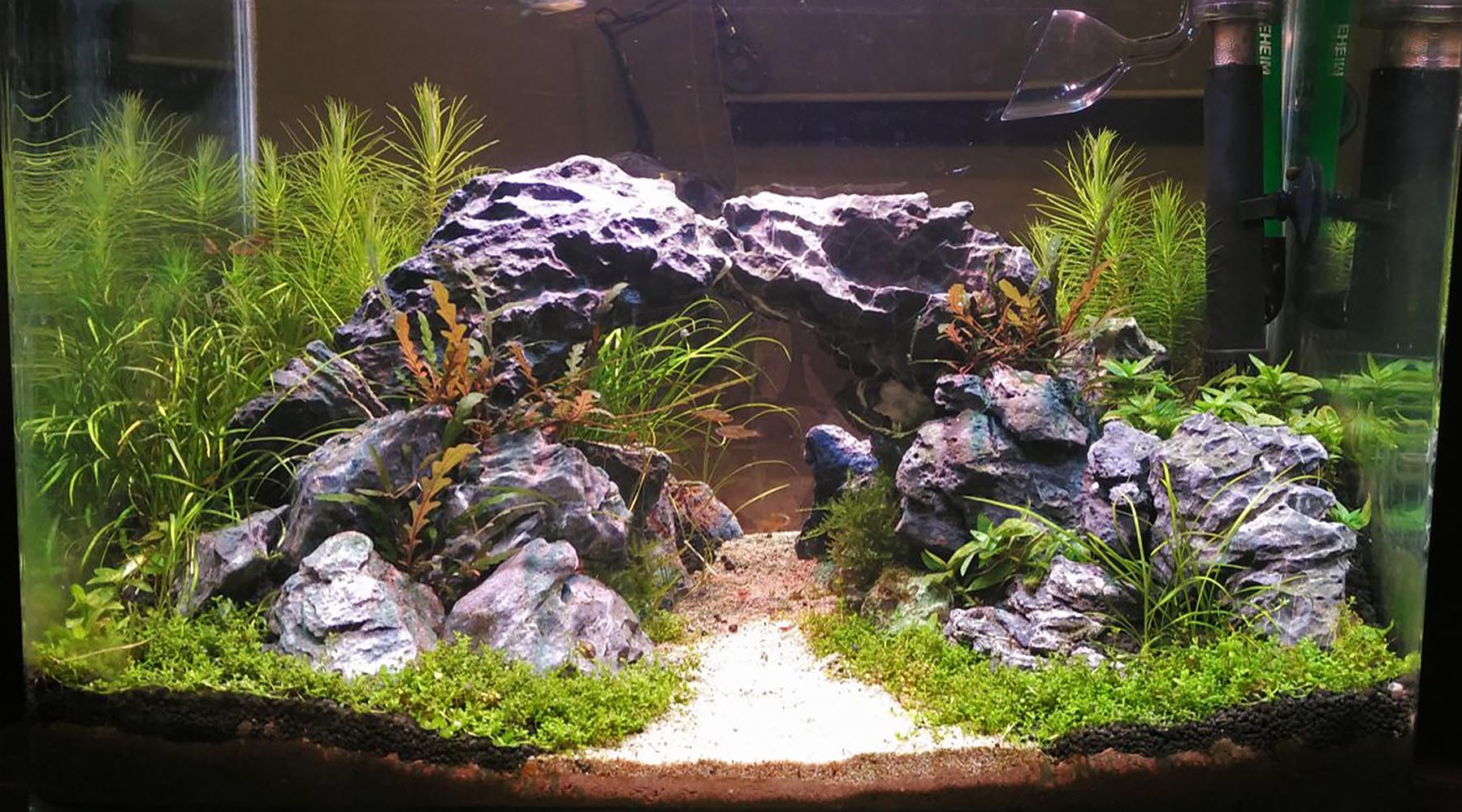
Separating sand from aquasoil areas
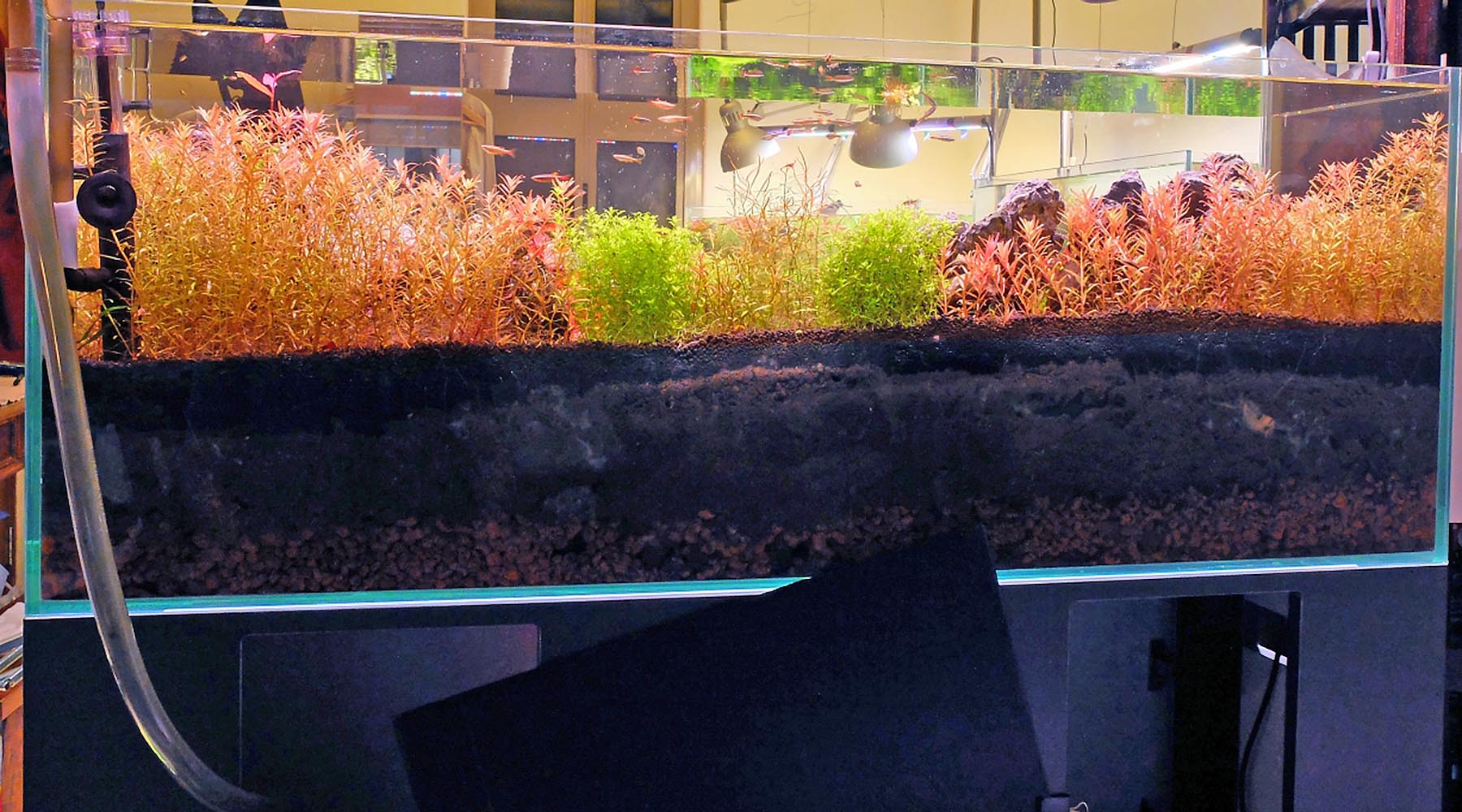
Separating sand from aquasoil areas

How to create a pathway as part of an aquascape? These are a couple of different approaches.

Read moreabout Separating sand from aquasoil areas

How to create and manage slopes
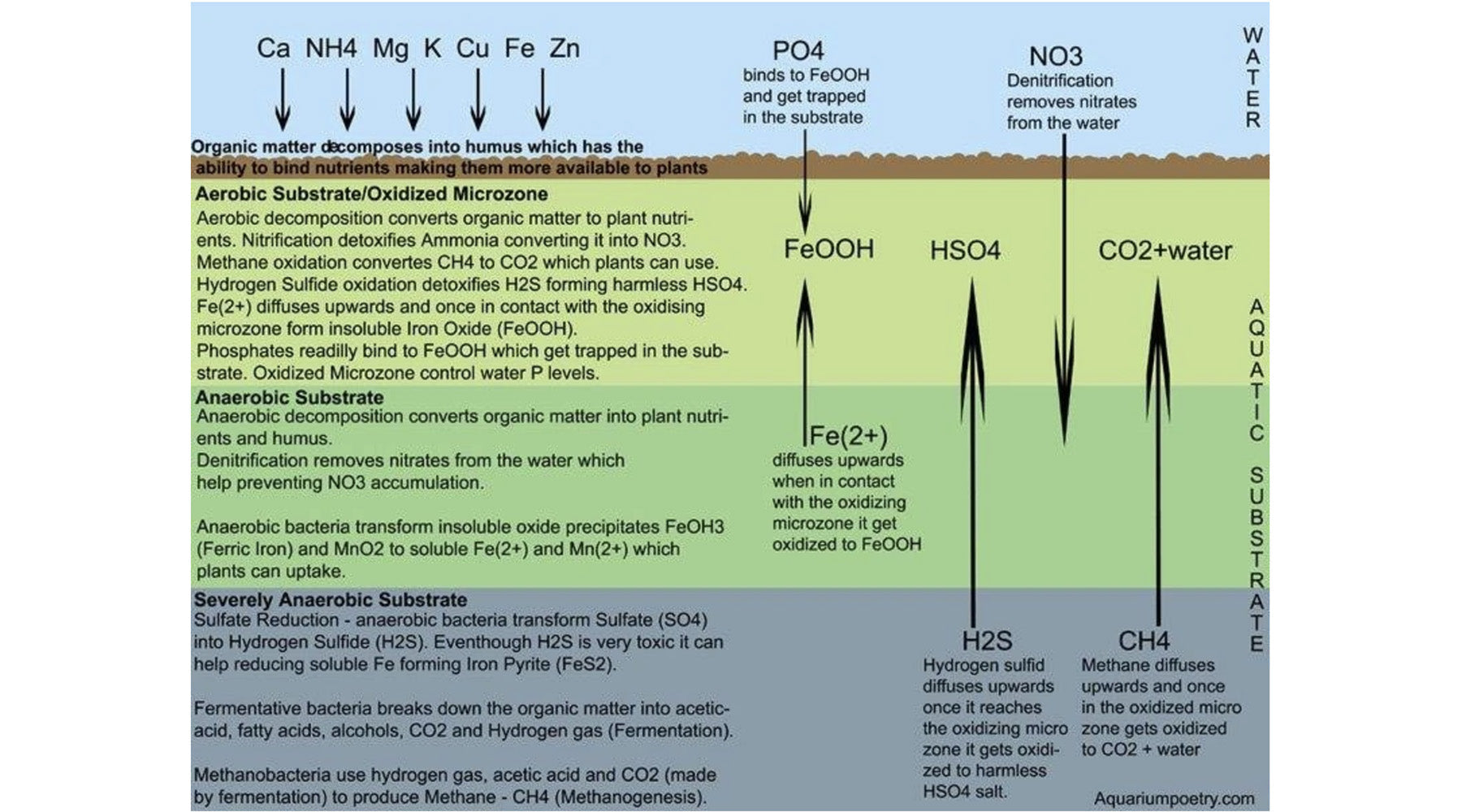
How to create and manage slopes

How to create high slopes and manage high soil depth? Here I go into some techniques and approaches.

Read moreabout How to create and manage slopes

How deep can I layer soil? Does thick soil always become anaerobic and cause problems?
How deep can I layer soil? Does thick soil always become anaerobic and cause problems?
There is widespread belief that if one uses deep soil more than a few inches deep, it will result in an anaerobic substrate & create harmful gases...

Read moreabout How deep can I layer soil? Does thick soil always become anaerobic and cause problems?